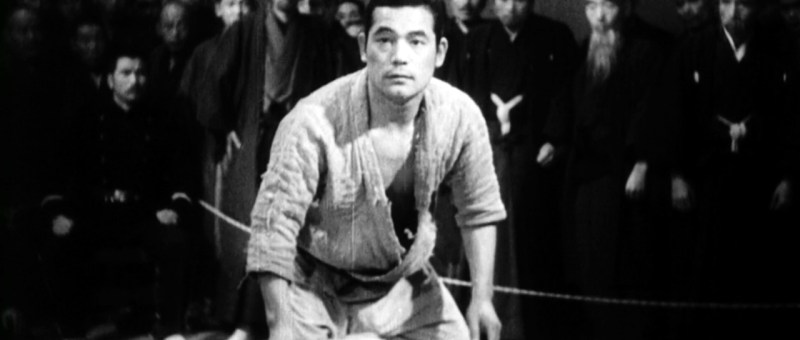
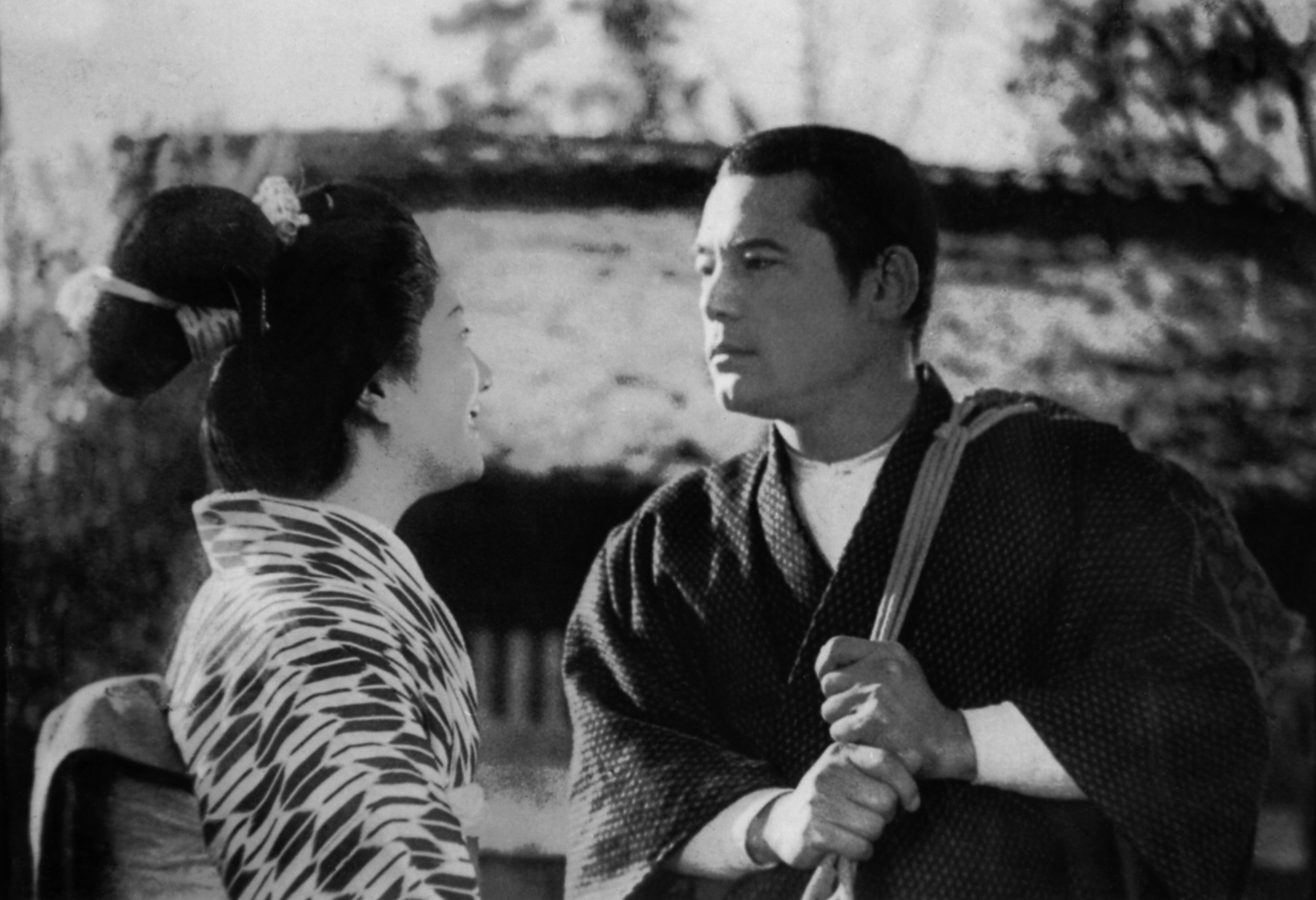
Sanshiro Sugata had not especially pleased the censors who took a scalpel to it, excising a few elements they found problematic, but the film proved popular enough with audiences for the government to commission a sequel. Apparently somewhat reluctantly, Akira Kurosawa returned to the world of Sanshiro Sugata picking up almost in real time two years later with a conflicted Sanshiro (Susumu Fujita) still wandering around Yokohama avoiding the woman he loves whose father may have died due to injuries inflicted on him during his fight with Sanshiro. Yet where the first film had essentially presented a spiritual odyssey through the medium of judo, part two is a much more nakedly propagandistic affair.
It some ways it’s a little ironic that Sanshiro has almost become a folk hero who stands up for the oppressed Japanese against the looming threat of Western imperialism as mediated through the contest between Japanese martial arts and American boxing. The film opens with a drunken American sailor berating the teenage boy pulling his rickshaw and eventually attacking him only to run into Sanshiro and get a swift hiding. The thankful boy recognises his name and decides that he wants to learn judo too so he can defend himself against external threat, but Sanshiro isn’t sure he should be teaching anyone because he still has a lot to learn and is otherwise unable to escape his guilt over having contributed to the deaths of others through the practice of his art. His internalised shame is only deepened when he’s asked to participate in a spectacle match against a top American boxer and declines only to be told off by the guy who decided to accept. He used to be a jiujitsu champ, but ever since Sanshiro brought about the judo revolution no one cares about jiujitsu anymore and it’s ruined his livelihood.
There is it seems a degree of shame in fighting for money, but more so in fighting for the entertainment of others. When Sanshiro visits the boxing ring, the sport is depicted as vulgar and primitive. The baying crowd are there largely for blood, riled up by the violent spectacle and eager to see a man in the extremities of a bodily struggle. For Sanshiro, it’s a depressing and offensive sight and to participate in it is to bring shame on Japanese martial arts. Meanwhile, the judo school is also threatened by two thuggish brothers keen to prove the superiority of karate over judo by defeating Sanshiro. They are also brothers of the first film’s villain Higaki who was reformed after his fight with Sanshiro but has since apparently fallen into ill health and listlessness, but so certain that Sanshiro is the only man who can save Japanese martial arts that he gives him the secrets of his brothers’ techniques.
The final battle mimics that of the first film save taking place amid heavy snow and howling wind. Sanshiro once wins over his opponents through his kindness, taking them into the warm and looking after them until they begin to recover. One of the brothers briefly picks up a meat cleaver before thinking better of it as the two of them grin and admit defeat. Yet Sanshiro’s real battle is indeed against the American imperialists, wilfully breaking Yano’s cardinal rules by deciding to agree to the spectacle fight and easily defeating the American boxer who ends up just passing out from the force of Sanshiro’s aura. The jiujitsu practitioner who seemed to resent him before breaks down in tears and offers his sincere thanks to Sanshiro for standing up for Japan against the Americans.
The contemporary context is clear, this time around judo is much less about spirituality than it is about victory as much as Sanshiro likes to say that it isn’t winning and losing that’s important. Sanshiro becomes the saviour of Japanese martial arts, now endangered by the rising popularity of Western boxing, but also indirectly of the Japanese people in standing up against an encroaching external threat in direct contrast to the slimy Fubiki (Ichiro Sugai), a dandyish interpreter to the Americans forever dressed in foppish suits and seemingly content to do their bidding. “You haven’t changed at all,” Yano scoffs of Sanshiro’s two years of fruitless travelling and it’s clear he still has a lot to learn, putting his romance with the long-suffering Sayo once again “on the back burner”, while remaining true to himself even if not quite the monster the children sing of, a relentlessly honest man and seemingly the lone defender giving hope to an increasingly anxious Japan.
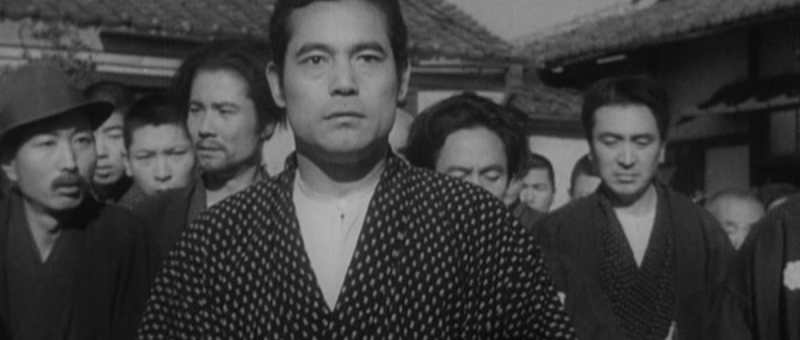
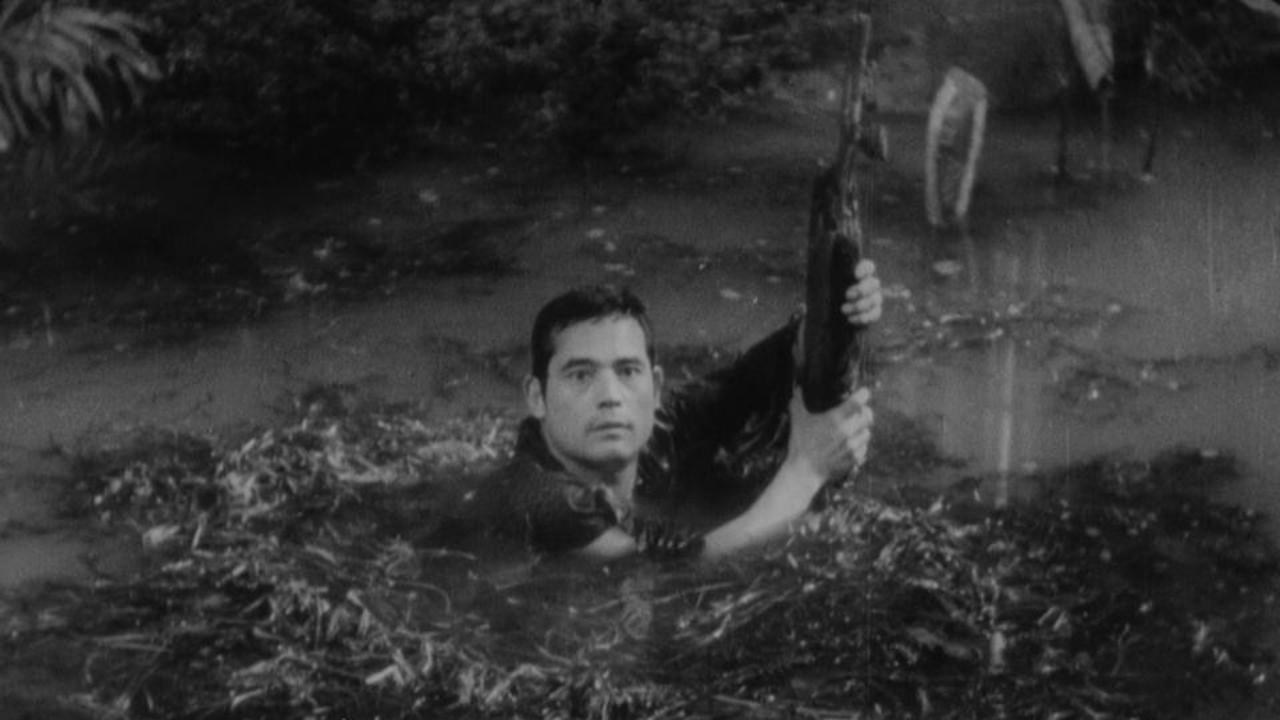
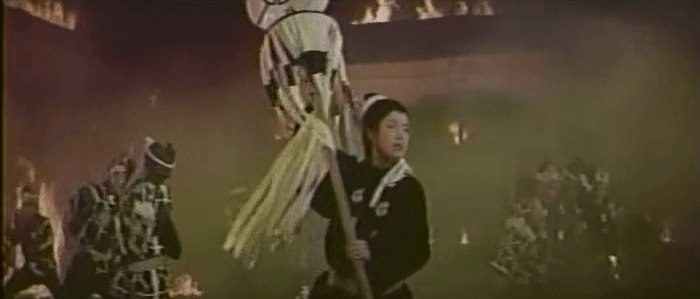
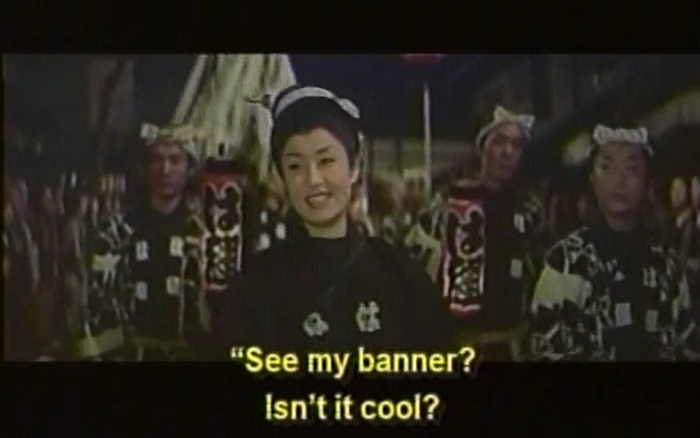
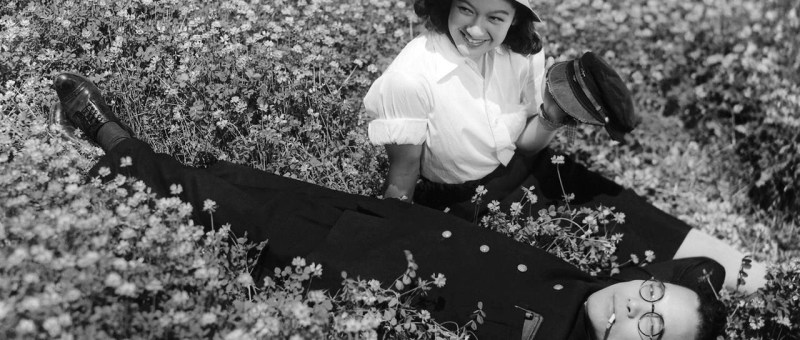



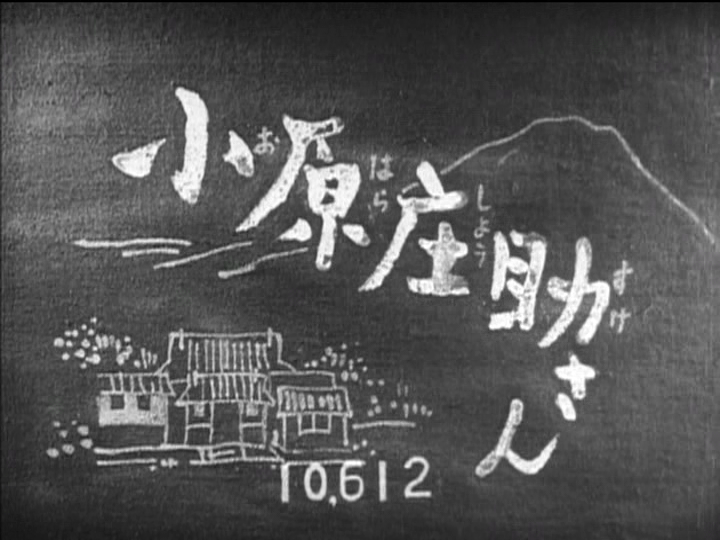 Ohara Shousuke-san (小原庄助さん) is the name of a character from a popular folk song intended to teach children how not to live their lives. The Ohara Shosuke-san of Aizu Bandaisan has lost all his fortune but no one feels very sorry for him because it’s his own fault – he spent his days in idleness, drinking, sleeping in, and bathing in the morning. The central character of Hiroshi Shimizu’s 1937 film has earned this nickname for himself because he also enjoys a drink or too and doesn’t actually do very much else, but unlike the character in the song this a goodhearted man much loved by the community because he’s a soft touch and just can’t refuse when asked for a favour. An acknowledgement of the changing times, Shimizu’s Mr. Shousuke Ohara is a tribute to the soft hearted but also an argument for action over passivity.
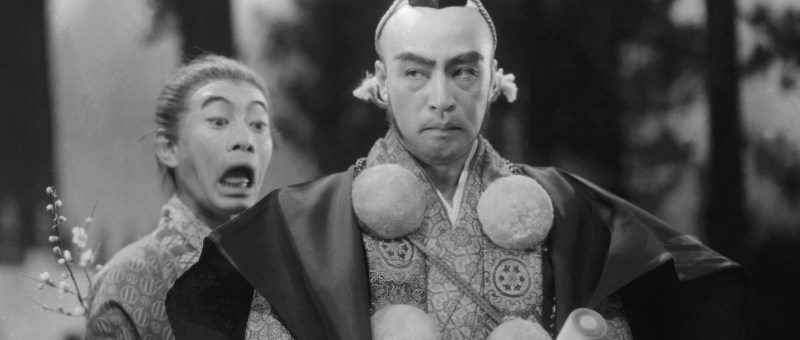
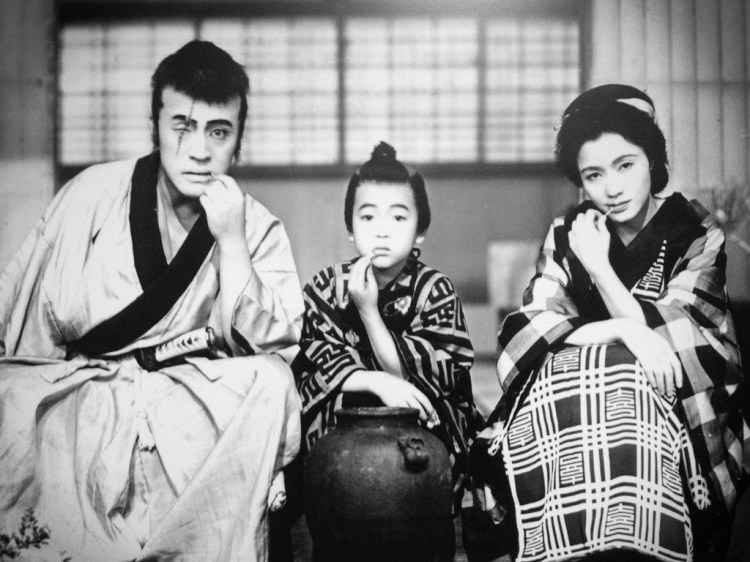 Sadao Yamanaka had a meteoric rise in the film industry completing 26 films between 1932 and 1938 after joining the Makino company at only 20 years old. Alongside such masters to be as Ozu, Naruse, and Mizoguchi, Yamanaka became one of the shining lights of the early Japanese cinematic world. Unfortunately, this light went out when Yamanaka was drafted into the army and sent on the Manchurian campaign where he unfortunately died in a field hospital at only 28 years old. Despite the vast respect of his peers, only three of Yamanaka’s 26 films have survived. Tange Sazen: The Million Ryo Pot (丹下左膳余話 百萬両の壺, Tange Sazen Yowa: Hyakuman Ryo no Tsubo) is the earliest of these and though a light hearted effort displays his trademark down to earth humanity.
 Windows on Worlds