
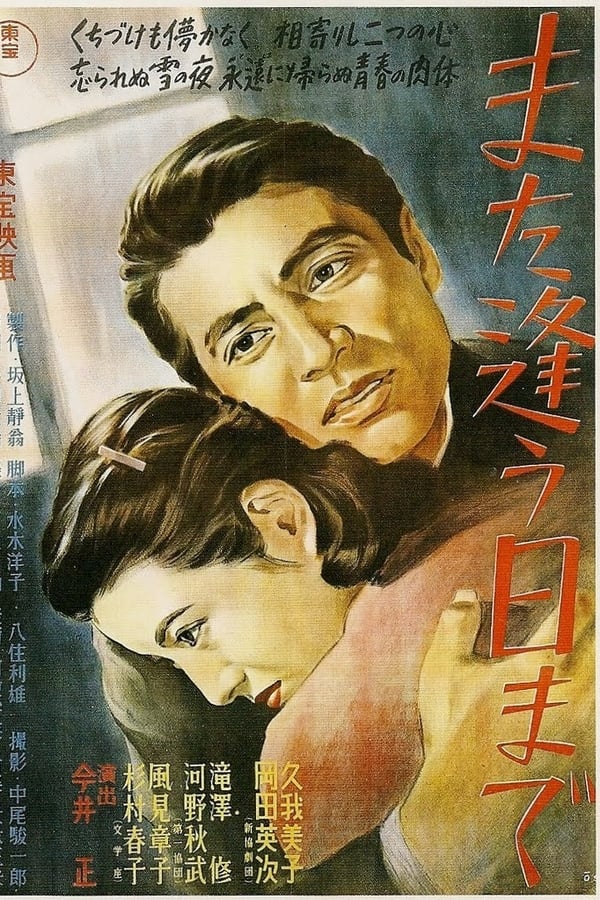
 Despite later becoming a member of the Communist Party, Tadashi Imai had spent the war years making propaganda pictures for the militarist regime. He later described his role in the propagation of Japanese imperialism as “the worst mistake of my life”, and thereafter committed himself to socially conscious filmmaking. Imai was later identified most closely with a style that was the anthesis of many his contemporaries branded “realism without tears”. Nevertheless, in 1950 he found himself making a full on romantic melodrama with anti-war themes. Until We Meet Again (また逢う日まで, Mata Au Hi Made) was, unofficially, an adaptation of Romain Rolland’s 1920 novel Pierre et Luce in which war conspires against the pure hearted love between two innocent young people.
Relocated to the Tokyo of 1943, Until We Meet Again begins at its conclusion with anxious student Saburo (Eiji Okada) pacing the floor, prevented from meeting his one true love, Keiko (Yoshiko Kuga), because his sister-in-law has fallen dangerously ill. Having just received notice that his draft date has been moved up and he’s expected to report for duty that very night, he fears he may never see her again whereupon he flashes back to their early courtship, all adolescent innocence and filled with the pure joy of falling in love for the first time.
Yet, as much as the war is the destructive force which will always stand between them, it’s also the one which brings them together. Saburo makes nervous eye contact with a pretty girl sheltering in a subway during an air raid. They are both afraid, and he chivalrously comforts and shields her with his body. Most particularly in the Japan of 1943, such bodily contact with a stranger of the opposite sex would be considered extremely inappropriate. There would be no other opportunity to enter this mild kind of physical intimacy save for the external pressures of life in war. Saburo doesn’t yet know the name of the woman in the subway, but can seemingly think of little else, seeing her everywhere he goes and looking for her in every face he sees. When they finally “meet”, they both agree that they are already acquainted and the intimacy between them quickly deepens through unexpected and perhaps transgressive physicality – a hand taken and placed inside a jacket to fight the cold, an embrace taken to guard against one explosion but leading to another. This innocent diffidence eventually leads to the film’s most famous scene in which Saburo, lamenting he must leave Keiko’s home, returns briefly to look at her in the icy window through which they share a chaste kiss.
Saburo, a wealthy young man too sensitive for the times in which lives, is ill-equipped to understand the difficulties of Keiko’s life. A closeup on her ragged shoes and her hard-nosed practicality make plain her penury and her determination to escape it. If he allowed himself to dream seriously of a life with her after the war, he might have to consider the words of his hardline brother, once sensitive like him but now fully committed to the militarist cause, who reminds him that an idle romance may be irresponsible considering that it will only cause them both, and more particularly her, pain when he must leave perhaps never to return. Saburo knows his brother might be right, wrestling with his love for Keiko while she professes that she would rather be with him no matter what pain might come.
Saburo’s friends tell him that “love is taboo”, and his brother something similar when he berates him for wasting his time hanging around with girls rather than preparing for the military. The enemy is less “the war” than it is the persistent austerity of militarism which crushes individuality and emotion to make love itself an act of treason. Yet it’s the very presence of the looming threat of war that makes their race towards romance possible. Saburo will be shipping out. Everything is fraught and desperate. There may not be another time and so the only time is now. It’s no coincidence that each incremental step in the couple’s relationship is preceded by an explosion, or that alarms are constantly ringing, while clocks tick ominously counting down their time.
Having been seriously injured in a freak accident despite wielding his privilege to serve in Japan and not on the front line, Saburo’s brother reconsiders and tells him that he is leaving his share of life’s happiness to him and so he has a duty to be doubly happy. Keiko too just wants her little “slice of happiness”, but it’s something this world has seen fit to deny them. The couple daydream about furnishing a house filled with children, but it’s a fantasy that will never materialise because theirs are the unrealised hopes of the youth of Japan cruelly denied their rightful futures because of a foolish war waged by their fathers and their grandfathers. The poignant final scenes suggest the older generation too will collapse under the weight of the tragedy they provoked, but sympathy remains with men like Saburo who went to war unwillingly because they had no other choice, unable to protect the things they loved from the chaos they left behind.

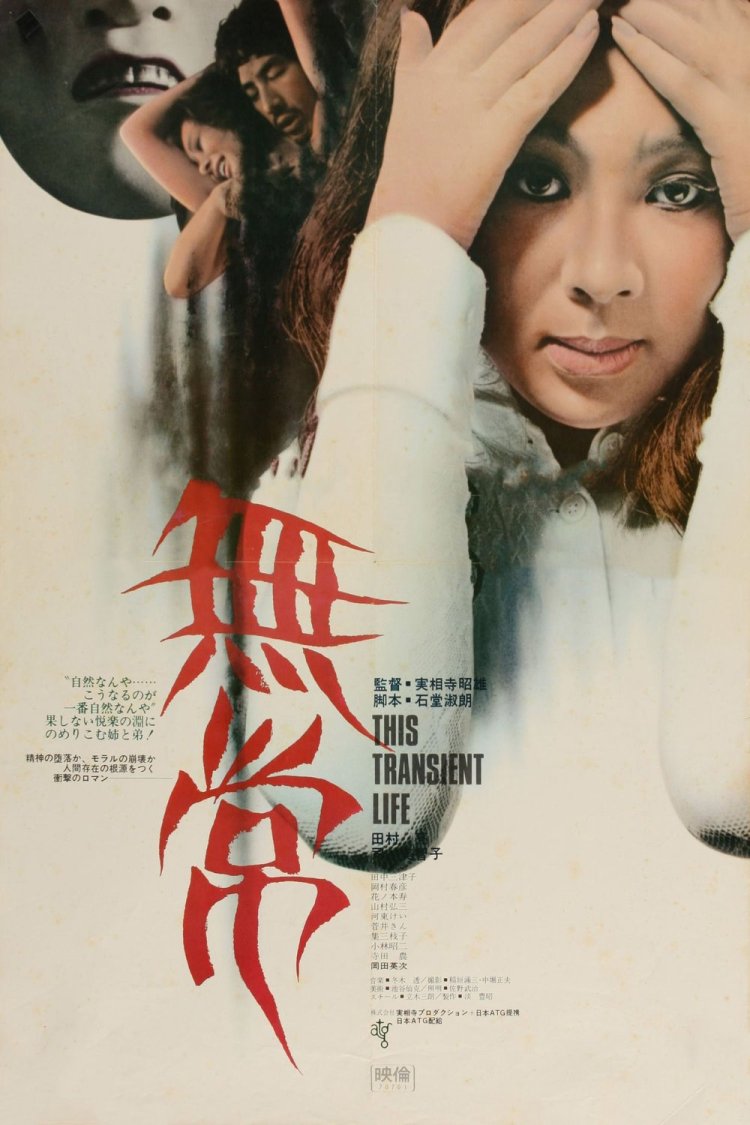

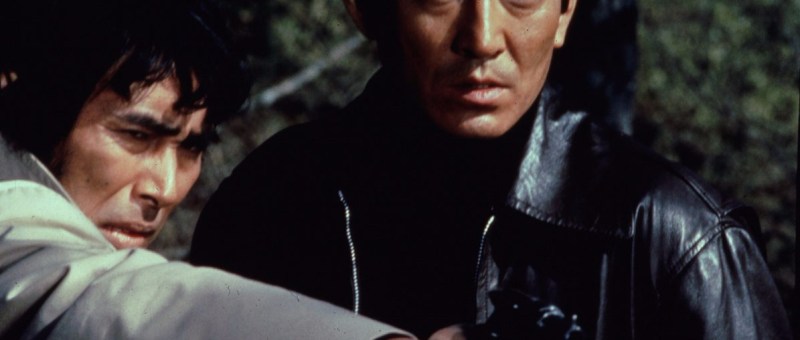
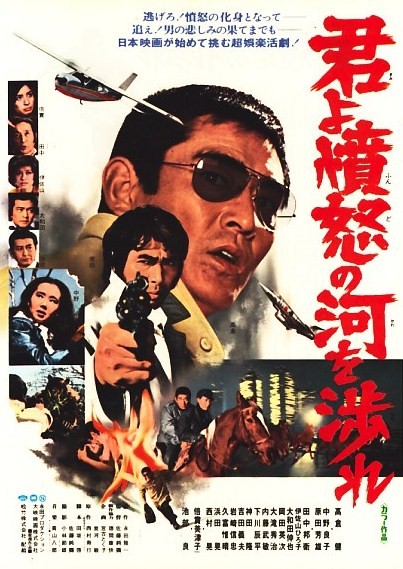

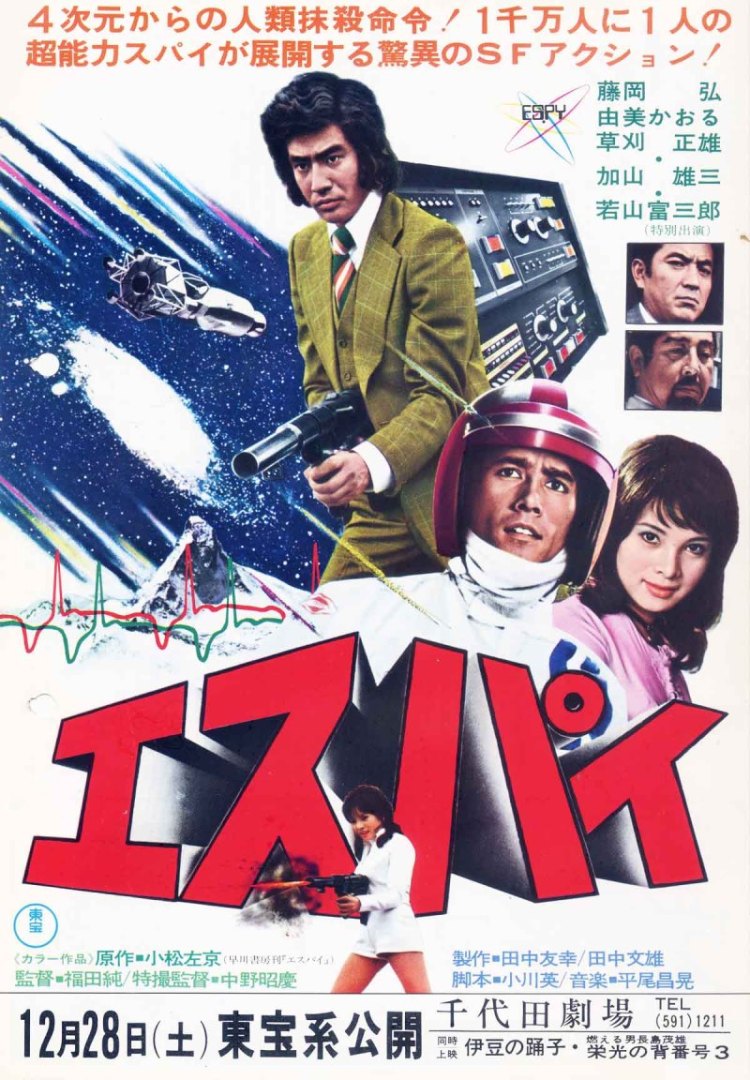
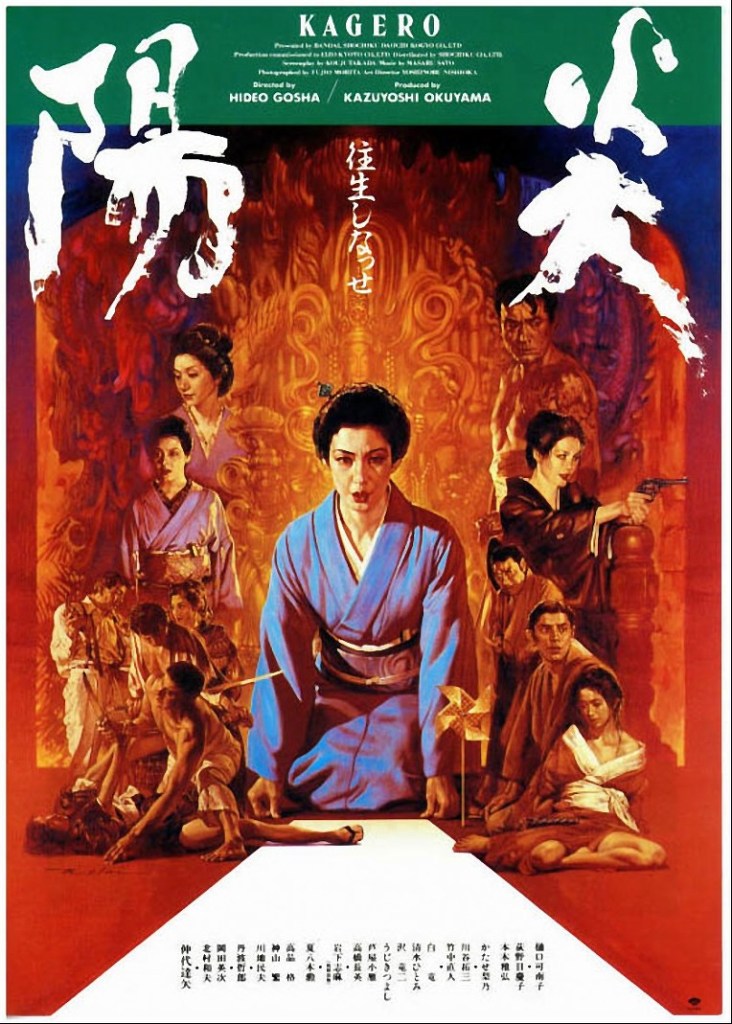 Hideo Gosha had something of a turbulent career, beginning with a series of films about male chivalry and the way that men work out all their personal issues through violence, but owing to the changing nature of cinematic tastes, he found himself at a loose end towards the end of the ‘70s. Things picked up for him in the ‘80s but the altered times brought with them a slightly different approach as Gosha’s films took on an increasingly female focus in which he reflected on how the themes he explored so fully with his male characters might also affect women. In part prompted by his divorce which apparently gave him the view that women were just as capable of deviousness as men are, and by a renewed relationship with his daughter, Gosha overcame the problem of his chanbara stars ageing beyond his demands of them by allowing his actresses to lead.
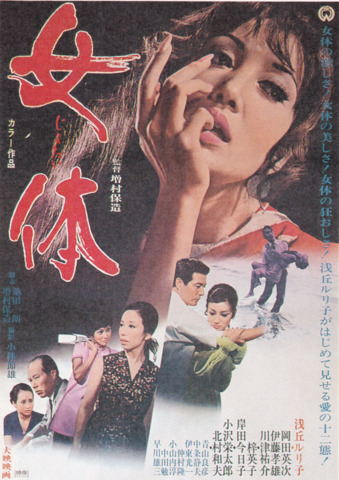
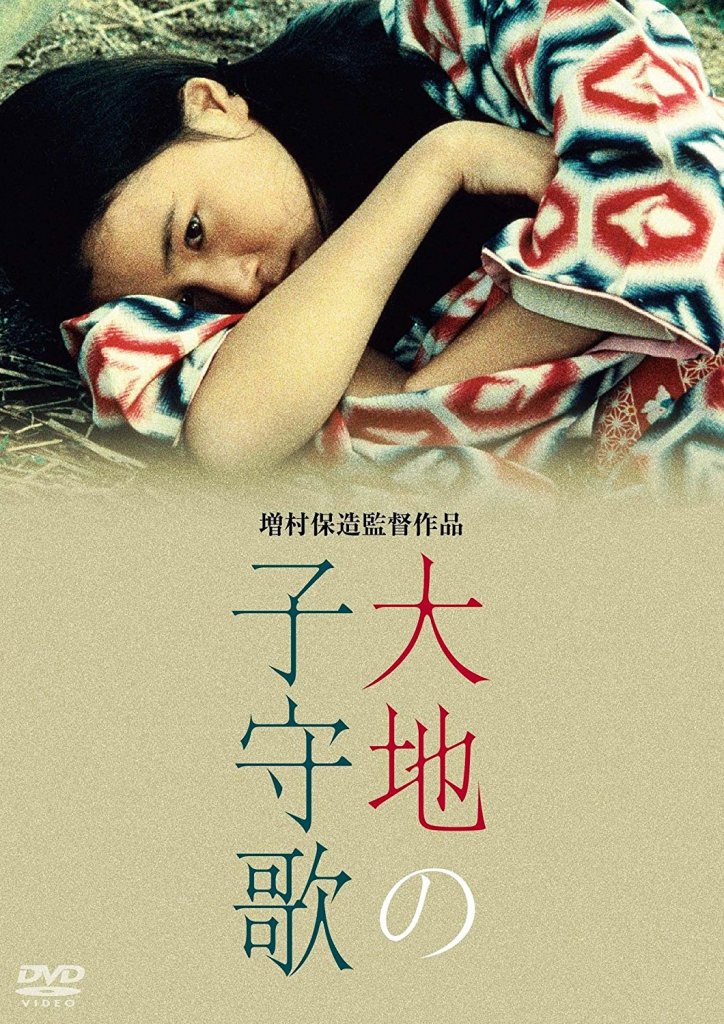 Yasuzo Masumura is best remembered for his deliberately transgressive, often shockingly grotesque critiques of Japanese society and its conformist overtones. Lullaby of the Earth (大地の子守歌, Daichi no Komoriuta) is one of his few completely independent features, filmed after the bankruptcy of Daiei where Masumura had spent the bulk of his early years. As such, it is quite an exception in terms of his wider career both in terms of its production and in its earthy, spiritual themes. Adapted from the 1974 novel by Kukiko Moto, Lullaby of the Earth is the story of an abandoned and betrayed woman but one who also draws her strength from the Earth itself.
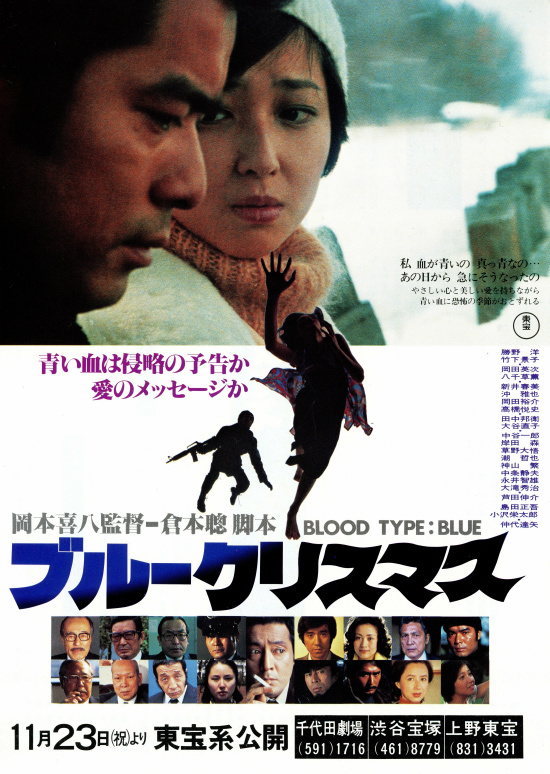 The Christmas movie has fallen out of fashion of late as genial seasonally themed romantic comedies have given way to sci-fi or fantasy blockbusters. Perhaps surprisingly seeing as Christmas in Japan is more akin to Valentine’s Day, the phenomenon has never really taken hold meaning there are a shortage of date worthy movies designed for the festive season. If you were hoping Blue Christmas (ブルークリスマス) might plug this gap with some romantic melodrama, be prepared to find your heart breaking in an entirely different way because this Kichachi Okamoto adaptation of a So Kuramoto novel is a bleak ‘70s conspiracy thriller guaranteed to kill that festive spirit stone dead.
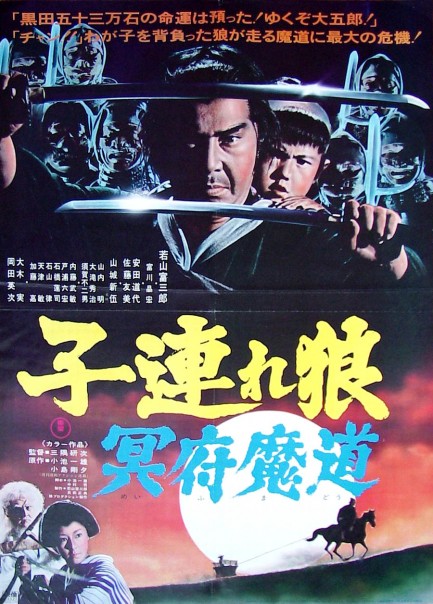 Ogami (Tomisaburo Wakayama), former Shogun executioner now a fugitive in search of justice after being framed for treason by the villainous Yagyu clan who are also responsible for the death of his wife, is still on the Demon’s Way with his young son Daigoro (Akihiro Tomikawa). Five films into this six film cycle, the pair are edging closer to their goal as the evil Lord Retsudo continues to make shadowy appearances at the corners of their world. However, the Demon’s Way carries a heavy toll, littered with corpses of unlucky challengers, the road has, of late, begun to claim the lives of the virtuous along with the venal. Conflicted as he was in his execution of a contract to assassinate the tragic Oyuki in the previous instalment,
  Windows on Worlds