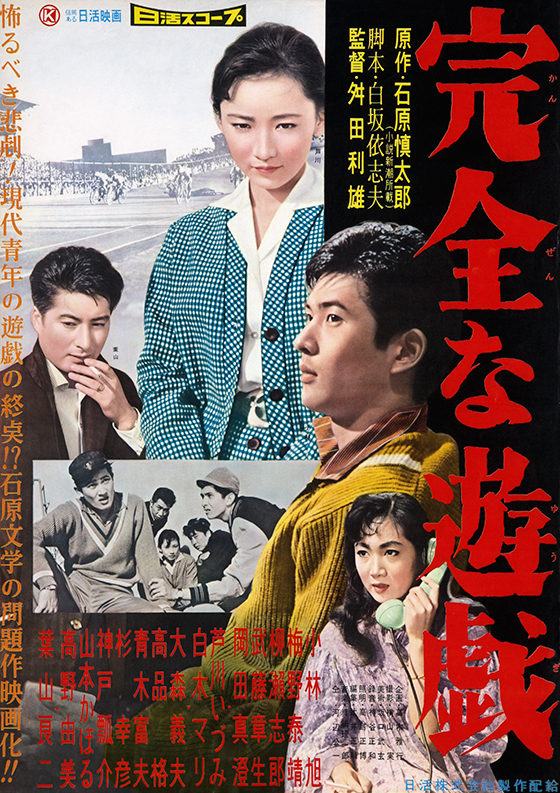
The Perfect Game (完全な遊戯, Toshio Masuda, 1958)

In the mid-1950s, Nikkatsu had courted controversy with a series of films depicting the amoral excesses of the immediate post-war generation. The “Sun Tribe” movies embedded themselves in a world of new bright young things who were largely independently wealthy and thoroughly bored by the ease of their lives. Nikkatsu was forced to halt production on the Sun Tribe films after only three (Toho and Daiei added one each of their own), but they did precipitate a wholesale shift towards youth movies which became the studio’s signature theme. 

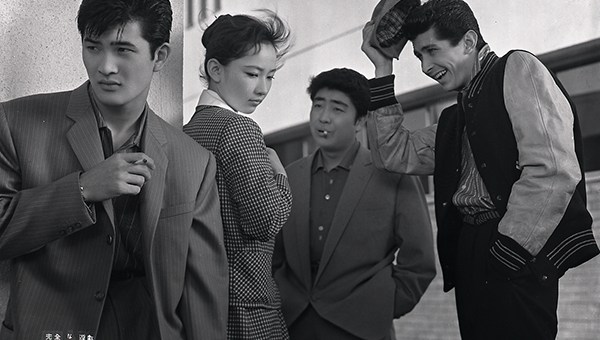
Best remembered for his contributions to Nikkatsu’s action noir, Toshio Masuda’s The Perfect Game (完全な遊戯, Kanzenna Yugi, AKA The Tragedy of Today) arrived two years after the Sun Tribe craze but neatly picked up the baton dropped by Kon Ichikawa’s Punishment Room in its tale of nihilistic college boy amorality. As the film opens, our four heroes are playing mahjong and lamenting their lack of funds. They are all, it goes without saying, middle class boys largely supported by their parents who, as far as we know, are high ranking salarymen. They are not hungry, or worrying about how to pay rent or tuition, they are just bored and want extra money to go out having fun before they they are forced into the corporate straightjacket with the regular salaryman jobs many of them already have in the bag thanks to the tremendous power of nepotism. 

As the the opening text implied, they viewed their money making exploits as a game, proving how clever they think they are in getting one over on the universe, but all too quickly it spirals out of control. Toda (Yasukiyo Umeno), the ring leader, has come up with an ingenious money making scheme. It turns out that there’s an illegal betting office some distance away from the bicycle racing stadium that keeps taking bets until someone rings from the track and tells them who won, which means there’s about a five minute delay between the winner being declared and bets being called. The boys figure that if they can somehow beat the lag they can win big. To make it work, they ask their “friend” Kazu (Masumi Okada), who they seem to regard as a bit dim, to join them as well as recruiting an old codger to call the race before the boards go up. Surprisingly it works out, but unfortunately the yakuza-backed bookmaker, Matsui (Ryoji Hayama), wasn’t banking on such a big win and doesn’t have the funds to pay out in one go. 

Toda in particular is pissed off. The wind taken out of his sails, he’s not sure what to do which is when So (Akira Kobayashi), the pretty boy of the group, suggests an ironic punishment. Matsui had joked that he’d put up his adorable kid sister Kyoko (Izumi Ashikawa) as collateral if he couldn’t pay out, so why don’t the boys take him at his word and kidnap her. Rewinding a little, these snotty college boys are about to become kidnappers, adding a little blackmail on the side. This isn’t a fun game anymore, someone is going to get hurt whatever happens even if they can’t know the extent to which their plan to earn a few bucks to blow on jazz bars and pool rooms is going to incur collateral damage. 

Unlike the boys, Kyoko is a working class girl. She wants to keep her head down and work hard, not quite approving of her brother’s involvement with the yakuza and wishing he’d find an honest job but also acknowledging that he had few options and it’s his job at the bookies that’s been keeping them all this time. Their father died in the war, and their mother (Yumi Takano) is very ill, bedridden with heart trouble. Kyoko is no innocent, she brushes off So’s attempts to court her by revealing that dozens of creepy guys try the same thing every day, and most of them don’t stop at passing notes. For whatever reason she ends up warming to him, making him take her to a theme park while her mother worries at home, while he also begins to feel conflicted about the plan in falling for her for real. 

So’s mistake is the childish belief that they’re still playing a game and everything will be alright in the end. He foolishly trusts that his friend’s are men of honour and that Matsui will come up with the money and redeem his sister in no time at all. But money’s not easy to come by even if you’re a yakuza, and the boys might not want it anyway if it comes with additional complications. Visiting with Kyoko’s sickly mother, he perhaps begins to see the gap between his comfortable existence and theirs of constant struggle. He’d been so proud to tell Kyoko that he had an interview lined up at a big company because of family connections, but when he arrives there he feels irrelevant. The interview board only ask him questions about his dad, as if he didn’t really exist. Finally they ask him to talk about what he did at uni, what his “passions” are, if he did anything of note in the past few years, perhaps even fall in love? They’ve unwittingly touched a nerve, but So is in any case forced to reflect on the meaninglessness not only of his adolescence, but of his future. This interview has been a farce, but they’re giving him the job anyway because he’s his father’s son. What more is there to say?

The other boys are also worried about their job prospects, concerned that someone might talk and they’ll be forever tarnished by “youthful exuberance”, refusing to take any personal responsibility for the consequences of their “perfect game”. Unlike So they still want to live in that inherently unfair world which exists for upperclass men to do as they please. Toda and So weren’t quite like their friends. They felt conflicted. Toda embarrassed to be borrowing money from his girlfriend but rejecting the others’ belief that you don’t have to pay women back, only to angrily bark at her that there’s “no way a woman can understand” the intensely masculine debate he’s just had with So about responsibility, which he accepted by deflecting in pushing So’s complicity back on him in an attempt to share his guilt. Unlike the Sun Tribe films, youth takes responsibility for itself and its friends, but can find no way to atone for its moral abnegation. 


Original trailer (no subtitles)
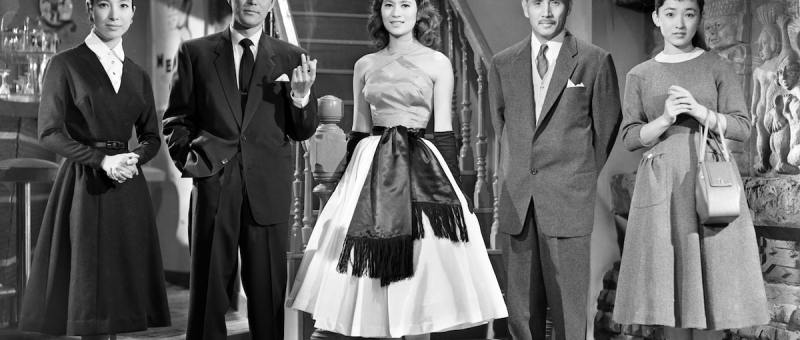
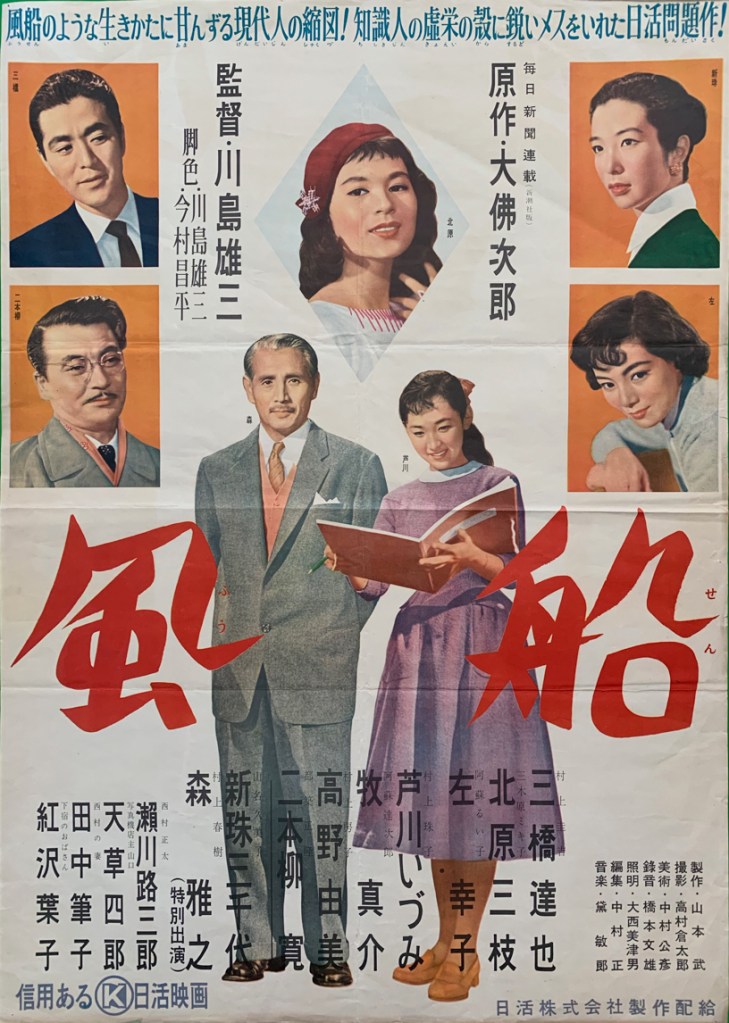
The Balloon (風船, Yuzo Kawashima, 1956)

The uncertainties of the post-war world are often conveyed through the familiar “cloud” metaphor, but in characteristic fashion Yuzo Kawashima opts for something earthier in the manmade “Balloon” (風船, Fusen). Less representative of its troubled humanists than the amoral villain Tsuzuki (Hiroshi Nihonyanagi) who likes to know which way the wind is blowing so he can go that way too, these balloons are up in the air because they’re afraid to land fearing the inevitable pop if they pick the wrong spot.

Our hero, former painter Murakami (Masayuki Mori), has become the head of a successful camera firm. His son, Keikichi (Tatsuya Mihashi), works with him, while his 20-year-old daughter Tamako (Izumi Ashikawa) is a reluctant student still living in the family home. Out of step with his times, he’s known as a decent and compassionate boss, offering his staff a significant wage increase in excess of that recommended by the union just because he thinks it’s the right thing to do. Unfortunately, Keikichi is much more like his conservative mother and does not quite share his father’s egalitarian principles. He’s currently engaged in a “relationship” with widowed bar hostess Kumiko (Michiyo Aratama) but treats her extremely badly, throwing money on the side table as he leaves her apartment to make it clear that he views himself as a customer and not as a lover. When Murakami re-encounters a family friend, Tsuzuki, at his father’s funeral it sets off a chain of events that will change his life completely. Now a shady nightclub entrepreneur, Tsuzuki is dead set on making his singer, Mikiko (Mie Kitahara), a star and thinks a good way to help make that happen might be to get her married to someone with money, like, for instance, Keikichi. 

Raised in Shanghai, singing in French, and forever wearing berets, Mikiko may indeed be the face of avaricious post-war youth, apparently having floated along with Tsuzuki halfway across the world in search of a place in the sun. Urged on by her manager, she goes to war against Kumiko who, in contrast to the “bar girl” image, is earnest and naive. Working as a hostess places her on the fringes of the sex trade, but does not necessarily imply that she makes a living by sleeping with her customers, and she certainly seems less than grateful to receive money from Keikichi whom she believes to be her boyfriend. Mikiko willingly weaponises her sex appeal and seemingly endures no consequences for doing so, while Kumiko is roundly rejected as a “fallen woman” and deemed an unsuitable match by Keikichi’s snooty mother. 

Tamako, by contrast, actively reaches out to Kumiko and attempts to make her a member of the family, never for a second considering that she might not be welcome because she can see that Kumiko is a “nice” person. Much more like her kindly father, she finds herself uncomfortable at home and mostly holes up in the attic painting. After suffering childhood polio, she’s been left with muscle weakness in her left arm and is treated like a child by her mother and brother who openly tell people that the illness has also made her “simple”. Despite all that, however, she sees only the best in people and desperately wants those around her to be happy. 

The difference in her own family is brought home to her when her father takes her with him on a business trip to the much quieter, more traditional Kyoto where he has reunited with a pair of youngsters whose late parents once rented him a room when he was temporarily displaced by post-war confusion. Like Kumiko, Rui (Sachiko Hidari) is a kind person in difficult circumstances. She too is working in a bar and has done some work as a photo model, even glamour shots to earn money to pay her brother’s university fees. Rui doesn’t want to go on doing that in the future, but doesn’t feel too bad about it either because she only exposed the outside of herself, and really who cares about that. 

Beginning to regret some of his life choices, Murakami wonders if he mightn’t be better to move back into the attic room in Kyoto and pray at the temple everyday like before instead of trying to make money he feels has slowly corrupted his family. Confronted with Keikichi’s near sociopathic self-involvement over his relationships with Kumiko and Mikiko, he comes to the conclusion that all he can do is cut him loose and hope he learns some humility through being forced to stand on his own two feet. Given a talking to by his father Keikichi doubles down with his misogynistic world view, insisting that “all women are whores” and all relationships are essentially transactions while claiming that he, himself, as well as men in general, is the real victim because he’s being forced to carry the can for the way the world works. Murakami isn’t having any of it, calmly asking him if he’d say the same thing to his mother, which he sheepishly admits he couldn’t. 

Mikiko likens Tsuzuki to one off his metaphorical balloons, pointing out that he was an imperialist in Shanghai and now seems to have it in for the bourgeoisie, but for all his cynicism he seems to have a kind of admiration for a woman like Kumiko who carried on loving one man no matter how poorly he treated her. If only he had a woman like that, he might have found a place to land and his life would have been very different, he muses. Murakami, meanwhile, has rejected the modern city, certain that his son is the way he is because his life has been too easy and access to wealth has given him a superiority complex that’s put him out of touch with ordinary people. Disappointed with his own family, he decides to make a new one with the two cheerful youngsters in Kyoto, hoping that he will at least be able to save his daughter from the ravages of a rapidly declining society which seems primed to swallow the sensitive whole.


Currently available to stream on Mubi in the US.

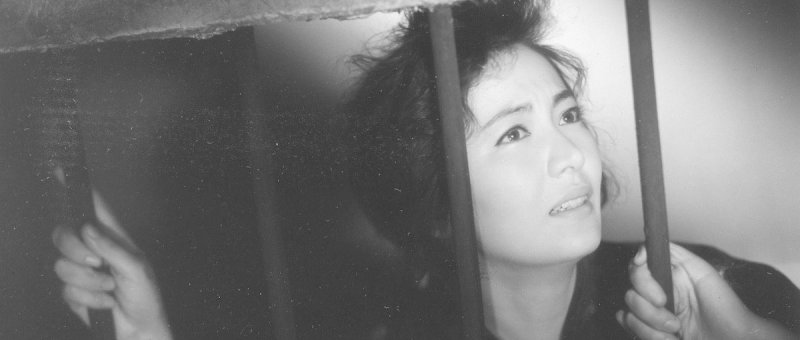
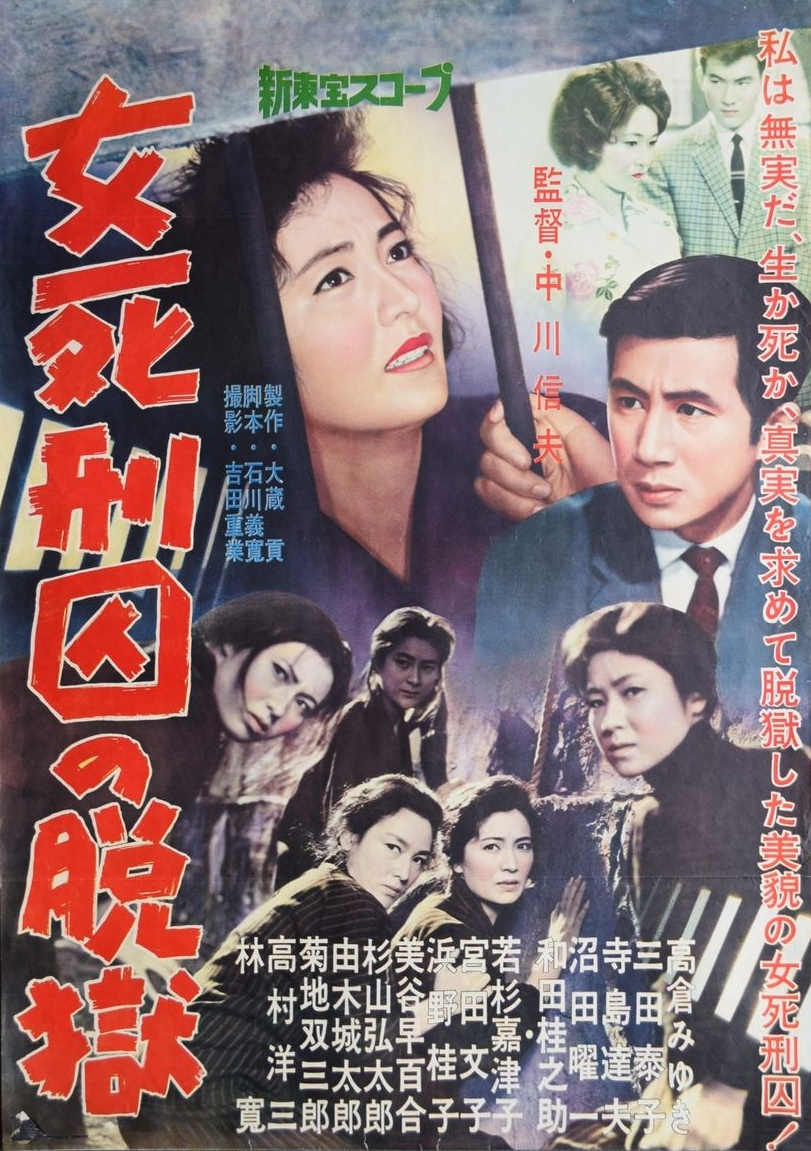
Death Row Woman (女死刑囚の脱獄, Nobuo Nakagawa, 1960)

How far does freedom extend in the complicated post-war society? Best known for his eerie horror films, Nobuo Nakagawa takes a stab at B-movie crime in a tale of wronged femininity as a woman’s attempt to escape her father’s authority ends in a death sentence. Death Row Woman (女死刑囚の脱獄, Onna Shikeishu no Datsugoku) sends its wrongfully convicted heroine on the run, literally, from a cruelly patriarchal society, but there is something quite perverse in its ambivalent conclusion which at once frees and vindicates but also suggests that perhaps daddy knows best after all. 

As the film opens, patriarch Imai (Hiroshi Hayashi) is engaging in a bonding ritual with his prospective son-in-law, Aoki (Keinosuke Wada), teaching him how to hunt. Meanwhile, his daughter, Kyoko (Miyuki Takakura), has wandered off with another man, Soichi (Tatsuo Terashima), with whom she is in love. Soichi is obviously worried about Aoki, but she tells him that the marriage is her father’s idea and she’s no intention of going through with it, not least because she is pregnant with Soichi’s child. The pair embrace, engaging in a clinch in the woods, but are spotted by Kyoko’s step-sister, Minako (Yasuko Mita), who apparently doesn’t like someone else hunting what she’s got her eye on, pointing her shotgun right at the loved up couple before her mother (Fumiko Miyata) arrives and knocks it out of the way sending a shot into the air in the process. 

Soichi is a spineless sort of man, telling Kyoko that he “can’t talk to old people” and refusing to go with her to see her father. She’s confident Imai will have to give in seeing as her pregnancy makes this a fait accompli, but he tells her to get an abortion and if she doesn’t like it she can get out. Imai wanted her to marry Aoki because he picked him out as a son, an heir to leave his company to. As Kyoko points out, he never considered her feelings, only seeing her as a tool to be manipulated for his own ends in securing his business interests. Imai objects to Soichi not only because he resents having his authority undercut, but because Soichi is a “nobody” and he finds the idea of his daughter marrying someone from a different social class distasteful in the extreme. All of that is about to become moot, however, because seconds after Kyoko storms out vowing to marry Soichi even if it means severing ties with her family, Imai drops dead, not of an apparent heart attack as it first seems but of poison! As the last person to see him alive and with the entire household having heard their row, Kyoko is arrested for her father’s murder and sentenced to death. 

Jumping on over a year, Kyoko’s son is seven months old and apparently living in a children’s home rather than being cared for by any of her family while she languishes in prison still proclaiming her innocence. Nakagawa flirts with woman in prison tropes, putting Kyoko in a room of four women including a predatory lesbian, but eventually allows her to find female solidarity with a “habitual criminal” who helps her escape in order that she might prove her innocence and be reunited with her son. Kyoko’s decision to escape is prompted by an awkward visit from Soichi who has neglected to bring the picture of their baby he’d promised her while claiming to be working hard on her case. He tells her that he’s engaged a lawyer who has turned up evidence implicating Aoki who has made several attempts of his own to visit her all of which she has turned down. Unbeknownst to her, he’s even transferred to the town near the prison and is living in a company dorm not too far away. Coming to the conclusion that Aoki is the architect of all her misfortune, she determines to pay him a visit and either get a confession or take her own life. 

Aoki, however, turns out to be a good guy after all. He didn’t kill Imai and has been living near by because he’s sure Kyoko didn’t either and is determined to crack the case. Aoki helps her hide from the authorities and manages to get her on a train to Tokyo daringly defying the police dragnet, while the case’s original investigator begins to smell a rat in staking out the Imai home. Soichi seems to have become awful close with the two Imai ladies, so perhaps he really was the odious social climber old Imai feared him to be. So far, Kyoko’s attempts to take charge of her own future in rejecting her father’s authority have not gone well. She has ended up with a death sentence for daring to challenge the social order by advancing her own agency and has escaped from the literal prison, but is once again locked up for her own safety while Aoki does all the investigating on the outside. Her desire to reassume her role as a mother to a child technically born out of wedlock is what eventually gets her caught, leaving her at the mercy of the magnanimous police who, thankfully, decide that the duty of law enforcement is to act in the best interests of justice, admitting their mistakes rather than covering them up to save face. 

So, Aoki turns out to be good and Soichi bad. Kyoko is vindicated, proving herself innocent of the crime of patricide, but is punished fiercely for her attempt to escape her father’s control. It’s tempting to think that the message is that her father knew best after all and if she’d only done as she was told and married Aoki without making a fuss all of this could have been avoided. Amoral post-war ambition has been unmasked, everyone has been shuffled back into their original class boxes with order seemingly restored. Kyoko has “escaped” her imprisonment, but is she truly “free”? “That’s all in the past now”, Aoki reassures her, “but hang on tight anyway”. 


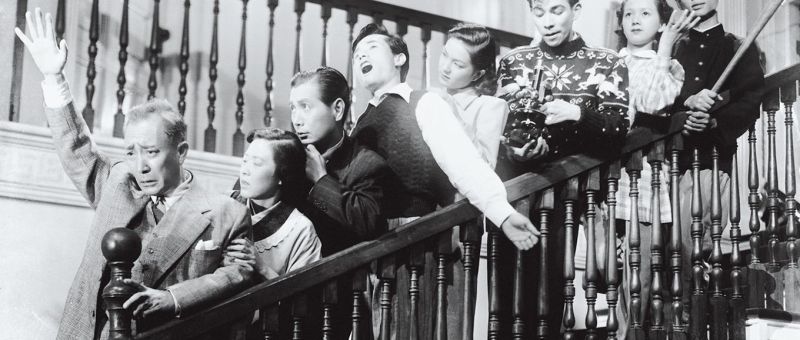
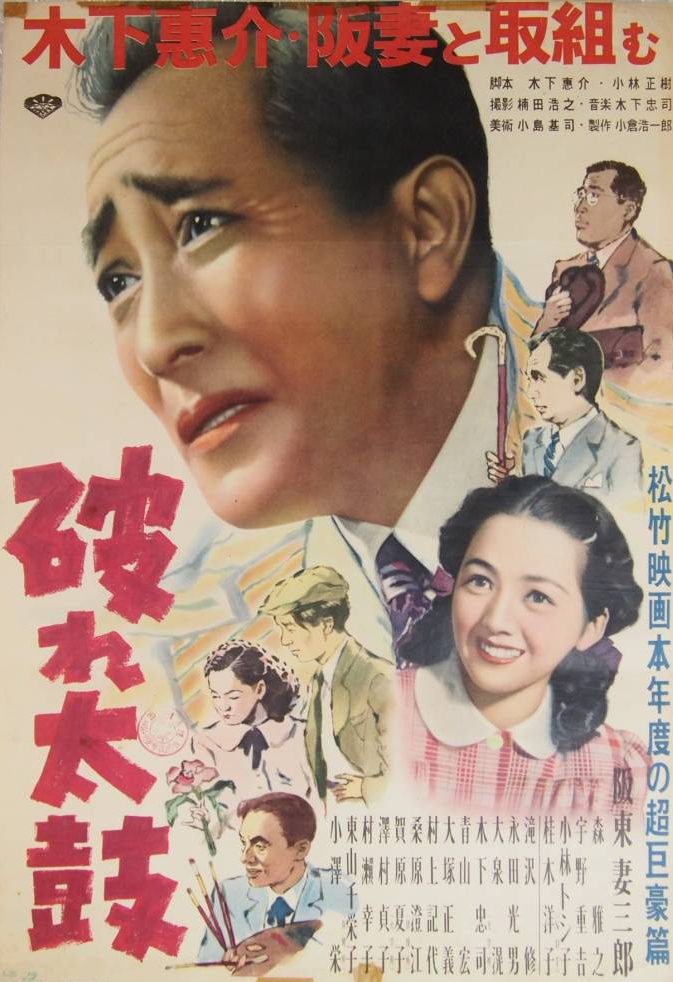
Broken Drum (破れ太鼓, Keisuke Kinoshita, 1949)

The evils of of authoritarianism are recast as family drama in Keisuke Kinoshita’s 1949 satirical comedy, Broken Drum (破れ太鼓, Yabure Daiko). Co-scripted by Masaki Kobayashi, a student of Kinoshita’s who went on to forge a long career dedicated to interrogating the place of the conscientious individual within an oppressive system, Broken Drum is also a testament to changing times and new possibilities as the youngsters slowly find the strength to resist and insist on their right to individual happiness. 

As the film begins, the family’s maid is leaving in a hurry, sick to the back teeth of the treatment she receives from the head of the household. Though she admits that the wife and children are all lovely, the husband is a tyrant and, according to her, a nouveau riche upstart, all money and no class. Tsuda (Tsumasaburo Bando), a self-made construction magnate, runs his family like a small cult and everyone is so afraid of upsetting him that they find themselves entirely unable to stand up for themselves. Times are, however, changing and Tsuda’s business is in trouble, which means his power may be waning. Denied loans all over town, he tries to railroad his eldest daughter, Akiko (Toshiko Kobayashi), into marrying a wealthy suitor, Hanada (Mitsuo Nagata), and is deaf to her cries of resistance.

Despite the rather ironical speech from the maid who describes herself as a “feminist” which is why she’s unable to put up with Tsuda’s poor conduct, stopping to tell a pregnant dog not to let anyone push her around just because she’s a girl, the world of 1949 is still an incredibly sexist one. Tsuda’s long suffering wife Kuniko (Sachiko Murase) complains that her younger daughter spends all her time rehearsing for her role as Hamlet rather than learning “useful” skills for women like cooking and housekeeping. Akiko’s suitor sides with the maid, affirming that “men should be nice to women” and making a point of telling her that all his maids love him without quite realising that what he’s just said isn’t quite as nice as he thought it was. Akiko doesn’t want to get married and she doesn’t even like Hanada, but she’s too conflicted to fully resist, unsure if she has the right to go against the “tradition” of arranged marriage. She asks her mother how she felt, and learns that she too cried every day, somehow normalising the idea that a woman’s marriage is supposed to make her miserable. 

Meanwhile, Tsuda is slowly destroying his oldest son, Taro (Masayuki Mori), who has been trying to quit the family construction firm to go into business with his aunt making music boxes. Tsuda isn’t having any of it, he tells Taro that music boxes aren’t a manly occupation and that he’ll never make it on his own, but Taro has an advantage in knowing that the construction company is in a bad place and his father’s authority is weakened. He becomes the first of the children to escape by rejecting Tsuda’s influence, decamping to his aunt’s which becomes a point of refuge for the other members of the Tsuda family seeking escape. 

Akiko begins to gain the courage to walk away after bonding with a painter she meets after her father was extremely rude to him on a bus, poking a hole in his canvas and then blaming it on the driver. Luckily he dropped his sketchbook which has his name, Shigeki Nonaka (Jukichi Uno), inside so she can pay him a visit to return it. Unlike the Tsuda’s, the Nonaka household is one of cheerful family warmth. They are not wealthy, but they do not particularly care. Mr & Mrs Nonaka fell in love in Paris decades ago where she was charmed by the sound of his violin while she sketched in the streets. Tsuda, angrily rejecting Akiko’s attempt to cancel the marriage, tells his wife that even if she doesn’t like him now, Hanada’s wealth will make her happy in the long run, but it’s at the Nonaka’s that she discovers “the true happiness of family”, vowing to do whatever it takes to be able to marry Shigeki with whom she has fallen in love. 

Even after losing two of his children and finally alienating his wife, Tsuda fails to learn, blaming his family for the failure of his business rather than accept his old school authoritarianism is out of step with the modern world. His middle son, Heizo (Chuji Kinoshita), actually the most sympathetic of the children, has written a satirical song that likens his father to a “broken drum”, something that makes a lot of noise but is confusing and very unpleasant to listen to. It doesn’t help that Tsuda also has the habit of going into speech mode, raising his arm in a fascist salute as he barks out his orders. “Life is most miserable when there’s no one to love”, Heizo tries to warn him, calmly explaining that a family is made up of “lonely creatures” with individual lives, and that that strong connection only survives through trust and independence.

Beginning to see the light, Tsuda accepts that he’ll be deposed if he doesn’t allow his family its democratic freedoms. Undergoing a conversion worthy of Scrooge at the end of a Christmas Carol, he he suddenly realises that “you need other people to succeed in life”, and is re-embraced by his family who decide to give him a chance to be better than he’s been in the knowledge that he has no more power over them than they choose to give him. 


Titles and opening (no subtitles)

Till We Meet Again (あした来る人, Yuzo Kawashima, 1955)

(C) Nikkatsu 1955

“Men only want to treat women as pets” according to a disaffected housewife in Yuzo Kawashima’s Till We Meet Again (あした来る人, Ashita Kuru Hito). Given the well-meaning paternalism of her melancholy father, she may indeed be right. Her struggle, along with that of her husband, and of the lonely manageress of a dress shop, is in part to break free of paternalism, rejecting the “traditional” and breaking with the natural order of things to claim her own happiness. That, however, requires not only courage and conviction, but time and a willingness to endure hurtful failures. 

The hero, patriarch Kaji (So Yamamura), is a successful businessman. He’s married off his daughter, Yachiyo (Yumeji Tsukioka), to a promising young man, Kappei (Tatsuya Mihashi), but the marriage is unhappy. Kappei, a mountaineering enthusiast, rarely goes home – either out drinking with buddies in a bar with an Alpine theme, or away rock climbing in the mountains. Feeling neglected, Yachiyo resents her husband’s lack of interest and finds it increasingly difficult to get on with him, but her father proves unsympathetic, simply telling her she must put up with it and work harder at her marriage. A chance encounter on a train, however, kickstarts a change in Yachiyo’s outlook, while Kappei also finds himself drawn to a melancholy young woman who actively takes an interest in his mountain climbing career. 

Unfortunately, the young woman, Kyoko (Michiyo Aratama), is also in a strange “relationship” with Kaji who met her while she was a bar hostess in Ginza. Bonding with her for one reason or another, he funded her dress shop which has allowed her to escape the red light district, despite his oft repeated claim not to make frivolous investments. There is however, on his side at least, no “romantic” interest, his intentions are purely paternal. As Yachiyo said to her mother about Kappei, he is in a sense treating her as a kind of “pet”, to be loved and fussed over as an exercise in itself. He claims what he wants from her is his “lost youth”, presumably sacrificed for his business success, but she begins to believe herself painfully in love with him because, paradoxically, of his beneficence. Meanwhile, she meets Kappei by chance, never knowing his connection to Kaji, but bonding with him after taking in the little dog he brought home but was forced to give up by Yachiyo who claims to hate them (or, more accurately, living things). 

That ought to be as good a clue as any that Yachiyo and Kappei simply aren’t suited. Their marriage is already a failure which is making them both miserable, but they’re obliged to put on a show of being a happy couple for appearance’s sake. Yachiyo turns to her mother, Shigeno (Fukuko Sayo), for guidance, suddenly noticing that she looks much older than she’d remembered. Shigeno tells her that you age faster when you’ve nothing to do, busying herself by fussing over the cat (another living thing Yachiyo can’t abide). Yachiyo asks if she was ever happy with Kaji, but gets only the reply that she was “happy” to the extent that she knew she’d never have to worry about being hungry. Looking at her mother’s life, Yachiyo knows that she doesn’t want to end up in the same position, bored and aimless with no “dreams” to speak of. She doesn’t see why she has to stay in a loveless marriage and is convinced that only with another man could she ever truly be “herself”. 

The idea of divorce is still taboo, which is perhaps why her father insists she reconsider, aside of course from his business entanglements with Kappei. Talking it over the couple come to a mutual conclusion, that they only make each other unhappy and separating is the best decision for them both. Pretty much everyone, however, tries to talk them out of it – Kaji still wedded to the idea of marriage as an unbreakable sacrament, while new friend Sone (Rentaro Mikuni) is convinced he’s contributed to their marital discord.

Sone, a bumbling professor obsessed with his research into a rare type of fish and its possible ability to adapt to its environment, becomes friends with Yachiyo after a mix up with dinner bills on a train. She offers to introduce him to her father to see if he can help find financing, and thereafter generates a friendship which, in her mind at least, turns romantic. Sone, however, is a widower now only interested in his fish. Yachiyo falls for him because he’s a much softer, kinder presence than her husband and despite his dedication to his work, is keenly aware of the feelings of others even if he’s awkward in a charming sort of way when it comes to dealing with them. There is something, however, a little perverse in her immediate attraction to another emotionally distant man. She couldn’t stand Kappei’s obsession with the mountains, but could potentially become interested in Sone’s fish. Then again, that’s just as likely to be because Sone made a point of including her in his passion, where Kappei keeps his to himself, eventually sharing it with the more receptive Kyoko. 

Kaji, returning to the paternal, advises Kyoko that “romance is mutual deception”, or at least a kind of transaction and if she really wants to do this, she’d best be sure she’d be OK with regretting it at some point in the future. Previously, he’d told her that “marriage is pointless”, and she’d decided never to do it partly because she thought she was in love with him and he was married already. Her realisation that she’s just a kind of pet to him, a plaything he uses to feel useful while reclaiming his youth, pushes her towards an acceptance of her growing love for Kappei, an irony Kaji struggles with but eventually comes to understand. He really does want the best for her and will support her love story even though it’s also extremely inconvenient in providing an unwelcome link between the different branches of his life. Once Kyoko discovers the truth, however, her determination to fight for love begins to weaken as she reflects on an image of herself as a wicked and selfish woman betraying a man who’d been good to her, when in reality quite the reverse is true. 

Yachiyo, meanwhile, begins to understand that Sone does not necessarily return her feelings, perhaps still attached to the memory of his late wife, too preoccupied with his research, feeling awkward about her position as a married woman, or just not interested. So alarmed is he that he temporarily rushes off from his research to have a word with Kappei and is once again upset by his calm explanations that this is a decision they’ve come to mutually. It’s not because of his love for Kyoko, that only provided an excuse, but because they simply weren’t suited and made each other unhappy. Sone declares himself “sick of seeing beautiful things getting hurt”, but prepares to absent himself from the entire situation by returning to his research. Faced with the potential failure of their new romances, neither Yachiyo or Kappei reconsider their decision to divorce. Kappei retreats to his beloved mountains, while Yachiyo refuses an offer from her father to return home with him, electing to remain in Tokyo and live her own life.  

Now an old man, Kaji struggles to understand the young but somehow admires them for being what he couldn’t be. He describes them as having something pure that he did not have in his youth, but wonders if that purity hasn’t in a sense allowed them to be “damaged” in a way he never has been. Still, he thinks that’s probably a good a thing, because it allows them to become more themselves. Things might not work out right now, and it might hurt, but there’s always tomorrow. He admires the young people because they’re in the process of becoming whole and will be able to continue on their own journeys as complete people while he can only proceed down this corridor, unable to access the post-war future by actively rejecting the rigidity of the traditionalist past.


Currently available to stream on Mubi in the US.

Original trailer (no subtitles)

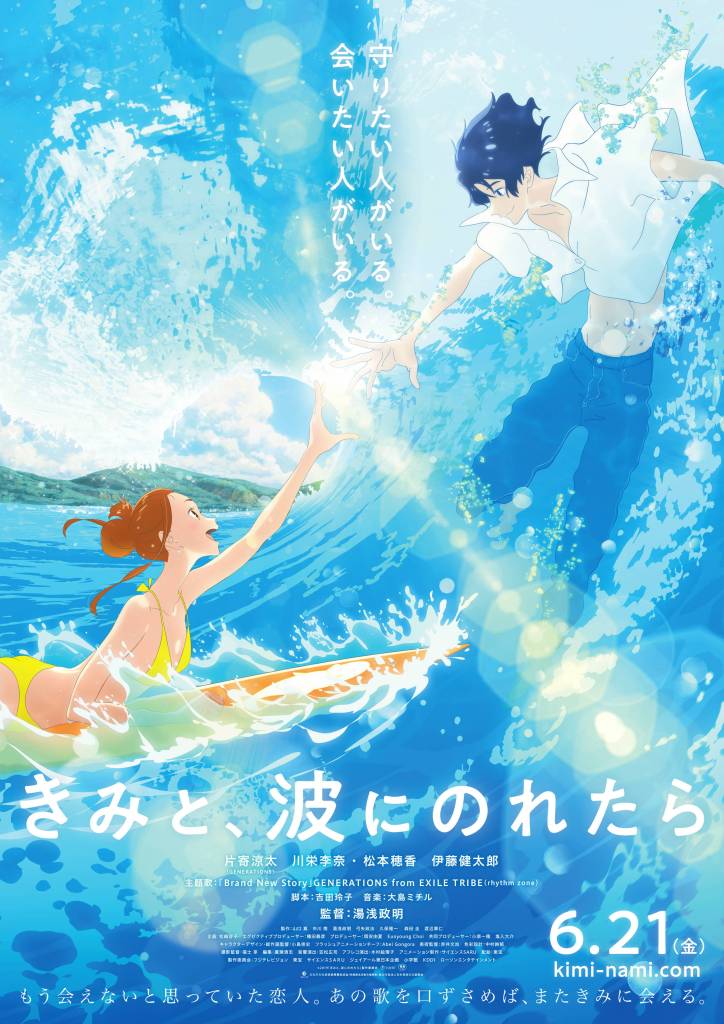
Ride Your Wave (きみと、波にのれたら, Masaaki Yuasa, 2019)

“The next wave is already on the horizon waiting for you to catch it” according to the heroine of Masaaki Yuasa’s uncharacteristically uncomplicated Ride Your Wave (きみと、波にのれたら, Kimi to, Nami ni Noretara) offering words of comfort to her dejected soon-to-be boyfriend over his continuing failure to master the surfboard. It’s advice she struggles to follow herself, however, after she’s blown off course by unexpected tragedy. Yet, nothing’s ever really as off course as you think it is and the waves she must learn to ride are her own and hers alone. 

Oceanography student Hinako (Rina Kawaei) is something of a mess. She’s moved out on her own to study at university in Chiba, but is struggling with the transition to adult life, unable to unpack her things or cook herself a decent dinner. Nevertheless, she’s become a “hero” to dashing fireman Minato (Ryota Katayose) who watches her bravely ride the waves from the roof of the fire station. The pair finally meet when some irresponsible students have an impromptu fireworks party that ends up setting fire to Hinako’s building, leaving her marooned on the roof cradling her surfboard at which point she’s rescued by Minato heroically appearing in a cherrypicker. She offers to teach him to surf, they go for coffee, and eventually fall hopelessly in love. Their romance, however, is cut short when Minato heads to the beach alone in stormy seas and drowns trying to save a jet skier who’s got into trouble. Unable to deal with the grief, Hinako avoids the sea altogether but begins to believe she is seeing Minato in every watery surface and can in fact summon him by singing their favourite song. 

Fellow firefighter Wasabi (Kentaro Ito), himself a little in love with the formerly fearless Hinako, tries to jolt her out of her “delusion” by asking how this could have happened to her, once so brave and independent now filled with grief and anxiety. Minato, whose name literally means “harbour”, had promised to protect her, staying by her side forever. Faced with her first serious relationship going far too well, Hinako identified a potential problem in her possible over reliance on her extremely capable boyfriend, preferring to wait until she was able to ride the waves alone before taking the next step. Minato wanted the same thing, encouraging her growth while providing a “safe harbour”, but his sudden absence has left her afraid to move forward and unwilling to leave the land. 

Delusion or not, Hinako clings to her lost love, carrying around “Minato” in a tiny flask of water or filling up an inflatable porpoise and walking it all around town to the constant consternation of the locals. What she learns, on one level, is that she has to learn to save herself, but also that in doing so she can help to save others. Learning something about Minato’s past and the reasons which eventually led to him becoming a fireman persuade her that she ought to use whatever skills she has for the common good. Meanwhile, the lovelorn Wasabi learns something similar after reconnecting with Minato’s spiky sister Youko (Honoka Matsumoto) who was once a shut-in refusing to go to school where her rather abrasive manner made her an outcast but found a new strength in self-acceptance on hearing Wasabi declare that just being herself was good enough for him. 

Youko decides to pick up her brother’s dream of opening an artisanal coffeeshop, which is nice but also a little shortsighted in that it does not allow her to pursue a dream that’s entirely her own other than through finding the courage to embrace the risk of romance. Likewise, Hinako and Wasabi are largely carried along in Minato’s wake, but nevertheless make unambiguously good decisions in choosing to dedicate their lives to helping others, accepting that that’s often less about grand heroic gestures than it is about small moments of connection. Hinako realises that she has to let go of the past, however painful, for Minato’s good as well as her own, while finding her sea legs to take her into a more promising future. After all, the waves keep coming. Minato recedes into the great confluence of life, while Hinako gains the courage to ride the waves alone, no longer afraid to leave the shore but in search of new horizons. 


Screened as part of the Japan Foundation Touring Film Programme 2020.

UK Trailer (English subtitles)

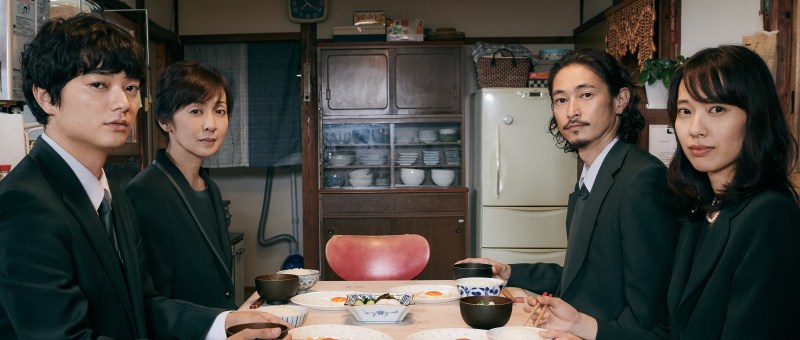
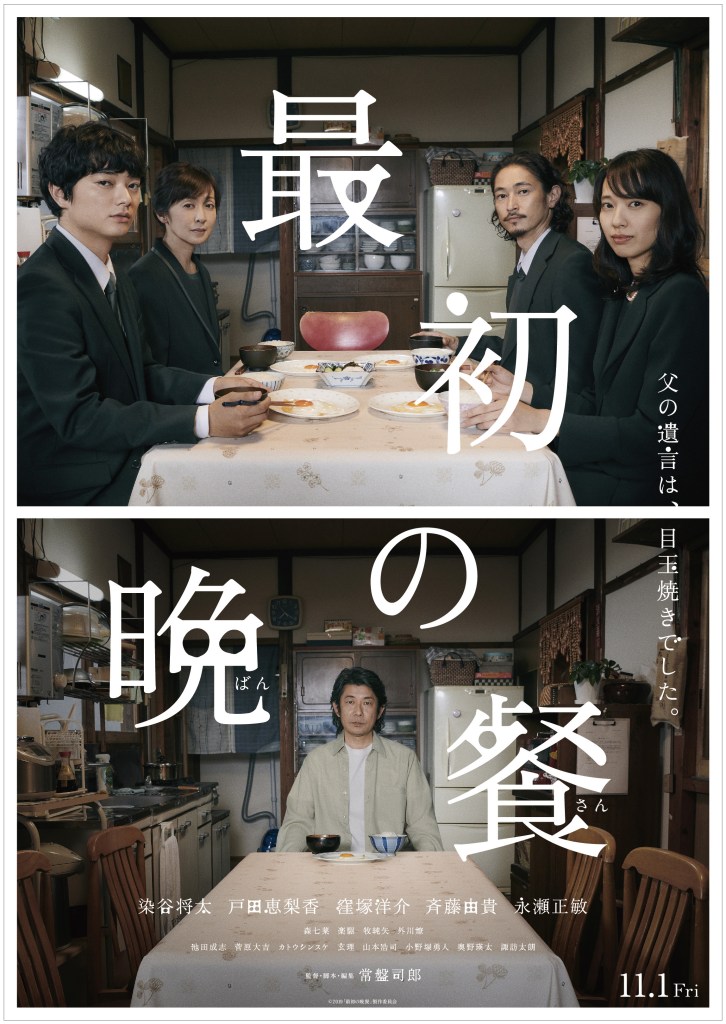
The First Supper (最初の晩餐, Shiro Tokiwa, 2019)

“Family” – what does it mean? The concept itself has been under examination for some time, at least as far as the “family drama” goes, but Shiro Tokiwa’s The First Supper (最初の晩餐, Saisho no Bansan) has it more positive than most as its somewhat emotionally distant hero begins to piece his back together and rediscover his place within it. He does so largely through the Proustian power of food as his lonely step-mother does her best to unite the family by reviving warm memories of the various meals they shared together. 

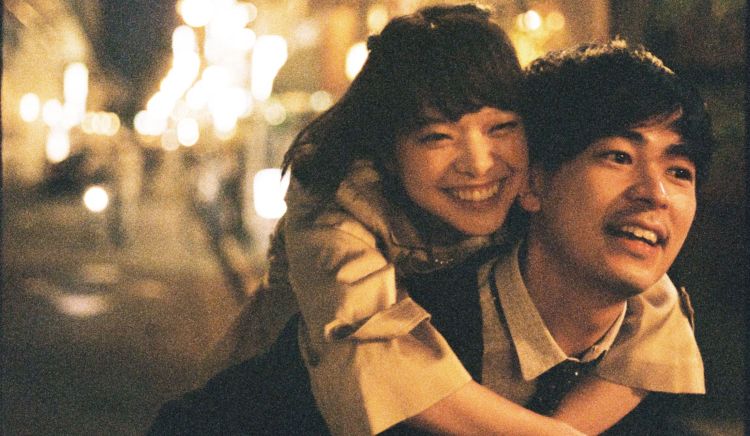
Yet, as Rintaro (Junya Maki / Shota Sometani), a Tokyo-based freelance photographer grappling with the art/commerce divide, is insensitively told at his father’s funeral, his is not an “ordinary” family. That would be (partly) because it was a blended one. Rintaro and his sister Miyako (Nana Mori / Erika Toda) were being brought up by their single father, Hitoshi (Masatoshi Nagase), their mother having apparently left the family, before he brought Akiko (Yuki Saito) and her teenage son Shun (Raiku / Yosuke Kubozuka) to live with them. As a grown man, Rintaro still claims not to be able to understand what his father was thinking, why he wanted to start a “new” family by bringing Akiko and Shun into their home, especially as it led to him giving up his lifelong love of mountaineering to get a steady job in a factory. It never seems to occur to him that perhaps his father simply fell in love again and wanted to share his life with a woman who loved him, becoming a father figure to her teenage son in welcoming an expansion to their family. 

There is, perhaps, still a resistance to the entire idea of blended families or even remarriages especially in the more conservative countryside. Dealing with an offensive uncle, Rintaro fires back that this kind of thing is perfectly normal and no kind of issue at all in Tokyo, so he’s not sure what the problem is but it’s clear that there is still a degree of disapproval of Hitoshi and Akiko’s union even 20 years later. Part of that might be to do with the circumstances of their meeting which we later discover had their share of moral ambiguity. That central secret, and the ones which spur off it, is the reason that Rintaro has never quite been able to put his family together, while Miyako, married at a young age and now the mother of two daughters, is experiencing a degree of marital strife with her mild-mannered husband (Shinsuke Kato) who accuses her of cheating with an old classmate at a reunion. 

Akiko stuns them all by abruptly announcing that she’s cancelled the caterers for the wake and is planning to cook herself, serving up a selection of dishes one wouldn’t usually expect at a funeral but which she claims are taken directly from Hitoshi’s will and each reflect a particular memory of their life together as a family. There is a gaping hole, however, in that we don’t see Shun. “Why should he come?” Miyako replies to Rintaro’s questions, “He’s an outsider here”. A rather cold cut-off for a step-brother, even one you haven’t seen in a long time, and a partial negation of the idea of families not bound by blood even if it’s snapped partly out of hurt. 

While Miyako struggles to reconcile herself to her place within her new family and her decision to form it, Rintaro chats on the phone to his sympathetic girlfriend, Rie (Hyunri), who has, perhaps surprisingly, not accompanied him on this emotionally difficult occasion. The problem seems to be, however, that he’s told her not to come even though she’d have liked to be there and it doesn’t seem as if anyone would have objected. An agent ringing him at a spectacularly bad time to tell him he hasn’t won a competition is forced to reveal, in the nicest possible way, that he narrowly lost out because his pictures are “cold”, he has no affection for his subjects and it shows. He remains diffident in his relationship with Rie because he hasn’t worked out this whole family thing for himself and is worried he simply doesn’t know how to fit into one. 

Through re-experiencing his childhood through the meals shared with his father, Rintaro begins to regain a sense of belonging, discovering what it was that lay at the heart of his family drama and why it eventually led to a painful breakup. Before all that, however, they’d been happy. Trying to quell a spat between Miyako and Shun over different kinds of miso soup not long after they moved in, Akiko declares that from now on she’s only making one, “blended”, kind for everyone though the choice is theirs whether or not they choose to eat it. Truths are shared, new understandings are reached, and the family is in some sense restored. Their childhoods explained, Miyako and Rintaro begin see a path forwards towards a happy family life of their own while taking their bittersweet memories with them, no longer burdened by anxious insecurity but strengthened by a new sense of belonging that has nothing to do with blood.


The First Supper screens in New York on Feb. 16 as part of this year’s New York Asian Film Festival Winter Showcase.

Original trailer (no subtitles)

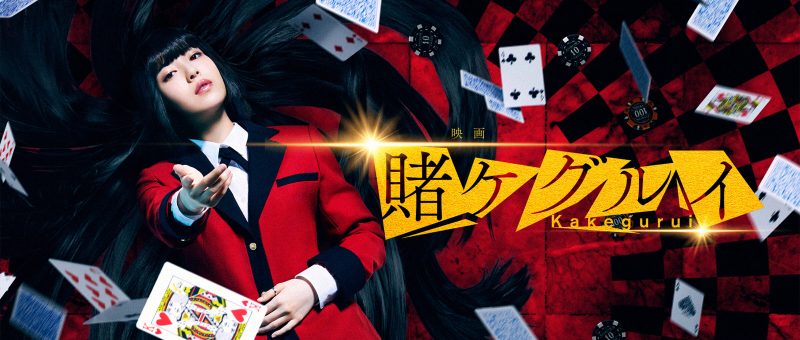
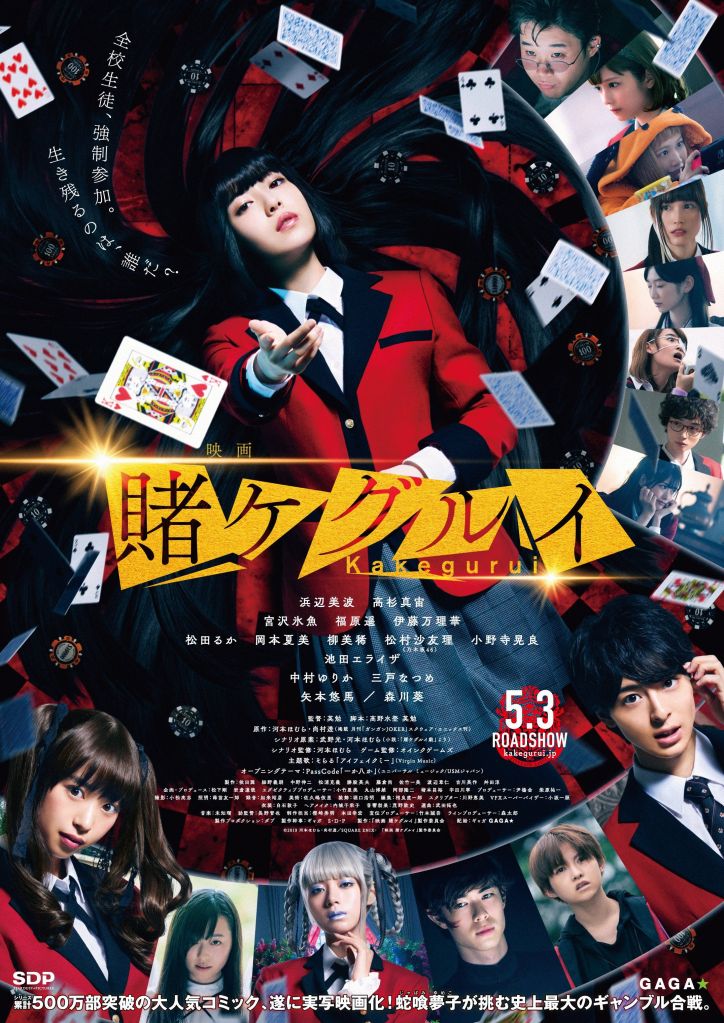
Kakegurui (映画 賭ケグルイ, Tsutomu Hanabusa, 2019)

Gambling, the ultimate act of faith or the height of anarchic genius? Based on the hit manga which has already been adapted as a popular TV anime, Kakegurui (映画 賭ケグルイ) is the sequel to two seasons of a live action TV drama set in a school where hierarchy is decided not by grades or by fists, but by prowess at the gaming tables. Those who lose so badly they bankrupt themselves become a kind of subhuman underclass, tied up like dogs and routinely humiliated, while the Student Council becomes a stand in for an oppressive social order ruling over all and enforcing the law with an iron hand. 

Into this high stress environment walks Yumeko Jabami (Minami Hamabe), a transfer student to the elite Hyakkaou Private Academy determined to bend its rules to her own advantage. Meanwhile, Student Council President Kirari Momobami (Elaiza Ikeda) is forced to deal with a new and unexpected threat – The Village, a small cult made up of students who have rejected the system, dropped out to live a hippy lifestyle in the grounds, and refuse to participate in “meaningless” games of chance. Their priest-like leader, Amane Murasame (Hio Miyazawa), once beat Kirari at cards becoming something like a god of gambling, but lost his zeal for the game after losing the only thing he ever cared about. 

Where he opposes the system passively yet pointedly, Yumeko rebels in her own, fiercely individualistic way by superficially conforming, becoming a top gambler, but only because she is exercising a free choice to do so. She plays for kicks alone, and generally wins because she isn’t stressed enough about losing to let it bother her. This individualist streak makes her a hidden threat against Kirari, but one that might in itself be an interesting gamble for the infinitely bored Student Council President. 

While Yumeko’s individualism threatens to unbalance the system, The Village presents a collectivist threat, agitating wholesale revolution and an end to the oppressive rule of the Student Council which renders losers inhuman. Yet there’s an essential irony in The Village’s creepy monotony that stands in stark contrast to Yumeko’s seeming conformity but insistence on her own freedom. Your life’s your own, she later explains, it’s annoying if people try to manipulate it. In this instance she’s talking not about the “life plans” handed out by the Student Council, but the egotistical desire to “save” the lives of others without considering if they want them saved or if you’re merely infringing on their personal freedom in attempting to make choices for them based entirely on your own value system. 

Murasame perhaps bet something he shouldn’t have and technically won, but ended up losing anyway which is what has made him turn against gambling. Yumeko, meanwhile, believes that the only way to be truly free to entrust yourself to luck and destiny. That is, however, somewhat disingenuous, because what Yumeko excels at is mind games, essentially manipulating those around her in order to win. Yumeko plays players, not cards, and is rarely played herself. Unlike Murasame’s righthand woman Arukibi (Haruka Fukuhara), she doesn’t care that much what people think. Arukibi, meanwhile, is desperate for approval and is playing her own game just to get someone’s attention which makes her a volatile, if easily manipulated, opponent.

Essentially, Murasame wants freedom outside of the system where Yumeko has found it within, but her philosophy is perhaps the more dangerous in that it proposes total freedom that has no regard for the systems of governance. Then again, maybe this is all a long con to get better cakes in the cafeteria, merely gaming the system rather than actively undermining it. Nevertheless, for Yumeko life is risk, rebelling against an oppressive social order through the anarchic individualism of living by “chance”. Living in a society as highly regimented as this is a high stakes game, but you can’t win if you don’t play, and you need to play smart. That’s the peculiar irony of life at Hyakkaou Private Academy where the Student Council literally owns your future but you can win it back by playing them at their own game. Bet your life, win your freedom Yumeko seems to say but she still makes sure to bring cake for everyone, not just the “winners” or the privileged few. 


Screened as part of the Japan Foundation Touring Film Programme 2020.

International trailer (English subtitles)
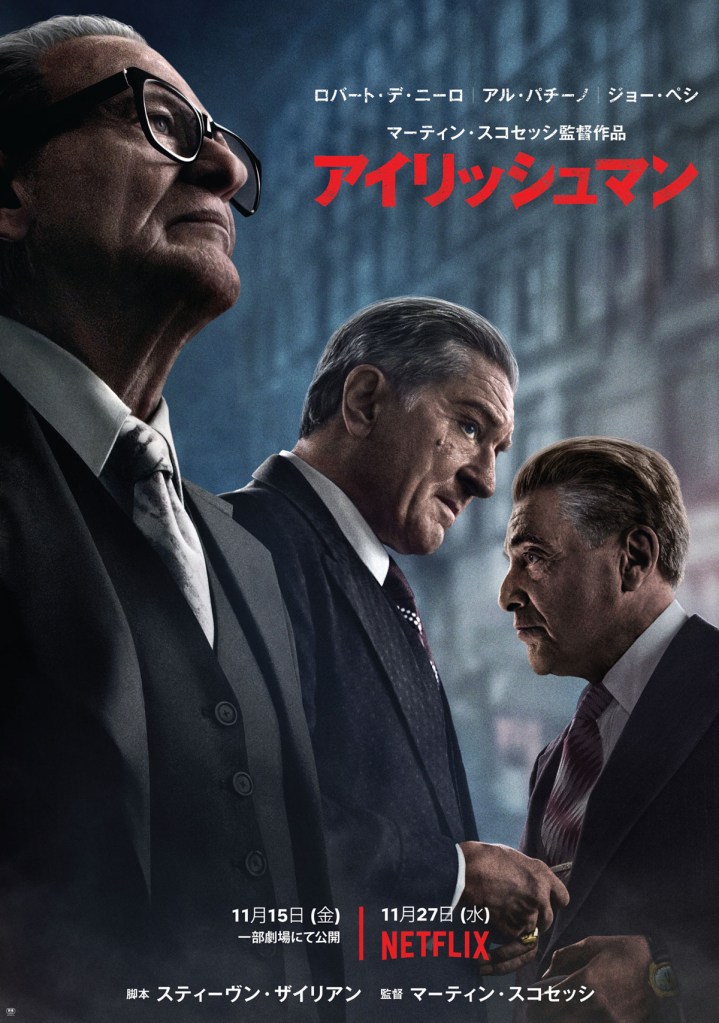
Kinema Junpo Announces 93rd Best 10 for 2019

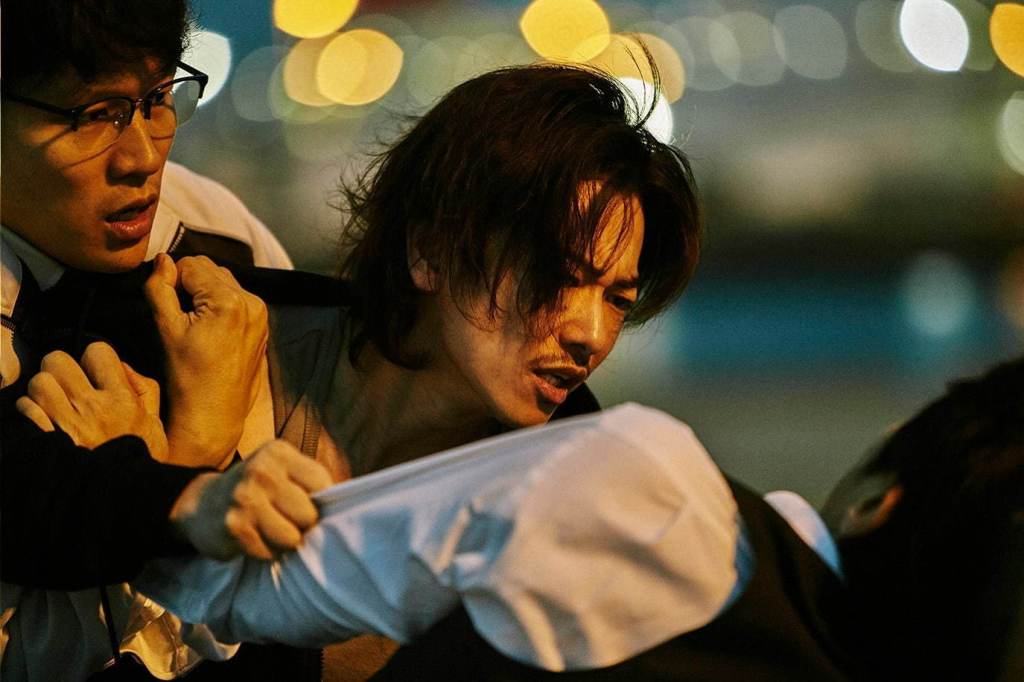
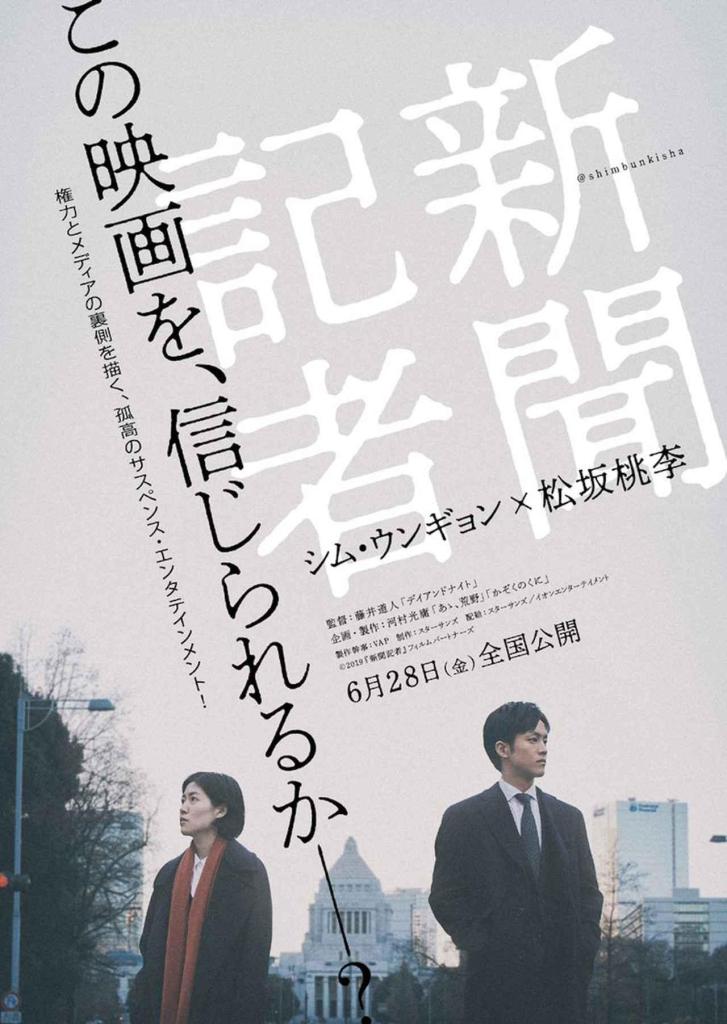
Prestigious cinema magazine Kinema Junpo has released its always anticipated “Best 10” list for films released in 2019, the 93rd edition. Steamy drama It Feels So Good takes the top spot in a list which is (almost) entirely free of surprise awards juggernaut Fly Me to the Saitama.

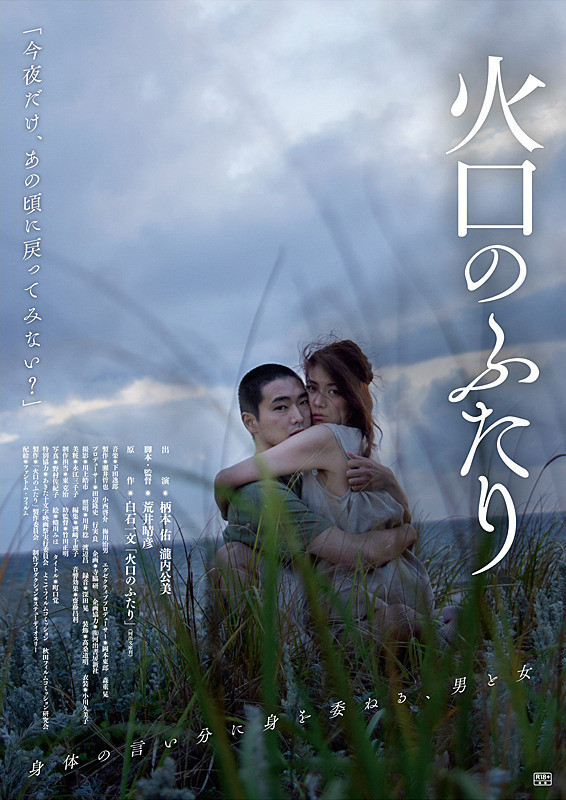
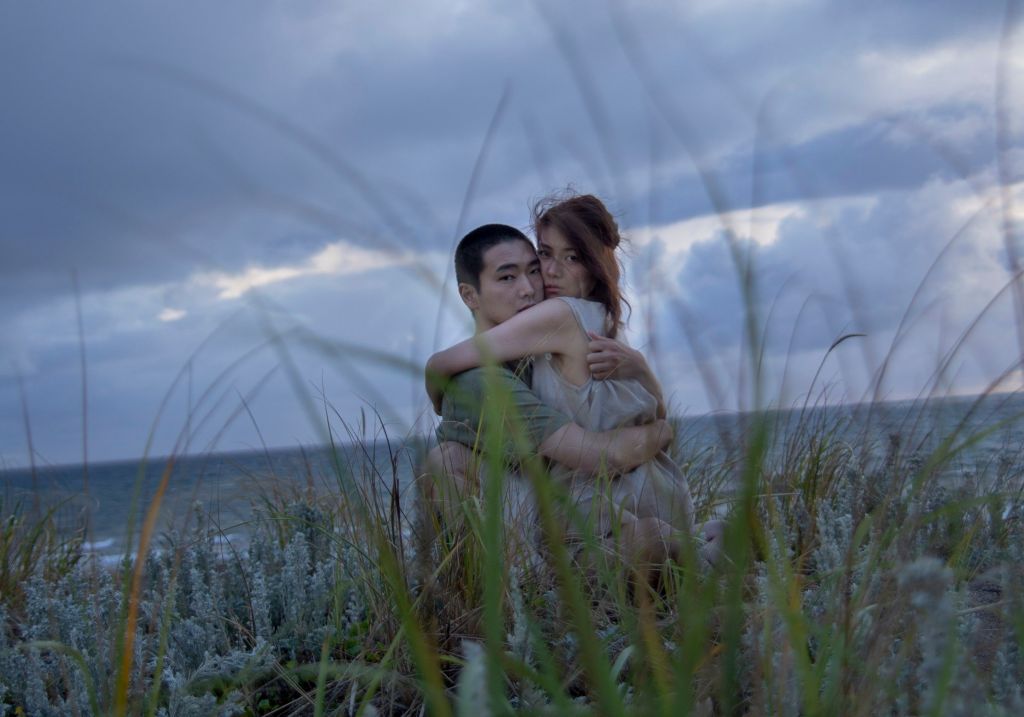
1. It Feels so Good (火口の ふたり)

Steamy drama from Haruhiko Arai – screenwriter, critic, and editor of film magazine Eiga Geijutsu, starring Tasuku Emoto as a young man who’s lost his job and got divorced. Retreating to his hometown, he reconnects with an old flame (Kumi Takiuchi) in the days before her wedding to another man.

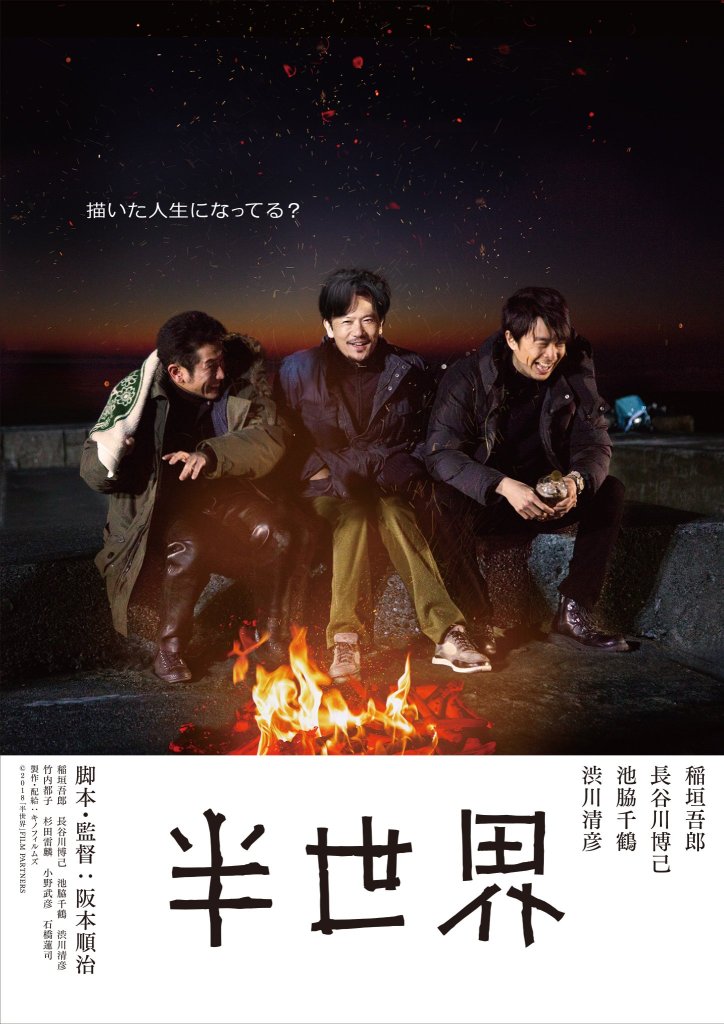
2. Another World (半世界)

Male friendship drama from Junji Sakamoto in which a traumatised soldier returns to his small town home and tries to reconnect with the friends of his youth.

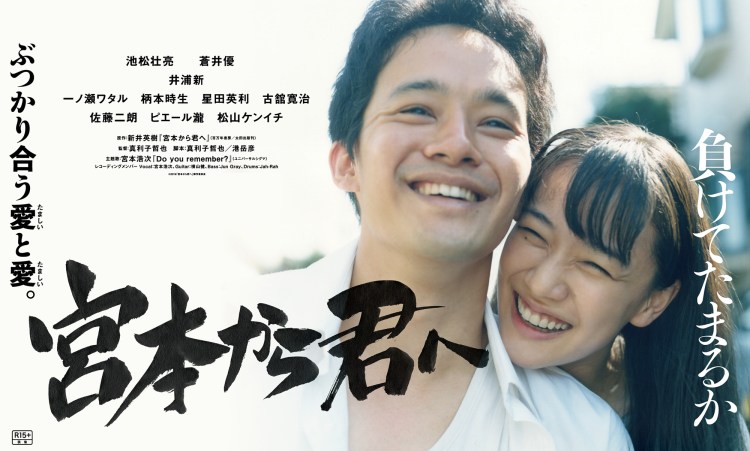
3. From Miyamoto to You (宮本から君へ)

Sequel to a TV drama directed by Tetsuya Mariko (Destruction Babies) starring Sosuke Ikematsu as a shy salesman who falls for Yu Aoi’s office worker.
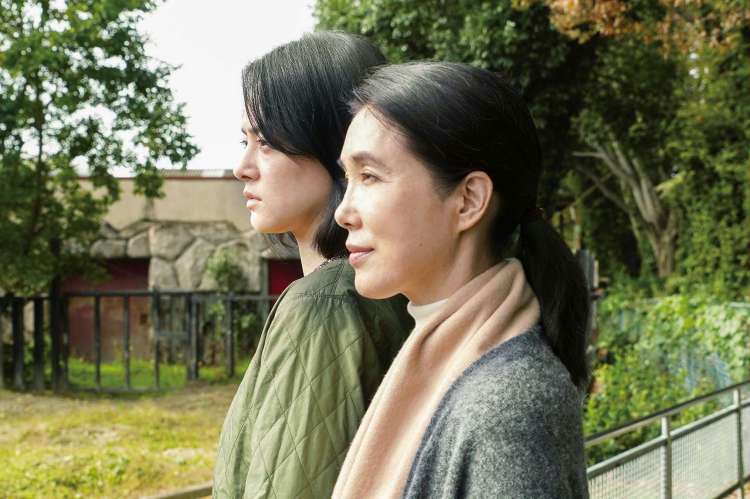
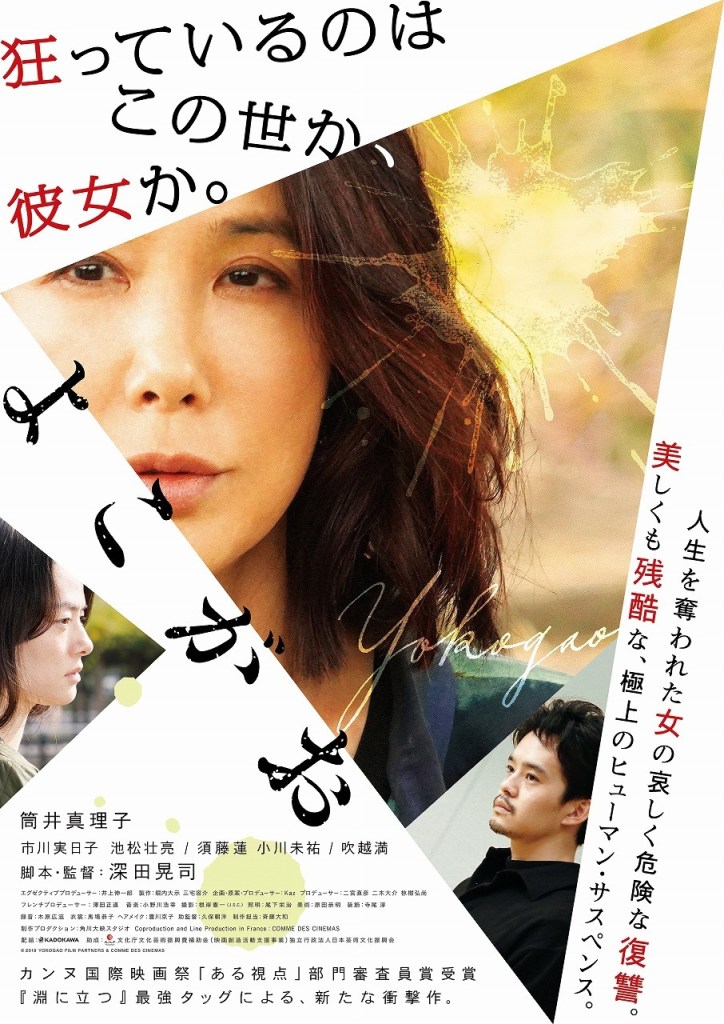
4. A Girl Missing (よこがお)
Drama from Koji Fukada in which a homecare nurse is implicated in the disappearance of her employer’s daughter.

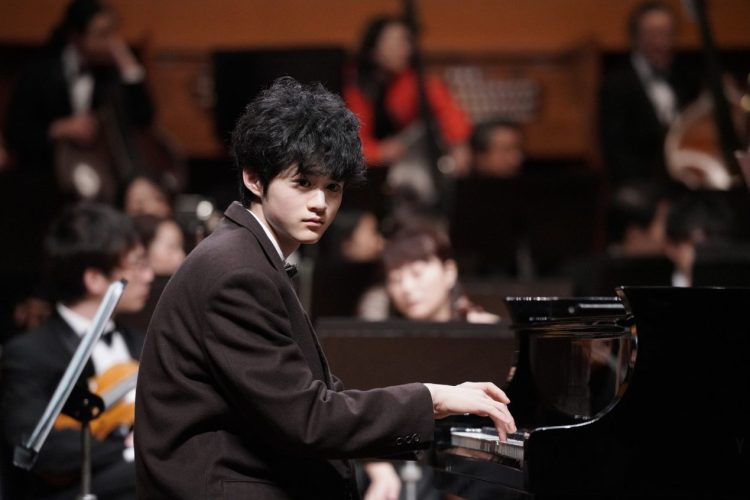
5. Listen to the Universe (蜜蜂と遠雷)

Adaptation of Riku Onda’s novel following four aspiring concert pianists directed by Kei Ishikawa (Gukoroku: Traces of Sin)

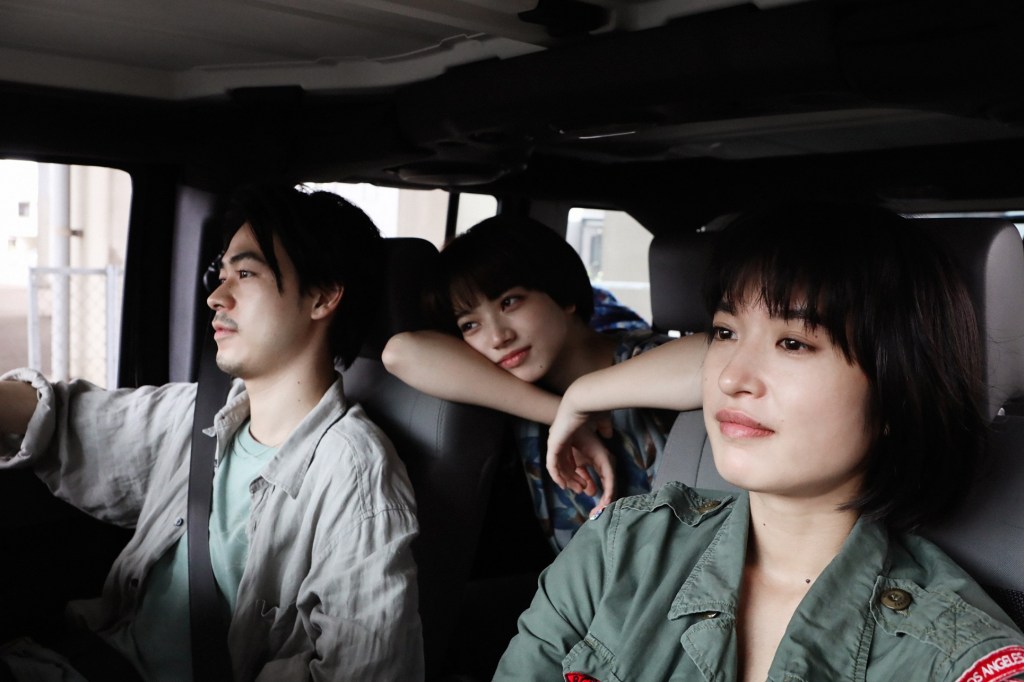
6. Farewell Song (さよならくちびる)

Love triangle drama from Akihiko Shiota in which a two-piece folk band (Nana Komatsu & Mugi Kadowaki) go on one last tour with a male roadie (Ryo Narita) who disrupts their dynamic.

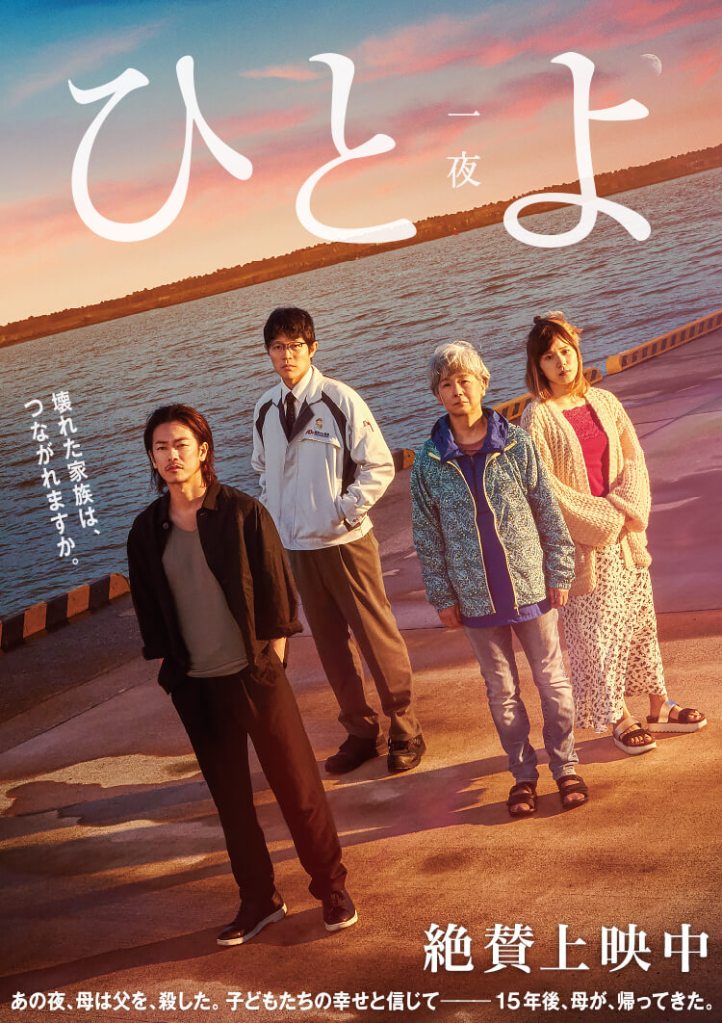
7. One Night (ひとよ)

Drama from Kazuya Shiraishi in which a scattered family reunites 15 years after one traumatic night.

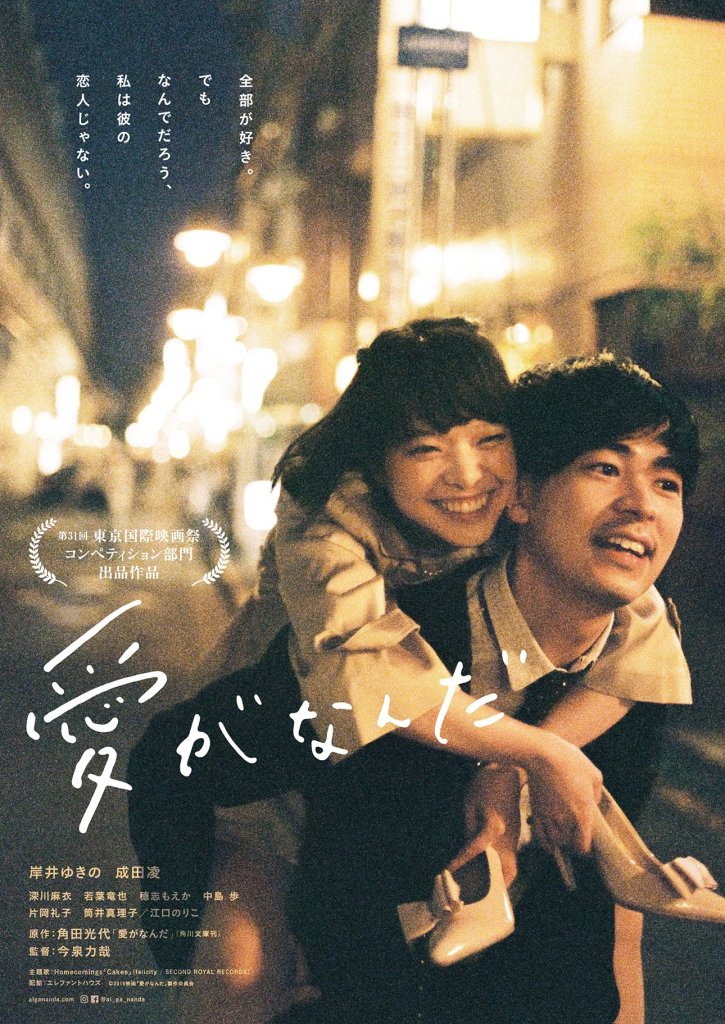
8. Just Only Love (愛がなんだ)

Rikiya Imaizumi adapt’s Mitsuyo Kakuta’s novel in which a lovelorn office lady (Yukino Kishii) gets into a casual relationship with a colleague (Ryo Narita) but gradually realises he’s just not that into her.

9. RANDEN: The Comings and Goings on a Kyoto Tram (嵐電)

Three stories of love occur along the the iconic Kyoto tramline as a writer from Kamakura searches for a ghost train while recalling memories of his wife, a local girl helps a Tokyo actor master the Kyoto accent, and a girl from Aomori falls for a trainspotter!

10. To the Ends of the Earth (旅のおわり世界のはじまり)

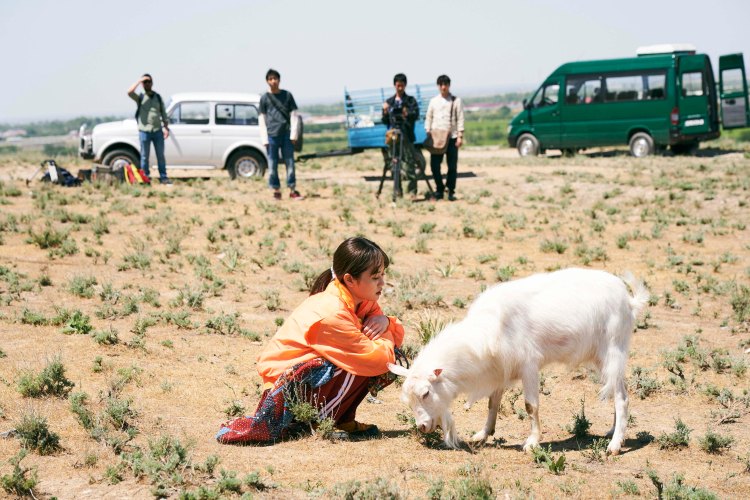
Kiyoshi Kurosawa reunites with recent muse Atsuko Maeda as a lost TV presenter goes searching for herself while filming in Uzbekistan.

Best 10 International

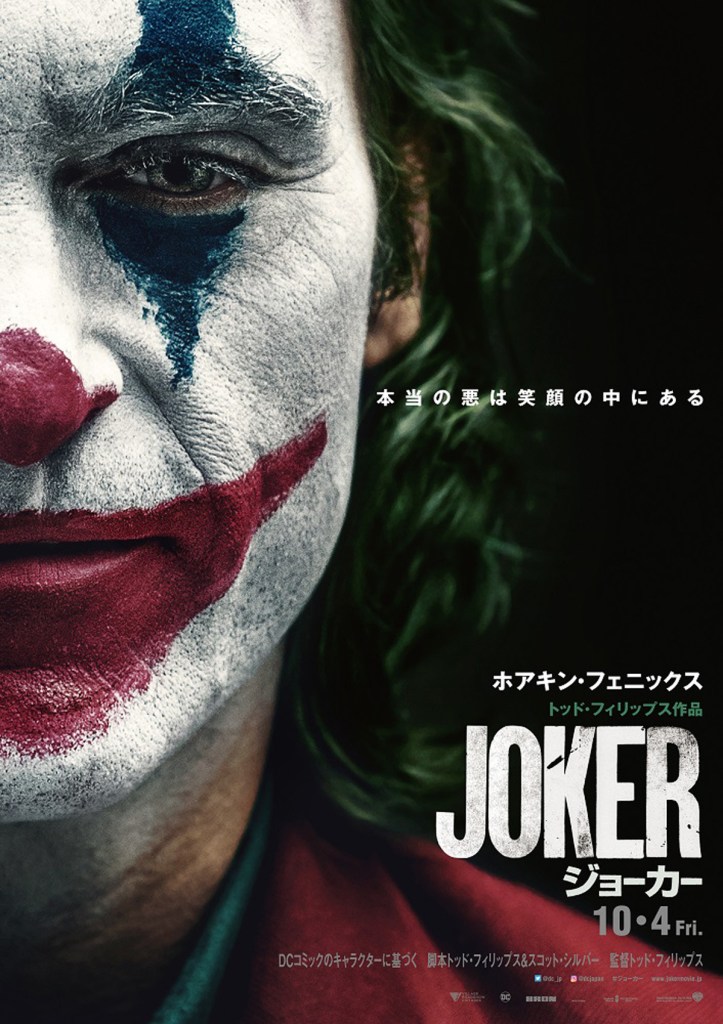
  1. Joker
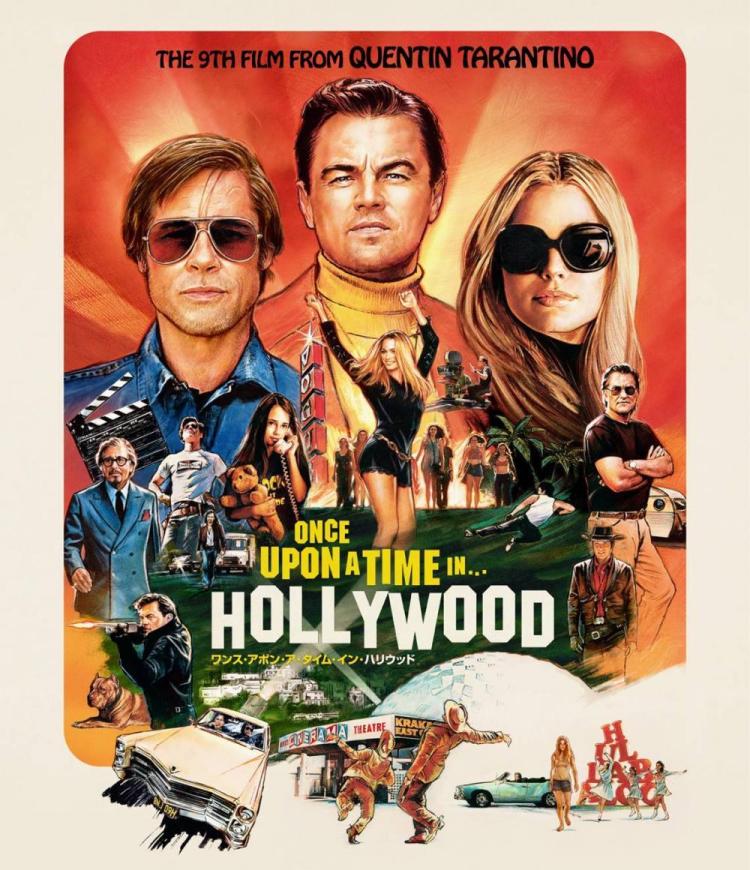
  2. Once Upon a Time in Hollywood
  3. The Irishman
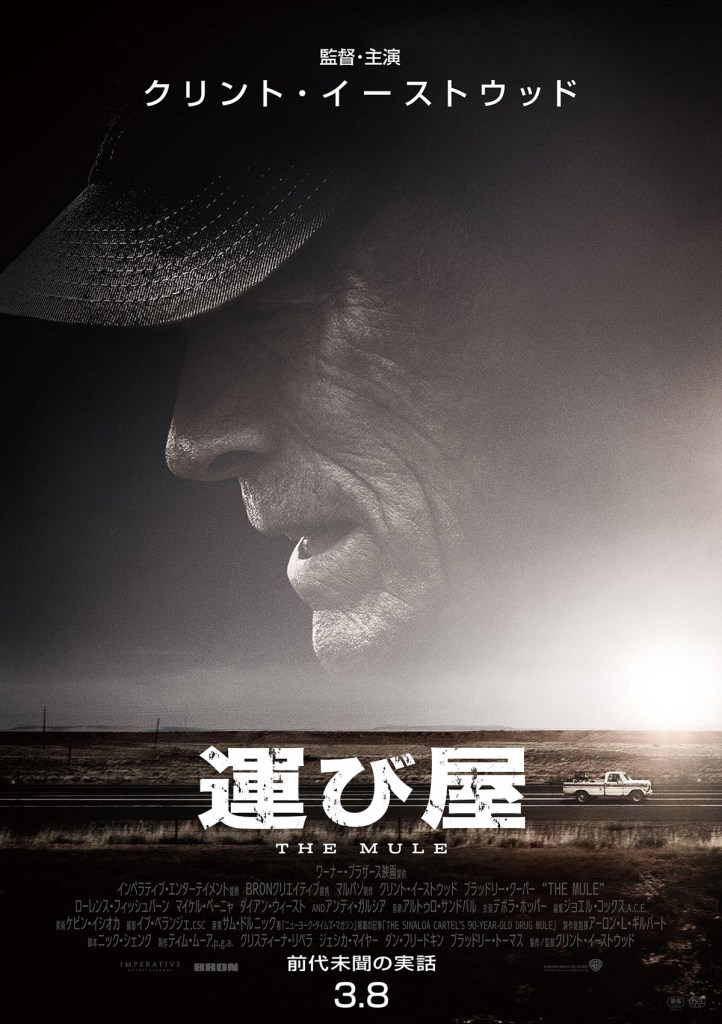
  4. The Mule
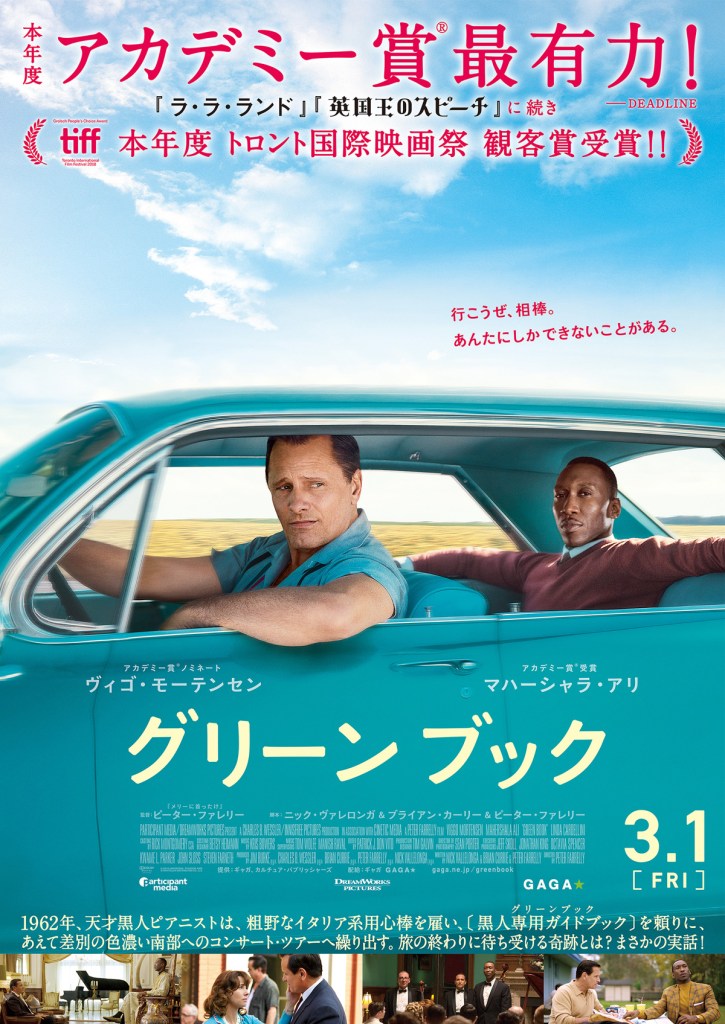
  5. Green Book
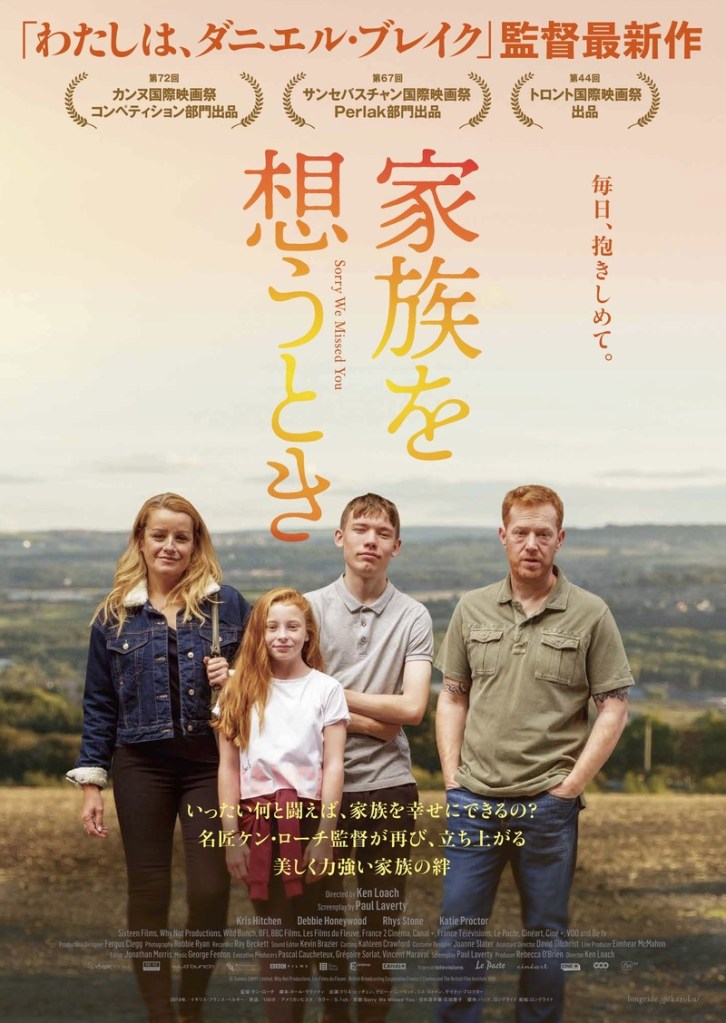
  6. Sorry We Missed You
  7. Cold War
  8. Roma
  9. An Elephant Sitting Still
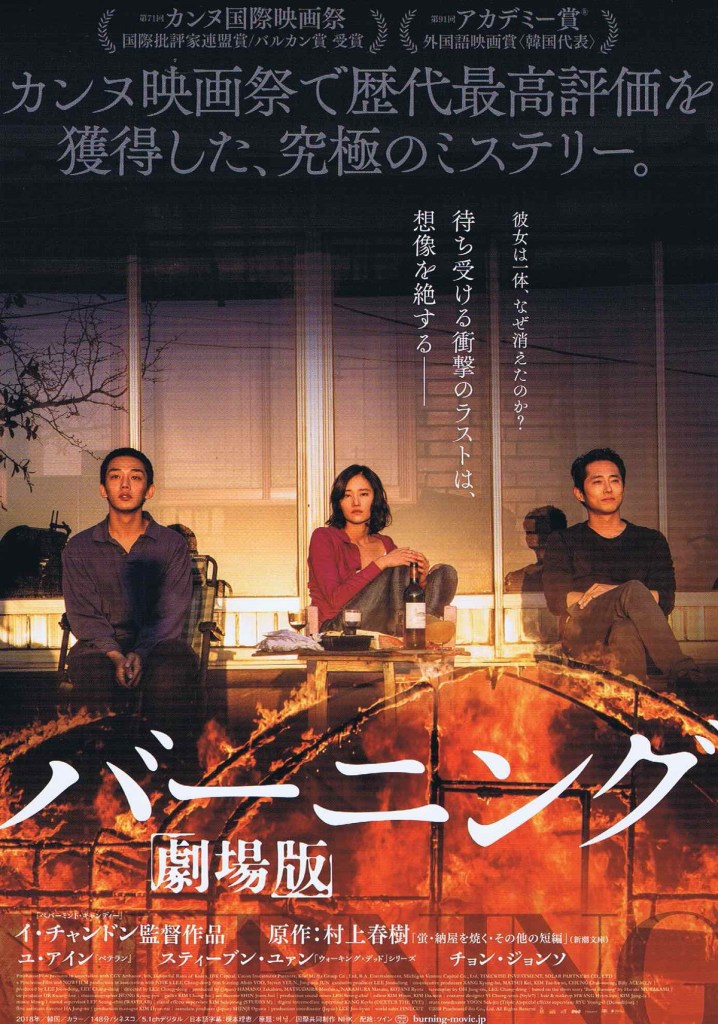
  10. Burning

Best 10 Documentaries

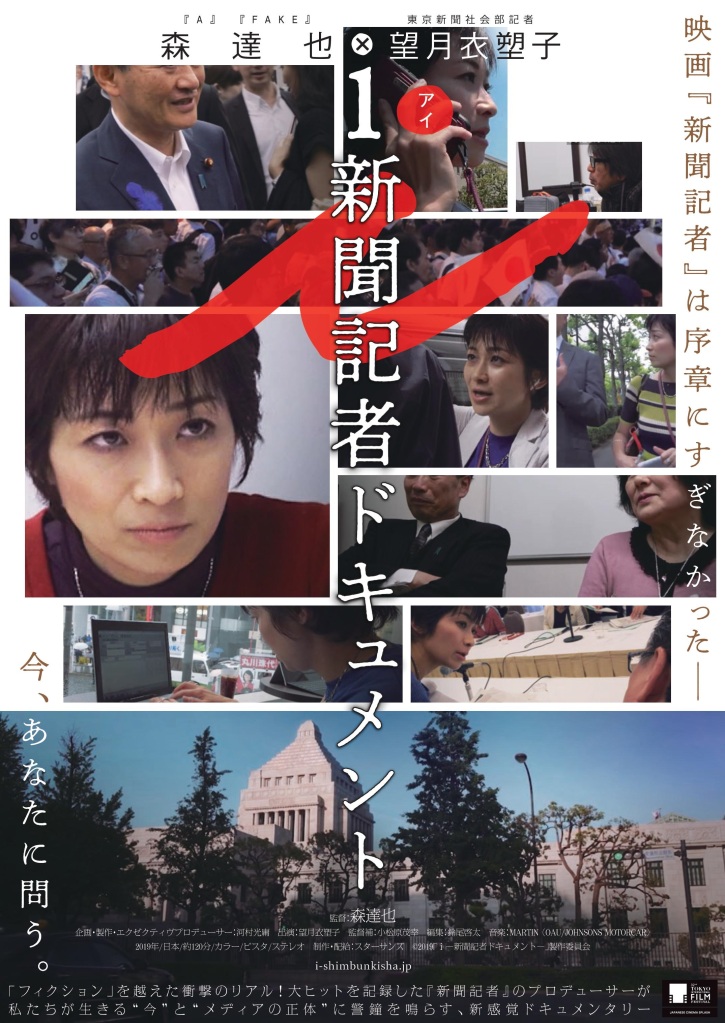
  1. i -Documentary of the Journalist- (i-新聞記者ドキュメント-, Tatsuya Mori)
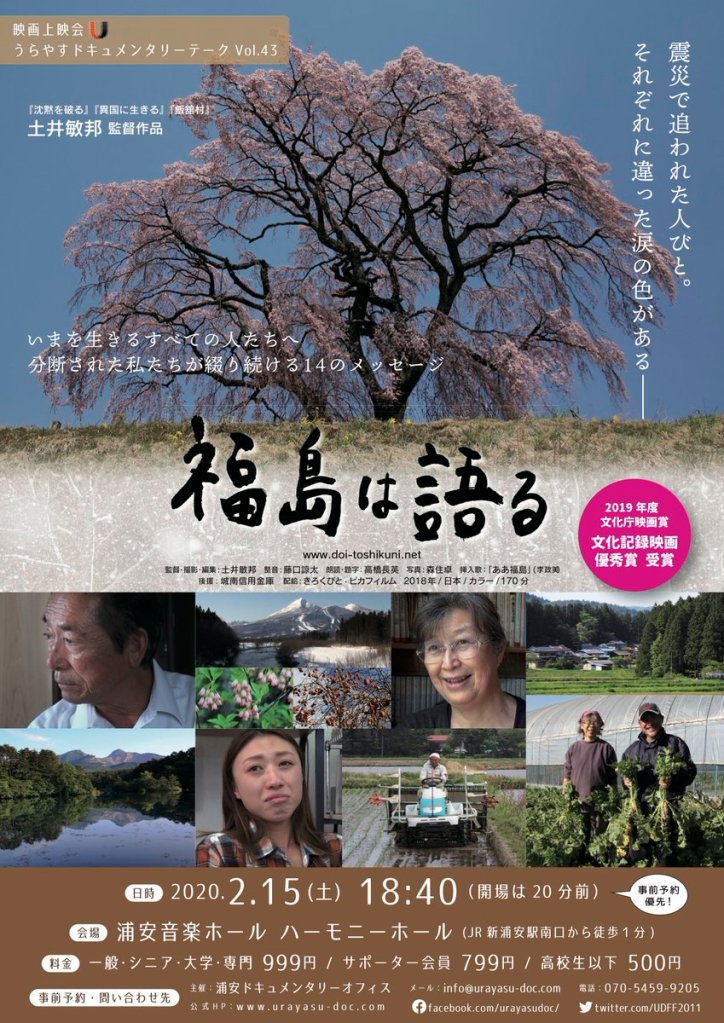
  2. Fukushima Speaks (福島は語る, Toshikuni Doi) 
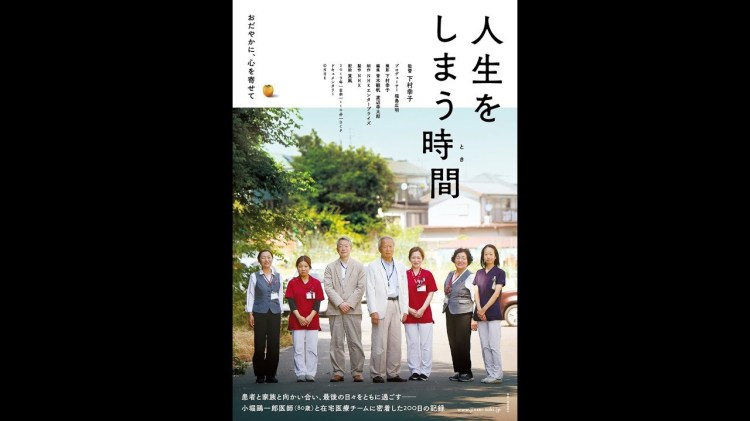
  3. Jinsei wo Shimau Toki (人生をしまう時間(とき), Sachiko Shimomura)
  4. Yamafutokoro ni Idakarete (山懐に抱かれて, Takashi Endo)
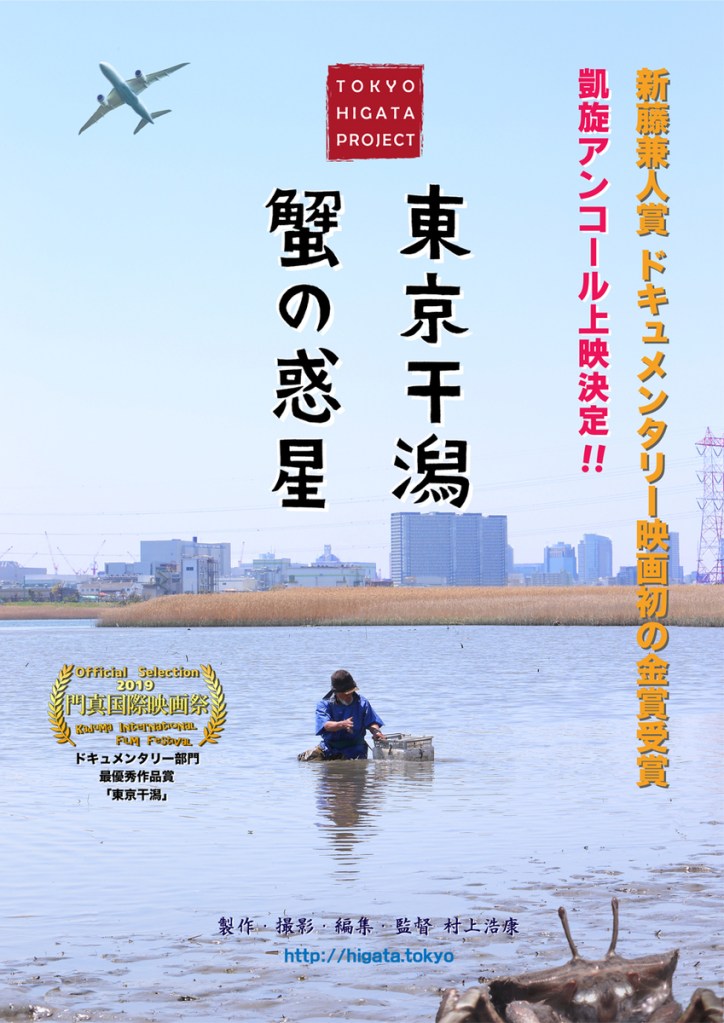
  5. Planet of the Crabs (蟹の惑星, Hiroyasu Murakami)
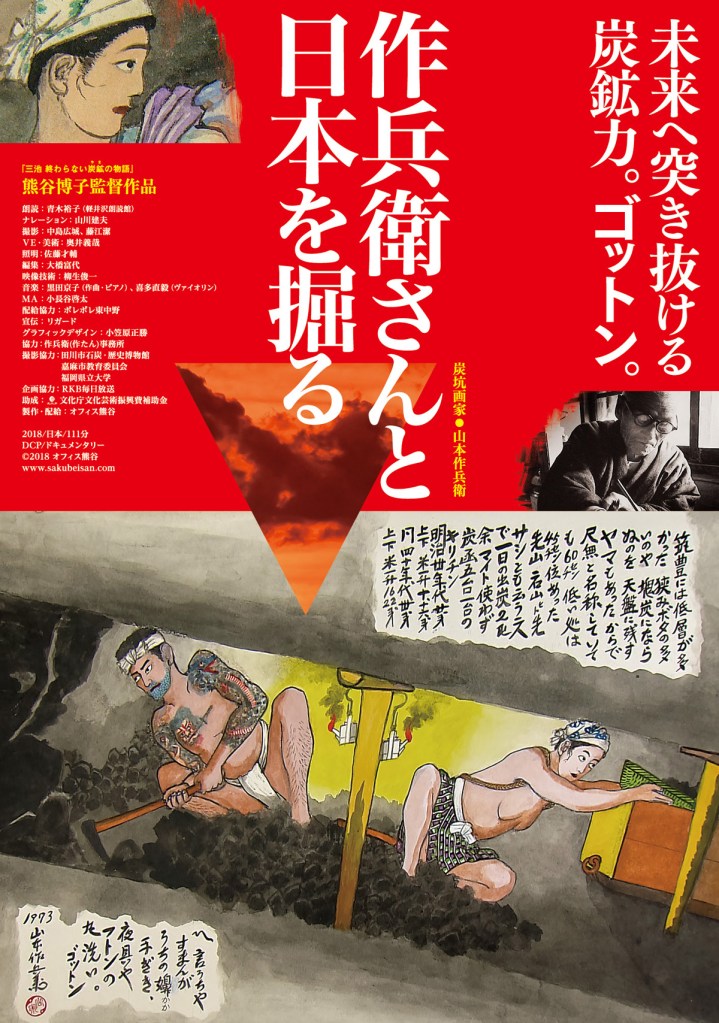
  6. Sakubei and the Mining of Japan (作兵衛さんと日本を掘る, Hiroko Kumagai)
  7. Tokyo High Tide (東京干潟, Hiroyasu Murakami))
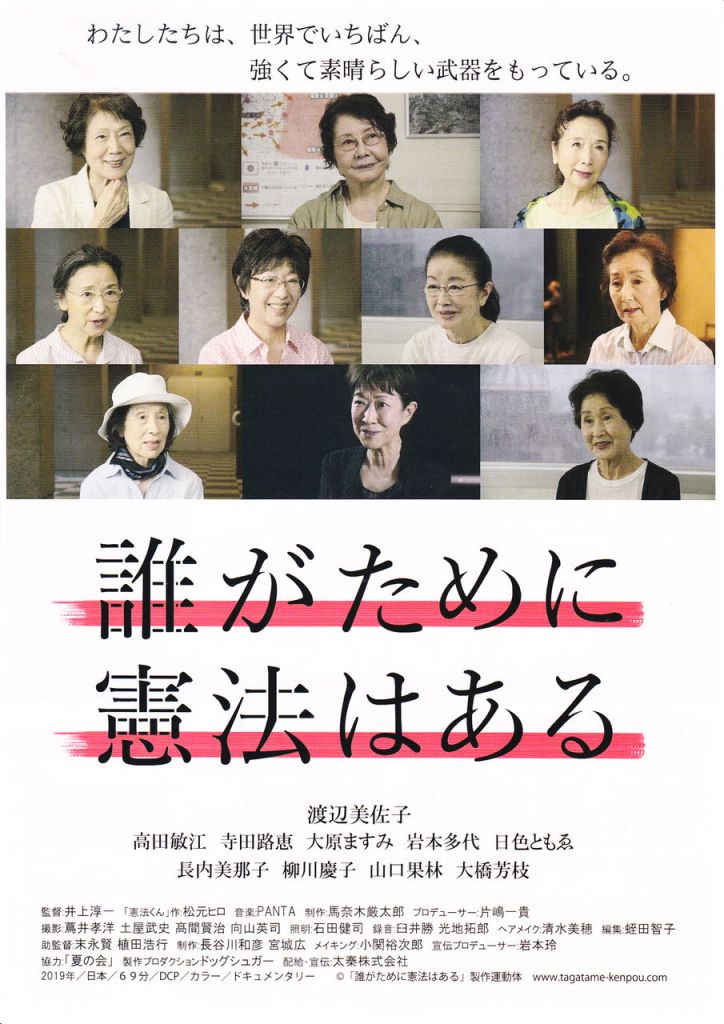
  8. Dare ga Tame ni Kenpo wa Aru (誰がために憲法はある, Junichi Inoue)
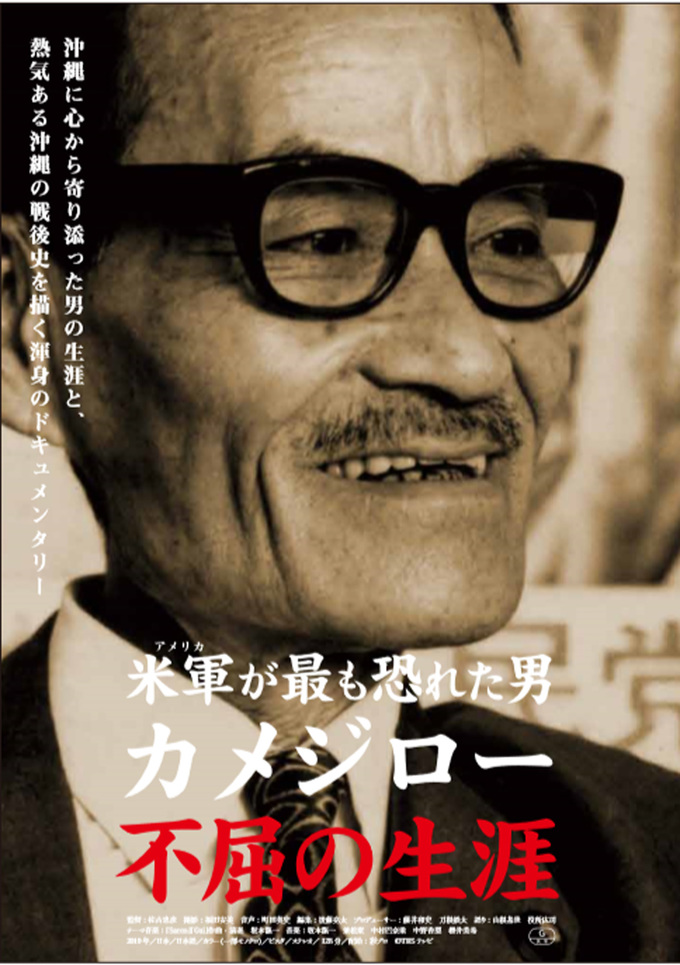
  9. America ga Mottomo Osoreta Otoko: Kamejiro – Fukutsu no Shogai (米軍(アメリカ)が最も恐れた男 カメジロー不屈の生涯, Tadahiko Sato)
  10. Korean Schools in Japan (アイたちの学校, Ko Chanyu)

Readers’ Best 10 (Japan)

  1. Another World (半世界)
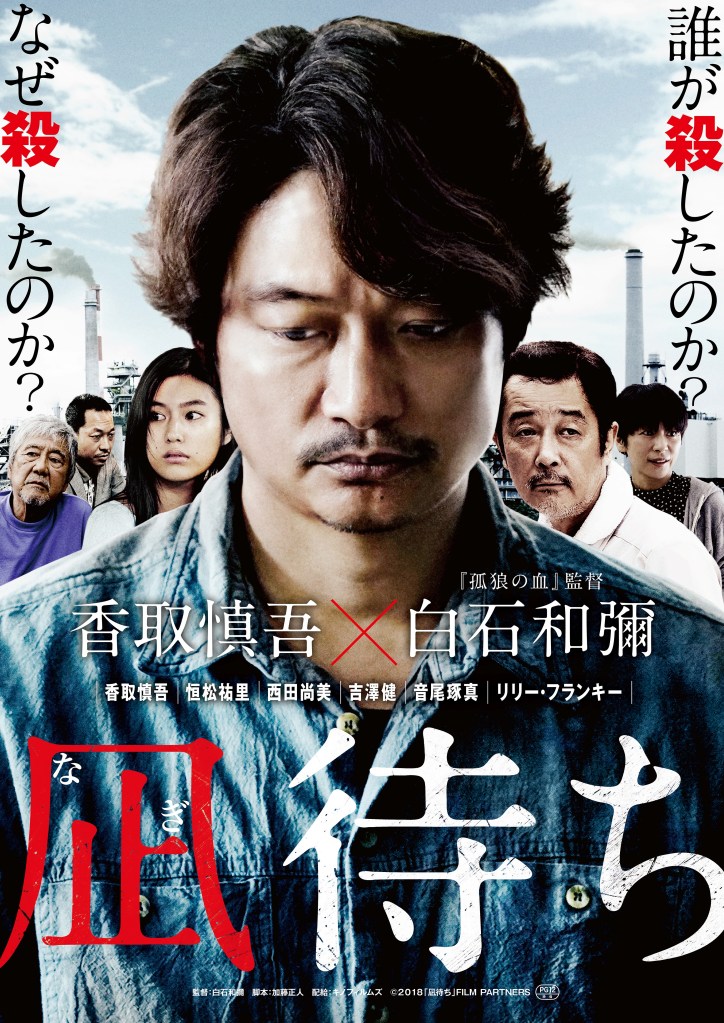
  2. Sea of Revival (凪待ち)
  3. The Journalist (新聞記者)
  4. One Night (ひとよ)
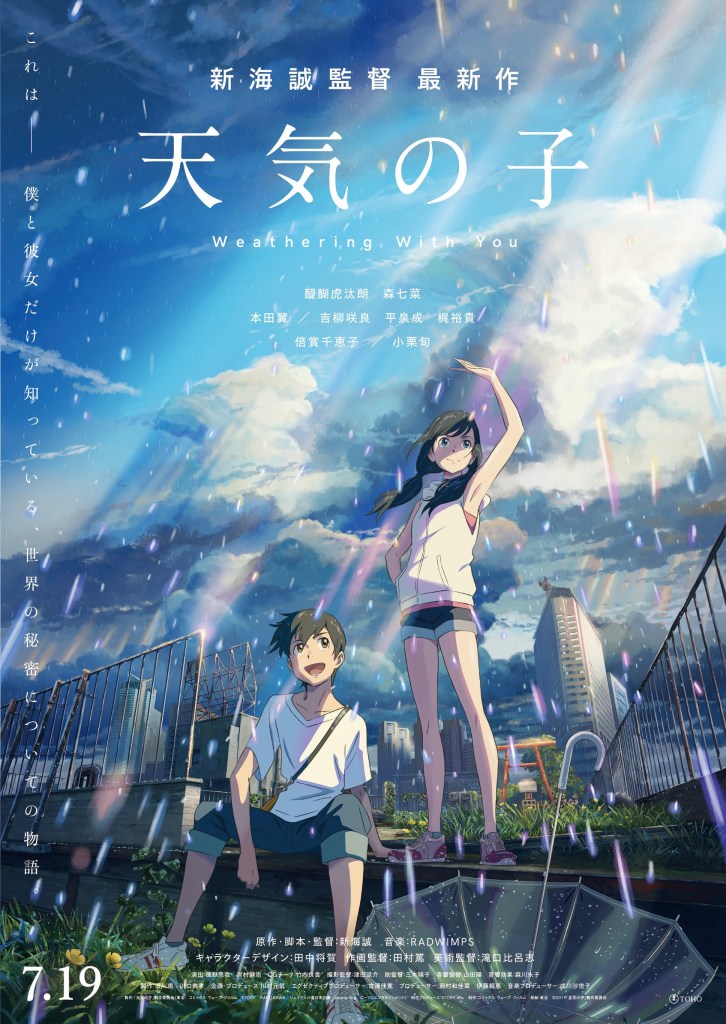
  5. Weathering with You (天気の子)
  6. Just Only Love (愛がなんだ)
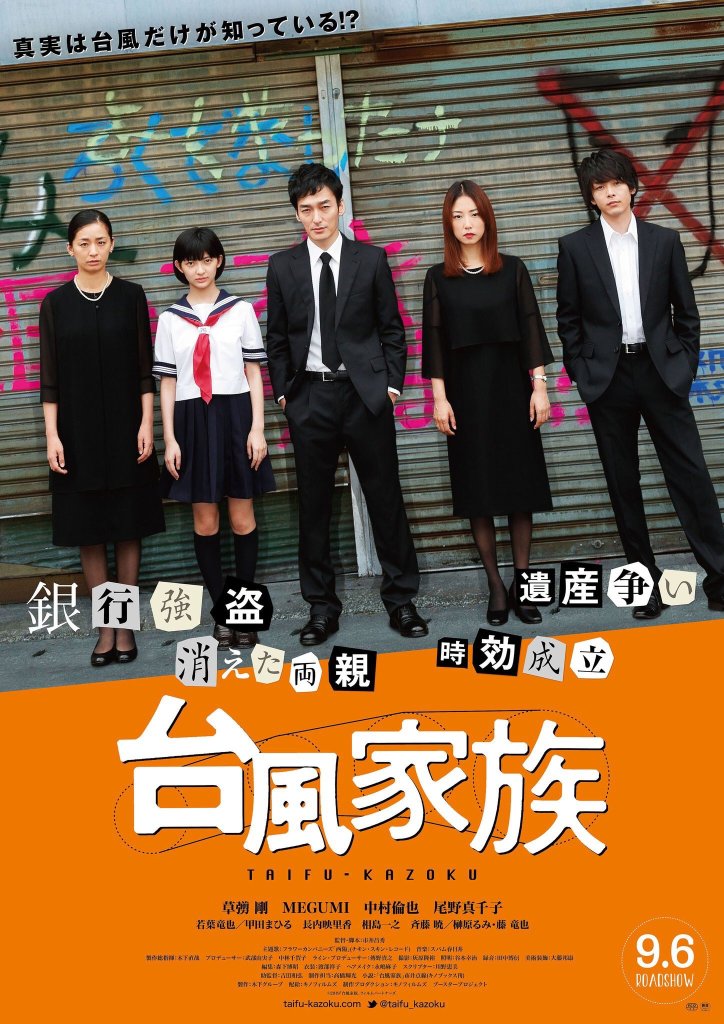
  7. Typhoon Family (台風家族)
  8. From Miyamoto to You (宮本から君へ)
  9. A Girl Missing (よこがお)
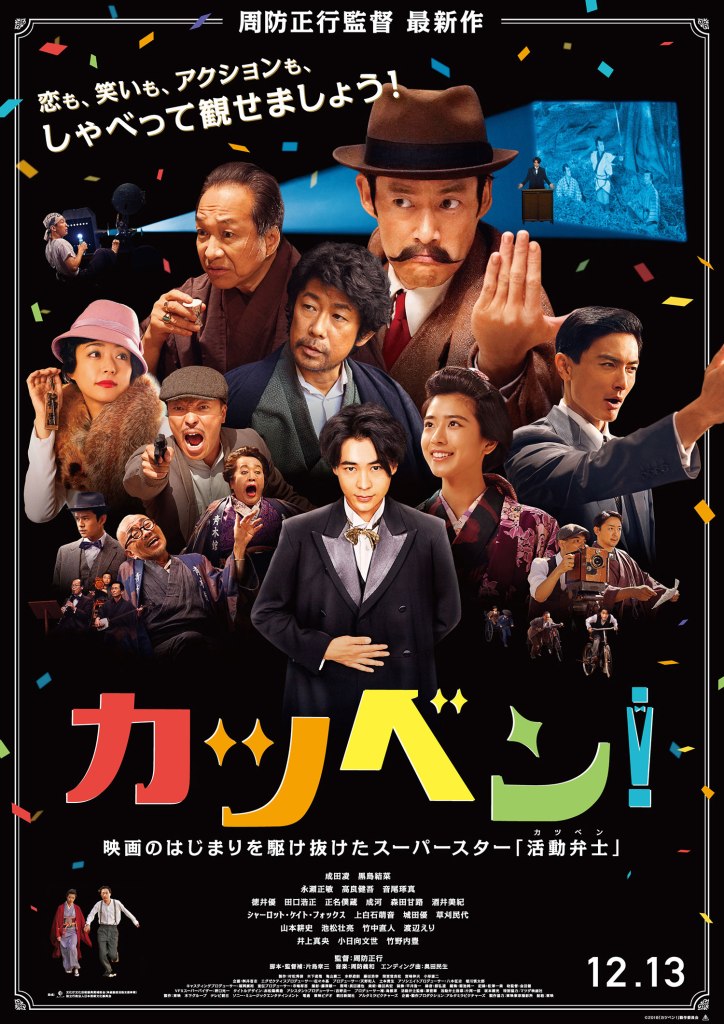
  10. Talking the Pictures (カツベン!)

Readers’ Best 10 (International)

  1. Joker
  2. Green Book
  3. The Mule
  4. Once Upon a Time in Hollywood
  5. Roma
  6. The Irishman
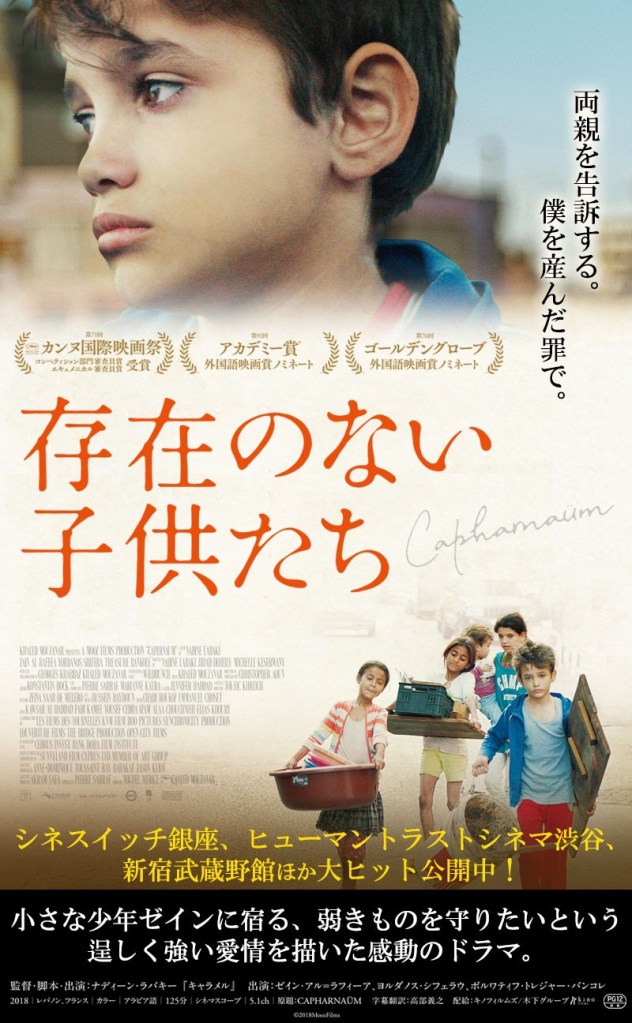
  7. Capernaum
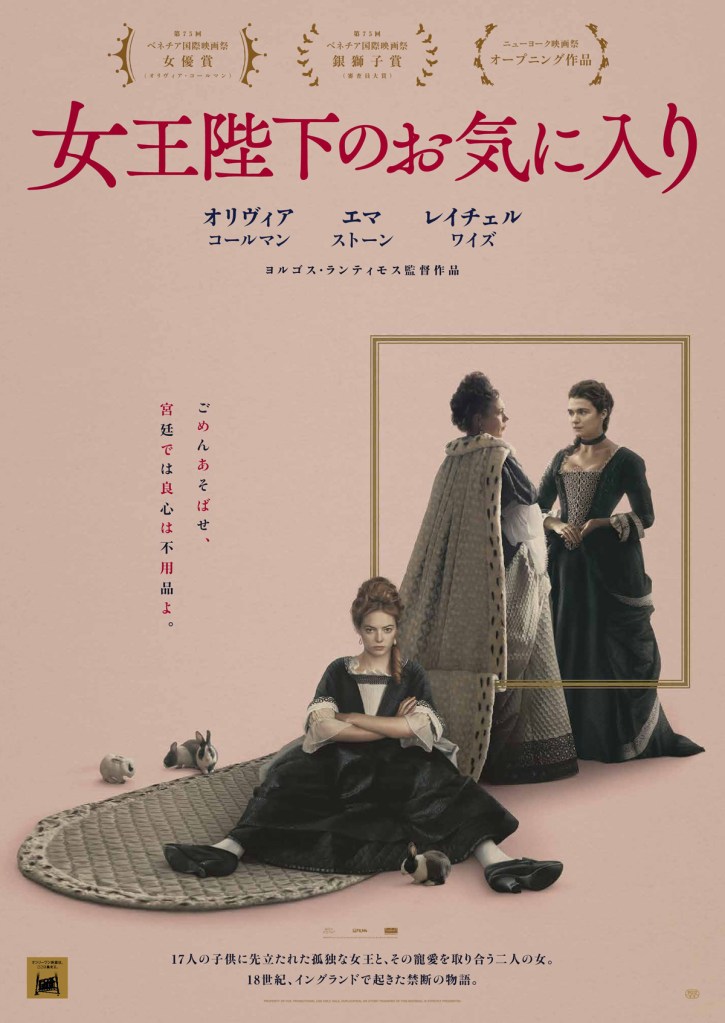
  8. The Favourite
  9. Sorry We Missed You
  10. Cold War

Individual Awards

Best Director: Kazuya Shiraishi (One Night, Sea of Revival, A Gambler’s Odyssey 2020)

Best Screenplay: Junji Sakamoto (Another World)

Best Director (international): Todd Phillips (Joker)

Best Actress: Kumi Takiuchi (It Feels So Good)

Best Actor: Sosuke Ikematsu (From Miyamoto to You)

Best Supporting Actress: Chizuru Ikewaki (Another World)

Best Supporting Actor: Ryo Narita (Just Only Love, Farewell Song, Chiwawa, Fly Me to the Saitama, No Longer Human)

Best Newcomer (actress): Nagisa Sekimizu (Almost a Miracle)

Best Newcomer (actor): Oji Suzuka (Listen to the Universe, The 47 Ronin in Debt)

Readers’ Choice Best Director: Junji Sakamoto (Another World)

Readers’ Choice Best Director (international): Todd Phillips (Joker)

Readers’ Choice Award: RHYMESTER Utamaru / Kazuko Misawa

Special Award: Makoto Wada

Source: Kinema Junpo official website.

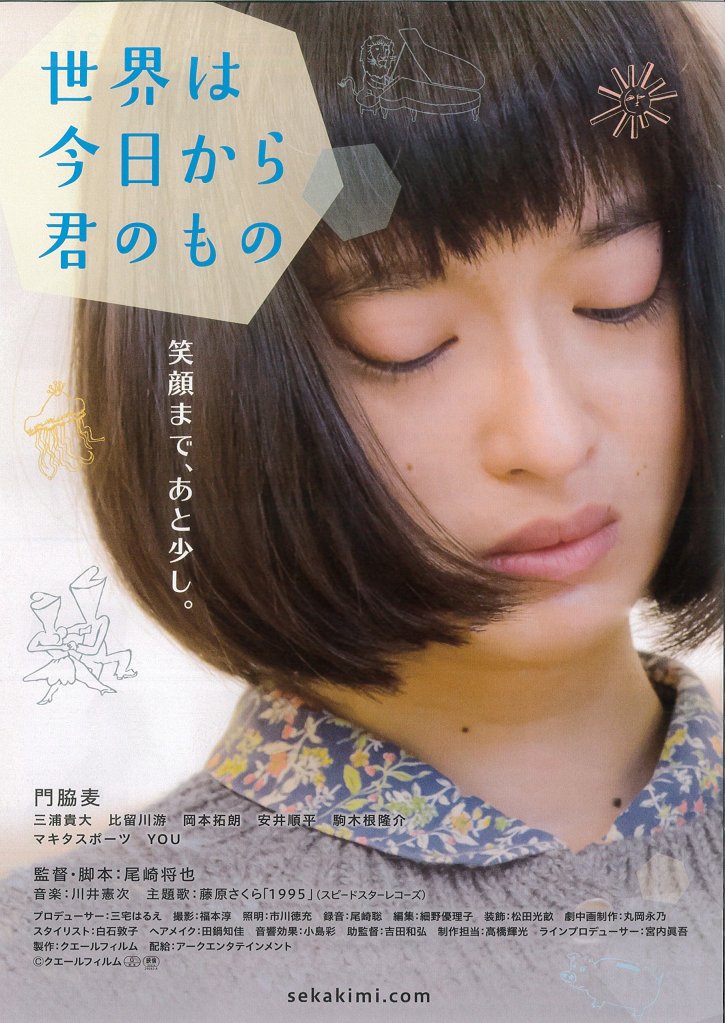
Her Sketchbook (世界は今日から君のもの, Masaya Ozaki, 2017)

Many young people struggle to find their place in the world, but for young Mami who largely just wants to be left alone, the struggle is all the greater. Less a hikikomori drama than a tale of destructive parenting and buried talents, Her Sketchbook (世界は今日から君のもの, Sekai wa Kyou kara Kimi no Mono) charts the gradual blossoming of a young woman who begins to take root after finding the right environment in which to thrive, encouraged by others who take the time to see and appreciate her for who she is rather than all they fear she’s not. 

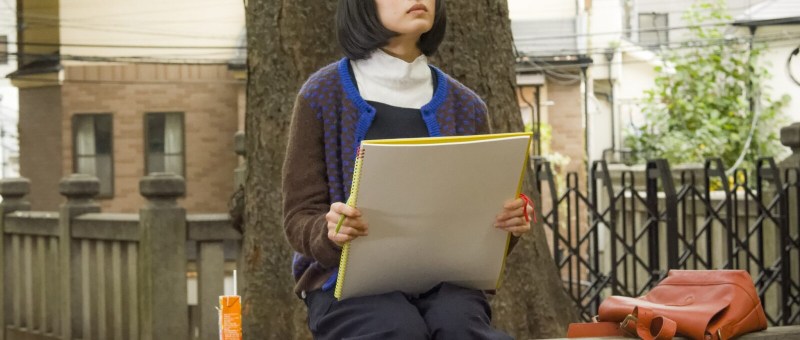
A shut-in since dropping out of middle school, Mami (Mugi Kadowaki) has recently taken a factory job but is laid off after a little misadventure at the seaside leaves her with an injury that prevents her from strenuous labour. Her father Eisuke (Makita Sports), recently made redundant himself, is worried for her future and wants her get out more so he sets her up with a job that seems ideal, testing games for bugs at a software company. It’s there that she crosses paths with harried project manager Ryotaro (Takahiro Miura) who is getting fed up with the artistic temperament of his usual character designer. He drops a sketch covered in markup notes and she tries to hand it back to him but is too shy and ends up taking it home where she diligently corrects it according to his instructions and mails the revised illustration to the address on the bottom, trying to make up for her failure in being unable to approach him in person. The new drawing is exactly what Ryotaro had envisioned, but he has no idea who the mystery illustrator is. Nevertheless, he decides to start mailing additional requests to the unfamiliar email address. 

Eisuke thinks he’s doing the best for his daughter, but even he in unguarded moments describes her as odd and a failure. He had no idea that she had any kind of “talent”, believing she was just sitting in her room twiddling her thumbs. But for Mami, the discovery of her boxes of illustrations is something of a mixed blessing. She’s glad people seem to be pleased, but partially resents the new attention and quickly realises that they’ve misunderstood her capabilities. She’s good at mimicking the style of others and correcting proofs according to instructions, but struggles when asked to come up with ideas of her own. 

That struggle is essentially a mental block on being able to see herself. Always a little “different”, Mami never fit in at school and while her father fretted that she wasn’t making friends, her mother (You) was content to let her be. Unfortunately that wasn’t because she accepted her daughter for who she was and wanted to support her, but that she knowingly or otherwise used her difference against her as a reason to keep her close. Now having left the family for unclear reasons, Mami’s mother remains possessive and domineering, never missing an opportunity to undermine her daughter’s sense of confidence or to remind her that she doesn’t belong in regular society. Mami’s struggle is, in that sense, to break free of her mother’s toxic parenting and reject her view of her as someone who is entirely unable to lead a normal life as independent adult. 

Essentially infantalised, Mami finds herself learning adult life lessons at an accelerated pace but also battling unhelpful attempts to exploit and misuse her hikikomori past. A sleazy public servant who threatens to assault Mami after bringing home her drunken friend from a bar convinces her to appear at a panel he’s running on the hikikomori phenomenon but completely ignores everything she tells him, trying to twist her words to suit his own hypotheses in presenting her as someone who has successfully reintegrated into mainstream society. He wants her to say that she took the factory job to help out after her dad was laid off, but really she took it because his being home all day was quite annoying so she got a job to avoid him. The public servant simply isn’t listening, but a shy little girl in the back is and finally knows there’s nothing wrong with her and she’s not alone. 

What gives Mami the courage to move forward is the gentle encouragement of her new friends who never treat her as if she’s weird or incapable and are prepared to be patient while she finds her footing. Just like the flower in the flip book she draws while waiting for inspiration, Mami blossoms after finding the right environment in which to thrive, gaining confidence from other people’s confidence in her but resolving to take things one step at a time, harnessing her newfound talent to claim a space for herself in a world opening up before her.  


Screened as part of the Japan Foundation Touring Film Programme 2020.

International trailer (English subtitles)