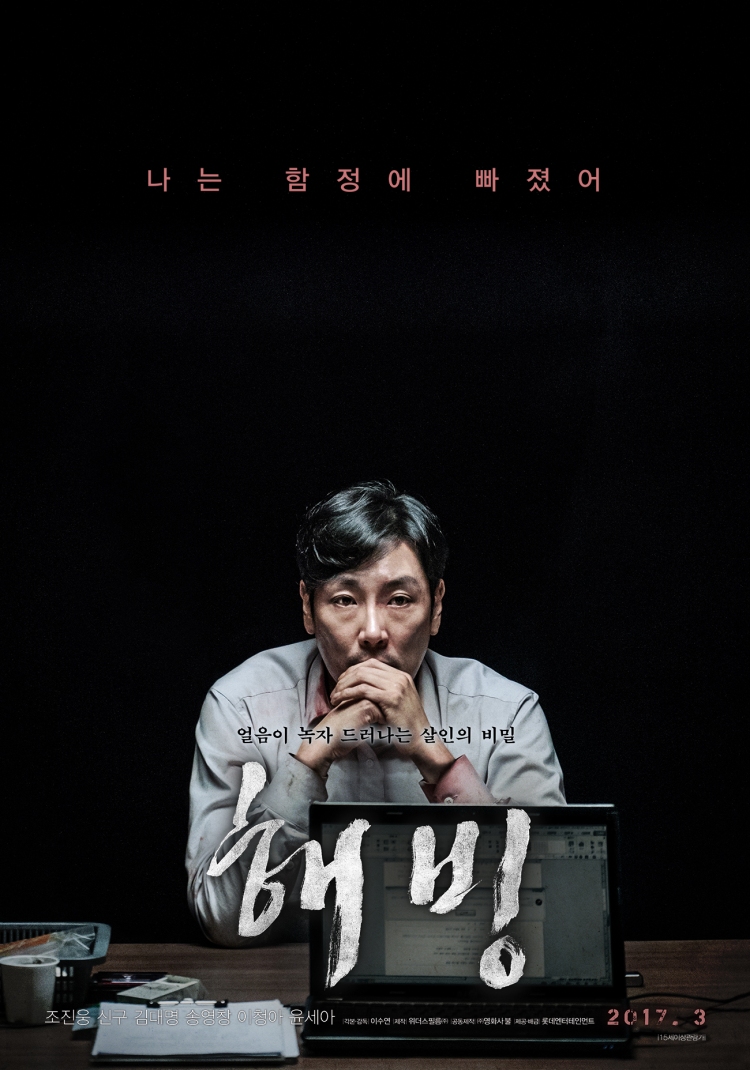
 If you think you might have moved in above a modern-day Sweeney Todd, what should you do? Lee Soo-youn’s follow-up to 2003’s The Uninvited, Bluebeard (해빙, Haebing), provides a few easy lessons in the wrong way to cope with such an extreme situation as its increasingly confused and incriminated hero becomes convinced that his butcher landlord’s senile father is responsible for a still unsolved spate of serial killings. Rather than move, go to the police, or pretend not to have noticed, self-absorbed doctor Seung-hoon (Cho Jin-woong) drives himself half mad with fear and worry, certain that the strange father and son duo from downstairs have begun to suspect that he suspects.
Seung-hoon has only just moved into this very modest apartment after a recent setback in his career and personal life. Once the owner of an upscale practice in Seoul’s trendy Gangnam (not usually known for its doctor’s surgeries), Seung-hoon is bankrupt, divorced, and working as a colonoscopy specialist in a local clinic which just happens to be situated in a run down industrial town that everyone knows the name of because it’s that place where all those murders happened.
Used to better things, Seung-hoon finds his new job boring and annoying. Though members of staff at the clinic including pretty nurse Mi-yeon (Lee Chung-ah) do their best to make him feel at home, Seung-hoon spends all his time alone staring into space and eating snacks in the treatment room rather than enjoying proper meals with the others in a nearby cafe. Despite being a bookish looking guy, Seung-hoon hasn’t much taste for literature but loves his mystery novels. When his landlord’s family use him as a connection to get the elderly patriarch in for a scan, it sparks a crisis in Seung-hoon’s already strained mind. Midway through the treatment, the old guy starts muttering about dumping body parts in a lake. Is he just senile and dragging something up from the news or a movie, is Seung-hoon’s overactive imagination coupled with a steady stream of grisly police procedurals playing tricks on him, or is this diminished yet creepy old duffer really responsible for a series of brutal killings?
The original Korean title means something like “ice melting” which gives a better indication of Lee’s intentions as long-buried evidence is unearthed by changing weather both mental and physical. Bluebeard, for those who don’t know, is a creepy horror story told to children in which a horrible old man imprisons and then murders all his wives. Seung-hoon’s suspicions are further aroused by the fact that all of the women associated with the guys downstairs seem to disappear. Then again, they are quite strange, so perhaps their wives really did just leave without warning.
Seung-hoon’s wife appears to have left him high and dry preferring to stay behind in the city rather than accompany him to this grim one horse murder town. The couple’s son wants to go to summer camp in Canada but Seung-hoon can’t quite afford it in his present difficulties. Now afraid to go home because of his creepy neighbours, Seung-hoon spends his nights curled up in the office where he accidentally discovers another employee’s morphine pilfering habit. Pushed to the edge, Seung-hoon’s mind starts to crack. Less concerned with the murderer than Seung-hoon’s fracturing mental state, Bluebeard neatly frames its hero whilst blithely wondering if he’s accidentally framing himself. Presented with a series of alternate histories, Seung-hoon’s memories seem increasingly unreliable and his paranoid, irrational behaviour less justifiable. When the ice melts the truth will be exposed, but it looks like it might be a long, cold winter for Seung-hoon.
Lee takes her time but builds an eerie, dread filled atmosphere where everything seems strange, suspect, and frightening. Seung-hoon has already hit rock bottom and may not have been such a great guy in the first place, but his descent into psychotic desperation and terrified paranoia is at the heart of the story which hinges on whether his suspicions are correct or if he’s simply read too many detective novels and has too much time on his hands now that he’s all alone. Anchored by a stand out performance from Cho, Bluebeard is an intricately designed, fascinatingly complex psychological thriller which carries its grimly ironic sense of the absurd right through to the cynical closing coda.
Bluebeard was screened at the 19th Udine Far East Film Festival.
International trailer (English subtitles)
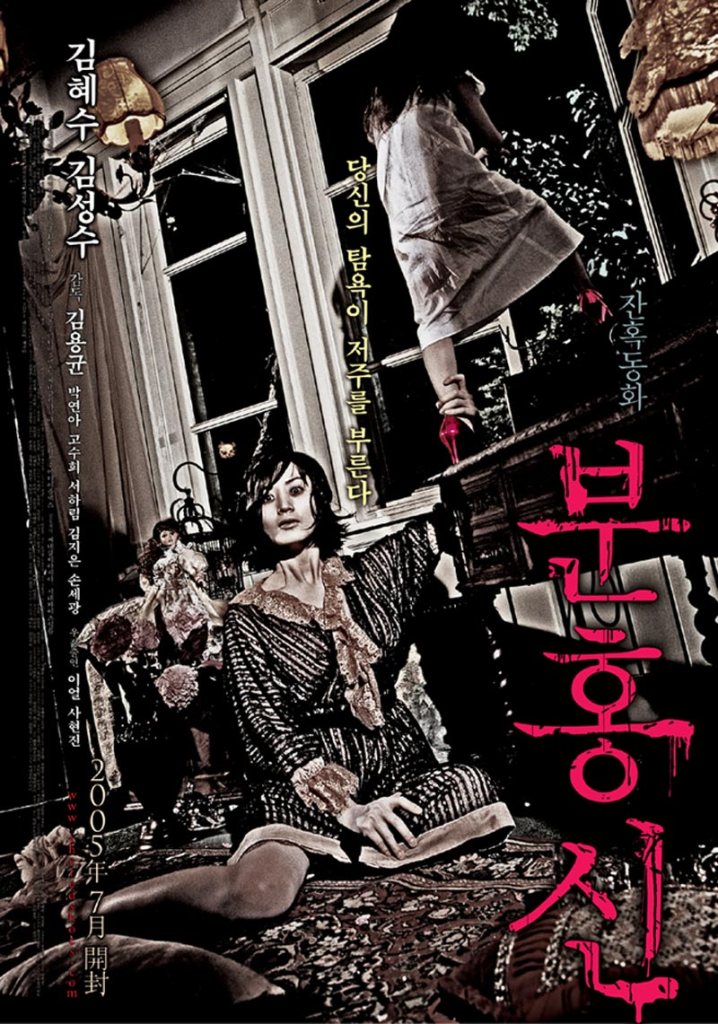 Walk a mile in a man’s shoes, they say, if you really want to understand him. If Kim Yong-gyun’s The Red Shoes (분홍신, Bunhongsin, 2005) is anything to go by, you’d better make sure you ask first and return them to their rightful owner afterwards without fear or covetousness. Loosely based on the classic Hans Christian Andersen tale this Korean take replaces dancing with murder and also mixes in elements from other popular Asian horror movies of the day, most notably
 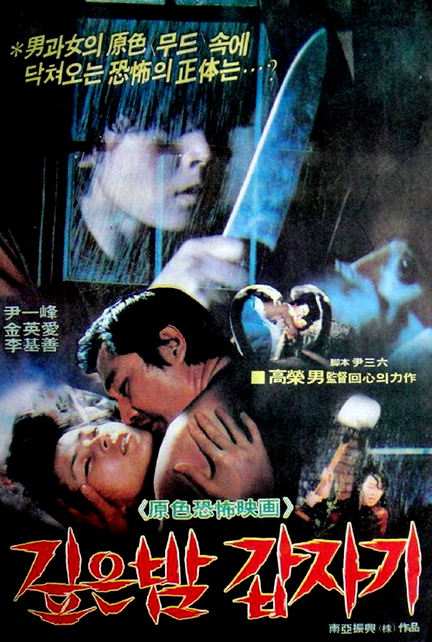 Everybody ought to have a maid, goes the old adage, but finding one you can trust can be a tall order. Kim Ki-young’s The Housemaid clearly sounds a warning call to husbands everywhere not to be tempted by the enticements of pretty young girls or conniving social climbers with designs on upending the domestic order by supplanting the legitimate wife from within her own home. The Housemaid is melodrama rewritten as horror in which a parasitical force colonises the domestic environment hell bent on taking it over through a subversion of its binding yet taboo foundation – sexual desire. Twenty years later, Suddenly in the Dark (깊은밤 갑자기, Gipeun Bam, Gapjagi) returns to the same theme but from a different angle. A once harmonious household is suddenly turned upside down following the introduction of a second female, provoking a series of crises within the already strained mind of its wife and mother.
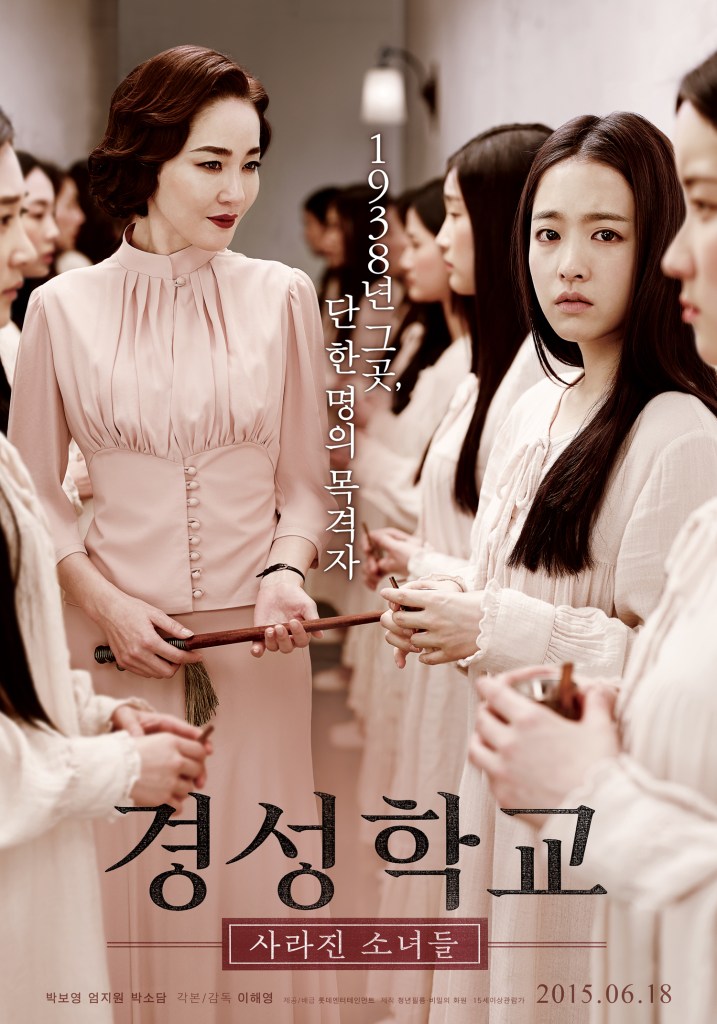 The Silenced (경성학교: 사라진 소녀들, Gyeongseonghakyoo: Sarajin Sonyeodeul) has all the classic genre aspects of the boarding school horror story familiar to fans of gothic literature everywhere, but this is no Victorian tale of repressed sexuality and hallucinatory psychosis. What The Silence does is take all of these essential elements and remix them as a metaphor for the horror of colonialism. Surrounded by quislings and forced into submission in order to survive, how does the essential soul of an oppressed people survive? The Silence would seem to argue that perhaps it can’t, but can evolve and learn to resist its colonisers even if it has to bend to do so.
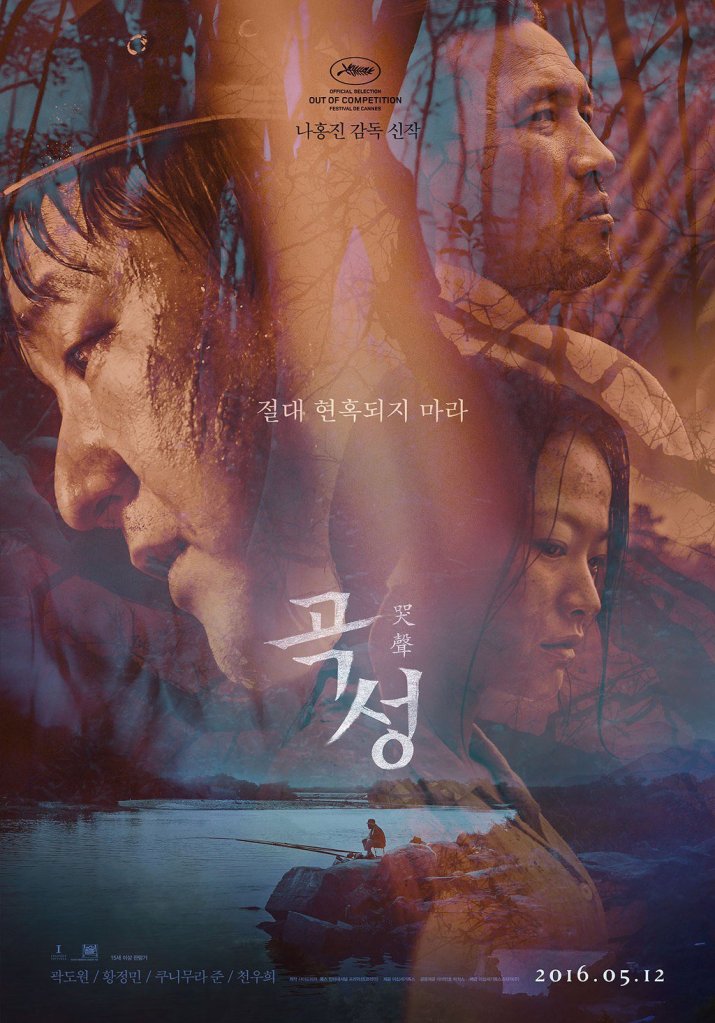 For the world’s more full of weeping than you can understand – the residents of Goksung, the setting for Na Hong-jin’s nihilistic horror movie The Wailing (곡성, Goksung), might be inclined to agree with Yeats if only because the name of their town is also a homonym for the “sound of weeping”. There is plenty to weep over, and in places Na’s film begins to feel like one long plaintive cry reaching far back to the dawn of time but the main wounds are comparatively more recent – colonisation, not only of a landscape but of a soul. When it comes to gods, should you trust one over another simply because of its country of origin or is your faith to be bestowed in something with more universal application?
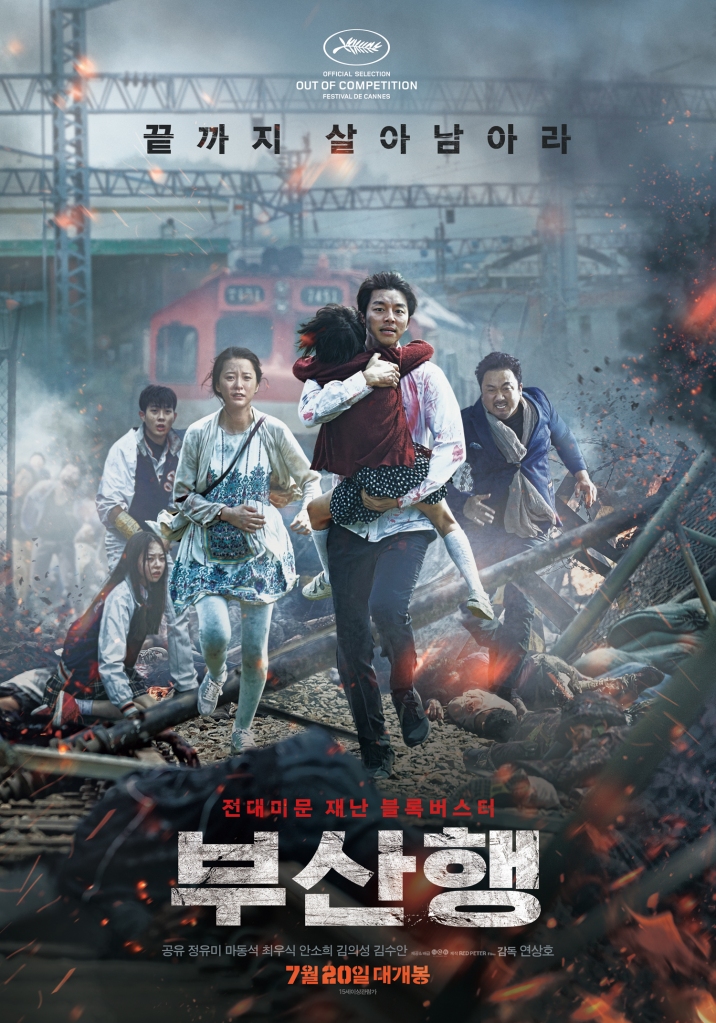 Many people all over the world find themselves on the zombie express each day, ready for arrival at drone central, but at least their fellow passengers are of the slack jawed and sleep deprived kind, soon be revived at their chosen destination with the magic elixir known as coffee. The unfortunate passengers on an early morning train to Busan have something much more serious to deal with. The live action debut from one of the leading lights of Korean animation Yeon Sang-ho, Train to Busan (부산행, Busanhaeng) pays homage to the best of the zombie genre providing both high octane action from its fast zombie monsters and subtle political commentary as a humanity’s best and worst qualities battle it out for survival in the most extreme of situations.
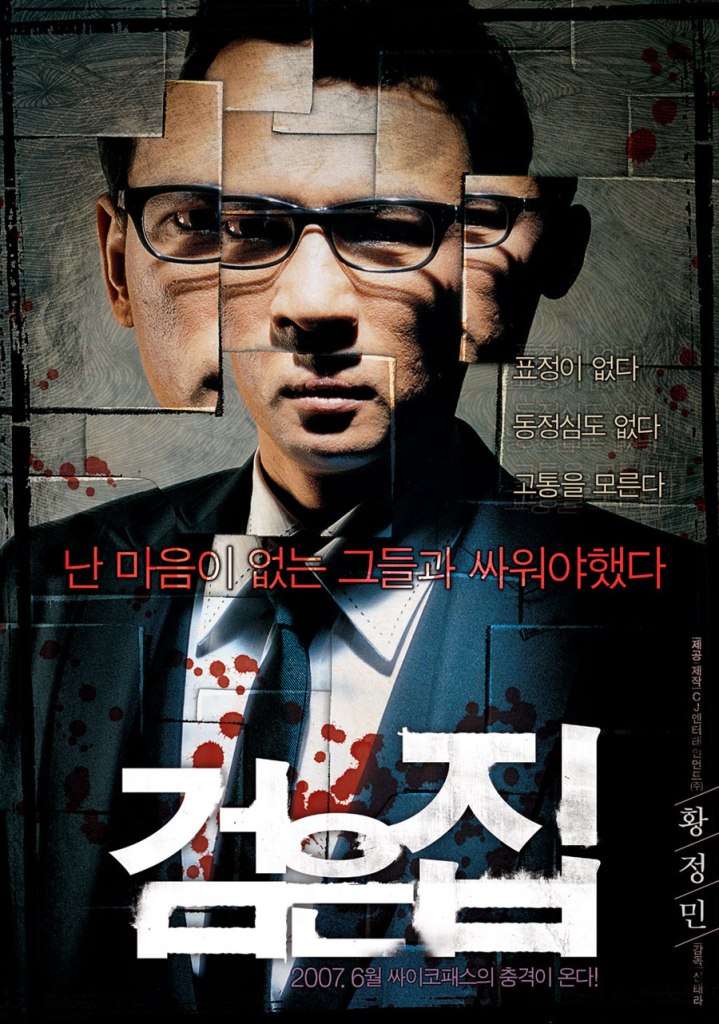 Yusuke Kishi’s Black House source novel was
 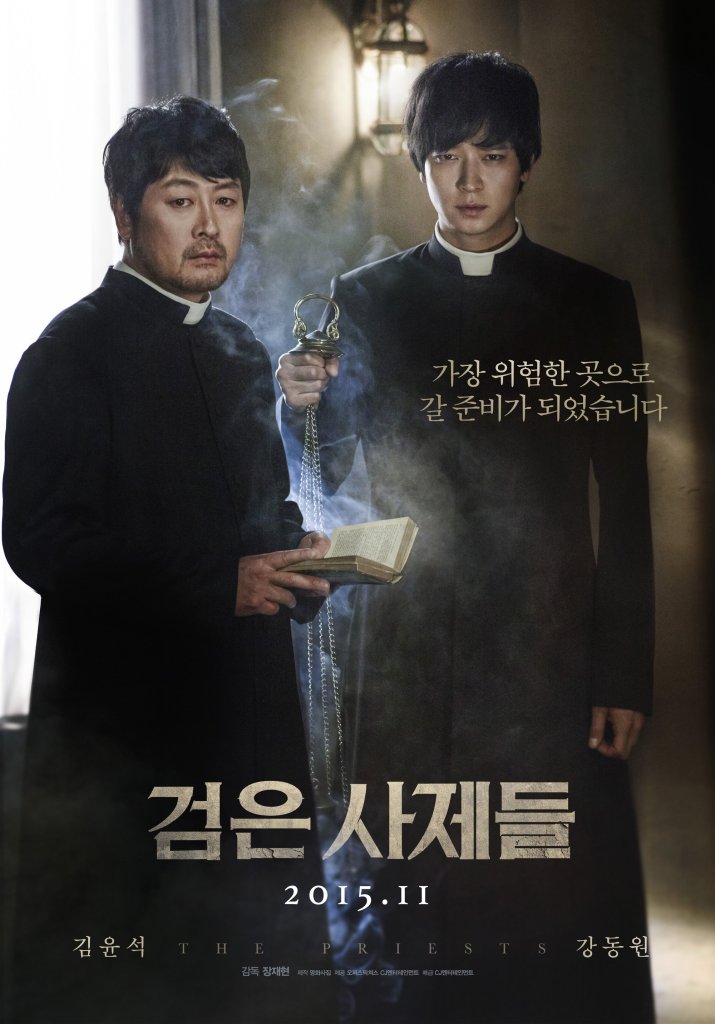 The era of hero priests might be well and truly behind us but at least when it comes to the exorcism movie, the warrior monk resurfaces as the valiant men of God face off against pure evil itself risking both body and soul in an attempt to free the unfortunate victim of a possession from their torment. To many, the very idea sounds as if it belongs in the medieval era – what need have we for demons now that we posses such certain, scientific knowledge? There are, however, things far more ancient than man which are far more terrifying than our ordinary villainy.
