
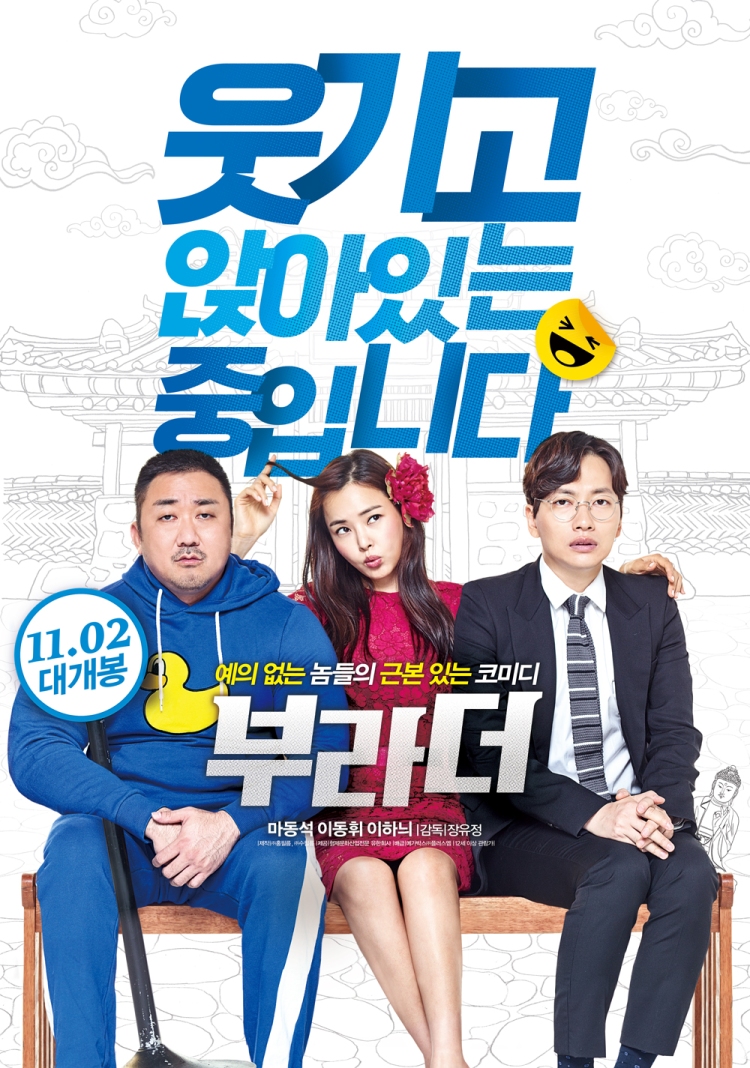
 Time passes differently in the country. Two brothers from rural Andong thought they’d escaped the relative restrictions of an oddly feudal upbringing, but something keeps pulling them back. Ghosts literal and figural force them to return home, confront each other and their remaining family, and then attempt to come to some kind of acceptance of their places in the grand scheme of things in light of their newly acquired knowledge. The Bros (부라더, Buladeo) stars unlikely siblings Ma Dong-seok and Lee Dong-hwi and is adapted from the stage musical “The Brothers Were Brave” which was also directed by Chang You-jeong. Set in rural Andong, the film is an affectionate, if not entirely sympathetic, portrayal of the fiercely traditional way of life in tiny country towns in which it really still matters who accedes to be the head of a family and women are expected to know their place.
“Estranged” brothers Seok-bong (Ma Dong-seok) and Joo-bong (Lee Dong-hwi) have each skipped out on their familial responsibilities for lives of modern “freedom” in Seoul. Seok-bong is a “treasure hunter” who gives eccentric lessons on archeological ethics to bored students while overspending on the latest tools to aid him in his (permanently unsuccessful) quests, while Joo-bong is an ambitious salaryman whose career runs into a problem after he is accused of “embezzlement” for ruling out the cheapest route for a new road because (unbeknownst to his bosses) it would cut right past his childhood home. Just as Seok-bong realises he’ll have to pay back the outrageous sum of money he “speculated” on new equipment when a civil war breaks out in his prospective dig site, and Jong-boo frets over his workplace blunder, both sons get an unexpected text informing them that their “estranged” father has died and they’re “welcome” to attend the funeral, if they should wish. As both brothers are in need of a getaway plan (and also an opportunity to ask for some financial assistance), they find themselves finally going “home” only to unexpectedly find each other on the road, start bickering in the car, and then accidentally run over a random young woman (Lee Honey) apparently out walking in this otherwise barren and deserted stretch of land.
On their arrival, the brothers are not exactly embraced by their loving family. Nobody really expected to see them and, as it turns out, their grandfather didn’t even realise they’d been invited. The boys’ rural country home is one of fierce traditionality, seemingly cut out of time and existing in the feudal past where people refer to each other via archaic titles and it really seems to matter who is declared “first son” of the family. Both Seok-bong and Joo-bong left the village because they had no interest in all this feudal nonsense and resented the old fashioned authoritarianism which defined their relationships with the apparently tyrannical patriarch they have both come home to bury, if not perhaps to mourn. Seok-bong, in particular, remains extremely resentful towards his late father for the way he treated their mother who, he assumes, must have been very unhappy all her married life.
Rural Andong, it turns out is not a great place for women. The brothers do have a “friend” in the family complex in the form of Mi-bong (Jo Woo-jin) – a policeman recently married to a very nice but often frustrated young lady who has taken to smoking (still considered scandalous in these parts) in secret in order to relieve the stress of being a married woman suddenly expected to undertake all these arcane social responsibilities, which include being “nice” to her overbearing mother-in-law who seems to delight in scolding her for doing everything wrong. In fact Mi-bong’s wife wants to move to Vietnam to get as far away from the family as possible, but finds it difficult to abandon the feudal way of thinking in wondering what it would be like to be the wife of a “first son”. Women here are supposed to know their place – stay silent, serve the men. When Joo-bong’s “lady friend” from the city shows up unexpectedly, everyone reacts to her as a “potential daughter-in-law” and sets about giving her the third degree which includes a pop quiz on the three duties of an Andong woman which include obeying a father, then a husband, and then presumably a son. In a running joke, no one can even remember the given name of the boys’ mother because she was always just referred to as “first daughter-in-law”.
All in all, it’s no surprise that Seok-bong and Joo-bong wanted to leave but then again, it turns out there was a lot more going on with the family than they were ever privy to know and they have perhaps judged their father unfairly without knowing all the facts. This being a comedy, the central point is the repair of a broken family – firstly in the brothers repairing their bond as they face the crumbling of their individual quests and are forced to work together, unwittingly uncovering the truth about their family history. Meanwhile, they also have to cope with the strange woman they apparently ran over who seems to have lost her memory but has valuable information to impart to each of them. Haunted by the ghosts of home, neither of the boys finds what they originally came for but gets something (arguably) better in rediscovering their roots and experiencing the upsides of familial connection.
Filled with the strangeness of the village tradition with its mourning suits, wandering monks, shamanic rituals, and uncles who speak only in incomprehensible four character idioms The Bros is an absurd affair but one with its heart in the right place. Chang enlivens the otherwise unremarkable comedic narrative with interesting visual compositions as the mysterious woman seems to drag the brothers away into a pretty fairytale land filled with oversaturated picture book images in which the moon is just a little bit bigger than you’d expect and oddly ‘70s fashions of purple and yellow lend a cheerful and nostalgic air. A comedic tale of family, brotherhood, and the unexpected endurance of feudal tradition, The Bros is a warm and fuzzy tribute to rediscovering one’s roots but also one with unexpected bite in its subtle undercutting of the pervasive misogyny which underpins it.
The Bros is currently available to stream in the UK (and possibly elsewhere) via Netflix.
Original trailer (Korean subtitles only)

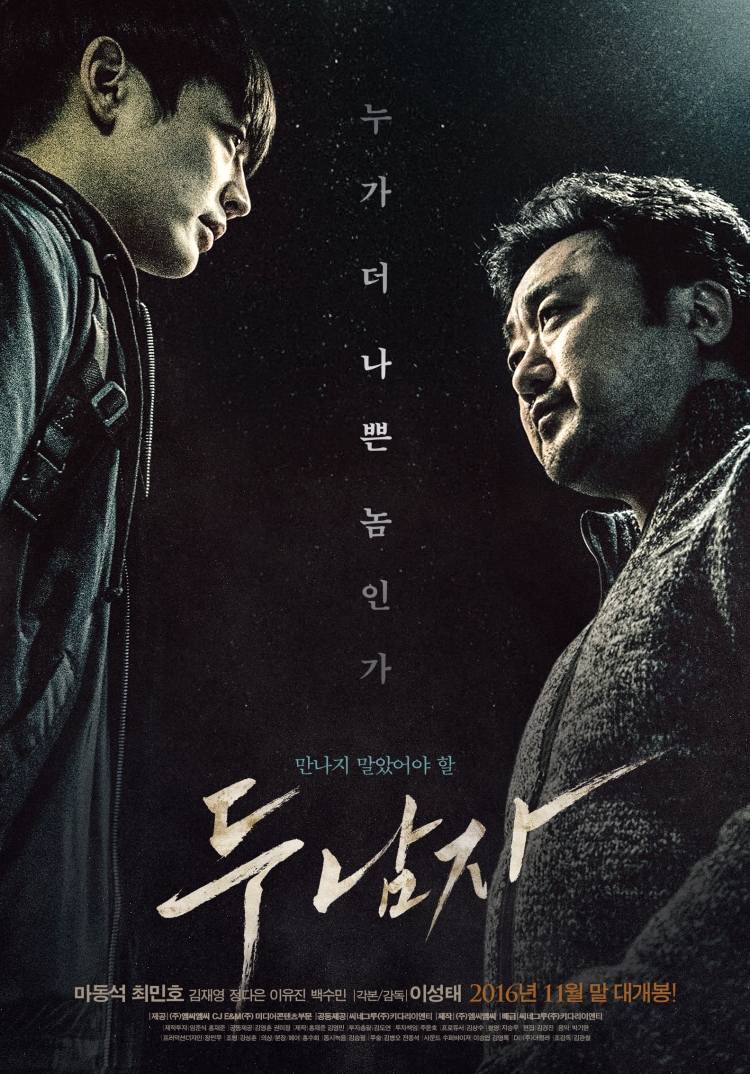 The best laid plans of mice and men often go awry, as the old saying goes, but for four down at heels street kids even their meagre attempts to evade a desperate situation land them in even more trouble than they’ve ever been in before. The debut feature from director Lee Sung-tae, Derailed (두 남자, Doo Namja) is bleak and gritty though underpinned by an ironic sense of love and connection which is itself often “derailed” or subverted as genuine feeling becomes a tool to be exploited in the ongoing war between those fighting amongst themselves to get a hand on the bottom rung of the ladder.
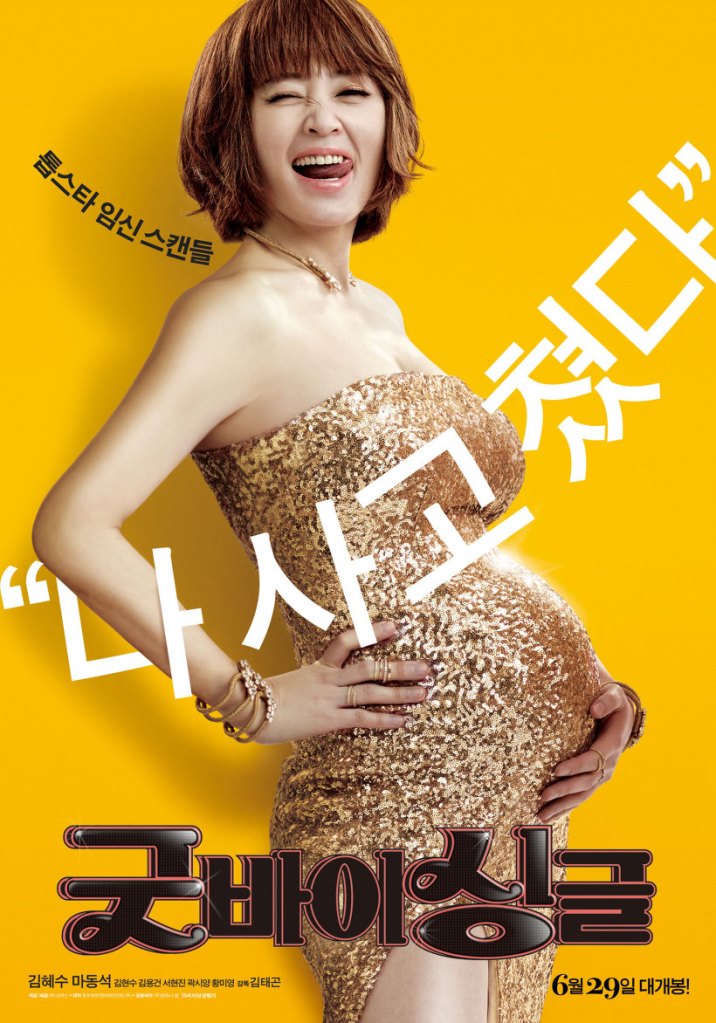 There are three kinds of actors – those who wait for roles, those who choose roles, and those who make roles for themselves. Ageing actress Go Ju-yeon (Kim Hye-soo) claims to be the third type, but at any rate she’s currently between gigs and facing professional scandals and personal crises from each and every direction. An unusual family drama, Familyhood (굿바이 싱글, Gotbai Singkeul, AKA Goodbye Single) is the coming of age story of a middle aged woman finally forced into adulthood through an unlikely friendship with a pregnant teenage girl.
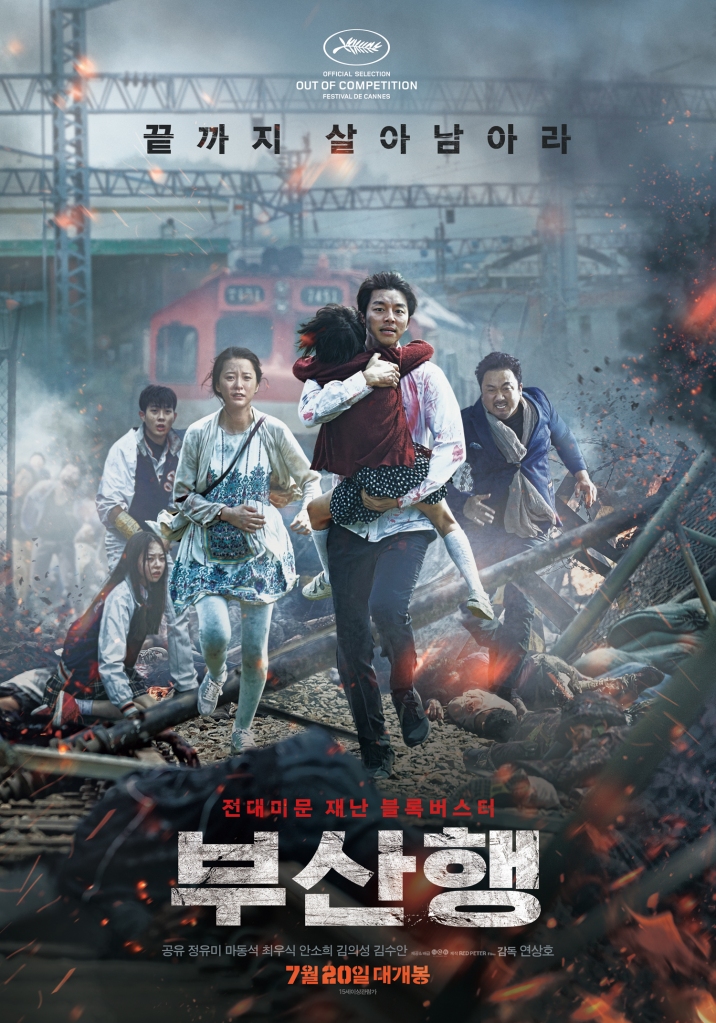 Many people all over the world find themselves on the zombie express each day, ready for arrival at drone central, but at least their fellow passengers are of the slack jawed and sleep deprived kind, soon be revived at their chosen destination with the magic elixir known as coffee. The unfortunate passengers on an early morning train to Busan have something much more serious to deal with. The live action debut from one of the leading lights of Korean animation Yeon Sang-ho, Train to Busan (부산행, Busanhaeng) pays homage to the best of the zombie genre providing both high octane action from its fast zombie monsters and subtle political commentary as a humanity’s best and worst qualities battle it out for survival in the most extreme of situations.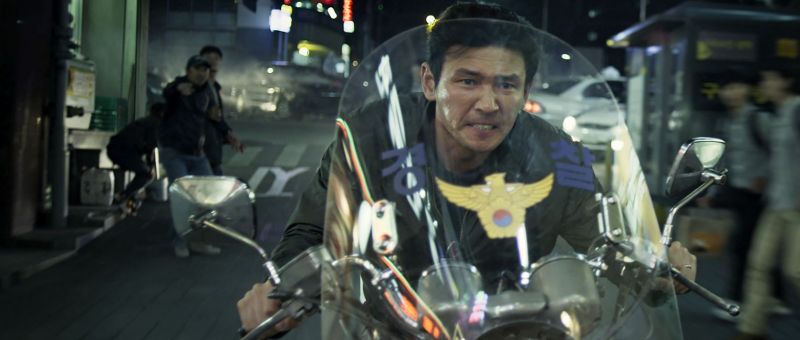

 Windows on Worlds