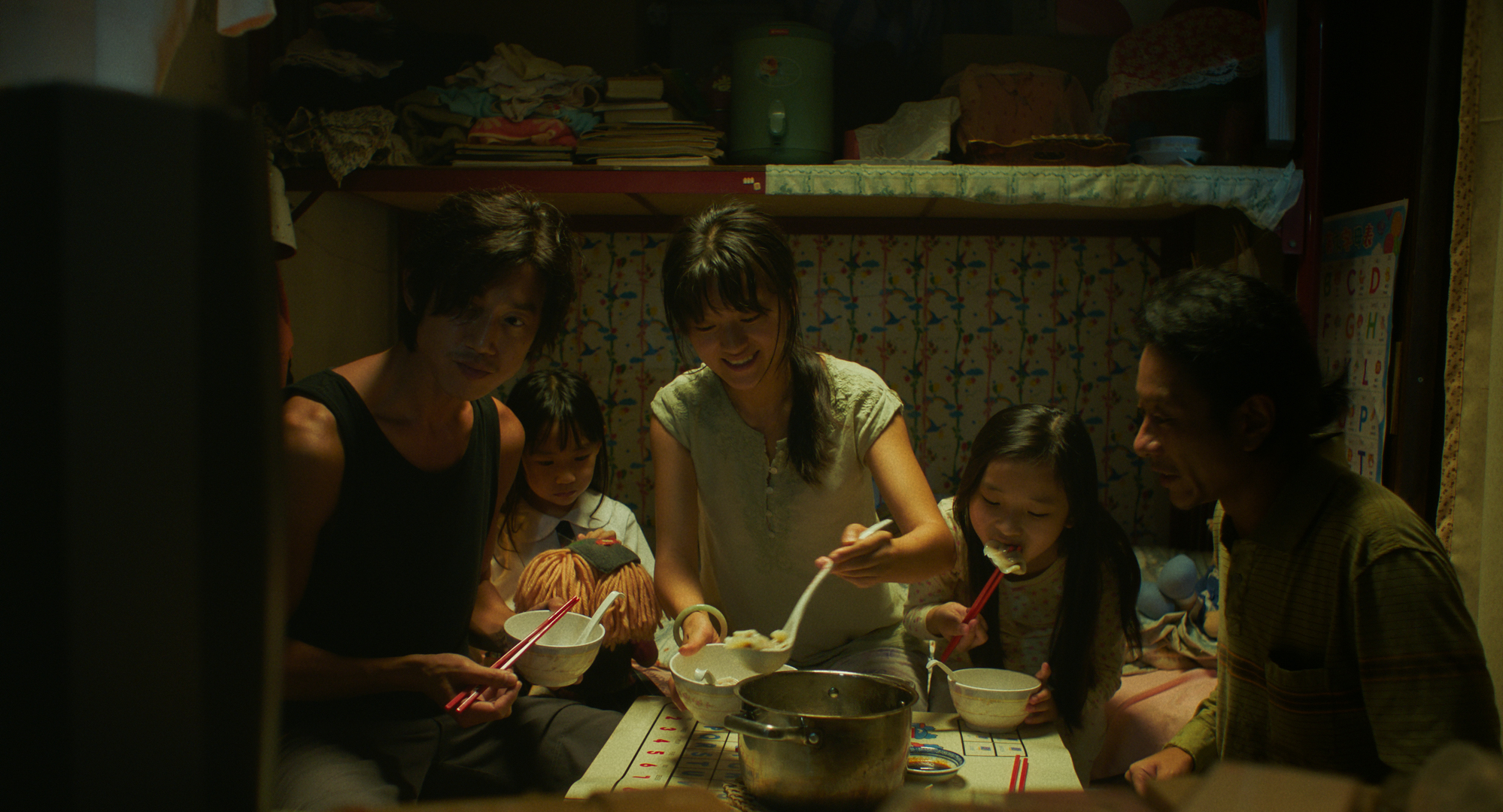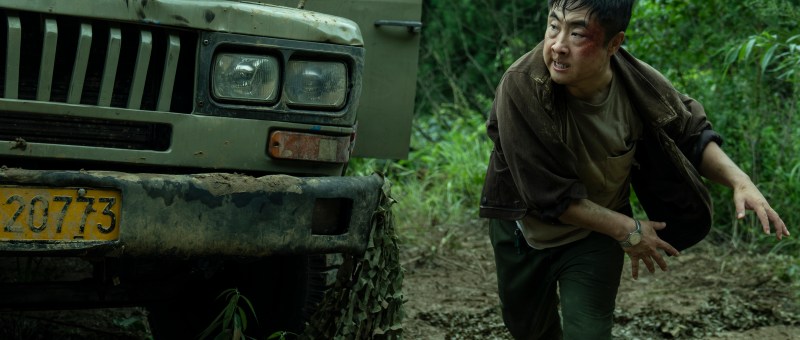
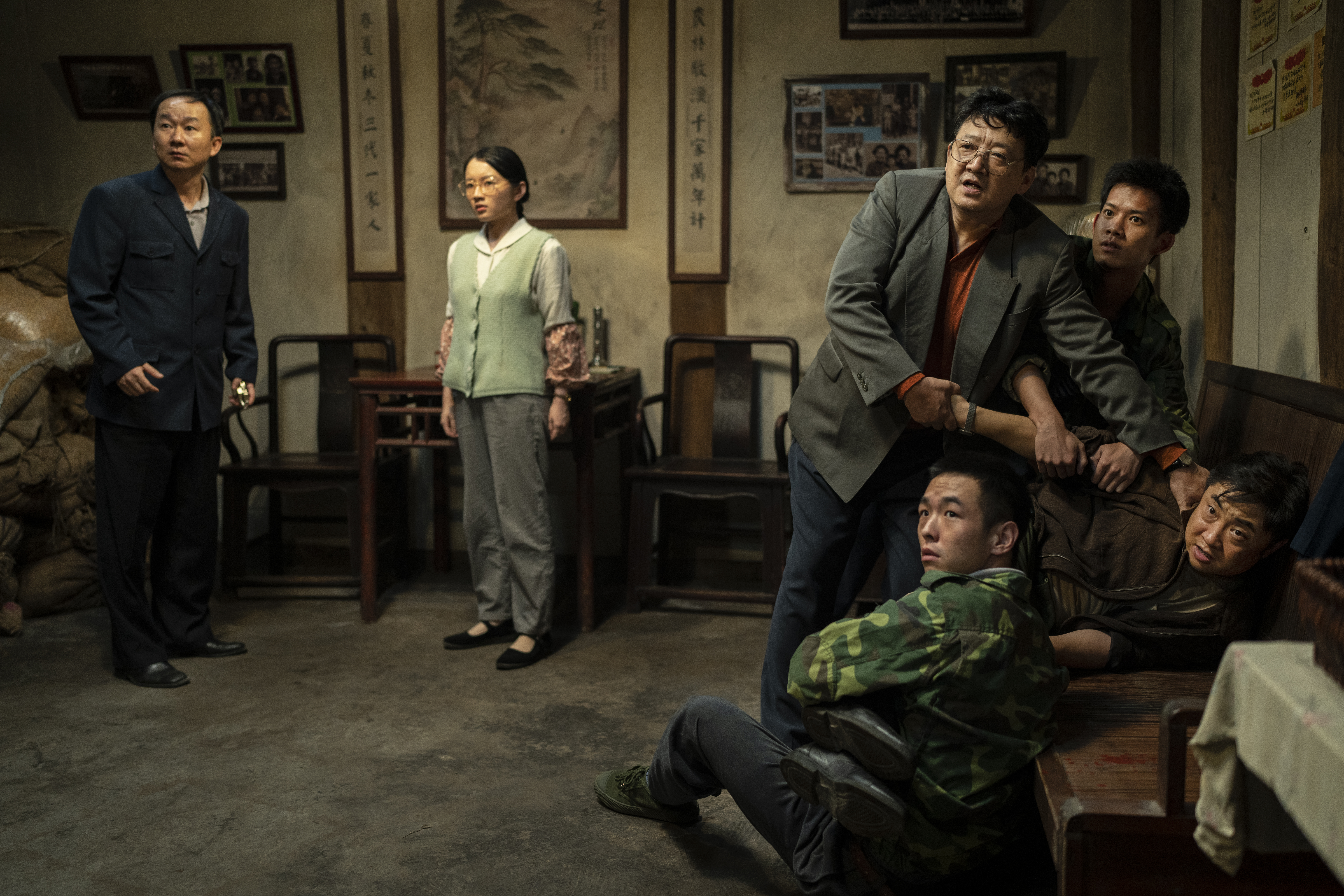
How to Make Millions Before Grandma Dies (หลานม่า, Pat Boonnitipat, 2024)

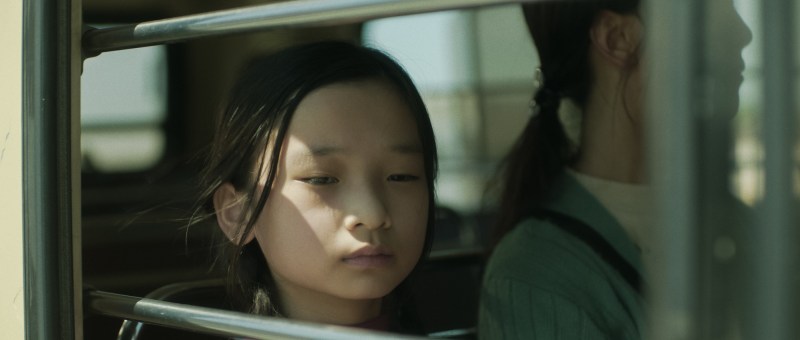
How is love quantified? Are all relationships essentially transactional, or is there also a love that is purer and transcends material reward? The hero of How to Make Millions Before Grandma Dies (หลานม่า) seems unable to look beyond literal acts of compensation when it comes to his familial relations, but is eventually awaked to a deeper, less selfish kind of love when looking after his grandmother after she is diagnosed with stage four cancer. 

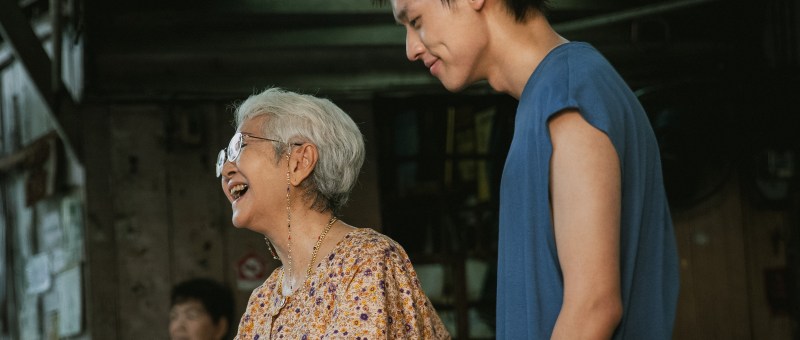
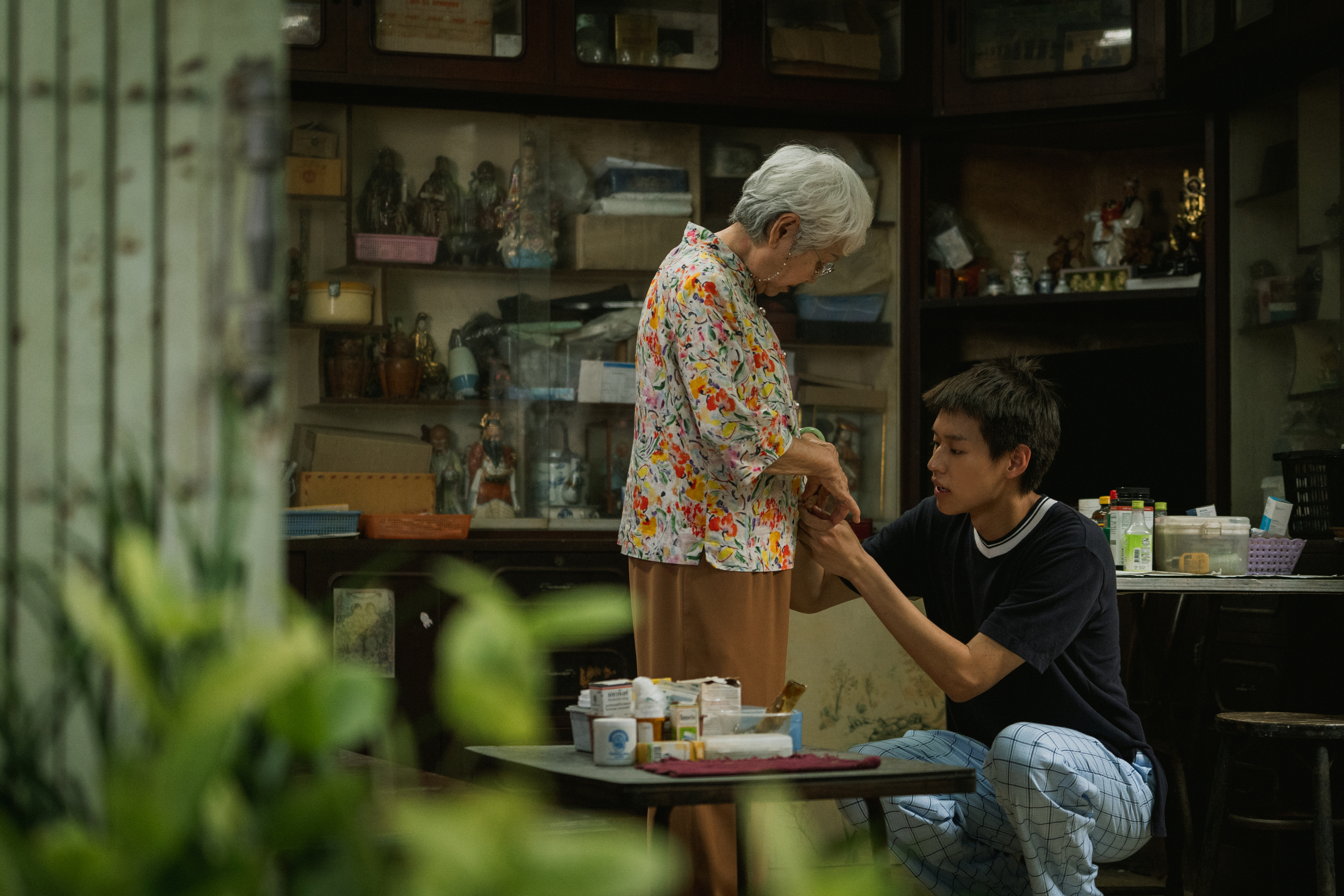
M only really does this because he has a friend who inherited a fortune from her grandfather after becoming his carer when no one else would. The question of elder care is perhaps increasingly relevant and speaks to a break down in notions of familial responsibility with youngsters unwilling to care for their elderly relatives while simultaneously hinting at their own despair and frustration in feeling unable to acquire such wealth for themselves leaving them dependent on the generosity of the older generation. M originally asks for money in exchange for visiting his grandmother, Amah, and rarely attended family events though later becomes obsessed with familial hierarchy forever asking Amah who her number one family member is hoping that she will say him.

Later Amah says she doesn’t know who she loves the most, but it’s her daughter she most wants to be with. M’s mother is the most involved in Amah’s life of all the siblings but is never really in running for the inheritance, nor does she really think about it. As she tells Amah, “sons inherit assets, daughters inherit cancer,” both making a joke about the heredity nature of the disease and the fact that care is almost exclusively performed by women. Amah too has suffered all her life under oppressively patriarchal social codes. She pays a visit to an older brother who has become very wealthy thanks to property investments built on the back of his inheritance and asks for her fair share of her parents’ money but is told where to go. Her brother treats her with contempt and defends the practice of leaving money only to sons on the basis that Amah’s share would have gone to her husband, which is to say leaving the family, though as Amah points out her marriage was arranged so if her brother disapproves of him it their parents’ fault.

M’s oldest uncle Kiang makes a similar complaint, that he feels they think of his wife as a member the family while crassly asking about Amah’s house deeds while she’s still in hospital. Yet to M, her love seems obscure. Her can’t figure out wh she’s so forgiving of her younger Soei who seems to have made a mess of his life and actively steals from her. One Sunday, the day when the siblings would all come for lunch, grandma sits and waits but later concedes that she likes it better when Soei doesn’t visit because that must mean he’s doing okay. On a day trip to a temple that is really mini battle between M and Kiang who wants Amah to come live with him so he’ll get the inheritance, no one thinks to make a wish for her. M then writes that he hopes she wins the lottery which is ironically also selfish as he’s hoping to inherit her estate.

When Amah leaves the house to someone else, M is annoyed and abandons his position as a caretaker complaining that it doesn’t seem fair that the person who has done the most for her has not been rewarded. But later he perhaps comes to understand Amah’s reasoning and that that isn’t how it works. She tells him that all jobs are equal if you do them well and buys him a white shirt to help him get one, a shirt he eventually wears on a different occasion, hoping that he’ll make something of himself and find a sense purpose. Eventually, he forgets about the financial gain and realises that Amah was trying to give each of them what they most needed, displaying a more selfless kind of love in the way that she continued to care for those who seemingly gave her little thought or of what she most wanted which was simply time. Deeply moving, the film has a rare warmth along an essential melancholy for things only understood long after they have passed. 


How to Make Millions Before Grandma Dies screened as part of this year’s New York Asian Film Festival.
International trailer (English subtitles)

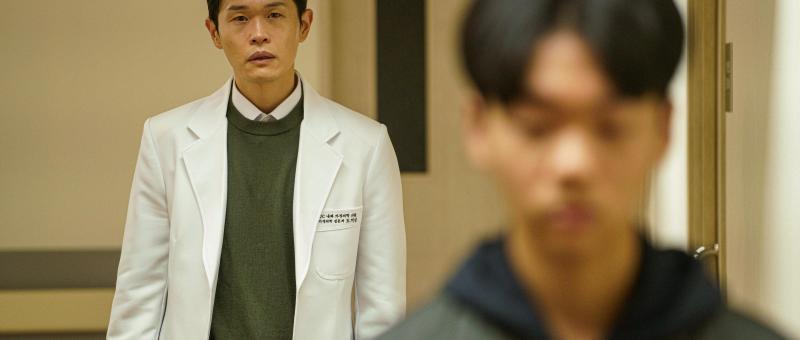
Frankenstein Father (프랑켄슈타인 아버지, Choi Jea-young, 2024)

A teenage boy confronts his paternal legacy but finds it largely hollow in Choi Jae-young’s pointed familial drama, Frankenstein Father (프랑켄슈타인 아버지). Frustrated by his circumstances, the boy begins asking questions about his genetic history in search of an explanation of all his “faults”  but begins to realise that perhaps the faults were not his own in any case and what he really wants is freedom, the right and opportunity to be his own man rather than a reflection of her father’s desires.

Left largely alone after his mother’s death amid the absence of his truck driver father, Young-jae decamps at the home of doctor Chi-sung who illicitly sold his sperm as a medical student 17 years previously. Af first Chi-sung wants nothing to do with the boy but is worried by his attempt to blackmail him, insisting he’ll expose the illegal sperm donation and ruin Chi-sung’s medical career. He sets about trying to disprove hie’s the father, but is finally forced to accept it and there after determines to prove to Young-jae that his “faults” are not his fault and he doesn’t owe him anything as per the contracts he signed with his parents. 

Of course, Chi-sung is also keen to prove himself “faultless”, that his austere life is the correct path because it’s order, rules, and discipline that have allowed him to become what he is today. To that extent, it niggles at him that he could have had a son like Young-jae who is sullen and rebellious. Young-jae describes himself as “dumb,” and has a host of other qualities that dissatisfy him such as shellfish allergy but is perhaps looking for some kind answers about himself and his relationship with Dong-suk, the man who raised him but is also a disappointment in Young-jae’s eyes. A long distance truck driver, Dong-suk is unsophisticated and fond of a drink. He is also controlling, insisting that Young-jae continually check in with him via text and send photos to prove he’s where he should be, and crucially preventing him from doing what he most wants to do which is run.

Running is a symbol of Young-jae’s desire for freedom, but he remains constrained by each father figure. After warming to him, Chi-sung offers him what he wants in promising to get him experimental treatment for his heart condition so he can run again, but soon turns out to be much like Dong-suk insisting he follow his rules and stick rigidly to the plan that he has designed for his sophistication which is also an effort to turn him into a mini Chi-sung. Young-jae is to him an echo of himself for he also grew up with a father who drank and disappointed him. Like Young-jae he too learns for escape as symbolised by his dream of buying a yacht and going to sea that he seems to be continually putting off. 

Yet as Young-jae points out, it wasn’t him who broke when he found out Dong-suk wasn’t his biological father but Dong-suk himself. Chi-sung hints that his decision to use sperm from a A+ donor was informed by insecurity, that he wanted to raise a son who was better than himself though as Dong-suk told his patient human’s can go back to what they once were but can never exceed it. The battle of over paternity of Young-jae isn’t so much a contest of nature vs nurture but a vicarious tussle of masculinity between each of the men who each want to prove themselves through asserting paternal authority over Young-jae and determining the course of his further life.

But Young-jae is almost a man himself and is no longer content to be bound by such corrupted authority. As he later says, he’s no desire to become another of his fathers’ “faults”. Conversely Chi-sung is clearly still trapped by his own father’s legacy and and afraid of the freedom Young-jae chases realising that the fault also did lie with him. In attempting to father Young-jae, he’s also attempting to father himself, insisting Dong-suk raised the boy “wrong” and he must correct him, but perhaps realising he learned a few wrong lessons himself and must make peace with his own past to set himself free while allowing Young-jae to run in a direction of his of choosing no matter the risks to his heart.


Frankenstein Father screens July 25 as part of this year’s New York Asian Film Festival.
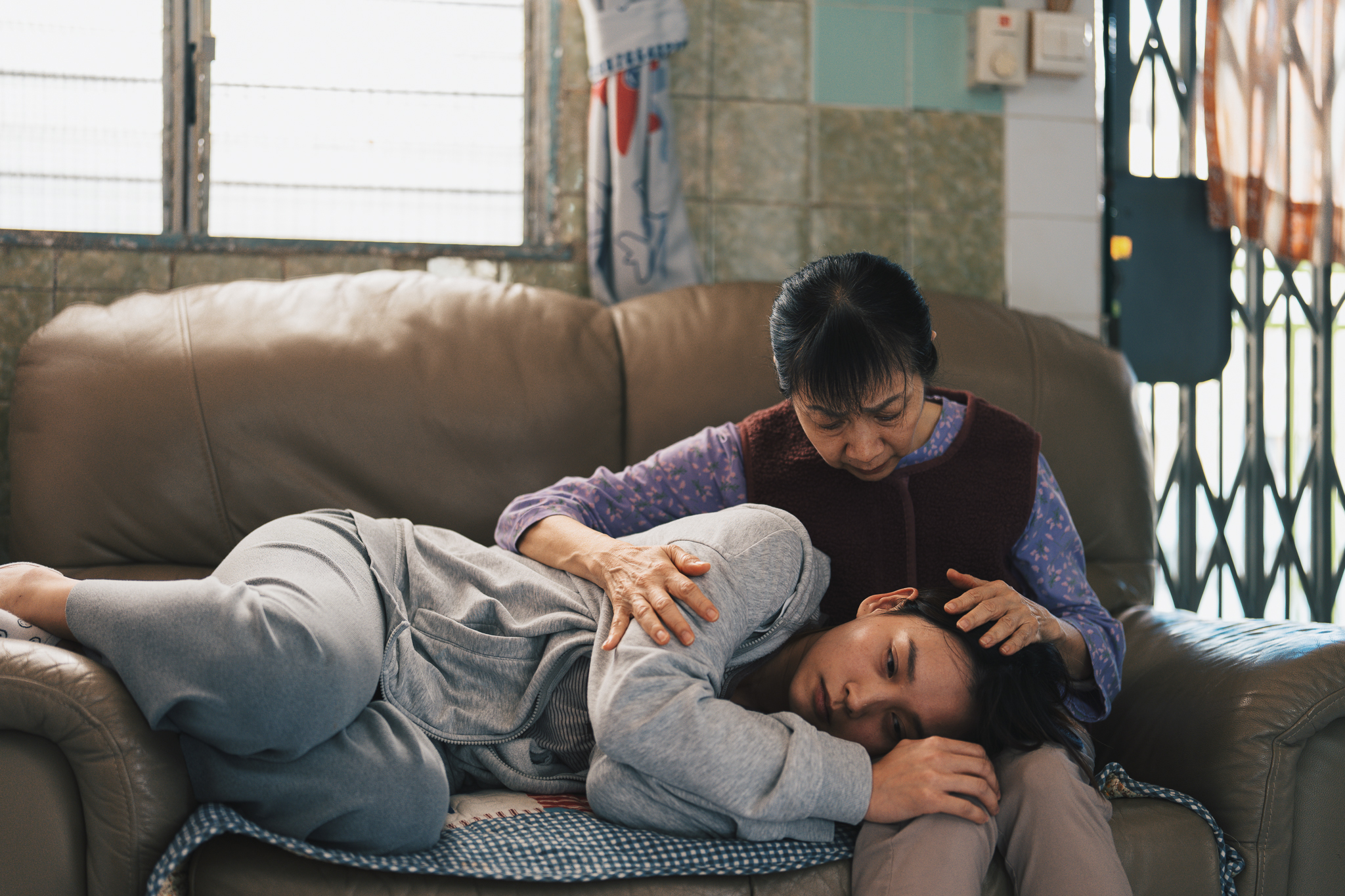
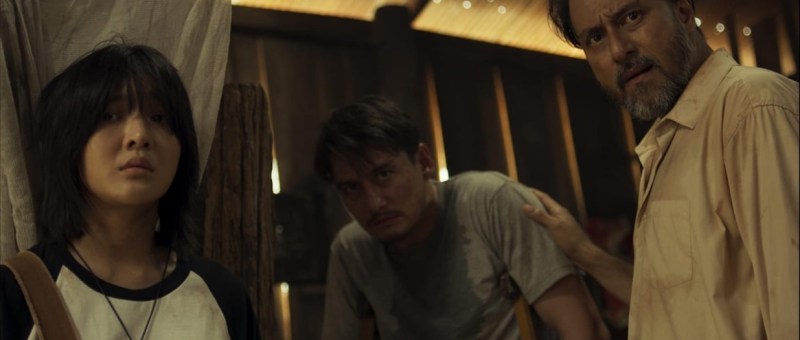
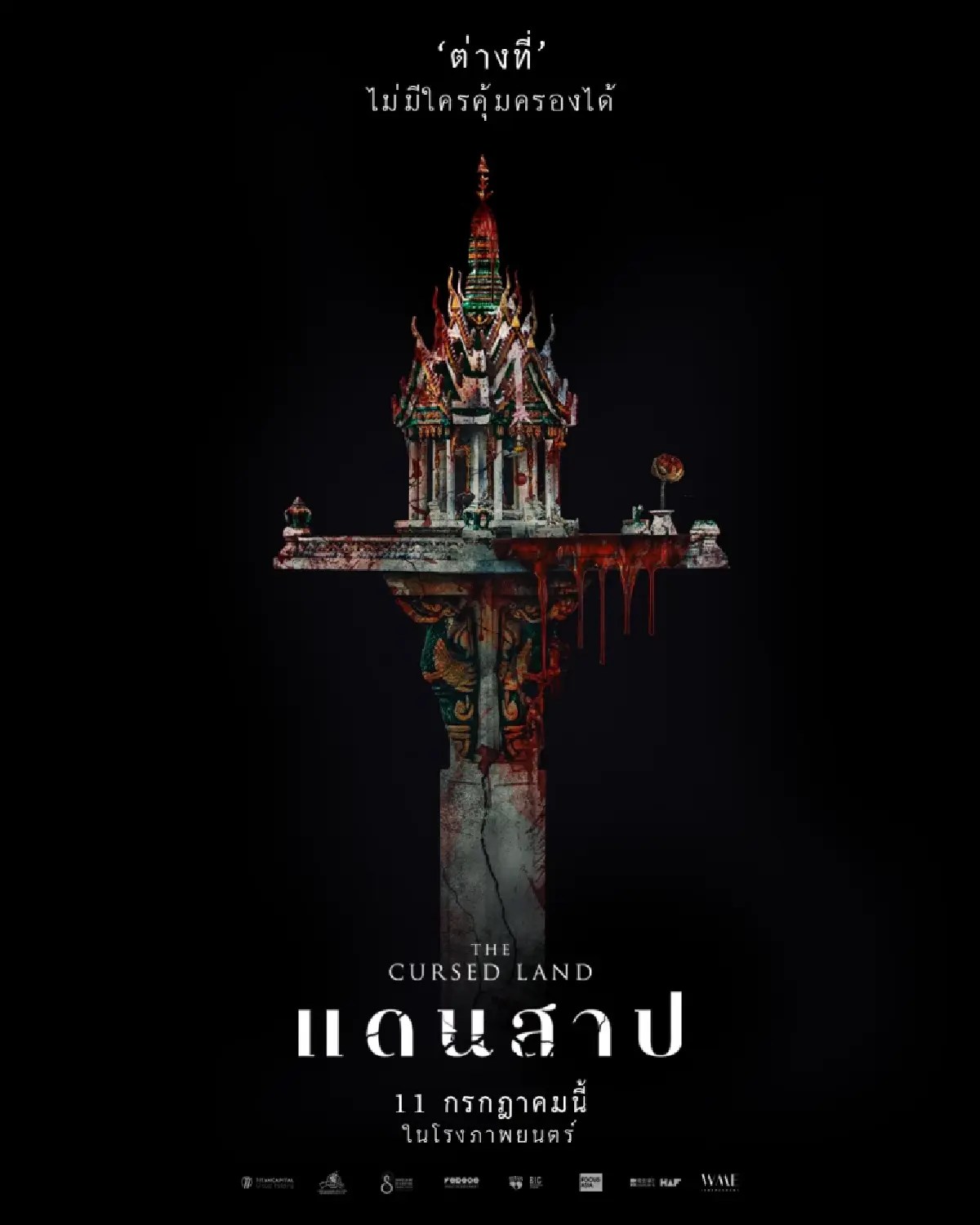
The Cursed Land (แดนสาป, Panu Aree & Kong Rithdee, 2024)

The architecture professor teaching a young woman in Panu Aree and Kong Rithdee’s The Cursed Land (แดนสาป) says that a house is like a machine with a person inside, but what’s inside the house at the film’s centre is not quite human at all but a supernatural creature who like the house itself seems straddle a divide both cultural and spiritual while standing itself at the nexus of the many layered historical curses which have given it its dark legacy.

It’s in part a rejection of this difference and lack of respect for culture that creates a series of problems for Mit (Ananda Everingham), a middle-aged engineer moving into this rural backwater on the outskirts of Bangkok. Despite receiving a very serious warning to get rid of anything that’s in the house, he tears off a series of talismans thereby releasing some very dark energy and destabilising his new environment. Mit is also suspicious of those around him and does not really make much of an attempt to make friends with the local community who are largely Muslim. Though he may not think so, it is Mit who is the intruder here, an outsider walking into a traditional environment and finding himself isolated despite the ostensible friendliness of some of the locals to whom Mit takes offence after being told not to leave his dog outside because some of the Muslim community dislike them. 

But then again, Mit also seems to be a compromised figure apparently still suffering from shock and confusion some time after a car accident that killed his wife. He complains that his medication has been misplaced due to the move while seemingly increasingly paranoid and unreasonable. We also get hints that Mit’s previous life may not have been plain sailing either and part of his stress is down to a need to prove himself in his new job. He is in his way haunted by the car accident and struggling to overcome his guilt and regret. A shamaness later describes him as “weak-minded” and therefore a prime target for an evil spirit. 

This also seems to be implicitly reflected of an internal absence of the spiritual as Mit has renounced Buddhism and seems suspicious of Islam. His daughter May (Jennis Oprasert) eventually calls in a Brahmin to exorcise the house, installing Buddhist shrines and other talismans as if overwriting the those of the local muslim community though this only causes more problems. Later, May consults a Buddhist priest but is told that he can’t help because the problem is on a different system though she’s also told something similar by other members of the community. Running underneath the conflict between Buddhist and Muslim culture is echo of a much older spirituality in the references to “black magic” and shamans. 

What May learns is that this land has been cursed and counter cursed many times over, though they do perhaps manage to exorcise one particularly problematic spirit in literally digging up the past to learn the history of the house and that of the entities who seem to inhabit it but there are many other curses yet to be undone on this patch of scorched land that exists in a nexus between cultures, part of both and neither. What emerges is a kind of co-existence and a crossing of the streams as they must in the end marshal all of the spiritual powers to counter the  danger presented by this extremely disgruntled spirit. 

Panu Aree and Kong Rithdee conjure an atmosphere of intense eeriness rooted in a classic haunted house movie aided by the gothic environment of the Western-style home itself standing alone and isolated, not really part of a community yet not totally independent. What emerges is a kind of integration, the house as a machine with people inside it creating a home through diverse community and entrenched support systems that allow even the “weak-minded” Wit to shakes off some of his demons and begin to move forward with his life. Perhaps the key really is not to throw anything away, because everything belongs in the house and the house belongs to everything. Attempts at exclusion only invite fear and acrimony that cannot but eat away the foundations of a home built on cursed land.


The Cursed Land screened as part of this year’s New York Asian Film Festival.
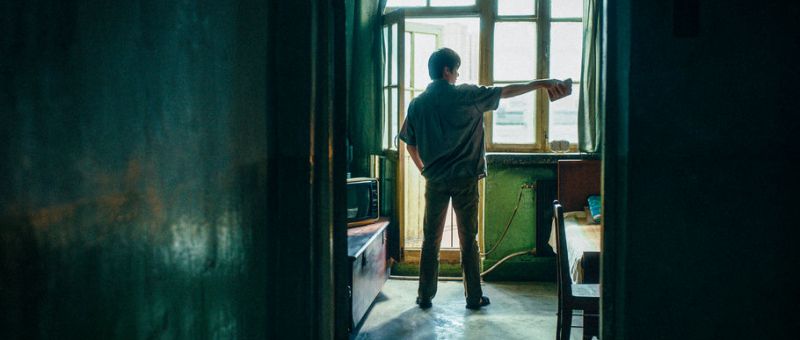
Original trailer (English subtitles)

Fly Me to the Moon (但願人長久, Sasha Chuk Tsz-yin, 2023)

A pair of sisters find themselves exiles in their own home in Sasha Chuk Tsz-yin’s poignant familial drama, Fly Me to the Moon (但願人長久). Burdened by a sense of rootlessness, they have only each other to cling to while their family otherwise disintegrates amid the pressures of making a life in an unfamiliar place and an unavoidable paternal failure that has a lasting legacy on the lives of each of the girls as they struggle to emerge from the shadow their father cast over their lives.

It’s telling that the film opens in 1997, though Yuen’s father Kok-man (Wu Kang-ren) has apparently smuggled himself into Hong Kong from Hunan, later sending for his wife and older daughter, Yuen, while leaving the younger behind. The first image we see is of Yuen being taken to see her father in prison by her mother, a meeting in which no words are exchanged that seems to leave the young Yuen conflicted and confused. Not long after arriving in Hong Kong, she discovers him using drugs and learns of the addiction that has ruined his life, turning him into a petty thief in and out of prison for the children’s entire lives.

Yet in his later years, Kok-man told his relatives that his best and only achievement was raising two wonderful daughters though of course he didn’t actually raise them at all. Nevertheless, he had a profound effect on their lives, Yuen also tempted to steal on witnessing her father’s bad example even while remaining contemptuous and resentful of him. Though he eventually becomes violent, so desperate for money he threatens his teenage daughters, Kok-man appears to have wanted to take of his family but was not able to do so while their mother is forced to work long hours supporting the family and living the life of a single mother even while her husband is home. 

This leaves the girls with no one else to rely on while otherwise removed from mainstream society which is often is hostile towards those who’ve arrived from the Mainland and most particularly at this strained political moment. Their otherness is signalled by their home dialect of Hunnanese which later mingles comfortably with their Cantonese, much as Yuen’s Mandarin later does, which is as good as anyone else’s though some might not them as real Hongkongers. Kuet’s schoolfriends, little knowing she also was not born in Hong Kong, shun another girl after spotting that the number on her ID card begins with an “R” which means she came to Hong Kong from somewhere else. Kuet eventually decides to befriend the girl herself, though it remains unclear whether or not she discloses that she was also born outside of Hong Kong. Years later after becoming a tour guide, a customer remarks that Yuen’s Cantonese and Mandarin are both so good he wonders where she’s from which is quite an ironic comment. 

Yet in other ways, the girls can’t escape their roots. Despite her enmity towards him, Yuen’s first boyfriend is a carbon copy of her father. A brusque boy with blond hair who shoplifts to impress her, but then runs off and leaves her behind when he almost gets caught. Her romantic relationships seem fraught and difficult and the men largely no good, while her sister similarly has troubles with the law leading her mother to lament that there was little point in going to university if she was just going to end up like her father. When Yuen eventually returns to Hunan, she’s that girl from Hong Kong, even while in Hong Kong she’s that girl from the Mainland. For the girls, Hunan has a kind of mythical quality bound up with their memos of happier times for their family, but Yuen is quickly disillusioned. The lily fields her father mentioned are long since gone, destroyed in a fire, and her family home is empty as a result of her grandmother’s illness. All that remains are photographs that present a kind of evidence of the relationship Yuen once had with the father she struggled to accept in adulthood, reuniting her with her childhood self and perhaps restoring the roots she’s been looking for even she herself remains a floating presence guiding tourists around foreign countries while otherwise marooned in the family flat now shared only with the sister who equally is heading in another direction. 


Fly Me to the Moon screens July 21 as part of this year’s New York Asian Film Festival.
Original trailer (Traditional Chinese /.English subtitles)

For Alice (給愛麗絲, Chow Kam Wing, 2024)

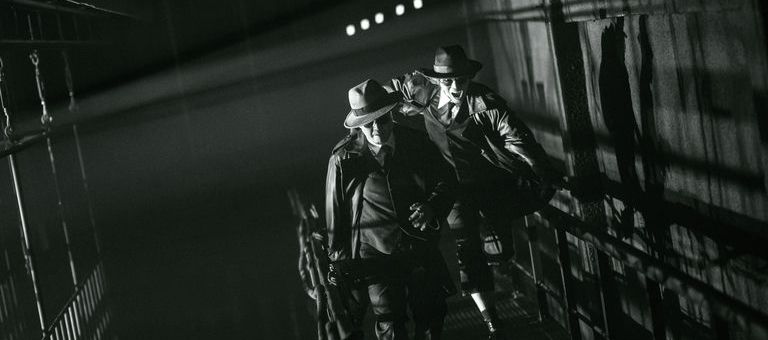
“I don’t know if I’m really lucky or really unlucky,” a young woman wonders after a series of narrow escapes amid the otherwise dismal circumstances of her life in Chow Kam Wing’s debut feature, For Alice (給愛麗絲). A lament for failed fatherhood, Chow plays with noir tropes and the legacy of classic Hong Kong cinema in his neon vistas of despair but eventually discovers a kind of catharsis even as the absent patriarch can redeem himself only in his absence.

Shuang has spent his life in and out of prison and evidently chose to not to maintain contact with his wife and daughter during his latest stretch. The titular Alice is like her namesake lost in the wonderland of contemporary Hong Kong though she named herself for the song and is doing her best to overcome the many problems in her life many of which stem from her relationship with her often absent mother and her string of problematic boyfriends including the latest one, a tailor, who is sexually abusing her. When her mother disappears yet again on a gambling trip to Macau she decides to run away, intending to stay with a friend and sleeping rough when it doesn’t pan out. She meets Shuang, she thinks, by chance sensibly wary but also grateful for the kindness of a stranger. 

As it turns out, her mother may have had a reason for all those gambling trips and it isn’t all that different from Shuang’s for his life of crime in that they are both doing it for Alice while constantly frustrated by the socio-economic realities of contemporary Hong Kong. Now in his 60s, Shuang wants to make amends and live a more law-abiding kind of life while redeeming himself as a father but struggles to find a foothold while slowly but anonymously building a paternal relationship with Alice who is facing similar problems to those he faced as a young man. Longing to escape her circumstances she sets her sights on independence and is tempted by criminality, ironically suggesting she will become a smuggler or deal drugs to support herself even as Shuang counsels her against it, encouraging her to pursue her education so she doesn’t end up like him. He didn’t have a choice, he explains, but she does and could make a better life for herself. 

But she’s still constrained by an overly patriarchal social system as she finds herself scrambling when her teacher wants to talk to her parents to discuss her smoking on school premises. Who could she possibly ask with her mother absent and the man in the position of a step-father actively harmful and in no position to help? Unbeknownst to her, Shuang accepts his paternal role and offers a genuine apology for his failed fatherhood, his irresponsible absence and its effects on the life of his daughter who was then left unprotected, vulnerable to life’s vagaries and the impossibilities of a stratified society. Yet in the end the only way he can help her is to damn himself, accept his choices and his absence and do what he can for Alice from afar. 

Chow’s Hong Kong is place of constant danger and ever present futility filled with dank corridors, rundown buildings, and neon-lit streets. Yet there is something resonant about Alice’s resilience and desire for freedom while accepting the friendship, help and support of a friendly neighbour adopting a less oppressive paternal role that aims, like the bird in bottle, to set his daughter free both of his own destructive legacy and the constraints of the situation she finds herself in. A parallel is seen in the life of Shuang’s friend, Jiu, again fixing his sights on one last job to provide a better future for his family but at the same time risking it knowing that it may mean forfeiting it entirely. Nevertheless, Shuang redeems his paternity in its denial, an act both of self-sacrifice and revelation in which he restores to Alice a more positive paternal legacy along with a sense of love and support otherwise absent from her life as a young woman largely alone in an often hostile environment.


For Alice screened as part of this year’s New York Asian Film Festival.
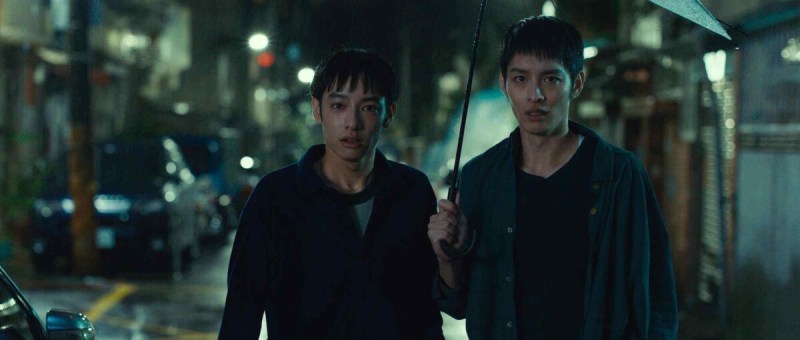
Customs Frontline (海關戰線, Herman Yau, 2024)

Who knew life as a customs official could be so dangerous? Those at the centre of Herman Yau’s high octane drama certainly do put themselves on the front line, facing constant threats of violence as they attempt to protect Hong Kong from nefarious goods and shady businessmen. The crisis in this case is, however, more international in nature as a Hong Kong corporation appears to be supplying an African warlord with seriously high tech equipment in exchange for diamonds. 

A mild political point is made that the world largely ignores conflicts in Africa, the warlord explaining that he needs all these weapons to defend himself because no one else is going to and those that do come to him largely do so for reasons of exploitation, including Dr Raw who acts as their supplier. The customs guys get dragged into it when a boat sails into their waters illegally and thereafter become determined to recover the MacGuffin of a high tech navigation device apparently stolen from the Thai army who would quite like it back. The gang are aided in their quest by a couple of Thai Interpol officers including Ying (Cya Liu) who helpfully speaks fluent Mandarin. 

Meanwhile, Customs is divided by internal polices as two divisions vie for control over the project while plotting their ascension to the soon to be vacated post of deputy commissioner. Veteran officer Cheung (Jacky Cheung) is raked over the coals by brash supervisor Kwok (Francis Ng) and, unbenkownst to him in a romantic relationship with his rival, Athena (Karena Lam). His parter Lai (Nicholas Tse) is meanwhile nursing a degree of heartbreak having broken up with team member Katie (Michelle Yim) a year previously only to hear that she is now engaged to marry someone else. 

Perhaps surprisingly, these interpersonal dynamics largely fall by the wayside and are never dealt with again. However, the film does get into some depth with Cheung’s mental illness which it suggests is largely due to the stress of the job and has turned him into two quite different people. Somewhat insensitively, the film further stigmatises metal illness in its implications regarding Cheung’s career and emotional wellbeing with constant shots of his medication and the suggestion that he is not really up to the job. 

For the most part, however, the Customs division end up in a series of firefights and car chases eventually trying to protect the son of an industrialist (Carlos Chan) who died in suspicious circumstances after trying to sever ties with smugglers. They’re strafed in an African compound, and engage in daredevil stunts trying to outrun the bad guys with combat skills that seem incongruous with their role as customs officials. The earnest Lai runs around punching bad guys in the name of justice to heal his broken heart while otherwise failing to bond with plucky Interpol agent Ying who still ends up as a damsel in distress despite her obvious skills though her chief manoeuvre is a honeytrap, using poisoned lipstick to knock out the chief arms dealer.

The film may hint at a dissatisfaction with inequality and consumeristm along with a healthy mistrust for large, family-owned corporations but otherwise fails to follow through. Cheng dreams of a place in the sun, a house by the sea for Athena where they could leave the stressful world of customs and intelligence behind but also seems resentful of her ambition asking her if she’d choose a quiet life with him over a shot at becoming deputy commissioner and annoyed when she replies that she hopes she can do both, achieving her career goals and then enjoying the rest of her life in a peaceful retirement at Cheung’s side. It may be this sense of hopelessness that drives him, realising he can’t attain what he really wants in the elusive career success denied him because of his reluctance to play the game along with the lack of financial power it affords him leaving him unable to buy that house by the sea or give Athena what he thinks she wants (but probably doesn’t, at least in the way he wants to give it to her). Though falling flat in terms of its interpersonal drama, the action scenes are at least exciting and well-designed even if the whole is somewhat hollow in its continual lack of bite.


Customs Frontline screens in New York July 17 as part of this year’s New York Asian Film Festival.
Original trailer (Traditional Chinese / English subtitles)

Eye of the Storm (疫起, Lin Chun-Yang, 2023)

In the early days of the pandemic, Taiwan was thought of as kind of safe haven which had largely managed to keep the disease a bay allowing many to live their lives more or less normally while much of the rest of the world contended with intermittent lockdowns of varying severity. The reasons for their success are said to lie in their experience during the SARS crisis of 2003. 

To that extent, there’s a kind of eeriness in Lin Chung-Yang’s poignant drama Eye of the Storm (疫起, yì qǐ) in watching the early days of this present pandemic play out 20 years earlier as medical personnel attempt to deal with a new illness about which they know almost nothing save that it appears to have a frighteningly high mortality rate. As the film opens, self-involved surgeon Xia (Wang Po-chieh) is clocking off a few minutes early in an attempt to make it to his daughter’s birthday party, rudely brushing off the complaints of warmhearted male nurse Tai-he (Tseng Ching-hua) and dismissing requests from his colleagues. Leaving in a taxi, however, he’s soon called back to deal with an emergency operation and becomes trapped when the hospital is placed into lockdown after the report of a possible SARS case. 

Unlike so many dramas centring on frontline healthcare workers during the COVID-19 pandemic, :Lin does not necessarily portray the medical staff in the best light. As the suspected case was being treated in B Wing it is the first to be shut down and some of the doctors and nurses start a protest refusing to treat patients with SARS resentful that they’ve been locked up with the disease. Meanwhile, in A Wing some of the nurses also go on strike holing themselves up in the rec room and refusing to come out. As Tai-he had been helping out in B-Wing, he is quickly rejected by his peers and exiled there despite having no symptoms while the nursing staff otherwise know that they maybe condemning him to death in sending him to the frontline battle against the disease.

Also on the frontline is journalist Yu-zhong (Hsueh Shih-ling) who snuck into the hospital after a tip off and is determined to let the people know by capturing the chaotic scenes at the hospital first hand. He and Xia eventually end up going through old records to figure out how the virus took hold while Xia mainly spends his time hiding in a storage cupboard and trying not to come into contact with anyone who might have SARS which is not very doctorly. Though originally desperate to get out of the hospital, Xia’s mindset begins to change when he sees how bad things are in B Wing after being charged with transporting food supplies while he later comes to realise that he may bear some responsibility in the rather cavalier treatment of a patient he recently operated on.

Then again, perhaps there is something also a little on the nose in the constant references to the disease’s origins in China while it’s the hospitals choice to use a Mainland construction firm that directly leads to the infection. In any case, Xia eventually beggins to come around realising that it’s selfish of him to refuse to help when the hospital is already so short staffed with some medical personnel on strike and others already falling ill and even dying. Lin lends the tunnel connecting the two wings an eerie quality in the ominous opening and closing of its oversize doors, as if Xia were really descending into hell dressed in a makeshift hazmat suit of yellow overalls. 

Xia had appeared to be a narcissistic surgeon with little interest in his patients. Criticised by Tai-he he clapped back that it’s the nurse’s job to care for them, not his, while continuing to keep his distance and fixating on being allowed to leave the hospital before beginning to empathise with the sick. Yet many other medical staff react in a similar way, overwhelmed by the fear and chaos of the situation while resentful in feeling that they’ve been unfairly imprisoned only later coming to accept the situation and returning to caring for the patients as best they can. Eerily echoing our present times, Lin’s poignant drama eventually finds a kind of serenity even among so much panic in quiet moments of small victories and human solidarity.


Eye of the Storm screened as part of this year’s New York Asian Film Festival.

Netflix trailer (English subtitles)

Mayhem Girls (メイヘムガールズ, Shinichi Fujita, 2022)

Four teenage girls unexpectedly find themselves with superpowers during the Covid-19 pandemic, but largely struggle with just the same problems as everyone else in Shinichi Fujita’s sci-fi-inflected high school dramedy Mayhem Girls (メイヘムガールズ). Despite the implications of the title, mayhem is not exactly the girls’ vibe though they each in their own way challenge the oppressive social norms of those around them later depressed by the realisation that they’ll soon have to go back to being “normal” and lose this brief respite they’ve been given from the rigours of high school life. 

The girls are already close to boiling point with the pressures of the pandemic as the teachers (ironically) yell at them to use hand sanitiser and social distance. The final straw seems to be the announcement that the Cultural Festival will be going online. That might be one reason why popular girl Mizuho (Mizuki Yoshida) suddenly snaps when her teacher catches her reading Twitter on her phone rather than studying. Miss Sawaguchi (Maako Miwa) is young and somewhat timid, unable to exert her authority over the class which is largely uninterested in her attempt to read out articles from English-language magazines. What’s the point, Mizuho wonders, in learning English if you can’t go abroad anyway? Sawaguchi takes this opportunity to reprimand Mizuho as a means of asserting her control but it backfires as something strange happens when she confiscates the phone. Sawaguchi’s hand stops mid-air allowing Mizuho to simply reclaim it while she runs out of the room as if in pain. 

This is only the first inkling that Mizuho has gained unexpected powers of telekinesis though she struggles to understand what happened, certain that she didn’t touch Miss Sawaguchi and confused that she seems to be talking about “violence” and displaying bruises on her wrists. In any case, the event loses her her phone which is akin to a kind of social death for a teenage girl. Her powers have, however, brought her to the attention of Tamaki (Amane Kamiya) who is a telepath, or more accurately given her an excuse to make contact for as it turns out Tamaki has long been carrying a torch for the oblivious Mizuho who is hung up on the student who was her tutor in middle school, Yusuke (Taisei Kido). Soon they are joined by two more girls, Akane (Manami Igashira) who can teleport, and Kei (Hina Kikuchi) who can read the minds of machines, in a kind of after school superpower club. 

Though they eventually become good friends, the relationship between the girls is strained by their differing views on their powers and by Mizuho’s concurrent obsession with Yusuke who is now a part-time delivery rider struggling to find a full time job in the middle of the pandemic. Using Kei’s powers to track him down she waits outside his house for him to come back and inserts herself into his life. Though he seems as if he’s about to remind her that her behaviour is inappropriate, Yusuke eventually goes all in on Mizuho after learning of her powers and asks her to use them to rob a bank so he can forget about his employment woes. 

There are many things you shouldn’t do for a boy and robbing a bank is very high on the list, though perhaps merely a more extreme version of a lesson typically learned in adolescence. In any case, this is far as Mizuho is pushed to the dark side. Other than that, none of the girls really consider using their powers for evil ends with even Tamaki admitting that she has thought about poking around in Mizuho’s head but feels it would be wrong to do so. It’s Tamaki who draws the short straw in being largely unable to articulate herself even by using her powers before eventually trying to communicate in images only to be robbed of the power to do so at the very last second when she’s reduced to being “normal” once again. 

“Normality” does seem to resume for them, each of the girls heading back to their own individual cliques having seemingly learned little from their experiences save Tamaki who is left with a lingering sadness. Perhaps what they’ve been through is a kind of mayhem, a period of chaos provoked by the pressures of the pandemic along with oppressive teachers and the regular teenage issues of unrequited love and romantic disappointment but they’ve returned to “normal” all too quickly leaving precious little time to meditate on the results of their flirtation with superpowers and psychic abilities in a world in which normality itself is both somewhat illusionary and infinitely oppressive.


Mayhem Girls screened as part of this year’s New York Asian Film Festival.
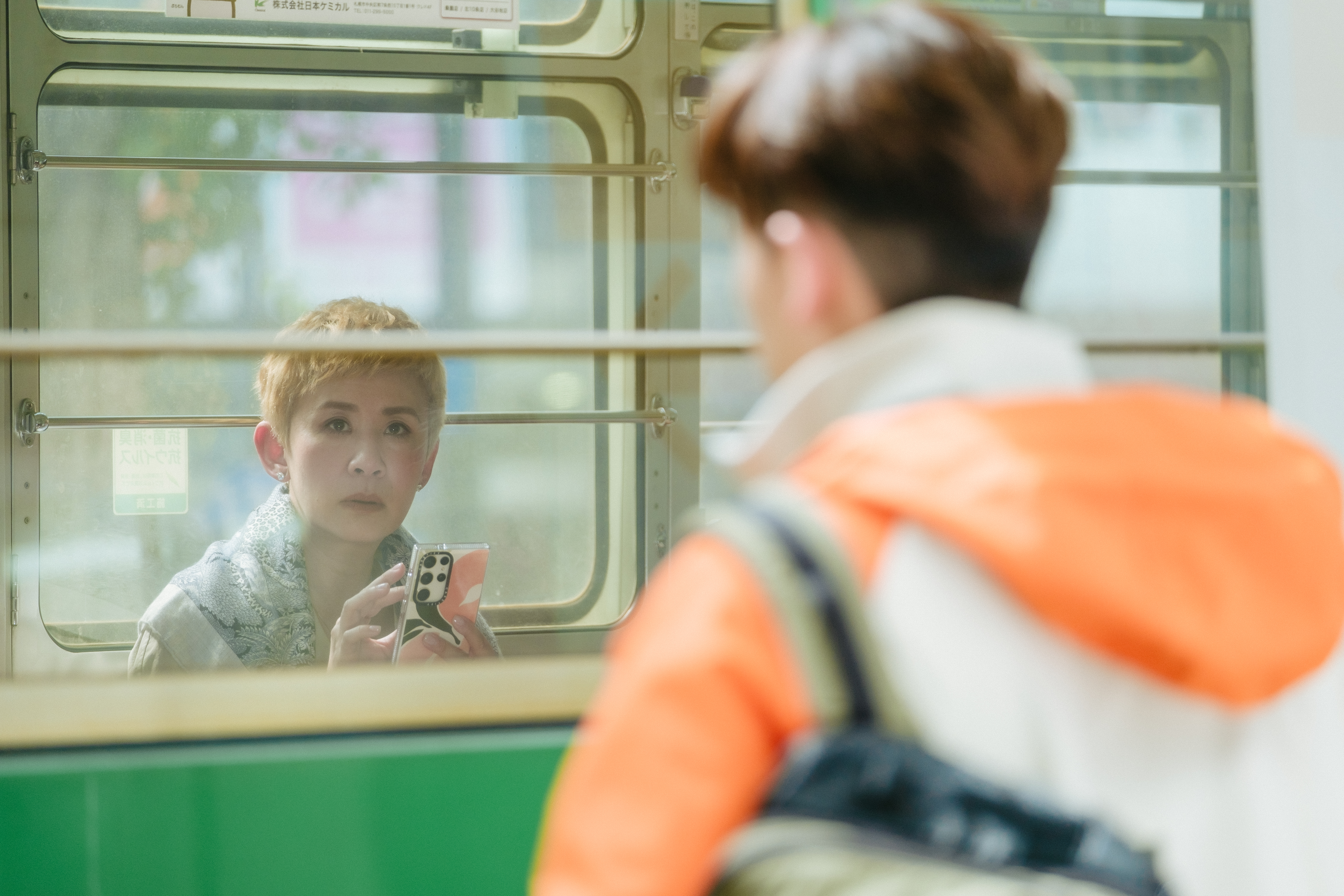
Original trailer (no subtitles)

Where Is the Lie? (Marupok AF, Quark Henares, 2023)

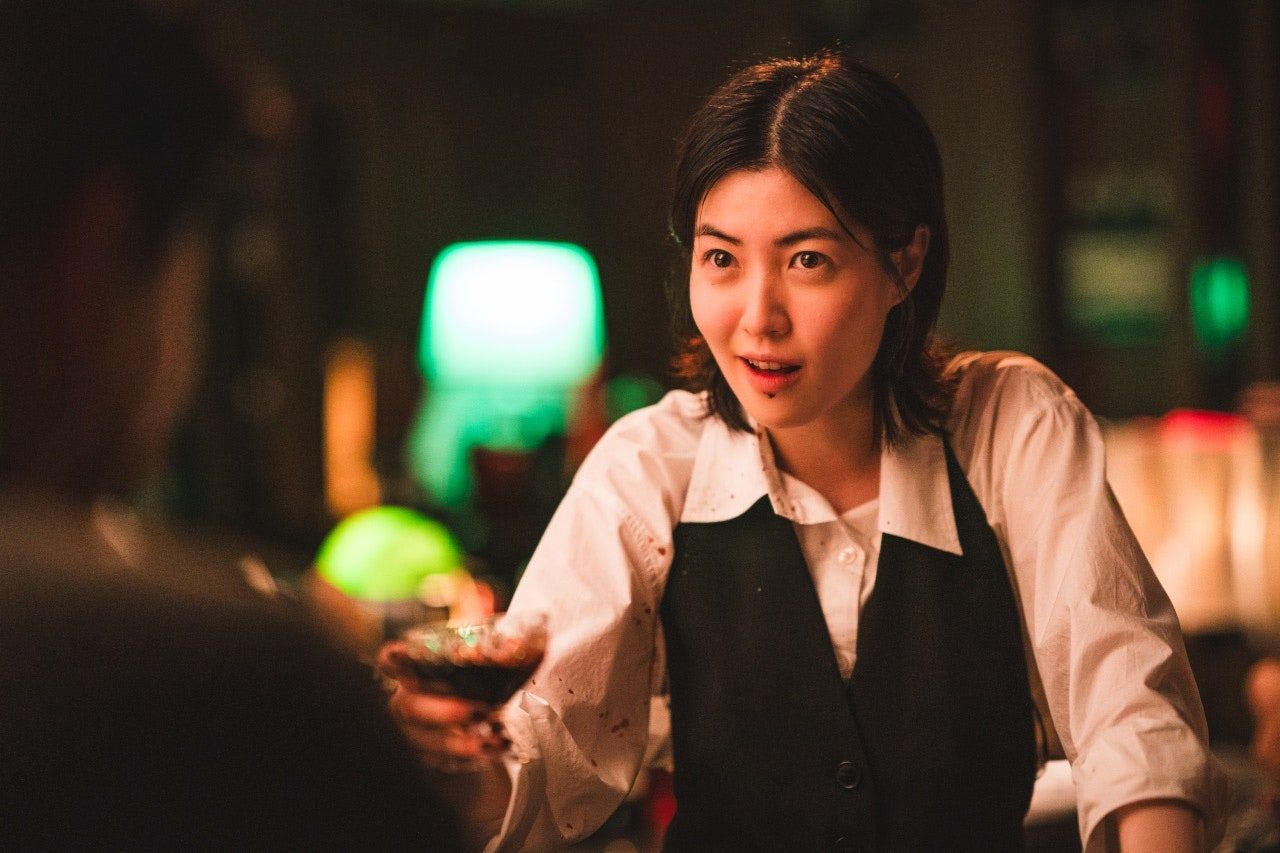
What is it that motivates acts of seemingly pointless cruelty, why do people obsessively waste their own lives trying to make those of others miserable? Quark Henares’ inspired by real events (depending on who you ask) catfishing drama Where is the Lie? (Marupok AF) sees a trans woman fall victim to homophobic love fraud amid a climate of intense transphobia and subsequently make the decision to take a stand not as a petty act of revenge but to reclaim her dignity and protect her community while generously wishing her tormentor well. 

The catfisher, Beanie (Maris Racal), is given the right to reply through a series of confessional videos which slowly gain prominence towards the film’s conclusion. She admits that she knows what she did but does not really understand why she did it save justifying herself that she’s been “bullied” by members of the LGBTQ+ community in the past. She deliberately mangles the acronym and makes a point of using male pronouns to refer to the trans woman she’s currently targeting, Janzen (EJ Jallorina), but later starts to slip up instinctively using “she” after spending months talking to her normally over a dating app posing as buff model Theo (Royce Cabrera). Asked what the point of all this is, Beanie doesn’t have much of an answer beyond the cruelty itself explaining that the end goal is simply to ghost the target once they’ve made an emotional connection to cause them to feel hurt or humiliated. Perhaps these seem like low level consequences to Beanie who regards the catfishing as something like a weird hobby though one she expends an immense amount of time on seeing as she doesn’t appear to have anything else going on in her life aside from her actual job as a video director working in the fashion industry. 

The strange thing is though is Beanie describes Janzen as fun to talk to and they even seem to strike up a genuine connection over their shared interest in design. Beanie then finds herself in dilemma, simultaneously accelerating the plan to avoid having to deal with her complicated feelings but then restarting it after its natural end point by inserting herself into the conversation posing as Theo’s cousin and apologising on his behalf for his treatment of her in a moment of panic. The implication is that Beanie’s behaviour is motivated by an internalised homophobia in which she cannot bear to admit her desire for other women keeping her connection with Janzen because she is attracted to her but simultaneously denying it through a deliberate attempt to cause her pain and humiliation in returning her feelings vicariously through the fake Theo persona.

Some may feel that the film to too sympathetic towards outward transphobe Beanie or that once again implying the villain is closeted is unhelpful, but there may be something in her claims to be a kind of victim too in that her internalised homophobia is caused by societal conservatism in a largely Catholic, patriarchal culture. The film is clear on the dangers and discrimination Janzen faces daily both online and off as her friends remark on the case of a trans woman being arrested for using the ladies’ bathroom and later TV news footage shows president Duterte pardoning a US soldier who had been convicted of murdering a transgender sex worker. As the film begins, Janzen’s boyfriend breaks up with her over his discomfort about publicly dating a trans woman, implying that he is ashamed or embarrassed in his inability to explain the relationship to his older conservative parents. An online date then goes south when he realises she is trans. As her friends tell her Theo seems too good to be true especially as his social media only contains professionally taken photos and no personal posts or connections but Janzen is blinded by love and deeply wants to believe that the relationship is “real”.

That might go someway to explaining why she puts up with so much nonsense from Theo and continues to interact with him even after he calls her a series of slur words, leaves her waiting at the airport for a fake meeting, and then dumps her in a Jollibee after convincing her to travel all the way to Manila knowing she has no return ticket or place to stay. Playing out almost like an incredibly perverse Cyrano de Bergerac, the film at times pushes Janzen into the background in favour of exploring Beanie’s motivations for her seemingly senseless, sadistic cruelty, but subsequently allows her to reclaim centrestage in owning her own story by taking a stand against transphobic bullying on behalf of the other victims and her wider community while very much claiming the moral high ground by wishing Beanie nothing but peace though whether she’ll ever find it is anybody’s guess. 


Where Is the Lie? screened as part of this year’s New York Asian Film Festival

Original trailer (English subtitles)

Images: © Anima Studios, Kroma Entertainment, December 2022.© 2022 Kroma Entertainment. All Rights Reserved

Bear Man (웅남이, Park Sung-kwang, 2023)

According to an ancient legend, bears who eat garlic and mugwort can become human though it’s not exactly clear why they’d want to. The debut film from Park Sung-kwang, Bear Man (웅남이, Woongnami) as its name suggests follows a pair of bear cubs who decide to give things a go in the human world but with wildly differing results as one is adopted by the researcher who allowed them to escape and the other by a vicious gangster who exploits him for his violent capabilities and shows him little love. 

Love is something Woongnam (Park Sung-woong) got a lot of thanks to his devoted mother and though not exactly the sharpest knife in the drawer had forged a promising career as a local policeman before he was let go after falling into a kind of funk on overhearing his father on the phone suggesting that the life expectancy for a regular bear is only 25 so he might not have much time left. Thanks to his nature as a bear man, Woongnam ages much faster than everyone else and already appears to be middle-aged though he is also blessed with immense strength and agility. After agreeing to bend the law by helping his feckless friend Malbong (Lee Yi-kyung) win in at illegal gambling Woognam comes to the attention of a group of police detectives investigating a shady gangster who notice a man looking just like Woongnam taking out a host of bad guys at the harbour. 

There is something quite poignant in the puppy-like existence of Woongbok (also Park Sung-woong) who keeps looking up to his boss as a father figure with a mixture of fear and longing. He gazes enviously at a family crossing the road in front of him and later visits Woognam’s home where Woongnam’s mother thinks that he’s Woognam and tries to feed him his favourite foods while he just looks on silently without expression. Where Woongnam is basically good, not too bright but heart in the right place, Woongbok has been raised as creature of violence by his intimidating father figure and carries a threatening aura with his slick haircut and tailored suit. 

The police want Woongnam to pose as Woongbok so they can take down the gangsters who have not only been trafficking drugs but also dabble in scientific research into viruses and their cures apparently about to unleash an epidemic in China to profit off the drug sales. It’s not all that clear what the scientists who released the bears were actually researching though there is a kind of parallel in the fact the other pair seemingly settled down, adjusted to their new environment and had a few cubs while Woongnam and Woongbok ended up becoming humans with bear-like abilities. Woongnam has to be prevented from entering hibernation and sleeps flat out like a bear but otherwise keeps his true nature secret even while covertly helping the townspeople out getting rid of beehives and freeing trucks stuck in the mud. 

That would be about the extent of “policing” in this kind of small-town where there’s nothing much to do but catch fish in the river and chat to wild boar. Park builds on the surreality of everyday rural life with mounting absurdities such as the parade of teenagers who troop through the convenience store where Woongnam’s live-streaming friend Malbong works each of whom he is largely able to unmask thanks to his keen sense of smell, and the polytunnel that doubles as a gambling den for down on their luck farmers. Woongnam’s biggest regret is losing his position as a police officer and it’s his desire to get it back to make things up to the people who raised him that encourages him to go along with the detectives’ crazy plan even if means he has to undergo weird martial arts training inspired by Drunken Master and take lessons from a strange movement coach in how to walk like a gangster. Yet in the end it’s Woongbok’s innocent desire for familial love that becomes a source of salvation, turning against his gangster brethren to protect the warmth of Woongnam’s family home. Quirky in the extreme and defiantly absurd, the film nevertheless has genuine heart in otherwise strange tale of wandering sons and bears of men.


Bear Man screened as part of this year’s New York Asian Film Festival

Images: © 2023 KIMCHI PICTURES PRODUCTION. ALL Rights Reserved.