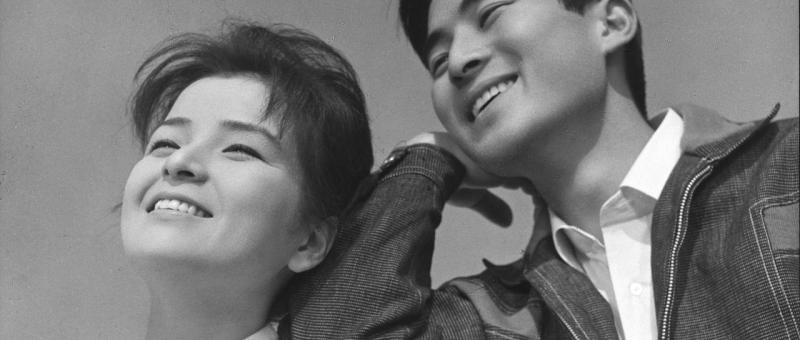
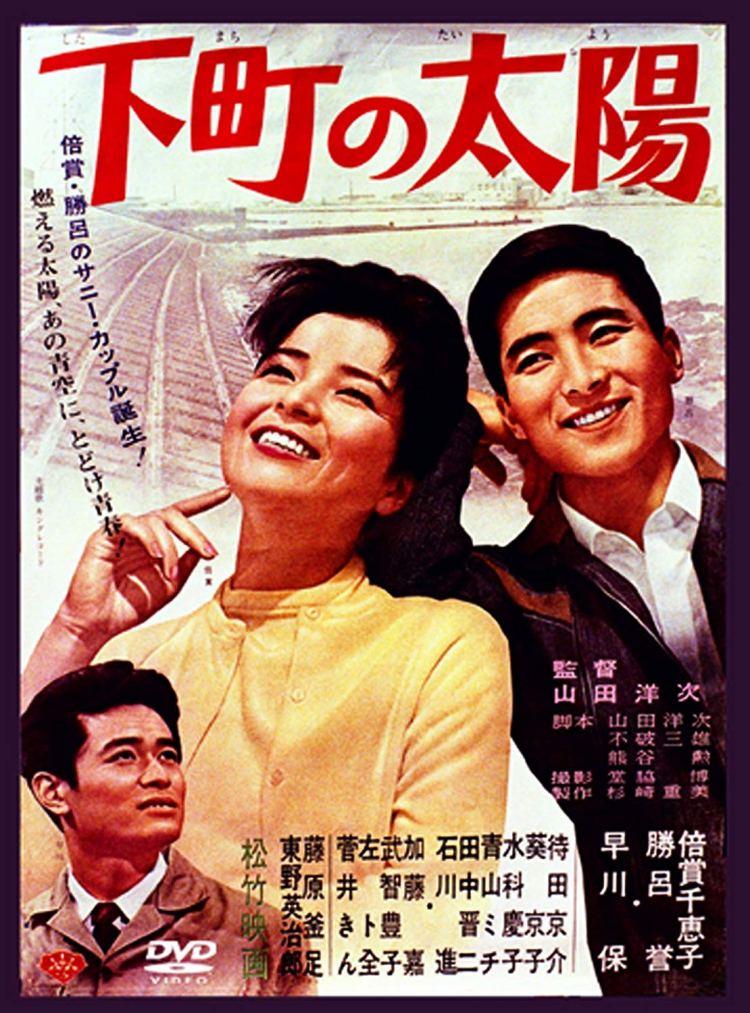
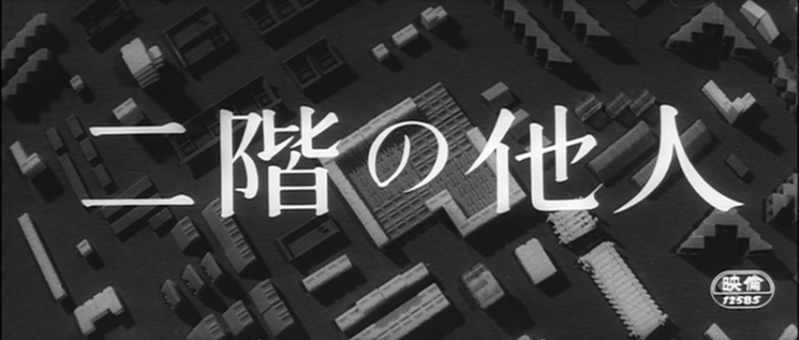
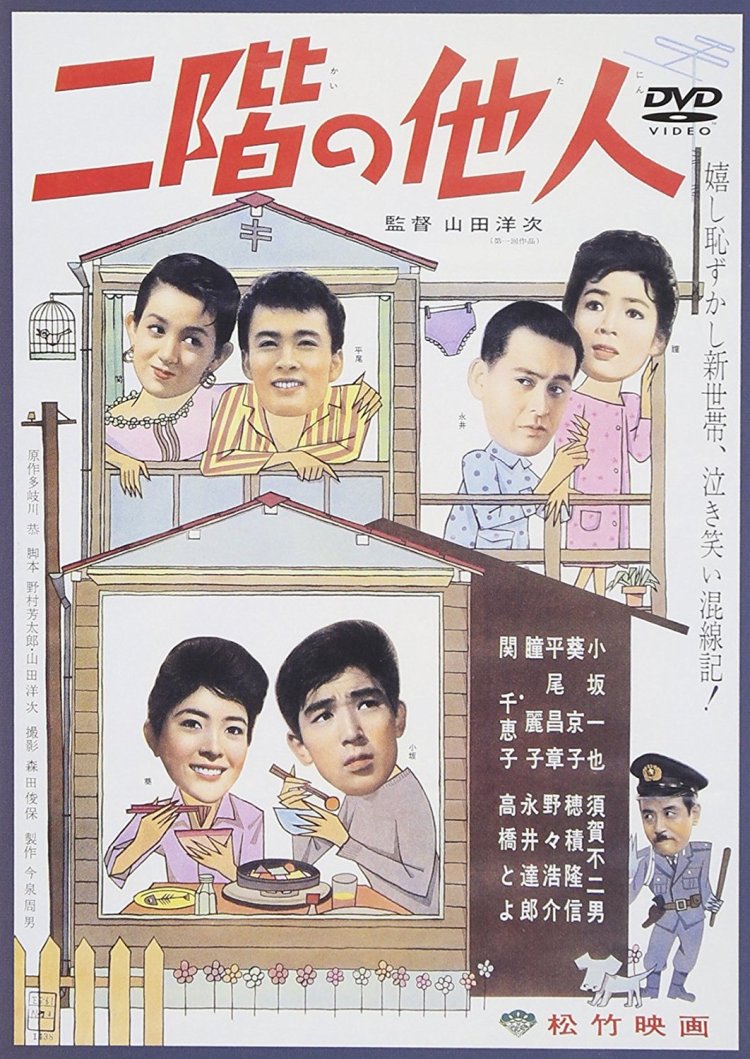
 Yoji Yamada’s debut feature, The Strangers Upstairs, was very much of its time as it attempted to capture the aspirational fighting spirit of the post-war era through the struggles of a nice young couple who are trying to “get on” and escape their humble origins for the salaryman dream through achieving the goal of home ownership as quickly as possible. His second film, Shitamachi no Taiyo (下町の太陽, also known as The Sunshine Girl / Sunshine in the Old Neighbourhood), takes a slightly different look at a similar issue as a young woman from Shitamachi – a working class industrial area on the outskirts of Tokyo, agonises over her future prospects as she considers a marriage to her longterm boyfriend who has ambitions to join the salaryman revolution.
Yamada opens with shots of Shitamachi and its prominent smokestacks while the now famous song plays in an instrumental version over the credits, before abruptly shifting to visions of the upscale Ginza where Machiko (Chieko Baisho) and her boyfriend Michio (Tamotsu Hayakawa) are enjoying a demonstration of an extraordinarily expensive, state of the art radio before retreating to a cafe where they agree that sometimes its more fun to “aspire” to things than actually obtain them. After all, there’s no way they could ever afford the diamond rings they walked past on their way out of the department store unless they decided to rob the place. Both Machiko and Michio are residents of Shitamachi and work in a local soap factory. Michio, however, has his sights firmly set on the path to a middle-class life and is planning to take the exam for a promotion to head office – though he lacks qualifications, Michio is confident because he’s studying hard (though more so because his dad and his section chief served together in the war so Michio is sure a good word will be put in for him).
Despite her fondness for Michio, Machiko has her doubts about his overriding ambition to get out of Shitamachi. Since her mother died, Machiko has been the lady of the house and primary caregiver for her naughty little brother Kenji (Joji Yanagisawa) while her older brother Kunio (Toshio Suzuki) is the family brainbox and also planning to bust out only through the path of education rather than advancement. Having left education behind, Machiko is happily contributing to the family finances with her job on the packing line at the soap factory which is, all things considered, not too bad – the work may be dull and methodical but also relatively quiet and stress free, not to mention sweet smelling. Nevertheless, Machiko does not necessarily want to work on the shop floor all her life but knows her opportunities are limited.
This fact is one cruelly brought home to her by a moody Michio when descends into a major sulk on learning that he hasn’t passed the test for head office because another of his colleagues outdid him – both in terms of his study ranking and in one upping him in having a direct connection to the director. While Machiko tries her best to sympathise and put up with his moody petulance, Michio chooses to throw her sympathy back in her face by abruptly announcing that she can’t understand the pain he’s going through because careers are irrelevant to women who only use them as a stopgap until they get married. Thoroughly annoyed, Machiko leaves Michio to his wallowing before things get any worse but she can’t argue with the fact that he’s only said what most people think.
Still, Machiko isn’t even sure she wants to get married. One of her friends, Kazuko (Kyoko Aoi), recently won the jackpot – she married a nice man who did get a promotion to head office and won the housing lottery for a home on one of the shiny new “danchi” – brand new apartment complexes for upwardly mobile young couples and the very embodiment of post-war aspiration. However, when Machiko and a friend visit the new bride they find that she is not quite as happy as one might expect. Though married life is peaceful enough and she and her husband evidently get on, Kazuko is also intensely lonely. With her husband away at work all day and often out playing golf with colleagues on Sundays too (not to mention after hours drinking and miscellaneous get togethers), there’s precious little for Kazuko to do, stuck at home all day cooking and cleaning while waiting for her husband to return. Having moved to the danchi she’s also lost her community and is no longer close enough to her friends to see them very often.
Meanwhile, Machiko is also somewhat disturbed by Kazuko’s collection of expensive cosmetics which her husband has instructed her to buy because he’s “very particular” about her appearance. Kazuko makes sure her makeup is on point before her husband gets home because that’s apparently what he likes. Machiko, however, does not like this – to start with, she thinks Kazuko looks better without. Not that there’s anything wrong with wearing makeup because you want to wear it, but the idea of wearing it because someone told you to and you’re worried they’ll “get bored” with your face doesn’t strike her as a particularly healthy relationship dynamic. If this is what a love marriage is like, perhaps Machiko would rather do without.
Despite her otherwise close relationship with Michio, it quickly becomes obvious that she does not love him and if she decides to marry him it will be because it’s the “sensible” decision rather than any great romantic desire. Annoyingly enough, Michio hasn’t really even asked her, he just assumes they will marry once he gets his promotion. He also assumes that Machiko, like him, will want to shake the dust of Shitamachi off her feet for good for the bright lights of Tokyo. Machiko, however is not so sure. “Getting on” is one thing and there’s nothing wrong with “aspiration”, but that doesn’t mean you need to look down on the people who come from the same place as you – after all, the sun still shines even in Shitamachi and there’s nothing wrong in choosing to be happy here rather than always chasing an unattainable dream of conventional success.
Another possibility presents itself when Machiko meets an unrefined boy who has an ordinary job in the steelworks. Though their first meeting did not make a good impression – he creepily chased her off a train and then made a mess of trying to explain why, they later bond when she realises he has befriended her troubled little brother and the pair then end up spending a pleasant evening together which is far more romantic than any of her dull and conventional outings with Michio. Then again the choice she faces isn’t between two men but whether or not to embrace her own ability to make a definitive choice about her future. What she rejects is cold and selfish path of men like Michio who only want to get ahead and are willing to step on anyone who gets in their way to make it happen. Machiko doesn’t want fancy radios and diamond rings, she just wants to not have to worry too much about money and for someone to actually listen to what she’s saying. She doesn’t want to end up like Kazuko, all alone in a sparkling apartment with nothing to do but knit. When Michio tells her to shut up and do as he says because he’ll definitely make her happy, the choice seems clear. Hard work, community, and maybe the fiery boy who seems determined to get a yes rather than assuming he already has one. Who wouldn’t want to live here?
Original trailer (no subtitles)
Famous title song performed by Chieko Baisho

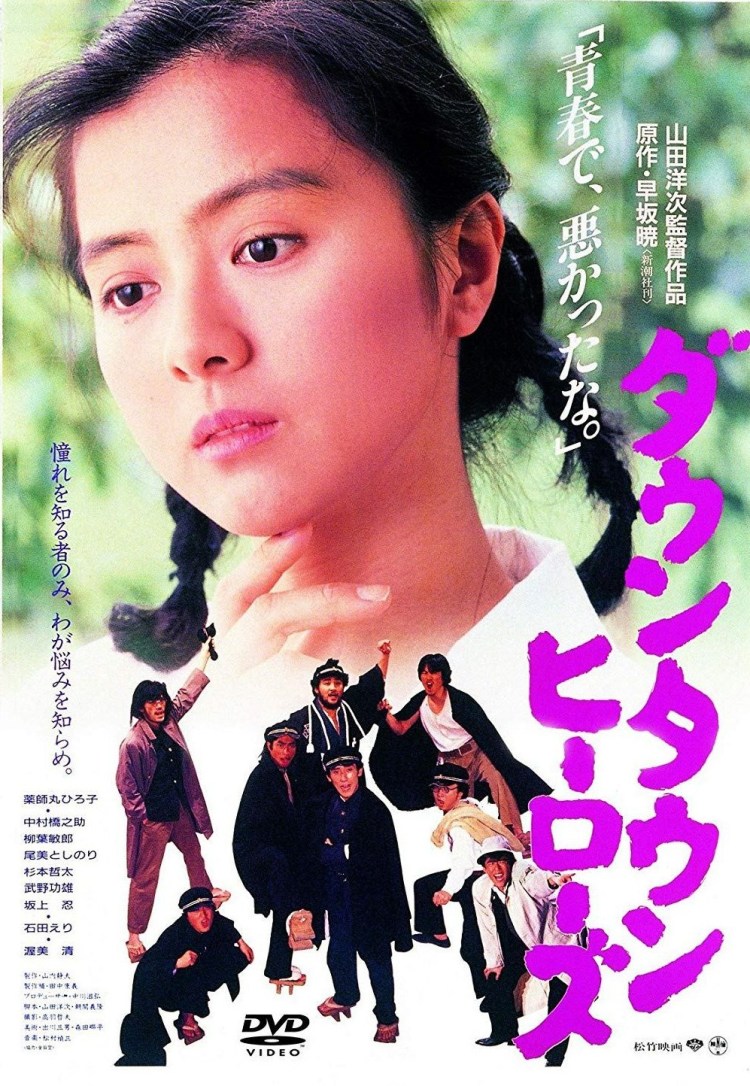
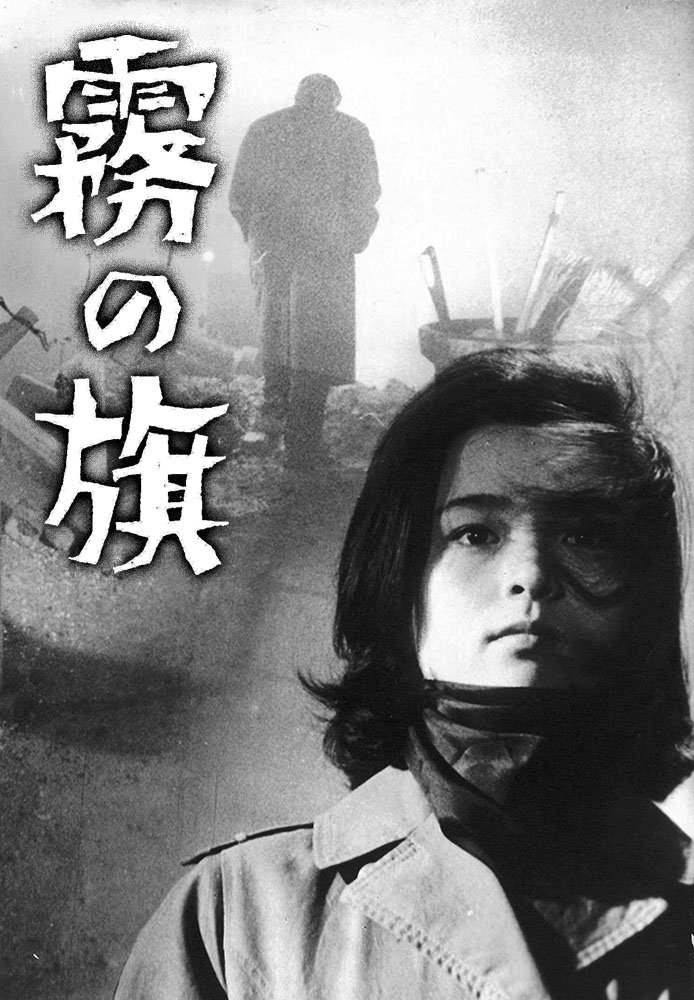 In theory, we’re all equal under the law, but the business of justice is anything but egalitarian. Yoji Yamada is generally known for his tearjerking melodramas or genial comedies but Flag in the Mist (霧の旗, Kiri no Hata) is a rare step away from his most representative genres, drawing inspiration from America film noir and adding a touch of typically Japanese cynical humour. Based on a novel by Japanese mystery master Seicho Matsumoto, Flag in the Mist is a tale of hopeless, mutually destructive revenge which sees a murderer walk free while the honest but selfish pay dearly for daring to ignore the poor in need of help. A powerful message in the increasing economic prosperity of 1965, but one that leaves no clear path for the successful revenger.
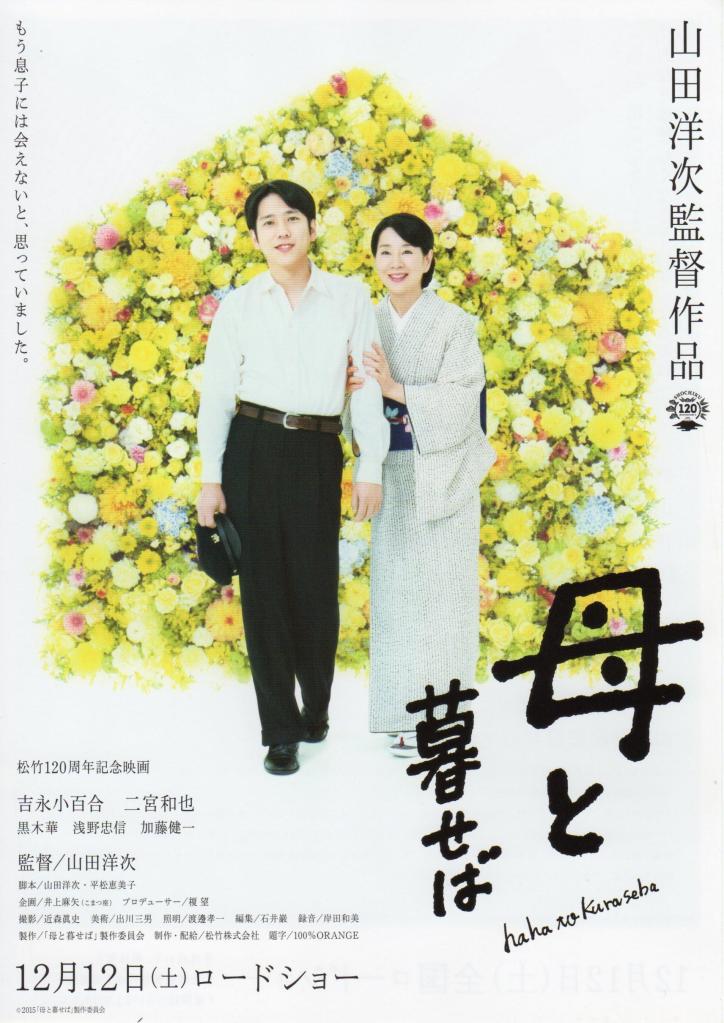 After such a long and successful career, Yoji Yamada has perhaps earned the right to a little retrospection. Offering a smattering of cinematic throwbacks in homages to both Yasujiro Ozu and Kon Ichikawa, Yamada then turned his attention to the years of militarism and warfare in the tales of a struggling mother,
 If there is a frequent criticism directed at the always bankable director Yoji Yamada, it’s that his approach is one which continues to value the past over the future. Recent years have seen him looking back, literally, in terms of both themes and style with remakes of films by two Japanese masters – Ozu in his Tokyo Story homage Tokyo Family, and Kon Ichikawa in Her Brother. While he chose to update both of those pieces for the modern day, 2008’s
 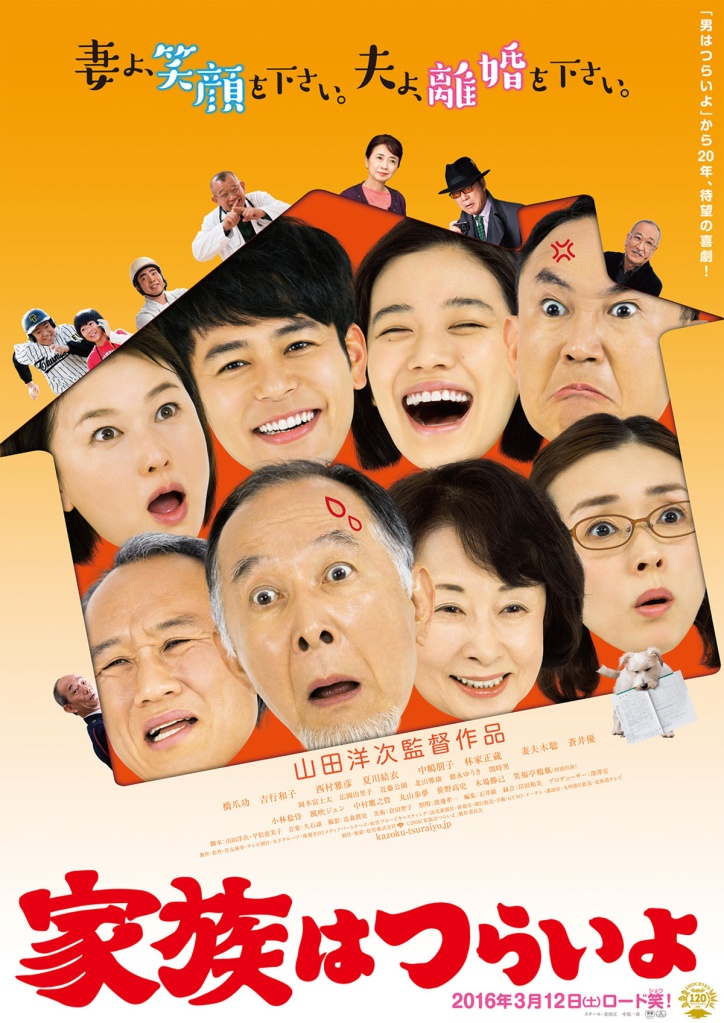 Prolific as he is, veteran director Yoji Yamada (or perhaps his frequent screenwriter in recent years Emiko Hiramatsu) clearly takes pleasure in selecting film titles but What a Wonderful Family! (家族はつらいよ, Kazoku wa Tsurai yo) takes things one step further by referencing Yamada’s own long running film series Otoko wa Tsurai yo (better known as Tora-san). Stepping back into the realms of comedy, Yamada brings a little of that Tora-san warmth with him for a wry look at the contemporary Japanese family with all of its classic and universal aspects both good and bad even as it finds itself undergoing number of social changes.
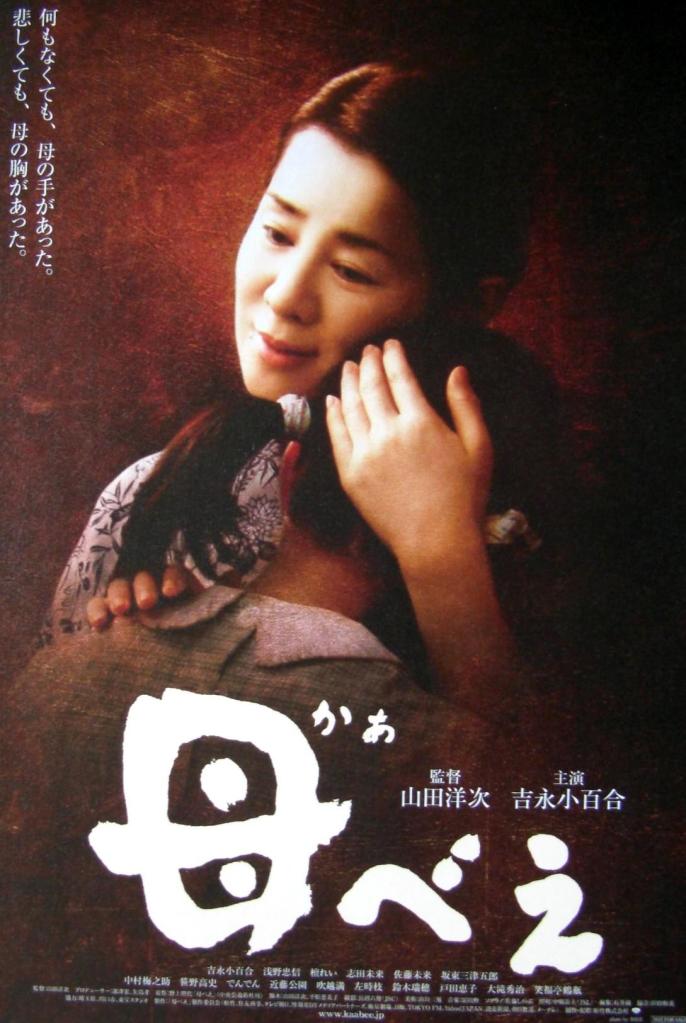 Yoji Yamada’s films have an almost Pavlovian effect in that they send even the most hard hearted of viewers out for tissues even before the title screen has landed. Kabei (母べえ), based on the real life memoirs of script supervisor and frequent Kurosawa collaborator Teruyo Nogami, is a scathing indictment of war, militarism and the madness of nationalist fervour masquerading as a “hahamono”. As such it is engineered to break the hearts of the world, both in its tale of a self sacrificing mother slowly losing everything through no fault of her own but still doing her best for her daughters, and in the crushing inevitably of its ever increasing tragedy.
 Windows on Worlds