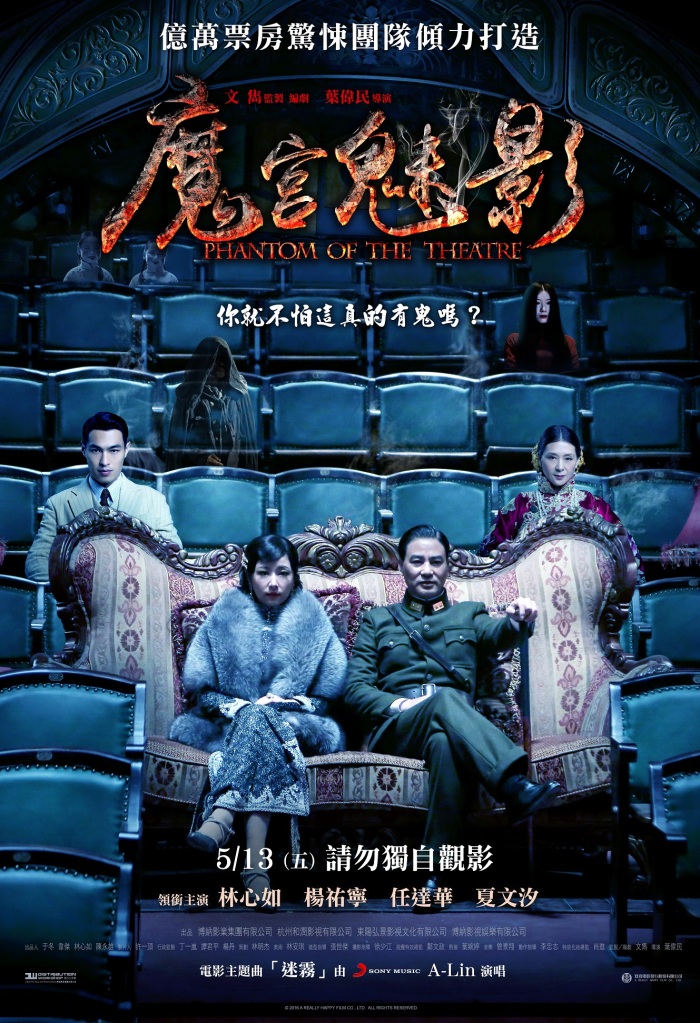
 No ghosts! That’s one of the big rules when it comes to the Chinese censors, but then these “ghosts” are not quite what they seem and belong to the pre-communist era when the people were far less enlightened than they are now. One of the few directors brave enough to tackle horror in China, Raymond Yip Wai-man goes for the gothic in this Phantom of the Opera inspired tale of love and the supernatural set in bohemian ‘30s Shanghai, Phantom of the Theatre (魔宫魅影, Mó Gōng Mèi Yǐng). As expected, the thrills and chills remain mild as the ghostly threat edges closer to its true role as metaphor in a revenge tale that is in perfect keeping with the melodrama inherent in the genre, but the full force of its tragic inevitability gets lost in the miasma of awkward CGI and theatrical artifice.
Shanghai was a swinging, cosmopolitan town in the 1930s. A multicultural melting pot it was both a business centre and a bohemian paradise in which the Chinese film industry flourished. Aspiring film director Gu Weibang (Tony Yang) has just returned from studying in France and is looking for an actress to star in his first project. Attempting to hand his script to the winner of the local awards ceremony, Weibang’s plan is frustrated by some awkward political shenanigans between an older actress, a younger one, and the patron that’s trying to abandon one woman for the other, but Weibang is soon to have more problems on his plate connected to the series of strange deaths which have begun to occur in the “haunted” theatre in which he wants to shoot his upcoming masterpiece.
The mystery element fades relatively quickly as we’re introduced to the very human villain who does, however, behave in an appropriately phantom fashion as he appears and disappears in various locations around the ruined theatre, making use of secret passages and hidden doorways to put his dastardly plan into action. The main thrust of the narrative is the gothic romance between Weibang and his leading actress Meng Si-fan (Ruby Lin) which is complicated both by his existing girlfriend (the pathologist working on the mysterious theatre deaths) and the spectre of the long buried past. The fire which destroyed the theatre 13 years previously resulting in the deaths of a troupe of acrobats lies at the centre of the mystery but places the two lovers on different sides of an unbridgeable divide as powerless bystanders in the newly post feudal world.
Weibang wants to make films about the things people can’t say – an interesting meta comment given that ghosts are still taboo all these years later, but the irony is that film is a seductive dream, a distraction from the reality, a haunted theatre all of its own. Dreams, reality, and cinema begin to overlap as Weibang finds himself playing the leading man and falling for the leading lady in a tragic supernatural romance whilst his creepy setting continues to give up its own ghosts. In the end the only ghosts Weibang and Si-fan will have to deal with are ones of their own pasts. Faced with a final showdown, long buried truths are finally revealed and choices made but the bittersweet ending leaves us on a positive note as those concerned discover the power of forgiveness – that forgiving others is an act of kindness to oneself and revenge little more than the theft of your own life in pointless pursuit of retribution.
Yip places the emphasis on his visuals with a sumptuous, truly gothic aesthetic filled with faded grandeur, Western architecture, and candle lit rooms perfect for suggestive shadows and ghosts which lurk in mirrors. Though occasionally plagued with poor quality CGI and leaning towards theatrical artificiality in its studio bound look, Phantom of the Theatre does succeed in building a generally creepy atmosphere even if failing to reach the giddy heights of China’s finest take on the material so far – A Song at Midnight. Despite the solid visuals, Phantom of the Theatre never achieves the levels of doomladen fatalism and inexorable malevolence which the genre demands nor does it succeed in making its central romance truly matter lending it a slightly underwhelming quality. Still, the impressive visuals and melancholy tone make for a charmingly old fashioned ghost story in which the haunting is all too real.
Original trailer (Mandarin with English/Traditional Chinese subtitles)
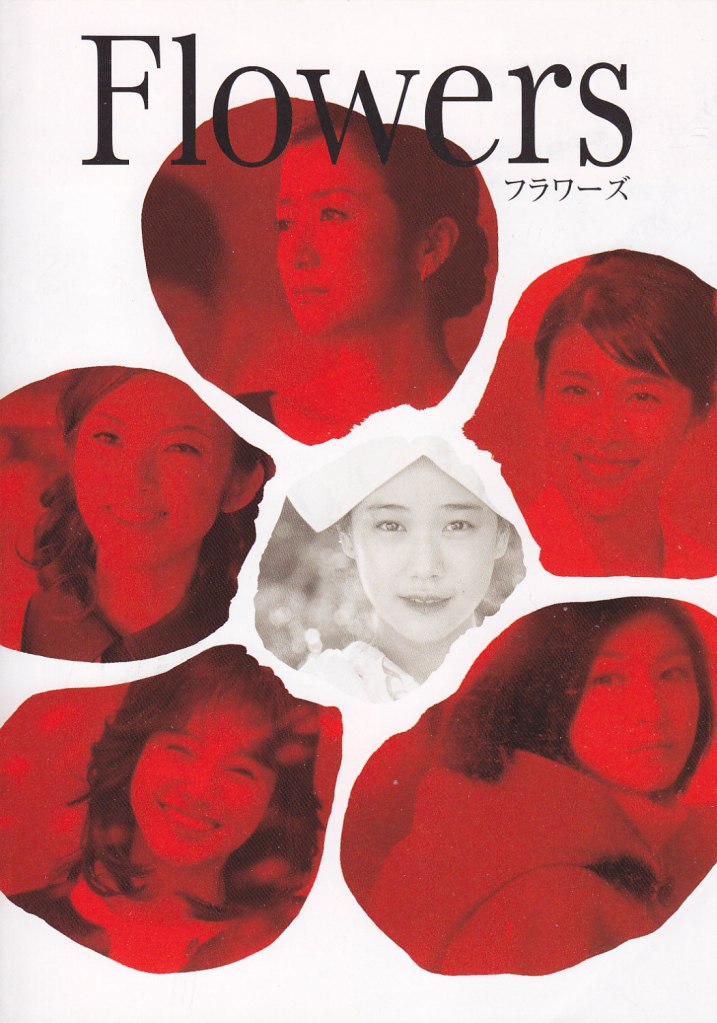 The rate of social change in the second half of the twentieth century was extreme throughout much of the world, but given that Japan had only emerged from centuries of isolation a hundred years before it’s almost as if they were riding their own bullet train into the future. Norihiro Koizumi’s Flowers (フラワーズ) attempts to chart these momentous times through examining the lives of three generations of women, from 1936 to 2009, or through Showa to Heisei, as the choices and responsibilities open to each of them grow and change with new freedoms offered in the post-war world. Or, at least, up to a point.
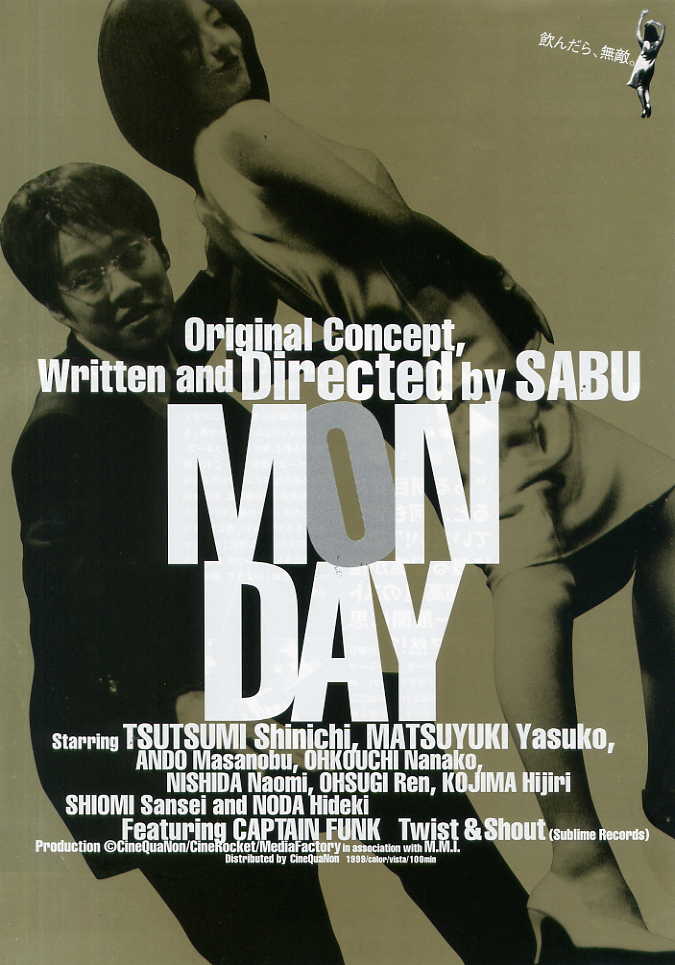 Waking up in an unfamiliar hotel room can be a traumatic and confusing experience. The hero of SABU’s madcap amnesia sit in odyssey finds himself in just this position though he is, at least, fully clothed even if trying to think through the fog of a particularly opaque booze cloud. Monday (マンデイ) is film about Saturday night, not just literally but mentally – about a man meeting his internal Saturday night in which he suddenly lets loose with all that built up tension in an unexpected, and very unwelcome, way.
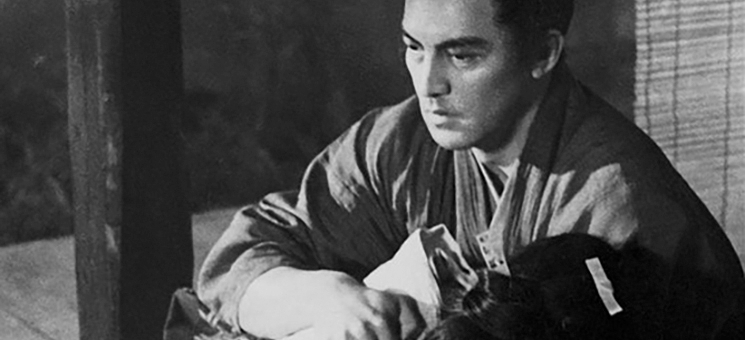
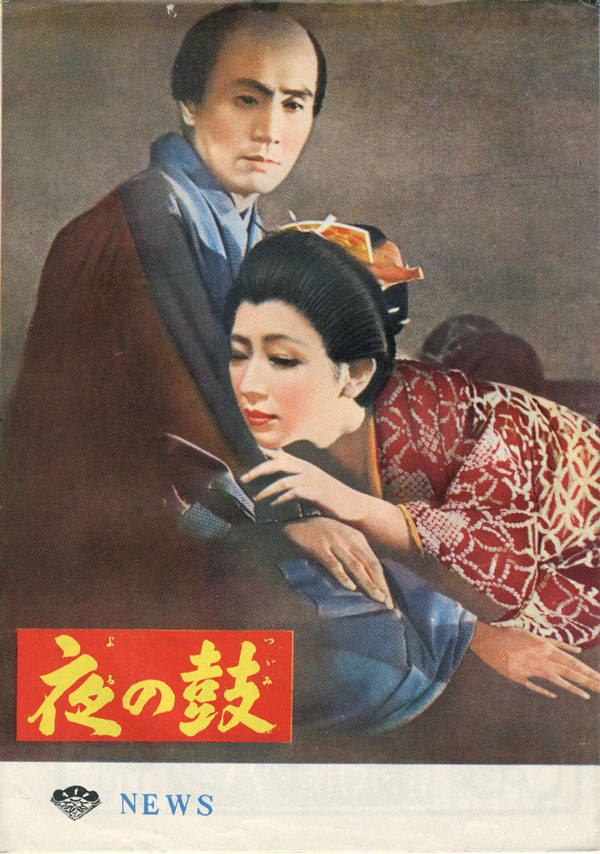
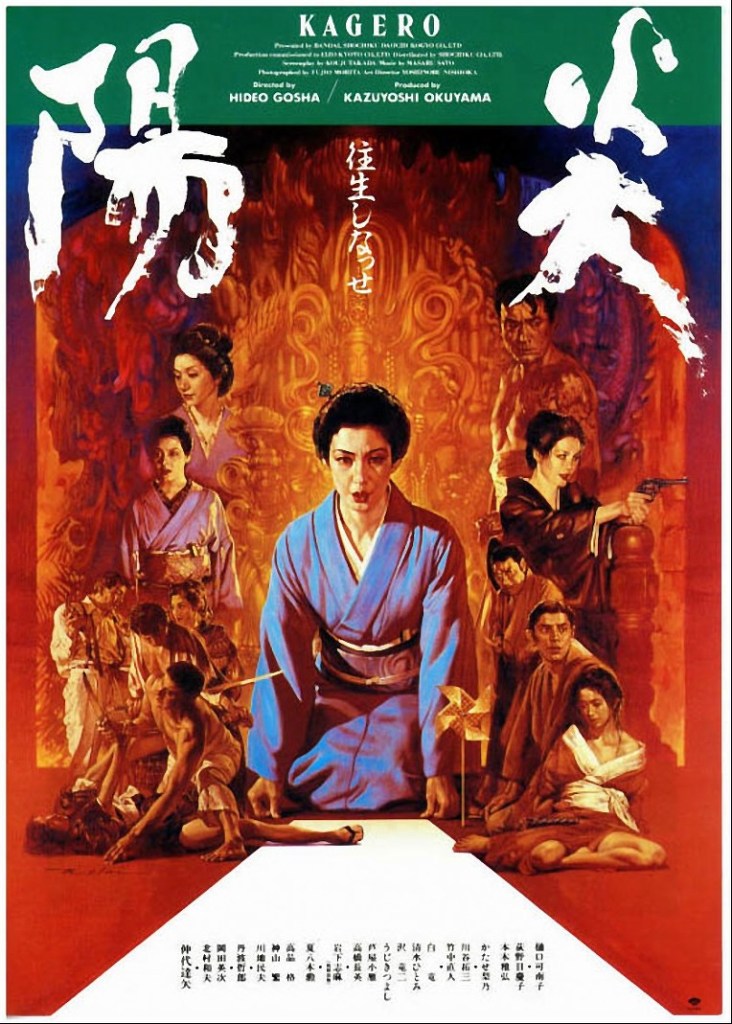 Hideo Gosha had something of a turbulent career, beginning with a series of films about male chivalry and the way that men work out all their personal issues through violence, but owing to the changing nature of cinematic tastes, he found himself at a loose end towards the end of the ‘70s. Things picked up for him in the ‘80s but the altered times brought with them a slightly different approach as Gosha’s films took on an increasingly female focus in which he reflected on how the themes he explored so fully with his male characters might also affect women. In part prompted by his divorce which apparently gave him the view that women were just as capable of deviousness as men are, and by a renewed relationship with his daughter, Gosha overcame the problem of his chanbara stars ageing beyond his demands of them by allowing his actresses to lead.
 Korea is quite good at rom-coms. Consequently they make quite a lot of them and as the standard is comparatively high you have to admire the versatility on offer. Korean romantic comedies are, however, also a little more conservative, coy even, than those from outside of Asia which makes Petty Romance (쩨쩨한 로맨스, Jjae Jjae Han Romaenseu) something of an exception in its desire to veer in a more risqué direction. He’s too introverted, she’s too aggressive – they need each other to take the edges off, it’s a familiar story but one that works quite well. Petty Romance does not attempt to bring anything new to the usual formula but does make the most of its leads’ well honed chemistry whilst keeping the melodrama to a minimum.
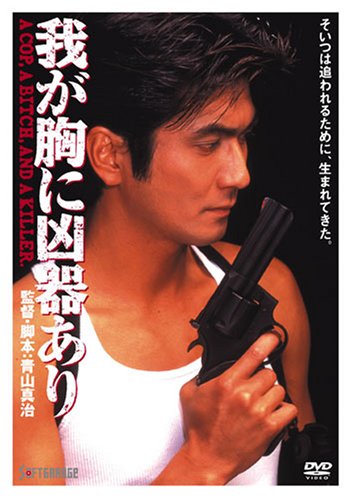 Shinji Aoyama would produce one of the most important Japanese films of the early 21st century in Eureka, but like many directors of his generation he came of age during the V-cinema boom. This relatively short lived medium was the new no holds barred arena for fledgling filmmakers who could adhere to a strict budget and shooting schedule but were also aching to spread their wings. After a short period as an AD with fellow V-cinema director now turned international auteur Kiyoshi Kurosawa, Aoyama directed his first straight to video effort – the sex comedy It’s Not in the Textbook!. Released just after his theatrical debut, Helpless, A Weapon in My Heart (我が胸に凶器あり, Waga Mune ni Kyoki Ari, AKA A Cop, A Bitch, and a Killer) is a more typically genre orientated effort with its cops, robbers, and femme fatale setup but like the best examples of the V-cinema trend it bears the signature of its ambitious director making the most of its humble origins.
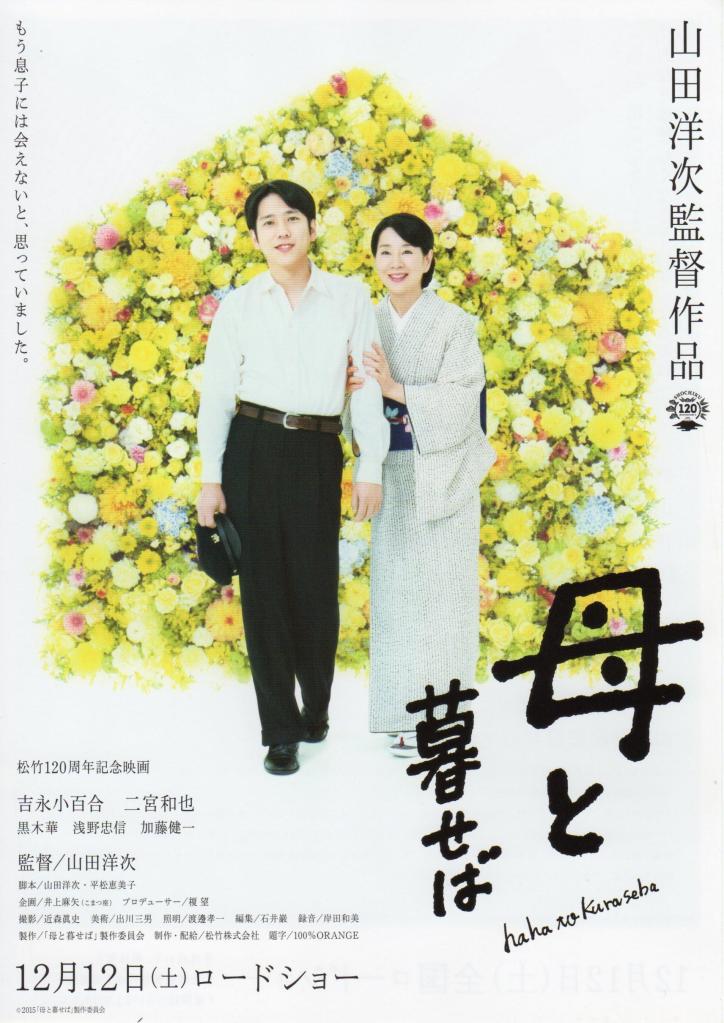 After such a long and successful career, Yoji Yamada has perhaps earned the right to a little retrospection. Offering a smattering of cinematic throwbacks in homages to both Yasujiro Ozu and Kon Ichikawa, Yamada then turned his attention to the years of militarism and warfare in the tales of a struggling mother,
 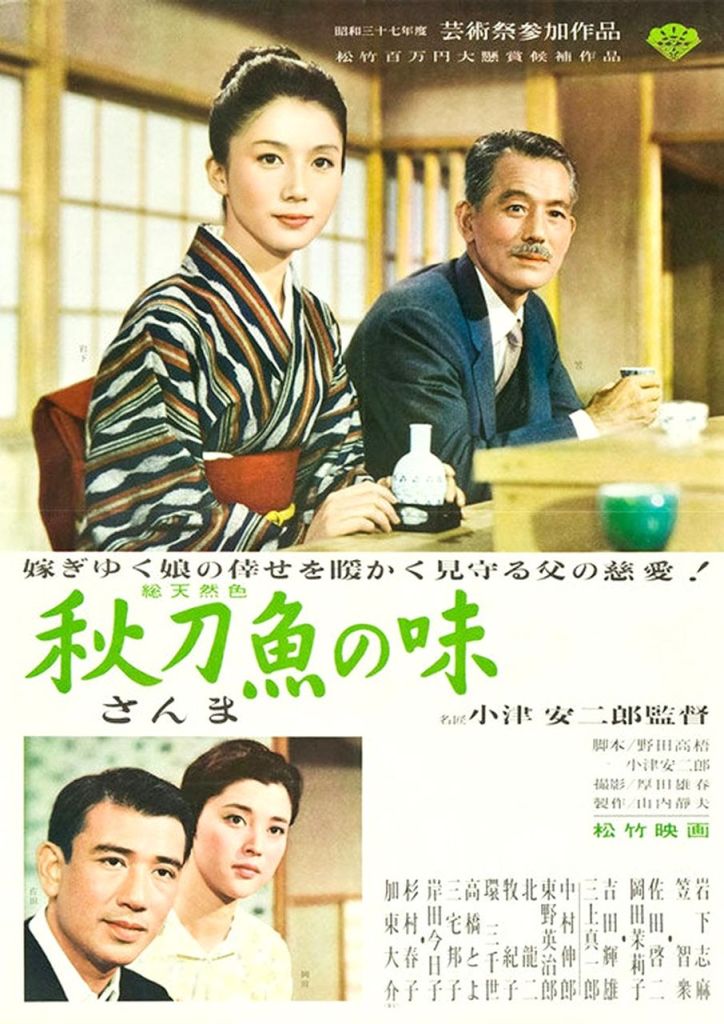 An Autumn Afternoon (秋刀魚の味, Sanma no Aji) was to be Ozu’s final work. This was however more by accident than design – despite serious illness Ozu intended to continue working and had even left a few notes relating to a follow up project which was destined never to be completed. Even if not exactly intended to become the final point of a thirty-five year career, An Autumn Afternoon is an apt place to end, neatly revisiting the director’s key concerns and starring some of his most frequent collaborators.
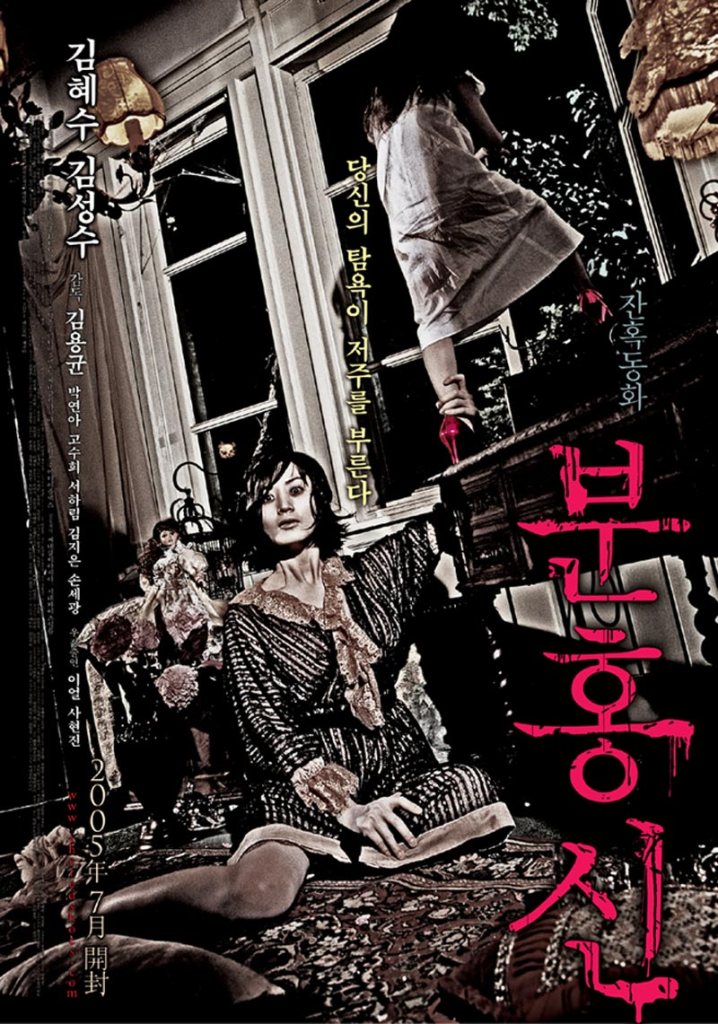 Walk a mile in a man’s shoes, they say, if you really want to understand him. If Kim Yong-gyun’s The Red Shoes (분홍신, Bunhongsin, 2005) is anything to go by, you’d better make sure you ask first and return them to their rightful owner afterwards without fear or covetousness. Loosely based on the classic Hans Christian Andersen tale this Korean take replaces dancing with murder and also mixes in elements from other popular Asian horror movies of the day, most notably
  Windows on Worlds