 Written by
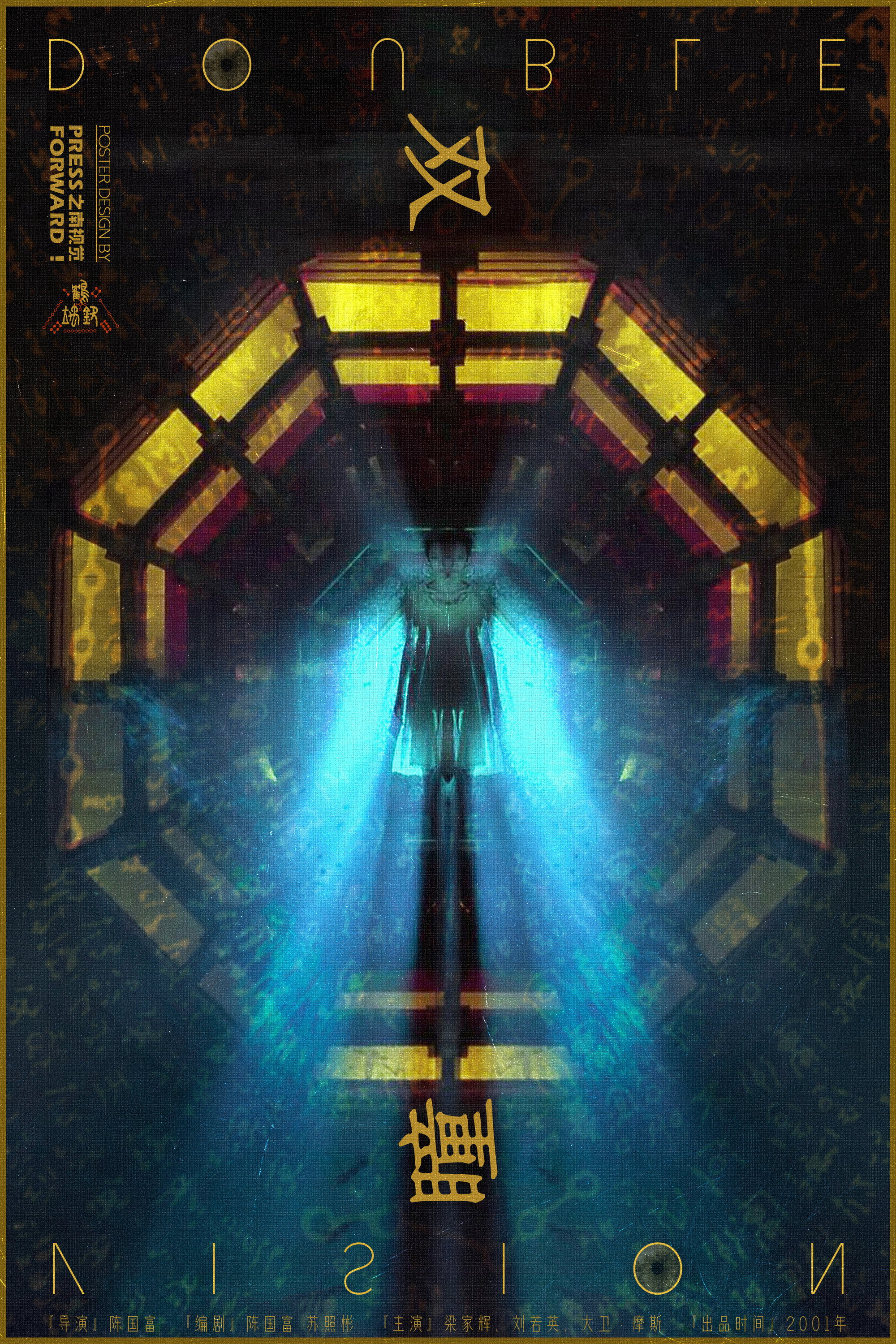
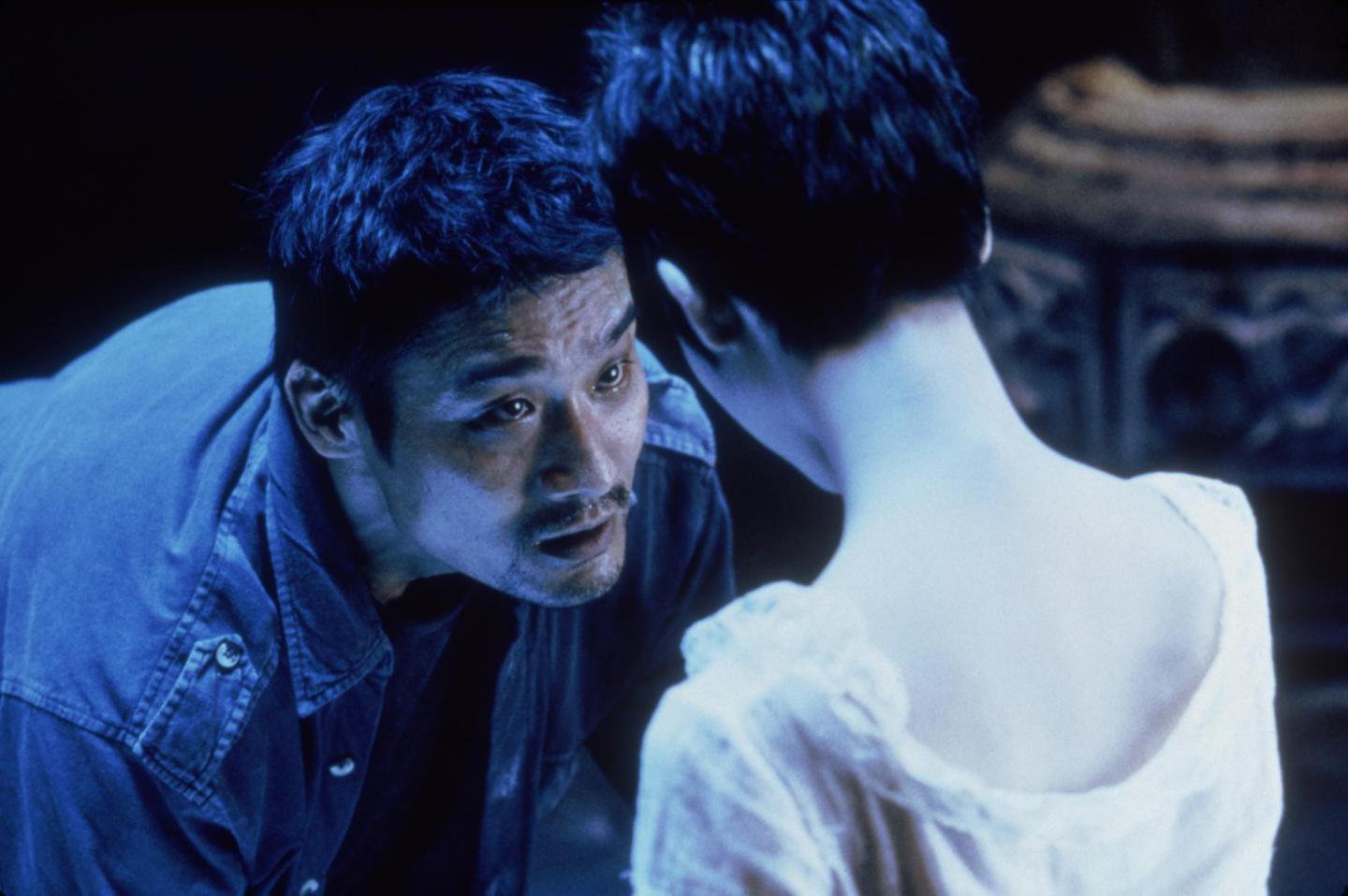
After a series of inexplicable murders strike Taipei, a mentally distressed local cop finds himself working with an American FBI agent while all the clues seem to point towards a mysterious local cult in Chen Kuo-fu’s supernaturally tinged thriller, Double Vision (雙瞳, Shuāng tóng). A co-production with Columbia Pictures, the film pits Eat and West, believer and non-believer against each other as dejected detective Huo Tu (Tony Leung Ka-fai) battles his own demons in having failed to protect his daughter during a hostage crisis.
It seems that, as an earnest young policeman, Huo Tu tried to blow the whistle on police corruption, the corrupt officer, in this case, being his wife’s cousin. Not only was Hu too shunned by the other officers who regarded him as a snitch, but his wife’s cousin took their daughter Meimei (Huang Wei-han) hostage. Frozen with fear, Huo Tu was unable to do anything very much to help her while attempting to talk the hostage taker down. His wife’s cousin eventually fired his gun at Meimei, though luckily it only scraped her scalp, while Huo Tu’s fellow officer took care of the hostage taker. Meimei has been mute ever since and is taking medication for behavioural issues. Blaming himself, Huo Tu has largely stopped going home, sleeping in his office instead, but is put out when his wife attempts to file for divorce.
Which is all to say Huo Tu is already at the end of his tether. He’s been demoted to the Foreign Affairs squad, of which he appears to be the only member, pulling people in for immigration irregularities which is how he ends up at the first crime scene, that of a CEO who apparently drowned in his 17th floor office in the middle of a heat wave. And then, a young woman apparently hallucinates a fire in her apartment and displays signs of having died from exposure to extreme heat despite there being no external evidence of fire breaking out. The reason the FBI is brought in is because one of the victims was a Catholic priest who was also, apparently, some kind of middleman for arms sales from the US.
Nevertheless, there is some local pushback regarding a perceived lack of sovereignty and the possibility of an American law enforcement officer pursuing a Taiwanese suspect in Taiwan. Richter (David Morse) is an acclaimed profiler, but is willing to accept that he may have been wrong in the past. His presence irritates the local cops, whose resentment towards him only grows once he discovering evidence they originally missed. Charged with being his interpreter, Huo Tu finds himself conflicted on once again being placed on the “wrong” side and alienated from those around him, while having to explain Taoist culture to Richter who refuses to admit the possibility of the supernatural playing any part in the killings. “I don’t understand why you can’t see all the evil in your country,” Huo Tu remarks after Richter questions his use of Taoist amulets, unable to understand the wider cultural context of Taoism in Taiwan.
An awkward friendship gradually arises between the pair as Richter also tries to save Huo Tu’s marriage, seemingly having had his own break down due to his dedication to his work. Through entering a kind of dream state born of the fungal spores that seem to have been integral to altering the victims’ perception of reality, Huo Tu is able to process some of his trauma in symbolically saving his daughter from a similar threat, yet it’s unclear how far his actions have any effect in the “real” world. The killings appear to have been committed as part of a Taoist ritual said to confer immortality after one passes through several different “hells” which echo the ways in which the victims died, though Huo Tu can’t get a handle on whether or not Taoist immortality is “real” and whether that actually matters in terms of the case at hand.
Chen generates an uneasy atmosphere throughout with a sense that evil is an ever-present background threat just as Huo Tu insists when trying to explain the cultural importance of Taoism to Richter. From the creepy room at the hospital with its foetus in a jar and collection of isolated body parts to the grisliness of the crimes and the mysterious fungus with which they were committed, darkness is everywhere, yet the force that plagues Huo Tu may be more earthly in his own sense of guilt and unworthiness in been having unable to protect those closest to him from the consequences of his own actions.
Screened as part of the Garden Cinema’s Made in Taiwan.

