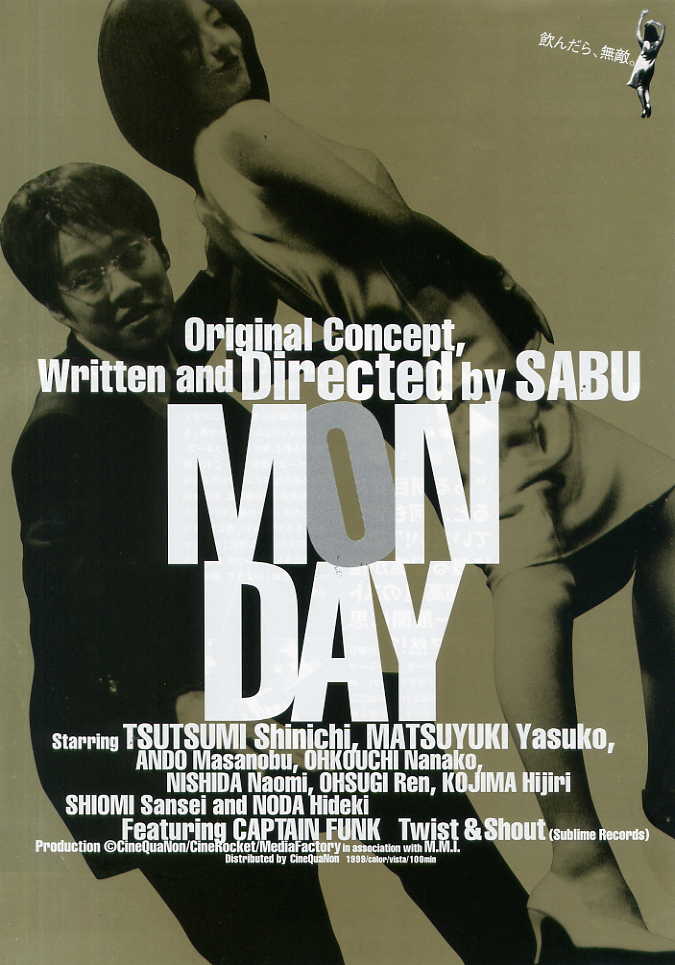
 Waking up in an unfamiliar hotel room can be a traumatic and confusing experience. The hero of SABU’s madcap amnesia sit in odyssey finds himself in just this position though he is, at least, fully clothed even if trying to think through the fog of a particularly opaque booze cloud. Monday (マンデイ) is film about Saturday night, not just literally but mentally – about a man meeting his internal Saturday night in which he suddenly lets loose with all that built up tension in an unexpected, and very unwelcome, way.
Mild mannered salaryman Takagi (Shinichi Tsutsumi) wakes up in his cheap hotel room dressed in a pitch black suit and with no recollection of how he got there. A packet of purification salt reminds him he was going to a funeral, but what happened after that? Takagi, it seems, enjoys a drink or two to ease that ever present sense of dread and impotence which dominates his life and so the events of the previous two days are lost in that pale space obscured by a booze drenched curtain of brain fog. Spotting various reminders hidden in his room Takagi begins to piece his strange adventure together from a bad date with the girlfriend whose birthday he blew off to go to the funeral, to a weird fortune teller, a beautiful woman, guns, gangsters and a homicidal killing spree. All in all, perhaps it was better when he couldn’t remember.
As usual, SABU weaves his complex comedy into a complicated cycle of interconnected gags. Takagi remains within the purgatory of his hotel room, furiously trying to remember how he got there but this otherwise anodyne space seems to be a reflection of his everyday persona in its inoffensive blandness, littered as it is with indications of the deeper layers implied by the still unknown actions of the previous few days. Judging by his appearance, Takagi is a shy, nervous man hidden behind his unstylish glasses and neatly swept back hair. Fearing his adventures are about to signal the end of his existence, Takagi suddenly gets the inspiration to make a proper will/suicide note which largely consists of a number of apologies firstly to his parents and siblings and finally to the girlfriend who walked out on him in the bar owing to his failure to appear for her birthday celebration and subsequently bizarre behaviour. The second portion of the letter also includes some advice to his siblings about how to look after the family pets and some horticultural tips but as he takes a few more drinks to steady his nerves, those deeper layers start to bleed through and so he takes this opportunity to advise his girlfriend that she should work on her anger issues and also avoid finishing other people’s sentences for them.
In Takagi’s defense, he has had a strange few days. The funeral of a close friend, especially one so young, might be enough to tip anyone into a spot of drunken introspection but the send off for former hair model Mitsuo (Masanobu Ando) is hardly a typical one given that it ends with the corpse exploding after Takagi is asked and then fails to “defuse” it. When he should probably take the opportunity to talk to someone about the things which are bothering him, Takagi has another drink, does his strange little laugh, and internalises his irritation with the very people who might be able to help him. Retreating to the bathroom carrying the memory of a stunning woman spotted at the bar with him, he returns to find a gloomy yakuza sitting in the adjacent seat intent on drinking and talking. Rather than saying a flat no and going home like a sensible person, Takagi keeps drinking until he feels like partying with the most dangerous guys in the room, even going so far as a raunchy dance with the gangster’s girl. The gangster, strangely, doesn’t mind and even seems to think he’s found a cool new friend but when everyone’s this drunk and there are guns around nothing is going to end well.
The finale finds SABU at his most sarcastic as the imprisoned Takagi indulges in a hero fantasy of taking the cops hostage and heading outside to meet the forces of authority head on only to give them a lecture about the danger of firearms and the necessity of love and kindness in a strange world. Needless to say, his message of peace is not universally well received. Takagi might have a point when he says that none of this would have happened if it hadn’t been for the shotgun – such a powerful and easy to use weapon in the hands of those who previously felt so powerless can indeed be a dangerous thing, but the fact remains that he harboured all of this fear and resentment inside himself, attempting to drown it with booze but continually failing. We leave Takagi trapped inside the hotel room, as he’s always been trapped inside his mind, holding a possibly empty shotgun at a flimsy hotel room door with all of that pressure pushing down outside it. The gun is one thing, and guns are bad, but the enemy will always be Monday – the modern world is driving people crazy and could use some of that love and kindness Takagi was so keen on during his hostage crisis but it probably won’t work until he puts the gun (and the booze) down and opens that hotel room door.
Original trailer (no subtitles)
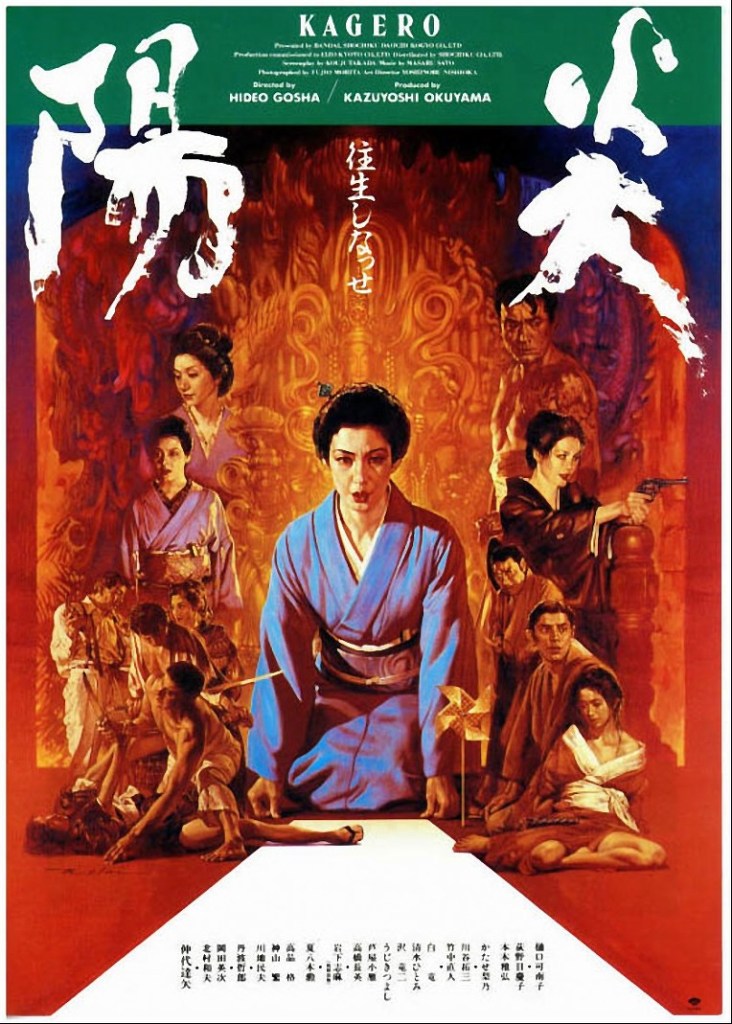 Hideo Gosha had something of a turbulent career, beginning with a series of films about male chivalry and the way that men work out all their personal issues through violence, but owing to the changing nature of cinematic tastes, he found himself at a loose end towards the end of the ‘70s. Things picked up for him in the ‘80s but the altered times brought with them a slightly different approach as Gosha’s films took on an increasingly female focus in which he reflected on how the themes he explored so fully with his male characters might also affect women. In part prompted by his divorce which apparently gave him the view that women were just as capable of deviousness as men are, and by a renewed relationship with his daughter, Gosha overcame the problem of his chanbara stars ageing beyond his demands of them by allowing his actresses to lead.
 Korea is quite good at rom-coms. Consequently they make quite a lot of them and as the standard is comparatively high you have to admire the versatility on offer. Korean romantic comedies are, however, also a little more conservative, coy even, than those from outside of Asia which makes Petty Romance (쩨쩨한 로맨스, Jjae Jjae Han Romaenseu) something of an exception in its desire to veer in a more risqué direction. He’s too introverted, she’s too aggressive – they need each other to take the edges off, it’s a familiar story but one that works quite well. Petty Romance does not attempt to bring anything new to the usual formula but does make the most of its leads’ well honed chemistry whilst keeping the melodrama to a minimum.
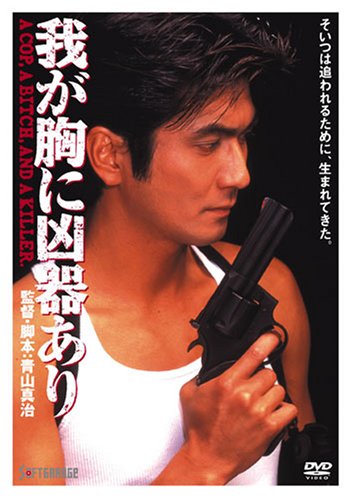 Shinji Aoyama would produce one of the most important Japanese films of the early 21st century in Eureka, but like many directors of his generation he came of age during the V-cinema boom. This relatively short lived medium was the new no holds barred arena for fledgling filmmakers who could adhere to a strict budget and shooting schedule but were also aching to spread their wings. After a short period as an AD with fellow V-cinema director now turned international auteur Kiyoshi Kurosawa, Aoyama directed his first straight to video effort – the sex comedy It’s Not in the Textbook!. Released just after his theatrical debut, Helpless, A Weapon in My Heart (我が胸に凶器あり, Waga Mune ni Kyoki Ari, AKA A Cop, A Bitch, and a Killer) is a more typically genre orientated effort with its cops, robbers, and femme fatale setup but like the best examples of the V-cinema trend it bears the signature of its ambitious director making the most of its humble origins.
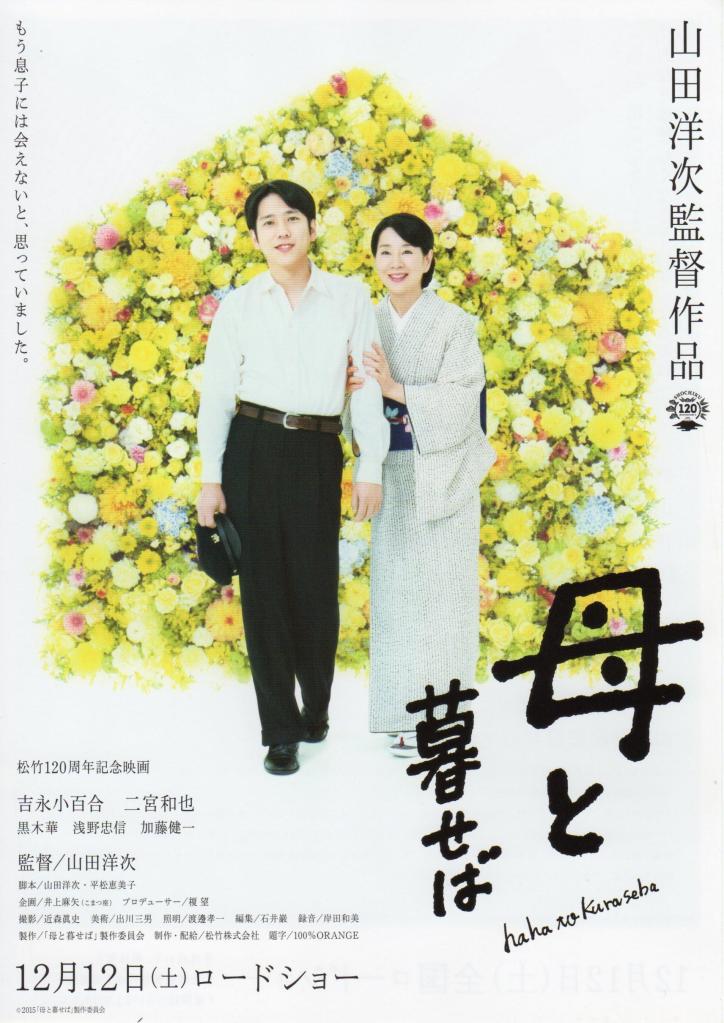 After such a long and successful career, Yoji Yamada has perhaps earned the right to a little retrospection. Offering a smattering of cinematic throwbacks in homages to both Yasujiro Ozu and Kon Ichikawa, Yamada then turned his attention to the years of militarism and warfare in the tales of a struggling mother,
 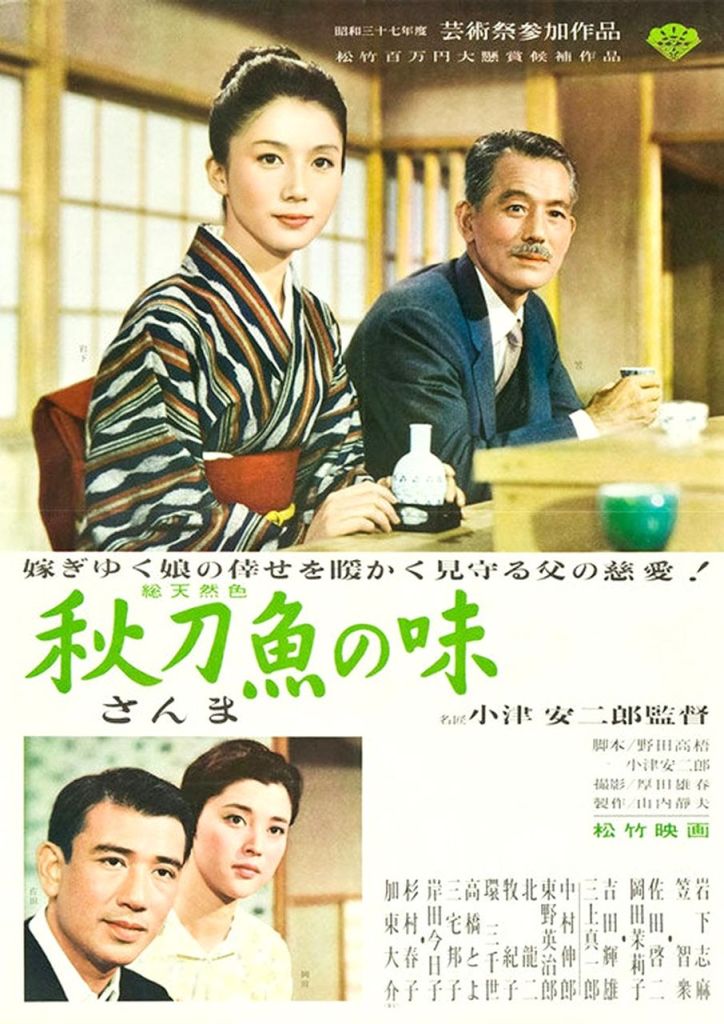 An Autumn Afternoon (秋刀魚の味, Sanma no Aji) was to be Ozu’s final work. This was however more by accident than design – despite serious illness Ozu intended to continue working and had even left a few notes relating to a follow up project which was destined never to be completed. Even if not exactly intended to become the final point of a thirty-five year career, An Autumn Afternoon is an apt place to end, neatly revisiting the director’s key concerns and starring some of his most frequent collaborators.
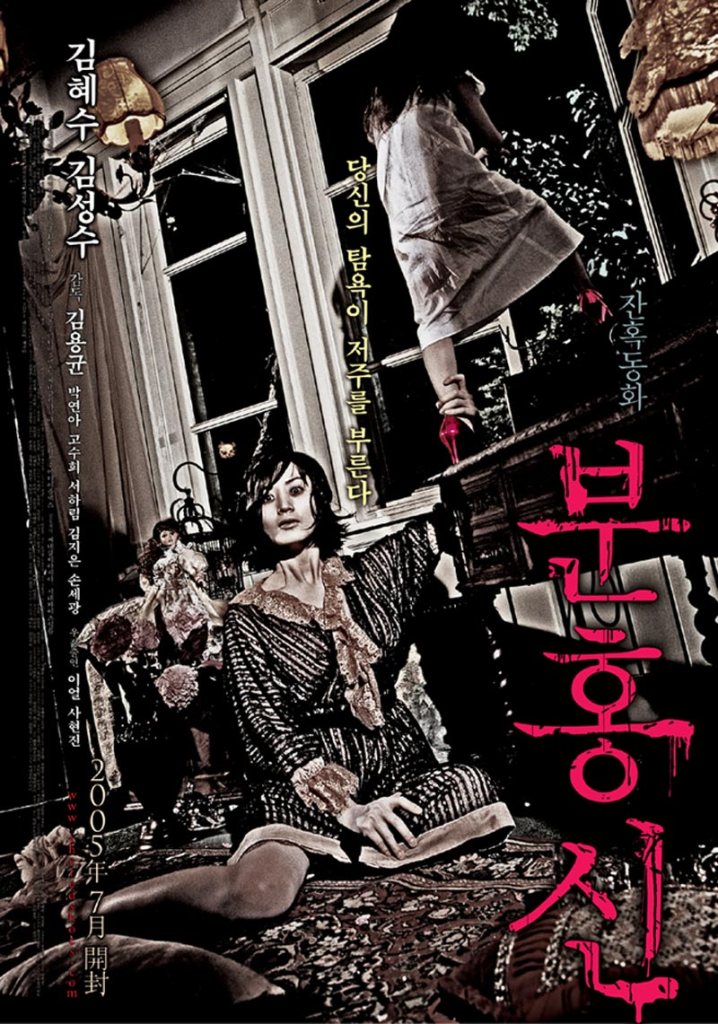 Walk a mile in a man’s shoes, they say, if you really want to understand him. If Kim Yong-gyun’s The Red Shoes (분홍신, Bunhongsin, 2005) is anything to go by, you’d better make sure you ask first and return them to their rightful owner afterwards without fear or covetousness. Loosely based on the classic Hans Christian Andersen tale this Korean take replaces dancing with murder and also mixes in elements from other popular Asian horror movies of the day, most notably
 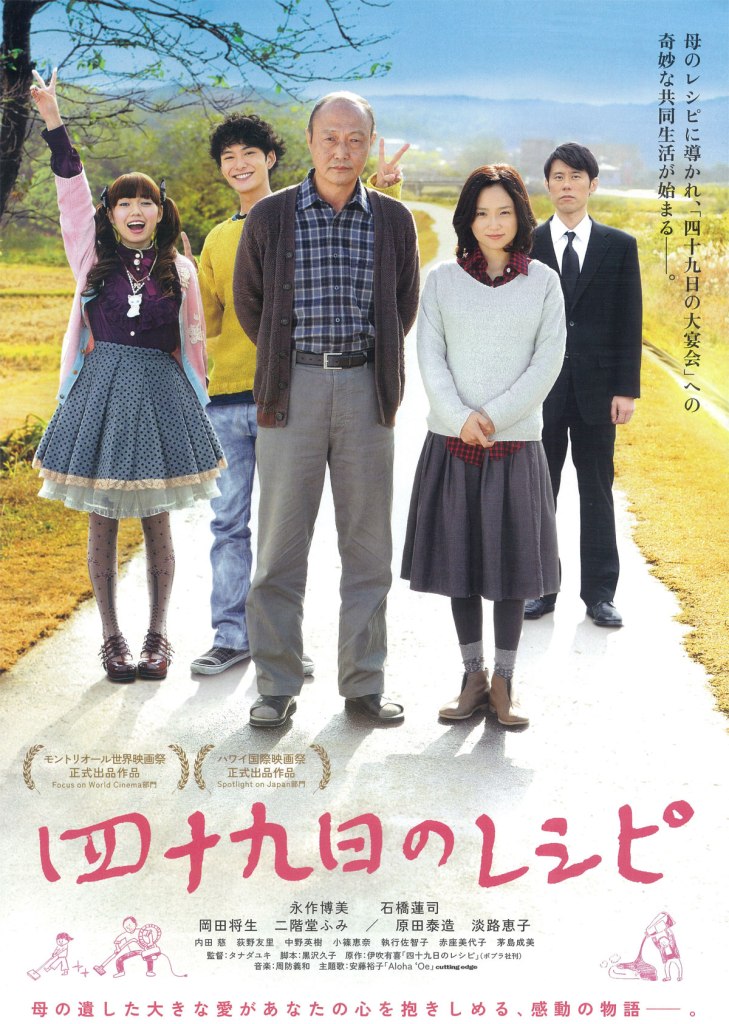 When everything goes wrong you go home, but Yuriko, the protagonist of Yuki Tanada’s adaptation of Yuki Ibuki’s novel might feel justified in wondering if she’s made a series of huge mistakes considering the strange situation she now finds herself in. Far from the schmaltzy cooking movie the title might suggest, Mourning Recipe (四十九日のレシピ, Shijuukunichi no Recipe) is a trail of breadcrumbs left by the recently deceased family matriarch, still thinking of others before herself as she tries to help everyone move on after she is no longer there to guide them. Approaching the often difficult circumstances with her characteristic warmth and compassion, Tanada takes what could have become a trite treatise on the healing power of grief into a nuanced character study as each of the left behind now has to seek their own path in deciding how to live the rest of their lives.
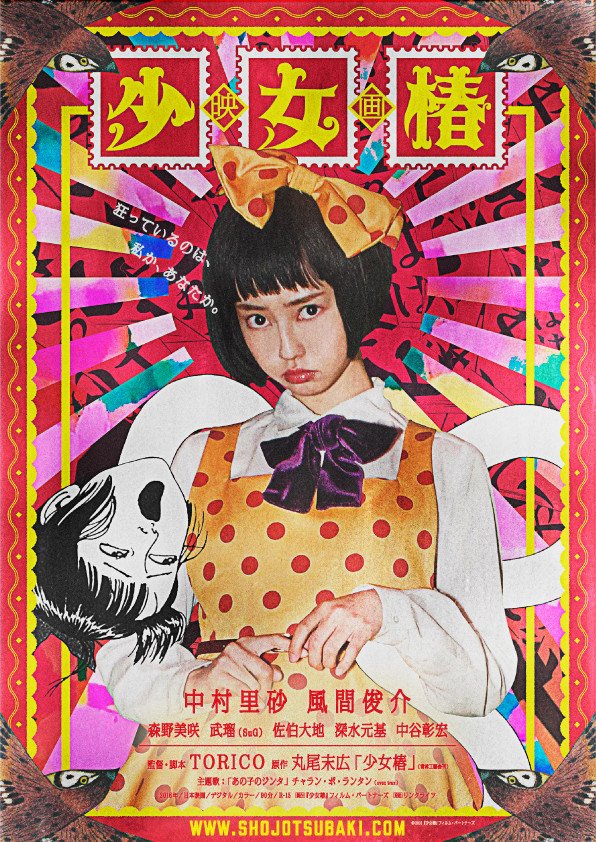 Picking up on the well entrenched penny dreadful trope of the tragic flower seller the Shoujo Tsubaki or “Camellia Girl” became a stock character in the early Showa era rival of the Kamishibai street theatre movement. Like her European equivalent, the Shoujo Tsubaki was typically a lower class innocent who finds herself first thrown into the degrading profession of selling flowers on the street and then cast down even further by being sold to a travelling freakshow revue. This particular version of the story is best known thanks to the infamous 1984 ero-guro manga by Suehiro Maruo, Mr. Arashi’s Amazing Freak Show. Very definitely living up to its name, Maruo’s manga is beautifully drawn evocation of its 1930s counterculture genesis – something which the creator of the book’s anime adaptation took to heart when screening his indie animation. Midori, an indie animation project by Hiroshi Harada, was screened only as part of a wider avant-garde event encompassing a freak show circus and cabaret revue worthy of any ‘30s underground scene.
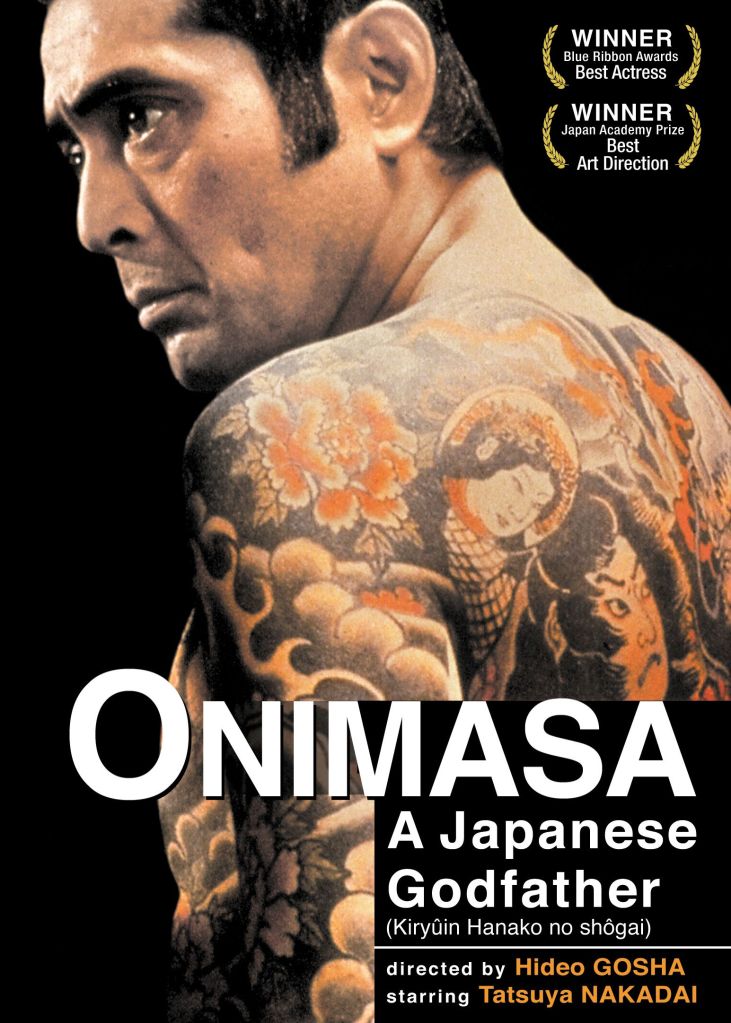 When AnimEigo decided to release Hideo Gosha’s Taisho/Showa era yakuza epic Onimasa (鬼龍院花子の生涯, Kiryuin Hanako no Shogai), they opted to give it a marketable but ill advised tagline – A Japanese Godfather. Misleading and problematic as this is, the Japanese title Kiryuin Hanako no Shogai also has its own mysterious quality in that it means “The Life of Hanako Kiryuin” even though this, admittedly hugely important, character barely appears in the film. We follow instead her adopted older sister, Matsue (Masako Natsume), and her complicated relationship with our title character, Onimasa, a gang boss who doesn’t see himself as a yakuza but as a chivalrous man whose heart and duty often become incompatible. Reteaming with frequent star Tatsuya Nakadai, director Hideo Gosha gives up the fight a little, showing us how sad the “manly way” can be on one who finds himself outplayed by his times. Here, anticipating Gosha’s subsequent direction, it’s the women who survive – in large part because they have to, by virtue of being the only ones to see where they’re headed and act accordingly.
