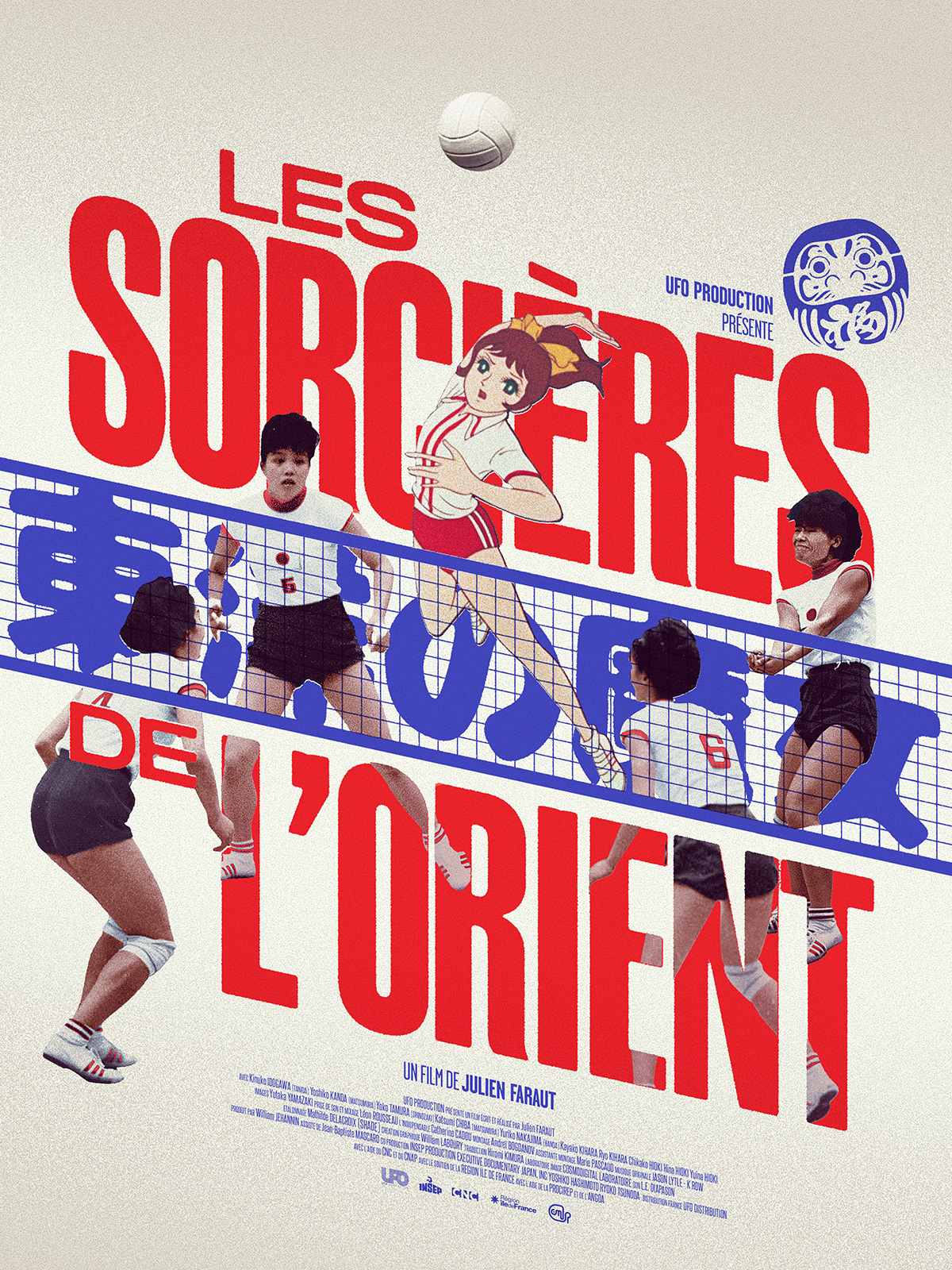
The Witches of the Orient (Les Sorcières de l’Orient, Julien Faraut, 2021)

A turning point in Japan’s post-war fortunes, the 1964 Olympics were touted as a return to the world stage and a clear symbol of the nation’s rapid progress towards economic and social recovery. Two new sports were set to be added to the roster that year, judo in which the Japanese entrant would take only Silver in a moment of mild national embarrassment, and volleyball in which the women’s team eventually took Gold. More interesting stylistically than thematically, Julien Faraut’s anarchic documentary Witches of the Orient (Les Sorcières de l’Orient) directly ties the women’s success to that of their nation even as they become pop culture heroines immortalised in anime and manga. 

Faraut opens in the present day with surviving members of the team meeting at a Kyoto hotel, a scene he will intermittently return to as the women (briefly) narrate their personal experiences and origins, most of them hailing from Osaka where the team was based and employees of the Nichibo Kaizuka textile factory. Volleyball then being an amateur sport, the Nichibo team came to represent their nation by virtue of winning the national championships and thereafter venturing overseas touring Europe where they triumphed over various Eastern Bloc countries including the USSR whom they would later face in the Olympic final. On their European arrival, the team acquired the nickname of the “Typhoon of the Orient”, perhaps a little problematic in modern terms and slightly irritating to at least one team member who interpreted it to mean that their success would be a short-lived flash in the pan, blowing out by the time they hit Russia. Their victory conferred on them a new title, “Witches of the Orient” which they found even less flattering until they were informed that it referred to a supernatural playing ability rather than a purely pejorative, misogynistic attempt to belittle them. 

As Faraut goes on to outline, the team’s success sparked a new trend in volleyball sports manga including the hugely influential Attack 1 by Chikako Urano, the anime adaptation of which he later directly intercuts with stock footage of the extraordinarily tense final match. A superpower special move is a hallmark of the genre, along with an emphasis on rigorous, body breaking training regimes. The team’s coach, Daimatsu, acquired the nickname of “the demon” for the intensity with which he practiced, a newspaper feature on the girls running under the heading “Driven Beyond Dignity”, yet the older women some of whom are shown still engaging in sporting activity even in advanced age, claim that they did not object to such harsh treatment which often saw them training through the night until the early hours of the morning only to rise at 6.30 for their factory work. In fact, one of them also describes Daimatsu as the sort of man they’d have liked as a father or a husband and that as he had such a calm demeanour they did not feel scolded when he reprimanded them. Daimatsu had apparently managed to survive months stranded in the Burmese jungle at the end of the war and had brought all of his men home safely, perhaps dedicating the same kind of military care and hyper focus to his coaching. 

Nevertheless, Faraut also includes stock footage of the nation in the early ‘60s much of which was still in rubble while later shifting into a more familiar portrait of the headlong economic drive from neon-lit city scapes to factories producing televisions, a new signal of the age many of which will be purchased in order to watch the upcoming Olympics, the women’s volleyball match still among the highest viewed events in the nation’s history. While intercutting scenes from the anime, he does not particularly critique the various ways in which the women’s success was dramatically repurposed and perhaps falls into the same trap implied in the film’s title in a slight fetishisation of certain vision of Japan in neon and electronica while his attempt to interview the surviving Witches often falls oddly flat if not superficial. In any case, he ties the women’s struggle to that of Japan itself, implying that sweat and tears, a spirit of determined endurance, and a certain degree of self-belief powered the nation’s post-war economic miracle culminating in the Olympic gold that seems to have marked the beginning and the end of their story. 


The Witches of the Orient streams in Germany until 6th June as part of this year’s Nippon Connection.

Original trailer (English subtitles)
Beyond the Infinite Two Minutes (ドロステのはてで僕ら, Junta Yamaguchi, 2020)

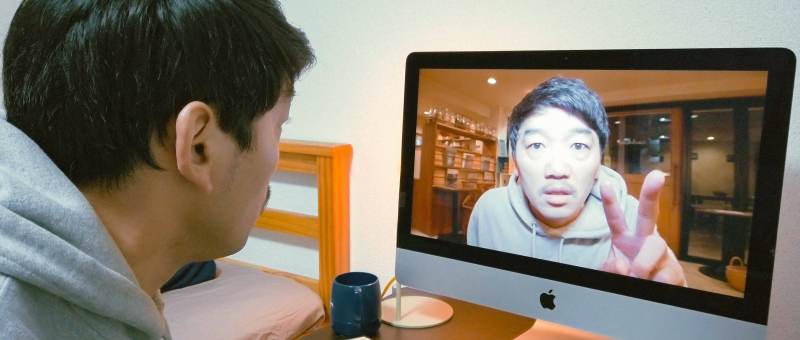
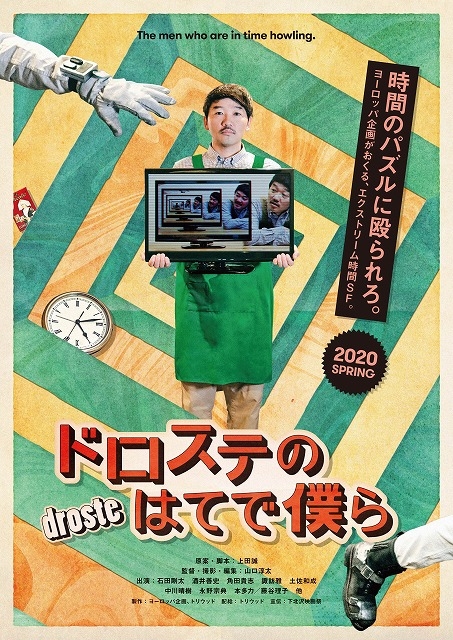
If you had the opportunity to talk to your future or past self, what would you want to say to them? There are many advantages to having some knowledge of things still to come, finding out next week’s winning lottery numbers for example or who’s going to win the Grand National, but on the other hand mightn’t you start to feel as if your life has no freedom or purpose if you find yourself compelled to do exactly as your future self advised? That’s something the future-hating hero of Junta Yamaguchi’s farcical time travel comedy Beyond the Infinite Two Minutes (ドロステのはてで僕ら, Droste no Hate de Bokura) can’t help feeling as he finds himself trapped in an infinite loop of communication with the him from two minutes previously. 

Granted, getting knowledge of what’s going to happen in two minutes is not actually that useful. Cafe assistant Aya (Riko Fujitani) makes a point of asking her future self what the next era is going to be after Reiwa ends forgetting that it is almost certainly still Reiwa in two minutes’ time. Then again, it could help with very short term decisions such as whether or not to confess your feelings to a crush or which spots to scratch on your scratch card to win the best prizes, but maybe knowing only the immediate consequences of your actions isn’t very helpful either. Let’s say your future self finds a bunch of money and tells you to go get it, only the money belonged to gangsters and now you have a big problem with a two-minute head start. And then, can you really trust your future self? Maybe they aren’t being completely honest with you for reasons you may well understand in two minutes’ time. In any case, maybe you have better things to do than be struck in an infinite dialogue loop parroting back what you’ve just been told by your future self to your past self. Maybe you should learn to live in the moment. 

That’s something cafe owner Kato (Kazunari Tosa) has had trouble doing, later confessing that he hates the idea of knowing what lies ahead largely because he over invested in conspiracy theories and prophesies about the end of the world and therefore failed to plan very much for his future. His friends, however, are childishly excited by the discovery that his upstairs TV is linked to the downstairs with a two-minute delay, realising they can extend its range through the “Droste” effect to send themselves messages from further into the future, but then again how long do they really want to keep all this up slavishly reenacting the same conversations afraid of deviating from the original path lest they create a time paradox or provoke some other kind of disaster. They find themselves trapped in the middle as if the present no longer existed and had become merely a conduit between an extremely near future and very recent past. 

Yamaguchi captures their farcical dilemma with an ironic immediacy, filming with an elaborate one shot conceit that adds to the sense of wonder as the gang find themselves continually running upstairs and down to talk to themselves from either side of the time divide. The uncanny absurdity is the film’s greatest asset, placing this extremely bizarre scientific anomaly in the centre of an ordinary hipster cafe run by a guy who really wants to be a musician and is too shy to ask out the girl who works in the hairdresser’s next-door (Aki Asakura). By the time a pair of strange-looking gentlemen turn up claiming to be from the time travel police insisting that the guys stop all this nonsense before they cause a serious problem in the space time continuum you might come to sympathise with Kato’s resentment in feeling as if the future is controlling him but then there are always unexpected ways to rebel against fate and who knows, maybe your romantic destiny will work out after all with a little old-fashioned conversation only tangentially assisted by sci-fi hijinks. A charmingly whimsical take on time travel shenanigans and their existential dilemmas, Yamaguchi’s meticulously plotted farce is an indie gem.  


Beyond the Infinite Two Minutes streams in Germany 1st to 6th June as part of this year’s Nippon Connection.

Original trailer (English subtitles)
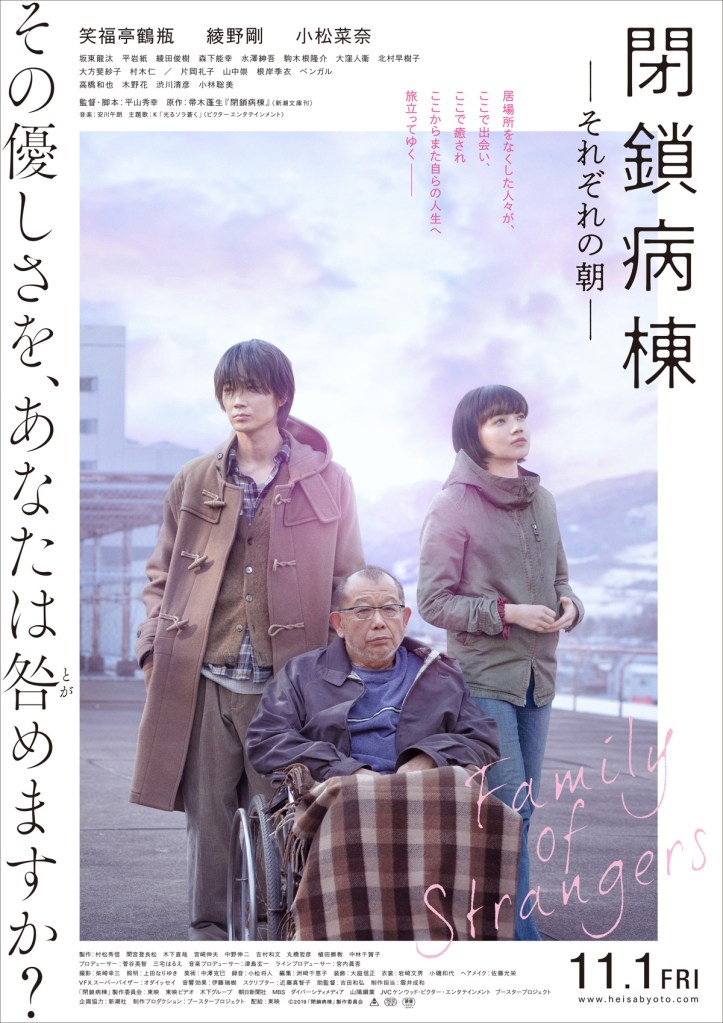
Family of Strangers (閉鎖病棟 それぞれの朝, Hideyuki Hirayama, 2019)

“Things happen to everyone” the hero of Hideyuki Hirayama’s Family of Strangers (閉鎖病棟 それぞれの朝, Heisa Byoutou: Sorezore no Asa, AKA Closed Ward) explains, not in an accusatory sense or attempt to limit someone else’s trauma response but in a gentle spirit of empathy, a reminder that everyone has their own load to carry and theirs are heavier than most. Empathy is indeed a minor theme of Hirayama’s drama as his wounded protagonists eventually find the strength to allow themselves to live again in the unconditional solidarity of their newly found family in defiance of the internalised shame and external stigma that plagues them in an admittedly conformist society. 

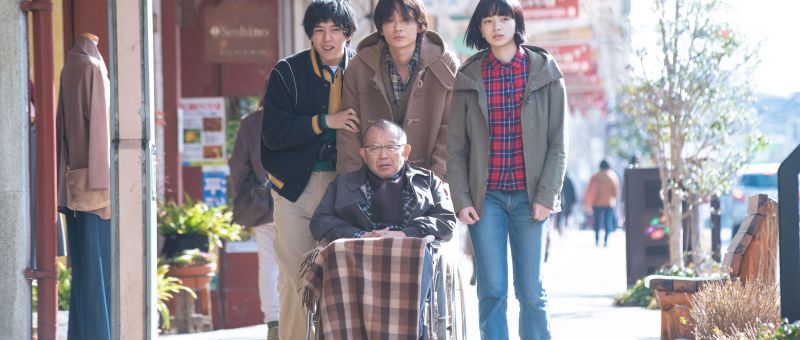
Hirayama opens with a flashback, shot in muted colour, as a man, Hide (Tsurube Shofukutei), is marched slowly towards the execution chamber where he is eventually hanged but, inconveniently for the prison authorities, does not die. Lacking a clear precedent for such an unusual event, they are at a loss as to how to proceed while Hide does not exactly seem overjoyed in his improbable survival. As hanging him again would be cruel and simply letting him off as if reborn to live a new life they feel not in the interests of justice, they opt for a fudge, palming the now wheelchair-using Hide off on the hospitals system by placing him in the secure ward of a psychiatric institution. 

A quiet man keeping himself to himself, Hide patiently crafts ceramics and meditates on his crime keeping others at arm’s length as if believing himself unworthy of human society. He may have been sentenced to death for something truly unforgivable, but he is not mentally ill and does not really belong in the hospital whereas many of the other patients are self-committals who are technically free to leave at a time of their own choosing. Chuya (Go Ayano), a young man with schizophrenia, has more or less learned to live with his condition and exercises a greater degree of personal freedom, often venturing into town and bringing back various items he cynically sells to others on the ward. He could leave if he wanted to, but stays partly out of a sense of internalised shame and partly in fear of the outside world. Yuki (Nana Komatsu), meanwhile, an 18-year-old woman committed by her mother (Reiko Kataoka) after becoming worryingly withdrawn, has little personal agency, first placed on the ward and then removed from it neither with her full consent. 

Though we can see that the hospital is a largely positive, supportive place where the patients are well cared for we do not see a great deal of treatment practices and it is in someways surprising that Yuki is allowed to leave in the company of a man who is quite clearly violent and abusive even if we can also infer that she herself has remained largely silent as regards the nature of her trauma. Her silence is perhaps her means of both defence and resistance with her first words offered to Hide largely because he does not ask her for them, merely sitting by giving her the space to choose to speak or not to. Despite his caution that the longer one stays on the ward the more one begins to think of oneself as a patient, she begins to think of the hospital of her safe place and the other patients as her surrogate family, touched by an old woman’s radiant happiness as she helps her back to her room mistaking her for her granddaughter. 

Yet as much as the hospital works for her, it does not necessarily work for others as in the case of Shigemune (Kiyohiko Shibukawa) whose antisocial and violent tendencies often endanger other patients not least because of lax supervision and questionable decisions made by members of staff. A direct parallel is perhaps being drawn between the jail and the ward, Chuya frightened he may never leave while Hide believes he does not deserve to and Yuki longs to stay only to have her new safe place ruined by another predatory man of violence. Yet there is also a sense that society views the hospital as a place to dump those it feels to be problematic, Hide hidden away in embarrassment, Chuya rejected by his family, and Yuki betrayed by a mother who has come to see her as a rival. Shopkeepers look at them askance, not altogether happy that “even crazy people have rights these days” while the trio struggle to accept themselves as having a right to a happier future even as they begin to bond in a newfound sense of family. While the closing scenes may engage in an uncomfortable ableism, there is an undoubtable sense of warmth and compassion in Hirayama’s egalitarian sense of solidarity as his wounded protagonists find strength in faith reflected in others to shake off their sense of internalised shame and claim their right to life in an often hostile society. 


Family of Strangers streams in Germany 1st to 6th June as part of this year’s Nippon Connection.

Original trailer (English subtitles)
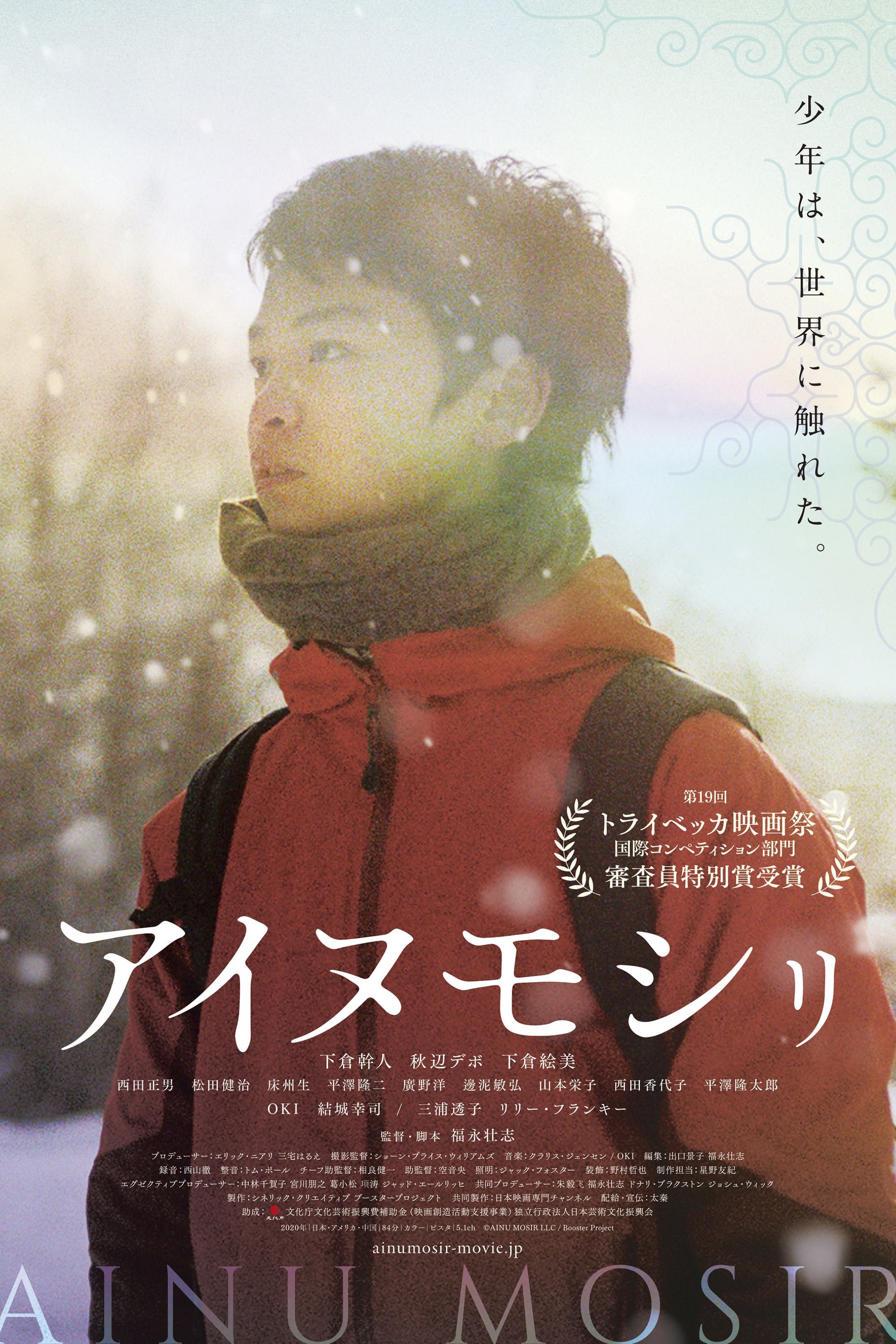
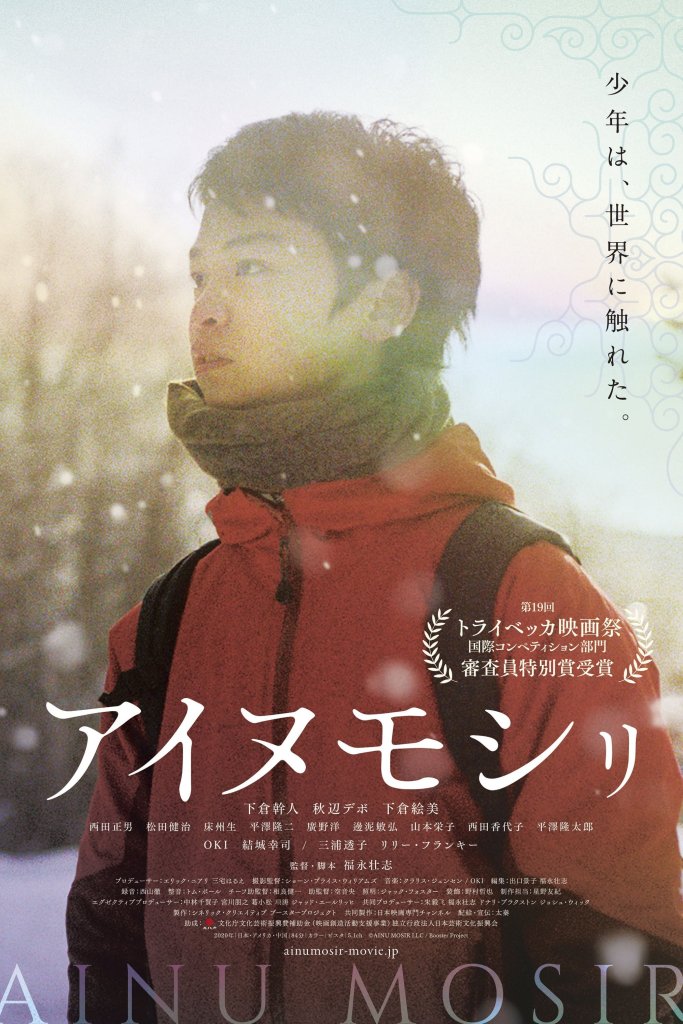
Ainu Mosir (アイヌモシㇼ, Takeshi Fukunaga, 2020)

Despite its continuing preoccupation with the conflict between tradition and modernity, Japanese cinema has often been reluctant to address the nation’s relationship with marginalised communities such as the Ainu, the indigenous people of Hokkaido which was in essence the site of Japan’s first colonial expansion at the beginning of the Meiji era. Set very much in the present day, Takeshi Fukunaga’s Ainu Mosir (アイヌモシㇼ) takes its title from the indigenous name for the island and is both coming-of-age tale and exploration of the position of the Ainu people within the context of modern Japan. 

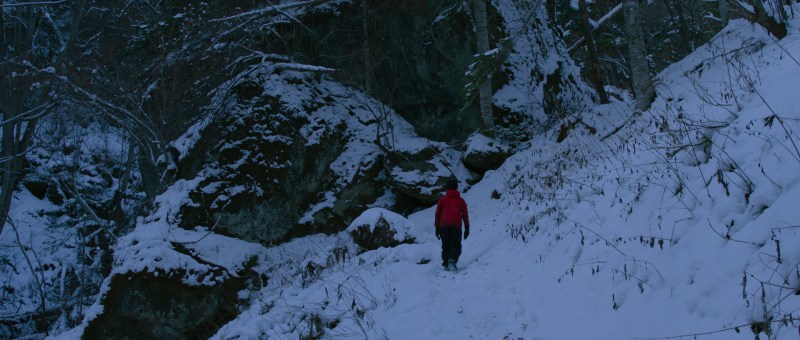
14-year-old Kanto (Kanto Shimokura) lives in the quaint Ainu tourist village of Akan and has not long lost his father. Questioned about his plans for the next stage of his education, Kanto replies that he’s fine with anything as long as it involves leaving Akan, later explaining to his understandably upset mother Emi (Emi Shimokura) that his desire to leave is because the town is “tiny” and “they make you do Ainu stuff”. Emi points out that neither she nor anyone else has ever forced him to participate in Ainu culture, but still the boy insists that he’d prefer to go somewhere more “normal” spending his time playing classic American rock on an electric guitar rather than engaging with his cultural roots. His attitude begins to change, however, when Debo (Debo Akibe), an elder acting as an uncle, begins introducing him to various aspects of Ainu culture such as the remote cave in the Forest of Light which leads to the land of the dead, teaching him how to catch and gut fish, and finally enlisting him in a project to look after a captive bear, Chibi, hidden in a cage in the woods. 

Bears are sacred in Ainu culture, but what Debo has not explained to the boy is that he’s raising Chibi as part of an ancient ritual last performed over forty years previously which involves sacrificing the bear in the belief that his spirit will then return to the land of the gods filled with tales of how wonderful humans are after being so lovingly looked after during his time in the mortal world. In a series of documentary-style sequences, Fukunaga captures the ambivalence present within the community on learning of Debo’s plan to carry out an Iomante ritual, pointing out that they live in different times and bear sacrifice is unlikely to be accepted by the outside world which will undoubtedly view it as primitive and cruel. Aside from a concern as to how the indigenous community is viewed by mainstream society, some of the council are acutely worried because they are economically dependent on the tourist trade. Young Kanto is frustrated by the idea of growing up in a museum, the town of Akan something like a theme park repackaging Ainu culture for curious Japanese tourists. His own mother works in a shop selling traditional crafts as souvenirs while appearing in a stage show adapting ancient ritual as entertainment for visiting audiences. 

A man in Emi’s shop stops to ask her if she herself is Ainu, but seems ambivalent on being told that yes she is while a female customer somewhat crassly compliments her on the quality of her Japanese which is particularly ironic as we’ve just seen her attending evening classes to relearn the Ainu language which is in constant danger of dying out. Warming to Ainu culture, Kanto is more receptive towards the idea of adding traditional instrumentation but his bandmate is, as he was, embarrassed by “Ainu stuff” and wants nothing to do with it. Debo’s betrayal sets Kanto on a collision course with his newly found appreciation for his indigenous roots in presenting him first hand with something dark and cruel that proves difficult for him to understand but perhaps finally allows him to come to terms both with his father’s death and with his own identity as a member of an indigenous community. 

Using a cast of mainly non-professional actors from the local area, Fukunaga switches between documentary-style capture of Ainu life and the cinematic naturalism of Kanto’s path towards self-acceptance filled as it is with the wonder of the natural world. Juxtaposing the reality of the Iomante ritual with the repackaged stage show, he shows us what it costs to preserve traditional culture within a surrounding modernity even as scholars descend to record the songs of the Ainu for prosperity badgering old women to offer up long forgotten lullabies for a lonely tape recorder. Kanto has however perhaps found his path in knowing he is not alone as he steps into a less innocent adulthood having integrated both sides of himself into a more complete whole. 


Ainu Mosir streams in Germany 1st to 6th June as part of this year’s Nippon Connection. It is also available to stream in the UK (and possibly elsewhere) via Netflix.

International trailer (English subtitles)

Woman of Tokyo (東京の女, Yasujiro Ozu, 1933)

Most closely associated with his family dramas, the films of Yasujiro Ozu while often deeply moving are generally safe spaces filled with warmth and love. He was never, however, afraid to explore the darkness of his society as the uncharacteristically bleak silent Woman of Tokyo (東京の女, Tokyo no Onna) makes plain. A tale of disintegrating families, Ozu substitutes a loyal sister for a self sacrificing mother but once again places her at the mercy of a conservative society which refuses to accept the nature of the sacrifice she has chosen to make on its behalf. 

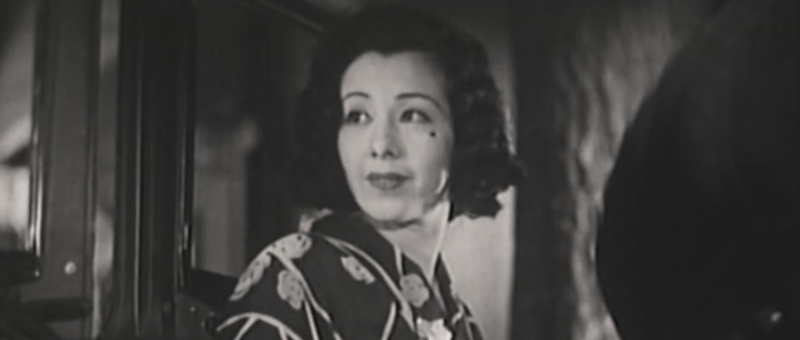
The heroine, Chikako (Yoshiko Okada), is better off than most during these years of depression in that she has a steady full-time job as a typist with which she is able to support her younger brother, Ryoichi (Ureo Egawa), who is a student. Somewhat unusually, Ozu shows us a fairly progressive working environment in which Chikako is one of many women working alongside men in an open plan office which is arranged in a far less stressful manner than the one we later observe in the American film which Ryoichi and his girlfriend Harue (Kinuyo Tanaka) see at the cinema (If I Had a Million, 1932, the segment directed by Ernst Lubitsch, “The Clerk”) in which the desks are laid out in regimented style and staffed entirely by identically dressed men.  

In any case, the job apparently does not quite pay enough to cover Ryoichi’s fees and so Chikako has taken on a part-time gig assisting a professor with translation at his home in the evenings, or so she said. Unbeknownst to her, a policeman turns up at her office and asks to see her attendance records. Again surprisingly, Chikako’s boss is calm and supportive, telling the policeman she’s a model employee of four years’ standing and obviously confused as to how she could be the subject of any criminal investigation. The policeman does not explain, shutting the interview down as soon as the boss motions to ask Chikako about the mysterious professor presumably not wanting her to know she is under investigation. 

Rumours, however, will start and it is those rumours more than the truth of them which will prove the most fatal. Harue’s brother (Shinyo Nara) is a policeman and he’s heard that Chikako has been moonlighting as a bar girl and engaging in sex work. Harue decides to put the matter to her boyfriend, but he is immediately offended, brought to tears by anger, and throws Harue out for slandering his sister. The issue is that, as a woman and most particularly as a sister in place of a mother, Chikako is expected to sacrifice herself on her brother’s behalf. Her career, and implicitly the reason she is not yet married, is not for her personal fulfilment or financial security but only for her brother’s future. She has given up everything for him, and now apparently has also surrendered her body yet he rejects and shames her for it. He does not thank her, nor does he feel guilt for being the cause of her supposed degradation but again foregrounds his own suffering as the brother of a fallen woman. 

Harue, by contrast, is presented as a the soul of properness, not unkind but disapproving. In a difficult conversation with Chikako, she admits it’s not the right thing to say but immediately pities Ryoichi rather than sympathising with another woman who has found herself making difficult choices solely on his behalf. Ryoichi rejects her suffering and sees only the shame. Yet Chikako is not ashamed. She does not seem unhappy with her choices and is defiant in the face of censure. She hoped that Ryoichi would one day understand, but the decision he makes is cruel and selfish, ruining all her hope and rendering her long years of suffering void. She resents his cowardice in being unable to face and accept the truth in the depth of her love for him. 

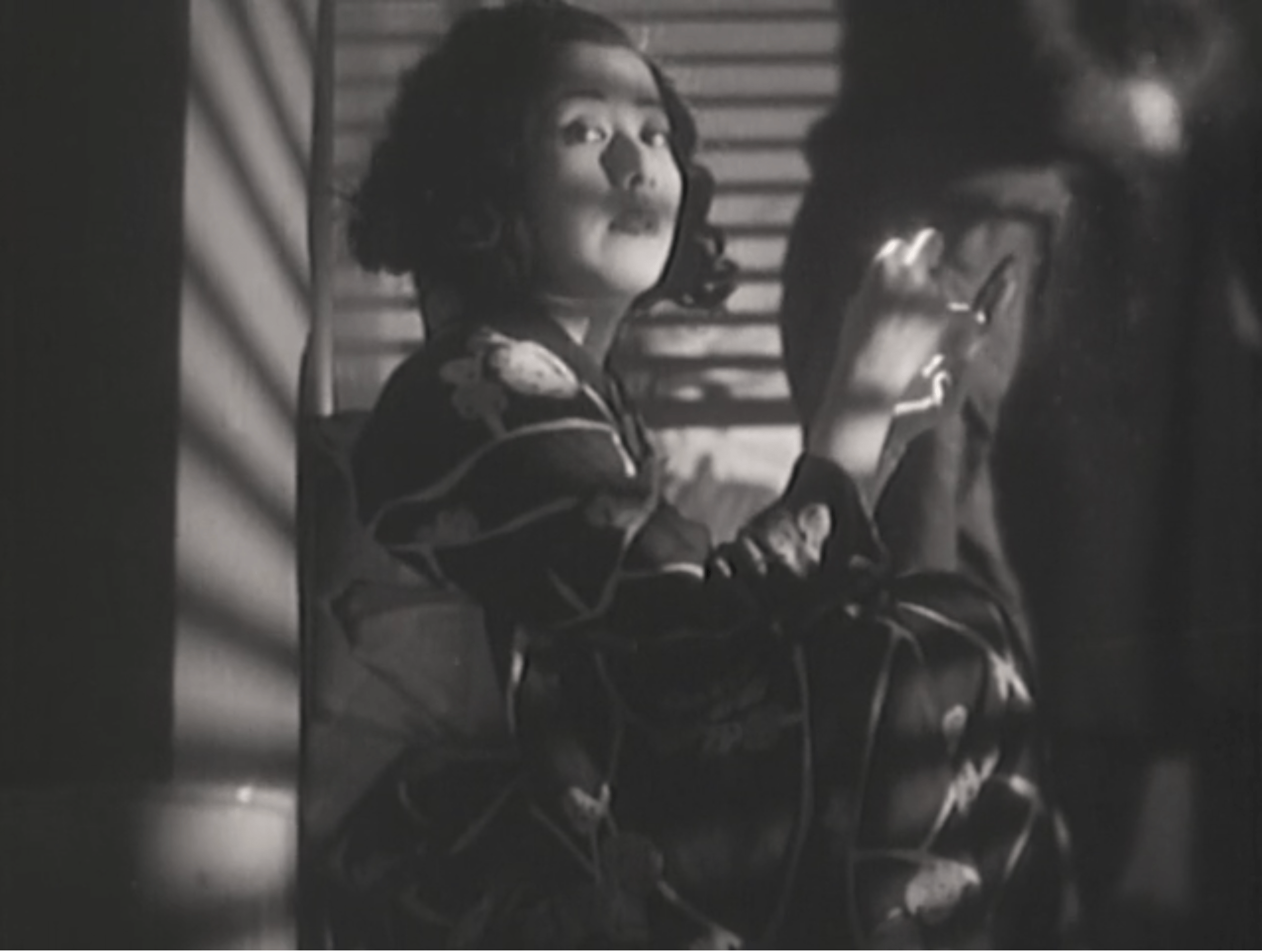
In this instance, the family fails but only because of an oppressive social structure that is inherently unequal and refuses to accept either female agency or sacrifice. Chikako lives in a world of film noir despair, haunted by ominous shadows – policemen’s swords, gloves against the shoji, nooses in shadows on the walls, a boiling kettle giving way to a pillow shot of smoke pouring from a chimney in funereal foreshadowing that forever traps her in impossibility. Frustrated, Ryoichi tries to reassert his manhood through physical violence but remains impotent, dependent on his sister but resenting her for shaming him in transgressing against an oppressive society. Meanwhile, Chikako is one of many women of Tokyo enduring the same old tragedies, her suffering barely registers. Reporters leave her door giggling after concluding there’s nothing to see here before taking to the streets in search of greater scandal in a readily devolving city filled with only emptiness and despair. 


Currently streaming in the UK via BFI Player as part of Japan 2020. Also available to stream in the US via Criterion Channel.

NIFFF 2021 Announces “Formosa Fantastica” Taiwan Spotlight

The Neuchâtel International Fantastic Film Festival (NIFFF) returns for 2021 in a hybrid format taking place online and at various locations across the Swiss city. This year’s edition will have a special focus on Taiwanese genre cinema with the Formosa Fantastica strand encompassing five features, the first two episodes of a TV series, and a collection of shorts streaming online and screening physically while visitors to the festival will also be able to enjoy a series of installations at Neuchâtel Natural History Museum from 2nd to 10th July.

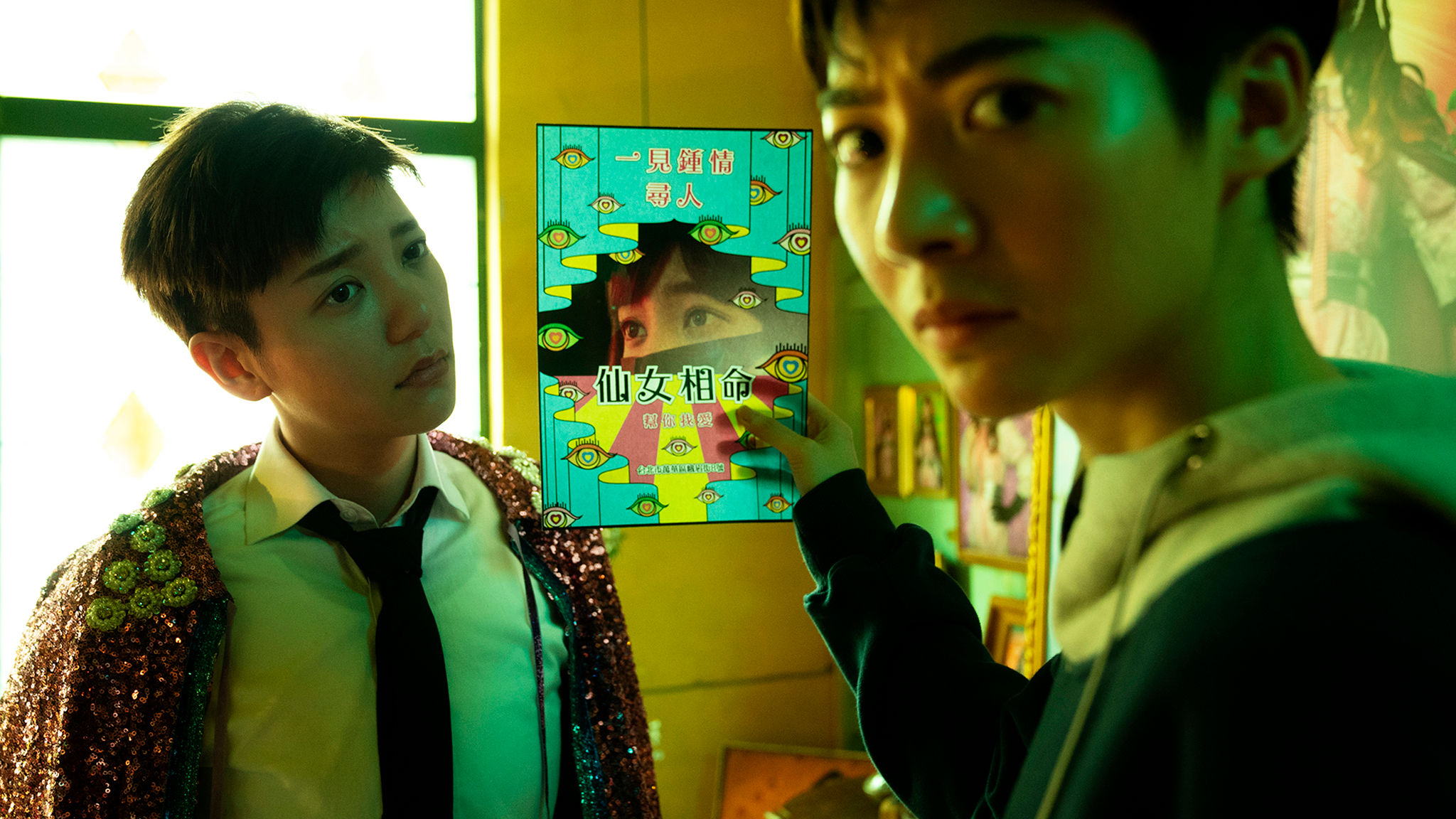
As We Like It

All female retelling of the Shakespeare play set in an internet-free corner of contemporary Taipei in which the hero falls in love with the heroine in the guise of a man.

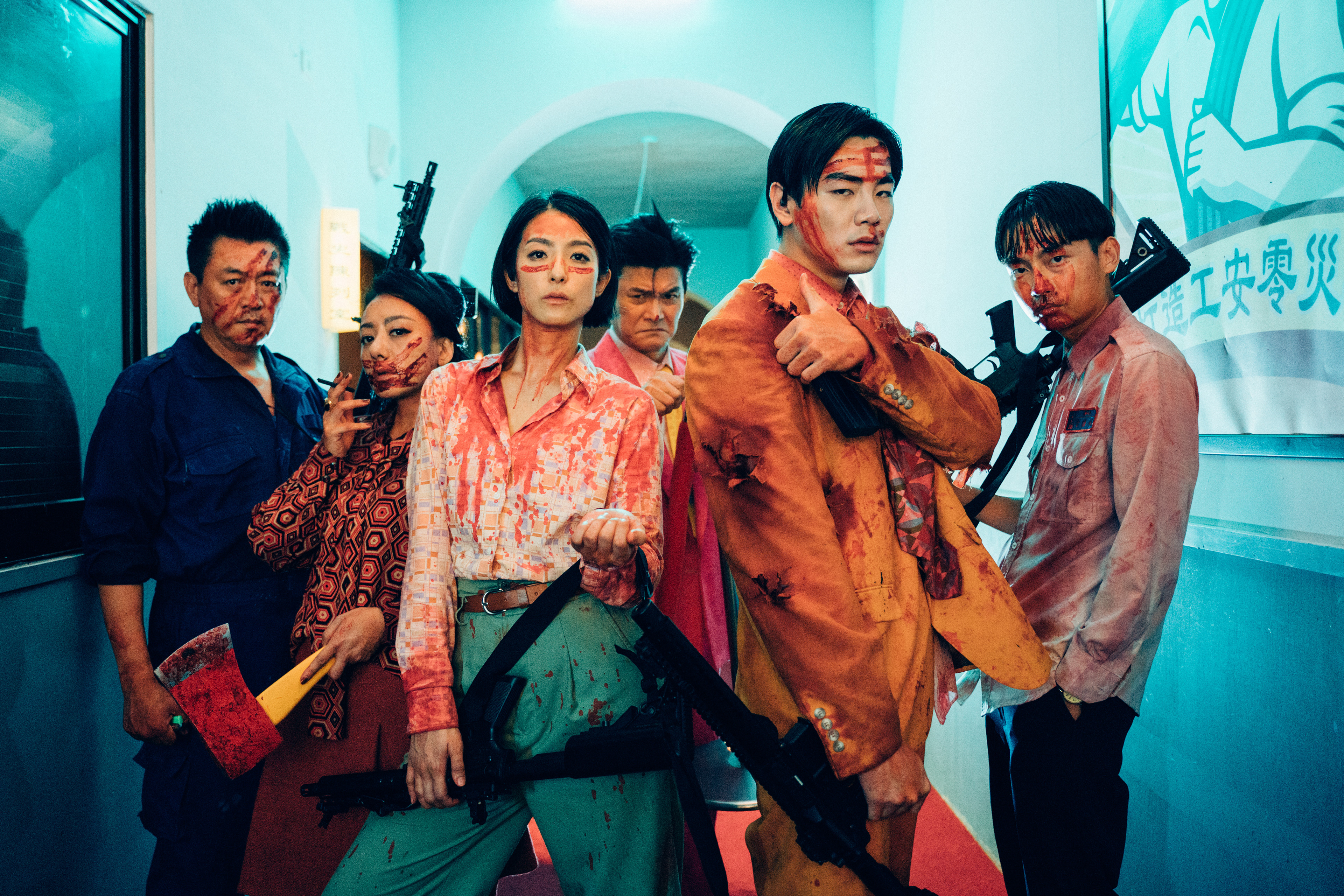
Get the Hell Out

An idealistic former MP and a hapless, besotted security guard attempt to fight their way out of a zombiefied parliament in Wang I-fan’s absurdist satire. Review.

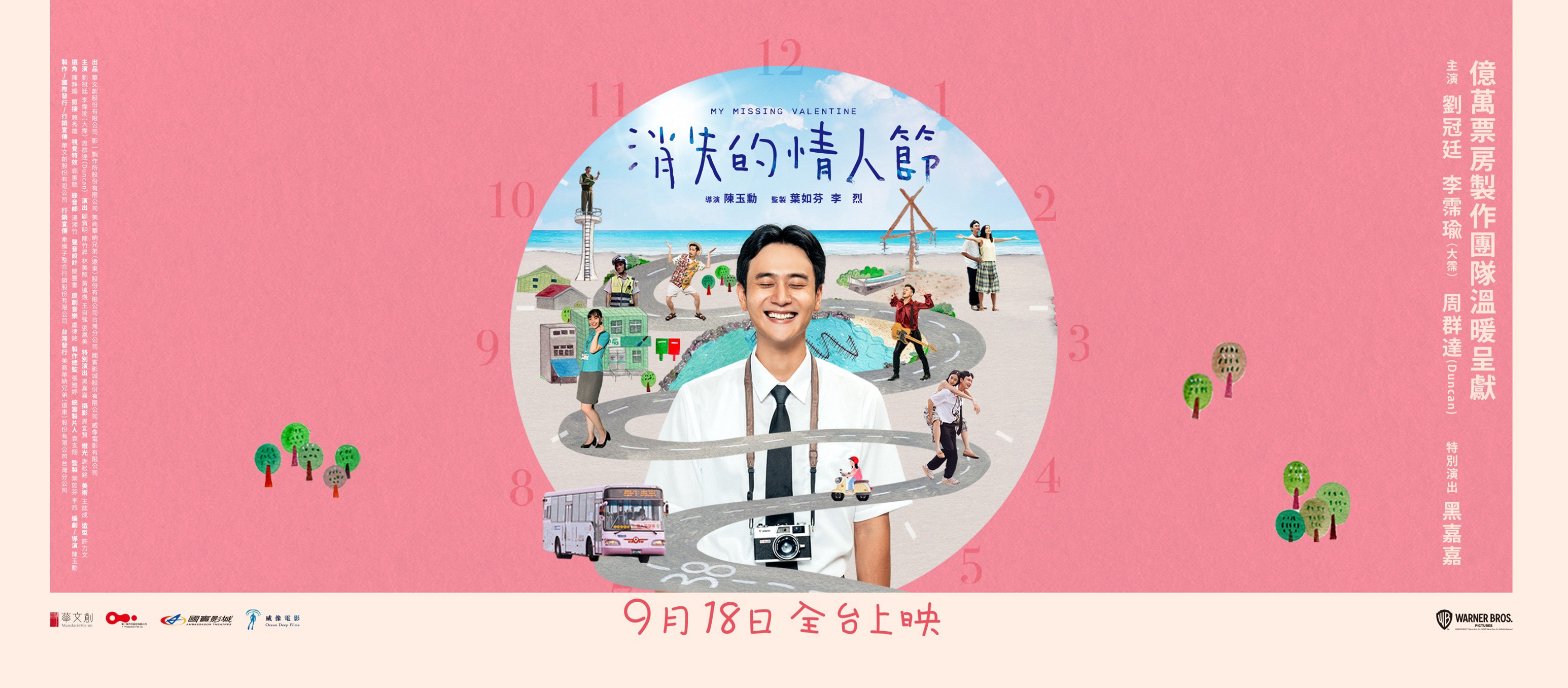
My Missing Valentine

A lovelorn woman finds herself forced to reckon with the forgotten past when she somehow misplaces Valentine’s Day in Chen Yu-Hsun’s charmingly quirky rom-com. Review.

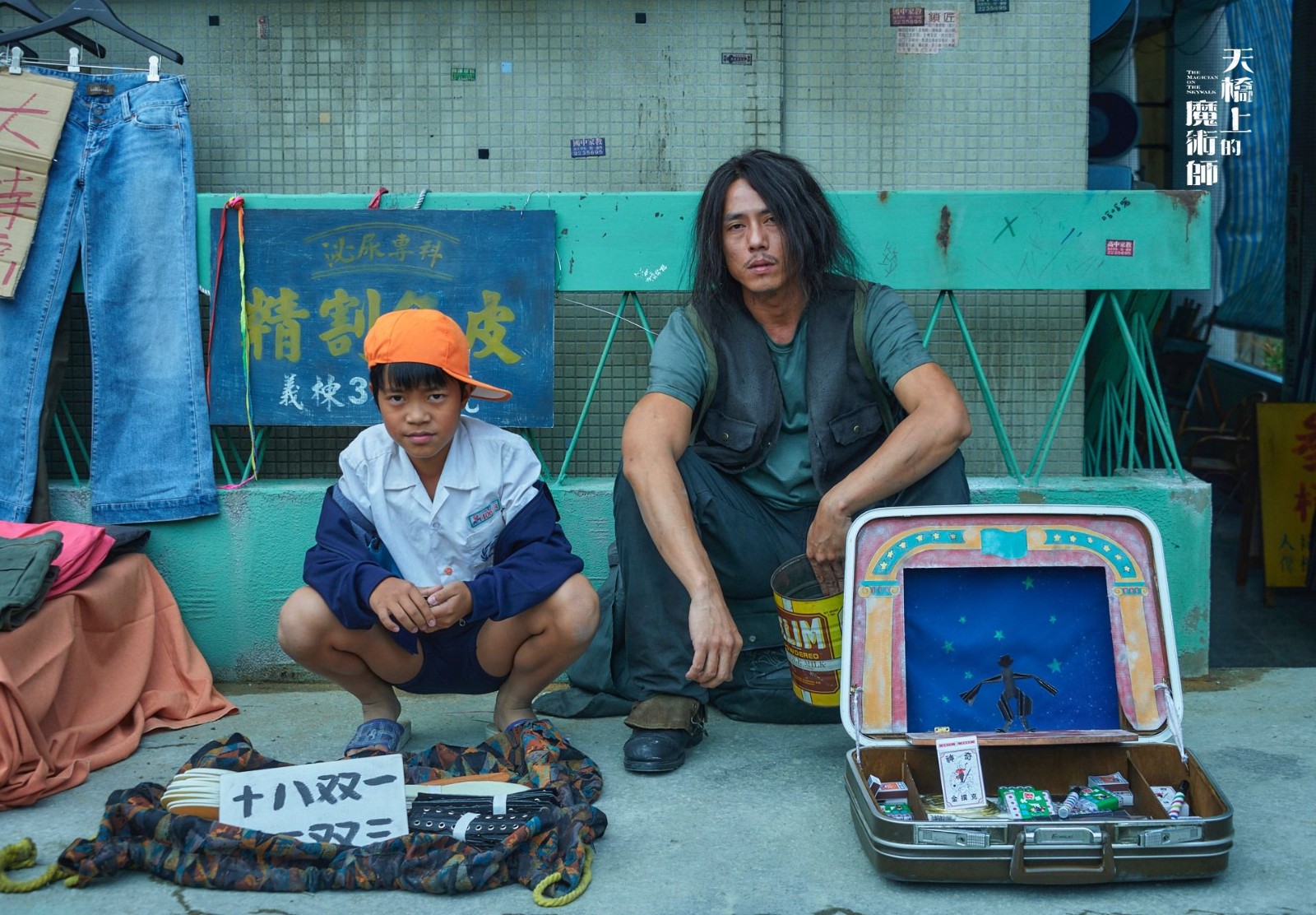
The Magician on the Skywalk

The first two episodes of the hit TV drama adapted from a series of short stories by Wu Mingyi in which a young boy has a life changing encounter with a mysterious magician in a shopping mall in 1985.

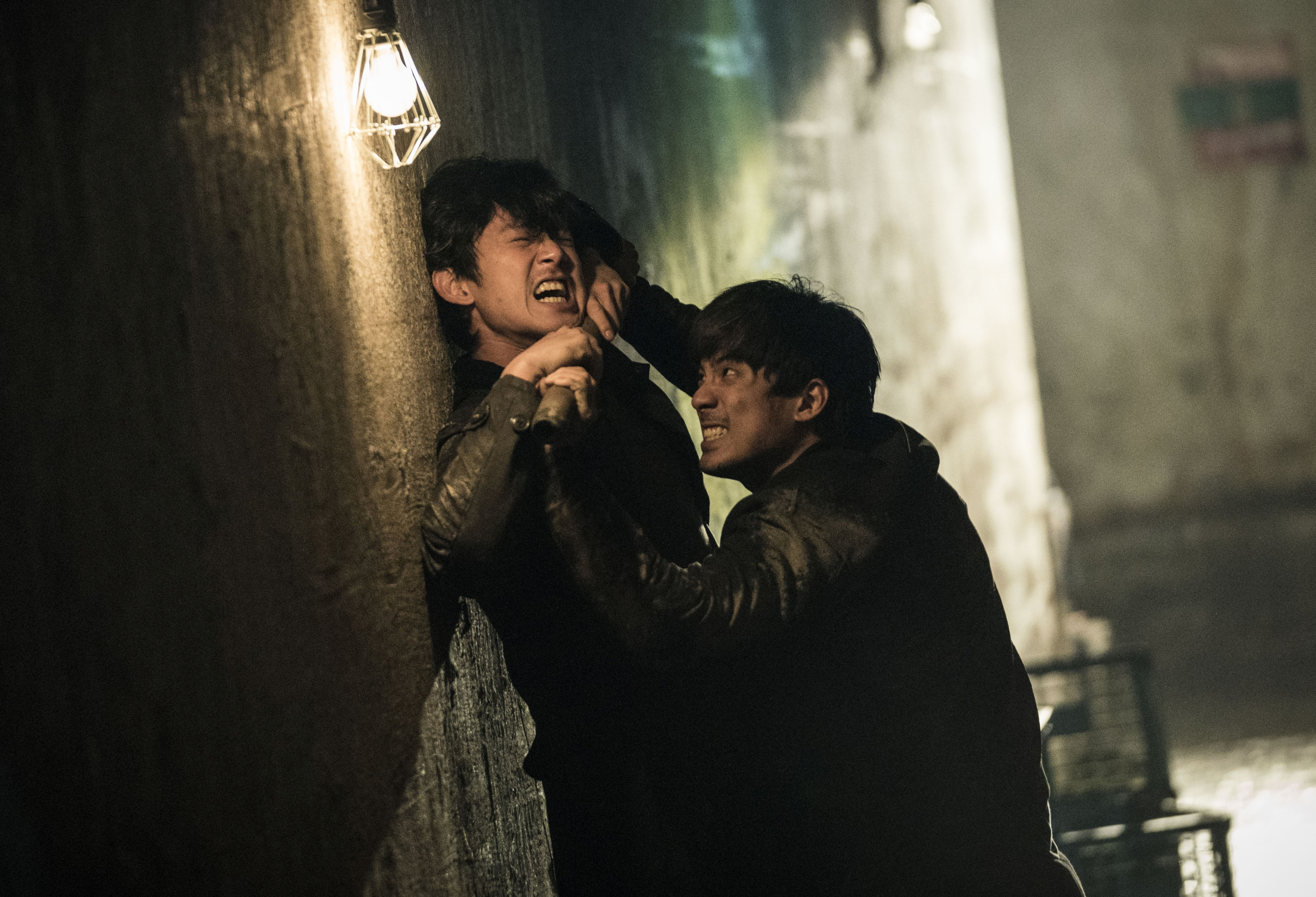
The Scoundrels

Intensely kinetic Taiwanese neo-noir in which a disgraced former basketball player takes to a life of crime only to find himself locked in a deadly battle with a mysterious and amoral thief known as the “Raincoat Robber”. Review.

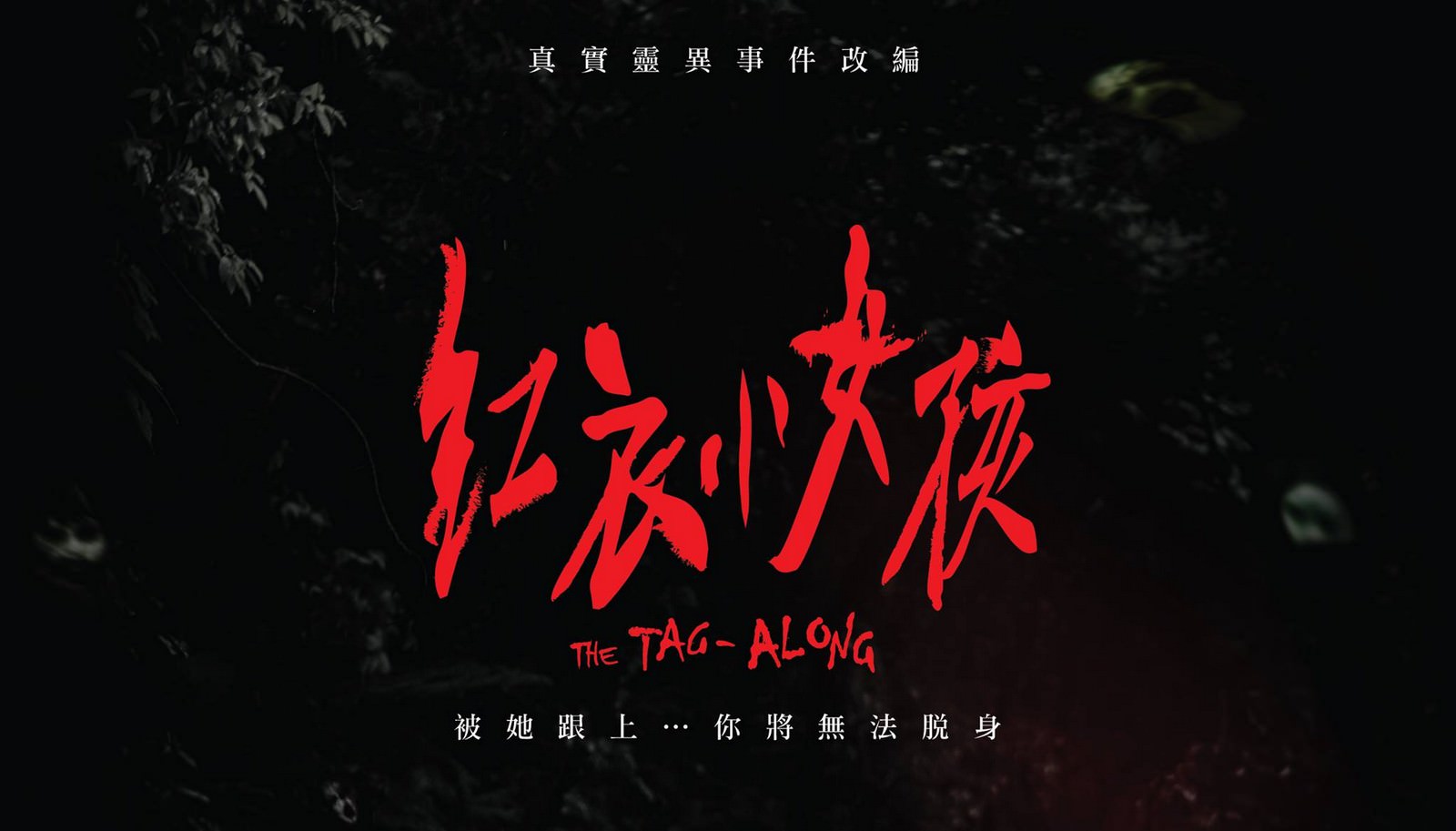
The Tag-Along

Creepy Taiwanese horror inspired by a real life urban legend of a little girl in red who randomly photobombed a family on a hiking trip standing right behind a man who later died. Her latest victims are apparently a harried real-estate agent and his conflicted radio DJ fiancée whose reluctance to marry makes her a target for supernatural ire. Review.

The Neuchâtel International Fantastic Film Festival (NIFFF) runs online and in Switzerland 2nd to 10th July with the full programme to be unveiled 17th June when tickets will also go on sale. You can keep up to date with all the latest news by following the festival on Facebook, Twitter, YouTube, and Instagram.

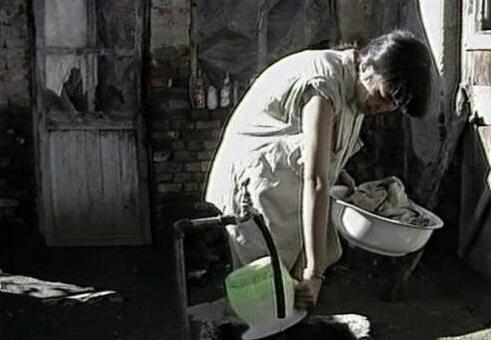
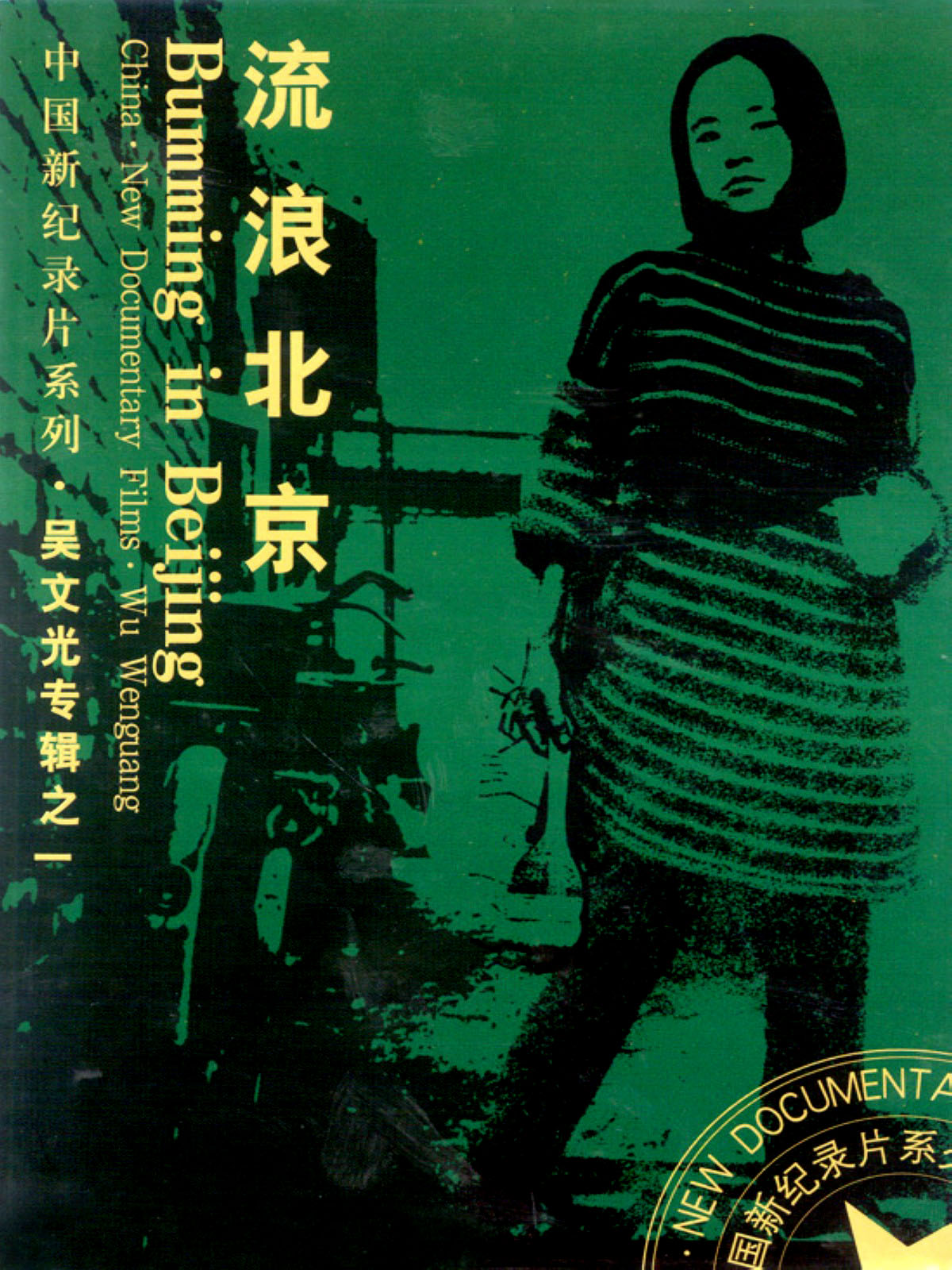
Bumming in Beijing: The Last Dreamers (流浪北京, Wu Wenguang, 1990)

Wu Wenguang’s seminal documentary Bumming in Beijing (流浪北京, Liúlàng Běijīng) opens with a stark title card explaining that it was filmed between August 1988 and May 1990. Perhaps for obvious reasons, the film never mentions what happened between those dates and is in a sense defined by the things it doesn’t say. Often regarded as the father of Chinese independent documentary, Wu’s shooting style breaks with the accepted norms which had favoured meticulous control by shooting handheld and in 4:3 with a grainy camcorder as he interviews his counterculture friends accidentally documenting their lives on either side of an unbreachable divide. 

As the opening explains, his subjects are a group of 20-something bohemians who have each rejected their State assigned jobs and relocated to Beijing, without proper residence permits, to participate in an artistic and cultural revival in which anything seems possible. Zhang Ci was a magazine editor in her hometown but hated it and came to Beijing to be a freelance writer. Zhang Dali studied book binding in the city and stayed on living as a freelance painter, while his classmate Gao Bo did the same thing but is a freelance photographer. Also a freelance painter, Zhang Xiaping was working as a scenic artist in Yunnan and has only recently come to the capital, while Mou Sen, originally from Tibet, is a struggling avant-garde theatre director. 

While perhaps fulfilling the starving artist stereotype, what Wu discovers in the stories of his friends is a sense of despair and inertia at odds with the supposed hopefulness of the times. Ci often appears on the brink of tears as she talks about her life, obviously dissatisfied and uncomfortable with the harshness of her living conditions making use of the facilities at the near by university, offended and perplexed when foreigners compliment her on her bohemian lifestyle. Dali too declares himself bored with Beijing and its dull culture vultures while lamenting that it’s impossible to make a living as a freelance artist, only foreigners have money to buy his paintings and there aren’t many of those around. There is perhaps a sense of artistic rivalry between Dali and Xiaping who appears to have achieved a degree of success preparing for a big solo show while complaining that she hates selling her paintings and would almost rather sell her body. 

Dali and Bo expand on the phenomenon of “Cen Fan” as they sheepishly convince friends currently doing better to spot them dinner, while Bo declares himself a vagabond at heart but also remarks on the various anxieties of living on the margins trying to make rent in a fracturing Beijing. They each insist that they live for their art, Mou Sen certain that there could be no life for him without theatre, but some also dream of more conventional lives, Ci and Dali longing for materialist comforts of a decent home and a car even if in his case he wants these things to facilitate his art rather than to improve the quality of his life. Increasingly despondent, they discuss the idea of going abroad, Ci eventually making a, it’s implied, cynical marriage to an older American man to get a visa to emigrate while Dali eventually marries an Italian and Xiaping an Austrian. When Bo takes a job in Paris, Mou Sen is the only one left behind yet even he had mused on the idea of marrying a European in order to see Europe while admitting the possibility he may find a nice Chinese girl he likes and simply marry her. 

The artists’ mass exodus seems to run in tandem with the shockwaves of Tiananmen, as if they have given up on the prospect of social revolution and concluded that their only future lies abroad. Shortly before we are told she has left for Vienna, Xiaping appears to suffer a period of mental distress culminating in a public breakdown in a KFC from which Mou Sen and Wu himself had to rescue her, an incident which seems overly pregnant with symbolism as if the rapid changes of the modern China have fractured her mind. Wu never mentions Tiananmen, how could he, and it seems he encountered a degree of resistance including distressing footage of Xiaping’s manic episode (not for reasons of taste or privacy but shame on the part of the authorities), but the sense of painful defeat echoes all the same in a well placed title card as the artists make their exit signalling both the death and the failure of this short-lived counterculture movement. 


Bumming in Beijing: The Last Dreamers is currently available to stream in the UK as part of the Chinese Cinema Season.

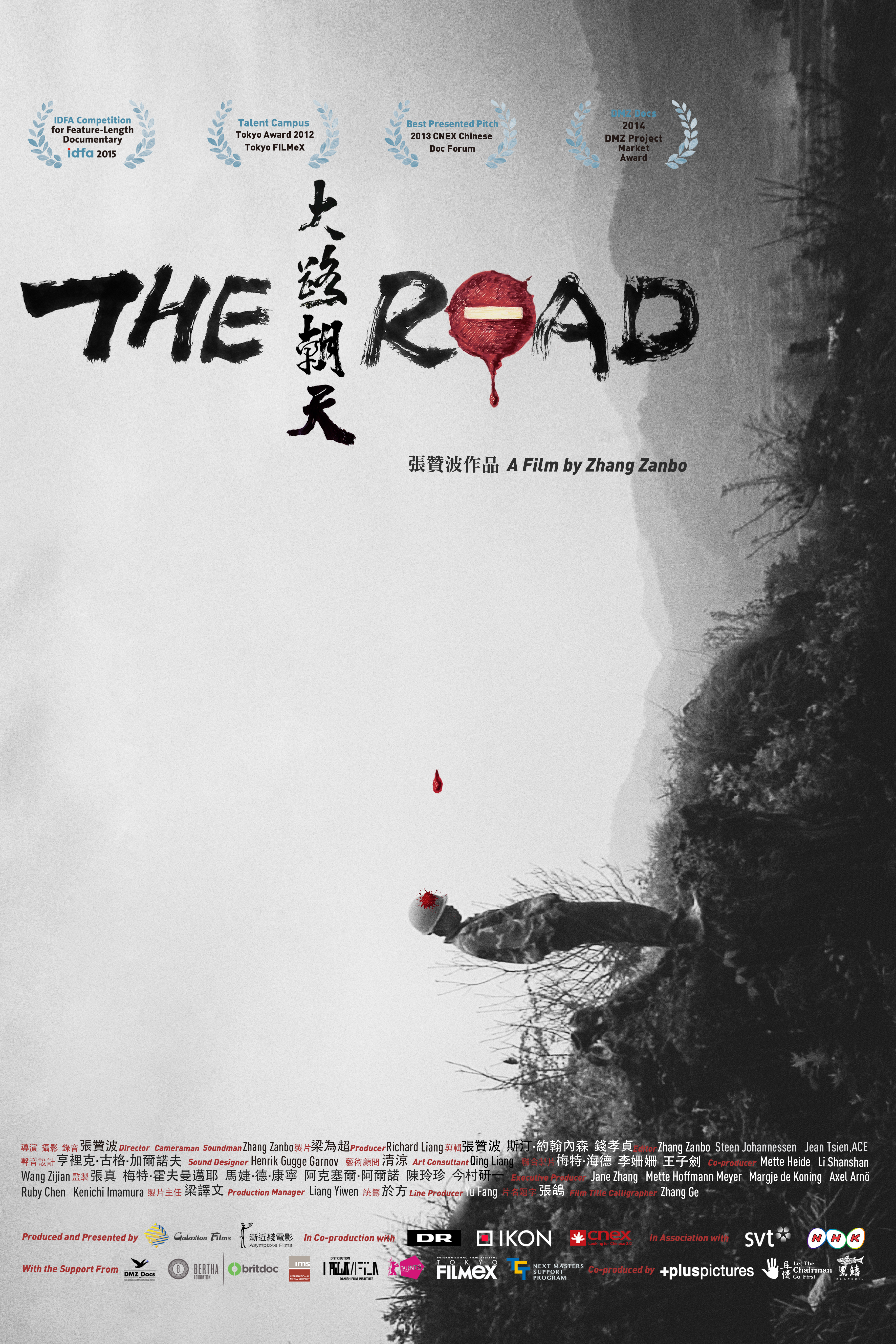
The Road (大路朝天, Zhang Zanbo, 2015)

“Build a good highway and honour local people” runs a banner at a construction site in Zhang Zanbo’s observational doc The Road (大路朝天, Dàlù Cháotiān), though as we’ll discover in the end they’ll do neither. An allegory for the progress of the modern China, Zhang’s chronicle of a Hunan highway lays bare the various states of decay at the centre of a contradictory society in which money rules all and there is no longer any such thing as wrongdoing only acts which must be compensated for. 

Divided into four sections, Zhang’s documentary first asks us, indirectly, who the highway is for. The State began this project in 2009 as part of an economic drive fuelled by a good old-fashioned public works programme improving infrastructure across the country. Yet the highway will have little direct benefit for those who live beside it, something to which the construction teams seem to pay little mind. An elderly woman living alone in a traditional home pleads with a team blasting away at the mountain behind her to stop because they still haven’t compensated her for damage to her house, but they routinely ignore her and later the son who returns to advocate on her behalf. Because of their explosions, the old woman has a hole in her roof and being elderly would not be able to repair it herself but the construction team continue to refuse to help, irritatedly blaming her for not understanding them because they speak different dialects while fobbing her son off explaining that he needs to contact a different department because compensation and repairs are not in their remit. 

A secondary problem is that though the highway is a government project it’s been outsourced to a private engineering firm who view their responsibility solely to fulfil the contract and build the road while the Party officials who hired them utter vaguely menacing phrases about quashing any and all opposition. The locals often don’t seem to have been aware that any construction would be taking place or that their land and homes may be zoned for demolition. They complain that they’ve not received compensation they were promised for previous infractions and largely remain uncooperative while the construction teams assume that they’re simply angling for more money while insensitively digging up old graves and destroying ancient shrines still in use by the local community. Saving a giant Buddha statue one of the construction leaders seems to feel some remorse, chastened by another bystander that Buddha is unlikely to look fondly on him now he’s put him out in the rain. The team then erect a makeshift canopy hoping at least to keep his head dry. 

Another farmer meanwhile complains that his tree is holy and has an earth deity underneath it, advising the team to get a priest to bless it first only to be reminded that there’s no way on Earth the Communist Party could be involved in something so superstitious. The farmer lets rip, openly calling the Party greedy and corrupt while others in the village agree that the State continues to confiscate their property without warning or fair compensation. “The government owns you and your tree!” the representative claps back, denying the locals any sense of personal agency as he continues to encroach on their daily lives, merely reminding them they’ll be adequately compensated for relocating which many of them, including the old lady and her son, eventually do.

Compensation is always being promised but is rarely delivered as the labourers find to their cost, offered danger money and bonuses for working in obviously unsafe conditions but refused even time off or expenses when injured on the job. Ironically enough, workers’ rights are at the forefront of no one’s minds even as a bust of Chairman Mao (born in this very area) rests on the boss’ dashboard. When they ask for fair pay or treatment, the workers, like the locals, are accused of being selfish and money grubbing actively standing in the way of their nation’s progress. Instead of looking after their employees, company bosses schmooze local authorities, often handing out little red packets to smooth the path ahead but the construction firm too eventually finds itself on the receiving end of governmental extortion when the local road bureau try to shut them down over missing permits and later send in armed thugs when they refuse to pay leaving some employees in the hospital with multiple stab wounds awaiting further compensation either from their company who put them in a dangerous position or from the state authorities. 

If all that weren’t worrying enough, inspectors at the site find multiple issues with build quality that could endanger public safety. They seem frustrated that corners have been cut and insist that certain sections be entirely rebuilt before the project can be passed. 37 bridges had apparently collapsed in China since 2007 presumably because of the same lax safety culture while it seems the company was never penalised for breaching regulations in part because of all that schmoozing. The workers and the locals, we later learn, eventually got a degree of compensation, but Zhang’s unflinching doc nevertheless lays bare the degree to which the modern China continues to consume itself in its all encompassing obsession with “modernisation”. 


The Road is currently available to stream in the UK as part of the Chinese Cinema Season.

21st Nippon Connection ONLINE Film Festival Confirms Full Program

Nippon Connection is back for 2021 once again taking place entirely online! Running from 1st to 6th June, the festival will be bringing some of the best in contemporary Japanese cinema to homes around the world via their Shift72-powered streaming platform. Unfortunately not everything will be available everywhere with some titles streaming in Germany only, but unless otherwise stated all films stream in the original Japanese with English subtitles. Full details for all the films including streaming locations will be available via the official website from 22nd May with tickets priced at €6.

Full list of features:

NIPPON CINEMA

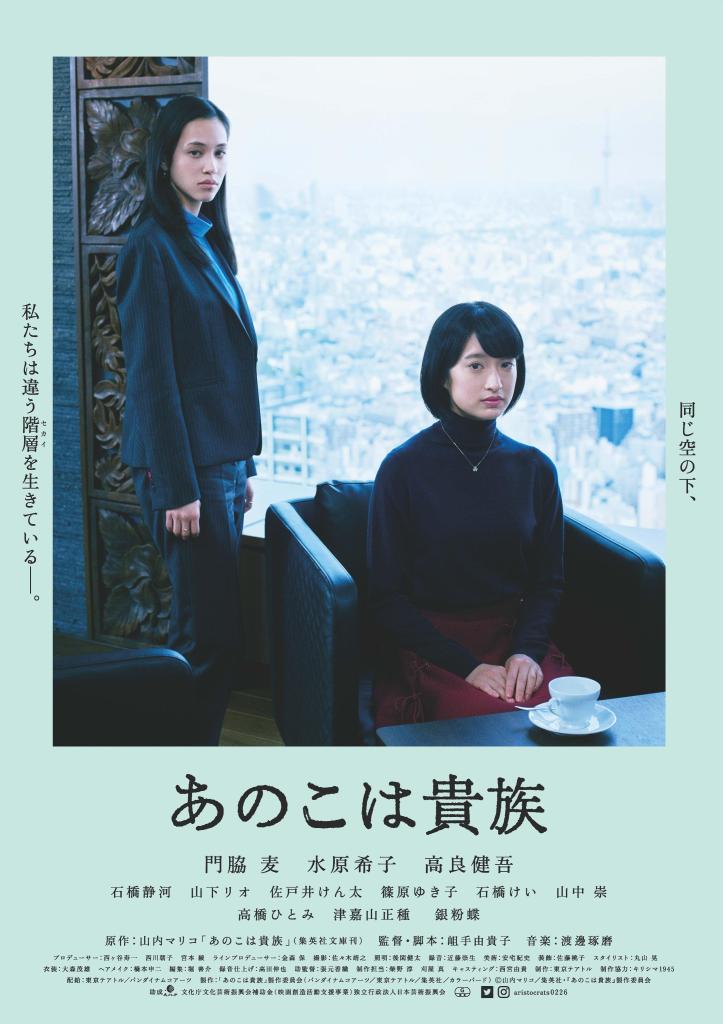
  • Aristocrats – a rich girl (Mugi Kadowaki) and a poor girl (Kiko Mizuhara) eventually find inter-class solidarity through failed relationships with the same man (Kengo Kora) in Yukiko Sode’s empathetic social drama.
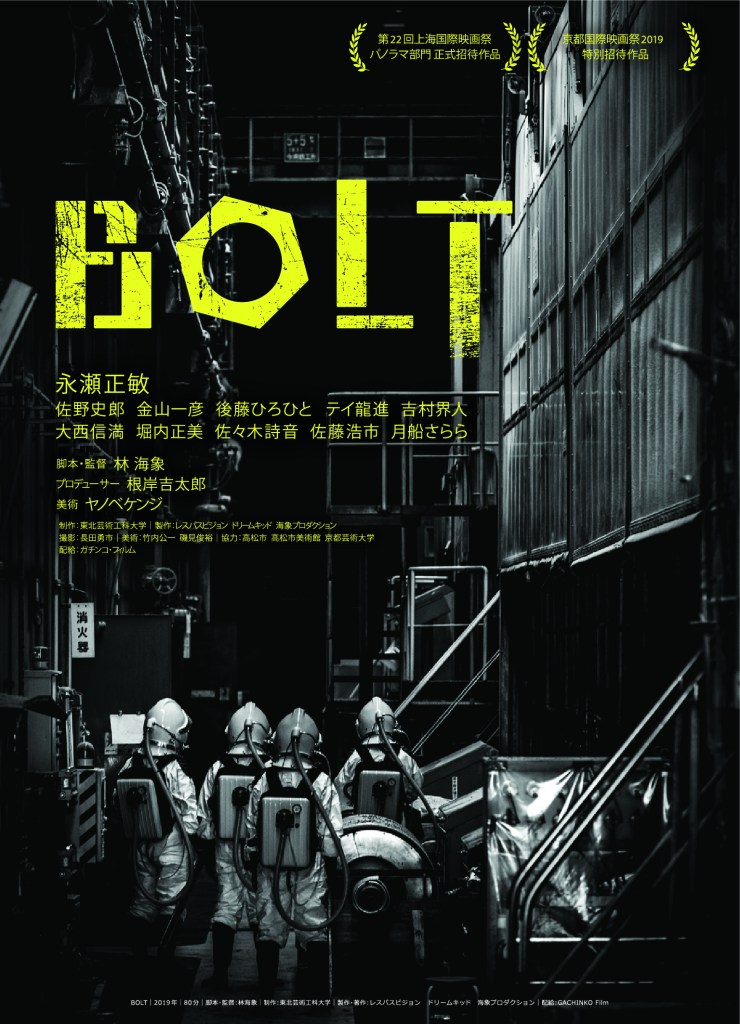
  • Bolt – tripartite nuclear-themed omnibus movie directed by Kaizo Hayashi and starring Masatoshi Nagase
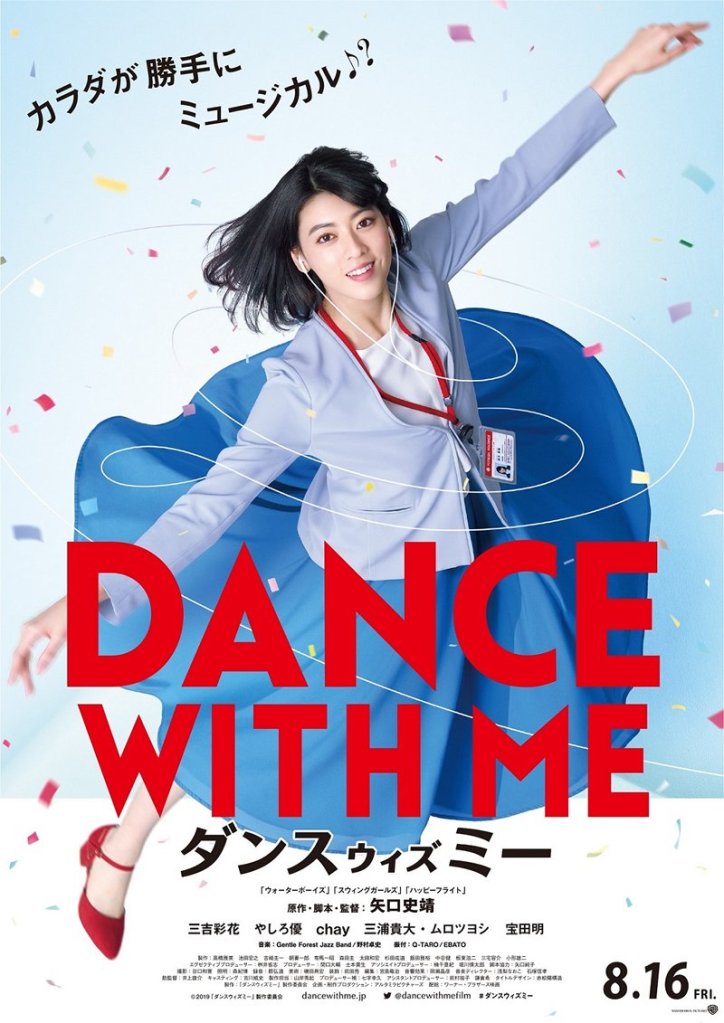
  • Can’t Stop The Dancing (AKA Dance with Me) – musical comedy from Shinobu Yaguchi starring Ayaka Miyoshi as an ambitious executive whose plans for career success are derailed when she’s accidentally hypnotised to break into song and dance every time she hears music. Review.
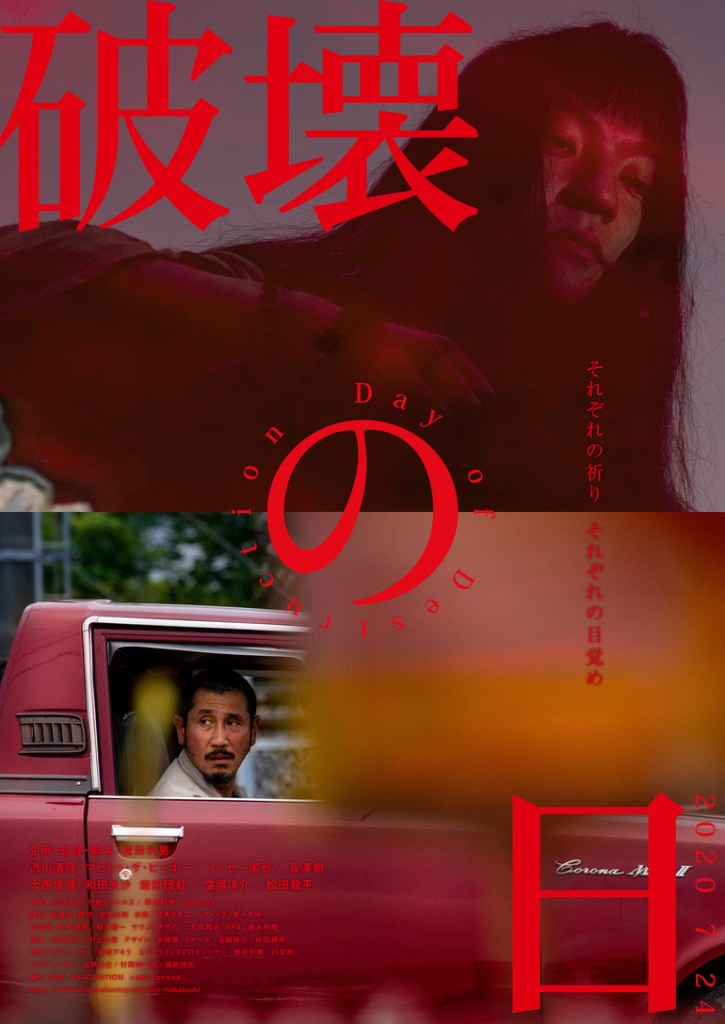
  • The Day Of Destruction – Toshiaki Toyoda sets out to exorcise the demons of a venal city in an impassioned attack on societal selfishness and personal apathy. Review.
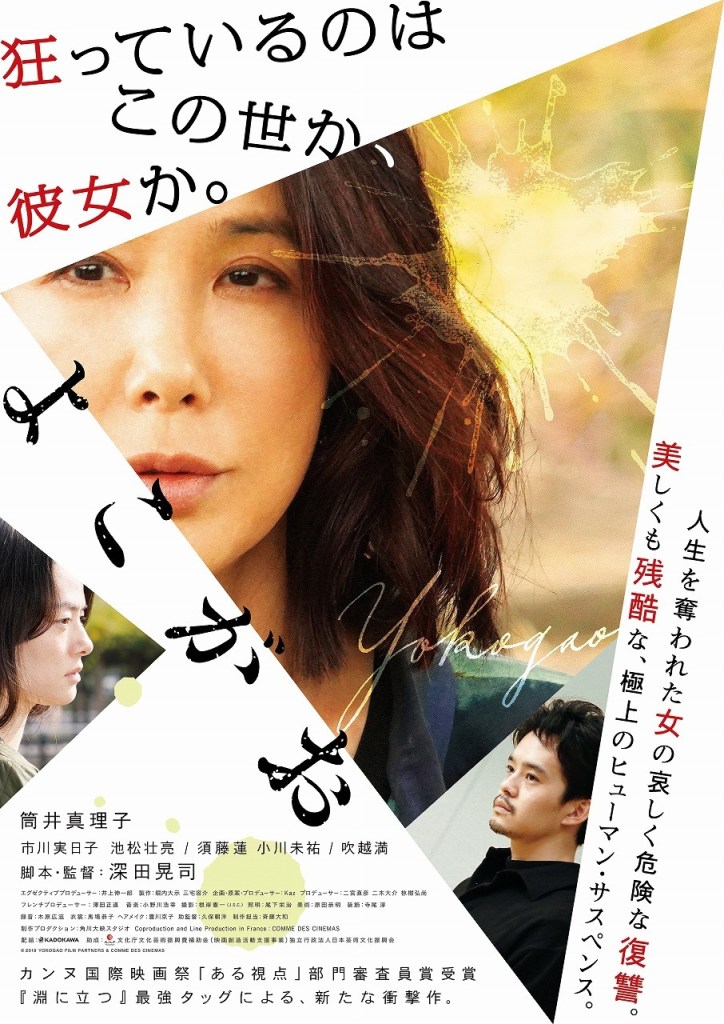
  • Family Of Strangers (AKA Closed Ward) – the lives of three patients at a psychiatric clinic are disrupted when a murder takes place at the facility.
  • A Girl Missing – a home care nurse’s life is turned upside-down when she’s wrongfully implicated in a kidnapping in Koji Fukada’s thought provoking drama. Review.
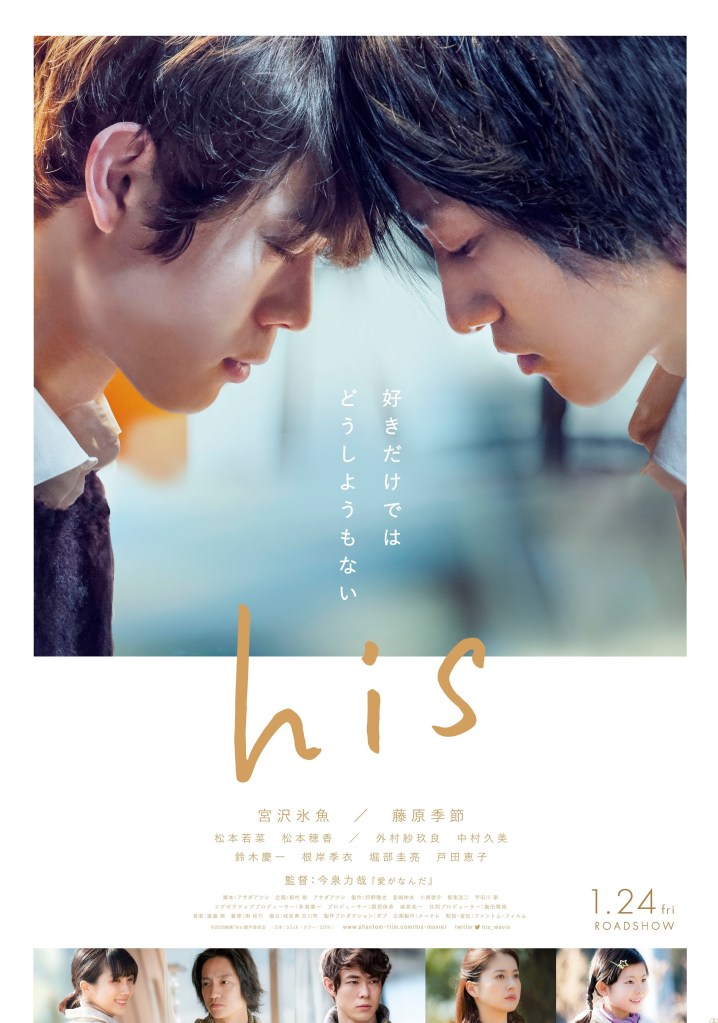
  • his – teenage lovers break up after uni each taking different paths while struggling with their sexuality but begin to see new hope reuniting some years later in Rikiya Imaizumi’s empathetic drama. Review.
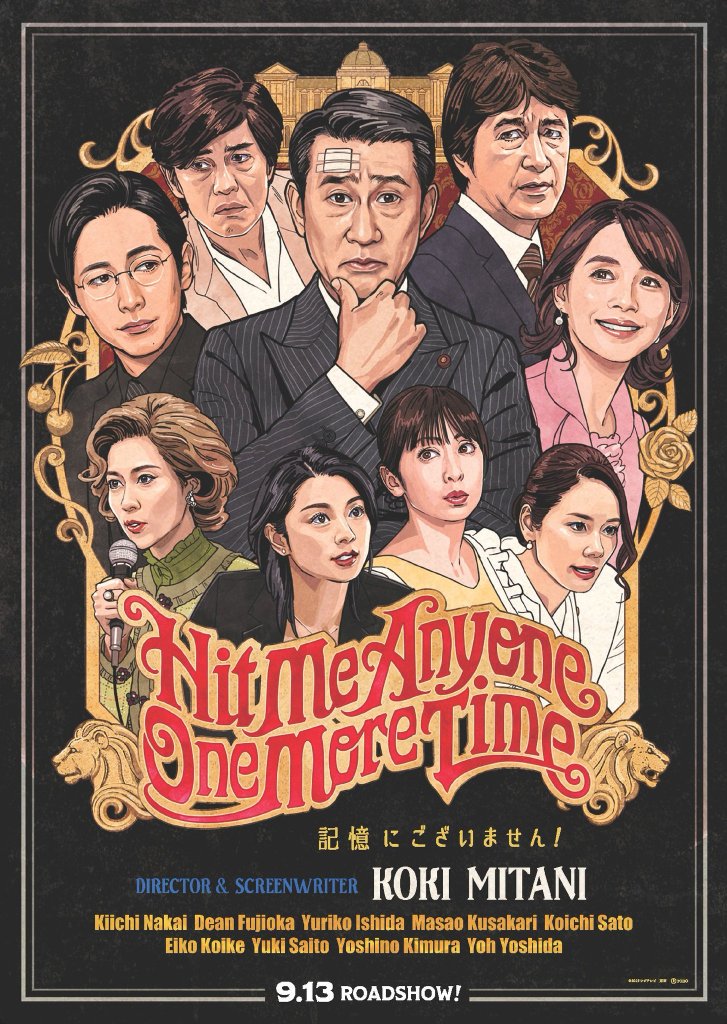
  • Hit Me Anyone One More Time – farcical comedy from Koki Mitani in which a man gets hit on the head and loses his memory only to be told he is actually the prime minister of Japan!
  • My Blood And Bones In A Flowing Galaxy – SABU adapts the hugely popular novel in which a high school boy tries to save a bullied classmate.
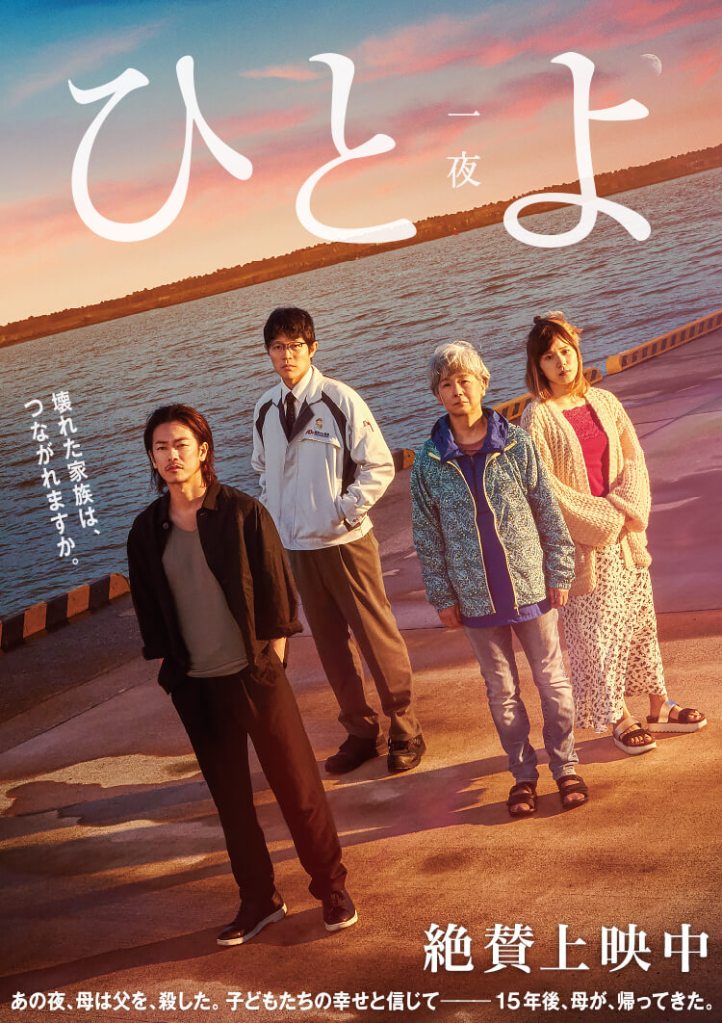
  • One Night – adult children are forced to face the legacy of trauma and abuse when their mother returns after 15 years of exile in Kazuya Shiraishi’s raw family drama. Review.
  • Our 30-Minute Sessions – a ghostly intervention helps a collection of wounded adults find accommodation with grief in Kentaro Hagiwara’s bodyswapping take on the band movie. Review.
  • The Promised Land – Takahisa Zeze adapts the novel by crime writer Shuichi Yoshida revolving around the unsolved disappearance of a 12-year-old girl.
  • Red Post On Escher Street – epic drama from Sion Sono following a series of actors who audition for a festival darling director.
  • Sea Of Revival – a man tries and fails to make a new start as he searches for a sense of belonging in a land touched by tragedy in Kazuya Shirashi’s unconventional family drama. Review.
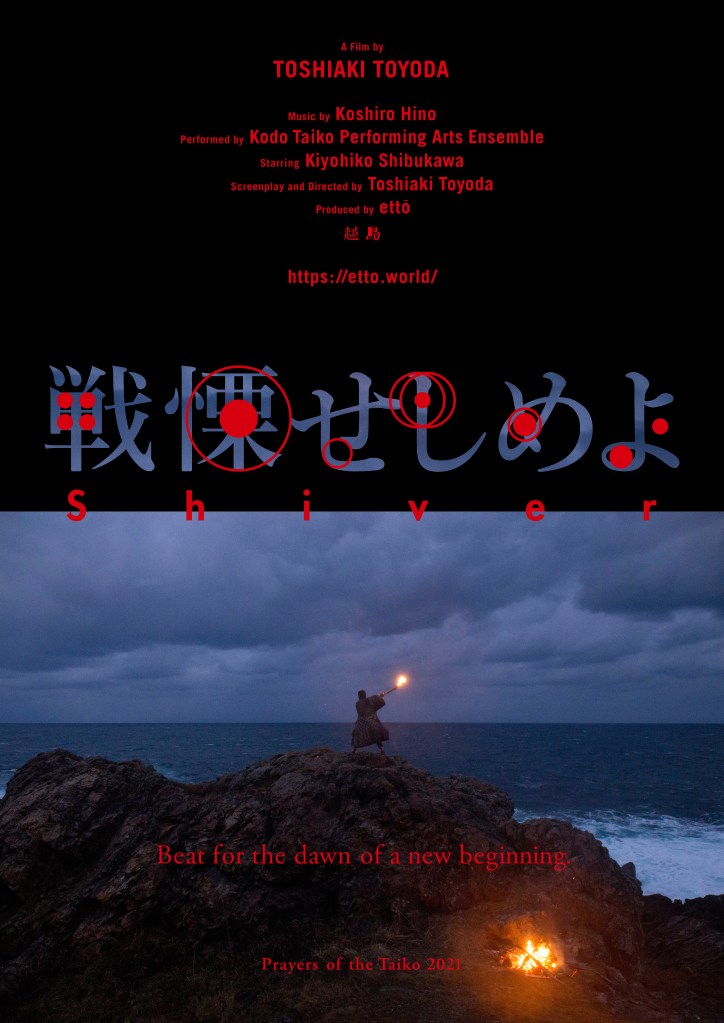
  • Shiver – dialogue free music movie from Toshiaki Toyoda filmed entirely on Sado island.
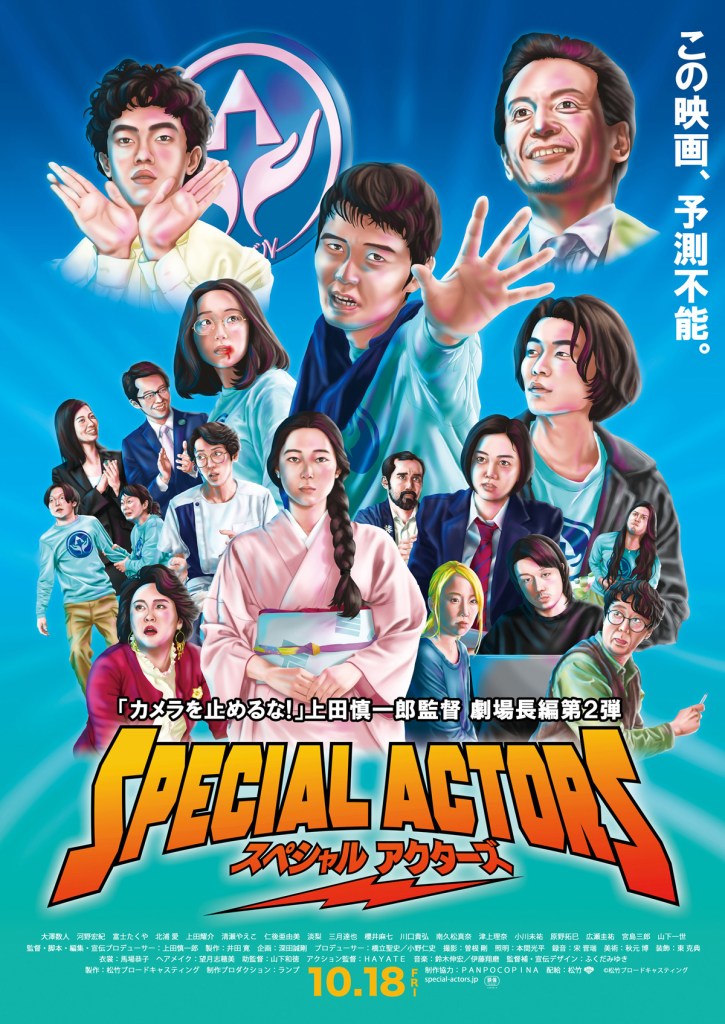
  • Special Actors – a nervous young man discovers his inner hero while infiltrating a shady cult as a “Special Actor” posing as a new devotee in Shinichiro Ueda’s absurdist followup to One Cut of the Dead. Review.
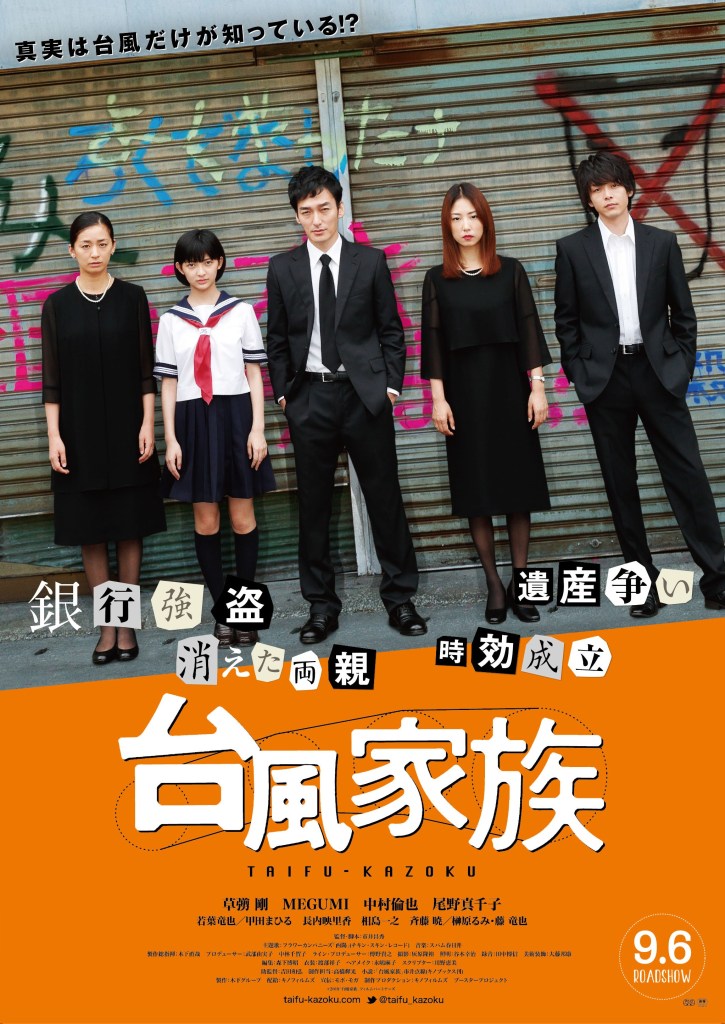
  • The Stormy Family – abandoned siblings reunite 10 years after their parents robbed a bank and disappeared.
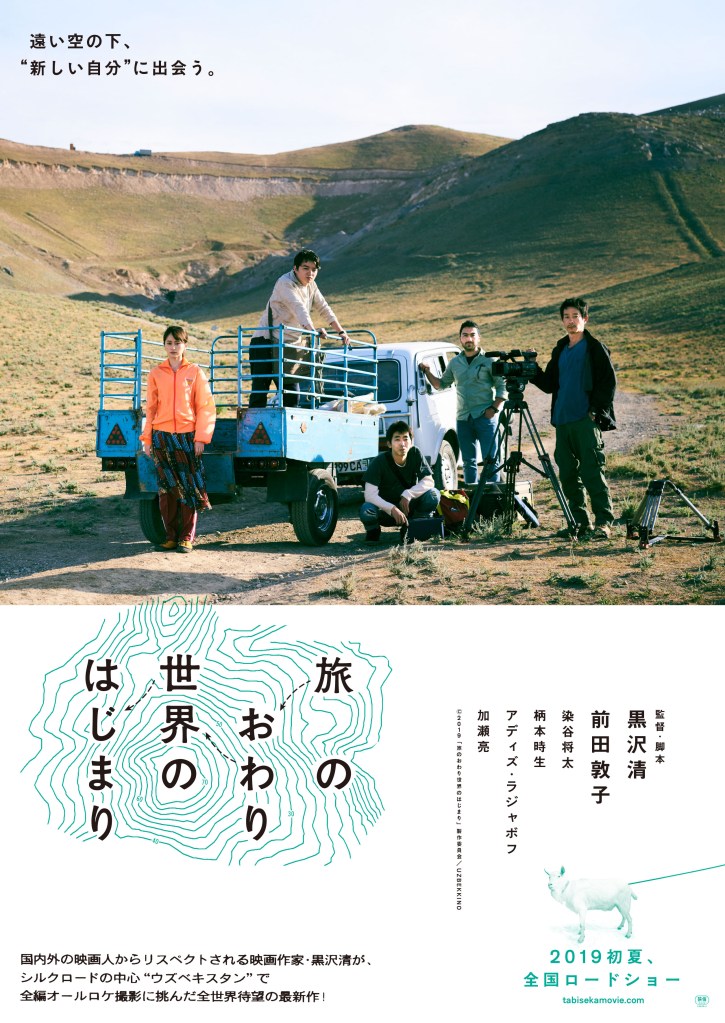
  • To The Ends Of The Earth – Kiyoshi Kurosawa reunites with recent muse Atsuko Maeda as a lost TV presenter goes searching for herself while filming in Uzbekistan. Review. Original version with German and French subtitles only
  • Under The Open Sky – a pure-hearted man of violence struggles to find his place in society after spending most of his life behind bars in Miwa Nishikawa’s impassioned character study. Review.
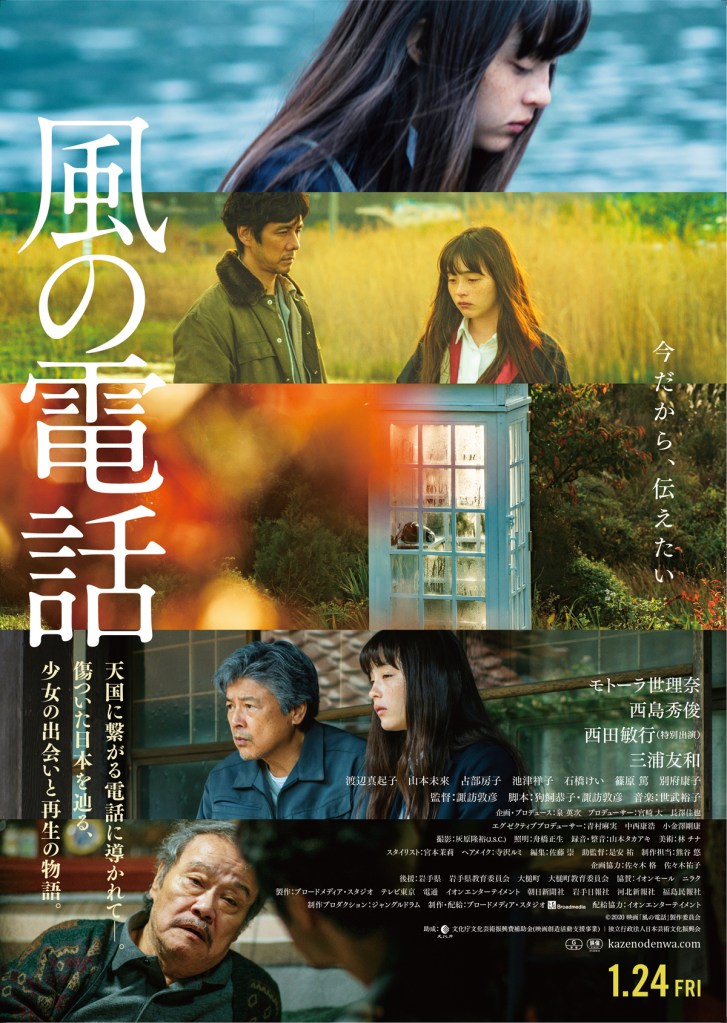
  • Voices In The Wind – Nobuhiro Suwa returns to Japan after an 18-year absence for a tale of national catharsis as a young woman makes a painful journey home in search of making peace with the traumatic past. Review.
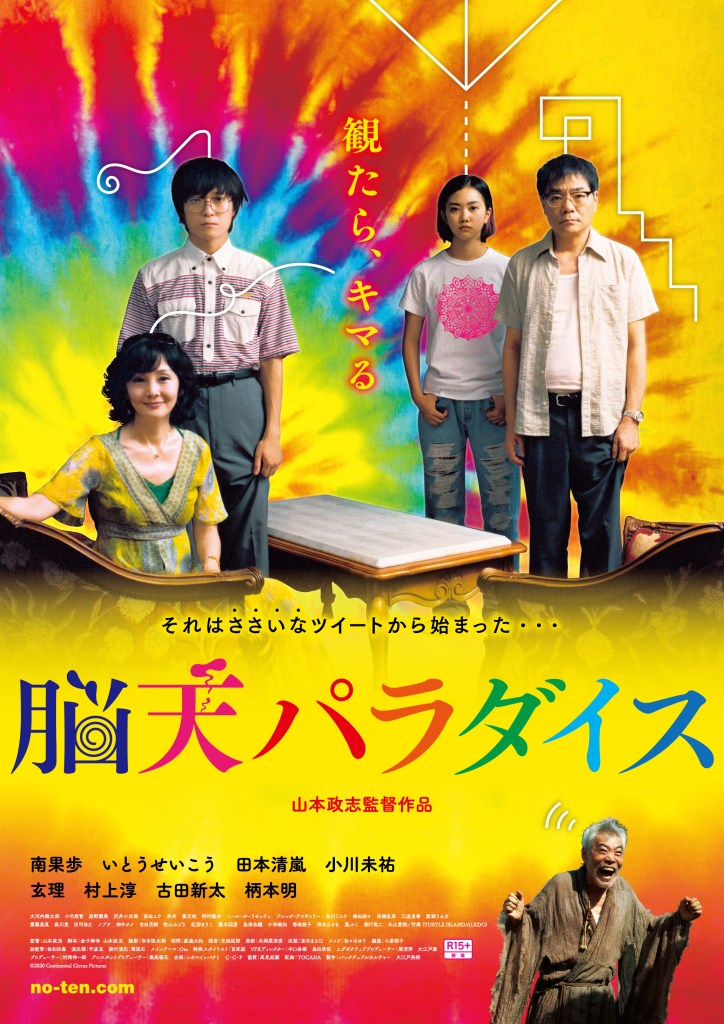
  • Wonderful Paradise – a father has to sell the family flat after a career setback but his kids unwittingly turn the sad event in to an unpredictable party.
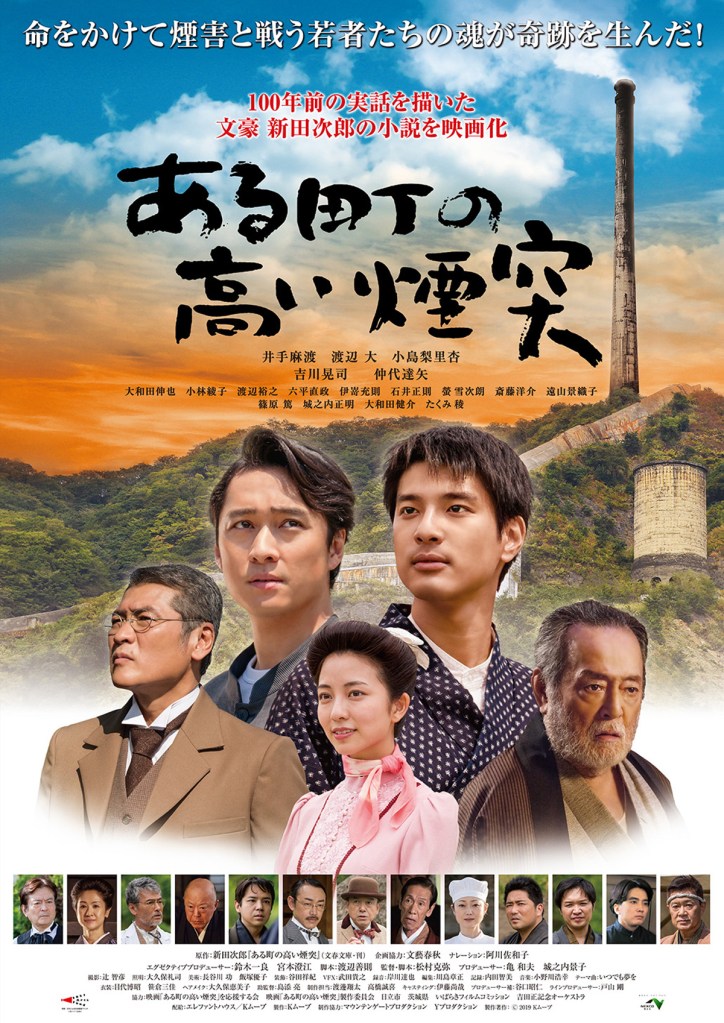
  • Special screening: A Town And A Tall Chimney – village youngsters stand up to industrial pollution in late Meiji Ibaraki. original version with German subtitles only

NIPPON VISIONS

  • © Kamata Prelude Film Partners
  • Ainu Mosir – coming-of-age drama in which an Ainu boy confronts the contradictions of his cultures.
  • Along The Sea – a migrant worker from Vietnam is faced with her lack of possibility after discovering she is pregnant while living undocumented in Akio Fujimoto’s unflinching social drama. Review.
  • Beyond The Infinite Two Minutes – a musician/cafe owner starts receiving messages from himself from two minutes in the future.
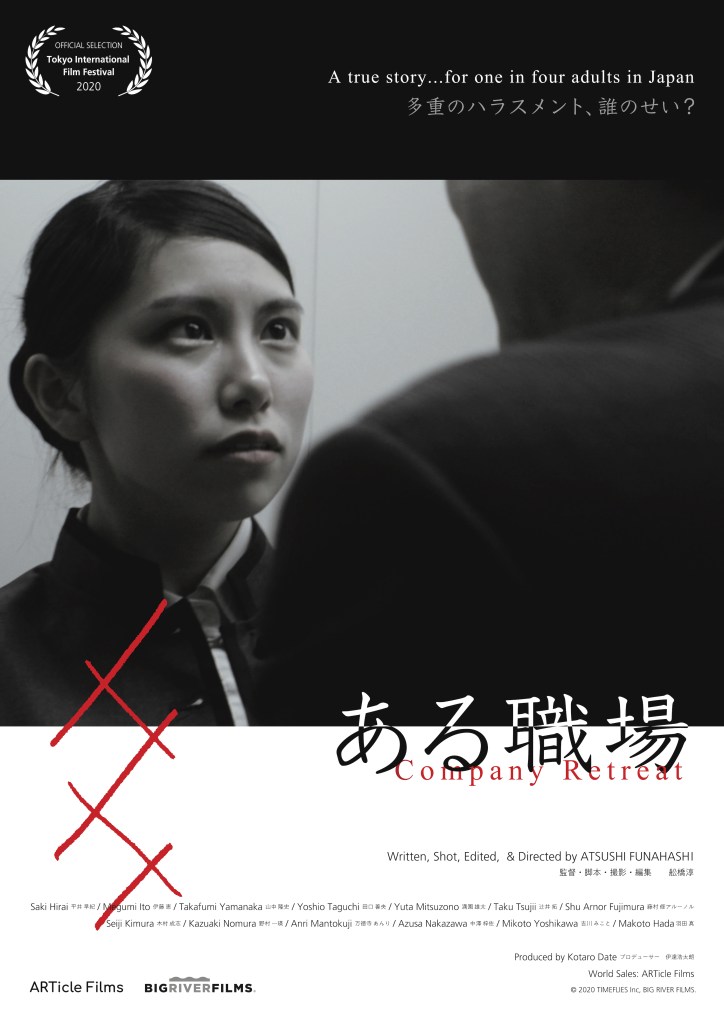
  • Company Retreat – docudrama in which a young woman is harassed by her boss while working as a hotel receptionist.
  • Daughters – two young women find themselves reassessing their ideas of womanhood and maternity in the wake of an unexpected pregnancy in Hajime Tsuda’s refreshingly positive drama. Review.
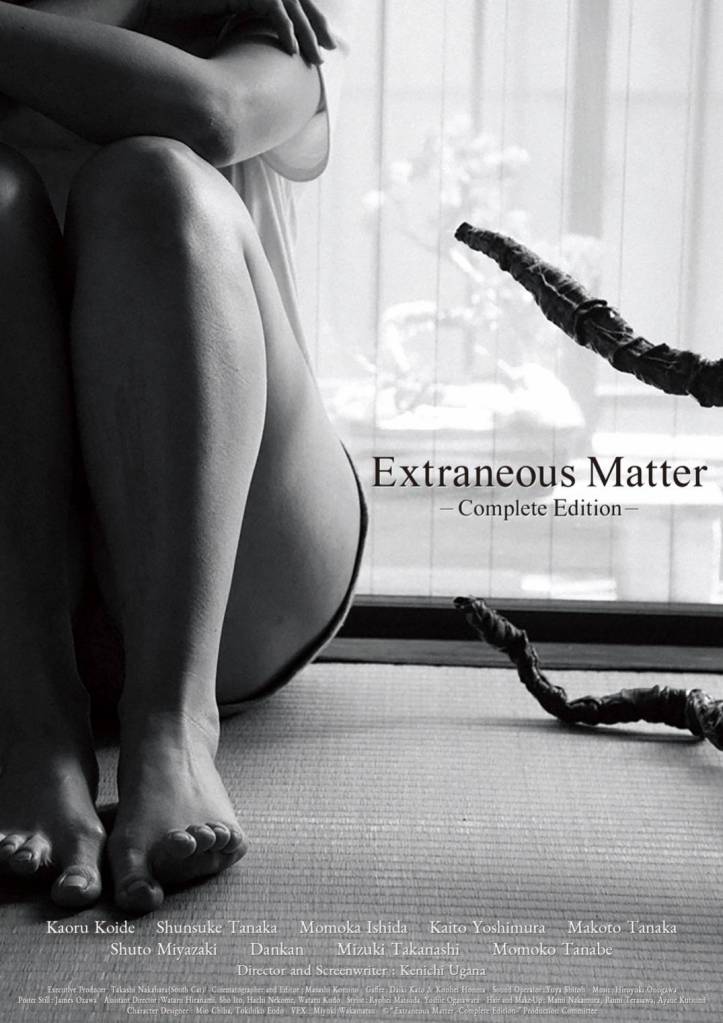
  • Extraneous Matter–Complete Edition – compilation of a series of short films about a woman who encounters something strange while living a sexless life with her boyfriend.
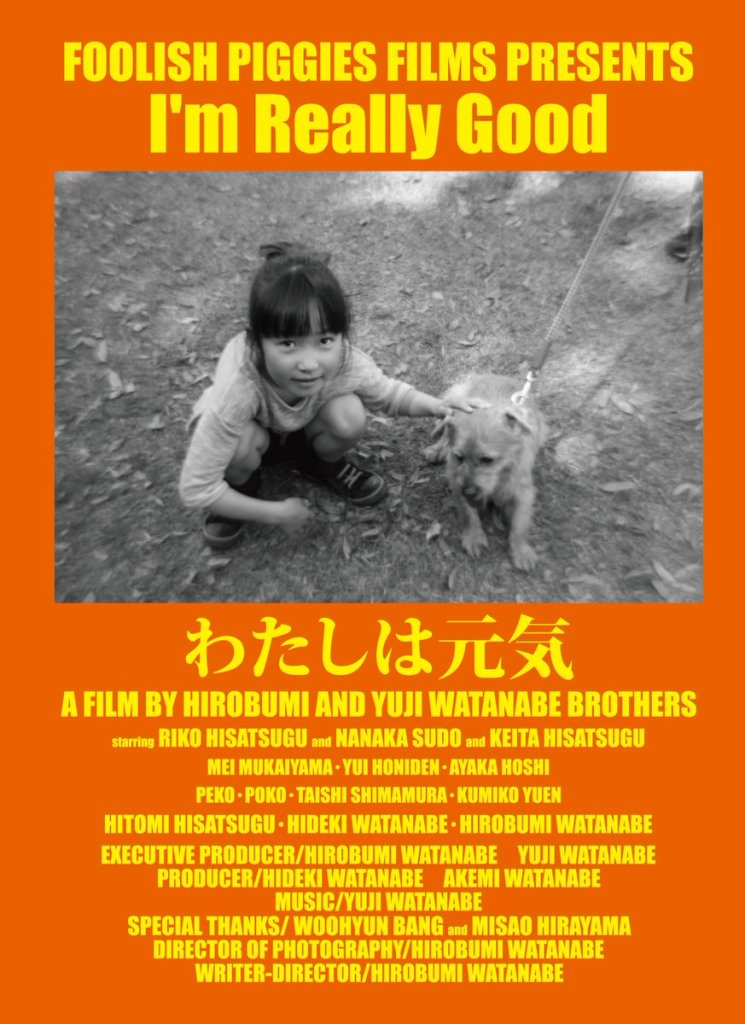
  • I’m Really Good – Hirobumi Watanabe shifts focus in capturing one ordinary, though strangely full, day in the life of a little girl living cheerfully in peaceful Tochigi. Review.
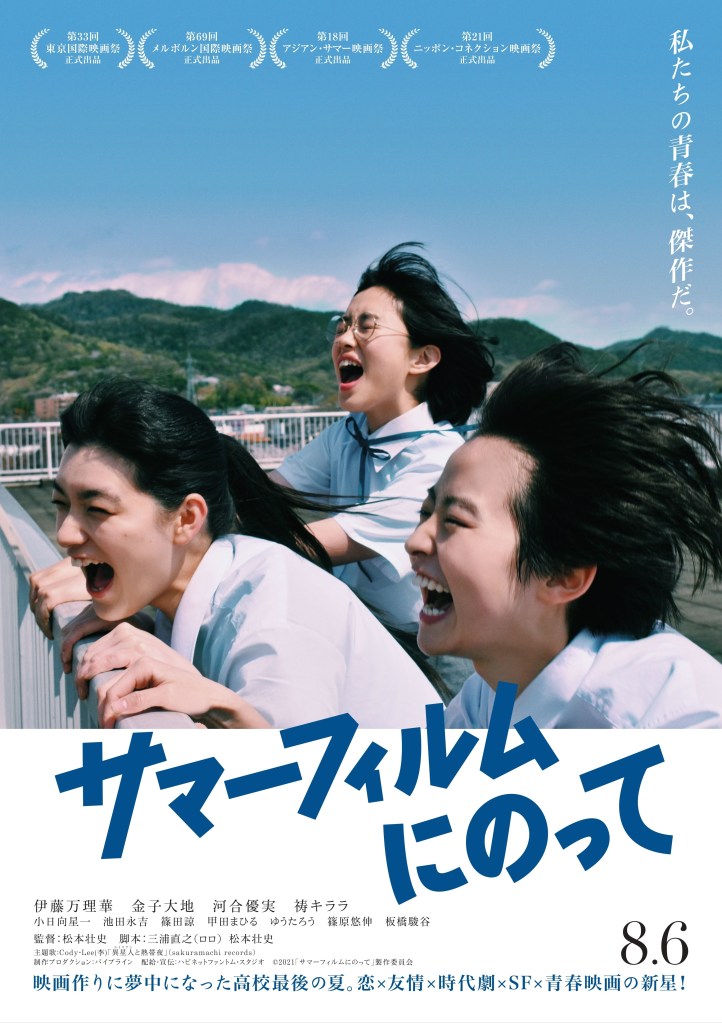
  • It’s A Summer Film! – high school drama in which a jidaigeki obsessive decides to make a samurai movie only to discover her lead actor is a time traveller from the future!
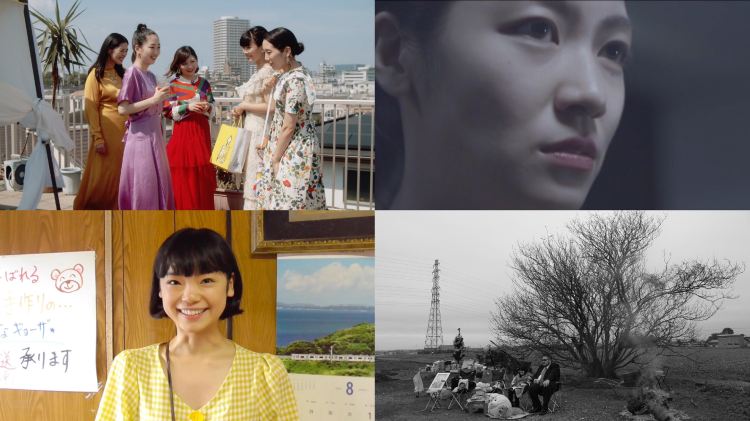
  • Kamata Prelude – four-part anthology film directed by Ryutaro Nakagawa, Mayu Akiyama, Yuka Yasukawa, and Hirobumi Watanabe.
  • Kontora – a directionless high school girl finds a path towards the future through deciphering a message from the past in Anshul Chauhan’s ethereal coming-of-age drama. Review.
  • Nosari: Impermanent Eternity – an “ore ore” scammer ends up living with an elderly woman convinced he really is her grandson.
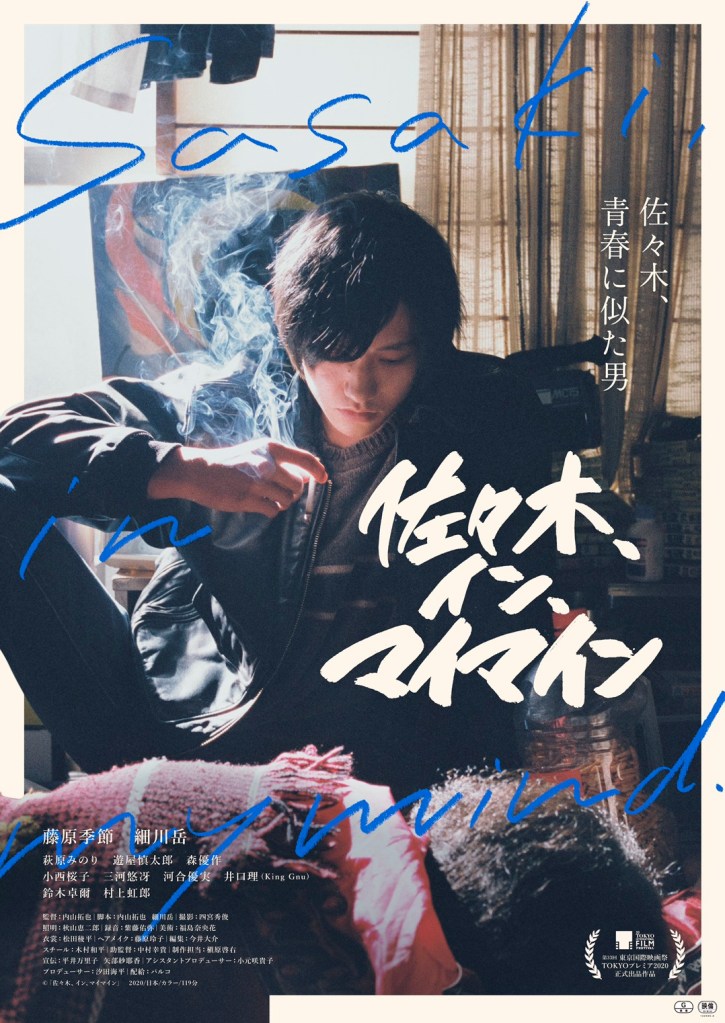
  • Sasaki In My Mind – a down on his luck actor thinks back on his high school days.
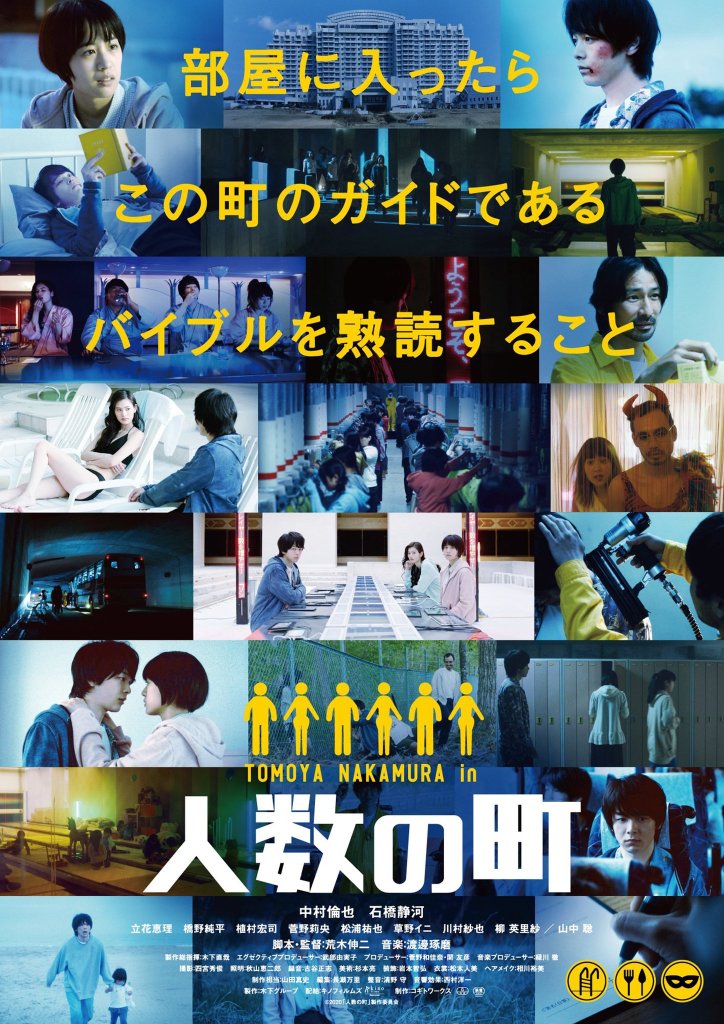
  • The Town Of Headcounts – a disaffected young man gets a fresh start in a utopian community but quickly becomes disillusioned in Shinji Araki’s slick dystopian thriller. Review.
  • yes, yes, yes – a family begins to fall apart under the weight of impending grief when a mother enters the final stages of a terminal illness in Akihiko Yano’s intense existential drama. Review.

NIPPON DOCS

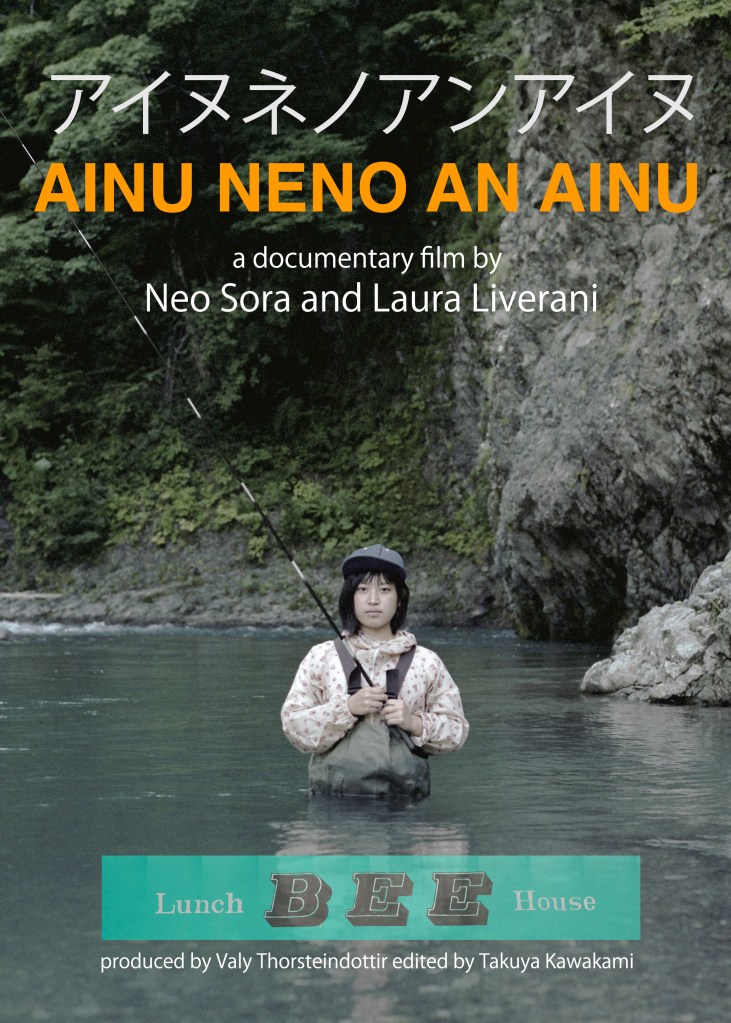
  • Ainu Neno An Ainu – documentary by Laura Liverani, Neo Sora & Valý Þórsteinsdóttir exploring Ainu identity in contemporary Japan
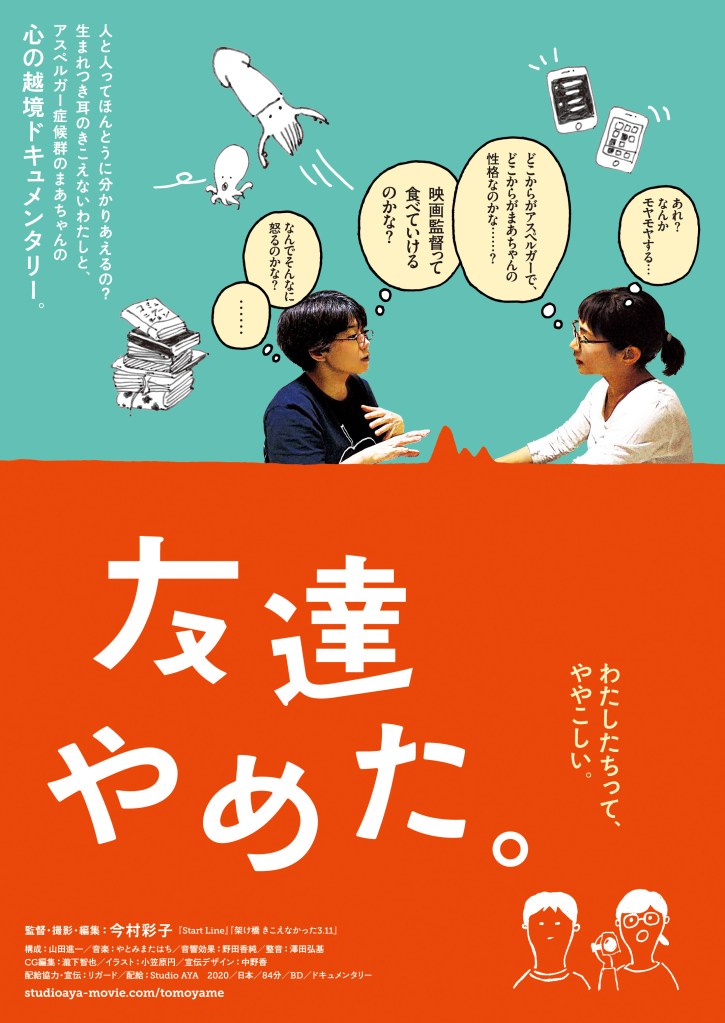
  • I Quit, Being “Friends” – director Ayako Imamura turns the camera on herself and explores her sometimes complicated relationship with an autistic friend who struggles with communication.
  • Koshien: Japan’s Field Of Dreams – documentary following a high school baseball team as they battle through national championships
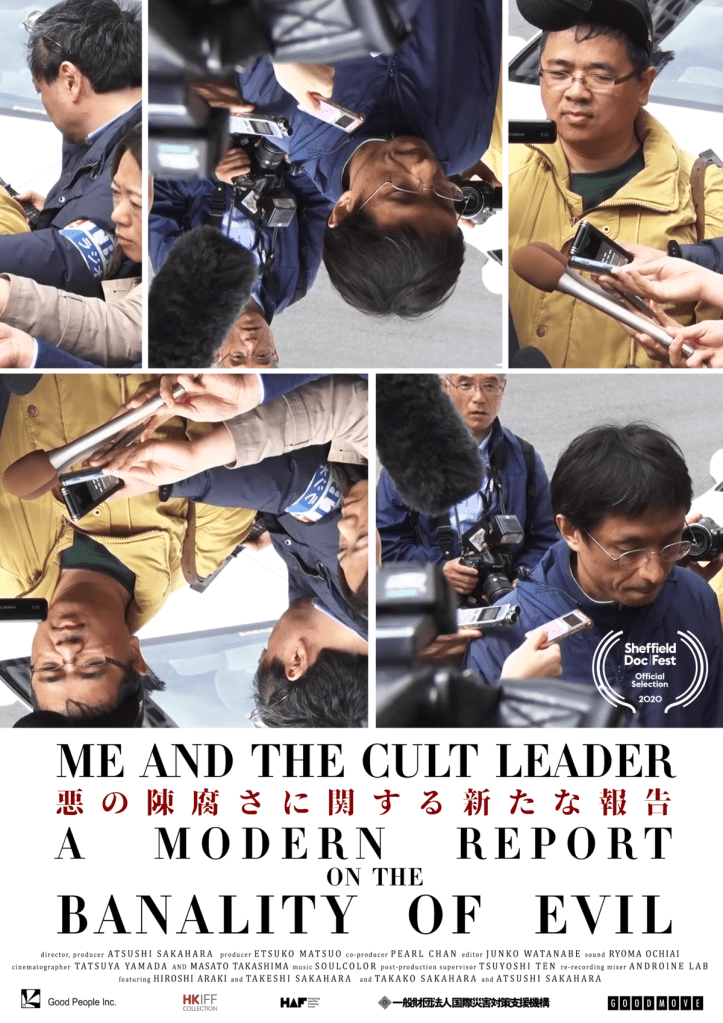
  • Me And The Cult Leader – sarin gas attack survivor Atsushi Sakahara takes a cult member on the road in search of understanding in an empathetic, self-directed doc. Review.
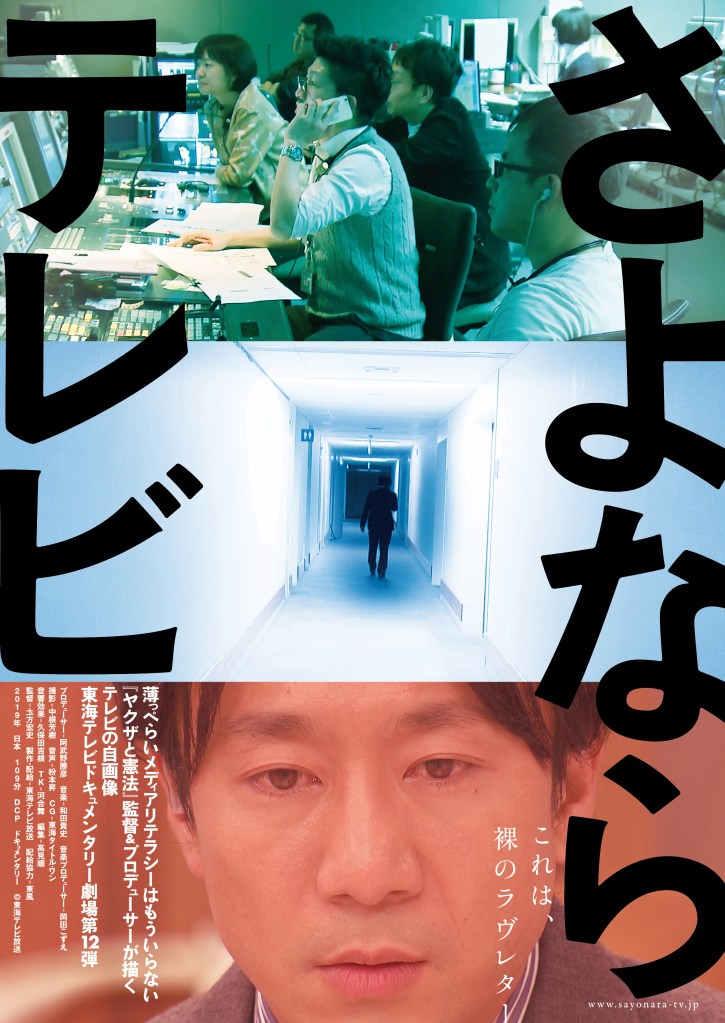
  • Sayonara TV – documentary marking the 60th anniversary of Tokai Television Broadcasting while contemplating the changing place of television in the contemporary media landscape.
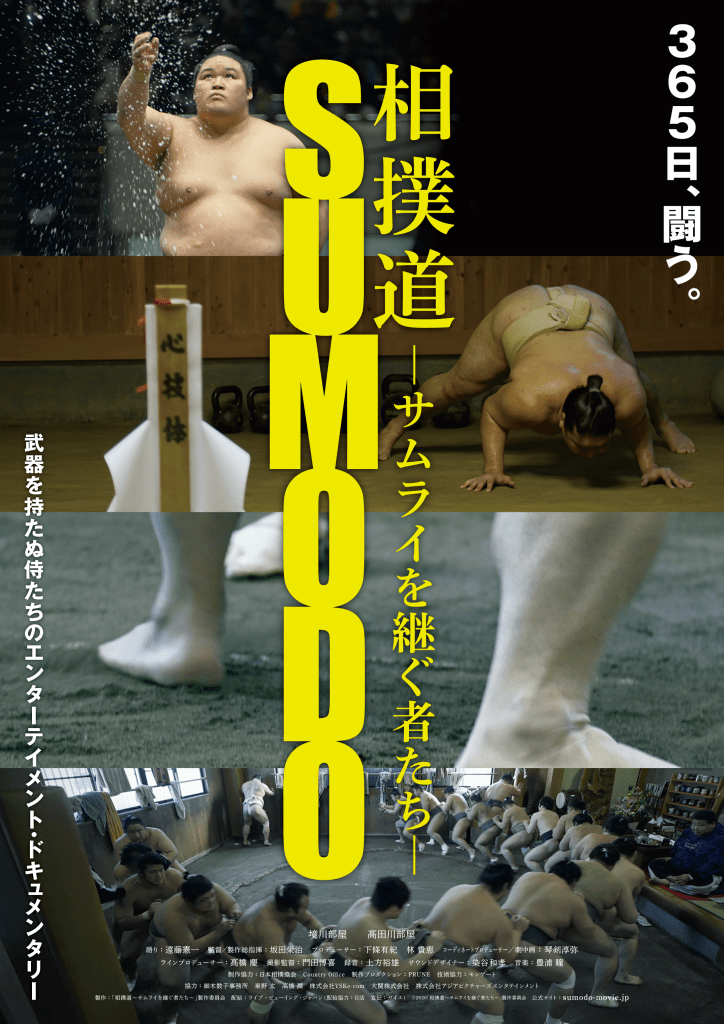
  • SUMODO ~The Successors Of Samurai~ – documentary exploring the lives of sumo wrestlers.
  • The Witches Of The Orient – documentary focussing on the 1964 Olympic Gold medal-winning women’s volleyball team who inspired a host of manga and anime heroines.
  • A new feature documentary by Thomas Ash (details coming soon) world premiere

NIPPON ANIMATION

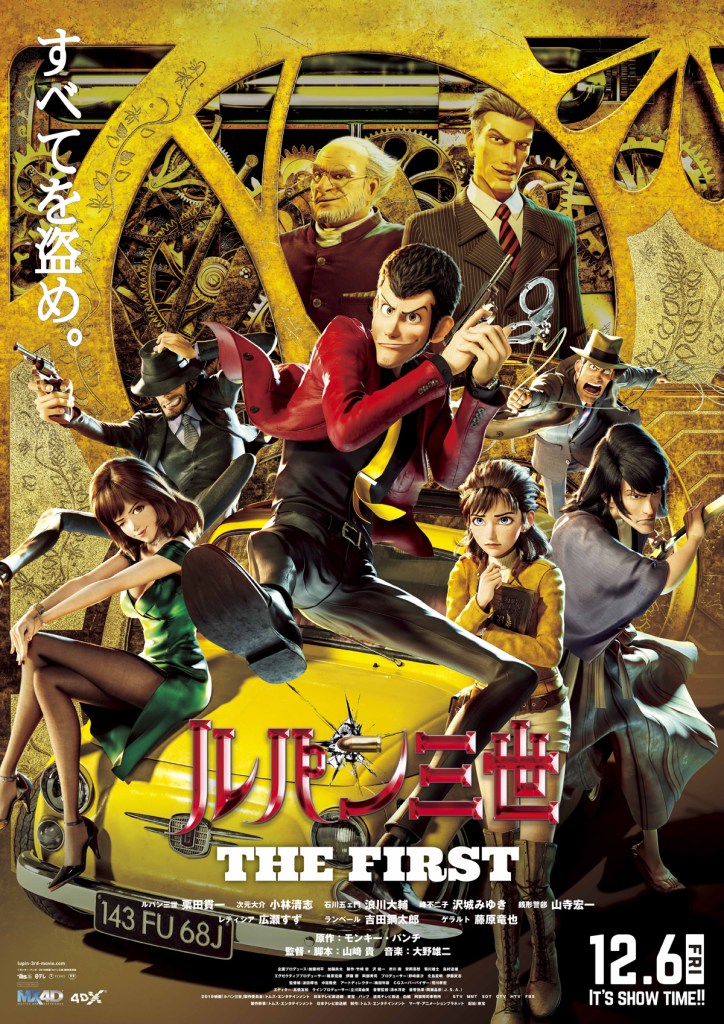
  • Lupin III: The First – 3DCG take on Monkey Punch’s iconic hero directed by Takashi Yamazaki. Original version with German subtitles only
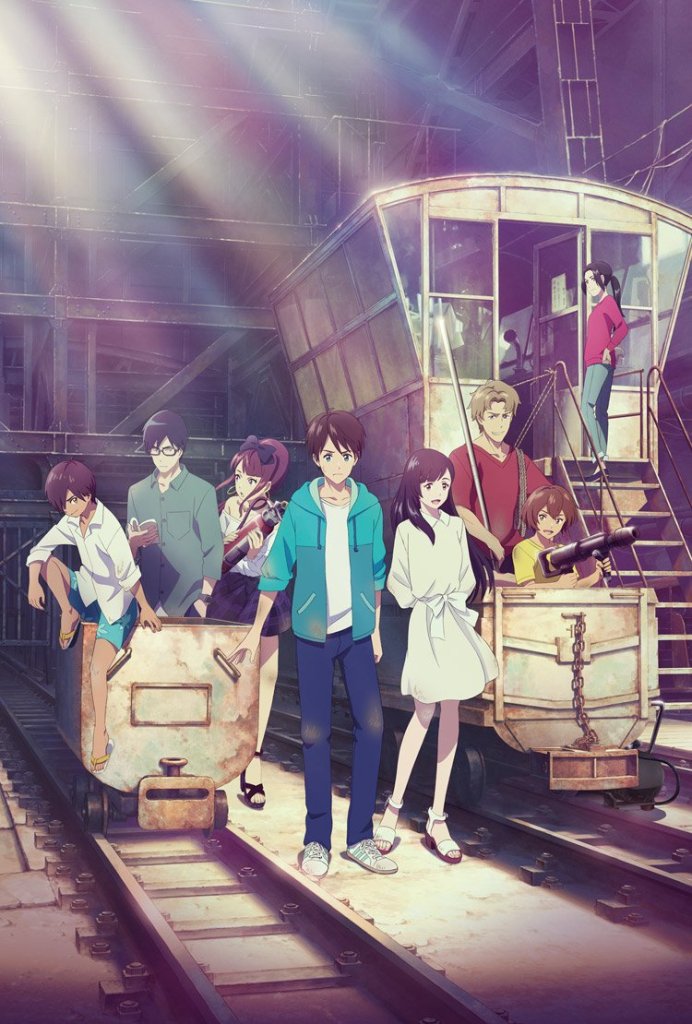
  • ON-GAKU: Our Sound – deadpan slackers decide to start a band and discover unexpected sides to themselves in the joy of making music in Kenji Iwaisawa’s infinitely charming indie animation. Review.
  • Seven Days War – a group of idealistic teens holds the fort against duplicitous adult indifference in Yuta Murano’s openhearted anime adaptation of the cult novel. Review. Original version with German subtitles only
  • Sumikkogurashi: Good To Be In The Corner – cute animation starring the iconic San-X characters. original version with English subtitles / original version with German voice-over

The festival will also be hosting its usual series of lectures and special events via Zoom with the full program available from 22nd May via the official website where you’ll also be able to find ticketing and reservation links. This year’s online Nippon Connection runs 1st to 6th June via the festival’s dedicated streaming platform. To keep up with all the latest news you can also follow the festival on Facebook,  Twitter,  YouTube, Flickr, and Instagram.

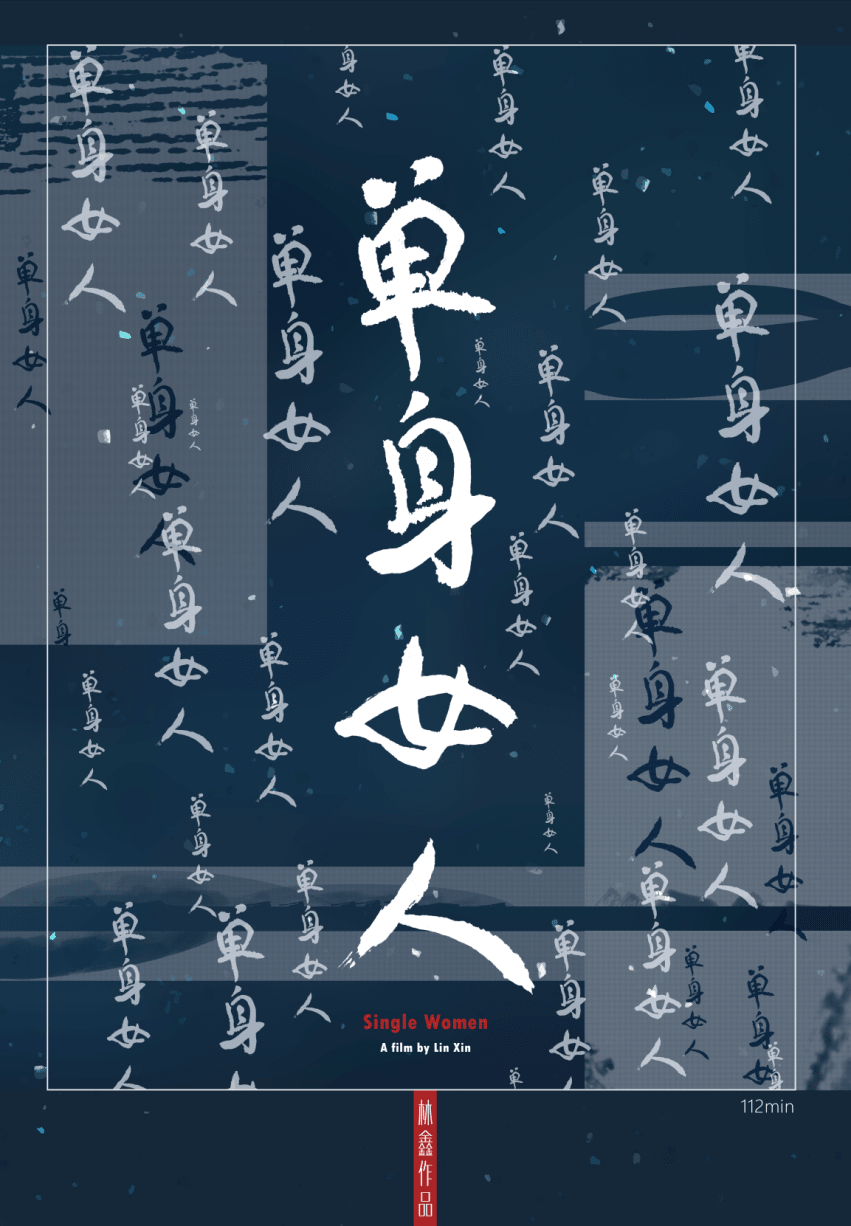
Single Woman (单身女人, Lin Xin, 2018)

What does it mean to be a single woman in contemporary China? Lin Xin’s talking heads doc Single Woman (单身女人, Dānshēn Nǚrén) is less concerned with the “Christmas cake” phenomenon than with ordinary middle-aged women who are living their lives without men. Many have been married before but are now divorced (Lin does not speak to any widows) while some are not strictly “single” having found someone new, but all have contradictory views on the nature of marriage, relationships, and independence even if united in their sense of disillusionment with modern men raised in a relentlessly patriarchal society. 
The project appears to have originated with local novelist Dong Li who as we discover is known for the erotic quality of her writing and is certainly among the frankest of the women when it comes to speaking of sexual desire. Having divorced her husband in 1997, Li explains that she went on looking for true love but found herself feeling exploited by men who were often overconfident in their sexual prowess and largely viewed relationships as a transactional activity, offering to cure the sexual frustration they stereotypically believed must be plaguing her in return for material favours. Li raises this point consistently while talking with some of the other interviewees who in the main seem to be her friends, even recounting an outlandish story of a married lover who lied about having a wife but bizarrely insisted on eating the genitals of various animals in order to increase his virility. 

Xiao Hua, a teacher, also mentions potential exploitation as an explanation for why she’s cooled on the idea of romance, explaining that after divorcing her adulterous husband even at the risk of losing contact with her son she found herself in a series of unsatisfying relationships with duplicitous men who milked her for money. Her rationale for turning someone down because “he was not qualified to love me” may sound cold and cynical, but has a degree of sense to it given her experiences with men who misused her or attempted to exploit what they saw as vulnerability in her perceived loneliness. 

Like many of the women, Xiao Hua had also been a victim of violence, another factor subtly raised by Dong Li as she talks to her friends about their lives as single women. Ya Lan dated her husband for eight years and married him only after overcoming his family’s objections yet later became a victim of domestic violence and eventually divorced. Unlike Dong Li and Xiao Hua, she found herself entering a relationship with a younger man which was genuine in intent though she later found him lazy and immature, treating her perhaps more like a mother in need of someone looking after him while she longed for someone to look after her. After that relationship ended she declared herself happy with the single life but has since found a more satisfying match in a devoted retiree and now that her son has married is planning to remarry herself. 

On the other hand, Chen Yuan is the only one of the women who has never been married and seems to have accepted the idea that she’ll remain single for the rest of her life though this does not appear to be her desire or intention. In fact none of the women except perhaps Dong Li entirely embraces the legitimacy of a woman’s right not to marry at all. Nevertheless, she firmly believes that a woman should be independent and that it is perfectly possible to be happy without a man even if she looks back with regret on the romantic choices of her youth wondering if she was perhaps too picky turning down a man who sincerely loved her solely because she was not sure he was really the one. Lili meanwhile married the man she loved and forged a conventional family but the relationship later suffered under the demands of everyday life raising children and her husband left her feeling that in the end they were simply incompatible. Despite the way it ended, Lili declares herself happy with married life but has no real desire to try again grateful in a sense to have experienced two different ways of living. 

Her experience could then not be more different than that of Mei Xiang who is actually the first of the women we meet as she tells a disturbing story about being attacked by the husband of her husband’s mistress. The man in question was actually her second husband whom she’d been persuaded to marry on the grounds of his “honesty” despite her misgivings, her first marriage had ended due to animosity from her husband’s parents who tried to convince her to give their daughter up for adoption in order to try again for a son under the demands of the One Child Policy. Her husband was never able to stand up to his family who refused to see the baby and the marriage broke down though now she wonders if they were over hasty and couldn’t perhaps have worked things out if they hadn’t been so young and impulsive. She hasn’t quite sworn off the idea of marrying again, sure that there are good men out there it’s just that she hasn’t yet met one, but seems to have filled her life with her charity work and prioritised self-fulfilment over social expectation. 

Ending on a rather ironic note, Lin takes us back to the school where Xiao Hua works as a group of children engage in a boys vs girls tug of war. Despite Mei Xiang’s declaration that there must be good men out there, Lin’s women haven’t had much luck locating them, each victims of deeply embedded patriarchal attitudes, but most haven’t given up hope of finding love and it seems deciding to be a single woman leading an independent life is still an unthinkable taboo. Nevertheless each of the women, Dong Li included, has found a degree of peace with their life choices and has at least the solidarity of her female friends to help her cope with a still unforgiving patriarchal society. 


Single Woman is currently available to stream in the UK as part of the Chinese Cinema Season.