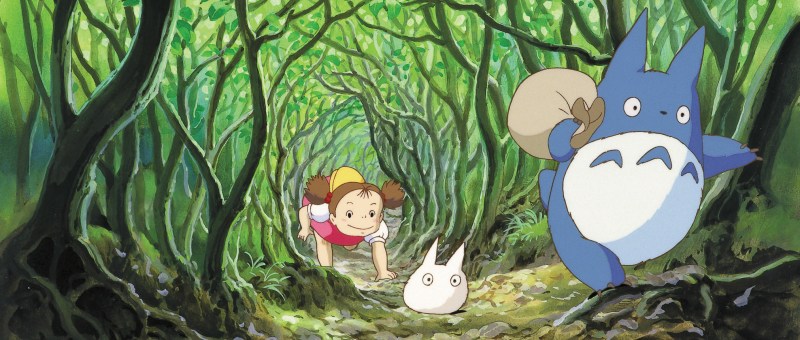
My Neighbor Totoro (となりのトトロ, Hayao Miyazaki, 1988)

© 1988 Studio Ghibli

“Trees and people used to be good friends” explains a father to his little girls newly arrived in the idyllic countryside of post-war Japan seeking respite from the destructive modernity that has made their mother ill. Released alongside the harrowing wartime drama Grave of the Fireflies, My Neighbor Totoro (となりのトトロ, Tonari no Totoro) is a charming tale of childhood adventure if not quite without its shades of darkness in which two sisters embrace the wonder of the natural world while trying to come to terms with mortality and the uncertainties of adulthood. 

Satsuki (Noriko Hidaka) and her younger sister Mei (Chika Sakamoto) have moved into a large, ramshackle house in a rural village on the outskirts of Tokyo for the benefit of their mother’s health while she remains in hospital a few miles away. Living with their cheerful father (Shigesato Itoi), a professor in the city, the girls rejoice in exploring their new environment learning of the dust bunnies that inhabited their home before they moved in. An old lady from the village (Tanie Kitabayashi) who’s come to help keep house until the girls’ mother returns home explains that she could see the “soot spreaders” too when she was a child but presumably not anymore. The idea that the soot speakers will soon move on appears to make the sisters sad, and everyone including the parents is quite excited about the idea of living in a “haunted house” even if it’s one that rattles a little in the wind. It’s younger sister Mei who later follows the trail of acorns that mysteriously appear in their home and encounters a series of strange forest creatures she names “Totoro” that eventually introduce the girls to a parallel world of magic and fantasy. 

Their father probably doesn’t believe them, but indulges the girls’ stories and adventures while encouraging them to embrace a sense of wonder in their environment along with something deeper and older than contemporary modernity. “You probably met the king of this forest” he explains to Mei, pausing to offer a word of thanks to the ancient tree he says first drew him to the house that will be their new family home. Whether Totoro is “real” or simply a childish fantasy he helps the sisters escape their anxiety over their mother’s absence, not least by introducing them to new life in the seeds the girls plant in their garden and patiently wait to grow. The oldest, Satsuki, is perhaps a little more aware, worried that her father might not have told her everything about her mother’s condition and processing the idea that there is a possibility she won’t come home to them. She wants to protect her sister from the same fears but perhaps can’t, eventually losing her patience with her and instantly regretful when Mei goes off in a huff and gets lost.

There is darkness in the village too, a floating sandal in a nearby lake giving rise to fears that a child may have fallen in and drowned, but there’s also the gentle strength of the community in the kindly old lady and her shy grandson Kanta (Toshiyuki Amagasa) along with all the other villagers who come out in force to look for Mei fearing she may have tried to visit her mother at the hospital on her own. The old lady prays furiously while muttering Buddhist sutras and it’s probably not a coincidence that Mei sits by a row of Jizo statues after realising that she’s lost not knowing what to do. The girls are always careful to offer thanks at the Jizo shrine just as their father thanked the tree though it’s Totoro and the Catbus that eventually bring them back together echoing a sense that in a just world kindness will always be repaid. 

The countryside is in many ways closer to that just world, largely free of the evils of modernity such as the pollution of industry that has corrupted the cities. Technology is often unreliable, dad’s train is late, telegrams bring bad news, and telephone calls result in anxious waits, but life in the village is peaceful and happy and the people help each other when times are hard. It may be an idealised vision of rural living, but there’s no denying its appeal. Evoking a sense of nostalgia in its beautifully painted backgrounds, Miyazaki’s gentle drama is like much of his work an advocation for the importance of nature as a source of healing but equally for wonder in the fantastical adventures of two little girls finding strength and possibility in the heart of the forest.


My Neighbor Totoro screens on 35mm at Japan Society New York on Nov.4 as part of the Monthly Anime series. Japan Society will also be hosting a talk with puppet artist Basil Twist on Nov. 10 delving behind the scenes of the Royal Shakespeare Company’s currently running stage adaptation.

Trailer (English subtitles)

Images: © 1988 Studio Ghibli

The Vampire Moth (吸血蛾, Nobuo Nakagawa, 1956)

“You’ve become an evil beast that sucks blood!” intones ace detective Kindaichi, though just as his later The Lady Vampire featured no lady vampires, there is no literal bloodsucker involved in Noburu Nakagawa’s Vampire Moth (吸血蛾, Kyuketsuga). Inspired by one of Seishi Yokomizo’s mysteries featuring his iconic detective here played by the rather suave Ryo Ikebe cutting a very noirish figure in contrast to the famously disheveled eccentric from the original novels, the film is for a time at least a werewolf movie though as usual the villain turns out to be post-war greed and amorality. 

This is perhaps rammed home in the open sequence as the camera pans around the neon-lit nighttime city before entering a small cabaret bar where a fashion competition is currently in progress. A note of discord is immediately introduced by a white-haired grumpy old man (Eijiro Tono) sitting in the front row who appears to be in an incredibly bad mood, later exclaiming that the winning design by rising star Fumiyo Asaji (Asami Kuji) does not seem very original to him. Some of the models later complain about the strange spectator who’s evidently come to several other shows and has begun to creep them out. Meanwhile, an aloof, conservatively dressed woman brushes past them. Fumiyo’s assistant Toru (Ichiro Arishima) explains that she is Tazuko Kusakata (Chieko Nakakita) who had been the previous number one before Fumiyo returned to Japan after an extended stay in France. The real drama begins however with the arrival of a masked man with a box for Fumiyo who reveals his wolf-like face to Toru in an effort to convince him to deliver it. After opening the box and finding an apple with a few distinctive bite marks on the outside, Fumiyo promptly collapses.  

From the introduction of the three loose “suspects” an ominous atmosphere takes hold in the certainty that something untoward is about to happen. Soon enough some of the models start getting bumped off in quite bizarre and unpleasant ways. The first girl’s body is shipped back to the studio in a mannequin box which later leaks blood, while the gang are then delivered a cake with the next victim’s name on it in pretty icing with a butterfly moth motif above. There may not be any vampires, but there are certainly moths. The old creepy guy is revealed to be a moth specialist living a giant gothic mansion with a butterfly room in the middle full of specimens nailed to boards. His front door even has a moth motif above it like a coat of arms, while a butterfly mural lies behind it in the hallway. The killer places a decorative moth on each of his victims to cover their modesty which would seem to indicate the grumpy professor but, once he finally arrives, Kindaichi isn’t quite so sure. 

Though this is technically a Kindaichi mystery and he does finally get to unmask the criminal, he is not actually in it very much and as previously mentioned is nothing like later incarnations of the famous detective such as that of Kon Ichikawa’s series of Kindaichi movies released throughout the 1970s. In a common B-movie motif, the main detective work falls to a male and female team in dogged reporter Kawase (Minoru Chiaki) and intrepid model Yumiko (Kyoko Anzai) who eventually succeed in digging up clues at the creepy mansion while simultaneously stumbling across a subplot involving plagiarism in the world of fashion with Tazuko implying that Fumiyo stole her winning outfit from another designer and then passed it off as her own thereby robbing Tazuko of her rightful place as the best designer in Japan. Partly because of all this stress and the vast amounts of money apparently needed to sustain a career in the fashion industry, Fumiyo’s well-meaning boyfriend wants her to abandon the profession but also admits that asking her to give up fashion would be like asking her to give up her life. 

Nakagawa ramps up the tension with a series of elegantly presented reversals, making us think we’re witnessing the killer stalking Fumiyo before pulling back to reveal it’s someone else or presenting the same scene of a masked man ominously peering out from behind a tree. The presence of the “wolf man” links back to a Japanese traveller who supposedly fell victim to a supernatural curse in France described as being akin to possession by a fox in Japanese mythology causing the infected person to gain wolf-like characteristics, become violent, and eventually be consumed by an overwhelming desire for human flesh, but perhaps also hints at the sense of voracious greed that has overtaken the killer and caused them to abandon their sense of of humanity in favour of material riches. Filled with a sense of the gothic along with noirish dread in Nakagawa’s foggy, kilted angles eventually giving way to an atmospheric chase sequence strongly recalling that of The Third Man, The Vampire Moth presents a banal evil with palpable anxiety yet suggests justice will be done to those who however briefly stray from the path. 


Japan Society NY & ACA Cinema Project Announce The Female Gaze

Japan Society New York and ACA Cinema Project will present The Female Gaze: Women Filmmakers from JAPAN CUTS and Beyond from Nov. 11 to 20, a new series focussing on the work of female filmmakers from directors to screenwriters, producers, and cinematographers.

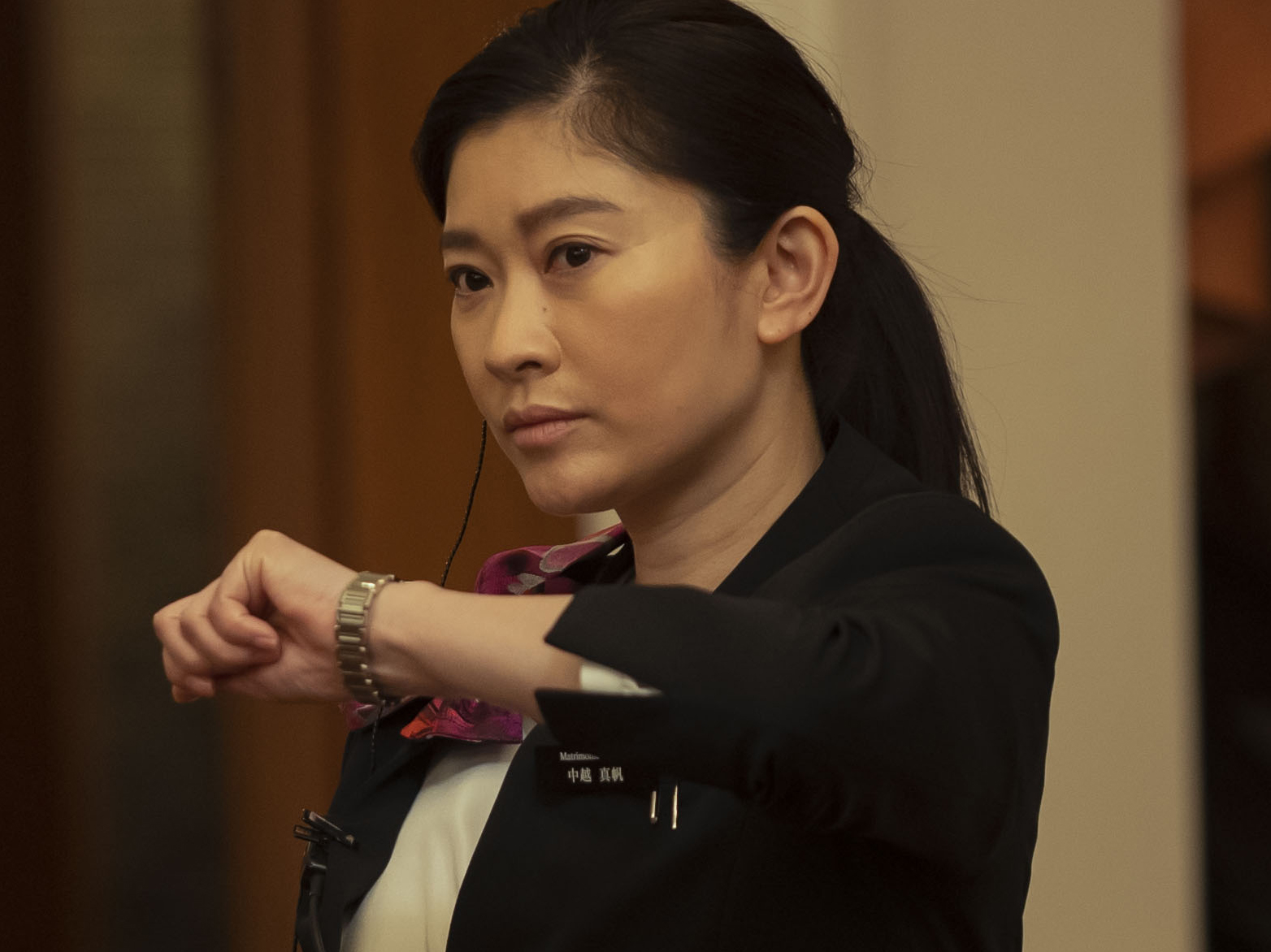
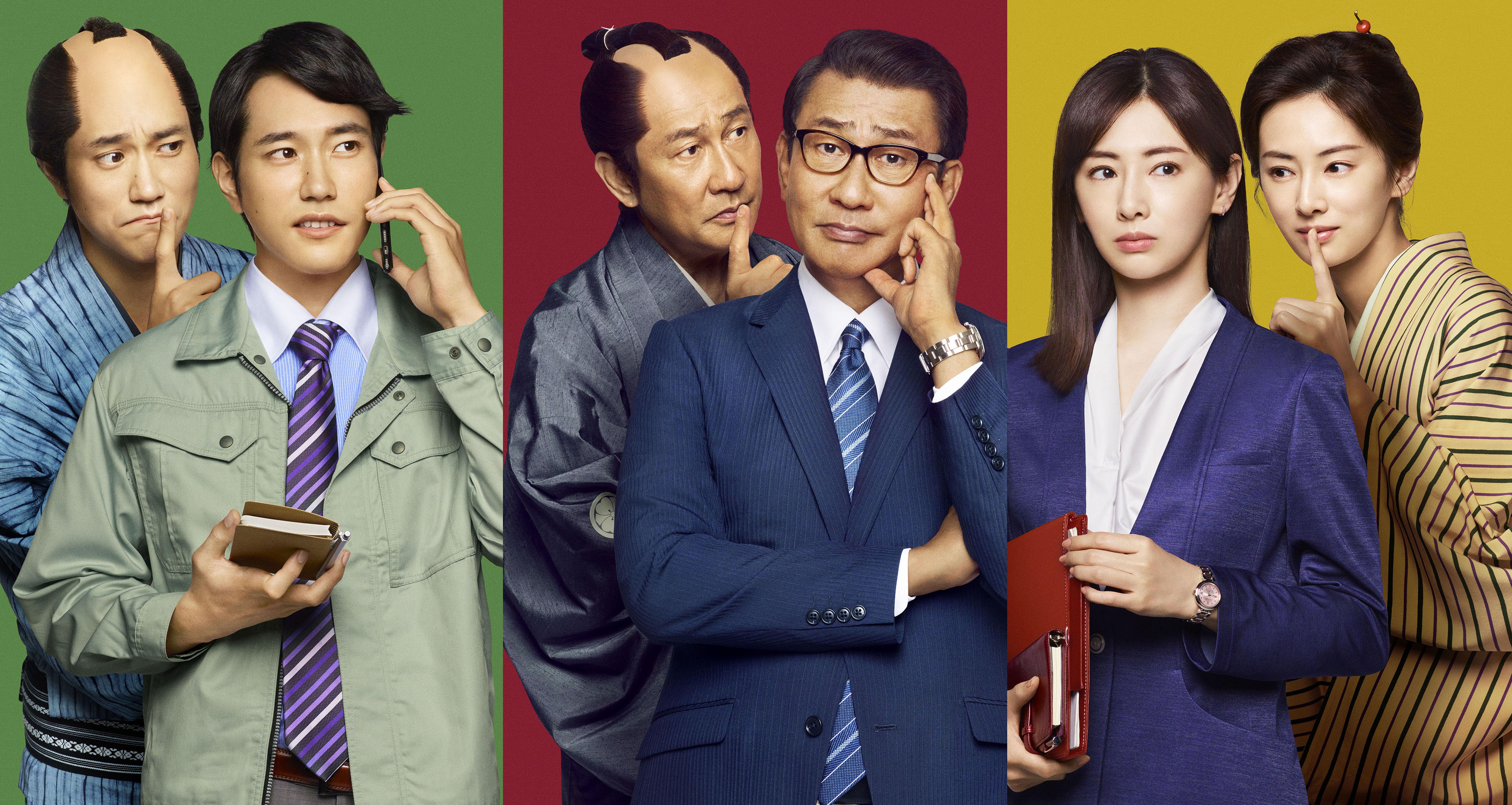
November 11, 2022 at 7:00 PM: Wedding High

A wedding planner has her work cut out for her when a young couple’s wedding day spirals out of control thanks to competitive speechmaking, over-invested guests, an ex on their way to stage a rescue, and a thief who’s just snuck in unnoticed, in an ensemble comedy from Akiko Ohku (Tremble All You Want).

November 12, 2022 at 1:00 PM: Dreaming of the Meridian Arc

A TV drama series centring on Tadataka Ino who produced the first map of Japan in 1821 hits a snag when it’s discovered that he died three years into the project but his assistants covered it up and decided to complete the map in his honour.

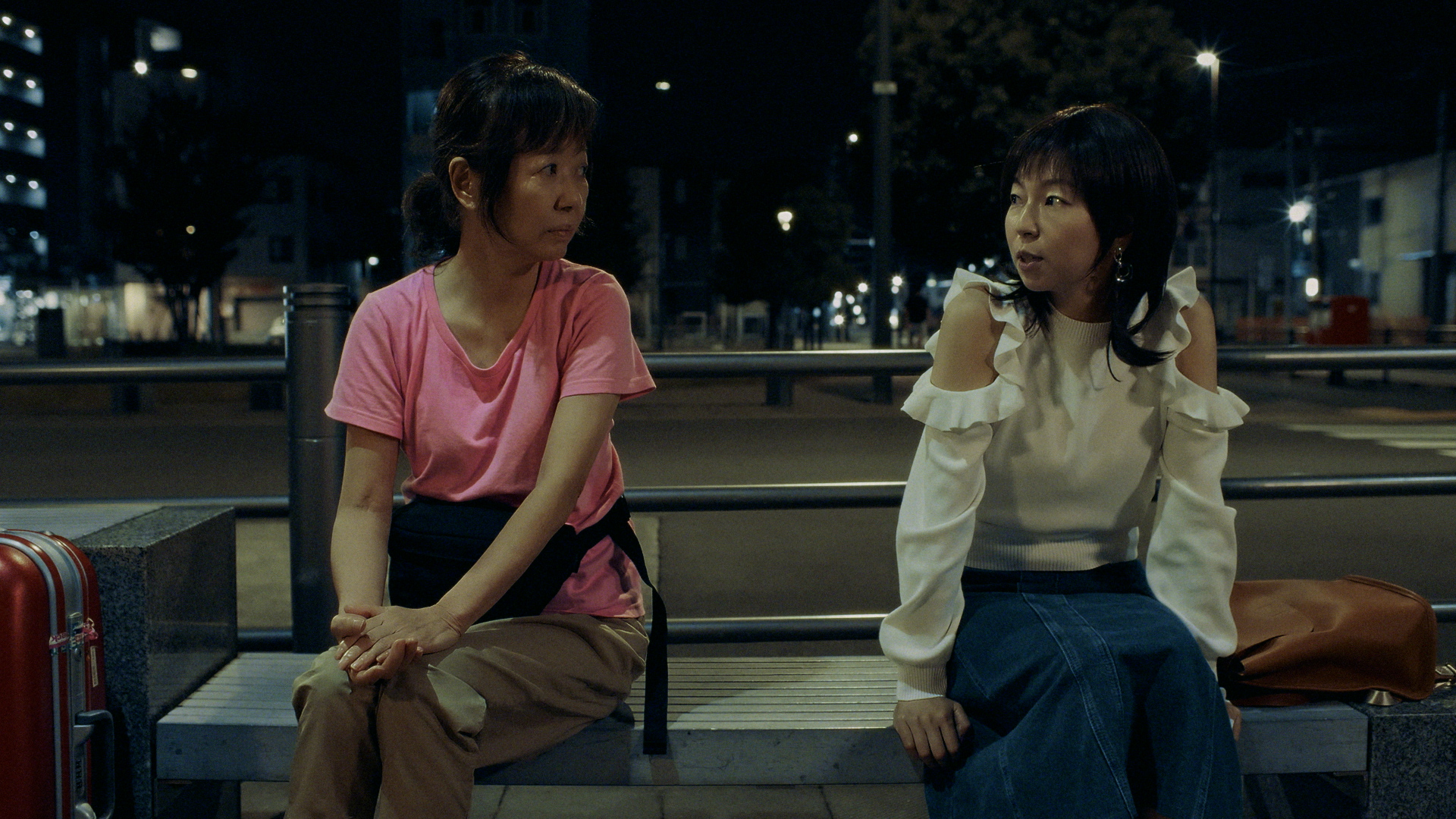
November 12, 2022 at 5:00 PM: She is me, I am her

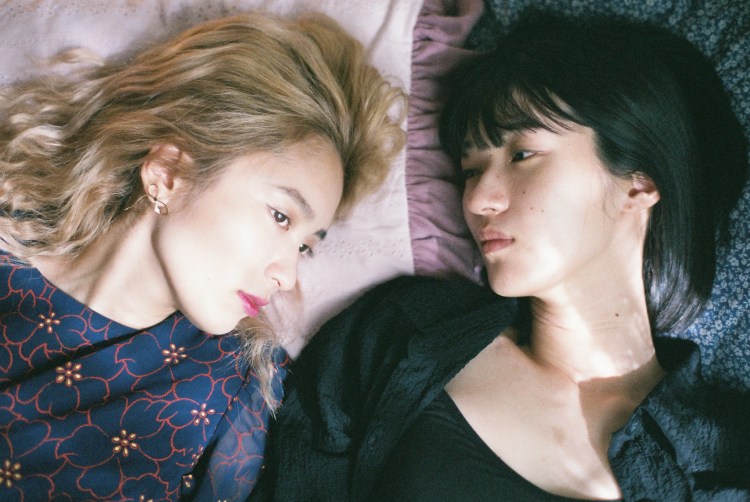
Four-part anthology film from Mayu Nakamura (Intimate Stranger) starring Nahana in a series of tales of urban loneliness and unexpected connection in pandemic-era Tokyo.

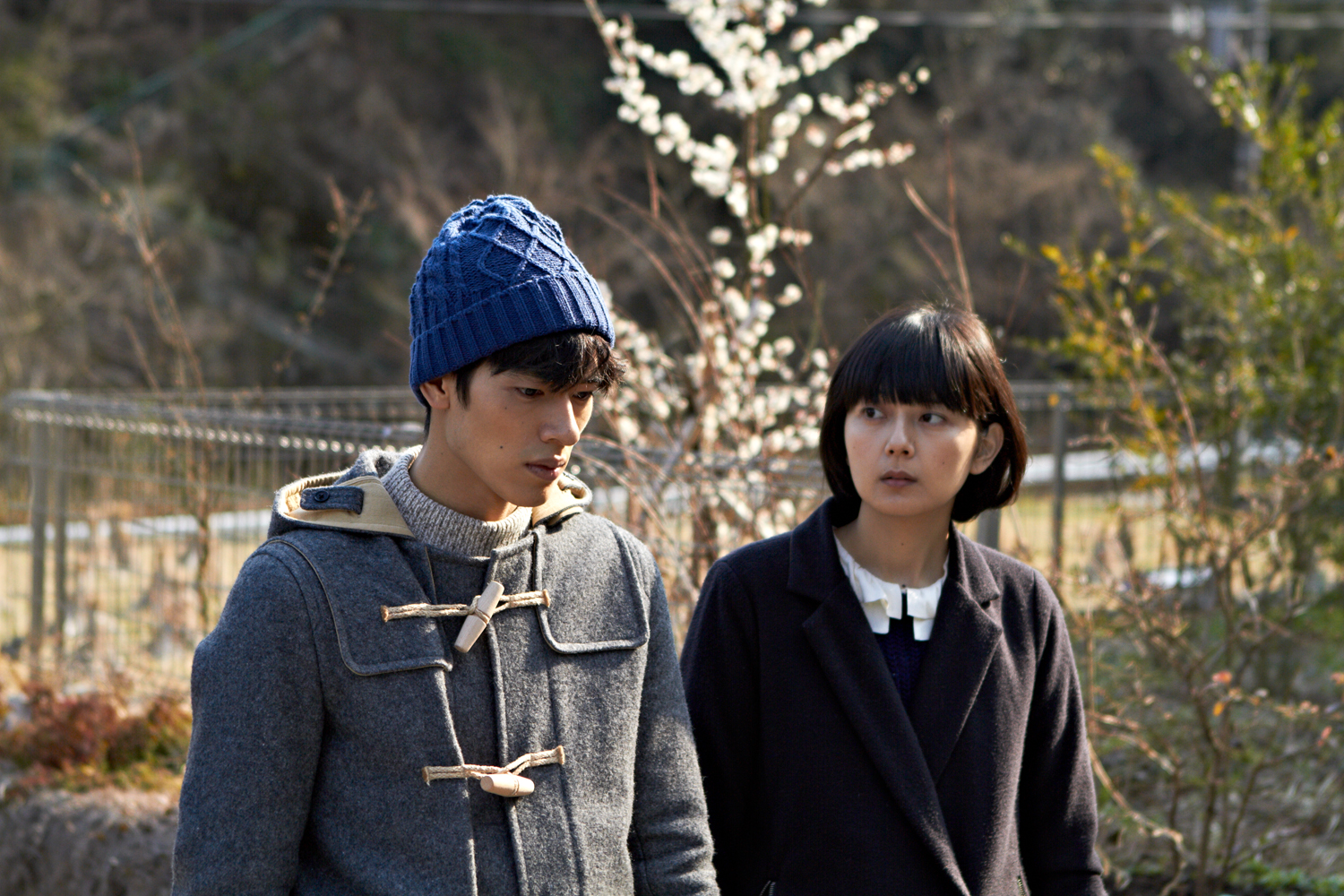
November 12, 2022 at 7:00 PM: One Summer Story

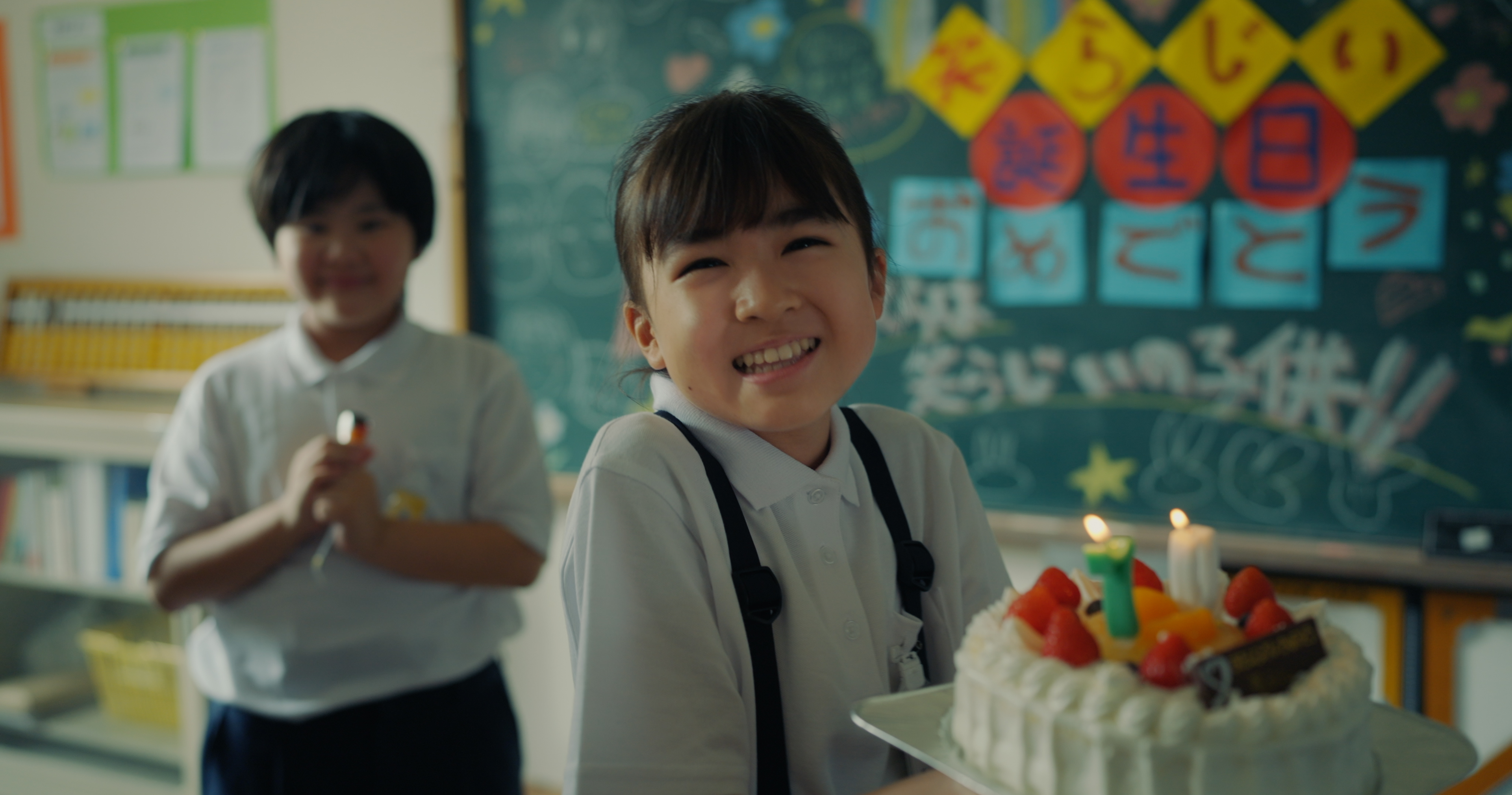
A classic summer adventure movie from Shuichi Okita in which a high school girl embarks on a journey of discovery trying to track down her estranged birth father, a former cult leader. Review.

November 13, 2022 at 1:00 PM: Good Stripes

A young couple on the verge of breaking up attempt to come to terms with an unexpected pregnancy in Yukiko Sode’s zeitgesity drama. Review.

November 13, 2022 at 4:00 PM: The Nighthawk’s First Love

Adaptation of the Rio Shimamoto novel following a young woman who has a facial birthmark that has left her afraid to pursue love but encounters new possibilities when invited to appear in a film.

November 18, 2022 at 8:00 PM: Riverside Mukolitta

Warmhearted quirky drama from Naoko Ogigami in which a man recently released from prison attempts to start again in a quiet rural town while unexpectedly forced to deal with the unclaimed remains of his estranged father. Review.

November 19, 2022 at 1:00 PM: No Longer Human

Visually striking drama inspired by the life of Osamu Dazai (Shun Oguri) as seen by the three women who surrounded him: his legal wife (Rie Miyazawa), sometime mistress (Erika Sawajiri), and the woman he died with (Fumi Nikaido). Review.

November 19, 2022 at 7:00 PM: Let Me Hear It Barefoot

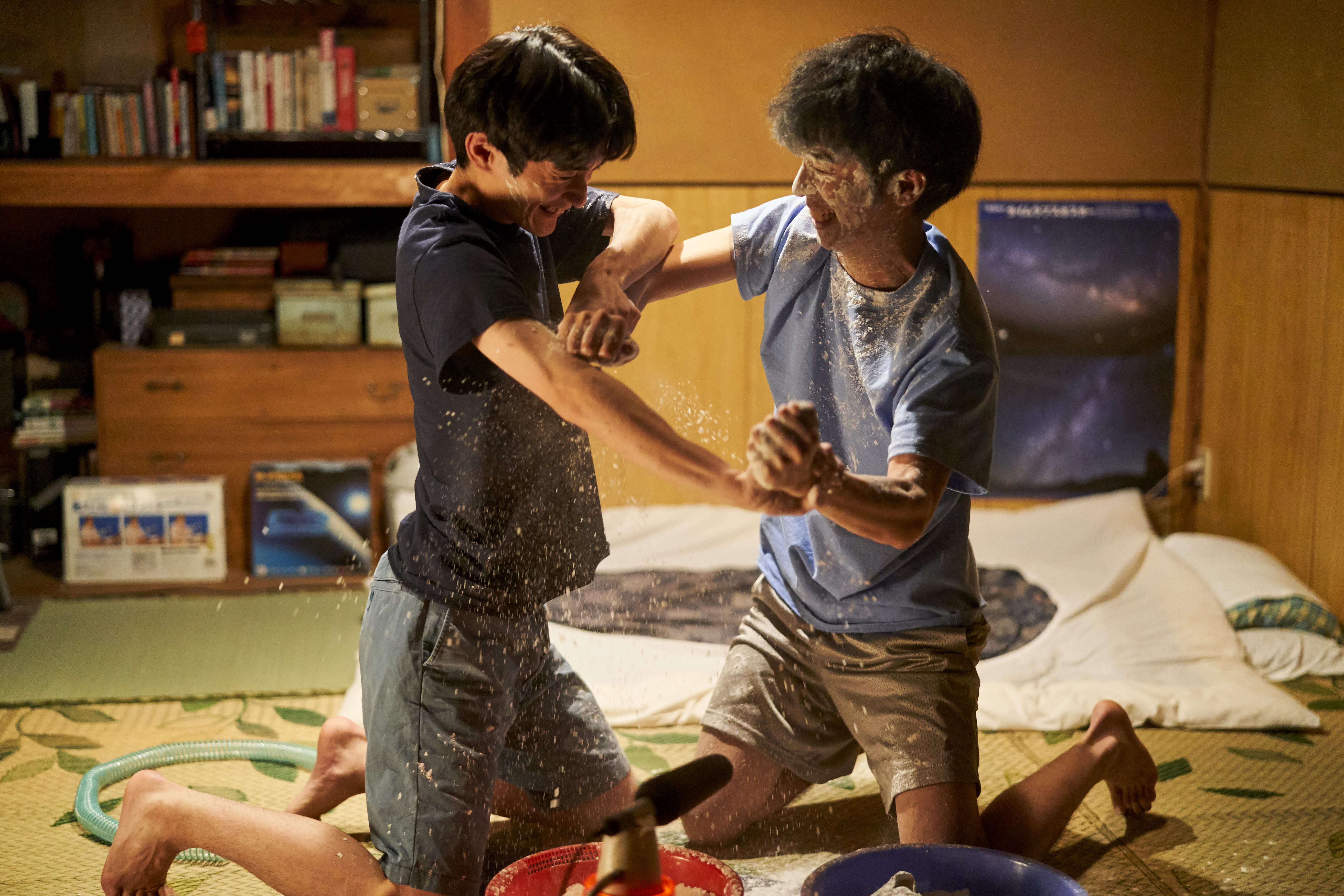
Somehow in dialogue with Wong Kar-Wai’s Happy Together, Riho Kudo’s second feature follows two young men seeking escape from moribund small-town Japan and temporarily finding it in recording elaborate soundscapes for the benefit of an older woman who dreamed of travelling abroad. Review.

November 20, 2022 at 1:00 PM: Nagi’s Island

A young girl begins to heal from the trauma of her parents’ divorce and violent marriage while living with her grandmother on an idyllic island in a laidback heartwarming drama from Masahiko Nagasawa. Review.

November 20, 2022 at 4:00 PM: a stitch of life

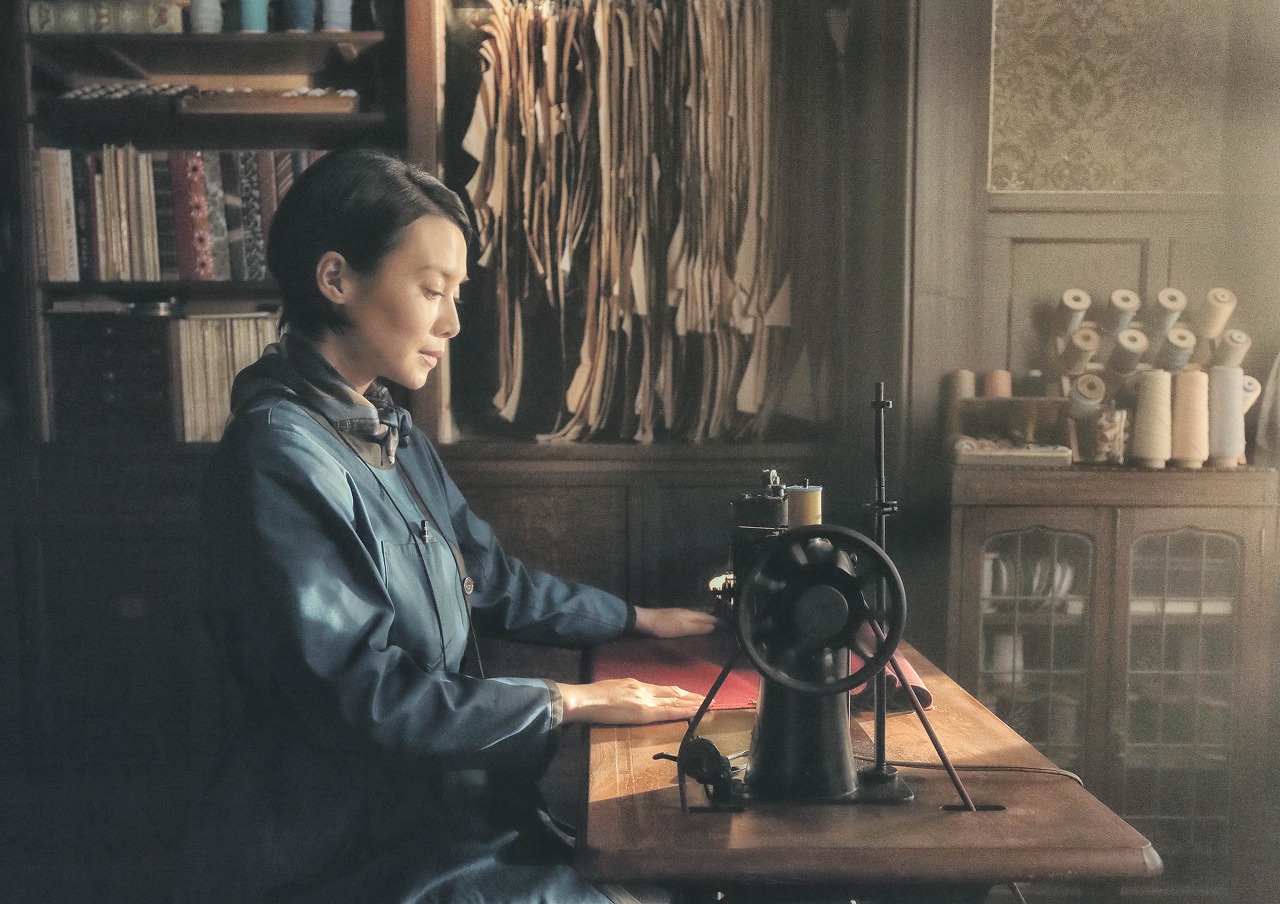
Poignant drama from Yukiko Mishima in which a woman running a tiny boutique almost unchanged from her grandmother’s time is courted by a big fashion brand but eventually finds the courage to embrace change on her own terms. Review.

November 20, 2022 at 7:00 PM: Plan 75

Chie Hayakawa expands her 10 Years Japan short to explore a dystopian future in which the government has launched a voluntary euthanasia program for those aged over 75. Starring golden age star Chieko Baisho, the film explores the effects of the program on a Plan 75 volunteer, a salesman, and a caregiver in a society which has largely decided to discard those which it views as “unproductive”.

Classics Focus on Natto Wada and Yoko Mizuki

November 13, 2022 at 7:00: Her Brother

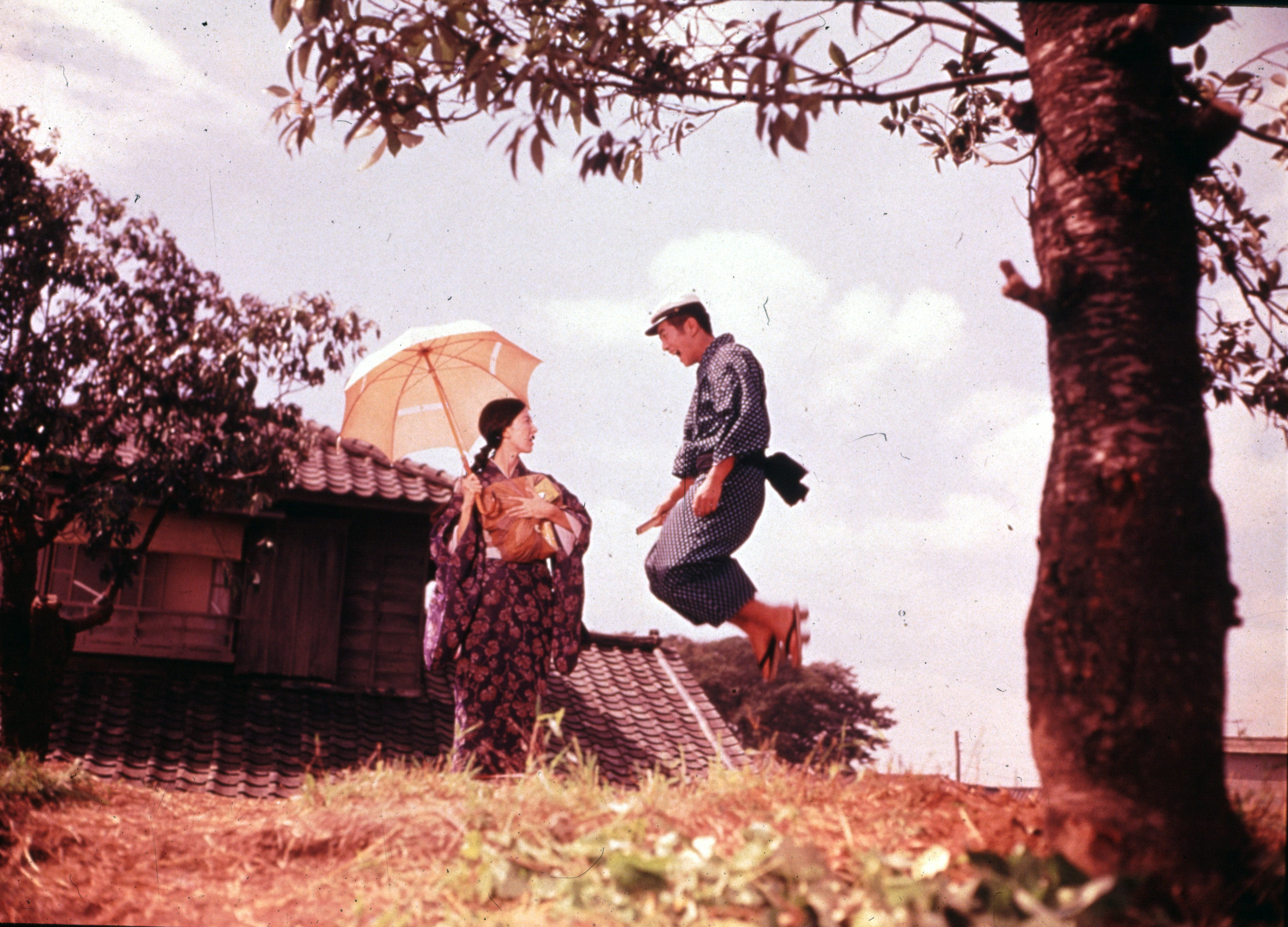
Kon Ichikawa drama adapted from the autobiographical novel by Aya Koda and scripted by Yoko Mizuki in which a young woman is forced to sacrifice herself for her family becoming a surrogate mother figure for her delinquent younger brother. Review.

November 14, 2022 at 7:00 PM: Conflagration


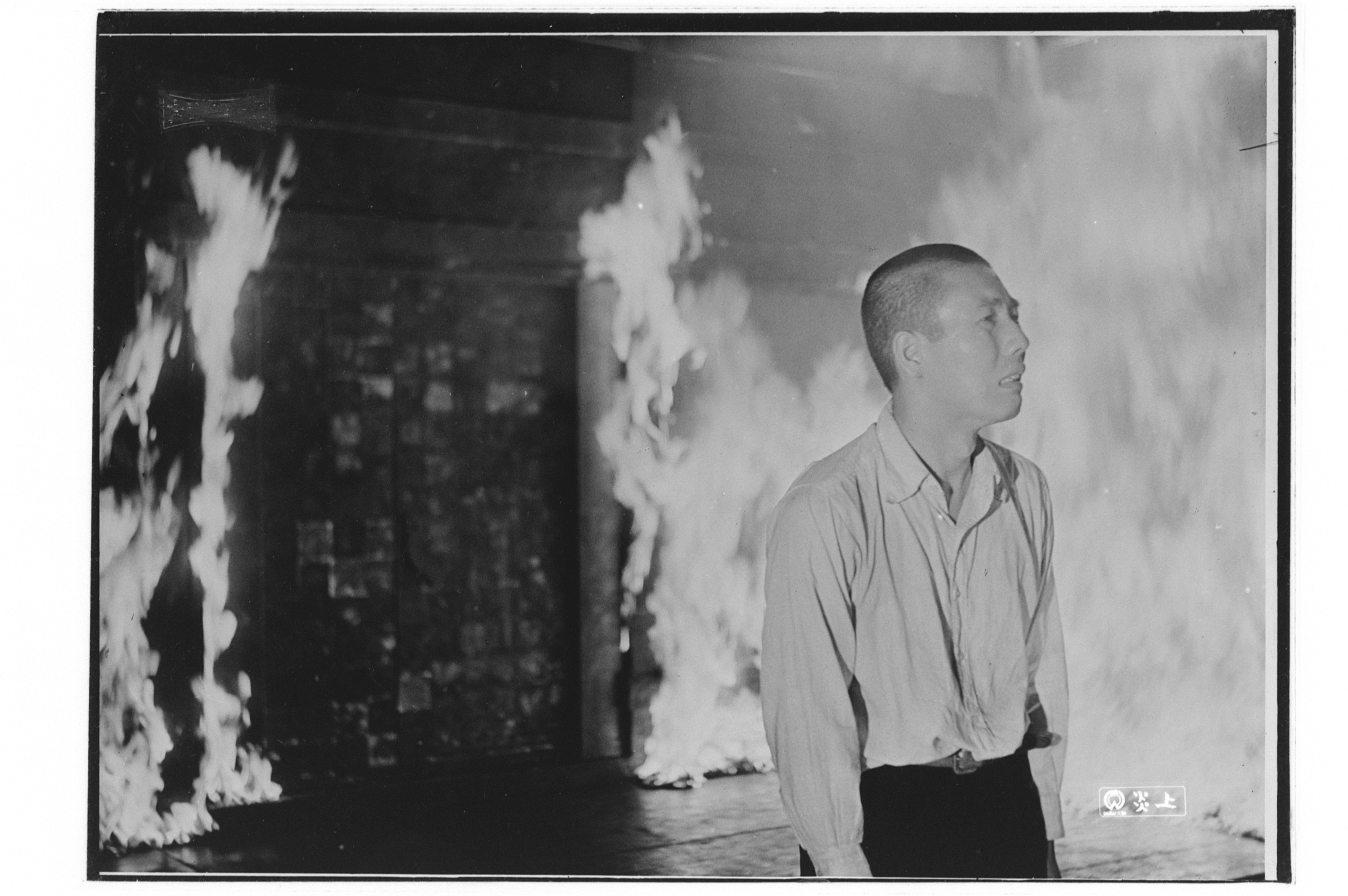
Adaptation of the Mishima novel directed by Kon Ichikawa and scripted by his wife Natto Wada in which a young man is driven to the brink of despair believing that the world has become so corrupt and polluted that beauty is in its way offensive.

Filmmakers in the Rise

November 15, 2022 at 7:30 PM: Two of Us / Long-Term Coffee Break

Two shorts including Risa Negishi’s Two of Us focussing on two women in various stages of loneliness and, Naoya Fujita’s Long-Term Coffee Break following a couple through a relationship that began with a cup of coffee.

November 18, 2022 at 5:00 PM: His Lost Name

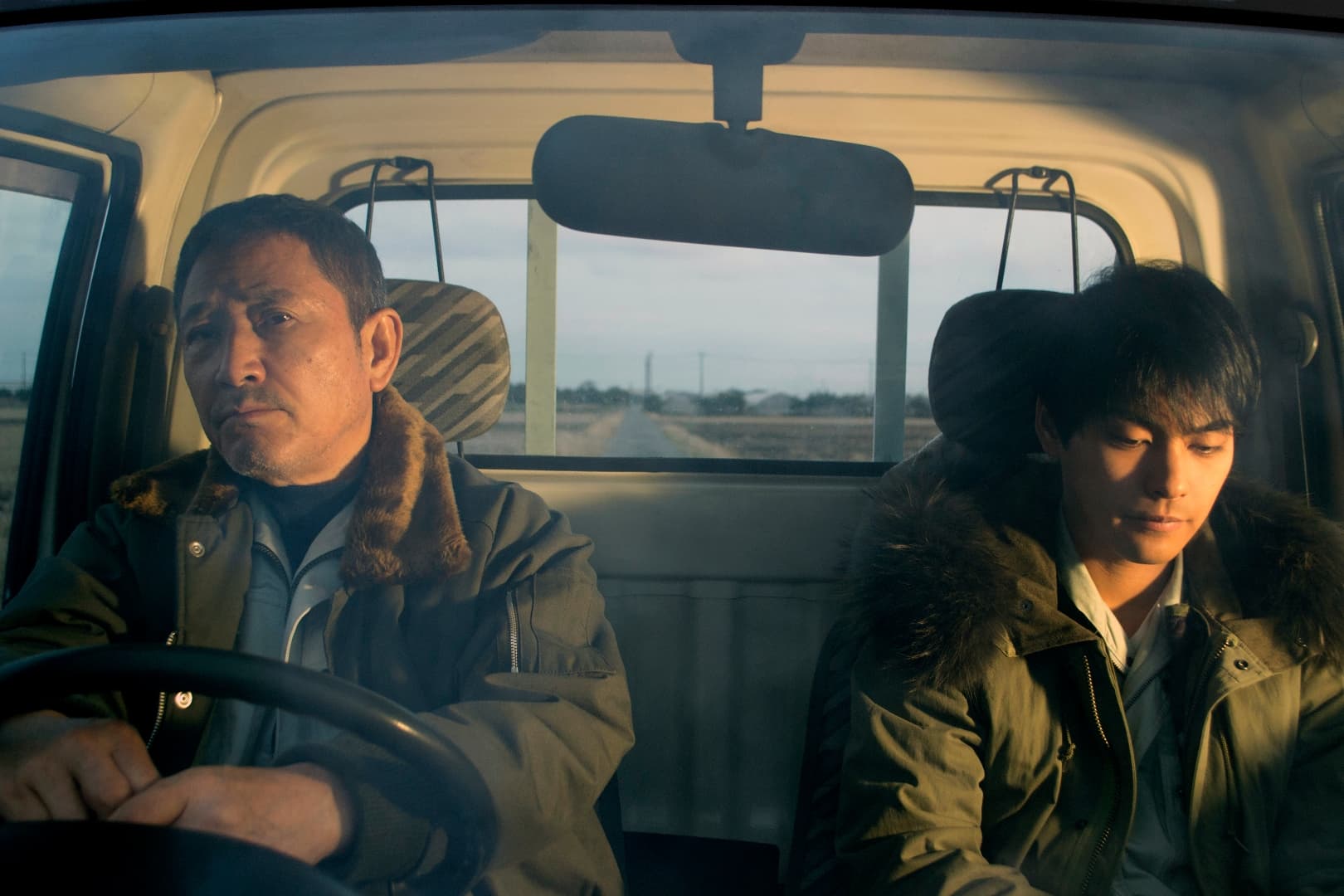
Sensitive drama from Nanako Hirose in which an old man’s decision to take in a young man he finds at the riverbank places him at odds with his family. Review.

The Female Gaze: Women Filmmakers from JAPAN CUTS and Beyond runs from Nov. 11 to 20 at Japan Society New York. Full details for all the films along with ticketing links are available via the official website and you can also keep up with all the latest details by following the festival’s official Facebook page and Twitter account.

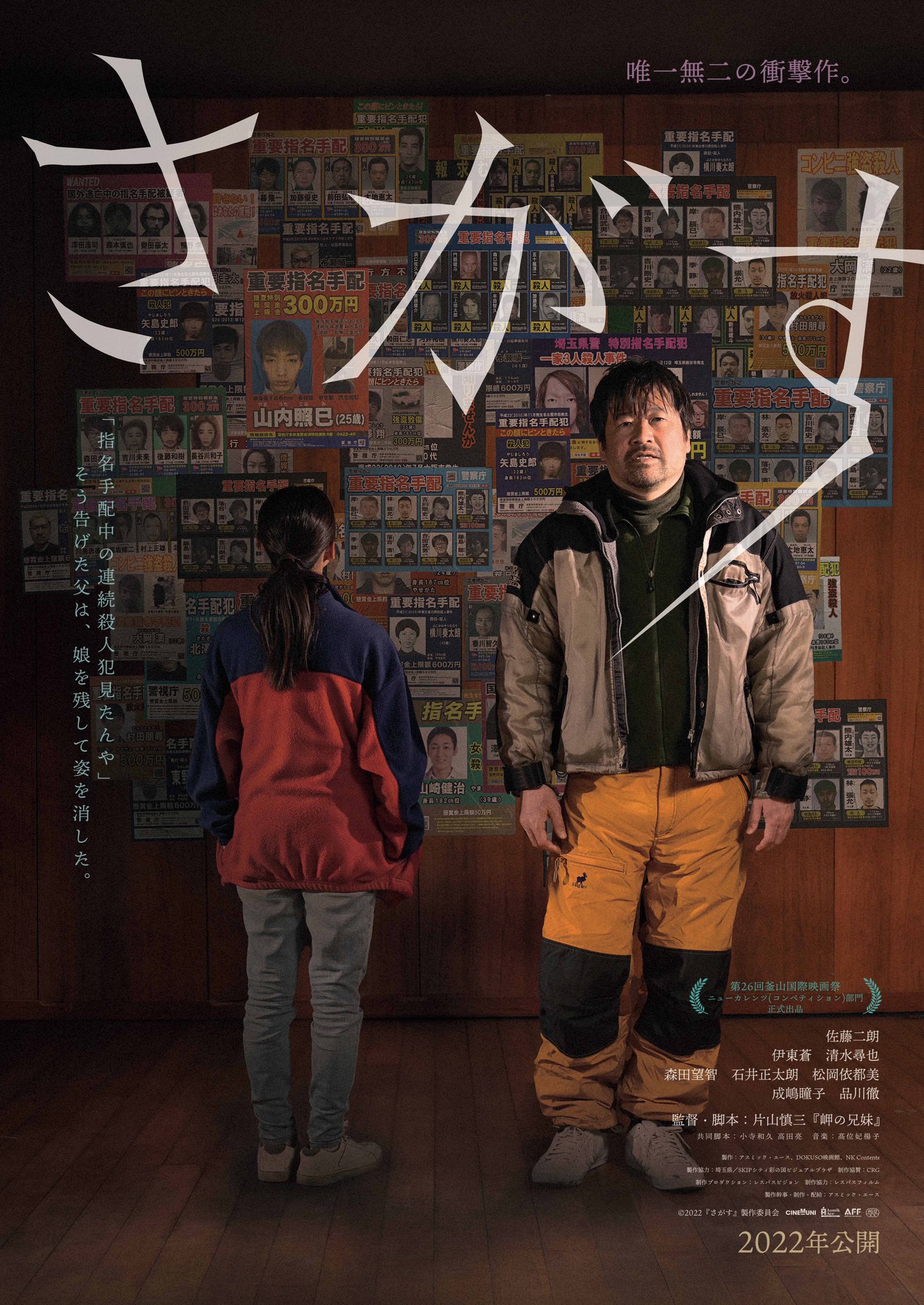
Missing (さがす, Shinzo Katayama, 2021)

“None of us are needed” claims the nihilistic serial killer at the centre of Shinzo Katayama’s dark mystery drama, Missing (さがす, Sagasu). That he’s wrong is an obvious point, but also one reinforced by the teenage heroine’s determination to find her father not just literally and physically, but spiritually and emotionally as she struggles to reorient herself and find direction in her life in the midst of grief and despair. Drawing inspiration from the so-called “Twitter Killer” case of 2017 Katayama asks some difficult questions about the ethics of life and death and how seemingly ordinary people can be pulled towards the dark side by a mixture of greed and misplaced compassion. 

As the film opens, young Kaede (Aoi Ito) is running through the backstreets of Osaka looking for her dad (Harada). What occurs is something of a role reversal as she arrives, breathless, at a convenience store and is forced to apologise because her father has been caught shoplifting having been short the paltry sum of 20 yen which she then has to pay to smooth things over so he won’t actually be arrested. It’s at this point that Satoshi tells her about his big get rich quick scheme which involves claiming the reward for catching a fugitive serial killer, Terumi Yamauchi (Hiroya Shimizu), known as “No Name”, whom he believes to have seen in the local area. Kaede does not take her father seriously, but then Satoshi suddenly disappears. She can’t help but wonder if he was telling the truth and that something untoward has happened to him. 

What she quickly discovers, however, is that no one except herself is very interested in her father’s disappearance. Her teacher tries to help by taking her to the police, but it’s clear that they do not consider Satoshi to be a person worth looking for suggesting that whatever’s happened to him is most likely his own fault for being an imperfect person, implying that he drinks and has debts so most likely has gone missing on purpose. The teacher later comes to the same conclusion, getting a nun from a local orphanage to come and fetch Kaede believing her father has no intention of returning. Probably meaning well, the nun also tells her that her father has abandoned her and there’s no point waiting for him. But even if everyone else thinks that Satoshi is an “unnecessary” person, he is important to her and so she will not stop until she finds him even if that puts her in similar danger hot on the heels of a serial murderer. 

Like the Twitter Killer, Yamauchi disingenuously claims to be helping people, offering “salvation” to those who want to die but cannot bring themselves to end their own lives. By his logic, there are some who are only clinging on to life out of guilt for those who will be left behind while simultaneously blaming themselves that they are “unneeded” and nothing more than a burden to the few who do care about them. His claims are however nothing more than sociopathic justification designed to convince others that what he’s doing is in some way compassionate rather than a sickening attempt to satisfy his own dark desires. As he finally concedes with a repeat customer, in the end none of the people he killed wanted to die but were looking for something else which obviously was not what he wanted to give them. 

Perhaps Satoshi was looking for something too though whether he found it or not only he could say. Katayama hints at the grimness of everyday life in Satoshi’s unsatisfying existence of casual labour, guilt, and loss. When Kaede tries to check whether or not he’s been going to work, no one recognises his picture and it turns out that someone else has been working under his name. A migrant worker urges her to be careful, that the man calling himself Satoshi Harada has bad vibes of the kind he claims you often find “in places like this”. All Satoshi wanted to was to reopen the ping pong parlour he was forced to close in order to care for his wife during a longterm illness which left him with financial debts along with the emotional. It is quite literally a back and fore between father and daughter, a ping pong ball flying across a table until finally hitting its mark as Kaede reveals that she has found the answers she was looking for even if not quite the ones she wanted. Lightened by moments of dark humour, Katayama’s strange procedural grimly suggests that none of us is really so far away from acts of desperate brutality but equally that none of us is ever unneeded no matter how lonely it might feel. 


Missing screens in Chicago on Oct. 30 as part of the 15th season of Asian Pop-Up Cinema. It will also be released in the US on Nov. 18 courtesy of Dark Star Pictures.

US release trailer (English subtitles)

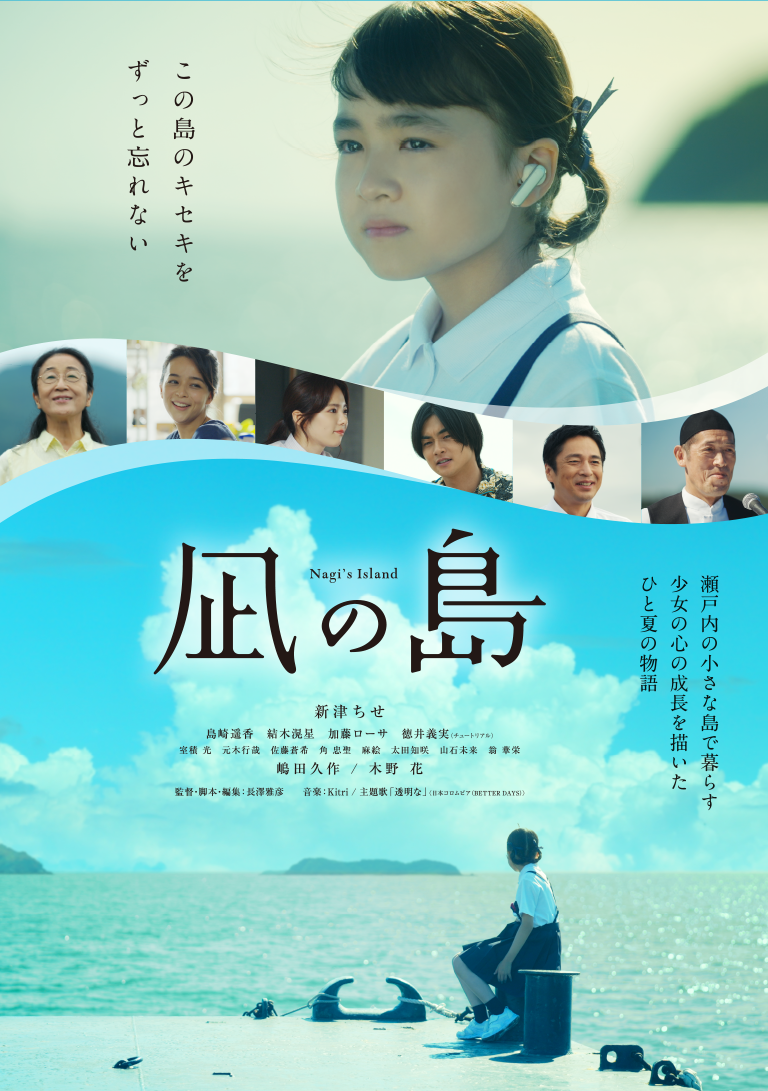
Nagi’s Island (凪の島, Masahiko Nagasawa, 2022)

“Doctors don’t heal patients. We just help them heal themselves” according to the kindly grandmother at the centre of Masahiko Nagasawa’s warmhearted drama Nagi’s Island (凪の島, Nagi no Shima). In many ways an island film, Nagasawa’s gentle tale of the power of community support and mutual compassion celebrates the healing power of laidback island life while simultaneously lamenting its decline amid rural depopulation and an ageing society which it leave it in someways vulnerable without the protections of big city infrastructure. 

For young Nagi (Chise Niitsu), however, it’s a kind of haven. Following her parents’ divorce she’s returned to live with her grandmother Yoshiko (Hana Kino) who runs the island’s only medical clinic while her mother (Rosa Kato) has a secured a job as a nurse at the hospital on the mainland. Nagi has adjusted to island life fairly quickly, but is also haunted by her past and suffers from panic attacks when witnessing small acts of violence and aggression that recall painful memories of her father’s drunken rages. In any case it seems that Nagi has maintained contact with her dad, Shimao, through social media while he is trying his best to undergo treatment for alcohol abuse and repair his relationships with his family. 

As Yoshiko puts it, history has in a sense repeated as she too came to the island with her daughter, Mao, after leaving her husband and was comforted by the total acceptance of the island community who asked few questions and never attached any social stigma to the fact she was a single mother. Many people here are, however, also suffering such as Nagi’s new friend Raita who is touched by her relationship with her mother while missing his own. Irritated by his grandfather’s refusal to explain to him what’s happened to her other than that she’s in a hospital, he determines to find out dragging Nagi along for an adventure but perhaps discovers something he wasn’t quite prepared for only to be comforted by a frank yet compassionate outlaying of the facts from a sympathetic doctor and the gentle support of his friends and family. 

Nagi’s arrival also begins back painful memories for the school’s janitor who is nicknamed Grumpy Grandpa (Kyusaku Shimada) by the kids (of whom there are only five) because of his morose appearance and the fact he never smiles. Having lost his own daughter to a heart attack, he worries for Nagi who in turn becomes determined to make him smile and eventually succeeds in making him feel a part of the community allowing him to begin making peace with his daughter’s death. 

That sense of community is however threatened by the realities of contemporary island life. Nagi’s new friends Kengo and Raita are secretly worried that Mao will decide to remarry and Nagi will leave the island leaving them alone again as the only children of their age. In the local school all the kids are taught together because there are only five of them, the other two being an older boy and his younger sister. Life on the island may seem so idyllic that it’s difficult to see why anyone would want to leave, but with few jobs available younger people often seek better futures in the city while there’s no denying that because of the decreasing population there are few resources available. Yoshiko is the only doctor on the island and her clinic is only a regular GP’s office meaning those who require more serious medical treatment will have to travel to the mainland which is possible only by small fishing boats in good weather. 

In any case the island provides a healing environment of its own, allowing Nagi and her mother to begin putting the past behind them while offering a chance of redemption for Shimao who may be able to start over in a kinder place free of the pressures of city life. As the islanders celebrate the first marriage taking place in the village in 30 years, there is promise of new life and new beginnings despite the prevailing narrative that communities such as these have little future in a continually evolving society. What is clear is that Nagi has found her place to belong along with a purpose in life in the gentle lull of the island’s seas and its welcoming shores. 


Nagi’s Island screened as part of this year’s Camera Japan. It will also be screening at Japan Society New York on Nov. 20 as part of The Female Gaze: Women Filmmakers from JAPAN CUTS and Beyond.

Original trailer (no subtitles)

Fallen Blossoms (花ちりぬ, Tamizo Ishida, 1938)

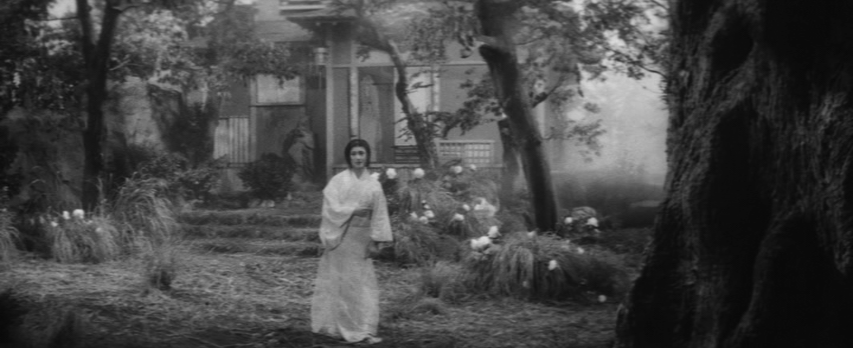
By the late 1930s, film censorship had tightened and it was perhaps all but impossible to rebuke the militarist regime through the silver screen. Nevertheless, as always setting your film in the past can make the impossible possible through thinly veiled allegory. This may not have been its primary intention, but it’s impossible to ignore the subtext of Tamizo Ishida’s Fallen Blossoms (花ちりぬ, Hana Chirinu) which sets itself entirely within the confines of a geisha house on the night of the Kinmon incident or Hamaguri Gate Rebellion in 1864 during which anti-Shogunate forces from Choshu marched on Kyoto with the intention of kidnapping the emperor in order to restore imperial rule. The incident ended in devastating defeat for Choshu with rebel forces setting fire to the city as they bid their retreat. 

There is therefore an uncomfortable anxiety in the context of the Japan of 1938 as the women trapped inside the teahouse remark on the chaos outside with unfamiliar soldiers on the streets and townspeople deciding to remain at home which is of course very bad for their business. Aside from the sense of danger, the major problems inside the house are economic with constant talk of declining revenues and the recent closure of similar establishments while even the guests that have come have done so to drown their sorrows as their own business is also going badly because of the rumours of imminent unrest. The situation is all the more acute for Akira (Ranko Hanai), daughter of the house’s madam, because she’s secretly fallen in love with a young man of Choshu she fears may be marching on the city which is one reason she deflects her mother’s attempts to encourage her to accept an offer of marriage from a wealthy associate. 

As Akira later puts it, her mother was born in the teahouse, became a geisha and then its madam. She sees herself sharing the same fate but wants to experience a different kind of life, curious about what lies outside the pleasure district. Maid Miyako (Kimiko Hayashi) was sold to the geisha house as a child because her family was poor, she doesn’t think the life outside is anything worth seeing. Yet she too wonders what her fate might be, believing herself to be too plain to make it as a geisha and particularly to attract the kind of wealthy patron who could provide an escape route. Matsuba (Ayako Ichinose), a former geisha, did just that but now she’s come back apparently regretting her decision because she’s neither wife not maid in her new home but also occupies a liminal status in the teahouse, her actions deliberate or otherwise reinforcing the idea that she is no longer a geisha in her inability to tie Akira’s obi and claims to have forgotten the words when asked to rehearse a piece of music with another of the women. “Surely it’s OK for a girl to dream, even in the Kuruwa” Akira fires back but perhaps on some level knowing that her mother has a point when she says that samurai don’t marry young women of the pleasure district. 


Even so Akira’s romantic fantasy takes on even greater import when a man begins loudly banging on their door and demanding to be let in, presumably in fear for his life. Akira rushes forward to open it, but is held back by her mother and the other women. After a while the sound of fighting stops and it’s assumed the man has been killed. Akira doesn’t know if the man was her lover or not, but it makes no difference. Someone called for her help and she refused it. Guilt and shame overwhelm her. Her mother’s decision may prove to be a prudent one, though she is in any case later arrested by the pro-shogunate Shinsengumi police presumably suspicious the geisha house may have harboured rebel soldiers. Akira’s double sense of guilt that what’s happened to her mother is partly her own fault prevents her from leaving with the others when it becomes certain that their only choice is to evacuate the city. Her only point of refuge is on the watchtower, apparently unique to her geisha house and said to be haunted by someone murdered by the Shinsengumi, where she sees the smoke of fires glowing on the horizon. Her lover’s poem falls from her hand as if in admission that her dream is ended and there will be no escape for her from the environs of the Kuruwa.

The moment is therefore one of eclipse and endings, a city a falling but not as the invaders are beaten back and defeated. Prophetic and chilling in its import as bells strike ominously in the background while the city burns, the film paints a bleak prognosis for a Japan of mounting imperialist ambitions. Drunken geisha Tanehachi (Reiko Minakami), herself trapped in the Kuruwa apparently because of a bad man she cannot escape, reveals that her father was beheaded in the street for disrespecting a samurai and if this is the beginning of their end then so be it, but even so “Kyoto is finished. No matter who loses it will make no difference.” Adapted from a stage play by Kaoru Morimoto, Ishida’s increasingly anxious drama never leaves the geisha house or repeats a shot and situates itself entirely within a world of women where men are heard but never seen, but finally leaves its heroine all alone watching helplessly as the fires creep closer. 


The Island Closest to Heaven (天国にいちばん近い島, Nobuhiko Obayashi, 1984)

On its publication in the mid-1960s, Katsura Morimura’s autobiographical travelogue The Island Closest to Heaven (天国にいちばん近い島, Tengoku ni Ichiban Chikai Shima) became something of a publishing phenomenon and is credited with creating a romanticised image of the Pacific islands in the post-war Japanese imagination. Nobuhiko Obayashi’s 1984 film adaptation in fact prominently features adverts for the UTA New Caledonia tour and acts as something like a tourist information video showcasing the idyllic island scenery and well appointed resort accommodation if also later featuring the decidedly less well appointed establishments on the other side of town where the locals live and and work. 

It is however first and foremost a vehicle for Kadokawa idol star Tomoyo Harada who had made her debut in Obayashi’s The Little Girl Who Conquered Time and was now onto her third lead having starred in Curtain Call earlier in the year which Haruki Kadokawa had directed himself. As such, the film is only loosely based on Morimura’s novel, recasting the heroine as a recently bereaved 16-year-old embarking on a coming-of-age adventure while travelling overseas looking for herself and a sense of the safety and stability she experienced before her father’s death. 

In the prologue sequence which opens the film, shot with a muted, pink-tinted colour filter, a younger Mari sits on the edge of a bridge with her father holding her from behind. As both she and her father are dressed in yukata, as are others who pass them on the bridge, we can assume that it is summer and possibly around the time of Bon festival which adds an extra degree of poignancy to their conversation in which her father quietly clearly anticipates his own death. He tells her about a distant island far to the south and close enough to Heaven for God to call on where it is always warm and sunny and the people always happy. Mari asks for the name of the place and is told it is called New Caledonia, possibly a name her father picked out of the air without thinking but becomes to her a symbol of the bond that existed between them and place she must visit now that her father is no longer physically present in her life. 

What she’s looking for is in a sense a path back to her father or at least a means a coming to terms with his absence. Her mother (Kayo Matsuo) may appear somewhat indifferent, but it’s clear that it’s a kind of pride she feels in her daughter’s first steps into adulthood knowing that she has raised a determined young woman if one with her head in the clouds like her father. Her sentiment is later echoed by an older woman (Nobuko Otowa) who has come to New Caledonia in order to make peace with the death of her husband 39 years previously when his submarine was sunk during the war, stating that all these years later her abiding memory is pride that she fell in love with someone she could be proud of. “Love is the story of your whole life” she tells Mari, who is herself just beginning to understand that life is a process of love and loss as she searches for her island and eventually finds it in the eyes of a local boy who yearns for an island far to the north where it’s always bright and sunny and the people are always happy. 

Mari’s interactions on the island are torn between two men, the young Taro (Ryoichi Takayanagi) who is fascinated by the idea of Japan where his grandfather first came from to dig nickel, and a much older man, Yuichi (Toru Minegishi), who seems to be arrested, stuck on the island and unable to move forward with his life because of a youthful broken heart. Mari reminds him of the young woman he loved and lost, trying to recapture the magic with a moment that seems to reference Jules Verne’s The Green Ray, but of course failing to do so. There is something uncomfortable in their relationship given that Mari is only 16 and this man is perhaps already in his 40s, yet her decision to leave the safety of the tour group and venture astray with him to find what she is looking for rather than what the tour guide wants to show her demonstrates her independent spirt and impending adulthood in taking an active control over her life and future. 

In this way the island is a liminal space in more ways than one, symbolically connecting the mortal world and the other while allowing Mari to transition into adulthood as symbolised by her return home now no longer wearing her glasses in having opened her eyes to a fuller reality. Nevertheless, the film does follow the line of the book which is very of its time in its presentation of the indigenous community which is bound up with the idea of a smiling island people lazing in the sun of a tropical paradise while possessing profound spiritual knowledge. Mari’s literal coming of age is symbolised by a fever she endures after being stung by a sting ray, coming to during a tribal dance and then collapsing again to awaken as if reborn into adulthood.  

After this transition it’s implied that her relationship with Taro will have to end, that this brief summer adventure like so many in Obayashi’s films was just about making memories to carry forward in the further course of life. But then as her seemingly unburdened tour group friend had pointed out, Mari found Taro by chance twice before and so may someday find him again just as Mari’s intervention has earned Yuichi and his first love a second chance no longer so enthral to the illusionary power of the green ray but making choices informed by the realities of love that may still be “romantic” if no longer quite so naive. Shifting into a more contemplative register than other similarly themed Kadokawa idol movies, The Island Closest to Heaven is one of Obayashi’s most straightforward features save for its brief use of colour filters in the opening and closing scenes and the lengthy title sequence which draws inspiration from classic Hollywood melodrama, but engages with some of his key themes in the romantic nostalgia of love and loss as his heroine comes to a new understanding of herself while bidding goodbye to the past. 


The Island Closest to Heaven is released on blu-ray on 17th October courtesy of Third Window Films as part of the Nobuhiko Obayashi’s 80s Kadokawa Years box set alongside School in the Crosshairs, The Girl Who Leapt Through Time, and His Motorbike, Her Island.

Original trailer (English subtitles)

Theme song performed by Tomoyo Harada

Shrieking in the Rain (雨に叫べば, Eiji Uchida, 2021)

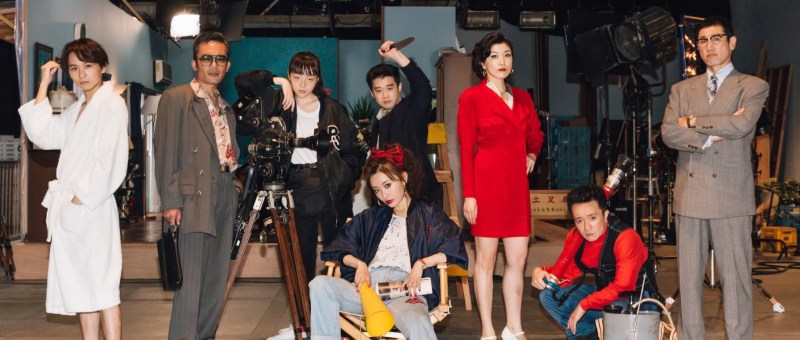
“Let’s change Japanese film” a duplicitous distributor tries to convince a diffident director though his “creators first” stance predictably turns out to be somewhat disingenuous. Inhabiting the same territory as Netflix’s Naked Director, Eiji Uchida’s meta dramedy Shrieking in the Rain (雨に叫べば, Ame ni Sakebeba) finds a young woman struggling to take charge of her artistic vision while plagued by workplace sexism, commercial concerns, and absurd censorship regulations but finally claiming her space and along with it her right to make art even if not quite everyone understands it, 

Set entirely on a Toei lot in the summer of 1988, the film opens with rookie director Hanako (Marika Matsumoto) locking herself inside a car with her hands clamped over her ears, fed up with the chaos that seems to surround her. How Hanako got the job in the first place is anyone’s guess, but it later becomes clear that she is in a sense being exploited by the producer, Tachibana (Kazuya Takahashi), who thinks a pretty young girl directing a softcore porno is a selling point in itself. Meanwhile, he’s teamed up with an US-based production company and its Japanese producer, Inoue (Kiyohiko Shibukawa), who seems fairly exasperated by the Japanese-style shoot and despite his pretty words is all about the business. For him, the main selling points are the actors, one a young idol star intending to boost his profile by getting into films and the other a veteran actress stripping off for the first time in an attempt to revitalise her fading career. 

Surrounded by male industry veterans, Hanako struggles to get her voice heard and feels under confident on set as they encircle her and bark orders she doesn’t quite understand. Her decisions are continually overruled by the male AD, cameraman, and finally Tachibana who always has his mind on the bottom line while Hanako’s inability to express herself to the crew results in endless takes of scenes that others tell her are “pointless” and should be cut despite her protestations that they are essential to the piece. A forthright female makeup artist (Chika Uchida) asks if filmmaking should really be this heartless as she watches Hanako humiliated by the chauvinistic cameraman who forces her to get on her knees and beg for help, while a more sympathetic grip (Gaku Hamada) later tells her that becoming a successful director has little to do with talent and a lot to do with the art of compromise. 

Nevertheless, Hanako tries to hold on to her artistic vision even while some roll their eyes considering the project is a softcore romantic melodrama revolving around a love triangle involving two brothers in love with same woman. Inoue claps back that film is a business, admitting that when he said creators first he just meant the ones that make money. According to him, anyone could direct the film because all anyone’s interested in is the actress’ bared breasts and the teenybopper appeal of top idol Shinji. Or in other words, it doesn’t really need to be good, it’s going to sell anyway. In any case, it seems incongruous to cast a squeaky clean idol in an edgy erotic drama especially considering that if they want to market it to his fans then they need to secure a rating which allows them to see it without adult supervision. Business concerns and censorship eventually collide when the rather befuddled censor puts a red line through some of their kink and explains that the actress’ third hip thrust has just earned them an X rating. 

Unlike Hanako and her similarly troubled junior camerawoman Yoshie (Serena Motola), veteran actress Kaede at least knows how to advocate for herself and get what she wants on set so that she can do her best work. Only in this case doing her best work means she wants to go for real with arrogant idol star Shinji who refuses to wear a modesty sock or trim his pubic hair to fit in with the arcane regulations of the censors board. Shinji is brought to task by aspiring actor Kazuto who is pissed off by his unprofessional behaviour while struggling to get a foothold in a difficult industry and apparently finding one through a romantic relationship with the producer which otherwise seems to be a secret from cast and crew. 

In any case a final confrontation prompts a rebellion against Inoue’s production line metaphor as the crew reaffirm that they are a team working together on an artistic endeavour not mere cogs in his machine. Reemerging in bright red lipstick, Hanako returns to retake what’s hers boldly claiming her artistic vision and taking charge on set before descending into an unexpected musical number. With a retro sensibility, the film neatly echoes late 80s production style with a cutesy background score often heard in movies of the era while posters for top Toei movies from the 70s and 80s such as Yukihiro Sawada’s No Grave for Us line the walls. A meta rebuke against the constraints placed on filmmakers by those who shout “creators first” to bolster their image but never follow through Shrieking in the Rain, is at once a homage to the classic days of low budget Toei erotica and an inspirational tale of an artist finding her voice in a sometimes repressive industry.


Shrieking in the Rain screened as part of this year’s Camera Japan.

Original trailer (no subtitles)

Angel’s Egg (天使のたまご, Mamoru Oshii, 1985)

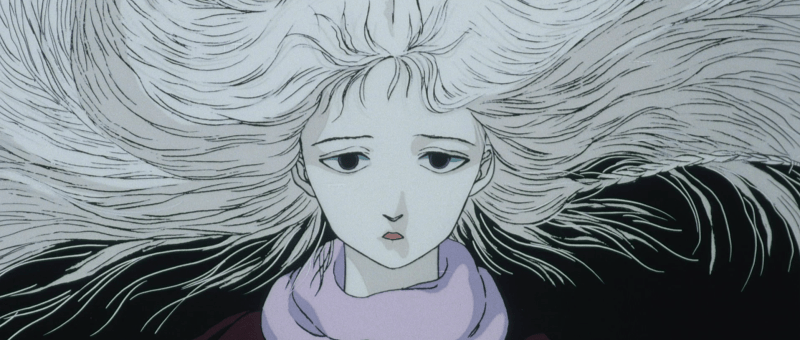
How do you go on living in a ruined world? In Mamoru Oshii’s surrealist animation Angel’s Egg (天使のたまご, Tenshi no Tamago), a solitary young girl and a nihilistic soldier find themselves on opposite sides of an ideological divide one living by faith alone and the other needing proof yet in his own way seeking signs of salvation. “You have to break an egg if you are to know what is inside” the soldier tells the girl, yet the girl knows that to break the egg open is to forever destroy what it represents however fragile or illusionary that may be. 

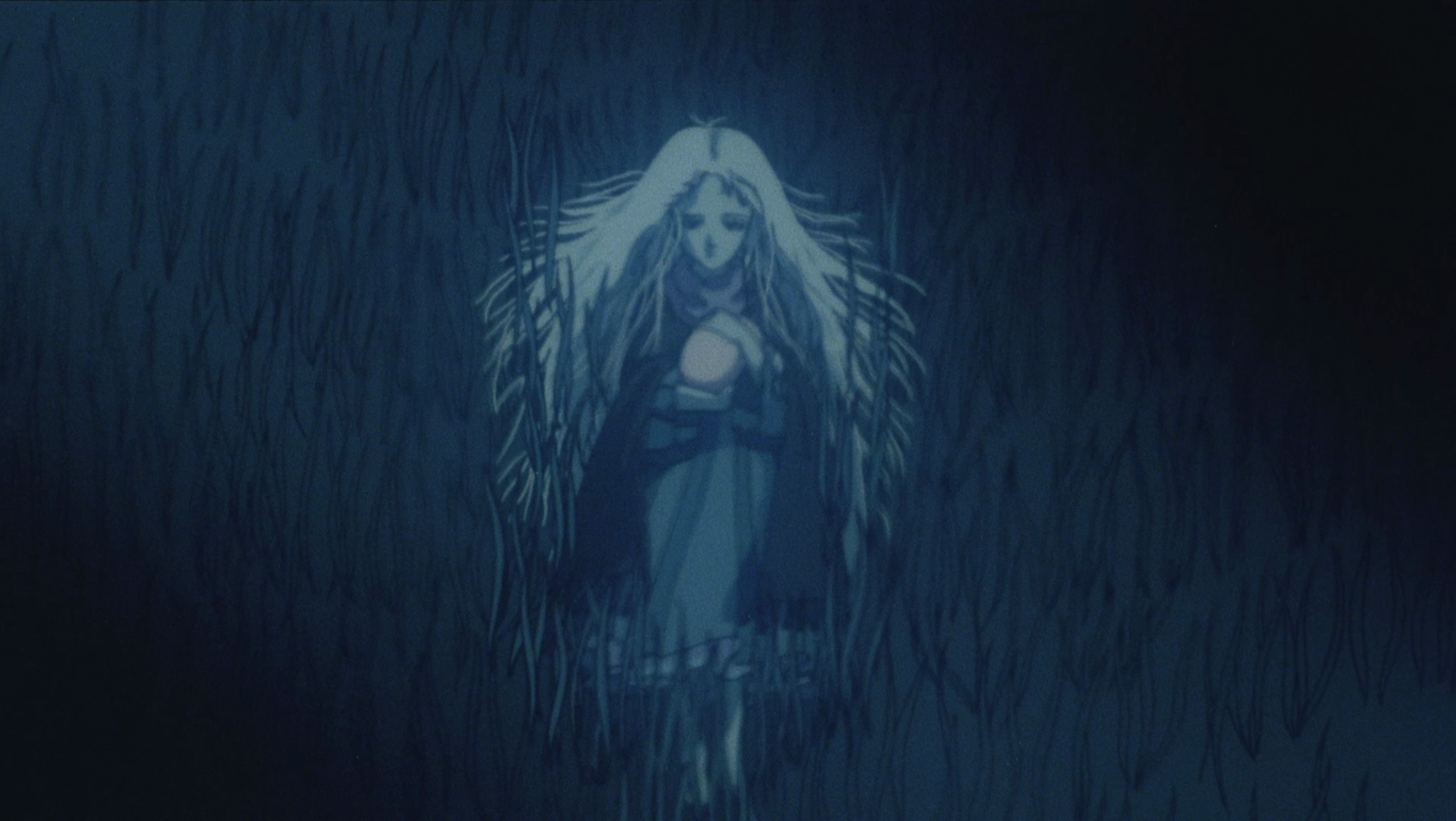
In a distant time, a vast ship lands in a desert on an apparently ravaged world. Meanwhile, a little girl cradles a large egg, often placing it under her dress appearing as if she were pregnant. While roaming the land, perhaps in search of something, she encounters a young man in a military uniform who carries a weapon in the shape of a cross. The pair begin travelling together, but it soon becomes clear that they are ideologically opposed. The soldier cannot understand why the girl continues to protect the egg without knowing what, if anything, it contains while she cannot understand his need to know or why the simple act of faith in its potential is not enough for him. 

The egg seems to represent something like hope for the rebirth of a world humanity may have already have ruined. Both the soldier and the girl talk of a giant egg nestled in a tree that contains a kind of saviour bird who will herald the world’s recovery. The soldier quotes at length from The Bible and in particular the story of the flood, implying that they are in a sense still waiting for the return of the dove but while the girl feels a need to protect the egg, convinced that it may one day hatch, the soldier barely believes anymore in the bird’s existence. When he strikes, it is as much to crush hope as it is to verify it because this hope is painful to him and his life is easier without it. The soldier is a representative of a wandering people, feeling himself abandoned and no longer knowing who he is or where he has come from, yet clinging to a vague memory of potential salvation in the image of a bird in a tree he cannot be certain was not part of a dream. 

The pair find first the image of a tree, but to our eyes is looks almost like a circuit board hinting a technological advance that may have been lost. The fact that it’s a fossilised skeleton of a bird that they later come across may perhaps suggest that hope is now extinct and the egg merely an empty shell that represents only false promise and delusion. But even if that were the case, it’s a delusion that allows the girl to go on living, incubating a better future in the hope of the rebirth the bird would bring with it in the restoration of the natural world. 

“Keep precious things inside you or you will lose them” the soldier claims, in a way reminding the girl that it is not the material object of the egg which she needs to guard but what it represents. The soldier’s nihilistic despair is in a sense echoed in authoritarianism which he serves and which the girl’s faith undermines. The ship’s exterior is peopled with statues which later seem to represent those in prayer, the girl later among them fossilised like the bird as symbol of a failed salvation. But then, connecting with another self, the girl births new hope for the future, fresh eggs awaiting other hands and bodies to keep them warm in the belief that they may one day hatch. 

Working closely with artist Yoshitaka Amano, the world that Oshii conjures is one of complete despair in which there is only pain and loneliness. Perhaps the girl is no different than the fishermen chasing shadowy ghosts of whales as they float through the air in what appear to be the streets of a 19th century European city. A surrealist tone poem, Angel’s Egg is defiantly obscure in its ontological questioning yet in the end may suggest that hope’s survival is in its own way a kind of salvation. 


Angel’s Egg screens at Japan Society New York on Oct. 14 as part of the Monthly Anime series.

Trailer (English subtitles)

Lust of the White Serpent (蛇精の淫, Morihei Magatani, 1960)

The lingering inequalities of the feudal society are manifested in a snake woman’s thwarted desire for love in Morihei Magatani’s Shintoho horror Lust of the White Serpent (蛇精の淫, Jasei no In). Not quite as salacious as its title may imply, Magatani’s film takes a sympathetic view of the classic snake lady painting her as a tragic heroine betrayed by the codes of the mortal world with its persistent classism and misogyny while offering the conflicted hero caught between the old and the new only a compromised escape in spirituality. 

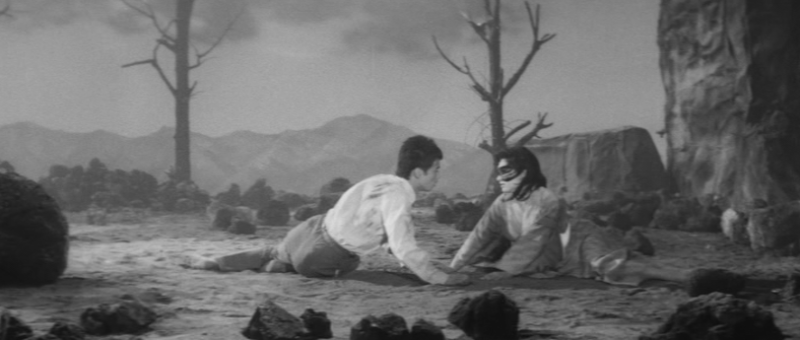
In what the opening voiceover describes as a local legend that has been passed on “since ancient days” though seemingly taking place in the relatively recent past, village boy Minokichi (Hiroshi Asami) hears a woman’s screams while walking along a mountain path and investigates to find her writhing around in the long grass. Having been attacked by a snake, the woman, Kinu (Kinuko Obata), seems confused though Minokichi recognises her as the daughter of the village headman and offers to carry her home. Unfortunately Kinu’s retinue immediately jump to the conclusion that filthy peasant boy Minokichi must have abducted her, roundly beating him for having dared to lay his hands on such a fine lady. “Even if you try to interact with them, they won’t treat you as an equal. This our fate” his mother reminds him cautioning him against any further attempts at interclass friendship. 

The problem is that the half-crazed Kinu has apparently imprinted on Minokichi and insists that she will marry only him or else die. This is unwelcome news for her father who had been considering marrying her off to the son of a local businessman who has learning difficulties on the promise of a seat on the prefectural council. As for Minokichi, he is technically betrothed to childhood friend Kiyo (Yumiko Matsubara) but is growing resentful having fallen for Kinu but knowing that their romance is impossible because of the barrier of social class. In a surprising move, Kinu’s father chooses his daughter’s happiness over both the current social order and his own financial gain in formally offering Kinu to Minokichi who is then conflicted, at first reassuring Kiyo that he cannot accept only for her to tell him that he must on hearing the rather naive conviction of the local policeman that this taboo-breaking interclass union will liberate the villagers from their subjugation by the townspeople and they’ll never be looked down again. 

As it turns out, Kinu has been possessed by the spirit of a snake woman, Sakurako, who fell in love with Minokichi after he saved her when she became trapped on a rock. The pair had had a brief affair a year earlier which Minokichi’s mother had put a stop to fearful that Minokichi was falling victim to a curse and that Sakurako meant to drain him of his energy and move on. “My background doesn’t matter, does it?” Sakurako had ironically asked having explained to Minokichi that she was just “a poor girl with no one to turn to” echoing the forbidden quality of Minokichi’s romance with Kinu. Yet their relationship is also transgressive in spanning two worlds. “Intimacy with an animal is non-Buddhistic behaviour” Minokichi is later scolded by an intense priest though still finding himself drawn to Sakurako despite the entreaties of his mother and Kiyo trying to drag him back to the village and his “proper” place in the contemporary social order. 

As for Kinu little thought is given to this reckless usurpation of her body, Sakurako seemingly having chosen her to appeal to Minokichi’s desire for social advancement. Once everyone knows she is possessed by a snake spirit things get even stranger with some of the men in the village believing that the only way to tell is to sleep with her. Having tried a shinto shamaness who confirmed a diagnosis of possession by a white snake, Kinu’s father tries a Western doctor branded a “horny weirdo” by the villagers. Despite everyone knowing this and that he is clearly drunk, the doctor is left alone in a room with Kinu and proceeds to rape her while the servant Sakuzo who had beaten Minokichi merely for touching his mistress watches silently from outside. When Sakurako strangles the doctor, winding her snake body around his chest, it is read as an expression of the snake’s curse, everyone instantly understanding what the doctor had done but merely covering up the crime while later petitioning Kinu’s father to have her sent away to save them from the havoc she is wreaking with storms, droughts, and floods in protest at her unhappy fate. 

Minokichi who was supposed to unite two worlds and dissolve barriers finds himself in a liminal state no longer a member of either, Kiyo’s father refusing to welcome him back into the village while having separated from Kinu on realising she is a snake woman denies him a place in the town. While he tells himself that he should know his place, reintegrate himself into the village and accept his proper social role by settling down and marrying Kiyo as he was supposed to do he cannot let go of his desire for Sakurako/Kinu and in the end cannot resist following her even if or perhaps precisely because it may lead to his death. When the “curse” is broken he is led away once again only this time by the priest as a new devotee of Buddhism reinforcing a spiritual message but ironically also implying that Minokichi’s fault was in trying to help others, firstly the snake and secondly Kinu, when he should like his mother advised have minded his own business and refrained from interacting with those outside of his immediate community be they beautiful noblewomen or alluring snake spirits. Though light on effects, Magatani ups the atmosphere with copious fog while employing a series of dissolves for the snake women’s transformations and some superimposition for their wrathful curses. The message may be know your place or you’ll end up nowhere, but the film nevertheless has unexpected sympathy for the lonely Sakurako beaten into submission by a cruel and misogynistic society. 


Original trailer (no subtitles)