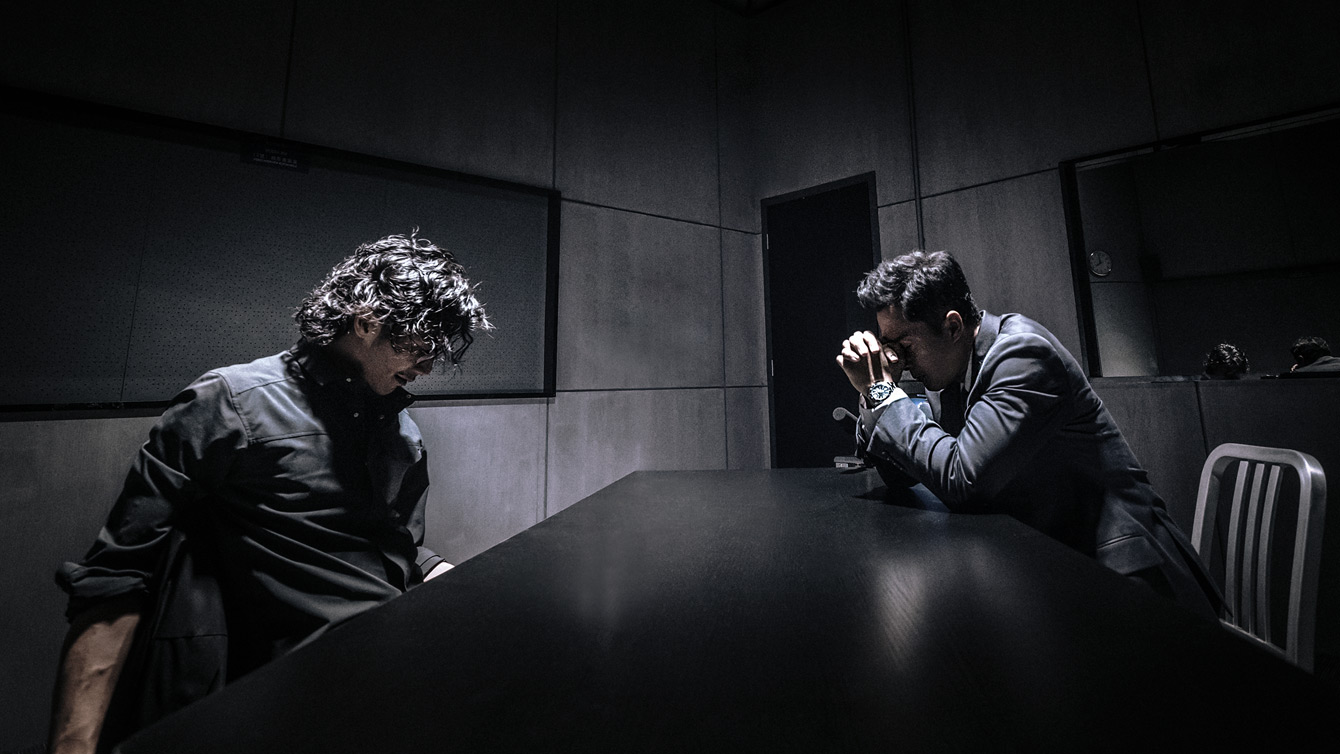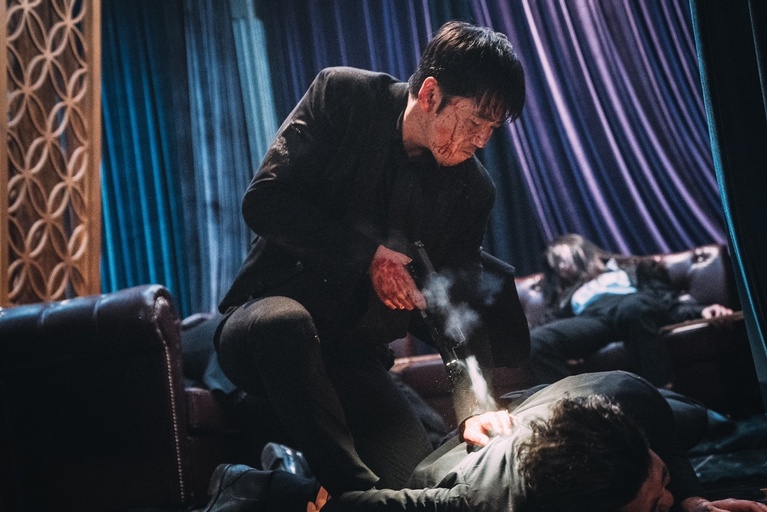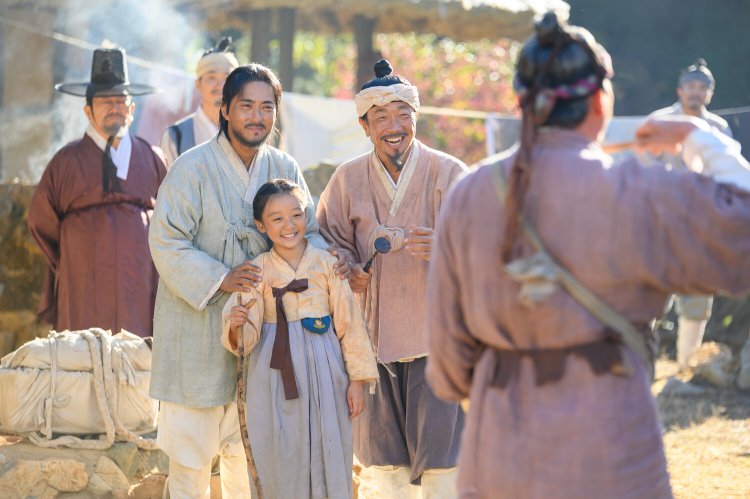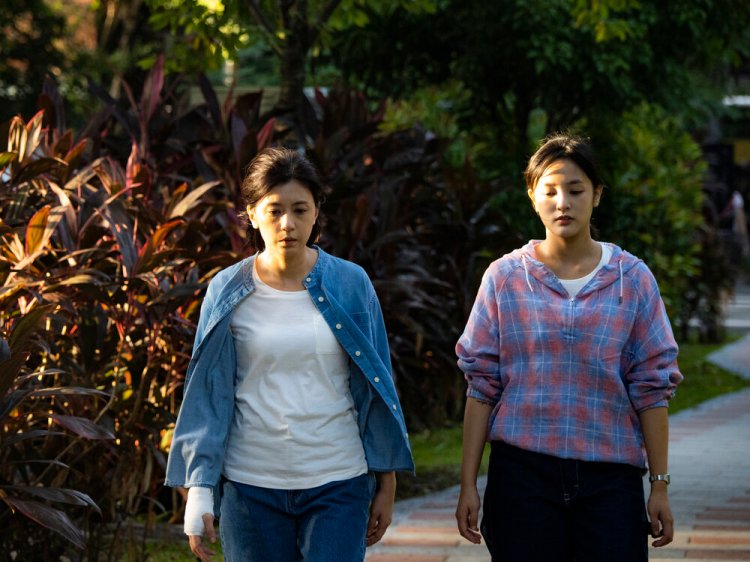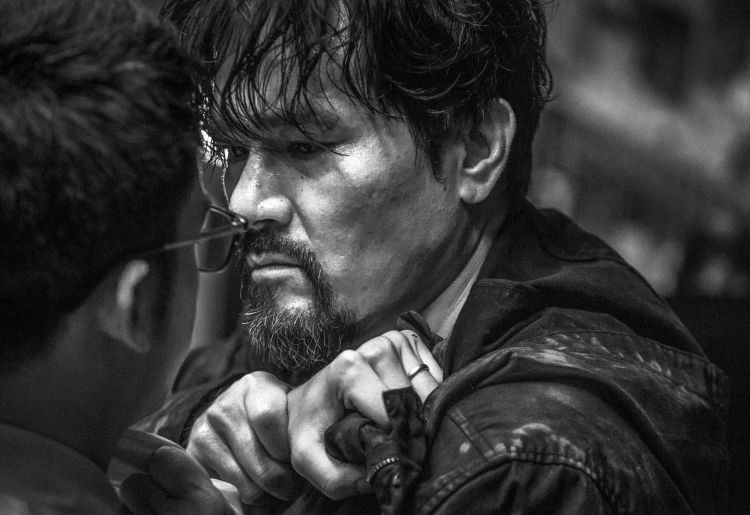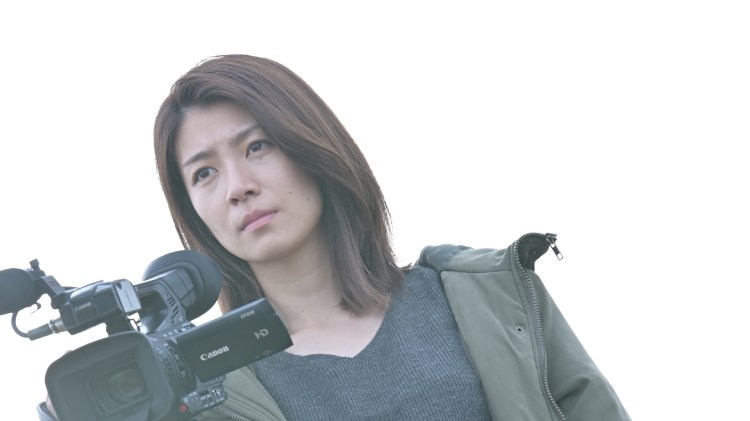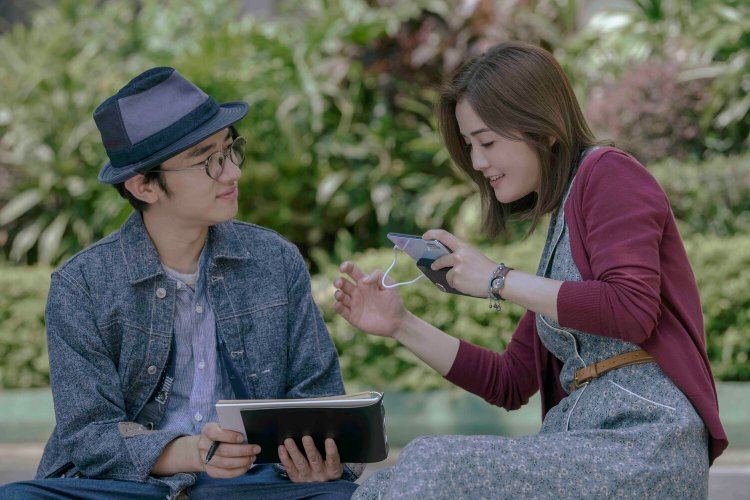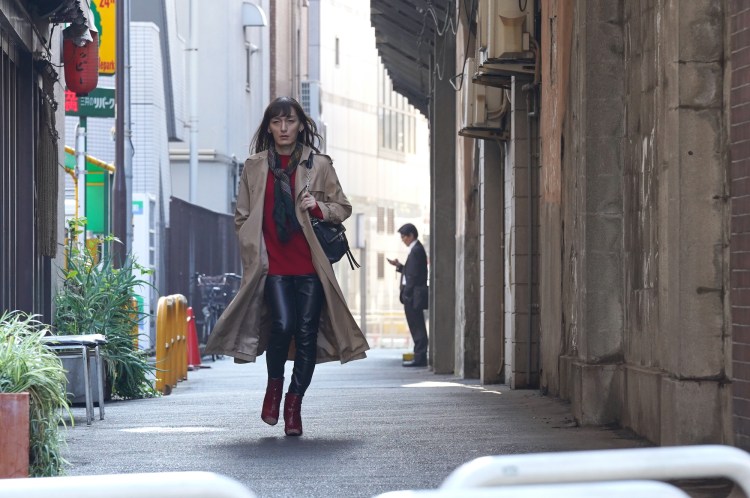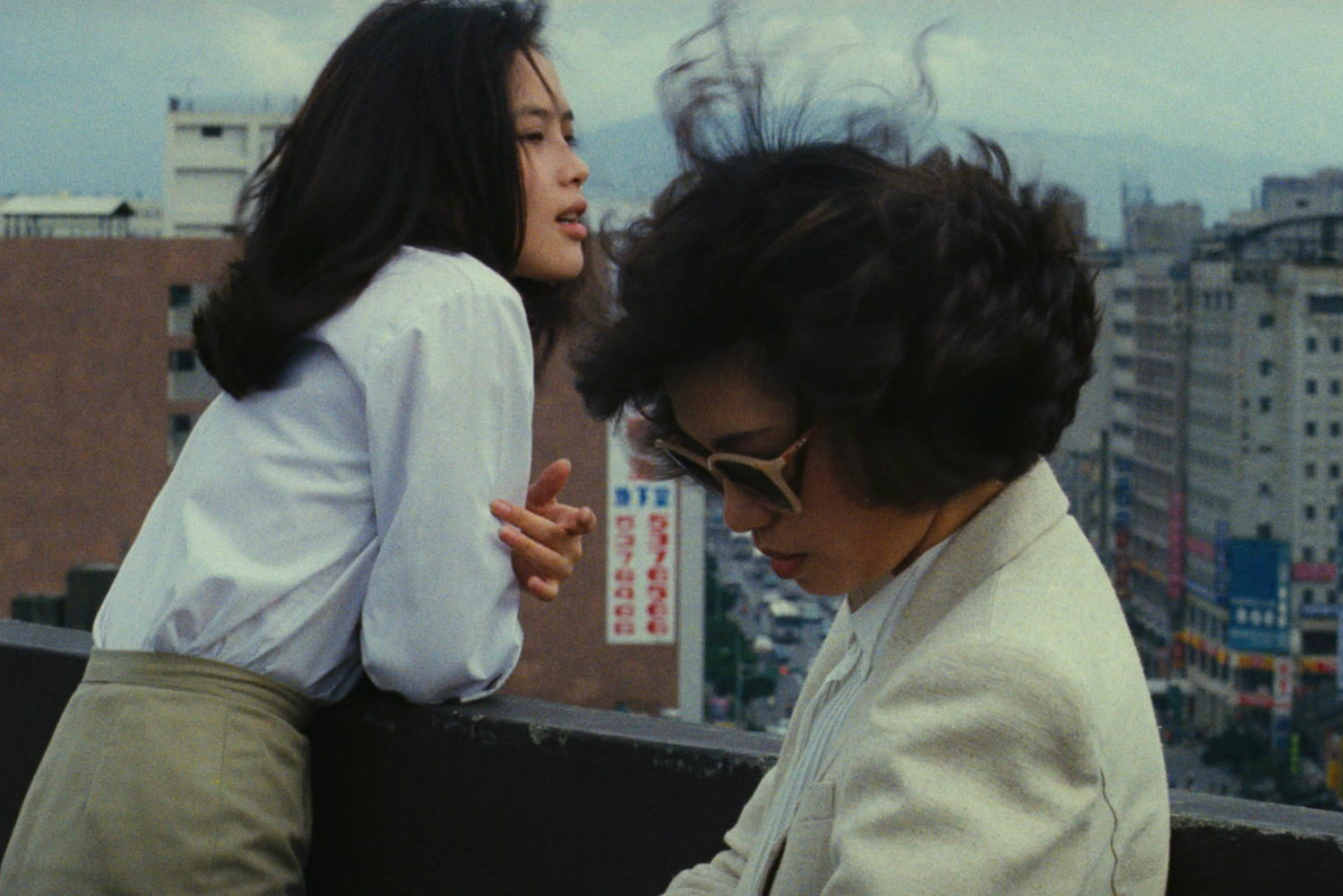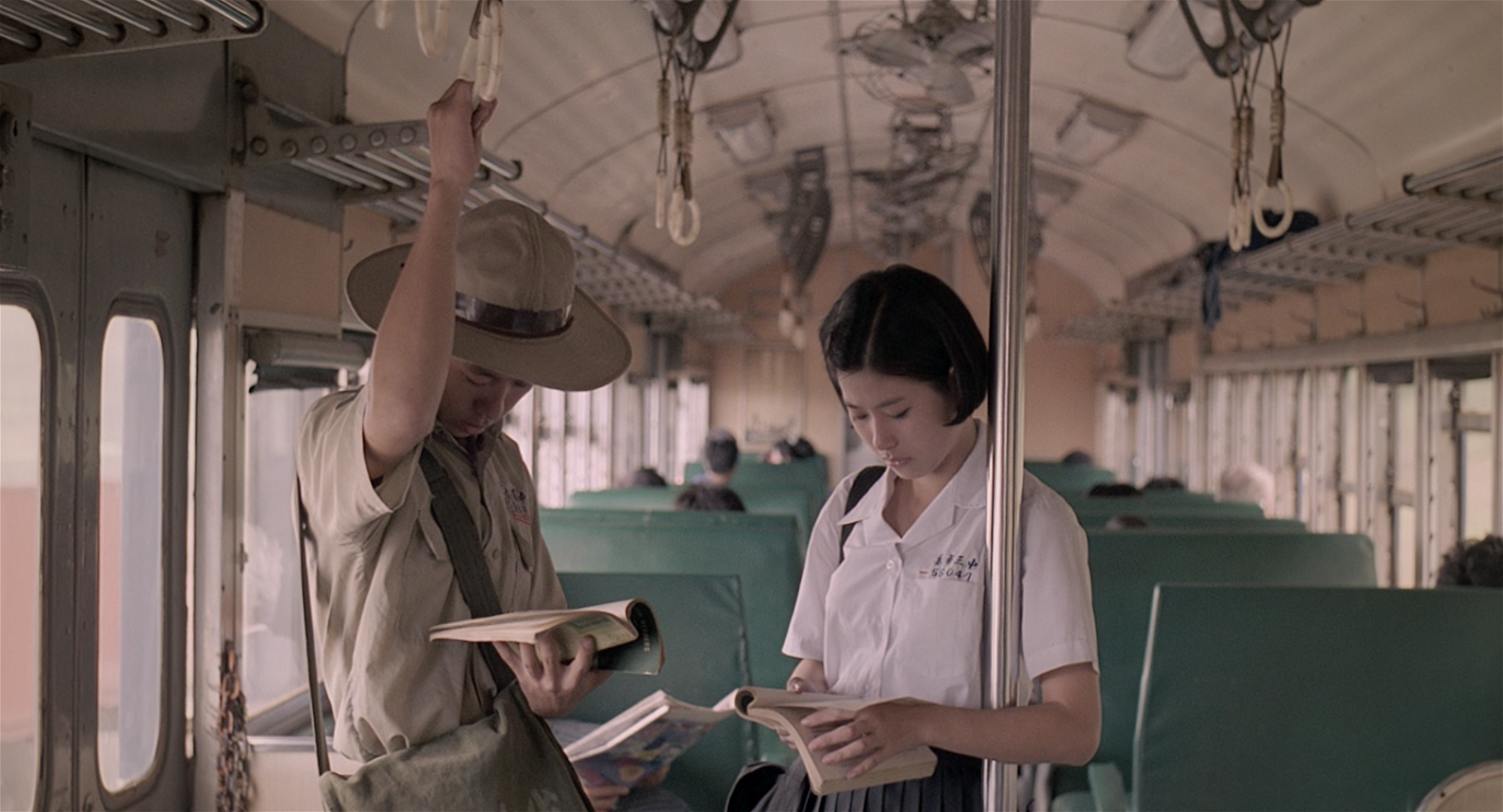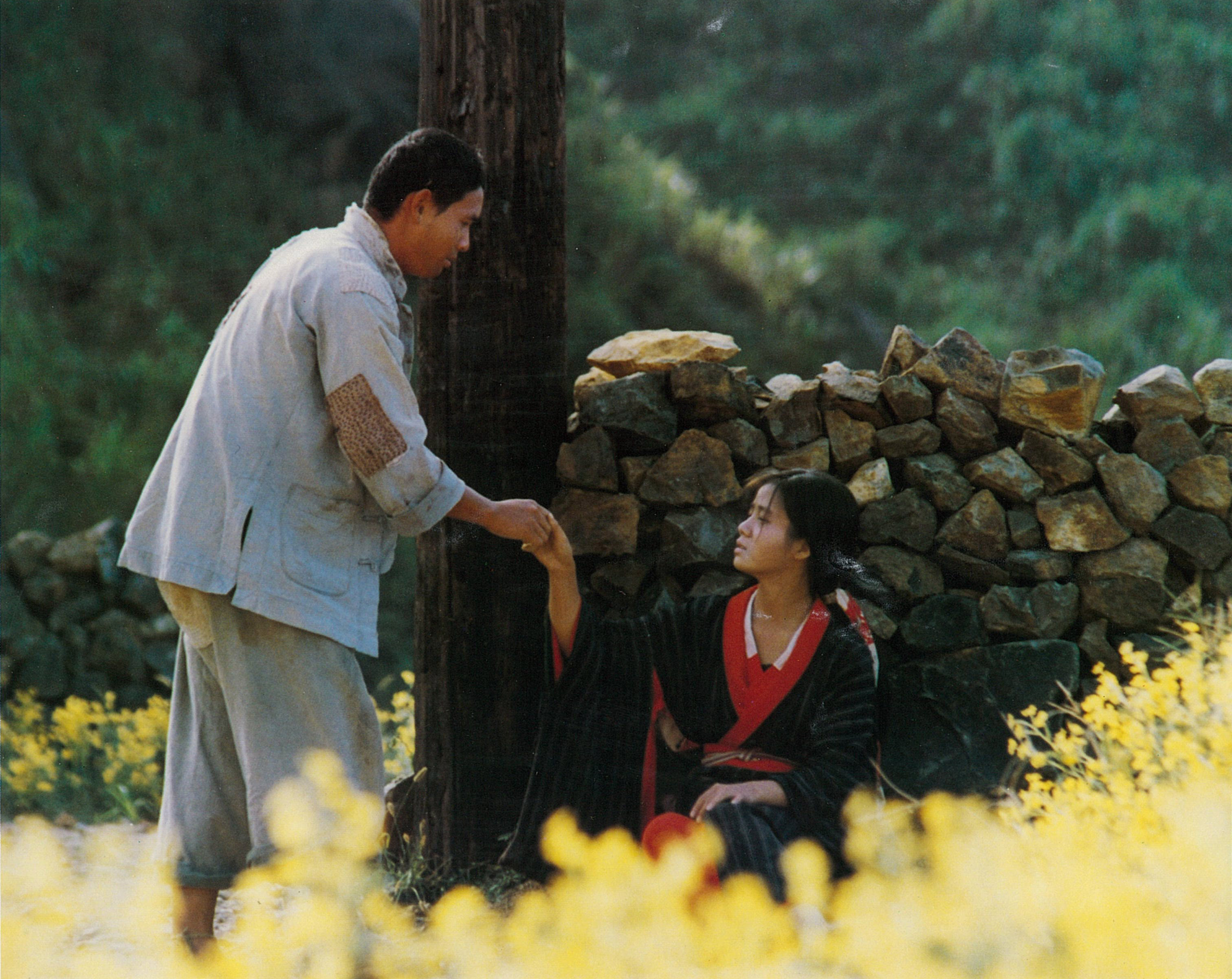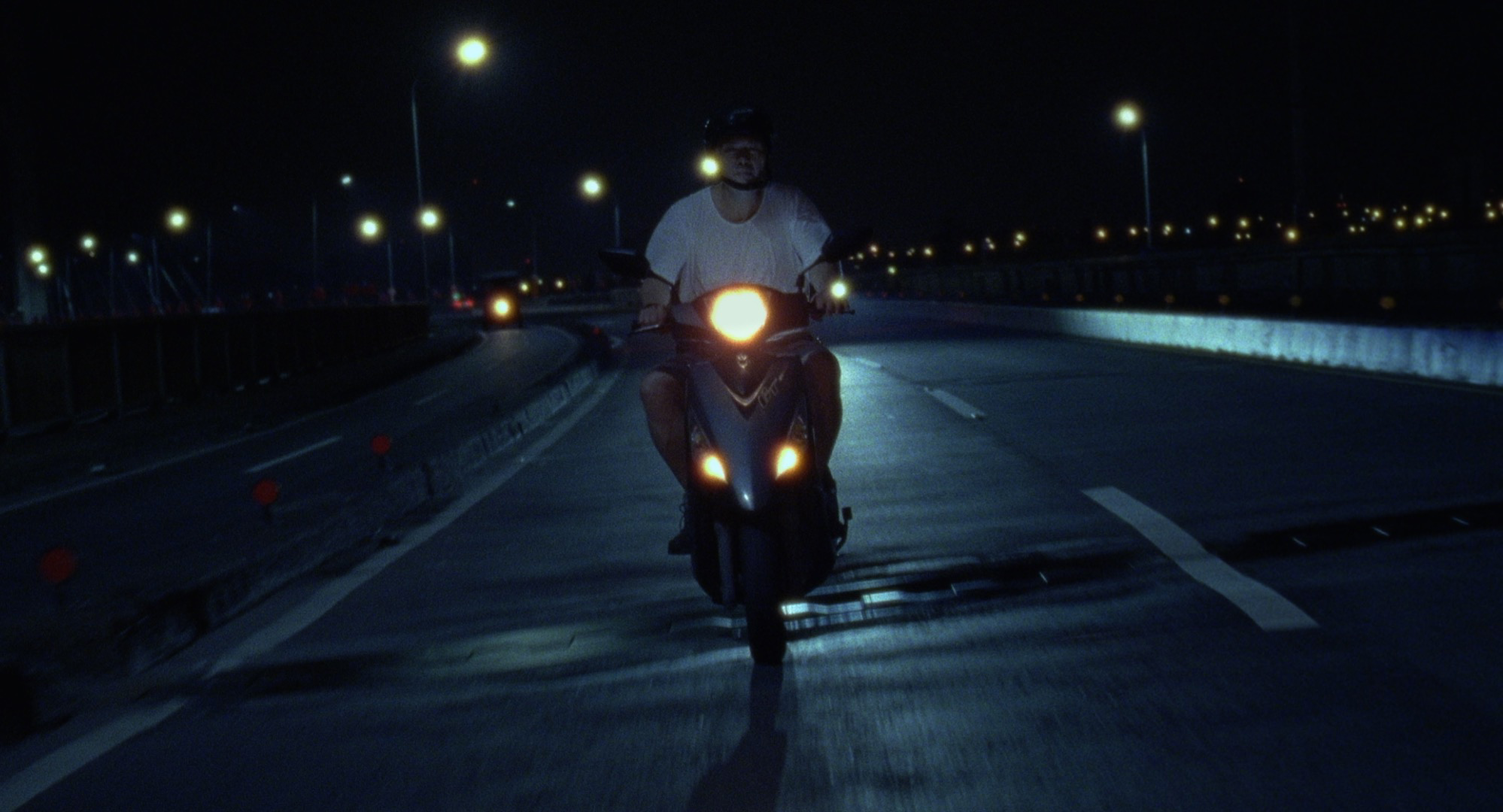

Fighter (파이터, Jéro Yun, 2020)

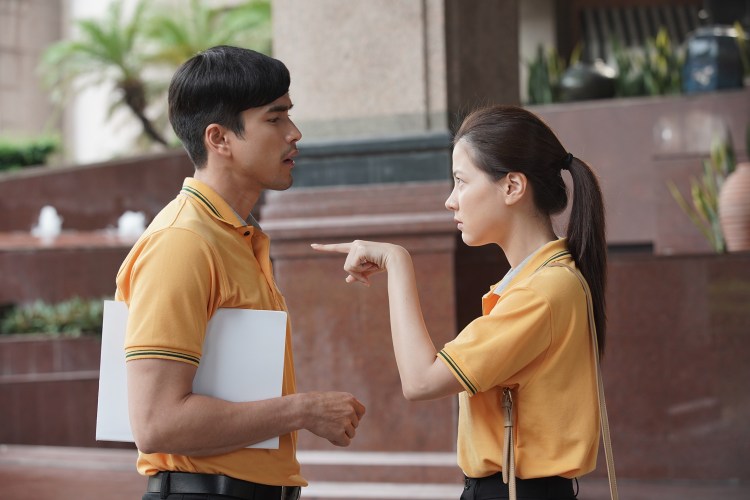
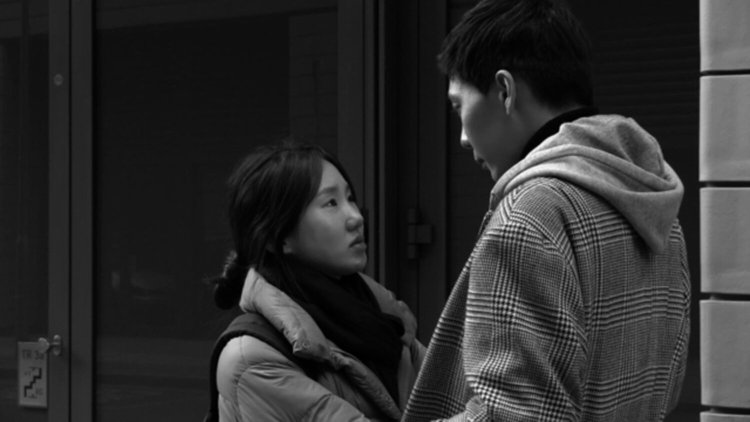
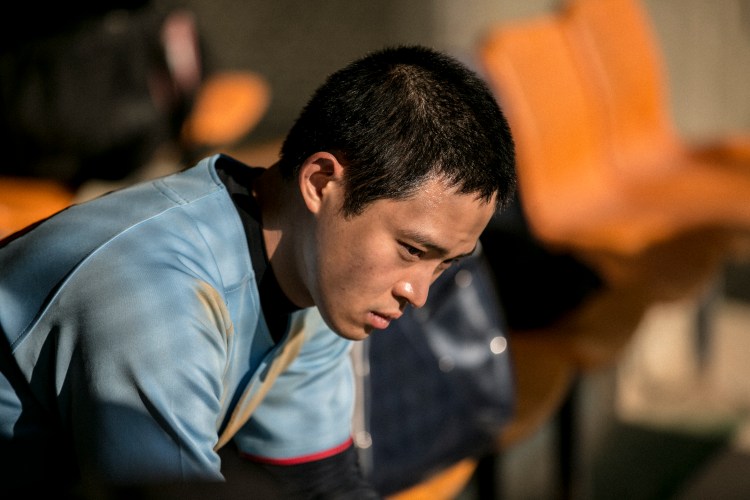
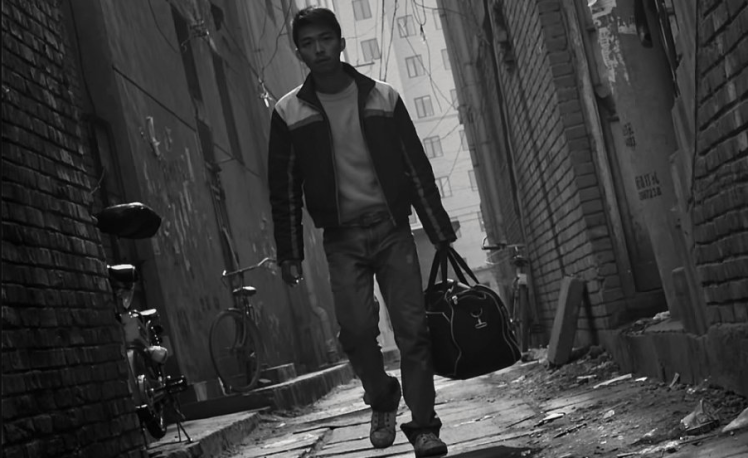
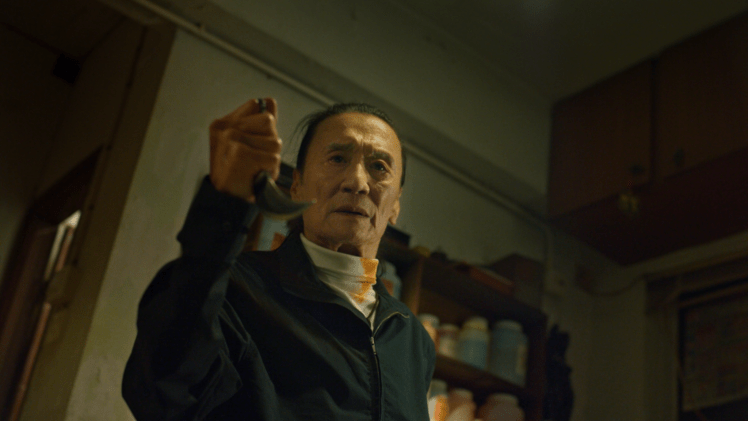
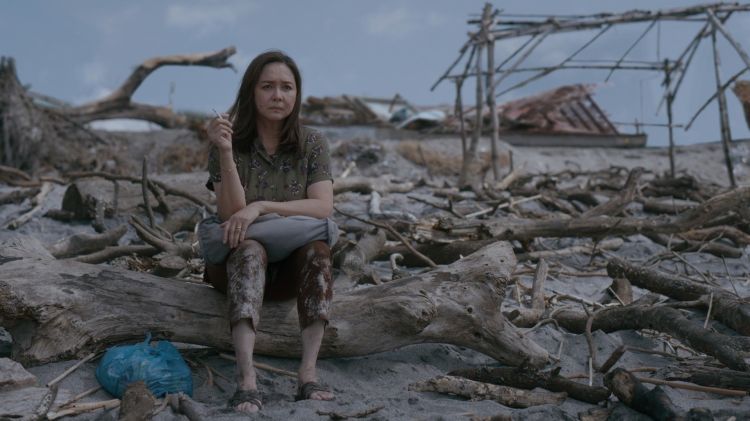
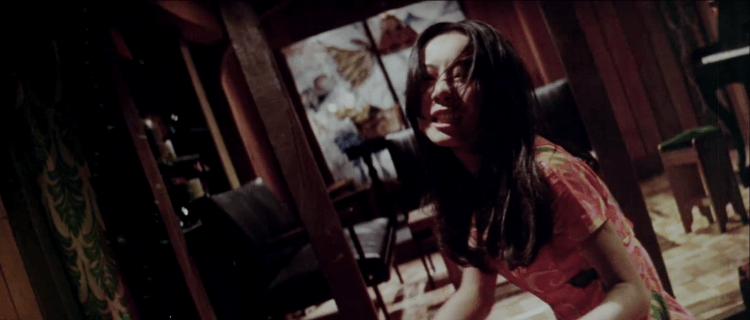
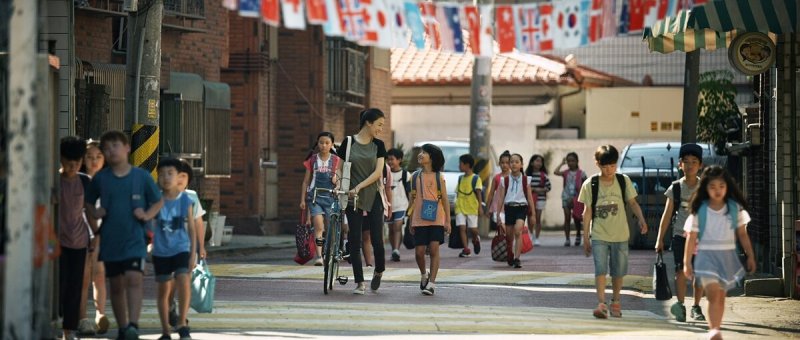
“My name is Ree Jina. I am a “North Korean Refugee”. This is how South Koreans call us. My fight is not over yet. I will keep fighting until the end. Even if I fail I will rise again.” a young woman insists, finding a new sense of purpose in the boxing ring while attempting to adjust to her new life in the South. As the title implies, Jéro Yun’s indie drama Fighter (파이터) follows one woman’s attempt to fight her way through personal trauma and societal anxiety but is less boxing movie than gentle character study as the heroine gains the courage to begin moving on through reconnecting with the estranged mother who abandoned her to come to the South alone. 

After a spell in a readjustment centre, Jina (Lim Sung-mi) is guided to a well-appointed flat by a social worker whose off the cuff remark that apartments like these are out of reach for most South Koreans speaks of a latent resentment. Most of Jina’s rent is subsidised, but she still needs to cover a part of it plus maintenance fees and so she contacts a North Korean fixer who helps her get a job in a restaurant. Needing more money to bring her father, who has escaped the North but remains trapped in hiding in China, to the South she decides to take a second job working as a cleaner at a boxing gym. She’s only there to clean, but despite herself Jina is captivated by the unexpected sight of female boxers. Encouraged to step into the ring herself, she remains reluctant, exclaiming that she doesn’t have time to waste on “fighting”, but eventually decides to give it a go on being told there may be money it if you’re good enough to turn pro. 

One of the reasons Jina gives sympathetic sub coach Tae-su (Baek Seo-bin) for her reluctance to box is due to the discrimination she faces from South Koreans who have a stereotypical vision of Northerners as a heavily militarised people as if they were all enemy combatants. She reminds him that ordinary people live there too, like presumably her father whom she’s desperate to save before he gets picked up by the Chinese authorities and sent back. The social worker’s barbed comments meanwhile echo the impression of some that North Koreans have an unfair advantage in the South with better access to a higher standing of living thanks to being taken care of by the government, but this obviously ignores the societal difficulties they face from isolation and discrimination to trouble gaining employment, potential exploitation, and the persistent culture shock of living in a modern capitalist economy. Even the kind and supportive Tae-su can’t help making a minor joke at her expense as she struggles to understand his contemporary Konglish slang. After making a few friendly overtures, the social worker later turns up drunk at Jina’s flat and attempts to proposition her as if he thinks he’s entitled to her attention, both misogynistic and xenophobic, while having the gaul to blackmail her into paying his medical fees when she attempts to defend herself and get away from him. 

Life in the South is certainly not easy. But Jina is also battling a sense of abandonment and displacement born of her mother’s defection when she was only 12. Planning to ask for money to help her father, Jina finds herself conflicted on meeting her, feeling a further sense of betrayal on realising her mother married again to a moderately wealthy man and had another daughter living a comfortable life in Seoul while she and her father continued to suffer. Yet as the opening quotation implied, Jina’s salvation lies in finding forgiveness and rebuilding old relationships while allowing herself to build new ones. Anchored by a supportive mentor in her coach, Jina finds a new family at the boxing club who actively care for and support her. Tae-su claims boxing restored his sense of purpose in life and gave him the courage to go on living it, but it’s less the sport with its rigid discipline and clearly defined structure that gives her a sense of safety than the unconditional kindness of her new friends which stands in such stark contrast to the rejection she senses from so many others in the South. 

Playing with boxing movie tropes, Yun includes a series of training montages and introduces a fleeting rivalry with a mean girl at the gym, but gradually shifts away from genre norms towards the realms of the family drama as Jina begins to overcome her trauma though reconnecting with her mother. “In life there are times we need to cry”, Jina’s unexpectedly sympathetic coach tells her, giving her the space to be vulnerable even in this most defiantly defensive place as she attempts to process all that life is currently throwing at her, gaining a new determination to keep on fighting no matter who or what tries to knock her down. 


Fighter streams in the US Aug. 7 to 12 as part of this year’s New York Asian Film Festival.

Original trailer (English subtitles)

Georama Boy, Panorama Girl (ジオラマボーイ・パノラマガール, Natsuki Seta, 2020) [Fantasia 2021]

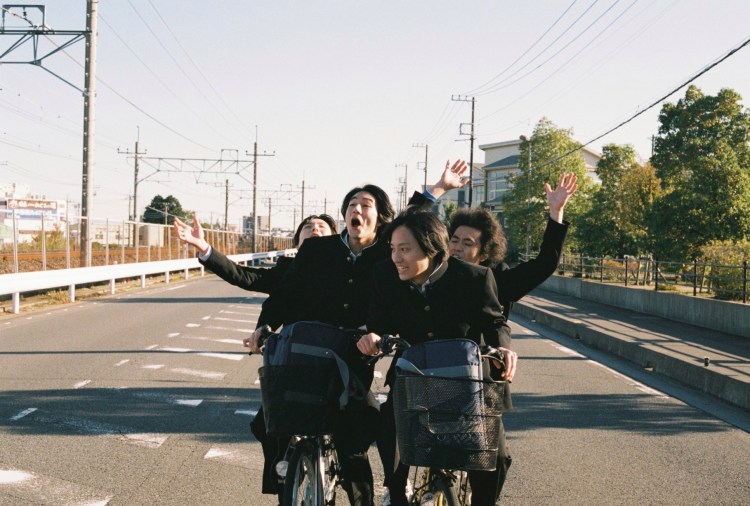
“As long as you have a girl you can cope with anything. Who cares what’s happening in the world?” the lovestruck hero of Natsuki Seta’s Georama Boy, Panorama Girl (ジオラマボーイ・パノラマガール) blusters floating around on a cloud of adolescent intensity. “Man, you’re crazy” his more mature workmate replies with unconcealed exasperation. Adapted from a manga by Kyoko Okazaki, Seta’s post-modern drama like her previous film Parks recalls the lighthearted teen movies of the Bubble era even as it gleefully subverts rom-com norms as the mismatched youngsters repeatedly glide past each other experiencing parallel though connected episodes of romantic disillusionment in a rapidly deconstructing city. 

The heroine, Haruko Shibuya (Anna Yamada), is a dreamy, romantic sort of girl who’s read too many shojo manga and wishes the summer could go on indefinitely because she wants “to dream longer”. Kenichi Kanagawa (Jin Suzuki), by contrast, is a slightly nerdy young man who upends expectation by suddenly standing up mid-class after being forced to take a test on the first day back after the summer holidays to announce he’s quitting school because he’s realised it’s just not necessary for him. As if trying to get his mid-life crisis over as early as possible, Kenichi picks up a skateboard and starts hanging round in Shibuya unsuccessfully trying to pick up girls until he catches the attention of a free spirited older woman, Mayumi (Misato Morita), only to be unceremoniously beaten up by her maybe boyfriend after being spotted together in a cafe. Bloodied, bruised, and collapsed in the street is how he eventually meets Haruko who stops to see he’s OK and then randomly gifts him her combini purchases, keeping hold of his school ID card which is how she figures out who he is. 

Being a teenage girl, Haruko, like her friends Kaede (Erika Takizawa) and Maru (Kogarashi Wakasugi), longs to fall in love and thinks meeting Kenichi is her romantic destiny even over investing in its potency in believing their love is probably necessary in order to save the Earth from calamity like the star-crossed lovers from a shojo manga. As their names suggest, Haruko is the city centre whereas Kenichi is the provincial suburbs, but they spend their time dancing around each other living out parallel love stories as Kenichi continues to obsess over Mayumi whose free-spirited frankness is tinged with sadness while her toying with a lovestruck teen has an almost self-destructive quality. Each of them experience a moment of romantic disillusionment realising that their adolescent visions of pure love are essentially unrealistic and that chance meetings are sometimes just that intended to go no further because life thinks nothing of the rules of narrative causality. 

The failure of Haruko’s romantic dreams prompts her into a further moment of introspection as she continues to wonder if everything around her is merely an illusion. Meanwhile, the TV news is a catalogue of contemporary anxieties from an early report on a young woman who took her own life rather than return to school because of rampant bullying not to mention exam stress, to a protest over nuclear weapons and conscription, and even one about a potential response to meteors and aliens. The Tokyo the teens inhabit is one of constant uncertainty, a city half-built and in a state of limbo remaking itself for the upcoming Olympics (which ironically we now know will only half arrive). Yet as Kenichi had suggested, the teens barely notice what’s going on in the world around them so caught up are they in their adolescent dramas finding themselves less star-crossed than at cross purposes in their mutual romantic dilemmas. 

Just like the teen movies of old, Seta draws inspiration from the French New Wave as the youngsters frequently monologue across each other sometimes in sync and others not their dialogue in a sense pretentious but also filled with the naive intensity of youth as they each attempt to navigate their way towards a more mature adulthood. With a charmingly timeless retro quality, Georama Boy, Panorama Girl embraces the absurdity of teenage love but finally opens the door to something more “real” brokered in a way by twin heartbreak followed by a mutual resetting as the pair walk out into a new dawn now more ready to meet whatever it has waiting for them. 


Georama Boy, Panorama Girl streams in Canada until Aug. 25 as part of this year’s Fantasia International Film Festival.

International trailer (English subtitles)

Anima (莫尔道嘎, Cao Jinling, 2020)

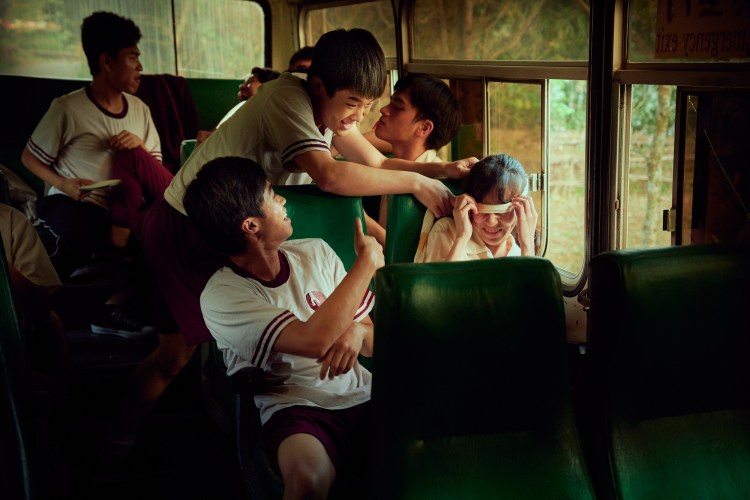
“The trees are not yours. You can’t protect them” an adopted son is repeatedly told, except they are his to the extent that they belong to everyone and the consequences of not protecting them, as he will sadly discover, may prove catastrophic. Set mainly in the 1980s in the remote Inner Mongolian mountain region of Moerdaoga National Forest Park, Cao Jinling’s timely eco drama Anima (莫尔道嘎, Mòěrdàogá) asks what happens when you pull the pegs out of the earth and then take them to market, linking the ‘80s economic reforms with the advent of environmental destruction, but eventually finds a kind of serenity in the beauty of the natural world and man’s innate connection with it. 

Linzi (Wang Chuanjun), so named because he was found abandoned in the forest as a baby, recounts his tale as a letter to the son he has never met beginning with the moment of childhood trauma which forever altered his destiny and set him at odds with adoptive brother Tutu (Si Ligeng). Out playing one winter while the grownups hunted, Linzi fell into an ice cave and found himself face to face with a bear. Though he felt sure the bear would not harm him, it panicked on hearing his mother’s cries. Hoping to save his brother, Tutu shot the bear but their mother was also killed and, as bears are sacred to the indigenous Ewenki tribe, finds himself an outcast for this act of spiritual transgression. The three remaining family members move to the edge of the forest in order to evade the bear’s curse, eventually joining the local logging industry though Linzi finds himself conflicted in his love of nature while all around him are content to ride roughshod over its majesty. 

While Linzi remains a guardian of the forest living a traditional rural life, Tutu is modernity personified falling in with a gang of shady gangsters running an illegal logging and smuggling operation. While the smugglers might be thought of as the bad guys, the logging company are little better. Linzi’s boss expresses exasperation with his reluctance insisting that if they don’t cut the trees down the smugglers will while constantly banging on about his quotas. Obsessed with making money and fearful of an oppressive social order, no one is thinking very much about the long term consequences of deforestation even as Linzi tries to explain to them that it takes a long time to grow a tree and they’re in danger of running out. When the literal flood comes, it will have devastating consequences for all involved. 

Aside from their differing views on the tradition/modernity divide, the relationship between the brothers further declines when Linzi encounters a feisty widow living alone in the forest (Qi Xi), herself transgressively killing bears for reasons of revenge seeing as her late husband was eaten by one. Linzi shyly falls in love with her, but so does Tutu who finds it difficult to accept the idea that his awkward younger brother has got himself a wife. “I am cursed forever” Tutu dramatically cries after having committed a double transgression of killing another bear and presenting its pelt as a wedding present, and then attempting to rape the bride. So traumatised is he by a sense of spiritual corruption that Tutu no longer feels connected to nature, an exile from the natural world, and self-destructively embraces the worst aspects of modernity believing that he deserves no better. 

Yet even Linzi finds himself betraying his ideals in order to feed his family, falling victim to the “tree breath spell” after participating in the removal of a great old tree. People keep telling him that he doesn’t own the trees and therefore has no right to decide what is done with them, but like everyone else he’s a man of the forest continually displaced while his world is dismantled all around him. He tries to warn the loggers they’re going too far, but they don’t listen to him until it’s already too late. The authorities attempt to fix the problem with a program of “reforestation” but if the price of untempered capitalism is the destruction of the natural world it is nothing more than an act of intense self harm. Linzi attempts to hold back the tide, but is himself exiled from modern society, a sprite bound by the forest unable to leave its boundaries and condemned to watch over it for all eternity as if in penance but also in deep love for the wonders of the Earth which few are now privileged to see. 


Anima screens on Aug. 8 at Film at Lincoln Center – Walter Reade Theater as part of this year’s New York Asian Film Festival.

Original trailer (English subtitles)

Sexual Drive (性的衝動, Kota Yoshida, 2021) [Fantasia 2021]

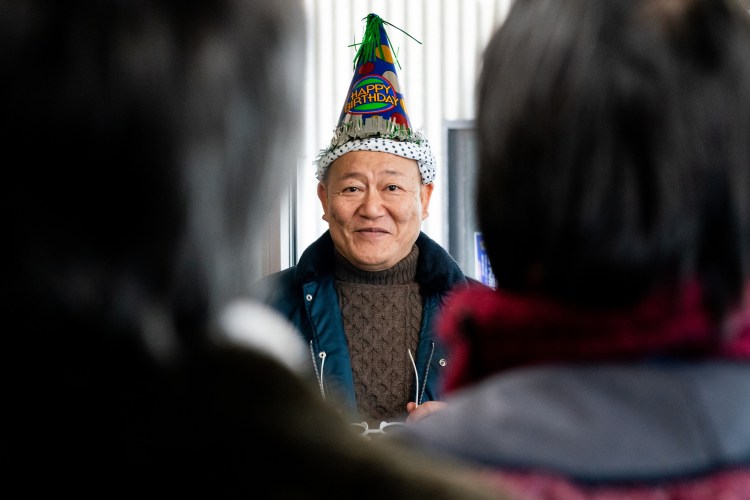
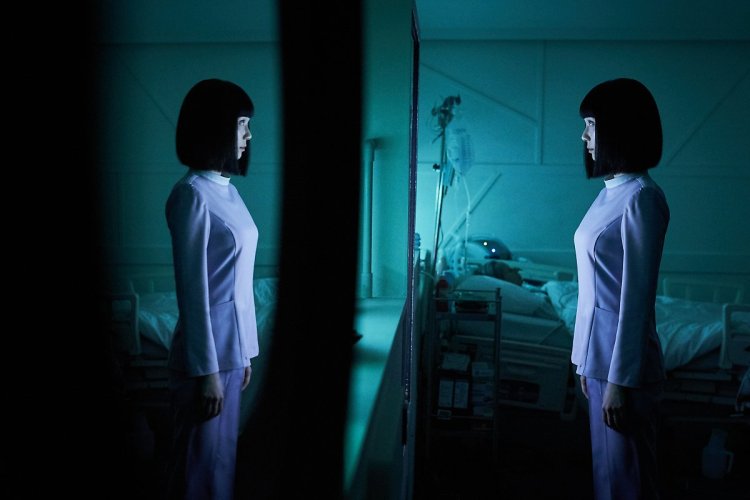
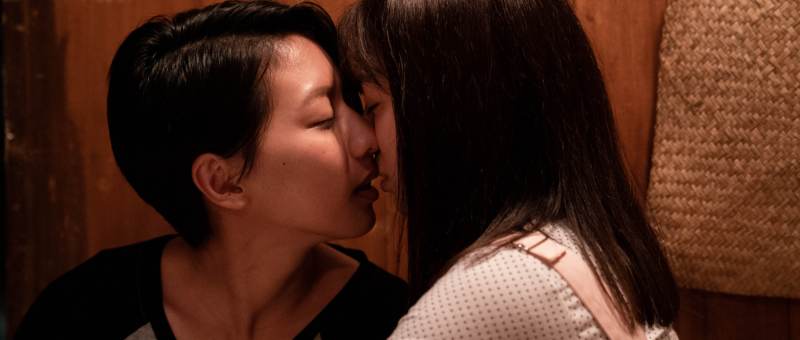
A weird chestnut-bearing spirit of sexual awakening visits three troubled couples in Kota Yoshida’s odyssey of food-themed eroticism, Sexual Drive (性的衝動, Seitekishodo). As the title perhaps implies, Yoshida’s loose thesis seems to be that each of the spouses he counsels is living a dull and unfulfilling life because they’re repressing their authentic selves either unrecognising or rejecting the true nature of their sexual desires. Yet who or what is Kurita (Tateto Serizawa) and what is he really up to? Aside from all that, is he even “real”?

When we first meet Kurita, he’s bearing a box of Chinese chestnuts (“chestnut” being the first character of his name but also a slang term for clitoris) and walking with a pronounced limp. This lends credence to his story of having suffered a stroke three years previously though as we will later discover the cause is likely very different if at least suggesting a healthy corporality. The visit is all the more unusual as it seems he doesn’t know the man he’s come to see, Enatsu (Ryo Ikeda). Just as we’re wondering if this is some kind of hookup while his wife (Manami Hashimoto) works an extra shift at the hospital, we realise that the reverse may be true as Kurita claims to have been having a three-year affair with Enatsu’s spouse having fixated on her after she fitted a catheter for him following an operation. This is a discussion between men, but Kurita soon becomes excitable making lewd gestures with a mostly empty natto carton apparently likening its distinctive taste and odour to the nether regions of Enatsu’s wife. Goading him that their marriage has been sexless for the last five years, what Kurita seems to do is ironically restore Enatsu’s sexual potency through his vicarious enjoyment of his wife’s taste for this famously love it or hate dish of fermented soy beans. 

Kurita’s second victim, meanwhile, has apparently committed the crime of making inauthentic mapo tofu, its heat turned down to suit the Japanese palate. This time Kurita claims to have been an elementary school classmate of the nervous Akane (Honami Sato) who has frequent panic attacks and has finally got up the courage to go for her first solo drive. He insists that Akane is a sadist who brokered his own masochistic awakening through her merciless bullying and that the reason she’s so on edge is because she’s living a neutered life with only inauthentic mapo tofu when she should really be making her own loaded with enough spice to burn the roof of her husband’s mouth clean off. 

His third case, however, sees him steal a device from Snake of June in communicating with an adulterous husband, Ikeyama (Shogen), claiming that he’s kidnapped his mistress, Momoka (Rina Takeda), and will soon expose his extra-marital affair if he refuses to follow the instructions he gives him. These are mostly surprisingly wholesome and a little bit sad as what Kurita is hoping to teach Ikeyama is what a cad he’s being and how his insensitive treatment of Momoka must make her feel. Accordingly, he sends him to a greasy ramen bar mostly frequented by middle-aged men where talking is very much not allowed in order for him to consume a satisfyingly fatty dish the transgressive energy of which both inflamed Momoka’s desire and forced her into a contemplation of her role as the mistress of a married man. Ikeyama’s awakening is less to sex than to love in being forced to accept Momoka’s personhood in empathising with the loneliness his indifference causes her to feel. 

Yet, if it weren’t for the chestnuts, we might wonder if Kurita were real or merely a manifestation of each of his victims’ subconscious fears and desires. Even as it stands, we can’t be sure that anything he says is actually true, nor do we know what motive he has for guiding these frustrated souls towards their sexual release like some strange sex fairy sent from on high. Nevertheless, in satisfying appetites of all kinds he paints the fulfilment of authentic sexuality as a basic human need even as food becomes a kind of displacement activity standing in for the satisfaction of human desire. Strangely absurd in Kurita’s rather creepy demeanour coupled with his victims’ crumbling wholesomeness, Sexual Drive even if ironically presents a refreshingly positive message of embracing kink while remaining mindful of its effects on others. 


Sexual Drive streams in Canada Aug. 5 – 25 as part of this year’s Fantasia International Film Festival.

Original trailer (English subtitles)

Escape from Mogadishu (모가디슈, Ryoo Seung-wan, 2021)

“You think we can accomplish more together?” the North Korean ambassador incredulously asks of the South, realising that if they’re to escape their desperate situation they will temporarily have to put ideology aside. Ryoo Seung-wan’s latest big budget action drama Escape from Mogadishu (모가디슈, Mogadishu) finds the diplomatic staff of a newly democratic South Korea ironically caught up in another nation’s much less peaceful revolution while perhaps confronted by the duplicities of their globalising ambitions even as they realise the North may already have the upper hand when it comes to cultivating relationships with authoritarian regimes. 

As the opening title cards explain, having successfully transitioned into democracy and fresh from its Olympic success the South Korea of 1991 was keen to claim its place on the global stage by joining the UN. Knowing that African votes are important in the process, the ambassador to Somalia, Han (Kim Yoon-seok), is determined to ensure he has that of President Barre in the bag before he finishes out his term. Unfortunately, his attempts are frustrated firstly by a lack of cultural knowledge in his home nation as witnessed by the inappropriate gifts they’ve prepared for the president which include expensive alcohol despite the fact Somalia is a muslim nation, and secondly by the North Koreans who seem to have cultivated a closer relationship with the ruling regime and are keen to ensure South Korea does not get its seat at the UN. 

Meanwhile, it becomes increasingly clear that there is unrest in the country with rebel forces intent on deposing the despotic regime of a military dictator and installing full democracy. The circumstances are in a sense ironic, the rebels and the ordinary citizens who later stage an uprising are only doing the same thing South Korea itself has recently done only they are of course doing it in a much less defensible way with widespread violence culminating in an entrenched civil war. The staff at the embassy therefore find themselves in a difficult position. “At home they turn innocent students into communist spies, think they can’t do that here?” a conflicted staff member advises uncertain as to what to do on realising they may unwittingly be harbouring a rebel soldier while diplomatically unable to declare a clear side. All they can think to do is play a tape from their welcome event describing themselves as friends of the Somalian people in the hope of deflecting rebels’ the anger. 

Nevertheless, the rebels have declared all foreign presences as their enemies for their tacit support of Barre’s regime. Han is certainly guilty of that in cosying up to the government in the hope of winning their vote, while the North Koreans fare little better despite being accused of secretly trafficking weapons to the rebel army while the rebels complain that foreign aid has only been used to facilitate Barre’s ongoing oppression. When the North Korean Embassy is destroyed and the Chinese have already left, the North Koreans are left with no choice other than the unthinkable, asking the South for help. The South, however, is conflicted. If they let them in they’re in danger of breaking the National Security Law and in any case they aren’t sure they can trust the North. “I hear they’re trained to kill with their bare hands” one of the ladies exclaims even doubting the children. But if they refuse to open the gate it means certain death for those who are, if not their fellow countrymen, then in a sense fellow Koreans. 

Based in historical fact, Ryoo’s high tension drama is in essence a division film which makes a strong case for the united Korean family even as the two sides remain somewhat distanced despite making the practical decision to trust each other in order to survive and escape. To do so they each have to make unpalatable political decisions, the South Koreans allowing others to believe the Northerners intend to defect in the hope of additional help from their own side and the wider diplomatic community. Given the opportunity to leave alone, Han nevertheless insists on making space for the North Koreans too unwilling to simply leave them behind. The North Koreans, meanwhile, reveal the reasons they could not defect even if they wanted to in that many of them have been forced to leave children behind in Pyongyang as hostages to ensure their continued obedience to the regime. Han may have gained a degree of enlightenment in realising there are sometimes “two truths” but there’s also an undeniable poignancy on realising that however much they’ve shared, the two men will never again be able to acknowledge each other in public, escaping Mogadishu but forever divided. Shooting in Morocco, Ryoo fully recreates the terror and desperation of being trapped in an unpredictable, rapidly devolving situation while allowing his divided Koreans to find a sense of commonality as they band together in order to escape someone else’s civil war.


Escape from Mogadishu opens this year’s New York Asian Film Festival on Aug. 6 and will thereafter screen at cinemas across the US courtesy of Well Go USA

International trailer (English subtitles)

Fantasia International Film Festival Confirms Complete 2021 Programme

Montreal’s Fantasia International Film Festival celebrates its 25th anniversary with a hybrid edition in theatres and streaming across Canada Aug. 5 – 25 showcasing the best in global genre cinema. Here’s a look at the East Asian features included in this year’s programme:

China

  • Back to the Wharf – A wounded young man’s attempts to start over in the shadow of his crime are doomed to failure in Li Xiaofeng’s moody, fatalistic neo-noir. Review.

Japan

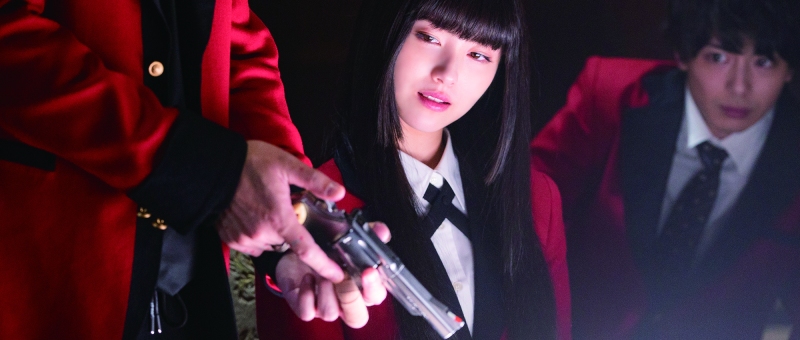
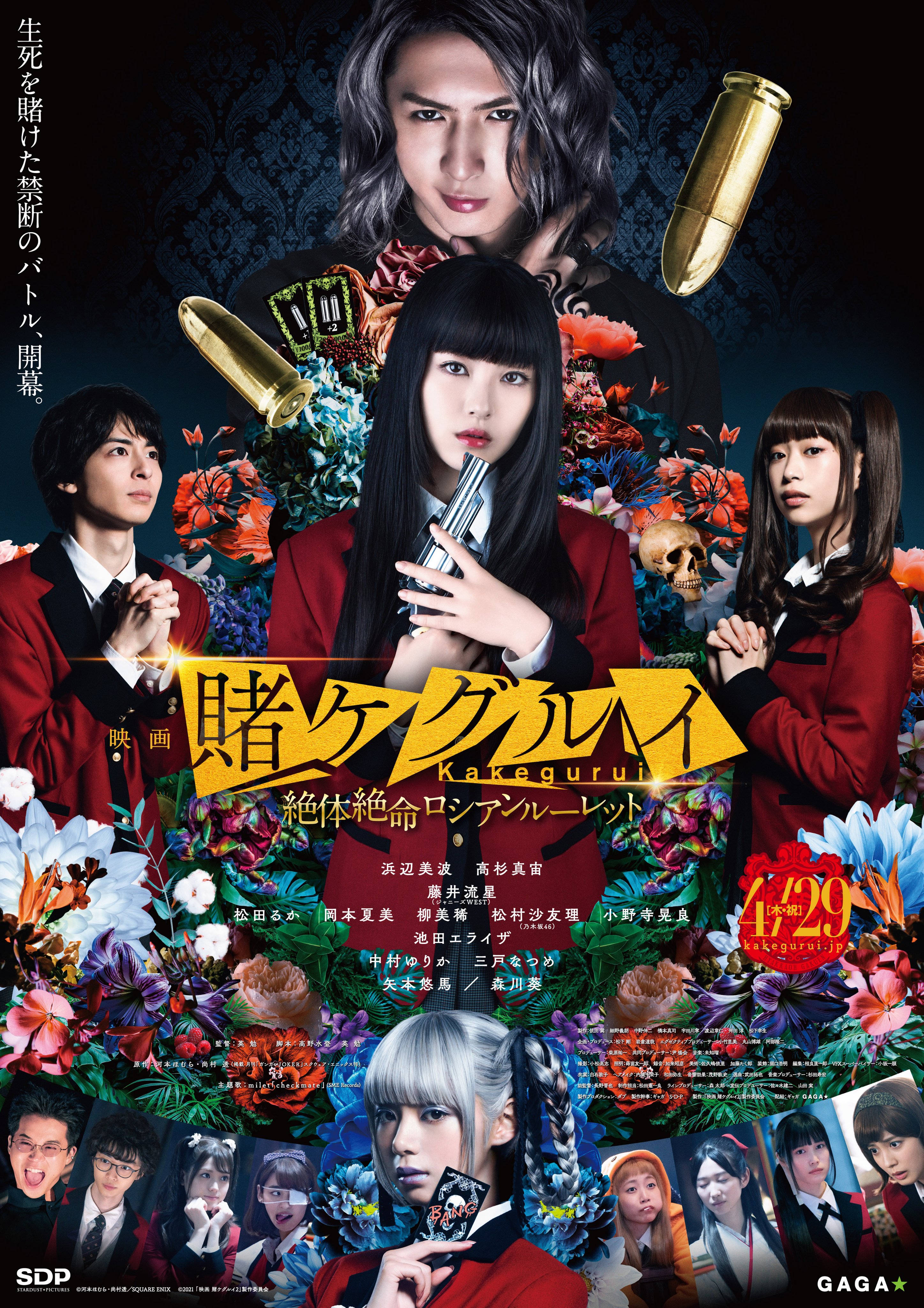
  • Kakegurui 2: Ultimate Russian Roulette – sequel to the hit high school gambling manga adaptation.
  • Remain in Twilight – six former high school friends reunite for a funeral in a poignant drama from Daigo Matsui.
  • Wonderful Paradise – An impromptu going away party descends into a psychedelic rave of death and rebirth in Masashi Yamamoto’s defiantly surreal nighttime odyssey. Review.
  • Caution, Hazardous Wife – big screen outing of the TV drama starring Haruka Ayase as a former assassin turned regular housewife.
  • Not Quite Dead Yet – A resentful young woman comes to understand her awkward scientist dad only after he becomes temporarily deceased in Shinji Hamasaki’s delightfully zany comedy. Review.
  • Art Kabuki – filmed kabuki performance
  • Beyond the Infinite Two Minutes – A diffident cafe owner faces an existential dilemma when trapped in a time loop with himself from two minutes previously in Junta Yamaguchi’s meticulously plotted farce. Review.
  • Love, Life and Goldfish – musical manga adaptation in which a salaryman is demoted to a rural town after insulting his boss.
  • Poupelle of Chimney Town – animated adaptation of the picture book by Akihiro Nishino.
  • Fortune Favors Lady Nikuko – animated adaptation of the much loved book by Kanako Nishi centring on the sometimes difficult relationship between a serious young girl and her cheerful mother.
  • It’s a Summer Film! – A jidaigeki-obsessed high schooler sets out to make her own summer samurai movie in Soshi Matsumoto’s charming sci-fi infected teen rom-com. Review.
  • Jigoku-no-Hanazono ~ Office Royale ~ – delinquent office lady comedy drama.
  • Sakura – nostalgic family drama adapted from the novel by Kanako Nishi and directed by Hitoshi Yazaki.
  • Pompo: the Cinéphile – anime adaptation of the movie-themed manga.
  • Satoshi Kon, the Illusionist – documentary by Pascal-Alex Vincent on the late director of Perfect Blue.
  • Junk Head – new theatrical edit of the sci-fi horror stop motion animation.
  • Dreams on Fire – A country girl comes to the city to become a dancer and finds a sense of solidarity in subculture in Philippe McKie’s refreshingly positive drama. Review.
  • Georama Boy Panorama Girl – teen romance adapted from the manga by Kyoko Okazaki and directed by Natsuki Seta.
  • Hold Me Back – latest from Akiko Ohku in which a happily single 31-year-old woman’s peaceful life is disrupted by romance. 
  • Ora, Ora, Be Goin’ Alone – latest from Shuichi Okita starring Yuko Tanaka as an older woman reflecting on her younger self (Yu Aoi) and surrounded by the “voices of her heart”.
  • Sexual Drive – three tales of food and sex from Kota Yoshida
  • Great Yokai War: Guardians – Takashi Miike’s sequel to The Great Yokai War in which an elementary school student inherits the blood of the legendary monster hunter in order to save the world from rampaging yokai.
  • Tokyo Revengers – manga adaptation in which a freeter discovers his first love was murdered by gangsters.
  • Follow the Light – sci-fi-inflected coming-of-age story in which a crop circle appears in a quiet rural village.
  • The Deer King – animated feature in which a former soldier and a young girl attempt to escape a deadly plague.
  • Grand Blue Dreaming – manga adaptation in which a straight-laced college student is pulled into the debauched life of the local diving club.
  • The 12 Day Tale of the Monster that Died in 8 – black & white COVID kaiju drama from Shunji Iwai.
  • Under the Open Sky – A pure-hearted man of violence struggles to find his place in society after spending most of his life behind bars in Miwa Nishikawa’s impassioned character study. Review.
  • Uzumaki – 2000 horror movie adaptation of Junji Ito’s manga in which mysterious spirals engulf a small town.
  • Funky Forest – 2005 quirky anthology film
  • Warped Forest – 2011 sequel to Funky Forest from Shunichiro Miki
  • All About Lily Chou Chou – Shunji Iwai’s 2001 school bullying drama
  • April Story – Shunji iwai’s charming 1998 mid-length film starring Takako Matsu as a young woman moving to Tokyo for uni.

Hong Kong

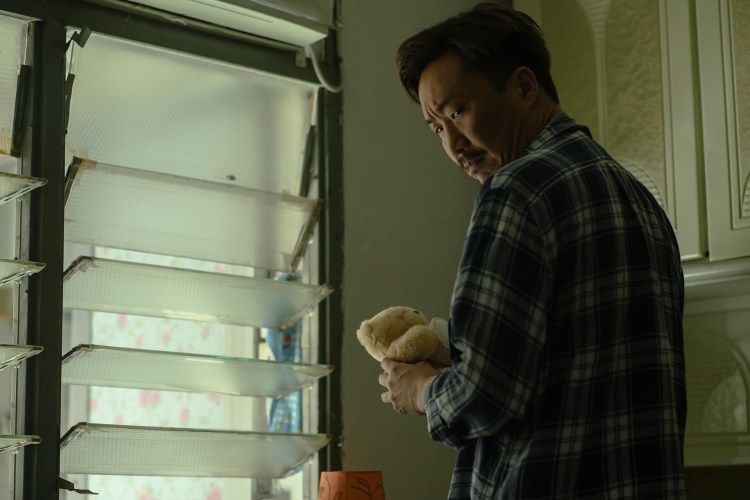
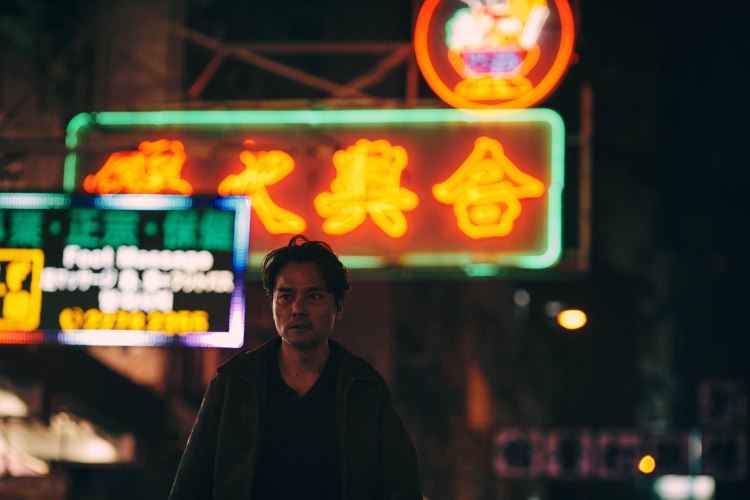
  • Time – an ageing hitman takes up a new career in euthanasia in Ricky Ko’s black comedy. 
  • Septet – HK-themed anthology featuring instalments by Patrick Tam, Ringo Lam, Ann Hui, Johnnie To, Yuen Woo-ping, Tsui Hark, Sammo Hung
  • Hand Rolled Cigarette – A cynical former British soldier and a South Asian street thief find unexpected solidarity in Chan’s gritty neo-noir. Review.
  • One Second Champion – A dejected single-father with a “useless” superpower finds a new lease of life in the boxing ring in Chiu’s plucky social drama. Review.
  • Raging Fire – Benny Chan action drama starring Donnie Yen as a by the book cop facing off against Nicholas Tse’s maverick gone rogue.

Korea

  • Voice of Silence – A mute farmer begins to dream of a different life after being charged with minding a kidnap victim in Hong Eui-jeong’s strangely warmhearted crime caper. Review.
  • The Slug – A woman in her ’30s struggles to overcome a sense of toxic inadequacy born of teenage trauma in Choi Jin-young’s whimsical drama. Review.
  • Collectors – a tomb raider prepares a daring heist to retrieve a precious artefact.
  • Devil’s Deal – political drama in which a slighted politician steals classified information
  • Midnight – thriller in which a deaf woman becomes a target for a killer after witnessing a murder.
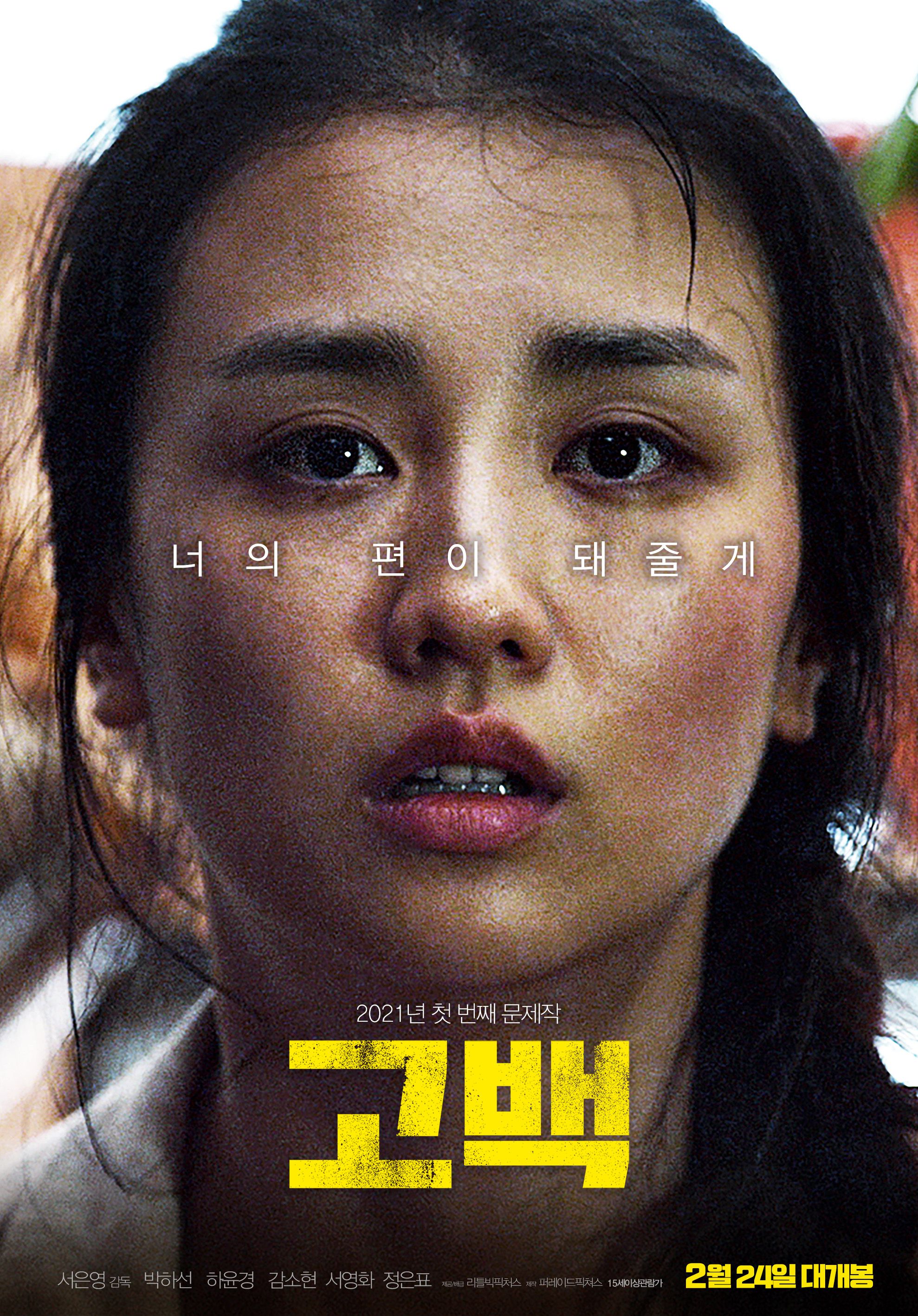
  • Fighter – a North Korean refugee pins her hopes on boxing to bring her father to the South
  • Josee – Korean adaptation of Seiko Tanabe’s short story Josee, the Tiger and the Fish in which a student befriends a young woman isolated by her disability.
  • Seobok – big budget sci-fi starring Gong Yoo as a former government agent teaming up with the first human clone

Kazakstan

  • Sweetie You Won’t Believe It – after arguing with his wife a husband gets more than he bargained for while fishing with friends.

Malaysia

  • The Story of Southern Islet – a wife embarks on a perilous journey to save her ailing husband.

The Philippines

  • Midnight in a Perfect World – dejected youngsters contemplate the costs of their newly “utopian” society in Dodo Dayao’s eerie, sci-fi inflected horror take on the legacy of martial law. Review.

Singapore

  • Tiong Bahru Social Club – An earnest young man experiences an existential crisis while living in the “happiest neighbourhood in the world” in Tan Bee Thiam’s whimsical satire. Review.

Taiwan

  • The Sadness – an office worker and her filmmaker boyfriend attempt to escape a deadly epidemic of rage and violence in Robert Jabbaz bloody horror

Most films will be available to stream in Canada from 5th – 25th August with some also screening in Montreal. “Tickets” for online movies are limited in number comparable to the size of a physical auditorium and while much of the programme is available on demand selected films will stream live only. Full details for all the films are available via the the official website, and you can also keep up with all the latest news via the festival’s official Facebook pageTwitter account, Instagram, and Vimeo channels.

Black Cat Mansion (亡霊怪猫屋敷, Nobuo Nakagawa, 1958)

A doctor and his wife find themselves at the mercy of an ancestral curse in Nobuo Nakagawa’s eerie gothic horror, Black Cat Mansion (亡霊怪猫屋敷, Borei Kaibyo Yashiki, AKA Mansion of the Ghost Cat). Most closely associated with the supernatural, Nakagawa’s entry into the ghost cat genre is among his most experimental outside of avant-garde horror Jigoku released two years later. Employing a three level flashback structure spanning the modern day, six years previously, and then all the way back to Edo, Nakagawa positions contemporary Japan as a kind of haunted house with skeletons in its closet which must finally be exposed and laid to rest if society is to recover from the sickness of the feudal legacy. 

Nakagawa opens, however, with an ethereal POV shot in blue-tinted monochrome of a doctor walking through a darkened hospital armed only with a torch while a pair of orderlies silently remove a corpse on a gurney right in front of him. A man of science, the doctor, Tetsuichiro (Toshio Hosokawa), confesses that he’s tormented by the sound of footsteps on this “evil night” which remind him of a strange series of events that took place six years previously while his wife Yoriko (Yuriko Ejima) was suffering from advanced tuberculosis. In an effort to aid her recovery the couple left Tokyo to return to her hometown in the more temperate Kyushu. Yoriko’s brother Kenichi (Hiroaki Kurahashi) expresses concern over his sister’s health, wondering if she wouldn’t be better to have an operation but Tetsuichiro explains that at this stage an operation might only make things worse so they’re hoping the quiet and fresh air will allow her lungs to recover more quickly. Kenichi has sorted out a place for them to live in an abandoned mansion but the house is extremely dilapidated and in fact barely habitable especially for someone suffering with a debilitating medical condition in which it might be sensible to avoid dusty environments. Nevertheless, the couple fix the place up and Tetsuichiro opens a surgery in the front room. 

For Yoriko, however, the house is full of foreboding. On their journey there, the driver had to swerve to avoid a black cat running out in the road, nearly careering off the side of mountain, while she is also alarmed to see a crow malevolently perching on a tree outside the mansion. Once inside, she glances into a storehouse by the entrance and thinks she sees a creepy old woman silently grinding corn. Tetsuichiro sees nothing when he checks it out, but is strangely unperturbed when Yoriko spots what seems to be a bloodstain on a bedroom wall insisting that they can paint over it while the footprints of someone walking barefoot through the dusty house are probably unrelated and belong to a homeless person who’s since moved on. For a man of science, Tetsuichiro is doing a lot of overlooking but seems to believe that his wife’s distress as she continues to complain of bad dreams featuring rabid cats and the creepy old woman is mere “hysteria” provoked by the mental stress and anxiety of living with a potentially fatal medical condition. 

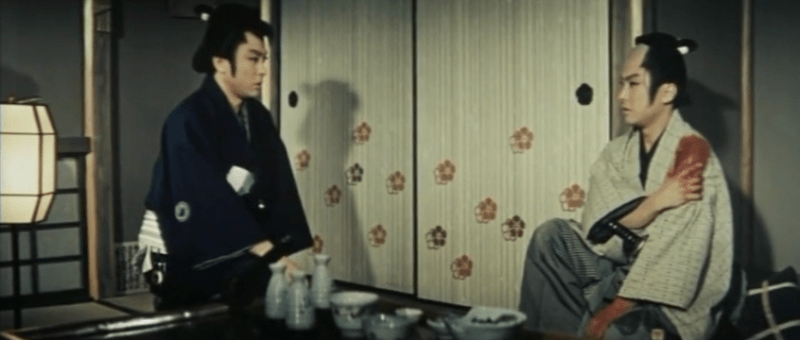
Unfortunately for him, however, vengeful cat spirits don’t care if you believe in them or not, what sort of person you are, or even if you have any real connection to whatever it was that turned them into a vengeful cat spirit in the first place. A visit to a local Buddhist priest reveals, in a vibrant colour filled with kabuki-esque shadows on the shoji, the reasons everyone thought the house was haunted which stem back to the Edo era and an entitled samurai lord with anger management issues, Shogen (Takashi Wada). Shogen hires a local Go master, Kokingo (Ryuzaburo Nakamura), to teach him the game and is enraged by Kokingo’s lateness for the appointment which is attributed to the fact that his mother is blind but is actually more to do with his cat’s severe separation anxiety. 

Taking this as a personal slight to his position, Shogen attacks his loyal servant Saheiji (Rei Ishikawa) and is only prevented from killing him by his levelheaded son (Shin Shibata) who makes a point of asking his grandmother to keep an eye on his dad because he’s worried his famous temper will cause embarrassment to the family. He is right to worry. Shogen takes exception to Kokingo right away, insisting on playing a “real” game but asking for take backs every five seconds when Kokingo makes a winning move. Fed up with Shogen’s behaviour, Kokingo brands him a cheat and threatens to leave the game. Shogen is once again enraged and fight develops during which Kokingo is killed. Shogen threatens Saheiji into helping him dispose of the body by walling it up inside an adjacent room while telling his mother that Kokingo was so embarrassed over losing to him that he’s gone off  in a huff for additional study in Kyoto and Osaka. Shogen doesn’t even stop there, raping Kokingo’s mother when she starts asking questions after seeing her son’s ghost leading her to commit suicide after cursing his entire family and instructing Kokingo’s beloved cat to lap up her blood and imbibe her wrath to become a vengeful cat spirit. 

Shogen is all the worst excesses of the samurai class rolled into one, narcissistic, angry and entitled as he uses the exploitation of those below him to foster a sense of security in his authority. As in any good ghost tale, the vengeful spirits distort his sense of reality forcing him to destroy himself out the guilt he refuses to feel. His son, Shinnojo, meanwhile is positioned as a good, progressive samurai determined to marry the woman he loves even though she is only a maid and therefore of a lower social class while often transgressively denouncing his father’s bad behaviour. That matters not to the ghost seeing as the curse is to Shogen’s entire bloodline meaning Shinnojo must to die and most likely at the hands of his father caught in a delusion trying to fight the ghosts of his past crimes. 

Tatsuichiro and Yoriko are “innocent” too though as it turns out Yoriko does have a connection to the house and the crimes of the past. They are still, however, trapped within the embodiment of the feudal legacy that is the former samurai mansion. Tatsuichiro’s determination that they can simply “paint over” the bloodstain is in many ways the problem and one reaching a crescendo in post-war Japan as it struggles to deal with the trauma of the immediate past while freeing itself of the latent feudalism which in part caused it. Only by facing the ghost, unearthing the bodies buried in the walls and laying them to rest, can they ever hope to make a recovery both spiritually and medically. Tatsuichiro at least seems to have cured himself even if left with a lingering sense of unease while his apparently now healthy wife seems to have overcome her fear of cats in the relative safety of modern day Tokyo. 


Original trailer (no subtitles)

Equinox Flower (彼岸花, Yasujiro Ozu, 1958)

Japanese golden age cinema is famed for its centring of female stories, but while it’s true that many of Yasujiro Ozu’s family dramas revolve around a young woman’s feelings towards marriage, the perspective is often surprisingly male. Equinox Flower (彼岸花, Higanbana), his first film in colour, marks something of a change in direction in its spirited defence of the young, but at heart is still a story as much about impending old age, the responsibilities of fatherhood, and changing times as it is about contemporary family dynamics or female agency. 

The father in question, Hirayama (Shin Saburi), is a high ranking executive with two daughters. The older, Setsuko (Ineko Arima), is working at another company, and the younger, Hisako (Miyuki Kuwano), is still in school. Marriage is on his mind because he’s just attended the wedding of an old school friend’s daughter at which he gave a speech, with his wife Kiyoko (Kinuyo Tanaka) sitting awkwardly next to him, describing the arranged marriage he had with her as “pragmatic, routine” while he envies the young couple’s “fortunate opportunity” to indulge in romance. He and Kiyoko idly discuss the idea of Setsuko’s marriage, it seems as if there is a promising match on the horizon, with Hirayama conflicted while Kiyoko is very much in favour of doing things the traditional way. She’s already mentioned it to her daughter, but all she does is smile demurely which seems to provoke different interpretations from each of the parents. 

While thinking about all of that, Hirayama receives a visit from an old friend who was a notable absence at the wedding asking him to check up on his daughter Fumiko (Yoshiko Kuga) who ran away from home two months ago to live with a musician after he tried to veto her intention to marry without consulting him. Hirayama is sympathetic, perhaps thinking his friend has acted foolishly and pushed his daughter away. After visiting the bar where she works, he comes to the conclusion that as long as she’s happy with her choice then everyone else should be too. That all goes out the window, however, when a young man, Taniguchi (Keiji Sada), visits him unexpectedly at work and asks for permission to marry Setsuko. Hirayama quite rudely asks him to leave and then irritatedly talks the matter over with Setsuko before petulantly refusing his consent, not because he objects to Taniguchi, but because he is hurt on emotional level that she hadn’t talked to him about this first (not least so that they stop worrying about arranging a marriage) while resentful that she’s gone behind his back and undercut his patriarchal authority. 

In addition to the changing nature of family dynamics, Hirayama is perhaps conscious of his advancing age, feeling himself increasingly obsolescent and therefore additionally wounded by this assault on his authority as a father. The generation gap, however, is all too present. Both Setsuko and Fumiko feel as if they simply cannot talk to their parents because they wouldn’t listen and will never understand. Yukiko (Fujiko Yamamoto), the daughter of another friend, feels something similar in her exasperation with her well-meaning single mother who keeps hatching plans to set her up with various men she isn’t interested in. Intellectually, Hirayama sides with the young, envying them their freedoms and advising Yukiko firstly not to marry at all, and then encouraging her desire to resist arranged marriages despite trying to foist them on his own daughters. 

Even Kiyoko eventually describes her husband’s continuing petulance as “inconsistent”. It seems obvious that Kiyoko is siding with her daughter, immediately taking a liking to Taniguchi who politely brought her home after she stormed out following an argument with her father, but she continues to behave as a “good wife” should, politely minding her husband while gently hoping that he will eventually come round. Only once pushed does she try to explain to him, again politely, that he’s being selfish and unreasonable, but he continues on in resentment while causing his daughter emotional pain simply for trying to find her own happiness rather letting him decide for her. Kiyoko is afraid that if it carries on like this, then Setsuko will, like Fumiko, eventually leave and they’ll lose her completely, something which Hirayama either hasn’t fully considered or is actively encouraging through his petulance. 

In the end the conclusion he comes to is that the parents will eventually have to give way or risk losing their children entirely. He tells both Fumiko and Yukiko that all parents want is for their children to be happy and so nothing else matters, but struggles to put his advice into practice when it comes to his own daughter. Like pretty much everyone in an Ozu film, Hirayama is a good, kind person, even if one struggling against himself as he contemplates a loss of authority, a change in standing, and the difficulty of dealing with complex emotions as a man in a patriarchal society. Predictably, it’s women who essentially bully him into making better decisions, Yukiko “interfering” in the nicest of ways, while his wife makes it clear that though she thinks he’s wrong she will continue to stand by him if only in the hope he will eventually see the light. “Life is absurd, we’re not all perfect” he admits, only later realising how his stubborn foolishness may have caused unnecessary suffering to those he loves the most.


Currently streaming in the UK via BFI Player as part of Japan 2020. Also available to stream in the US via Criterion Channel.

Original trailer (no subtitles)

Supermarket Woman (スーパーの女, Juzo Itami, 1996)

By 1996 Japan had entered an extended period of economic stagnation which signalled the end of post-war aspiration but for many at least the false promises of the Bubble era proved hard to dispel. In what would be his penultimate film, Supermarket Woman (スーパーの女, Supa no Onna), Juzo Itami turns his attentions to the insular world of the nation’s family-held, independent supermarkets to ask a few questions about integrity in business which cut straight to the heart of what kind of society post-Bubble Japan intended to be given yet another opportunity to make itself anew. 

As the opening text crawl explains, this is a story not about giant supermarket chains but your friendly indie local. “Honest Mart” is a family-owned, mid-range supermarket in a declining industrial area nominally run by absentee CEO Goro (Masahiko Tsugawa) who was bequeathed the place by his father but is a melancholy drunkard delegating responsibility to his manager. The store has a huge problem in that a rival has recently re-opened under the new name “Discount Demon” and seems primed to steal all their business. On a stakeout of the new place, Goro runs into a childhood friend, Hanako (Nobuko Miyamoto), who is now a widow returning to the area. With her lifelong experience as a veteran housewife, Hanako knows a few things about supermarkets and she’s not very impressed with Discount Demon, doing a few quick calculations to realise the supposed discounts aren’t as enticing as they seem while common gimmicks like the all pervasive red glow that makes their meat look fresher than it really is only irritate her. Goro asks her for a “professional” opinion on Honest Mart without telling her who he is, only to discover she’s even less impressed with them, certain that his place is on the way out thanks to its dated decor, uninviting atmosphere, and low quality produce. 

The irony is Honest Mart is not much better than Discount Demon, both stores are subject to the same industry standards in which a certain degree of obfuscation is permissible. “In business honesty doesn’t pay” Hanako is told by the onsite butcher after she questions his tendency to mix meats to pass them off as more expensive cuts, while she later discovers that the store engages in the practice of repackaging unsold meat and fish with new expiration dates and is not very particular about its suppliers when it comes to buying in ready-made products. Brought on board to save the store, Hanako breezes in with a new mission to win the hearts and minds of her customers, and she can’t do that if she can’t have confidence in her stock. In any case, her the customer is always right policy quickly brings her into conflict with the store manager, an older more conservative man who actively resists innovation and resents having his authority undercut by an interloping woman. 

Meanwhile, we can also see that customer attitudes have changed. There’s a problem with availability of trolleys because, perhaps unusually for Japan, customers are just abandoning them willy-nilly in the carpark instead of retuning them to the trolley point like responsible shoppers. One man is even for some reason intent on stealing a large number of shopping baskets, caught by Hanako loading them into his car. Everybody wants cheap, which is understandable especially given the economic situation, and they might even be a little underhanded when it comes to getting it, but they also expect a reasonable level of quality and to be able to trust that the food they’re buying is safe to feed their families. Hanako is most alarmed that the ladies who work in the kitchen area, who are obviously wives and mothers themselves, do not shop at Honest Mart because they know what goes on at the store and they don’t trust it. 

“A housewife knows” Hanako is fond is saying. Her revolution is in essence a vindication of “the housewife”, perhaps the most maligned and dismissed figure of the mid-90s society, putting to good use all of her veteran experience both of running a home and of working a series of part-time jobs including those in supermarkets which she claims to love. Approaching the problem from the point of view of a consumer, she attempts to help Goro achieve his dream of making Honest Mart number one in Japan not through making it the most financially successful but the most loved by listening to women like her in the form of a focus group of local aunties some of whom had previously been serial complainers. 

Then again, some of her decisions are in a sense contradictory as she attempts to streamline the business along classically capitalistic lines in suggesting that the store doesn’t really need its overqualified butcher and fishmonger because the part-timers could be trained to do a “good enough” job. “Good enough” is in a sense her business philosophy, only not in the sense that somewhere like Discount Demon which falsely advertises regular steak as discount Wagyu means it, rather that her customers are after an everyday level of produce and so it’s not surprising that premium meats don’t sell. She wants to get rid of the butcher, who turns out to be on the fiddle, and the melancholy fishmonger disappointed no one wants his top quality seafood, because their “artistic temperament” is disruptive to the flow of the store and their presence is perhaps emblematic of the bloated, pretentious management style which is holding it back. 

Positioning the “housewife’s choice” as the ultimate seal of approval, Supermarket Woman advocates for a return to wholesome, small-town values, prioritising a sense of integrity as Honest Mart projects itself as a corporate force their customers can trust, perhaps anticipating a trend in dedicating itself to providing good quality fresh produce at fair prices in direct opposition to Discount Demon and its underhanded trickery. “Honest Mart keeps its word” Goro assures, pledging to honour a mistaken ad which promised eggs at prices so good it caused minor riot. In the end, it’s all about trust and integrity. If you don’t have that, you don’t have anything and the housewives of post-Bubble Japan will it seems vote with their feet. 


Currently available to stream in the US via Criterion Channel.

Original trailer (no subtitles)

A Hometown in Heart (마음의 고향, Yoon Yong-Kyu, 1949)

Should the “sins” of the mother be visited on the son? The ageing monk at the centre of A Hometown in Heart (마음의 고향, Maeum-ui Gohyang) seems to think so, punishing a young boy for his mother’s transgressions by treating him as a little man and insisting he reform himself by careful study of the sutras. A bereaved mother feels differently, certain that all he needs is maternal love, while the boy pines for the woman who abandoned him when he was so young that he is unable to remember her. 

As the film opens, 12-year-old Do-seong (Yu Min) is an apprentice monk at a mountain temple where he is forced to do the chores typically assigned to novices such as ringing the bell and carrying water from the valley below despite his youth. Do-seong has no interest in Buddhism and does not want to become a monk though he has little choice. He looks on enviously as the other children laugh and sing while playing in the forest, but if they bump into each other he is mocked and bullied. The ringleader, hunter’s son Jin-su (Cha Geun-su), is fond of killing birds around the temple with his slingshot, which is not very Buddhist and often gets him in trouble with the head monk which is another reason why he dislikes Do-seong. Meanwhile, all Do-seong hopes for is that his mother, who left him at the temple when the was three, will one day return. Apparently, she was very beautiful and is now living in Seoul, the urban paradise on the other side of the mountains. 

As we later learn, Do-seong’s mother was herself a relative of the head monk who took her in when she was orphaned and raised her as a nun, only she ran off with a hunter and gave birth to Do-seong perhaps not quite legitimately. All of that makes Do-seong almost like the head monk’s grandson, but he continues to hold his mother’s “betrayal” against him, insisting that he needs to be more virtuous than the other children in order to make up for his mother’s “sins” in running off with the hunter and abandoning her child. The monk claims that he could forgive her for the hunter, but not for leaving her son. Later we hear that the choice could not have been easy for her, she had two children and could not raise them both and so she left Do-seong somewhere he’d be safe. Do-seong has been pining for her all this time, little knowing she tried to visit him five years previously but the monk turned her away. 

Meanwhile, the temple is all abuzz because they’re due to hold a 49th day ceremony for the wealthy Ahn family from the city. Sadly, the young son of the widowed daughter-in-law (Choi Eun-hee) has passed away from measles at only six years old. On hearing that the ceremony is for a boy from a wealthy family, Do-seong is confused, certain that a family of that kind would have taken great care him, in the way he perhaps longed to be taken care of by a loving mother. Diseases like measles, however, do not discriminate. The loss of the child is a double blow for the widow because he was her only son and as her husband died just before the baby was born, perhaps in the war, she will have no more children. That may be why she takes so strongly to little Do-seong even though he’s much older than her son was, immediately realising how lonely he must be and how much he must miss his mother even though he never knew her.  

Growing close to the boy, the widow begins to wonder if she shouldn’t adopt him and take him away from this cold and austere temple life which he seems to so dislike. Her mother is against it, telling her to put the past behind her and attempt to marry again, but the widow is certain that she wants to raise Do-seong with maternal love in opposition to the head monk’s emotionless rigidity. The monk, however, is resistant, punishing Do-seong because of the grudge he bears his mother. Only when the boy’s mother turns up unexpectedly does he relent, preferring that Do-seong leave with the widow rather than with the woman who abandoned him. Do-seong’s mother wrestles with herself, longing to see her son but unsure she has the right, eventually meeting with the widow to ask her to reconsider which she of course does because she’s not someone who’d want to separate a mother and a child. But Do-seong is so excited about going to Seoul, getting a suit, and maybe going to college that his mother reconsiders and decides that perhaps it’s too late after all and Do-seong should go with the widow who can give him a much more comfortable life. 

As if to prove the head monk right, however, karma catches up with Do-seong when it’s discovered that he too killed one of the birds hoping to make a fancy feather fan like the widow’s for his mother in case she ever came back. The widow’s mother is scandalised, not wanting to bring a killer into her home, while the head monk revokes his permission in certainty that Do-seong is “bad”, filled with the sins of his mother, and in need of further correction. The widow disagrees and points out that he must miss his mother very much to have done something like that for her and what he needs is a mother’s love, not the cold cruelty of the monk’s emotionless asceticism. As the servants point out however, “we can’t do anything about our fate, we all have to live and die according to our lot”. There’s not much the widow can do other than promise to try again later. 

One of the other monks had tried to comfort the widow and her mother by reassuring them that it’s all because of karma, which seems like an inappropriate thing to say to a woman who’s lost a child no matter how sincerely it’s meant. The head monk also tells Do-seong that he’s bad because he’s got bad karma, but perhaps that’s not something he really needs to believe. Overhearing that his mother had returned and tried to see him but was prevented, he takes his fate into his own hands, striking out alone towards the city and an end to his loneliness in claiming his birthright as a beloved son in a world unburdened by moral austerity.


A Hometown in Heart is available on DVD from the Korean Film Archive in a set which also includes a bilingual booklet featuring essays by film critic Kim Jong-won and KOFA Film Conservation Center manager Jang Gwang-heon.