 Some situations are destined to end in tears. Kaze Shindo’s Love Juice adopts the popular theme of unrequited love but complicates it with the peculiar circumstances of Tokyo at the turn of the century which requires two young women to be not just housemates but bedmates and workmates too. One is straight, one is gay and in love with her friend who seems to get off on manipulating her emotions and is overly dependent on her more responsible approach to life, but both are trapped in a low rent world of grungy nightclubs and sleazy hostess bars.
Chinatsu (Mika Okuno) and Kyoko (Chika Fujimura) are roommates sharing not just a house but a bed and almost everything else too. Best friends, their relationship is necessarily close and broadly supportive save for a persistent level of tension when it comes to romance. Chinatsu, openly gay, is in love with Kyoko who isn’t interested but somehow keeps stringing her along and makes a point of flirting with every guy she meets. The back and fore continues until the girls are forced to take degrading work as bunny suited hostesses and Kyoko becomes obsessed with the boy working in the local tropical fish shop (Hidetoshi Nishijima).
Though living openly as a gay woman, Chinatsu is far from happy with her life as her constant complaints of “why was I born a girl” bear out. Attending clubs with her live-in non-lover, Chinatsu picks up dates but it never gets anywhere. Her heart belongs to Kyoko and so she tortures herself by continuing to pine after her emotionally manipulative roommate before adopting an unpleasant forcefulness as she tries to persuade her friend to acquiesce. Snapping away at her with her camera (which she refuses to be turned on herself), Chinatsu becomes jealous and possessive, irritated by Kyoko’s various suitors and wishing she and Kyoko could remain cooped up alone together like the two goldfish sitting in their makeshift bowl.
Where Chinatsu is down to earth and restrained, Kyoko is a lively free spirit adrift for reasons of aimlessness rather than the anxious wandering her friend. Living on the fringes of mainstream society, the women are forced into their inconvenient living arrangements thanks to ongoing poverty. This same poverty eventually forces them both into taking a humiliating job as waitresses at a bunny girl themed hostess bar. Much to Chinatsu’s consternation, Kyoko revels in the constant male attention, flirting awkwardly with the owner who seems to prefer her friend. Uncomfortable with the job and more particularly with the uniform, Chinatsu experiences yet more degrading treatment when she’s brutally assaulted by a colleague after work and can’t even turn to her friend and roommate for help and comfort.
Eventually matters come to a head, the situation can’t endure, suicide is considered, choices are made, sadness and regret litter the scene. Shindo creates a claustrophobic world for two into which the outside occasionally pokes its unwelcome nose. The whimsical score lends a quirky, romantic air to the less destructive side of the two women’s relationship even as it progresses further and further towards its inevitable conclusion. Painting an authentic picture of Tokyo as seen by the disillusioned and desperate turn of the century youth, Shindo’s tale of ordinary heartbreak in unusually difficult circumstances is a nuanced look at a toxic (non)relationship in all of its destructive glory.
 North Koreans have become the go to bad guys recently, and so North Korean spies have become the instigators of fear and paranoia in many a contemporary political thriller. The Suspect (용의자, Yonguija), however, is quick to point the finger at a larger evil – personal greed, dodgy morals, and the all powerful reach of global corporations. Opting for a high octane action fest rather than a convoluted plot structure, Won’s approach is (mostly) an uncomplicated one as a wronged man pursues his revenge or redemption with no thought for his own future, only to be presented with the unexpected offering of one anyway alongside the equally unexpected bonus of exposing an international conspiracy.
 Kiyoshi Kurosawa has taken a turn for the romantic in his later career. Both 2013’s Real (リアル 完全なる首長竜の日, Real: Kanzen Naru Kubinagaryu no Hi) and
 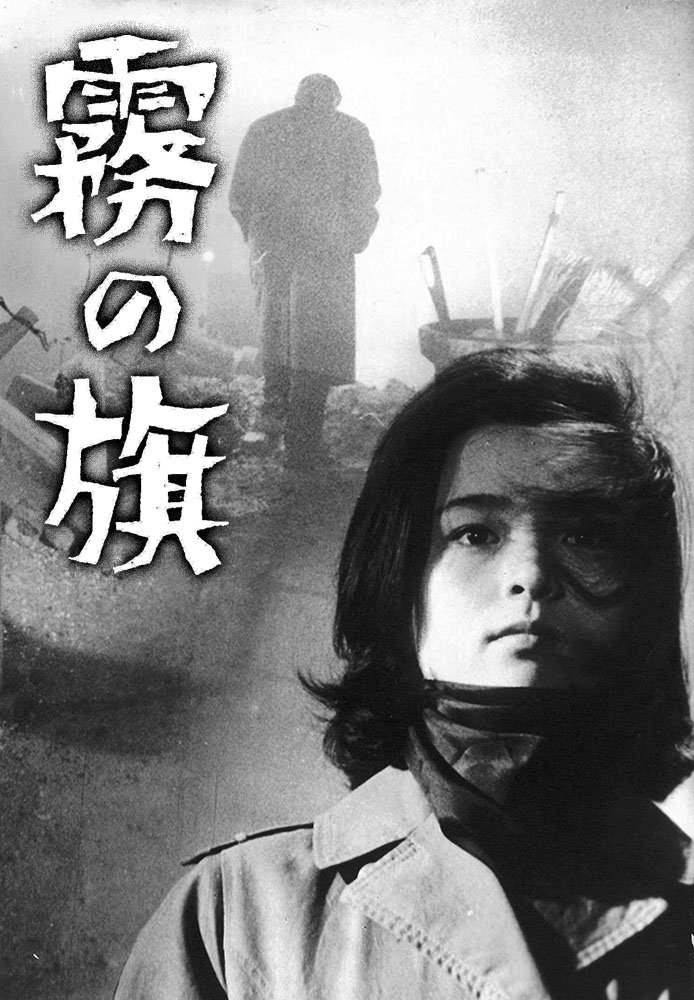 In theory, we’re all equal under the law, but the business of justice is anything but egalitarian. Yoji Yamada is generally known for his tearjerking melodramas or genial comedies but Flag in the Mist (霧の旗, Kiri no Hata) is a rare step away from his most representative genres, drawing inspiration from America film noir and adding a touch of typically Japanese cynical humour. Based on a novel by Japanese mystery master Seicho Matsumoto, Flag in the Mist is a tale of hopeless, mutually destructive revenge which sees a murderer walk free while the honest but selfish pay dearly for daring to ignore the poor in need of help. A powerful message in the increasing economic prosperity of 1965, but one that leaves no clear path for the successful revenger.
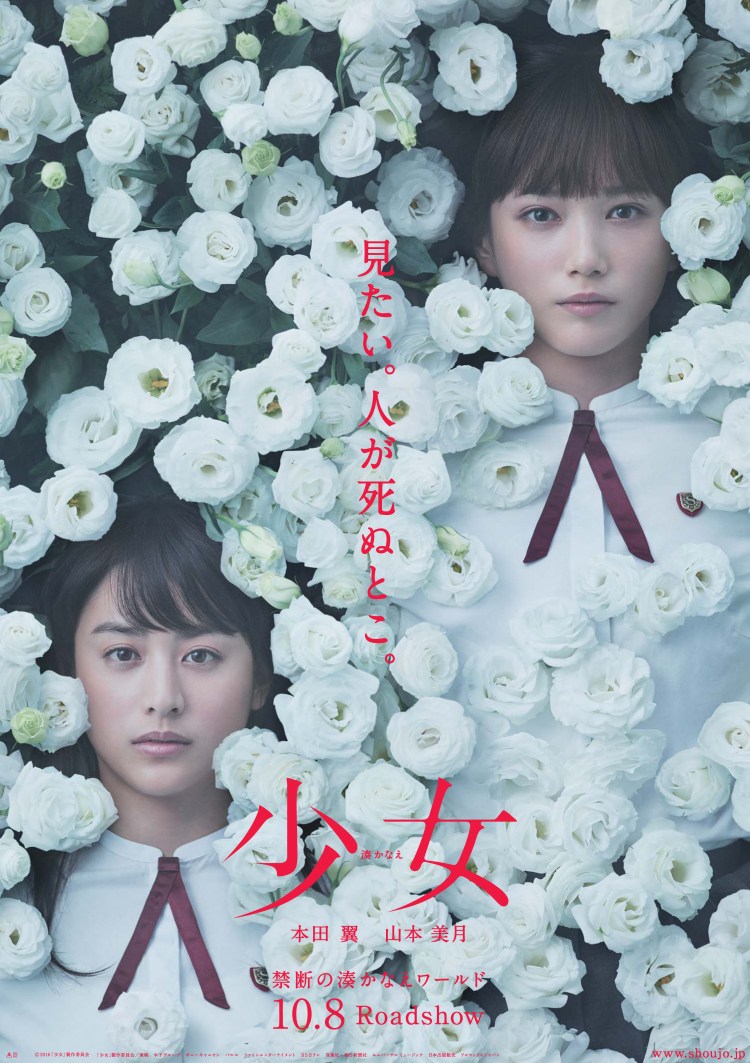 Kanae Minato is known for her hard-hitting crime stories from Confessions to
 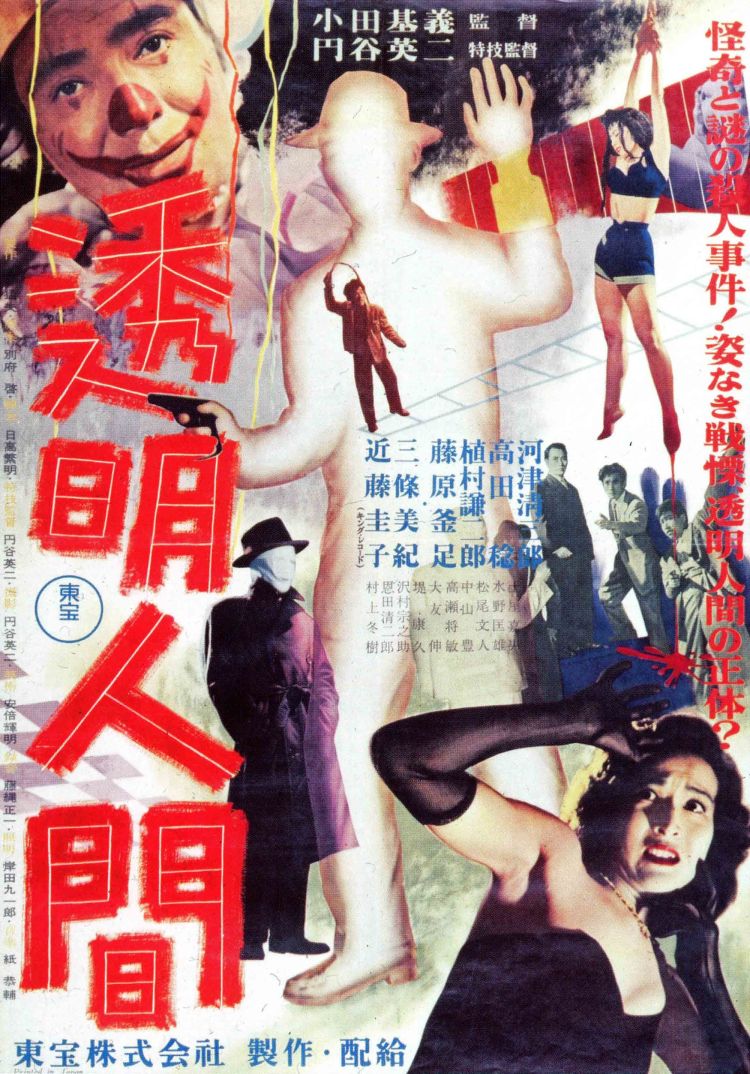 The Invisible Man is a frightening presence precisely because he isn’t there. The living manifestation of the fear of the unknown, he stalks and spies, lurking in our imaginations instilling terror of evil deeds we are powerless to stop. Daiei made
 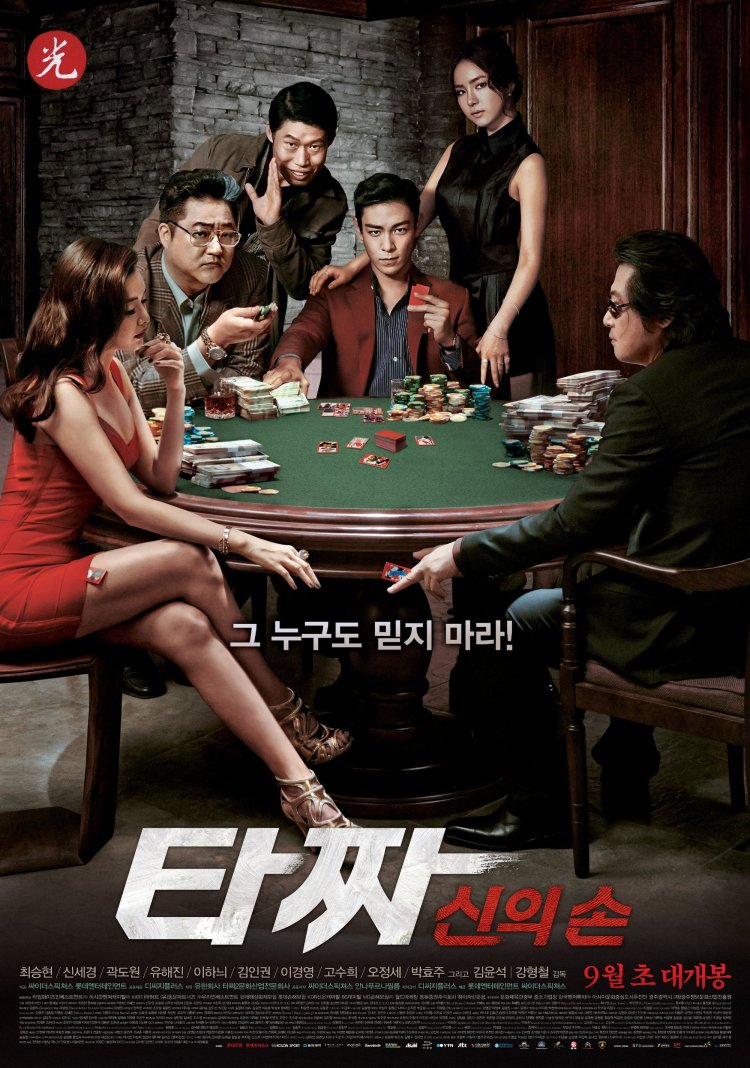 You gotta know how to hold ‘em, know when to fold ‘em, know when to walk away and know when to run. Apparently these rules of the table are just as important in the cutthroat world of the Korean card game Hwatu as they are in the rootinest tootinest saloon bar. Like most card games, having the winning hand is less important than the ability to play your opponent and so it’s more a question of who can cheat the best (without actually breaking the rules, or at least being caught doing so) than it is of skill or luck. A second generation sequel to 2006’s Tazza: The High Rollers, The Hidden Card (타짜-신의 손, Tajja: Shinui Son) is a slick, if overlong, journey into the dark, underground world of gambling addicted card players which turns out to be much more shady than the shiny suits and cheesy grins would suggest.
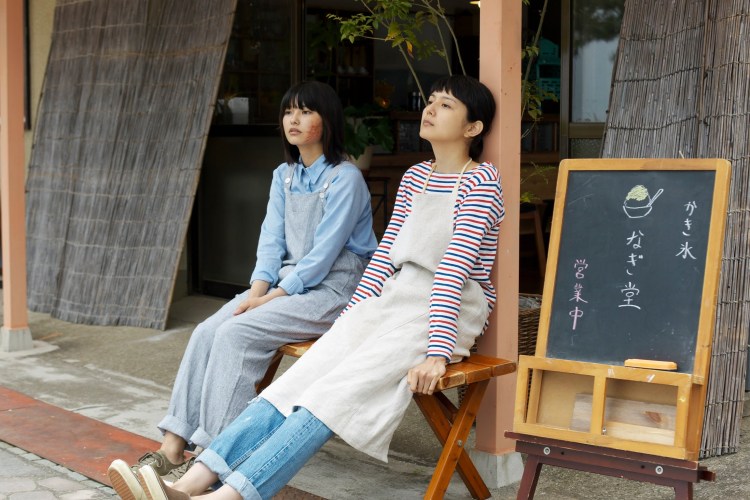 Japan Foundation London is back with another early summer series of free film screenings and this time the focus is very much on food! Summer Explorers 3 takes place over two Saturdays – 15th and 22nd July, 2017, at the Prince Charles Cinema and BAFTA respectively. Tickets are free but you can only reserve seats at one film on each day (if you apply for more than one film you’ll be placed on the waiting list for your second choice). Full details on how to apply can be found on the
  Kazuhiro Soda’s documentary The Oyster Factory which examines a local oyster fishing community as it welcomes two workers from China.
 Co-written by Masahiro Shinoda, Masaki Hamamoto’s Akanezora – Beyond the Crimson Sky stars Masaaki Uchino as a tofu maker who travels from Kyoto to Edo, sets up a shop and marries a local girl.
 Inspired by Hiromu Arakawa’s popular manga, Silver Spoon is the story of city boy Yugo who enrols in an agricultural college in Hokkaido to get away from his overbearing parents.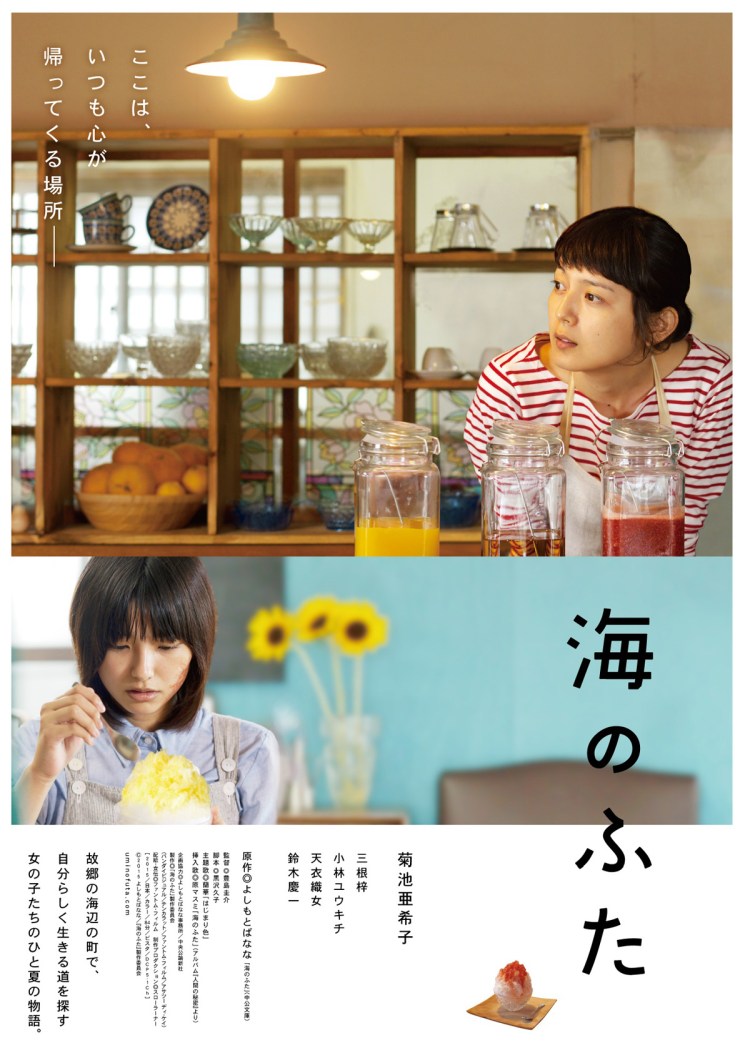
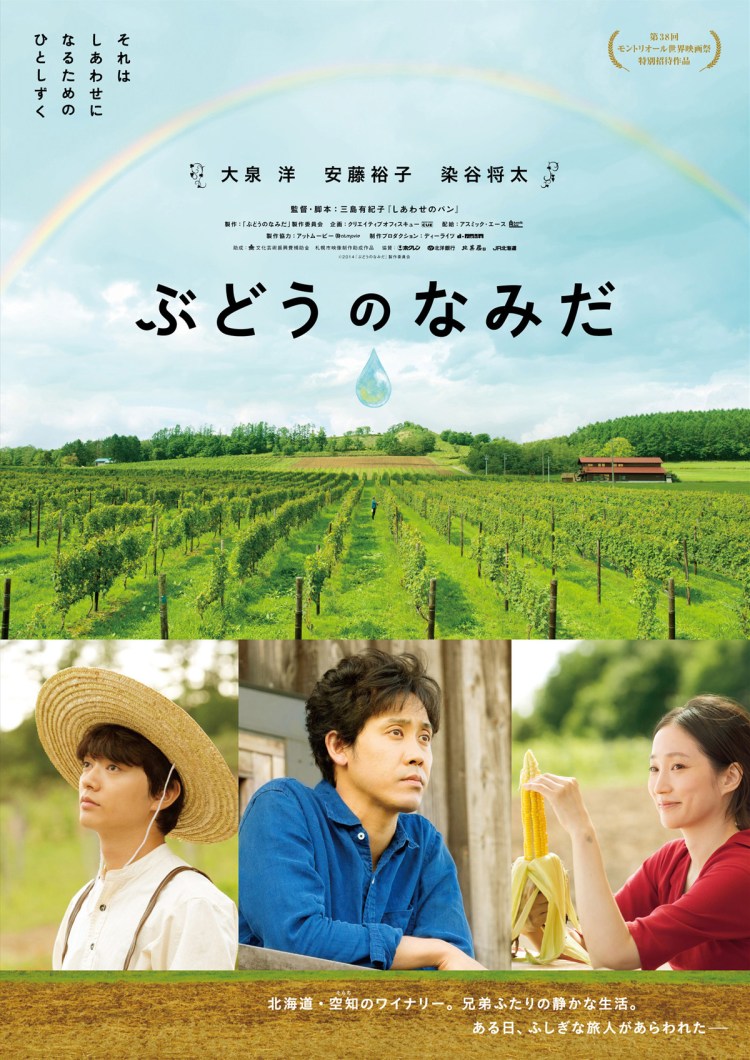 Yukiko Mishima’s Drop of the Grapevine is the second in the director’s Hokkaido series and stars Yo Oizumi and Shota Sometani as two farming brothers one of whom operates a vineyard while the other grows wheat to make bread.
 Despite the potential raciness of the title, The Liar and his Lover (カノジョは嘘を愛しすぎてる, Kanojo wa Uso wo Aishisugiteru) is another innocent tale of youthful romance adapted from a shojo manga by Kotomi Aoki. As is customary in the genre, the heroine is cute yet earnest, emotionally honest and fiercely clear cut whereas the hero is a broken hearted artist much in the need of the love of a good woman. Innocent and chaste as it all is, Liar also imports the worst aspects of shojo in its unseemly age gap romance between a 25 year old musician and the 16 year old high school girl he picks up on a whim and then apparently falls for precisely because of her uncomplicated goodness.
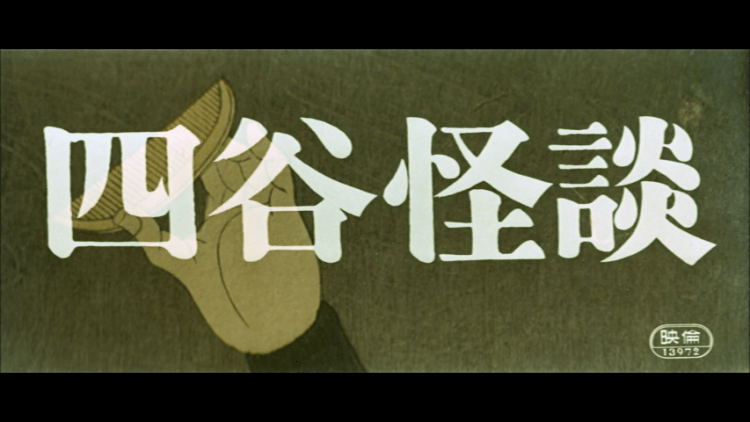 Shiro Toyoda, despite being among the most successful directors of Japan’s golden age, is also among the most neglected when it comes to overseas exposure. Best known for literary adaptations, Toyoda’s laid back lensing and elegant restraint have perhaps attracted less attention than some of his flashier contemporaries but he was often at his best in allowing his material to take centre stage. Though his trademark style might not necessarily lend itself well to horror, Toyoda had made other successful forays into the genre before being tasked with directing yet another take on the classic ghost story Yotsuya Kaidan (四谷怪談) but, hampered by poor production values and an overly simplistic script, Toyoda never succeeds in capturing the deep-seated dread which defines the tale of maddening ambition followed by ruinous guilt.
 Windows on Worlds