 Placed between The H-Man and the Human Vapor, The Secret of the Telegian (電送人間, Denso Ningen) is another in Toho’s series of “mutant” movies in which “enhanced” humans find themselves turning monstrous because of ill-advised scientific endeavours. Like many in the series, Telegian has an ambivalent attitude towards scientific research, both proud and fearful. This might be 1960, but the roots of the threat once again stem back to wartime crimes and the impossibility of trust as a man long thought dead teleports himself out of his fictitious grave to wreak a terrifying and bloody revenge on those who have wronged him.
People running screaming out of the “Cave of Horrors” might not be such an unusual sight but this time it’s not papier-mâché ghosts or fancy tricks which have produced such a reaction but a real life bloody murder. The dead man, Tsukamoto, has the end of a bayonet in his chest and a cryptic letter in his pocket asking him to come to this very spot in order to learn “the truth about what happened 14 years ago”. The police are baffled, as is science journalist Kirioka (Koji Tsuruta) who is excited to discover a strange wire at the crime scene. Eventually, the trail leads to a nationalistic, military themed cabaret bar run by former lieutenant Onishi (Seizaburo Kawazu).
The bar is more or less a front for Onishi’s smuggling operation but what has him worried is that a former associate, Taki (Sachio Sakai), may think that he and another former solider, Takahashi, may have reclaimed some stolen gold and declined to share the proceeds. Onishi, Takahashi, and Taki have all received ominous gold discs which seems to point back to their failed bid to pocket some of the Emperor’s gold during the last days of the war. Charged with looking after a top scientist working on teleportation technology, Onishi decided he’d rather have the cash instead stooping so low as to kill both the researcher, Nikki (Takamaru Sasaki), and one of his subordinates who tried to stop him – Tsudo (Tadao Nakamaru). The gang were interrupted stealing the gold but went back a year later only to find the bodies and the treasure vanished without a trace.
Tsudo, now living under an alias, is hellbent on revenge not only against the men who left him for dead but indirectly against their entrenched treacheries as betrayers of their duty, country, and morality. Unlike the the villain of The Invisible Man Vs Human Fly, Tsudo is not among those who feel themselves betrayed or abandoned by their country, left out in the cold in the new post-war world, but one who has a deep seated need to make those who’ve wronged him pay for their treachery. Onishi’s strange militarism themed bar only adds insult to injury given his extremely unpatriotic conduct, though it is perhaps in keeping with the traditionally opportunist nature of nationalists throughout history.
Despite the familiar setup, the science takes a back seat as Fukuda pushes the procedural over the sci-fi and so it remains unclear to what extent, if any, the presence of the teleportation equipment is responsible for Tsudo’s strange behaviour. The teleporting Tsudo is, it has to be said, an odd man. Turning up to complain about late deliveries of the refrigeration equipment he needs for the special metals involved in the experiments, Tsudo’s manner is creepy in the extreme, robotic yet somehow malevolent. Predictably he develops a fondness for the saleswoman, Akiko (Yumi Shirakawa), who coincidentally lives near to the first murder victim and also becomes the love interest of intrepid reporter Kirioka.
Fukuda keeps things simple over all, stopping to pay an extensive homage to Jacques Tourneur’s Cat People, though there’s a wry sense of humour at play in the bizarre fairground beginning and odd production elements such as the incongruous club and its dancing girls who are, ironically enough, entirely painted in gold. Eiji Tsuburaya’s involvement is largely limited to the transportation effect which is extremely impressive in its execution and has an appropriately unsettling feeling. Not quite as coherent as other examples of its genre, The Secret of the Telegian has a slight tonal oddity in its almost nationalistic discussion of false nationalism, literally taking aim at those who preach patriotism yet cynically betray their country, robbing it not just literally but spiritually. Even so, Fukuda’s take on the mutant formula has enough tongue in cheek humour and sci-fi inflected drama to keep most genre fans happy.
Original trailer (no subtitles)
 1969. Man lands on the moon, the cold war is in full swing, and Star Trek is cancelled prompting a mass write-in campaign from devoted sci-fi enthusiasts across America. The tide was also turning politically as the aforementioned TV series’ utopianism came to gain ground among liberal thinking people who rose up to oppose war, racial discrimination and sexism. It was in this year that Godzilla creators Ishiro Honda and Eiji Tsuburaya brought their talents to America with a very contemporary take on science fiction in Latitude Zero (緯度0大作戦, Ido Zero Daisakusen). Starring Hollywood legend Joseph Cotten, Latitude Zero gives Jules Verne a new look for the ‘60s filled with solid gold hotpants and bulletproof spray tan.
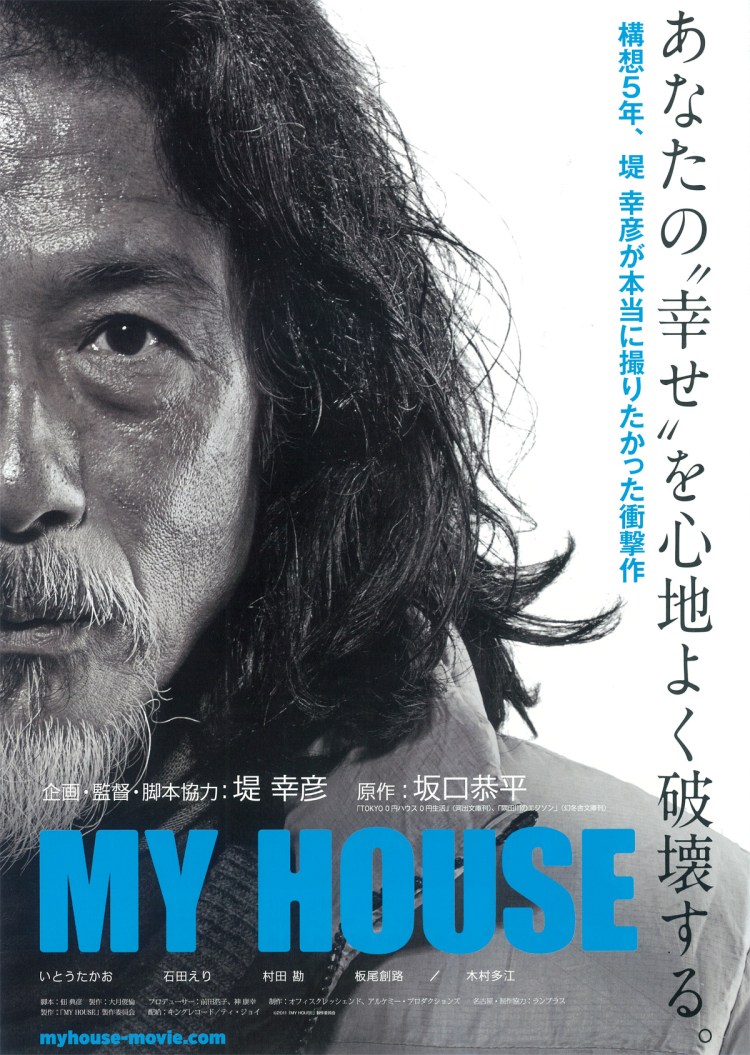 Yukihiko Tsutsumi has made some of the most popular films at the Japanese box office yet his name might not be one that’s instantly familiar to filmgoers. Tsutsumi has become a top level creator of mainstream blockbusters, often inspired by established franchises such as TV drama or manga. Skilled in many genres from the epic sci-fi of Twentieth Century Boys to the mysterious comedy of Trick and the action of SPEC, Tsutsumi’s consumate abilities have taken on an anonymous quality as the franchise takes centre stage which makes this indie leaning black and white exploration of the lives of a group of homeless people in Nagoya all the more surprising.
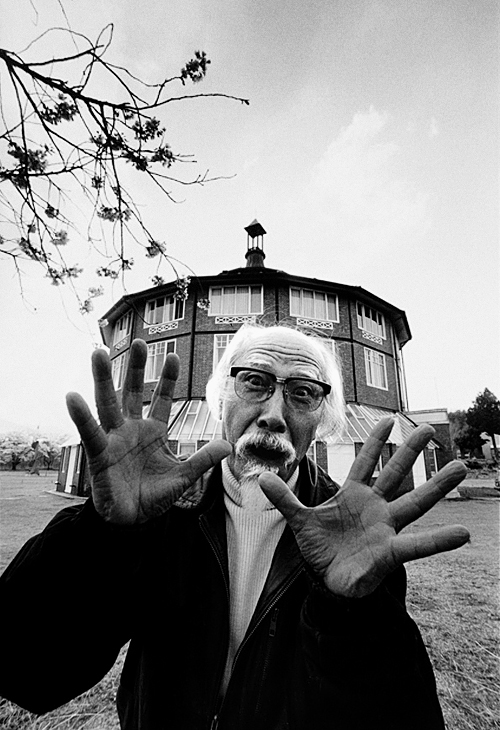 Since its launch in 2000, the
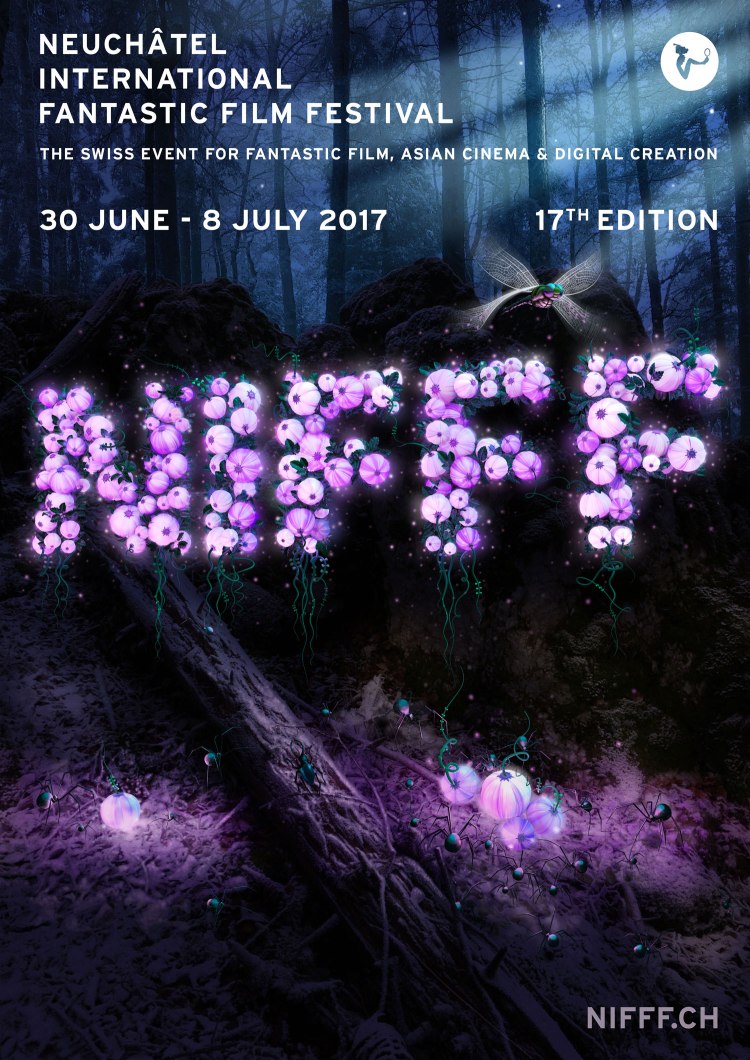 The 17th Neuchâtel International Fantastic Film Festival runs from 30th June to 8th July 2017 and will have a special focus on genre cinema. The festival will also host a series of outdoor cinema events as part of the
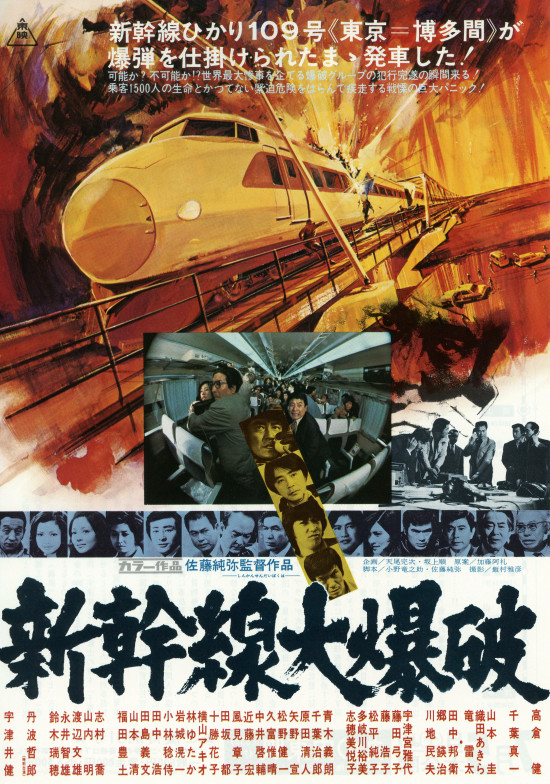 For one reason or another, the 1970s gave rise to a wave of disaster movies as Earthquakes devastated cities, high rise buildings caught fire, and ocean liners capsized. Japan wanted in on the action and so set about constructing its own culturally specific crisis movie. The central idea behind The Bullet Train (新幹線大爆破, Shinkansen Daibakuha) may well sound familiar as it was reappropriated for the 1994 smash hit and ongoing pop culture phenomenon Speed, but even if de Bont’s finely tuned rollercoaster was not exactly devoid of subversive political commentary The Bullet Train takes things one step further.
 Nippon Connection is the largest festival dedicated to Japanese Cinema anywhere in the world and returns in 2017 for its 17th edition. Once again taking place in Frankfurt, the festival will screen over 100 films from May 23 – 28, many of which will also welcome members of the creative team eager to present to their work to an appreciative audience.
 Director Atsushi Funahashi has hitherto been known for hard hitting fare such as the Fukushima documentary Nuclear Nation as well as narrative films including the heartrending Cold Bloom and cross cultural odyssey Big River. Consequently he steps into the slowly growing genre of idol documentaries from the refreshing position of a total novice. Adopting an objective viewpoint, Funahashi rigourously dissects this complicated phenomenon whilst taking care never to misrepresent the girls, their dreams, or their devoted fanbase.
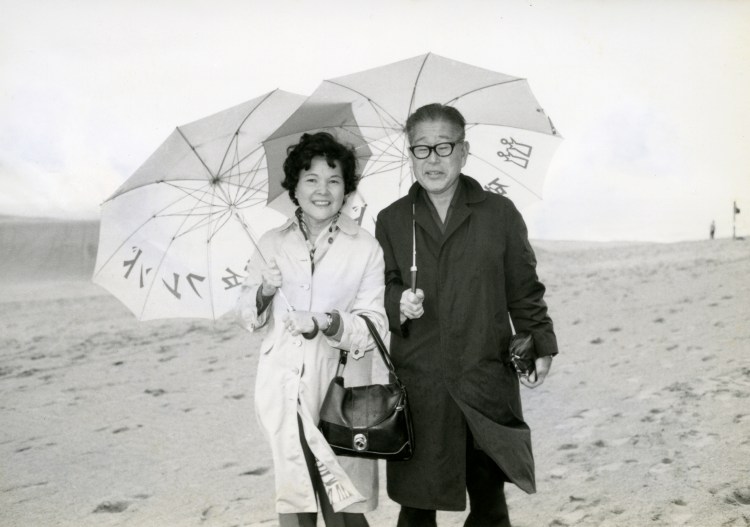 Shot over six years, 95 and 6 to Go begins with a stalled fim project and some unexpected grandfatherly advice but eventually develops into a moving meditation on life, love, loss, and endurance.
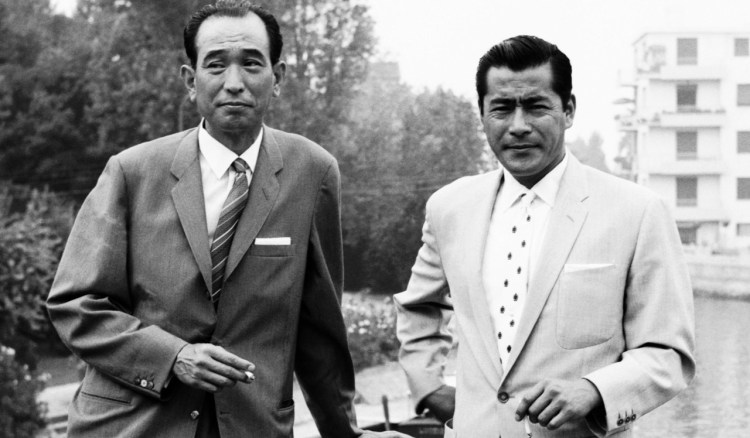 Previously screened at the BFI London Film Festival, Steven Okazaki’s documentary Mifune: The Last Samurai focuses firmly on Mifune’s place within the history of samurai cinema through exploring not only his life but also the early history of “chanbara” movies and the genre’s later echoes in American cinema as related by talking heads including Steven Spielberg and Martin Scorsese.
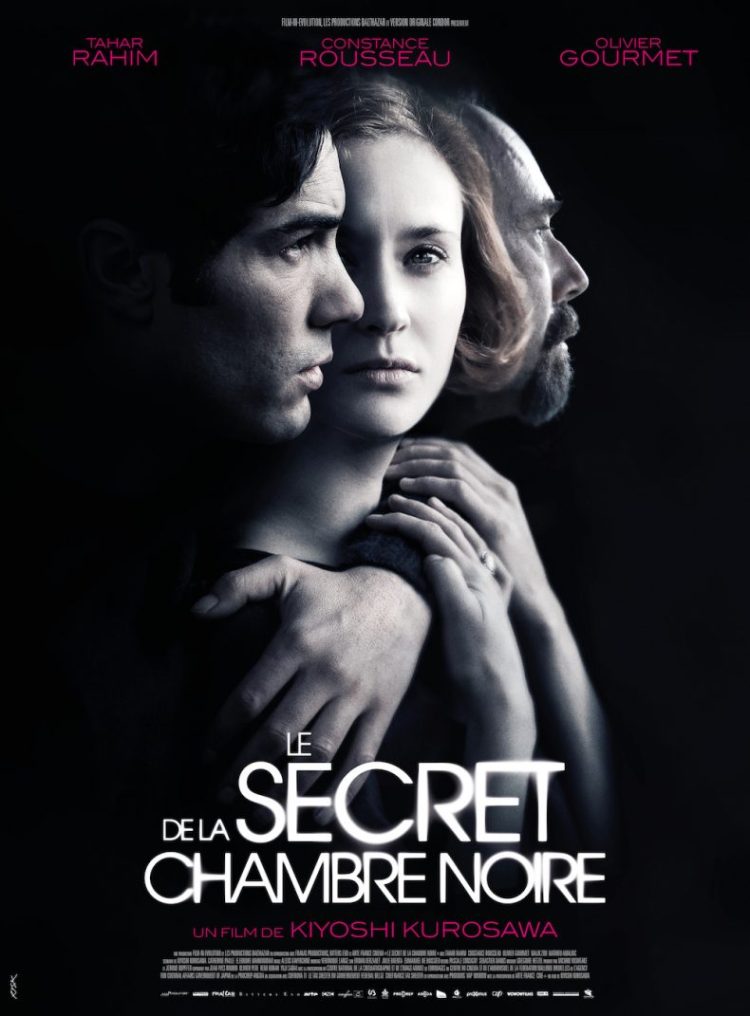 Back in 2012, Kiyoshi Kurosawa planned his first international movie, 1905, which would have featured 90% Chinese dialogue and was set to shoot in Taiwan with stars Tony Leung Chiu-Wai, Shota Matsuda and Atsuko Maeda. Sadly, political concerns of the day put paid to 1905, and so Daguerrotype marks Kurosawa’s first foray into non-Japanese language cinema. Starring one of France’s most interesting young actors in Tahar Rahim, this French language gothic ghost story takes the director back to his eerie days of psychological horror.

 Masahiro Motoki makes a welcome return to leading man status as a self-centered B-list celebrity and former author who finds himself largely unmoved after his wife is killed in an accident but later bonds with the bereaved children of her best friend who died alongside her.
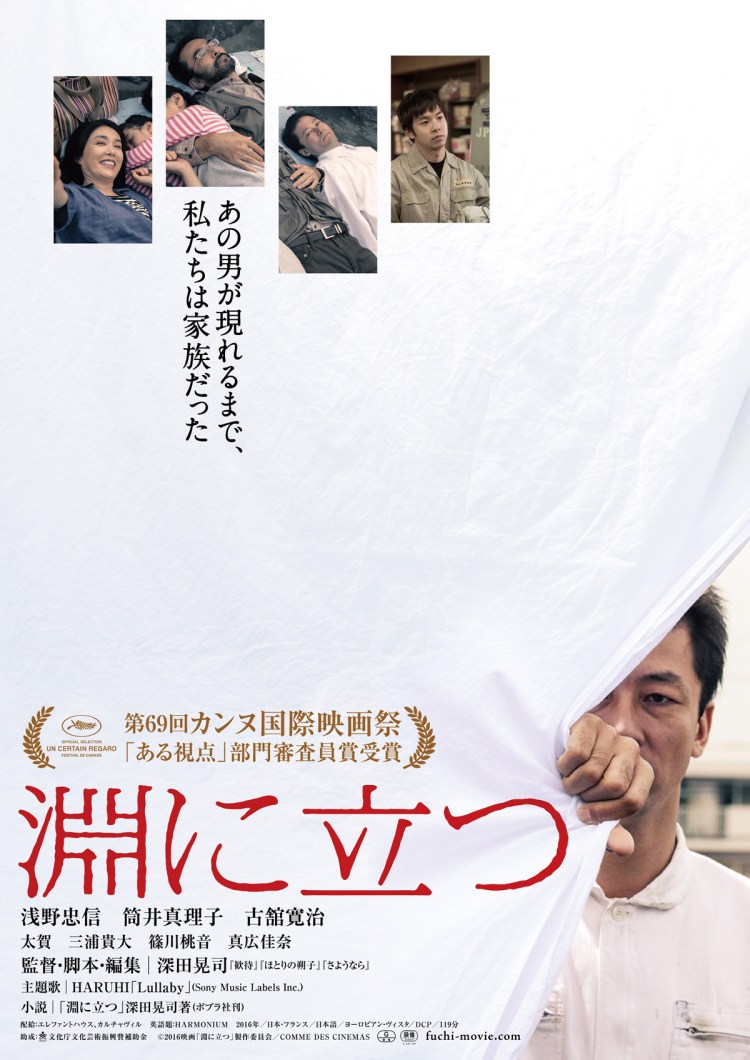 You can check out our
 Beyond nihilism, Destruction Babies paints a bleak prognosis for the youth of Japan who live without hope, disconnected from reality, and know only the sensation of violence. You can check out our review of the film
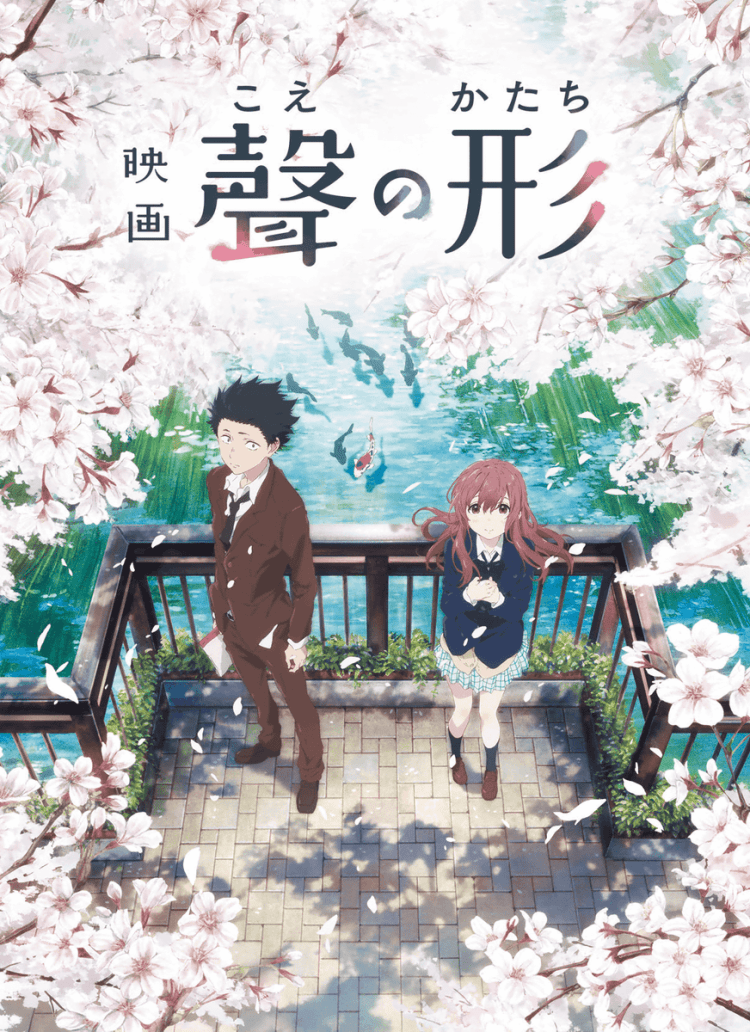 Distributed in the UK by Anime Limited, this alternately heartrending and heartwarming drama examines the effects of social stigma, disibility, and the legacy of cruelty as its perfectly matched central pair confront the ghosts of their respective pasts and futures. You can check out our review from the Japan Foundation Touring Film Programme over
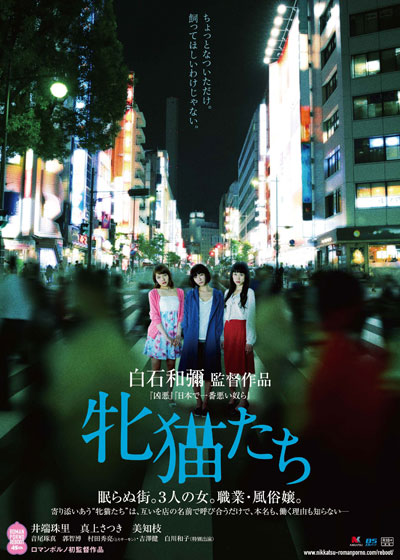 From the director of Twisted Justice and Devil’s Path, Dawn of the Felines follows the adventures of three prostitutes in Tokyo’s red light district.
 Shiota’s film follows a former playwright who tries to get out of town for some peace and quiet but runs into a nymphomaniac waitress instead. Oh well, a change is as good as a rest?
 Since ancient times drama has had a preoccupation with motherhood and a need to point fingers at those who aren’t measuring up to social expectation. E Oni’s Missing plays out like a Caucasian Chalk Circle for our times as a privileged woman finds herself in difficult circumstances only to have her precious daughter swept away from her just as it looked as if she would be lost through a series of social disadvantages. Missing is partly a story of motherhood, but also of women and the various ways they find themselves consistently misused, disbelieved, and betrayed. The two women at the centre of the storm, desperate mother Ji-sun (Uhm Ji-won) and her mysterious Chinese nanny Han-mae (Gong Hyo-jin) are both in their own ways tragic figures caught in one frantic moment as a choice is made on each of their behalves which will have terrible, unforeseen and irreversible consequences.

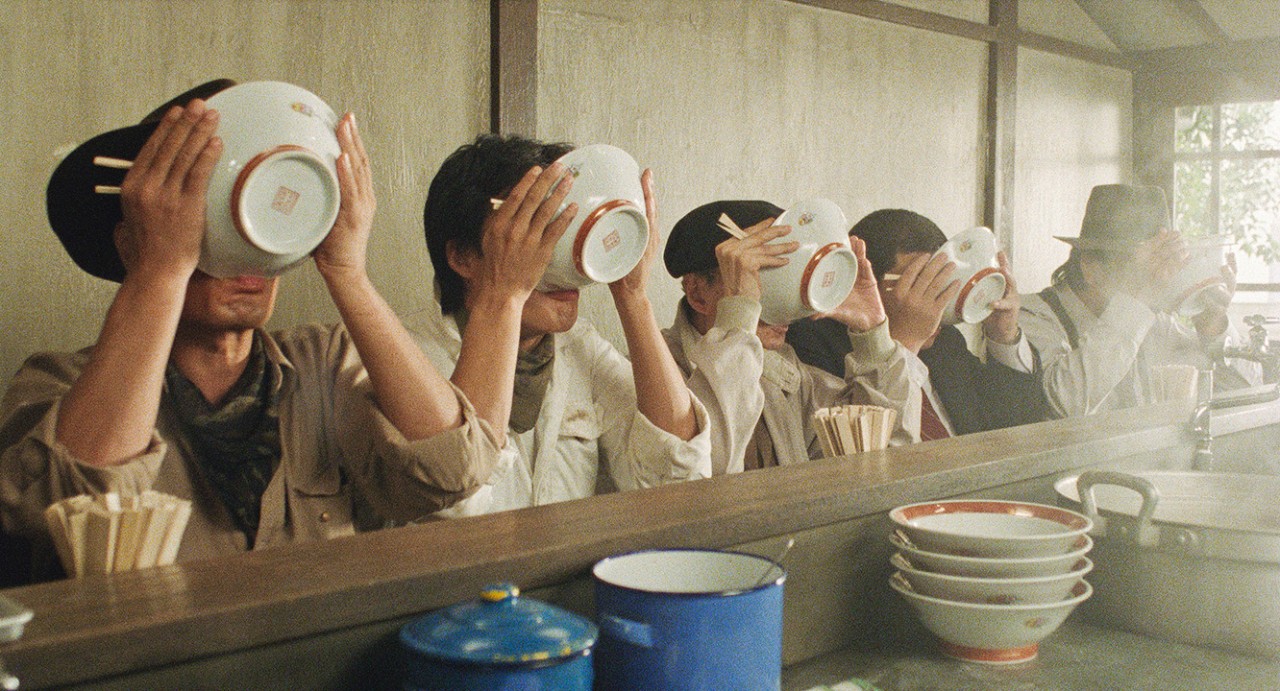 The 4K restoration of Juzo Itami’s classic ramen western Tampopo is released on blu-ray in the UK on 1st May 2017 courtesy of The Criterion Collection but there will also be a one off chance to see the movie on the big screen at Picturehouse Central.
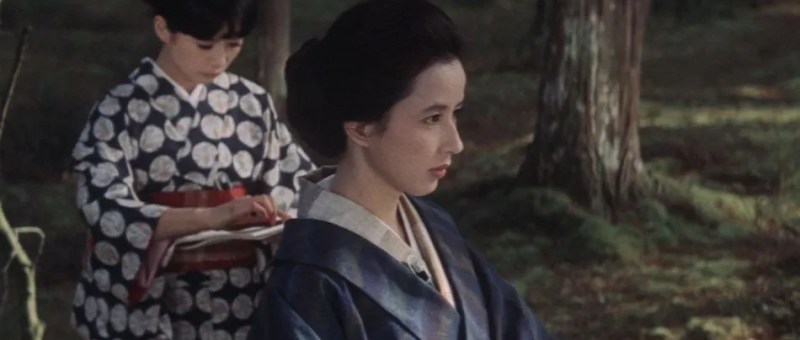
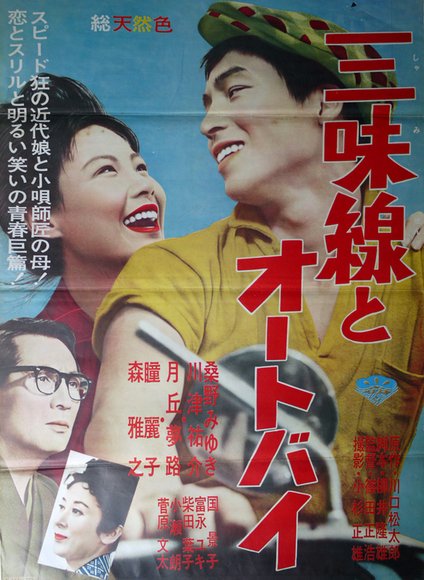 Masahiro Shinoda’s first film for Shochiku,

