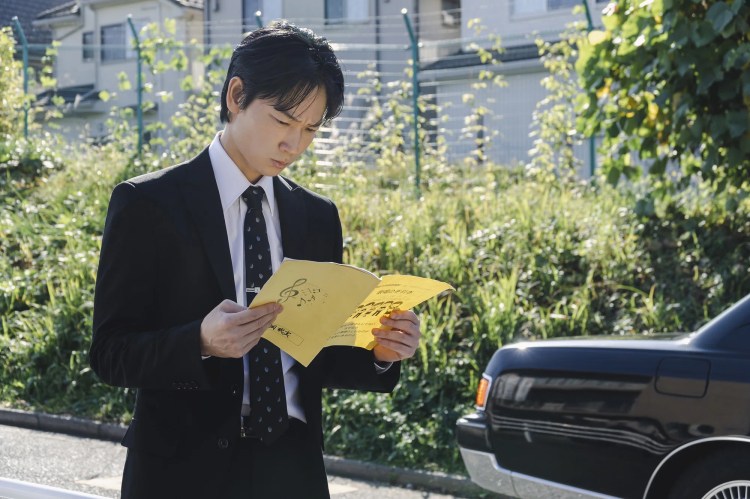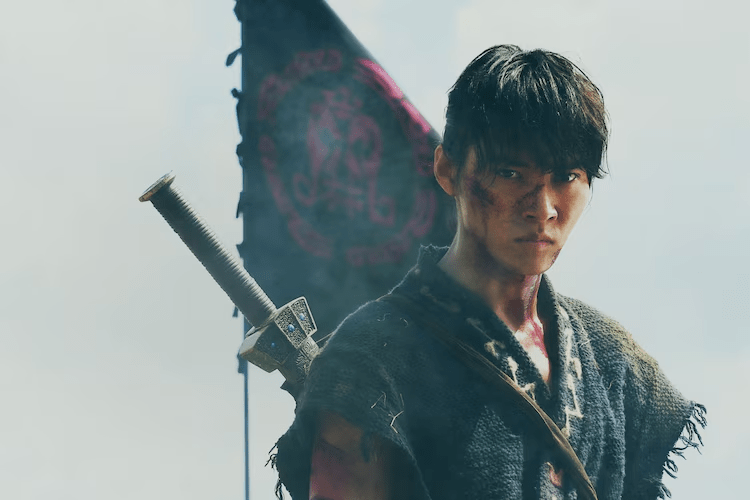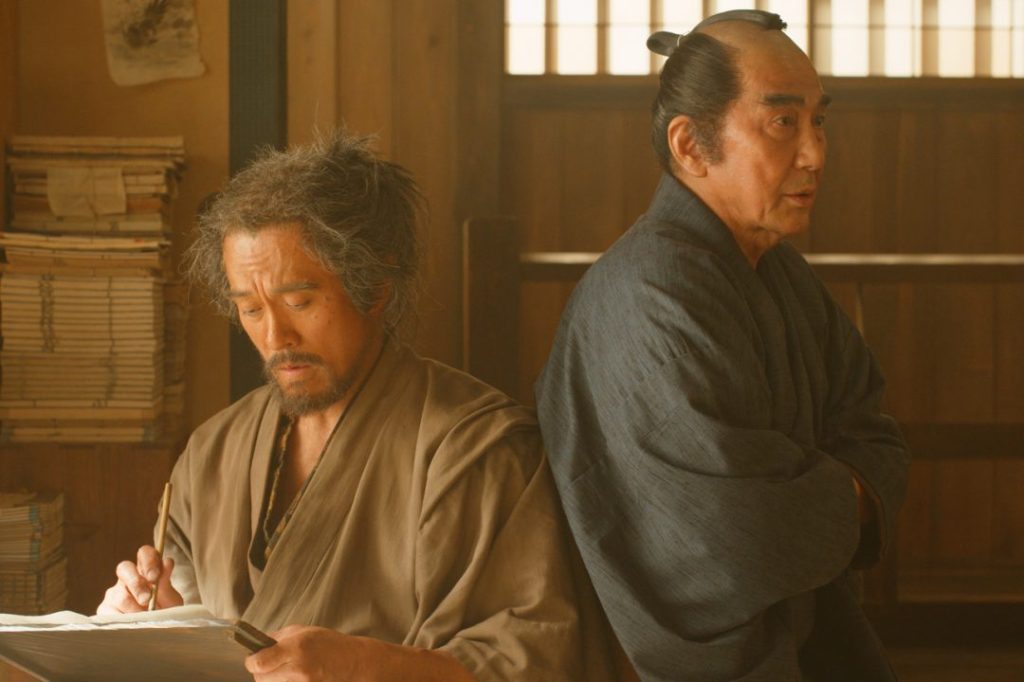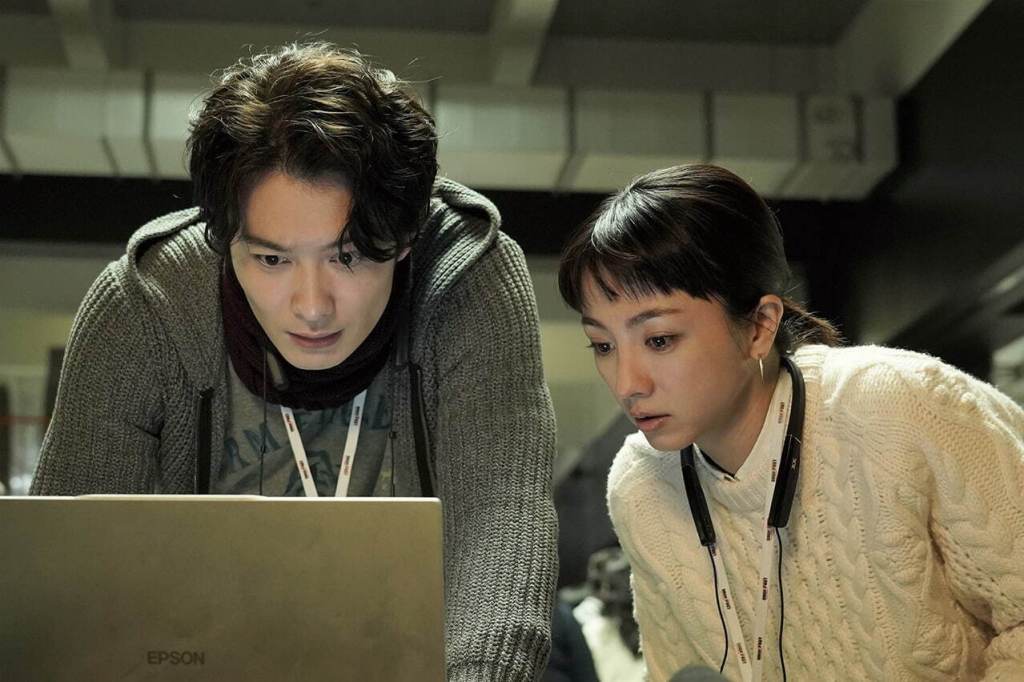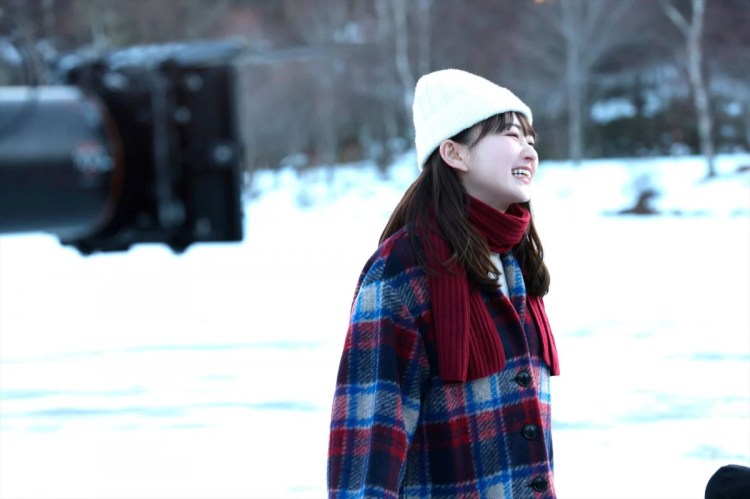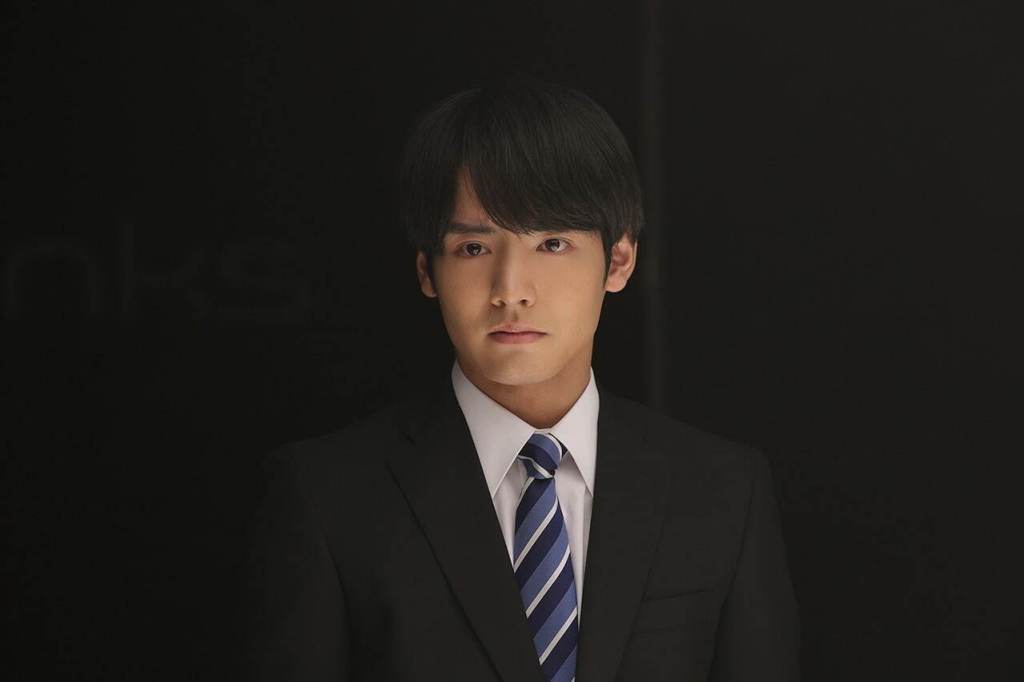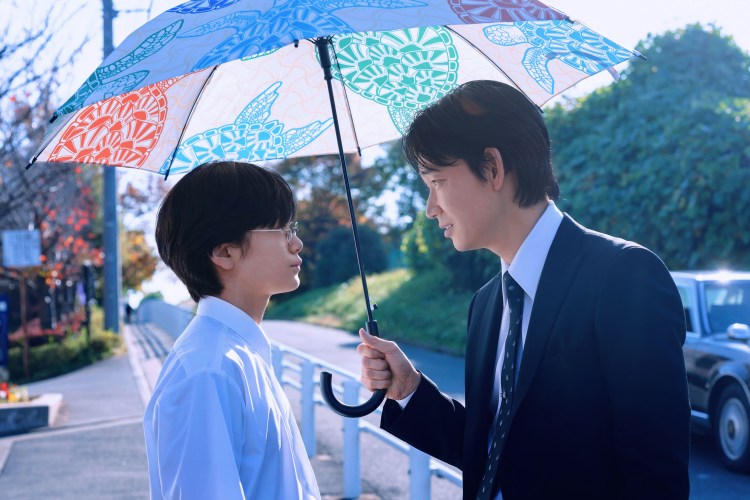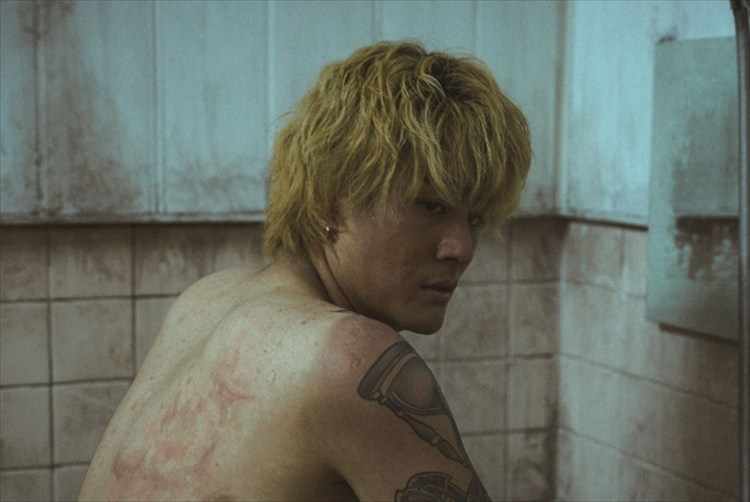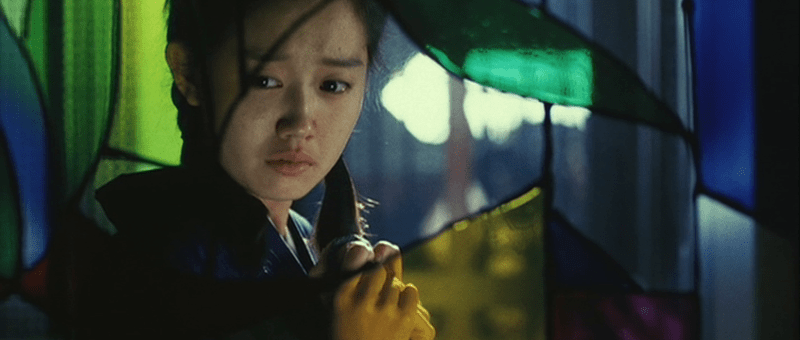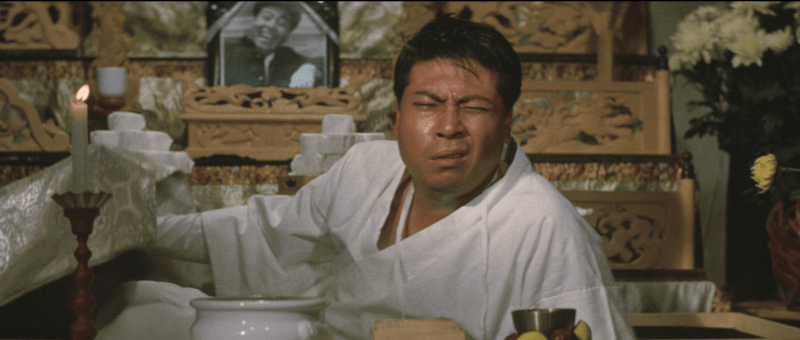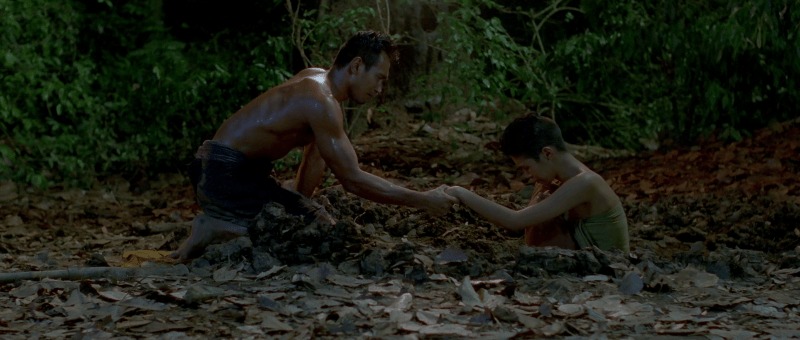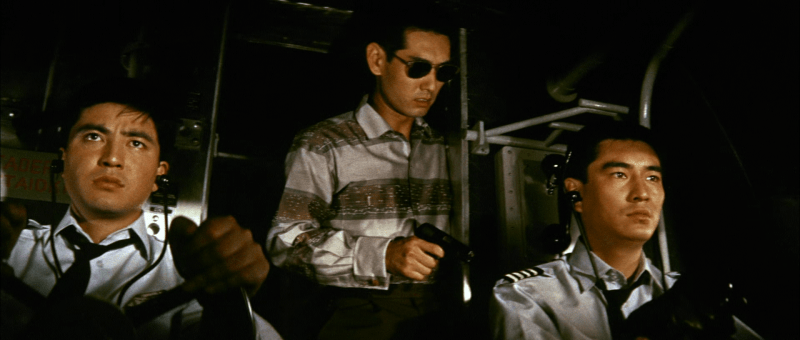

Moneyboys (金錢男孩, C.B. Yi, 2021)

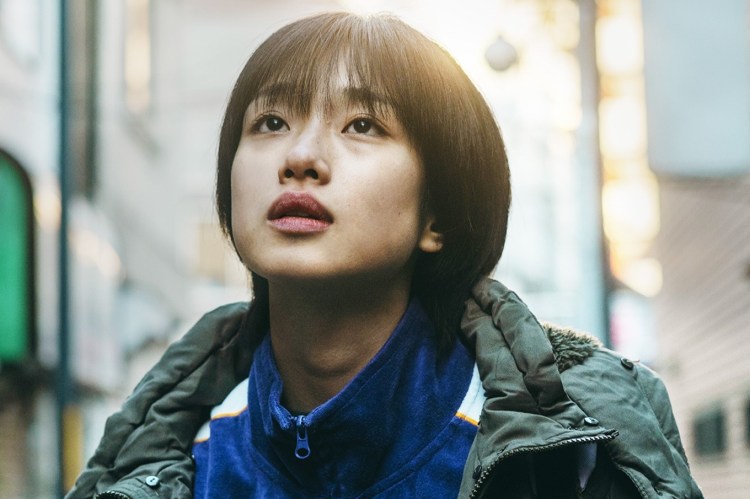
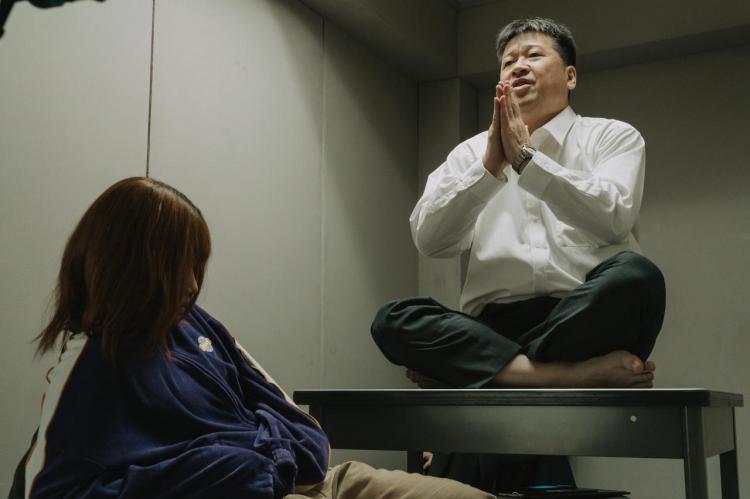
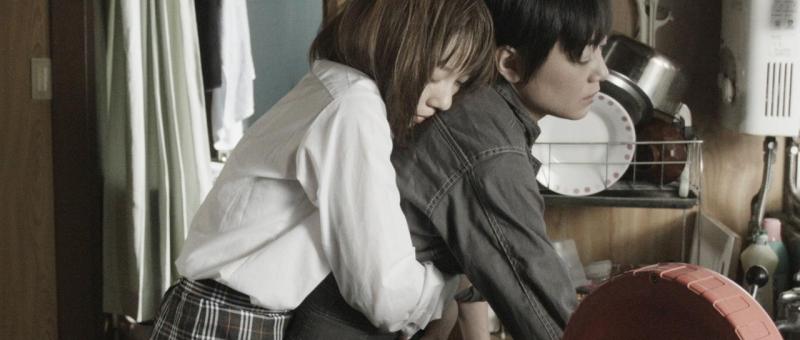
“Who doesn’t sell themselves to make money?” a young man asks in C.B. Yi’s melancholy mainland-set drama Moneyboys (金錢男孩, Jīnqián Nánhái) relating the story of a relative who worked as a tanner all his life, became ill from the effects of the chemicals, and died alone far from home. He may suggest that the exploitative nature of contemporary capitalism will eventually consume you, but it’s an older set of social codes that do for Fei (Kai Ko) who consumes himself in a pathological desire for self-sacrifice as if constantly trying to prove himself worthy of acceptance.

As we first meet Fei he introduces himself as “Jackson”, a naive country boy in the city seeking a means to support his struggling rural family which he finds in sex work. Through his job, he encounters the swaggering Xiaolai (JC Lin) who introduces himself as “Max” and takes him under his wing. Soon they fall head over heels in love, but Xiaolai fears Fei’s desperation and lack of judgment in his choice of client, an anxiety which is later borne out when Fei is badly beaten by a local gangster. Filled with rage, Xiaolai attacks him with a metal bar but ends up badly beaten himself and thereafter sought by the police. Not wanting any trouble, Fei skips town and five years later has started a new, apparently much more successful life, in another city. 

“You’re always living for others” he’s later told by a childhood friend, Long (Bai Yufan), whose long-term crush on him Fei seems to be wilfully ignoring, “the way you sacrifice yourself, you constantly hurt yourself and sometimes others too”. Fei’s self-sacrificing nature does indeed seem to have a masochist component as he wilfully puts himself in dangerous situations to get money to provide for his family. His family, however, reject him precisely because of the nature of the sacrifices he is making. Returning to his home town after being unjustly hassled by local police who attempt to entrap him by getting an undercover officer to pose as a client and searching his home for drugs, Fei is physically attacked by a belligerent uncle who can’t stop ranting about Fei’s marital status beginning by berating him that his family is embarrassed because he has no wife before revealing that they all know about “what you did in the city” and are shamed by it. His father barely looks at him, though his sister appears to know and encourages him to find the right person and hold on to them because life is long and she doesn’t want him to be lonely. 

Later, another woman reassures him that he is “someone who deserves love” though he struggles to accept it. He feels indebted to Xiaolai because he lost a leg for him, unable to move past the transactional nature of love to accept it from someone who wants only the same in return. Consumed by internalised shame he struggles to let go of outdated traditional social codes and unlike Long is unwilling to abandon them in order to live the life he wants. One of his sex worker friends in his new city eventually enters into a sham marriage with a woman who is fully aware of the realities and later pledges to move back to the country and raise a child as a conventional husband and father while tearfully explaining that six years with the gay community have been the best of his life. He too has made a sacrifice of himself for his family but is already torn apart with disappointment and resentment. 

Fei’s tragedy is that he tries to please everyone but himself, revelling in his self-sacrificing suffering and barely noticing when others are caught in the crossfire. Unable to let himself go, he is left only with the memory of the one time he was happy, which wasn’t the one he originally thought it was, and the simultaneous knowledge that he has lost It forever through his own thoughtlessness. Trapped in the past both by the traditional social codes and his thwarted romance with Xiaolai he envisions an ironically progressive compromise but is unable to see the selfishness in his desires perhaps for once putting himself first in failing to consider the feelings of those around him. A neon-lit vista of loneliness, C.B Yi’s melancholy tale of self-imprisonment and the commodification of love discovers only unhappiness in the midst of a repressive social culture defined by the twin poles of rampant consumerism and the filial imperative. 


Trailer (English subtitles)

Haunted Samurai (土忍記 風の天狗, Keiichi Ozawa, 1970)

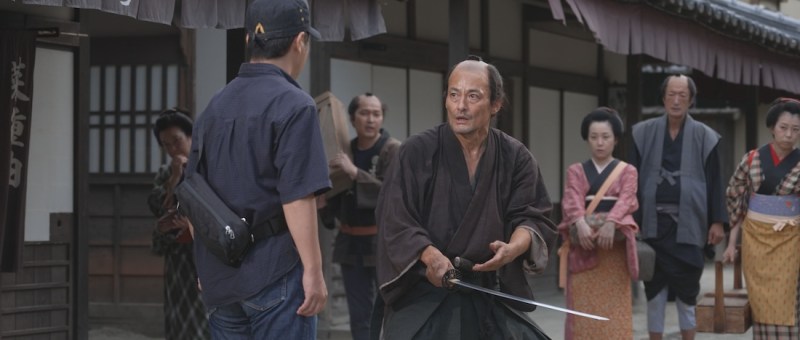
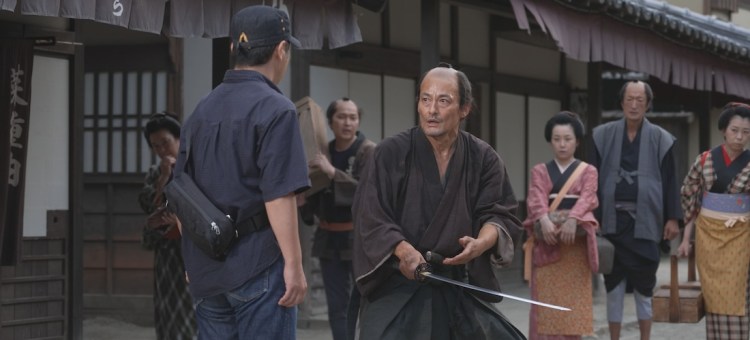
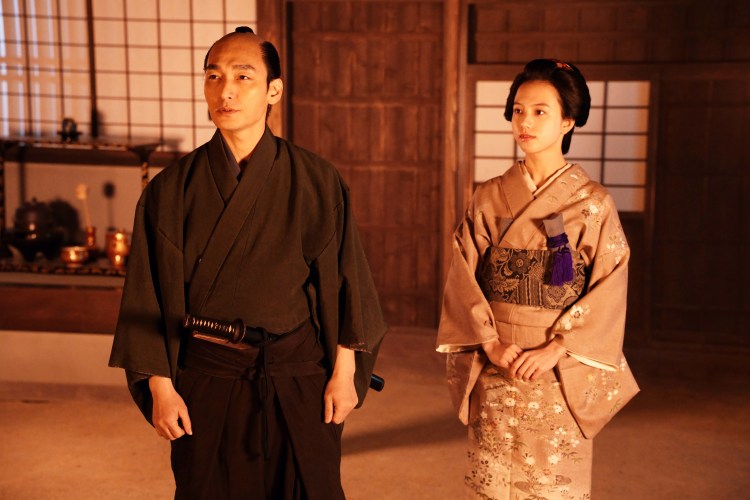
An exiled spy is confronted by the cruel inequalities of the feudal era in Keiichi Ozawa’s possibly mistitled ninja drama Haunted Samurai (土忍記 風の天狗, Doninki Kaze no Tengu). There is a kind of fatalism that follows him, and he is in some senses haunted not only by men like himself charged with the neutralisation of a deserter but by the ills of a corrupt society, though the only ghost here may be himself. Based on a manga by Goseki Kojima who illustrated Lone Wolf and Cub, the film ultimately suggests that to be a good man necessarily means to walk alone as a melancholy exile from a society founded on greed and power.

Indeed, Rokuheita’s (Hideki Takahashi) sole desire is to live a “simple and decent” life as an ordinary farmer. The film opens with him squaring off against a childhood friend, who is also his sister’s love interest, having been ordered to execute him for deserting from their ninja clan. His friend no longer wants to live “like a beast”, and so there’s nothing more either of them can really do in this situation. Rokuheita carries out his duty, and his sister takes her own life in despair. When he’s given another similar mission, he questions it but again resolves that he has no real choice. Only he discovers that his target, Ushizo (Yuji Odaka), has chosen to desert after marrying and having a child. When his family suddenly show up just as he’s contemplating delivering the final blow, Rokuheita decides to let him go warning Ushizo that the Yagyu will never give up and he’ll be haunted all his life so he should try to live it well for as long as it lasts. 

But this also makes Rokuheita an exile too, himself now a target and on the run from the Yagyu and his clan. On his travels, he runs into a small family who’ve been attacked by bandits while returning from town to buy wheat seeds because their harvest has failed in the drought and they’re facing onerous taxes from an unforgiving lord. Rokuheita decides to stay in the village hoping to become an ordinary farmer but is regarded with suspicion by some because of his samurai status, while there is also another samurai exile in town, Tarao (Seiichiro Kameishi) who first worked hard to be a part of the community but has since become lazy and aloof.

Tarao is also suspicious of Rokuheita but mostly fearing that either he’s come to make trouble for him or is a fugitive who will lead trouble their way. Unlike Rokuheita, Tarao was kicked out of his clan for stealing and now lives a slightly disreputable life made all the more so by his attempts to pan gold from the local river. Rokuheita fears that if the villagers find out about Tarao and the gold it will only cause chaos and the obsession with easy riches will in the end be much worse for them than the famine. Even Tarao’s wife Oryo (Utako Shibusawa) insists they’ve already got plenty to live on and should simply go somewhere else to lead a quiet life but Tarao wants more, his hand reaching out for his purse even while attacked by corrupt retainers themselves intent on discovering the gold and keeping it a secret from their lecherous lord. 

The retainers have been taking one life for every bale of “hidden” rice, carting off young women from the village to place into sexual slavery. Rokuheita tries to teach the villagers how to skirt the feudal order by secretly farming on rough terrain to evade taxes and ensure their own food supply, but this simply incurs harsher penalties even as one of the young men points out hungry farmers can produce nothing at all. Yet there’s nothing Rokuheita can really do for the villagers because it is the feudal order which is most at fault, an order which his ninja clan supports through their spy activities. The man who tracks him, Matahei (Isao Natsuyagi), says he does so as a means of appeasing the Yagyu and protecting his home territory from them but to do he must choose a lesser evil in killing those who have chosen to try to live “simple and decent” lives outside of this system.

Ozawa brings them together in a supernaturally charged conclusion which takes place during a solar eclipse marked by the eerie winds of the Japanese title but finds them both defeated, left with only the melancholy acceptance of their rootlessness as men who will always be pursued by the invisible hands of the feudal order. Utilising wuxia-esque jump cuts to recreate the ninja magic of Rokuheita’s spy craft along with a degree of surrealism in the underwater sequence in which he is attacked by a band of topless female ninjas the film seems to edge towards a more contemporary reading of jidaigeki and not least in the unexpected violence of its final scenes.


Helpless (ヘルプレス, Shinji Aoyama, 1996)

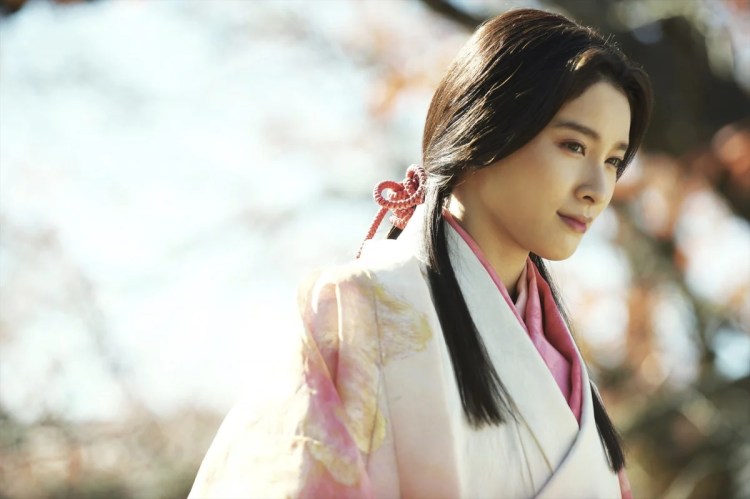
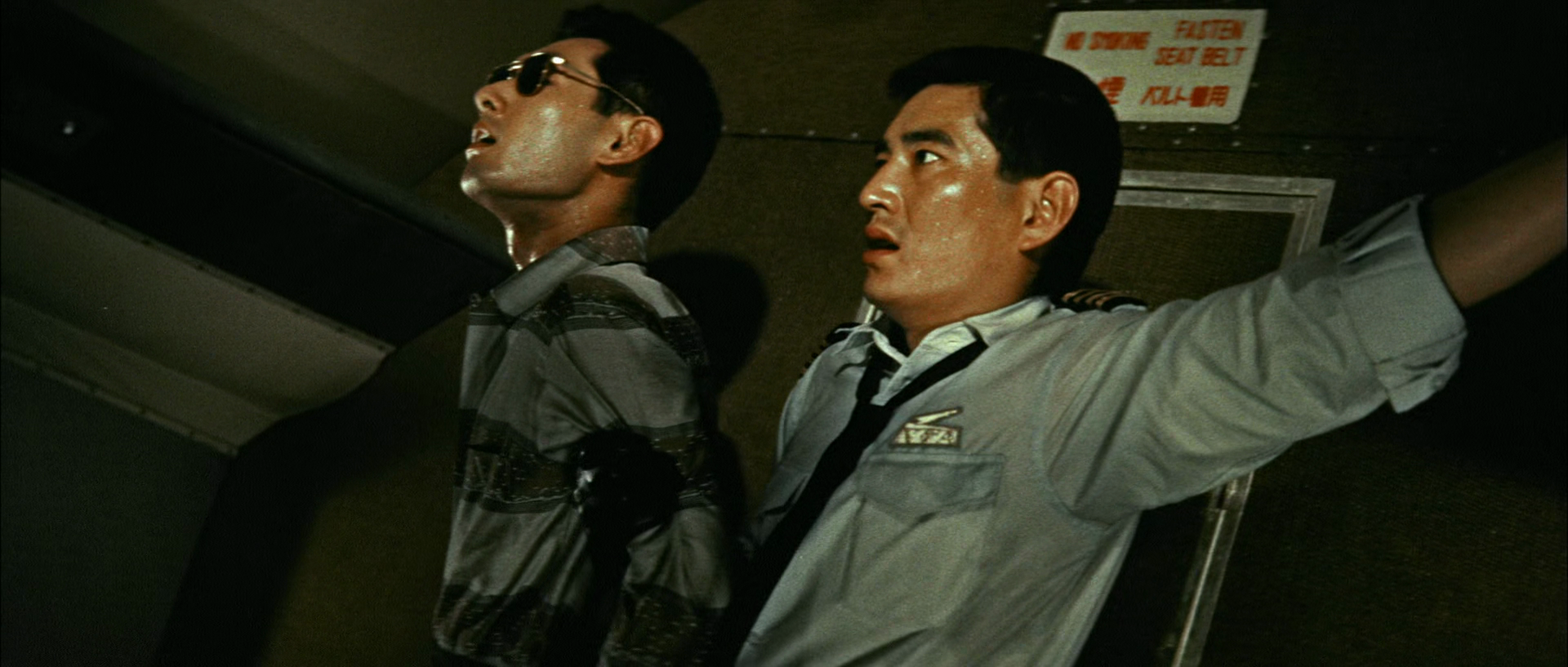
A title card close to the beginning of Shinji Aoyama’s debut film Helpless (ヘルプレス) lets us know that this drama which spans a single day takes place on Sept. 10, 1989. It is indeed late summer for most of the protagonists, refugees from the Showa era living on borrowed time in Heisei and intensely resentful towards the contemporary society which appears to have no place for them while the glamour of the Bubble economy does not appear to have trickled down to their peaceful provincial existence. 

Yakuza, for example, are very much associated with the post-war past and one-armed foot soldier Yasuo (Ken Mitsuishi) is an old-school street thug who can’t accept that his former boss literally is as dead as the institution itself. He’s met at a train station by two former associates, but it’s clear the older at least is awkward around him finally telling Yasuo not to call “too often”. “It’s nice to be normal,” Yasuo sneers, realising his former comrade has gone straight and lives an ordinary life as a regular businessman which is why he really wants nothing to do with his yakuza past. Yasuo takes his as more than just a personal betrayal and shoots him dead with his own gun.

He is quite literally helpless, there’s no place for him in the contemporary society and his only hope is killing his old boss, who is already dead, so he can go back to prison. The only sticking point his younger sister Yuri (Kaori Tsuji) who has learning difficulties and had been living in residential care. Another of Yasuo’s former associates now longer a yakuza, Kenji (Tadanobu Asano), is similarly caring for his father who is in hospital for serious medical treatment. Kenji’s father hums the Internationale to himself and seems to have been consumed by the failure of his personal revolution muttering about blast furnaces while at home Kenji looks out on the now rusty aspirations of another “new era” in a moribund steel plant. He lies to his father that he has a received a job offer from there. 

The two men seem destined to collide, Kenji’s numbed resignation and Yasuo’s irrational rage, though it’s Kenji who later snaps after learning that his father has hanged himself while he was busy taking care of Yasuo’s sister. Even an old classmate he runs into is filled with resentment, talking about taking his “revenge” at the class reunion by poisoning the punch. He says he “forgives” Kenji because he once helped him find his PE kit, though Kenji claims he did it mostly for selfish reasons.The chef at the roadside diner where they wait for Yasuo also seems to be henpecked by his wife who calls him “weaker than a woman.” Kenji later says that he killed them because they ridiculed him, tipped over the edge by his own insecurity and sense of futility. 

Yasuo discovers something similar after being stopped at a roadblock, a policeman expressing sympathy that “they forgot about a punk like you.” Yasuo points the gun at his own head, discovering one last bullet, but it’s not quite clear what happens after that. Yasuo was a wandering ghost anyway, a man of the Showa era haunting the streets of Heisei with a mission to kill a man like himself already dead. On the severed arm Kenji later discovers in his bag, there’s a tattoo of a skull and the motto “help me” which might speak for them all desperately looking for some kind of way out but finding little support. 

But then again, Kenji proves unexpectedly kind caring for Yuri even while Yasuo selfishly considers a double suicide. Dressed in white though also in a T-shirt featuring the cover for Nirvana’s Nevermind which was released in 1991, Kenji is the light and Yasuo the dark despite their mutual violence one bound by nihilism and the other a strange positivity blithely searching for an escaped rabbit just as helpless as he himself may be. Filled with ironic whimsy the film takes place in a purgatorial space inhabited by those displaced by the Bubble who no longer have anything to pin their hopes on while living on borrowed time in a late summer rapidly drawing to a close. 


Ghost Cat Anzu (化け猫あんずちゃん, Yoko Kuno & Nobuhiro Yamashita, 2024)

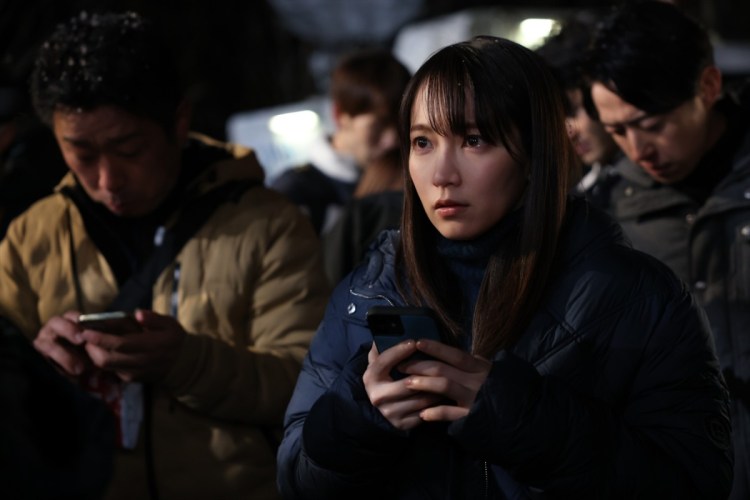
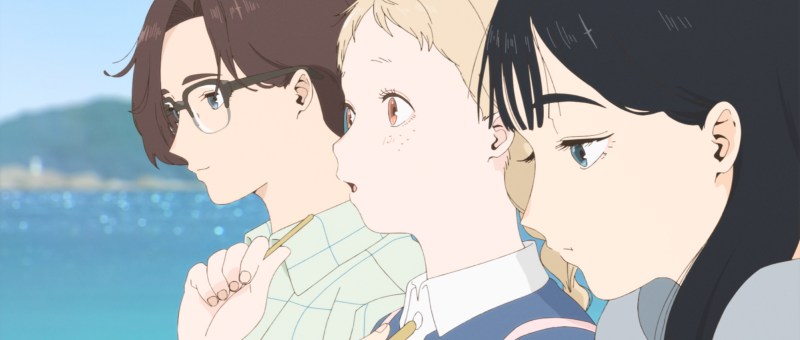
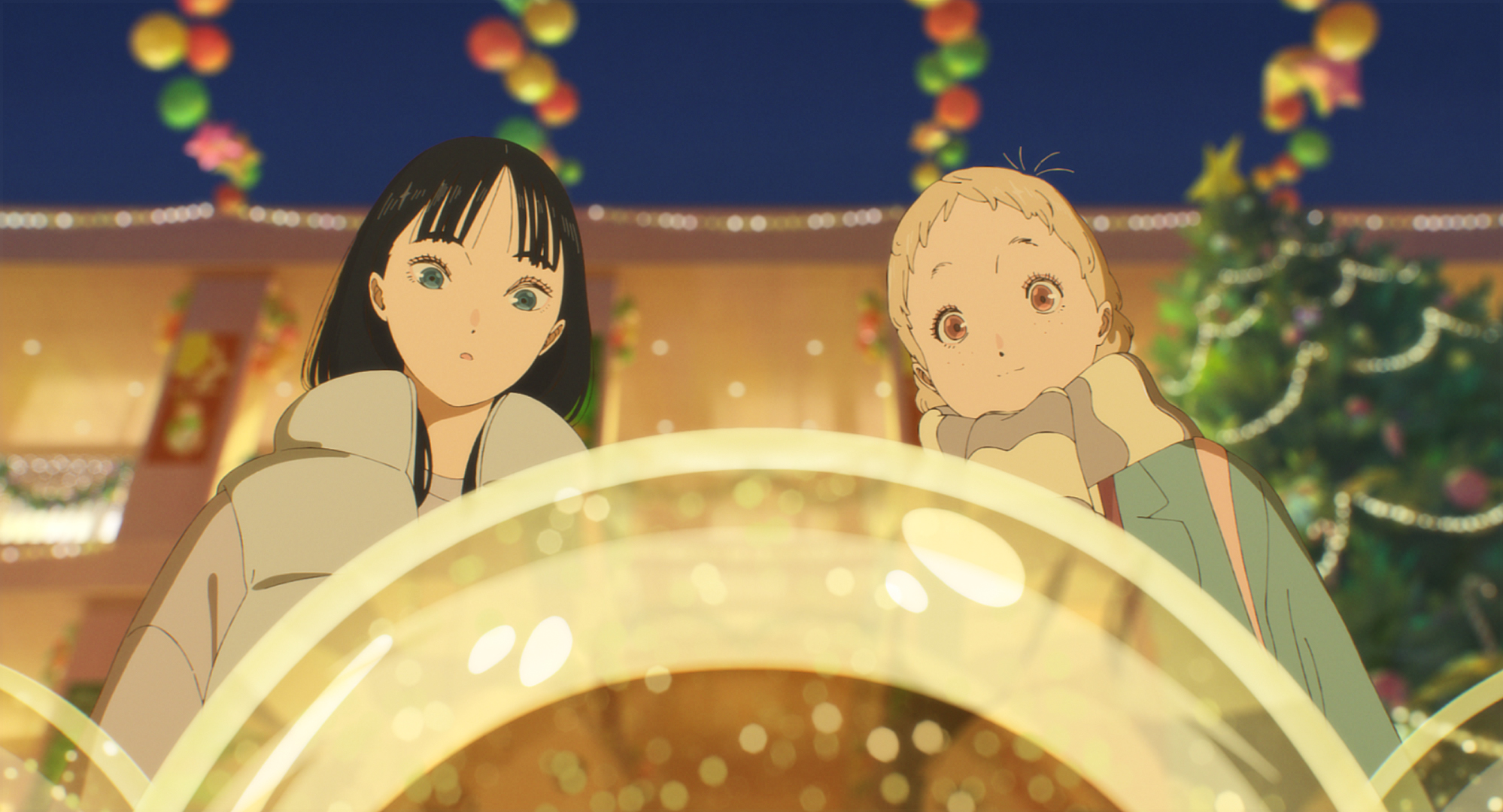
It can be comforting, in a way, to think that this world is deeper than we often think it is and that we live surrounded by ancient spirits who touch our lives in ways we never suspect. All of this is, however, a little more palpable in Iketeru, the town of eternal summer, where the heroine of Yoko Kuno and Nobuhiro Yamashita’s animation Ghost Cat Anzu (化け猫あんずちゃん, Bakemono Anzu-chan) is unceremoniously dumped by her feckless father as he attempts to sort out some persistent trouble with loan sharks. 

Of course, to a girl from Tokyo who hoped to spend the summer break with her cram school crush, being sent to a temple to stay with an estranged grandfather it’s not even clear she has ever met before is not a whole lot of fun. But then as Karin (Noa Goto) says, she’s used to being alone, which might be why she takes against the giant ghost cat, Anzu (Mirai Moriyama), who lives like a human but obviously isn’t one. The funny thing about Iketeru is that no one finds Anzu’s existence odd, if at times troublesome. He’s even patiently arrested by a pair of policemen for not having a proper license for his moped which he didn’t think he needed because, after all, he’s a ghost and also a cat. A pair of little boys who’ve formed their own gang called “The Contrarians” to “defy society” call him “aniki” like some kind of yakuza boss and try to recruit him though being in a gang seems like too much bother for Anzu, which is something he has in common in Karin. 

But the funny thing is, Anzu isn’t really so different from her father in that he too can be somewhat irresponsible. Though he knows he shouldn’t, he spends the money he was keeping for her on pachinko hoping to win big but predictably loses it all. He gets over excited about jobs that pay 3000 yen (£15) a day and overcooks food he’s dropped on the floor because it’ll burn off all the dirt. But like Karin, Anzu can be a little standoffish and it isn’t even until her arrival that he starts to interact with some of the other supernatural creatures in the area who appear to have already set up some kind of club. Having invited them over, Anzu complains they didn’t pay him enough attention and he won’t invite them again while Karin asserts that they seemed “nice”. Though Anzu himself has not yet quite taken to her, the yokai are touched by her tragic circumstances and feelings of abandonment so decide to do what they can to help her. 

Part of Karin’s problem is that she’s still struggling to come to terms with her mother’s death three years previously. Iketeiru calls itself the town of eternal summer, but the summer in Japan is synonymous with the Bon festival during which this world and the other are at their closest and the spirits of the departed may temporarily return. Thus the town itself is a liminal space caught between the living and the dead which the mortal and supernatural co-exist in a very tangible way even if Karin’s eventual descent into hell involves jumping into a broken toilet in a Tokyo columbarium. Even so, she eventually finds herself squaring off against the King of Hell himself in the middle of the Bon festival while straddling the worlds of the living and dead and discovering the will to go on living which is perhaps what the town’s name may actually mean. 

In that sense, it’s a place Karin discovers as much as it’s home to cure her sense of rootless abandonment. The rotoscoped animation and live-recorded dialogue lend a sense of uncanniness to the beautifully animated backgrounds which effortlessly evoke a sense of serenity in the timelessness of a summer in small-town Japan. The juxtaposition of the ancient and the modern, Jizo playing Nintendo Switch, yokai working at the golf course which is perhaps a manifestation of the disruption wrought on the natural world by human endeavour, echo a kind of cosmic irony but also an odd kind of warmth in the strangeness of the world around us with its immortal cat spirits and friendly supernatural creatures that seems a far cry from the sterility of the city with its violent loan sharks and indifferent friends. 


Trailer (English subtitles)
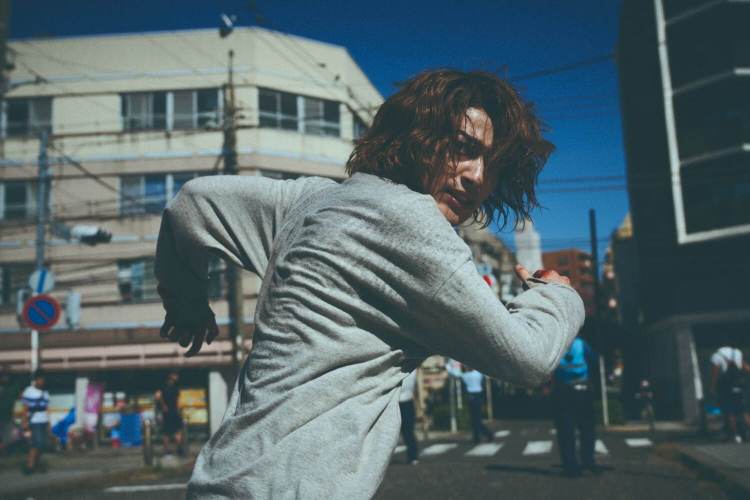
Duel to the Death (生死決, Tony Ching Siu-Tung, 1983)

What is the essence of martial arts, self-improvement and defending the weak, or victory at all costs? The debut directorial feature from action choreographer Tony Ching Siu-Tung, Duel to the Death (生死決) may have a familiar theme but is unusual in its even-handedness focussing instead on the bond between its martial artist heroes who are each as it turns out pawns of greater powers and the mercy of a world in nothing is fair or righteous.

This is obvious right from the high impact opening sequence in which Japanese ninjas raid a Chinese temple to steal “The Lost Manual to Breaking the Swordplay Stances of All Clans.” Obviously, the scroll wasn’t very lost, in fact quite easy to find along with the names of all the martial artists in China which will come in handy later, but right away sets up the Japanese as essentially duplicitous and underhanded. The central drama revolves around a contest held every 10 years between a representative from Japan and China to decide whose martial arts is best, but it’s obvious that the Japanese plan to win by cheating which they attempt at every opportunity. 

This remains largely unknown to earnest swordsman Miyamoto (Norman Chui Siu-keung) who genuinely believes he’s engaging in a test of skills with a worthy opponent. In contrast to that advocated by the Shaolin monks, the philosophy fed to Miyamoto is that he must win at all costs even if it meant turning a sword on Buddha. His own master challenges him in disguise and is pleased when he is killed because it means his pupil has eclipsed him and there is no greater honour than dying at the hands of a superior samurai. Destructive as he maybe, Miyamoto is no villain for he has a pure-hearted attachment to his code only to have his illusions shattered when he realises he’s just a patsy set up for an easy victory by the shogun who has already cut a deal with the contest’s organisers to have his opponent kidnapped so he’ll have to fight the organiser’s daughter instead.

The authorities in China are shown to be duplicitous too, and despite the prevailing Shaolin philosophy it becomes apparent that Hsia-hau, the current guardian of the House of the Holy Sword, cares quite a lot about fame and fortune. Desperate to restore the name of his clan and perhaps irritated not to have had a son, he’s raised his daughter Sing Lam (Flora Cheong-Leen) as a boy but does not seem to fully trust her ability to improve their fortunes despite the supposed gender equality of the jianghu society. Notably, Miyamoto refuses to fight her after realising she is a woman signalling once again the destructive qualities of his code in its rigid misogyny where Ching Wan (Damian Lau), the Chinese challenger, fully accepts her but seems unwilling to let their potential romance disrupt his own commitment to pursuit of his skill.

Like Miyamoto, Ching Wan sees the contest as a means of testing himself yet places no importance on winning or losing. Ching Wan often often comes to Miyamoto’s defence, stating that the Japanese were only acting in accordance with the their national character and they could learn a lot from their perseverance, while Miyamoto too refuses to rise to the bait when Sing Lam remarks that Japan must be a very poor place if the simple dinner they’ve been offered seems like an extravagant feast so it’s understandable that they always seem to be trying to plunder China. Trying to plunder China the shogun most definitely is, or least hoping to dominate it, but all the two martial artists want is the impossibility of a fair fight in a world in which double dealing is the norm and nothing’s quite as it seems. 

The full-on weirdness of Ching’s action sequences underline just how absurd this world is. Ninjas lurk everywhere including in the sand, while during one fight one giant ninja suddenly explodes into lots of tiny little ones. In the opening raid, they use dynamite for suicide attacks and are later seen flying in massive kites. The shogun keeps all the kidnapped martial artists he was planning to take back to Japan to steal their knowledge in a giant spider web-like network of ropes underground, hanging around until the ninjas load them into palanquins. Nevertheless, despite the obviousness of his use of Korean sets standing in for Japan, Ching injects a degree of realism in a painstaking attempt to maintain authenticity in depicting Japanese sword style. Cutting fast and furious with delirious wire work, the most impressive action sequence may well be that of Sing Lam effortlessly setting up a pair of obnoxious Japanese swordsmen. “Why dwell on determining whose martial arts is better?” a monk idly asks, and indeed there is no real answer save a vicious cycle of violence of retribution that remains unfinished even at the nihilistic conclusion. 


Original trailer (English subtitles)
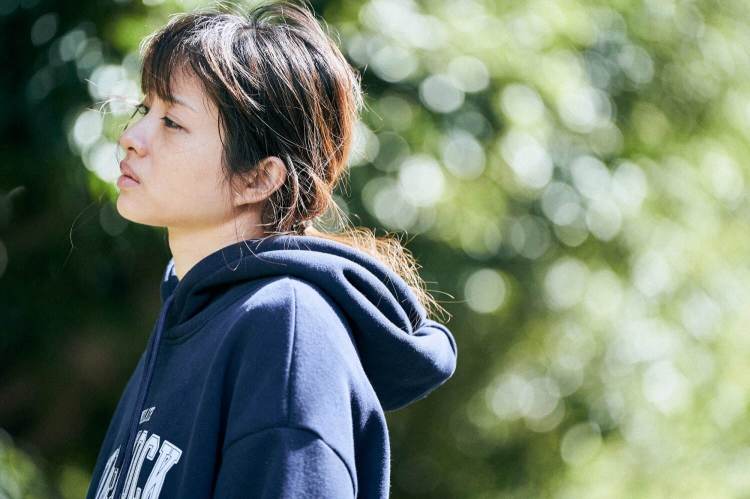
The Woman in the Rumour (噂の女, Kenji Mizoguchi, 1954)

A mother and daughter find themselves deceived by the same man, each hemmed in by realities which cannot be altered but eventually coming to a place of mutual understanding that allows them to restore their relationship not only as parent and child but as women in Kenji Mizoguchi’s 1954 melodrama, The Woman in the Rumour (噂の女, Uwasa no Onna). The first question we might ask ourselves is to which of the women the title refers, or indeed to which rumour, though in a sense rumours matter little for either of them when the problem is the constraints which each of them feel as women in the contemporary society. 

Even so, the sense of shame is evident when Yukiko (Yoshiko Kuga) is brought back to the geisha house run by her mother Hatsuko (Kinuyo Tanaka) after having attempted to take her own life in Tokyo. As we learn, the reason for her despair is in part heartbreak. She had been engaged but her fiancé’s family convinced him to end their relationship when they discovered that her mother ran a geisha house. Thus the suicide attempt is also a reflection of her sense of futility. She will always be the daughter of a woman who earned her living in the sex trade. This is a fact that cannot be changed and may lead her to think that her situation is hopeless because the same thing is likely to happen again leaving her unable to marry in a society in which there are few options for a single woman to make a life for herself not to mention the loneliness of living without romantic love. 

Hatsuko, meanwhile, is uncertain how seriously she should take the situation in part believing that it’s a product of youthful naivety in her daughter’s first romantic heartbreak. When a young doctor with whom she is close, Matoba (Tomoemon Otani), explains to her that Yukiko is depressed because she feels deep shame, self-loathing, and hopelessness due to her mother’s occupation, Hatsuko struggles to understand it and does not fully believe him. Nevertheless, she took care to bring her daughter up largely outside of the geisha world, sending Yukiko to Tokyo to study music implying that she herself to some degree sees her work as improper. The other girls view Yukiko with a degree of disdain, realising that her refinement was bought with their exploitation and noticing her animosity towards them. 

Hatsuko is mother both to Yukiko and the young women under her care who are always quick to point out that this is one of the better geisha houses because they are well looked after. When one of the women, Usugumo (Kimiko Tachibana), is taken ill, Hatusko calls in the doctor and allows her time off to rest which likely would not be granted at another house. She is reluctant to send her to hospital, but would if the situation called for it. In a sense it’s this solicitation that eventually allows Yukiko to find accommodation with her mother’s profession as she grows closer to the other women while nursing Usugumo herself and comes to understand their particular circumstances that have left them no choice but to live as geisha. Usugumo is reluctant to go to hospital because she is worried about the money she’d usually send to her sister Chiyoko (Sachiko Mine) who works the family farm and cares for their sickly father, but when she dies Chiyoko herself is left with little option other than to petition the geisha house to take her sister’s place. 

On seeing Chiyoko sitting on the step and pleading to be taken on, another of the women laments as she’s leaving that she wonders when there will be no more need for women like them. The geisha world is perhaps an unchangeable reality, just like Yukiko’s birth and her mother’s age. The rumours that surround Hatsuko are to do with her closeness with Matoba with whom she has clearly been in an intimate relationship, dreaming of becoming his wife and even considering selling the geisha house to buy a large property where they could live together as a couple while he runs a private clinic. Matoba predictably decides he prefers the younger Yukiko, Hatsuko increasingly desperate after overhearing their conversation about leaving her behind to move to Tokyo together where Matoba ponders finishing his education. The play they’ve gone to see almost feels like a personal attack as an actor intones that feelings of love at 20 are fine but at 60 it’s merely shameful. “Even carp know better than to fall in love at this age”, he adds, the old woman a figure of ridicule in her romantic delusion leaving Hatsuko feeling both humiliated and resentful.

When Hatsuko finally confronts Matoba, she does it as a scorned woman rather than as a mother, while Yukiko in turn first turns on her rather than Matoba even as she begins to realise the reality of the situation that the man who seduced her had been using her mother for his own gain in total disregard of her feelings. In short, even if Hatsuko were not her mother which certainly makes this a very complicated situation, he is not the sort of man she’d want to make a life with. Acutely aware of her own experiences of heartbreak, she fears for her mother’s wellbeing and comes to an understanding of her as a woman while accepting that “men are all alike” and in that at least perhaps her mother’s profession is the most honest of all. Mutually betrayed, mother and daughter are able to repair their familial bonds while Yukiko finds herself taking refuge in the geisha house as a space of female solidarity and bulwark against a cruel and patriarchal society. 


The Gesuidouz (ザ・ゲスイドウズ, Kenichi Ugana, 2024)

According to Hanako, vocalist of the band The Gesuidouz (ザ・ゲスイドウズ), punk is “like this miso soup”. She later describes the soup as soothing, made by her bandmate Santaro who turns out to be an unexpectedly dab hand in the kitchen, though in many ways the band’s selling point is that they aren’t very good at anything, least of all music. Even so, and quite crucially, they have one devoted, though otherwise anonymous fan who comes to all their gigs and dances wildly which just goes to prove that the old lady who becomes a kind of muse to them was right when she said there was probably someone out there to whom their music meant more than anything. 

But Hanako is writing under the shadow of death because she’s just turned 26 and is convinced she’s going to join the 27 club which means she has a very limited window to achieve her musical destiny. Perhaps in a way it’s a kind of quarter life crisis, or the sense of desperation that can be felt while young that time is already running out and you still haven’t made anything of your life. You still don’t know who you are or what you want to be and in Hanako’s case, no one has much faith her except her bandmates who stoically excuse their lack of audience under the rationale that everyone’s very busy these days and they should make sure to consult the calendar when they’re booking gigs. 

In fact, her manager’s the least supportive of all. He calls the band “rubbish” though casually admitting the may have forgotten to even release their album though it’s true that no one’s buying it. He’s the one that talks them into taking part in a government-backed scheme to encourage young people to move to the country in exchange for a stipend and place to live. But the weird thing is, unlike the indifference they felt in the city, the local community embrace their eccentricity and support their music even if they find it difficult to see what’s good about it. Despite describing the place where she lives as a “shithole”, the old lady listens patiently to Hanako’s tall tales about headlining Glastonbury while arranging gigs for them to play for such esteemed audiences as the local cows while bemused elderly resents look on stony faced but ultimately supportive. After all, as the old lady says, it’s a rare gift to create something so amazing that other people don’t understand it.

Though obsessed with horror films, darkness, and death, Hanako is strangely touched by country warmth and almost seems to tear up on the simple gift of a bunch of leeks after working in the fields. In a funny way, this village is actually quite like Glastonbury, a small rural settlement with a down-to-earth new age sensibility that suddenly erupts with music even if in this case on a much smaller scale. The old lady who becomes in a way a future echo of Hanako might be the most punk of all, joyfully living her little life in the shithole she’s never been outside of but welcoming these weird youngsters with patience, warmth, and acceptance which eventually allows Hanako to find a way back to herself and to art leading to a kind of rebirth in contrast to the death she was convinced was waiting for her. 

Of course, that all comes from a talking dog giving life advice through he medium of pithy quotes and song lyrics divined through automatic writing while practicing calligraphy. With frequent references to classic horror films, the film is an ode to the strangeness of country life but also its borderless horizons and sense of community solidarity alien to Hanako’s lonely life in Tokyo. But tellingly this is a paradise destined to be lost as the band finds success separating them from the environment that made them successful, fostering their art but also their souls with its gentle sense of acceptance. Often hilarious in its matter of factness, Kenichi Ugana’s anarchic dramedy has true punk spirit which is to say there’s nothing more punk rock than a good bowl of miso soup crafted with wholesome practicality and an altruistic desire for mutual happiness.


The Gesuidouz screens 30th November as part of this year’s London International Fantastic Film Festival (LIFFF)

Original trailer (English subtitles)

A Swordsman in the Twilight (황혼의 검객, Jeong Chang-hwa, 1967)

Jeong Chang-hwa is better known for the films he made with Shaw Brothers in Hong Kong, including the iconic King Boxer which helped to kick start the Kung Fu craze of the 1970s, than for earlier films he made in his native Korea. Nevertheless, while he was there he also instrumental in creating a new genre of Korean swordplay films with A Wandering Swordsman And 108 Bars of Gold and 1967’s A Swordsman In The Twilight (황혼의 검객, Hwanghonui Geomgaek).

Drawing inspiration from both Japanese samurai movies and King Hu’s wuxia dramas, the film is set in 1691 and like many Korean historical dramas revolves around intrigue in the court. Our hero is however not a high ranking courtier but as he describes himself a struggling vassal who was lucky to get his job as a lowly palace guard because he has no real connections nor does he come from a prominent family and his skills and long years of study mean almost nothing in this society ruled by status. The more things change, the more they stay the same. In any case, he was not unhappy with his life, got on well with his father-in-law, a poor scholar, and had a loving wife and daughter, who like him, valued human decency over ambition. 

But it’s that gets them into trouble when the venomous Lady Jang stages a palace coup to usurp the position of rightful queen, Min. Queen Min is depicted as a shining example of traditional femininity and idealised womanhood. Though the situation she finds herself in is unfair, she bears it with good grace and refuses the small comforts others offer her saying only that she is a sinner and it’s only right she suffers this way for displeasing the king. Hyang-nyeo (Yoon Jeong-hee), wife of swordsman Tae-won (Namkoong Won), was once her servant and shares her birthday so feels an especial connection to her. Pitying Queen Min seeing her forced to walk barefoot through the mud she offers her shoes and for this crime is hounded by the Jang faction on account of her supposed treason.

Having taken the local governor and his clerk, who are also against the Jang faction but don’t know how to oppose it, hostage, Tae-won narrates his long sad story and reasons for his desire for revenge against corrupt courtier Oh Gi-ryong (Heo Jang-kang) who, it seems, is also motivated by resentment and sexual jealousy after having once proposed to Hyang-nyeo but been instantly rejected by her father who did not wish to marry his daughter off to a thug. As such, he comes to embody the evils of the feudal order in his casual cruelty and pettiness. When we’re first introduced to Tae-won he saves a young woman who was about to be dragged off by Gi-ryong’s henchmen presumably as a consort for their immediate boss, Gi-ryong’s right-hand man, but is warned by the other villagers that he should leave town quickly else the Jang gang will be after him. That is however, exactly what Tae-won wants. He fights a series of duels with Gi-ryong, the first of which ends with Gi-ryong simply running away when Tae-won breaks his sword and in their final confrontation he resorts to the cowardly use of firearms not to mention an entire squad of minions pitched solely against a wounded Tae-won and the unarmed governor.

What it comes down to is a last stand by men who know the right path and are now willing to defend it rather than turn a blind eye to injustice. Tae-won’s own brother (Park Am) had thrown his lot in with Gi-ryong in the hope of personal advancement, willingly aligning himself with the winning side and complicit in its dubious morality. This of course puts him in a difficult position, though he implies he will be prepared to sacrifice Tae-won and his family if necessary even if he also tries to find a better solution such as suggesting Tae-won kill Queen Min to prove his loyalty to the Jang faction. In an odd way, it speaks to the contemporary era as a treatise on how to live under an authoritarian regime not to mention the creeping heartlessness of an increasingly capitalistic society. 

This sense personal rebellion may owe more to the jianghu sensibility found in the wuxia movies of King Hu than to the righteous nobility of the samurai film even if the ending strongly echoes chanbara epics in which the hero is displaced from his community and condemned to wander as a perpetual outlaw in a society which does not live up to his ideals. While staging beautifully framed action sequences such as fight at a rocky brook, Jeong undoubtedly draws inspiration from Hu in the use of trampolines and majestic jumps that have an almost supernatural quality. The sword fights are largely bloodless until the final confrontation but also violent and visceral. Gi-ryong’s henchman plays with a minion he feels has betrayed him by lightly scratching his throat before going in for the kill and such cruelty seems to be a hallmark of the Jang faction. But despite the seeming positivity of the ending in which a kind of solidarity has been discovered between Tae-won and the governor, the film ends on an ambivalent note with the fate of the nation still unknown as Lady Jang stoops to shamanic black magic to hold sway and darkness, the lingering shadows of authoritarianism, still hang over the swordsman even if he is in a way free as s rootless wanderer no longer quite bound by feudal constraint. 


A Swordsman in the Twilight screened as part of Echoes in Time: Korean Films of the Golden Age and New Cinema.

THE KILLER GOLDFISH (Yukihiko Tsutsumi, 2024)

“Did the goldfish have a grudge against your husband?” It is a very strange question, but the policeman admits he has to ask it because he knows his contact at Public Security’s Extraordinary Unit will ask him if he asked. Goldfish aren’t something you’d ordinarily think of as dangerous, but perhaps they’re sick of being cooped up in tiny bowls, denied the whole ocean, so they’ve decided to fight back against humanity? Either that or, as Public Security agent Erika (Eriko Oka) suspects, someone is using them to exact a very particular kind of revenge.

Helmed by one of the premier directors of mainstream contemporary Japanese film, Yukihiko Tsutusmi’s The Killer Goldfish is not the schlockfest its name may suggest but a hark back to the anarchic conspiracy thrillers of the 90s. In fact, it’s produced by a director collective, Super Sapienss, of which Tsutsumi is a member alongside Katsuyuki Motohiro, best known for the Bayside Shakedown series, and Yuichi Sato (Kisaragi) which aims to shake off the inertia of the contemporary Japanese film industry by taking charge of the entire process so they can make the kind of films they want. 

You have to admit, it might be difficult to get a production committee to sign off on a such an outlandish series of events that only begins with murderous goldfish and eventually spins off into a far reaching conspiracy involving superhumans, psychic powers, neanderthal migration, missing high school students, a young woman who is somehow connected psychically with goldfishkind, and long-haired jizo that can stir up human appetites to the point of mass destruction. Erika has a feeling all of this is connected, but she doesn’t quite yet know how save that this world is apparently full of strange crimes to the extent that the powers that be are well aware of them but they prefer to keep quiet and let the Extraordinary Unit handle them.

In any case, the action proceeds X-Files style as Erika teams up with sceptical cop Yukine to try to solve the mystery and avoid any more fishy crimes in the future. This conspiracy is it seems located at the nexus of the primaeval and sophisticated, neanderthal rage delivered into the contemporary society in the opening scenes via our ubiquitous technology with a secret symbol broadcasting into the minds of those born to receive it. A professor digs up evidence that suggests early man arrived in Japan earlier than previously thought and is invited on a daytime talk show only to cause consternation with the obscene quality of his find, while further clues are bizarrely delivered through a love island-style reality dating show and its caddish heartthrob contestant. Making contact with the suspect eventually entails solving a riddle, messaging them on social media, and then completing an online questionnaire.

Nevertheless, these superhumans are apparently so because of their primaeval genetic makeup that places them outside of contemporary notions of civility. Their atavistic qualities render them, like the goldfish, constrained by the limitations of contemporary society from which they long to break free. Even so, their sensibilities seem to align with a problematic seem of historical nationalism that lends them an edge of danger aside from their potential connection to the unexplained goldfish murders which in themselves may indicate a rebellion against entrenched patriarchy given that they seem to target only middle-aged men. 

These ideas may be fleshed out more fully in the accompanying manga, also produced by Super Sapienss, or explained in the Chapter Two alluded to in the title card following the post-credit sequence but otherwise have an unconstrained, freewheeling quality rocketing between the primaeval past and the ultra modernity of reality television and social media conspiracy. The film makes frequent use of animation to express transformation or transportation between these worlds along with another that may exist in a less visible dimension, and has an unexpected freshness that belies Tsutsumi’s long career in the industry. The script by Hoarder on the Border director Takayuki Kayano similarly has an anarchic sensibility which is both retro and ultra-contemporary blending buddy cop procedural with zany horror comedy and an unfolding sense of unease in modern society. It’s fair to say that with The Killer Goldfish Super Sapienss has made good on its mission statement to disrupt the status quo of mainstream Japanese cinema with hopefully more to come in Chapter 2.


THE KILLER GOLDFISH screens 26th November as part of this year’s London International Fantastic Film Festival (LIFFF)

Original trailer (English subtitles)
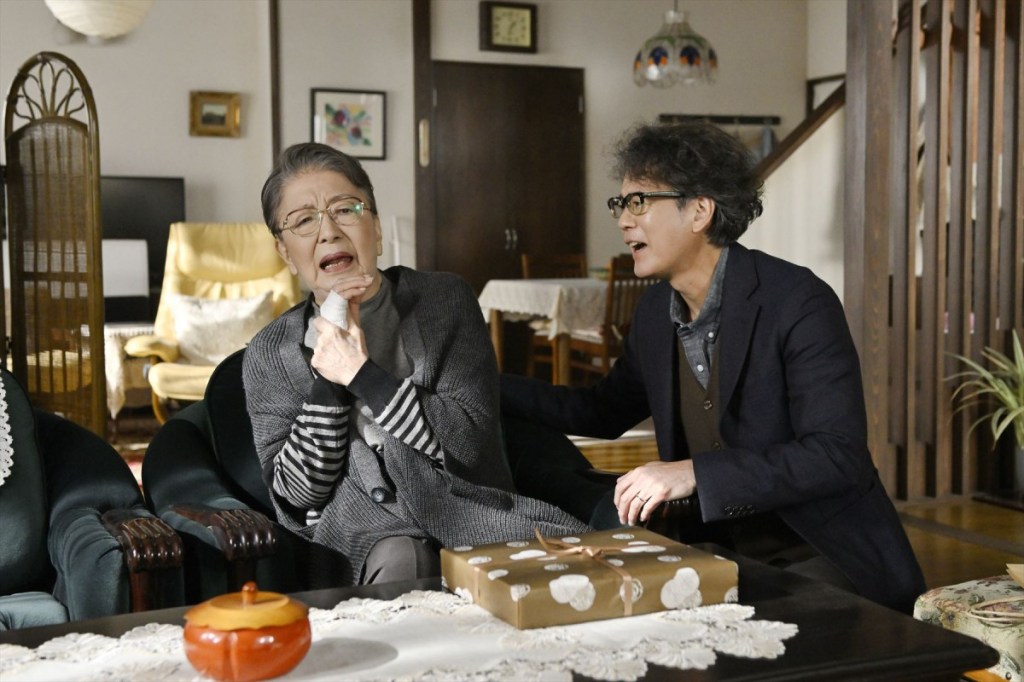
London International Fantastic Film Festival (LIFFF) Announces Full Programme
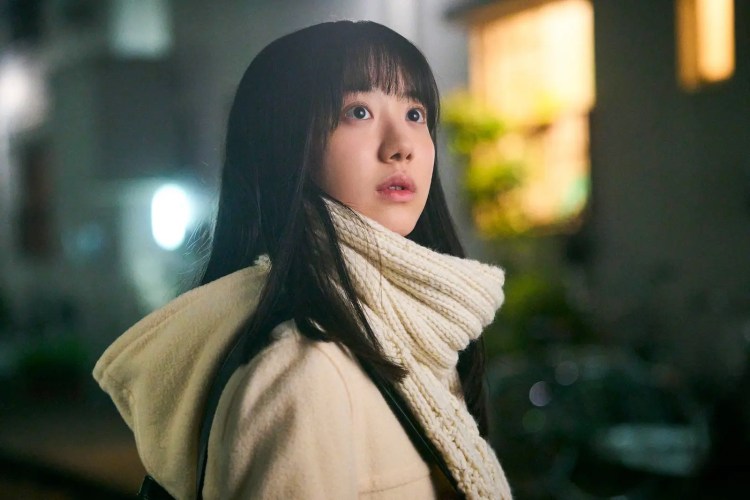
The London International Fantastic Film Festival (LIFFF) celebrates its inaugural edition this year running at BLOC Cinema and Genesis Cinema in Mile End, London from 26th December to 1st November. Included in this year’s packed programme, are three films from Japan.

THE KILLER GOLDFISH

Surreal conspiracy thriller from the prolific Yukihiko Tsutsumi in which a series of murders take place across Japan which appear to have been comitted by goldfish.

Self-Revolutionary Cinematic Struggle

Meta drama from Gakuryu Ishii in which a professor of film named Gakuryu Ishii goes missing after being driven out of his mind by his work. His fellow professors try to teach his ideas though they do not really understand them, plunging the students into a labyrinthine world of expanded consciousness.

The Gesuidouz

Charming punk-themed rural drama in which an unsuccessful band are sent to the country to take part in a subsidised scheme to ameliorate rural depopulation.

London International Fantastic Film Festival (LIFFF) runs at BLOC Cinema and Genesis Cinema in Mile End, London from 26th December to 1st November. The full lineup is available on the official website as are scheduling and ticketing details. You can also follow the festival on Facebook and Instagram.