


Christmas is a little different in Japan. Fried chicken takes the place of turkey with all the trimmings and even if Santa still makes his rounds for excited children, it’s couples who invest the most in the big day. That doesn’t mean however that you can’t still take time out for a spooky tale or two in the best European tradition though Ghost Soup turns out to have a more melancholy if ultimately heartwarming intention than your average round of Christmas ghost stories. Shunji Iwai, later a giant of ‘90s Japanese cinema, got an early start with this seasonal tale which runs just under an hour and was made for television as part of a series of food themed dramas but even if the production values are minimal and the camera work unremarkable, Ghost Soup exists firmly within Iwai’s wider cinematic universe.
The tale begins on Christmas Eve. Families are eagerly walking home with treats and Christmas trees, but poor old Ichiro (Hiroyuki Watari) is in the process of trying to move apartments. He was supposed to be moving in mid-January, but he’s been bumped from his current accommodation after the person who was supposed to be taking over his lease was forced out of their current apartment because the person they were renting from has come back from abroad and needs his house back. Luckily, the apartment Ichiro is moving into is already empty so he’s moving in early, but there’s a hitch. It’s not just that it’s very inconvenient to move house on Christmas Eve, Ichiro’s new apartment has already been earmarked for an annual Christmas party hosted by a bunch of ghosts and they don’t take kindly to having their venue so rudely invaded.
The first half of the film revolves around the comical actions of the ghosts as they try to keep Ichiro out of their party though it also provides the opportunity to introduce other vaguely ghoulish elements of the business of moving including a visit from the NHK man and a tenacious newspaper salesman not to mention a Jehovah’s Witness. Despite the fact that Ichiro has apparently landed himself in this situation by being “too nice” he manages to get rid of most of his unwelcome visitors by forcing himself to close the door on them even if he seems to feel bad about doing it. The ghosts are a slightly different matter.
Nana (Ranran Suzuki), a feisty teenage girl, and Mel (Dave Spector) – an American with excellent Japanese and a very strange speaking voice who seems to be dressed like world war two bomber crew, are having a Christmas Party for the area’s local ghosts of which there seem to be a few including Private Sakata (Ken Mitsuishi) who has been patiently standing guard ever since he passed away during the war. Nana’s “Ghost Soup” has become a Christmas fixture and is filled with warmth and happiness designed to help vengeful spirits move past their various grudges so that they can finally “move on”.
When the ghosts dress up like Santa and put Ichiro in their sack to dump him in an unfamiliar part of town in the hope he won’t make it back before their party, he ends up wandering through sections of his memory, remembering paths and houses from some forgotten time and noticing other “ghostly” presences he might not normally pay much attention to. As it turns out, Ichiro has tasted Ghost Soup before, long ago in childhood when he himself had a conversation with one recently deceased on a melancholy Christmas Eve.
Little Ichiro seemed very puzzled that so many people were lining up for just a cup of soup when they don’t even get any toys, but was somehow moved by the curious warmth of the small gathering. Despite his protestations of being “too nice” in agreeing to move early, Ichiro has not been a very good neighbour so far – despatching each of his visitors and trying to evict the ghostly presence intent on colonising his new flat, but eventually gets into the Christmas Spirit and agrees to help the ghosts make sure the soup gets those who need it. Tokyo it seems is a city of lonely souls, both living and dead, in which a bowl of hot soup might be the only highlight in a cold and unforgiving (after)life.
Made for television on a low budget and with a poor quality video camera, Ghost Soup is of its time but also bears out Iwai’s cheerfully surreal world view in which the city is peopled with the melancholy but protected by friendly guardians fostering a community spirit which might help to exorcise some of that existential loneliness. Ghost Soup is in many ways the perfect Christmas confection – a little bit sad, but sweet if strange and ultimately heartwarming in its embracing of the true Christmas spirit of compassion togetherness.
Closing scene (no subtitles)



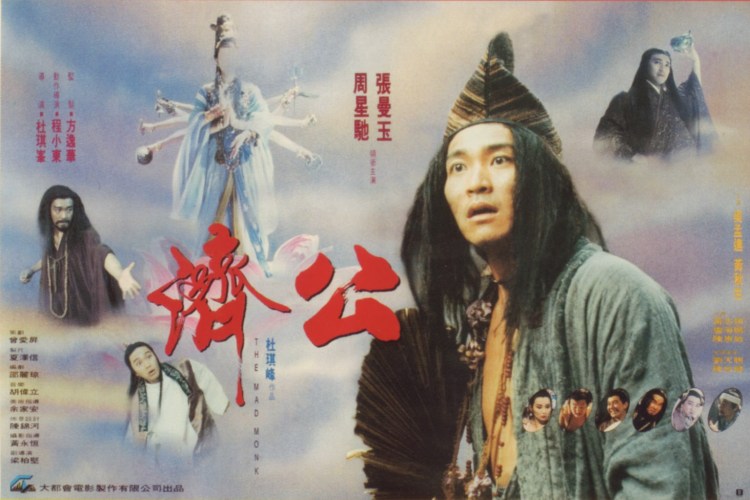 “The Mad Monk” sounds like a great name for a creepy ghost, emerging robed and chanting from the shadows to make you fear for your mortal soul. Sadly, The Mad Monk (濟公, Jì Gōng) features only one “ghost”, but it might just be the cutest in cinema history. The second of Johnnie To’s Shaw Brothers collaborations with comedy star Stephen Chow is another wisecracking romp in which Chow revels in his smart alec superiority, settling bets made in heaven and eventually vowing to spread peace and love across the whole world.
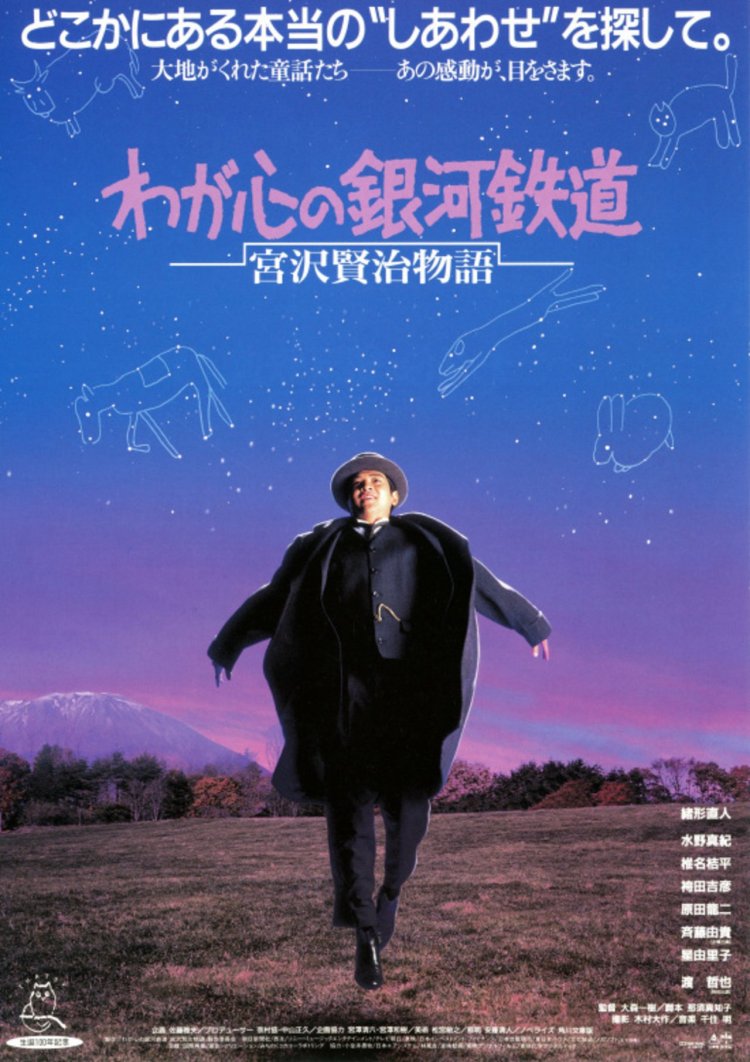 Kenji Miyazawa is one of the giants of modern Japanese literature. Studied in schools and beloved by children everywhere, Night on the Galactic Railroad has become a cultural touchstone but Miyazawa died from pneumonia at 37 years of age long before his work was widely appreciated. Night Train to the Stars (わが心の銀河鉄道 宮沢賢治物語, Waga Kokoro no Ginga Tetsudo: Miyazawa Kenji no Monogatari), commissioned to mark the centenary of Miyazawa’s birth, attempts to tell his story, set as it is against the backdrop of rising militarism.

