
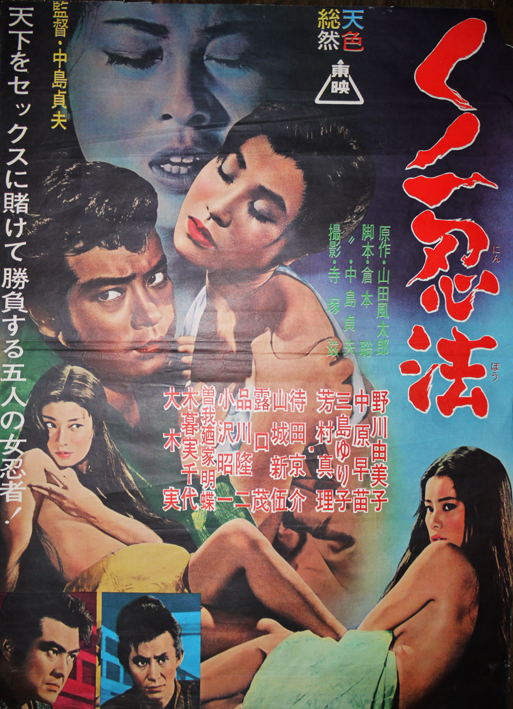
 Sadao Nakajima, a veteran director and respected film scholar, is most often associated with his gritty gangster epics but he made his debut with a noticeably theatrical fantasy tale of female ninjas and their idiosyncratic witchcraft. Adapted from a novel by Futaro Yamada, Female Ninja Magic (くノ一忍法, Kunoichi Ninpo) is an atypically romantic take on the ninja genre, infused with ironic humour and making the most of its embedded eroticism as a collection of wronged women attempt to change the course of history and mostly pay with their lives.
The night before the fall of Osaka castle in 1615, Sanada Yukimura (Eizo Kitamura) comes up with a cunning plan to ensure the survival of the Toyotomi clan. Following the death of Hideyoshi, his son Hideyori had inherited the title but he was sickly and had no children of his own. His wife, Princess Sen (Yumiko Nogawa), was not able to bear an heir and so Sanada has hit on an idea. He wants to send five women of Iga to Hideyori’s bed chamber in the hope that one of them will become pregnant and ensure the survival of the Toyotomi line. Princess Sen is very much in on the plan and hopes to raise the child herself. However, she is by birth a member of the Tokugawa which is where she is eventually sent following fall of Osaka. Refusing to return to her birth clan, Sen rejects her father and insists on remaining true to the memory of her (now departed) husband and his unborn child. Tokugawa Ieyasu (Meicho Soganoya), however, has learned of the Toyotomi heir and is determined to see it killed…
Nakajima opens in grand fashion with a ghostly sequence in which Sanada outlines his plan. The ninjas sit silently before magically fading from the frame and being replaced by Sasuke, Sanada’s messenger. Soon enough, both Sanada and Sasuke are cut down by a rogue assassin but rather than going straight to heaven they decide to hang around and see how well the plan works out, becoming our narrators of sorts, hovering around in the background and occasionally offering the odd ironic comment from beyond the frame.
The ghostly effects don’t stop with the two undead commentators but comprise a key part of Nakajima’s deliberately theatrical aesthetic. Like many ninja films, Female Ninja Magic is filmed almost entirely on studio sets but never pretends otherwise. Its world is unrealistic and deliberately over the top, filled with with visual motifs both from traditional Japanese and classical European art. The female ninjas dance, topless, beckoning and seducing but they do it against a stark black background moving firmly into the film’s magical space in which all things are possible.
Meanwhile, Tokugawa Ieyasu has sent five male ninjas to take care of our five female witches, making use of their own, devious, ninja magic to combat that of our heroines. The first nefarious male ninja technique involves the murder and identity theft of a trusted maid, while another tries a similar trick by “projecting” himself into the consciousness of a handmaiden he has figured out is pregnant by listening for additional heartbeats, and convincing her to commit harakiri. His villainy is eventually turned back on him as the female ninjas make use of the most important of their spells – the “Changing Rooms” technique which effectively shifts the foetus from one womb to another.
Deliciously named – Rainbow Monsoon, Dancing Snow, Robe of Wings etc, the spells run from the sublime to the ridiculous with the self explanatory Eternal Gas which sends noxious purple smoke billowing from under the skirts of an elegant princess. Each has its own erotic component, even if it doesn’t necessitate a shift into the film’s elegantly designed dreamscape, but by and large the female ninja fight with supernatural rather than earthly powers. Facing such extreme threat, the women form a tight group of mutual support in order to ensure the survival of the child which Princess Sen will raise but not birth. Though her quest originated as a fierce declaration of her loyalty to the Toyotomi, she later recants on her tribal zealotry. Shocked by her father’s cruelty and sick of a persistent suitor, she admits that she has come to loathe the world of men and prefers to think of the baby as belonging to her band of women alone. Nevertheless, male violence eventually saves her as her aggressor, ironically enough, is moved by her devotion to the new life in her arms – he is “defeated by her strength as a woman”, and turns on his own kind. Female Ninja Magic eventually achieves the revenge it sought, allowing a princess to survive in triumph while the male order quakes in its boots.
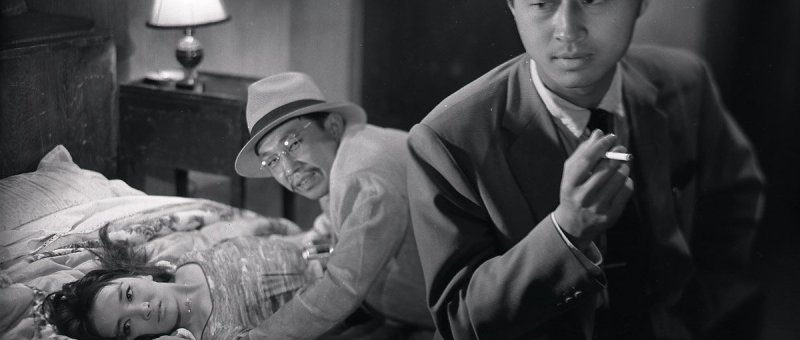
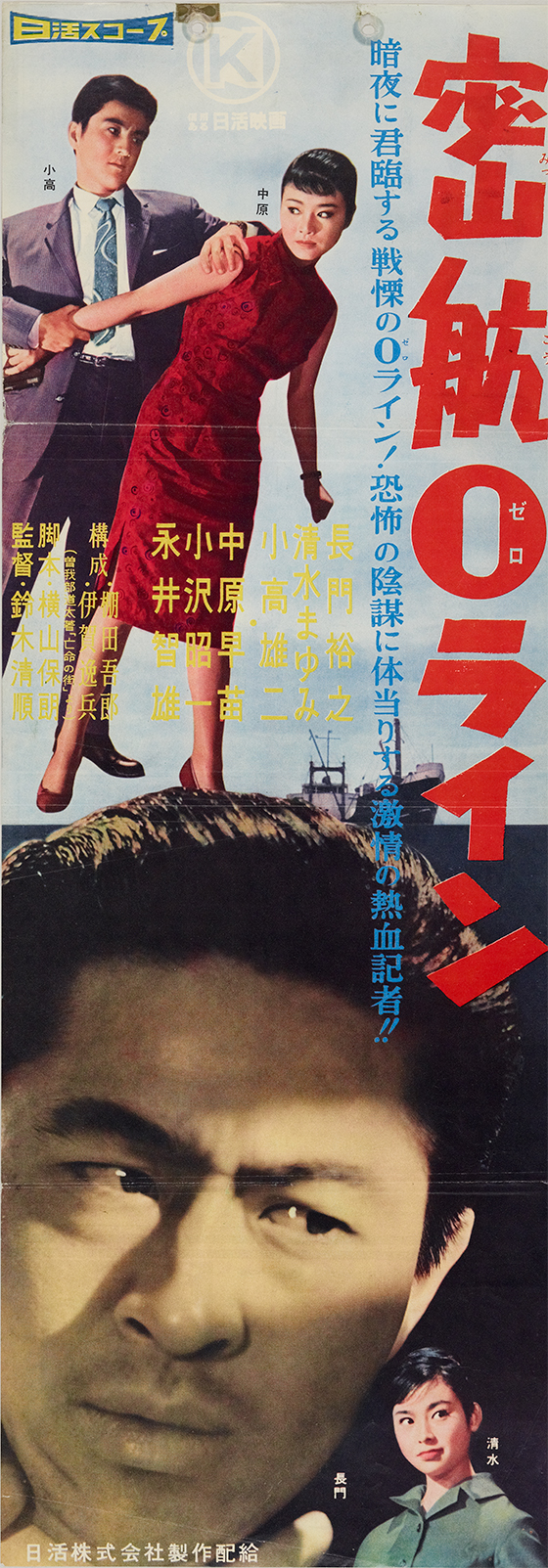 Looking from the outside in, the Tokyo of 1960 seems to have been one of rising economic prosperity in which post-war anxiety was beginning to transition into a relentless surge towards modernity, but there also seems to have been a mild preoccupation with the various dangers that same modernity might present. Like
 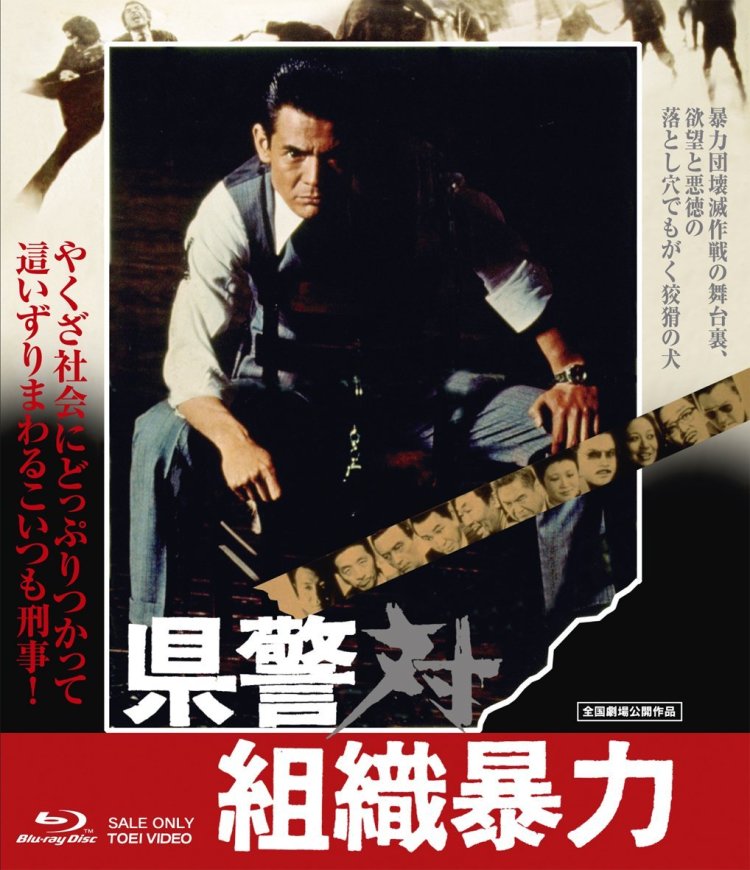 Cops vs Thugs – a battle fraught with friendly fire. Arising from additional research conducted for the first
  The ‘70s. It was a bleak time when everyone was frightened of everything and desperately needed to be reminded why everything was so terrifying by sitting in a dark room and watching a disaster unfold on-screen. Thank goodness everything is so different now! Being the extraordinarily savvy guy he was, Hiroki Kadokawa decided he could harness this wave of cold war paranoia to make his move into international cinema with the still fledgling film arm he’d added to the publishing company inherited from his father.
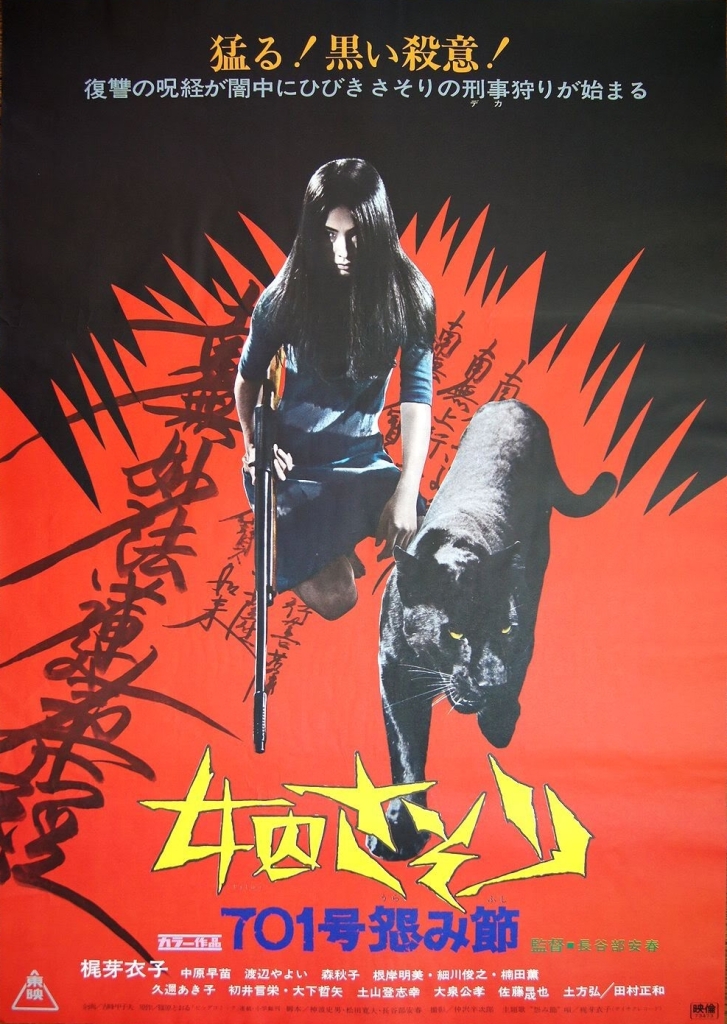 The saga seemed complete with the end of
 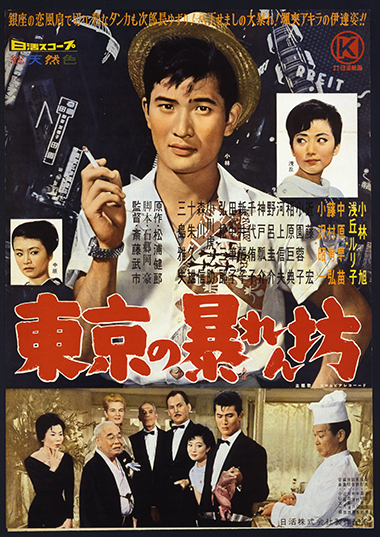 The bright and shining post-war world – it’s a grand place to be young and fancy free! Or so movies like Tokyo Mighty Guy (東京の暴れん坊, Tokyo no Abarembo) would have you believe. Casting one of Nikkatsu’s tentpole stars, Akira Kobayshi, in the lead, Buichi Saito’s Tokyo Mighty Guy is, like previous Kobayashi/Saito collaboration
 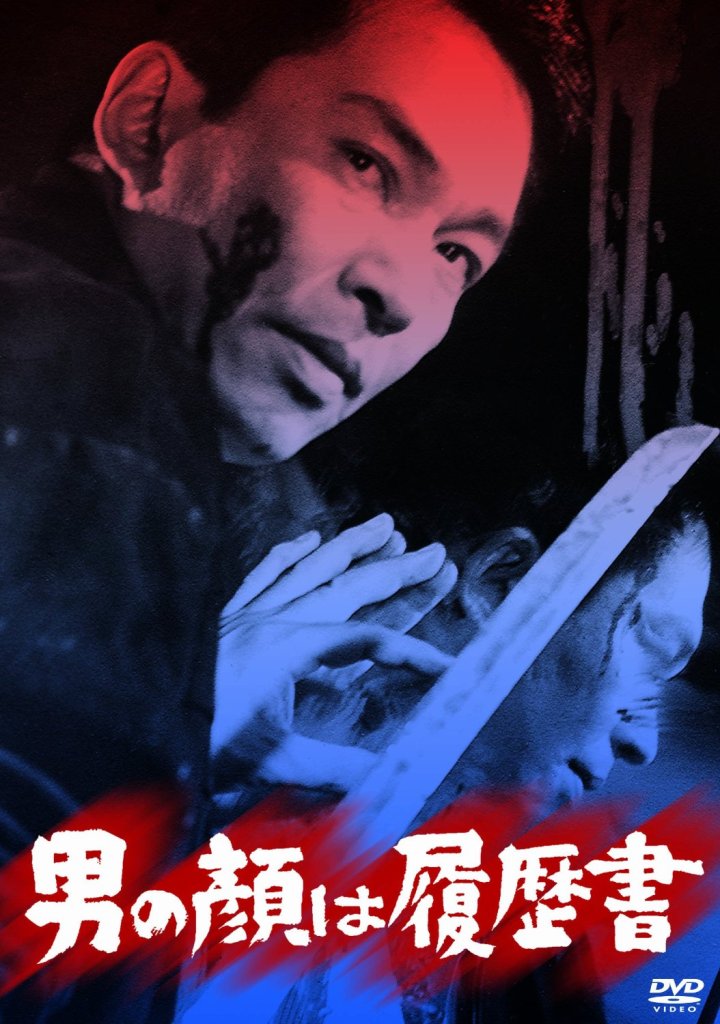 Japanese cinema has not been as shy as might be supposed in examining uncomfortable topics concerning the nation’s mid 20th century history but perhaps prefers to tackle them from a subtle, sideways viewpoint. By a Man’s Face Shall You Know Him (男の顔は履歴書, Otokonokao wa Rirekisho) is, in essence, a fairly straightforward gangster pic – save that the rampaging gangsters are a mob of “zainichi” Koreans rather than post-war yakuza or petty hoodlums. Less about what it is to be an outsider or the quest for identity in second generation immigrants, Kato’s film is about what it says it is about – a man’s face.
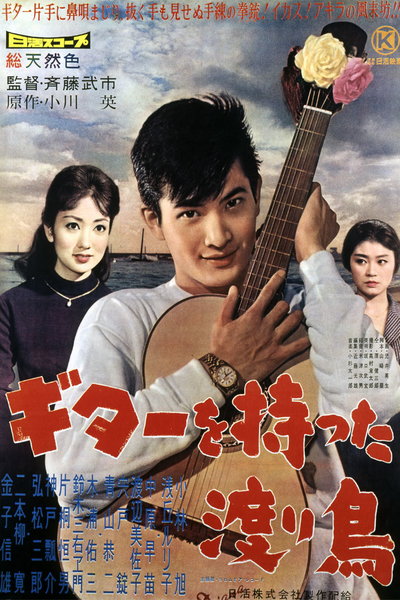 Sometimes, just like an aimless drifter wandering into town, you feel as if you’ve come in during the second reel and missed some vital piece of information leaving you feeling a little at odds with the current situation. So it is with Buichi Saito’s The Rambling Guitarist (ギターを持った渡り鳥, Guitar wo Motta Wataridori) which is, apparently, the first film in a series though feels a little more like the second.
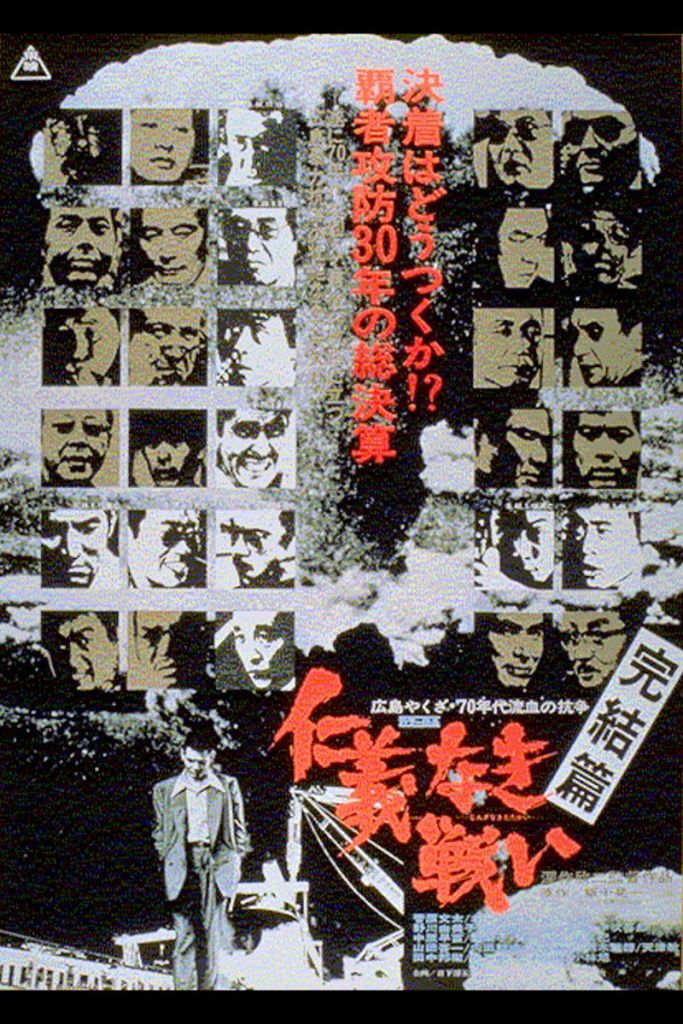 And so, the saga finally reaches its conclusion. Final Episode (仁義なき戦い: 完結篇, Jingi Naki Tatakai: Kanketsu-hen) brings us ever closer to the contemporary era and picks up in the mid ‘60s where Hirono is still in prison and Takeda, released on a technicality, has decided to move the yakuza into the legit arena. The surviving gangs have united and rebranded themselves as a political group known as the Tensei Coalition. However, not everyone has joined the new gangsters’ union and the enterprise is fragile at best.
 It’s 1963 now and the chaos in the yakuza world is only increasing. However, with the Tokyo olympics only a year away and the economic conditions considerably improved the outlaw life is much less justifiable. The public are becoming increasingly intolerant of yakuza violence and the government is keen to clean up their image before the tourists arrive and so the police finally decide to do something about the organised crime problem. This is bad news for Hirono and his guys who are already still in the middle of their own yakuza style cold war.
 Windows on Worlds