
 Love, apparently, makes people do stupid things. So, apparently, does the absence of love. Lee Joon-ik’s Sunny (님은 먼곳에, Nimeun Meongotyi) takes another roundabout look at the recent past through the medium of music in the unlikely tale of a poor village girl married off to a resentful man whose love for another has sent him reeling off into a foreign war. While it’s nice to see this familiar story from the often neglected point of view of the unwanted wife, Lee’s tale is more one of male folly and the various ways a woman’s life is dictated by patriarchal values than it is of love and determination in the face of extreme danger.
Soon-yi (Soo Ae) sings a plaintive love song by contemporary singing star Kim Chu-ja for her fellow housewives in a small village, but her moment of reverie is broken when her domineering mother-in-law (Lee Joo-sil) arrives and orders everyone back to work. Victim of an arranged marriage, Soon-yi has been abandoned by her husband Sang-il (Uhm Tae-woong) who ran off to join the army right after the wedding. A letter he receives in the barracks tells us that he had a love in Seoul whom he was (presumably) forced to give up on in order to submit to his mother’s chosen bride (why he did this is never explained). Nevertheless, Sang-il’s mum is desperate for an heir from her only son and packs Soon-yi off for a conjugal visit every month. Sang-il, however, refuses any intimacy with his new wife, coldly rolling over as he tells Soon-yi to stop coming, wondering if she really has any idea what “love” is seeing as she’s obviously so blind to his emotional pain.
The next time Soon-yi tries to visit Sang-il she finds out he’s got himself sent to Vietnam – a source of panic to his devoted mother who blames her daughter-in-law for alienating her son so badly he’s decided to go off and get himself killed on a foreign battlefield rather than endure married life at home. Kicked out from her marital household and disowned by her birth family, Soon-yi decides to track Sang-il down in war-torn Vietnam, teaming up with a shady con-artist/musician (Jung Jin-young) as her only passage out of the country.
The central problem is that Soon-yi does not love Sang-il. How could she, she barely knows him and their only on screen meeting is one filled with awkwardness, contempt, and resentment. Yet Soon-yi suddenly becomes bold, leaves her village, and refuses to back down until she finds Sang-il and convinces him to accept her as his wife. Given that he’s gone all the way to Vietnam in order to avoid her, it’s unclear what Soon-yi hopes to achieve in this – is her great gesture of sacrifice and perseverance supposed to make Sang-il suddenly abandon his resentment at his personal powerlessness and submit himself to inescapable (accidentally female) forces of social oppression?
Nevertheless, Soon-yi’s pureheartedness wins over all as they become unwilling allies in her quest. The innocence of the enterprise is soon stained with blood as Lee gives way to the bloody unpleasantness of the battlefield reality which our merry band of chancers are ultimately unable to escape. Eventually captured by the Viet Cong, they discover a mini society forged in underground tunnels complete with schools for the many children living in the dark. The Americans, by contrast, are cold and unyielding, cruelly executing the enemy and refusing to help Soon-yi in her quest until she makes a considerable sacrifice of her own.
Soon-yi, rechristened Sunny for her onstage persona, quickly becomes a pawn looking for a foothold in the midst of male squabbling. While Soon-yi’s determination to find Sang-il might have achieved melodramatic weight if it had been a real love story rather than a petty quest to remind an errant, weak willed man of his social obligations, it strains belief that she would really go this far just to save a man who can’t stand her (or really, cannot stomach the representation of his own moral cowardice), let alone that both the Korean and US armies would eventually allow a near silent young woman anywhere near an active battlefield just because she misses her husband. Enlivened by the energetic score of early ‘70s hits, Sunny is entertaining enough but never earns its contrived narrative nor manages to invest its heroine’s quest with any kind of weight or meaning, leaving her a passive presence in the film that bears her name.
Original trailer (no subtitles)
Kim Chu-ja’s My Love is Far Away


 The
The  Manga and anime phenomenon Attack on Titan has been taking the world by storm over the last couple of years, even packing in a pair of disappointing
 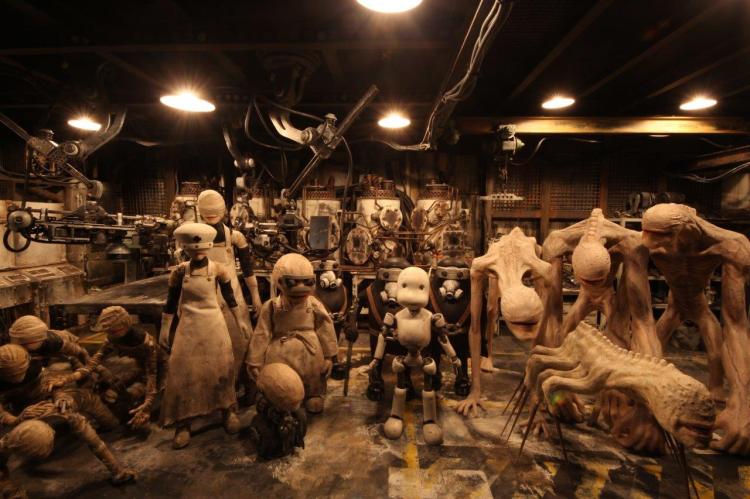 Takahide Hori’s beautifully designed stop-motion animation follows the adventures of a robot “God” as he (?) descends the various levels of underground existence looking for a cure for humanity’s ongoing decline…
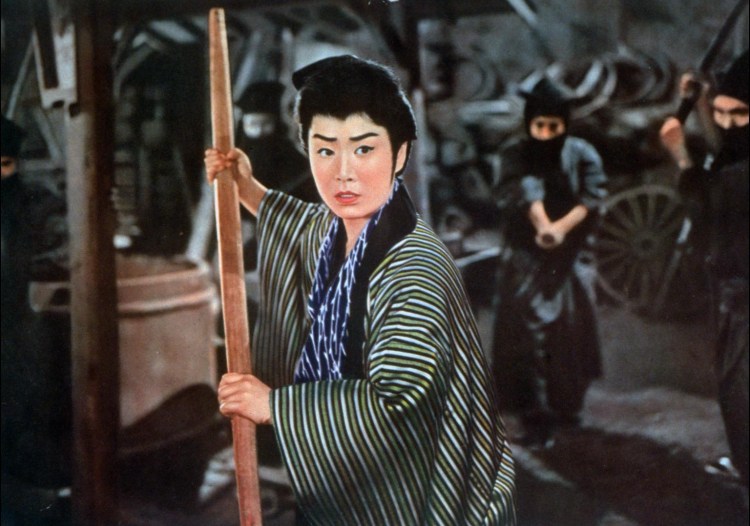
  Recently restored by the Taiwan Film Institute, King Hu’s Legend of the Mountain follows a Sung Dynasty scholar tasked with translating a set of Buddhist scriptures which are said to have power over the spirits of the dead. To do so he travels to an isolated monastery in the mountains where he is assailed by the forces of evil who want to steal the scriptures for themselves…
 Note: Glasgow Film Festival appears to be screening the film under a literal translation, according to the film’s UK distributor
  A feisty widow takes to the road in search of vengeance after her ranch is raided and she is attacked by bandits in this festival favourite Eastern western from Indonesia.
 The second film from Kamila Andini, The Seen and Unseen follows one half of a pair of twins as she deals with the deteriorating health of her brother…
 The debut feature from SFX makeup artist Soichi Umezawa, B-movie horror Vampire Clay takes place in an isolated art school in which the students start going mysteriously missing…could cursed clay really be to blame?

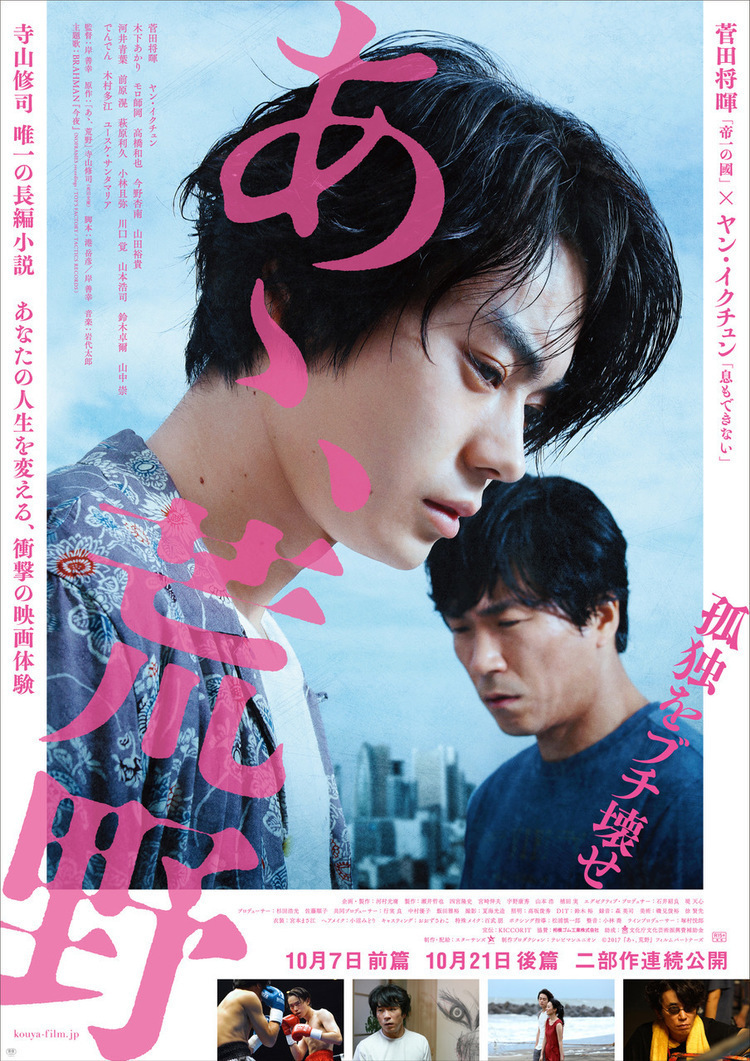
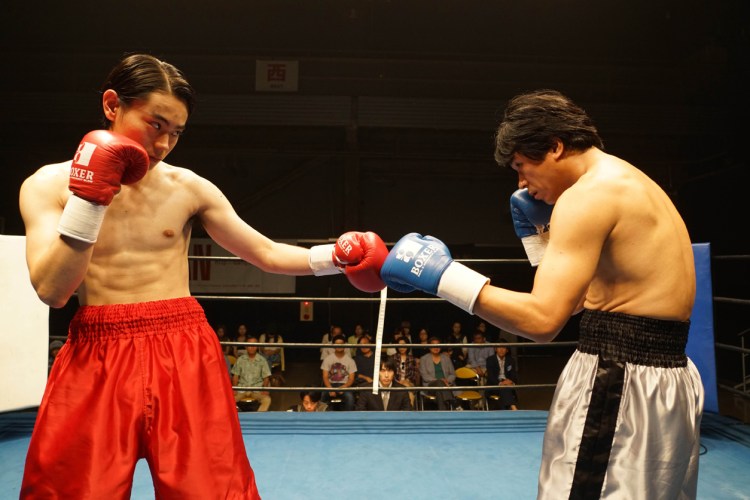 Adapted from the 1966 novel by Shuji Terayama and released in two parts, Yoshiyuki Kishi’s
 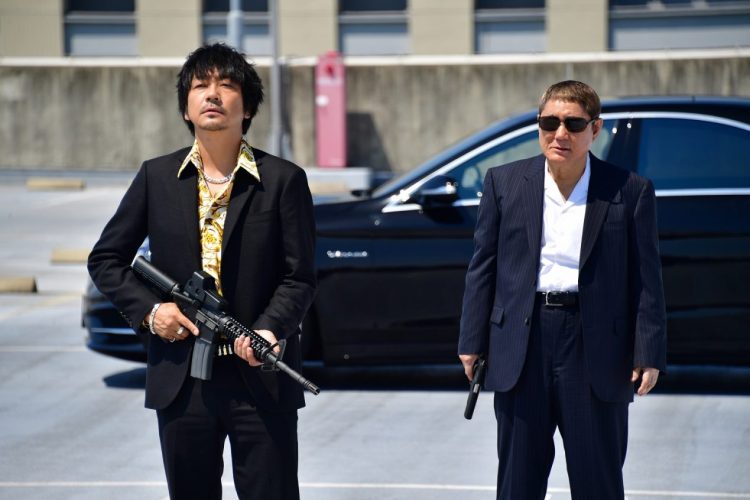 The third and presumably final instalment in the Outrage series, Coda sees actor/director Takeshi Kitano return to the role of Otomo now in exile in South Korea in an attempt to avoid ongoing gang strife at home.
 A love/hate letter to Tokyo, Yuya Ishii’s The Tokyo Night Sky is inspired by a collection of poems by Tahi Saihate and follows two lonely city souls as they struggle with their place in a society which they often feel has no place for them.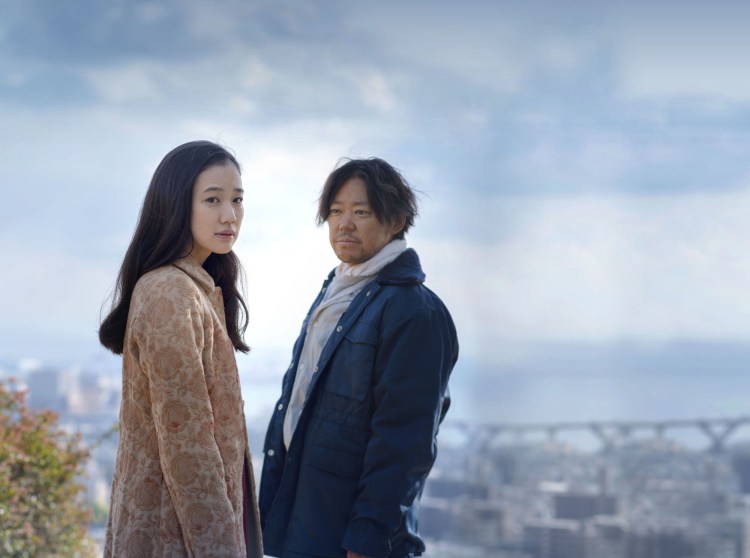
 A departure of sorts from the director’s earlier career,
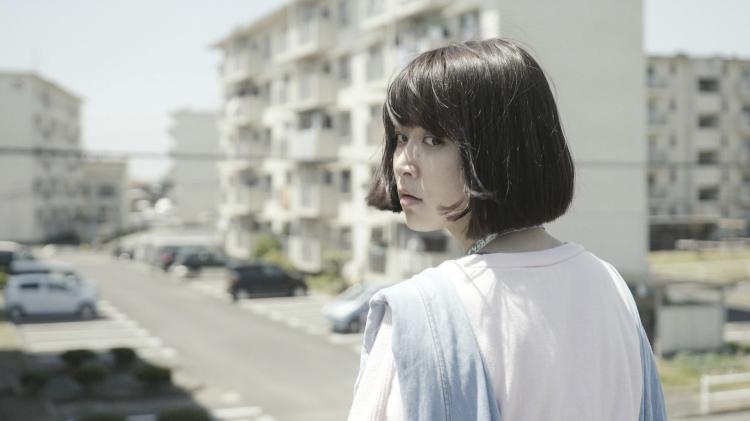
 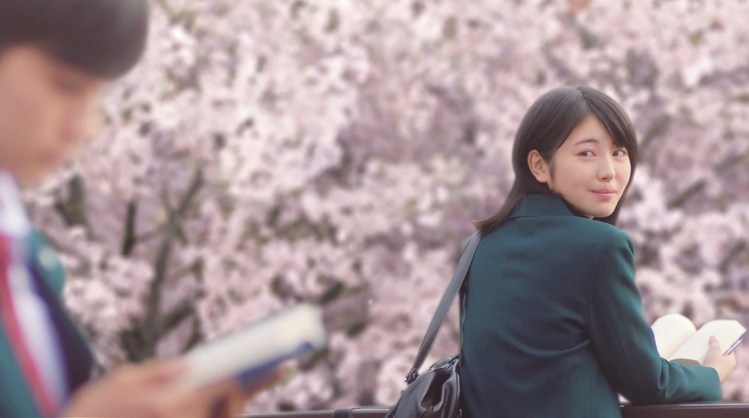 Sho Tsukikawa adapts Yoru Sumino’s novel in which the unnamed protagonist finds a classmate’s diary and discovers that she is suffering with a terminal illness. The only person to know of her condition outside of her immediate family, the protagonist commits himself to fulfilling her last wishes while she still has time.
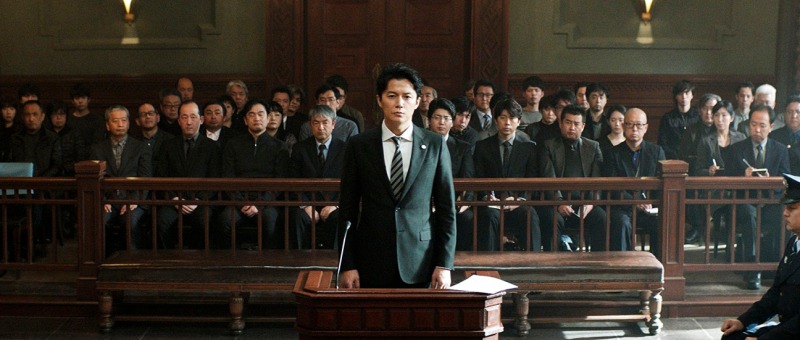
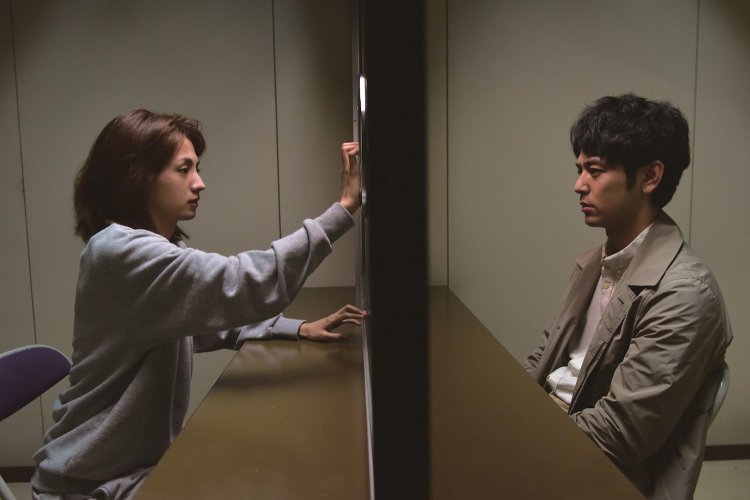 Satoshi Tsumabuki stars as a mild-mannered reporter investigating the murder of a model family while supporting his younger sister (Hikari Mitsushima) who is currently in prison charged with child neglect. Less a murder mystery than a dark social drama, the world of Gukoroku is one defined by unfairness in which pervasive systems of social inequality have destroyed the precious harmony the same society praises so highly.
 Prolific young actor Masaki Suda stars in Akira Nagai’s adaptation of the manga by Usamaru Furuya in which Japan’s political future is decided at an elite military boarding school.



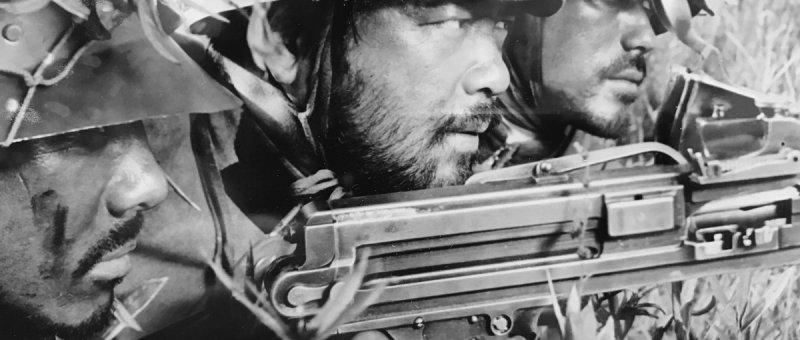
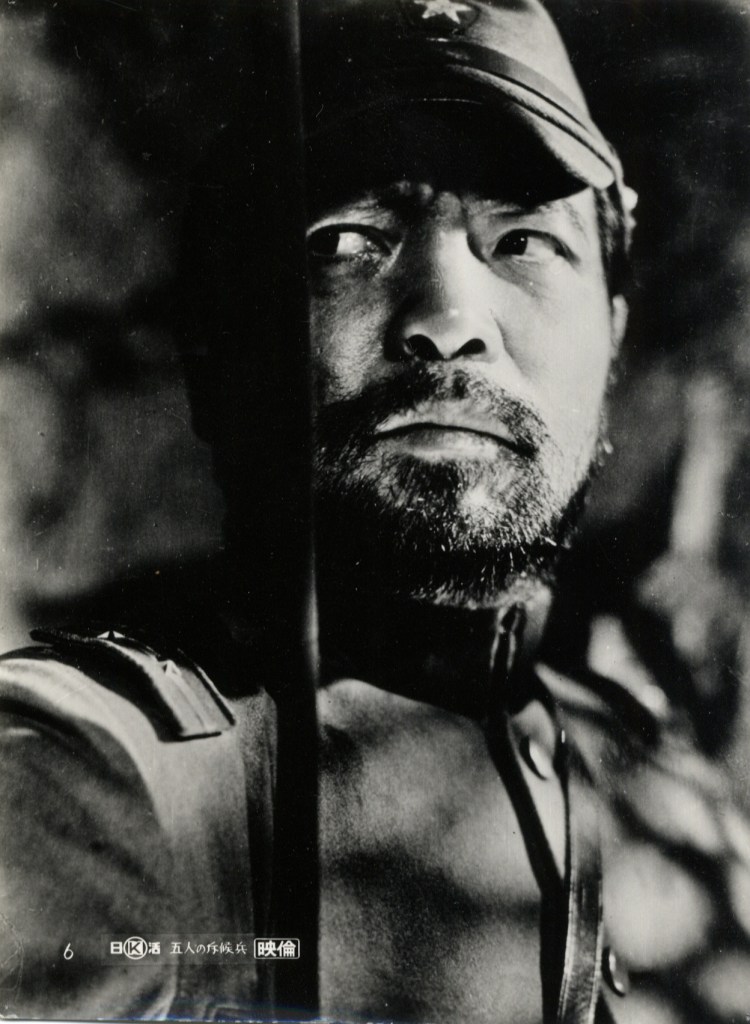 War, in Japanese cinema, had been largely relegated to the samurai era until militarism took hold and the nation embarked on wide scale warfare mixed with European-style empire building in the mid-1930s. Tomotaka Tasaka’s Five Scouts (五人の斥候兵, Gonin no Sekkohei) is often thought to be the first true Japanese war film, shot on location in Manchuria and trying to put a patriotic spin on its not entirely inspiring central narrative. Like many directors of the era, Tasaka is effectively directing a propaganda film but he neatly sidesteps bold declarations of the glory of war for a less controversial praise of the nobility of the Japanese soldier who longs to die bravely for the Emperor and lives only to defend his friends.
  Windows on Worlds