Asian Pop-Up Cinema Returns for Season 14!

Asian Pop-Up Cinema returns for its 14th season March 13 to April 10 bringing some of the best in East Asian cinema to screens across Chicago and streaming online to homes across the US with a limited selection available in Illinois only. Season 14’s Bright Star Award goes to Taiwanese actor Kai Ko who stars in quirky crime dramedy Grit screening on April 10 immediately before closing film Waiting for My Cup of Tea.

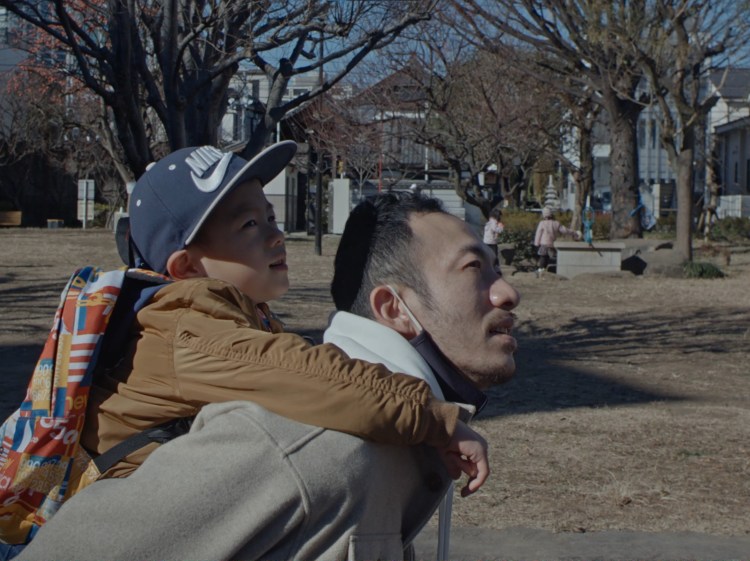
Sunday, March 13, 1:30 PM: Sunday League (선데이리그, Yi Sung-il, South Korea, 2020)

AMC Niles 12 (301 Golf Mill Ctr, Niles, IL 60714 inside the Golf Mill Shopping Center). Writer-Director Yi Sung-il scheduled to attend in person

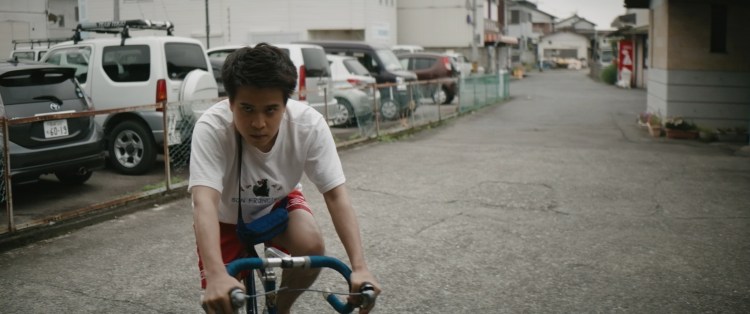
Washed up former football prodigy Jun-il makes ends meet as a temporary coach at a kids’ training centre but is about to be fired because he’s temperamentally unsuited to teaching small children. Offered the chance to coach three seemingly hopeless players for a new futsal team he unenthusiastically agrees and is promised a permanent position if only he can take the new side all the way to the league finals in Yi Sung-il’s sporting comedy.

Official Opening

Sunday, March 13, 4:30PM: Heaven: To The Land of Happiness (헤븐: 행복의 나라로, Im Sang-soo, South Korea, 2021)

AMC Niles 12 (301 Golf Mill Ctr, Niles)

The latest film from Im Sang-soo stars Youn Yuh-Jung alongside Choi Min-sik and Park Hae-il as a man with an incurable illness (Park) who cannot afford his treatment goes on the run with a white collar criminal (Choi) who has less than two weeks to live.

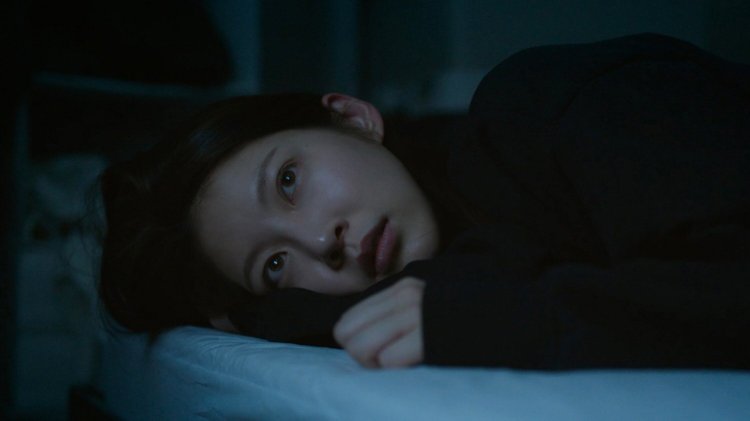
Saturday, March 19, 1:30PM: Aloners (혼자 사는 사람들, Hong Sung-eun, South Korea, 2021)

Tower Auditorium at Illinois Institute of Technology (IIT) (10 W 35th Street, Chicago)  

A solitary call centre employee is forced into a reconsideration of her way of life when a neighbour dies a lonely death in Hong Sung-eun’s melancholy character study

Friday, March 26, 6:30PM: Tokyo Shaking (Olivier Peyon, France/Japan, 2019)

Alliance Française de Chicago (54 W Chicago Ave) 

A French woman recently transferred to Tokyo finds herself torn between her corporate and personal responsibilities during the 2011 earthquake and tsunami.

Saturday, April 2, 1:30PM: Bamboo Theatre (戲棚, Cheuk Cheung, Hong Kong, 2019)

AMC River East 21 (322 E. Illinois)  

Cheuk Cheung’s artful documentary explores the dying culture of Hong Kong’s itinerant bamboo theatres constructed entirely by hand without a single nail only to be continually torn down and rebuilt.

Saturday, April 2, 4:30PM: Mama’s Affair (阿媽有咗第二個, Kearen Pang, Hong Kong, 2022)

AMC River East 21 (322 E. Illinois)  

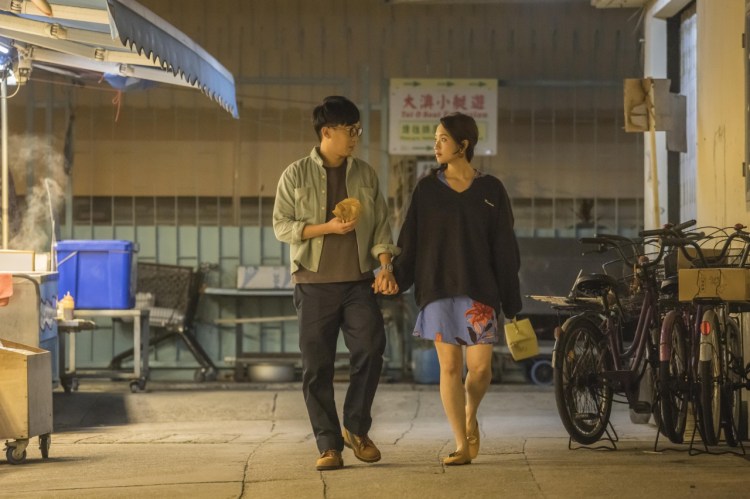
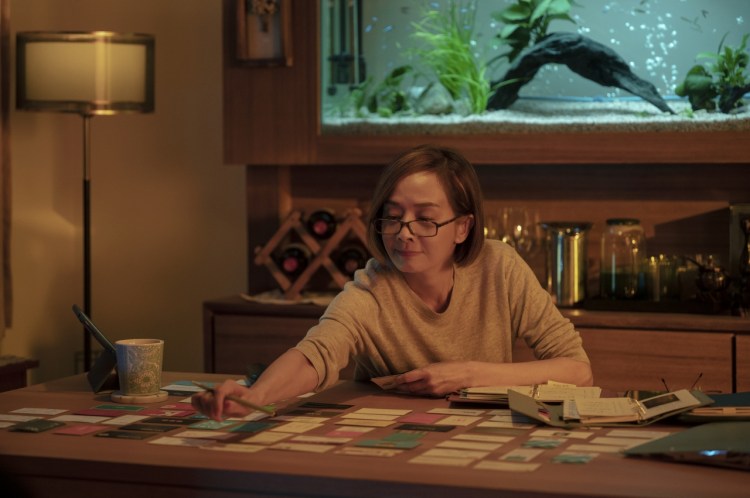
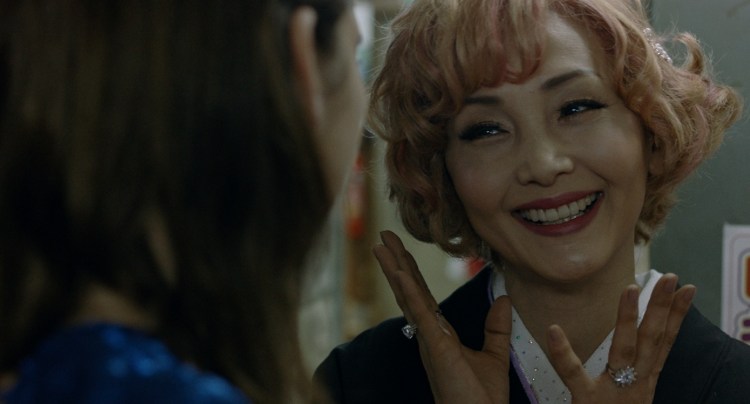
Latest drama from Kearen Pang (29+1) starring Teresa Mo as a former record producer who gave up work to raise her son but decides to restart her career when he prepares to study abroad.

Sunday, April 3, 1:30PM: ARC (アーク, Kei Ishikawa, Japan, 2021)

AMC River East 21 (322 E. Illinois)  

Inspired by a Ken Liu short story, Kei Ishikawa’s sci-fi drama follows a drifting young woman in search of immortality who encounters a mysterious cosmetics company that specialises in dead body sculptures while her mentor’s brother begins using same the technology in order to prevent ageing among the living.

Saturday, April 9, 1.30PM: Increasing Echo (修行, Chienn Hsiang, Taiwan, 2021)

AMC River East 21 (322 E. Illinois) 

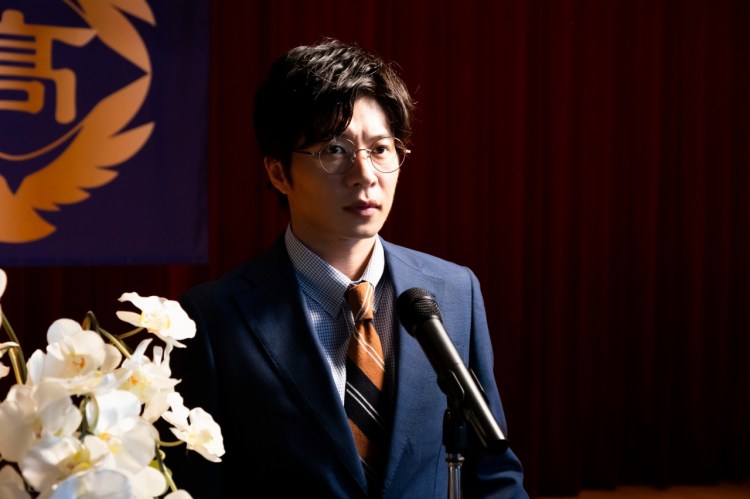
The already strained marriage of a middle-aged couple is brought to crisis point by a phone call from the sister of the husband’s former mistress begging him to visit her in a care home where she has been for many years in director Chienn Hsiang’s eerie pandemic-era drama.

Saturday, April 9, 4:30PM: Treat or Trick (詭扯, Hsu Fu-Hsiang, Taiwan, 2021)

AMC River East 21 (322 E. Illinois) 

Earnest cop Feng is left with no choice but to chase after his corrupt partner Chiang when he takes off with a bunch of gang diamonds but finds himself in an eerie rural village where he is dragged into local intrigue while plagued by a mysterious female ghost in this Taiwanese crime comedy.

Sunday, April 10, 1:30 PM: GRIT (鱷魚, Chen Ta-Pu, 2021)

AMC River East 21 (322 E. Illinois) 

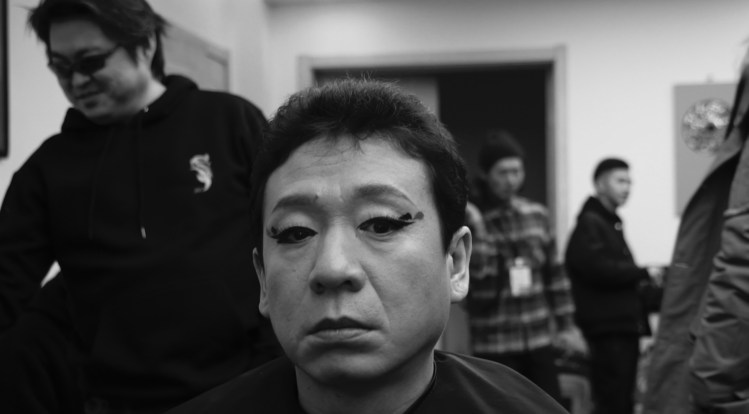
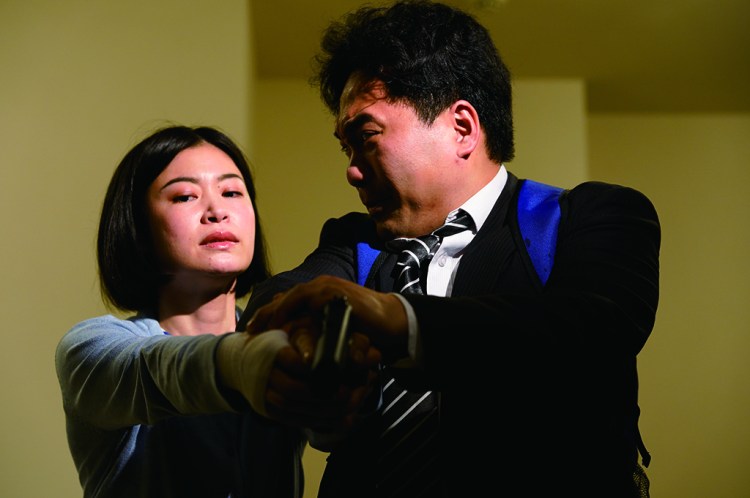
A young gangster named Croc goes back to work for his old boss at the city councillor’s office after his release from prison and is tasked with taking care of a stubborn farmer who flat out refuses to give up her land for redevelopment in a quirky rom-com from director-cinematographer Chen Ta-pu.

Official Closing Film

Sunday, April 10, 4:30 PM: Waiting For My Cup of Tea (一杯熱奶茶的等待 , Phoebe Jan Fu-hua, Taiwan, 2021)

AMC River East 21 (322 E. Illinois) 

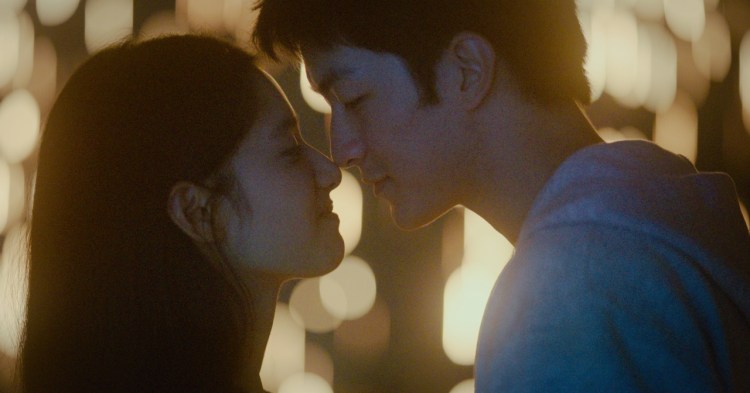
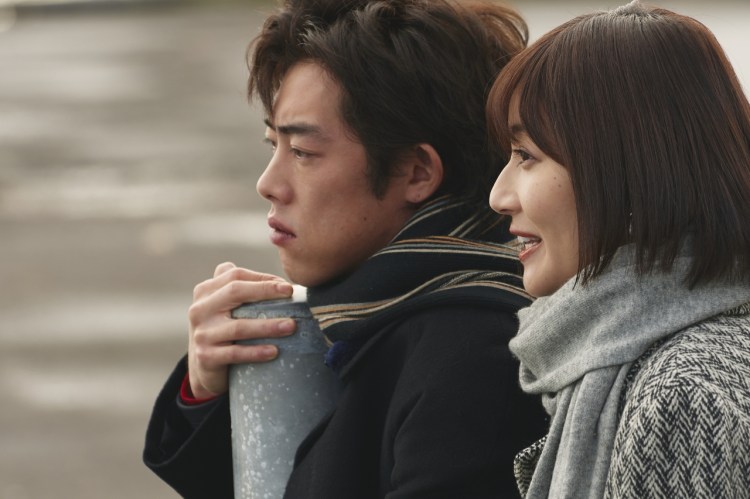
Taiwanese romance which begins on a cold Valentine’s Day when a fed-up university student hands a warm milk tea to a boy shivering outside waiting for his girlfriend only to find herself swept into her classmate’s complicated love life and an unexpected romance of her own.

Streaming & Physical

March 14 – 20 streaming across the US

In the Name of the Son (아들의 이름으로, Lee Jung-gook, South Korea, 2020)  

Also Screening physically: Sunday, 20th March 4:30 PM @ Tower Auditorium at Illinois Institute of Technology (IIT) (10 W 35th St., Chicago)  

Drama starring Ahn Sung-ki as former policeman attempting to atone for his role in the suppression of the May 18 Pro-Democracy Movement.

Action Hero (액션히어로, Lee Jin-ho, South Korea, 2021) 

Also screening physically:

  • Saturday, March 19 2:00 PM @ Korean Culture Center of Chicago (KCCOC) (9930 Capital Drive, Wheeling) 
  • Sunday, March 20 1:30 PM @ Tower Auditorium at Illinois Institute of Technology (IIT) (10 W 35th St., Chicago) 

A film student dreaming of becoming an action star teams up with a nerdy classmate to make a movie planning to capture their teacher’s exposure for admission’s fraud but the plan soon gets out of hand.

My Big Mama’s Crazy Ride (큰엄마의 미친봉고, Paek Seung-hwan, South Korea, 2021)  

Also screening physically: Tuesday, 15th March, 10:30 AM @ Korean Culture Center of Chicago (KCCOC) (9930 Capital Drive, Wheeling) 

Fed up with being expected to cook the meals every holiday, family matriarch Yeong-hui packs her daughter-in-laws in a van and takes off leaving the men to fend for themselves in this ensemble comedy.

April 4 – 10 Streaming across the US

Jang-Gae: The Foreigner (醬狗, Chang Chih-wei, Taiwan, 2020) 

Also screening physically:

  • Friday, March, 18, 6:00 PM @ Korean Culture Center of Chicago (KCCOC)   
  • Saturday, March 19, 4:30 PM @ Tower Auditorium at Illinois Institute of Technology (IIT)

Coming-of-age drama in which a Taiwanese-Korean student born in Seoul struggles with his identity while facing discrimination and bullying which intensifies when he transfers to a regular public high school from a school for overseas Chinese students.

Streaming Only

March 14 – 20 Streaming across the US

Coming To You  (너에게 가는 길, Byun Gyu-Ri, South Korea, 2021)

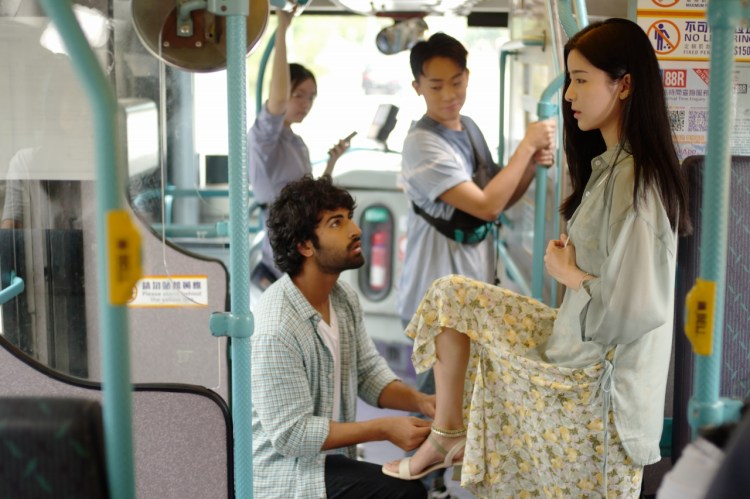
Documentary following two mothers fighting for the rights of their LGBTQ+ children

March 21 – 27 Streaming across the US

My Brother, the Android and Me  (弟とアンドロイドと僕, Junji Sakamoto, Japan, 2022) 

A lonely robot scientist who doubts his own existence creates an android identical to himself only to be confronted with an estranged half-brother arriving in search his inheritance in this sci-fi drama from Junji Sakamoto.

Will I Be Single Forever? (ずっと独身でいるつもり?, Momoko Fukuda, Japan, 2021) 

A 36-year-old writer who scored a big hit in her 20s about the joy to be found in independence finds herself in the midst of crisis when her recent work no longer sells and she begins to worry that it may be too late for romantic fulfilment in Momoko Fukuda’s adaptation of the manga by Mari Okazaki. 

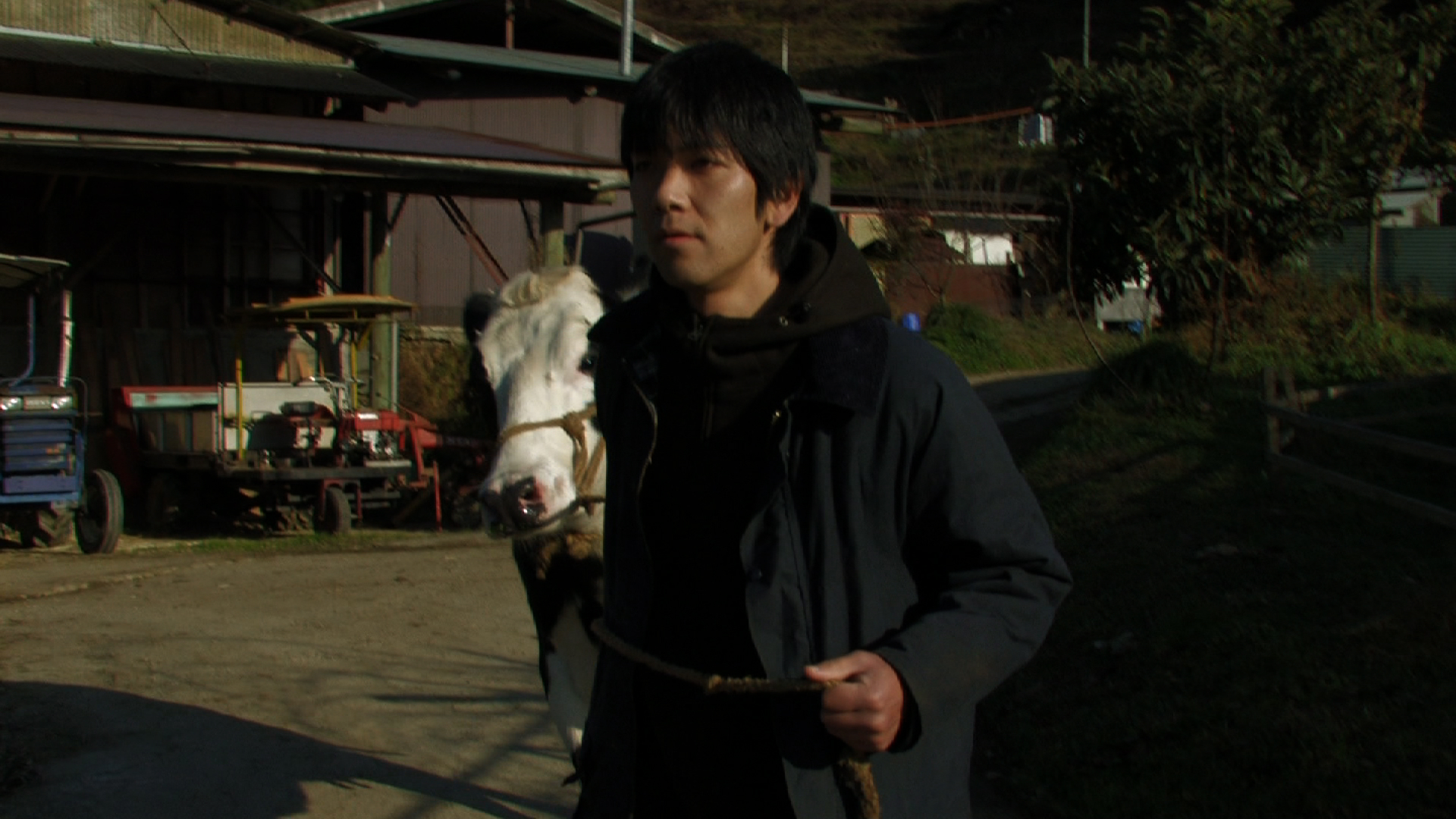
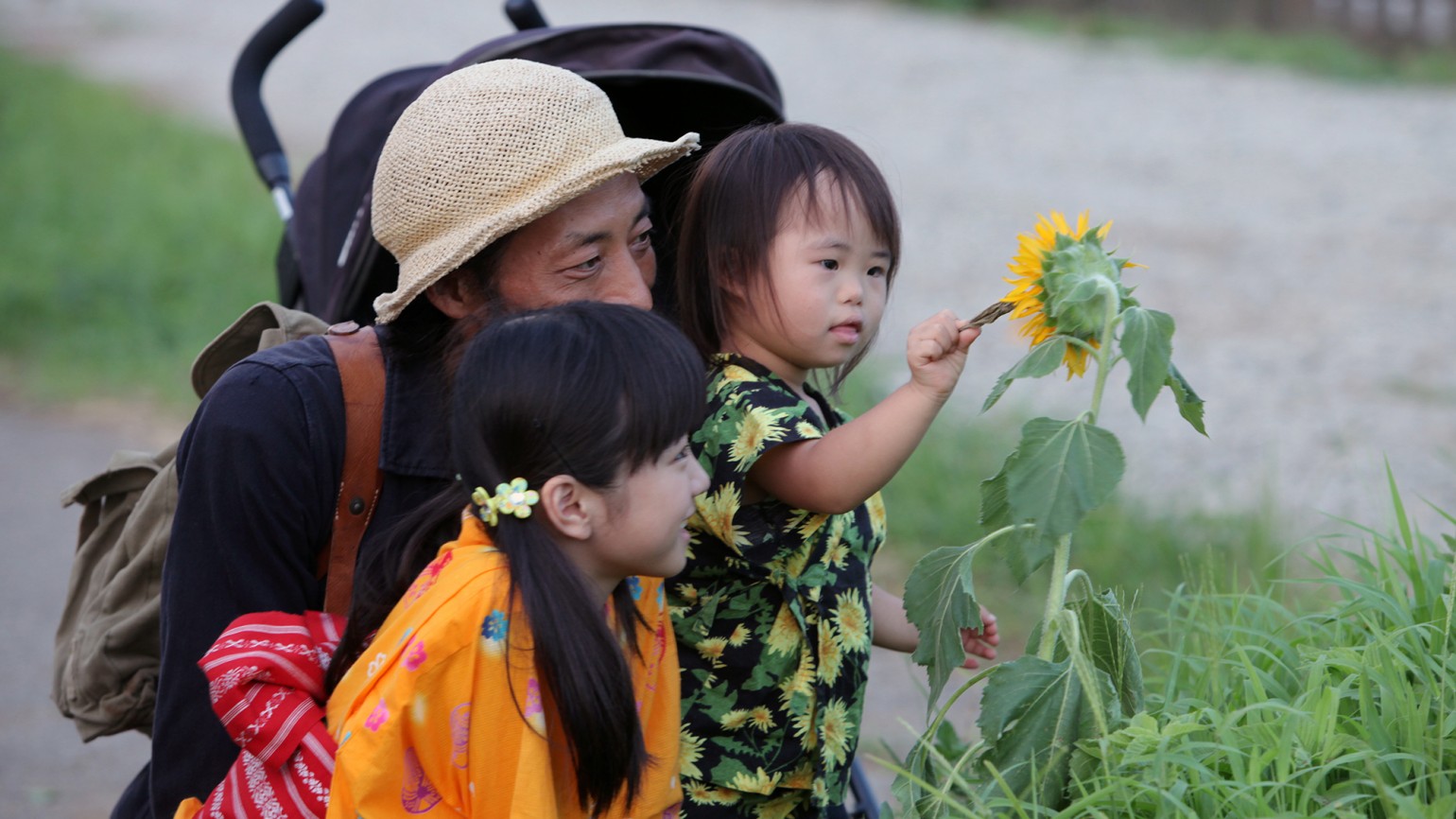
Skeleton Flowers (かそけきサンカヨウ, Rikiya Imaizumi, Japan, 2021)

A high school student raised by her father after her mother left the family struggles to adapt to a new reality when her father remarries.

My Father’s Tracks (僕と彼女とラリーと, Rempei Tsukamoto, Japan, 2021) 

Believing his father’s obsession with rally driving hastened his mother’s death, a young man returns to his hometown after he dies and gains new understanding after getting to know the locals in this warmhearted drama from the director of Bento Harassment.

Musicophilia (ミュジコフィリア –, Masaaki Taniguchi, Japan 2021)

Drama inspired by Akira Saso’s 2011 webcomic in which a young man with a special ability to understand sounds in nature whose father and brother are successful composers overcomes an internal inferiority complex that causes him to stay away from music.

March 21 – 27 Streaming in Illinois State only

Ribbon (NON (Rena Nounen), Japan, 2022)

Written, directed by, and starring NON, Ribbon follows art student Itsuka who finds herself at a loss when her graduation project cannot be displayed as planned because of COVID-19.

April 1 – 3 Streaming in Illinois State Only

Islands (Martin Edralin, Canada/The Philippines, 2019)

A shy second generation Filipino-Canadian who has always lived in the comfort of his parents’ home begins to fear for his future as their health declines and resolves to find a partner in Martin Edralin’s sensitive drama.

March 28 – April 3 Streaming across the US

Love After Love (第一炉香, Ann Hui, Hong Kong, 2020) 

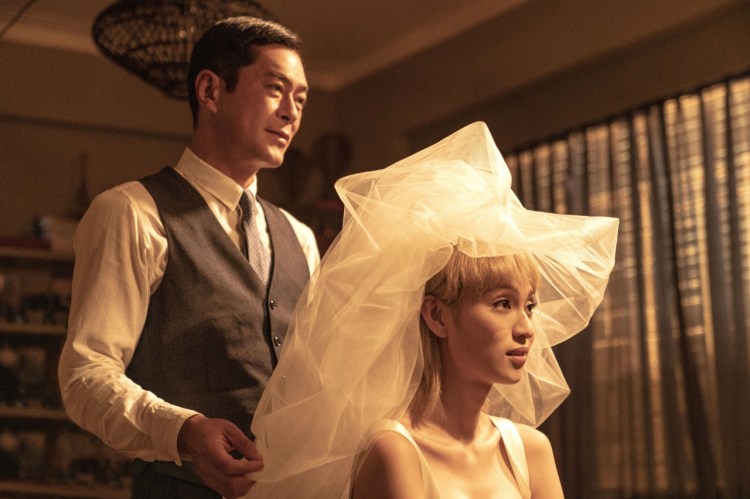
Adapted from a novel by Eileen Chang, the latest from Ann Hui stars Sandra Ma Sichun as a young woman who travels from Shanghai to colonial Hong Kong in search of an education but is drawn into the turbulent upperclass world of a flighty aunt and embarks on a doomed love affair with a wealthy yet inconstant suitor (Eddie Peng).

Madalena (馬達.蓮娜, Chan Nga-Lei, Hong Kong/Macau, 2021)

An amnesiac taxi driver gains new hope for the future after picking up a young woman who works as a restaurant receptionist by day and a hostess by night little knowing that she too has has a secret past she is struggling to overcome.

All You Need is Love (總是有愛在隔離, Vincent Kok, Hong Kong, 2021) 

Hilarity ensues when a luxury hotel is declared a COVID-19 hotspot and forced into a sudden lockdown in Vincent Kok’s ensemble comedy featuring a host of A-list Hong Kong stars.

April 4 – 10 Streaming across the US

No Man is an Island (沒有人該成為孤島, Jay Chern, Taiwan, 2022) 

Documentary focussing on a hotel which is designated a quarantine centre at the beginning of the COVID-19 pandemic.

You Have to Kill Me (我是自願讓他殺了我, Chan Chun-Hao, Taiwan, 2021) 

A police officer despatched to investigate the murder of his girlfriend attempts to interrogate the suspect who has confessed only to hear that she herself may have instigated the killing in a twisty crime thriller adapted from Feng Shi’s novel, Love.

Asian Pop-Up Cinema Season 14 runs in person and online March 13 to April 10. Full details for all the films as well as ticketing links can be found on the official website and you can also keep up with all the latest news by following Asian Pop-up Cinema on  Facebook, Twitter,  Instagram, and Vimeo.
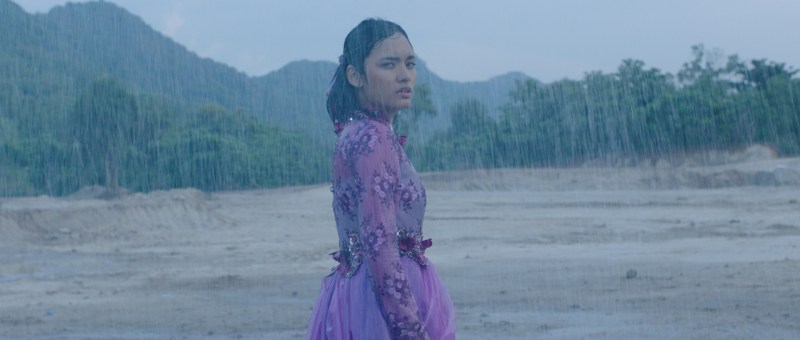
Yuni (Kamila Andini, 2021)

“Marriage is a blessing”, according to a wise old grandma, “we shouldn’t refuse a blessing, no?” expressing a commonly held belief in the traditional small town where the titular Yuni (Arawinda Kirana) resides in Kamila Andini’s melancholy social drama. Yuni meanwhile isn’t so sure, if marriage is a blessing then why does it feel like a trap and how can you call something a blessing if as it seems to have been for some of her friends it only results in violence and misery? 

At 17 Yuni is a talented student, her progressive female teacher urging her to consider going to college while offering various pamphlets about applying for scholarships which Yuni feels might make it easier for her parents to accept. Yet in addition to the academic criteria, the rules are clear that married women are not eligible which is a problem because Yuni has just received her first marriage proposal from a man recently relocated to the village who is handsome enough and thought a catch because he has a good job in a local factory. 

While everything in Yuni screams no, she finds it difficult to articulate her resistance constantly second guessing herself wondering if she’s doing the right thing or if as some of the other girls suggest she is lucky to have received such a generous offer and ought to accept it. Her obsession with the colour purple, the colour both of a wedding dress and according to another girl widow’s weeds, which causes her to steal any purple item she sees is an expression of her alienation yearning for colour and vibrancy in a culture which seems to deny her both. Dressing in purple under her green school uniform, she rejects the idea of marriage and wants to continue her education, spending time with an older woman who takes her to clubs to dance enjoying the illicit freedom of a modern society which has otherwise been kept from her. 

Even at school, her freedom begins to shrink. The Islamic Club seems to dominate everything, planning to introduce virginity tests for the female students to prevent the inconvenience and shame of teenage pregnancy though it does not seem as if the boys are given the same talk. The girls are all convinced that one of their classmates is pregnant because she wears a baggy jacket and has become withdrawn, but later wonder if she may have been raped no one seemingly very interested in helping her. Later after embarking on an escapist romance with diffident and sensitive classmate Yoga (Kevin Ardillova), Yuni is also asked if was raped when confessing that she is no longer a virgin in order to escape a second marriage proposal to become the second wife of a wealthy old man who not so subtly tries to buy her from her grandmother while implying that she might be considered damaged goods as a woman who’s already rejected a suitor. 

Yuni is warned that turning down a second proposal is bad luck and struggles with herself in her decision, her internal confusion ironically interfering with her studying making it harder for her to escape through education. Meanwhile she hears of a woman who married young but experienced domestic violence after her husband blamed her for a series of miscarriages only to be disowned by her family following a divorce they again telling her she ought to have counted herself lucky that her husband still put up with her despite her “condition”. Another friend’s husband has abandoned her with a young son and she isn’t sure if she should divorce him and look for someone else, while one of Yuni’s classmates ends up having to marry a teenage boyfriend when a gang of blackmailers threatens to ruin their reputations after discovering them taking photos at a well known hookup spot. 

With most of the other women largely complicit, Yuni feels she has no one to talk to or turn to for advice eventually pouring her heart out to the sensitive Yoga who offers to run away with her knowing that nothing will change as long as she stays in the conservative environment of their hometown. Even the teacher whom she’d once admired, Mr. Damar (Dimas Aditya), proves no ally attempting to use her to escape his own sense of impossibility after she catches him trying on women’s clothes at a local department store. Mr. Damar’s own desperation causes him to act in the most insidious of ways, in effect barring Yuni’s path out of her repressive life in inappropriately wielding his power as a teacher against her. Having lost all confidence, Yuni no longer knows what she wants out of life and is growing weary of fighting the same battles in attempting to struggle free of the constraints of traditional patriarchy but is left with little choice once all her dreams are shattered. A tragedy of modern day Indonesia, Yuni sees its heroine’s spirit gradually crushed by the world in which she lives in which she has only the choice of lonely exile or resigned misery. 


Yuni screened as part of this year’s Glasgow Film Festival and is available to stream in the UK until 8th March.

International trailer (English subtitles)

Museum of the Moving Image Announces Complete Lineup for First Look 2022

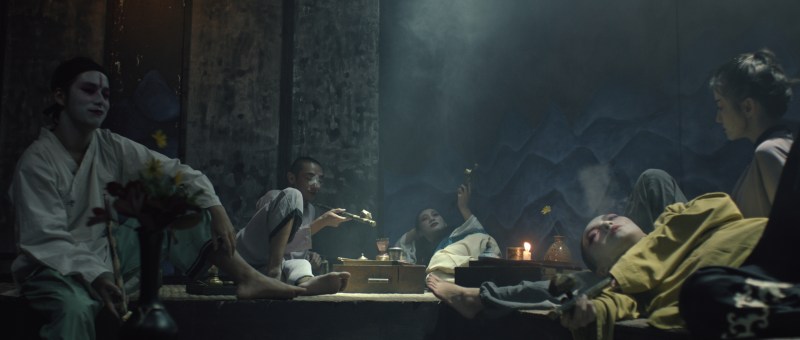
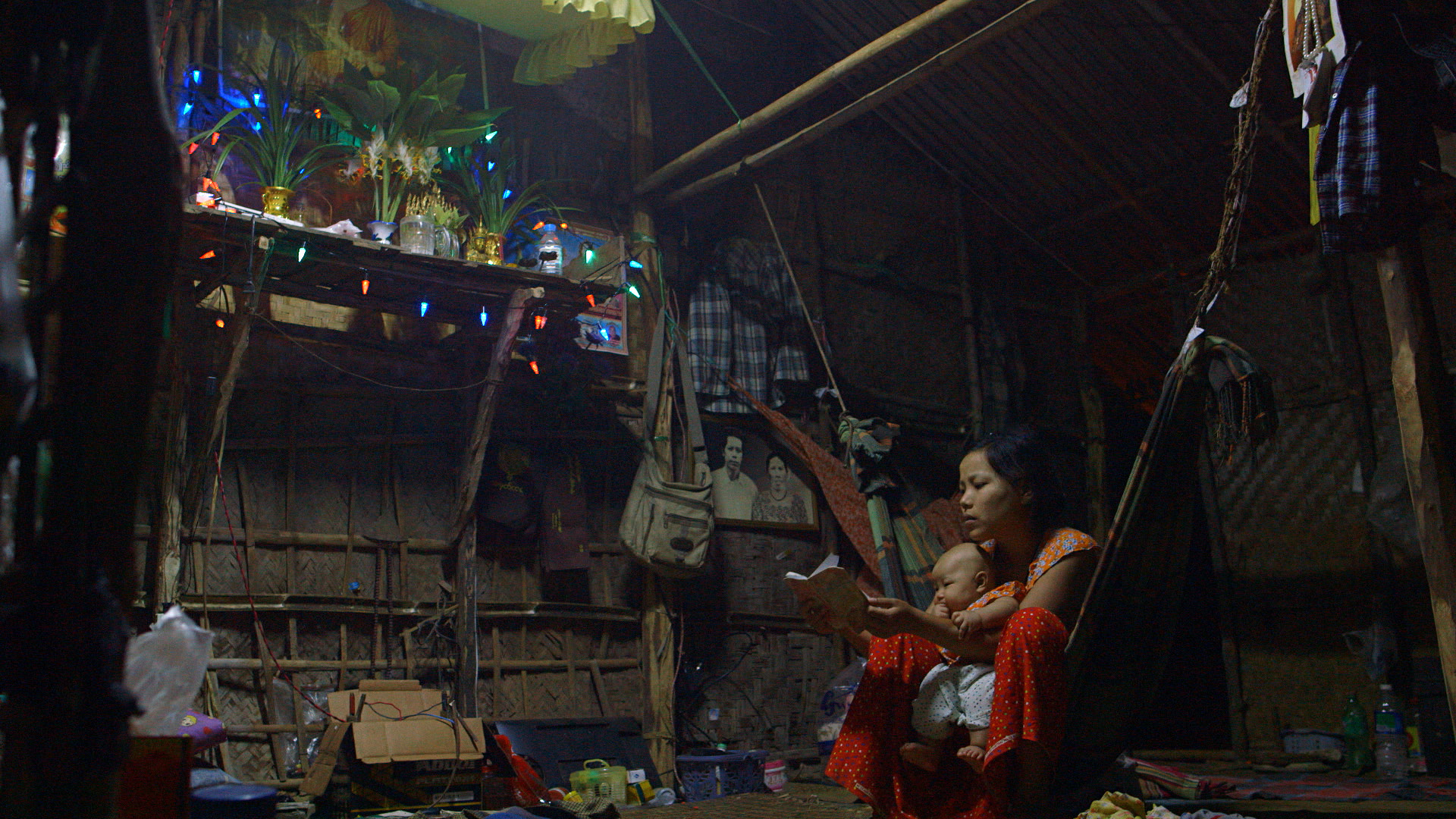
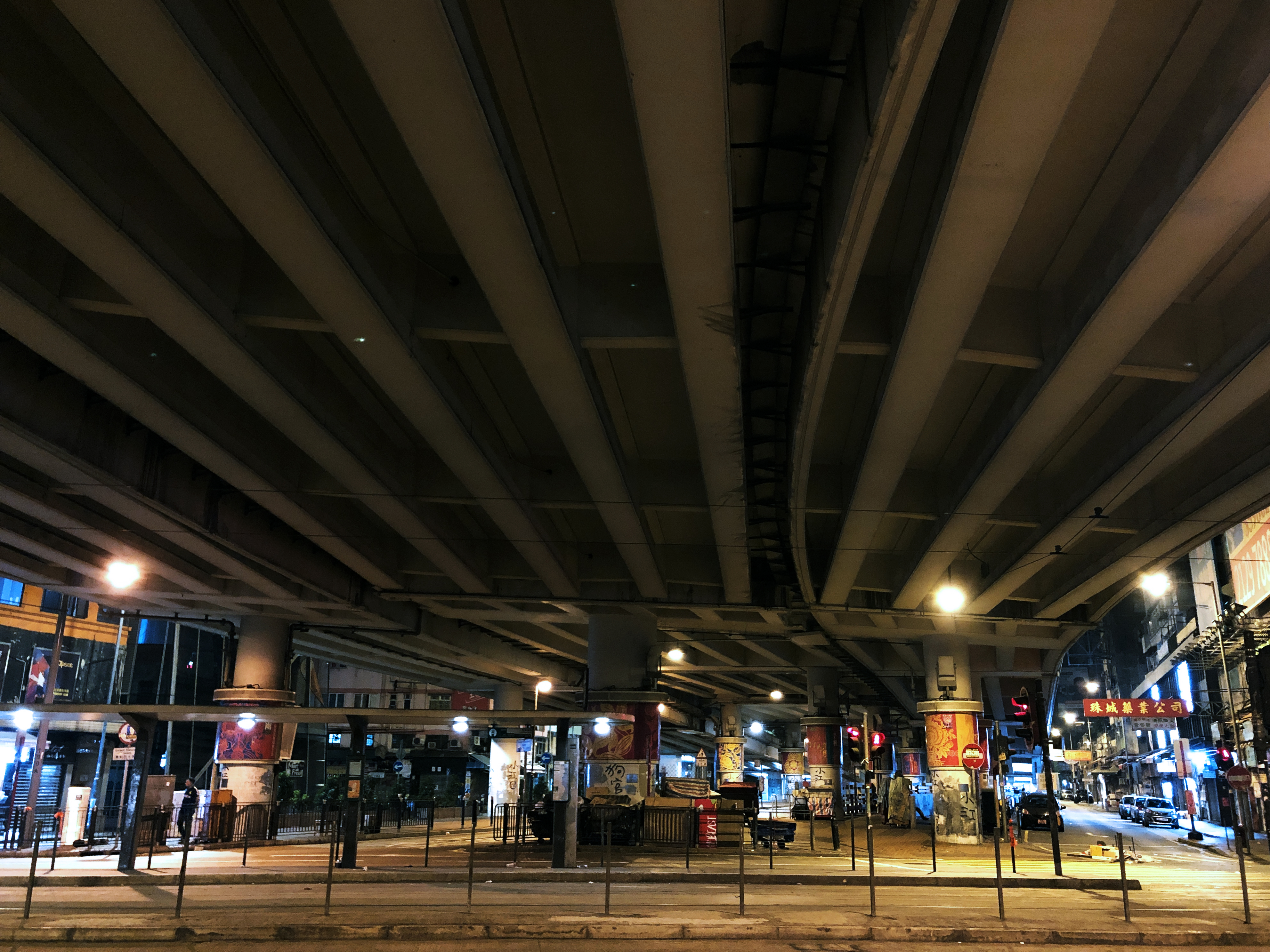
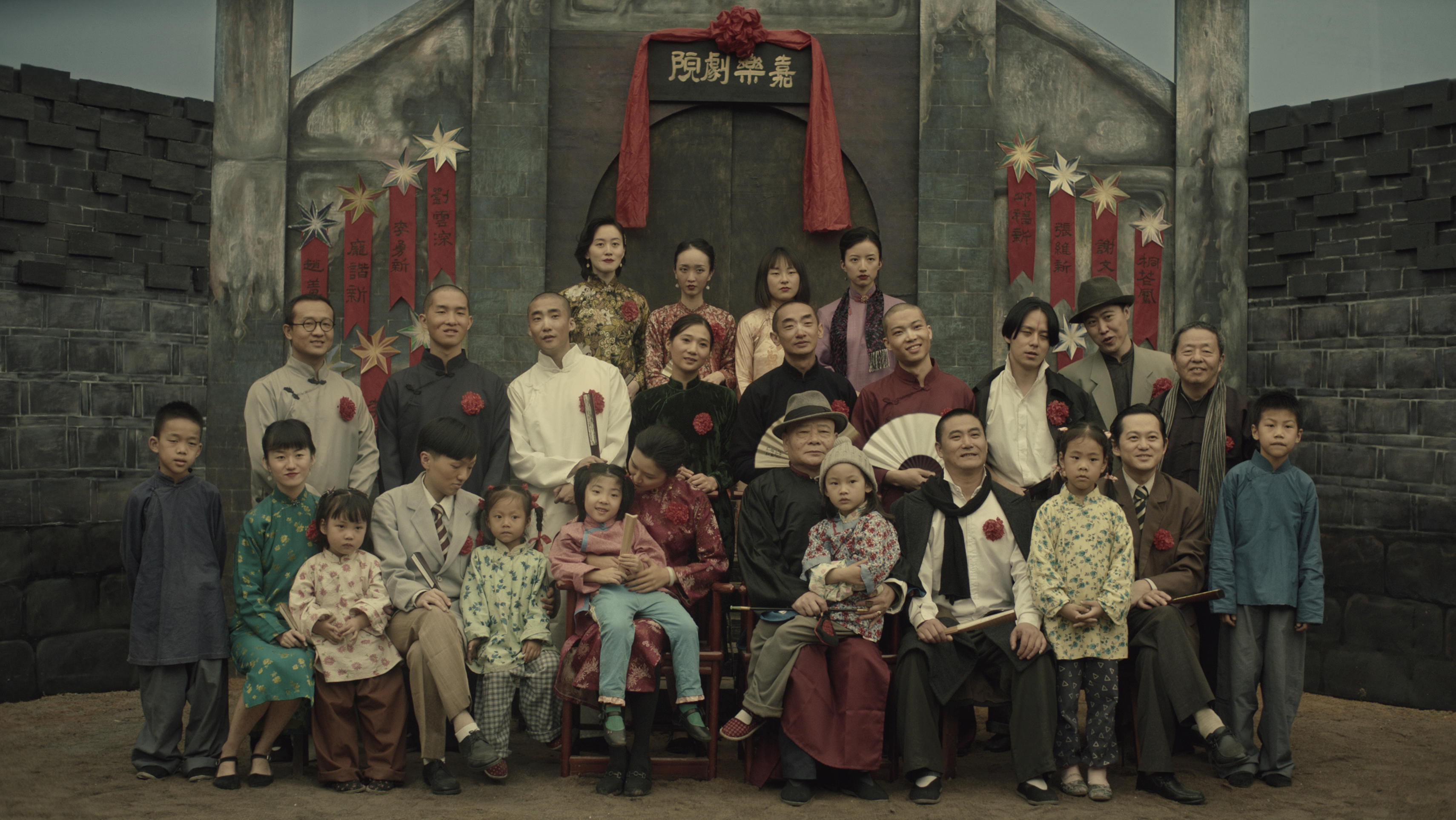
New York’s Museum of the Moving Image has announced the complete programme for this year’s First Look which takes place in person March 16 – 20. As usual there are a number of East Asian films on offer including the latest short from Tsai Ming-Liang, an absurdist voyage through mid-20th century China as seen through the eyes of a Sichuan Opera performer, a documentary focusing on the lives of Burmese oil drillers, and a surreal Indonesian parable about the corrosive effects of toxic masculinity and its links to oppressive authoritarianism.

The Night

(Screening alongside opening night feature Murina)

This 20-minute short from Tsai Ming-Liang captures the atmosphere of nighttime Hong Kong during the 2019 Anti-Extradition Law Amendment Bill Movement protests.

A New Old Play

Qiu Jiongjiong’s absurdist epic charts China’s mid-20th century history through the eyes of a Sichuan Opera performer on his way to the afterlife beginning with his childhood in post-Imperial china through to the dark days of the Cultural Revolution.

A Thousand Fires

Director Saeed Taji Farouky will be attending in person March 19

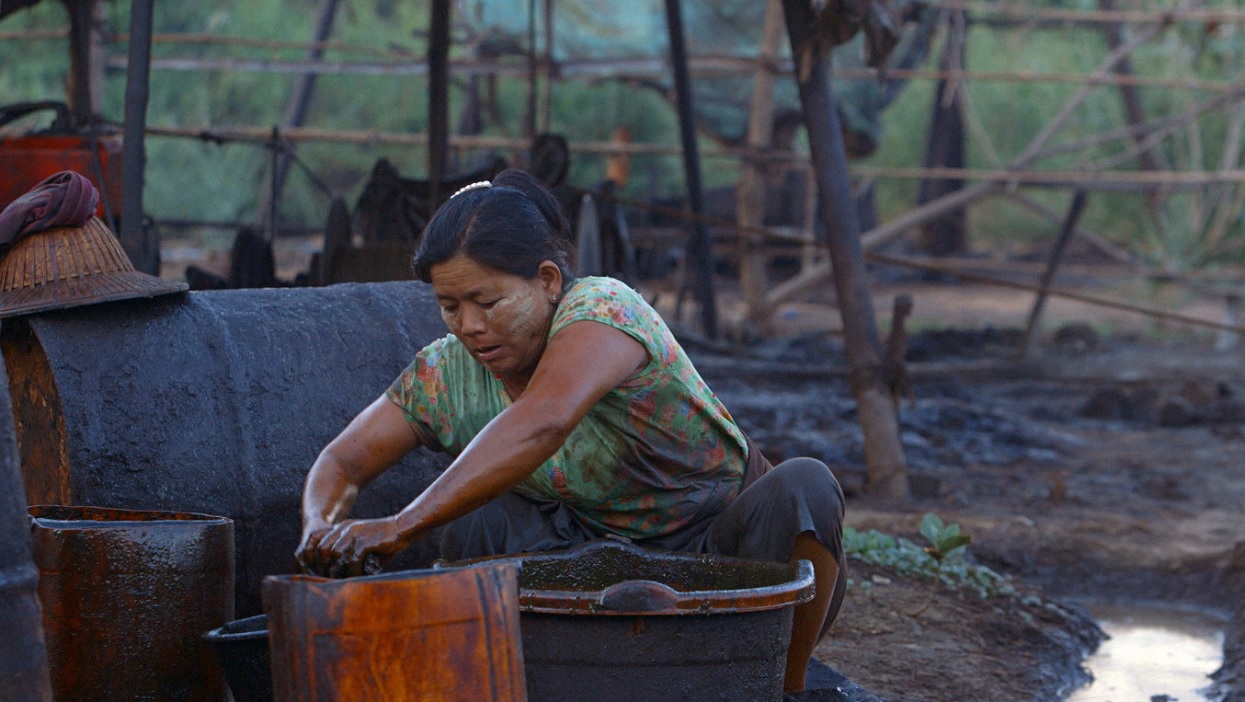
Saeed Taji Farouky’s beautifully shot documentary explores the lives of a family of independent oil drillers in Myanmar as a mother and father consider whether or not their son might be better off playing for a youth football team in the city.

Vengeance Is Mine, All Others Pay Cash

Lead Actress Ladya Cheryl will be attending in person March 19

An absurdist parable about the corrosive effects of toxic masculinity and its links to oppressive authoritarianism, Edwin’s outlandish retro grindhouse drama sees a young man contend with literal and societal impotence through the medium of violence while falling in love with a woman equally in desire of revenge against her misuses at the hands of a misogynistic society. 

First Look runs March 16 – 20 at New York’s Museum of the Moving Image. Full details for all the films as well as the complete programme can be found on the official website where tickets are already on sale. You can also keep up with all the latest news by following the Museum on Twitter, Instagram, and Facebook.

Love, Life and Goldfish (すくってごらん, Yukinori Makabe, 2021)

An emotionally repressed salaryman discovers that it really is all about connection in Yukinori Makabe’s absurdist musical, Love, Life, and Goldfish (すくってごらん, Sukutte Goran). Adapted from the manga by Noriko Otani, the Japanese title is itself a minor pun in that it could be translated either as “please try to save me”, or “please have a go at scooping” as in goldfish which is a popular activity at Japanese summer festivals. A fish out of water, former top banker Makoto (Matsuya Onoe) is in a sense saving himself, biding his time until he’s scooped back up again, but discovers his true purpose may be to save someone else in this strange, goldfish-obsessed tranquil country town. 

Defiantly aloof, Makoto arrives a wounded man resentful that one mistake could have derailed his career to the extent that he’s gone from a cushy job in the Tokyo head office to a regular clerk in a rural branch of a nationwide bank. Viewing himself as an elite, infinitely better than all these country bumpkins with their weird goldfish obsession, Makoto is scrupulously polite but abruptly deflects the attempts of his new colleagues to make him feel welcome. He does however, develop a fascination for a melancholy young woman dressed in kimono, Yoshino (Kanako Momota), whom he firstly mistakes for a geisha running a house of ill-repute only to realise that her establishment caters to a different clientele in that she runs a goldfish scooping emporium. Meanwhile, he also becomes an object of fascination for Asuka (Nicole Ishida), a young woman running a bar with her brother. 

Makoto is fond of saying that “numbers don’t lie”, devoting himself entirely to work and insisting that he has no need of things like love or friendship but is in fact deeply lonely and trying to fill the void with industry. Though we never see much of his previous life, it’s easy to assume that he has at some point been deeply hurt and has affected this impervious persona as a means of self defence. Nevertheless, bottling up his emotions is apparently what caused his career to implode leading him to break with salaryman protocol and tell his boss what he actually thought in a less than polite manner. In a repeated motif, Makoto is no longer sure if and when his interior monologue has become exterior with the unwanted consequence that some of his less than charitable thoughts and inner insecurities accidentally leak into the outside world. 

More self aware than he seems, Makoto is moved to tears on hearing a heartfelt song from Asuka who, like him, is a Tokyo “reject” having come back after failing to achieve her dreams of becoming an actress. Overwhelmed by the sight of someone expressing their emotions without embarrassment he can’t help crying but continues to struggle with his feelings for Yoshino who is herself perhaps also feeling something similar. Once a promising pianist, she now only plays alone too afraid of judgement or rejection to risk playing for others. 

Tellingly Makoto’s Tokyo outburst had been over a business plan for an AI robot massage parlour which his boss dismissed on the grounds that it’s human warmth and kindness which are essential for healing. Of course Makoto didn’t want to hear that because he wants to live in a cold world of order ruled by the unassailable logic of numbers, but through gradually bonding with the townspeople comes to accept that it’s human connection that’s most important after all. “Sometimes you have to face reality even if it’s painful”, he remarks eventually realising that “you can’t save anyone if you obsess over numbers” after failing to scoop an arbitrary number of goldfish with a broken paddle. 

Realising life’s not a numbers game gives Makoto the courage to sing with his heart no longer quite so repressed as he prepares to escape this strange holding tank for the oceans of the metropolis. An old-fashioned integrated musical, the whimsical score skips through several genres from j-pop to rap though it’s true enough that some of the melodies stray uncomfortably close to popular hits from recent musical theatre and family animation. Nevertheless, the quirky production design and absurdist direction make Love, Life, and Goldfish difficult to resist as the repressed salaryman its centre learns to open his heart while swimming in a different river to realise that it really is all about feeling after all. 


Love, Life and Goldfish screened as part of this year’s Glasgow Film Festival.

Original trailer (no subtitles)

Until the Break of Dawn (ツナグ, Yuichiro Hirakawa, 2012)

If you had the opportunity to reunite with someone no longer here for a single night, would you take it? The young hero of Until the Break of Dawn (ツナグ, Tsunagu) is beginning to wonder whether or not it’s a good thing to be able to converse with the dead, if some people regret their choice to meet again, and if it’s better to just move on accepting that there will always be unanswered questions at the end of a life. Arriving shortly after the 2011 earthquake and tsunami, Hirakawa’s moving drama is a meditation on grief and living with loss, but also on life and legacy and everything it means to be alive. 

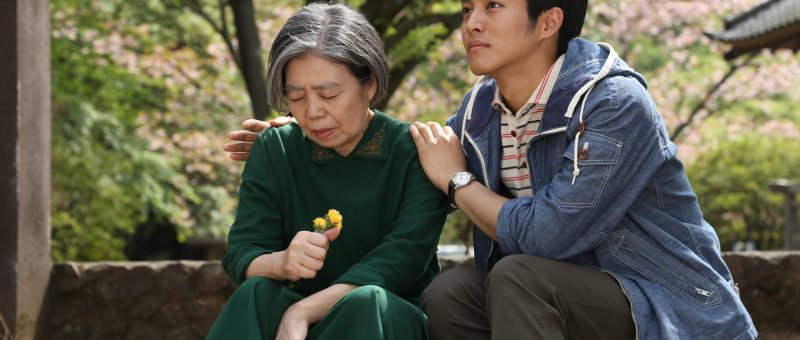
High schooler Ayumi (Tori Matsuzaka) is being apprenticed by his grandmother Aiko (Kirin Kiki) to become a “connector” able to meet with spirits of the dead. As he explains to his potential clients, each person is allowed to meet only one other from the other side for one time only and should the deceased decline the invitation the petitioner will not be permitted to make another. If all goes to plan, Ayumi sets up a meeting at a fancy hotel where the pair can stay until dawn on the night of a full moon. Obviously this is not exactly a well publicised activity and the first customer Ayumi meets, Hatada (Kenichi Endo), is reluctant to trust him assuming it’s some kind of scam no better than an end of the pier clairvoyant despite repeated assurances that they accept no money and even the hotel expenses are covered.  

Tellingly, in the first reunions which we see the deceased does not tell the living anything they did not already know, Hatada claiming that he wanted to talk to his mother to find out where she put the deeds for their house only for her to tell him he already knows where they are and obviously had some other reason for wanting to see her. Even Aiko admits that she can’t be sure she’s really summoning the spirit of the deceased, Ayumi wondering if they really call someone back from the other side or if it’s more like the memories of a person who is no longer alive that have remained in the world are pulled back to together building a composite picture of someone as others saw and remembered them. He isn’t sure if what they’re doing is ethical, or if some people might wish they’d never chosen to meet again. The subject of another meeting, a young woman who died while presumed missing, is uncertain whether to meet her former boyfriend on hearing that he had spent the last few years waiting for her return realising that the her that had remained in him will die when he is forced to accept her death but deciding it’s worth it so that they both can achieve some closure and he can perhaps begin to move on. 

Moving on is something Ayumi is himself struggling to do, presented with the option of setting up a meeting of his own before he prepares to take over from his grandmother as the connector while meditating on the deaths of his parents wondering if he should meet one of them and simply ask why they left him behind. Meanwhile, he also finds himself proximate to death when a classmate is killed in a traffic accident, her guilt-stricken friend unknowingly asking for his services though for less than altruistic reasons worried her friend may use the service to tell others about their falling out. She’s fond of repeating the phrase that you regret more the things you didn’t do than the things you did though her reunion turns out to have a sting in the tail she may not have been expecting hinting at the bad outcomes Aiko had also warned were possible in such emotionally fraught situations. 

The conclusion that he comes to is to embrace the true nature of his calling as a connector hearing that Aiko only got the power from her brother (Tatsuya Nakadai) to keep her connected to the family while she later gave it to her son for the same reason only to harbour a sense of guilt that her imperfect instruction may have contributed to his death. Learning to see with his heart, Ayumi comes to understand that just because you can’t see something doesn’t mean it isn’t there discovering a source of comfort in the feeling of someone gently watching over those below while accepting that perhaps it doesn’t matter if the reunions are real or illusionary because their true purpose is to comfort those left behind. A gentle meditation on grief and living with loss, Hirakawa’s quietly moving film eventually makes the case for growing old happily with no regrets living to the full until the break of dawn.


Until the Break of Dawn streamed as part of Japanese Film Festival Online 2022.

Original trailer (English subtitles)

The Floating Castle (のぼうの城, Isshin Inudo & Shinji Higuchi, 2012)

What happens if you call the bluff of those who thought they could take your complicity for granted? As it turns out, at least in the case of a small provincial outpost in Isshin Inudo & Shinji Higuchi’s lighthearted historical drama The Floating Castle (のぼうの城, Nobo no Shiro), something and nothing. Inspired by a real life incident which took place in 1590, 10 years prior to the era defining battle of Sekigahara, the film asks how far standing up to corrupt authority will get you but as history tells us this this is the twilight of the Sengoku warring states period and in the end any victory can at best be only partial and temporary. 

With Hideyoshi Toyotomi (Masachika Ichimura) poised to unify all of Japan under his rule he turns his gaze towards Hojo, the last remaining hold out in the East of Japan. The small castle of Oshi is asked to commit its forces to protecting the main castle at Odawara where lord Ujinaga (Masahiko Nishimura) is to meet with the head of the clan which has decided to resist the Toyotomi invasion. Ujinaga meanwhile is privately doubtful. He knows they do not have the manpower to protect themselves and the only viable course of action is immediate surrender though he cannot of course say this openly even if buffoonish lord in waiting Nagachika (Mansai Nomura) is brave enough to raise the idea of neutrality in front of the messengers. Preparing to head to Odawara, Ujinaga tells his closest retainers to strengthen defences but to open the castle should the enemy approach while revealing that he plans to write to Hideyoshi, whom he apparently knows personally, and privately pledge allegiance in order to avoid destruction. 

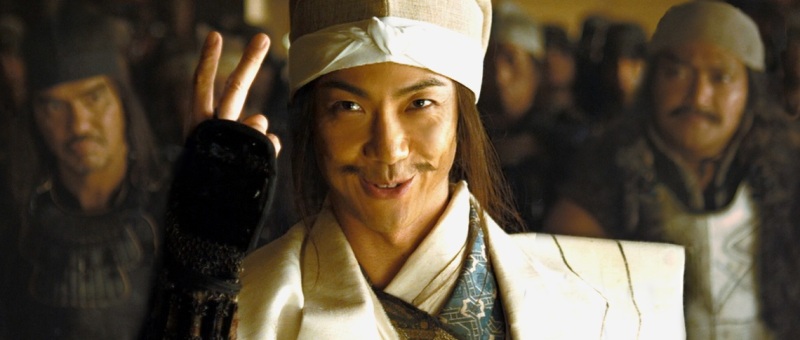
Nagachika, however, eventually makes the decision to resist following the arrogant entreaty from Natsuka (Takehiro Hira), the right-hand man of the Toyotomi retainer leading the assault, Mitsunari Ishida (Yusuke Kamiji). He does this largely because Natsuka makes the unreasonable demand that they surrender their princess, Kai (Nana Eikura), herself a fearsome warrior though somewhat sidelined here relegated to the role of contested love interest, to be sent to Hideyoshi as a concubine but also correctly reads that Natsuka and Ishida are overreaching and actually have little more than their bluster to leverage other than the 20,000 men standing behind them which they may not know how to use. Nagachika may play the clown, but he’s not stupid and knows that the 20,000 men are there for the purposes of intimidation and are not expecting a force of a mere 500 to tell them where to go so it stands to reason to think they are not entirely prepared for battle. 

In this he’s mostly correct. Hideyoshi has essentially given Ishida, previously in finance, an easy ride to improve his reputation among the other lords instructing the more experienced Yoshitsugu Otani (Takayuki Yamada) to ensure he comes back painted in glory. Otani had said that others admired Ishida for his “childlike sense of fair play”, but his sense of fair play is often childish as in his gradual realisation that everyone is surrendering to him because of the 20,000 men rather than his prowess as a general annoyed with his enemies for backing down from a challenge which is why he sends Natsuka to alienate Nagachika hoping to provoke a battle which no rational person could ever describe as “fair”. Having assumed that Nagachika would back down or that the castle would be easy to take with only 500 country bumpkin soldiers defending it, the Toyotomi are in for a rude awakening discovering the extent of the counterstrategies in place to protect the small provincial outpost, forced into a humiliating defeat licking their wounds from a nearby hill. 

But then, as Ishida manically proclaims power comes from one thing, gold, using his vast resources to dam two nearby rivers and then burst them to drown the town as Hideyoshi had done once before. Designed by effects specialist Higuchi the flooding of the town is indeed terrifying, a spectacle which delayed the film’s release as the eerie similarities with the catastrophic tsunami of the year before may have been too traumatic for audiences, and speaks to nothing if not Ishida’s intense cruelty in which he is willing to go to any lengths in order to win even destroying the lives of innocent farmers far removed from these petty samurai games. As the film would have it, his arrogance and entitlement eventually come for him, his trap turned back on himself after an ill-advised potshot at Nagachika, a natural leader beloved by all because rather than in spite of his deceptive clownishness, causes disillusionment with his leadership. 

In any case, we already know how this story ends, Ishida is defeated at Sekigahara and beheaded in Kyoto. Nagachika’s victory can be only partial and in fact does not even win him the thing he went into battle for even if he strikes a blow at corrupt government in refusing to simply give in to intimidation, calling their bluff and showing them they cannot continue to push smaller clans around solely with the threat of extinction. In the end they are all at the mercy of their superiors, a truce imposed and imperfect to each side in an act of compromise which spells the end of an era many of those surviving the battles voluntarily renouncing samurai status as if realising their age is drawing to a close, Nagachika proved on the right of history in cultivating links with the Tokugawa soon to take the Toyotomi’s place as rulers of a unified Japan. His resistance was then not foolhardy but justified, necessary, and principled in standing up to injustice even if it could not in the end be fully stopped. 
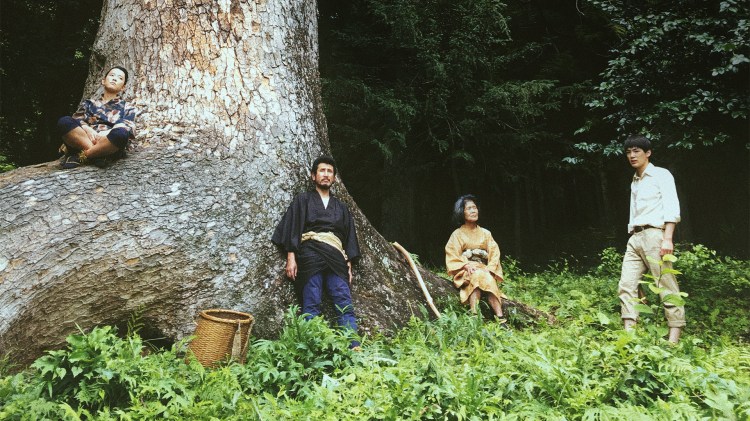


The Floating Castle streamed as part of Japanese Film Festival Online 2022.

International trailer (English subtitles)

Bread of Happiness (しあわせのパン, Yukiko Mishima, 2012)

“Plain bread is nice too” a short-term visitor concedes having reached an epiphany after a few days’ stay at Cafe Mani in Yukiko Mishima’s slice of comfort cinema, Bread of Happiness (しあわせのパン, Shiawase no Pan). Perhaps in its own way a reaction to the devastating earthquake and tsunami of the previous year which is referenced in the closing arc, Mishima’s drama is one of a series of films from the 2010s advocating for a simpler life built on empathy and mutual compassion as a bulwark against the increasing disappointments of a relentlessly consumerist society. 

The heroine, Rie (Tomoyo Harada), was a lonely child who buried herself in a fantastical children’s book about a little boy, Mani, who was best friends with the Moon. Touched by Mani’s words when the Moon asked him to take down the sun because its brightness made his life unbearable that “what matters most is that it shines on you and that you shine on others”, Rie resolved to find her own Mani but has long since given up. She and her her husband Mizushima (Yo Oizumi) have recently relocated to a Hokkaido ranch where they run a cafe bakery that has quickly become a community hub tending to the wounded souls of the local area and sometimes even beyond. 

The urban/rural contrast is rammed home by the couple’s first guest, Kaori (Kanna Mori ), a young shop girl from Tokyo who was supposed to be going to Okinawa with her boyfriend but he stood her up and she’s come to Hokkaido instead. Although originally grumpy and sullen, Kaori begins to warm to the charms of rural life complaining that in Tokyo people have to force themselves to smile. Her words accidentally hurt the feelings of local boy Tokio (Yuta Hiraoka), conversely jealous of big city opportunity but lacking the courage to strike out from his small-town life in which ironically enough he works as a points switcher at the local railway. What Kaori learns through her various experiences and the kindness of the Mizushimas isn’t that country life is better just that small happinesses are often all you need, there is pleasure in simplicity, and there’s no need to submit herself to the pretentiousness of city life explaining that she’s going to tell her coworkers the truth about her Okinawan holiday and bring some of the wholesome homemade bread back for them too. 

But then, it isn’t always so easy as the couple discover trying to help a sad little girl in the wake of marital breakdown. In a slightly surprising twist, Maki (Yuki Yagi) has been abandoned by her mother who has left the family and is struggling to accept both her loss and the change in circumstances which goes with it. The dilemma revolves around a bowl of pumpkin soup which Maki refuses to eat despite having previously longed to taste her mother’s signature dish. The realisation she comes to is that something can be different but that doesn’t make it bad, bonding with her equally dejected father (Ken Mitsuishi) thanks to the gentle support of the Mizushimas who seem to have a knack for knowing just what everyone who comes through their door needs. 

That goes double for the elderly couple who turn up late one night in the dead of winter, husband Fumio (Katsuo Nakamura) worryingly explaining that they’ve lived long enough, that while you’re young you still have the possibility of change, of becoming “a different you”, but old age has no further possibility nor the ability to change. Having lost their daughter in the tsunami the old couple are trapped in an inertia of grief from which they are gradually awakened by the gentle care of the Mizushimas and the sight of the beautiful moon that shines down on Cafe Mani. 

Rie meanwhile remains privately dejected, longing for her own Mani but convinced she’ll never find him only to realise he’s been there all along. Just like the words in the picture book, Rie and Mizushima have resolved to be the light, Fumio later sending them a letter claiming that they have discovered the ideal form of happiness in their simple life doing as they please surrounded by friends who have already become family and offering love and support to all who come through their doors through the medium of delicious seasonal food. With a host of quirky side characters including an omniscient glass blower (Kimiko Yo), genial postie (Chikara Honda), farmers with an ever expanding family, and a regular customer who carries a mysterious trunk around, while narrated (seemingly) by a sheep with the voice of a child Mishima’s gentle drama is foodie pure comfort cinema in which good bread and a warm fire may yet save the world.


Bread of Happiness until 27th February in several territories as part of Japanese Film Festival Online 2022.

Original trailer (English subtitles)

Osaka Asian Film Festival 2022 Announces Complete Lineup

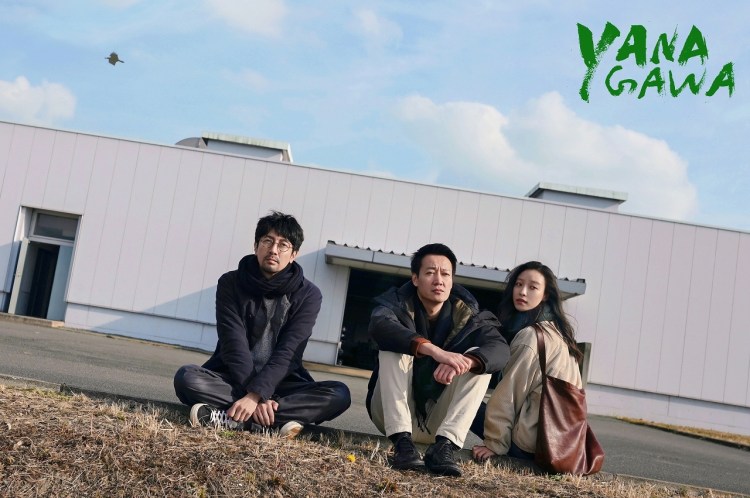
The Osaka Asian Film Festival returns as a physical event taking place in the city from March 10 to 20, with a small retrospective of 10 Japanese indie features from previous editions streaming worldwide from March 3 to 21. This year’s edition will open with Zhang Lu’s Yanagawa, and close with Danish, Norwegian and Japanese co-production Miss Osaka.

China

  • Journey to the West – a true believer in the existence of extraterrestrial life travels to the mountains where he meets a man claiming to be in touch with aliens.
  • Love Will Tear Us Apart – youth romance adapted from a popular web novel in which a man looks back on his youthful love after receiving a phone call informing him she plans to marry someone else.
  • ON STAGE – documentary following the lead singer of rock band Second Hand Roses.

Hong Kong

  • Anita – biopic of the late Cantopop star and actress Anita Mui.
  • Far Far Away – quirky rom-com from Amos Why in which a 28-year-old IT guy finds himself the object of attraction for five women who each hail from distant corners of Hong Kong.
  • The First Girl I Loved – romantic drama in which two women reflect on their high school romance the night before one is set to marry someone else.
  • Mama’s Affair – latest drama from Kearen Pang (29+1) starring Teresa Mo as a woman who returns to work after raising her son.
  • My Indian Boyfriend – romantic comedy in which a boy from India romances a Hong Kong dancer who is also courted by a rich yet chauvinistic family friend.
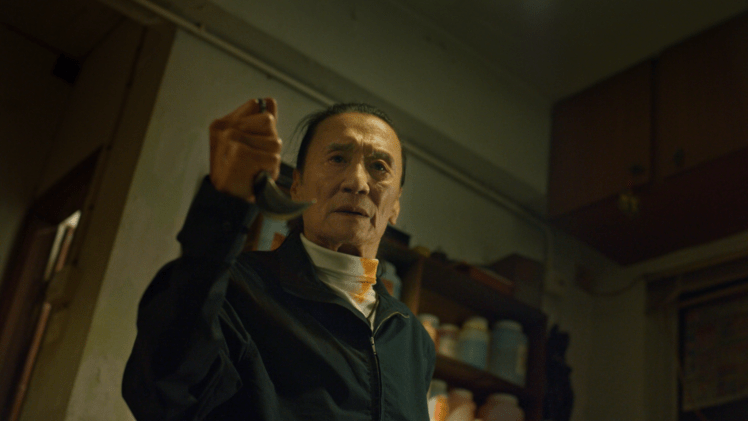
  • Time – An elderly hitman displaced by the modern society gets a second chance at life after taking up “euthanasia” in Ricky Ko’s darkly comic yet moving drama. Review.

Japan

  • Angry Son – indie drama in which an angry young man from the country raised by a Filipina single mother contends with local xenophobia while looking for the father he has never known.
  • Confession – drama from actor/director Hideo Sakaki in which a young woman is confronted with her traumatic past after her estranged step-brother visits to tell her her mother has passed away. no longer screening
  • Far Away, Further Away – romantic drama from Shinji Imaoka in which an unhappily married woman bonds with a brokenhearted estate agent.
  • Howling – after losing his job having been accused of sexual harassment, 40-year-old Ryuji is propositioned by 20-year-old Akane only to discover she wants him to kill her father while his first love Chisato has married their former high school bully and is trapped in an abusive relationship.
  • To Be Killed by a High School Girl – outlandish manga adaptation starring Kei Tanaka as a handsome teacher who joined the profession because he has a taboo fetish of being murdered by a high school girl.
  • The Light of Spring – neorealist docudrama told from the point of view of a little boy who returns home to discover his mother and sister have left because his parents are separating.
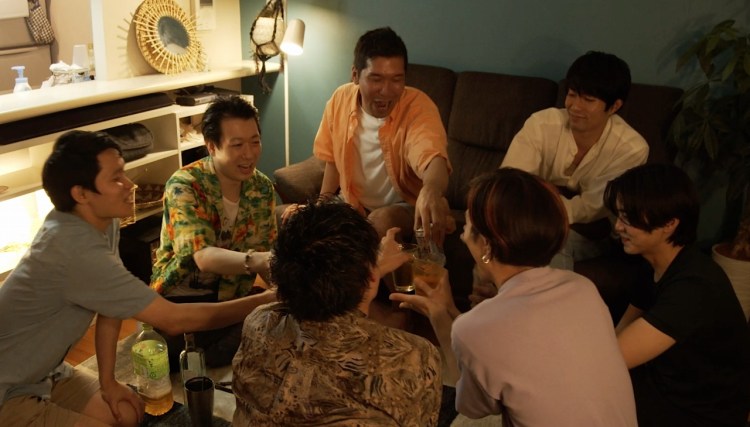
  • Our House Party – semi-autobiographical LGBTQ+ indie drama from Shuichi Kawanobe in which a student begins exploring his sexuality after an encounter with the owner of a gay bar in Tokyo’s Shinjuku 2-chome.
  • Melting Sounds – MOOSIC LAB drama from Kahori Higashi in which a young woman returns to her grandmother’s home to find an old man in her garden recording ambient sounds so he can bury them in a “sound tomb”.
  • Miss Osaka – Danish-Norwegian-Japanese co-production in which a directionless young woman steals the identity of a Japanese friend after she mysteriously disappears.
  • Random Call – a struggling actor’s world expands after he’s drawn into a social experiment reconnecting with old friends through random phone calls.
  • Sanka: Nomads of the Mountains – drama set in 1965 in which a teenager studying for his exams encounters the Sanka, a community of nomads whose way of life is on the brink of extinction.
  • The Second Sino-Japanese War in Toy Films – silent compilation of early Showa documentary and propaganda films
  • Switchback – four teenagers are brought together by a summer workshop encouraging them to look deeper at their small hometown of Obu.
  • The Wonder of a Summer Day – sisters separated by divorce are reunited by a summer at grandma’s.
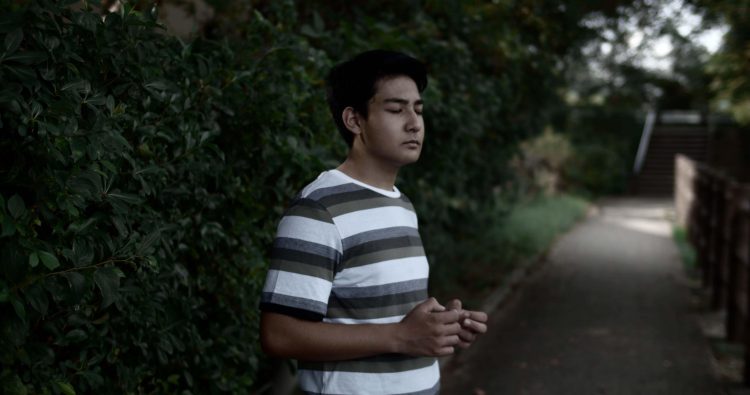
  • Yanagawa – latest drama from Korean-Chinese director Zhang Lu in which two brothers decide to visit “the Venice of Japan” in search of a woman they both loved 20 years previously
  • YU-GEKI~side story of “Love’s Twisting Path”~ – documentary following veteran director Sadao Nakajima during the production of Love’s Twisting Path.

Korea

  • Aloners – A solitary call centre employee is forced into a reconsideration of her way of life when a neighbour dies a lonely death in Hong Sung-eun’s melancholy character study. Review.
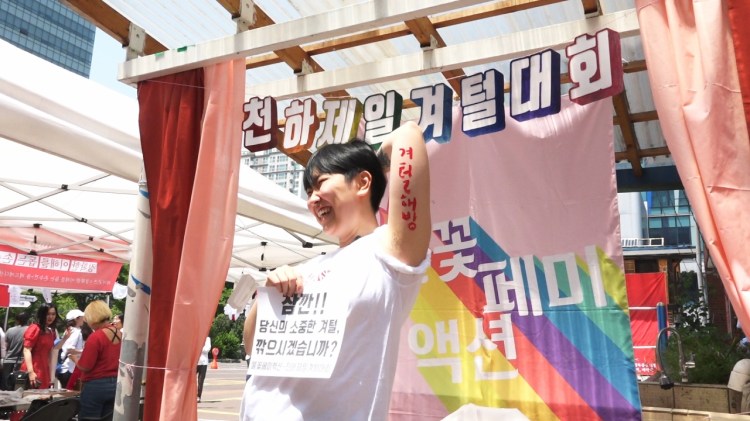
  • Boundary: Flaming Feminist Action – documentary focussing on the feminist action group formed in the wake of the violent murder of a woman at Gangnam Station in 2016.
  • The Girl on a Bulldozer – an angry young woman rebels when her father is injured in an accident which seems to be connected to a shady politician.
  • In Front of Your Face – An ageing actress returns to Seoul after many years abroad carrying with her a sense of melancholy vulnerability in Hong sang-soo’s gentle character study. Review.

Malaysia

  • Barbarian Invasion – Tan Chui Mui directs and stars as an actress making a comeback after retiring to become a housewife and mother only to be told the film can only be made if her ex co-stars.

Mongolia

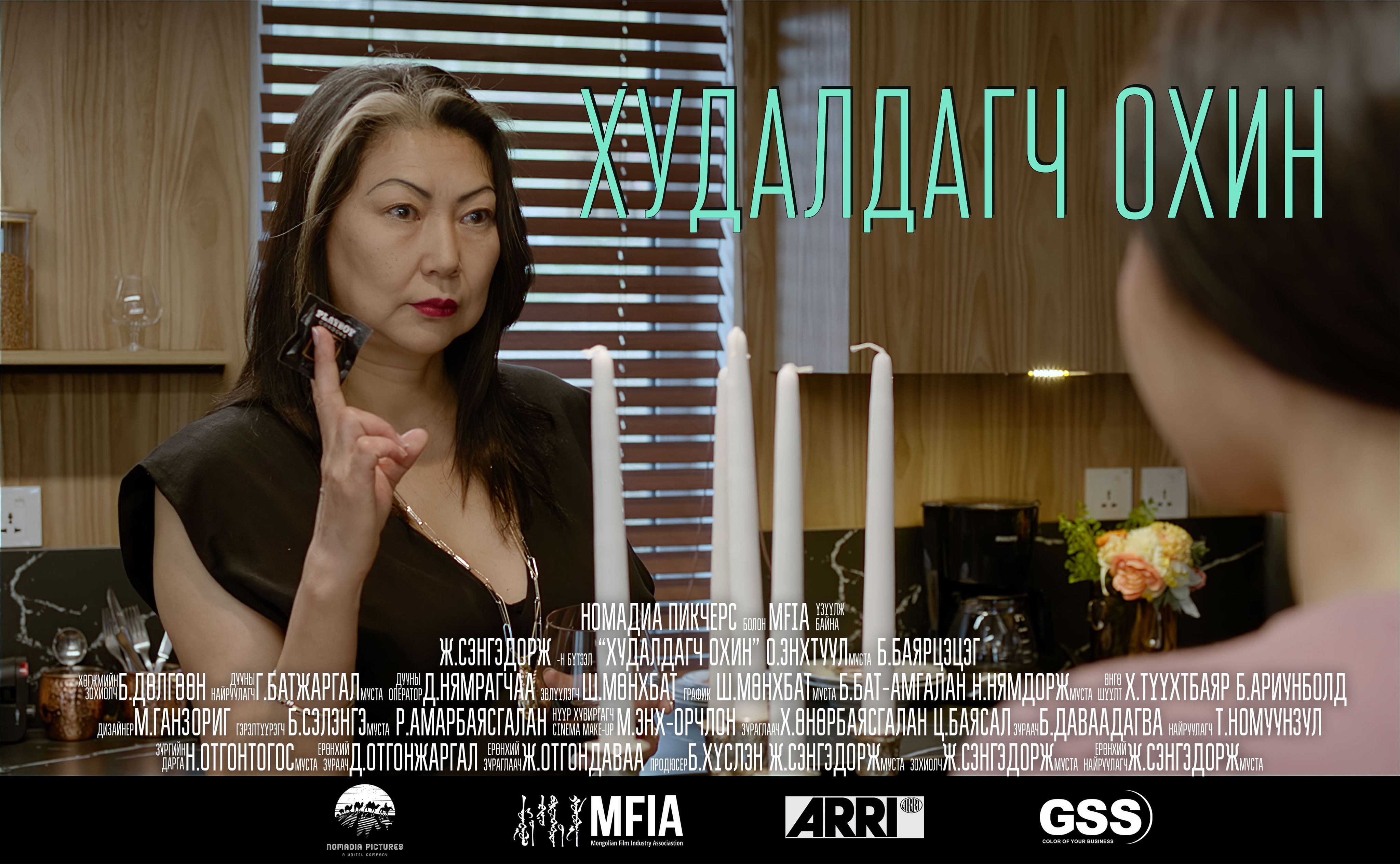
  • The Sales Girl – a shy student of nuclear physics begins to explore her sexuality when covering a friend’s shift at a sex shop.

Philippines

  • Big Night – a gay beautician is confronted with her own complicity with injustice when her name is placed on a watch list.
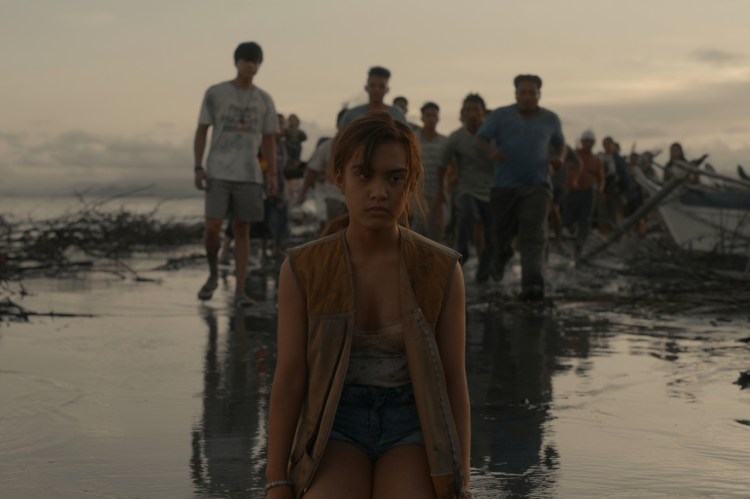
  • Whether the Weather Is Fine – Philippine drama in which a mother and son search for missing loved ones in the aftermath of disaster.
  • You and Me and the Ending – a fugitive and a hotel maid find love at a holiday resort during a COVID-19 lockdown

Taiwan

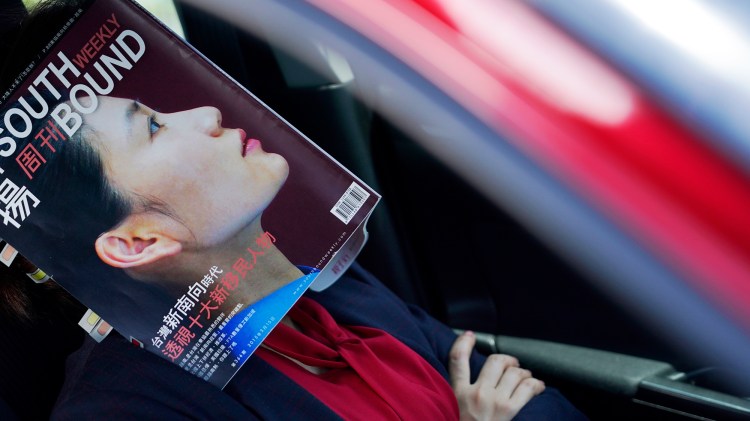
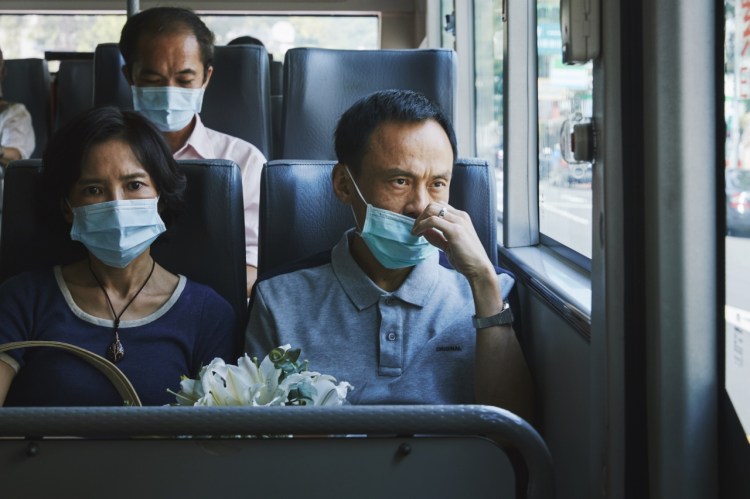
  • Days Before the Millennium – Two Vietnamese women who came to Taiwan 20 years apart and in very different circumstances discover a sense of mutual solidarity in Chang Ten-Yuan’s migratory epic. Review.
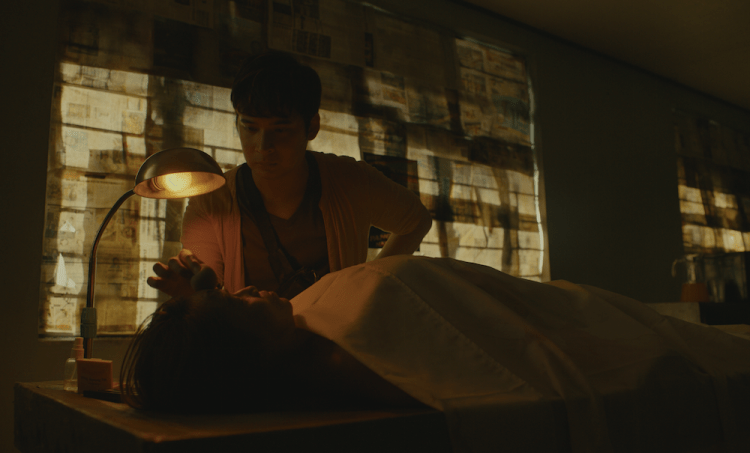
  • Increasing Echo – marital drama in which a woman attempts to force her adulterous husband to visit his former mistress in a nursing home where she is living with dementia but he refuses and runs away.
  • Leave Me Alone – a petty gangster falls for a wealthy gallery owner while working as her driver.
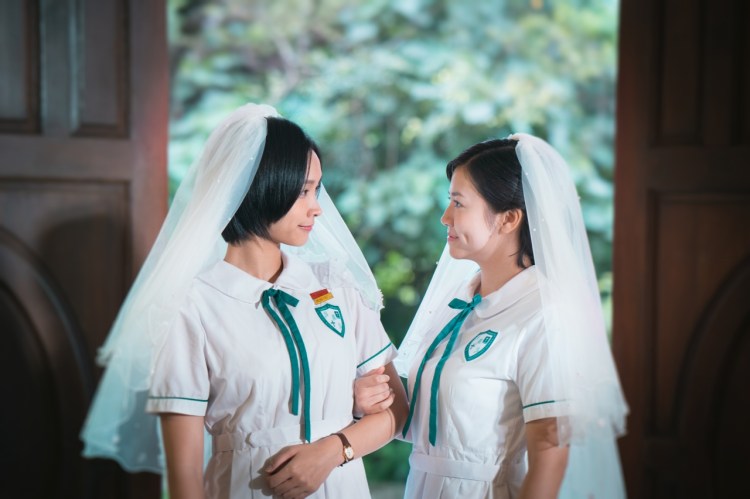
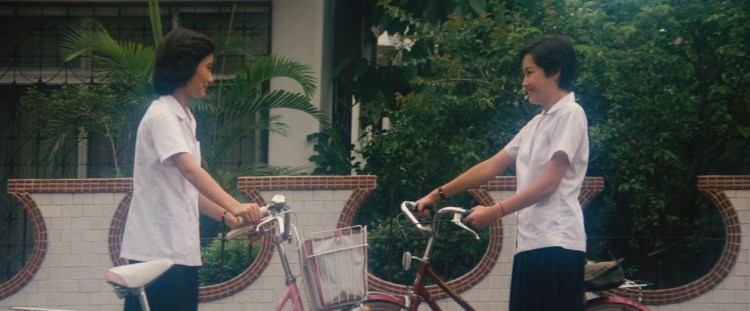
  • Girls’ School <Digitally Remastered> – new restoration of the 1982 drama revolving around the transgressively close friendship between two high school girls.

Thailand

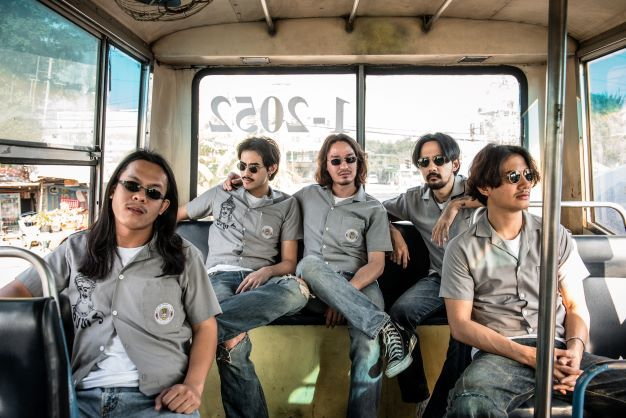
  • 4 Kings – a hardworking family man reflects on his time as a teenage delinquent after his daughter is involved in gang violence.

Vietnam

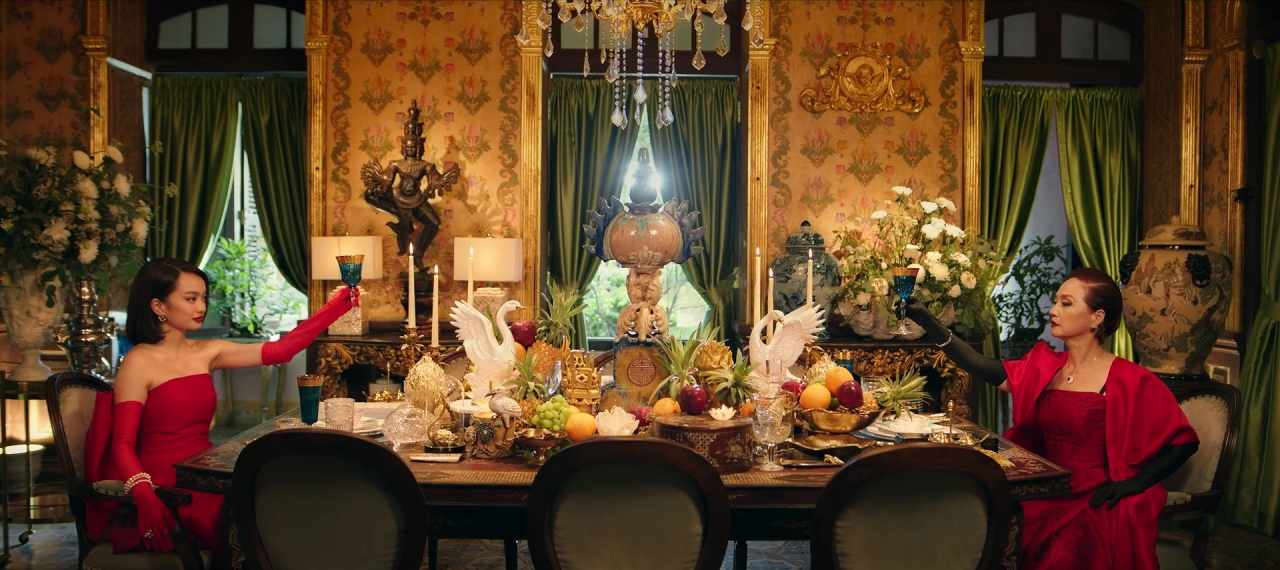
  • Camellia Sisters – three wealthy sisters plot against each other in this opulent melodrama.

Director in Focus: Satoko Yokohama

  • Chiemi And Kokkunpatcho – Yokohama’s mid-length graduation project in which a young woman working as a dental technician receives a wedding invitation from an old friend with whom she had previously fallen out.
  • German plus Rain – Yokohama’s first theatrical feature following a teenage girl who dreams of being a singer but works as an apprentice gardener along with a German guy who calls her “gorillaman”.
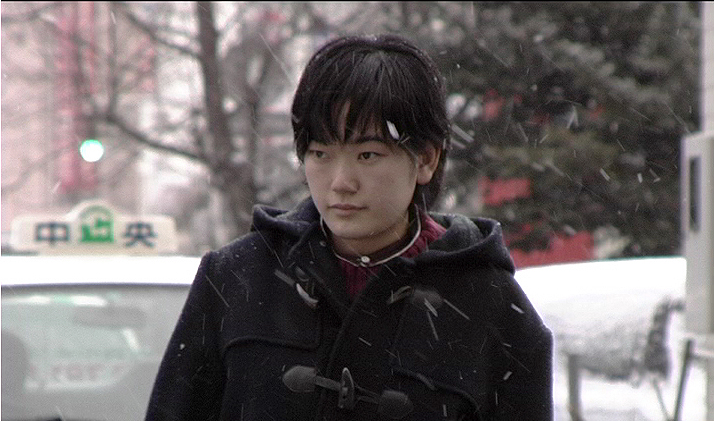
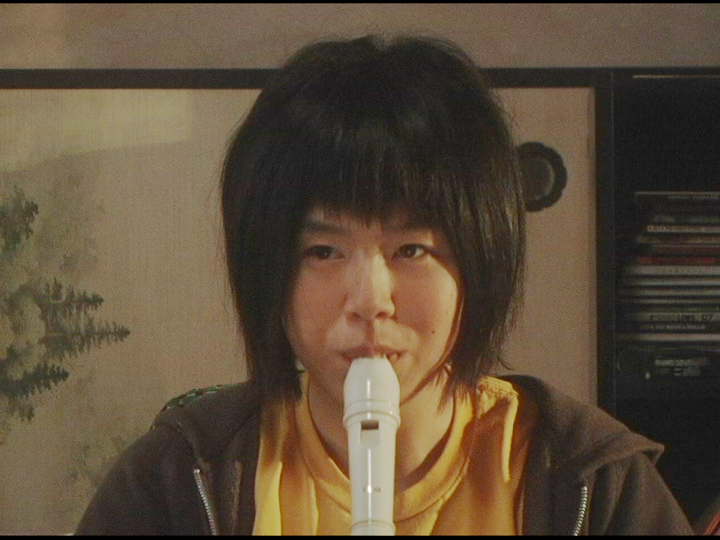
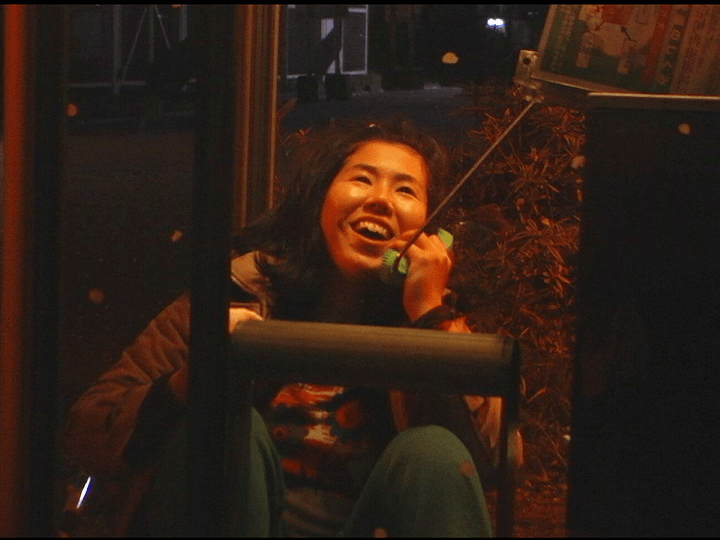
  • Bare Essence of Life – Aomori-set drama in the Tsugaru dialect starring Kenichi Matsuyama as an eccentric young man who falls in the love with a kindergarten teacher who has recently arrived in the town in search of her late boyfriend’s missing head. Review.
  • The Granny Girl – 30-minute short revolving around the life of an ordinary Tokyo couple
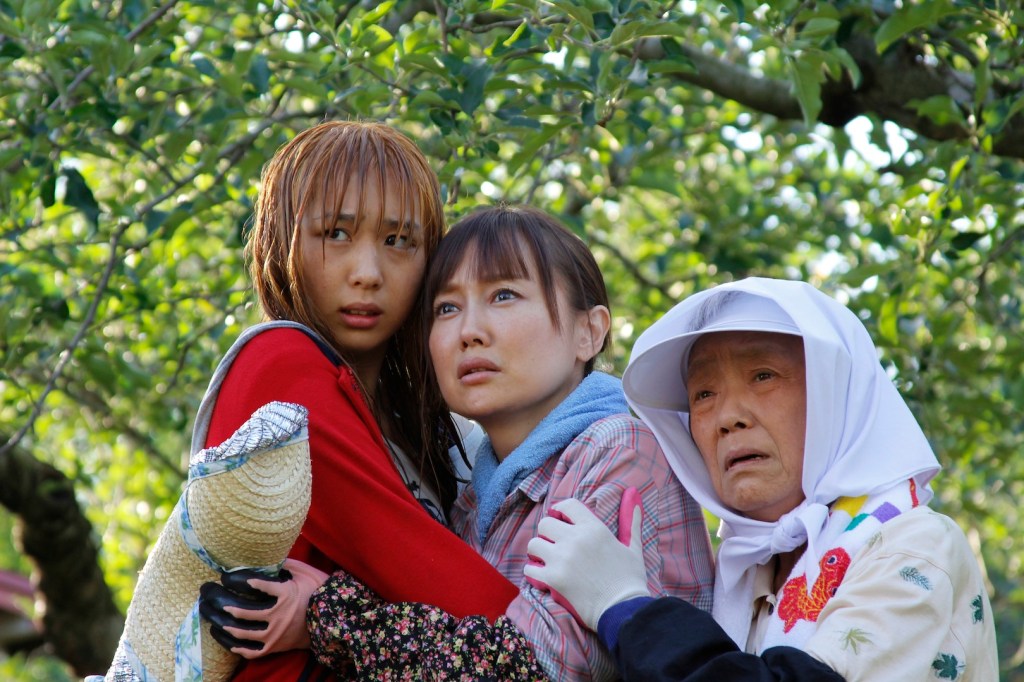
  • A Girl in the Apple Farm – 42-minute short starring Masatoshi Nagase and Youki Kudo as parents to a runaway daughter.
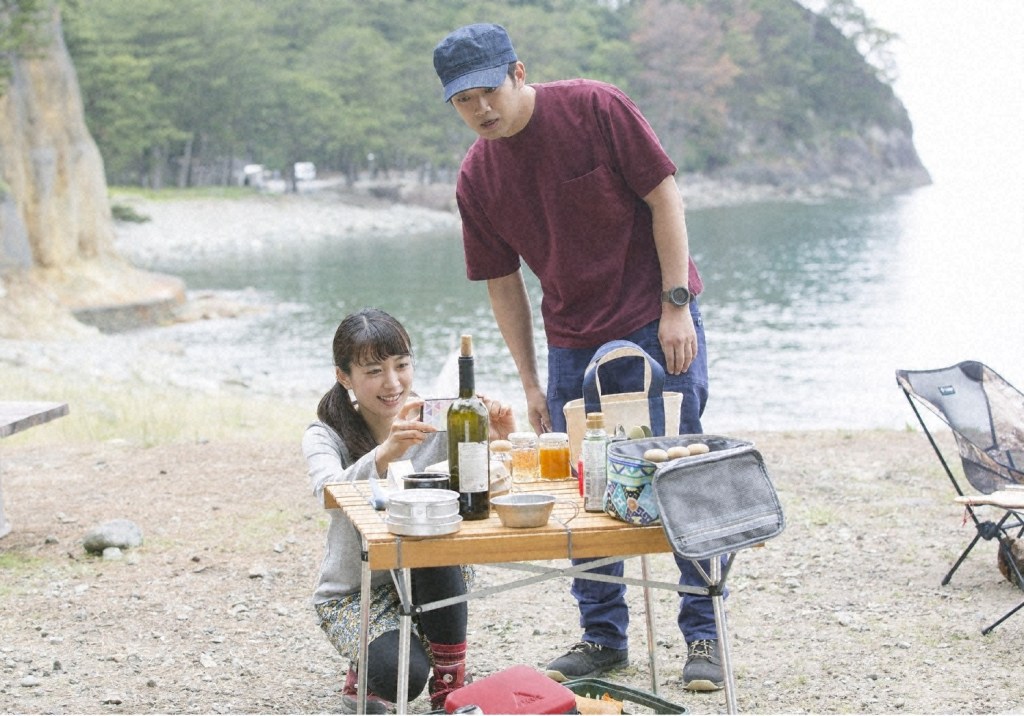
  • Camping, eating, and sleeping, alone. #7 Corned beef yukke in Nishiizu – 24-minute episode from the TV series starring Takahiro Miura.
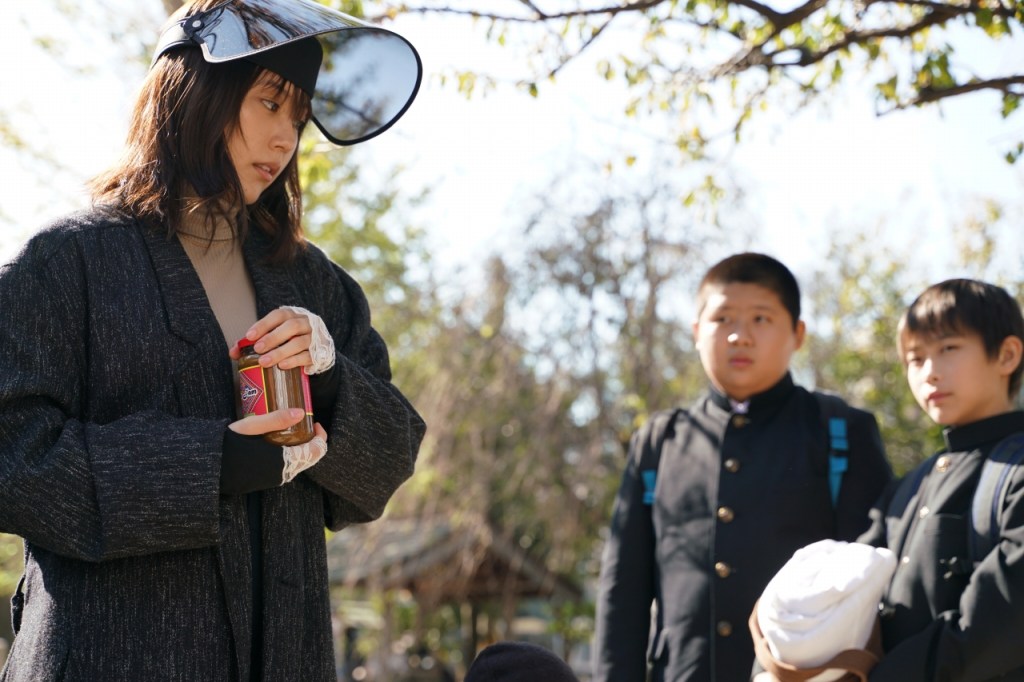
  • A DAY-OFF OF KASUMI ARIMURA #5 The Lid – 26-minute episode of the TV series starring Kasumi Arimura as a fictionalised version of herself in which she experiences difficulty trying to open a jar and ventures out in disguise in search of help.
  • Honsundonsukosuko – 4-minute short produced for TV starring Ryohei Suzuki

Osaka Asian Film Festival Online < Theater ONE >

Streaming worldwide with English subtitles March 3 to 21.

  • Torso – 2009 drama from Yutaka Yamazaki starring Makiko Watanabe, Sakura Ando, Arata Iura, Sora Aoi, and Renji Ishibashi revolving around an isolated office lady whose only comfort is a limbless male inflatable doll.
  • Breathless Lovers – 20-minute short from 2017 directed by Shumpei Shimizu in which a man chases the ghost of his late boyfriend.
  • Chigasaki Story – whimsical 2014 drama from Takuya Misawa (Murders of Oiso) in which students and teachers come together during a wedding at a hotel.
  • The Faceless Dead – 2009 feature from Kishu Izuchi in which an aspiring writer receives a phone call to tell her she is in the hospital and decides to visit to find out why someone is using her identity.
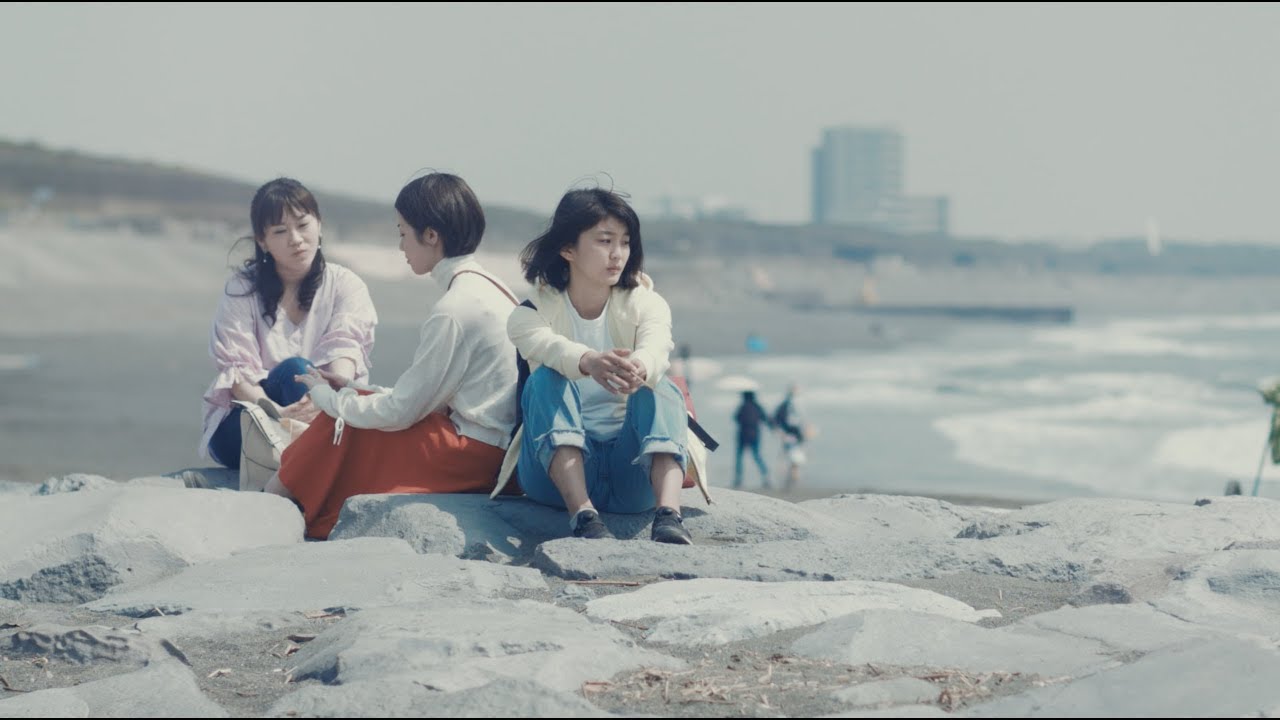
  • Jeux de Plage – Rohmerian drama in which college friends Sayaka and Yui take a trip to the beach where they meet up with Yui’s old pal Momoko but find their dynamic disrupted by sleazy passersby and mutual awkwardness. Review.
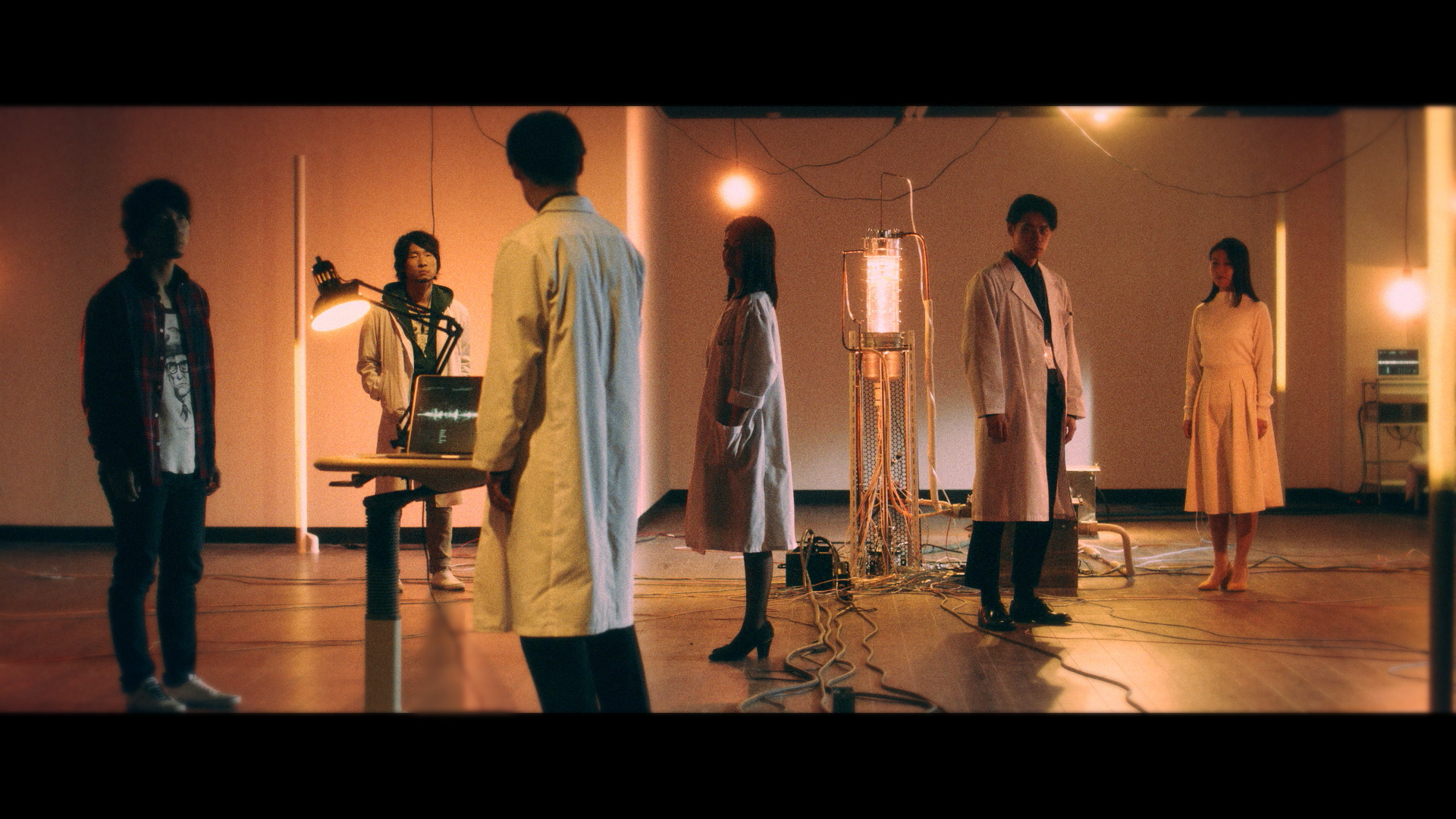
  • Mechanical Telepathy – 2018 feature from Aya Igarashi in which a researcher loses consciousness while trying to develop a machine to visualise the human mind
  • Nice to Meet You – 2011 drama from Takamasa Oe in which a student living alone with his mother discovers her diary in which she converses with his unborn brother.
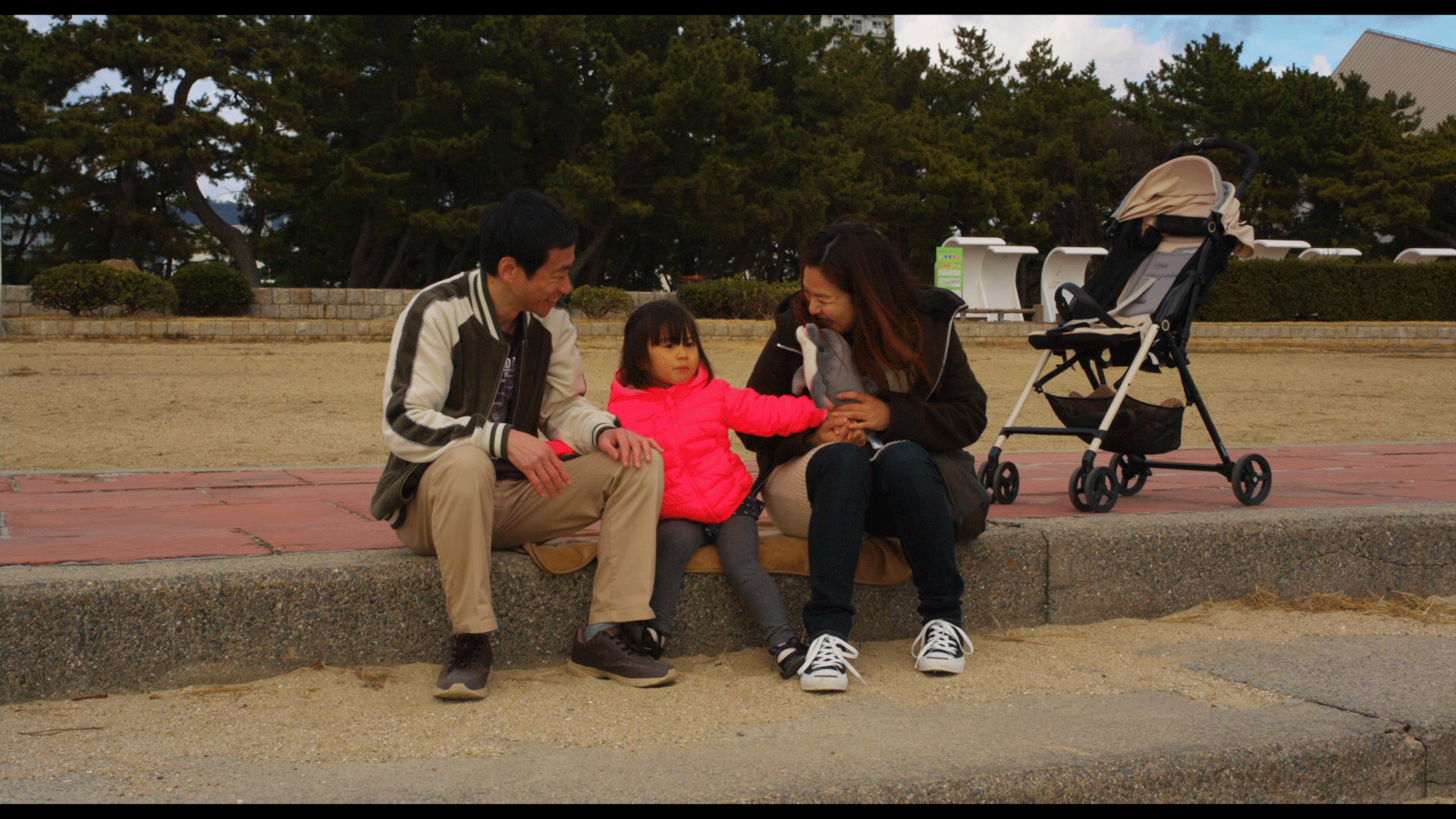
  • Reiko and the Dolphin – 2019 family drama from pink director Shinji Imaoka in which a young couple try to come to terms with the loss of their daughter in the devastating earthquake which struck Kobe in 1995.
  • The Sound of Light – 2011 first feature from Juichiro Yamasaki in which a former musician returns home from Tokyo to take over the family farm.
  • The Sower – 2016 drama from Yosuke Takeuchi in which a man recently discharged from a psychiatric hospital falls under suspicion following a family tragedy. Review.

This year’s Osaka Asian Film Festival runs at venues across the city March 10 to 20, and online March 3 to 21. Full details for all the films as well as ticketing links are available via the official website and you can also keep up with all the latest details by following the festival on Facebook, Twitter, Instagram, and YouTube.

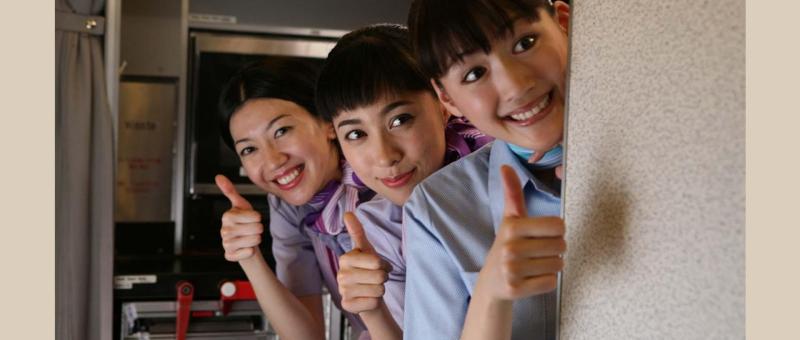
Happy Flight (ハッピーフライト, Shinobu Yaguchi, 2008)

“We’re part of a whole system” the chief mechanic insists with exasperation, irritated with an employee being too thorough, “what if this delays departure?”. Best known for ensemble comedies, of which Happy Flight (ハッピーフライト) is one, Shinobu Yaguchi had originally envisaged a disaster movie only to change tack realising that aircraft accidents really are (thankfully) extremely rare and the backstage workings of an airport might well lead themselves to comedy. Even so, it’s perhaps surprising that sponsor airline ANA who were apparently heavily involved in the project allowed themselves to be seen in a less than perfect light even if their pilots and ground staff do indeed save the day when potential disaster strikes. 

Like any good farce, Yaguchi throws just about every potential problem into one basket beginning with the fact that this flight to Honolulu is the final exam for co-pilot Suzuki (Seiichi Tanabe) who is hoping to earn a promotion to captain though a disastrous performance in the simulator may have dimmed his expectations. It’s also the first flight for chirpy air hostess Etsuko (Haruka Ayase) still harbouring some delusions about the glamour of the flight attendant life while the plane itself is late in and technically speaking needs a couple of repairs though the airline is already a little jumpy about the number of delays impacting their services recently and the chief mechanic thinks some of them can wait. A junior engineer takes it on himself to change a part and incurs the wrath of his boss for taking to long, but is perhaps privately worried he didn’t do it properly and later alarmed when the plane runs into trouble worried that his missing wrench might be the cause. Aside from the pressing typhoon, the other problem is a flock of annoying seagulls normally taken care of by an old man nicknamed “bird guy” who warns them off with a shotgun only today he’s been accosted by the “bird lovers alliance”, while the airport is also surrounded by a bunch of obsessive aviation enthusiasts recording every detail and uploading them online. 

If something can go wrong then it will, as it does when the backup sensors stop working leaving the pilots flying blind, but even before that consumer aviation is first and foremost a customer facing business with the airline concentrating on ensuring that passengers have a good experience so they don’t lose their business to a rival. That’s one reason they’re so paranoid about avoiding delays, but also find themselves dealing with aggressive passengers each intent on receiving individual attention forgetting for a moment that the plane is full of other people who also have needs and demands. Still learning the ropes, Etsuko struggles to understand her place in the machine only to redeem herself later through a little lateral thinking following a culinary disaster while becoming quietly disillusioned with the unexpectedly stressful side of her otherwise glamorous profession. Meanwhile stern purser Reiko (Shinobu Terajima) gives them all a masterclass in deescalating an entitled customer’s rage by stroking his ego with some well-placed psychology. 

This being a comedy it all turns out alright in the end even if Suzuki has undergone something of a baptism of fire and Etsuko has had her eyes opened to the reality of the flight attendant life. Despite everything going wrong at the same time, it goes right when it needs to thanks to the teamwork and dedication of the disparate team from the guys in the air control weather department to the scrambling ground staff arranging meals and accommodation for passengers unable to reach their destination. There’s even the hint of a happy ending for check in supervisor Natsumi (Tomoko Tabata) who was dead set on quitting her job because it doesn’t afford her any opportunities to meet nice guys, while what it does seem to largely contain is fending off the three teenage aeroplane enthusiasts who hang out in arrivals and dealing with various passenger crises. They are indeed all part of whole system, and that’s good and bad in that they all feel under pressure to get planes in the air on time which perhaps encourages them to overvalue efficiency at the cost of safety, but also makes it easier to spring into action in order to fend off a crisis should one occur so that everyone can have a “happy flight” blissfully ignorant of the minor panic under the bonnet of this not so well oiled machine. 


Happy Flight streams until 27th February in several territories as part of Japanese Film Festival Online 2022.

International trailer (English subtitles)

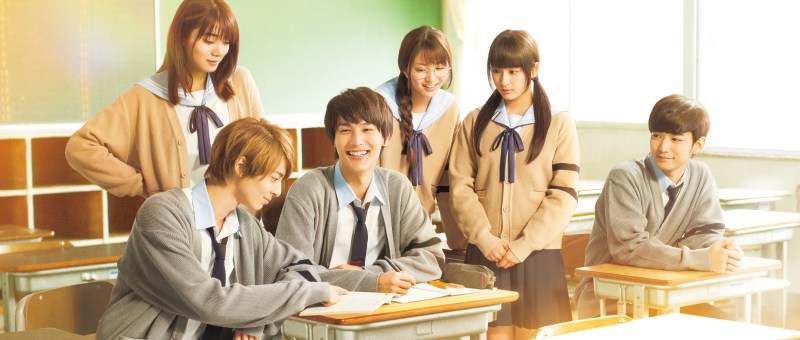
ReLIFE (ReLIFE リライフ, Takeshi Furusawa, 2017)

Is there such a thing as toxic conventionality? The hero of Takeshi Furusawa’s manga adaptation ReLife (ReLIFE リライフ) has driven himself into despair in his failure to achieve conventional success in contemporary Japan, fearing that in having fallen from one of the earliest rungs of the ladder he’ll never be able to climb back up and therefore has no real future. Even so, his dissatisfaction is turned entirely inward rather than channelled into a desire to change society for the better, his eventual epiphany amounting to the determination to help others persevere amid constant disappointment rather than encouraging them to reject the mainstream and search for bespoke happiness. 

At 27, Arata (Taishi Nakagawa) isn’t sure why his life turned out this way. He thought he’d follow the conventional path, graduate uni, get a steady salaryman job, marry around 25 and settle down into a comfortable middle class life, but now he’s trapped in a perpetual cycle of job seeking and part-time work with his savings running out and final demands pouring in. Invited to a gathering with old friends one of whom is getting married, he shaves and puts on a suit playing the role of the conventional salaryman they all assume him to be too ashamed to let them know he’s struggling. So when he’s accosted in the street by a strangely elfin young man, Yoake (Yudai Chiba), who tries to recruit him into an experimental programme in which they’ll pay his living expenses while he spends a year as a high school senior he finds himself agreeing. 

This is no time travel story, however, the magic pills merely turn Arata back into a 17 year old to enrol in a contemporary high school with kids 10 years younger than himself. He can’t literally change his past but is supposed to use the time to grow as a person, rediscovering a sense of possibility that comes with youth and dwindles with age. His initial intention is just to ride it out seeing as he’ll have no immediate worries for food or shelter and has been guaranteed help with the job hunt when the year is up and he returns to being 28, but inevitably finds himself drawn into teenage intrigue helping each of his new friends reach their own epiphanies in gaining the courage to declare their feelings or overcome their shyness in trying to decide the further course of their lives. 

Part of his own epiphany lies in his renewed desire to be part of a community, no longer isolated in his personal shame but actively participating while embracing his innate kindness and desire to help others. As we later learn, he quit his company job on uncovering workplace sexism and petty harassment, unable tolerate it that a talented colleague (Mikako Ichikawa) found her career sabotaged by men who didn’t like it that she was good at her job and therefore presented a threat to their success. Arata naively brought the matter to the attention of his boss but his boss sided with the guys and had her transferred out. Given this information, it makes little sense that Akira quit his job in protest but then continued to apply for new ones with other companies presumably assuming they would be different rather than accepting workplace bullying is a systemic issue. 

This is the fundamental problem with his experiences in ReLife in that the path he eventually discovers lies in helping other people endure this already corrupt system which isn’t working for anyone, let alone himself. His emphasis on the spirit of never giving up and being there for those in need is noble, but ultimately only enables the system which caused so many to fall into despair in insisting that it is they who need to live up to these culturally defined ideals of conventional success rather than challenging the deeply ingrained social codes which prevent them from pursuing personal happiness. Part high school nostalgia drama complete with a potentially inappropriate romance, ReLIFE is replete with typical genre motifs such as the cultural festival and summer fireworks display along with the continual sense of something coming to an end as Arata finally convinces himself to “treasure the moment” rather than remain trapped between past regret and fear of an uncertain future, but perhaps sends the uncomfortable message that adult life is something you just have bear rather than actively enjoy. 


ReLIFE streams until 27th February in several territories as part of Japanese Film Festival Online 2022.

Original trailer (English subtitles)