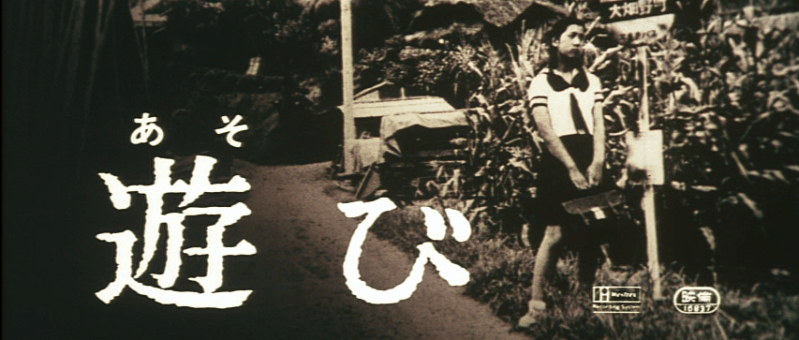
 Yasuzo Masumura is most often associated with the eroticism and grotesquery which marked the middle part of his career, but his beginnings as a regular studio director at Daiei are a more cheerful affair even if darker in tone and with additional bite. His debut, 1957’s Kisses, was an unusual youth drama for the time – an innocent romance between a naive boy and girl who meet when each of their parents is languishing in jail. Far from the tragic conclusion of Ko Nakahira’s Crazed Fruit, Masumura offers his youngsters a degree of hope and the possibility, at least, of a happy ending. Daiei would go bust in 1971, and so it’s a minor irony that Masumura would revisit a similar theme towards the end of his tenure at the studio. Play (遊び, Asobi, AKA Play With Fire / Games), inspired by Akiyuki Nosaka’s novel, is another tale of youthful romance threatened by a harsh society, but this time around Masumura is not quite so hopeful.
A 16 year old (unnamed) girl has become the main breadwinner for her mother and bedridden older sister following the death of her father, formerly a violent drunk. Having had to leave school, she has a full-time job at an electronics factory where she lives in the company dorm along with a number of other female employees, most of whom are a few years older than she is. The girl is an earnest sort, she resents her mother’s constant pestering of her for money, but she sends her pay checks home keeping only enough to keep herself fed and clothed.
When an older woman, Yoshiko, who works as a “hostess” in one of the local cabaret bars comes to visit, she does so dressed to the nines with a handsome man sporting fancy sunglasses and porting a selection of upscale cakes. Yoshiko sells the virtues of life in the clubs, talking about the money to be made by having fun while the naive gaggle of young women remain in awe of her confidence, poise, and fancy haircut. In desperate need of money, the girl considers Yoshiko’s suggestion which is what brings her into contact with the (unnamed) boy (Masaaki Daimon).
The boy is 18 and pretends to be more worldly wise than he really is. He offers to show the girl around the cabaret scene, though he discourages her from working there. Taking her out and around town, the boy charms the girl though he has a dark and ulterior motive. The boy is a petty yakuza for a gang whose main stock in trade is pulling girls off the street and raping them for reasons of both blackmail and forced prostitution.
Owing to her young age and bad experience with her father who was often drunk and violent, the girl has steered clear of men. The other girls make fun of her for not having a boyfriend, not wearing make up, and for being “good” in sending all her money home. The girl isn’t really interested in the same kind of fun loving life as the more jaded of the factory girls – especially when she sees them roll in drunk boasting about the bruises on their skin from a night of debauchery, or even staggering back crying with a dress torn to shreds after being violently assaulted (perhaps by the same kind of yakuza thugs that will shortly target her). Despite the harshness of her life, she remains naive and innocent, concerned for her mother and invalid sister who have only her to depend on.
The boy is in a similar situation, though far less keen to confess it. Also let down by a drunken, promiscuous mother, he’s found himself in a gang desperate for the approval of his new “big brother”. Though he reacts with horror to the gang’s main stock in trade, he does not try to stop it even if he stops short of rape himself, but continues to assist in trapping the girls whilst fully aware of what will happen to them.
Coming from a harsh world, the boy has never met anyone as earnest or as naive as the girl and her goodness starts to reawaken something in him. Likewise, the girl, unaware of the boy’s true purpose, has never met anyone that was so immediately nice to her – her fear of men and alcohol dissipates as she (mistakenly, or perhaps not) believes she has met someone truly good and kind who only wants to help her. The girl does not belong in the boy’s world of sleazy clubs and youth haunts but bears them well enough for him. The boy recognises the incongruity and takes her somewhere else, still conflicted in his true purpose of delivering her to the dingy love hotel where his boss conducts his illicit trade.
The boy and the girl are innocents corrupted by their environments. Let down by irresponsible parenting (perhaps also a symptom of the difficulties of the society they live in), the pair remain trapped, dreaming of freedom and happiness but seeing no way of finding them. Deciding to make a break for it, leave their respective disappointing families far behind, the boy and the girl sail away. Their boat is full of holes, but they refuse to be beaten, committing to forge ahead together they swim towards the sea and an uncertain but hopeful future.
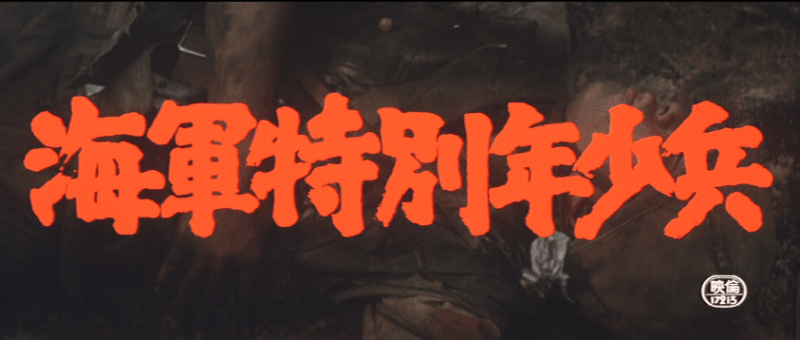
Title sequence (no subtitles)





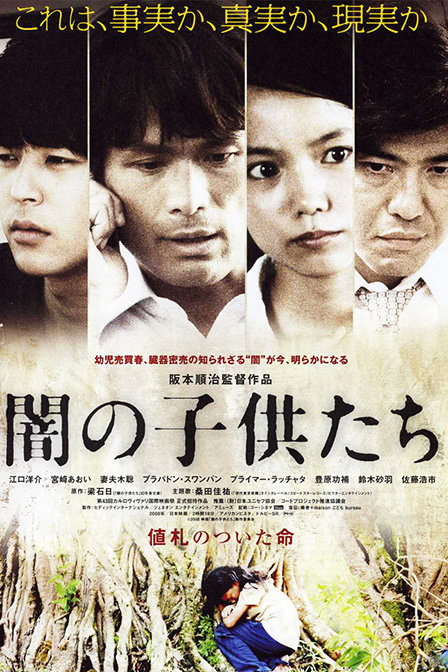
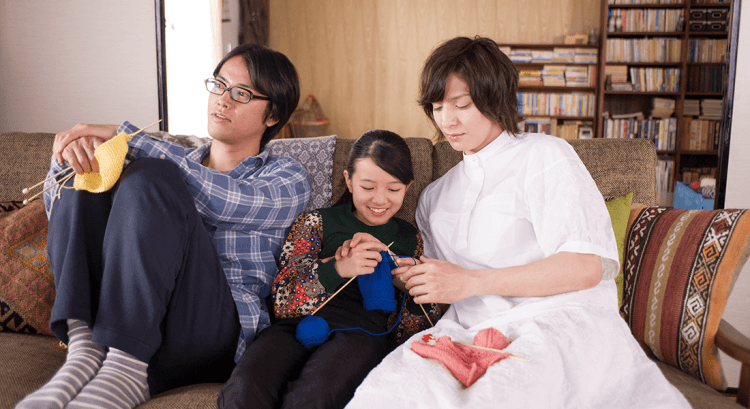 Naoko Ogigami’s touching family drama snatches the last spot on Kinema Junpo’s list. A departure of sorts from the director’s earlier career,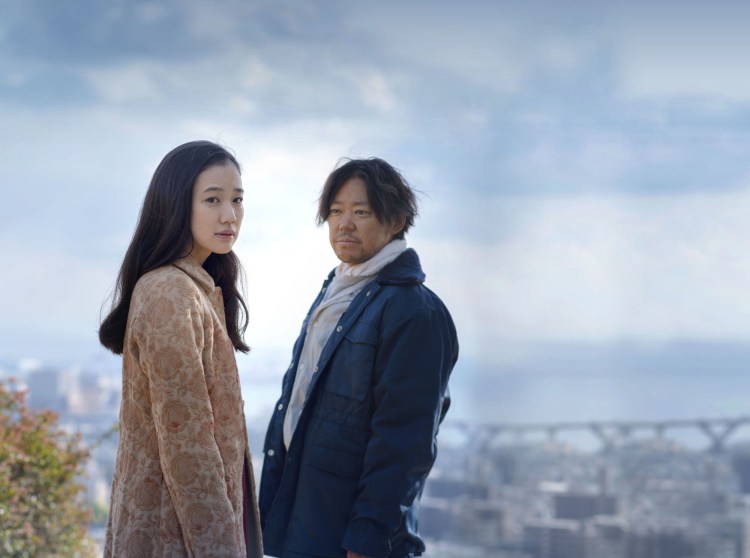
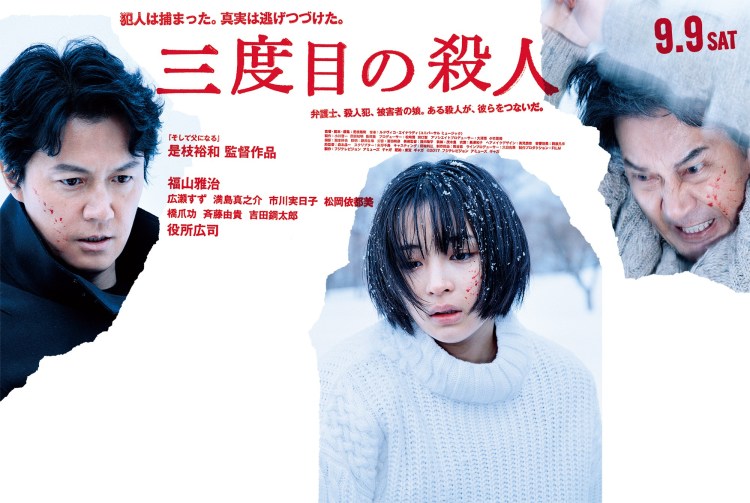 Hirokazu Koreeda makes a rare detour from the family drama for a high stakes legal thriller in which a veteran lawyer takes on the seemingly impossible task of defending a murder suspect who has already served time for violent crime and freely confesses his guilt, but the more the lawyer looks into the case the less confident he feels that his client is telling the truth.
 Fukushima native Ryuichi Hiroki adapts his own novel for an exploration of precarious rural life on the edge of a disaster zone. Newcomer Kumi Takiuchi stars as a young woman with a regular office job living in temporary housing with her father (Ken Mitsuishi) after being displaced by the 2011 earthquake and tsunami. For unexplained reasons, the young woman travels to Tokyo at weekends and engages in casual sex work which brings her into contact with Kengo Kora’s conflicted driver.
 Katsuya Tomita’s
  Kiyoshi Kurosawa rolls back on the nihilism of
 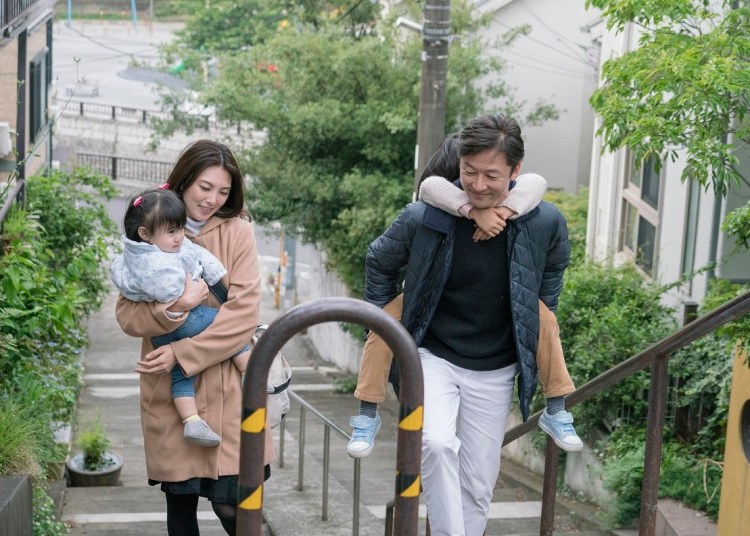 Yukiko Mishima’s adaptation of the Kiyoshi Shigematsu novel stars Tadanobu Asano in a tale of family and the modern society. A middle-aged man, Makoto, leaves his first wife for a younger woman after they disagree about adding to their family – he wanted another child and she didn’t. His second wife has two children already and when she announces she is pregnant, Makoto is not so sure about becoming a father again…
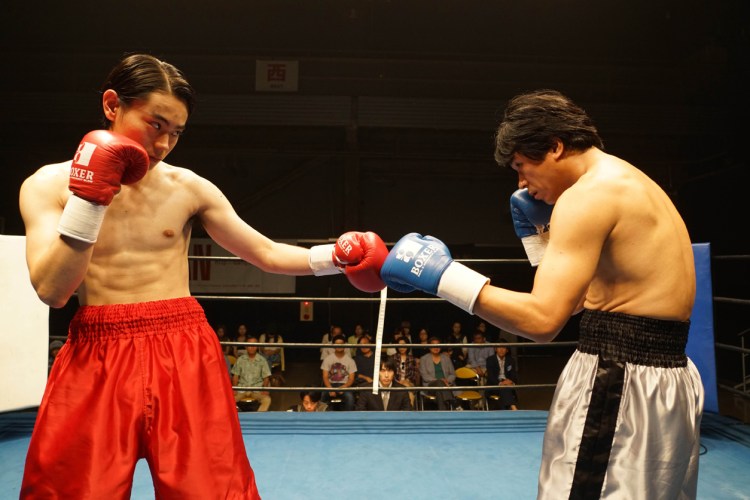 Released in two parts, Wilderness adapts the classic 1966 novel by Shuji Terayama in which two men seek release in the boxing ring but also discover friendship and brotherhood in the shared connection of violence. Up and coming director Yoshiyuki Kishi builds on the promise of the impressive
 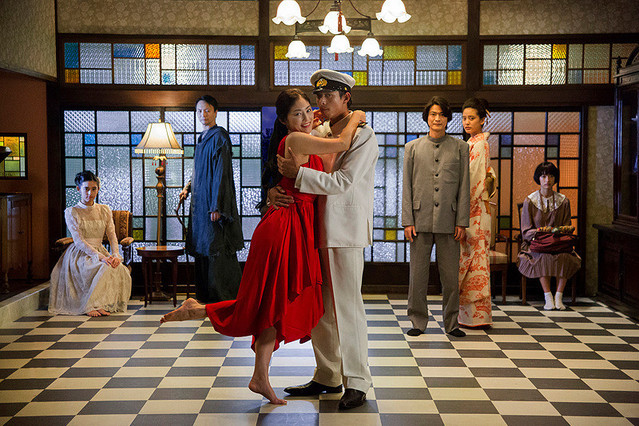 The latest from veteran director Nobuhiko Obayashi, Hanagatami is a project forty years in gestation. An adaptation of the wartime novel by Kazuo Dan, the film is a timely warning against the follies of war as a collection of youngsters dance along the edge of an abyss which will eventually engulf their entire generation.
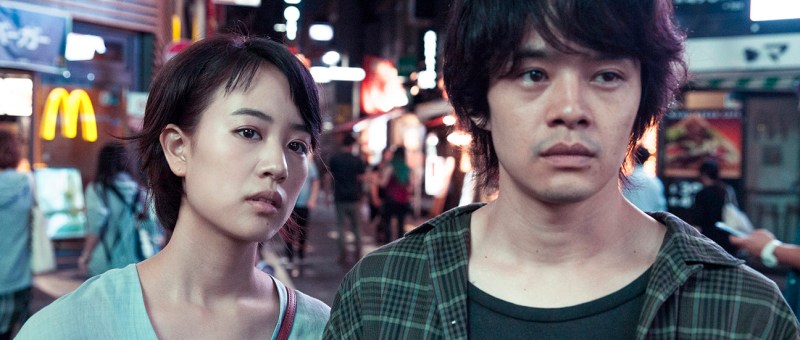
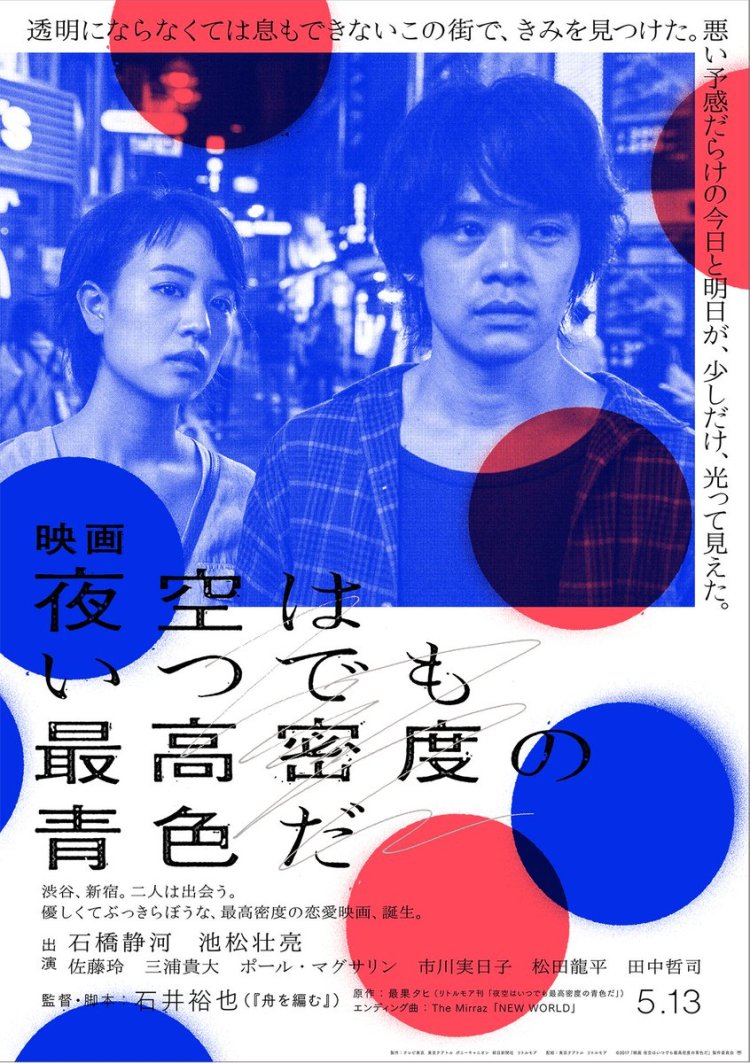
 Taking the top spot, Yuya Ishii’s melancholy romance is a love/hate letter to Tokyo and a poetical mediation on connection in the modern city. A depressed young woman and an anxious young man miraculously encounter each other thanks to the magic of the metropolis but their shared cynicism and distrust of feeling soon becomes a barrier to their growing romance.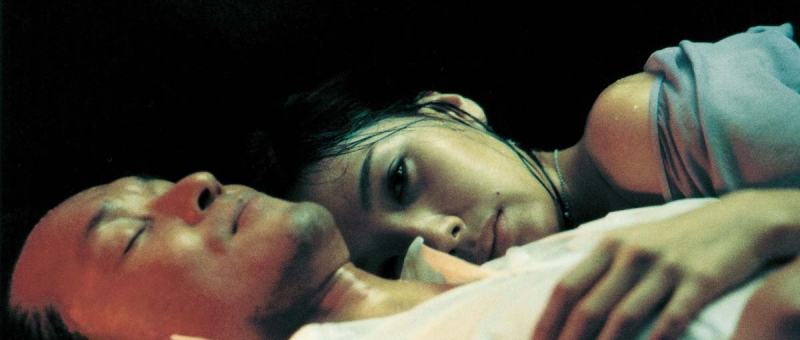





 Windows on Worlds