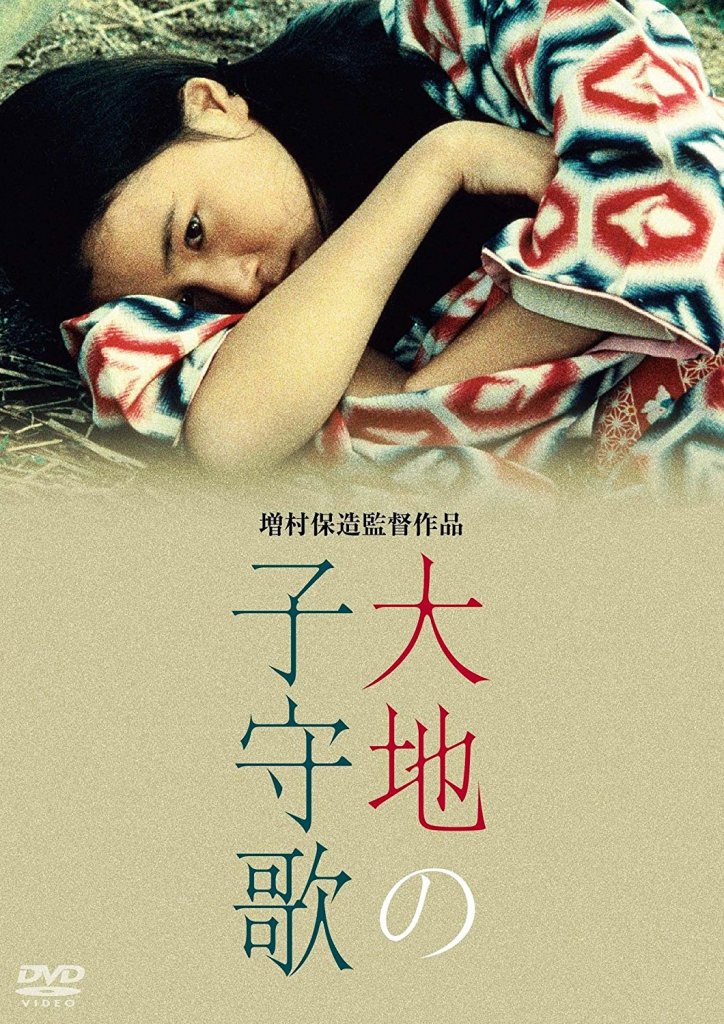
Lullaby of the Earth (大地の子守歌, Yasuzo Masumura, 1976)

lullaby-of-the-earthYasuzo Masumura is best remembered for his deliberately transgressive, often shockingly grotesque critiques of Japanese society and its conformist overtones. Lullaby of the Earth (大地の子守歌, Daichi no Komoriuta) is one of his few completely independent features, filmed after the bankruptcy of Daiei where Masumura had spent the bulk of his early years. As such, it is quite an exception in terms of his wider career both in terms of its production and in its earthy, spiritual themes. Adapted from the 1974 novel by Kukiko Moto, Lullaby of the Earth is the story of an abandoned and betrayed woman but one who also draws her strength from the Earth itself.

13 year old Rin (Mieko Harada) has been living with her adopted grandmother in a remote mountain community. Returning home one day triumphantly carrying a rabbit for dinner, Rin discovers that her grandmother has passed away. Being just a child and now alone and frightened, Rin does not know what to do and later receives harsh treatment from the villagers from whom she temporarily conceals her grandmother’s death. With no one to look after her, Rin is approached by a kind seeming man in Western dress who offers her a good job on a nearby island which, he says, pays well and offers a much better quality of life than Rin’s current survivalist setup in the mountains. Rin has heard tales of men like him before and is not taken in by his arguments, even when he suggests she could use the money to buy a proper grave for her grandmother. She is, however, caught when he mentions taking her to see the sea – something she has been longing for for most of her life.

However, Rin’s pure joy at the waves and endless horizons of the shoreline is short lived when reality hits home and she realises she has been sold to a brothel. The brothel owners are not a bad sort, considering, and intend on using her as a servant until she comes of age but Rin is not having any of it. Refusing to eat, work, or wear her new clothes, Rin is proving to be a very bad investment but changes her tune when she strikes up a friendship with a girl who works at a local store who convinces her that her rebellion is misplaced. Work hard and pay off your debt, she says, and they’ll let you go home. Rin decides to do just that, and with her characteristic energy, but her journey home is not to be such a straight forward experience.

Lullaby of the Earth maybe unusual in Masumura’s filmography due its period setting and gentler, more spiritually orientated progression but Rin is, in many ways, a typical Masumura heroine. A true child of nature, Rin is athletic, at home in the forests and woods trapping rabbits and building fires. Her downfall is brought about precisely because of her desire for total freedom. Longing to see the sea with all of the freedom and possibilities that it suggests, Rin allows herself to be taken in by the false promises of a procurer (presumably alerted by a less than helpful villager), little knowing that she’s damned herself for a period of at least three years.

Made to suffer numerous degradations from the humiliation of her servitude, to a beating that leaves her half dead and her final forced prostitution, Rin maintains her resistance in whichever way she can. Striving for control, Rin takes on a masculine quality defined by strength and agility rather than elegance and beauty. Once again longing for the sea, Rin begs to be allowed to row the boat that takes the girls out to find business from passing ships. “If you take my oar you’ll be in trouble” she later exclaims, clinging to her source of male power even whilst being forced into the gaudy brothel kimono. Displaying her own ability for active choice even within her controlled environment, Rin takes the scissors to her own hair, cutting it short like a man’s.

Given the chance to escape the brothel for a comfortable life as the mistress of a wealthy man, Rin refuses. A decision which seems bizarre to many of the other girls, but Rin will have her freedom back in its entirety – she will not swap one cage for another as the prized possession of a some other authority. Meeting a man who claims he may be able to help her, Rin starts working overtime to save the money to escape with the consequence that her health suffers, leading to almost total blindness followed by listless depression. Only at this point does her inner fire start to waver, but it is never extinguished allowing her to finally make a break for it even if she literally cannot see where she is headed.

Rin’s guiding voices come from the Earth itself as mediated by the kindly internal presence of her grandmother. The soil is sacred, as her grandmother told her. Rub soil into your wounds and you’ll soon be healed. In times of trouble, lie against the Earth’s surface and you will know what to do. Rin wants to find the way back to her mountain, but it may no longer exist for her. Nevertheless, the Earth itself is singing and will tell her where to go, so long as she can find the strength to listen.

Masumura begins the film with Rin at prayer, dressed in the white clothes of a pilgrim and dutifully following the temple paths around the island of Shikoku. Suffering a final PTSD flashback of all she’s suffered since her grandmother’s passing, Rin is once again comforted by the sounds of the Earth, beginning with her grandmother’s voice to which more are slowly added, cheering her on with chorus of support as she walks towards the end of her journey. A wonderful, early leading performance for Mieko Harada, Lullaby of the Earth is a far more new age exercise than Masumura’s generally cynical approach to human spirituality would usually allow but neatly tallies with his primary concerns in its heroine’s eternal quest for her own autonomy, body and soul, as she traverses a cold and unforgiving world.
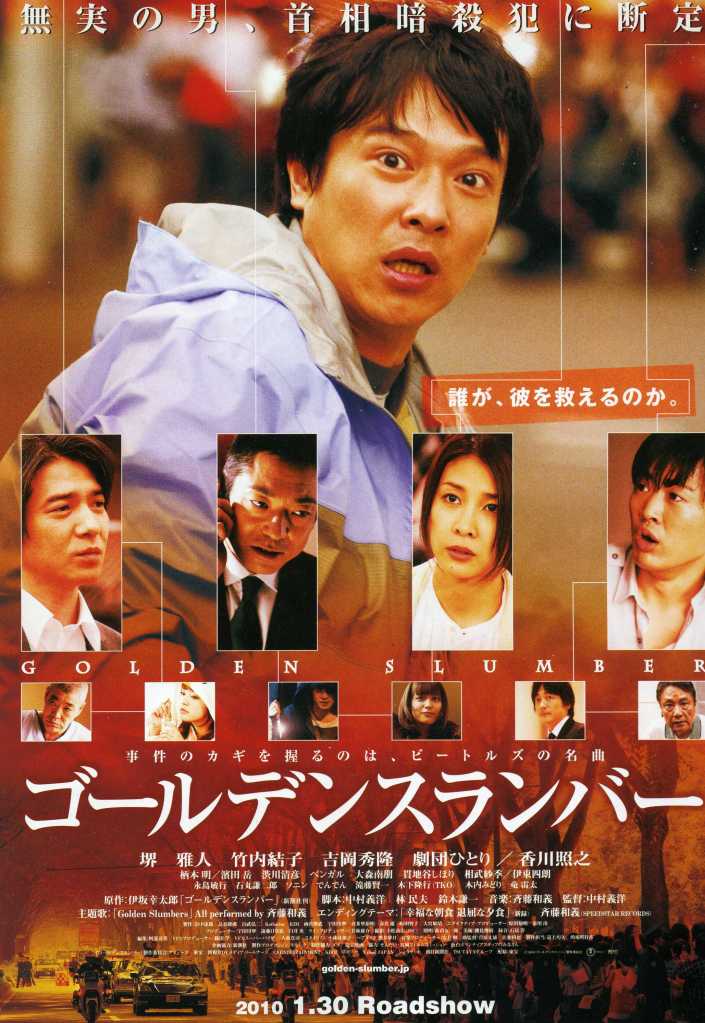


Golden Slumber (ゴールデンスランバー, Yoshihiro Nakamura, 2010)

golden-slumberYoshihiro Nakamura has made a name for himself as a master of fiendishly intricate, warm and quirky mysteries in which seemingly random events each radiate out from a single interconnected focus point. Golden Slumber (ゴールデンスランバー), like The Foreign Duck, the Native Duck and God in a Coin Locker, and Fish Story, is based on a novel by Kotaro Isaka and shares something of the same structure but is far less interested in the mystery itself rather than the man who finds himself caught up in it.

30 year old delivery driver Aoyagi (Masato Sakai) is all set for a nice day out fishing with an old college buddy, Morita (Hidetaka Yoshioka), but he’s about to discover that it’s he’s been hooked and reeled in as the patsy in someone else’s elaborate assassination plot. After grabbing some fast food, Morita takes Aoyagi to a parked car near the closed off area through which the Prime Minster is due to be paraded in an open topped car. Waking up after a brief period of drug induced sedation, Aoyagi is made aware that this has all been a trick – badly in debt thanks to his wife’s pachinko addiction, Morita has betrayed him to a set of undisclosed bad guys with unclear motives and is taking this brief opportunity to give him as much warning as he can. Sure enough, a bomb goes off at the parade and Aoyagi just manages to escape before Morita too is the victim of an explosion.

Aoyagi is now very confused and on the run. Inexplicably, the police seem to have CCTV footage of him in places he’s never been and doing things he’s never done. If he’s going to survive any of this, he’s going to need some help but caught between old friends and new, trust has just become his most valuable commodity.

At heart, Golden Slumber is a classic Wrong Man narrative yet it refuses to follow the well trodden formula in that it isn’t so much interested in restoring the protagonist to his former life unblemished as it is in giving him a new one. The well known Beatles song Golden Slumber which runs throughout the film plays into its neatly nostalgic atmosphere as each of the now 30 year old college friends find themselves looking back into those care free, joyous days before of the enormity of their adult responsibilities took hold. That is to say, aside from Aoyagi himself who seems to have been muddling along amiably before all of this happened to him, unmarried and working a dead end delivery job.

As Morita tells him in the car, it’s all about image. The nature of the conspiracy and the identity of the perpetrators is not the main the main thrust of the film, but the only possible motive suggested for why Aoyagi has been chosen stems back to his unexpected fifteen minutes of fame two years previously when he saved a pop idol from an intruder with a nifty judo move (taught to him by Morita in uni) after fortuitously arriving with a delivery. Those behind the conspiracy intend to harness his still vaguely current profile to grab even more media attention with a local hero turned national villain spin. The Prime Minister, it seems, was a constantly controversial, extreme right wing demagogue with a tendency for making off the cuff offensive statements so there are those who’d rather congratulate Aoyagi than bring him to justice, but anyone who’s ever met him knows none of this can really be true despite the overwhelming video evidence.

Throughout his long odyssey looking for “the way back home” as the song puts it, Aoyagi begins to remember relevant episodes from his life which may feed back into his current circumstances. Although it seems as if Aoyagi had not seen Morita in some time (he knew nothing of his family circumstances, for example) his college friends with whom he wasted time “reviewing” junk food restaurants and chatting about conspiracy theories are still the most important people in his life. Not least among them is former girlfriend Haruko (Yuko Takeuchi), now married and the mother of a little daughter, who seems to still be carrying a torch for her old flame and is willing to go to great lengths to help him in his current predicament.

The film seems mixed on whether these hazy college days are the “golden slumber”, a beautiful dream time enhanced by memory to which it is not possible to return, or whether it refers to Aoyagi’s post college life which impinges on the narrative only slightly when he asks an unreliable colleague for help, aside from an accidental moment of heroic celebrity. It could even refer to the film’s conclusion which, departing from the genre norms, resolves almost nothing save for the hero’s neat evasion of the trap (aided by the vexed conspirators who eventually opt for a plan B). Once there might have been a road home – a way back to the past and the renewing of old friendships, but this road seems closed now, severed by the new beginning promised to Aoyagi who has been robbed of his entire identity and all but the memory of his past. Whether this means that the golden slumber has ended and Aoyagi, along with each of the other nostalgia bound protagonists, must now wake up and start living the life he’s been given, or that the old Aoyagi has been consigned to the realm of golden slumbers, may be a matter for debate.

Though the resolution may appear ultimately unsatisfying, the preceding events provide just enough interconnected absurdity to guide it through. During his long journey, Aoyagi is aided not just by his old friends but new ones too including a very strange young serial killer (Gaku Hamada) and a hospital malingerer with one foot in the “underworld” (Akira Emoto). It speaks to Aoyagi’s character that all of those who know him trust him implicitly and are ready to help without even being asked (even if they occasionally waver under pressure), and even those who are meeting him for the first time are compelled to come to his defence.  An elliptical, roundabout tale of the weight of nostalgia and inescapability of regret, Golden Slumber is the story of a man on the run from his future which eventually becomes a net he cannot escape.


Original trailer (English subtitles – select via menu)

Fighting for Love (同居蜜友, Joe Ma, 2001)

fighting-for-loveTony Leung Chiu-wai may have just won a best actor prize in Cannes, but that didn’t stop him getting right back on the HK treadmill with the run of the mill rom-com, Fighting for Love (同居蜜友). Reuniting director Jack Ma with Feel 100% star Sammi Cheng, Fighting for Love is the kind of wacky, thrown together romantic comedy that no one really makes any more (not that that’s altogether a bad thing). Still, even if the film is over reliant on its two leads to overcome the overabundance of subplots, it also makes use of their sparky chemistry to keep things moving along.
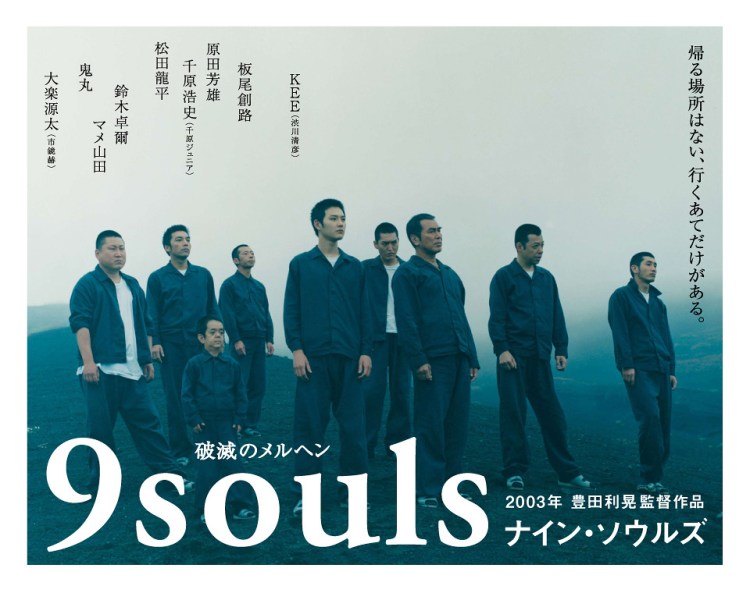
Deborah (Sammi Cheng) and Tung Choi (Tony Leung Chiu-wai) are both driving to the hospital to visit family members whilst arguing with someone on their cellphones. Deborah is a hardline business woman with a tendency to make her employees cry and a total refusal to give into anyone else’s demands whereas Tung Choi is the third generation manager of successful family noodle restaurant. When Deborah’s reckless driving knocks off Tung Choi’s wing mirror, he chases her and she runs away until they have a physical altercation in the hospital carpark. The police turn up and decide they’re both as bad as each other but eventually Tung Choi convinces Deborah to come to a meeting in a karaoke bar at which they both get roaring drunk and end up in a one night stand.

An unexpected outcome, to be sure. Tung Choi already has a girlfriend, and she’s a well known TV personality to boot. Deborah’s major relationship has been her career, but after some work place shenanigans she’s fired and later finds herself sort of homeless after losing her father’s dog. Running into Tung choi again at the hospital where she decides to try sleeping in her sister’s room, the pair meet in a more civilised manner leading him to offer her the sofa in his family’s home. His girlfriend, Mindy (Niki Chow), is overseas, but can Tung Choi and Deborah really find love before she gets back?

Fighting for Love works best when it focuses on Tung Choi and Deborah as they fight and fall in love reluctantly and almost by accident. Deborah is portrayed as an overly aggressive, grumpy woman with a tendency to scare people away though she softens and becomes less deliberately abrasive throughout her courtship with Tung Choi where as Tung Choi is portrayed as a weak willed man, bossed around by his famous girlfriend and avoiding making any decisions of his own but starts to find his voice when Deborah prompts him to make an active choice. Tony Leung and Sammi Cheng have great chemistry fuelling the central dynamic and keeping the film afloat despite its otherwise non-sensical plot.

Subplots include the ongoing problems at Deborah’s workplace where her colleagues alternate between loathing and pity without much in the way of explanation, culminating in an episode where Deborah offers to sell her car and cash in her savings to pay another woman’s team members after the company lets them down. This gets her invited to the company’s anniversary party despite no longer being an employee where she also has an improbable onstage showdown with Mindy. Further bonding with Tung Choi by getting herself a job at his noodle restaurant, Deborah accidentally destroys his secret recipe soup, allowing them more time to work together to find a solution. While all of this is going on, Deborah also has to contend with Tung Choi’s crazy extended family who originally start off supporting Mindy but then later seem on Deborah’s side. Deborah’s own family fade from the narrative fairly quickly as her work takes precedence over her family life.

Like many classic Hong Kong rom-coms, nothing really makes much sense in Fighting for Love. The situations become increasingly contrived as Deborah and Tung Choi advance and retreat in terms of their growing romance, and the additional subplots including the unconvincingly bland, airhead TV star Mindy (why is she so dead set on marrying the manager of a noodle shop she doesn’t really love when she’s such a high flying celebrity?) only detract from rather than add to the ongoing narrative. Nevertheless, Tony Leung and Sammi Cheng have great chemistry and make the most of their quick fire, screwball style scenes which make the central romance, if not the film as a whole, worth spending time with.


Original trailer (no subtitles)

9 Souls (ナイン・ソウルズ, Toshiaki Toyoda, 2003)

9-soulsToshiaki Toyoda has never been one for doing things in a straightforward way and so his third narrative feature sees him turning to the prison escape genre but giving it a characteristically existential twist as each of the title’s 9 Souls (ナイン・ソウルズ) search for release even outside of the literal walls of their communal cell. What begins as a quirky buddy movie about nine mismatched misfits hunting buried treasure whilst avoiding the police, ends as a melancholy character study about the fate of society’s rejected outcasts. Continuing his journey into the surreal, Toyoda’s third film is an oneiric exercise in visual poetry committed to the liberation of the form itself but also of its unlucky collection of reluctant criminals in this world or another.
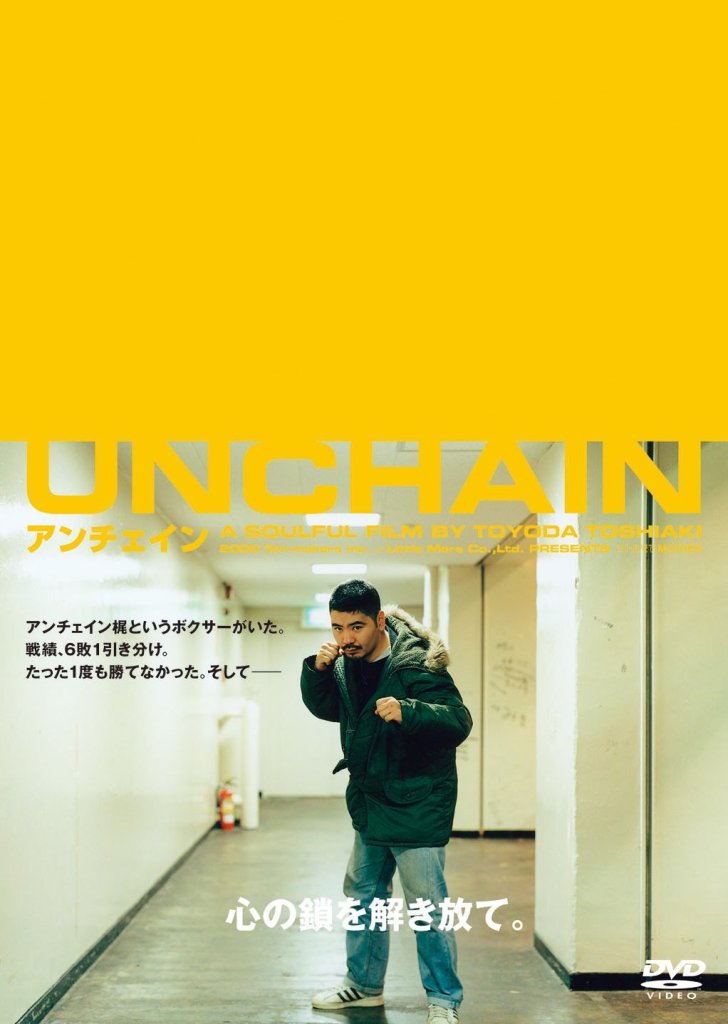
Former hikkikomori Michiru (Ryuhei Matsuda) is being thrown in at the deep end as the 10th prisoner in a crowded communal cell to which he has been consigned after the murder of his father. Not long after he arrives, one of the veteran inmates who had been assigned to him as a mentor and goes by the nickname of The King of Counterfeiters (Jun Kunimura), suddenly has some kind of psychotic episode where he goes off on a long monologue about a buried time capsule and the key to the universe before being dragged off somewhere by the guards. Right after that, a little mouse turns up signalling the probability of a mouse hole somewhere in the cell. Master escape artist Shiratori (Mame Yamada) somehow comes up with a plan to use this information in order for everyone to escape, which they do, emerging from a pipe into the blue tinted landscape and making a break for freedom.

Commandeering a camper van from a young man terrified of ghosts, the gang of nine hit the road heading for a primary school where their cellmate’s time capsule promises an untold fortune in counterfeit currency. What they find there is unimpressive except for a strange looking key which they decide to give to Michiru because they’re a bunch of guys who appreciate irony. At a loss again, each begins to think about the circumstances which brought them to this point, wondering if there’s a way back or if anyone is still waiting for them.

Less than a prison break movie, 9 Souls shares more in common with the return to Earth genre in which a recently deceased person is given a second chance to deal with some unfinished business until they are finally able to accept the inevitable. Though the prisoners have each committed heinous, often violent or unforgivable crimes, they each have dreams and aspirations which were previously denied to them but may just be possible now given their extremely unusual circumstances. Sometimes those dreams are heartbreakingly ordinary – falling in love, getting married and opening a small cafe in the countryside, for example, or attending your daughter’s wedding and being able to give her a wedding present in person. Try as they might, the prisoners are only able to gain a small taste of their hopes and dreams before they all come crashing down again, leaving them with only their fellow escapees to rely on.

Looking forward to Toyoda’s next film, The Hanging Garden, 9 Souls also takes a sideways view of that most Japanese of topics – the family. Michiru came from an extremely dysfunctional environment in which his mother abandoned him and he was forced to kill his own father only for his younger brother to then betray him. Veteran prisoner Torakichi (Yoshio Harada) unwillingly becomes the “father” of the group though he was imprisoned for the murder of his son. This perfect symmetry of a fatherless son and sonless father adds to the circularity of Toyoda’s tale as each is forced to reassume their familial roles within the equally forced genesis of the prison cell family. In the outside world, each of the prisoners is searching for only one thing – acceptance, but each finds only that which they feared most, rejection. Once again cast out from mainstream society as they had been all their lives, the prisoners are left with nowhere else to go but the mystical destination offered to them by the counterfeiter’s magic key.

The truck driver’s strange fear of ghosts comes back to haunt us at the end of the film as the van, now painted a peaceful sky blue complete with fluffy clouds as opposed to the hellish red of the ironically named “lucky hole”, begins to fill up with departing spirits each finding their exit in one way or another. A man who helped his son to die will now have to save another, while a boy who locked himself inside his room will have to turn the key and open a door on eternity. Swerving from absurd comedy to deeply melancholic meditations on guilt, redemption, and a failing society, 9 Souls is among the most poetic of Toyoda’s early works swapping the rage which imbued the young of Pornostar for the sorrowful resignation of experience.


Available now in the UK as part of Third Window Films’ Toshiaki Toyoda: The Early Years box set.

Original trailer (English subtitles)

Unchain (アンチェイン, Toshiaki Toyoda, 2000)

unchainTo date, Toshiaki Toyoda has released only one feature length documentary. Unchain (アンチェイン), the story of four boxers from Toyoda’s own home town of Osaka, was released between his debut feature, Pornostar, and followup film Blue Spring, but Toyoda had, in fact, been following his subjects since the mid-90s as they battled with themselves, the ring, and life’s unending tests. Like the fictional heroes of many of Toyoda’s subsequent works, his real life subjects are frustrated young men seeking release through a pugilistic purgatory all the while finding themselves trapped against the ropes.

The film takes its title from the ring name of the group’s lynchpin, “Unchain” Kaji who, it has to be said, may be the most “unchained” person whoever lived. An angry young man from unusual family circumstances in which he discovered he’d been adopted by an uncle as a baby only after his adopted father had died and he was in the process of applying for a driving license, Kaji took to boxing early only to wash out after just seven bouts.

Losing each and every match he ever fought and eventually forced to leave the ring on medical grounds, Kaji remained in the world of boxing as an ardent supporter of his boxing friends – long haired Garuda, second generation Korean Nagaishi, and “shoot boxer” (Japanese kick boxin based mixed martial arts) Nishibayashi. A big hearted man who wanted to make a difference and help people, Kaji drifted through several occupations post boxing from working in an all night cinema and DJ-ing to caring for disabled children. However, his violent impulses always got in the way of his good intentions and an enraged attack on a job centre in which he took the younger Nishibayashi with him for support landed him in a mental hospital where he stayed for the next few years.

Toyoda then follows the other three boxers as they continue their quest for glory in the ring but encounter mostly defeats and setbacks. Garuda and Nishibayashi fight hardest to stay with Nishibayashi eventually giving up after a brutal defeat leaves him with a sour looking wound under his eye, but Nagaishi drifts away from boxing after marrying Kaji’s former girlfriend, Sachiko, and becoming a father to her two children as well as a few of his own later on. The only one to find fulfilment outside of the ring, Nagaishi eventually finds his place as a family man, given a new kind of hope by familial bond rather than fraternal opposition.

Toyoda makes no secret of the fact that he staged some scenes and slightly manipulated his footage but his documentary approach shares much with his narrative filmmaking in its study of young men looking for an escape through violence. Kaji describes the ring as a place where is killing legal but also as a kind of promised land they’ve all been trying conquer. As his name suggests, Kaji was seeking freedom through the ring, a chance to let his soul fly, but never found it leading to his life of picking fights with anyone and everyone. The Kaji released from the hospital is a calmer, though perhaps no less passionate, figure, but one who finds his friends waiting for him with a mix of good humour and exasperation. Even the potentially difficult reunion with Nagaishi finds Kaji in a philosophical mood, grateful for all his friend has done for him and harbouring no ill will.

Filming with mostly the low grade digital cameras of the time, Toyoda captures the fight sequences either from high balconies or heat of the action ringside. Garuda’s final fight is captured unusually well thanks to Toyoda’s fortunate position which allows him to literally get right up in Garuda’s face at a crucial point when it seems all may be lost. Sticking to mostly a talking heads approach, Toyoda also incorporates other archive footage from family photos to documents and news reports as well as a handful of street scenes and recreations offered with Toyoda’s distinctly surreal visual flare. Like many of Toyoda’s heroes, Unchain and his friends are trying to live free in an oppressive environment where they each have reasons to feel constrained thanks to their socio-economic circumstances. They may not find their release, but their quest goes on, alive in the ring even if floundering outside it.


Available now in the UK as part of Third Window Films’ Toshiaki Toyoda: The Early Years box set.

Original trailer (no subtitles)

Pornostar (ポルノスター, AKA Tokyo Rampage, Toshiaki Toyoda, 1998)

pornostarLooking back, at least to those of us of a certain age, the late ‘90s seem like a kind of golden era, largely free from the economic and political strife of the current world, but the cinema of that time is filled with the anxiety of the young – particularly in Japan, still mired in the wake of the post-bubble depression. Toshiaki Toyoda’s Pornostar (ポルノスター, retitled Tokyo Rampage for the US release) (not quite what it sounds like), is just such a story. Its protagonist, Arano (Chihara Junia, unnamed until the closing credits), stalks angrily through the busy city streets which remain as indifferent to him as he is to them. Though his wandering appears to have no especial purpose, Arano seethes with barely suppressed rage, nursing sharpened daggers waiting to plunge into the hearts of “unnecessary” yakuza.
After taking the early morning train into the city, the grey light of dawn gradually brightening as the streets fill with people busying themselves about their business, Arano walks around angrily bumping into anyone who happens to be in his path but nary a one of them even looks back at him before continuing onwards, zombie like, towards their destination. We then cut across town to another crossing where non-yakuza club boss Kamijo (Onimaru) also bumps into someone but stops to make sure the offending person realises the disrespect they’ve just shown him. The film will, in many ways, turn on the interaction of these two men who take a very different approach to a series of common problems. Anti-yakuza avenger meets anti-yakuza appeaser – their war will always be a zero sum game, but then, neither of them are very interested in winning it anyway.

If Arano and Kamijo represent the male forces of chaos and violence mixed with cowardice and self interest, the third axis turns on one of Kamijo’s escorts who is determined to travel to Fiji for “The Summer of Love” in 1999 (presumably the 30th anniversary celebration for a bygone era of hippiedom). Alice (Rin Ozawa) presents a possible point of departure for Arano as she temporarily takes charge, co-opting the boom box which is used to conceal the all important drugs and attempting to repurpose its darkness to find her own light only to crash and burn. The other female force in the film in a neat piece of symmetry mirroring the Arano/Kamijo dynamic is a destructive counter to Alice’s creative instincts. The unnamed woman mostly known for a tattoo across her chest which reads 5-Star Pussycat (Leona Hirota), acts like some kind of avenging angel with a purpose as unclear as Arano’s as she runs around the city taking out yakuza here, there, and everywhere.

The film’s title is, apparently, an obscure attempt at pairing the sleazy nature of the Shibuya environment with Arano’s oscillating, lonely planet existence. No reason is given for Arano’s intense loathing for yakuza whom he describes as “unnecessary” throughout the film (not unfairly, it has to be said), but vengeance seems to have become his entire reason for living. Allied with the knife in the film’s complex symbolic imagery, Arano becomes the personification of death, chaos, and violence as he almost ceases to exist as a person so turned inward and delusional has his mind become. Kamijo, by contrast, is a weaker figure yet no less linked with death through his constant references to his father’s grave. Given his close ties to his mother, it may be fairer to say that if Arano is a man already dead then Kamijo is one not yet born. Always on the threshold, Kamijo refuses the yakuza joining ceremony but continues to behave like a gangster even whilst rejecting the act of killing. Arano and Kamijo are locked in their perfect symmetry, a complementary pair forming one fully fleshed whole, but their union is inevitably a destructive one, unable to find a constructive purpose in their nihilistic world of violence and betrayal.

Similarly, Arano also rejects the possibility of salvation offered by Alice and her idealised Fijian paradise. Trying and failing to ride Alice’s skateboard even as she attempts to physically guide him, Arano cannot let go of his destructive cycle of violence in order to participate in her revolution of love, allowing her empty skateboard to roll away from them as symbol of their unattainable dreams. Alice may be the film’s only winner as, even if she too suffers and fails to break out of the constraining underworld environment, she remains free to fight for freedom, gliding away on her skateboard bound for love.

Though sometimes a little too obscure or displaying a slight incompleteness of thought, Pornostar is an accomplished narrative debut from Toyoda which addresses several of his ongoing concerns. Told with surrealist flair in its strange set pieces where knives fall from the sky or a girl dances madly in a dingy night club, Pornostar is a stylish piece marrying slo-motion and loud music with frenetic violence and the total absence of sound. A dispassionate tale of youth on fire but burning itself from the inside out, Pornostar is less a chronicle of its times than a lament for the aimlessness of the young, locked out of mainstream society and into a mind consuming itself through unresolved frustration.


Available now in the UK as part of Third Window Films’ Toshiaki Toyoda: The Early Years box set.

Opening scene (no subtitles)

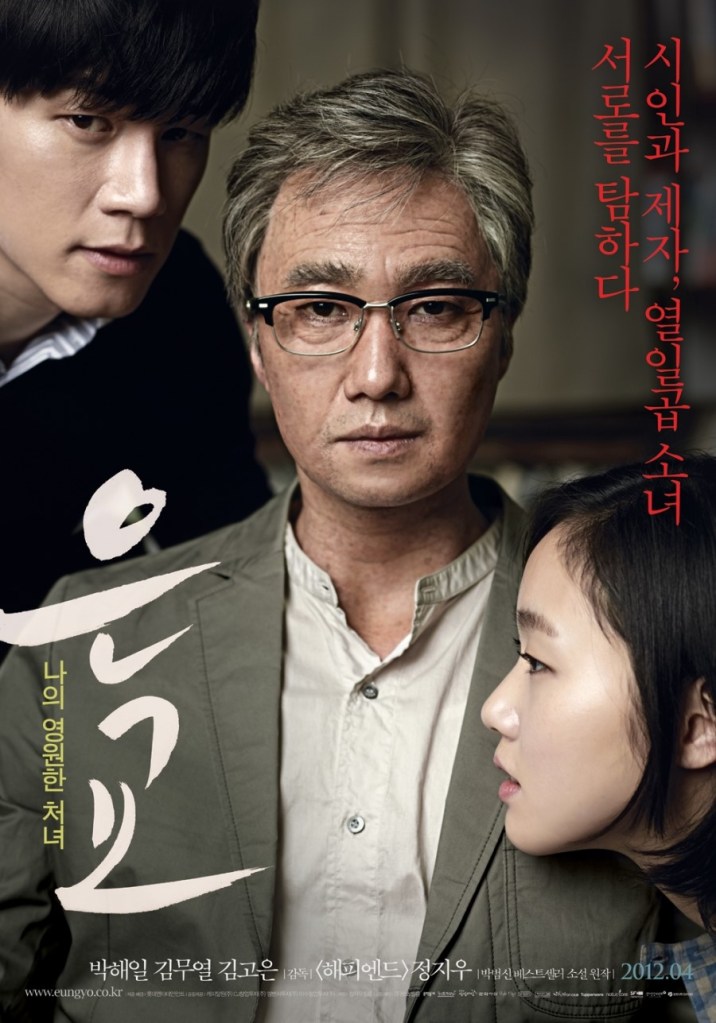
Eungyo (AKA A Muse, 은교, Jung Ji-woo, 2012)

eungyoStories of old men trying to recapture their lost youth through projecting their fantasies onto pretty young women are not exactly rare and the protagonist of Jung Ji-woo’s Eungyo ( AKA A Muse, 은교) is just as aware as most that his dreams of youthful romance border on the ridiculous. A tale of loss, nostalgia, and jealousy both professional and personal, Eungyo is a poetic exploration of the burdens and benefits of age which are often invisible to those who can only look forwards.
At 70, Lee Jeok-yo (Park Hae-il) is a respected professor and literary giant who lives a quiet and solitary life in an out of the way villa. His only companion is his apprentice-cum-assistant, Seo Ji-woo (Kim Moo-yul), who is currently experiencing a period of success as his genre crossing novel Heart is topping the best seller list. When the pair return home one day to find pretty teenager Eungyo (Kim Go-eun) asleep in their garden chair, it sparks off a three way relationship which sees her working as part-time housekeeper for Jeok-yo.

Eungyo is a lively young girl and brings a little light and laughter into the otherwise stuffy villa but when she runs away from home one stormy night and stays over, the situation changes. Catching sight of Eungyo emerging from Jeok-yo’s bed, Seo jumps to the obvious conclusion and is filled with moral outrage in thinking his aged boss is conducting an inappropriate relationship with a schoolgirl. Or, perhaps, Seo himself is attracted to the girl and is angry that Jeok-yo has once again “beaten” him and proved himself superior on the fields of both literature and romance. Eungyo’s presence deepens the divide between master and pupil, threatening to change both of their lives forever.

Jeok-yo is under no illusions and never contemplates the idea of real relationship with Eungyo. His life had been a quiet and solitary one, though there’s little indication exactly how he felt about that. What is clear is that Jeok-yo dislikes his ageing body and the loss of his youth. In his fantasy romance, Jeok-yo is young, running and playing like a naive teenager in love but as soon as he wakes up the spell is broken, he’s old again and the idyllic world he’d conjured for himself no longer exists.

Even if he dreams another world for himself, Jeok-yo is perfectly aware of how things are in this one. Ji-woo, by contrast, attempts to solve all his problems by deluding himself into believing his future is brighter than it really is. His professional relationship with Jeok-yo turns out to have an unexpected dimension and Ji-woo’s literary success is a hollow pillow for his self esteem. Insecure about his talent, especially in comparison to his mentor, Ji-woo sets about casting himself as morally superior through his objection to Eungyo’s new role in their lives but this too is a thinly veiled way of trying to eclipse his master. All Ji-woo has to offer is his youth but even this cannot heal his loneliness and lack of self worth.

Eungyo becomes a symbol of something else for both men but she is also a young woman with a number of problems of her own. Faced with an apparently difficult home environment, Eungyo is seeking a connection from these two men but her borderline status as an adolescent girl means that the water is always coloured with both men viewing her as a potential lover rather than a child in need of shelter. Coming to admire Jeok-yo for his poetic soul and literary talent and siding with him against Ji-woo, Eungyo later makes a self destructive decision which ends her relationship with both men.

There are no happy endings here, even if the idea of a “happy ending” is not quite as ironic as in Jung’s previous film centring on marital infidelity, Happy End. Nobody gets what they wanted or what the audience wanted for them and each end up unable to come back from the whirlwind of self destruction which they’ve each helped to generate. A nuanced character piece in which age competes with youth, loss competes with gain, success competes with personal fulfilment, and true feeling is sacrificed for a relief from loneliness, Eungyo is deceptively named not for the young woman at its centre but for the collection of hopes, dreams and aspects of self which each of the men have imbued her with, eclipsing the real woman with an imagined prize and losing her in the process.


International trailer (English subtitles)

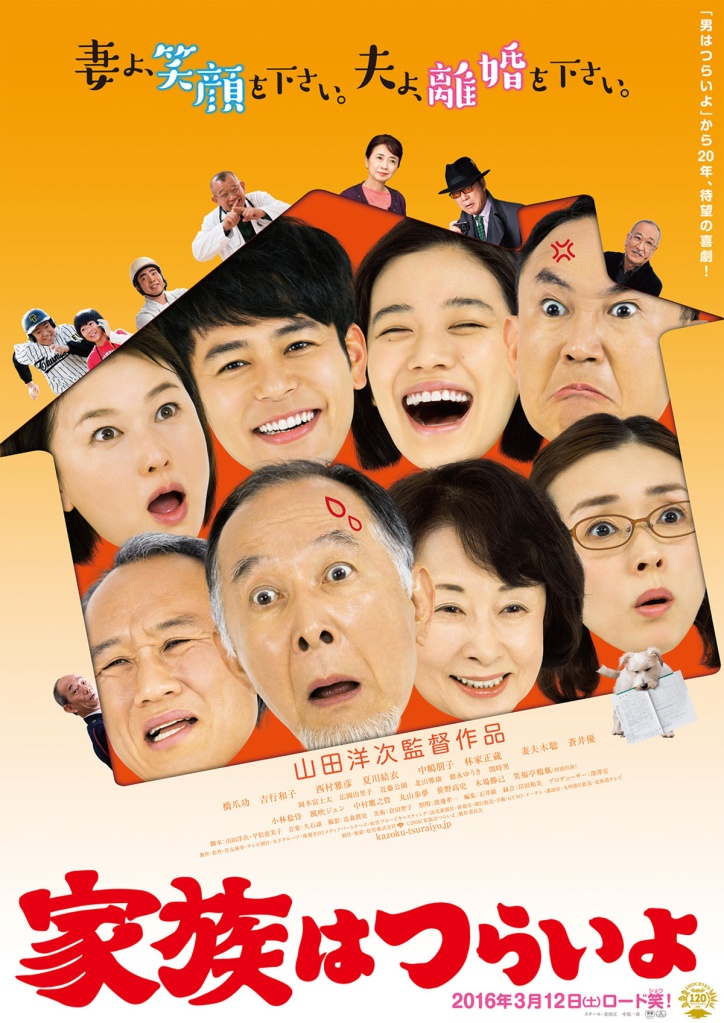
What a Wonderful Family! (家族はつらいよ, Yoji Yamada, 2016)

what-a-wonderful-familyProlific as he is, veteran director Yoji Yamada (or perhaps his frequent screenwriter in recent years Emiko Hiramatsu) clearly takes pleasure in selecting film titles but What a Wonderful Family! (家族はつらいよ, Kazoku wa Tsurai yo) takes things one step further by referencing Yamada’s own long running film series Otoko wa Tsurai yo (better known as Tora-san). Stepping back into the realms of comedy, Yamada brings a little of that Tora-san warmth with him for a wry look at the contemporary Japanese family with all of its classic and universal aspects both good and bad even as it finds itself undergoing number of social changes.

Once upon a time it was normal for the entire family clan to live together, sons bring their wives to their father’s house, become fathers and then grandfathers themselves passing the property on their eldest when they go. After the war everything changed, the return to prosperity brought about a greater need for mobility as well as increasing desire for privacy and individual freedom which saw the domestic environment shrinking.

The Hiratas still live the old way with “difficult” family patriarch Shuzo (Isao Hashizume) nominally in the lead but spending his retirement in the local bar flirting with the mama-san, Kayo (Jun Fubuki), who is gracious, but extremely skilled in her work which often involves deflecting the attentions of the clientele. His long suffering wife, Tomiko (Kazuko Yoshiyuki), eases her boredom with classes at the local community centre while the wife of eldest son Konosuke (Masahiko Nishimura), Fumie (Yui Natsukawa), has taken taken over the running of the household whilst also taking care of her two sons. The house is also still home to sensitive youngest son Shota (Satoshi Tsumabuki), and a point of refuge for daughter Shigeko (Tomoko Nakajima), during her inevitable fights with mild mannered husband Taizo (Shozo Hayashiya).

When Shuzo can’t really be bothered with his wife’s birthday, he asks her what she’d like as a present – as long as it’s not too expensive, he’s not made of money after all. That’s no problem she says, what I want only costs 450 yen. Shuzo’s confusion gives way to shock as he realises the bit of paper he’s just been handed is a petition for divorce….

Tomiko’s reasoning is sound, the position she’s been occupying for the last forty years is, effectively, a job. Now that the children are grown and another woman has taken over the domestic responsibilities, Tomiko wants to retire and enjoy some well earned freedom at last. The decision sends the entire family into a spiralling existential crisis as they contemplate this unexpected development and what it could mean for their previously ordinary way of life.

It would be nice to think men like Shuzo are a dying breed, so gruff and aggressive that his own daughter-in-law almost hangs up on him thinking he’s an “ore ore” scammer. Having worked hard for his family throughout his life, he feels a tremendous sense of entitlement in playing the king of his own domain. Tomiko, by side all these years putting up with his rudeness, selfishness, and inconsiderate behaviour is thoroughly sick of being taken for granted and unfavourably compared to a bar hostess whose job it is to stroke her husband’s ego.

More challenges to the domestic set up occur when youngest son Shota, still living at home into his 30s, decides to move out and get married. The polar opposite of his brash father, Shota has often been the mediator between different family factions which might well have gone to war and destroyed the household long before now were it not for his calming influence. A marriage would usually be a cause for celebration but Shota has picked exactly the wrong time to introduce his lovely new fiancée, Noriko (Yu Aoi), to the family right in the middle of this extended moment of crisis.

Divorce is still a taboo subject in Japan carrying its own degree of stigma whatever the circumstances which makes Tomiko’s sudden bid for individualistic freedom all the more difficult to understand for her family. This is thrown into sharp relief when Tomiko begins enquiring about Noriko’s family background and discovers she is actually the child of divorced parents only to have a momentary flash of distaste or perhaps mild disapproval before getting over it and trying to make her son’s future wife feel welcome even in this quite tense domestic environment. Disconnected from her own family, being suddenly thrown into the deep end with the boisterous and perhaps too closely involved Hiratas might be a little overwhelming for Hirata-in-waiting Noriko but luckily she takes to it well enough and perhaps finds the liberated frustrations of the large family unit a warm rather than intimidating experience.

It is, indeed, hard being a family. Total honesty is neither possible nor advisable and harmony is largely born of mutual compromise but the essential thing is understanding – both of everyone else’s feelings and of everyone’s unique places within the familial system. Like any good Japanese family drama things have to change so that everything can stay the same, and there’s a poignant moment towards the end where we observe the large number of vacant family homes in the neighbourhood where the elderly owners have either died or moved into residential care facilities while their children and grandchildren founded homes of their own. At the end of the day all anyone wants is a degree recognition as an individual rather than as an embodiment of a concept and if certain people are able to swallow their pride, there might still be hope for the old ways yet.


HK Trailer (English/Traditional Chinese subtitles)

Detective Bureau 2-3: Go to Hell Bastards! (探偵事務所23 くたばれ悪党ども, Seijun Suzuki, 1963)

detective-bureau-2-3Before Seijun Suzuki pushed his luck too far with the genre classic Branded to Kill, he bided his time adding his own particular brand of zany absurdism to Nikkatsu’s standard cool guy fights crooks and gets girl formula. Detective Bureau 2-3: Go to Hell Bastards! (探偵事務所23 くたばれ悪党ども, Tantei Jimusho 23: Kutabare Akutodomo) is just one of these efforts. Made around the time of Suzuki’s major turning points such as the similarly named The Bastard, and relatively better known Youth of the Beast, the film follows Nikkatsu’s standard pattern but allows frequent Suzuki leading man and Nikkatsu A-lister Joe Shishido to swan about the place in grand style, effortlessly manipulating everything and everyone to come out on top once again. Filled with snappy dialogue and painted with an irony filled noirish aesthetic, Detective Bureau 2-3 does not care about its plot, and wants you to know you shouldn’t either.
The action kicks off when a low level yakuza, Manabe (Tamio Kawachi), is captured by the police following a bloody turf battle. Manabe isn’t talking, the police can’t hold him much longer, and a bunch of gangsters from all factions are already waiting outside to eliminate him as soon as he’s released. Enter Tajima (Jo Shishido) – private detective and head of Detective Bureau 2-3. Managing to convince his “buddies” in the regular police that he’s exactly the right guy to sort all of this out, Tajima constructs an undercover ID, stages a daring rescue of Manabe, and worms his way into his gang to find out what’s going down in yakuza land. Whilst there he begins romancing the boss’ cold hearted girl and attempting to find out the whereabouts of a cache of stolen weaponry before getting all of the bad guys together in one place so the police can arrest them with maximum efficiency.

Even more so than Suzuki’s other films from the period, Detective Bureau 2-3 moves like a rocket with barely anytime to follow the plot even if there was one. Tajima is like some cartoon hero, half Lupin III and half Top Cat, always landing on his feet or speeding away from danger in a swanky sports car. Even when trapped (along with his love interest) inside a burning basement with no means of escape, he comes up with an ingenious solution to get the all important evidence out there in the hope that his police buddies will come and rescue him. Tajima is the guy you can always rely on to get you out of a fix, even if it gets you into an even bigger fix.

Unexpectedly, Detective Bureau 2-3 also has a mild Christmas theme as the seedy dive bar Tajima and the crooks hang out in attempts to get into the festive spirit. This is a world of gamblers and showgirls where the glamour of the smokescreen underworld undercuts the less savoury aspects the men who people it. Suzuki gives us a fair number of cabaret numbers set against the Christmassy decorations and creates an awkward situation for Tajima as his on and off cabaret star girlfriend threatens to blow his cover, even dragging him up on stage for a pointed duet about useless boyfriends who never keep their promises. Actually that all kind of works for him too because it annoys the boss’ girl, who is definitely starting to at least develop complicated feelings towards him. Trapped with her cruel yet supposedly impotent gang boss boyfriend-cum-jailer, she’s about eight different kinds of frustrated and has been waiting for someone like Tajima to come and set her free (in about eight different ways), so all of this is really going very well for him.

Detective Bureau 2-3: Go to Hell Bastards! is just as zany and frenetic as the title suggests, moving from one bizarre action set piece to another filled with exploding coke bottles and weaponised cement trucks all while Shishido grins wildly and poses in his sharp suit and trench coat. Inconsequential, yes, but Detective Bureau 2-3 never claims to be anything other than cartoonish fun as Shishido and co offer up a series of wacky one liners and breeze through the action with an effortless kind of glee. Filled with Suzuki’s visual flair, Detective Bureau 2-3 is among his lesser efforts but is undeniably good fun and another colourful outing for the increasingly cool Shishido.


Original trailer (no subtitles)

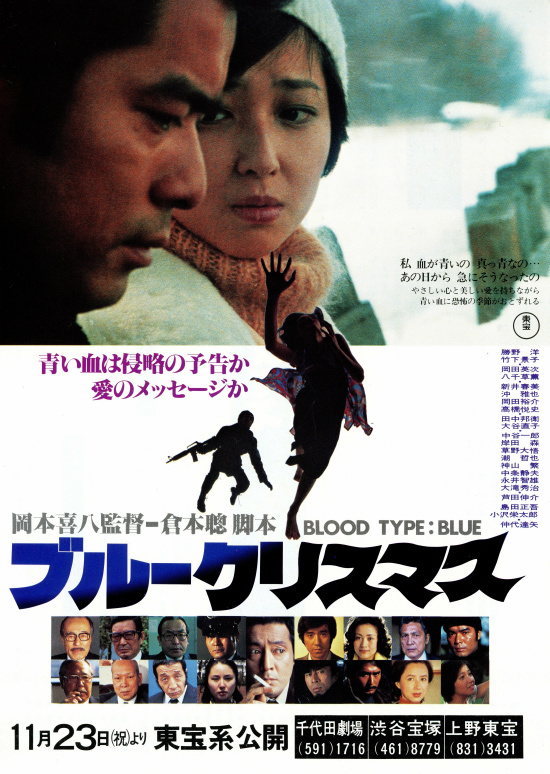
Blue Christmas (ブルークリスマス , Kihachi Okamoto, 1978)

blue-christmasThe Christmas movie has fallen out of fashion of late as genial seasonally themed romantic comedies have given way to sci-fi or fantasy blockbusters. Perhaps surprisingly seeing as Christmas in Japan is more akin to Valentine’s Day, the phenomenon has never really taken hold meaning there are a shortage of date worthy movies designed for the festive season. If you were hoping Blue Christmas (ブルークリスマス) might plug this gap with some romantic melodrama, be prepared to find your heart breaking in an entirely different way because this Kichachi Okamoto adaptation of a So Kuramoto novel is a bleak ‘70s conspiracy thriller guaranteed to kill that festive spirit stone dead.

A Japanese scientist disgraces himself and his country at an international conference by affirming his belief in aliens only to mysteriously “disappear” on the way back to his hotel. Intrepid reporter Minami (Tatsuya Nakadai) gets onto the case after meeting with a friend to cover the upcoming release of the next big hit – Blue Christmas by The Humanoids. His friend has been having an affair with the network’s big star but something strange happened recently – she cut her finger and her blood was blue. Apparently, hers is not an isolated case and some are linking the appearance of these “Blue Bloods” to the recent spate of UFO sightings. Though there is nothing to suggest there is anything particularly dangerous about the blue blood phenomenon, international tensions are rising and “solutions” are being sought.

A second strand emerges in the person of government agent, Oki (Hiroshi Katsuno), who has fallen in love with the assistant at his local barbers, Saeko (Keiko Takeshita). Responsible for carrying out assassinations and other nefarious deeds for the bad guys, Oki’s loyalty is shaken when a fellow officer and later the woman he loves are also discovered to be carriers of the dreaded blue blood.

Okamoto lays the parallels on a little thick at times with stock footage of the rise of Nazism and its desire to rid the world of “bad blood”. Sadly, times have not changed all that much and the Blue Bloods incite nothing but fear within political circles, some believing they’re sleeper agents for an alien invasion or somehow intended to overthrow the global world order. Before long special measures have been enforced requiring all citizens to submit to mandatory blood testing. The general population is kept in the dark regarding the extent of the “threat” as well as what “procedures” are in place to counter it, but anti Blue Blood sentiment is on the rise even if the students are on hand to launch the counter protest in protection of their blue blooded brethren, unfairly demonised by the state.

The “procedures” involve mass deportations to concentration camps in Siberia in which those with blue blood are interrogated, tortured, experimented on and finally lobotomised. This is an international operation with people from all over the world delivered by their own governments in full cognisance of the treatment they will be receiving and all with no concrete evidence of any kind of threat posed by the simple colouring of their blood (not that “genuine threat” would ever be enough to excuse such vile and inhuman treatment). In the end, the facts do not matter. The government has a big plan in motion for the holiday season in which they will stage and defeat a coup laid at the feet of the Blue Blood “resistance”, ending public opposition to their anti-Blue Blood agenda once and for all.

Aside from the peaceful protest against the mandatory blood testing and subsequent discrimination, the main opposition to the anti-Blue Blood rhetoric comes from the ironically titled The Humanoids with the ever present Blue Christmas theme song, and the best efforts of Minami as he attempts to track down the missing scientist and uncover the conspiracy. This takes him around the world – firstly to America where he employs the somewhat inefficient technique of simply asking random people in the street if they’ve seen him. Laughed out of government buildings after trying to make serious enquires, Minami’s last hope lies in a dodgy part of town where no one would even try to look, but he does at least get some answers. Unfortunately, the information he receives is inconvenient to everyone, gets him fired from the investigation, and eventually earns him a transfer to Paris.

In keeping with many a ‘70s political thriller, Blue Christmas is bleaker than bleak, displaying little of Okamoto’s trademark wit in its sorry tale of irrational fear manipulated by the unscrupulous. In the end, blue blood mingles with red in the Christmas snow as the bad guys win and the world looks set to continue on a course of hate and violence with a large fleet of UFOs apparently also on the way bearing uncertain intentions. Legend has it Okamoto was reluctant to take on Blue Christmas with its excessive dialogue and multiple locations. He had a point, the heavy exposition and less successful foreign excursions overshadow the major themes but even so Blue Christmas has, unfortunately, become topical once again. Imperfect and cynical if gleefully ironic in its frequent juxtapositions of Jingle Bells and genocide, Blue Christmas’ time has come as its central message is no less needed than it was in 1978 – those bleak political conspiracy thrillers you like are about to come back in style.


Original trailer (No subtitles)