 Smokers. Is there a more maligned, ostracised group in the modern world? Considering the rapid pace at which their “harmless” pastime has become unacceptable, you can understand why they might feel particularly put out – literally, as they find themselves taking refuge in designated smoking areas or perhaps back allies where it seems no one’s looking. For all the nostalgia about how easy it was to strike up a friendship with a stranger just by asking for a light, it is also important to remember that smoking is not so “harmless” after all and there are reasons why smokers are asked to keep their activities amongst those who’ve also decided to ignore the warnings. The Smoking Ordinance, oddly enough, may have accidentally boosted the social potential of a smoke as those eager for a puff are given additional reasons to spend time together in an enclosed space, building a sense of community through nicotine addiction.
Pang Ho-cheung’s landmark romantic comedy Love in a Puff (志明與春嬌) takes this idea to its natural conclusion as recently dumped ad exec Jimmy (Shawn Yue) and trapped in a going nowhere relationship cosmetics girl Cherie (Miriam Yeung) begin to bond over a cigarette or two taken in a back ally near Jimmy’s office. Actually, Cherie doesn’t event work here, she’s wandered over and found a collection of kindred spirits whilst trying to avoid being spotted by her boss who thinks smoking is bad for your skin (not great when you’re supposed to be a walking advert for the makeup you’re pushing). Whilst the other guys and girls gossip about Jimmy’s great failed romance – his girlfriend cheated on him with and then left him for a Frenchman who has a better job in the company, Cherie listens patiently even though she’s clearly outside of this tight social circle. For Jimmy, this might be just what he needs – a breath of fresh (well, differently perfumed) air that has almost nothing to do with his current circle of work based friends.
Nothing in particular happens but the pair grow closer as they both attempt to escape the less satisfying elements of their lives. Relying on text messages delivered in a mix of text speak English and Chinese, Jimmy and Cherie message each other when they get bored – he eating hot pot with colleagues, she trapped at a fancy dress karaoke party, getting together to waste time but each unwilling to consider what any of this means. Eventually Cherie decides to make a real decision, but predictably enough, Jimmy freaks out and jumps on the brakes only to realise his hasty reaction might have been mistaken.
The tone is light and playful as Pang trolls the audience by beginning as a horror movie complete with dripping blood credits and scary music. The sequence turns out to be just one of the silly stories they gang entertain each other with during their cigarette breaks – in fact this one is a staple of Indian pizza delivery boy Bitta who tells it every time a new girl shows up. The grisly opening sequence even makes a fun return as Jimmy uses it to prank Cherie bringing them closer together whilst also highlighting his boyish, irreverent character. These same qualities which help Jimmy get through to Cherie may also be among the reasons his previous girlfriend ended the relationship, becoming bored with his familiar antics such as his strange love of buying ice-cream in a convenience store solely for the dry ice which likes to put in the toilet to enjoy the incongruous smoke effects.
Laid-back in style, Pang allows the back and forth between the leads to take centre stage whilst peppering the edges with a collection of background details about their friends and social lives. Cutting to a series of direct to camera documentary-style interviews, Pang adds a layer of commentary about modern love and relationships which extends right into the end credits with a hopeful man’s strange story about a girlfriend’s dog, all of which has the ring of authenticity even if occasionally mean-spirited as in its mocking of a plain girl stood up by an online date deceived by her overly flattering profile picture.
Love comes creeping and Jimmy and Cherie dance around each other, unable to speak plainly but occasionally moving forward through grand gestures. Each assuring the other they’re “in no hurry”, the great gateway to future happiness appears not with the traditional declaration of love but the “simple and straightforward” “I miss you”. Surprisingly cute and innocent for a Cat III comedy, Love in a Puff is an inconsequential tale of love blossoming in smokey city backstreets between a girl who’s tired of waiting and a guy who doesn’t know where he’s going but together they might just be able to figure it all out.
Love in a Puff was screened at the 19th Udine Far East Film Festival.
Original trailer (Cantonese with English/Traditional Chinese subtitles)
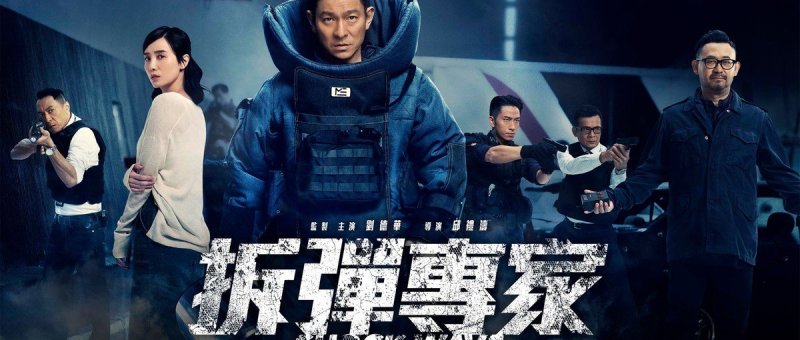
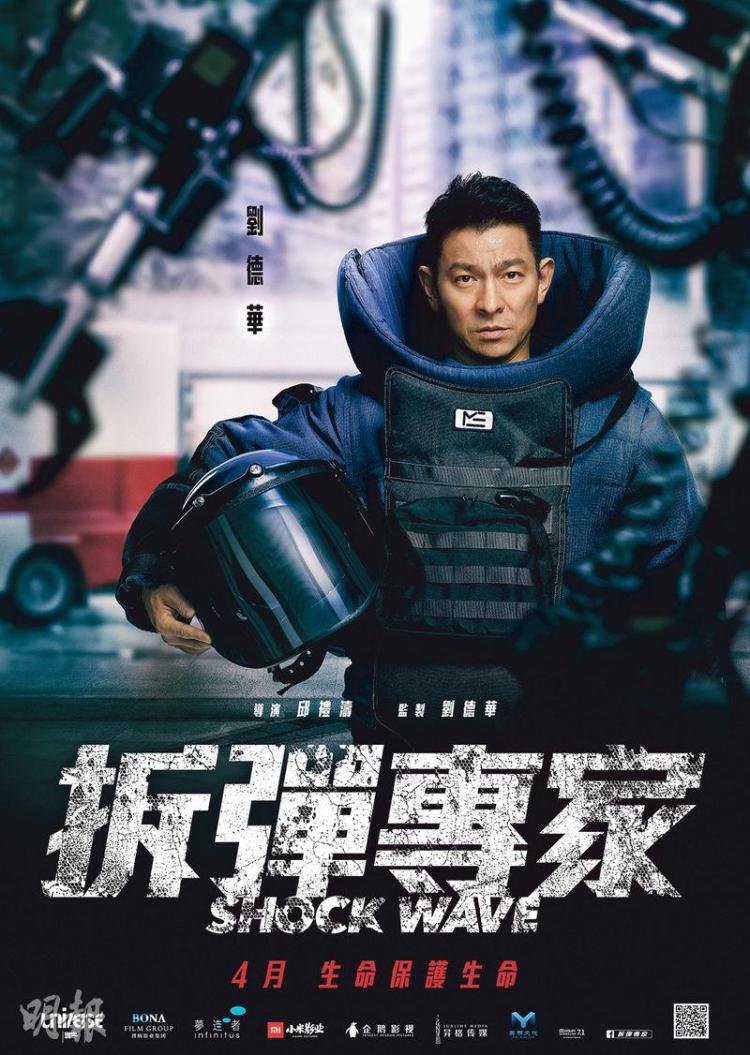 Recent Hong Kong action cinema has not exactly been known for its hero cops. Most often, one brave and valiant officer stands up for justice when all around him are corrupt or acting in self interest rather than for the good of the people. Shock Wave (拆彈專家) sees Herman Yau reteam with veteran actor Andy Lau turning in another fine action performance at 55 years of age as a dedicated, highly skilled and righteous bomb disposal officer who becomes the target of a mad bomber after blowing his cover in an undercover operation. These are universally good cops fighting an insane terrorist whose intense desire for revenge and familial reunion is primed to reduce Hong Kong’s central infrastructure to a smoking mess.
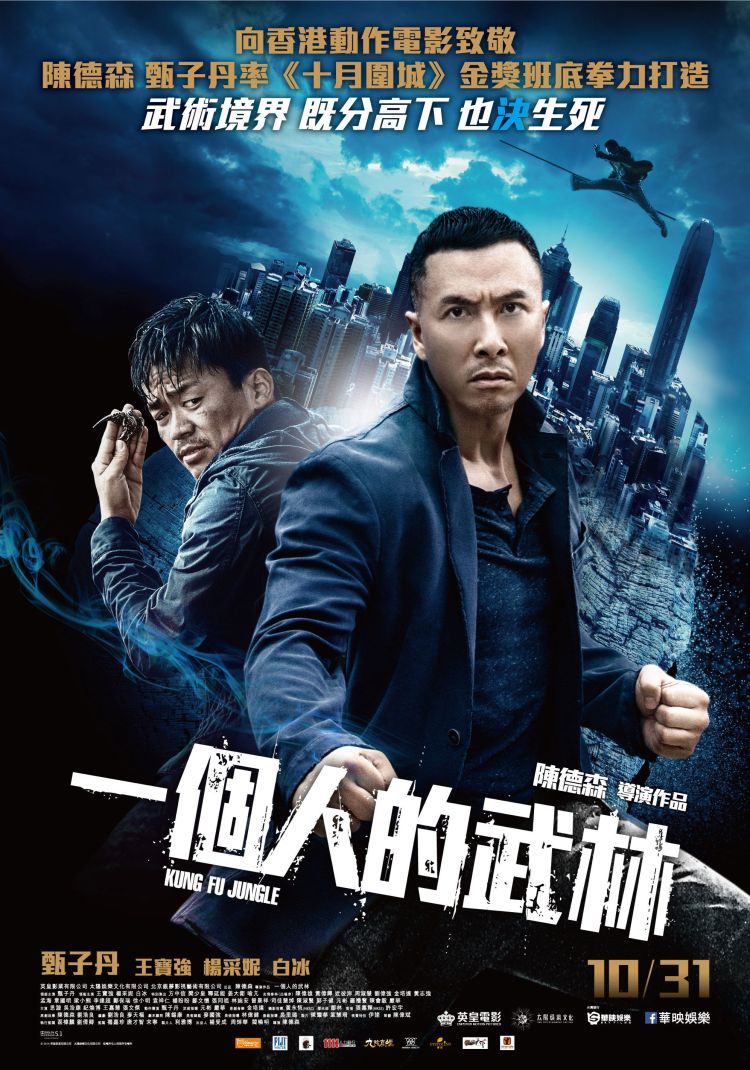 Kung fu movies – they don’t make ‘em like they used to, except when they do. Kung Fu Killer (一個人的武林, AKA Kung Fu Jungle) is equal parts homage and farewell as its ageing star, Donnie Yen, prepares to graduate to the role of master rather than rebellious pupil. What it also is, is a battle for the soul of kung fu. Just how “martial” should a martial art be? Is it, as our antagonist tells us, worthless with no death involved or will our hero prove the spiritual and mental benefits which come with its rigorous training and inner centring transcend its original purpose? Of course most of this is just posturing in the background of a lovingly old fashioned fight fest complete with a non-sensical plot structure motivated by increasingly elaborate set pieces.
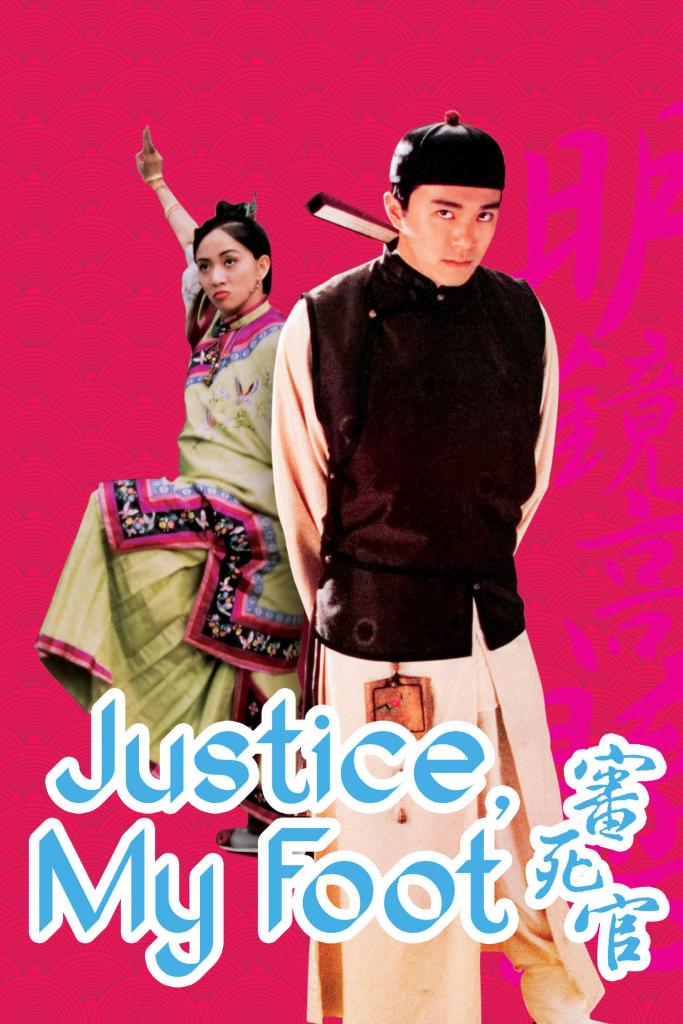 Stephen Chow has always been a force of nature but even before making his name as a director in the mid-90s, he contributed his madcap energy to some of the highest grossing movies of the era. Justice, My Foot! (審死官) is very much of the “makes no sense” comedy genre and, directed by Johnnie To for Shaw Brothers, makes great use of the collective propensity for whimsy on offer. Even if not quite managing to keep the momentum going until the closing scenes, Justice, My Foot! succeeds in delivering quick fire (often untranslatable) jokes and period martial arts action sure to keep genre fans happy.
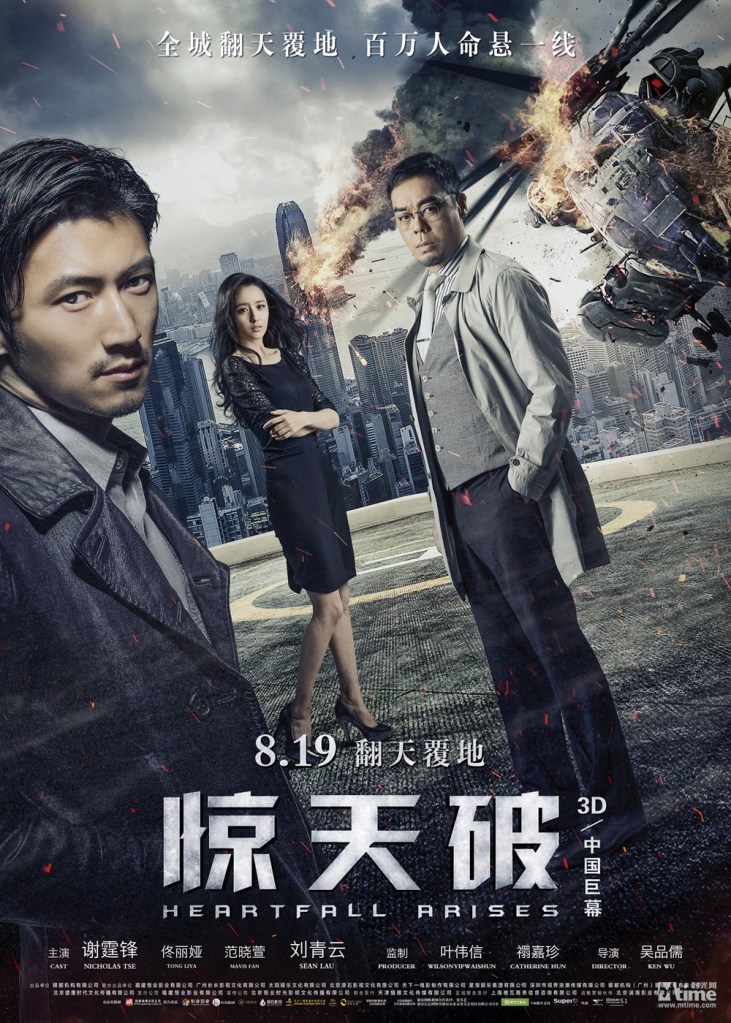 Sean Lau Ching-wan and Nicholas Tse are together again after being denied the opportunity to reteam for a sequel to the acclaimed
  Tony Leung Chiu-wai may have just won a best actor prize in Cannes, but that didn’t stop him getting right back on the HK treadmill with the run of the mill rom-com, Fighting for Love (同居蜜友). Reuniting director Jack Ma with Feel 100% star Sammi Cheng, Fighting for Love is the kind of wacky, thrown together romantic comedy that no one really makes any more (not that that’s altogether a bad thing). Still, even if the film is over reliant on its two leads to overcome the overabundance of subplots, it also makes use of their sparky chemistry to keep things moving along.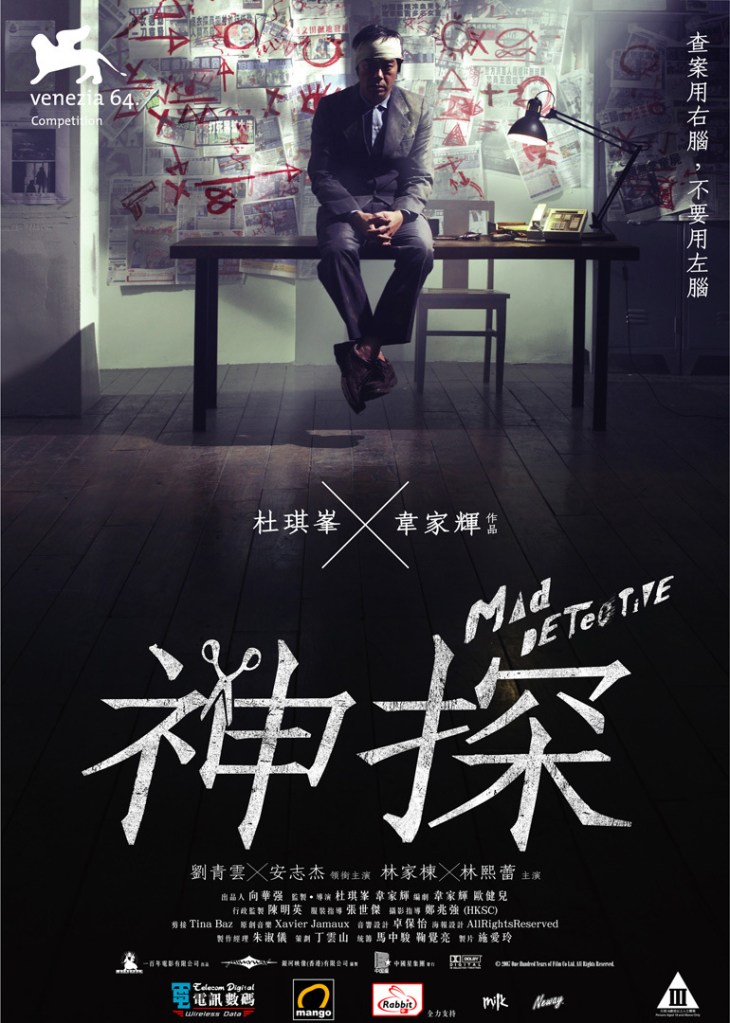
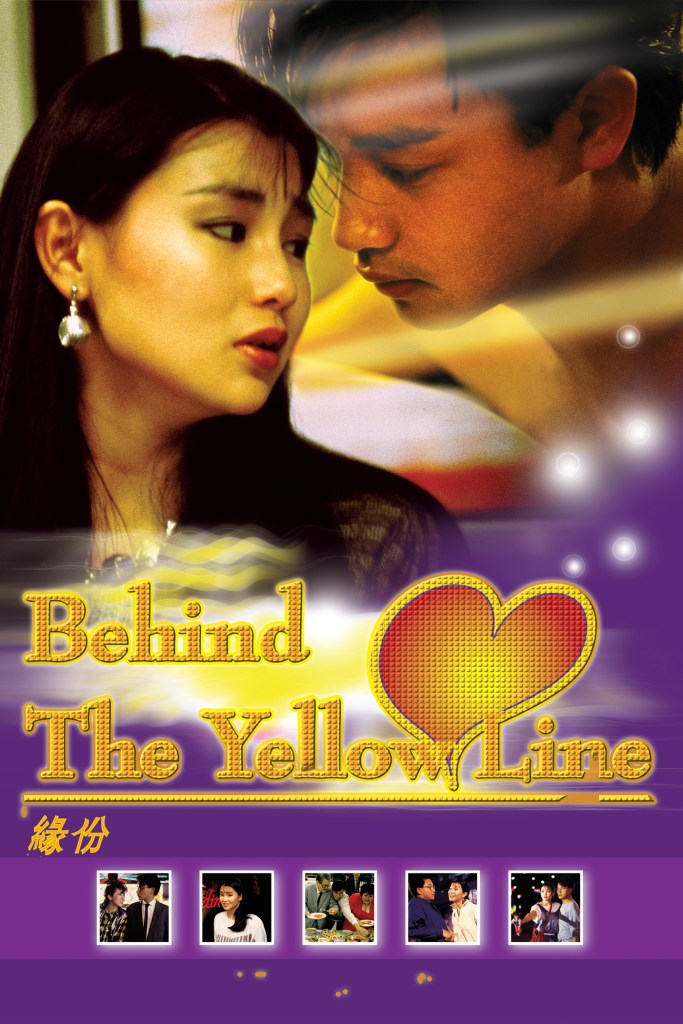 Back in the 1980s, you could make a film that’s actually no good at all but because of its fluffy, non-sensical cheesiness still manages to salvage something and capture the viewer’s good will in the process. In the intervening thirty years, this is a skill that seems to have been lost but at least we have films like Taylor Wong’s Behind the Yellow Line (緣份, Yuan Fen) to remind us this kind of disposable mainstream youth comedy was once possible. Starring three youngsters who would go on to become some of Hong Kong’s biggest stars over the next two decades, Behind the Yellow Line is no lost classic but is an enjoyable time capsule of its mid-80s setting.
 Johnnie To is best known as a purveyor of intricately plotted gangster thrillers in which tough guys outsmart and then later outshoot each other. However, To is a veritable Jack of all trades when it comes to genre and has tackled just about everything from action packed crime stories to frothy romantic comedies and even a musical. This time he’s back in world of the medical drama as an improbable farce develops driven by the three central cogs who precede to drive this particular crazy train all the way to its final destination.
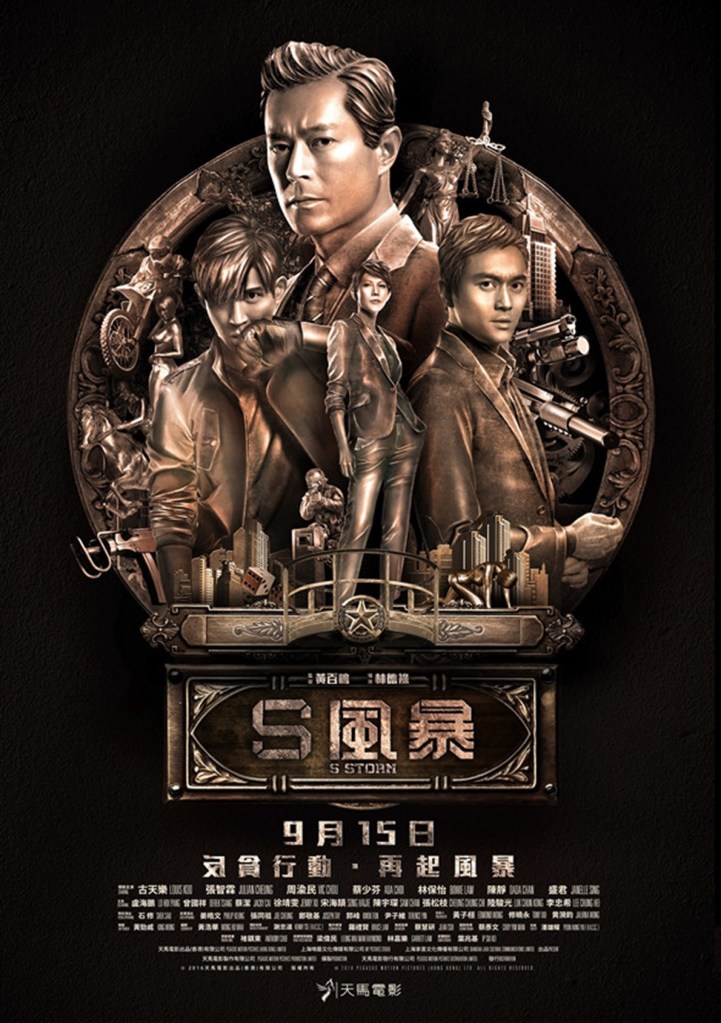 It’s become almost a cliché to describe a sequel as “unnecessary”, but then assessing how any sequel or, indeed, any film might be deemed “necessary” (for what or whom?) proves more fraught than one might originally think. It might, then, be better to think of certain sequels as “unwise” – S Storm (S風暴), a followup to the similarly named Z Storm is just one such film. Z Storm’s critical reception was, shall we say, lukewarm and did not exactly inspire a burning desire to return to its world of corporate corruption vs different kinds of bickering policemen but, nevertheless, here we are.
