Lu Over the Wall (夜明け告げるルーのうた, Masaaki Yuasa, 2017)

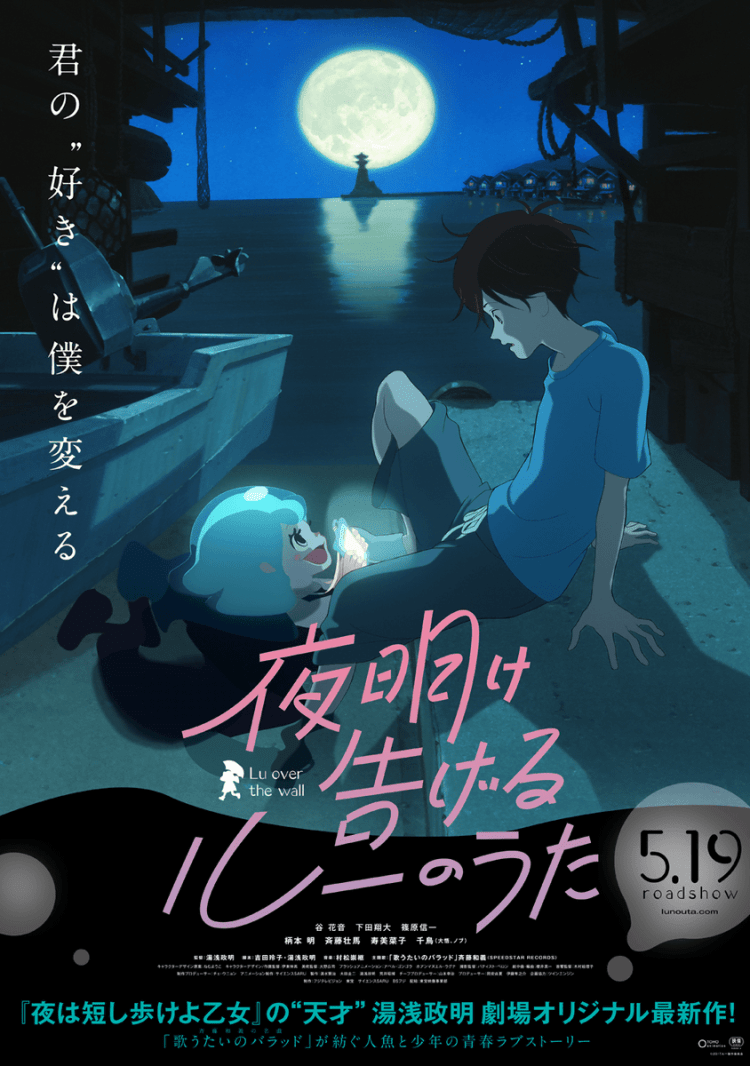
Lu over the wall posterComing of age dramas are the mainstay of anime, but if anyone was going to take one in a pleasingly new direction it would be Masaaki Yuasa. His second release of 2017 following the comparatively more abstract The Night is Short, Walk on Girl, Lu Over the Wall (夜明け告げるルーのうた, Yoake Tsugeru Lu no Uta) is the tale of a boy learning to break of out his emotional repression in order to step into a healthier adulthood but it’s also one of learning to live with loss and grief. From the Irish selkie to the conventional mermaid, people of the sea have more often than not stood in for people from a land of lost things where souls are carried away and lonely sailors lured to their doom, but perhaps we’ve simply misunderstood them and the song they sing isn’t intended to make us sad but only to make us remember the joy of living.

Sullen teenager Kai (Shota Shimoda) is in his last year of middle school with a lot of decisions awaiting him as to the further direction of his life. For the moment, Kai lives in the small fishing village of “Hinashi” somewhere in Southern Japan. “Hinashi” literally means “sunless” and the town is indeed overshadowed by a large cliff which blocks the town from the sun but there’s a more metaphorical kind of gloominess lurking here too. Kai is not the only miserable one, pretty much all of the townspeople once dreamt of escape but have either proved unable to get away from their small town roots, or have tried and failed to make it somewhere else before reluctantly returning, salmon-like, to the place of their births. The only one, it seems, to successfully make it out is Kai’s mum who left the family when Kai was small.

Much to his father’s (Shinichi Shinohara) irritation, Kai’s big dream is music though he’s less than thrilled when bamboozled into joining two other aspiring rockstar teens, Kunio (Soma Saito) and Yuho (Minako Kotobuki), as the third member of “Seirèn” even if it does give him an excuse to explore the generally forbidden territory of Mermaid Island. Whilst there, the trio’s song calls out to a music loving Merfolk girl, Lu (Kanon Tani), who can’t resist joining in and, awkwardly, is a much better lead vocalist than the divaish Yuho.

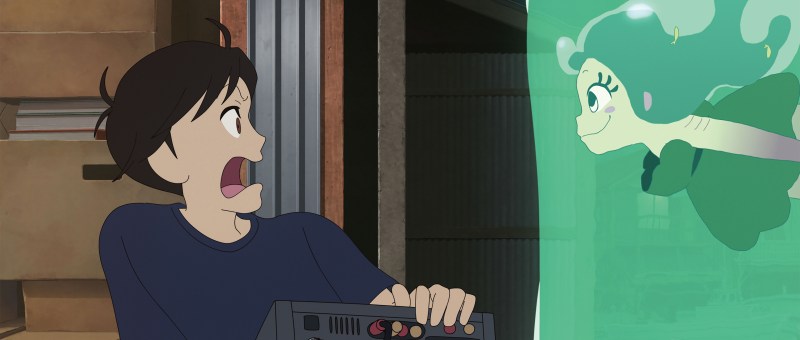
Lu, a charmingly vibrant toddler-type, is perfectly primed to bring this moribund town back to its sunny old self. Able to conjure her own portable corridors of water to travel over land, Lu tracks down Kai hoping to hear more wonderful music and making childish attempts to communicate through broken Japanese so that she can learn to understand the human world. Lu is not, however, the image most of the townspeople have when they think about Merfolk considering most of the local legends paint them as voraciously carnivorous predators existing only to steal landlubbing souls.

The Merfolk are a perfect metaphor for most of the ills consuming the town – a never seen manifestation of unknown fears. Everyone here has lost someone or something at sea (this is, after all a fishing village) or to the city, or just in themselves in learning to accept reality over the lure of unattainable dreams. Kai’s young and caring if distant father tries to push his son towards the “correct” path of non-stop studying and moral uprightness, but his son is just like teenage him, dreaming musical dreams of escape. It might have all gone wrong for Kai’s dad, but as he’s finally able to admit thanks to the guidance of Lu, he doesn’t regret a minute of it.

Ironically enough, Kai’s name is also the word for shellfish in Japanese, making his grandfather’s (Akira Emoto) frequent lament that the muscles in his dinner won’t open more than a little pointed. Kai is definitively closed off, refusing to even open the letters from his mother and keeping himself aloof at school and at home. Yet he’s not the only one who needs to open up – forced to dance to Lu’s tune (literally) each of the townspeople comes to make peace with those things that are so very hard to say, either letting past traumas float away or deciding to swim away with them.

It is, however, a little uncomfortable when the final resolution takes on a romantic dimension seeing as Lu has been painted as an adorable child with her giant bubbly head, cute high pitched voice, and childishly broken Japanese, not to mention that a secondary plot strand revolves around her father (an anthropomorphised shark/killer whale) who has attempted to shed some prejudices of his own to help his daughter in her desire to make friends with humans. Nevertheless, Yuasa and his scriptwriter Reiko do their best to do justice to all the ills of the town from the corporate greed of the mermaid loving old timer who wants to open a theme park exploiting their image, to the creepy behaviour of Yuho’s governor father, and the ever present themes of loss, guilt, and disappointment. The trio of teens at the centre may have felt themselves trapped in a dead end town, but thanks to Lu they come to realise that they too can jump over the wall and go wherever they want so long as they take the music with them.


Lu Over the Wall is in UK cinemas for one night only on 6th December 2017 courtesy of Anime Ltd.. Find out where it’s screening near you via the official Lu Over the Wall microsite.

Anime Ltd. trailer (Dialogue free)
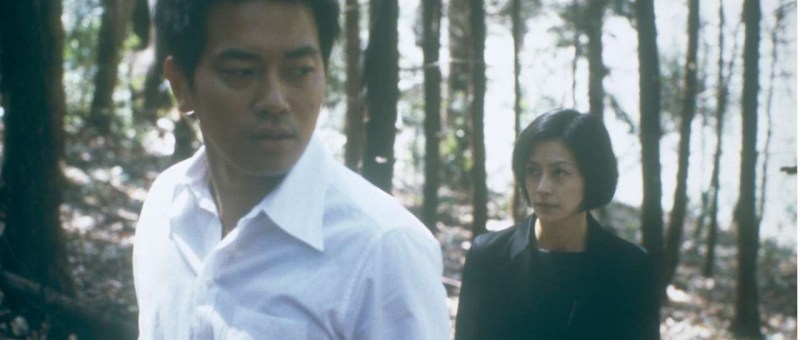
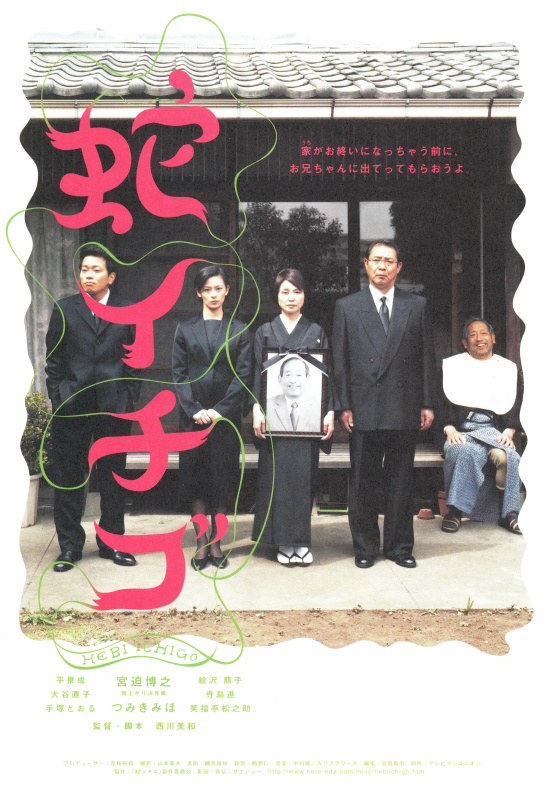
Wild Berries (蛇イチゴ, Miwa Nishikawa, 2003)

wild berries poster

The family drama was once the representative genre of Japanese cinema. In the turbulent post-war world, the one unchanging, unbreakable touchstone was the bonds between parents and their children even if it must also be realised that those bonds will necessarily change over time. Tiny cracks might have been visible even in Ozu’s Tokyo Story in the growing disconnection between the old folks in the country and their city kids, but it wasn’t until the ‘80s when Japan’s economic recovery had fully taken hold that the family itself began to come under fire. Yoshimitu Morita’s The Family Game kickstarted a trend of family implosion movies which implied that familial bonds were more social affectation than genuine connection, but post-bubble the tables turned again. These days, Hirokazu Koreeda has picked up the family drama mantle, depicting broadly positive pictures of normal family life. It is then all the stranger that his protege, Miwa Nishikawa, should be the one to ask again if family really is all it’s cracked up to be.

An ordinary breakfast in the Akechi household. Grandpa (Matsunosuke Shofukutei ) is dipping his toast in the coffee again while salaryman dad Yoshiro (Sei Hiraizumi) reads his paper. Schoolteacher Tomoko (Miho Tsumiki) barely has time to look at her breakfast before her mother, Akiko (Naoko Otani), reminds her that today is “Wednesday” – not only does she need her PE kit, but it’s also the day that her fiancé, Kamata (Toru Tezuka), is coming round to tea to meet the folks. The atmosphere is pleasant, genial, but why has Yoshiro had his mobile phone cut off and is the bald spot Akiko has just discovered on the top of her head really anything to worry about?

The Akechis are the archetype of a modern middle-class family, living a comfortable life in a nice home while dad goes out to work and mum does everything else. It is not, however, quite as it seems. Yoshiro’s phone has been cut off because he hasn’t paid the bill. He hasn’t paid the bill because he’s lost his job. He hasn’t told his wife he’s lost his job because he’s too ashamed, so he’s taken out vast loans from gangsters rather than trying to find a more honest solution. Mum Akiko plays the dutiful housewife, cooking, cleaning, putting up with Yoshiro’s imperious behaviour and looking after grandpa who has advanced dementia and thinks he’s still at war. In reality she’s bored and resentful, tired of the burden of looking after her husband’s ungrateful father and longing to have some time for herself. The only uncorrupted member of the family is schoolteacher Tomoko who finds herself giving a strange lesson on the evils of lying to her class of small children. Tomoko is perhaps too uncorrupted, prim as a schoolmarm but dull with it.

When grandpa meets an unfortunate end, the longstanding family secret is revealed – Tomoko is not an only child, she had an older brother, Shuji (Hiroyuki Miyasako), who had been expelled from the family for his immoral ways – i.e, lying, cheating, and stealing. In fact, Shuji’s return was an accident – his main job is stealing the condolence money from funerals and he just happened to be at the one next door. Shuji’s conman credentials might be just what the family needs, but could they and should they let him save them and is “saving” the family that rejected him really a part of Shuji’s grand plan?

Japan’s rapid economic recovery is usually blamed for the collapse of the family, sending sons away from the villages and prizing the commercial over the spiritual. Tomoko’s fiance, Kamata, has a slightly different take on the problem. After his first meal with the Akechis he’s touched by the warm and friendly family atmosphere, comparing them favourably with his own upperclass family which he feels to be cold and austere. The class difference and Kamata’s obvious discomfort surrounding it is one problem as is his problematic characterisation of Tomoko’s family as earnest and hardworking as, perhaps, he thinks people without inherited wealth ought to be is another, but the real irony is reserved for Kamata’s eventual reaction to discovering the truth. Yoshiro didn’t take to Kamata because he thought him “unconventional” with his unkempt hair and pretentious tastes, but Kamata proves himself the most conventional of all in his cruel rejection of his fiancée over what he sees as a betrayal by her family.

Wild berries, once they take root, quickly take over, leaving a trail of destruction in their wake. Secrets, and the need to keep them, have eaten away at the foundations of the Akechi family but which is the best way to repair them – starting all over again and working hard to put things right, as Tomoko would have it, or opting for Shuji’s dishonest quick fix? The youngsters battle it out amongst themselves for the soul of the family unit while mum and dad are just too world weary to even care anymore. Faith in the family may be running at an all time low, but Nishikawa at least manages to mine the situation for all of its bleak irony, laughing along knowingly with each dark revelation or small tragedy.


Screened as part of Archipelago: Exploring the Landscape of Contemporary Japanese Women Filmmakers.

Original trailer (no subtitles)

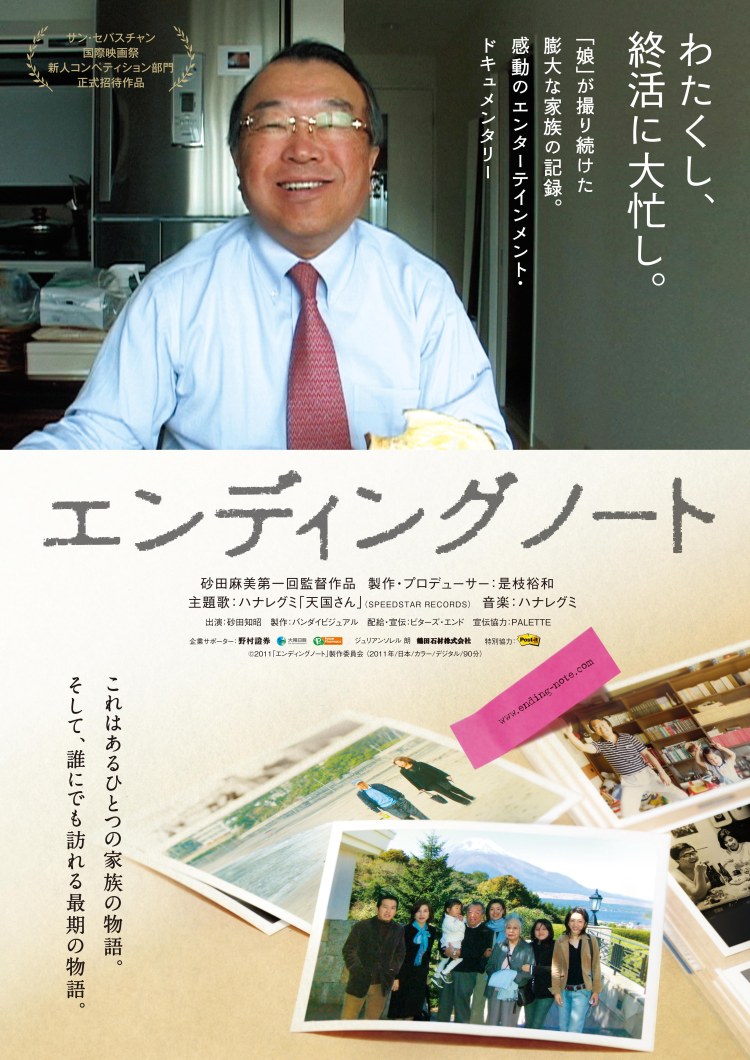
Ending Note: Death of a Japanese Salesman (エンディングノート, Mami Sunada, 2011)

emi_3For various reasons, external commentators on Japanese culture have long held the view that the idea of “death” takes on a much more central position in the lives of ordinary people than it might elsewhere. Death is, however, as much of a taboo in Japan as it is elsewhere – few want to talk about the process of death and dying, of illness and of caring for the sick. Perhaps as a way to evade this particular paradox, there is another tradition in which those aware of their own impending death write a kind of letter for those they will leave behind. Like a testament which accompanies a will, the “isho” can include biographical details, confessions, advice and apologies by way of a final word of parting and a demonstration of having accepted one’s death.

This concept is what inspires the subject of Mami Sunada’s documentary, Death of a Japanese Salesman (エンディングノート, Ending Note), in his desire to create an “Ending Note” when diagnosed with terminal stomach cancer shortly after retiring from a lifetime spent as a regular salaryman. Tomoaki Sunada’s “Ending Note” is intended to be something warmer than an isho and completely divorced from any legal concept but nevertheless a kind of letter saying the things it was too hard to say out loud.

Sunada captures her father’s last days with equal parts affection and detachment. Tomoaki is a humorous man whose wide grin and dry wit help to alleviate what is an unavoidably heavy subject as he comes to terms with the aggressive nature of his illness. The thing is, Tomoaki never gets round to writing that “Ending Note” because he’s just too busy living to think about dying. What he writes is a kind of bucket list which runs from typically practical concerns such as looking at venues in which his funeral might be held and talking over converting to Christianity, to definitively patching things up with his wife and getting to see his three grandchildren again who live abroad in America because of his son’s job.

Living in America Tomoaki’s son perhaps has things a little easier than his father did (even if he’s inherited Tomoaki’s notorious attention to detail and meticulous planning). As Tomoaki puts it in one of Sunada’s flashback moments, middle-aged men like him built the modern Japan. Exclaiming “The company is life!”, albeit with an ironic smile on his face he leaves for work just as he did every morning for over forty years at the same company and for most of it in marketing and sales. The traditional Japanese family demanded a strict division of labour with men pouring their efforts and emotions into their careers and women, supposedly, subsuming their hopes and desires into creating a happy family home. During their working lives, therefore, men like Tomoaki rarely got to see the families they were working to support, placing undue burdens on their wives and appearing as little more than absent disciplinarians to their children. Retirement offers an opportunity to finally become a part of family life, enjoying the days out and long lunches often so impossible for a company man, but Tomoaki has been robbed of the right to enjoy his old age by a cancer diagnosis received almost immediately after the end of his career.

Sunada in effect writes her father’s Ending Note for him, both through the film and the voice over narration she herself delivers written in her father’s playfully ironic authorial voice. Taking cheeky potshots at herself as the “accidental” youngest child whose still unmarried state apparently weighs on her dying father’s mind, Sunada adds both bite and warmth to her “father’s” final words as he waxes philosophical on death and the afterlife while trying to plan pragmatically for his own eventual end. The whimsical indie score also lends to the lightness of the exercise but Sunada does not shy away from the rapidity of her father’s decline or cruelty of his illness, taking her camera away only at the moment of death. Raw and painful, Sunada’s fearsome exploration of the process of dying is one of ordinary tragedy but also becomes a glorious celebration of life from all of its sadness and difficulties to shared laughter and the joy of new arrivals.


Screened as part of Archipelago: Exploring the Landscape of Contemporary Japanese Women Filmmakers.

Original trailer (no subtitles)

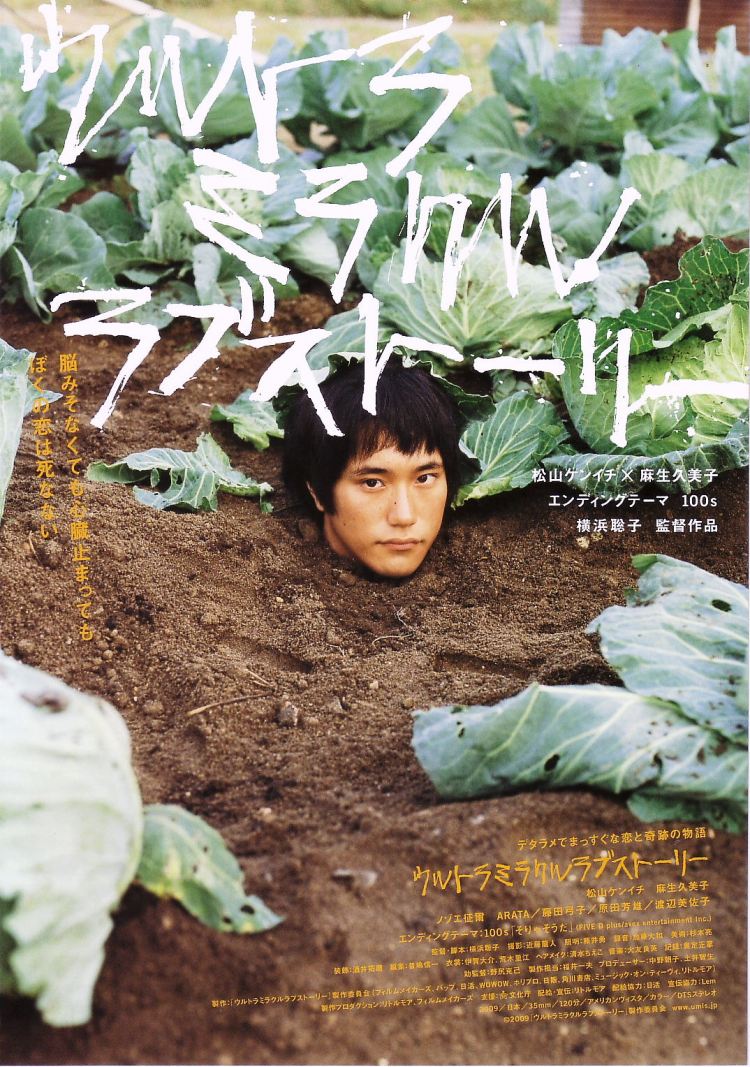
Bare Essence of Life (ウルトラミラクルラブストーリー , Satoko Yokohama, 2009)

©Little More Co.

bare essence of life posterThere might be a pun involved in the title of Bare Essence of Life – another example of a Japanese film with a katakana English title, Ultra Miracle Love Story (ウルトラミラクルラブストーリー), given a completely different English language title for overseas distribution, but that would be telling. Following her feature debut German + Rain, Satoko Yokohama once again tells a tale of small town misfits only this time of an Aomori farm boy whose brain is wired a little differently to everyone else’s – “not broken, just different”. Though everyone in the village knows Yojin (Kenichi Matsuyama) and is familiar with his sometimes unusual behaviour, a young visitor taking a temporary job in a quaint rural backwater may need a little more time to acclimatise.

Yojin is, as he says, a little different from the others. Neatly signalling a problem with executive functioning, he lives his life to the tune of several different alarm clocks with deliberately different sound cues to help him remember what he’s supposed to be doing. Grandma also helps with that too through use of a giant whiteboard which has Yojin’s daily itinerary on it so he can keep track of where he is and record his thoughts about the day. Yojin’s grandfather has passed away but has left him some valuable horticulture tips on a cassette tape which Yojin listens to diligently every day whilst tending to his cabbages, trying to work out a good way of keeping them safe from creepy crawlies seeing as grandma doesn’t really trust him with insecticide (later events will prove this to be wise).

Everything changes when brokenhearted school teacher Machiko (Kumiko Aso) arrives all the way from Tokyo as temporary cover for maternity leave at the local nursery. Oddly, seeing as there are so few young people around, the school seems pretty busy with youngsters but then again perhaps they’ve come from neighbouring villages which would explain why the parents are sometimes so late coming to pick their kids up. In any case, Machiko instantly captures Yojin’s heart and he becomes fixated on the idea of making her his one and only. Machiko, however, is battling her own romantic woes and is originally quite taken aback by Yojin’s odd combination of directness and innocence.

Yojin is, undoubtedly, a lot to take in, but the villagers are all very used to his ways and mostly just shrug his various antics off even when they entail inconveniences like office paperwork suddenly scattered to the wind, or getting pelted with vegetables after taking issue with Yojin’s sales patter. Grandma bears the brunt of his rudeness not to mention self-centred attitude and otherwise difficult behaviour but she also worries how he’s going to look after himself when she’s gone. Hence the vegetable patch – a literal testing ground. Machiko makes Yojin wish he were different, and a half-baked experiment in which he buries himself up to the neck in his cabbage patch (perhaps to better understand cabbages so that he can figure out how to grow them) and a neighbourhood boy sprinkles him with pesticide shows him a way he can make it happen.

So begins Yojin’s long, strange path towards “evolution” as he discovers that exposure to various chemicals helps him slow everything down so he can be a little more like everyone else. Moving into the centre ground makes his presence more palatable to Machiko, giving them time to bond during nighttime walks as Machiko outlines her curious theories on the forward motion of the human race. Machiko wonders if humanity’s need to control the unpredictable, smooth out rough edges and tame nature is limiting its ability to change and grow, yet even as she says so Yojin is attempting to temper his own wildness expressly for Machiko. Nevertheless, getting to know him Machiko comes to the conclusion that maybe what Yojin needs is to become more Yojin, rather than dousing himself in dangerous chemicals which seem to have provoked some kind of strange metamorphosis as yet unknown to medical science.

Chemicals aside, Yojin’s world takes a turn a definite turn for the surreal as he chats with headless ghosts and then temporarily joins the ranks of the undead himself. Yokohama has a point or two to make about the use of pesticides – a neighbourhood woman warns Machiko to head indoors when she first arrives because it’s crop spraying day, but then refuses to buy Yojin’s “organic” vegetables because she’s not convinced anything grown without chemical assistance could really be “safe” or “clean” enough for consumption. This need to control nature may eventually ruin it, and us too – much as Machiko’s hypothesis posited. Maybe Yojin is the most evolved us all, defiantly in touch with his essential nature and, perhaps, finally allowing his soul to find its true home if in the strangest of ways.


Screened as part of Archipelago: Exploring the Landscape of Contemporary Japanese Women Filmmakers.

Original trailer (English subtitles)

The Shape of Night (夜の片鱗, Noboru Nakamura, 1964)

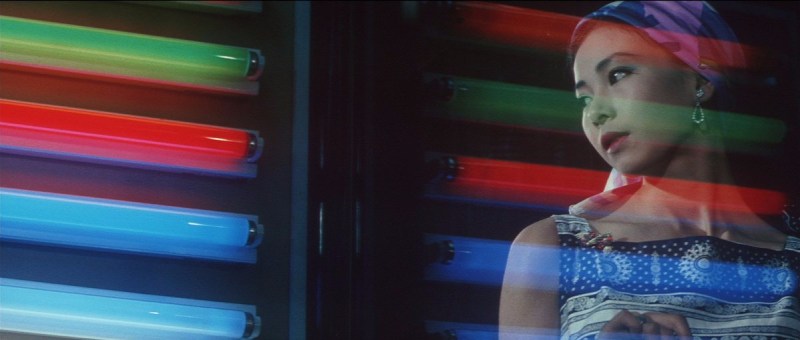
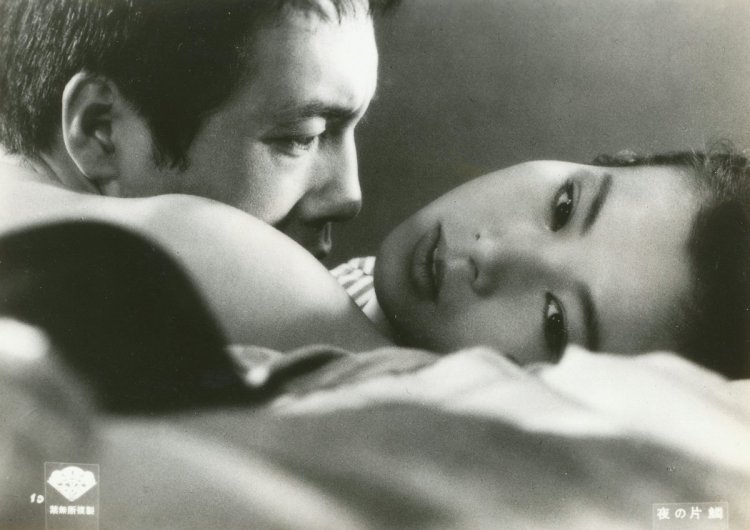
(C) Shochiku 1964Despite having two films nominated for a best foreign language Oscar and a handful of foreign festival hits under his belt, Noboru Nakamura has been largely forgotten by Western film criticism though a centennial retrospective of three of his most well regarded films at Tokyo Filmex in 2013 has helped to revive interest. The Shape of Night (夜の片鱗, Yoru no Henrin), Nakamura’s 1964 Shochiku melodrama focussing on the suffocating life of a young woman pulled into the Tokyo red light district, was one of the three newly restored films featured and was also screened in Berlin and Venice to great acclaim. Making full use of its vibrant colour palate, The Shape of Night paints its city as a constant tormentor filled with artificial light and false promises.

As we meet her, melancholy street walker Yoshie (Miyuki Kuwano) has been trapped in her dead end existence for six years and has lost all hope of living a “normal” life filled with love and happiness. A chance encounter with a supercilious client, Fujii (Keisuke Sonoi), prompts her into a series of recollections in an effort to explain exactly how it was she ended up in such a sorry state. As the eldest daughter of a poor family Yoshie left school early to work in a factory (making those neon tubes you see everywhere) while supplementing her income by working as a barmaid (not a hostess, just a girl behind the bar). Just shy of her 20th birthday, she meets a handsome “salaryman”, Eiji (Mikijiro Hira), who starts coming to the bar regularly to see her. The pair became a couple, and then lovers, and then cohabiters, but Eiji isn’t a “salaryman” so much as a low level gangster with a gambling problem whose street name is “princess”. Continual losses put Eiji in a tight spot with his crew and he begins borrowing money from Yoshie before asking her to prostitute herself to get him out of a hole. Thinking it will just be a one time thing, Yoshie resolves to make a sacrifice for her man but, of course, it wasn’t a one time thing.

Yoshie’s story is a sadly familiar one – an innocent woman duped by a duplicitous man whose empty promises aim to mask his continued fecklessness. Eiji, despite his smart suits and coolly confident attitude, is unlikely to make much of himself in the yakuza world yet is as tied into its hellish system of loyalty and reciprocity as Yoshie is in her non-marriage to the man she thinks she loves. Seeking constant approval, Eiji thinks nothing of living off a woman and his childishly excited smile on re-entering the apartment after Yoshie has sacrificed herself to save his face is a grim reminder of his priorities. When pleading doesn’t work Eiji turns violent, prompting Yoshie to finally consider leaving him but she’s too late – the yakuza world has already got its hooks into her and any attempt to escape will be met with terrifying resistance.

Fujii may seem as if he presents another option for Yoshie, a chance for a better, kinder existence but he too is merely another man trying to tell her how she should live her life. Hypocritical at best (as he freely admits), Fujii pays Yoshie to “ease his sexual urges” but expresses disgust and disapproval of her lifestyle and seeks to “save” her from her life of humiliating immorality, “purifying” her just like the dam he is building is supposed to do to the Sumida river. Fujii’s obvious saviour complex is worrying enough in itself though there is also the additional worry of what his “salvation” may entail if Yoshie decides to make a break from her yakuza chains and run off to the comparative safety of provincial Hokkaido. Fujii may claim to have fallen in love with her, but so did Eiji and who’s to say Fujii’s idea of wedded bliss will be any better than Eiji’s brutal reign as a common law spouse.

The situation is further complicated by Eiji’s gradual shift from a violent, overbearing, abusive boyfriend to a genial figure of gentle domesticity and what that shift later provokes in Yoshie. Rendered physically impotent by an incident during a gang fight, Eiji is literally and figuratively emasculated. Though his sudden inability to satisfy Yoshie originally provokes his jealously, it soon robs him of his violent impulses and turns Eiji into a willing housewife who dutifully does the couple’s washing and prepares the meals much to Yoshie’s consternation. This transformation is what finally kills her love for him, but still Yoshie cannot find it in herself to sever her connection with the man who has been the cause of all her suffering. Not quite hate or loathing, Yoshie’s burned out love has become a burden of care as she finds herself duty bound to look after a man she now believes incapable of looking after himself.

While Yoshie and Eiji sit in a bar one night after “work”, the television plays a report featuring the sad news of the death of a female student at the ANPO demonstrations. Prompting Yoshie to exclaim “what is ANPO anyway?”, the news report lays bare just how isolated her life as become – as all of Tokyo is aflame with with righteous indignation and the streets are filled with the largest protest in living memory, Yoshie is trapped in her tiny neon world which promises so much and delivers so little.

Nakamura makes fantastic use of sound design to capture Yoshie’s interior world – the background music rising over the droning voice of a boring client who hasn’t quite made up his mind, the radio cutting out at intense moments of violence, the terrible clanging of Eiji’s geta on the iron staircase which leads to his flat. Fading into blue dissolves of memory, Nakamura makes a hellish wonderland of nighttime Tokyo whose flashing neon lights, crowded bars and oddly darkened streets turn it into a prison of dubious delights. Finally making a drastic decision, Yoshie attempts to free herself from her burdens and sever the chains which bind her to her misery but in cutting the cord she finds the knots tightening, realising she will never be released from the source of all her suffering.


Screened at BFI as part of the Women in Japanese Melodrama season.

Wild Geese (雁, AKA The Mistress, Shiro Toyoda, 1953)

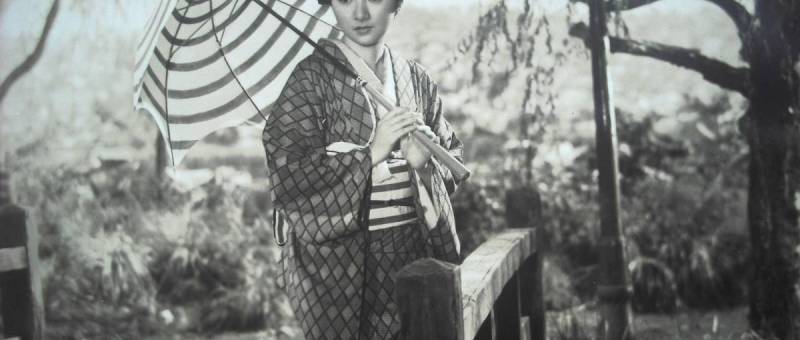
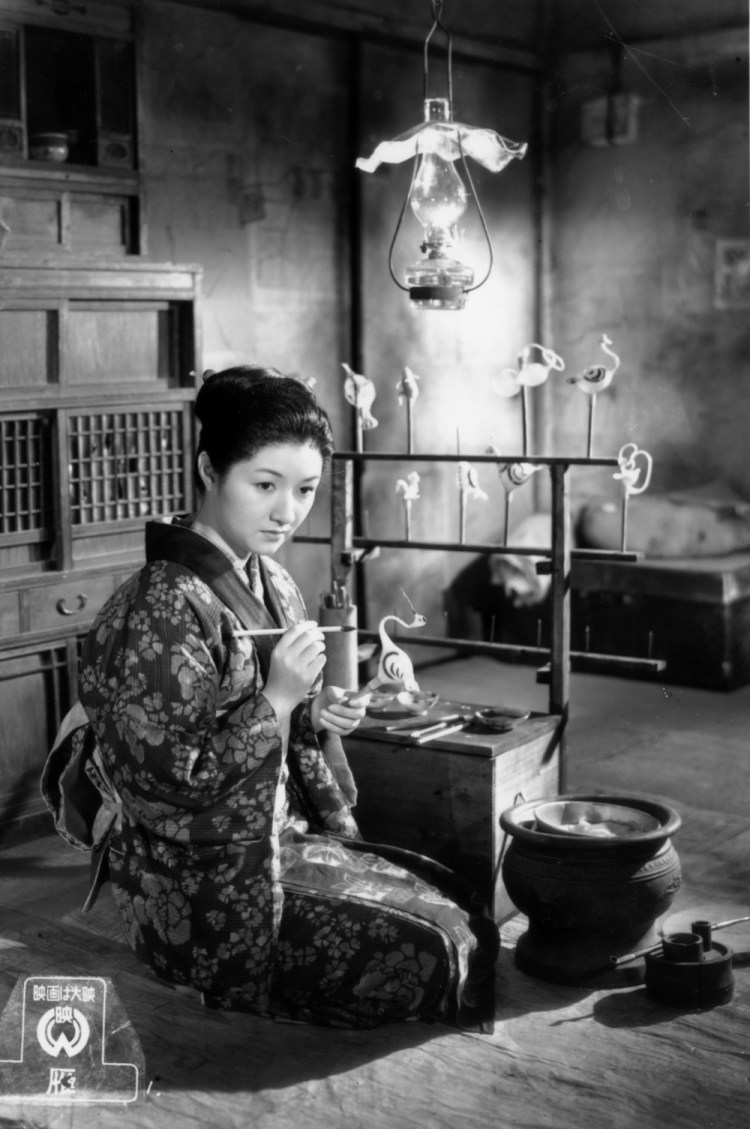
(C) Daiei, 1953In the extreme turbulence of the immediate post-war period, it’s not surprising that Japan looked back to the last time it was confronted with such confusion and upheaval for clues as to how to move forward from its current state of shocked inertia. The heroine of Shiro Toyoda’s adaptation of the Ogai Mori novel, Wild Geese (雁, Gan, AKA The Mistress), finds herself at a similar crossroads to the women of the 1950s, caught between tradition and modernity as they embrace the new freedoms but remain constrained by a conservative society. Toyoda, well known for his adaptations of great literature, makes a few key changes to Mori’s novel in effect placing a Showa era heroine in a recognisably “Meiji” world.
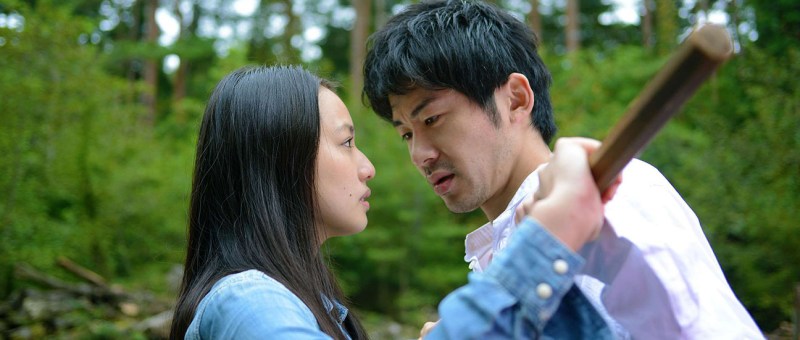
The Japan of the 1880s is one of extreme contrast and rapidly unfolding modernity. Having finally opened its doors to the outside world, the nation is in a big hurry to “catch up” to those it sees as its equals on the world stage. Consequently, Western thoughts and values are flooding into the country, bringing both good and ill. Arranged marriages are still common and Otama (Hideko Takamine) has been married once but the marriage has failed – she was deceived, the man she married already had a wife and child. Still, having lived with a man as his wife, Otama is considered “damaged” goods and will find it difficult to make a good match in the future (especially given the whiff of scandal from being involved in an illegitimate marriage with a bigamist).

When a matchmaker (Choko Iida) arrives with a potential husband it proves hard to turn down but the matchmaker is not quite on the level. Suezo (Eijiro Tono), she says, is a recently widowed man with a young child who is in need of a new wife but cannot marry again immediately for propriety’s sake. Otama will be his mistress and then in due course his wife. However, the matchmaker is an unscrupulous woman who has spun Otama a yarn in the hope of getting her debt written off by getting the shady loanshark she owes money to a pretty young woman to have some fun with.

The position Otama finds herself in is one of impossibility. A woman cannot survive alone in the Meiji era and its lingering concessions to feudalism. For a woman as poor and lowly as Otama whose marriage prospects are slim there are few options available. Otama’s neighbour (Kuniko Miyake) has managed to carve out a life for herself as a single woman through teaching sewing classes but such opportunities are few and far between, as Otama is warned when she considers following her example. The “arrangement” with Suezo may not seem too bad on the surface – he looks after her and her father, has set her up in a house, and treats her well even if his behaviour leans toward the possessive. Despite confessing to her father that she feels trapped and miserable, humiliated on learning she has been ostracised as the mistress of a married loanshark, Otama finds little sympathy as her father declares himself “very happy” and councils her against leaving because he has no desire to return to a life of poverty, remaining selfishly indifferent to his daughter’s suffering.

Resigned to her fate, Otama does her best to adapt to her new life but remains as trapped within Suezo’s house as the caged bird he presents her with “for company”. Jealous and fearing that his wife will find out about the affair, Suezo’s preference is for Otama to stay indoors waiting for him to call. His visits are routine and perfunctory. Handing the maid a few coins to go to the public bath, Suezo signals his intentions in the least romantic of ways, pausing only to lock the garden gate.

Catching sight of an earnest student who passes by everyday at 4, Otama begins to dream of something better. The student, Okada (Hiroshi Akutagawa), is a source of fascination for all the young women in the neighbourhood but he too is instantly captivated when he glimpses the beautiful Otama trapped behind the bar-like slats of Suzeo’s love nest. Adding a touch of biblical intrigue, it is a snake which eventually leads to their meeting but no matter how deep the connection this is a love destined to fail – Otama is the kept woman of a loanshark, and Okada is a medical student with international ambitions. They inhabit different worlds and, as his friend (Jukichi Uno) puts it, this is still the Meiji era, the times will not allow it.

Nevertheless, even if her brief infatuation seems doomed, the mere act of wanting something else provokes a shift in Otama’s way of thinking. This act of fierce individualism which prompts her to defy the dominant male forces in her life whose selfish choices have caused her nothing but misery would normally be severely punished in the name of preserving social harmony but Otama’s epiphany is different. The opening title card reminded us that this was a time wild geese still flew in the skies above Tokyo. It seems to imply that birds no longer fly here, that there is no true freedom or possibility for flight in the modern age of Showa, but Otama is a woman trapped in the cage of Meiji suddenly realising that the doors have been open all along. Her choices amount to a humiliating yet materially comfortable life of subjugation, or the path of individualistic freedom in embracing her true desires. Her dream of true love rescue may have been shattered, but Otama’s heart, at least, is finally free from the twin cages of social and patriarchal oppression.


Screened at BFI as part of the Women in Japanese Melodrama season.

Wet Woman in the Wind (風に濡れた女, Akihiko Shiota, 2016)

wet woman in the wind poster largeBack in the early ‘70s, Nikkatsu reacted to the gradual box office decline of Japanese cinema by taking things one step further than their already edgy youth output in rebranding themselves as a purveyor of softcore pornography known as Roman Porno. Unlike the familiar “pink film”, Roman Porno was made with the assets of a major studio behind it including better actors, production values, and distribution power but it still obeyed strict genre rules calling for speedy turnarounds, minimal running times and the requisite amount of nudity (to the permitted parameters) at set intervals. 45 years later Roman Porno is back in a series of films directed by some of today’s most interesting directors who attempt to recreate the genre anew for modern audiences whilst paying homage to the originals.

Akihiko Shiota’s Wet Woman in the Wind (風に濡れた女, Kaze ni Nureta Onna) starts as it means to go on with hapless protagonist Kosuke (Tasuku Nagaoka) sitting by a river looking sad just as a strange young woman suddenly rides her bicycle directly into the nearby lake before climbing out and stripping off her T-shirt (which, amusingly enough reads “you need tissues for your issues”), revealing her bare breasts to a complete stranger. Kosuke is baffled and confused. He tries to leave but the woman follows him, asking if she can stay with him tonight because she has nowhere else to go. Kosuke is resolved, he’s given up girls and wants nothing whatsoever to do with weird women from ponds but Shiori (Yuki Mamiya) is not one to take no for an answer.

It’s never made clear but something unpleasant has obviously happened to Kosuke that has made him retreat from the city with his tail between his legs (so to speak). A respected playwright, Kosuke seems to have had something of an existential crisis and has decided to condemn himself to a life of self-imposed isolation because “you have to be alone if you really want to think deeply about things”. His isolation is, however, only up to a point. Kosuke’s semi-primitive lifestyle sees him living in a shack in the woods but he has electric lighting provided by generator batteries and grinds his own coffee beans by hand after buying them from a local cafe owned by a man Kosuke went to university with but claims not to have known at the time. The cafe owner’s wife has recently left and he blames Kosuke for reawakening a desire in her that had apparently lain dormant with her husband.

In a shocking coincidence, Shiori has also taken a job at the cafe and has set about seducing the recently lonely owner who has now become fixated and jealous, once again afraid Kosuke in particular is going to steal away his new plaything just like he stole his wife. This is a fallacy on several levels, not least that Shiori is not a woman to be constrained by any man but a true free spirit who gives her love freely to whomever that she chooses.

Spirit might be the best way to describe Shiori who arrives and departs with the wind, a force of nature with the sole intent of freeing her targets of the burden of repressed desires. A radio broadcast later reveals that a tiger has been on the run from the nearby zoo and if this were a fable, you could almost believe the tiger to be Shiori, sinking her teeth into soft centre of human weakness and leaving right after she tears its throat out.

Free spirit as she is, Shiori does find herself in moments of danger as the the threat of sexual violence rears its ugly head. Kosuke likes to think of himself as an enlightened kind of man, an intellectual, but he’s also a self-involved womaniser not above attempting to force himself on a woman he feels to be his for the taking or, half in jest, threatening to rape a former lover. Yet for Shiori much of this is sport – she sees through Kosuke and neatly undercuts all of his self delusions and neuroses, but she’s also merely toying with him.

Finding himself literally kicked out of bed and rendered redundant when Shiori finds more pleasure in getting together with his former lover Kyoko, Kosuke wanders outside in confusion and seduces, with a degree of tenderness, Kyoko’s shy, bespectacled assistant, Yuko. When the morning comes, however, he feels he made a mistake. Yuko has become attached to him, sharing a traumatic childhood story only for Kosuke to brush it aside and encourage her to go out into the world to explore the rich pleasures on offer now that he has “awakened” her. Kosuke remains as self-centred as ever, but Yuko at least does perhaps find something in his words of “wisdom”.

As in all good sex comedy, the men are pathetic slaves to desires they find themselves unable to express, whether out of fear or cultural ideals of masculinity, while the women remain in control and must guide the men either towards a healthier outlook or their own destruction. Both Kosuke and the cafe owner conspire in their own downfall in misguided battles for possession or conquest. Having already suffered defeat, Kosuke has retreated from the field dejected and humiliated, but in his all out impassioned attempt to re-enter the world of carnality he literally brings his entire universe crashing down around his ears. Forced to realise his own ridiculousness, Kosuke is left alone with little else to do than survey the scale of the destruction his various delusions have wrought. A fun loving pastiche, Wet Woman in the Wind is an oddly whimsical tale, witty yet insightful even its seeming lightness.


Currently available to stream via Mubi.

Original trailer (English subtitles) NSFW!

Rent-a-Cat (レンタネコ, Naoko Ogigami, 2012)

©2012レンタネコ製作委員会

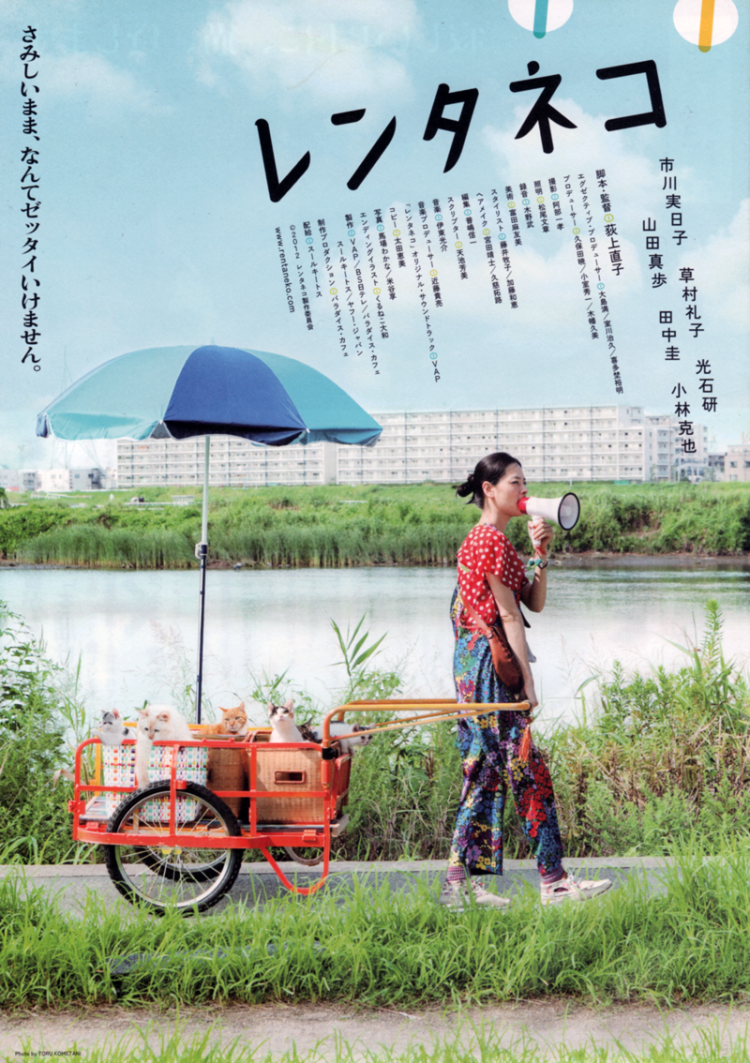
rent-a-cat posterPreviously, Ogigami’s heroines (and hero, when one thinks about it) have had to go great distances in order to figure out what it was they were looking for and then finally find it. In Kamome Diner, Sachie went all the way to Helsinki to open up a Japanese cafe only to find herself accidentally attracting a collective of other runaway Japanese people whilst building a community of friendly Finns in her new home. Taeko, in Megane, went on a random holiday that turned out to be much more random than she ever would have expected but she did end up learning to slow down and enjoy the simple pleasures of life which is, presumably, why she ended up on holiday in the first place. Rent-a-Cat’s (レンタネコ, Rent-a-Neko) Sayoko (Mikako Ichikawa), by contrast, stubbornly stays put. In fact, she is the pillar around which all else turns as a fixed point for her various “stray cats” each in need of temporary support.

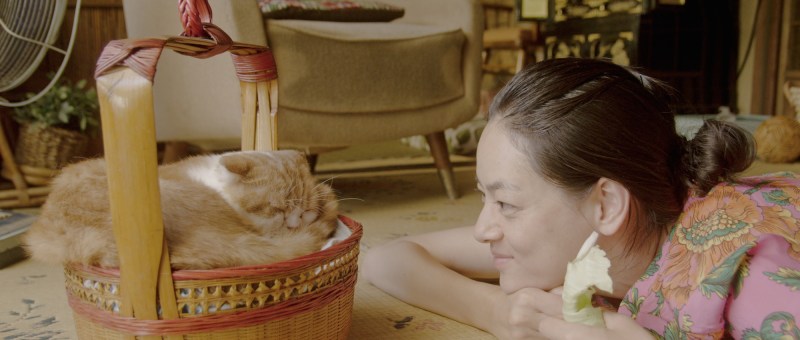
Since her grandmother died a few years ago, Sayoko’s life has been in free fall. A 30-something single woman with no “regular” employment, Sayoko lives in a spacious Japanese-style house with a small garden which is home to the various stray kitties which seem to seek her out when looking for a good place to crash. Sayoko has taken to writing out large banners declaring her immediate goals – getting married being the main one, and pasting them on the walls to encourage herself to keep going. The truth is, though Sayoko is not exactly unhappy she is unfulfilled. Since childhood she’s had the strange talent of attracting friendly cats but secretly longs to attract people too. Combining her strength and her weakness, Sayoko operates an unusual enterprise – cat rental! Walking along with a loud speaker and a trailer full of cats, she looks for lonely people who might want to borrow a fluffy friend for a while to help them out while they’re feeling low.

Of course, Sayoko’s quest to heal the hearts of others is also one to heal her own. Eccentric since childhood during which she was nicknamed “Jamiko” after a strange monster and mostly spent her time snoozing in the nurse’s office along with a kleptomaniac fellow student, Sayoko has never found her feet when it comes to building lasting relationships with people. Her voiceovers all refer back to her grandmother whom she misses deeply and seems slightly lost without. Appearing to have no real friends and spending a lot of time at home looking after her collection of needy cats, Sayoko’s main source of daily interaction comes from the horrible old woman who lives next door and turns up at random intervals to play Greek chorus in neatly reciting Sayoko’s various neuroses back to her over the garden fence.

Sayoko’s neighbour probably has a hole in her heart she fills by being deliberately insensitive to obviously sensitive people, but Sayoko offers her clients another solution in the form of a fluffy little cat who needs someone to look after it. Before lending one of her charges, Sayoko makes sure to vet the prospective cat guardian – after all, not everyone is nice and some people like to project their own suffering onto harmless little creatures. Through the house visits Sayoko gets to find out exactly what kind of hole it is that needs filling from dimples in jellies to holes in socks and even those in donuts, and being the sensitive soul she is, Sayoko usually knows what kind of help her customers need.

Structured around four different clients and bridged with Sayoko’s own neurotic journeys, Rent-a-Cat takes on a charming, fairytale quality in its repeated formulas. Each time someone asks to rent a cat they get the same speech about the inspection and then when it comes to talking money they each express surprise at the extremely good value, making sure to ask if Sayoko will be OK financially when she operates on these oddly beneficial terms. Don’t worry, she tells them – she has other income, a different one each time from stockbroking to fortune telling. The problems run from late life isolation as in a little old lady who loves making jellies for the son she never sees, to dejected fathers forced to work away from home and missing their kids grow up, and young women who feel trapped in a conservative society and would like nothing more than to jet off somewhere to follow their own path, if only they had the courage.

Social conservatism does seem to be something which particularly annoys Sayoko, if perhaps subconsciously. A strange dream sends her off to a Rent-a-Cat corporate clone where clients can rent cats of three different classes priced according to desirability. Sayoko is particularly anxious about the “Class C” cats whom the lady behind the counter disdainfully describes as “crossbreeds”. Sayoko is not having any of that and takes the woman to task for her need to “rank” things before insisting on renting a Class C cat at the Class A price to fully ram home the unpleasantness and absurdity of such a prejudiced world view.

Branded a “crazy cat lady” by the neighbourhood kids, Sayoko’s humanitarian mission of spreading love and kindness eventually does start to reel in a few humans even if they are mostly lonely souls in need of temporary support. Towards the end, when a promising reappearance provokes only disappointment, Sayoko wonders if perhaps there are holes cats cannot fill or sadnesses too great to be borne, but nevertheless she persists. A falling banner a suggests Sayoko may have already found the material to fill her own hole in helping other people fill theirs whilst surrounded by the by warm indifference of her feline brood.


You can catch Rent-a-Cat at the Japanese Embassy in London on 22nd November as the first in a series of events, Archipelago: Exploring the Landscape of Contemporary Japanese Women Filmmakers, which also includes screenings of Bare Essence of Life, Death of a Japanese Salesman, and Wild Berries from 30th November to 2nd December.

 Original trailer (no subtitles)

Clothes of Deception (偽れる盛装, Kozaburo Yoshimura, 1951)

「偽れる盛装」(C)KADOKAWA1951

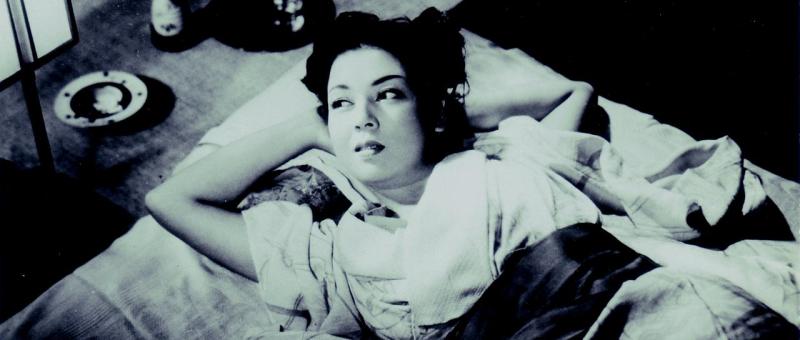
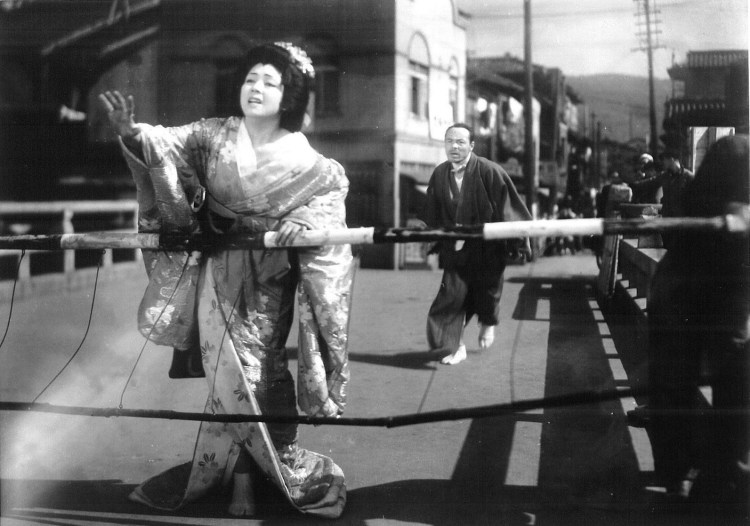
「偽れる盛装」(C)KADOKAWA1951Japan at a crossroads. East/West, past/future becomes a conflict between Kyoto and Tokyo in Yoshimura’s exploration of two women pulled in surprisingly contradictory directions in the new post-war world, Clothes of Deception (偽れる盛装, Itsuwareru Seiso). Working from a script by Kaneto Shindo, Yoshimura frames his tale as one of progress and resistance but the divisions are not as simple as they first seem. Machiko Kyo turns in another wonderfully nuanced performance as a Kyoto geisha trapped by the unchanging nature of her city yet yearning for an end to its slavish devotion to tradition.

Kumicho (Machiko Kyo) is the daughter of a longstanding geisha house currently operated by her mother. Though working as a geisha, Kumicho is not universally popular with the older generation thanks to her money first attitude which sees her prioritise earnings potential through having an unlimited number of clients rather than relying on a single patron. Kumicho is tough where geishas are generally soft and accommodating. She doesn’t take orders or nonsense from anyone, not least her push over of a mother.

Kumicho’s sister, Taeko (Yasuko Fujita), is not involved in the geisha trade and has a regular office job in the local tourist office. Unlike Kumicho, Taeko is mild mannered and reserved, dressing in regular Western fashions and travelling everywhere by bicycle. Taeko is engaged to a colleague, Koji (Keiju Kobayashi), who just happens to be the adopted son of another geisha house run by a woman with a long standing grudge against her mother.

Kyoto, a former capital, is famous for its historical qualities – a living museum to old-time Japan, but as a friend visiting from Tokyo points out perhaps that’s not altogether a good thing. Unlike Tokyo, Kyoto escaped much of the wartime destruction allowing it to be seen as a symbol of cultural resilience but lack of destruction also robs of it the chance for rebirth. History has survived, but so have lots of “tired old ideas”, according to Taeko’s friend Yukiko who urges her to forget the stagnant city and head for pastures new in Tokyo where the exciting post-war future is already underway.

Those old fashioned ideas are embodied within the rigid codes of the geisha world which Kumicho, on the surface the more traditional of the sisters but in actuality less so, has been breaking. Kumicho cares about money and she cares about survival which has made her unsentimental. Despite being involved in the “traditional” Kyoto occupation with all of its elegance and complicated ritual, Kumicho is a modernist who secretly hates the trade and holds each of her customers in deep contempt. Thus she thinks her mother, Kiku (Hisako Takihana), is a soft touch for continuing to bankroll the feckless son of her former lover, but is as heartbroken as anyone when one of the geishas becomes gravely ill. Kumicho’s manner maybe brash and brassy but her heart is as warm as her mother’s who continues to visit the widow of her former patron and makes sure the sickly geisha is cared for properly without resenting either the costs involved or the loss of earnings.

Taeko’s engagement to Koji opens up old wounds and exposes the less genial side of geishadom in the grudge bearing rivalry of Kiku and Koji’s mother Chiyo (Chieko Murata). Chiyo tries to put the kibosh on Taeko’s marriage as a way of getting back at Kiku, claiming that Taeko simply isn’t good enough for her son, but her authority is also dependent on those tired old ideas of hierarchy and filial piety. Koji, an adopted child, feels himself beholden to his mother’s needs in having been raised exclusively to fulfil them and vacillates in indecision regarding his marriage. Spineless and cowardly, Koji cannot find the strength to tell his mother no but also refuses to definitively break things off with Taeko.

Younger than Kumicho and a part of the “modern” world thanks to her regular office job in the tourist office, Taeko is comparatively more socially conservative reacting with horror when the increasingly strained Koji makes desperate, aggressive advances towards her whilst refusing to confirm his intention to marry against his mother’s wishes. Taeko and Koji have imprisoned themselves within Kyoto’s oppressive system of social codes in refusing to seize their chance of individual happiness and stride forward into the bright future being offered everywhere else except in the unchanging city.

Kumicho’s machinations eventually land her in hot water when an obsessed client ruins himself and then turns violent, demonstrating the less publicised dangerous side of life in the geisha trade. Kyoto, with all of its elegant refinement, can still be a place of rancour and regret where decades old grudges and more recent resentments threaten to disturb the peace. Kumicho’s innovations have shown up the geisha trade for what it is through her thoroughly unsentimental seduce and discard philosophy but she is, if nothing else, essentially truthful in her “modern” desire to call a spade a spade. The old ways are changing, though perhaps not fast enough. Kyoto, with its rigidity and stagnation is eventually rejected as Kumicho, unable to extricate herself, makes sure that her sister is first in line for all the opportunities the new world has to offer – by sending her to Tokyo, the capital of the future.


Screened at BFI as part of the Women in Japanese Melodrama season.

Wedding Ring (婚約指環 (エンゲージリング), Keisuke Kinoshita, 1950)

(c) Shochiku Co., Ltd

wedding ring still 2Many things have changed in the post-war world, but not everything and even with the new freedoms there are some lines which cannot be crossed. Keisuke Kinoshita made his career considering where these lines are and examining the lives of those who find themselves standing in front of them. Starring the veteran actress Kinuyo Tanaka who also produces the film, and the very young and fresh faced Toshiro Mifune, Wedding Ring (婚約指環 (エンゲージリング), Konyaku Yubiwa (Engagement Ring)) is a classic melodrama filled with forbidden love, repressed passion, and societal constraints but Kinoshita brings to it his characteristic humanity expressing sympathy and understanding for all.

Noriko (Kinuyo Tanaka) has been married seven years but her husband, Michio (Jukichi Uno), was drafted shortly after the wedding and was not repatriated until two years after the war ended. A year after he returned, Michio fell ill and has been on extreme bed rest ever since. After her father-in-law’s retirement and her husband’s illness, running of the family jewellery store fell to Noriko and so she spends the week in Tokyo taking care of business and comes back to the seaside fishing village of Ajiro where Michiro lives for the benefit of his health at the weekends. Consequently, though the couple care for each other, the marriage has never really been given the chance to take hold and they remain more companions or good friends than husband and wife.

Things change when Michio gets a new physician, Dr. Ema (Toshiro Mifune), who literally falls into Noriko’s lap during a packed bus ride from the station. Where Michio is sickly and weak, Ema is physically imposing and in robust health. Ema lives in the peaceful resort town of Atami which is on the train route from Ajiro to Tokyo meaning that Noriko and Ema sometimes wind up on the same train, developing an obvious attraction to each other which they both know to be impossible but cannot bring themselves to abandon.

In many ways Noriko is the archetypal post-war woman – strong and independent she runs the family business singlehandedly and lives alone in the city while her husband remains in the country busying himself with writing poetry. Despite the difficult circumstances, Noriko is not particularly unhappy save being unfulfilled and perhaps craving the physical intimacy her husband can no longer offer her. Her first meeting with Ema brings something in Noriko back to life as she swaps her dowdy, dark coloured suits for looser, more colourful clothing and walks with a new found spring in her step.

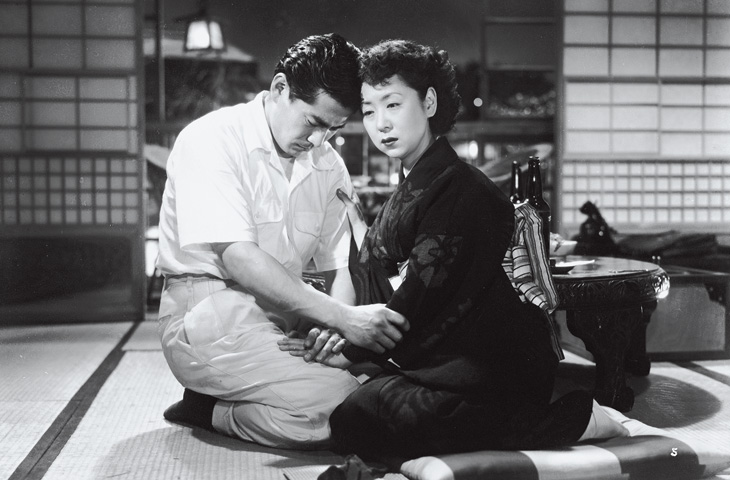
This change in his wife has not escaped the attention of Michio who astutely notices that she seems to be “glowing” – a development he silently attributes to the presence of Dr. Ema. Michio does his best not to resent the doctor but internalises a deep seated feeling of guilt and inadequacy as he realises that he can no longer provide what his wife needs and has become an obstacle to her happiness. A sensitive man apparently marked by his wartime experiences, Michio is angry and jealous but also resents himself for feeling that way, deepening his depression and conviction that he is nothing but a burden to his wife who deserves a full marriage with a man who can satisfy all of her needs and desires.

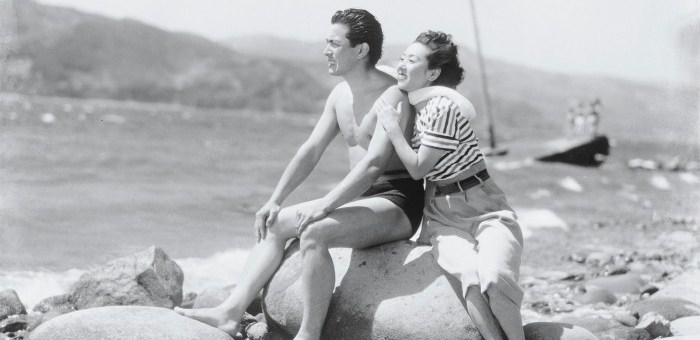
Desire is certainly something Noriko feels as she gazes at Ema’s powerful hands, broad shoulders, and athletic physique. Clasping his sweaty jacket to her breast in desperation eventually gives way to accidentally bold physical contact as hands catch hands and Noriko finds herself caressing Ema’s shoulder as he prepares to dive back into the sea dressed only in his woollen trunks. Ema feels the same attraction but also understands that it cannot be, not least because he is Michio’s physician and has begun to have idle fantasies of being unable to save him, freeing Noriko from her unfulfilling marriage so they can finally be together. Both sensible people, Noriko and Ema are eventually able to discuss their feelings and social responsibilities in a mature fashion, agreeing that they cannot act on their desires even if they find them hard to relinquish.

Rather than wedding ring, the Japanese title of the film more accurately refers to an engagement ring. Noriko’s wedding ring never comes off, but the engagement ring with its large stone comes to represent her shifting allegiances. Discovering the ring abandoned on the dresser, Michio begins to understand he is losing his wife to the strapping young doctor whose healthy, powerful body he cannot help but envy. The camera seeks out Noriko’s hand, with or without the shiny diamond of the engagement ring, quickly signalling the current direction of her desires.

Michio, who cannot give full voice to his emotions, expresses himself through tanka poetry, something which the equally sensitive doctor can also understand and later makes use of himself in communicating the inexpressible delicacy of his feelings to the married woman with whom he has fallen in love. Torn between love and duty, Noriko and Ema battle their mutual passion while Michio battles his sense of self and feelings of ongoing inadequacy but Kinoshita refuses to condemn any of them, rejecting an angry showdown for a nuanced consideration of personal desire versus social responsibility. The conclusion may be conservative, but the journey is not as the trio eventually part friends even if with lingering sadness in accepting the choice that has been made and resolving to move forward in friendship rather than rancour.


Screened at BFI as part of the Women in Japanese Melodrama season.

Opening scene (no subtitles)