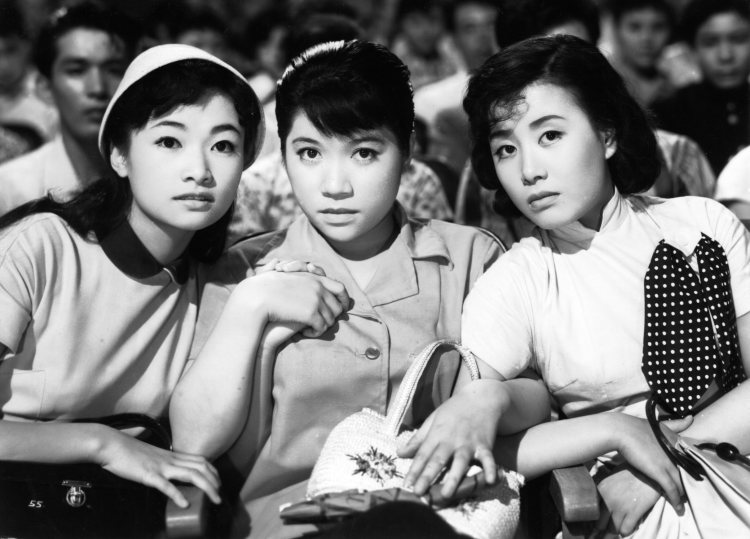
 Pop stars invading the cinematic realm either for reasons of commerce, vanity, or just simple ambition is hardly a new phenomenon and even continues today with the biggest singers of the era getting to play their own track over the closing credits of the latest tentpole feature. This is even more popular in Japan where idol culture dominates the entertainment world and boy bands boys are often top of the list for any going blockbuster (wisely or otherwise). Cycling back to 1955 when the phenomenon was at its heyday all over the world, So Young, So Bright (ジャンケン娘, Janken Musume) is the first of four so called “three girl” (Sannin Musume) musicals which united the three biggest female singers of the post-war era: Hibari Misora, Chiemi Eri, and Izumi Yukimura for a music infused comedy caper.
As far as plot goes, it’s actually very simple and yet quite complicated at the same time as highschoolers Yumi (Chiemi Eri) and Ruri (Hibari Misora) end up on a school trip to Kyoto where they fall in a river because they’re laughing so much at their classmates’ excitement at spotting someone filming a jidaigeki on the riverbank (neat cameo from director Toshio Sugie). Breaking off from their group, they take their uniforms off to dry only to be disturbed by a young man who tries to take photographs of them at which point they pretend to be washing some clothes in the river. Later they head to an inn which is owned by a friend of Ruri’s mother (who is also an inn owner and former geisha) where they befriend an apprentice geisha, Piyo (Izumi Yukimura).
Piyo then turns up in Tokyo in a bit of a state as it turns out she will shortly be sold into prostitution! She’s fallen in love with someone from the city who she thinks could save her if only she can find him so the girls set out to help her, except the guy’s name is Saito which is the Smith of Japan. During all of this, Ruri also has a subplot about her long lost father who will shortly be moving abroad and apparently wants to actually meet her, opening lots of old wounds.
So Young, So Bright is not a musical in the classical sense, it’s not integrated, but allows ample space for its singing stars to do their thing. Yumi just loves to sing so she randomly starts singing songs she’s heard everywhere, Piyo sings as a geisha and Ruri is rehearsing for some kind of kabuki style performance she gives alone on stage at the climax of the film.
That aside, the main musical sequence comes towards the end where the three girls go to the theatre together and strangely end up seeing “themselves” performing on stage. It’s a neat kind of fantasy sequence in which each of the girls indulges in a little bit of daydreaming as they imagine themselves as stage stars with Piyo being given the cutest, most MGM style number which is then followed by a number from Yumi entitled “Africa” which is very much of its time…and then you get the elegant number from Ruri which is mostly the English version of La Vie en Rose. They also get a trio number to close the film which takes place entirely on a rollercoaster but celebrates each of their slightly different singing styles.
So Young, So Bright is not intended to be anything other than irrepressibly cheerful fluff (despite containing a subplot about possible forced prostitution), but succeeds in being exactly that. An early colour film from Japan it certainly makes fantastic use of its technicolour swirl to give Hollywood a run for its money in the sophistication of happiness stakes. Hollywood musicals are quite clearly the biggest influence though perhaps more those from the pre-war era even down to the only large scale dance sequence which has a distinct Busby Berkley vibe (even it only lasts twenty seconds or so). The rest of the film is actually quite light on dance but makes sure to showcase the singing talents of each of its leading ladies equally. Strangely innocent, even if darkness lurks around the edges with the betrayed geisha and possible prostitution subplots, So Young, So Bright lives up to its name as a completely charming musical comedy that is perfectly primed to banish even the bluest of blues far into the distance.
These movies are so much fun! No subtitles but here are some clips of the various musical numbers:
Izumi Yukimura’s Cha Cha number:
Chiemi Eri’s Africa number (not very PC by modern standards, just a warning)
Hibari Misora’s take on the English language version of La Vie en Rose
And the finale:
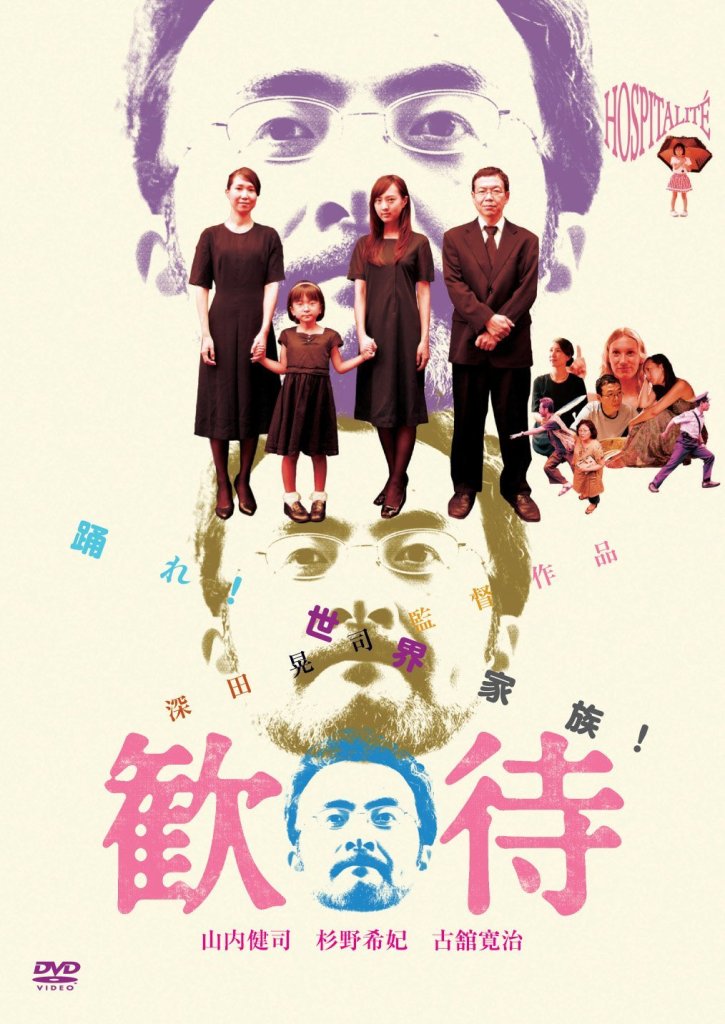 From the Ozu-esque, classic calligraphy of its elegant title sequence, you might expecting a rather different kind of family drama than the one you find in Koji Fukada’s Hospitalité (歓待, Kantai). Though his compositions lean more towards the conventional, Fukada aims somewhere between a more restrained
  Naruse’s final silent movie coincided with his last film made at Shochiku where his down to earth artistry failed to earn him the kind of acclaim that the big hitters like Ozu found with studio head Shiro Kido. Street Without End (限りなき舗道, Kagirinaki Hodo) was a project no one wanted. Adapted from a popular newspaper serial about the life of a modern tea girl in contemporary Tokyo, it smacked a little of low rent melodrama but after being given the firm promise that after churning out this populist piece he could have free reign on his next project, Naruse accepted the compromise. Unfortunately, the agreement was not honoured and Naruse hightailed it to Photo Chemical Laboratories (later Toho) where he spent the next thirty years.
 Following on from
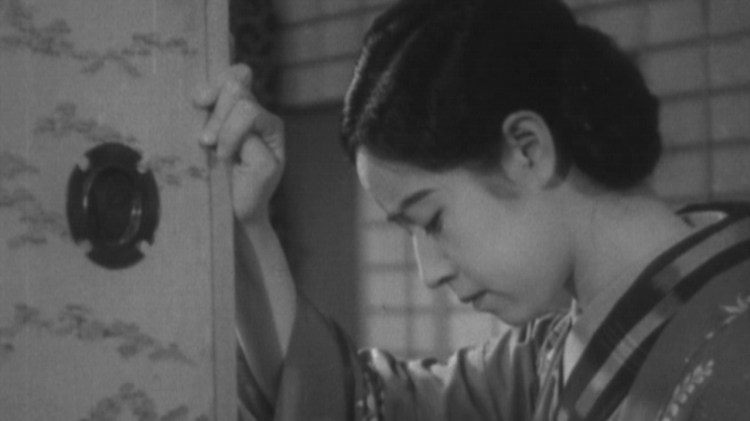
 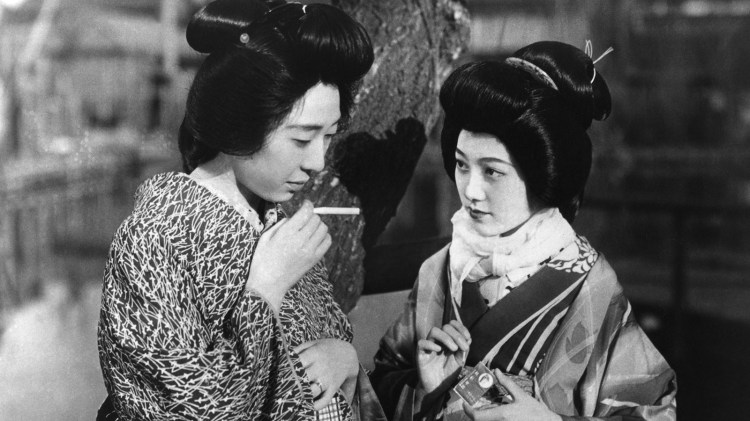 Naruse’s critical breakthrough came in 1933 with the intriguingly titled Apart From You (君と別れて, Kimi to Wakarete) which made it into the top ten list of the prestigious film magazine Kinema Junpo at the end of the year. The themes are undoubtedly familiar and would come dominate much of Naruse’s later output as he sets out to detail the lives of two ordinary geisha and their struggles with their often unpleasant line of work, society at large, and with their own families.
 Naruse apparently directed six other films in-between
 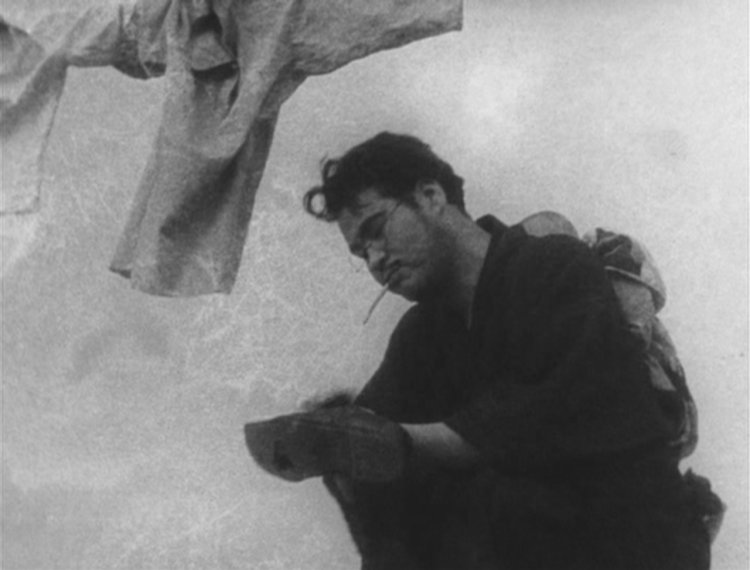 Mikio Naruse is often remembered for his female focussed stories of ordinary women trying to do they best they can in often difficult circumstances, but the earliest extant example of his work (actually his ninth film), Flunky, Work Hard (腰弁頑張れ, Koshiben Ganbare), is the sometimes comic but ultimately poignant tale of a lowly insurance salesman struggling to get ahead in depression era Japan.
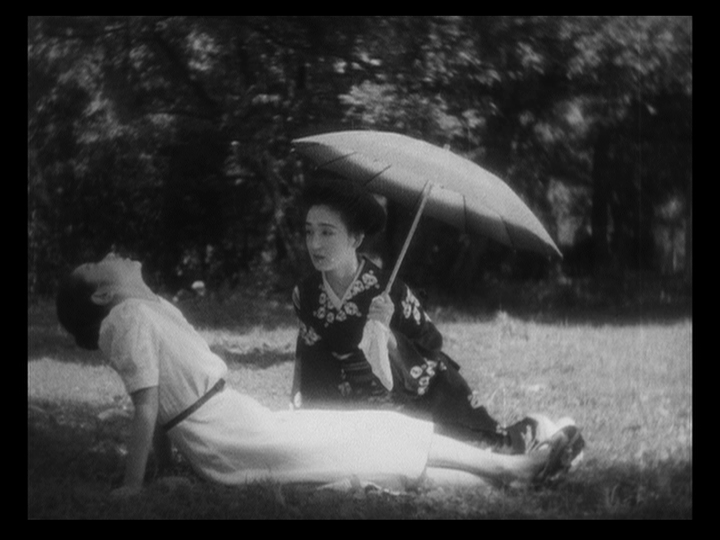 Shimizu goes on holiday! Again! Actually, when you think about it going on holiday is always inherently sad because just like everything else holidays end and you have to return to whatever it was that made you want to go on holiday in the place only with the painful reminder that a more cheerful world exists and you’re no longer in it. That rather depressing preamble out of the way, it’s time to join the temporary residents of a small hot springs resort in the picturesque countryside where a mislaid hairpin is about to kickstart a series of mini epiphanies in the diverse collection of guests.
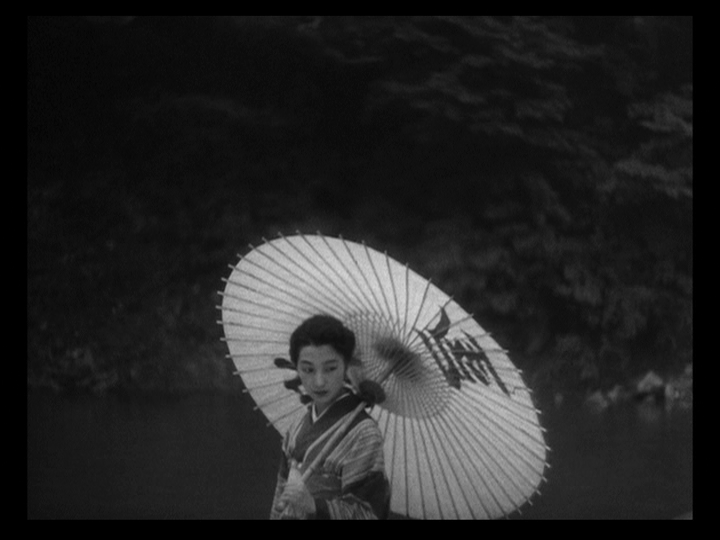 Hiroshi Shimizu takes another relaxing sojourn in 1938’s The Masseurs and a Woman (按摩と女, Anma to Onna), this time in a small mountain resort populated by runaways and bullish student hikers. Once again Shimizu follows an atypical narrative structure which begins with the two blind masseurs of the title and the elegant lady from Tokyo but quickly broadens out to investigate the transient hotel environment with even a little crime based intrigue added to the mix.
 Bus trips might be much less painful if only the drivers were all as kind as Mr. Thank You and the passengers as generous of spirit as the put upon rural folk travelling to the big city in Hiroshi Shimizu’s 1936 road trip (有りがとうさん, Arigatou-san). Set in depression era Japan and inspired by a story by Yasunari Kawabata, Mr. Thank You has its share of sorrows but like its cast of down to earth country folk, smiles broadly even through the bleakest of circumstances.
