Angry Son (世界は僕らに気づかない, Kasho Iizuka, 2022)

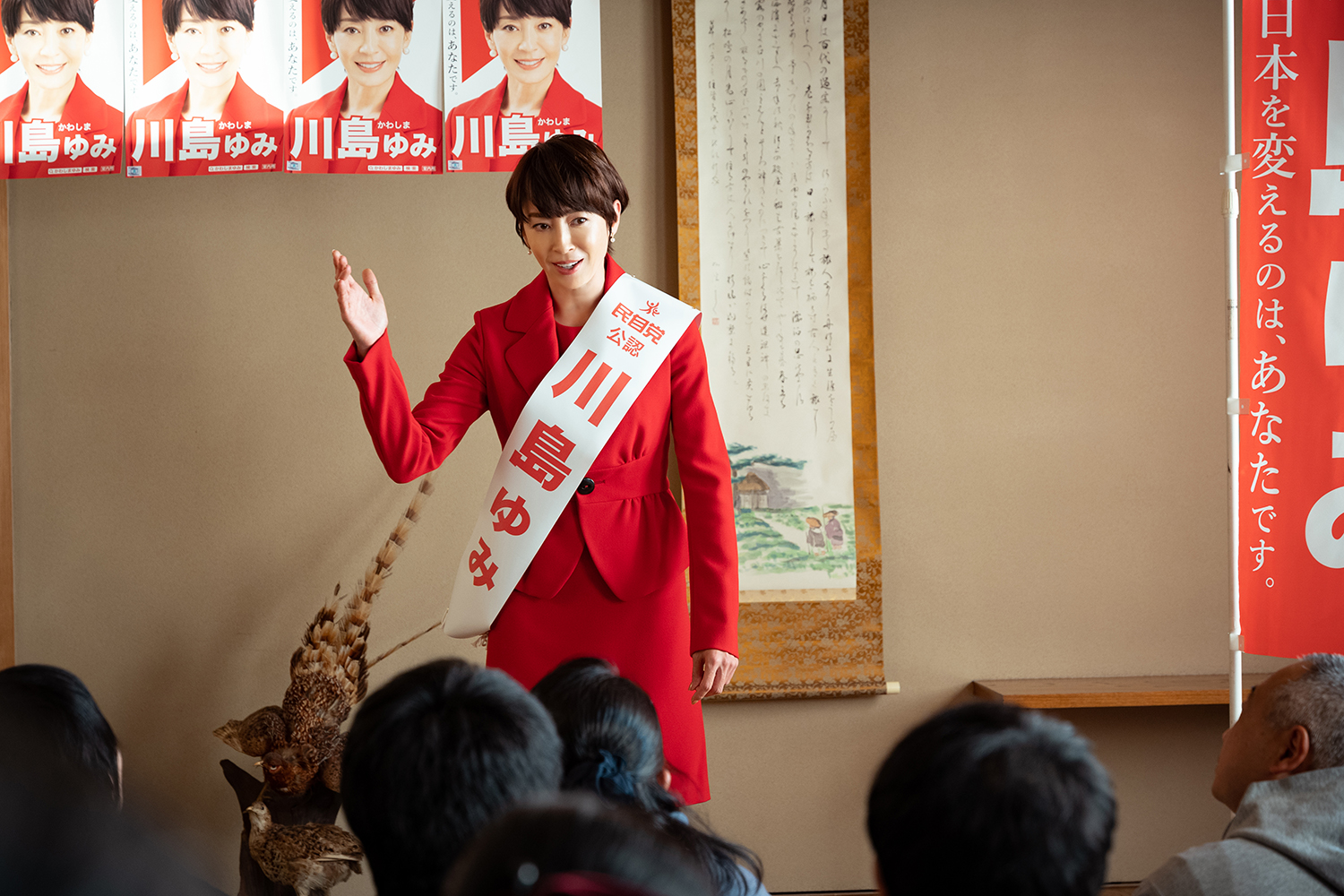
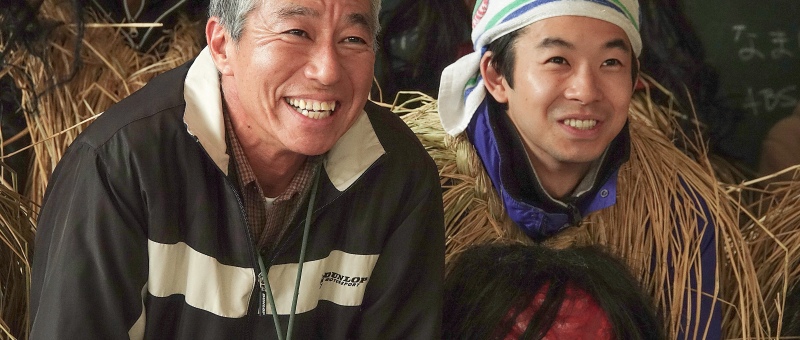
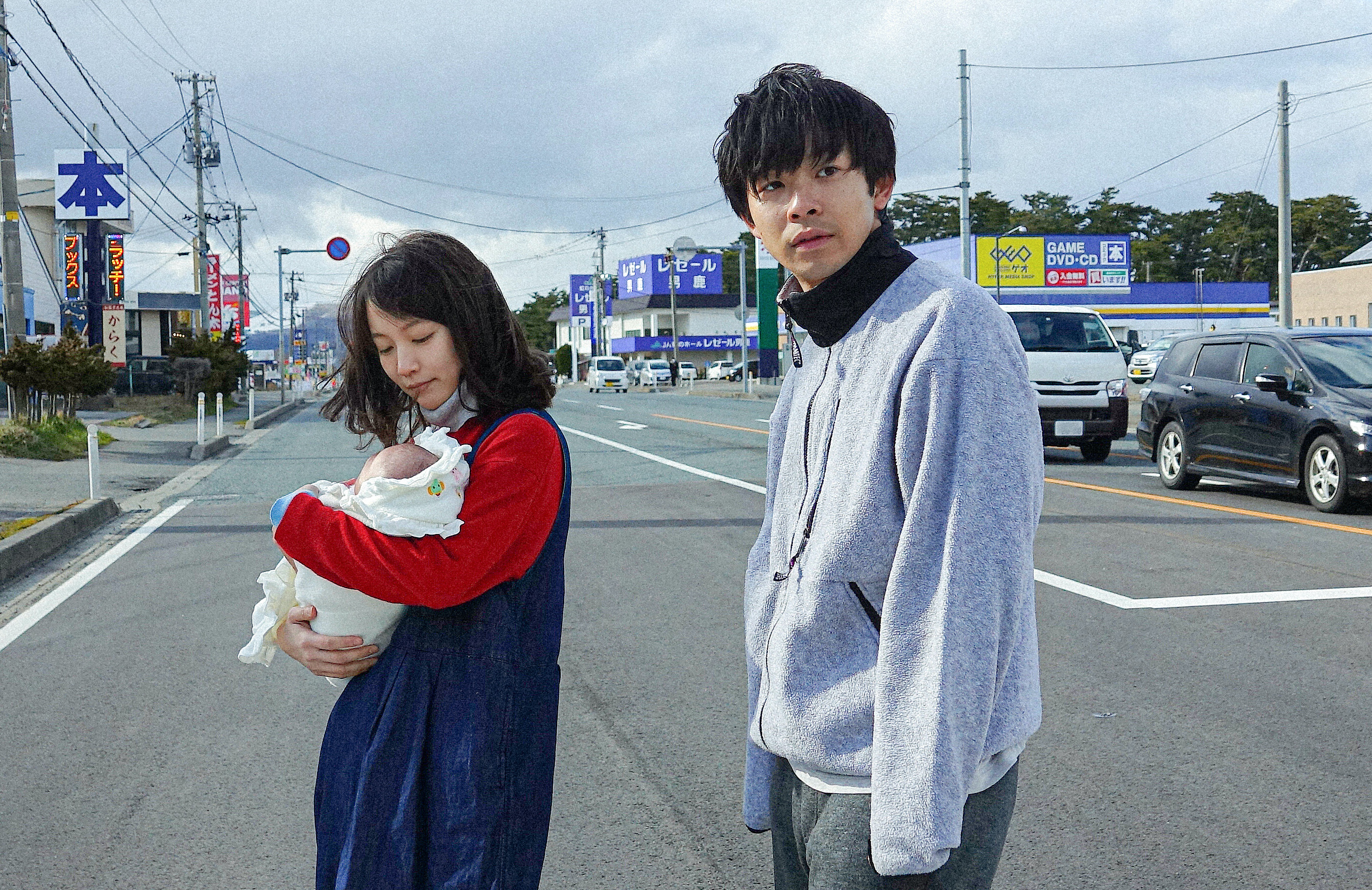
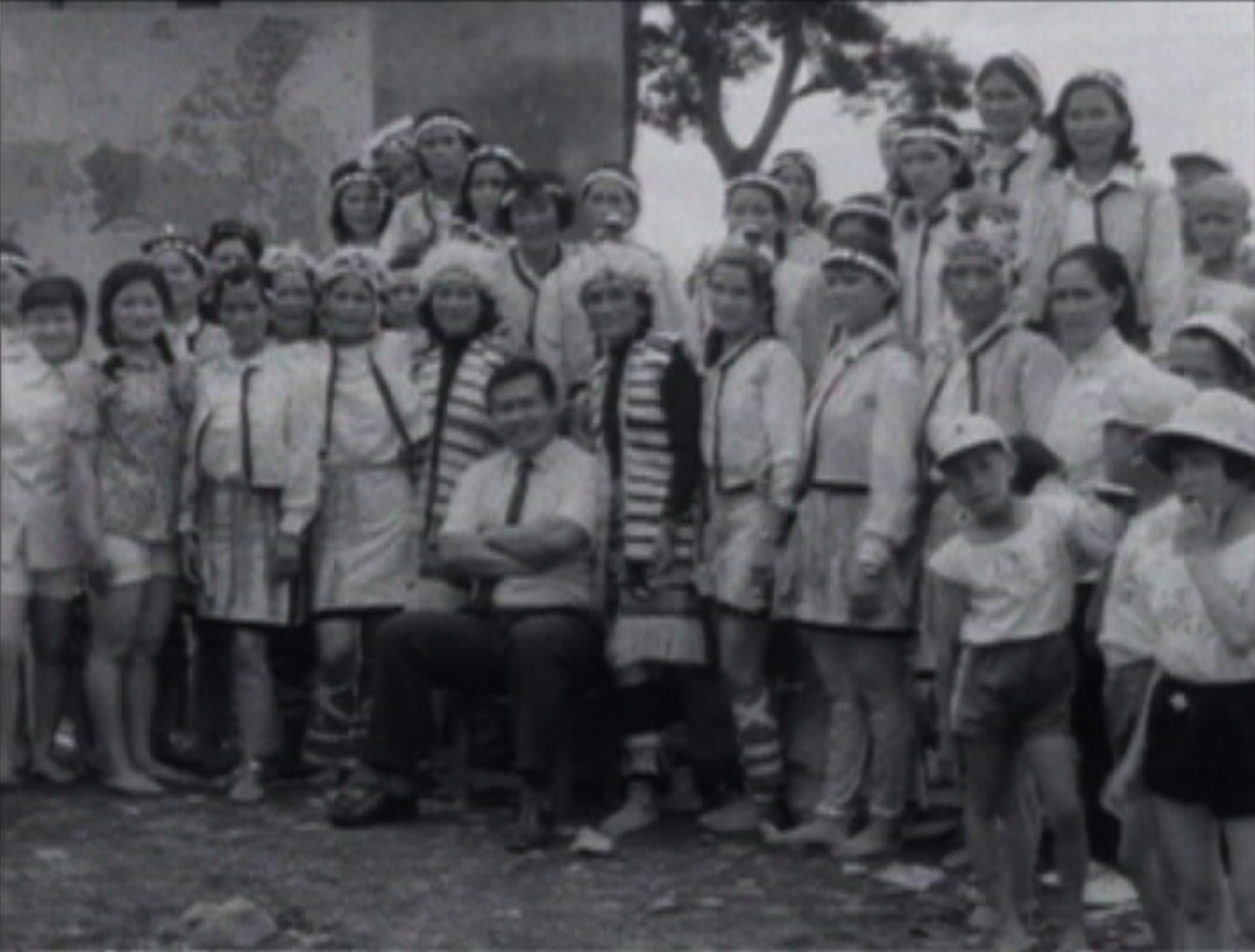
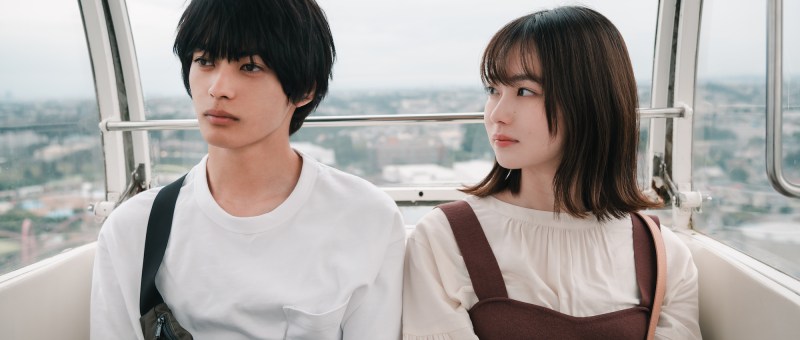
A resentful young man struggles to orient himself amid constant xenophobia and social prejudice in Kasho Iizuka’s sympathetic coming-of-drama Angry Son (世界は僕らに気づかない, Sekai wa Bokura ni Kizukanai). At a difficult age, he flails around lashing out at all around him without fully comprehending the consequences of his actions, but eventually comes to understand a little more about his mother’s past, his place in Japan, his relationships with his extended family, and his possibilities for the future while searching for the father he has never really known save for a name on his maintenance payments. 

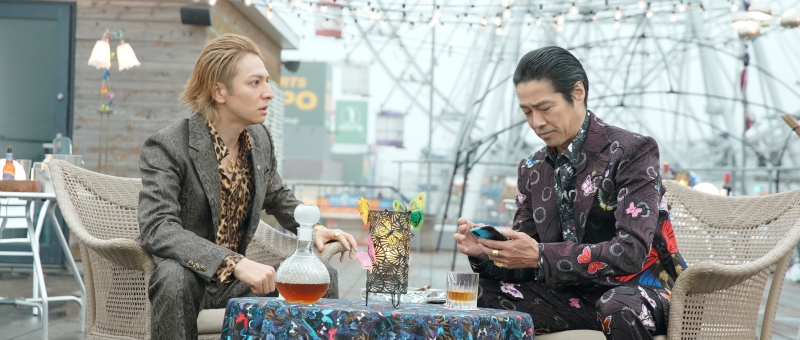
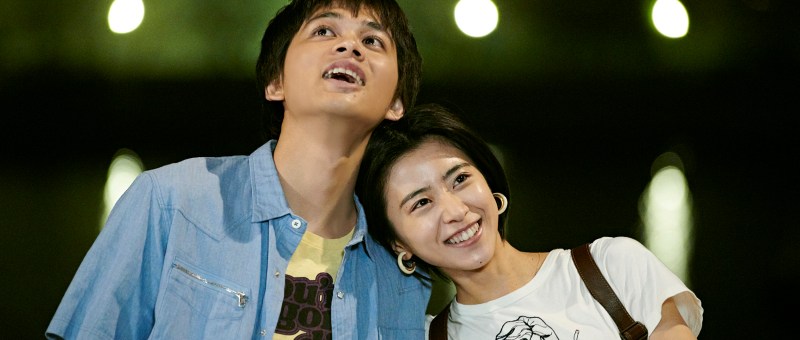
Jun’s (Kazuki Horike) main source of resentment is towards his mother, Reina (GOW), a Filipina bar hostess by whom he feels emotionally neglected while unfairly blaming her for the discrimination he faces for being mixed ethnicity. The pair live incredibly modestly as Reina sends all her money back to her family in the Philippines even telling Jun to use his child support payments to get the electric turned back on if it bothers him that much, leaving Jun feeling as if he isn’t really included her definition of “family” or that perhaps she resents him as a burden that causes her to hold back even more of her pay. That’s one reason that he becomes so irate on coming home one day and unexpectedly finding an unfamiliar man in his pants in their living room only to be told he’s his mum’s new boyfriend, Mr. Morishita, who will be moving in the week after next because they’re getting married. Granted, this is not an ideal way to find out about such a drastic change in his living circumstances but Jun just can’t accept it, fearing firstly that Reina is after his money only to discover to his further bemusement that Morishita is also unemployed.  

News of his mother’s impending wedding has Jun feeling even more pushed out than before, especially when Reina confirms that if he’s forcing her to choose she’s going to choose Morishita and he’ll have to fend for himself. Meanwhile, his high school boyfriend Yosuke is already talking up the possibilities of marriage seeing as their prefecture has recently brought in a same sex partnership scheme. Though Yosuke excitedly talks it over with his supportive parents, Jun is noticeably sullen replying honestly that he really isn’t sure if it’s a such a good idea mostly because he doesn’t want Yosuke to get “dragged” into his ever increasing financial responsibilities to his extended Filipino family. Like many of the other kids, Jun has left his careers survey blank and it’s his refusal to think seriously about his future that eventually disrupts his relationship with Yosuke. 

In response to all of these crises, he decides to try tracking down his birth father whom he has never met a quest which takes him through a series of Filipino hostess bars across their largely rural area and eventually to a man, Watanabe, who was once married to “Loopy Lisa” as she was then but is not actually his dad. Even so, Watanabe begins to open his eyes and change his perspective on his mother’s occupation for which he had previously looked down her beginning to understand the sacrifices she is making not only for her family back home but for him too and that while her love may be difficult for him to understand it is not absent. Meanwhile, she too faces prejudice and discrimination on more than one level, a co-worker at a part-time job at a bowling alley she took while laid off from a bar struggling in the post-corona economy expressing openly racist sentiment even in front of their boss, and from the local council when she tries to apply for rent relief which she is denied on the grounds that those working in the “adult entertainment” industry are not eligible for benefits. 

Reina gives as good as she gets and refuses to let discrimination slide, but Jun finds it all quite embarrassing and is carrying a degree of internalised shame which later leads her challenge him on his fragile sense of identity that he too looks down on her as an inherently dishonest foreigner just like any other prejudiced Japanese person no different from her unpleasant colleague or the kids at school who’d bullied him for being half-Filipino, gay, and the son of a bar hostess. Confronted with his own bad behaviour and gaining a new perspective thanks both to Mr Watanabe and Morishita whom he realises is sensitive, kind, and genuinely cares for his mother he begins to envisage a future for himself only to have his horizons broadened once again when Yosuke introduces him to a young woman at the school, Mina, who is asexual but wants to raise a family and is looking for another kind of partnership that hints at a new evolution of the family unit. 

A willingness to embrace the idea of family and of being a part of one himself marks Jun’s passage into adulthood, coming to an understanding of his mother and her relationship with her family in the Philippines and willing to take on the responsibilities of a committed relationship in mutual solidarity and support. A highly empathetic coming-of-age tale, Angry Son never shies away from societal issues such as widespread xenophobia, homophobia, bullying, prejudice, and discrimination but eventually allows its enraged hero to discover a new sense of confidence in his identity in order to forge his own future in a sometimes hostile environment. 


Angry Son screened as part of Osaka Asian Film Festival 2022

International trailer (dialogue free)

Images: ©2022「世界は僕らに気づかない」製作委員会

Baby Assassins (ベイビーわるきゅーれ, Yugo Sakamoto, 2021)

“Drugs and pimping are outdated. We’re in the age of “moe”” according to a surprisingly progressive gang boss who takes his son to task for his sexism and insists that even the yakuza has a duty to create a comfortable working environment for women. Yugo Sakamoto’s anarchic deadpan action comedy Baby Assassins (ベイビーわるきゅーれ, Baby Valkyrie) is at heart a slice of life slacker drama about two young women reluctantly trying to make their way towards adulthood only the two young women are also elite assassins recently graduated from high school having been raised as coldblooded killers. 

For whatever reason it’s decided that the shy and socially awkward Mahiro (Saori Izawa) and the manic extrovert Chisato (Akari Takaishi) should become roommates occupying a furnished apartment paid for by their handler while they cover their other expenses through part-time jobs that will help them figure out how to live as “members of society”. The problems they face are perhaps those faced by many in the contemporary era just trying to make it through an unfulfilling side gig without killing anyone only for them the stakes are higher as Chisato discovers on braining a customer and strangling a moody coworker without realising she’s not just fantasising. Mahiro meanwhile finds herself entering a daydream in which she offs the combini manger interviewing her after his boring rant about kids today who think they can earn a living playing video games only to realise the store is staffed by yakuza-esque minions determined to avenge their boss. 

Already very efficient in their killing game, the girls never need to worry about cleaning up after themselves even if Chisato does get a lengthy lecture from the long suffering Mr. Tasaka who as it turns out has a lot of unsolicited advice about how she’s doing her job wrong or at least in ways which are inconvenient to him. Nevertheless while trying to live their normal lives they wind up sucked into gangland intrigue having accidentally offed a major supplier and thereafter engaged in a vendetta with equally crazed yakuza daughter Himari (Mone Akitani) who in a recurring motif proves much more in tune with contemporary gangsterdom than her “sexist” bother Kazuaki (Satoshi Uekiya). 

Gangsterdom has indeed changed, the boss declaring that they need to find a more “female-centric” business which is what brings them to a maid cafe as they declare themselves mystified by “moe”, rapidly becoming extremely irritated by the sickly sweet aesthetic of the cafe which requires them to order food through a series of annoyingly cutesy codewords while young women in ridiculous outfits call them “master” and satisfy their every whim. In some ways the Baby Assassins are a subversion of the kawaii ideal while also to some extent embodying its essential traits in their mix of infinite competence and adorable cluelessness, Chisato forever forgetting what’s she’s done with her weapons while Mahiro constantly mutters to herself under her breath. 

For them, killing is just another job which they mostly enjoy but can also be annoying, just like each other’s company. A mismatched pair, their dynamic strangely recalls Saint Young Men only they’re highly trained assassins trying to perfect a cover identity rather than peaced-out deities engaged in an ethnological study of life on Earth. They have a brief falling out over the same thing most roommates fight about, one feeling the other is not pulling their weight, Chisato irritated by Mahiro’s inability to find a job and Mahiro frustrated that Chisato devotes too much time to her side gig and not enough to their main job as killers for hire. Meanwhile, they’re suddenly plunged into a very adult world of bills and taxes and insurance, their handler promising to handle some of that for them because ironically enough they’re much more afraid of the taxman than they’ve ever been of the police. 

Surreal and filled with deadpan humour not to mention expertly choreographed fight sequences by Hydra’s Kensuke Sonomura, Baby Assassins is a perfectly pitched coming-of-age tale in which two young women attempt to find a place for themselves while contending with a still patriarchal society, eventually discovering a complementary sense of solidarity in their opposing natures as they come together to clean up their own mess while defiantly striking out for their futures as “members of society” whatever that may mean. 


Baby Assassins screened as part of this year’s Glasgow Film Festival.

Original trailer (English subtitles)

Japan Academy Film Prize Announces Winners for 45th Edition

The Japan Academy Film Prize, Japan’s equivalent of the Oscars awarded by the Nippon Academy-sho Association of industry professionals, has announced the winners for its 45th edition which honours films released Jan. 1 – Dec. 31, 2021 that played in a Tokyo cinema at least three times a day for more than two weeks. International festival hit Drive My Car achieves a clean sweep winning in all eight categories for which it was nominated while Kasumi Arimura takes Best Actress for We Made a Beautiful Bouquet.

Picture of the Year

Animation of the Year

Director of the Year

Screenplay of the Year

Outstanding Performance by an Actor in a Leading Role

Outstanding Performance by an Actress in a Leading Role

  • Yuki Amami (What Happened to Our Nest Egg!?)
  • Kasumi Arimura (We Made a Beautiful Bouquet)
  • Mei Nagano (And, the Baton Was Passed)
  • Mayu Matsuoka (Kiba: The Fangs of Fiction)
  • Sayuri Yoshinaga (A Morning of Farewell)

Outstanding Performance by an Actor in a Supporting Role

Outstanding Performance by an Actress in a Supporting Role

  • Satomi Ishihara (And, the Baton Was Passed)
  • Kaya Kiyohara (In the Wake)
  • Mitsuko Kusabue (What Happened to Our Nest Egg!?)
  • Nanase Nishino (Last of the Wolves)
  • Suzu Hirose (A Morning of Farewell)

Outstanding Achievement in Cinematography

Outstanding Achievement in Lighting Direction

Outstanding Achievement in Music

  • Taisei Iwasaki & Ludvig Forssell & Yuta Bandoh (Belle)
  • Taro Iwashiro (It’s a Flickering Life)
  • Otomo Yoshihide (We Made a Beautiful Bouquet)
  • Takatsugu Muramatsu (In the Wake)
  • Goro Yasukawa (A Morning of Farewell)
  • Goro Yasukawa (Last of the Wolves)

Outstanding Achievement in Art Direction

  • Tsutomu Imamura (Last of the Wolves)
  • Takashi Nishimura (It’s a Flickering Life)
  • Tetsuo Harada (Baragaki: Unbroken Samurai)
  • Katsuhiro Fukuzawa (A Morning of Farewell)
  • Fumiko Matsuo (In the Wake)

Outstanding Achievement in Sound Recording

  • Kadoaki Izuta (recordist) & Miki Nomura (re-recording mixer) (Drive My Car)
  • Tomoharu Urata (Last of the Wolves)
  • Shinya Takada (In the Wake)
  • Shota Nagamura (It’s a Flickering Life)
  • Kenichi Fujimoto (A Morning of Farewell)

Outstanding Achievement in Film Editing

  • Kazuhide Ishijima (It’s a Flickering Life)
  • Hideaki Ohata (A Morning of Farewell)
  • Hitomi Kato (Last of the Wolves)
  • Ryo Hayano (In the Wake)
  • Azusa Yamazaki (Drive My Car)

Outstanding Foreign Language Film

  • Tailor
  • Nomadland
  • Minari
  • No Time to Die
  • Dune

Newcomer of the Year 

(Presented to all nominees equally)

Special Award from the Association

(Lifetime achievement awards)

  • Kyoko Obayashi (producer)
  • Toshiyuki Sasatake (artwork type designer)
  • Sadao Tsukioka (animator)

Award for Distinguished Service from the Chairman

(Lifetime achievement awards for contribution to the film industry)

  • Mitsuko Kusabue (actress)
  • Natsuko Toda (subtitler)
  • Teruyo Nogami (production manager for Akira Kurosawa)
  • Masako Nozawa (voice actress)
  • Hanae Mori (costume design)
  • Tsutomu Yamazaki (actor)

Special Award from the Chairman

(Lifetime achievement award presented to members of the film industry who passed away during 2021)

  • Yasuo Otsuka (animator)
  • Masato Hara (producer)
  • Kunie Tanaka (actor)
  • Sonny Chiba (actor)
  • Shinichiro Sawai (director & screenwriter)
  • Tan Takaiwa (producer, former president of Toei Animation)
  • Emi Wada (costume design)

Shigeru Okada Prize

  • Kyoto Animation
  • Toei Animation

Popularity Awards

(Decided via public vote)

  • Movie: Evangelion: 3.0+1.0 Thrice Upon a Time
  • Actor: Masaki Suda (We Made a Beautiful Bouquet)

Japan Academy Film Prize official websiteEiga Natalie

Inu-Oh (犬王, Masaaki Yuasa, 2021)

“Unity demands order” according to an ambitious politician near the end of Masaaki Yuasa’s stunning anime prog rock opera, Inu-Oh (犬王). Inspired by Hideo Furukawa’s novel Heike Monogatari Inu-Oh no Maki, Yuasa’s spirited drama is as much about the liberating power of artistic expression as it is about the danger it presents to those in power, while reclaiming the stories wilfully hidden in history or as the narrator puts it “stolen and forgotten” in order to exorcise a degree of historical trauma lingering in the cultural aura.

Set in the Muromachi period in which two imperial courts contested hegemony, the tale opens with the retrieval of a set of cursed remnants buried at the bottom of the sea after the battle of Dan-no-ura in which the Heike clan were famously defeated. Ashikaga Yoshimitsu (Tasuku Emoto) is convinced that possessing imperial treasures would lend credence to his claim, but their resurfacing creates nothing but misery leaving the boy who discovered them, Tomona (Mirai Moriyama), blind and his father dead. Setting off for Kyoto in search of revenge, Tomona is taken in by an elderly Biwa player and eventually runs into a strange creature wearing a gourd mask and behaving like a dog, striking up a friendship that later leads to the realisation that the boy is also cursed, haunted by the spirits of fallen Heike warriors desperate for their stories to be told. 

In true fairytale fashion, curse later begins to dissipate as the pair exorcise the ghosts by telling their stories never singing the same song twice but always in search of new songs to be sung. Tomona changes his name several times, adopting that of “Tomoichi” in keeping with the requirements of his Biwa school and later choosing for himself that of “Tomoari” in his partnership with Inu-Oh in emphasis of the fact that “we are here”. Yet as the ghost of his father reminds him, changing his name makes him difficult to find literally losing touch with his roots in becoming invisible to friendly spirits. He and the cursed boy Inu-Oh are interested in a new kind of Biwa that is opposed by the Biwa priests for its transgressive modernity some feeling that Tomona’s transformation with his long hair and makeup brings the profession into disrepute though the act proves undeniably popular with Inu-Oh the biggest star of the age. 

Having begun in the classical register with images resembling ink painting and a score inspired by traditional noh, Yuasa introduces electric guitar as the film shifts into rock opera, the pair’s stagecraft incredibly modern as they adopt all kinds of elaborate staging to add atmosphere to their tales including at one point a large lantern silhouette mimicking the big screen graphics of the present day. Yet Inu-Oh’s fame comes with a price. His popularity threatens both the pride of a jealous rival and the ambitions of the Ashikaga clan who fear his tales of the Heike are simply too bold and radical, later condemning them as an affront to the glory of the shogun and insisting that their official version must be the only record of the Heika warriors. 

The sense of freedom the pair had felt in their ability to express themselves through music and dance is quickly crushed by cultural authoritarianism, Inu-Oh reduced to a kind of court jester performing only for the lord while as the closing credits tell us becoming the biggest popular star of his age though now too forgotten along with his songs while his more elegant counterpart, Fujiwaka, is remembered for shaping the art of contemporary noh though there is perhaps something in Tomona’s defiant reclaimation of his name along with the essential right to choose it for himself that grants him a greater liberty in simply refusing to allow himself to be subjugated by feudal power. A psychedelic rock opera set in 14th century Japan that remembers even noh was once new and malleable, Inu-Oh insists on art’s danger in its capacity to challenge the status quo not only directly but through a series of internal revolutions born of the masks we choose to wear and those we choose to remove in the radical act of self-expression which is in its own way the truest form of liberty. 


Inu-Oh screened as part of this year’s Glasgow Film Festival 

International trailer (English subtitles)

Love, Life and Goldfish (すくってごらん, Yukinori Makabe, 2021)

An emotionally repressed salaryman discovers that it really is all about connection in Yukinori Makabe’s absurdist musical, Love, Life, and Goldfish (すくってごらん, Sukutte Goran). Adapted from the manga by Noriko Otani, the Japanese title is itself a minor pun in that it could be translated either as “please try to save me”, or “please have a go at scooping” as in goldfish which is a popular activity at Japanese summer festivals. A fish out of water, former top banker Makoto (Matsuya Onoe) is in a sense saving himself, biding his time until he’s scooped back up again, but discovers his true purpose may be to save someone else in this strange, goldfish-obsessed tranquil country town. 

Defiantly aloof, Makoto arrives a wounded man resentful that one mistake could have derailed his career to the extent that he’s gone from a cushy job in the Tokyo head office to a regular clerk in a rural branch of a nationwide bank. Viewing himself as an elite, infinitely better than all these country bumpkins with their weird goldfish obsession, Makoto is scrupulously polite but abruptly deflects the attempts of his new colleagues to make him feel welcome. He does however, develop a fascination for a melancholy young woman dressed in kimono, Yoshino (Kanako Momota), whom he firstly mistakes for a geisha running a house of ill-repute only to realise that her establishment caters to a different clientele in that she runs a goldfish scooping emporium. Meanwhile, he also becomes an object of fascination for Asuka (Nicole Ishida), a young woman running a bar with her brother. 

Makoto is fond of saying that “numbers don’t lie”, devoting himself entirely to work and insisting that he has no need of things like love or friendship but is in fact deeply lonely and trying to fill the void with industry. Though we never see much of his previous life, it’s easy to assume that he has at some point been deeply hurt and has affected this impervious persona as a means of self defence. Nevertheless, bottling up his emotions is apparently what caused his career to implode leading him to break with salaryman protocol and tell his boss what he actually thought in a less than polite manner. In a repeated motif, Makoto is no longer sure if and when his interior monologue has become exterior with the unwanted consequence that some of his less than charitable thoughts and inner insecurities accidentally leak into the outside world. 

More self aware than he seems, Makoto is moved to tears on hearing a heartfelt song from Asuka who, like him, is a Tokyo “reject” having come back after failing to achieve her dreams of becoming an actress. Overwhelmed by the sight of someone expressing their emotions without embarrassment he can’t help crying but continues to struggle with his feelings for Yoshino who is herself perhaps also feeling something similar. Once a promising pianist, she now only plays alone too afraid of judgement or rejection to risk playing for others. 

Tellingly Makoto’s Tokyo outburst had been over a business plan for an AI robot massage parlour which his boss dismissed on the grounds that it’s human warmth and kindness which are essential for healing. Of course Makoto didn’t want to hear that because he wants to live in a cold world of order ruled by the unassailable logic of numbers, but through gradually bonding with the townspeople comes to accept that it’s human connection that’s most important after all. “Sometimes you have to face reality even if it’s painful”, he remarks eventually realising that “you can’t save anyone if you obsess over numbers” after failing to scoop an arbitrary number of goldfish with a broken paddle. 

Realising life’s not a numbers game gives Makoto the courage to sing with his heart no longer quite so repressed as he prepares to escape this strange holding tank for the oceans of the metropolis. An old-fashioned integrated musical, the whimsical score skips through several genres from j-pop to rap though it’s true enough that some of the melodies stray uncomfortably close to popular hits from recent musical theatre and family animation. Nevertheless, the quirky production design and absurdist direction make Love, Life, and Goldfish difficult to resist as the repressed salaryman its centre learns to open his heart while swimming in a different river to realise that it really is all about feeling after all. 


Love, Life and Goldfish screened as part of this year’s Glasgow Film Festival.

Original trailer (no subtitles)

Tomodachi (ともだち, Yukihiro Sawada, 1974)

As the Japanese studio system began to implode in the late 1960s, Nikkatsu which had specialised in youth cinema, pivoted towards softcore pornography rebranding itself as Nikkatsu Roman Porno. At the same time, however, they also launched an unexpected sideline of family films with strong educational aims under the Nikkatsu Children’s Films banner. Selected by the Ministry of Education and recommended by various educational and parent and teacher associations, the second feature put out under the label, 1974’s Tomodachi (ともだち), is in its own way instructional with a strong anti-bullying theme but also has something to say about the literal pollution of the contemporary society. 

As such, the film revolves around the originally unsympathetic hero, Shinta (Hitoshi Abe), who openly bullies a girl in his class by kicking a football at her because she alone has been excused the after school duty of sweeping the school yard. Having transferred from rural Tohoko, Yoshiko (Noriko Suzuki) has developed serious asthma from living in the centre of industrial Kawasaki and has been instructed to avoid physical exertion or activities which might cause her to breath in additional dust and smoke. Shinta and his friends are however entirely insensitive, literally surrounding Yoshiko while they hound her with questions insisting she’s not really “ill” and merely shirking her duty. When the teacher tries to explain to them that Yoshiko has been excused because it would be bad for her heath to be sweeping dust, Shinta and his friends all immediately claim to be ill too, fake coughing and wheezing despite having just been playing football rather than doing their after school chores like the other kids. 

What doesn’t occur to Shinta is the loneliness, isolation, and embarrassment Yoshiko must feel on being singled out because of her illness. Rather poignantly, the school nurse and others describe how cheerful and friendly Yoshiko was when she first arrived only to reflect on how depressed and withdrawn she’s since become. This is partly as Shinta later learns because her classmates rejected her once she became ill. Asthma is obviously not a contagious disease, yet many of the other parents stopped their kids playing with her because of the stigma surrounding any kind of “illness” while simulataneously unwilling to bear the responsibility of needing to care for her if she should undergo an asthma attack while in their home or under their care fearing they would then suffer a reputational loss if they failed to treat her properly. 

For his part, Shinta is intensely resentful when the teacher sits him next to Yoshiko in the hope that his cheerfulness will help bring her out of her shell. Exclaiming that he hates sick people and thinks that Yoshiko is boring and creepy because she doesn’t really say anything, he begins to have second thoughts when the teacher implores him to help “as a man” suddenly discovering a sense of honour and justice that he doesn’t want to let down. His first action however is to continue kicking footballs at her, but strangely it works rather well providing a physical activity which is compatible with her asthma in not needing to move around while allowing her to feel part of the game. As he gets to know her more, Shinta comes to sympathise with his new friend and is angry with the other kids who reject her but discovers that his own parents are not much different refusing him permission to invite Yoshiko over on talking to other parents at the PTA in part because they run a bento store and are nervous of coming under suspicion if anyone notices a girl with a heavy cough coming and going and questions their hygiene practices. 

Shinta does, however, visit her small apartment which is unfortunately right behind a dusty construction site. As she explains, Yoshiko’s parents were part of a new agricultural drive which later failed and left them with massive debts which is why they had to leave the country to work in a factory in Kawasaki. As her parents often work late shifts for the extra money, she has to look after not only herself but her younger brother with only a pet squirrel for company. Constant references are made to other children having to change schools because their parents moved into a company dorm, while the poor quality of the air is repeatedly given as the cause of Yoshiko’s illness literally choked by the thoughtless post-war economic drive that continues to disrupt not only family lives but the local environment, Shinta also revealing that his parents used to farm seaweed but were forced to stop because of industrial pollution in local rivers. 

This destructive industry also creates unintended divisions among the children along class lines between those whose parents work manual jobs in the factories and those whose families are wealthier and involved in white collar work. The ring leader of the girls who reject Yoshiko, Ayako (Masayo Koga) is the daughter of a wealthy conservative family living in a large house with a mother (Yoshie Kitsuta) who wears kimono. When Ayako shuns her the other girls follow, Yoshiko inviting them to her birthday party only to discover them all together eating cake at Ayako’s house instead. She’d invited them partly out of worry that they were offended she hadn’t invited them to her small apartment, only then realising that they rejected her because of the stigma towards her illness leaving her feeling hopeless and dejected. As Shinta later points out, this kind of emotional pain negatively impacts her medical condition coming to despise the adult world describing his father as the worst in his class for his insistence that he should accept the way the world works rather than idealistically trying to help his new friend. 

The message of the film, however, is that it’s wrong to leave people out and that children in particular should always attempt to friendly with each other. Developing appendicitis, Shinta comes to a new appreciation of how difficult it can be being ill while his mother too starts to regret her decision finally inviting Yoshiko to come and visit them at their home after spotting her sadly walking around outside uncertain if it’s alright to come and visit Shinta on his sickbed. Shinta’s two best friends had also been not entirely supportive of his decision to bring Yoshiko into their group, referring to her as “goldfish poo” in her tendency to trail along behind them, though partly out of jealousy along with the natural awkwardness of a girl suddenly being introduced into a previously all male club but even they eventually come round and decide to reaffirm their friendship. Despite this rosy conclusion in which the other children are convinced to abandon their unfair prejudices and become friends with each other, the eventual conclusion seems rather cruel if returning to the minor theme of the destructive effects of increasing industrialisation even as Shinta’s father is also reminded of the importance of friendship in stating an intention to attend his own primary school reunion. A touching coming-of-age tale, Tomodachi puts its young hero through the emotional wringer but also allows him to discover a strong sense of justice and empathy towards those rejected by their society. 


Sound of the Mountain (山の音, Mikio Naruse, 1954)

“All I can do for you now is set you free”, a failed father laments. Mikio Naruse is renowned as a pessimist according to whom we are always betrayed by the world in which we live, yet bleak as it sometimes is 1954’s Sound of the Mountain (山の音, Yama no Oto) offers us what in Narusean terms at least might be considered a happy ending. Adapting a novel by Yasunari Kawabata, Naruse and his screenwriter Yoko Mizuki stop their story a little before the original’s conclusion offering an “open prospect” in which the chastened patriarch is forced into retreat, setting the young ones free while reflecting on paternal failures both national and personal. 

Now in late middle age, CEO Shingo (So Yamamura) is beginning to notice things he perhaps hadn’t before or had merely brushed aside such as the various ways the women around him continue to suffer because of inherently unfair patriarchal social codes. He dotes on his cheerful daughter-in-law Kikuko (Setsuko Hara) but is also aware his son/employee Shuichi (Ken Uehara) is having an affair. Confronted, Shuichi pledges to end the relationship but asks his father if he has honestly remained faithful all his life. Shingo doesn’t exactly deny anything, but remarks that it justifies nothing and his son ought to know better. 

According to Shingo, a man’s success is affirmed if he lives out his life unharmed but one’s success as a parent depends solely on that of the marriages of one’s children and on that front at least Shingo appears to be a failure. Shuichi offers barbed comments about his wife that sound like jokes but clearly aren’t, responding to query as to why they have no children with an excuse that his wife is a child herself, Kikuko’s face contorting momentarily in pain and shame at her husband’s cutting remark yet the only sign of childishness that we see in her is oft remarked cheerfulness. The Ogata household is currently down a maid and it’s Kikuko who’s been picking up the slack as perhaps a daughter-in-law is expected to do, taking care of the household and ensuring her in-laws are well cared for. Ironically enough, the Ogatas love her like a daughter, in part because of her ability to conform to what is expected of a wife despite their son’s indifference, though Shingo is perhaps learning to see past Kikuko’s placid expression, so like the impassive noh mask passed to him by a deceased friend, in the brief flickers of her discomfort. The old couple discuss a double suicide of a couple their age who have decided to leave quietly of their own volition with bleak humour, a look of such total and abject despair passing over Kikuko’s face as she replies to Shingo’s question if she too would write a note if she planned to die with her husband that she might leave one for him. 

The ill-defined relationship between Kikuko and her father-in-law is in essence paternal but profoundly felt, founded on a shared sense of connection and a deep respect. It stands in contrast, however, to that with his own daughter, Fusako (Chieko Nakakita), who returns home to her parents having discovered that her husband is also having an affair. In a sense, this reaction is a facet of post-war freedom, Shingo’s wife Yasuko (Teruko Nagaoka) may suspect her husband had other women but would have pretended not to and in any case would never leave an otherwise successful marriage over such a “trivial” matter. Fusako, meanwhile, has the freedom to demand better and to leave if she doesn’t get it but continues to hesitate blaming her father’s indifference towards her for her husband’s lack of respect something which she believes also fed into his poor choice of match. 

Cheerful, stoical Kikuko meanwhile finds herself caught between tradition and modernity unhappy in her marriage but uncertain if she has the right to escape it. Despite his parents’ niceness, Shuichi has grown into a cruel and selfish man, running down his wife and neglecting his work to romance his father’s secretary, who is not the mistress (not that she wouldn’t like to be), and apparently a violent drunk who routinely beats his girlfriend, a war widow and independent woman who sees nothing wrong in dating a married man because his wife is only waiting for one certain to return. Mirroring Kikuko, Kinuko (Rieko Sumi) is also pregnant but transgressively plans to have the child and raise it alone (supported by her friend and roommate). Telling no one, Kikuko learns that she is expecting but unilaterally opts for an abortion telling her husband that she cannot in good conscience give birth to his child knowing the kind of man he is. Confronting Shuichi, Shingo describes it as a kind of suicide and he is at least right in that she kills the image of herself as the good wife but does so by choosing her own integrity, seizing her agency in rejecting a dissatisfying present to seek a happier future. 

By contrast, we get the impression that Fusako, who has two children already, will likely return to her husband. Shuichi has the talk with his brother-in-law his mother hoped he would, but bonds with him in male solidarity, excusing his affair while advancing that Fusako doesn’t understand that he is merely working hard for their family laying bare a fundamental disconnect in the thinking of men and women further borne out by Yasuko’s assertion that men and women deal with sorrow differently. It’s this series of disconnects, between men and women, parents and children, that Shingo is beginning to bridge only to be confronted with his own patriarchal failures. While he and his wife are seemingly happy enough, he brushing off her self-deprecating remark that he was “unlucky” in marrying her only because her prettier sister died, his children’s marriages have each failed. His failure stands in for that of his generation, realising that he all he can do for them now is set them free. Meeting Kikuko in a park with wide open vistas, oddly like the final meeting of doomed lovers aware they must now part, Shingo vows retreat, planning to retire and move to the country with his wife as if liberating the youth of Japan from the oppressive social codes of the past in ceding the “open prospects” of the post-war society to his surrogate daughter in order that she might at least seize her freedom to chase her own happiness. 


Step on the Gas! (新宿アウトロー ぶっ飛ばせ, Toshiya Fujita, 1970)

A recently released former gangster and the bored son of a CEO look for new directions in early ‘70s Japan in Toshiya Fujita’s Step on the Gas! (新宿アウトロー ぶっ飛ばせ, Shinjuku Outlaw: Buttobase). Released between his two instalments in the Stray Cat Rock series, Fujita’s freewheeling underworld drama is high on irony and shot in a surprisingly warm colour palate replete with pastels seemingly eschewing the seriousness of Nikkatsu’s earlier youth dramas for sense of youthful ennui eventually granting its mismatched heroes if not the direction they seek then at least possibility in their forever floating existence. 

“Angel of Death” Yuji (Tetsuya Watari) waltzes out of prison to be met by no one, only for another man it later transpires he does not know to attempt to flag him down in his military jeep. Ignoring him, Yuji jumps in a taxi and asks to go to Shinjuku, presumably his old stomping ground, before changing his mind and travelling on to Yokohama instead. This would indeed be a fantastically expensive journey, Yuji ironically taking the cabbie for a ride only for the mysterious man to appear and pay his fare for him. Giving his name as Nao (Yoshio Harada), he eventually explains that he’s trying to recruit Yuji for a job hoping to make use of his fearsome reputation to help him recover some missing drugs and get a gang of bikers off his back. 

As we later discover, however, Nao is not some street punk but the son of a wealthy businessman if one obviously at odds with this conservative father. That might be why he seems so hopelessly out of his depth in his relationship with the delinquent bosozoku motorcycle gang led by Rikki (Masaya Oki) who is perhaps equally in over his head in his rather naive approach to criminal enterprise. Nao and his friend Shuhei were supposed to handle a shipment of marijuana for the gang, but the deal went south and the drugs went missing along with Shuhei so now Nao owes them big time. He wants to use Yuji’s “Angel of Death” skills to find out what happened to Shuhei and retrieve the drugs to settle things with Rikki. 

Inevitably, events have a connection to Yuji’s former Shinjuku life Nao employing a woman he used to know, Shoko (Meiko Kaji) who is also Shuhei’s sister, to run his bar, while the icy enforcer working for the big enemy, corporatised yakuza, also turns out to be someone he knew before in the aptly named and distinctly creepy “Scorpion” (Mikio Narita) a former policeman turned amoral gangster. “His power lies not in fearlessness or being a good shooter but in the fact he doesn’t care about anything” Yuji later explains, describing him as the kind of man willing to knock off anyone in his way without a second thought be it a woman or a partner. One might have thought the same of Yuji in his breezy insouciance, but he is at heart noble despite his fearsome nickname displaying compassion and empathy for those around him along with old-fashioned values like loyalty siding with Nao against the twin threats of Scorpion and the biker gang with whom he later proposes a mutually beneficial alliance. 

Skipping between strangely whimsical folk music and a melancholy jazz score, Fujita’s freewheeling crime drama hints at a kind of aimless ennui Yuji and Nao both in differing ways emerging from a obsolescent past into a new and confusing world, Yuji realising the kind of life he lived before is no longer viable while Nao rejects his wealthy upbringing for a life of unglamorous crime engaging in drug use which he at one point hints has left him impotent. Meanwhile, the fading grandeur of old school yakuza is very much apparent in the cowardliness of the gang’s corporatised boss who hires a man like Scorpion to protect him because he cannot defend himself, planning to make off with the stolen money in a helicopter he has waiting rather than honourably facing off against Nao and Yuji in their quest to retrieve what was stolen from them. Constant red and white imagery recalling the Japanese flag clues us in to the sense of futility in their violence, but even so Fujita closes on an ironic note cementing the friendship of the two men but leaving them free floating with no clue how to land floundering for direction above an increasingly confusing society. 


Until the Break of Dawn (ツナグ, Yuichiro Hirakawa, 2012)

If you had the opportunity to reunite with someone no longer here for a single night, would you take it? The young hero of Until the Break of Dawn (ツナグ, Tsunagu) is beginning to wonder whether or not it’s a good thing to be able to converse with the dead, if some people regret their choice to meet again, and if it’s better to just move on accepting that there will always be unanswered questions at the end of a life. Arriving shortly after the 2011 earthquake and tsunami, Hirakawa’s moving drama is a meditation on grief and living with loss, but also on life and legacy and everything it means to be alive. 

High schooler Ayumi (Tori Matsuzaka) is being apprenticed by his grandmother Aiko (Kirin Kiki) to become a “connector” able to meet with spirits of the dead. As he explains to his potential clients, each person is allowed to meet only one other from the other side for one time only and should the deceased decline the invitation the petitioner will not be permitted to make another. If all goes to plan, Ayumi sets up a meeting at a fancy hotel where the pair can stay until dawn on the night of a full moon. Obviously this is not exactly a well publicised activity and the first customer Ayumi meets, Hatada (Kenichi Endo), is reluctant to trust him assuming it’s some kind of scam no better than an end of the pier clairvoyant despite repeated assurances that they accept no money and even the hotel expenses are covered.  

Tellingly, in the first reunions which we see the deceased does not tell the living anything they did not already know, Hatada claiming that he wanted to talk to his mother to find out where she put the deeds for their house only for her to tell him he already knows where they are and obviously had some other reason for wanting to see her. Even Aiko admits that she can’t be sure she’s really summoning the spirit of the deceased, Ayumi wondering if they really call someone back from the other side or if it’s more like the memories of a person who is no longer alive that have remained in the world are pulled back to together building a composite picture of someone as others saw and remembered them. He isn’t sure if what they’re doing is ethical, or if some people might wish they’d never chosen to meet again. The subject of another meeting, a young woman who died while presumed missing, is uncertain whether to meet her former boyfriend on hearing that he had spent the last few years waiting for her return realising that the her that had remained in him will die when he is forced to accept her death but deciding it’s worth it so that they both can achieve some closure and he can perhaps begin to move on. 

Moving on is something Ayumi is himself struggling to do, presented with the option of setting up a meeting of his own before he prepares to take over from his grandmother as the connector while meditating on the deaths of his parents wondering if he should meet one of them and simply ask why they left him behind. Meanwhile, he also finds himself proximate to death when a classmate is killed in a traffic accident, her guilt-stricken friend unknowingly asking for his services though for less than altruistic reasons worried her friend may use the service to tell others about their falling out. She’s fond of repeating the phrase that you regret more the things you didn’t do than the things you did though her reunion turns out to have a sting in the tail she may not have been expecting hinting at the bad outcomes Aiko had also warned were possible in such emotionally fraught situations. 

The conclusion that he comes to is to embrace the true nature of his calling as a connector hearing that Aiko only got the power from her brother (Tatsuya Nakadai) to keep her connected to the family while she later gave it to her son for the same reason only to harbour a sense of guilt that her imperfect instruction may have contributed to his death. Learning to see with his heart, Ayumi comes to understand that just because you can’t see something doesn’t mean it isn’t there discovering a source of comfort in the feeling of someone gently watching over those below while accepting that perhaps it doesn’t matter if the reunions are real or illusionary because their true purpose is to comfort those left behind. A gentle meditation on grief and living with loss, Hirakawa’s quietly moving film eventually makes the case for growing old happily with no regrets living to the full until the break of dawn.


Until the Break of Dawn streamed as part of Japanese Film Festival Online 2022.

Original trailer (English subtitles)

The Floating Castle (のぼうの城, Isshin Inudo & Shinji Higuchi, 2012)

What happens if you call the bluff of those who thought they could take your complicity for granted? As it turns out, at least in the case of a small provincial outpost in Isshin Inudo & Shinji Higuchi’s lighthearted historical drama The Floating Castle (のぼうの城, Nobo no Shiro), something and nothing. Inspired by a real life incident which took place in 1590, 10 years prior to the era defining battle of Sekigahara, the film asks how far standing up to corrupt authority will get you but as history tells us this this is the twilight of the Sengoku warring states period and in the end any victory can at best be only partial and temporary. 

With Hideyoshi Toyotomi (Masachika Ichimura) poised to unify all of Japan under his rule he turns his gaze towards Hojo, the last remaining hold out in the East of Japan. The small castle of Oshi is asked to commit its forces to protecting the main castle at Odawara where lord Ujinaga (Masahiko Nishimura) is to meet with the head of the clan which has decided to resist the Toyotomi invasion. Ujinaga meanwhile is privately doubtful. He knows they do not have the manpower to protect themselves and the only viable course of action is immediate surrender though he cannot of course say this openly even if buffoonish lord in waiting Nagachika (Mansai Nomura) is brave enough to raise the idea of neutrality in front of the messengers. Preparing to head to Odawara, Ujinaga tells his closest retainers to strengthen defences but to open the castle should the enemy approach while revealing that he plans to write to Hideyoshi, whom he apparently knows personally, and privately pledge allegiance in order to avoid destruction. 

Nagachika, however, eventually makes the decision to resist following the arrogant entreaty from Natsuka (Takehiro Hira), the right-hand man of the Toyotomi retainer leading the assault, Mitsunari Ishida (Yusuke Kamiji). He does this largely because Natsuka makes the unreasonable demand that they surrender their princess, Kai (Nana Eikura), herself a fearsome warrior though somewhat sidelined here relegated to the role of contested love interest, to be sent to Hideyoshi as a concubine but also correctly reads that Natsuka and Ishida are overreaching and actually have little more than their bluster to leverage other than the 20,000 men standing behind them which they may not know how to use. Nagachika may play the clown, but he’s not stupid and knows that the 20,000 men are there for the purposes of intimidation and are not expecting a force of a mere 500 to tell them where to go so it stands to reason to think they are not entirely prepared for battle. 

In this he’s mostly correct. Hideyoshi has essentially given Ishida, previously in finance, an easy ride to improve his reputation among the other lords instructing the more experienced Yoshitsugu Otani (Takayuki Yamada) to ensure he comes back painted in glory. Otani had said that others admired Ishida for his “childlike sense of fair play”, but his sense of fair play is often childish as in his gradual realisation that everyone is surrendering to him because of the 20,000 men rather than his prowess as a general annoyed with his enemies for backing down from a challenge which is why he sends Natsuka to alienate Nagachika hoping to provoke a battle which no rational person could ever describe as “fair”. Having assumed that Nagachika would back down or that the castle would be easy to take with only 500 country bumpkin soldiers defending it, the Toyotomi are in for a rude awakening discovering the extent of the counterstrategies in place to protect the small provincial outpost, forced into a humiliating defeat licking their wounds from a nearby hill. 

But then, as Ishida manically proclaims power comes from one thing, gold, using his vast resources to dam two nearby rivers and then burst them to drown the town as Hideyoshi had done once before. Designed by effects specialist Higuchi the flooding of the town is indeed terrifying, a spectacle which delayed the film’s release as the eerie similarities with the catastrophic tsunami of the year before may have been too traumatic for audiences, and speaks to nothing if not Ishida’s intense cruelty in which he is willing to go to any lengths in order to win even destroying the lives of innocent farmers far removed from these petty samurai games. As the film would have it, his arrogance and entitlement eventually come for him, his trap turned back on himself after an ill-advised potshot at Nagachika, a natural leader beloved by all because rather than in spite of his deceptive clownishness, causes disillusionment with his leadership. 

In any case, we already know how this story ends, Ishida is defeated at Sekigahara and beheaded in Kyoto. Nagachika’s victory can be only partial and in fact does not even win him the thing he went into battle for even if he strikes a blow at corrupt government in refusing to simply give in to intimidation, calling their bluff and showing them they cannot continue to push smaller clans around solely with the threat of extinction. In the end they are all at the mercy of their superiors, a truce imposed and imperfect to each side in an act of compromise which spells the end of an era many of those surviving the battles voluntarily renouncing samurai status as if realising their age is drawing to a close, Nagachika proved on the right of history in cultivating links with the Tokugawa soon to take the Toyotomi’s place as rulers of a unified Japan. His resistance was then not foolhardy but justified, necessary, and principled in standing up to injustice even if it could not in the end be fully stopped. 


The Floating Castle streamed as part of Japanese Film Festival Online 2022.

International trailer (English subtitles)