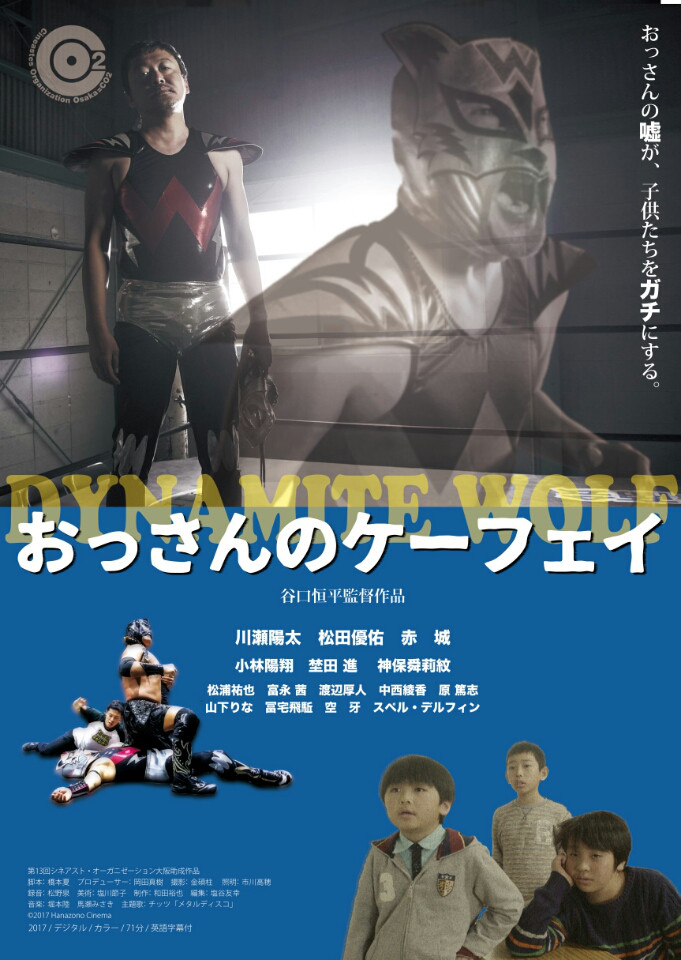
 Back in the day, lucha libre-style wrestling was hugely popular in Japan. Tiger Mask, a manga set in the world of Japanese pro-wrestling remains a firm favourite and its eponymous hero has also become a byword for altruistic philanthropy as well-meaning anonymous donors donate expensive gifts such as Japanese school backpacks to orphanages in Tiger Mask’s name. Sadly, pro-wrestling is no longer as high-profile as it once was and has left mainstream television screens far behind even if it still maintains a small but dedicated fanbase. Kohei Taniguchi’s Dynamite Wolf (おっさんのケーフェイ, Ossan no Kefei) is out to change all that by shining a spotlight on this almost forgotten phenomenon of crazy outfits, killer moves, and camp showmanship.
Middle schooler Hiroto is the most ordinary of little boys. He has two good friends, but no particular, hopes, dreams, talents, or aspirations. When his teacher assigns the class a special project in which they are supposed to come up with some kind of act they can do before the class to showcase a special skill, Hiroto is at a loss. His friend Takuto is going to whilstle whilst recent transfer student from Tokyo, Naoya, is going to show off his English but neither of them have any suggestions to help Hiroto figure out what his special talent is. Things only get worse when his mother catches sight of another boy, Teruo, on television being showcased on the news because of his dedication to dance, and insists Hiroto go to dance classes too which he is not really interested in. On the way back however his life changes when he spots a man in a strange shiny suit standing outside smoking. Invited inside, Hiroto witnesses the last ever fight of the legendary wrestler Dynamite Wolf and becomes instantly hooked on Japanese pro-wrestling.
Times being what they are, pro-wrestling is not the coolest of hobbies but Hiroto is undeterred. Running into an old man he thinks might by the real Dynamite Wolf, Hiroto starts training to become a wrestler and roping Takuto and Naoya in to practice too. As Naoya points out, anyone seeing three young kids wrestling around with a 50-year-old man would probably call the police but Mr. Sakata really is just interested in spreading the love of wrestling to the younger generation.
Despite the anti-wrestling sentiment, there’s something quite refreshing about the boys who like boyband-style dancing being the bullies and not the bullied. Teruo is a nasty piece of work and a spoilt brat thanks to the fact his dad is the head of the PTA but his love of dance is never questioned or mocked and is even favoured over the comparatively more “manly” hobby of wrestling.
Like any good kids movie, Dynamite Wolf is equally about the power of friendship as it is about reviving pro-wrestling. Teruo starts out as a little thug, behaving with impunity and making Hiroto’s life a nightmare simply because he’s not quite like them. However, once he learns some unpleasant stuff about his dad his world crumbles and he reforms to become a wrestling ally and all round better person.
Hiroto proves far more mature than his mentor who has repeatedly failed to achieve his dreams and now exists in a strange kind of perpetual childhood, trapped inside his own delusions. Unfairly branded a liar, Sakata does like a few tall tales and remains embittered about his lack of his success. His life has been about wrestling, but the ring has never accepted him and now he spends all his time beating up a blow-up doll on the beach and visiting sex workers for lucha libre workouts. His desire to mentor the boys is a noble one in the service of wrestling, but then again are wrestling skills really worth anything when outsiders simply ignore the rules and go for a one punch knock out?
Taking on a Rocky vibe, the question stops being about winning or losing but about finding your passion and then giving it your all even if it doesn’t end in the predictable fashion. Pro-wrestling might be over the top and campy, more about showmanship and ritual than signature moves technical skill but the friendships, loyalties, and sense of fair play are values which deserve to be fought for – mask on or off.
Dynamite Wolf was screened at the 17th Nippon Connection Japanese Film Festival.
Original trailer (no subtitles)

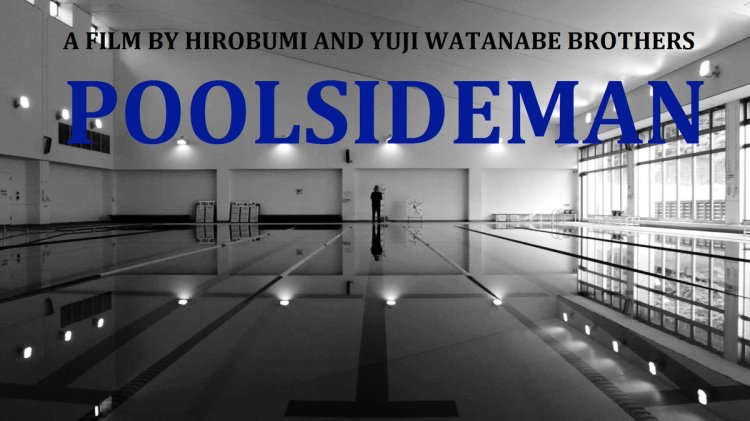 Around halfway through Poolsideman (プールサイドマン), the director himself playing an overly chatty colleague of the film’s protagonist, embarks on a lengthy rant about encroaching middle-age which is instantly relatable to those who find themselves at a similar juncture. He’s sure the world seemed better when he was a child, there wasn’t all of this distress and anxiety – everything just seemed like it would go on forever but time has inexplicably sped up with a series of rapid changes packed into recent years. The life of a poolsideman is improbably intense, or at least it is for Mizuhara (Gaku Imamura) whose days are all the same but filled with tension and the low simmer of something waiting to explode. Loosely inspired by the real life case of a man who left Japan for the Middle East with the idea of joining Isis, Poolsideman wants to explore why such a surreal thing might happen but finds it all too plausible.
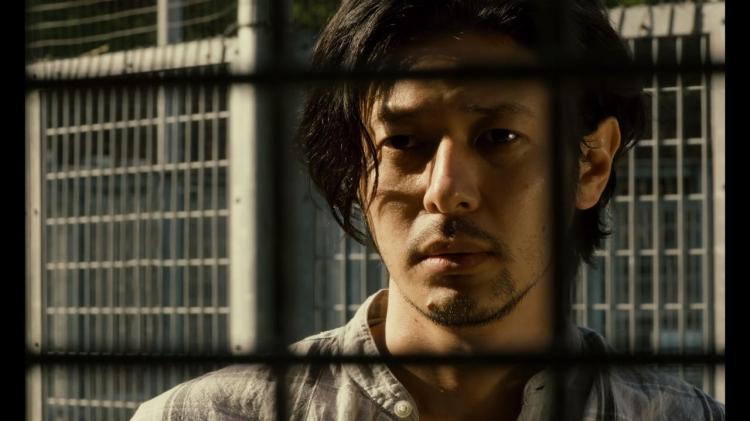 Now in its fifth year, Toronto’s Japanese Film Festival is back with another excellent selection of recent and classic cinema hits. Expanded to include a few extra guests and even more movies, the festival runs from 8th – 28th June and will also boast an appearance by one of Japan’s best loved actors, Joe Odagiri, who will introduce both Her Love Boils Bathwater and Over the Fence.
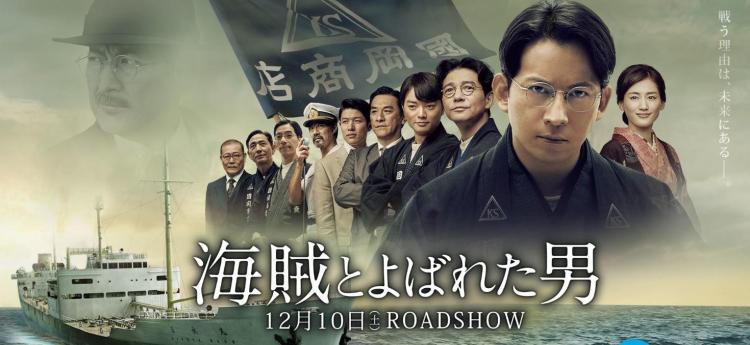 The festival kicks off with a screening of
 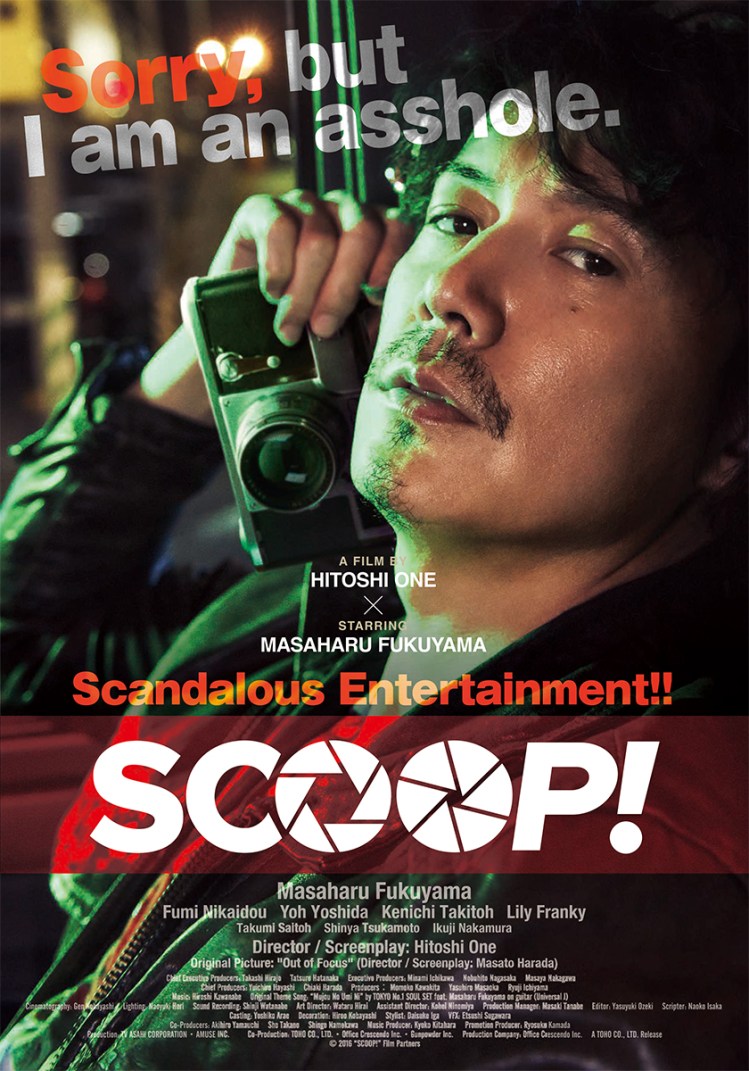 Masaharu Fukuyama stars as a jaded paparazzo rediscovering his photojournalist mojo in Hitoshi One’s oddly moving satire of the gutter press,
 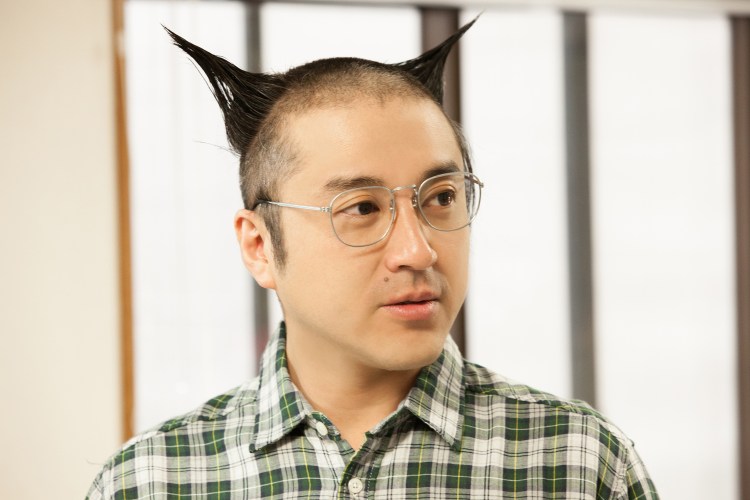 Romantic dreams so often turn to nightmares, but rarely with the blood soaked fury of Keisuke Yoshida’s
 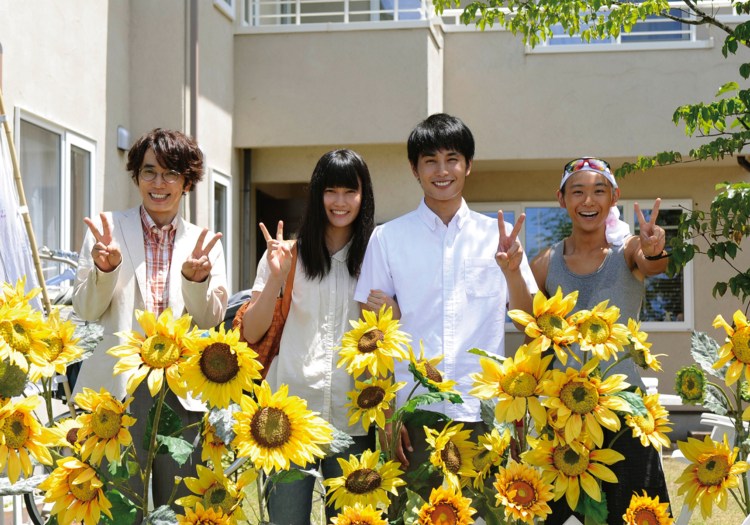 Ai Hashimoto and Aoi Miyazaki star as a mother and daughter cruelly separated by fate in Yasuhiro Yoshida’s family melodrama,
 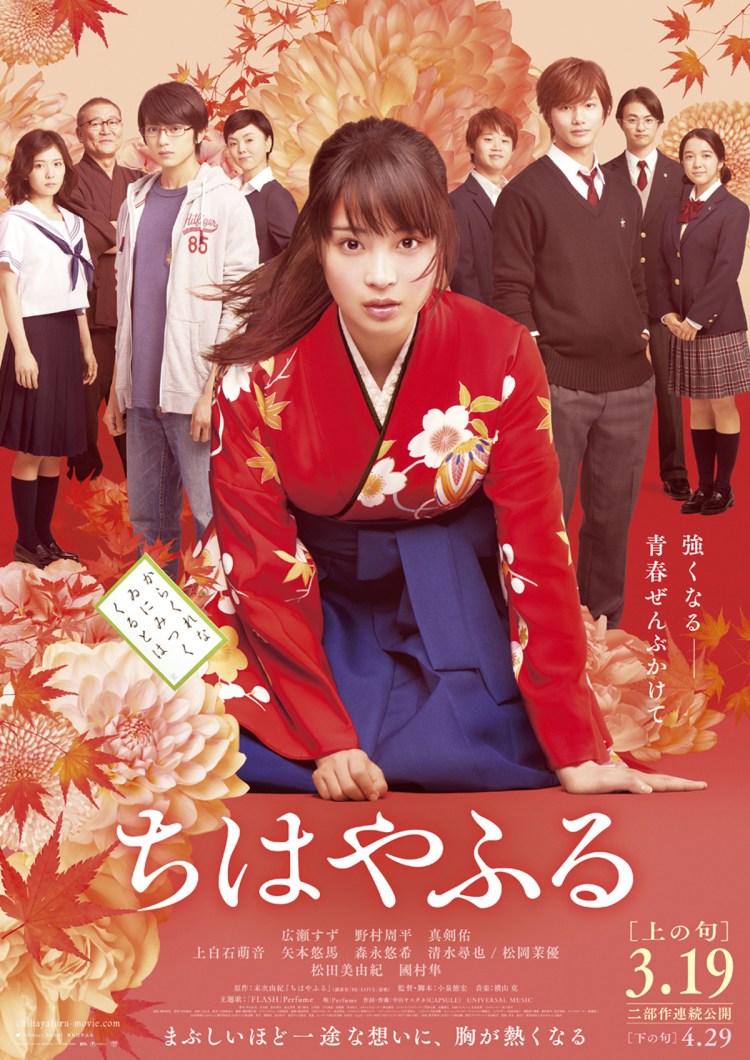 Part one of Norihiro Koizumi’s Karuta themed drama
  A sequel to Samurai Hustle,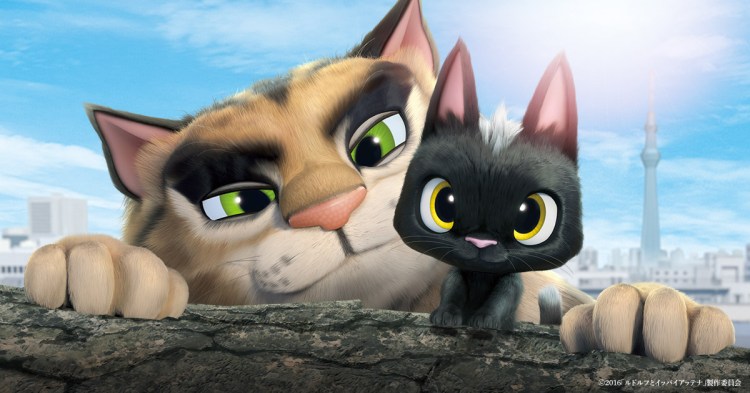
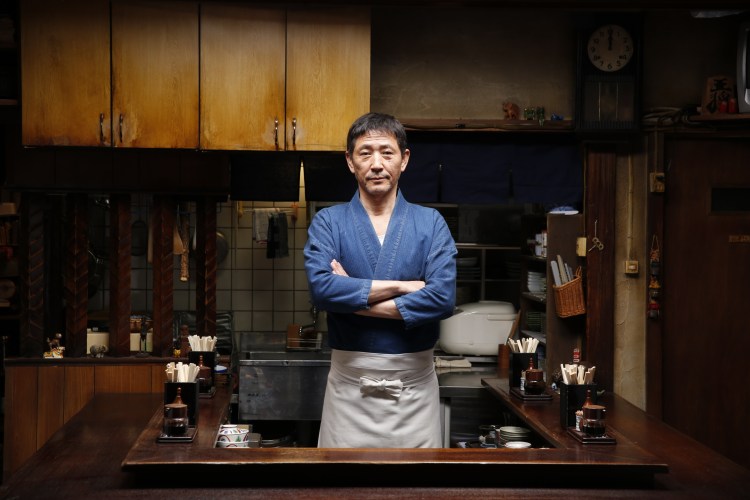 Inspired by the hit TV show, Master is headed to the big screen in the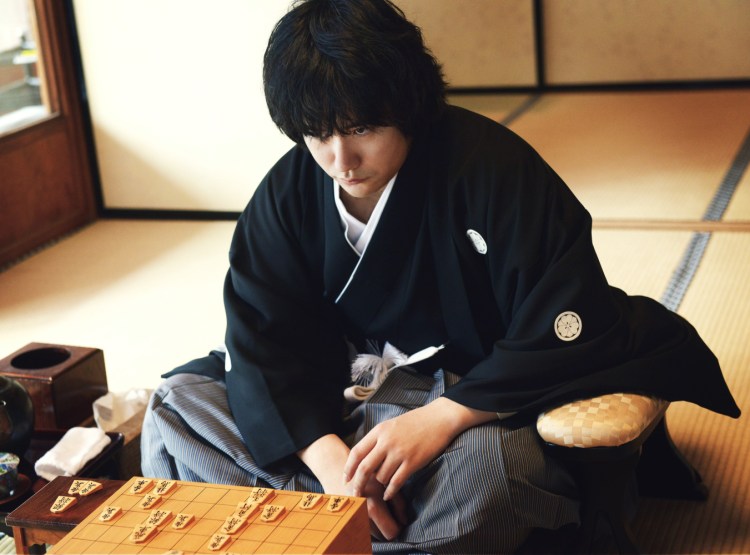
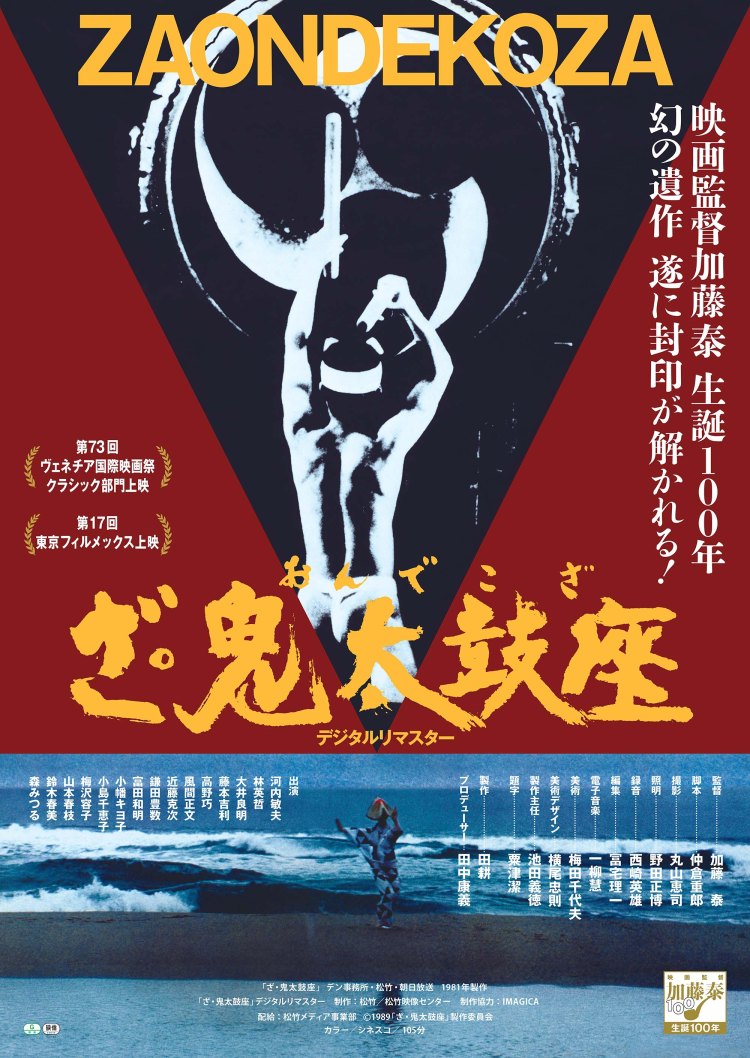 A highlight of this year’s programme, Tai Kato’s little seen and recently restored documentary
 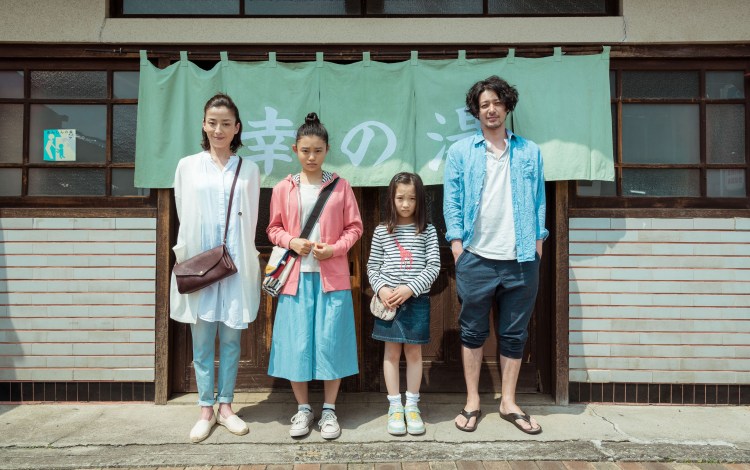 A big winner at this year’s Japan Academy Prize,
  One of two films recently released by Nobuhiro Yamashita,
 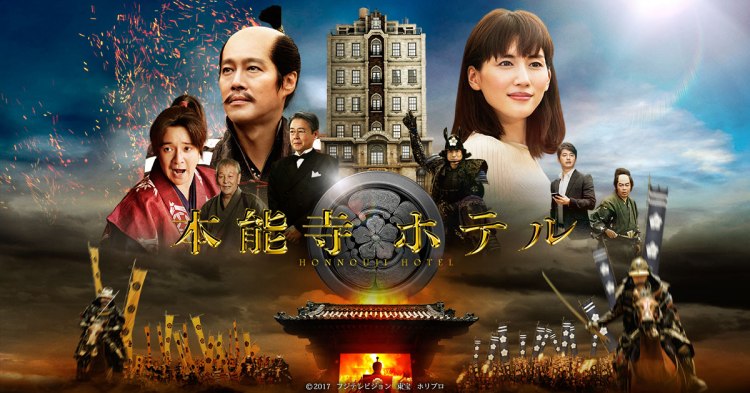 Haruka Ayase stars in
  Comedian Yo Oizumi plays an aspiring mangaka with big dreams and possibly deluded hopes who finally discovers the power of his ordinariness during the zombie apocalypse in Shinsuke Sato’s blockbuster action/comedy
  Yoji Yamada reunites with the cast of Tokyo Family and a few more old friends for another tale of humorous family drama,
 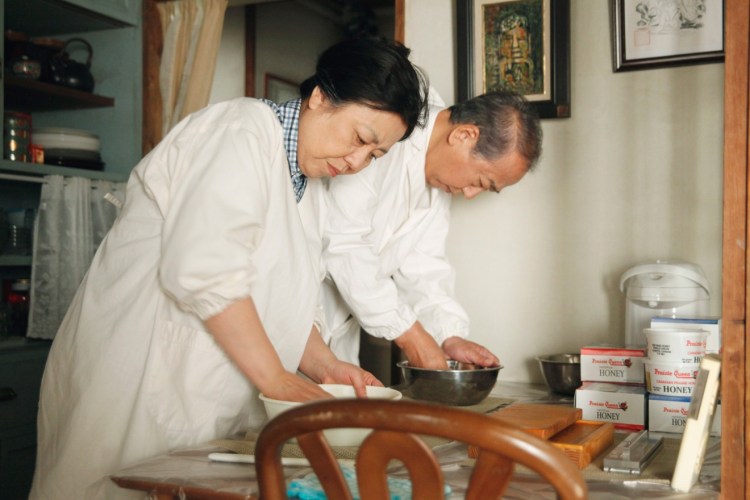 Japan’s housing estates were once symbols of post-war aspiration but now they’re largely deserted and home only to elderly residents prepared to put up with cramped conditions, no lifts, and basic amenities. Junji Sakamoto returns with a surreal comedy satirising everything from gossipy village mentality to alien invasion in the warmhearted if wistful
  Two sisters return to their family home which is about to be torn down only to find a collection of recipes left behind by their late Taiwanese mother who died twenty years before in Mitsuhito Shiraha’s food/family drama,
 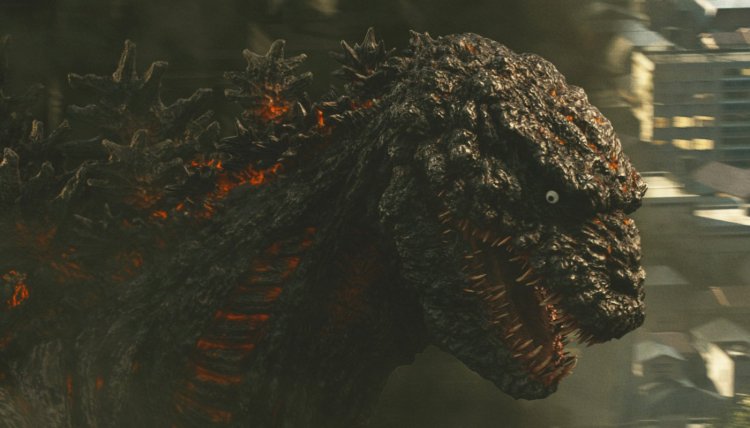 Godzilla is back and bigger than ever in Hideaki Anno & Shinji Higuchi’s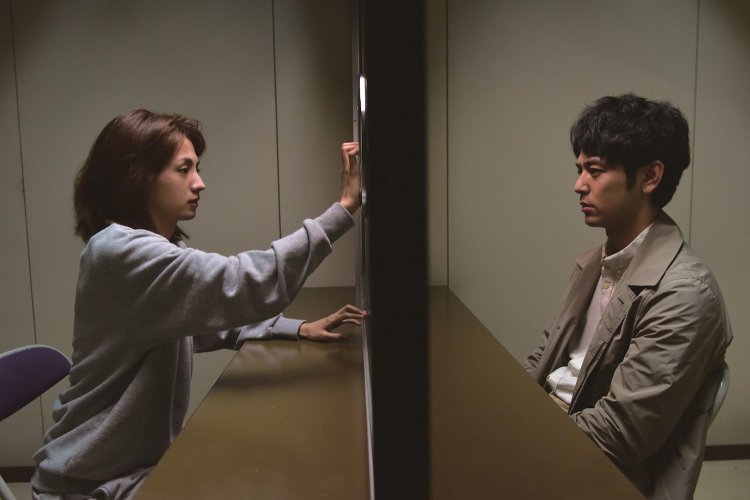
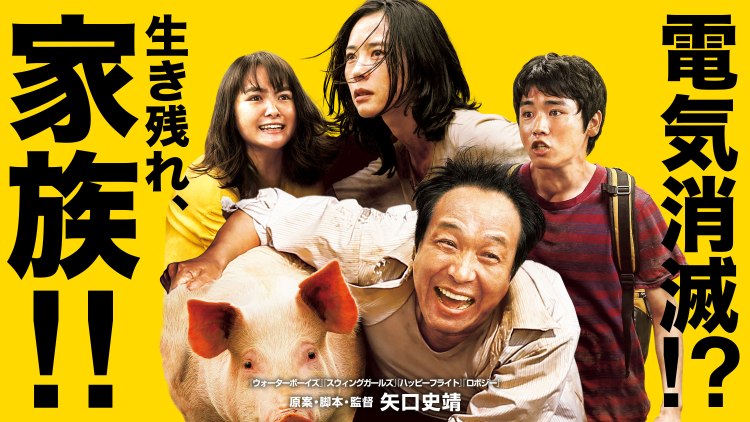 When all the power suddenly goes off, one ordinary family is forced to flee the city in search of life on the land but how do you cope with the apocalypse when you’re used to 24hr convenience and efficient public services? Hilariously, according to Shinobu Yaguchi’s latest comedy drama,
 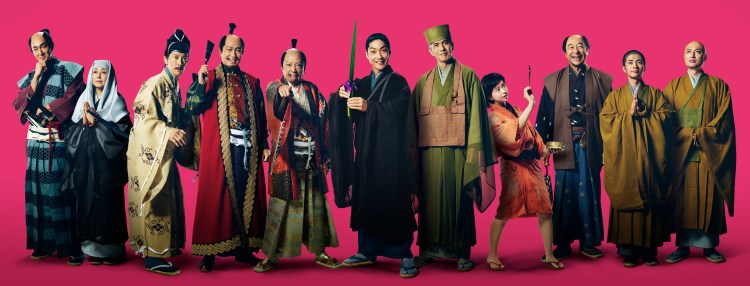 Another in the long line of movies focussing on samurai who fight with things other than katana,
  A sequel to the hit TV Drama,
 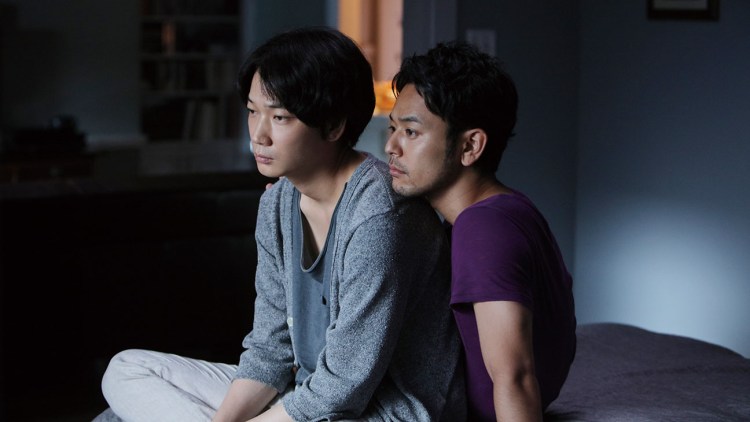 Lee Sang-il adapts another Shuichi Yoshida novel for three interconnected tales of doubt and suspicion following an unsolved, brutal Tokyo murder in
 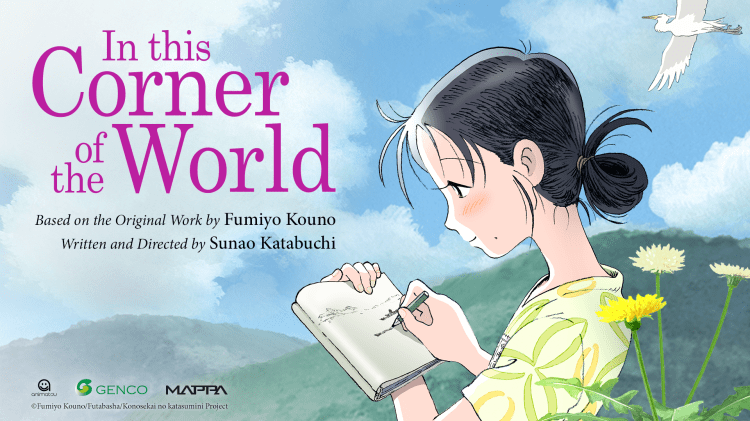 Award winning animation
  The ninja aren’t up for Oda Nobunaga’s plans to create a peaceful Japan under his control so they’re up to all their secretive tricks in Yoshihiro Nakamura’s epic jidaigeki,
  Times change so quickly. The “danchi” was a symbol of post-war aspiration and rising economic prosperity as it sought to give young professionals an affordable yet modern, convenient way of life. The term itself is a little hard to translate though loosely enough just means a housing estate but unlike “The Projects” (団地, Danchi) of the title, these are generally not areas of social housing or lower class neighbourhoods but a kind of vertical village which one should never need to leave (except to go to work) as they also include all the necessary amenities for everyday life from shops and supermarkets to bars and restaurants. Nevertheless, aspirations change across generations and what was once considered a dreamlike promise of futuristic convenience now seems run down and squalid. Cramped apartments with tiny rooms, washing machines on the balconies, no lifts – young people do not see these things as convenient and so the danchi is mostly home to the older generation, downsizers, or the down on their luck.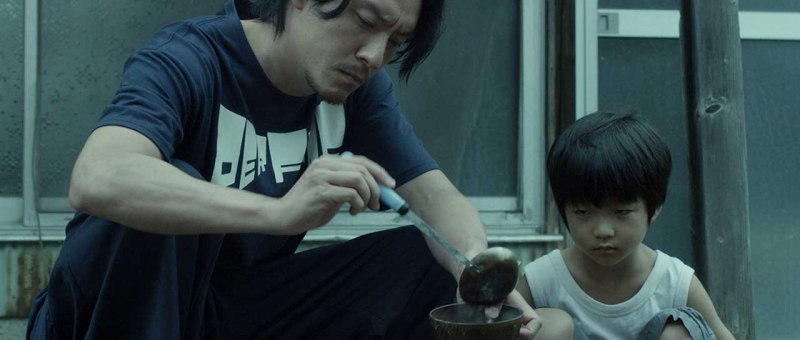
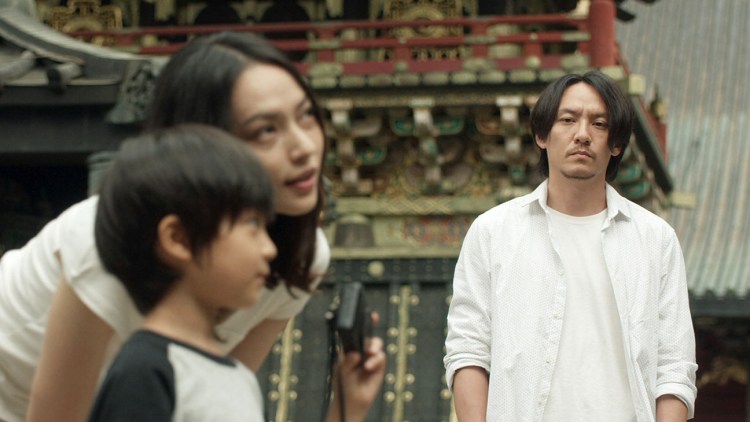 Taiwan and Japan have a complicated history, but in SABU’s latest slice of cross-cultural interplay each place becomes a kind of refuge from the other. Working largely in Mandarin and with Taiwanese star Chang Chen, SABU returns to a familiar story – the lonely hitman tempted by a normal family life filled with peace and simplicity only to have his dreams taken from him by the spectre of his past. Only this time it isn’t just his past but that of others too. Despite the melancholy air, Mr. Long (ミスター・ロン) is a testament to the power of simple human kindness but also a condemnation of underworld cruelty and its vicelike grip on all who enter its grasp.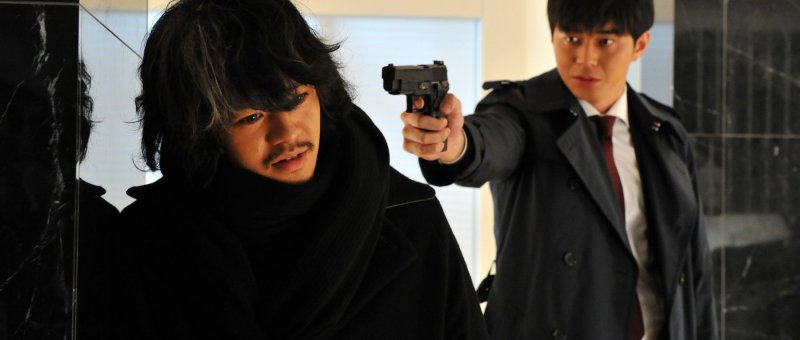
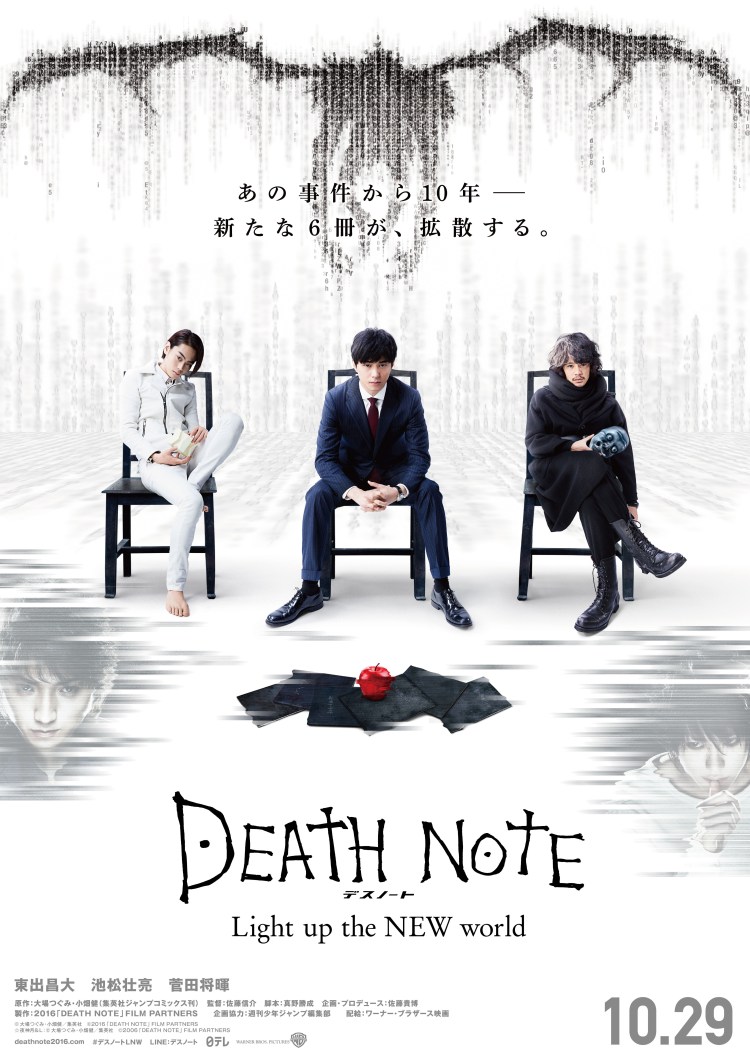 Tsugumi Ohba and Takashi Obata’s Death Note manga has already spawned three live action films, an acclaimed TV anime, live action TV drama, musical, and various other forms of media becoming a worldwide phenomenon in the process. A return to cinema screens was therefore inevitable – Death Note: Light up the NEW World (デスノート Light up the NEW World) positions itself as the first in a possible new strand of the ongoing franchise, casting its net wider to embrace a new, global world. Directed by Shinsuke Sato – one of the foremost blockbuster directors in Japan responsible for Gantz,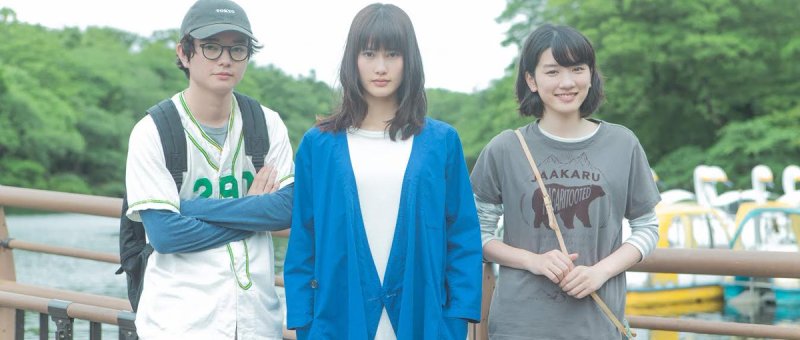
 Parks are a common feature of modern city life – a stretch of green among the grey, but it’s important to remember that there has not always been such beautiful shared space set aside for public use. Natsuki Seta’s light and breezy youth comedy, Parks (PARKS パークス), was commissioned in celebration of the centenary of the Tokyo park where the majority of the action takes place, Inokashira. Mixing early Godardian whimsy with new wave voice over and the kind of innocent adventure not seen since the Kadokawa idol days, Parks is a sometimes melancholy, wistful tribute to a place where chance meetings can define lifetimes as well as to brief yet memorable summers spent with gone but not forgotten friends doing something which seems important but which in retrospect may be trivial.
 Taiwanese dark comedy crime thriller
  Needing little introduction,
  Lee Sang-il reunites with Unforgiven’s Ken Watanabe and enlists an all star cast including, Kenichi Matsuyama, Aoi Miyazaki, Chizuru Ikewaki, Satoshi Tsumabuki, Go Ayano, Mirai Moriyama, and Suzu Hirose for
 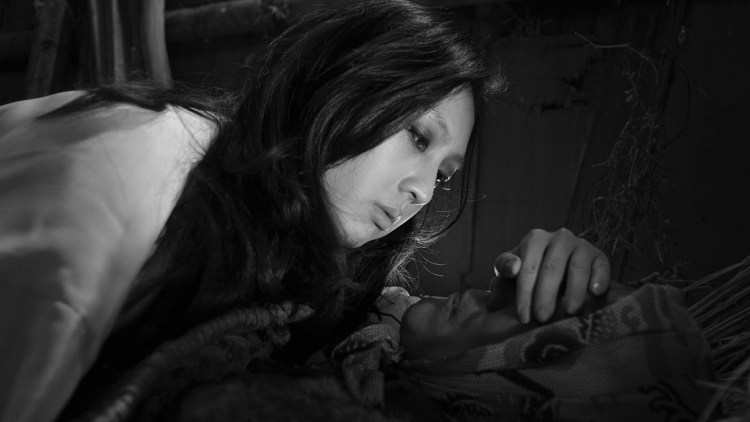 Kiki Sugino brings a modern twist to the classic tale of the
  Kyoko Miyake’s documentary
 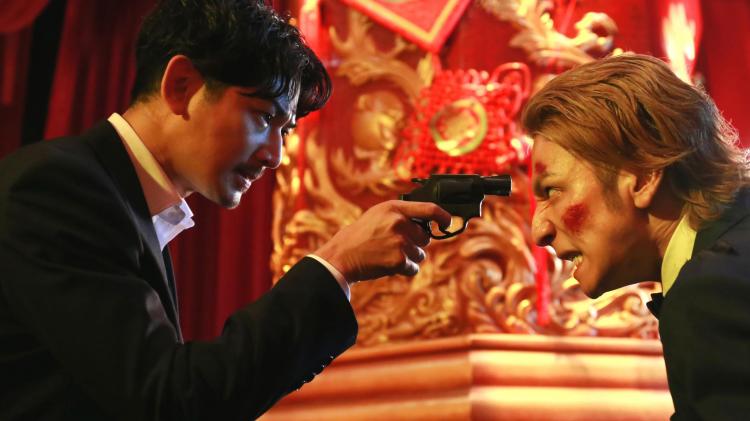 Takashi Miike never stops!
  Playing in the Night Moves section, Dante Lam’s
 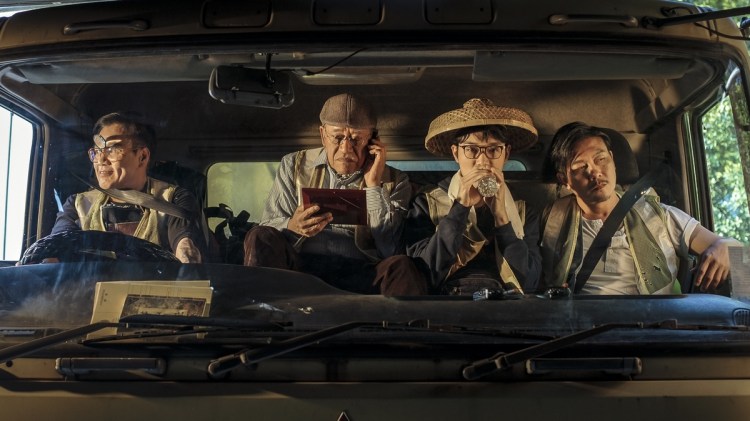 A return to the classic Hong Kong horror comedies of the past,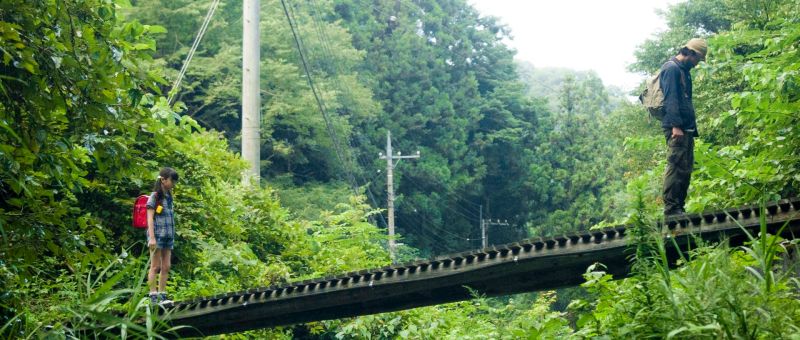
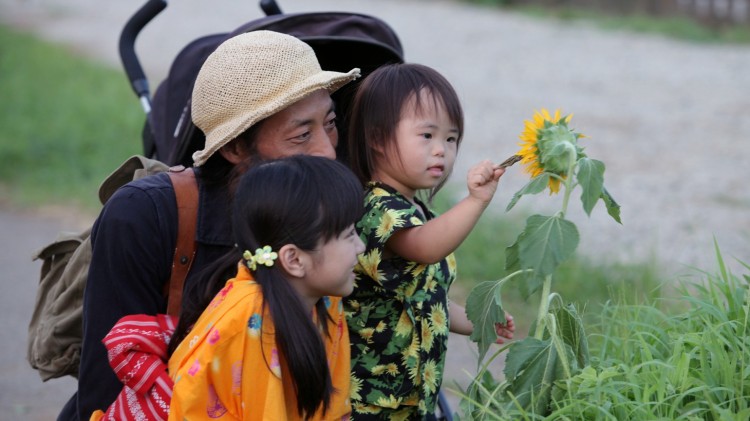 When tragedy strikes the one thing you ought to be able to rely on is your family, but when the tragedy occurs within that sacred space which exits between you what is to be done? Yosuke Takeuchi’s The Sower (種をまく人, Tane wo Maku Hito) attempts to provide an answer whilst putting one very ordinary, loving and forgiving family through a series of tests and tragedies. Lies, regret, and despair conspire to ruin the lives of four once happy people but even in the midst of such a shocking, unexpected event there is still time to turn towards the sun rather than continuing in the darkness.
 The eagerly awaited live action adaptation of Hirohiko Araki’s much-loved manga, JoJo’s Bizarre Adventure: Diamond is Unbreakable, is to make its world premiere at the 17th Neuchâtel International Fantastic Film Festival.
 Alan Lo’s Zombiology: Enjoy Yourself Tonight in which two slackers decide to do their civic duty by saving Hong Kong from the zombie apocalypse.
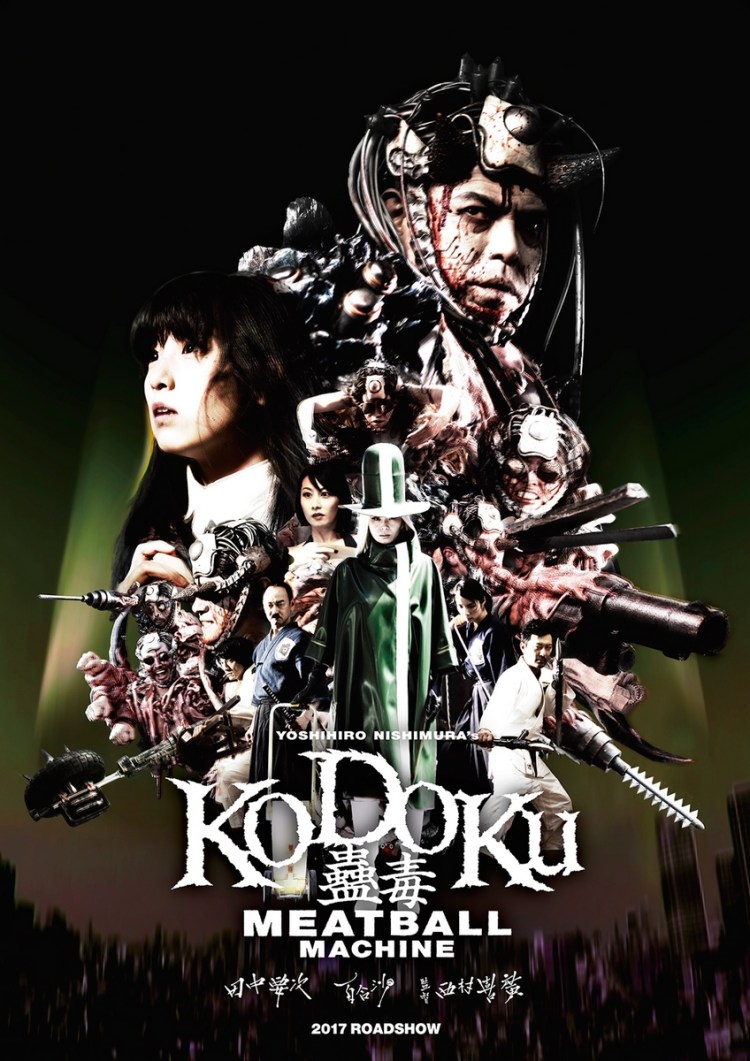 Yoshihiro Nishimura’s Meatball Machine Kudoku – the latest gore fest from this notorious director is a return to the world of 2005’s Meatball Machine in which a debt collector suffering with terminal cancer is infected by the alien necroborg virus and decides to get some revenge on a cruel and unforgiving world.
 Alex Cheung’s 1983 Shaw Brothers comedy Twinkle, Twinkle Little Star will also play in the festival’s outdoor sci-fi retrospective strand, Laughing in Space. This wacky outing stars Cherie Chung as a suicidal young woman who is later raped by space aliens but encounters two also suicidal private investigators who embrace the chance to let the world know about the alien threat as their way out of a desperate situation. Yes, this is a comedy.
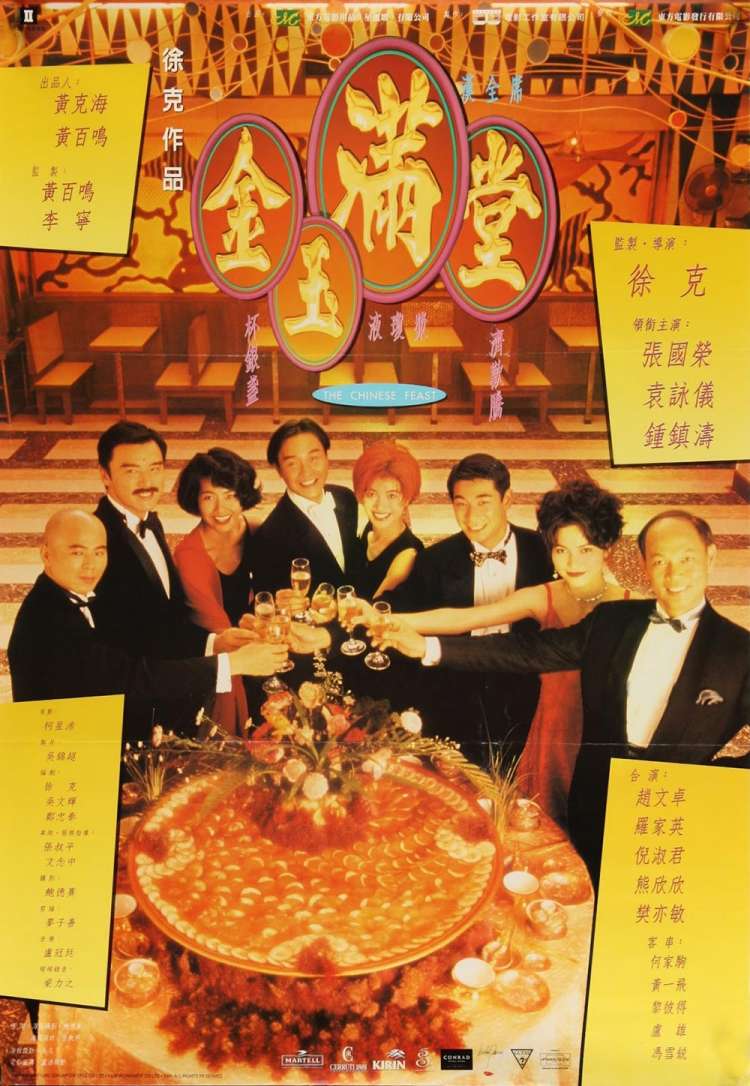 Tsui Hark’s A Chinese Feast features in a special selection of culinary films marking Neuchâtel’s nomination for the “City of Taste” 2017. Starring Leslie Cheung, A Chinese Feast is the classic Chinese New Year movie mixing food and fun for a feel good family comedy.
