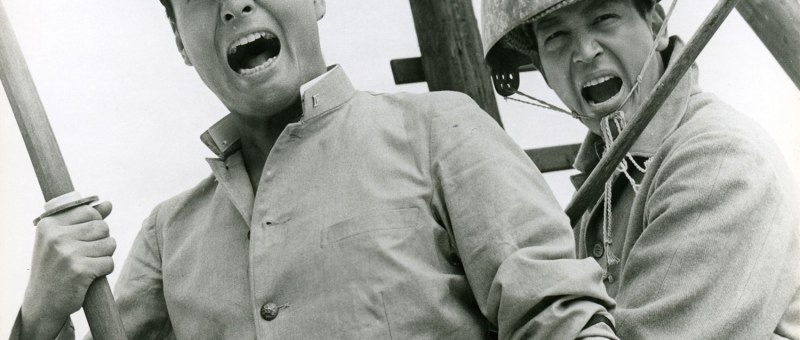
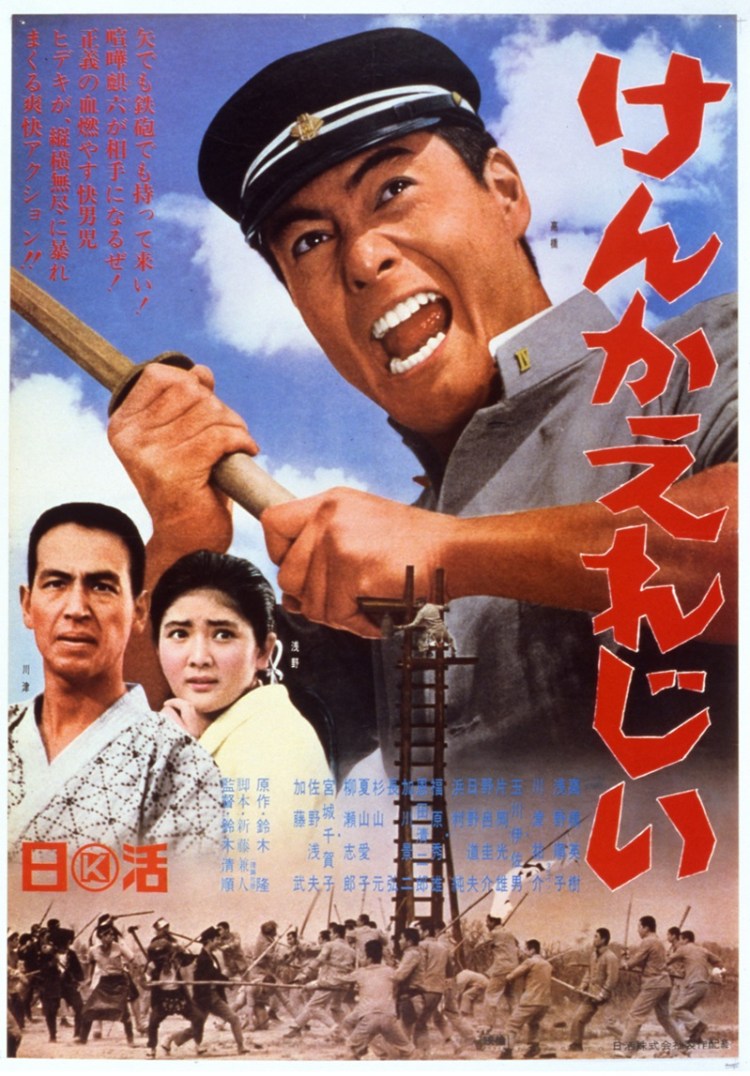
 Ah, youth. It explains so many things though, sadly, only long after it’s passed. For the young men who had the misfortune to come of age in the 1930s, their glory days are filled with bittersweet memories as their personal development occurred against a backdrop of increasing political division. Seijun Suzuki was not exactly apolitical in his filmmaking despite his reputation for “nonsense”, but in Fighting Elegy (けんかえれじい, Kenka Elegy) he turns a wry eye back to his contemporaries for a rueful exploration of militarism’s appeal to the angry young man. When emotion must be sublimated and desire repressed, all that youthful energy has to go somewhere and so the unresolved tensions of the young men of Japan brought about an unwelcome revolution in a misguided attempt at mastery over the self.
Kiroku (Hideki Takahashi) is an impulsive young man with a magnetic personality who, like many of his age, has found himself at a military training school designed to toughen up the boys of Japan for the glorious services they will later be expected to provide for the emperor. Very much into his training, Kiroku submits himself to the rigid codes of the school which prize virility and encourage competitive brawling between the boys. Despite the strict prohibition on soft stuff like getting it on with girls, Kiroku has developed a heavy crush on the daughter at his Catholic boarding house, Michiko (Junko Asano). Delighting in her piano playing, Kiroku cannot find a permissible way to express his desires and so records them in a very frank diary. Michiko, it seems, may return his feelings but times being what they are cannot say or do anything until he declares them and so things are left to simmer between the two with no useful place to go.
Despite belonging to a military school, Kiroku’s main outlet is in a kind of extracurricular club which is obsessed with being manly but also with rebelliousness and showing how individualist they can be through a series of challenges which often involve flagrantly breaking the rules of the school. Kiroku’s violent escapades eventually get him expelled and sent to a different institution a few towns over which explicitly prizes the “Aizu Spirit”. By now truly invidualist in his isolation, Kiroku is disappointed in the tenets of the “Aizu Spirit”. Calling all of his fellow students “wild monkeys”, Kiroku makes some odd comments on the nature of oppression and dominance by pointing out that the students all willingly submit to the teacher who demonstrates authentic authority, but refuse to respect the ones who simply don’t have it. This is, in a sense, the opposite of the philosophy which Kiroku has come to follow in which pleasure comes from rebelliousness and the natural tendency of the young to resist all forms of constraining power.
However, the most primal constraining force acting on Kiroku is sexual desire as a running joke finds him consistently bothered by unwanted erections which he then has to hide from his comrades to avoid embarrassment. Kiroku is quite passionately obsessed with Michiko to the point that he thinks of little else despite the total prohibition on female contact advanced by his military training. His diaries are full of notes about how he dreams of her delicate hands though he lies about refusing to masturbate in favour of pouring all of his virility into his violent pursuits. The situation is complicated by the presence of Christian religion which places a further taboo on the young people’s desires as they glance guiltily at the crosses on the walls each time impure thoughts arrive. Michiko is not much better off, though her own frustrations result in internalised rather externalised violence which looks set to rob her of her own happiness but lacks the all encompassing destructive element of Kiroku’s unresolved energy.
Suzuki’s message is clear, if somewhat blunt. If only these young men and women had been allowed to work out their frustrations in a more normalised way, the entire folly of warfare and imperialist expansion could have been avoided. The Christian context does add to the levels of guilt and repression, but it is one layer further than the average farm boy from rural Japan who suddenly found himself caught up in the fascist movement would have experienced. Events reach their natural conclusion at the end of the film as Kiroku reads a newspaper report of the declaration of martial law in Tokyo following the February 26th Incident in which a cabal of hotheaded young military officers launched a broadly leftwing yet authoritarian coup designed to delegitimise the government and restore power to the emperor in a return to paternalistic feudalism. His romantic dream shattered, Kiroku recognises a kindred spirit and finds a calling in the call to arms but his vocation is a false one in its negation of everything it is to be alive. The path of militarism leads only to death and destruction in its pointless and nihilistic quest to overcome rather than satisfy ordinary desires and the forces which divide Kiroku and Michiko are those same forces which bring such overriding misery to a society caught in its own difficult adolescence.
Original trailer (English subtitles)
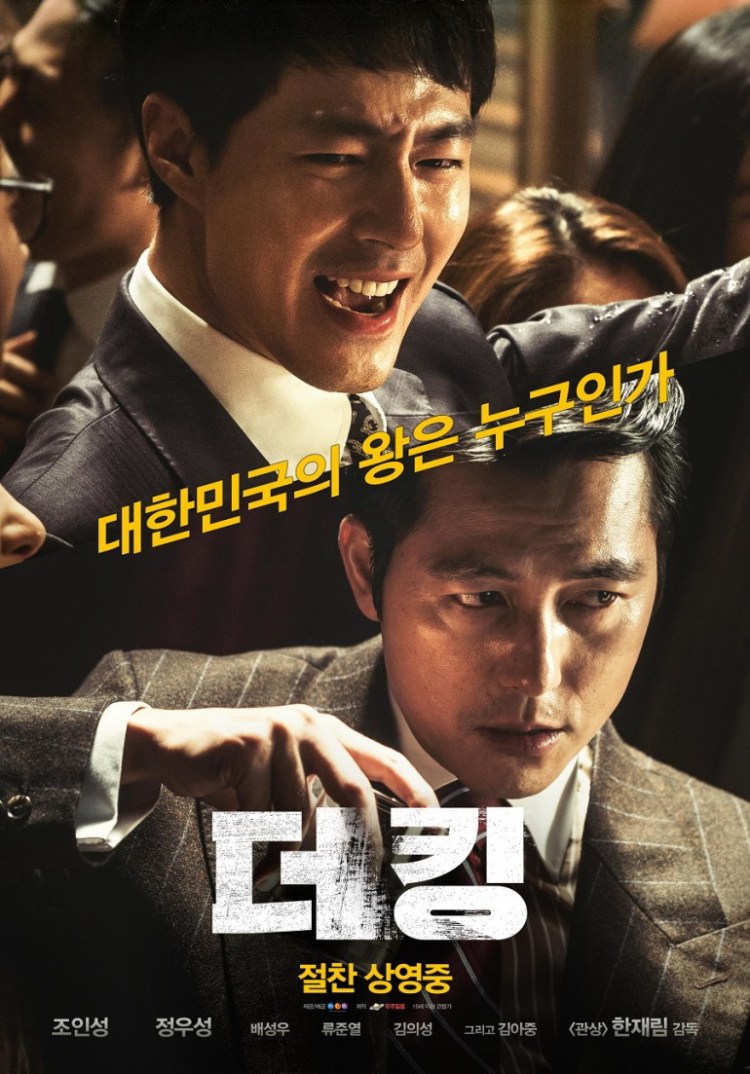 Absolute power corrupts absolutely, but such power is often a matter more of faith than actuality. Coming at an interesting point in time, Han Jae-rim’s The King (더 킹) charts twenty years of Korean history, stopping just short of its present in which a president was deposed by peaceful, democratic means following accusations of corruption. The legal system, as depicted in Korean cinema, is rarely fair or just but The King seems to hint at a broader root cause which transcends personal greed or ambition in an essential brotherhood of dishonour between men, bound by shared treacheries but forever divided by looming betrayal.
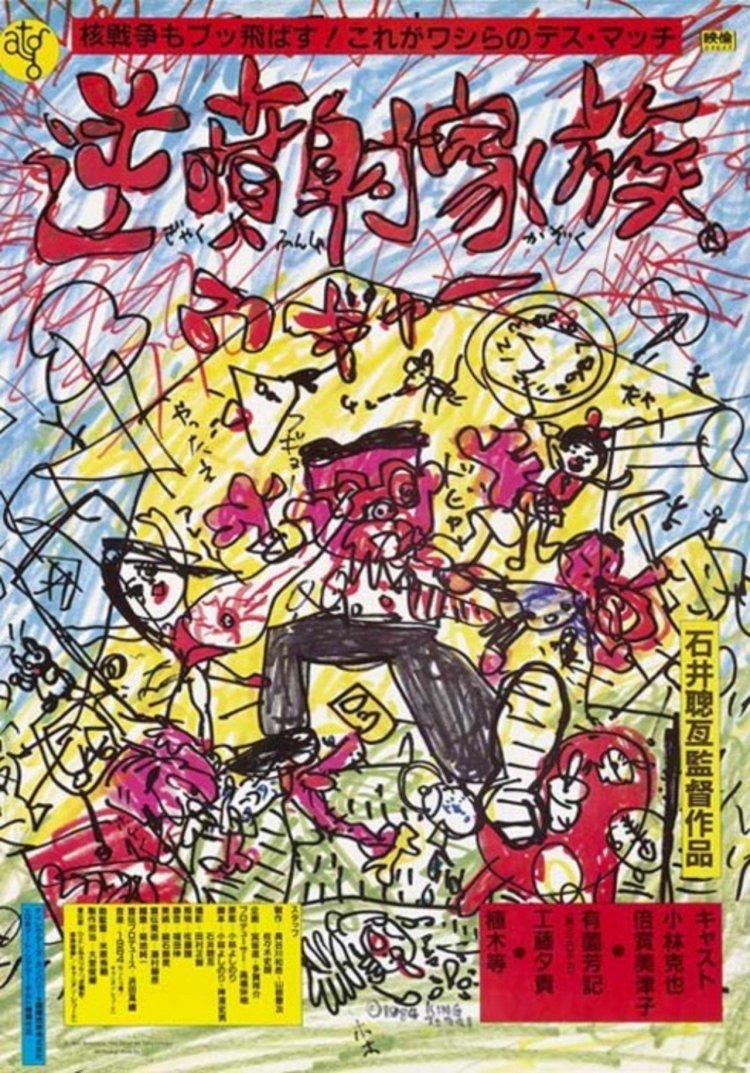 The family drama went through something of a transformation at the beginning of the 1980s. Gone are the picturesque, sometimes melancholy evocations of the transience of family life, these families are fake, dysfunctional, or unreliable even if trying their best. Morita’s
  Now in its 11th year, Japan Cuts returns to Japan Society New York from 13th to 23rd July bringing some of the best in recent Japanese cinema with it as well as a host of special guests and events. The festival will open with Yoshihiro Nakamura’s ninja drama, Mumon: The Land on Stealth on 13th July while award-winning animation In This Corner of the World will close the proceedings on July 23. The full lineup is as follows:
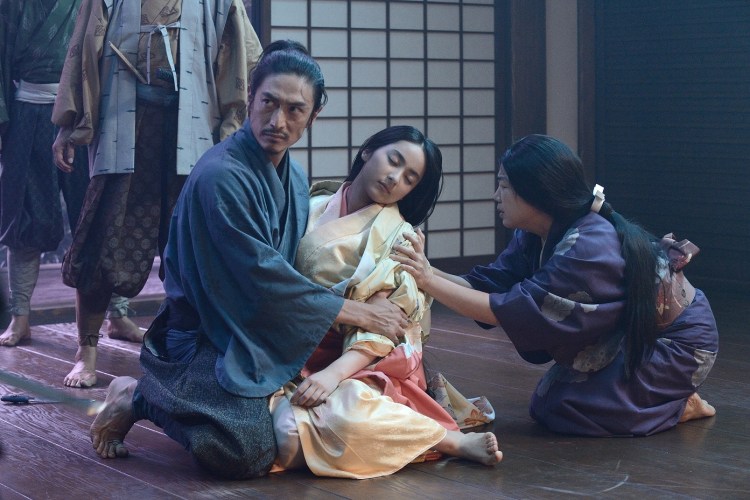 Yoshihiro Nakamura’s ninja epic
 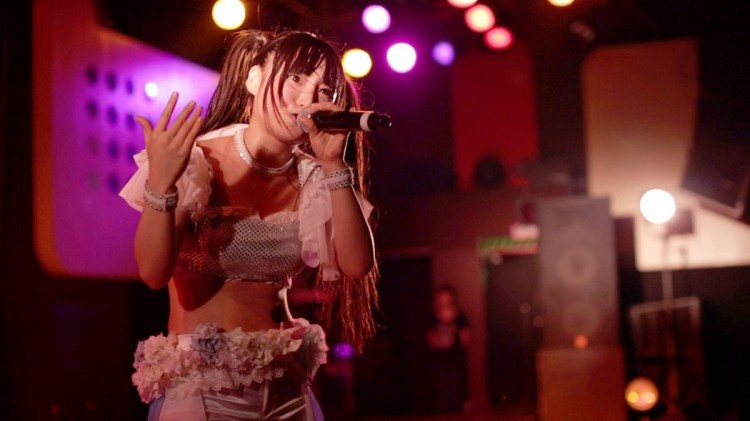 Kyoko Miyake’s documentary
  Taking inspiration from the poetry of Tahi Saihate,
 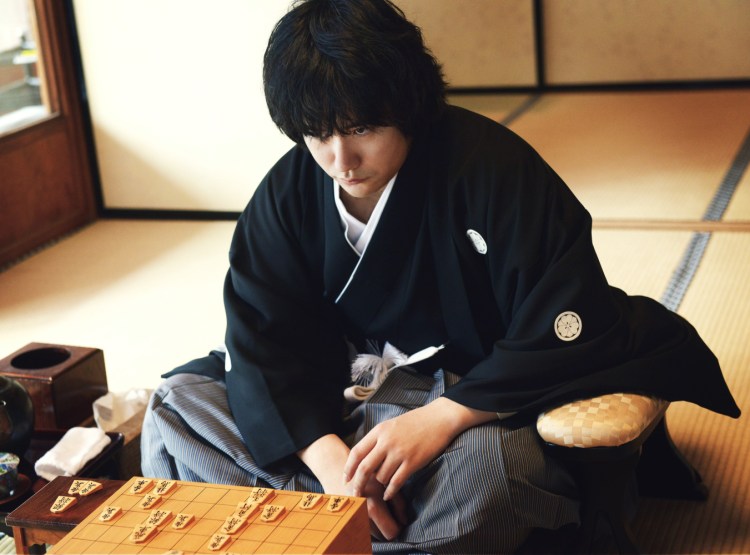 Kenichi Matsuyama stars in a moving biopic of the real life shoji star who gave it all for the game in
 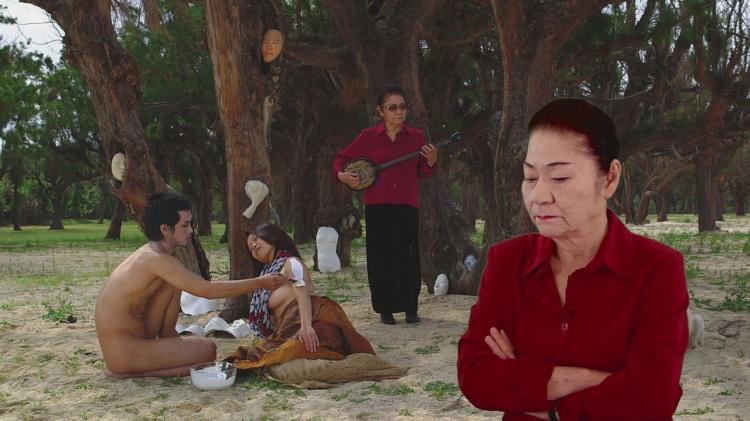 The latest film from Okinawan filmmaker Go Takamine,
 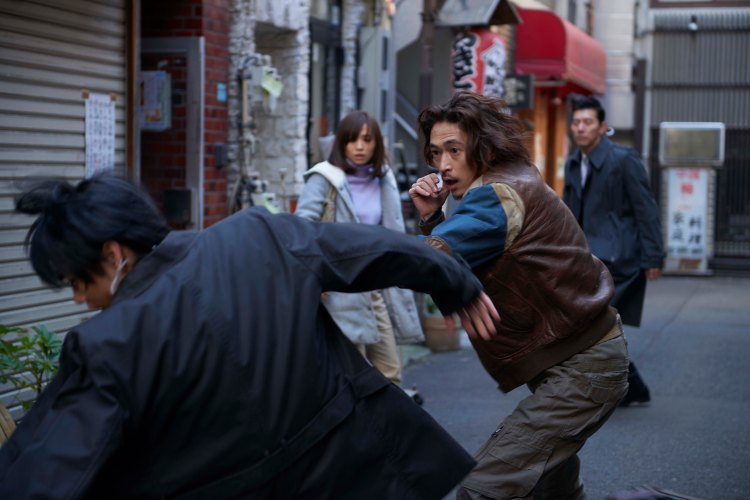 Yosuke Kubozuka plays a depressed boxer who finds friendship in the
 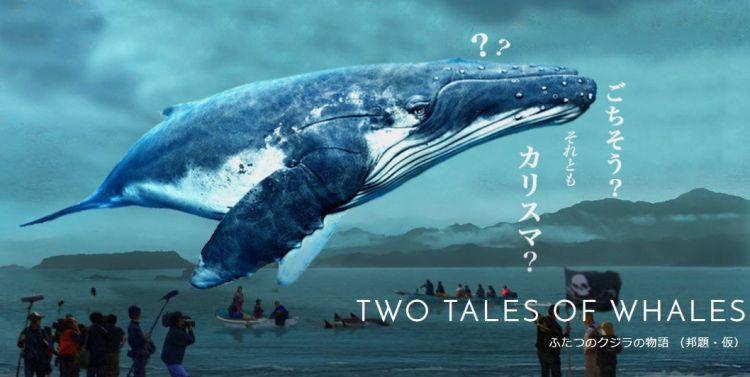 Megumi Sasaki’s documentary
  Tetsuya Fujiwara and Hideaki Ito star in
 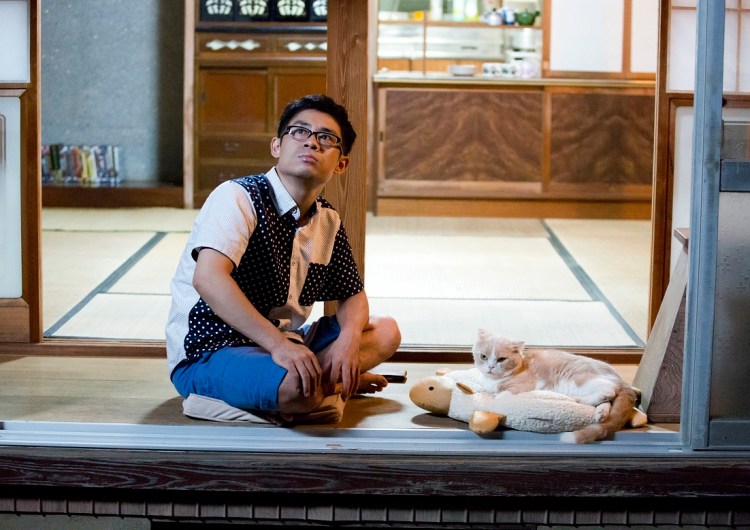 Based on the hit smartphone game
 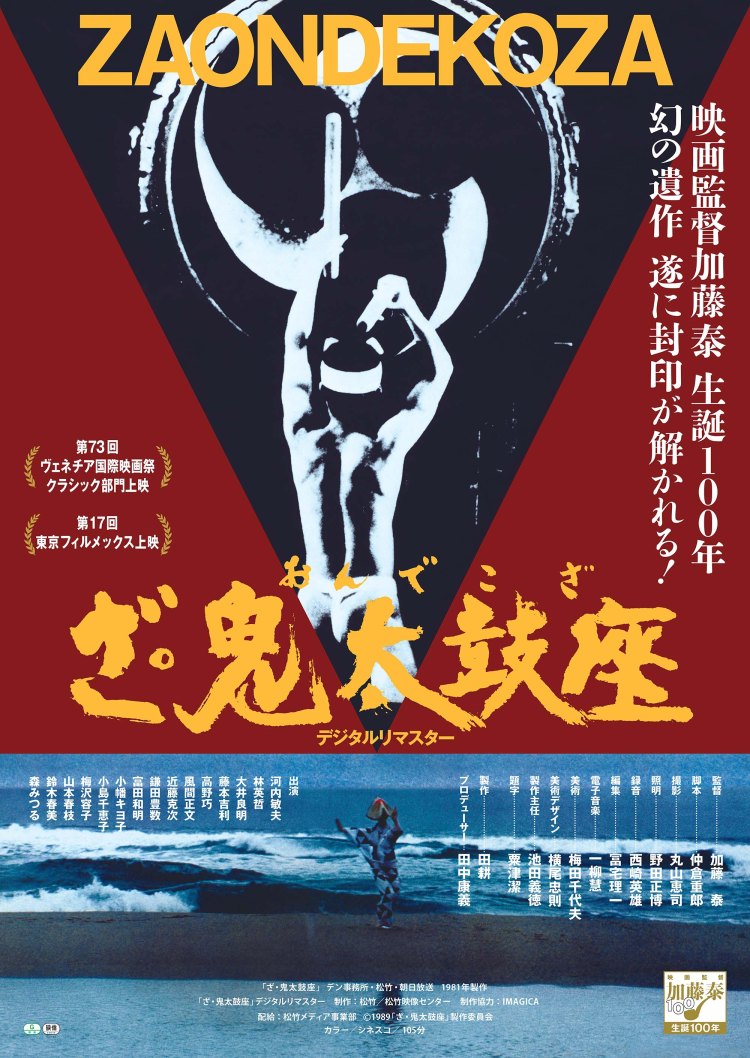 Tai Kato’s underseen documentary
  Shingo Matsumura’s gentle
  Kenji Yamauchi adapts his own stage play skewering the middle classes as a boring dinner party gets progressively out of hand exposing each of their flaws, weaknesses, and well hidden secrets in
  Produced by Shinji Aoyama and Takenori Sento, Sora Hokimoto’s debut feature
  Kei Shichiri revisits Before the Day Breaks ten years on and adds all-new sound and imaging. Based on the manga by Naoki Yamamoto,
 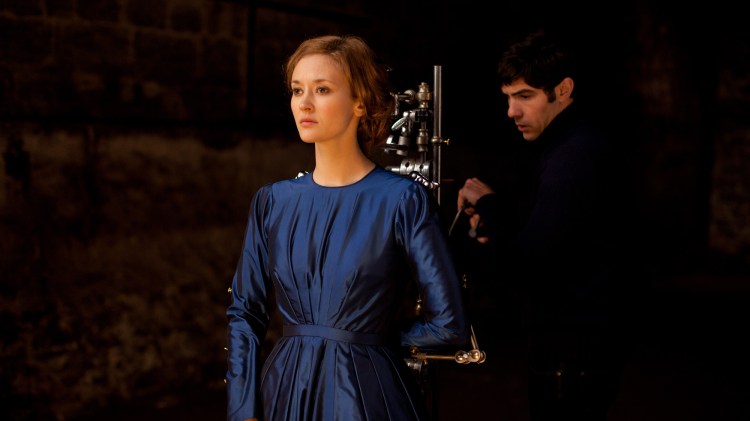 The first film made outside of Japan for veteran filmmaker Kiyoshi Kurosawa,
  Konrad Aderer’s documentary
 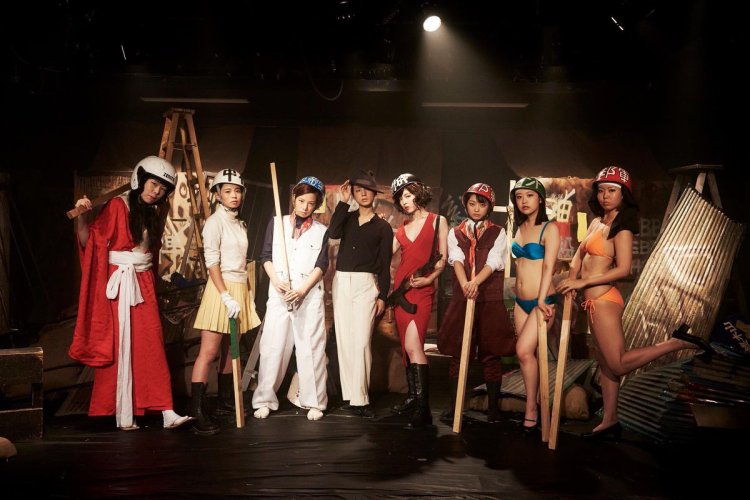 Theatre director Junko Emoto makes her film debut with
 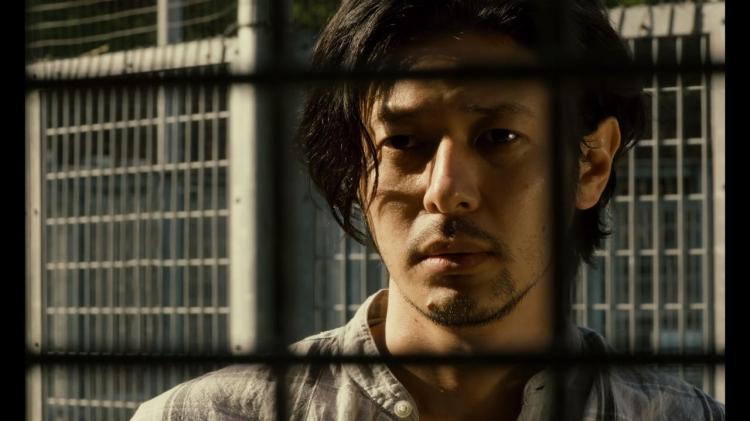 The third in a series of films adapted from the works of Hakodate native novelist Yasushi Sato, Nobuhiro Yamashita’s
 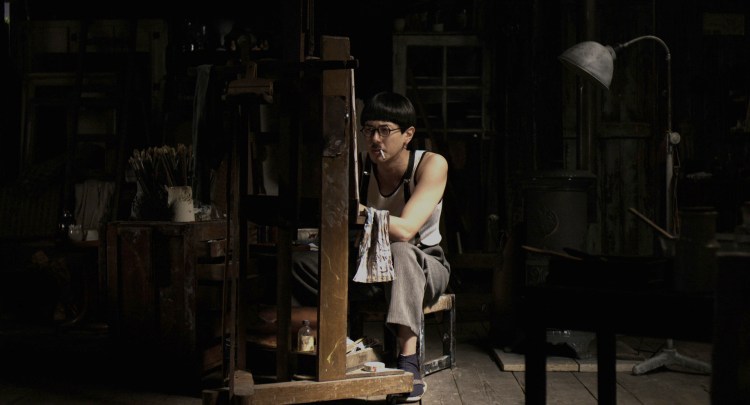 Joe Odagiri stars as the artist Léonard Tsuguharu
  Elite public school boy Teiichi dreams of becoming Prime Minister in Akira Nagai’s manga adaptation,
  An adaptation of Keigo Higashino’s 2013 novel,
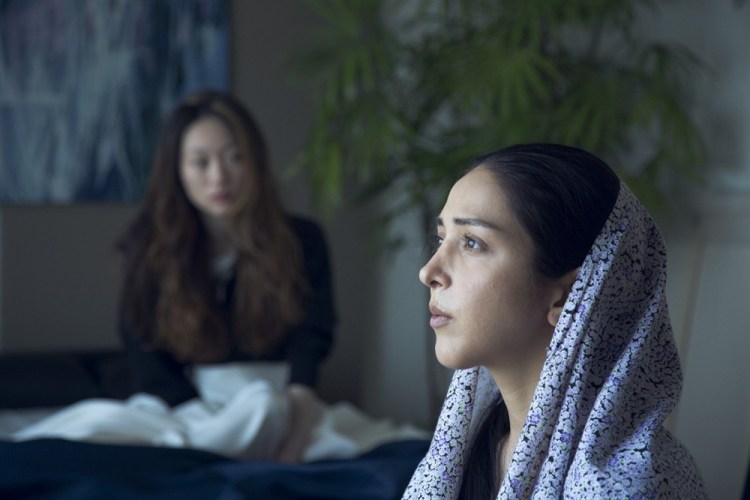 An Iranian student and depressed bartender face a series of romantic and cross cultural confusions in Takuro Nakamura’s
 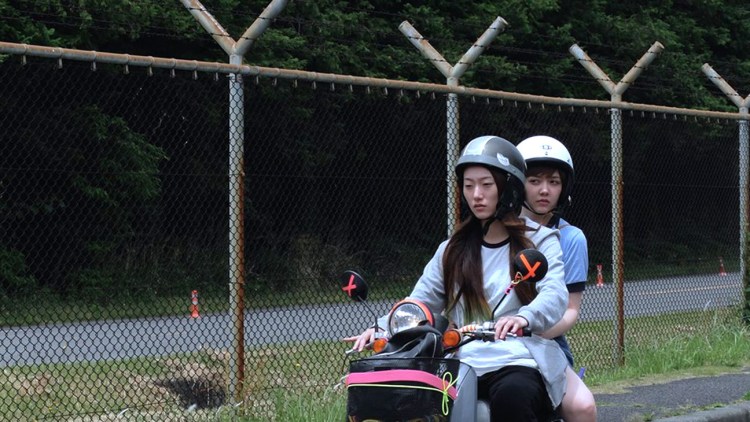 Depressed teenager Sakura (Hanae Kan) has a complicated relationship with Americanisation thanks to growing up near Japan’s biggest mainland American military base but an encounter with the half-American daughter of her mother’s boyfriend prompts a reconsideration of her life goals in Daisuke Miyazaki’s
  Sion Sono’s entry into Nikkatsu’s Roman Porno Reboot Project,
 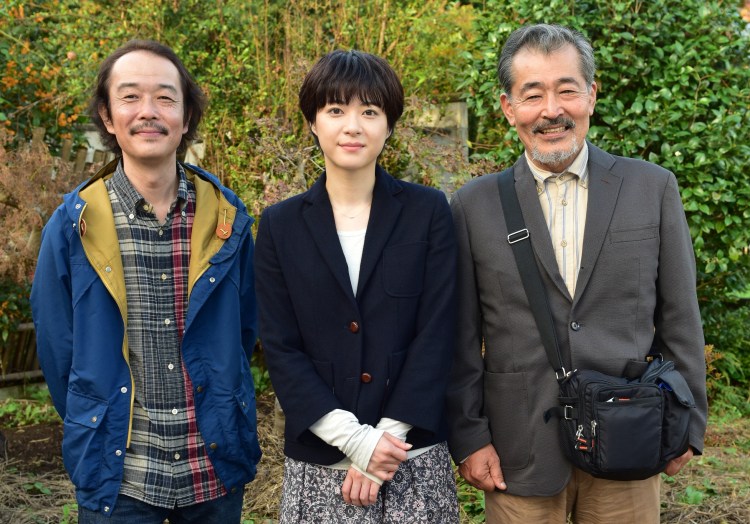 The latest film from Yuki Tanada,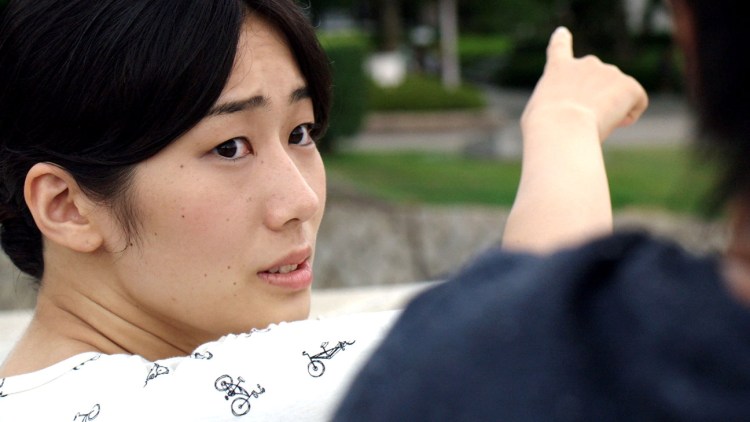
 The first in the Taisho Trilogy,
 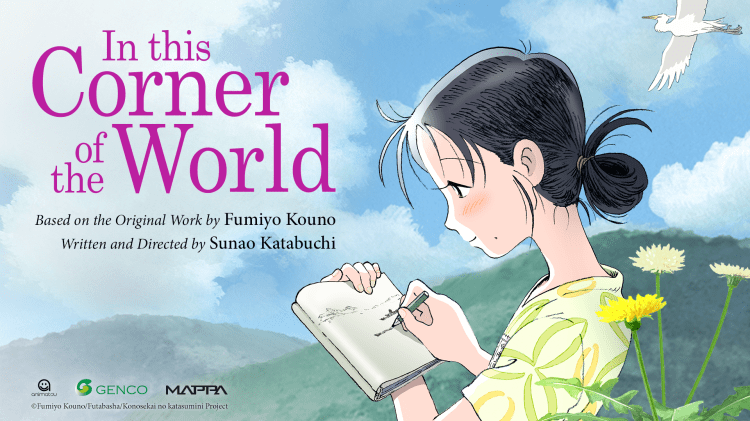 Sunao Katabuchi’s award-winning animation
 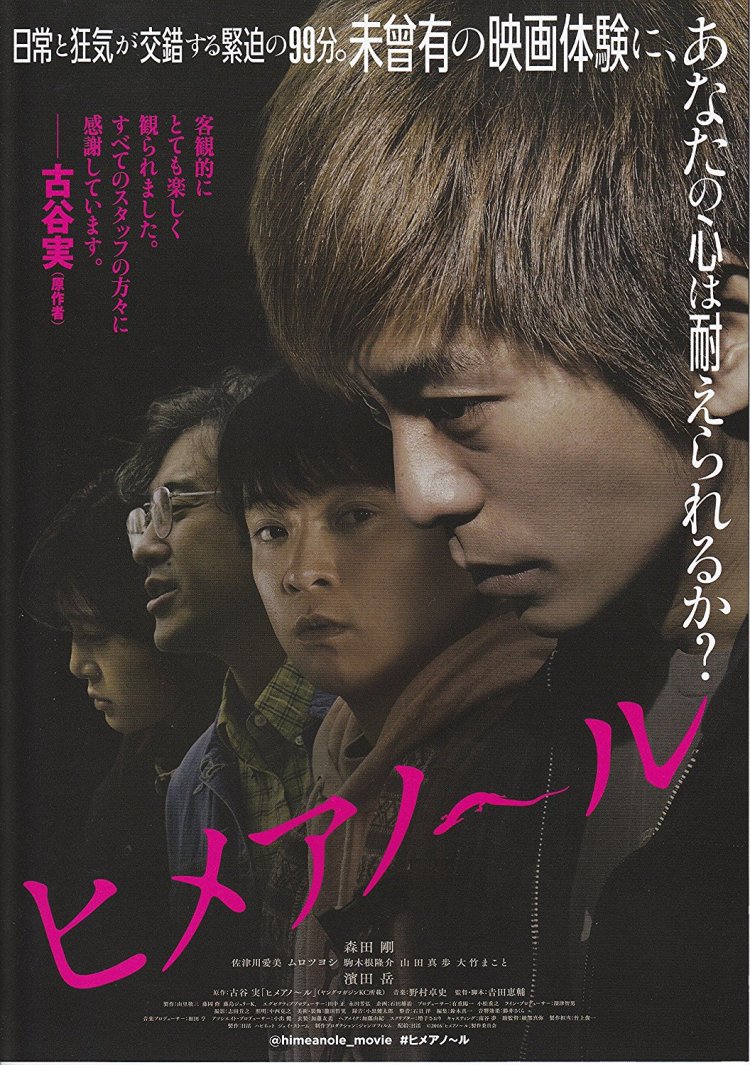 Some people are odd, and that’s OK. Then there are the people who are odd, but definitely not OK. Hime-anole (ヒメアノ~ル) introduces us to both of these kinds of outsiders, attempting to draw a line between the merely awkward and the actively dangerous but ultimately finding that there is no line and perhaps simple acts of kindness offered at the right time could have prevented a mind snapping or a person descending into spiralling homicidal delusion. To go any further is to say too much, but Hime-anole revels in its reversals, switching rapidly between quirky romantic comedy, gritty Japanese indie, and finally grim social horror. Yet it plants its seeds early with two young men struggling to express their true emotions, trapped and lonely, leading unfulfilling lives. Their dissatisfaction is ordinary, but these same repressed emotions taken to an extreme can produce much more harmful results than two guys eating stale donuts everyday just to ask a pretty girl for the bill.
 It’s tough when parents don’t approve of their children’s romantic partners, but fortunately most realise there’s nothing they can do about it so the best thing is to feign civility (and avoid saying I told you so when it all goes wrong). Unfortunately the older generation of Kim Jin-young’s Enemies In-Law (위험한 상견례 2,
 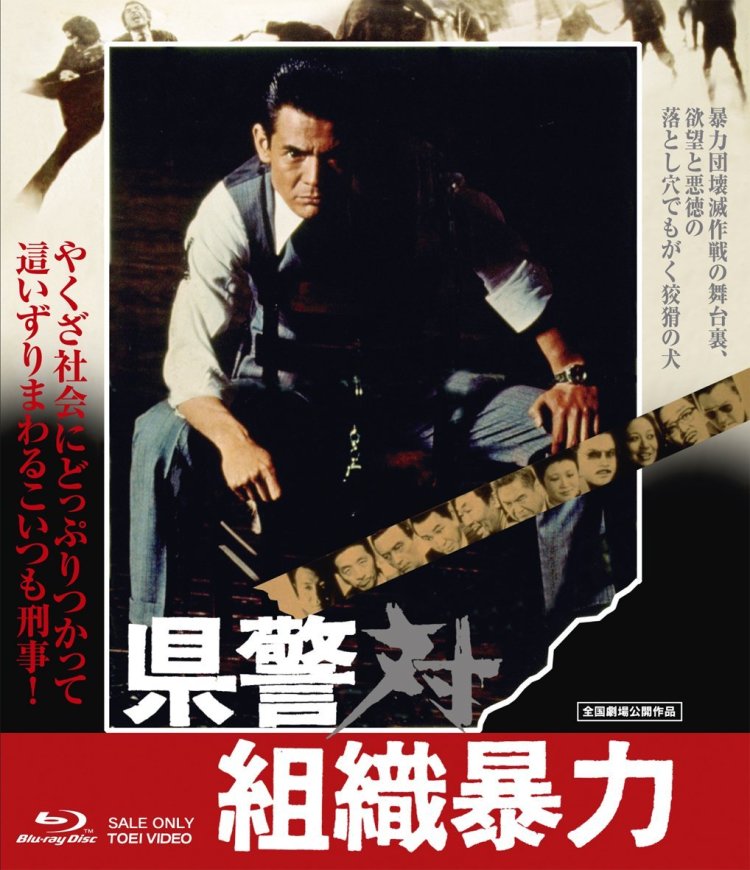 Cops vs Thugs – a battle fraught with friendly fire. Arising from additional research conducted for the first
 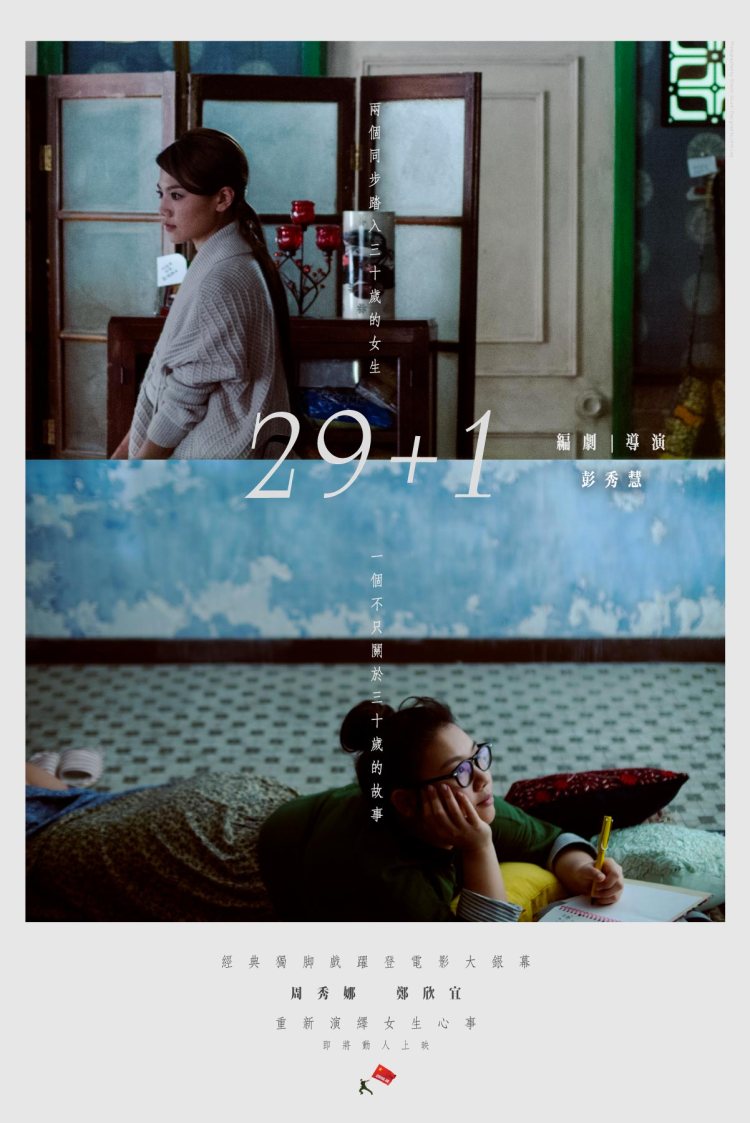 You know what they call women over 25 in China? “Christmas cake” – no one wants you after the 25th, so you’re condemned to sit on the shelf for all eternity like a piece of overproduced seasonal confectionary (a silly analogy because Christmas cakes, at least English ones, may outlive us all). Christy Lam lives in Hong Kong, not mainland China, and so her worries are a little less intense but still the dreaded 30 is causing its own share of panic and confusion in her otherwise orderly, tightly controlled life. In 29+1 Kearen Pang adapts her own enormously successful 2005 stage play about the intertwined lives of two very different women who happen to share a birthday and are each approaching the end of their 20s in very different ways. By turns melancholy and hopeful, 29+1 finds both women at a natural crossroads but rather than casting them into a bottomless pit of despair, allows each of them to rediscover themselves through a kind of second adolescence in which they finally figure out what it is they want out of life.
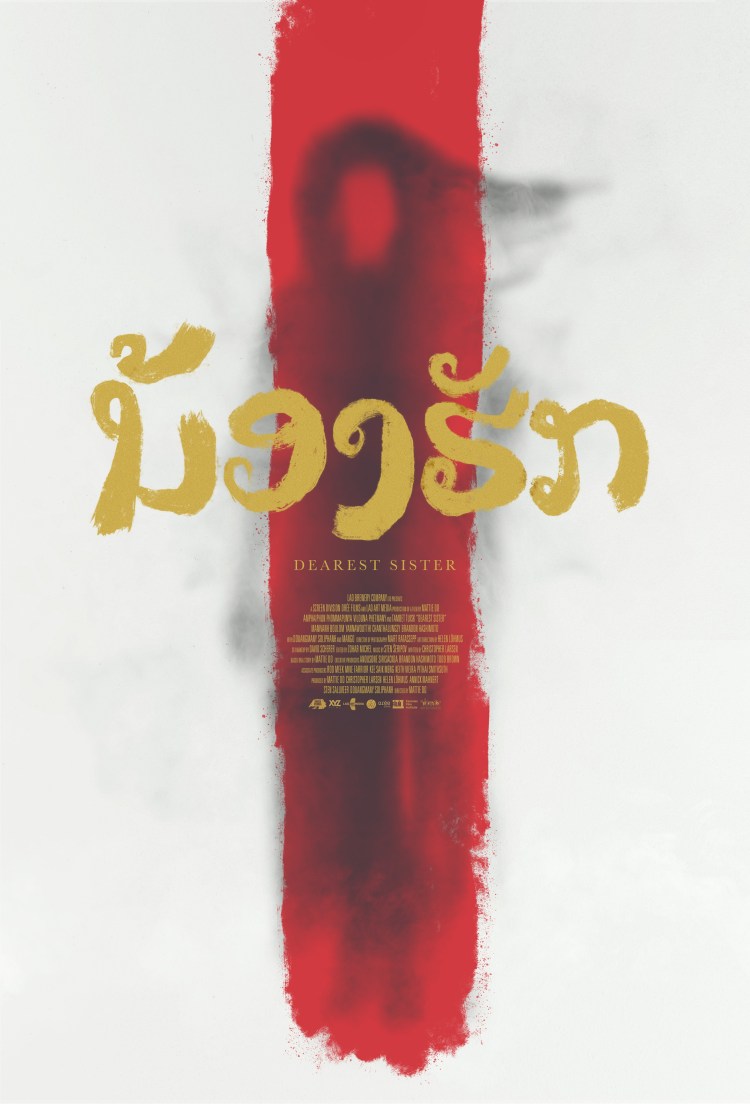 Marxist countries and horror movies often do not mix. Laos has only a fledgling cinema industry and Mattie Do, returning with her second film Dearest Sister (ນ້ອງຮັກ, Nong hak), is its only female filmmaker even if she finds herself a member of an extremely small group. Set in Laos it may be, but Dearest Sister also has something of the European gothic in its instantly recognisable tale of a good country girl fetching up in the city only to be treated like a poor relation and eventually corrupted by its dubious charms. Dearest Sister is a horror movie but one which places very real fears, albeit ones imbued with superstition, at the forefront of its tragedy.
 Fresh from its Cannes premiere, Jung Byoung-gil’s The Villainess will close the 16th edition of the New York Asian Film Festival which returns to the city from 30th June to 16th July 2017. Thailand’s Bad Genius will open the festival while the Centrepiece Gala will showcase one of the best recent films from the Philippines, Mikhail Red’s Birdshot. Altogether there are 57 films included in this year’s lineup hailing from China, Hong Kong, Japan, South Korea, Taiwan, The Philippines, Vietnam, and Malaysia. The full lineup is as follows:
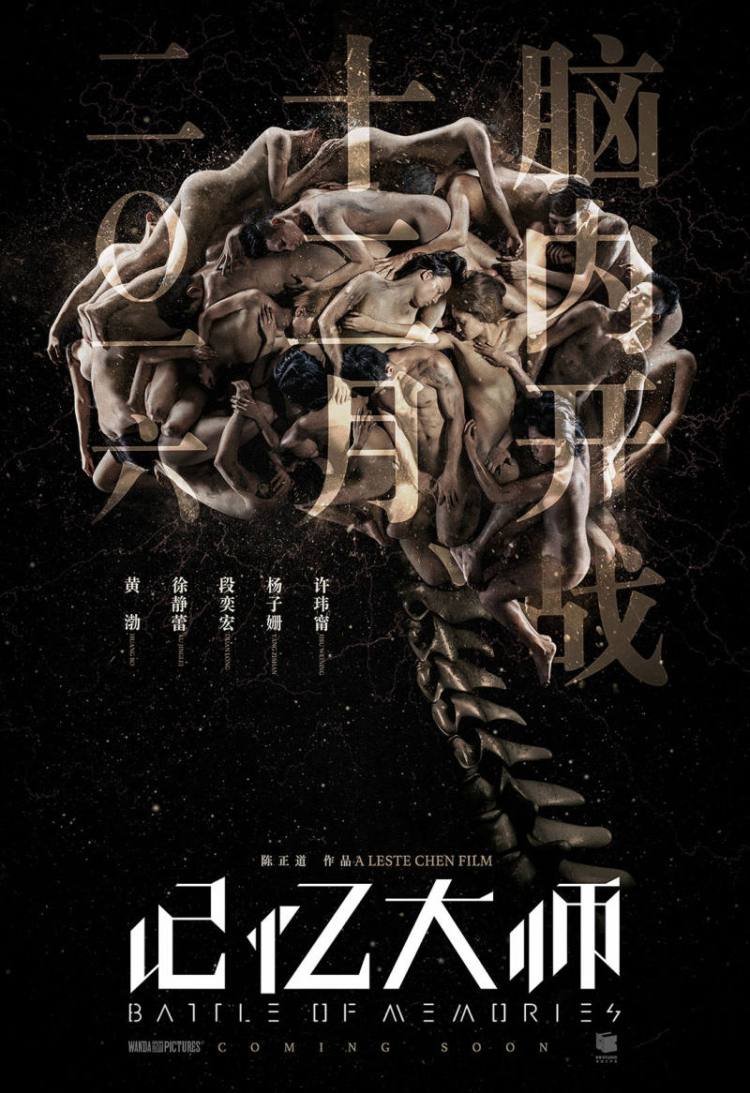 Thrillers dominate the Chinese slate beginning with:
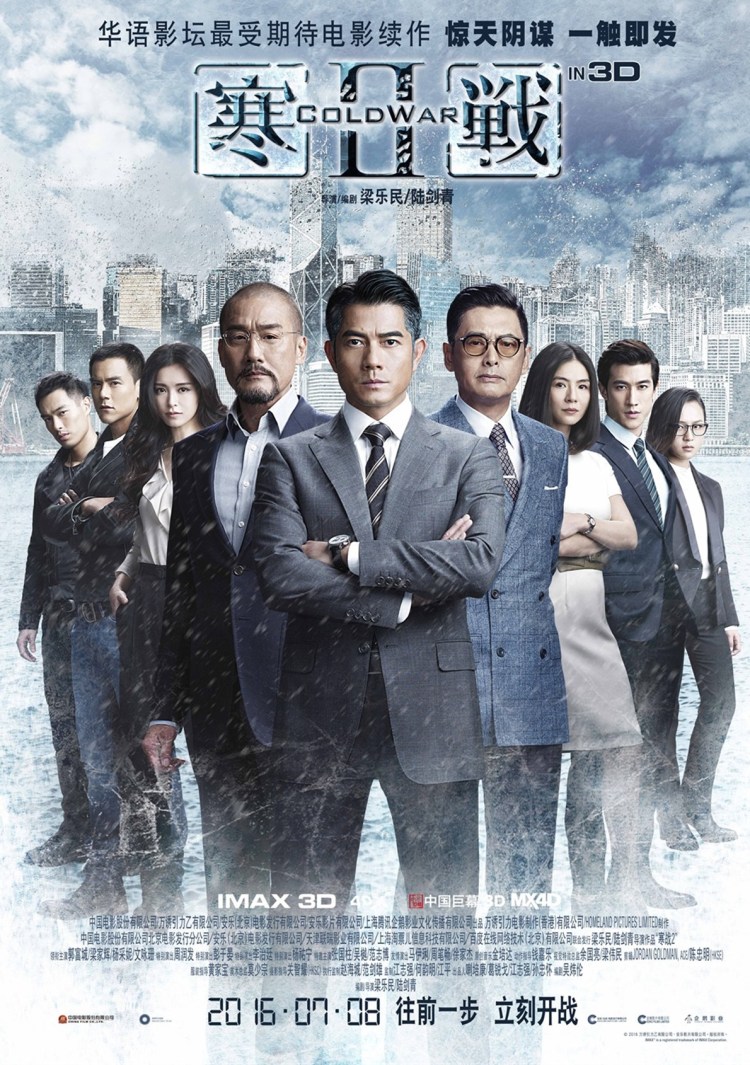 2017 marks 20 years since the Hong Kong handover and the New York Asian Film Festival not only showcases some of the best HK films from the past two decades but also includes a look forward with work from the most promising voices of tomorrow.
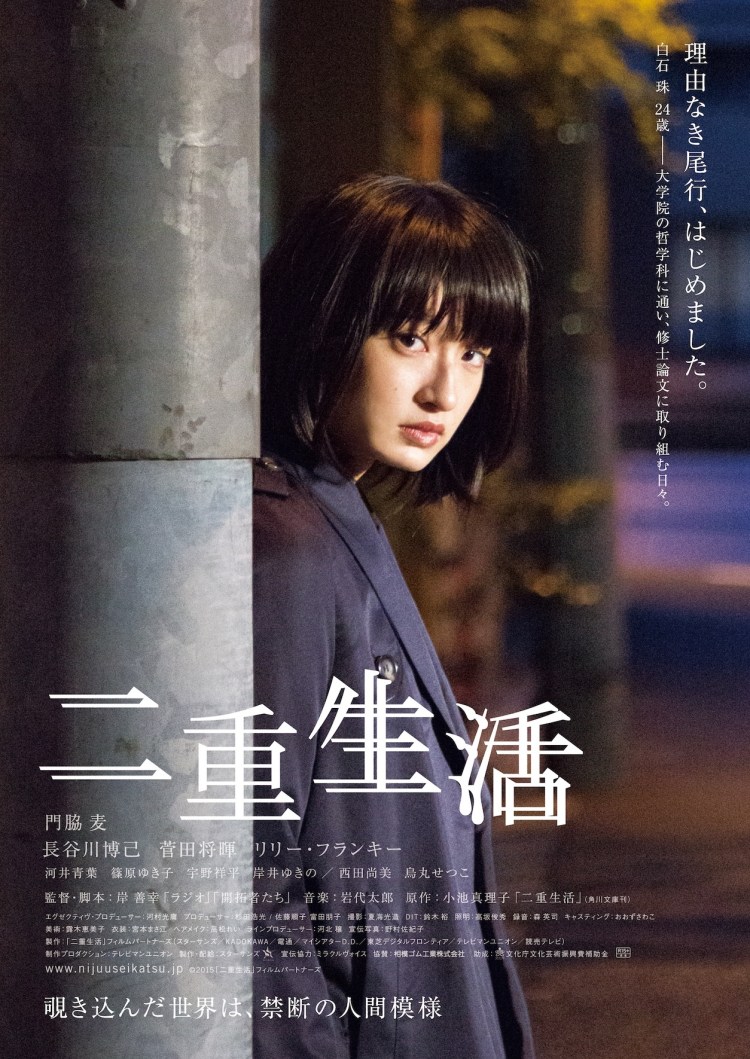 A varied lineup from Japan features everything from the Roman Porno reboot to LGBT comedy, quirky sc-fi, and moving family drama.
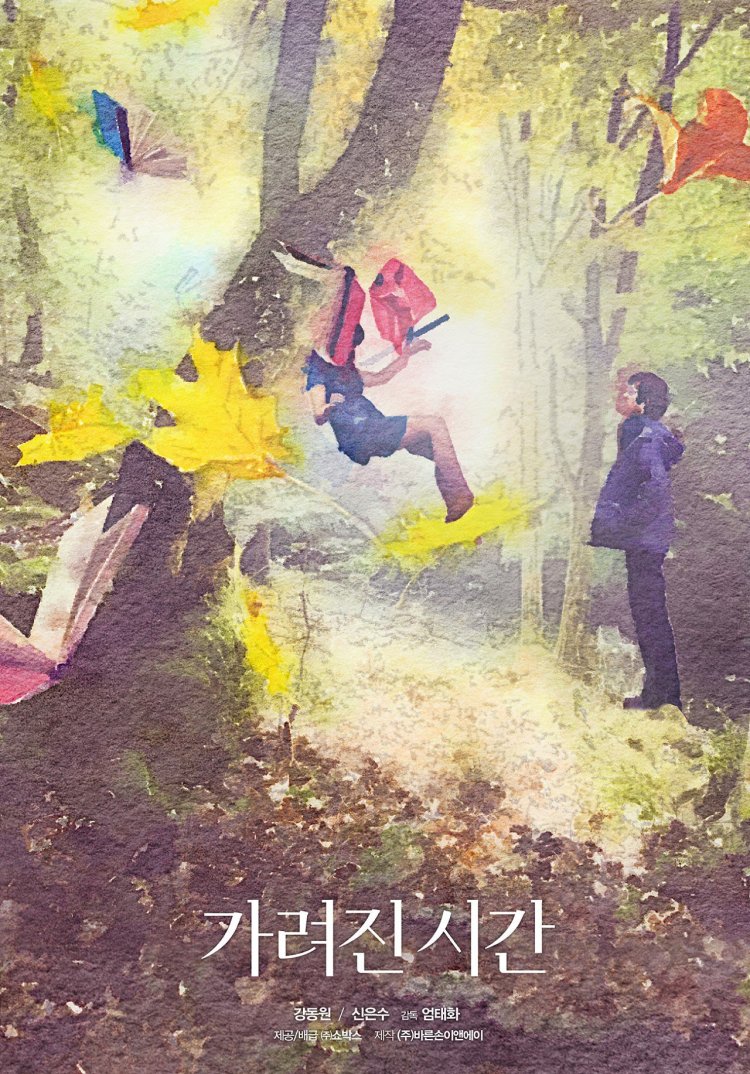 Cyber crime, fantasy, and gentle whimsy mingle in an eclectic selection from Korea.
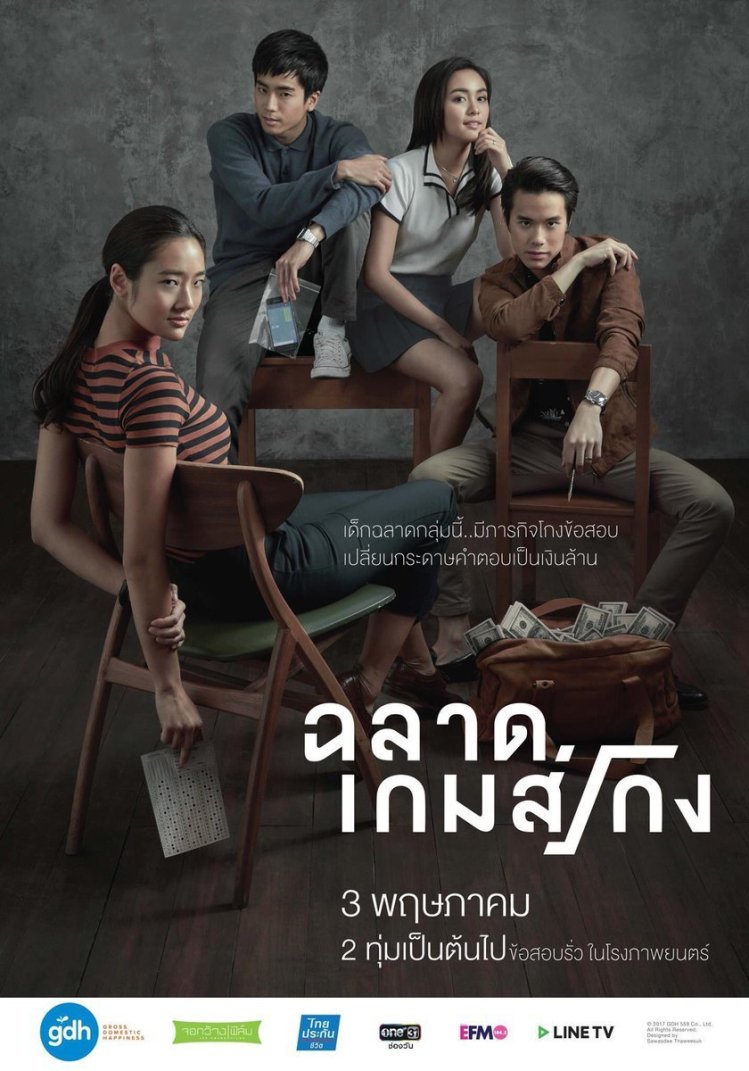 Casting the net wider the festival will also showcase some of the best recent hits from underrepresented areas of Asia:
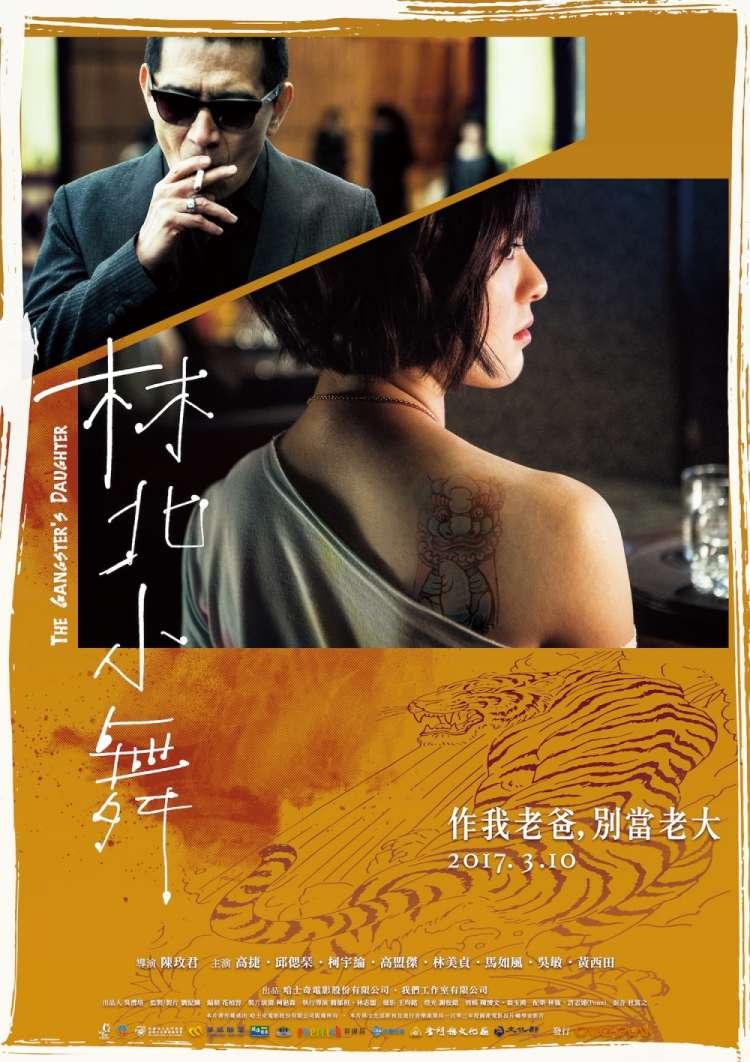 Pick your poison – monsters, gangsters and love dominate the entries from Taiwan.
 Only two documentaries on offer this year, both from Korea:
