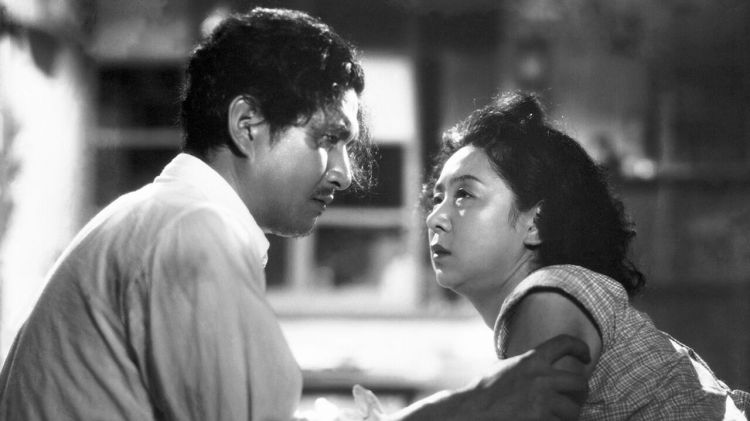
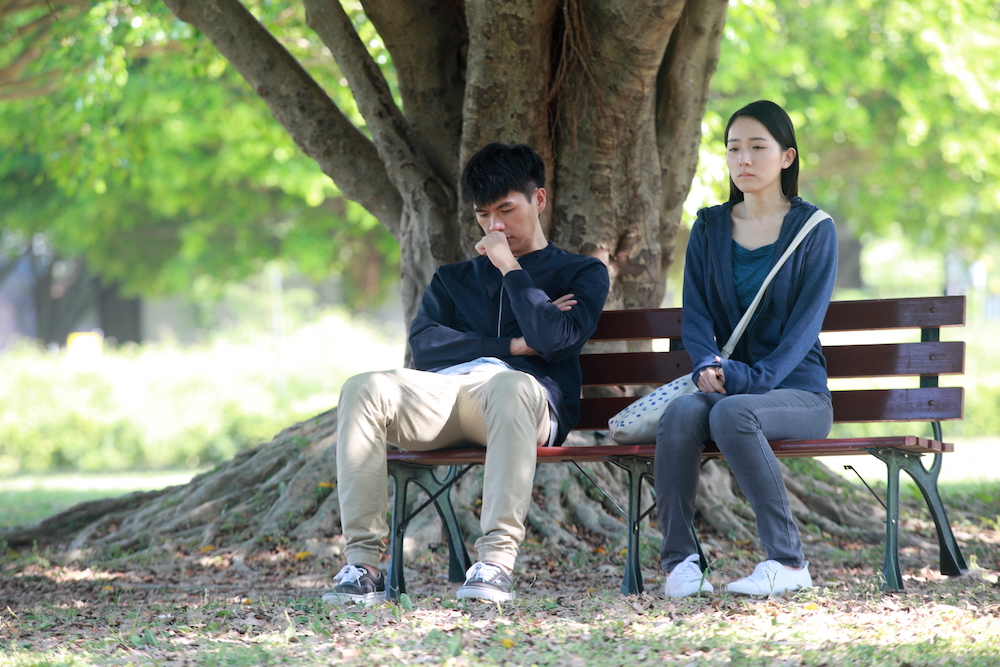
Late Autumn (秋日和, Yasujiro Ozu, 1960)

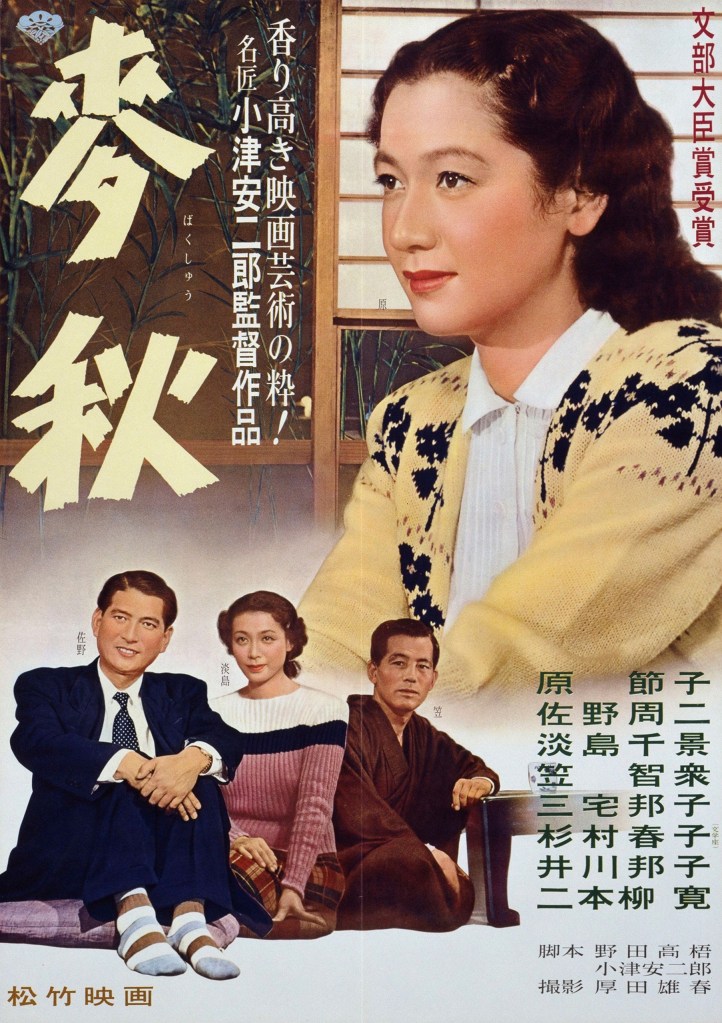
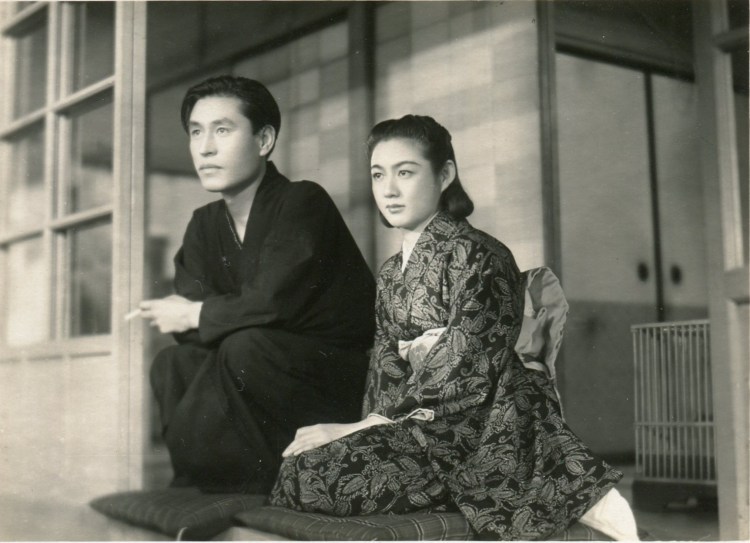
“It’s people who complicate life. Life itself is surprisingly simple” according to a puffed up old man having just hugely overcomplicated an admittedly delicate situation in Yasujiro Ozu’s Late Autumn (秋日和, Akibiyori). A reinterpretation of his classic Late Spring, Late Autumn once again stars Setsuko Hara but this time as a widowed mother far more enthusiastic about marrying off her only daughter while enduring the sometimes unwelcome assistance of a group of middle-aged men stepping into the decidedly female realm of matchmaking and of course concluding that they are doing a fantastic job. 

The action opens at the seventh memorial service for Akiko’s (Setsuko Hara) late husband, Miwa, attended by his three old high school friends, Taguchi (Nobuo Nakamura), Hirayama (Ryuji Kita), and Mamiya (Shin Saburi) who’s turned up fashionably late in the hope of skipping most of the sutras. At the refreshments afterwards, talk turns to the marriage of Miwa’s daughter Ayako (Yoko Tsukasa) who is now 24 which is actually edging towards the late side by the standards of the time. The three old men offer to help find prospective matches with Taguchi instantly proposing an acquaintance to which Ayako smiles demurely but is later relieved to discover is already taken. Mamiya too has a lead, a nice young man from his office, Goto (Keiji Sada) who graduated from a good university and is not bad looking either. Though Akiko is excited, she’s surprised to discover that her daughter wants to shut the offer down immediately before even exchanging photos. She feels she’s not ready for marriage and is happy the way things are. Of course, if she fell in love it might be a different matter, but to her mind there’s no rush to get married just for the sake of it. 

Generally speaking, it’s other women who mostly enforce these restrictive patriarchal social norms, after all a daughter’s marriage is ironically the one area of a woman’s life over which she usually has total control. In this case, however, Ayako’s marriage becomes a kind of hobby for three eccentric old men who each have problems of their own they don’t seem to be in a big hurry to deal with. They each have a latent crush on Akiko from their youth though it was obviously Miwa who later married her. Hirayama is widowed with a teenage son, but Mamiya and Taguchi have wives and daughters of their own, Taguchi’s already married but apparently experiencing frequent bouts of “frustration” with her husband, and Mamiya’s still in school, while their wives are fully aware of their lingering affections for Akiko but mostly content to laugh at their ridiculousness. They are all certain that Ayako “needs” to get married as soon as possible and that they are “helping” her towards “happiness” though what they’re mostly doing is a father knows best routine in which they resolutely ignore her repeated desire for things to go on as they are until she decides that they shouldn’t. 

Ayako isn’t interested in arranged marriage, but does become interested in Goto after accidentally meeting him at Mamiya’s company and then discovering they have a mutual friend, all of which makes their relationship both “arranged” and “not”, giving Mamiya cause to think he’s responsible when he’s really just incidental. Thinking things aren’t moving fast enough, the guys decide the problem is Akiko and if they can persuade her to remarry then Ayako will be less reluctant to leave home. Their behaviour is in fact quite manipulative, something they are later called out on by Ayako’s feisty friend Yuriko (Mariko Okada) who is also trying to help but determined to do it in a less problematic way. The gang’s suggestion to Ayako that her mother is considering remarriage when in fact she had no such intentions at all places a rift between the two women with Ayako left feeling hurt and betrayed, as if her mother has offended her father’s memory and done something improper behind her back. 

Ayako is not alone in her lingering prejudice against second marriage even if Yuriko tries to explain to her that she’s being unreasonable. Hirayama too originally objects to the gang’s plan to get him to marry Akiko on the grounds that it would be “immoral” to marry his old friend’s wife, but is brought round when he puts the idea to his son and finds him wildly enthusiastic if only in part because he’s already thought ahead to his own marriage and is worried his dad will want to live with them and that would inconvenient for everyone. When it comes to Akiko’s marriage, there seems to be more wiggle room. Everyone wants her to be “happy” and so there’s a greater freedom to explore various options while completely ignoring her preference to remain a widow. As we see from Akiko’s life, she is already financially independent and really has no “need” to remarry unless she happened to fall in love though she remains attached to her husband’s memory. As she later confesses to Ayako, she has no desire to “climb that mountain” again, and in fact will be happier living in freedom as an independent woman. 

As so often, however, while remarriage is optional marriage is not. Ayako has to marry, she never really has the option to remain single even that was what she wanted. She falls in love with Goto and indeed wants to marry him if perhaps worried about leaving her mother behind, making the three old men partially correct in their conviction that her reluctance was more anxiety than it was opposition. Unfortunately, their “success” emboldens them towards the next match and possibly more unhelpful meddling, complicating what should be simple with their increasingly outdated ideas fuelled by a desire to rebel against their sense of impending obsolescence. “In marriage you just give up” an exasperated wife admits, but wouldn’t it be something if you didn’t have to?


Late Autumn is currently streaming on BFI Player as part of the BFI’s Japan season.

Original trailer (no subtitles)
Onibaba (鬼婆, Kaneto Shindo, 1964)

How do you go on living in a world turned upside-down? It may be the central theme of post-war cinema, but few have tackled it in such a direct if allegorical way as Kaneto Shindo, repurposing a Buddhist parable about the perils of duplicity as a lesson in the dangers of the age, defined by a cruel hunger which could not be satisfied by bread alone even if there were bread to satisfy it. Onibaba (鬼婆), as the title implies, makes a villainess of an old woman driven to extremes by her chaotic times, but perhaps suggests that the times make villains of us all.

Deep in the war-torn country of 14th century Japan the imperial capital of Kyoto has been razed, a horse is said to have given birth to a cow, and the sun rose black in the sky leaving day as dark as night. With farmers dragged away from their fields to fight in a war they barely understand on behalf of distant lords, the grain basket of the nation is close to empty. An old woman (Nobuko Otowa) and her daughter-in-law (Jitsuko Yoshimura) have learned to make ends meet by hunting battle-weary samurai, stripping them of their armour, and throwing their bodies into a gigantic pit sitting right in the middle of the tall grass like a gravitational black hole of human compassion. The old woman has been patiently waiting for the return of her son, Kichi, who was taken away by the samurai, certain that everything is going back to normal when the war is over. Kichi, however, will not be returning. Hachi (Kei Sato), another young man from the village taken along with him, brings the sad news that the old woman’s son was beaten to death by a mob of farmers much like herself resentful of the war’s intrusion onto their land. 

Everything becomes food, Hachi explains, a sentiment extremely familiar to those who lived through the chaos of the immediate post-war era. Pointing at a baseline problem in the feudal economy, the war starves the poor and makes the wealthy hungry. The fields run wild with no men to tend them, as if symbolising the madness of the times. Lost in the tall grass, samurai and peasant alike search for an exit but are drawn only towards that black pit of human cruelty, more beasts than men driven by the need to survive alone. 

Without her son, the old woman is unable to farm, and without her daughter-in-law she is unable to survive through killing. She knows that these are times without feeling and that if Kichi will not return there is no reason for her daughter-in-law to stay. Ushi (Taiji Tonoyama), the broker for the looted samurai armour, makes an indecent proposal of extra millet for sexual favours but the old woman defiantly turns him down, perhaps not quite realising the offer was likely not intended for her. Which is to say that Hachi is not the only man in town, but is perhaps the only “desirable” one. Such desires that there are apparently cannot be satisfied by a crusty old man like Ushi, but are there all the same. Hachi presents a triple threat. The old woman knows her survival depends on the younger one, but also that she has no means to keep her now that her son is dead. She offers Hachi her body instead but he, as she did Ushi, baulks at the idea of slaking his lust on such an old woman. 

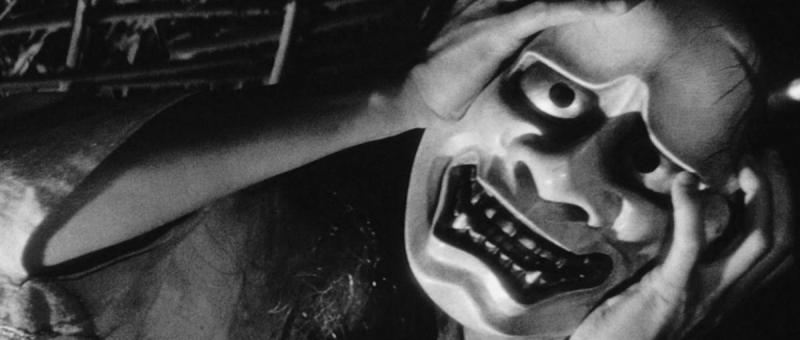
When a strange samurai wanders into her hut and orders her at the point of his sword to lead him out of the tall grass a solution presents itself. The old woman lures him to the black pit and prises away the ornate oni mask which he claimed he wore to protect his beautiful face from the ravages of war. Despite the fact that the samurai appears to have suffered from some kind of aggressive skin disease, the old woman unwisely decides to put the mask on her own face, convincing her daughter-in-law that her relationship with Hachi is sinful and appearing out of nowhere dressed as a demon to remind her that she’s going to hell. The mask’s crazed expression becomes fused with her own face, cementing her transformation into a “demoness” which it seems had already begun with stretch of white disrupting the uniformity of her hair and the kabuki-esque exaggeration of her eyebrows. Running desperately through the tall grass she cries out that she’s human, but this world has made demons of them all. The black pit of hunger knows no fill, and there can be no satisfaction in a world so devoid of human feeling.


Onibaba is currently streaming on BFI Player as part of the BFI’s Japan season.

Original trailer (dialogue free)

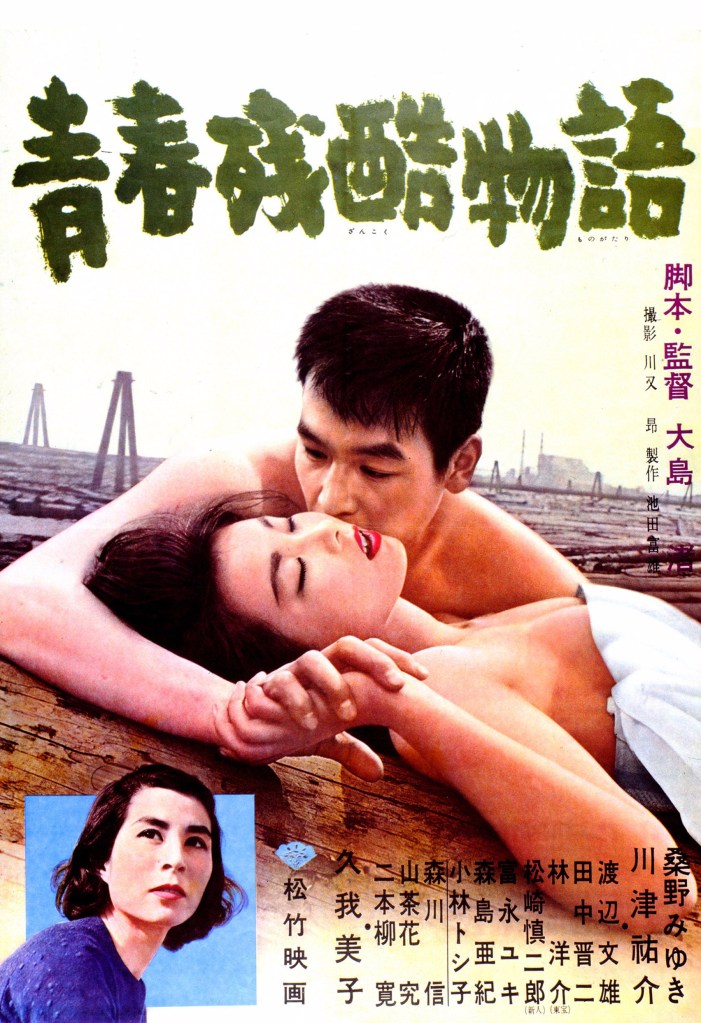
Cruel Story of Youth (青春残酷物語, Nagisa Oshima, 1960)

More interested in politics than cinema and never quite at home in the studio system, Nagisa Oshima began his career at Shochiku as one of a small group of directors promoted as part of the studio’s effort to reach a youth audience they feared their particular brand of inoffensive melodrama was failing to capture. Like The Sun’s Burial, Cruel Story of Youth (青春残酷物語, Seishun Zankoku Monogatari) is a nihilistic tale of a fracturing society, but it also looks forward to Night and Fog in Japan in its insistence that youth itself is a failed revolution and this generation is no more likely to escape existential disappointment than the last. 

The film opens with teenager Makoto (Miyuki Kuwano) and her friend Yoko (Aki Morishima) trying to get free rides from skeevy middle-aged men rather than having to pay for a cab. As you might expect, that’s a fairly dangerous game and while it might be alright while there’s two of you, as soon as Yoko has been dropped off, the driver changes course and suggests going for dinner only to park in front of a love hotel and try to drag Makoto inside. Luckily, or perhaps not as we will see, she is “rescued” by young tough Kiyoshi (Yusuke Kawazu), a student and angry if politically apathetic young man. Struck by his manly white knight act, Makoto takes a liking to Kiyoshi but he too later rapes her under the guise of satisfying her curiosity about sex to which he attributes her ride hailing activities. After this violent genesis, they fall in “love” but continue to struggle against an oppressive society.

We assume that the “cruel story of youth”, and it is indeed cruel, that we are witnessing is that of Makoto and Kiyoshi, but it’s also that of her slightly older sister Yuki (Yoshiko Kuga) and her former lover Akimoto (Fumio Watanabe) who has become a conflicted doctor to the poor betraying himself by financing the clinic through charging for backstreet abortions. Yuki complains to her apathetic father that they were strict with her in her youth, that she’d get a hiding just for coming home after dark, whereas Makoto can stay out all night and not get much more than a stern look. Her father explains that times were different then, “We thought we had new horizons. We started again as a democratic nation, and it was a responsibility that went hand in hand with freedom. What can I say to this girl today?” admitting both the failures of the past and the mistaken future of a society that actively resists change. 

Yuki and Akimoto were part of the post-war resistance, left-wing students like the older generation of Night and Fog in Japan, who’d actively fought for real social change but had seen that change elude them. Yuki, we hear, left Akimoto for an older man but perhaps now regrets it along with her half-finished revolution. She may not approve of her sister’s choices, but she also on some level admires her for them or at least for the strength of her rebellion even if it will ultimately be as fruitless as her own. “This is a cruel world and it destroyed our love” Akimoto laments, mildly censuring the youngsters in suggesting that his love was pure and chaste because they vented their youthful frustrations through political action whereas this generation is already lost to the mindless hedonism of unbridled sexuality. 

He forgives them, because he feels that their plight is a direct result of his failure to bring about the better world, but there is also a suggestion that it is a lack of political awareness which is somehow trapping the young. Oshima cuts from footage of the April Revolution in Korea which is described as a “student riot” in the news to a protest against the Anpo treaty at which Kiyoshi and Makoto look on passively from the sidelines. “I think taking part in the demonstrations is stupid”, Makoto’s friend Yoko tells a prospective boyfriend, “why don’t we think about getting married instead?”, drawing a direct line between social conservatism and political inaction. 

Makoto and Kiyoshi rebel by using, or to a point not using, their bodies as a direct attack on the society. Following their rather odd and troubling meeting, the pair earn their keep through repeating the experience. Makoto picks up men who will inevitably have an ulterior motive, and Kiyoshi rescues her, extorting money from their targets. Yet it is Kiyoshi who is forced to prostitute himself, gaining financial support as a gigalo kept by a wealthy middle-aged housewife who is just as sad and defeated as Yuki and Akimoto, dissatisfied with the path her life has taken and in her case attempting to escape it through passion and control exerted over the body of a young man. Though the consequences of a becoming a kept man may be different than those Makoto would face should the less “nice” delinquents get their hands on her, they do perhaps fuel his sense of violent emasculation which he channels into a pointless act of revenge against the society in the form of its most powerful, wealthy middle-aged men whose misogyny he claims to abhor while simultaneously mirroring and directly exploiting.

“Someone needs to be responsible” a strangely sympathetic policeman insists, chiding Kiyoshi that at heart he’s just a petty criminal who liked having money no matter how he might have tried to dress it up. “You’re just like them, you’re a victim of money too”, he adds correctly diagnosing the flaws of an increasingly consumerist society. Only, no one takes responsibility. Kiyoshi’s lady friend pulls stings. It turns out her husband does business with Horio, one of Makoto’s pick ups who despite being nice and kind still had his way with her and then reported Kiyoshi for extortion. Akimoto explained that their failures would drive them apart, but Kiyoshi swore they’d always be together only to wonder if in his love for her the only thing to do is save Makoto from his corrupting influence though she does not want to leave him. We won’t be like you, Kiyoshi countered, because we have no dreams with which to become disillusioned. But youth itself is a failed revolution, and the force which destroys them is perhaps love as they meet their shared destinies at the hands of an increasingly cruel society.


Cruel Story of Youth is currently streaming on BFI Player as part of the BFI’s Japan season.

Original trailer (no subtitles)
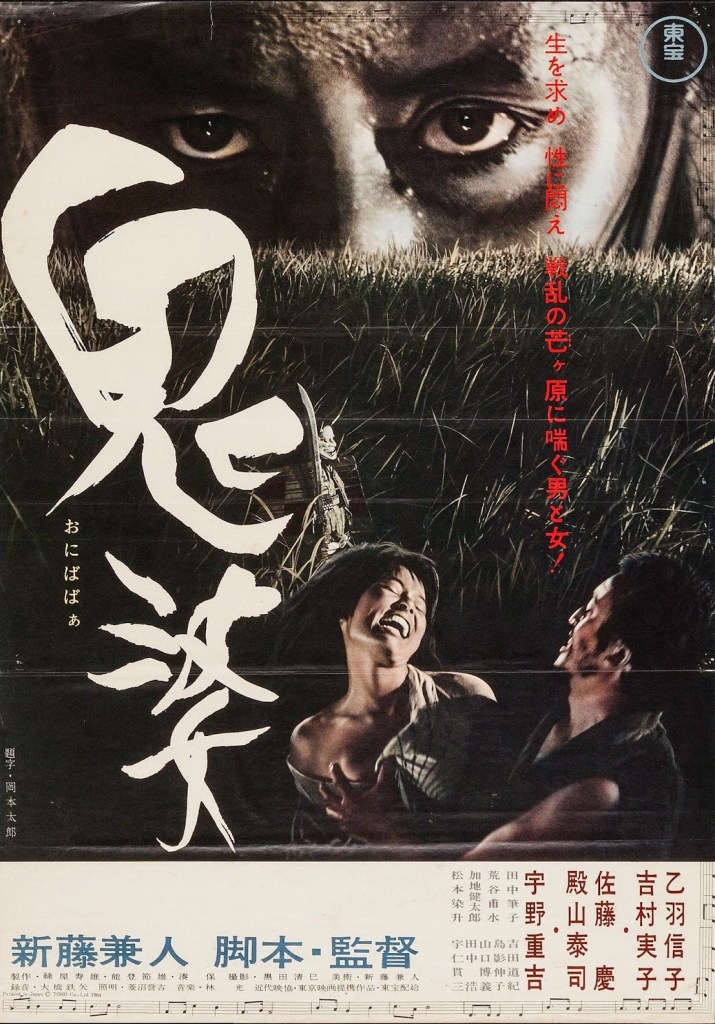
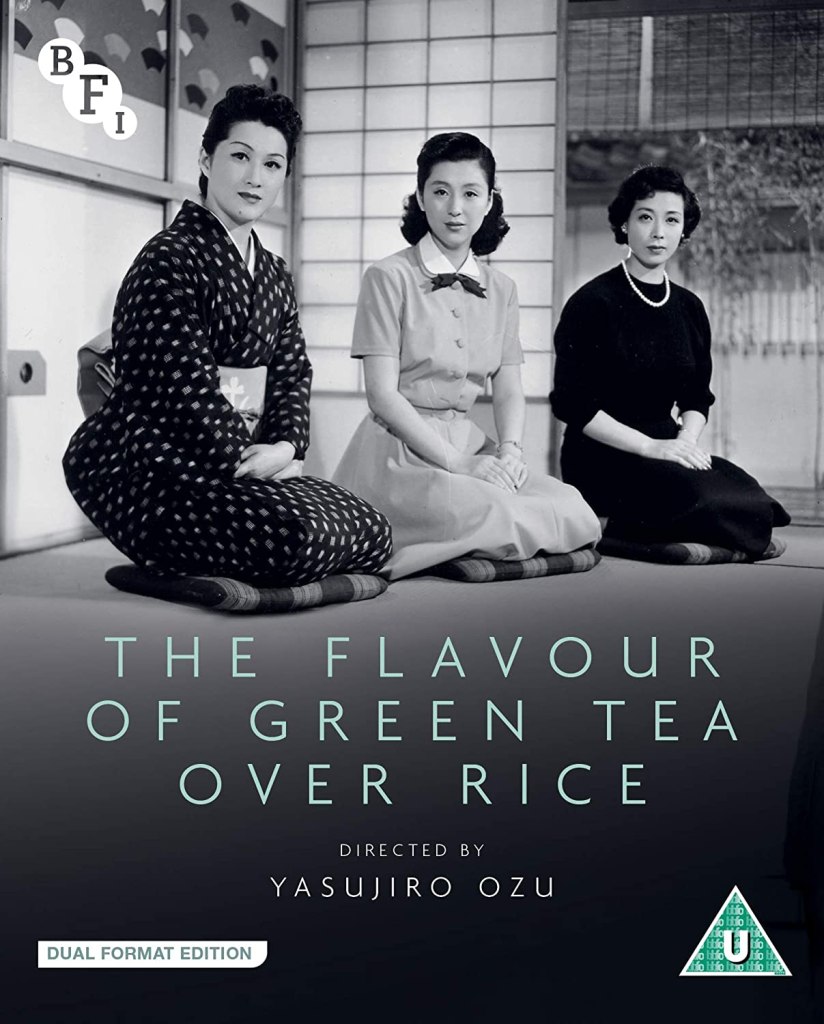
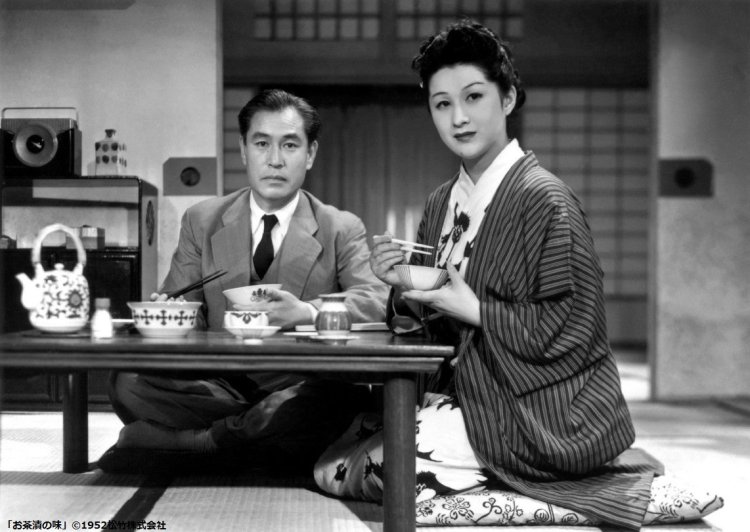
The Flavour of Green Tea Over Rice (お茶漬けの味, Yasujiro Ozu, 1952)

Famously, many of Yasujiro Ozu’s films end with a young woman getting married and the emotional desolation that it provokes in those left behind. Ozu, unlike some of his contemporaries, generally comes down on the side of marriage. His heroines always succumb, rarely finding independence or resignation and settling for a second choice even if their first proved unavailable. The Flavour of Green Tea Over Rice (お茶漬けの味, Ochazuke no Aji), however, takes him in a slightly different direction in asking what, if anything, is to blame when a marriage is unhappy, repurposing the arranged married debate to perhaps imply that wedded bliss is less about romance than it is about endurance and mutual understanding. 

Taeko (Michiyo Kogure), a middle-aged woman, consented to an arranged marriage to Mokichi (Shin Saburi) at the usual age but seems to feel little more than contempt for him. A friend from school, Aya (Chikage Awashima), invites her on an impromptu trip to an onsen and for reasons not entirely clear, Taeko feels she has to lie rather than simply telling Mokichi that she would like to go away with a friend for a couple of days. Aya encourages her to spin a tale that her niece, Setsuko (Keiko Tsushima), who often stays with them in the city, has been taken ill and is in need of urgent care, but the plan is foiled when she swans into their home right as rain before Aya could give her instructions. Caught on the hoof, Taeko is forced to improvise that a different friend is ill, the four women eventually heading off on a girls’ trip leaving Mokichi at home alone and apparently none the wiser. 

Perhaps surprisingly, Mokichi turns out to be a kind and considerate, if perhaps dull, kind of man. We later discover that he knew all along that Taeko was lying but thought it wasn’t worth making a fuss over. He makes a point of chatting with the maid, asking after her family and is apparently well acquainted with her circumstances. Unlike other men, he doesn’t spend his time out drinking or gambling or even overworking, coming home to read instead, but still Taeko is put out when she phones him at work to kickstart the onsen plan and discovers his desk to be empty. It turns out that he met up with the younger brother of an old friend killed in the war who had asked for his help with a recruitment exam. Non-chan (Koji Tsuruta), as everyone calls him, is a cheerful sort guy who openly admits he wears army surplus suits and likes to eat in restaurants which are “good and cheap”, all of which suits Mokichi much better than his wife’s rather more sophisticated tastes. The younger man is quick to introduce him to the pleasures of the age including bicycle racing and pachinko parlours which is where he runs into an old army buddy, Hirayama. 

While Taeko and her old friends break into a rendition of a song from their student days with Setsuko looking on in minor confusion, Mokichi sits around a small table with Hirayama and an equally out of place Non-chan recalling his glory days in Singapore and singing old army songs. They are each, in their own and infinitely parallel ways, mourning the promise of their youth. Taeko’s friends, Aya and Takako, have an equally cynical view of marriage. Takako’s husband has gone to Paris and she, it seems, couldn’t be happier with her newfound freedom, while Aya runs a small boutique and regards hers as little more than a necessary inconvenience. When the ladies take in a baseball game, Aya is surprised to spot her sports-hating husband on the bleachers apparently escorting a woman she recognises from a nearby bar, but she isn’t in any way jealous or angry merely amused and planning to use it as extra leverage to persuade him to buy her a new kimono despite the fact that we later see him asking her for money (which she snatches back as punishment). 

Despite all of that however Taeko’s tragedy maybe that somewhere deep down she wanted her marriage to work. Her open contempt for Mokichi, likening him to a big fat carp and referring to him as “Mr. Bonehead” in assuming he is stupid enough to believe all her lies, annoys the otherwise modern Setsuko who sees their unhappy union as definitive proof that arranged marriages do not work. Interrogated by her exasperated niece who was sure her aunt would support her in her resistance to her parents’ matchmaking, Taeko claims that she is happy and perhaps she is even if in her unhappiness, but Setsuko’s unexpected seizure of her agency though rudely walking out on the omiai brings her own marriage to a crisis point. Mokichi cannot quite say so but tacitly supports Setsuko’s desire to decide her own romantic future even if he disapproves of her irresponsible rudeness to her prospective suitor. “Forcing her to marry against her will would just create another couple like us” he eventually explains to Taeko in boldly saying that which should not be said. 

It would be easy to think that the problem is Taeko and Mokichi simply aren’t suited. There is an obvious class difference that seems to be a continuing problem for the snooty Taeko. It annoys her that he insists on pouring his miso soup into his rice bowl which she feels is common, like his cheap cigarettes and preference for third class rail travel. He explains that it’s not that he’s cheap, simply that these are the things he likes, that he’s familiar with, that make him feel relaxed. Their upbringings are different. Taeko feels relaxed in first class because that’s how she’s always travelled and she likes the finer things because they reassure her in her status. That might be one reason they occupy different areas of a shared home, he with a traditional futon in a tatami mat room, she in a well appointed Western-style boudoir even as she exclusively wears kimono. 

Yet the problem isn’t that they like different things so much as an essential misconnection. Without perhaps knowing, Taeko is so filled with resentment over her lack of control of her romantic destiny that she’s never warmed to her husband or felt secure in her marital home. It’s a cliche to say she doesn’t understand him, but perhaps she wanted something different to what she eventually got. A sudden crisis after the Setsuko episode sees Taeko make a temporary retreat only for Mokichi to be abruptly sent abroad. Sharing the homely comfort food of green tea poured over rice, she finally begins to understand that what she took for indifference was perhaps merely a different way of showing love. Mokichi really is a man who likes the simple things, affection without ceremony, like the flavour of green tea over rice. She knows that unlike Aya’s husband Mokichi will never betray or hurt her. He is infinitely “reliable” which might not sound romantic, but is perhaps the only solid basis for a successful marriage. 

That’s the advice she eventually offers to Setsuko, walking back on her commitment to arranged marriage, a “feudal” tradition she and all the other women had been determined to force onto her despite the fear and pain it caused them in their own youth and beyond, to remind her that marriage is for life. Find someone “reliable”. A flashy suit and a handsome face might look good now, but they might not in 20 years’ time. Setsuko has taken a liking to Non-chan who claims to be “reliable” but his taste for pachinko and bicycle races might suggest otherwise. In any case, after a heartwarming resolution that repairs the fractured marriage of Mokichi and Taeko, Ozu ends on a moment of cheeky ambivalence in which Non-chan says the wrong thing, upsetting Setsuko who retreats into a small hut. Non-chan repeatedly apologises and tries to enter, while she pushes him back out, neatly symbolising the arc of a marriage as an accidental battleground of intimacy though in this case one with a playful resolution. 


The Flavour of Green Tea Over Rice is released on blu-ray in the UK on 18th May courtesy of BFI in a set which also includes an audio commentary by Tony Rayns. The first press edition also comes with a booklet featuring an essay by Tom Milne.

Short clip (English subtitles)

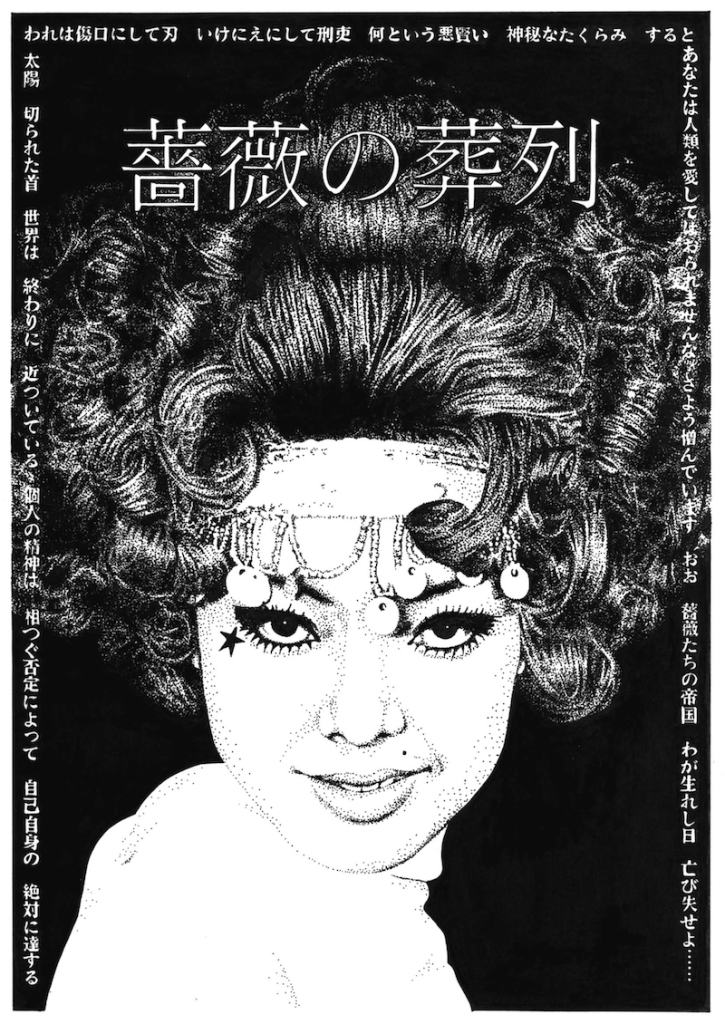
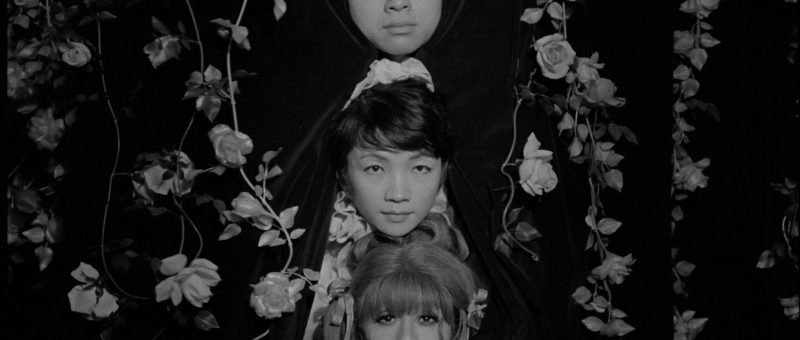
Funeral Parade of Roses (薔薇の葬列, Toshio Matsumoto, 1969)

“The spirit of an individual reaches its absolute through infinite negation” according to the title card which concludes Toshio Matsumoto’s anarchic voyage through the counter culture underworld of late ‘60s Tokyo, Funeral Parade of Roses (薔薇の葬列, Bara no Soretsu). Repurposing Oedipus Rex as mediated through Pasolini as an exploration of the crushing impossibility of true authenticity, Funeral Parade of Roses is also an atypical portrait of a city in transition. Like many a post-war melodrama, it’s a story of Tokyo bar hostesses only we find ourselves not in the comparatively upscale Ginza where unlucky women dream of escape into more conventional lives, but the grungier Shinjuku in which those who have no desire to attain conventionality, of that kind at least, have found a kind of freedom to become their truer selves. 

Our hero, Eddie (Peter), is something of an ephebe pursuing his destiny as a “gay boy” (cross-dressing bar hostess) at bar Genet where he has entered a relationship with the much older proprietor, Gonda (Yoshio Tsuchiya), who is growing tired of his current lover, Leda (Osamu Ogasawara), the bar’s mama-san. At the risk of mixing our metaphors, or at least allegories, in Greek mythology Leda was the mother of Helen of Troy, raped by Zeus in the guise of a swan. In any case, the primary crisis is one familiar from any other bar girl drama where Leda might be the melancholy heroine, facing the tragedy of her fading youth and an increasingly uncertain future. We see Eddie leave an apartment arm in arm with Gonda, a hearse passing ominously in front of them, while Leda looks on with scorn perching in front of a street corner convenience store to confirm that her suspicions are in fact correct. 

Leda is or will be the victim of Eddie’s quest for a place of his own, displaced within a world of displacement. She will eventually find her own kind of escape, dressed in a wedding dress and surrounded by white roses but drenched in romantic tragedy. Eddie meanwhile is plagued by visions of a traumatic past and a feeling of alienation. “I feel abandoned by life” he later complains to a counter culture friend, Guevara (Toyosaburo Uchiyama), who has adopted a strange fake beard in addition to his fake name. In the gallery in which Eddie meets him, a record is playing to remind us that we are each wearing a mask and that perhaps our mask may fit us so comfortably that we have forgotten the shape of our own face. We can never be sure if we are seeing those in front of us as they truly are or merely observing the masks they have chosen to wear. Beneath one mask may lie another, and another, into infinity hiding even from ourselves our truest identity in the truest form of loneliness.

Eddie too is searching for himself, though the implication that his present persona is just that may be an uncomfortable one. To undercut it, Matsumoto frequently breaks the fourth wall to interview some of his non-professional actors and other men in the street in this particular corner of Shinjuku. They tell him that perhaps they don’t have a “reason” for becoming a “gay boy”, only that it’s who they are and have always been and in that it makes them happy (aside from one self contradictory woman who gives answers only filled with nihilistic despair). The central thesis, however, is that an identity only reaches its absolute through its own negation, which is to say that Eddie must destroy himself to become himself. Something which he perhaps does on learning the ironic truth to which he was blind that has led him towards his grim destiny. 

A film critic making an unexpected, meta appearance talks to us of the “cursed destiny of man” while Eddie walks through a burial ground sinking into the sea and casually wishes that the whole country would sink to the bottom of the ocean. A student protestor justifies his use of violence as an essential good because it works towards the end of violence and not its perpetuation, but Eddie’s violence solves nothing and eventually becomes an act of self harm that propels him towards his nihilistic destiny. Yet this is a violent age in which opposition is the only sign of life. Eddie rebels against himself to rebel against the society, a rose wounded by his own thorns, whose only refuge lies in the artifice which mirrors authenticity. 


Funeral Parade of Roses is released on blu-ray in the UK on 18th of May courtesy of the BFI in a new 4K restoration. The set also includes an audio commentary by Chris D, the original Japanese trailer plus the US trailer for the 2017 restoration, and eight Toshio Matsumoto shorts including Nishijin (1961), The Song of Stone (1963), Ecstasis (1969), Metastasis (1971), Expansion (1972), Mona Lisa (1973), Siki Soku Ze Ku (1975) and Atman (1975). The two-disc edition also comes with a 34-page booklet featuring essays by Jim O’Rourke, the BFI’s Espen Bale, Hirofumi Sakamoto with Hiroshi Eguchi, and Koji Kawasaki.

Original trailer (English subtitles)

BFI Japan 2020 to Celebrate More Than 100 Years of Japanese Cinema

The Olympics may have been postponed and everything seems like it’s on pause, but the BFI’s planned mammoth Japan season is still doing all it can to make its way to us in the 2020 that never was. With the cinemas closed for the foreseeable future, the BFI will be making the first part of the season available online via BFI player with strands dedicated to golden age directors Akira Kurosawa and Yasujiro Ozu as well as a series of classics including films by Mikio Naruse and Seijun Suzuki, cult movies, and the best in 21st century cinema. Once the BFI reopens, we can also look forward to some rarer treats from this century and the last.

BFI Player

A series of strands will begin streaming via BFI Player over a six month period beginning with Akira Kurosawa and Classics (11th May), followed by Yasujiro Ozu (5th June), Cult (3rd July), Anime (31st July), Independence (21st August), 21st Century (18th September), and J-Horror (30th October). Subscriptions to BFI Player are available for £4.99 p/m following a two week free trial.

Akira Kurosawa (11th May)

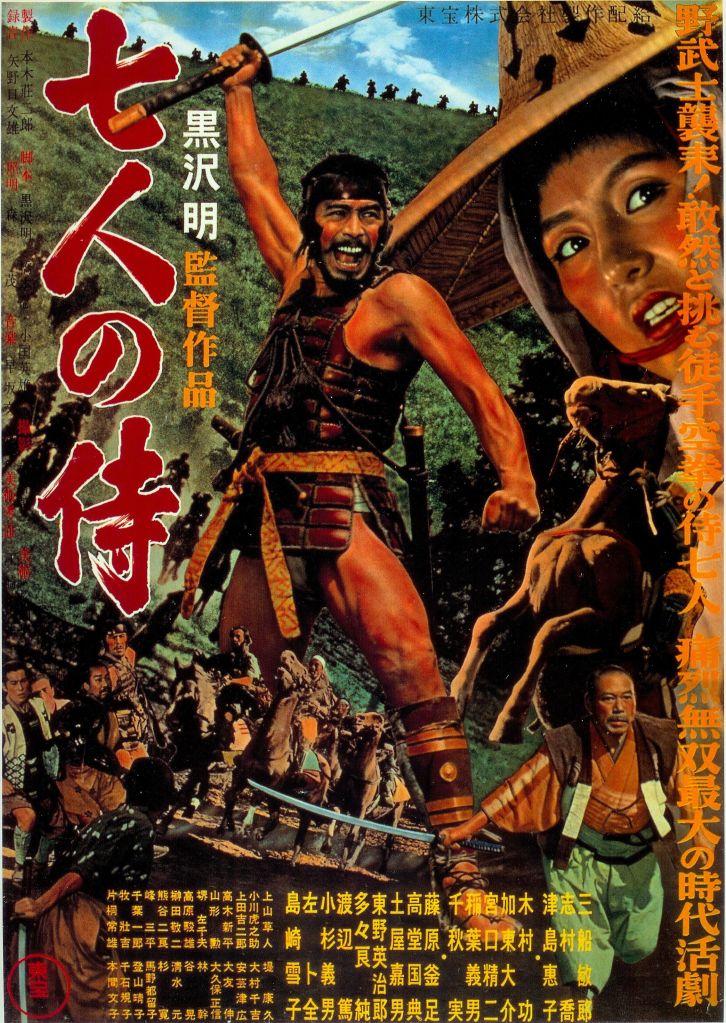
  • Seven Samurai – classic jidaigeki gets a post-war twist as a collection of down on their luck samurai come to the rescue of peasants beset by bandits.
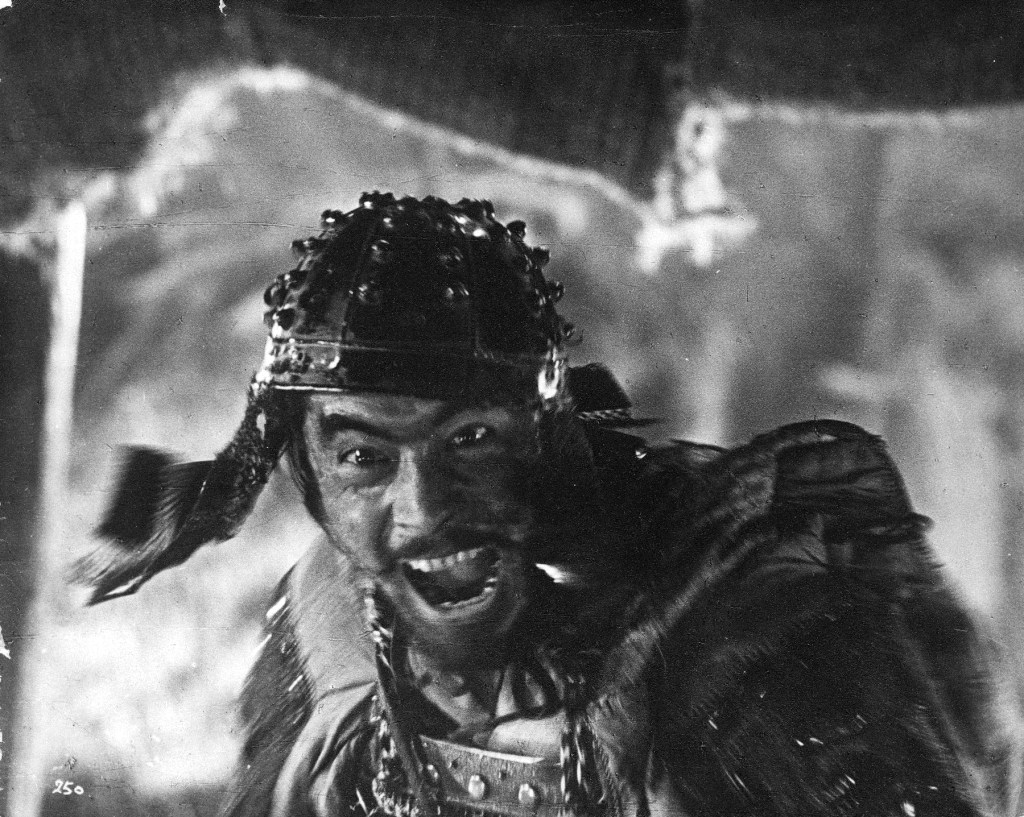
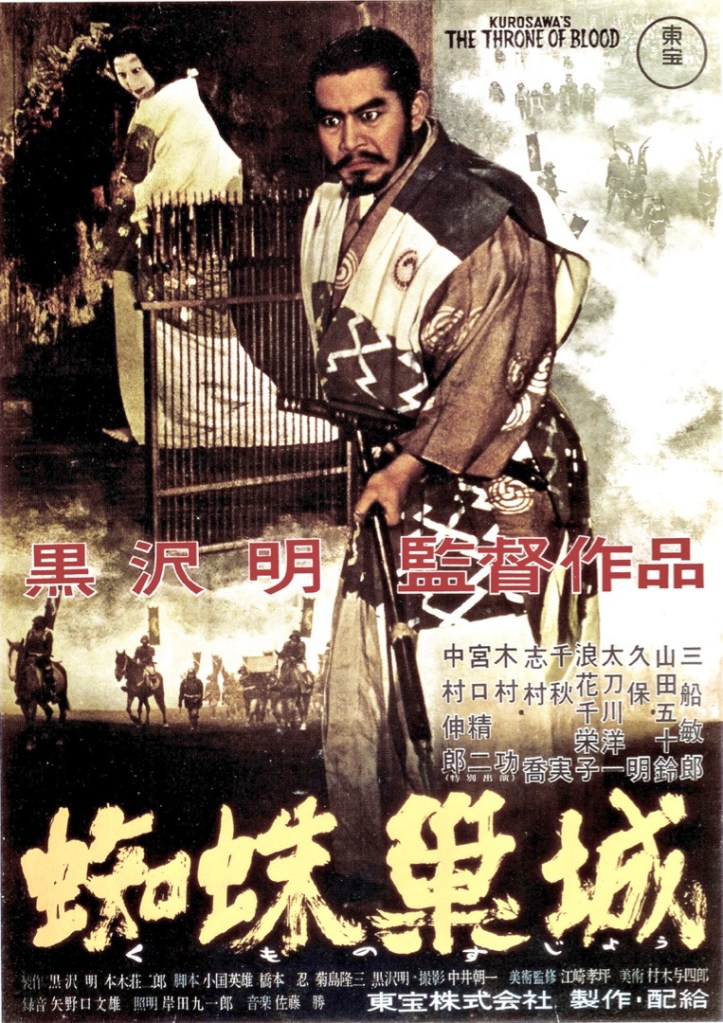
  • Throne of Blood – eerie retelling of Macbeth starring Toshiro Mifune as the man who would be king and Isuzu Yamada as his ambitious wife.
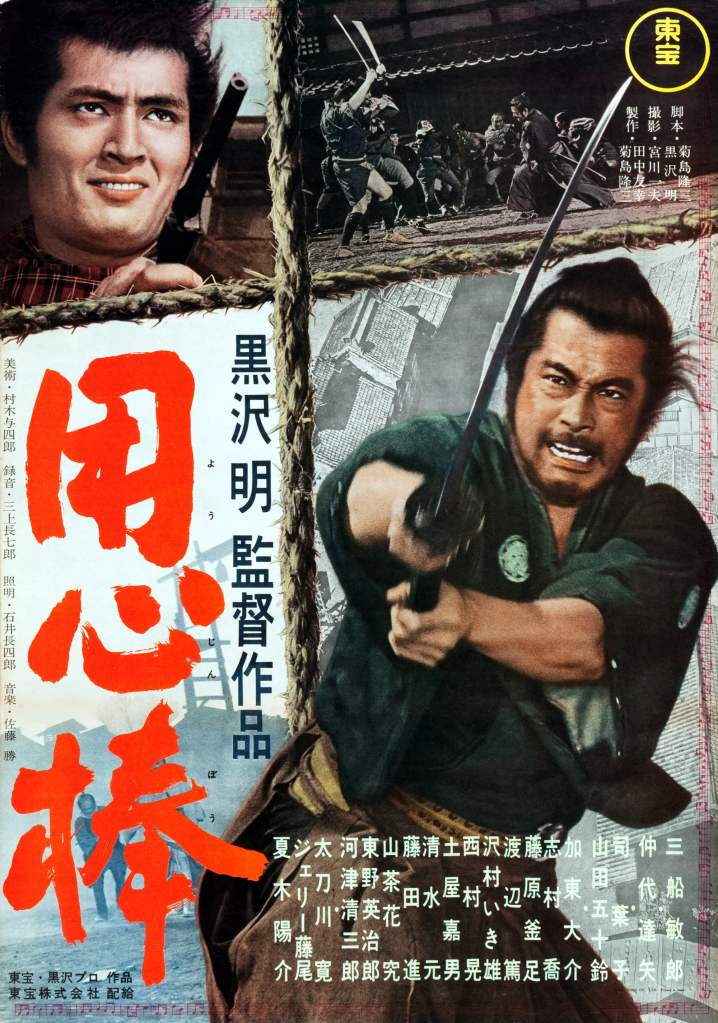
  • Yojimbo – samurai western starring Toshiro Mifune as a ronin drifter wandering into a turf war.
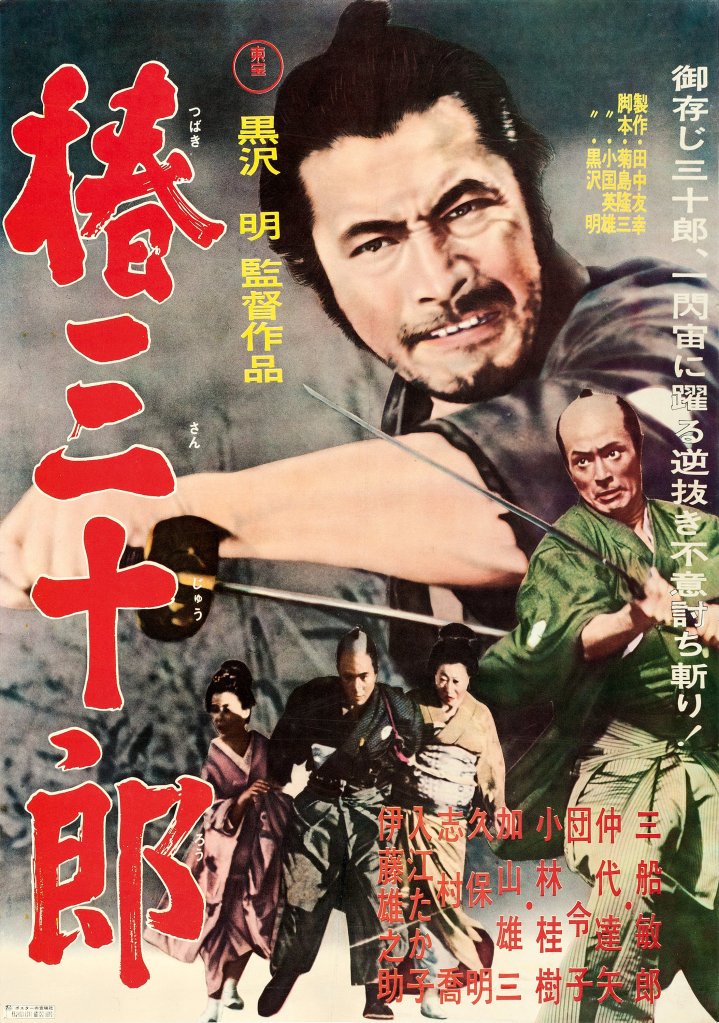
  • Sanjuro – sequel to Yojimbo in which Mifune reprises his role as the titular Sanjuro as he helps some locals stand up to samurai corruption.
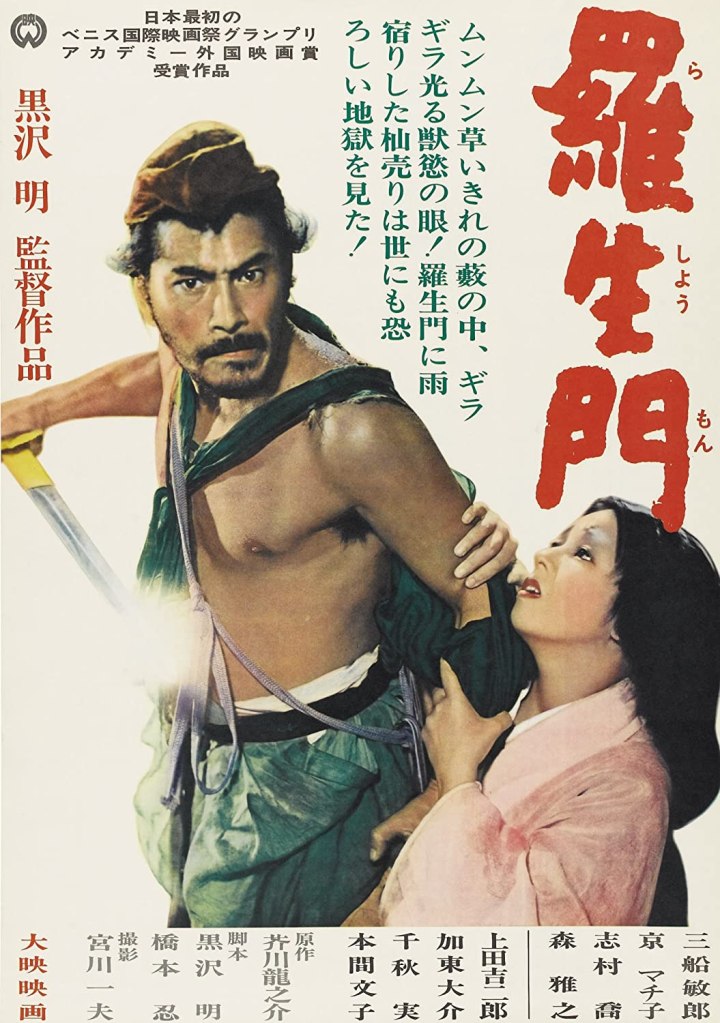
  • Rashomon – a series of witnesses provides contradictory accounts of the same event in an adaptation of the story by Ryunosuke Akutagawa starring Toshiro Mifune, Machiko Kyo, and Masayuki Mori.
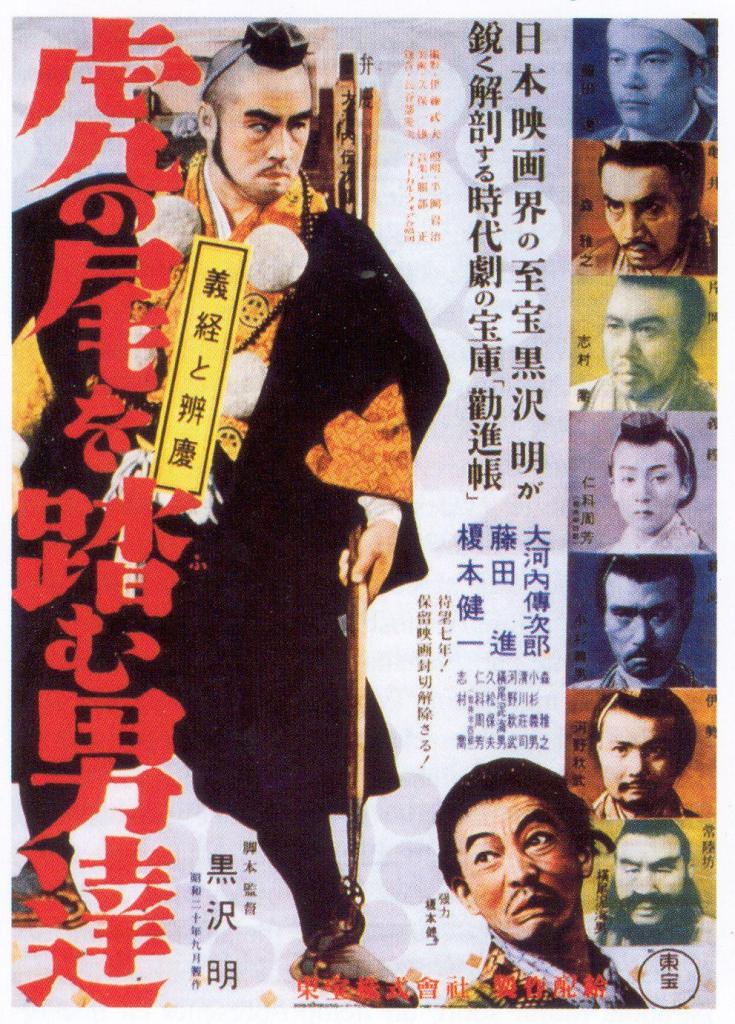
  • The Men Who Tread on the Tiger’s Tail – comedic kabuki adaptation in which a samurai attempts to escape with his retinue after being betrayed by his brother by disguising himself as a monk.
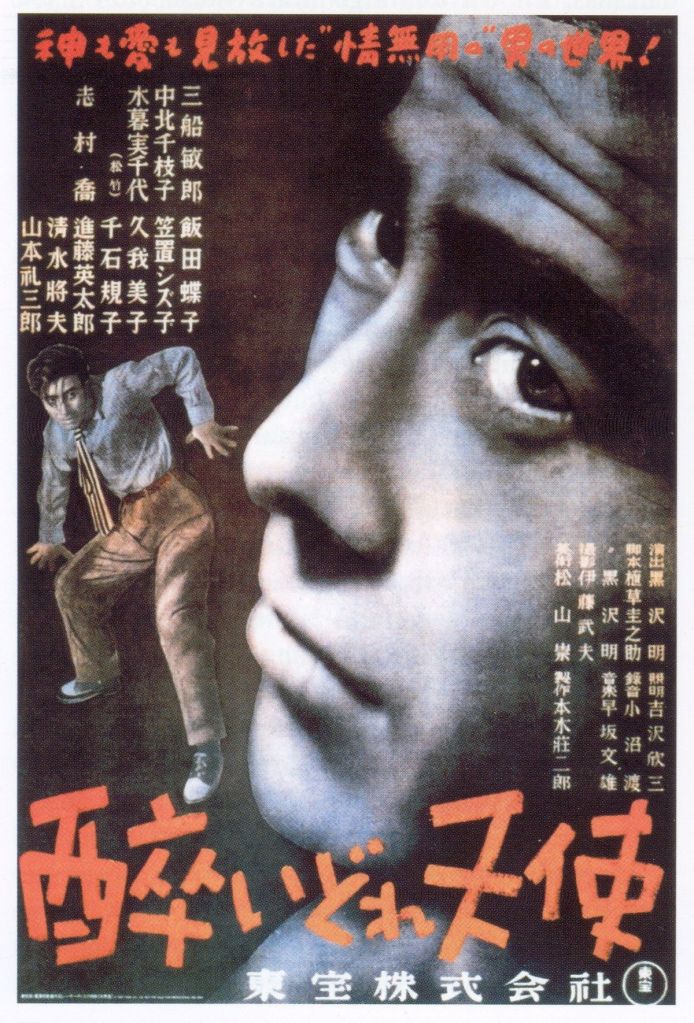
  • Drunken Angel – post-war tragedy starring Toshiro Mifune at his most dashing as gangster dying of TB and Takashi Shimura as the compassionate yet alcoholic doctor trying to save him.
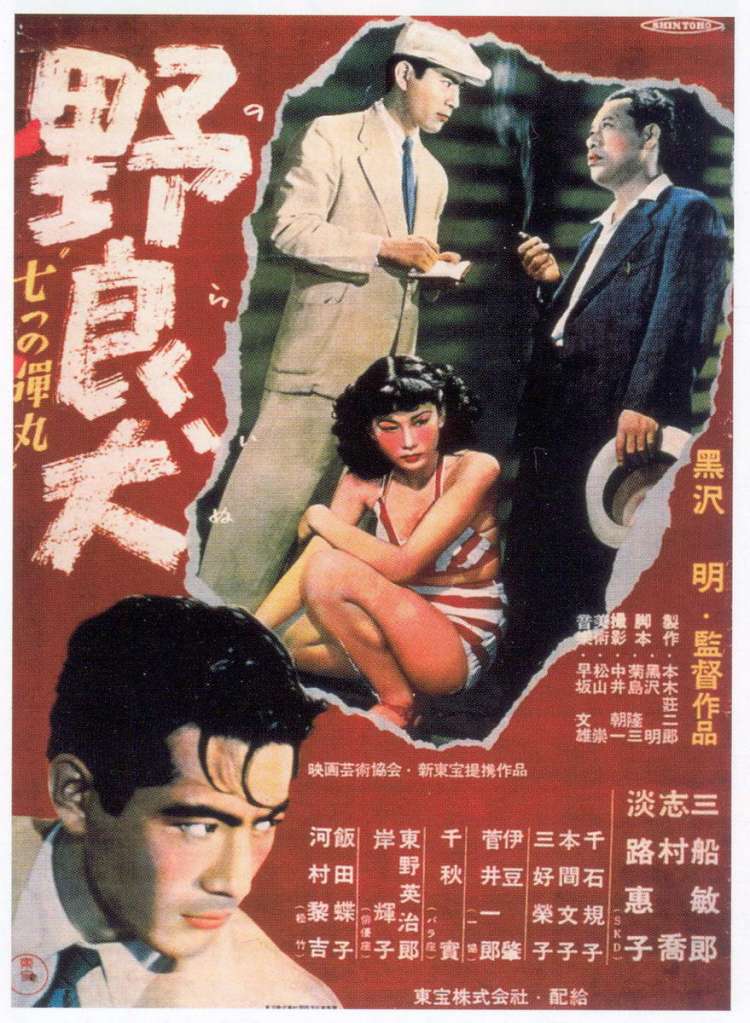
  • Stray Dog – a policeman (Mifune) and his partner (Shimura) scour post-war Tokyo for a missing gun.
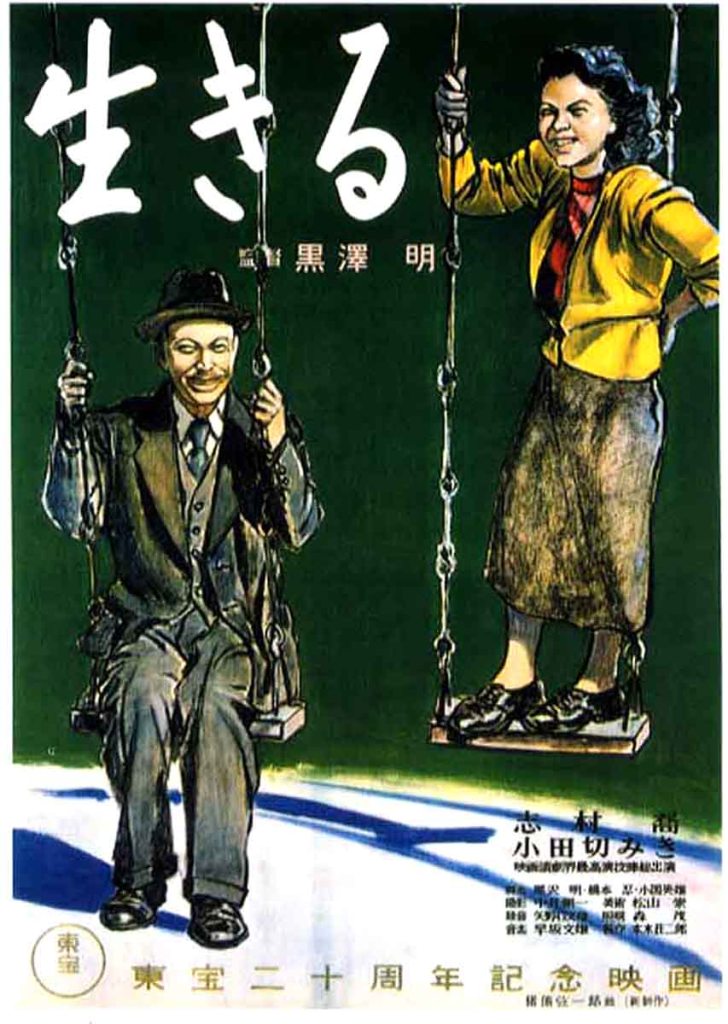
  • Ikiru – existential drama starring Takashi Shimura as a civil servant reflecting on his life after discovering he has a terminal illness.
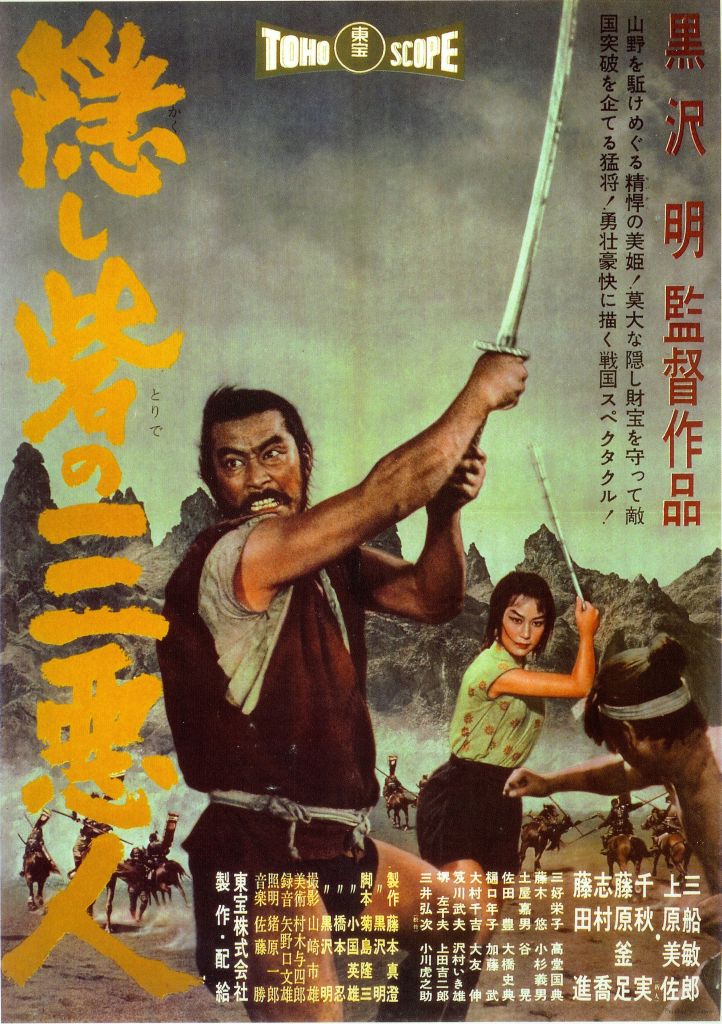
  • Hidden Fortress – two bumbling peasants agree to escort a general and a princess in disguise to safe territory in return for gold.
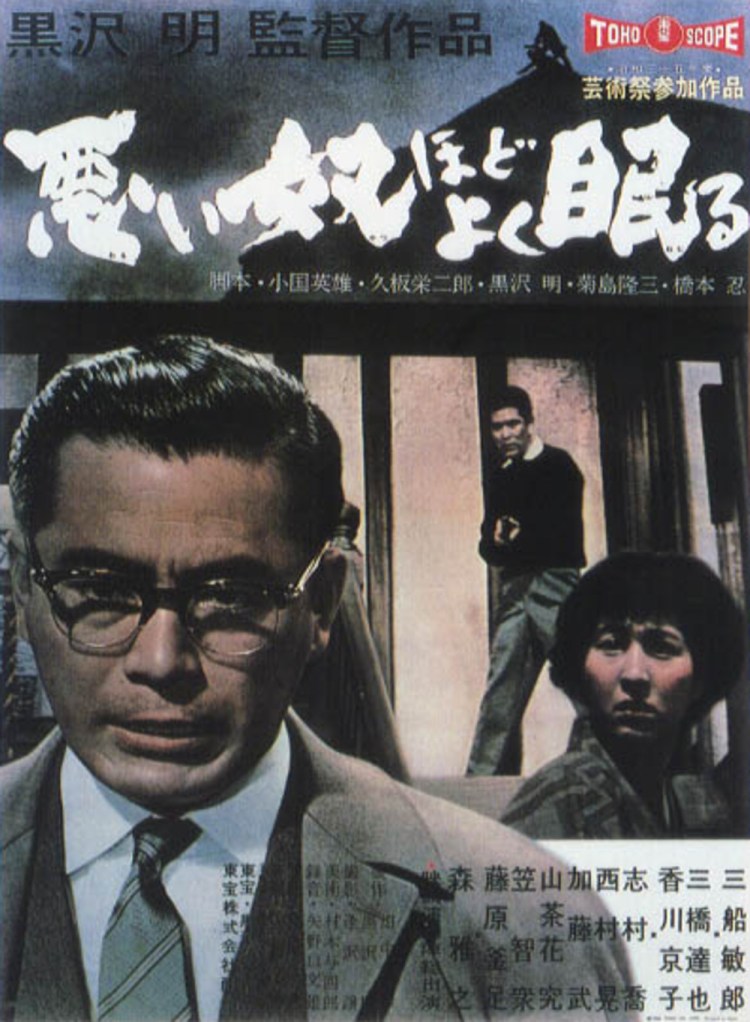
  • The Bad Sleep Well – contemporary take on Hamlet starring Toshiro Mifune as man enacting an elaborate revenge plot against the corrupt CEO who drove his father to suicide. Review.
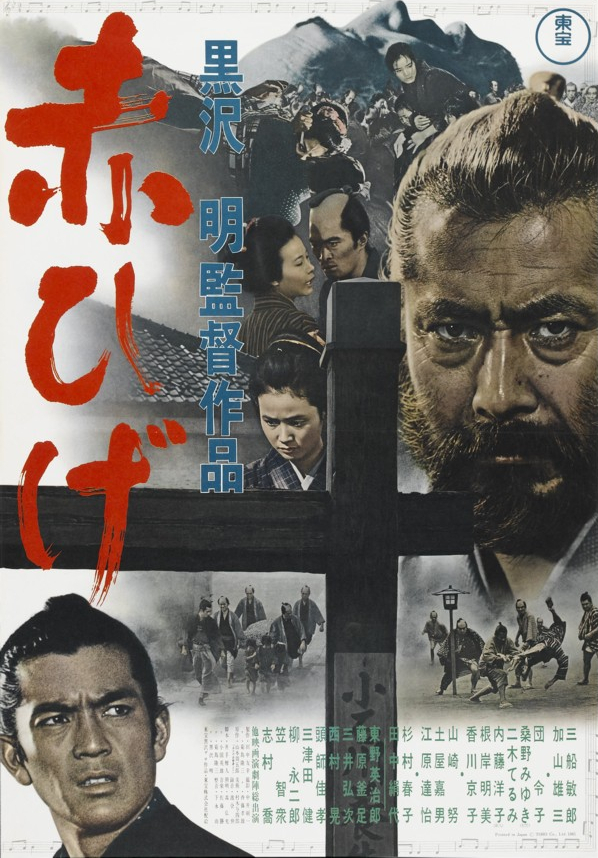
  • Red Beard – humanistic drama starring Toshiro Mifune as a gruff yet compassionate doctor to the poor. Review.
  • Ran – King Lear relocated to feudal Japan.
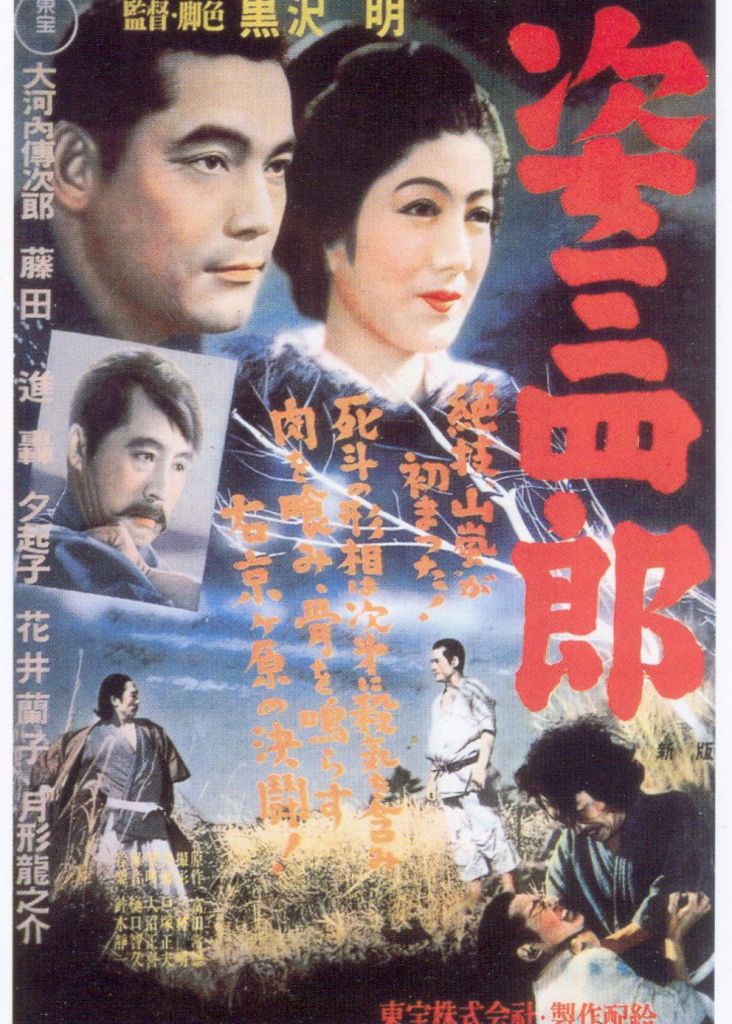
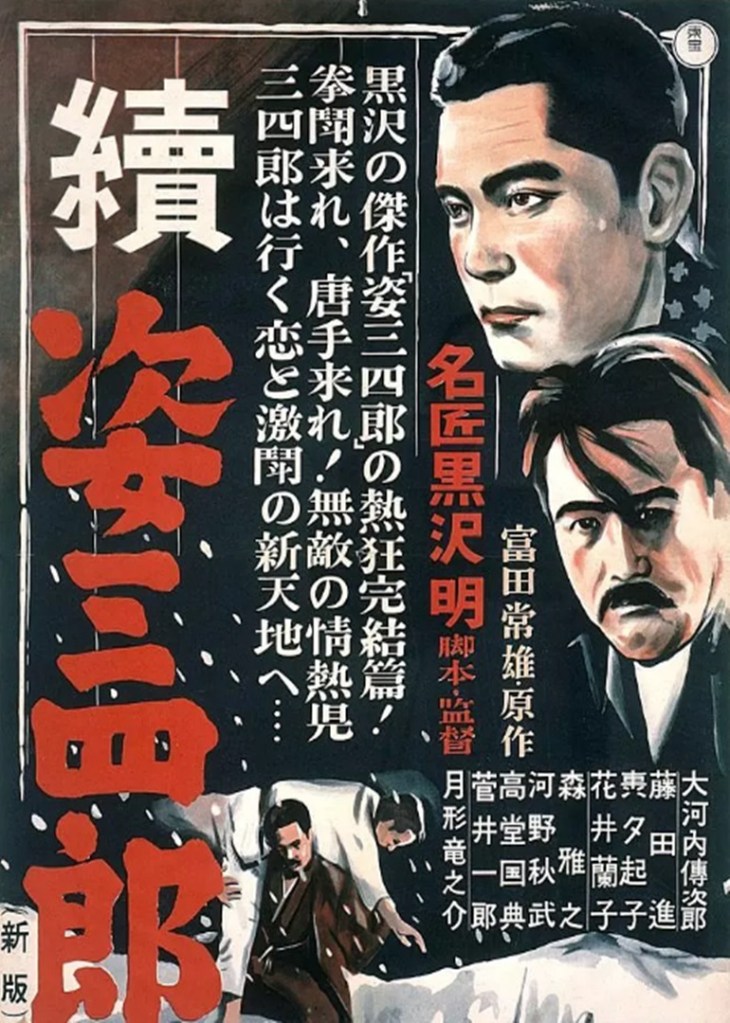
  • Sanshiro Sugata Pt 1 & 2 – drama inspired by the life story of a legendary judo master.
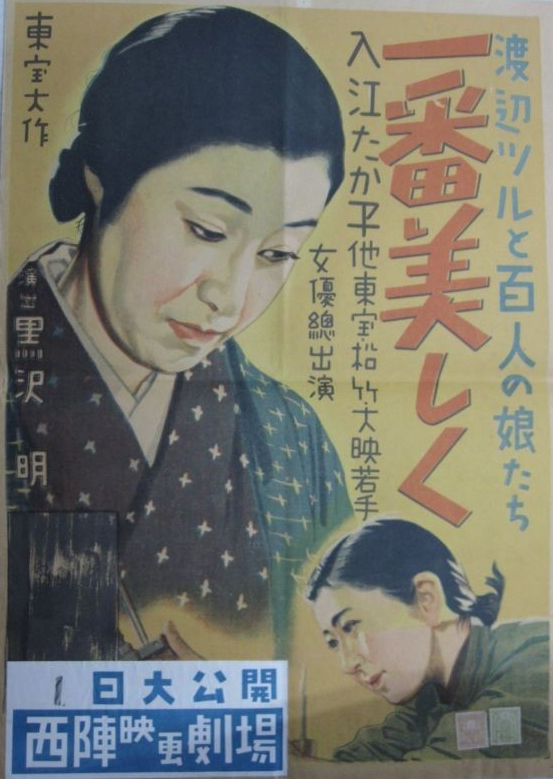
  • The Most Beautiful – naturalistic national policy film from 1944 following the lives of female factory workers.
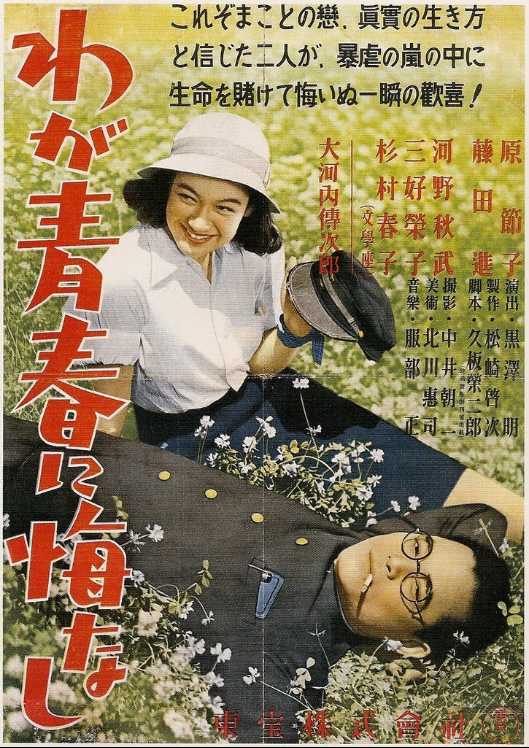
  • No Regrets for Our Youth – 1946 drama starring Setsuko Hara as a professor’s daughter who marries a radical leftist later executed as a spy.
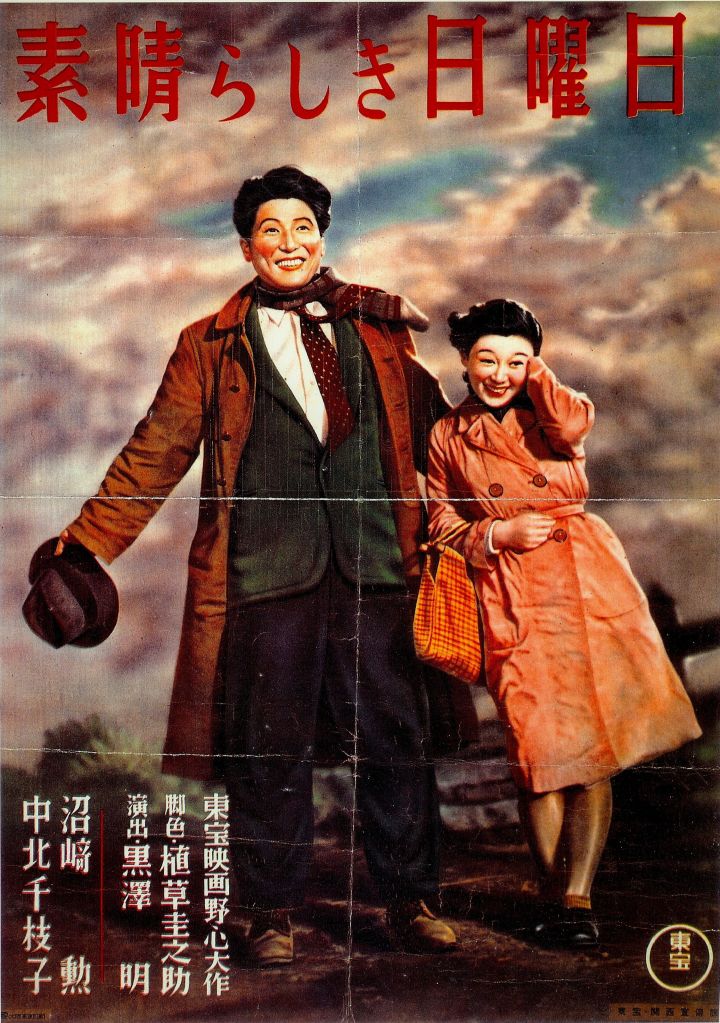
  • One Wonderful Sunday – post-war drama in which an engaged couple attempt to have a nice day out in Tokyo for only 35 yen.
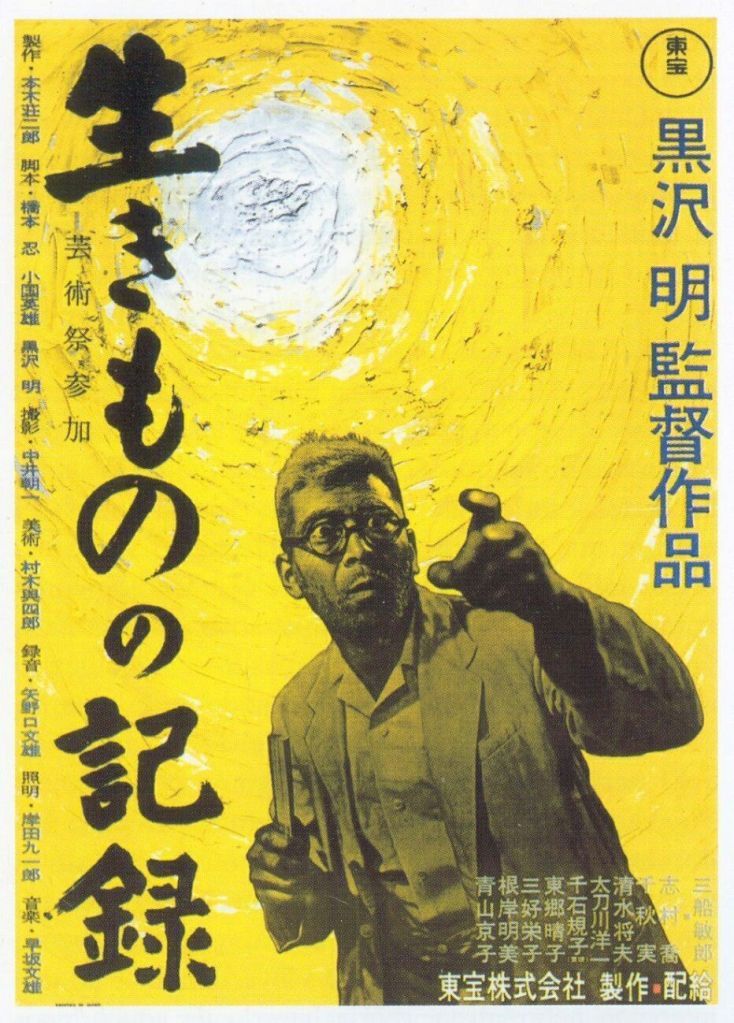
  • I Live in Fear – Toshiro Mifune stars as a factory owner so terrified of nuclear attack that he becomes determined to move his family to the comparative safety of Brazil while they attempt to have him declared legally incompetent on account of his intense paranoia.
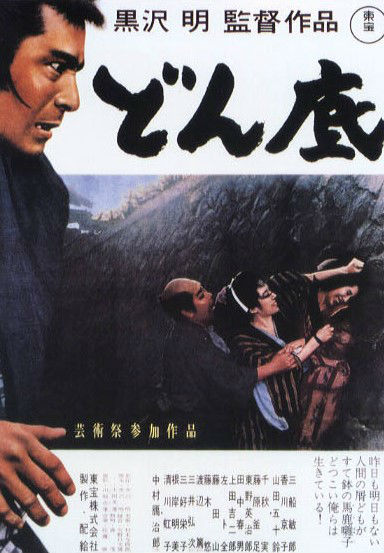
  • The Lower Depths – 1957 adaptation of Gorky’s novel following the lives of a collection of people living in an Edo-era tenement.
  • High and Low – Toshiro Mifune stars as a wealthy man encountering a dilemma when his chauffeur’s son is kidnapped after being mistaken for his own.
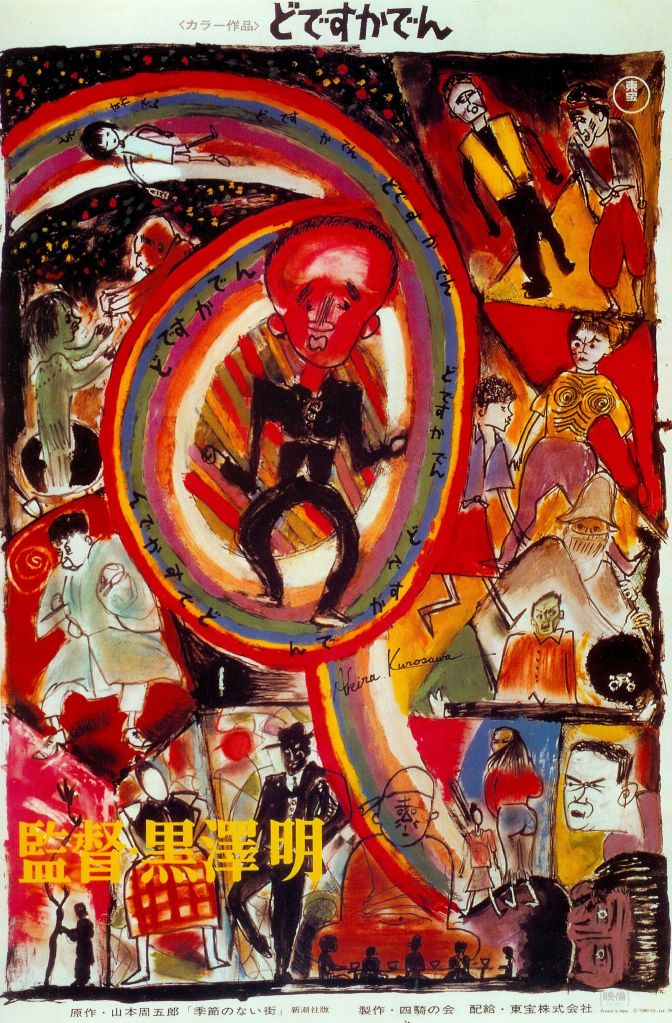
  • Dodes’ka-den – Kurosawa’s first colour film exploring the lives of a collection of people living in a shantytown above a rubbish dump.

Classics (11th May)

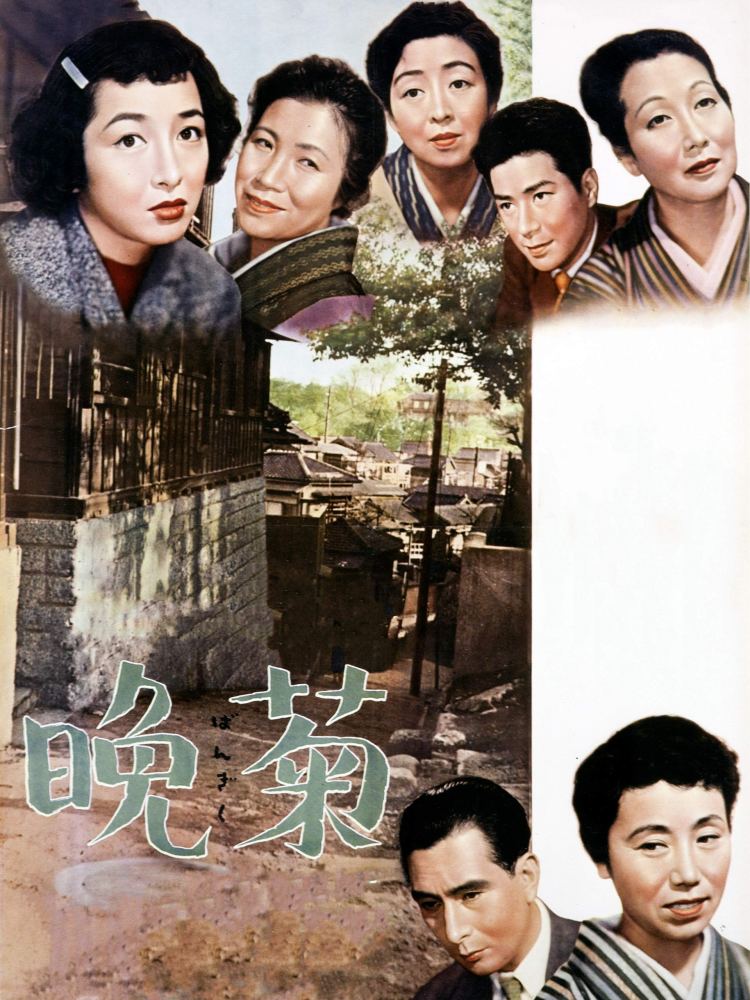
  • Late Chrysanthemums – Naruse’s 1954 drama following the lives of four former geishas (played by Haruko Sugimura, Chikako Hosokawa, Yuko Mochizuki, and Sadako Sawamura) as they try to get by in the complicated post-war economy.  
  • Floating Clouds – Naruse’s 1955 romantic drama starring Hideko Takamine and Masayuki Mori as former lovers floundering in the post-war landscape. Review.
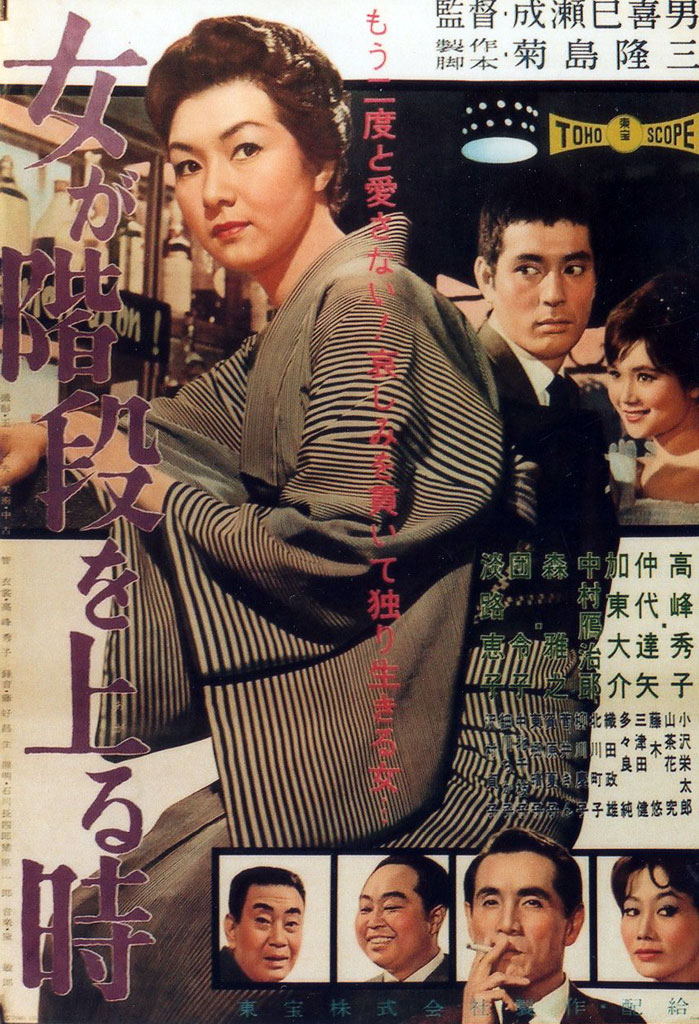
  • When a Woman Ascends the Stairs – Naruse’s 1960 drama starring Hideko Takamine as a widow turned Ginza bar hostess.
  • Onibaba – period horror from Kaneto Shindo in which a mother and her daughter-in-law survive by murdering samurai and selling their armour. Review.
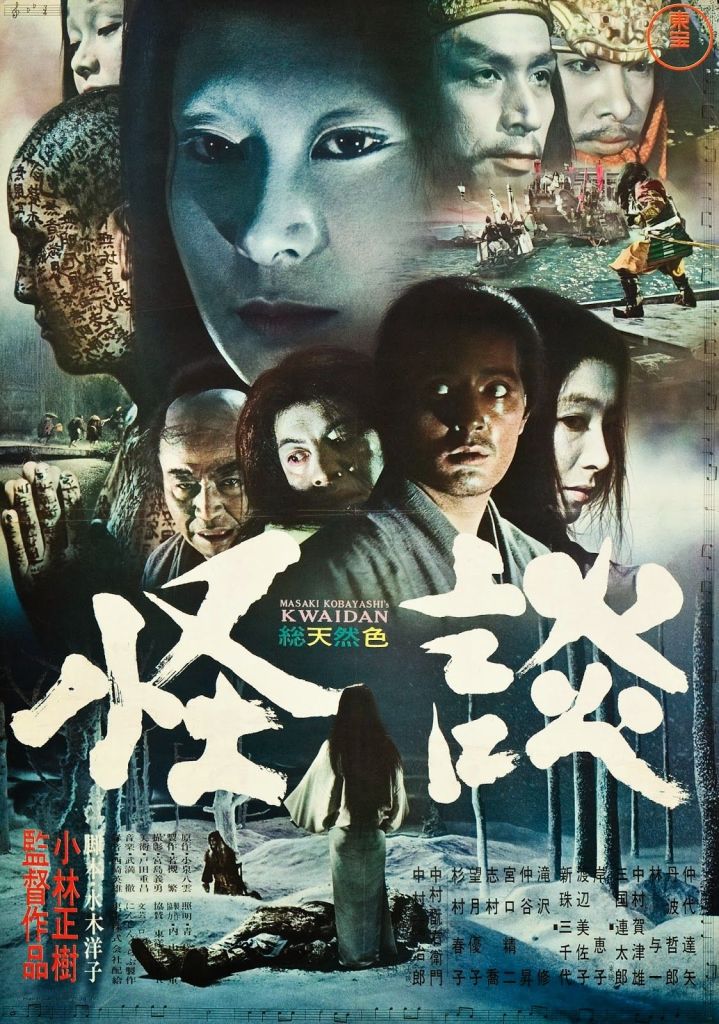
  • Kwaidan – horror anthology from Masaki Kobayashi featuring adaptations of classic Japanese folktales.
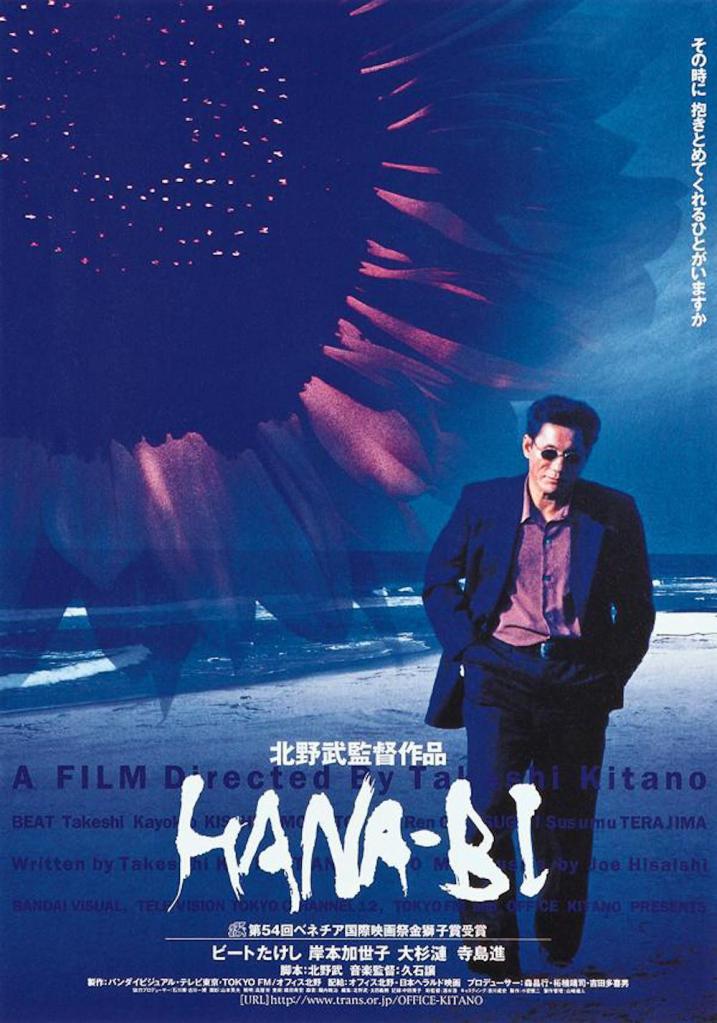
  • Hana-Bi – noirish poetry from Takeshi Kitano as a former policeman takes on an unwise loan from yakuza to care for his terminally ill wife. Review.
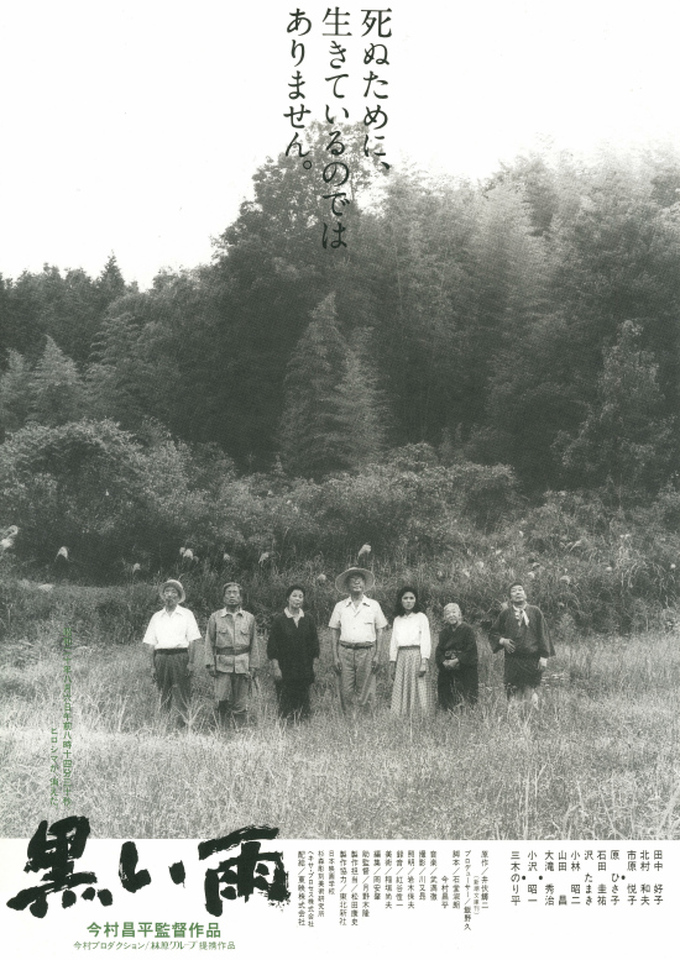
  • Black Rain – Shohei Imamura’s 1989 drama set in the aftermath of the atomic bomb attack on Hiroshima.
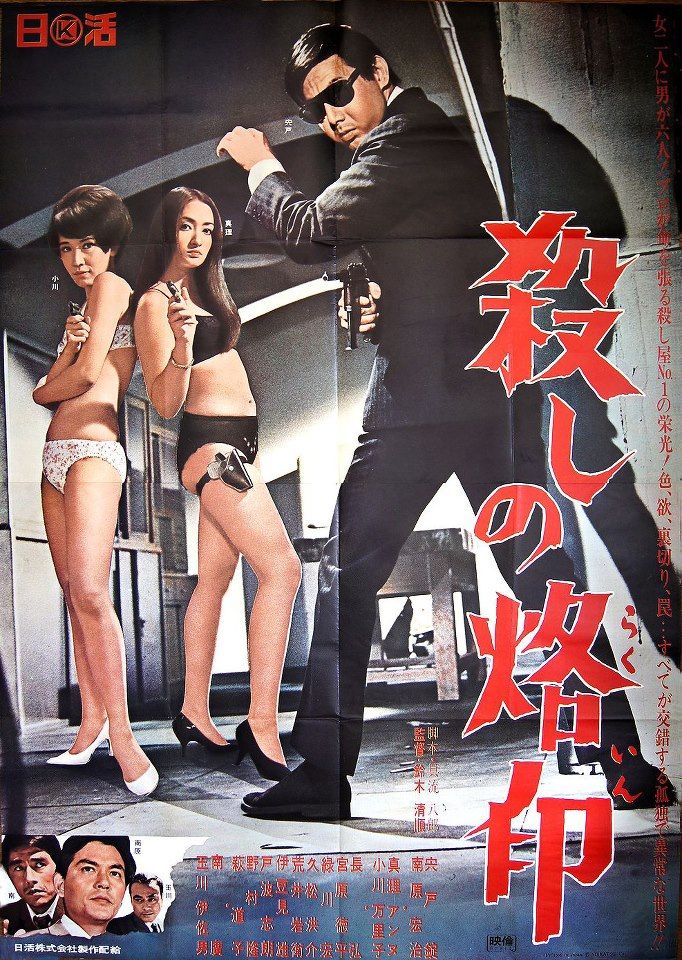
  • Branded to Kill – the anarchic 1967 hitman drama that got Seijun Suzuki fired from Nikkatsu.
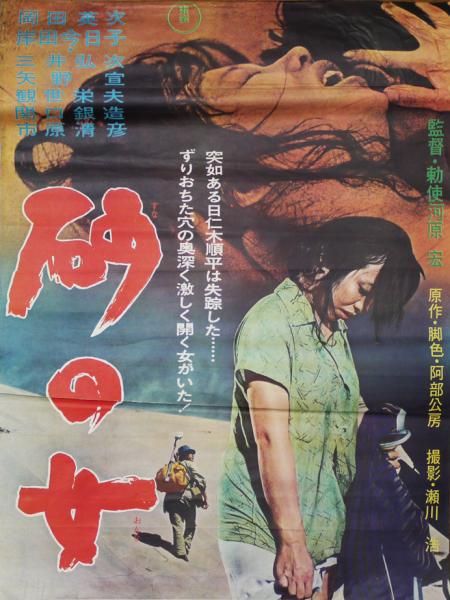
  • Woman of the Dunes – Hiroshi Teshigahara’s adaption of the Kobo Abe novel in which a bug collector is imprisoned in a sand dune after missing the last bus home and being persuaded to spend the night in the home of a local woman.
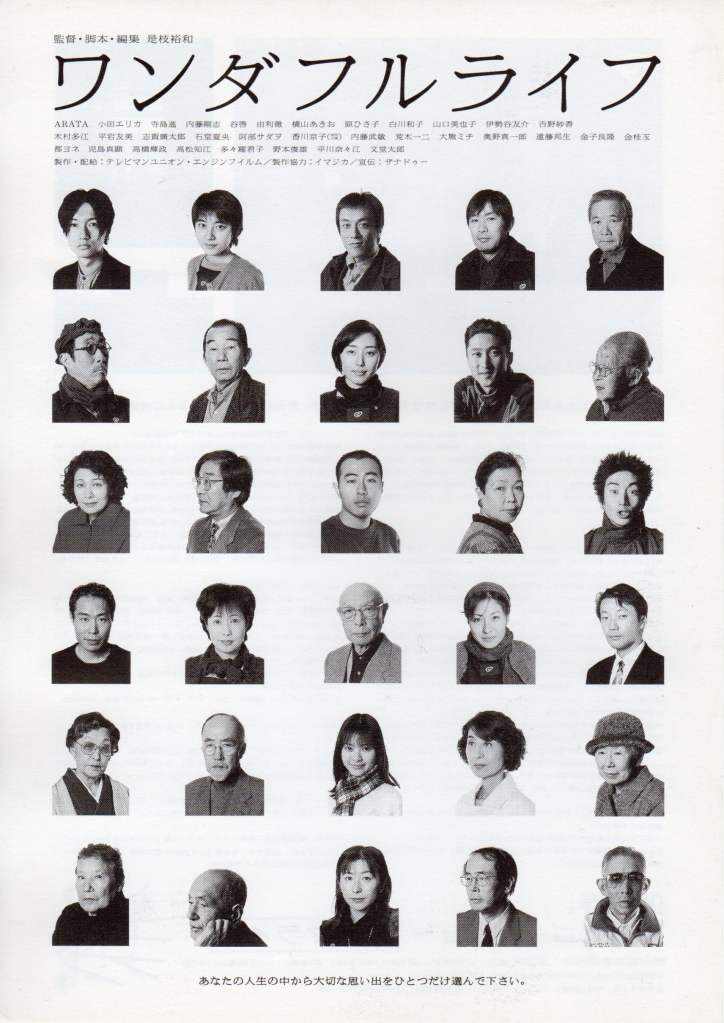
  • After Life – poignant drama from Hirokazu Koreeda in which the recently deceased are permitted to recreate a favourite memory. Review.
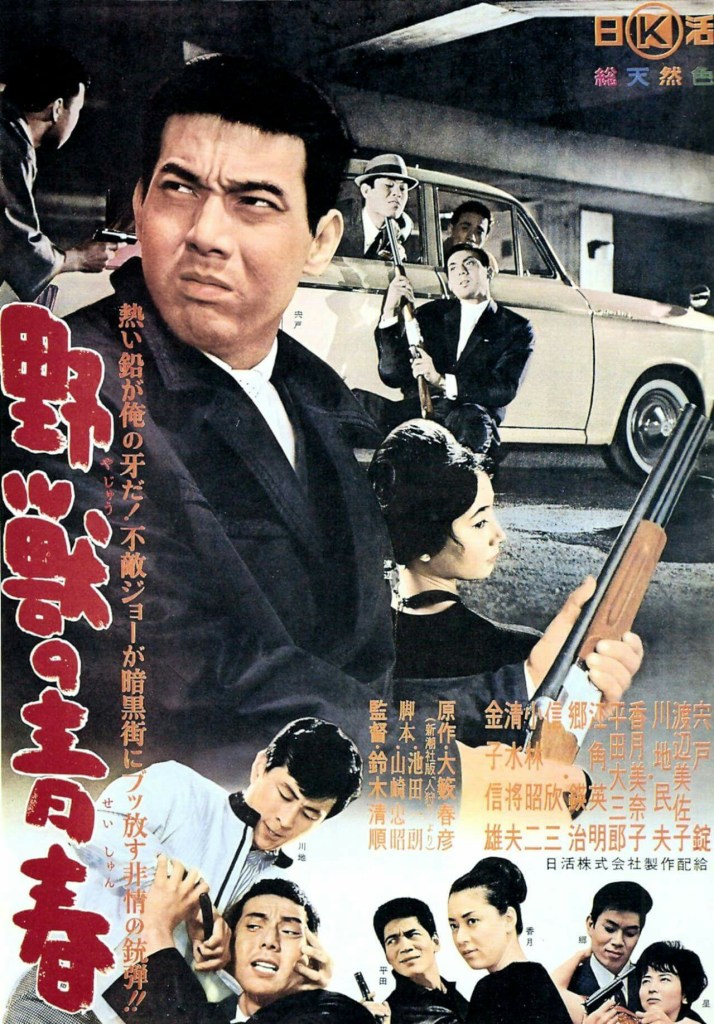
  • Youth of the Beast – Seijun Suzuki drama starring Jo Shishido as a mysterious figure playing double agent to engineer a gang war. Review.
  • Gate of Hell – period drama starring Machiko Kyo as a loyal wife who tricks a man trying to kill her husband to have her for himself to kill her instead. Review.
  • Cruel Story of Youth – post-Sun Tribe youth drama from Shochiku directed by Nagisa Oshima. Review.
  • An Actor’s Revenge – Kon Ichikawa’s visually stunning tale of vengeance and madness. Review.

Yasujiro Ozu (5th June)

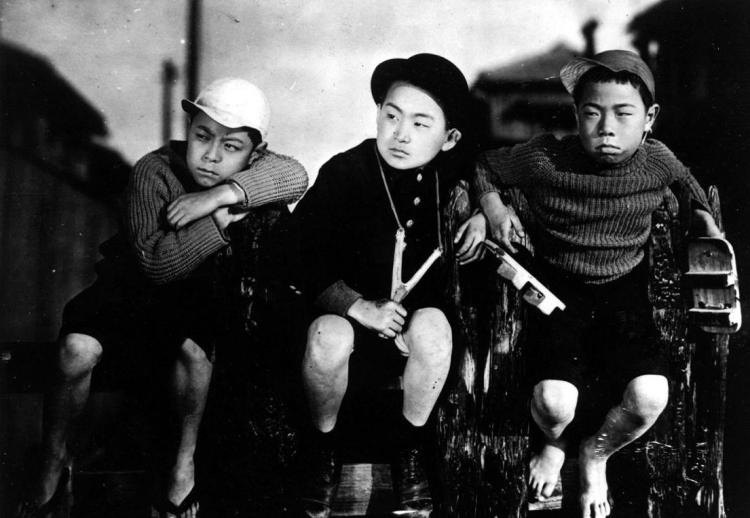
  • I Was Born, But… – 1932 silent in which two little boys have a hard time accepting that their dad has an inauthentic work persona. Review.
  • Flavour of Green Tea Over Rice – 1952 drama starring Shin Saburi and Michiyo Kogure as an unhappily married couple. Review.
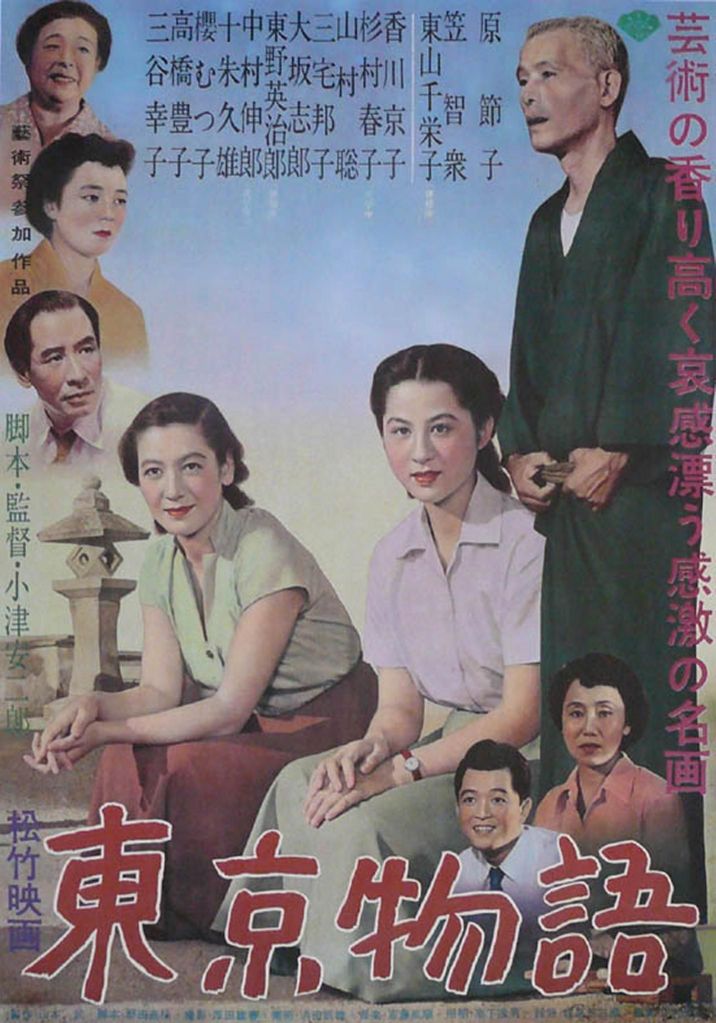
  • Tokyo Story – post-war classic in which an old couple from the country make a rare trip to the city to see their grown up children but are disappointed to discover that they don’t have much time for them.
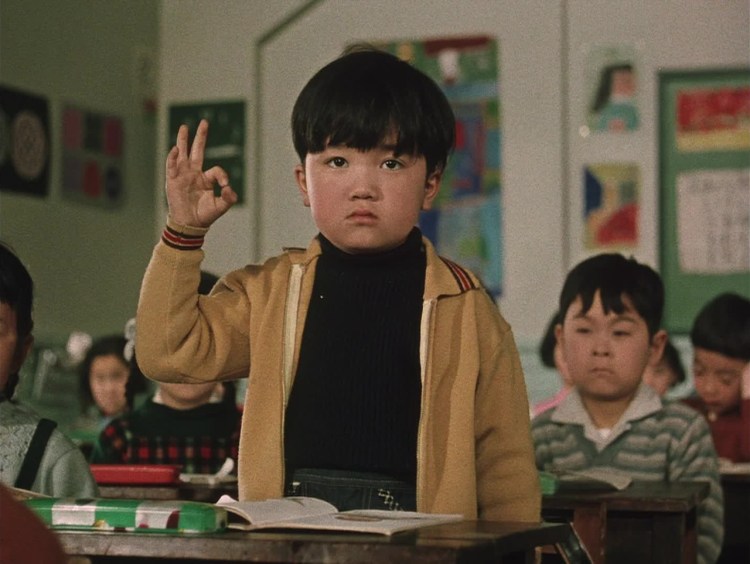
  • Good Morning – consumerist comedy in which two little boys go on a pleasantries strike to get their parents to buy them a TV.
  • Late Autumn – drama in which a young widow tries to marry off her daughter with the help of old friends from college. Review.
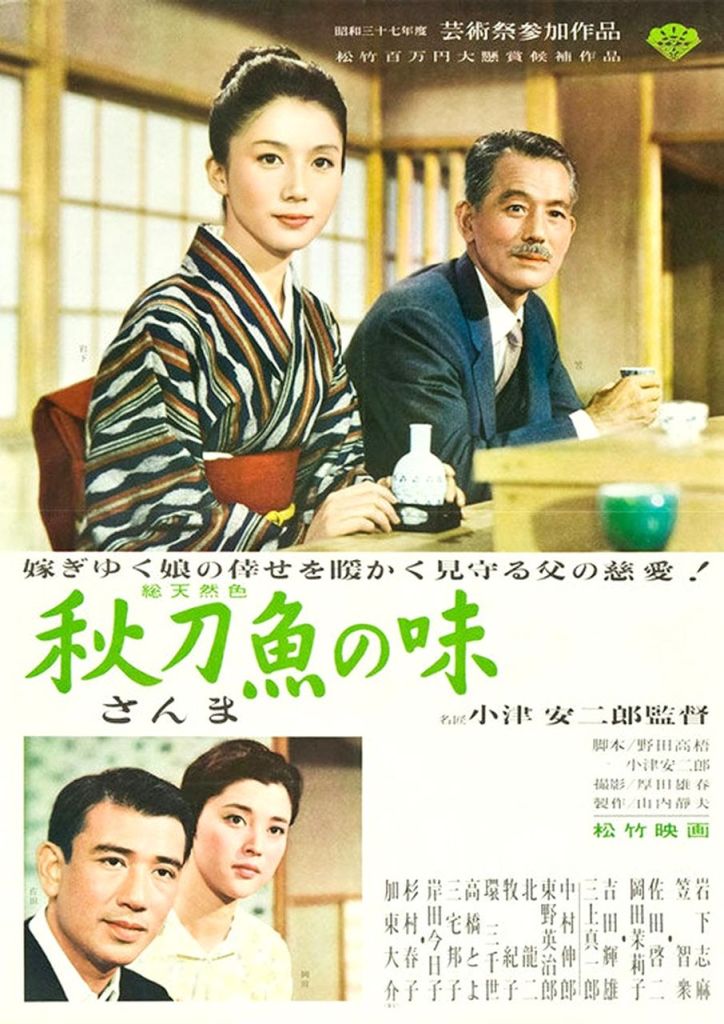
  • An Autumn Afternoon – Ozu’s final film stars Chishu Ryu as an ageing widower preparing to marry off his only daughter. Review.
  • Early Summer – a family’s attempt to marry off a daughter is frustrated when they realise she is carrying a torch for the widower next door.
  • Equinox Flower – drama of generational conflict in which an authoritarian father is forced to accept his daughter’s right to choose her own husband without asking for his advice or consent.
  • Late Spring – classic in which a young woman’s close relationship with her widowed father leaves her reluctant to marry.
  • Dragnet Girl – silent crime film starring Kinuyo Tanaka as a gangster’s moll who decides to reform after meeting the sister of a new gang member.
  • Walk Cheerfully – silent crime film in which a gangster wants to go straight after falling for an ordinary girl.
  • I Flunked, But… – silent college comedy.
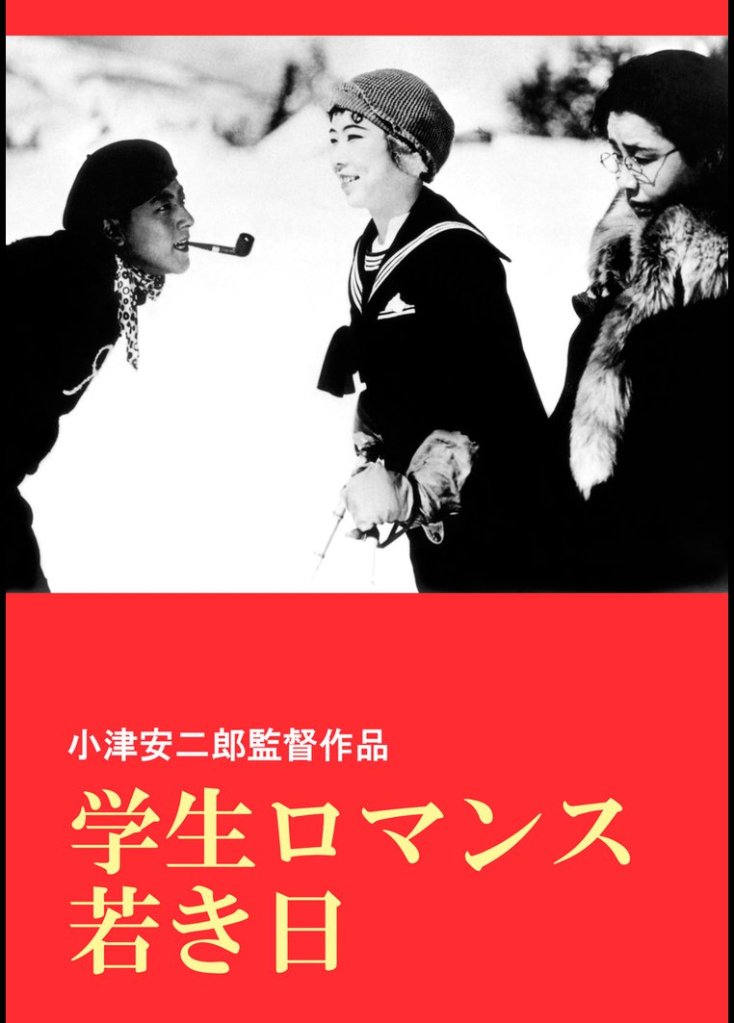
  • Days of Youth – two students compete for the affections of the same girl.
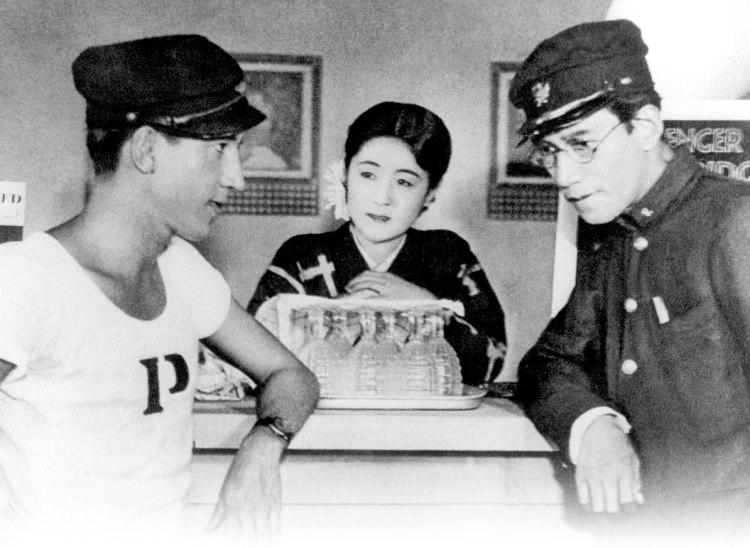
  • Where Now Are the Dreams of Youth? – tragedy enters a carefree college existence when a naive young man games the system to offer all his friends jobs after inheriting his father’s company.
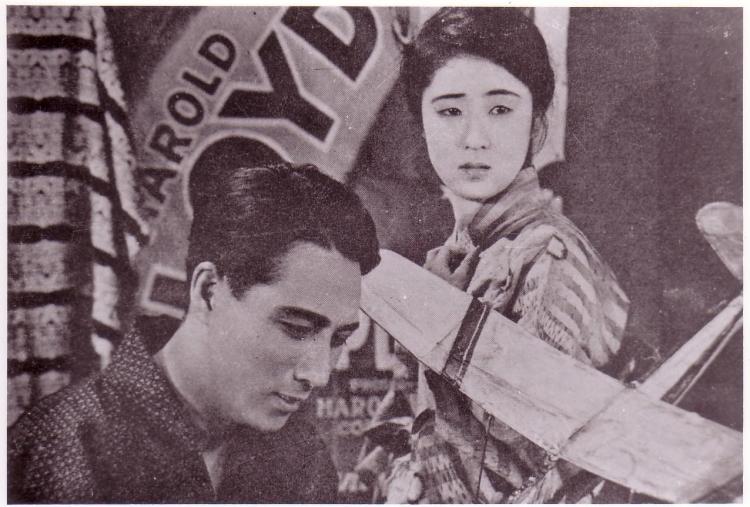
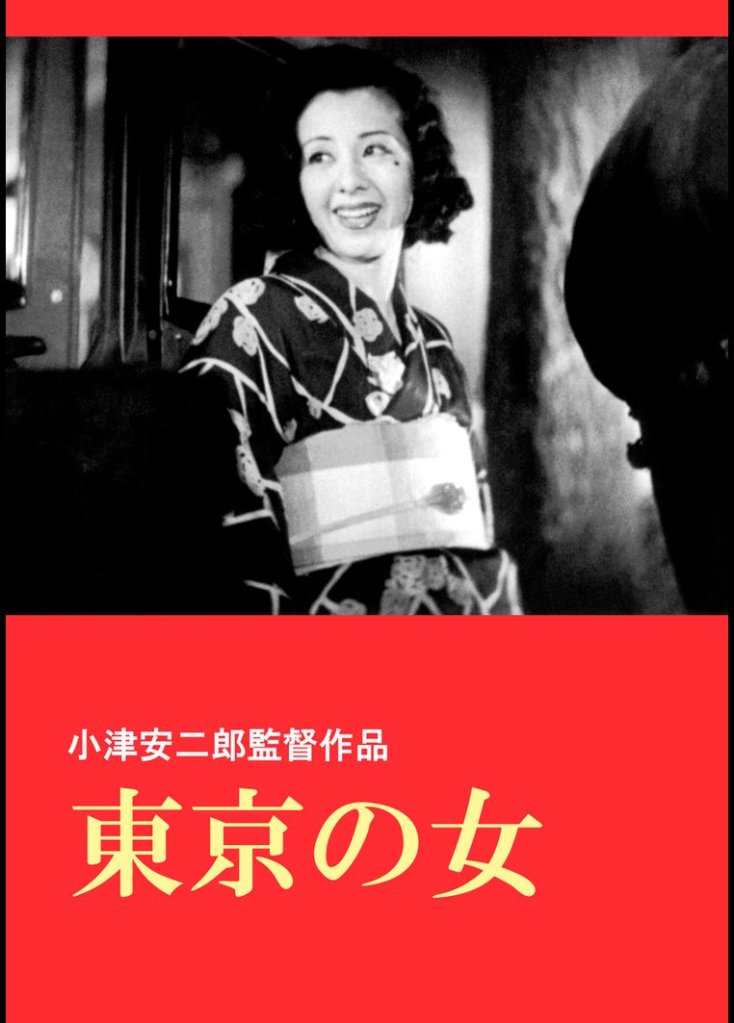
  • Woman of Tokyo – silent drama in which a student is devastated to learn that his older sister is not a translator as he thought but works as a bar hostess to finance his education.
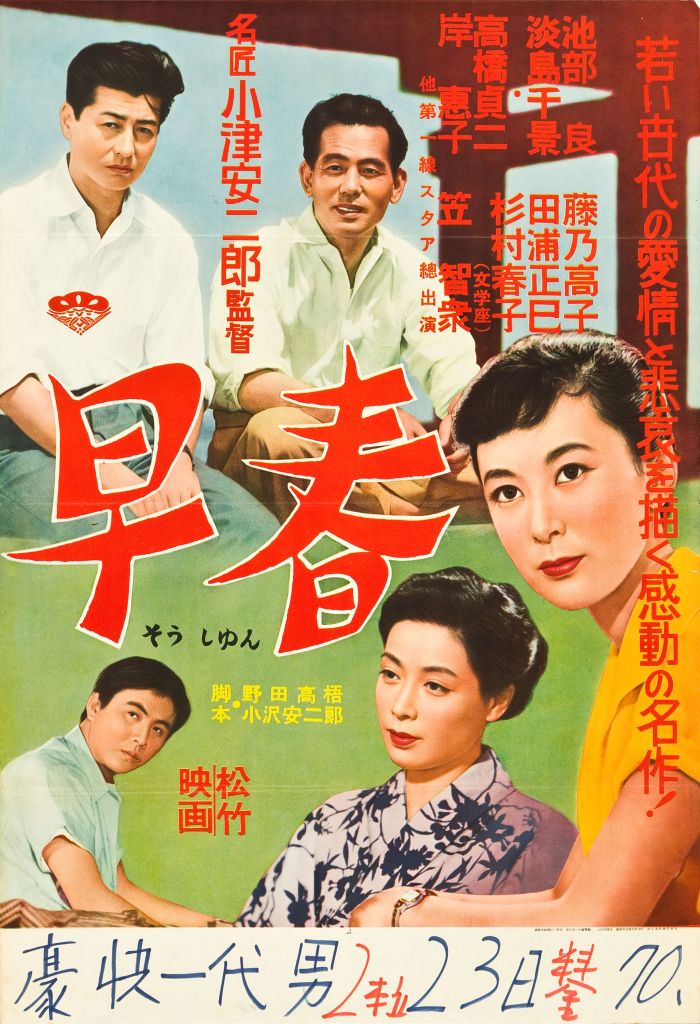
  • Early Spring – rare Ozu drama exploring the taboo of an extra-marital affair.
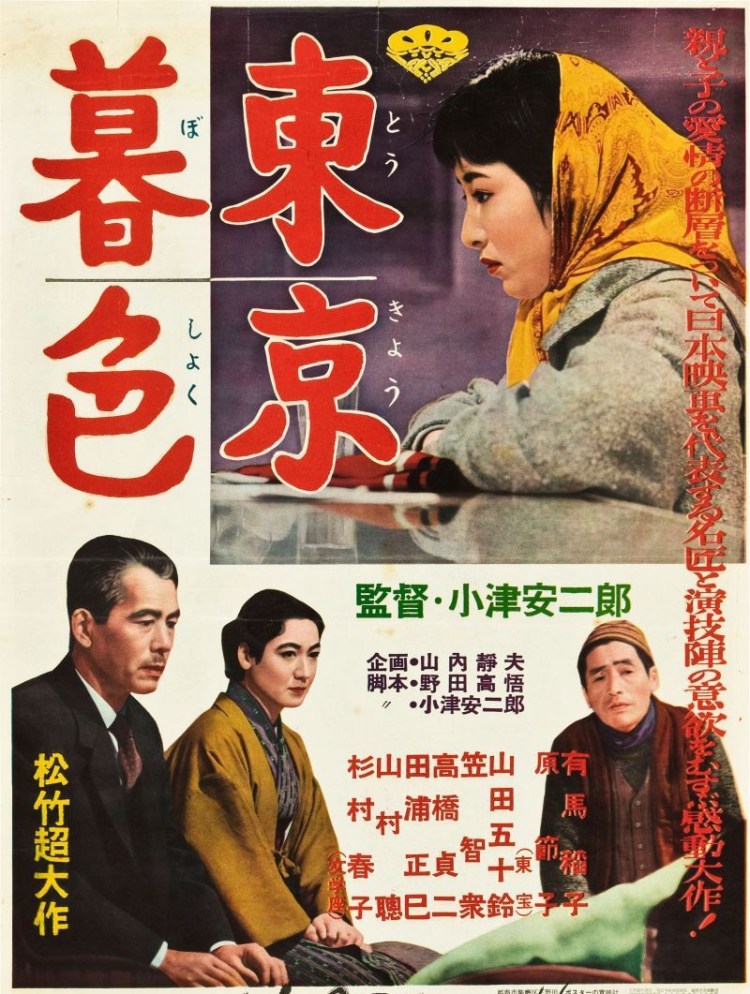
  • Tokyo Twilight – grown up sisters reunite with the mother who abandoned them as children to run off with another man.
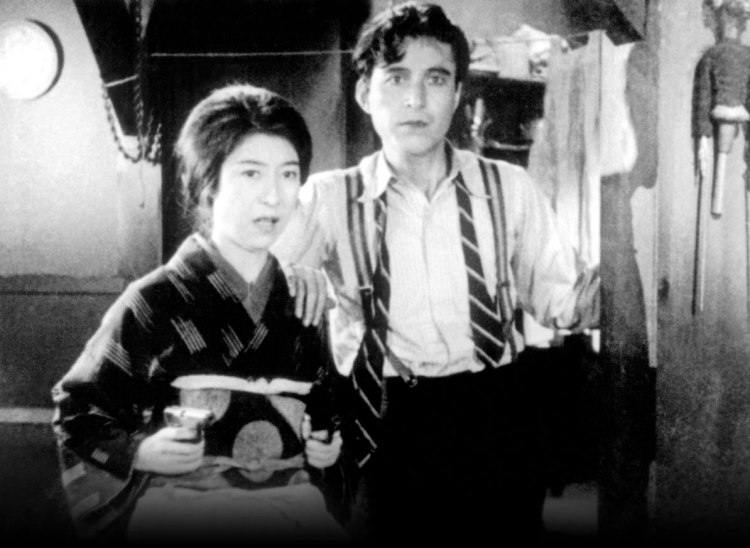
  • That Night’s Wife – 1930 crime drama in which a man is hunted by police after resorting to robbery to pay for his daughter’s medication.
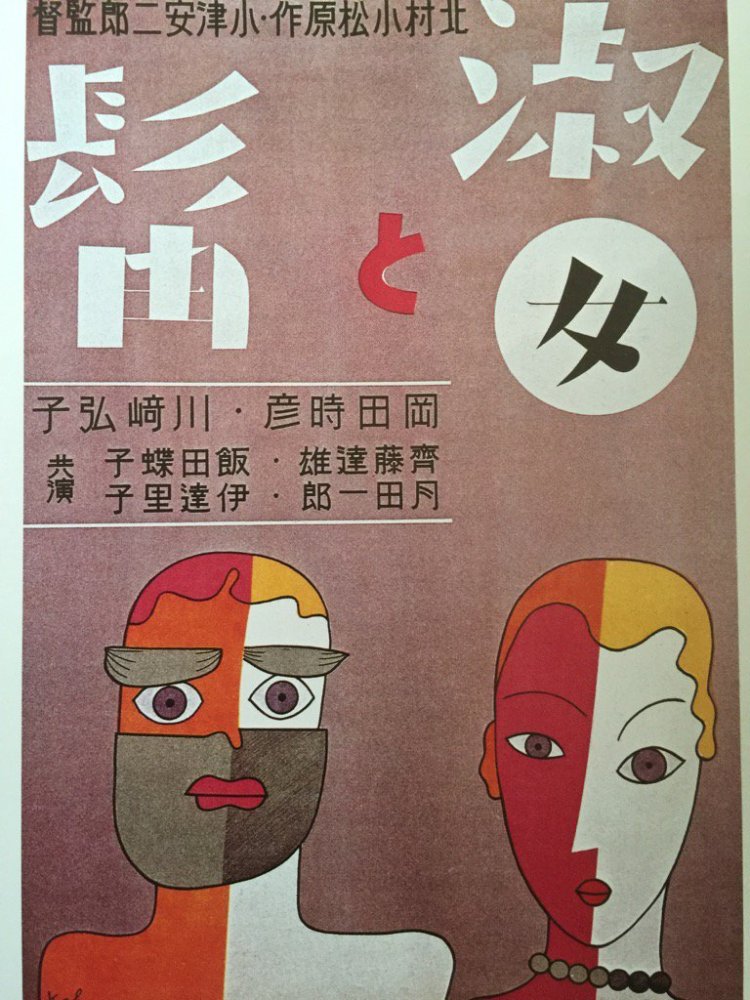
  • The Lady and the Beard – 1931 comedy in which a traditionally minded man’s refusal to shave off his beard makes it difficult to move on with his life.
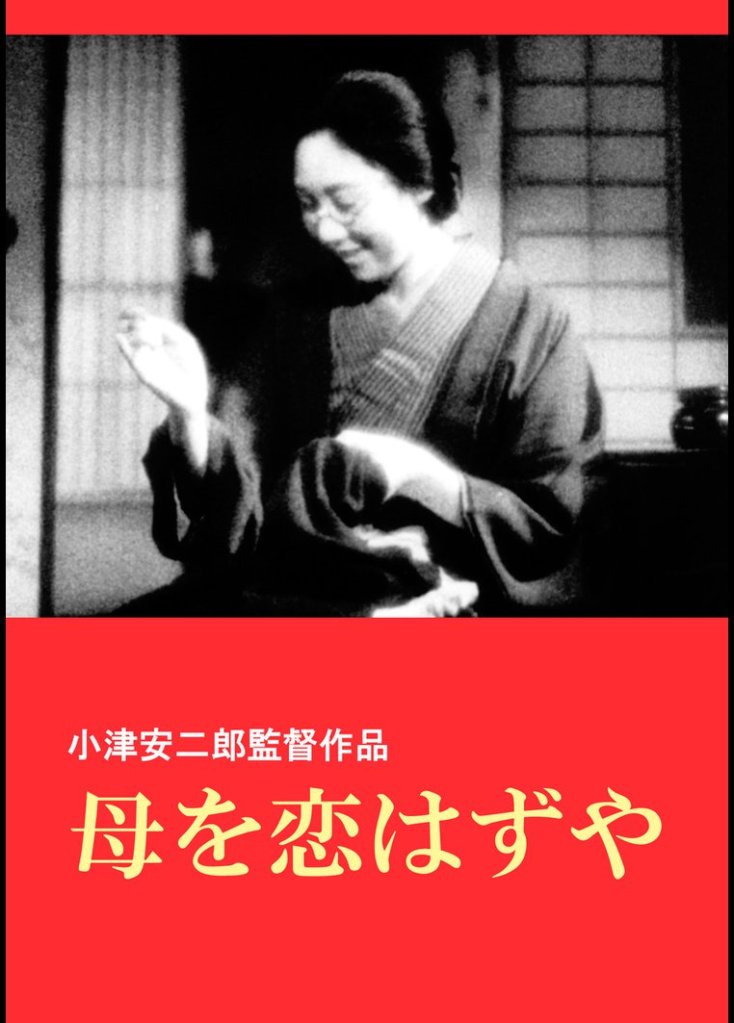
  • A Mother Should Be Loved – a young man discovers the woman who raised him is not his birth mother.
  • The Only Son – drama in which a mother visits her grown-up son and is disappointed to learn he has a wife and child he never told her about.
  • What Did the Lady Forget? – a modern girl visits her professor uncle but is disturbed to see him henpecked by his traditionalist wife.
  • Brothers and Sisters of the Toda Family – a widow discovers that her grown up children are unwilling to support her and their younger sister when their father suddenly dies leaving them deep in debt.
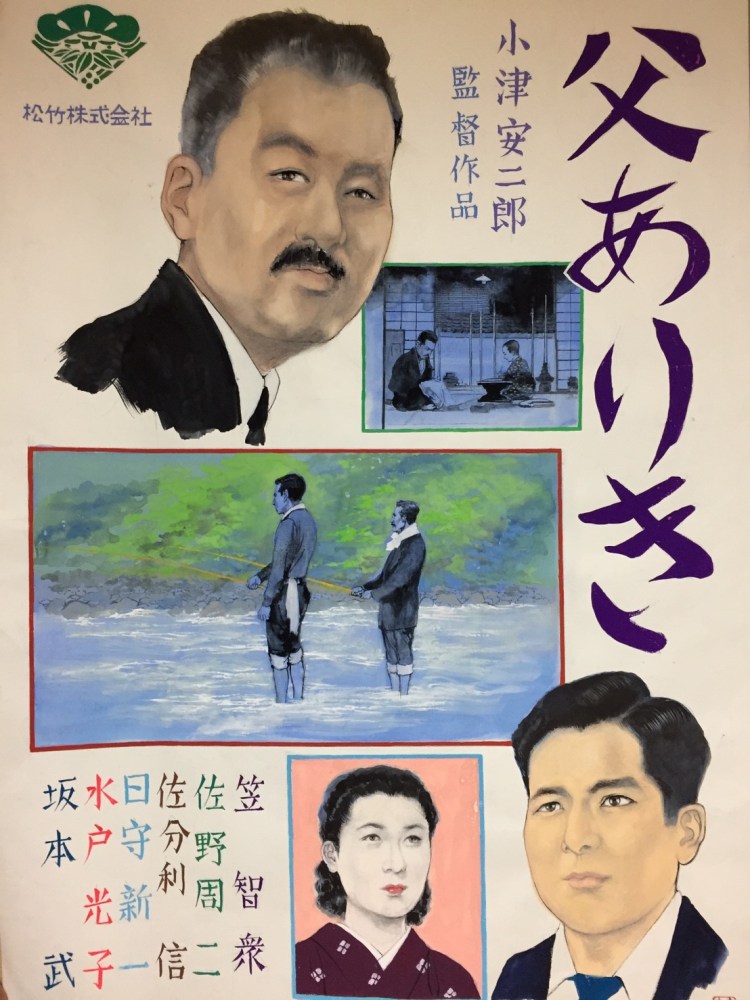
  • There Was a Father – a father’s attempts to do the best for his son perpetually keep them apart.
  • A Hen in the Wind – a returned soldier struggles to accept his wife’s decision to resort to prostitution to pay for a doctor to save their son’s life in Ozu’s atypically dark post-war drama.

Cult (3rd July)

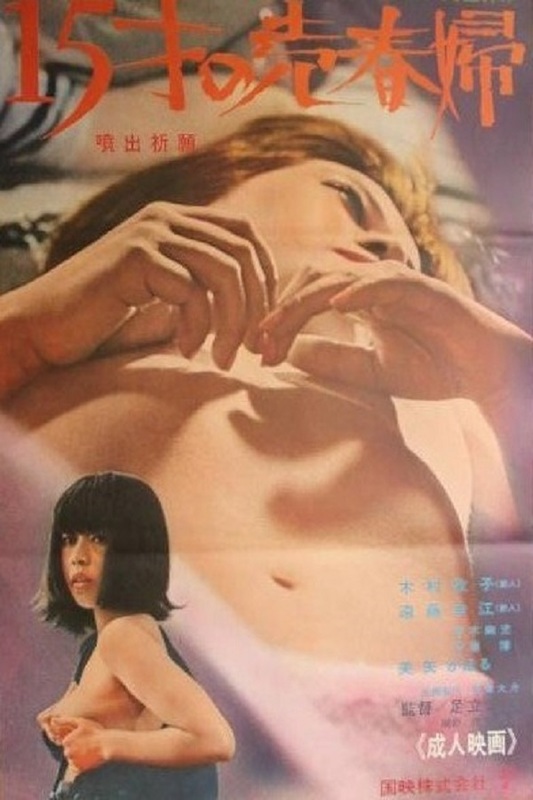
  • Gushing Prayer – pink film from Masao Adachi dramatising despair in the wake of the failure of the student movement.
  • Inflatable Sex Doll of the Wastelands – pink film in which a hitman is brought into contact with the yakuza who killed his girlfriend while looking for kidnapped woman.
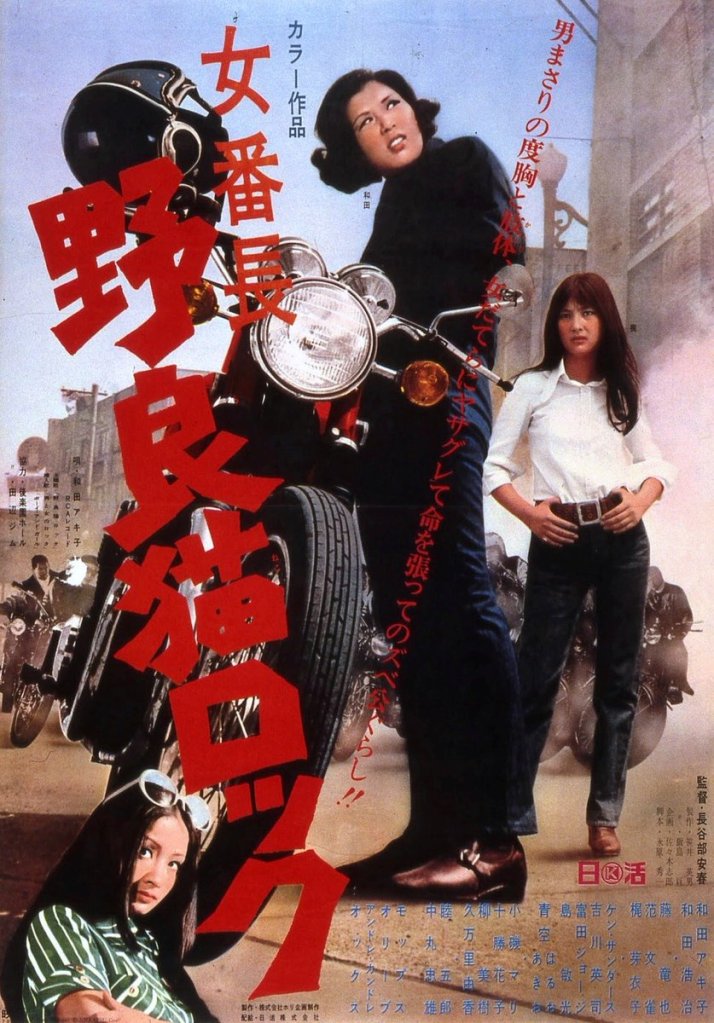
  • Stray Cat Rock: Delinquent Girl Boss – first in the Stray Cat Rock series starring Akiko Wada and Meiko Kaji.
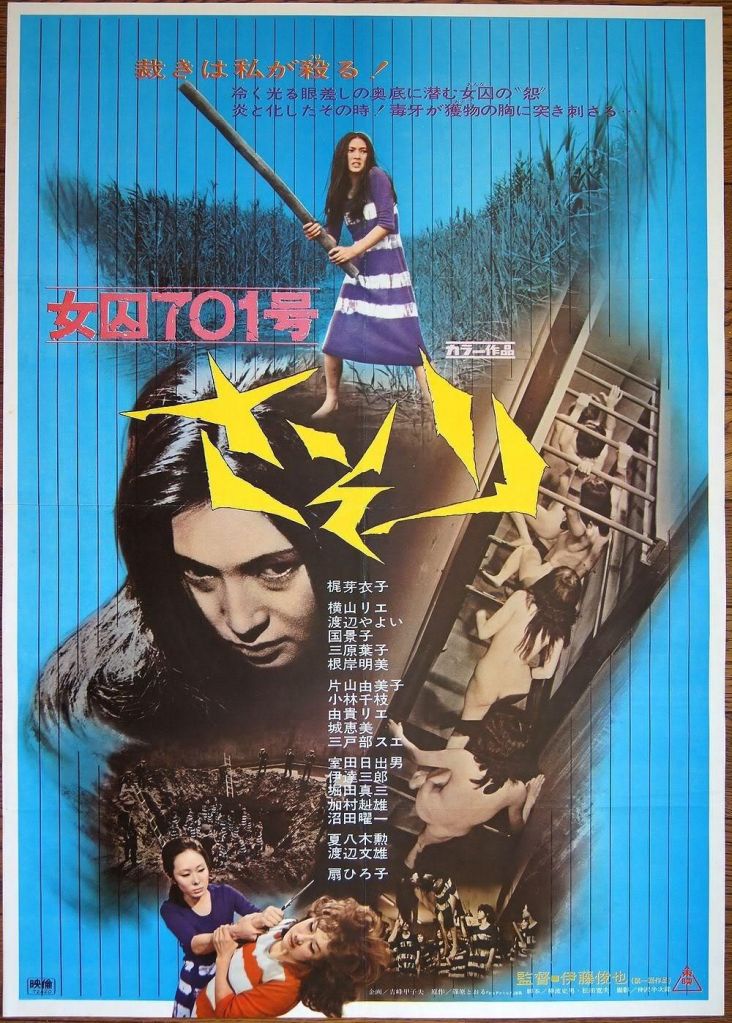
  • Female Prisoner #701: Scorpion – Meiko Kaji stars as a woman falsely imprisoned.
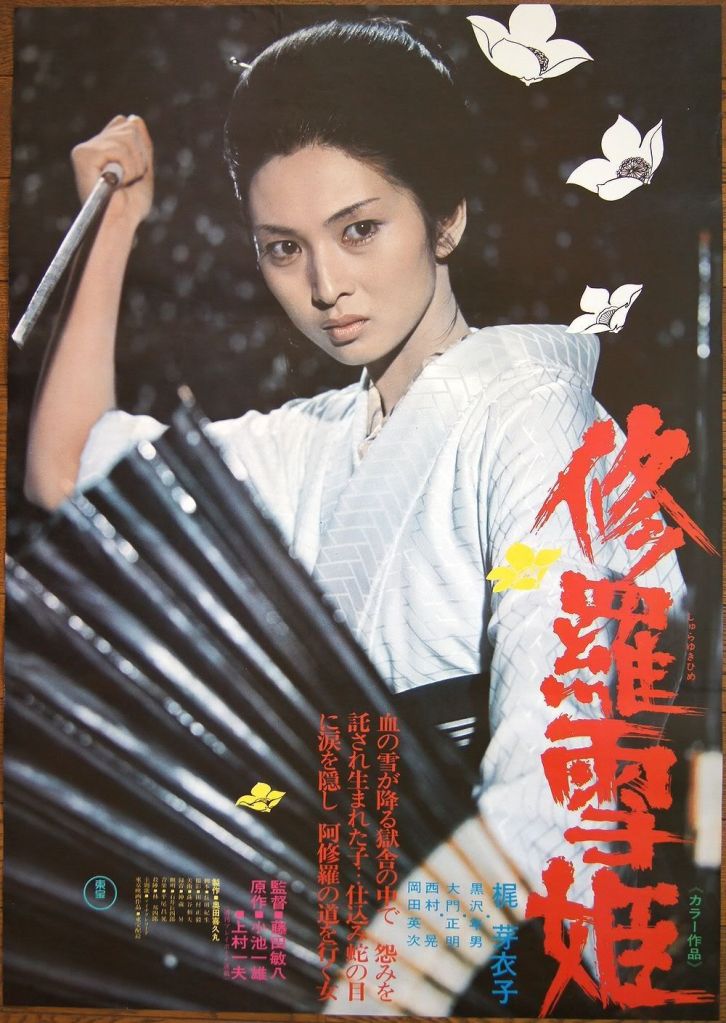
  • Lady Snowblood – Meiko Kaji stars as a young woman seeking revenge against the men who raped her mother.
  • Orgies of Edo – three tales of Genroku decadence from Teruo Ishii. Review.
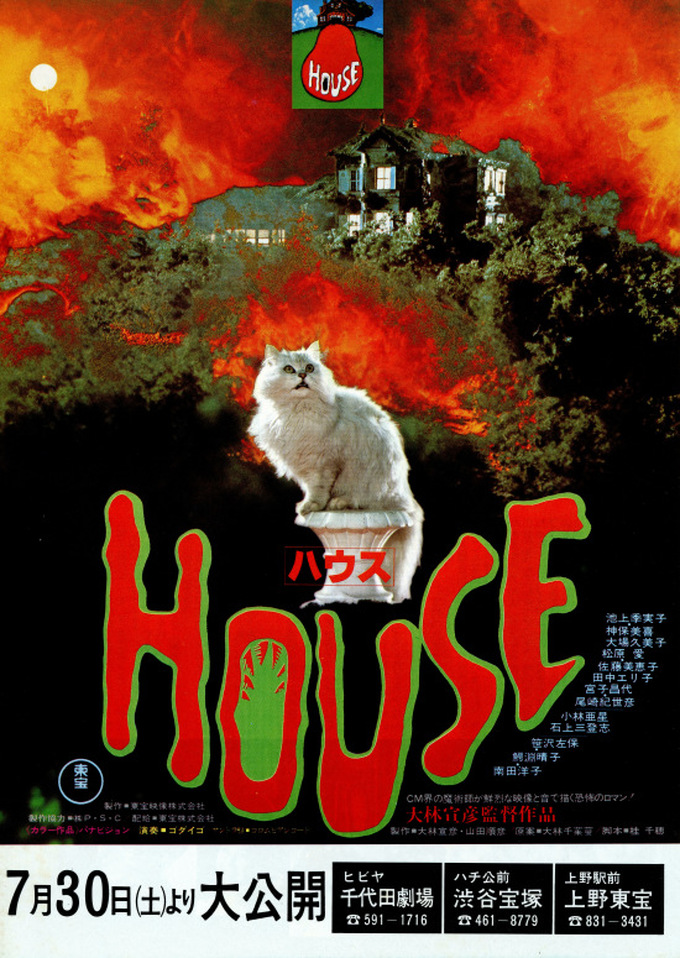
  • House – surreal horror from Nobuhiko Obayashi in which a high school girl takes some friends to visit her aunt but ends up in a colourful nightmare world.

Anime (31st July)

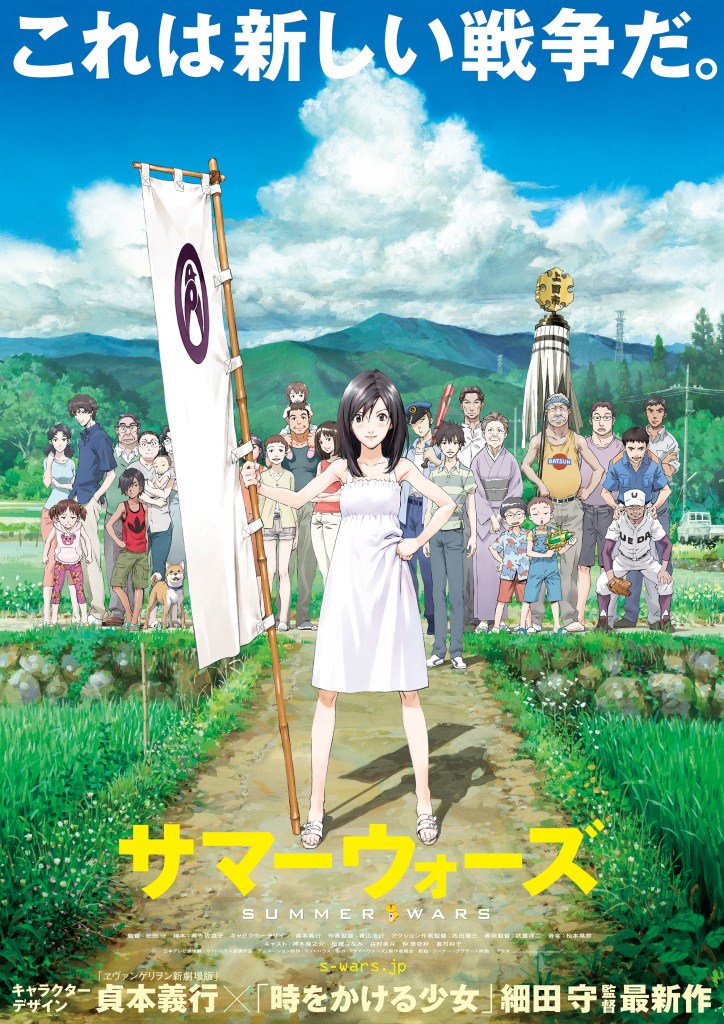
  • Summer Wars – Mamoru Hosoda’s breakthrough feature follows the summer adventures of maths genius and moderator of online world Oz Kenji Koiso as he is unexpectedly invited on a trip with his crush, Natsuki, only to be expected to play the part of her fake fiancé whilst also dealing with a vast internet-based conspiracy.
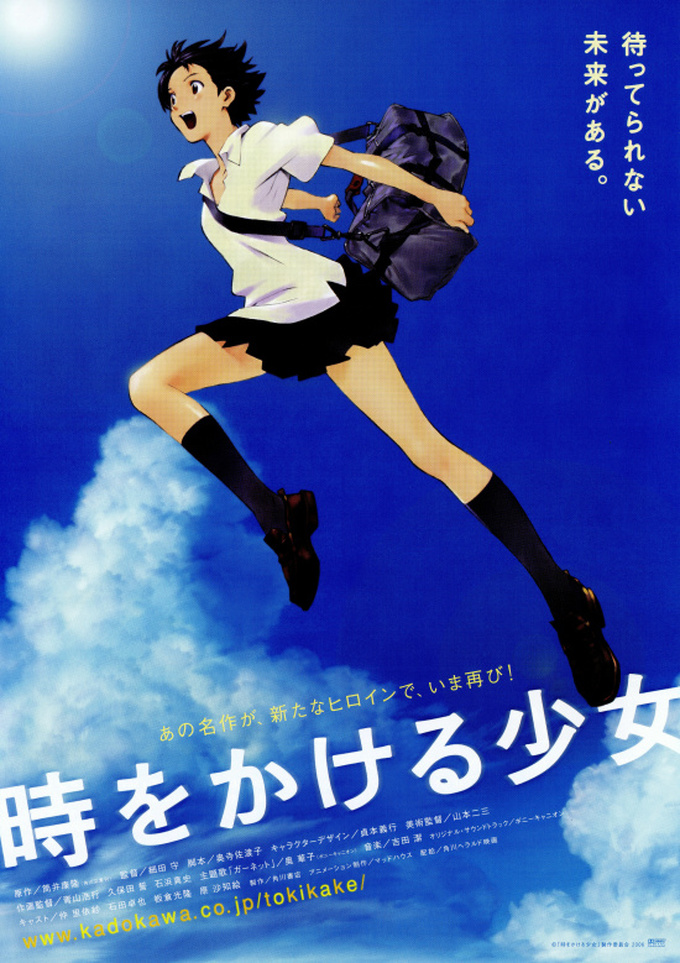
  • The Girl Who Leapt Through Time – Mamoru Hosoda’s loose sequel to the much-loved novel by Yasutaka Tsutsui.
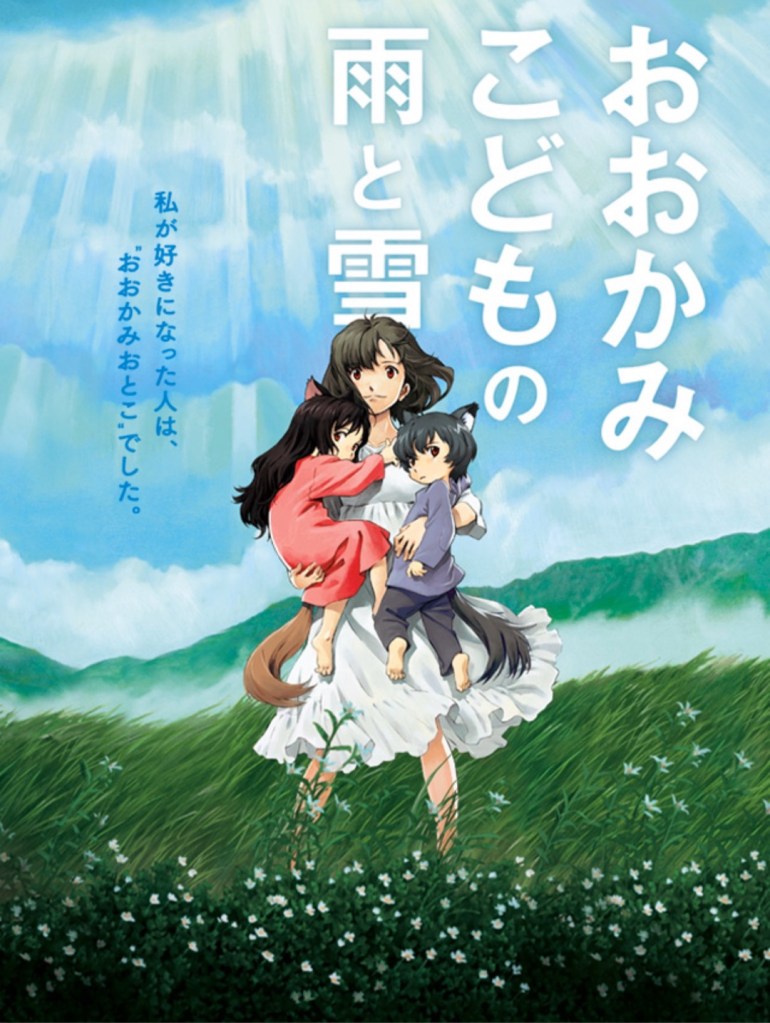
  • Wolf Children – touching animation from Mamoru Hosoda in which a single-mother raising two children alone must comes to terms with the different paths her children take.
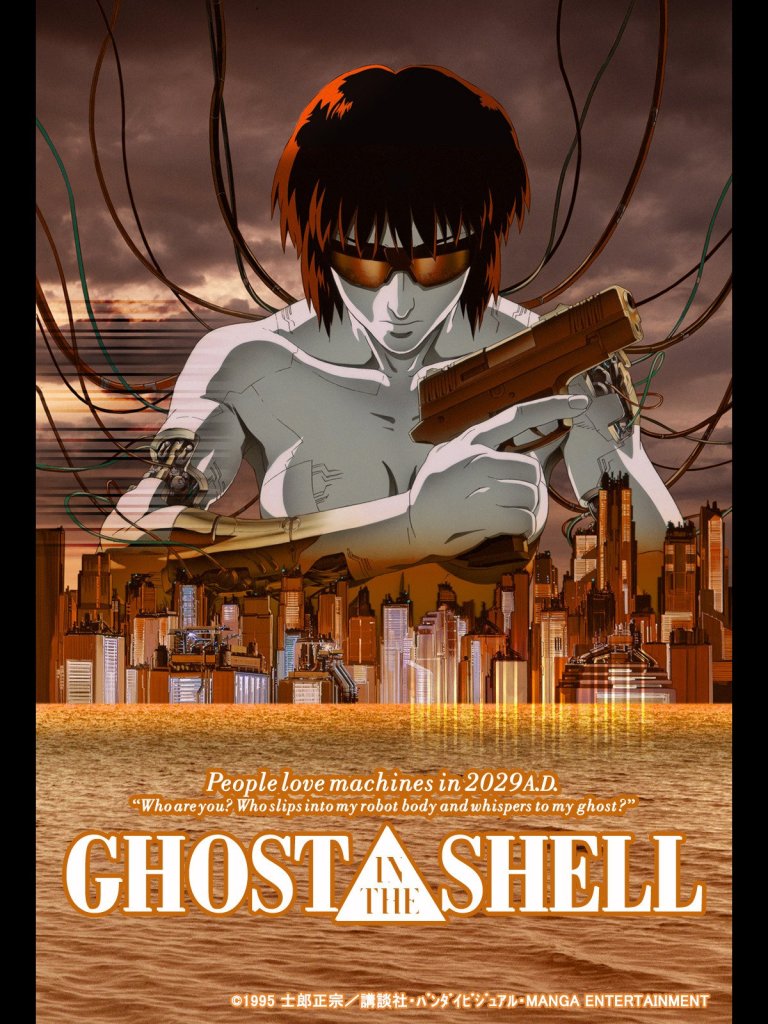
  • Ghost in the Shell – Mamoru Oshii’s iconic adaptation of the Shirow Masamune manga in which a cybernetic ally enhanced policewoman hunts a hacker known as the Puppet Master.
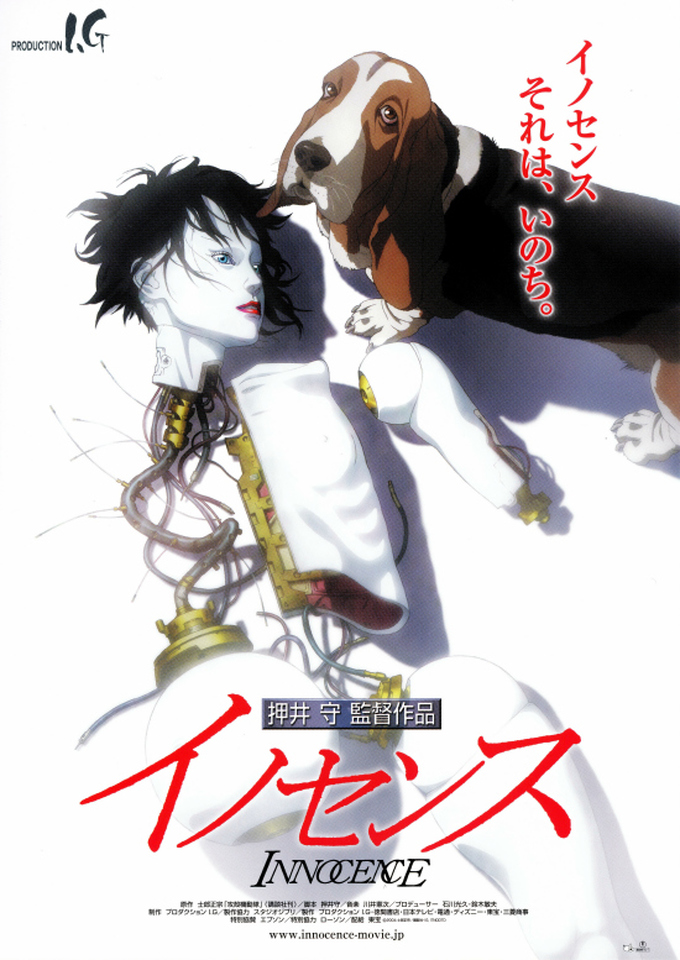
  • Ghost in the Shell 2: Innocence – sequel to the original Ghost in the Shell set in the Hong Kong of 2032.

Independence (21st August)

  • Funeral Parade of Roses – Toshio Matsumoto’s avant-garde take on Oedipus Rex.
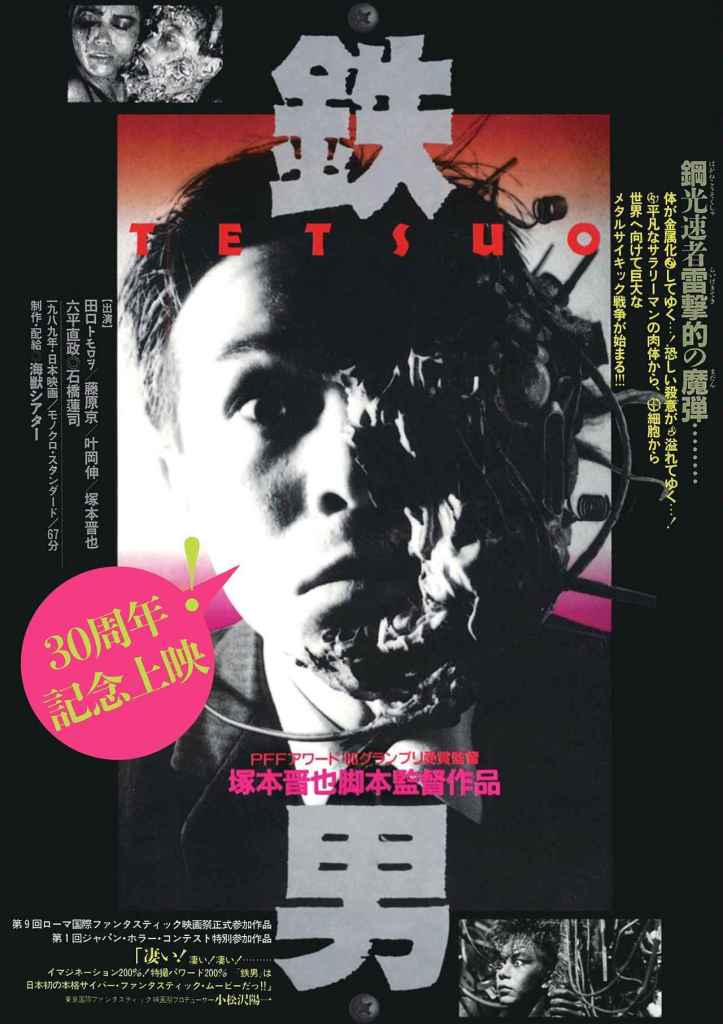
  • Tetsuo: The Iron Man – surrealist body horror from Shinya Tsukamoto.
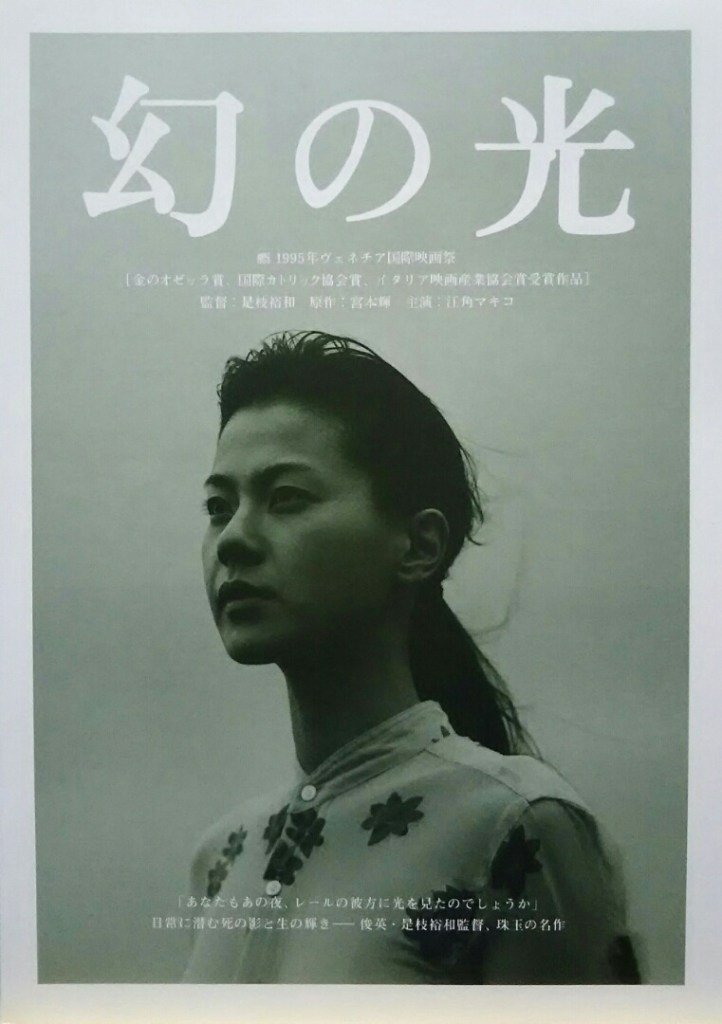
  • Maborosi – a young widow struggles to come to terms with the apparent suicide of her husband in Hirokazu Koreeda’s debut feature.
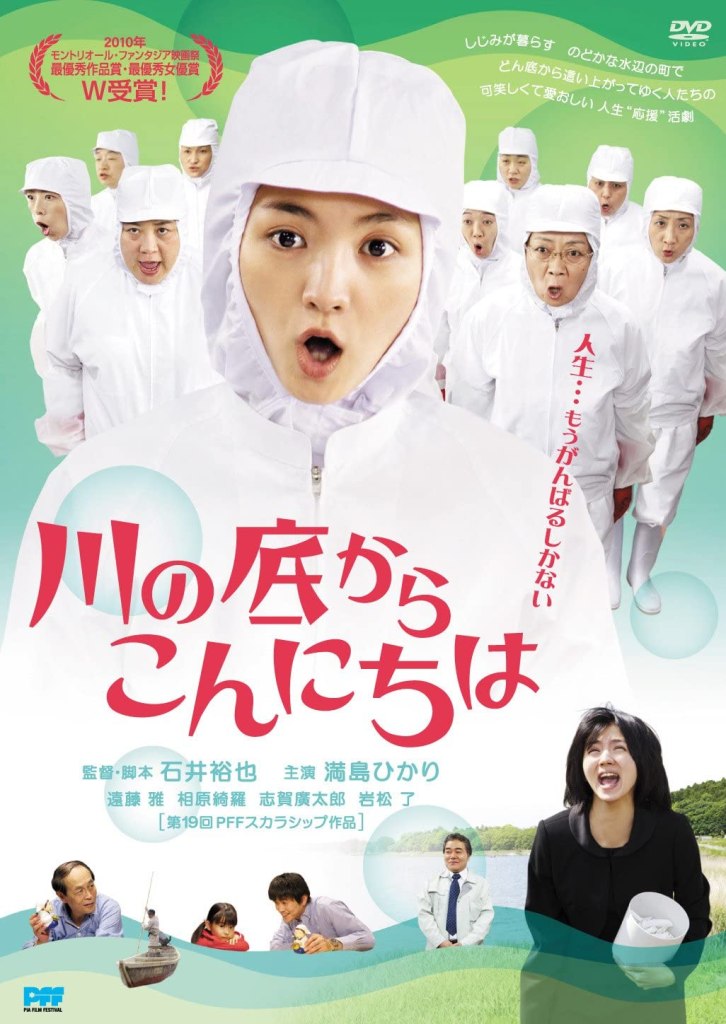
  • Sawako Decides – an aimless young woman struggles to find direction in her life in an early comedy from Yuya Ishii starring Hikari Mitsushima.
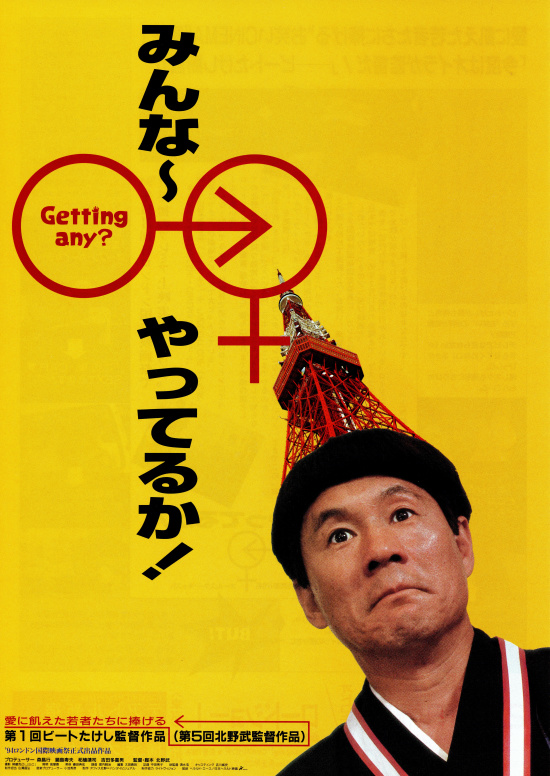
  • Getting Any? – zany pop culture comedy from Takeshi Kitano in which a man goes to great lengths to get a car solely so he can have sex in it. Review.
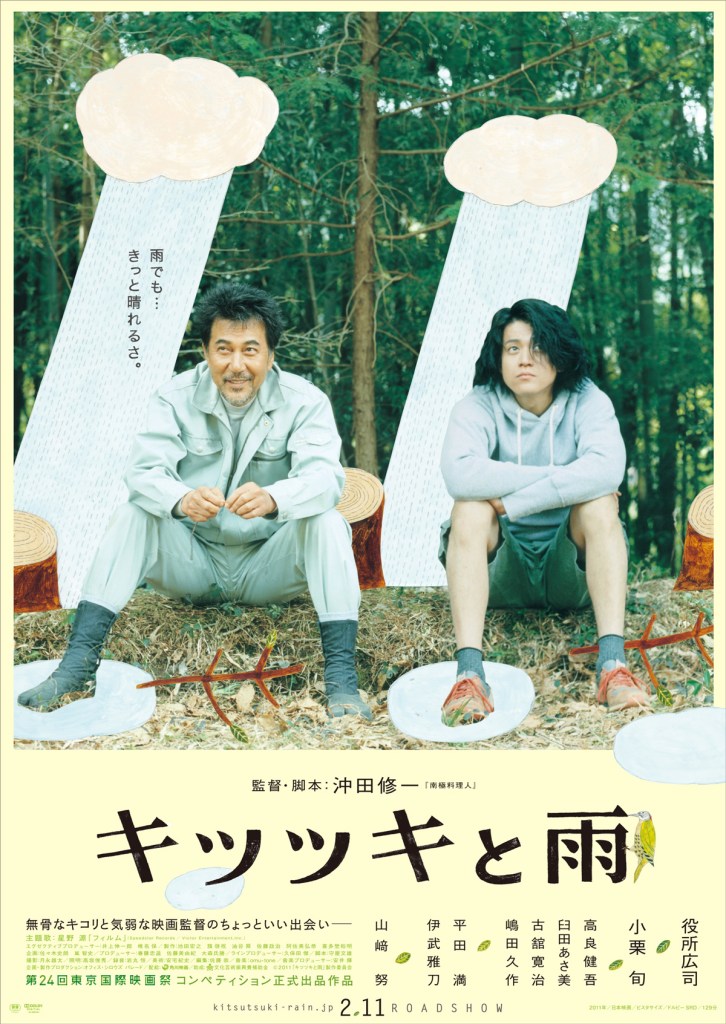
  • The Woodsman and the Rain – comedy from Shuichi Okita in which a film director bonds with a lonely lumberjack while shooting a zombie movie.
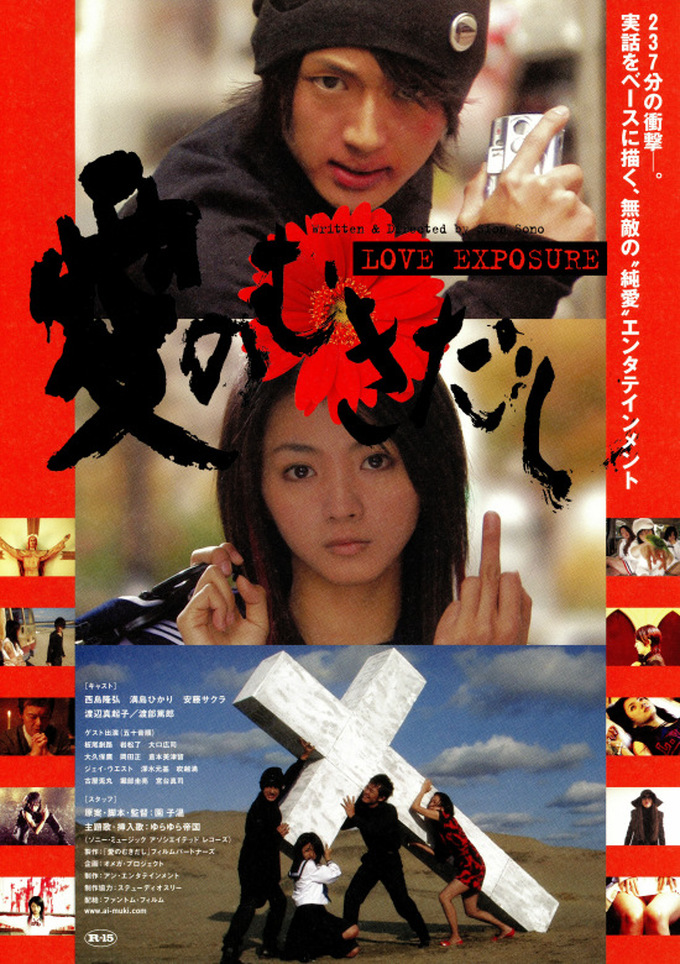
  • Love Exposure – 4-hour epic from Sion Sono in which the son of a priest becomes obsessed with upskirt photography.
  • The Mourning Forest – a bereaved mother bonds with the elderly resident of a care home where she works in an award winning drama from Naomi Kawase.
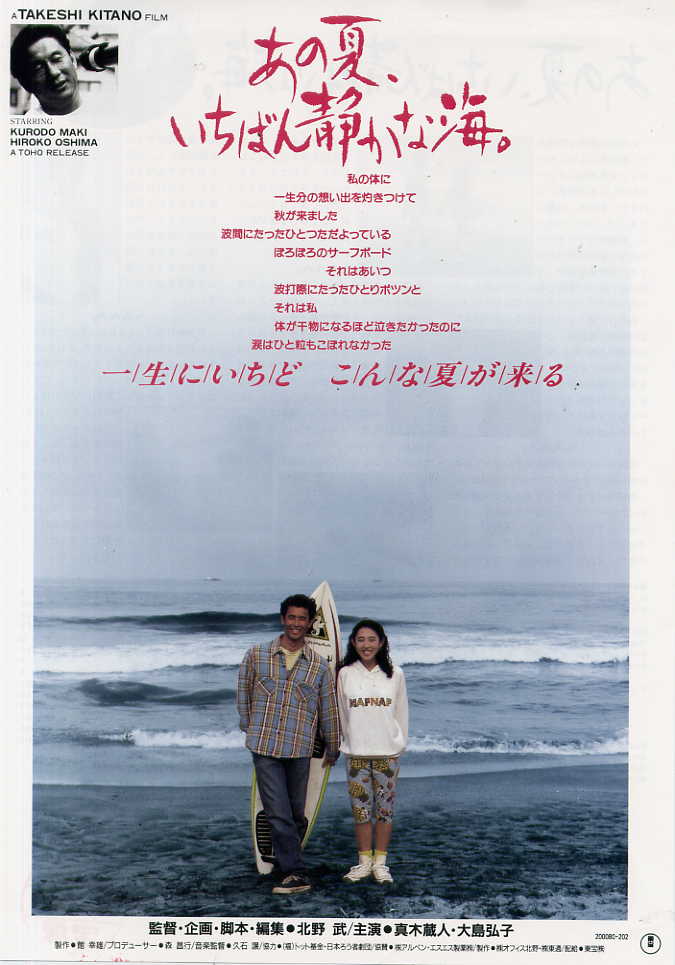
  • A Scene at the Sea – poetic drama from Takeshi Kitano about a deaf refuse collector who becomes fixated on surfacing. Review.
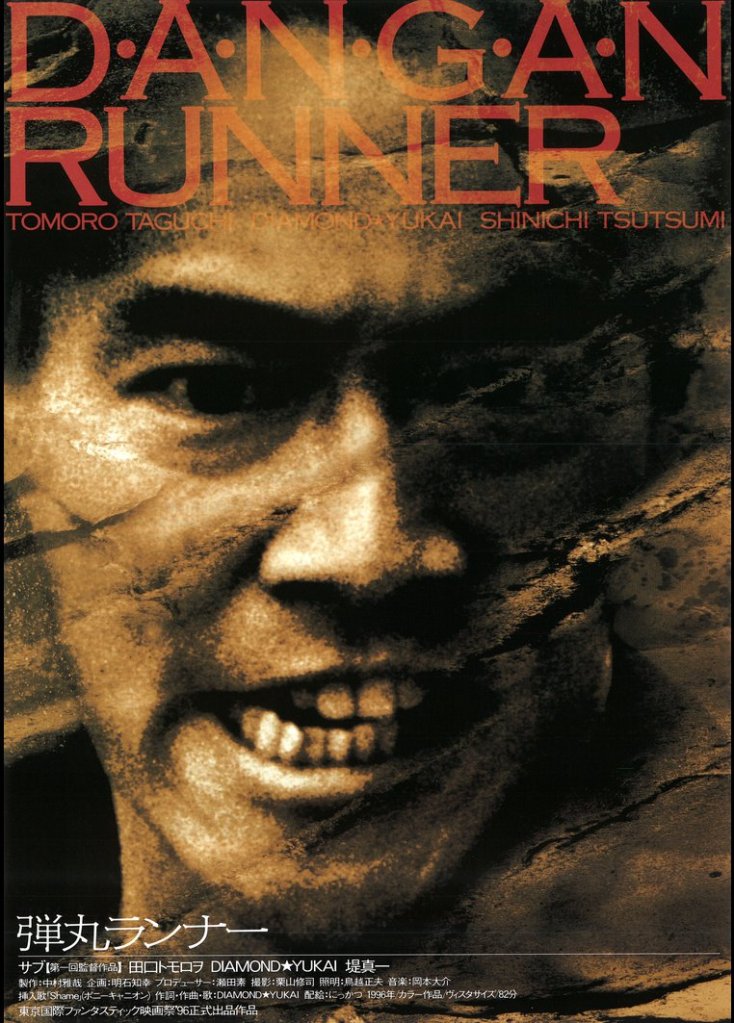
  • Dangan Runner – three men ricochet towards an inevitable ending in the debut feature from SABU. Review.
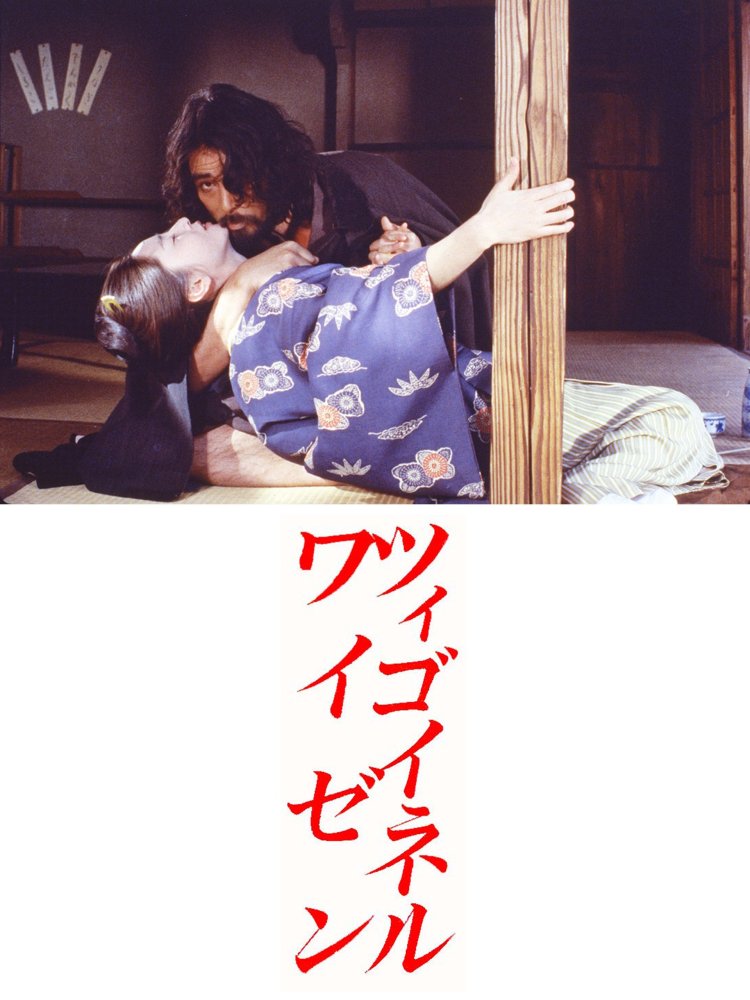
  • Zigeunerweisen – surreal drama from Seijun Suzuki starring Yoshio Harada as a nomad on the run after being suspected of seducing and killing the wife of a fisherman.
  • Shinjuku Triad Society – sleazy ’90s noir from Takashi Miike in which a mixed race policeman goes up against a Taiwanese gang over to discover his younger brother has joined them as a rookie lawyer. Review.
  • Violent Cop – a rogue cop attuned to the ways of violence abandons all pretence of civility in pursuit of justice but encounters only nihilistic futility in Kitano’s Bubble-era noir. Review.
  • Boiling Point – a disaffected young man finds himself on a self-destructive mission of vicarious vengeance but struggles to escape his sense of inferiority in Kitano’s deadpan exploration of explosive repression. Review.
  • Sonatine – tired of the life, a veteran gangster ponders retirement but knows his brief island holiday is only a temporary respite from his nihilistic life of violence in Kitano’s melancholy existential drama. Review.
  • A Lonely Cow Weeps at Dawn – pink film from Daisuke Goto in which a woman impersonates her senile father-in-law’s long gone favourite cow and allows him to milk her.

21st Century (18th September)

  • Still the Water – island coming of age drama from Naomi Kawase. (not included in subscription, £3.50 to rent)
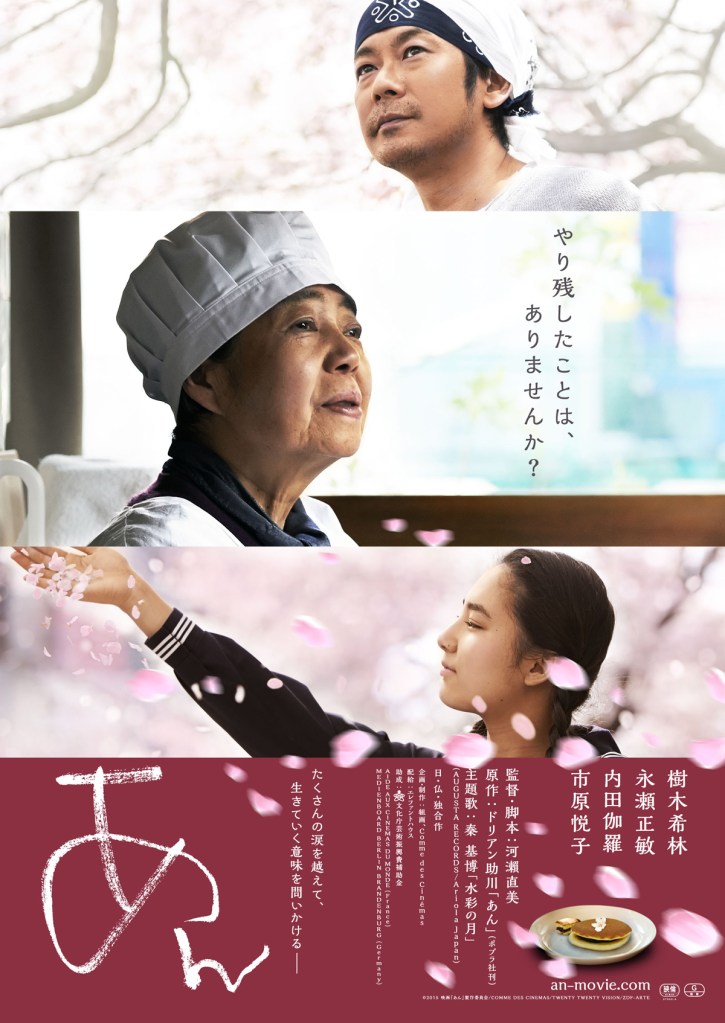
  • Sweet Bean – a dorayaki salesman bonds with an old woman who helps him improve his bean paste in Naomi Kawase’s moving drama.
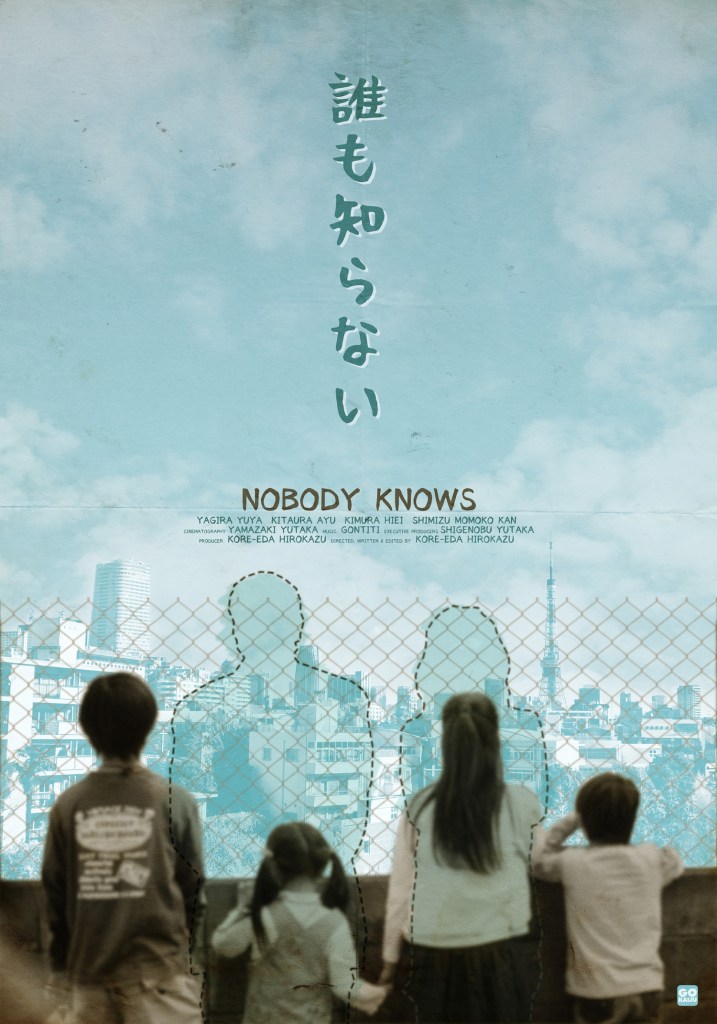
  • Nobody Knows – siblings are left to fend for themselves when their mother abandons them in Hirokazu Koreeda’s gritty drama.
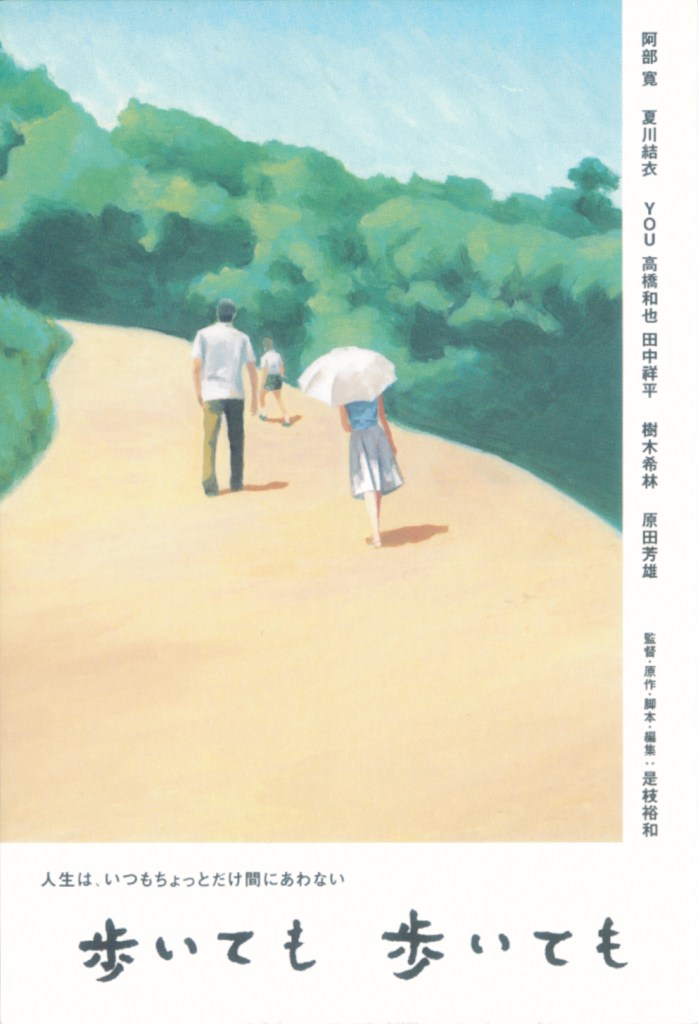
  • Still Walking – Hirokazu Koreeda’s moving depiction of a typical family. Review.
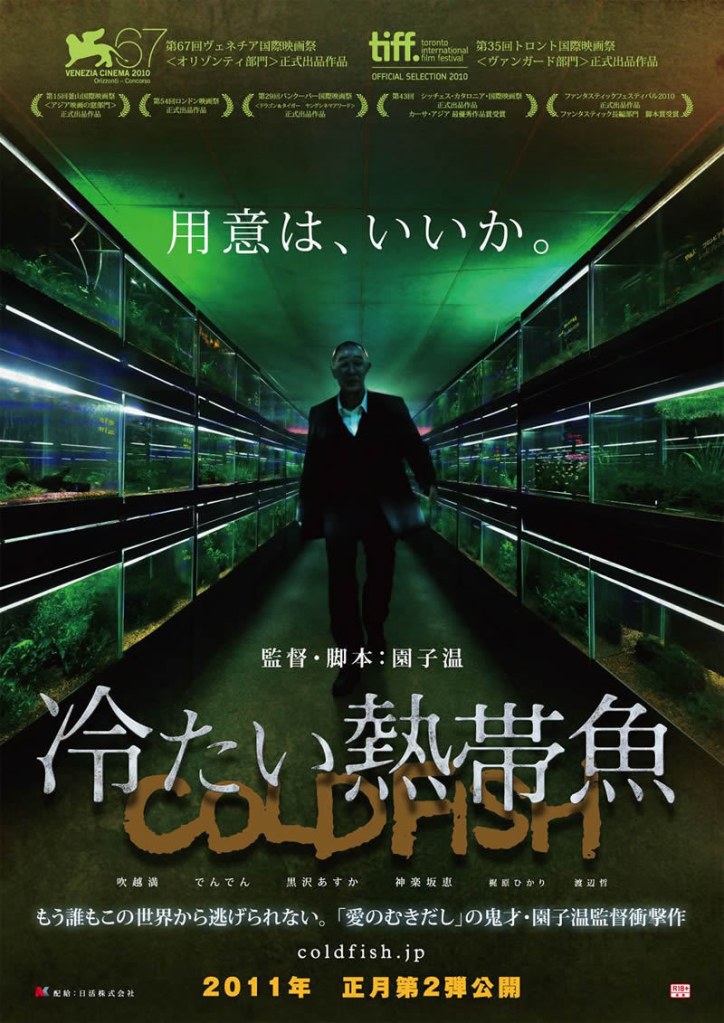
  • Cold Fish – Sion Sono’s gory serial killer drama inspired by a real life incident.
  • Tokyo Tribe – a rap musical manga adaptation from Sion Sono.
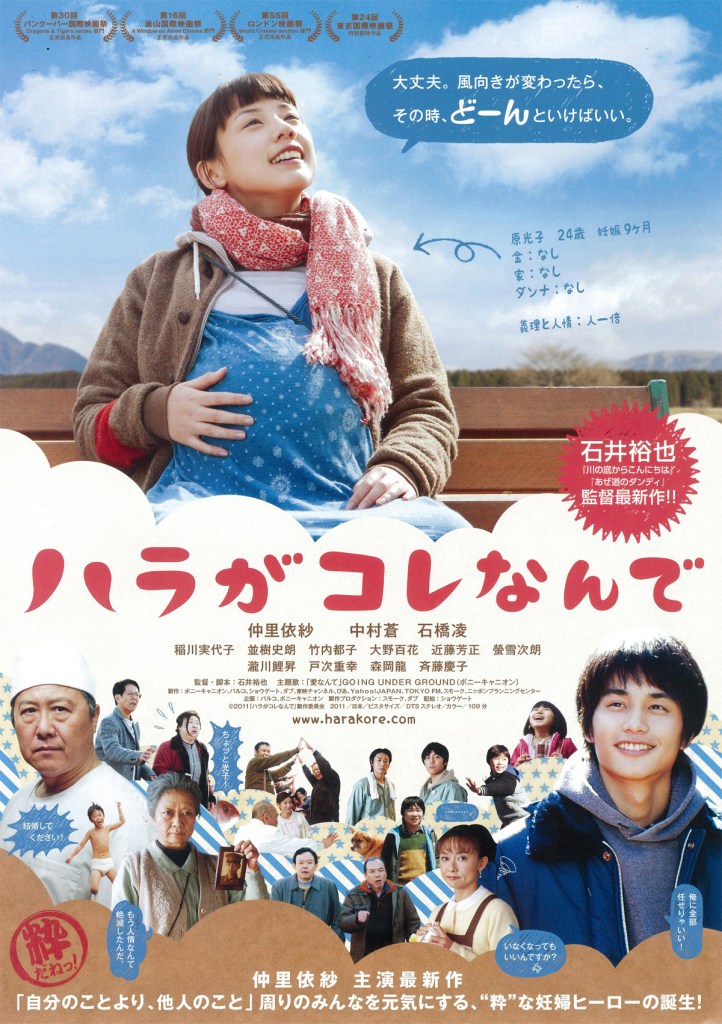
  • Mitsuko Delivers – a heavily pregnant woman returns to her home town and proceeds to solve everyone’s problems in Yuya Ishii’s cheerful comedy.
  • For Love’s Sake – musical manga adaption celebrating the Showa era songbook from Takashi Miike.
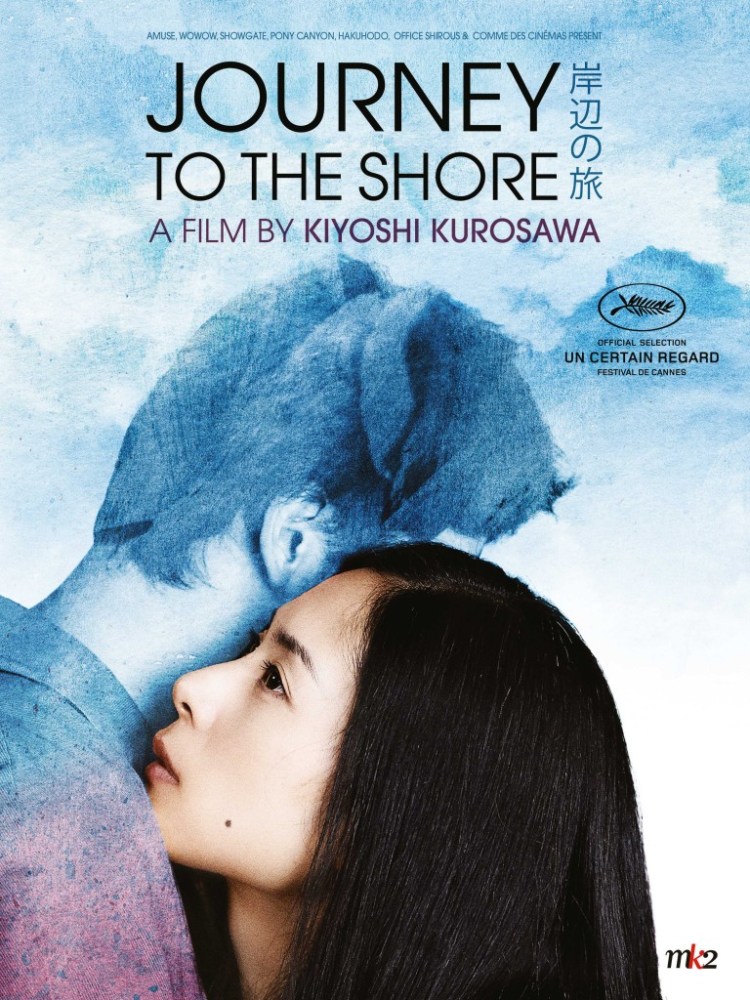
  • Journey to the Shore – haunting romantic drama from Kiyoshi Kurosawa. Review.
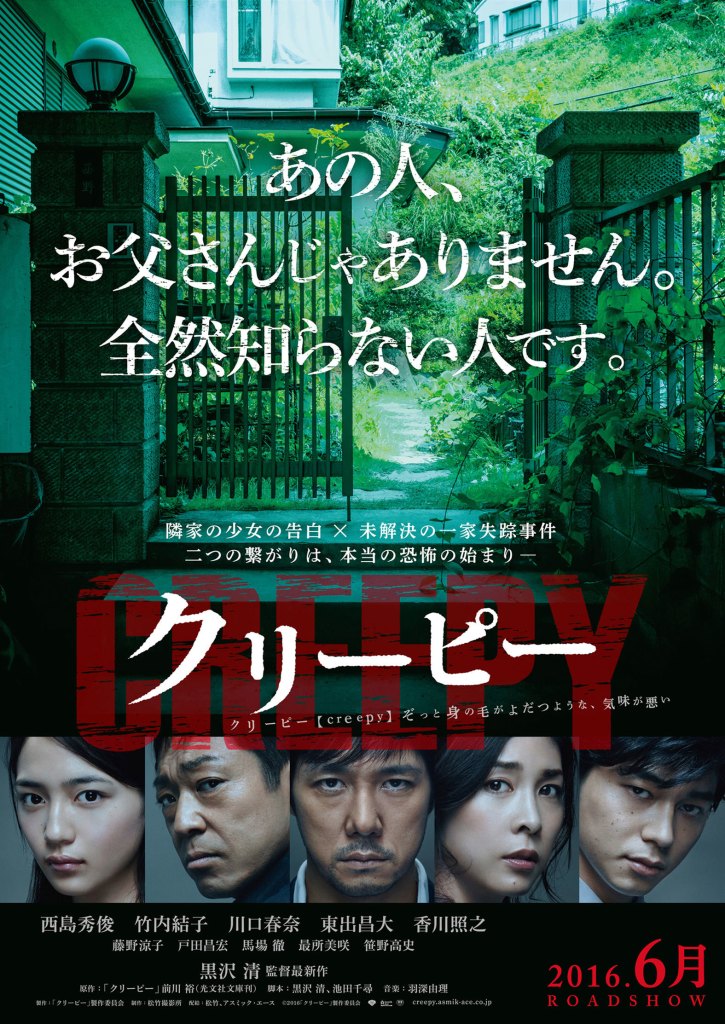
  • Creepy – Kiyoshi Kurosawa’s eerie mystery drama. Review.
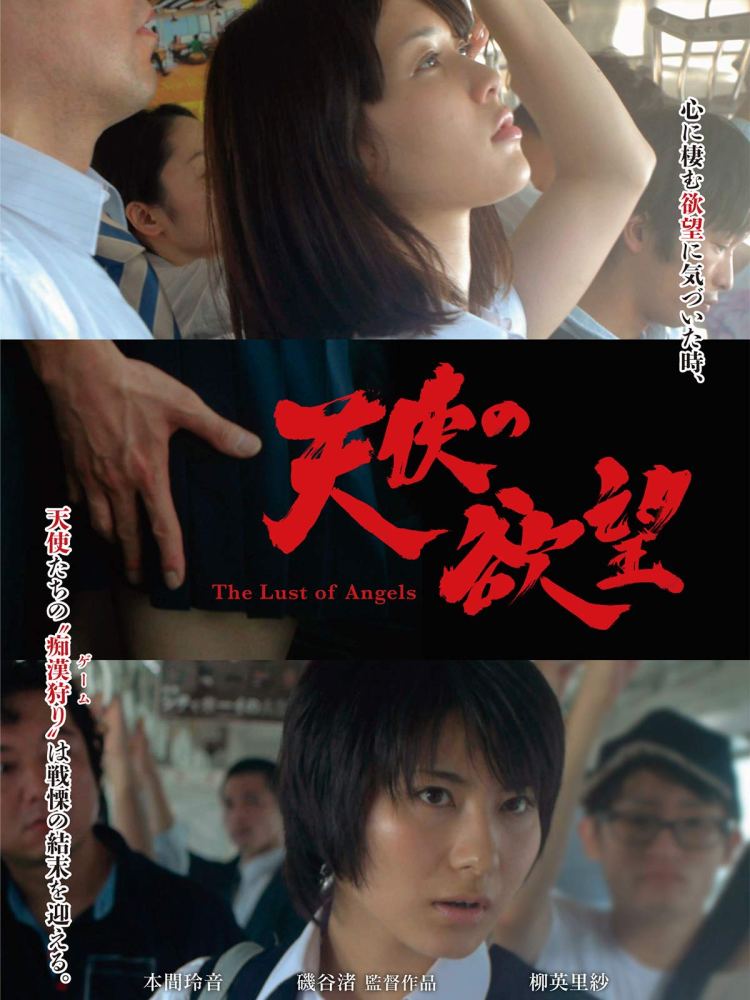
  • The Lust of Angels – edgy train groping drama from Nagisa Isogai.
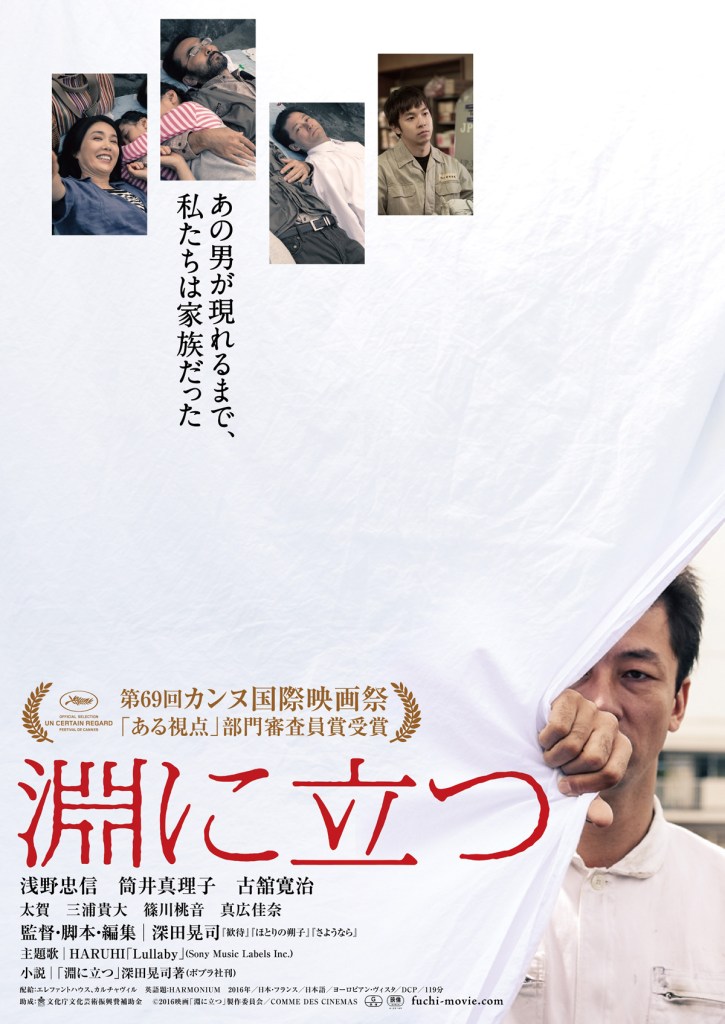
  • Harmonium – a family is torn apart by unexpected tragedy when a face from the past pays a visit in Koji Fukada’s probing drama. Review.
  • Departures – a cellist accidentally takes a job as a traditional mortician but keeps his new occupation a secret in this Oscar-winning drama from 2008.

Early films 1894-1914 (12th October)

The BFI will also be showcasing restored gems from their archive featuring footage of turn of the century Japan.

  • Japanese Dancers (1894) – rare footage of Japanese women performing an imperial dance.
  • Ainus of Japan (1913) – footage depicting the indigenous people of Hokkaido.
  • Japanese Festival (1910) – footage of the celebration of the 50th anniversary of Yokohama Harbour
  • Shooting the Rapids on the River Ozu in Japan (1907) – 1907 river journey.

J-Horror (30th October)

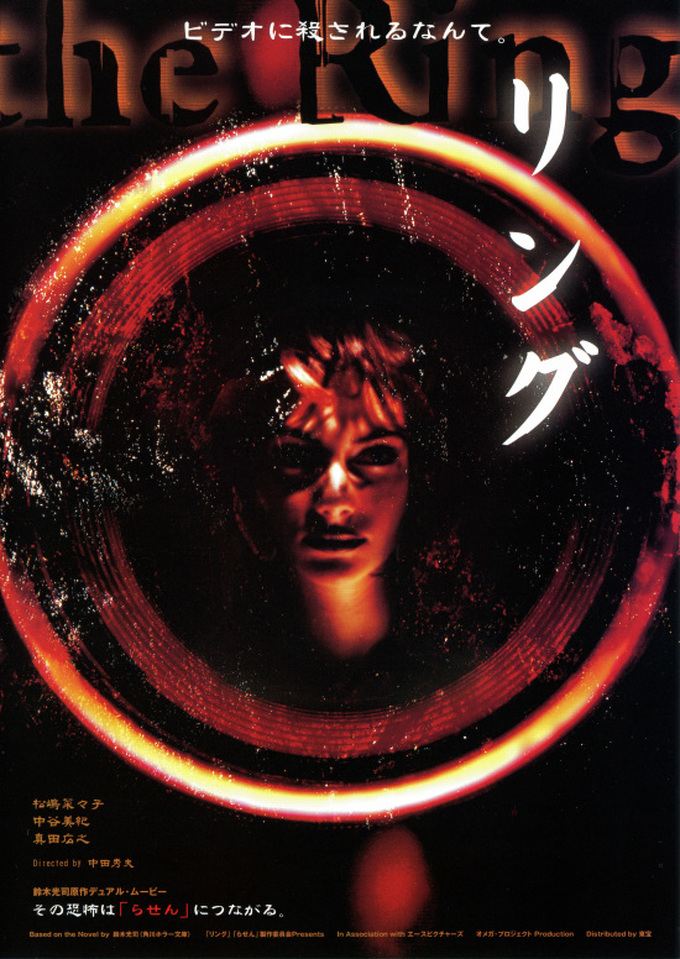
  • Ring – a deadly curse is transmitted via videotape in Hideo Nakata’s J-horror classic.
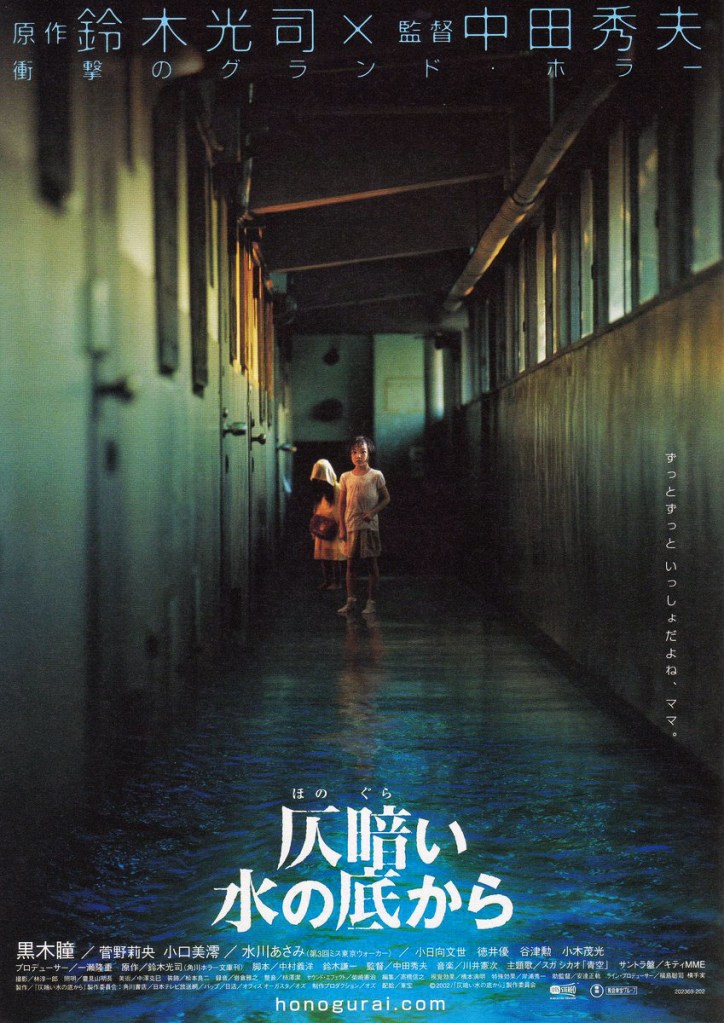
  • Dark Water – a woman in the midst of a divorce and custody battle is haunted by the spectre of a lonely child in Hideo Nakata’s adaptation of the Koji Suzuki novel. Review.
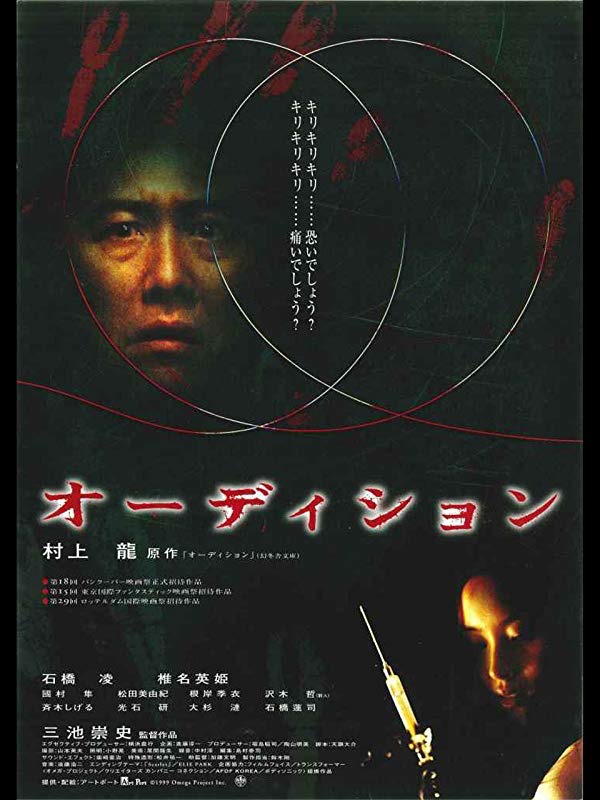
  • Audition – Takashi Miike’s deceptive drama begins as a gentle romcom before edging slowly towards the horrific.
  • Gozu – truly strange yakuza horror comedy from Takashi Miike.
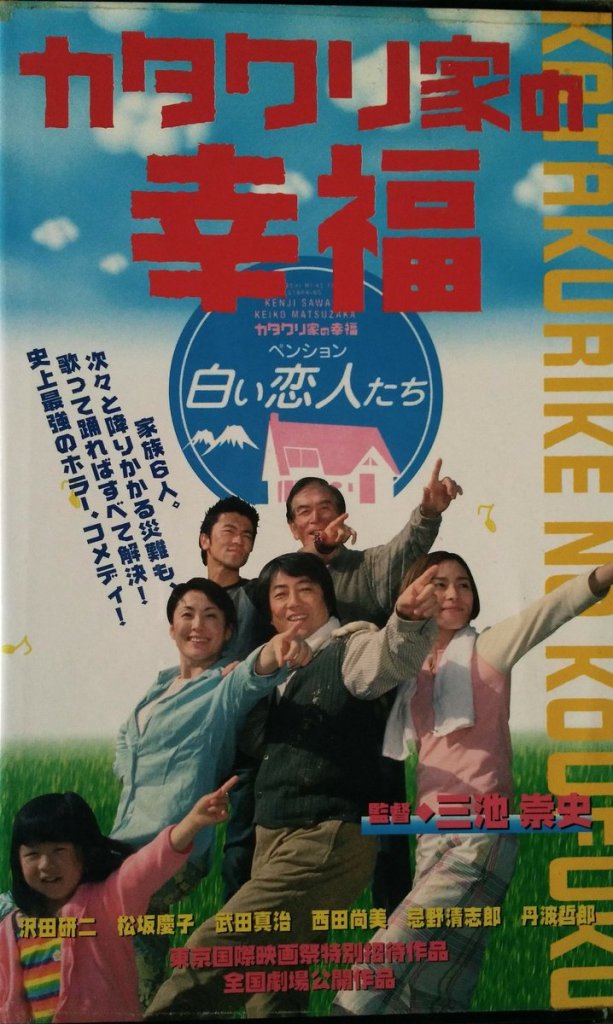
  • The Happiness of the Katakuris – Takashi Miike’s strangely cheerful musical take on the Korean film The Quiet Family.
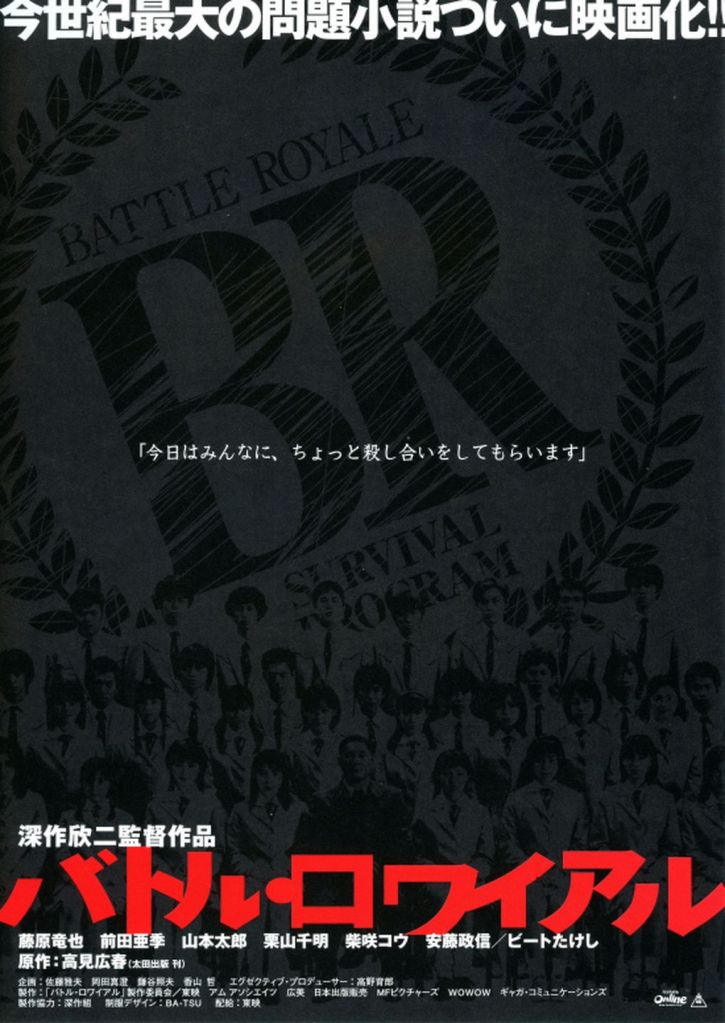
  • Battle Royale – controversial drama from Kinji Fukasaku in which high school students are shipped to a remote island and forced to fight to the death.
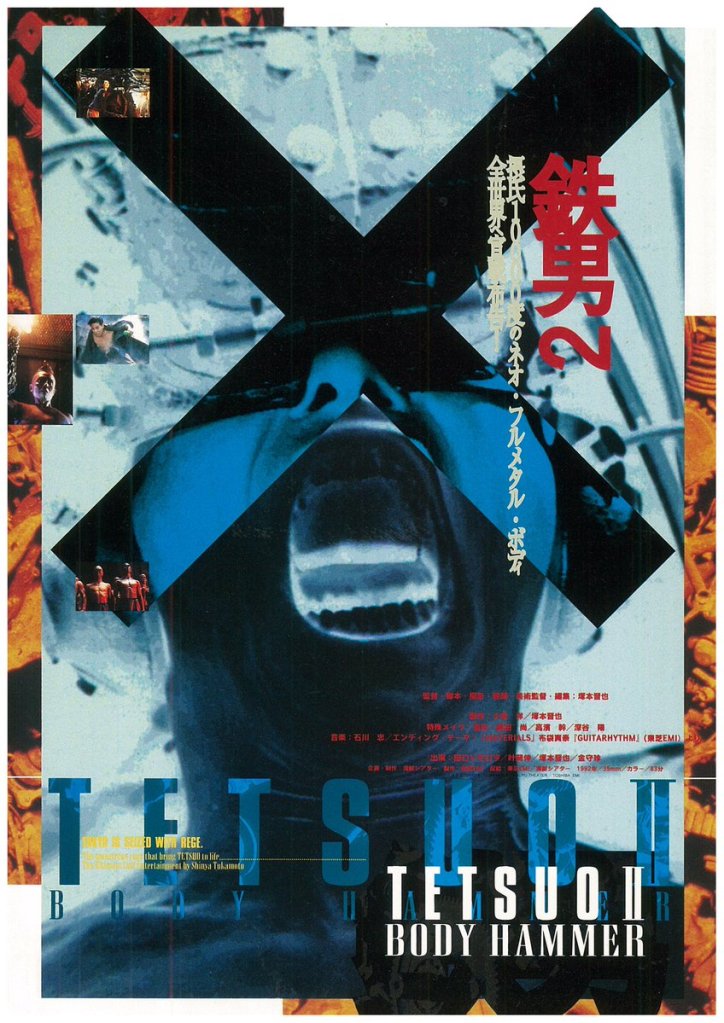
  • Tetsuo II: Body Hammer – sequel to Shinya Tsukamoto’s cyberpunk body horror.
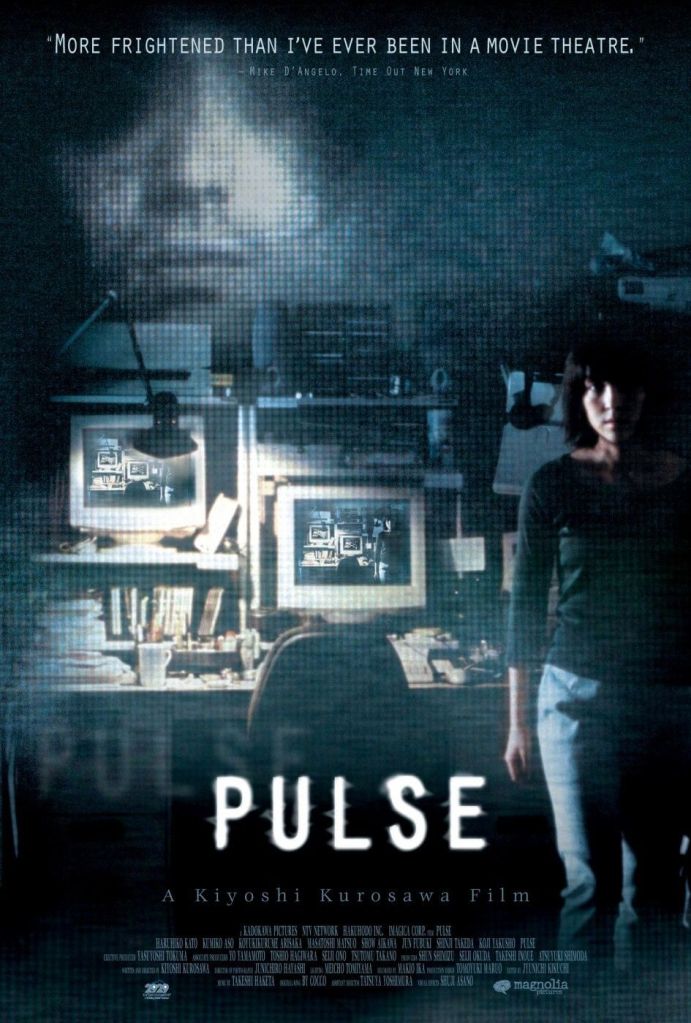
  • Pulse – death is eternal loneliness in Kiyoshi Kurosawa’s tech fearing horror classic. Review.
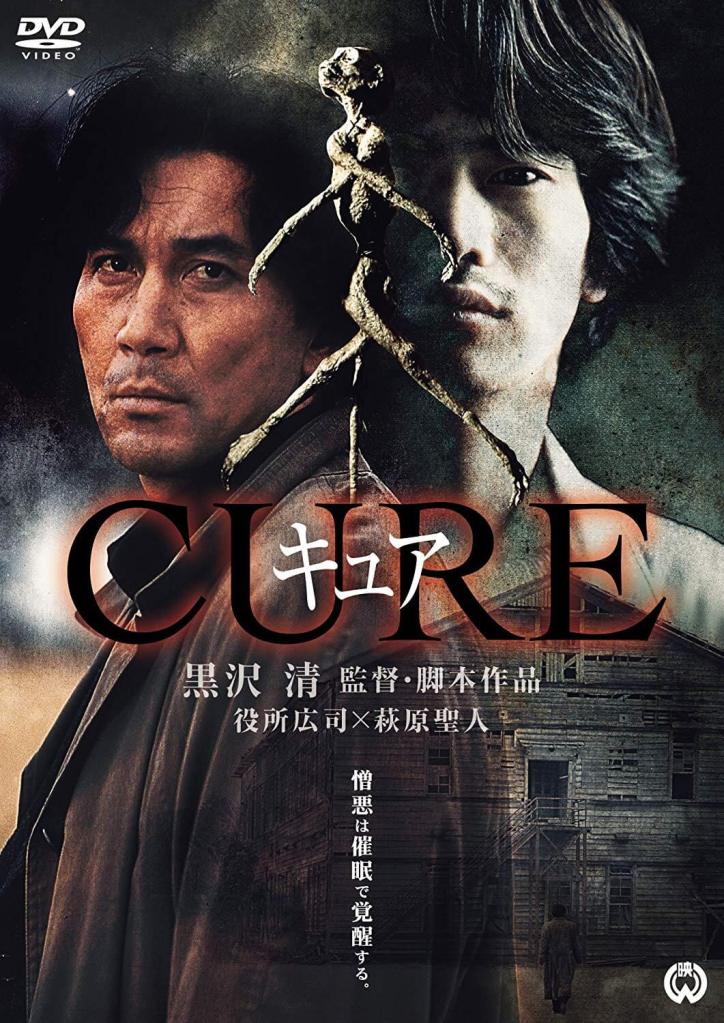
  • Cure – Kiyoshi Kurosawa’s noirish horror starring Koji Yakusho as a detective investigating a series of bizarre murders.
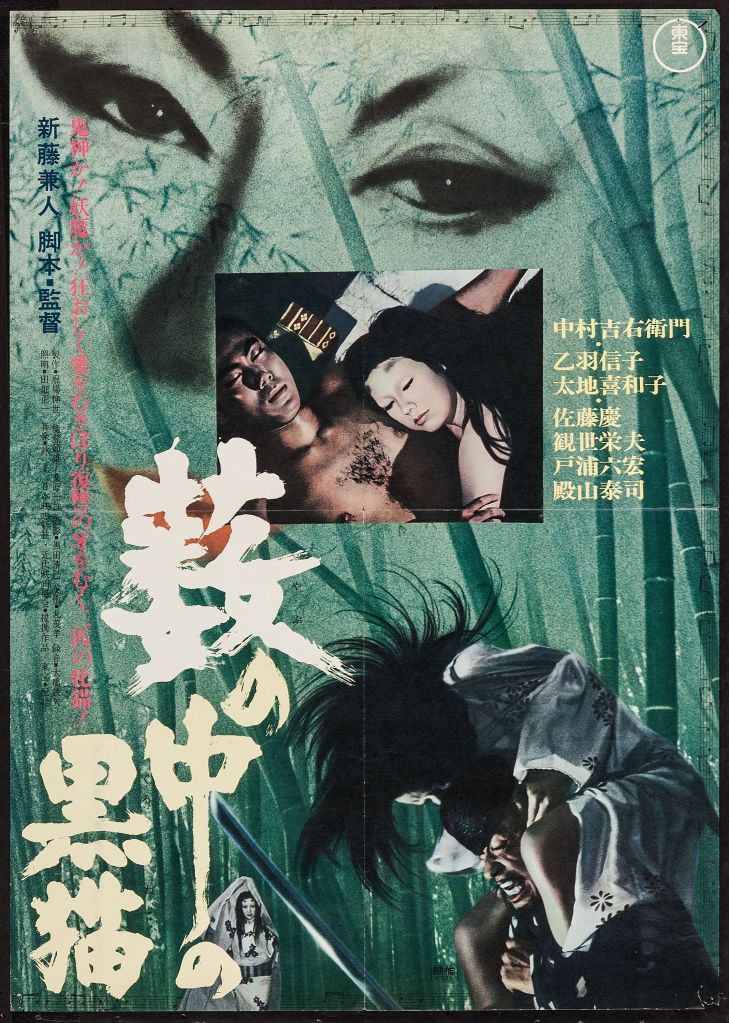
  • Kuroneko – ghost cat film from Kaneto Shindo.
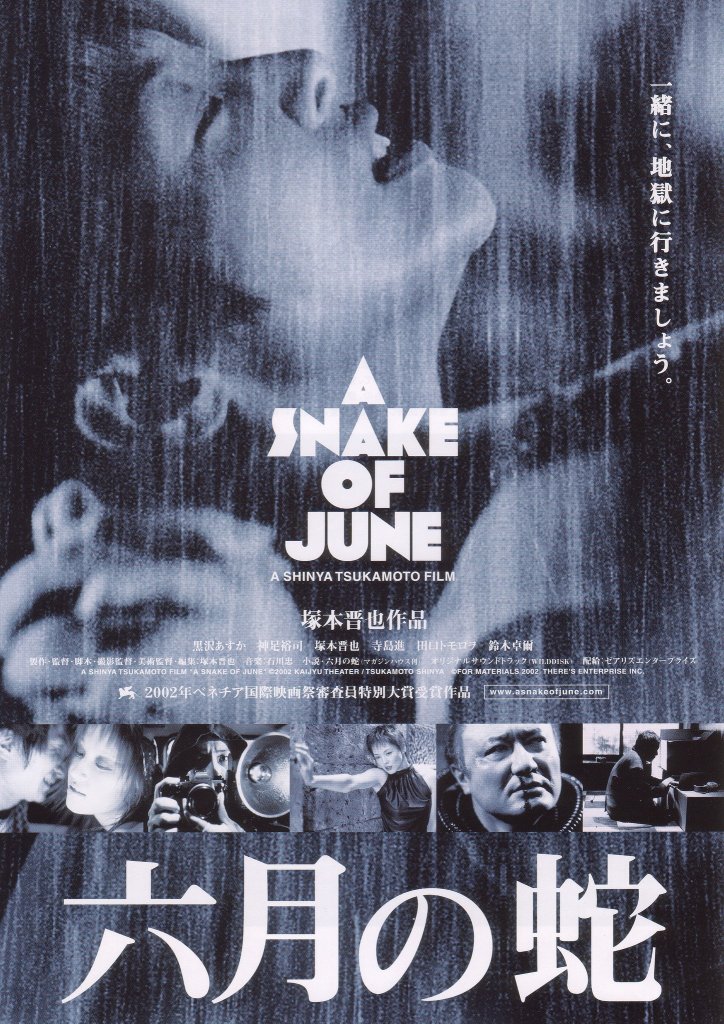
  • Snake of June – erotic drama from Shinya Tsukamoto in which a mysterious man targets a repressed woman and forces her to engage in illicit sex acts.

BFI Southbank

The season will continue at the BFI Southbank once the venue reopens.

  • Golden Age – season programmed by Alexander Jacoby and James Bell showcasing Japanese cinema from the 1930s to the 60s including work by Kenji Mizoguchi, Yasujiro Ozu, Mikio Naruse, and Akira Kurosawa, and starring Kinuyo Tanaka, Setsuko Hara, Hideko Takamine, and Toshiro Mifune.
  • Radicals and Rebels – also curated by Alexander Jacoby and James Bell, the Radicals and Rebels strand focuses on film after 1964 from the New Wave to the genre classics of the ’90s including work by Seijun Suzuki, Nagisa Oshima, and Kiju (Yoshishige) Yoshida.
  • 21st Century – contemporary classics co-presented by Japan Foundation and curated by Junko Takekawa.
  • Anime – major two month season curated by Justin Johnson and Hanako Miyata showcasing modern masters such as Satoshi Kon, Mamoru Oshii, Makoto Shinkai, Mamoru Hosoda, and Naoko Yamada.

For the full details on this and other BFI seasons be sure to check out the BFI’s official website where you can also find a link to BFI Player. You can also keep up with all the latest news by following the BFI on Twitter, Facebook, Instagram, and YouTube.

Mama Rainbow (彩虹伴我心, Fan Popo, 2012)

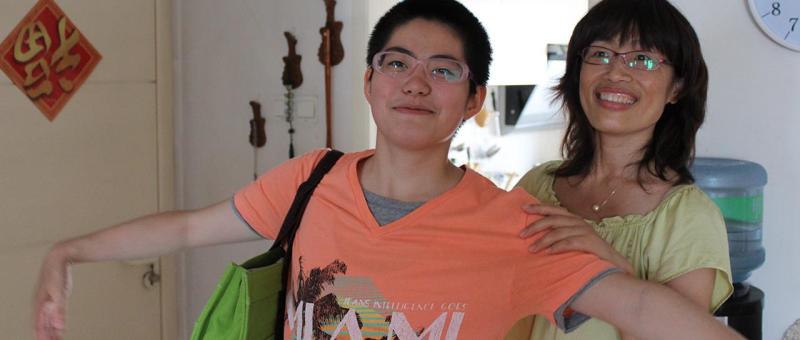
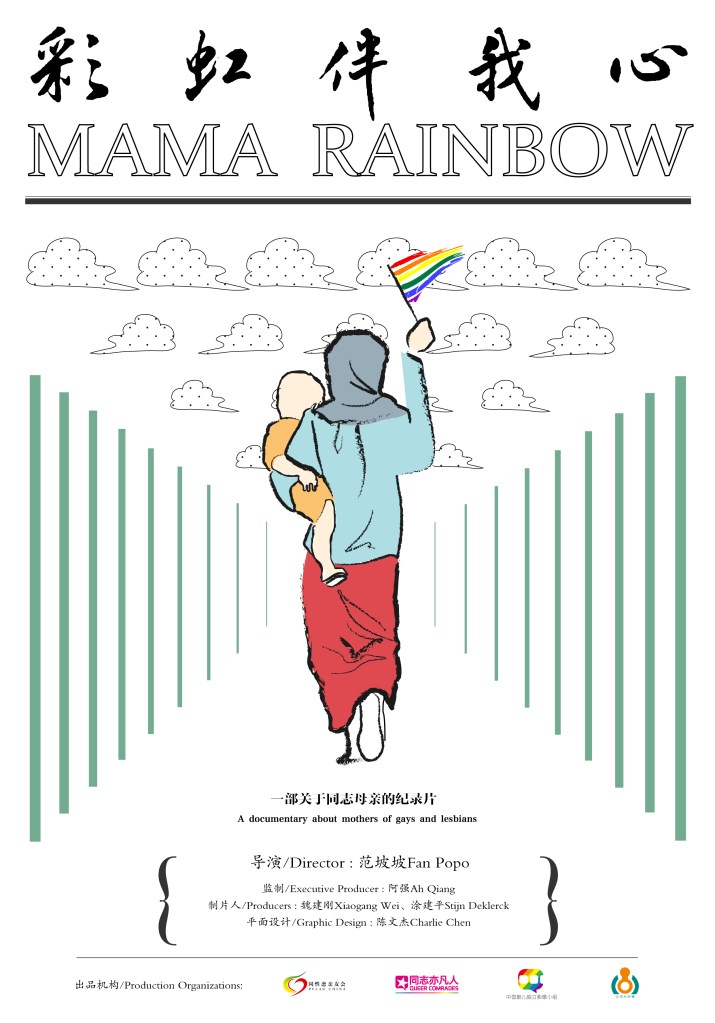
Though homosexuality is not illegal in contemporary China, it is perhaps still taboo. The notoriously strict censorship board is particularly averse to content which features LGBTQ+ themes, though many mainstream filmmakers have been able to get around the regulations with subversive allusions to same sex relationships. Times are perhaps changing. Rather than a gloomy exploration of the issues many young gay men and women face, Fan Popo’s Mama Rainbow (彩虹伴我心, Cǎihóng Bàn Wǒ Xīn) spins a tale of mass acceptance in following six mothers of gay children who, though not always so immediately supportive, have embraced their kids’ sexuality and in fact become activists themselves. 

Fan opens with a vox pop session asking members of the public about their views on homosexuality. The first few answers are predictably depressing with even young people looking embarrassed and either walking off or replying that they find the idea “disgusting”, “very bad”, “abnormal”, or “unacceptable”. Later, a few are found who think the question itself is unnecessary because they have no problem with gay people, but then asked how they’d feel if their child told them they were gay, most immediately say they wouldn’t like it though some concede there’s nothing they could do about it anyway so they’d have to just go with it while others say they’d simply “guide” them back towards the “right” direction so that they’d make “good choices”. 

One of the mothers, Mama Zhao, admits she originally thought the same way. Her son had agreed to marry a girl, but after reading book by another influential Mama decided that he couldn’t, committing himself to living an authentic life as an openly gay man. She tearfully admits that though she has accepted it herself, she is still ashamed to explain to other people, brushing off questions about why her son is still single with dull platitudes rather than simply telling them that he is gay. 

After attending talks by the woman who wrote the book that so affected her son, Mama Wu, Mama Zhao began to understand a little better, realising that the most important thing is that her son is happy which he certainly wouldn’t be if he forced himself to marry a woman to fulfil a social ideal. Education seems to be the key. Meiyi didn’t know much about homosexuality and thought it was something that was popular abroad that people did because it was trendy. When her daughter became close with a high school friend who ended up moving in with them, she began to see things differently and got to know a few other gay kids who she thought were all fantastic. She jokes that her daughter’s girlfriend “brainwashed” her by taking her to LGTBQ+ events, while the other girl’s own mother is also very supportive, actively empathising with her daughter’s choices right down to appreciating her taste in other women. 

Sister Mei and her son, meanwhile, are a cheerful and exuberant double act. She moved into the city to live with him in fear that he might need help locating other gay men (a move which seems like it should be counter productive but probably isn’t given the open nature of their relationship) and has now thrown herself into activism as a member of China’s PFLAG, becoming a surrogate Mama for all those who’ve been rejected by their families or just need to hear a supportive voice. Likewise, Mama Jasmine was as cool as could be when her daughter, after years of bringing female “classmates” over to dinner, finally came out and was supportive in a lowkey way until approached by Ah Qiang, the founder of PFLAG in China, to become a local organiser. 

Mama Wu, the woman who wrote the book that changed the mindset of Mama Zhao’s son and convinced her that his happiness was all that really mattered, speaks to another young man who reveals he hasn’t come out to his mother (assuming she doesn’t see the documentary) because she is in poor health and he worries that she just won’t be able to take the shock. Mama Xuan, who suspected her son was gay but hoped he’d grow out of it, tearfully takes to the stage to reveal that he has suffered violence and discrimination because of his sexuality, beaten up at school but too afraid to get help in case his parents find out why he was attacked, and subsequently blacklisted and expelled leaving him with a blemish on his record when the kids who attacked him had their views reinforced by the tacit approval of the school authorities. There is obviously work still to be done, but there are plenty of people willing to do it, because at the end of the day all they want is for their kids to be safe and happy and enjoying exactly the same rights as everyone else while surrounded by love and acceptance. 


Mama Rainbow is currently available to stream via Vimeo as part of Queer East’s online edition with all proceeds going to support independent cinemas.

Original trailer (English subtitles)

For Rei (レイのために, Yukari Sakamoto, 2019)

(C)Yukari Sakamoto

Going to university is a prime opportunity to start figuring yourself out, but if you feel a little hollow inside it can often be an uphill battle. The heroine of Yukari Sakamoto’s For Rei (レイのために, Rei no Tame ni) is intensely anxious, somewhat distanced from herself in the unresolved trauma of her parents’ divorce and subsequent loss of contact with her father. University can also be a prime opportunity to reach towards independence, but that necessarily means learning to “let go of the things you don’t like” to chase the things you do while figuring out what the difference between those two things might be. 

Philosophy student Rei finds herself at odds with her classmates, some of whom actively belittle her off the wall contributions for being off the point while the TA offers only the reassurance that she found her words “poetic”, which given the environment she finds herself in might not exactly be high praise. Meanwhile, she’s in a loose relationship with fellow student Nakamura who has a part-time job as a driver he doesn’t much like. As she reveals to her mother, however what’s really bothering her is that she’d like to reconnect with her estranged birth father whom she hasn’t seen since her parents divorced when she was small. Despite her mother’s warnings that her father may only cause her pain, Rei presses ahead and writes a letter, eventually meeting up with him for dinner in a swanky Western restaurant where he orders wine and she coke. 

That comment that so riled her classmate was to do with the nature of perception and its mutual effect on the perceiver. Rei offers that she thinks being looked at is something inherently uncomfortable, that when someone looks at her she wants to look away while looking at someone else can be a cold, abstracted experience. Later, after meeting her father, she returns to the same topic with additional insight, admitting that she was always afraid of being perceived, feeling as if someone was continually watching and waiting for her to mess something up. As much as she feared the gaze, she also felt its pity and wanted to be embraced by it but as she grew she could no longer fit inside as it seemed to grow smaller and recede from her. The sense of loss and distance made her sad, but she is perhaps coming to the realisation that that feeling of disconnection is also a part of growing up as she outsteps the parental gaze to claim her own independent space. That process may necessarily be painful, but it’s her father’s hand on her shoulder that keeps her from moving fully forward as she struggles to separate herself from a half-felt presence. 

Rei’s father, apparently remarried, tries his best to reconnect with his now grown-up daughter but the encounter is unavoidably awkward, belonging both to the past and future as she realises she’s no longer a woman who needs a paternal presence just as she’s made the decision to find one. They chat awkwardly about the intervening years – her feelings of disconnection from her mother’s second family with a step-father and half-sister, and his remarriage, while eventually returning to the past. He never explains why he didn’t keep in contact (though this is sadly normal for divorced fathers in Japan) but is keen to explain that he didn’t leave because of her, only that he and her mother were very young and eventually discovered that they were incompatible, their views on money and family matters apparently entirely different. He didn’t understand her and the distance between them bothered him. 

Like Rei, he couldn’t feel himself inside the gaze and eventually absented himself from it. The reunion seems to have gone well, her father offering to take her mountain climbing, but we somehow feel that they might not meet again. What Rei learns is the power to perceive herself with pity and perhaps let go of the image of her father, a little disappointed in herself to have taken a throwaway comment to heart and remembered it all these years only to garner no reaction on recalling it. Freed from the overbearing gaze, Rei learns to centre her own perception, forgiving both herself and the past, as she steps boldly into a new adult space and sets off into a future of her own choosing.


 For Rei was screened as part of this year’s Osaka Asian Film Festival.

Original trailer (English subtitles)

Apart (散後, Lester Chan Chit-man, 2020)

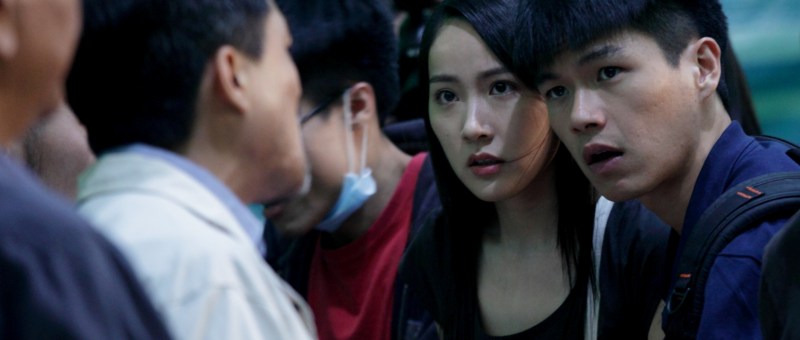
“There’s gotta be a price for chasing dreams” sighs the heroine of Lester Chan Chit-man’s Apart (散後) as she mulls over lost love and the fight for Hong Kong independence. A collection of youngsters find themselves swept up in the Umbrella Movement, but some are more committed to the cause than others and divided loyalties are enough to eventually pull even those who love each other apart. 

Yin (Will Or), his cousin Toh (Chan Lit-man), Yin’s girlfriend Maryanne (Sofiee Ng Hoi-Yan), and the bashful Shi (Yoyo Fung) are all earnest university students studying hard to build professional lives for themselves. Maryanne is strongly against Mainland interference and has become a keen participant in the Umbrella Movement protests, dragging Yin and his more committed cousin along for the ride. The conflict lies in the fact that Yin comes from a fairly wealthy family. His father, Hung (Lester Chan Chit-man), is the CEO of a successful coach company and strongly pro-China. Authoritarian in the extreme, he thinks that you have to respect order and that the future lies in the Mainland. Yin’s animosity towards him may be more youthful rebellion against his hypocrisy in his many affairs and subsequent remarriage to younger woman Yin doesn’t seem to care for, than it is true political conviction. Toh’s father, meanwhile, is originally sympathetic towards the protestors and against Mainland interference (if only to needle Hung) but changes his tune when the protests start affecting his business.

“It turns out some people just want to make a living” Yin admits trying to broker peace, but finds his loyalties continually strained as he tries to balance his desire for Maryanne with his personal ambition. As the protests intensify, Yin pulls back. He objects to his friend’s increasing conviction that there can be no victory without violence and fears the outcome of a battle fought on such tense fault lines. Maryanne, however, doubles down, devoting all her energies to the movement, unforgiving of Yin when he dares to step back on the night that his grandmother dies and secretly beginning to doubt him, riddled with romantic jealousy over his growing attraction to Shi. 

In some ways Maryanne represents for him Hong Kong, while Shi represents the Mainland. Yin is a man pulled between two poles and perhaps treating neither of them with the respect they really deserve. The years wear on and the Umbrella Movement winds down. Yin pursues his technological interests in the US, perhaps hoping to escape the HK/China divide through removing himself to another continent. The crisis does not however stop. Maryanne becomes a lawmaker, trying to further her aims in the political arena but encountering fierce resistance. She is lonely and tired, but refuses to give up. Yin finds himself torn, in love with Maryanne but considering settling down with Shi who, like him, is ready for “a settled life”, while Maryanne knows she cannot rest until Hong Kong is free. He won’t come to the protests with her because he fears damaging his prospects on the Mainland, and she won’t be welcome if she accompanies him there (not that she would want to). Politics drives them apart, and as Maryanne said there’s a price for following your dreams. 

Toh, a little younger, remains committed to the ideal but also tempered by practicality, changing the future through teaching the past while his Chinese-American step-cousin, Jessica (Jocelyn Choi), eventually returns to chronicle the battle for democracy from an international perspective. In his student days, someone asks Yin why it is they who have to fight this battle and he replies that they alone can afford this naivety. They can afford to be bold, passionate, reckless, unrelenting, and unafraid of the consequences because they are young. As they grow older, some of them grow away. Yin gives in to practicalities, leans towards his father’s point of view, and eventually does what he thinks is right in looking for peace and compromise, but his actions betray Maryanne’s revolution. Maryanne looks for political solutions, but finds them slow going nevertheless continuing the fight. Nothing may change, but we’re here to show them we won’t mindlessly obey, Shi offers of the Umbrella Movement, filling the streets with the colour of resistance in tiny paper umbrellas in a vibrant yellow.


Apart was screened as part of this year’s Osaka Asian Film Festival.

Original trailer (English subtitles)

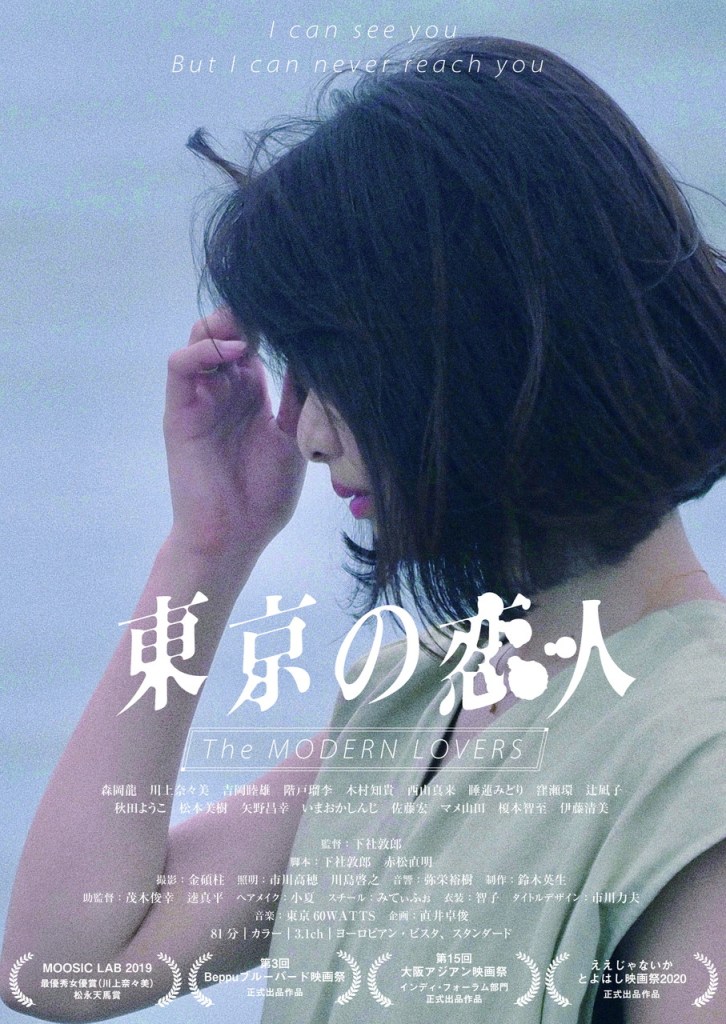
The Modern Lovers (東京の恋人, Atsuro Shimoyashiro, 2019)

Where now the dreams of youth? It may be impossible to escape a regretful middle age, wondering what might have been if only you knew then what you know now, but for the heroes of Atsuro Shimoyashiro’s The Modern Lovers (東京の恋人, Tokyo no Koibito) the pain seems all the more acute. “Today’s the day our youth ends” a brokenhearted woman laments, trying to make peace with her choices but finding that her return to the past may have done more harm than good. 

Tatsuo (Ryu Morioka) is a 31-year-old salaryman, married with a baby on the way and living in provincial Gunma. With the anxiety of impending fatherhood on his mind, he’s surprised to receive a message from his university girlfriend, Marina (Nanami Kawakami), who wants to reconnect. Telling his wife he’s going on a business trip, Tatsuo decides to spend the weekend in Tokyo, staying with another friend from uni before meeting up with Marina for a Sunday in the city reminiscing about old times. 

Like Tatsuo, his old college friend Komazawa (Tomoki Kimura) has long since given up the dream of becoming a filmmaker. A breakdown at 27 has apparently led to a diagnosis of bipolar disorder leaving him unable to hold down a job and dependent on his wife, Seiko (Maki Nishiyama), who supports both him and his step-daughter Shizuko through sex work while Komazawa has become an idle alcoholic. Despite his disappointment, Tatsuo spends the evening bonding with the local bar lady who claims to be able to see the future before leaving early in the morning to meet Marina who suggests revisiting the seaside they went to years before. 

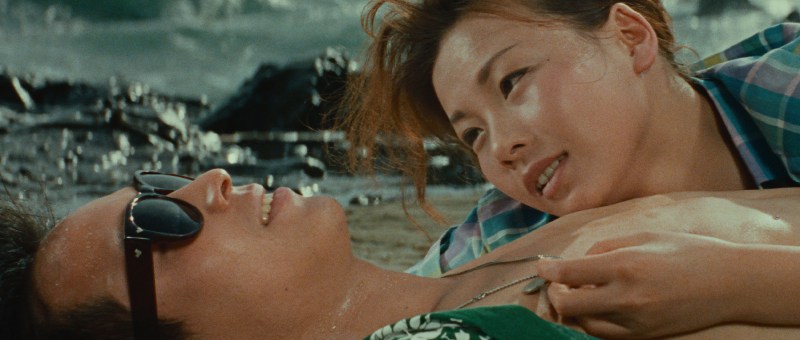
Very much ready to step back into the more innocent past, Tatsuo has brought with him a tape of a song they used to listen to way back when and wastes no time in reassuming the poses of his 20-year-old self, sunshades and all. Marina, by contrast is self-consciously cute but mature, if perhaps sad. Tatsuo starts to tell her that he gave up his filmmaking dreams, married a good woman, and took a regular salaryman job at the family firm, but fails to complete the thought. Marina meanwhile casually remarks that she married a wealthy man but hints that she did so largely for convenience and material comfort rather than love. 

“We never get to marry the woman we love the most” Tatsuo’s strangely boys will be boys brother-in-law (Mutsuo Yoshioka) sighs, commiserating with Tatsuo’s lament for his disappointed youth and failure to make his filmmaking dreams a reality. We discover that an early success in a scriptwriting competition gave him an inflated sense of possibility, and that his desire for success was largely a desire to impress his girlfriend. Wounded male pride in his sense of artistic failure eventually convinced him he had to break things off while she silently cursed him, jokingly sentencing him to 18 years of solitude in a playful reference to a Tai Kato film. Now he realises his foolishness and is filled with regret in having settled for a conventional middle-class life as a husband and father.

Marina, meanwhile, is feeling something much the same in trying to achieve closure on the past before she becomes a mother. After breaking up with Tatsuo, she drifted through nude modelling and ended up the trophy wife of a wealthy man she doesn’t love, pegging her hopes on material comfort and hoping that love will come later. “I’m glad you’re happy now” a bar owner and former Instagram fan tries to congratulate her, but all Marina can do is smile sadly and ask her similarly troubled companion if happy is what she looks.    

“I’m not young anymore, I can’t live for a dream” Tatsuo accepts, but living on a dream is all they’re doing, recalling the time when they were “modern lovers” in Tokyo kidding themselves that they were urban sophisticates when perhaps all they did were the kinds of things unsophisticated suburbanites do like hang out at batting cages and go to barbecue restaurants. It’s too late to turn back now, but the past is a difficult trap to escape and perhaps what they long for is not so much the love cut off in its prime but a return to the possibilities of youth. Meeting again reawakens the desire for something more out of life than life may now have to give them, but this is day that youth ends, hitting the end of the road in a slow car crash of realisation that regret is the price of age.


The Modern Lovers was screened as part of this year’s Osaka Asian Film Festival.

Original trailer (no subtitles)
Retro hit Love You, Tokyo by Akira Kurosawa (not that one!) & Los Primos which recurs frequently throughout the film