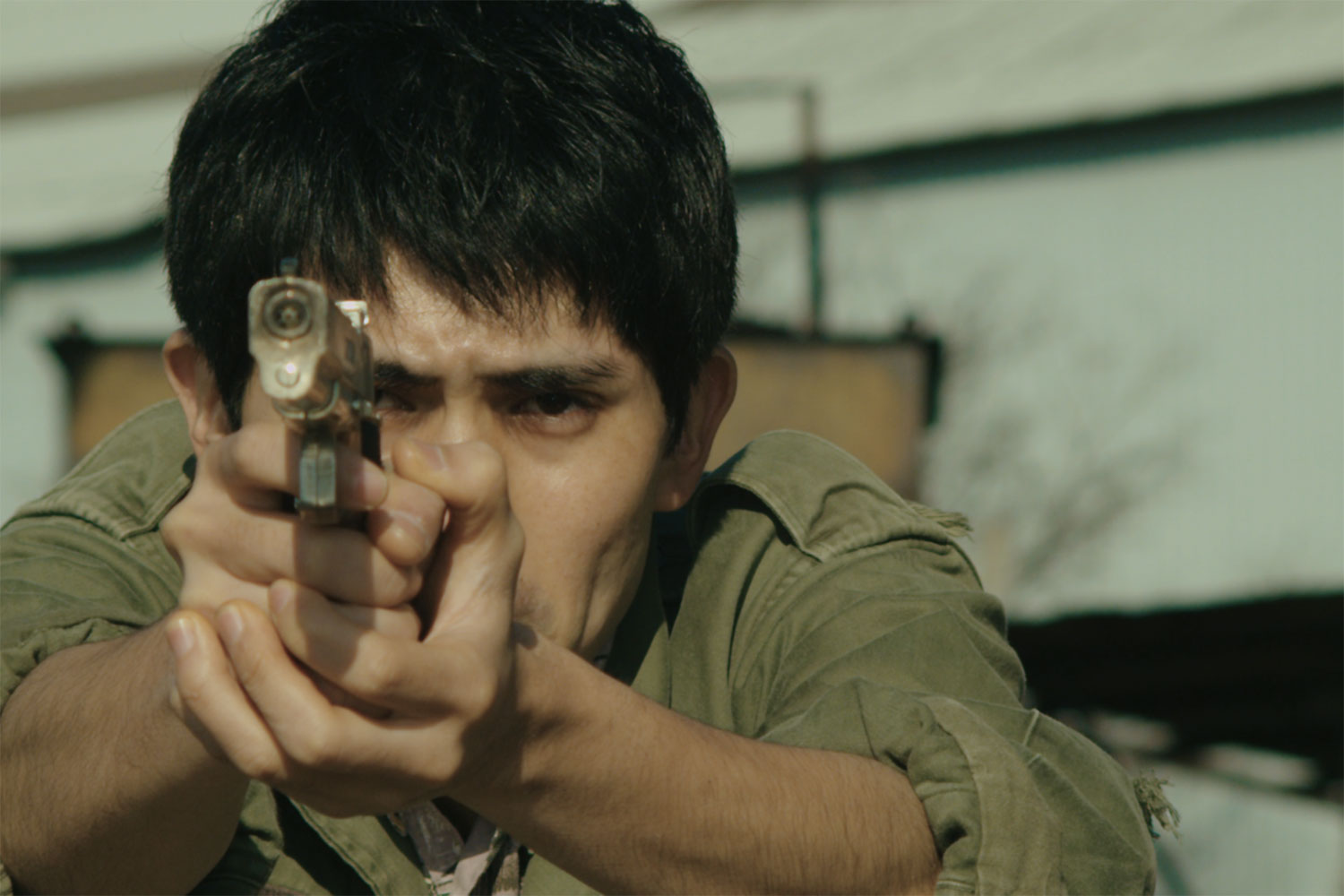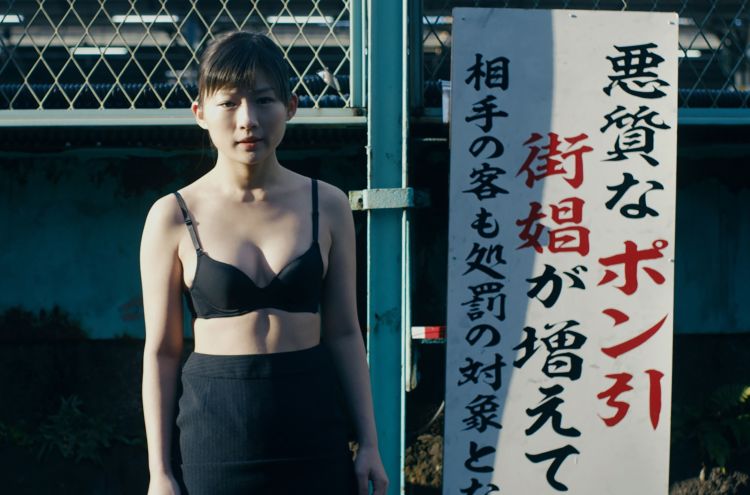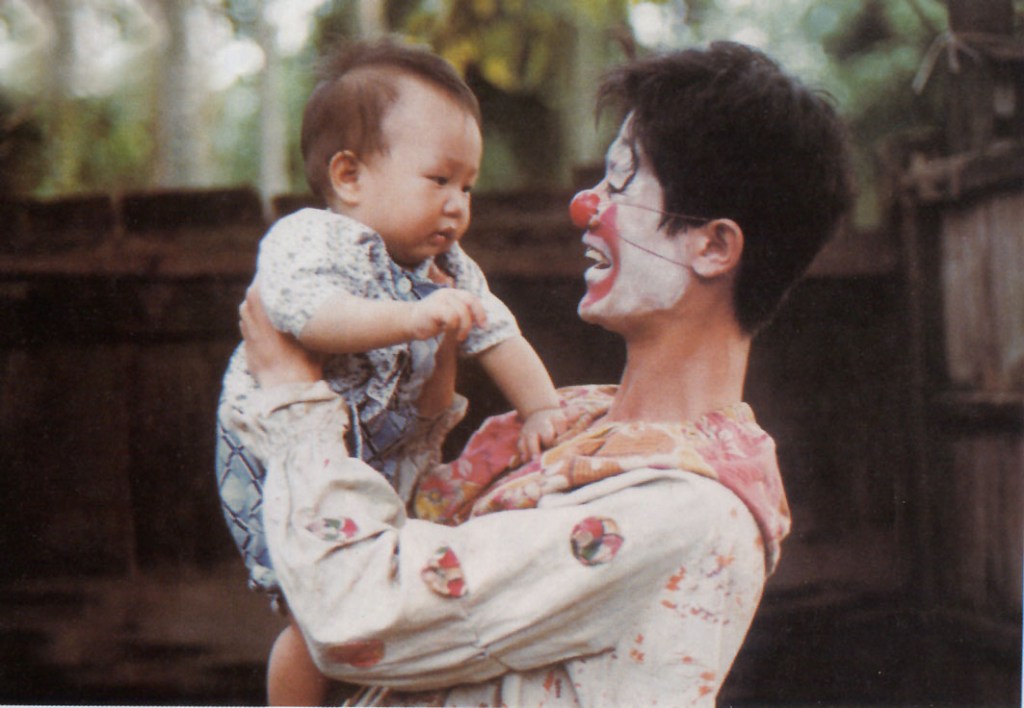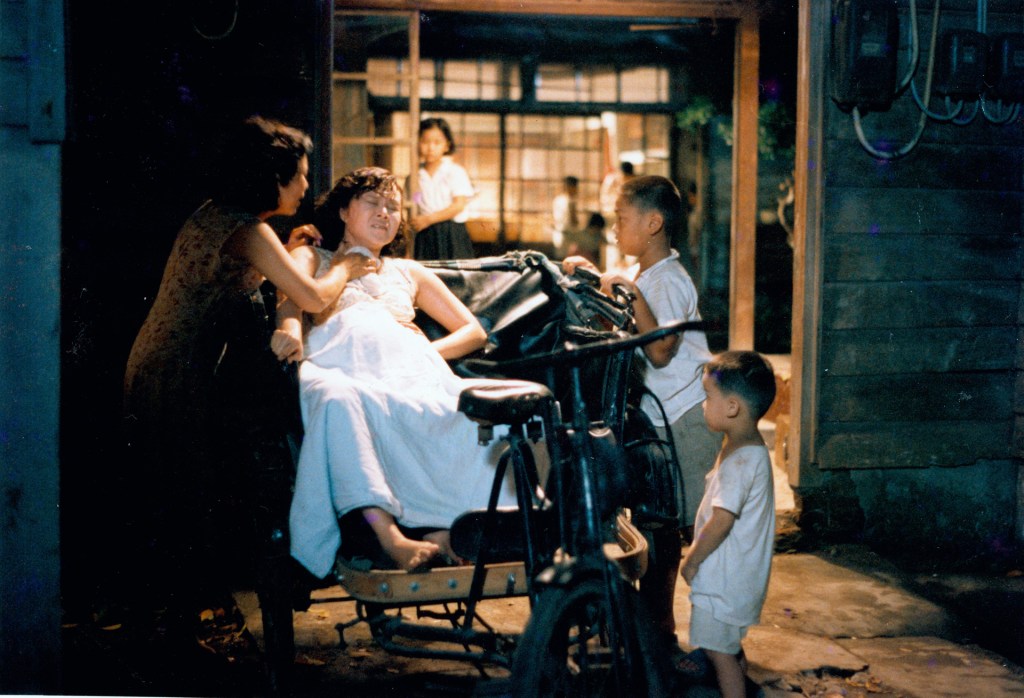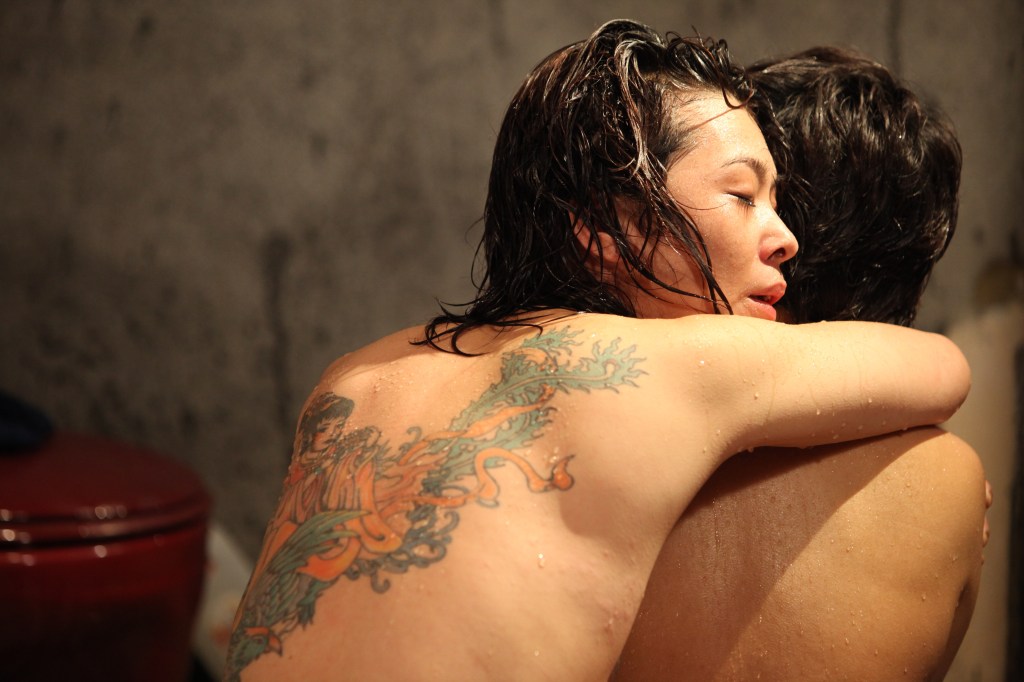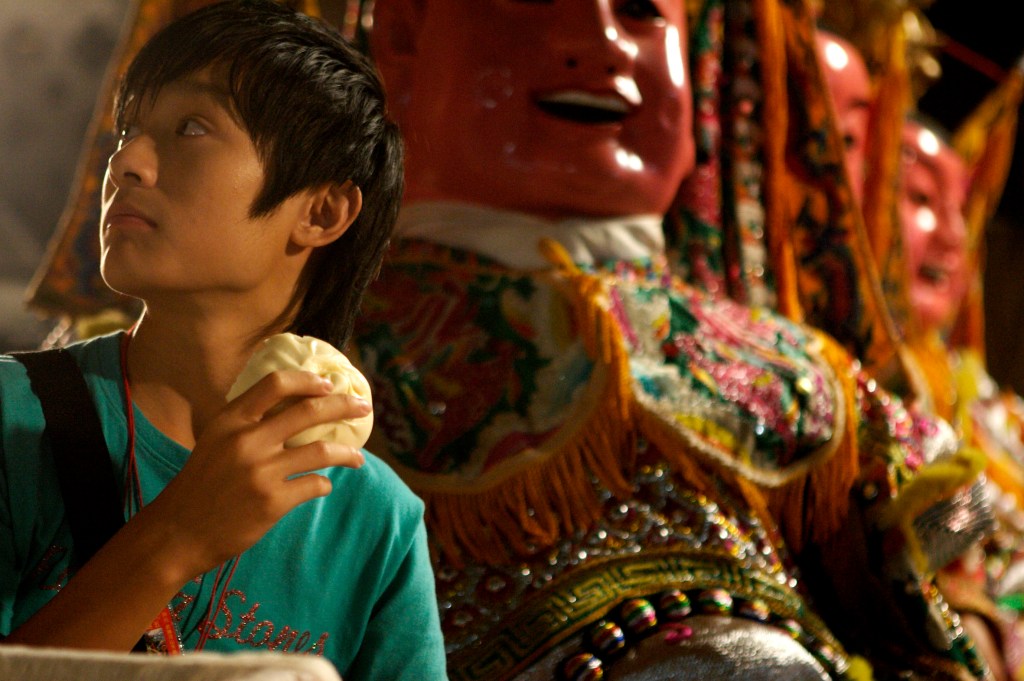

Beasts Clawing at Straws (지푸라기라도 잡고 싶은 짐승들, Kim Yong-hoon, 2020)

If you found a big bag full of money and then waited a while but no one came to claim it, what would you do? Many people would do as Jung-man (Bae Seong-woo) did, but sometimes gifts from the gods are sent to tempt you and are decidedly more trouble than they’re worth. Beasts Clawing at Straws (지푸라기라도 잡고 싶은 짐승들, Jipuragirado Jabgo Sipeun Jibseungdeul) is an apt way to describe our small group of interconnected protagonists, each desperately trying to get their hands on the money not necessarily for itself but for the power and possibility it represents or simply to free themselves from a debt-laden existence. 

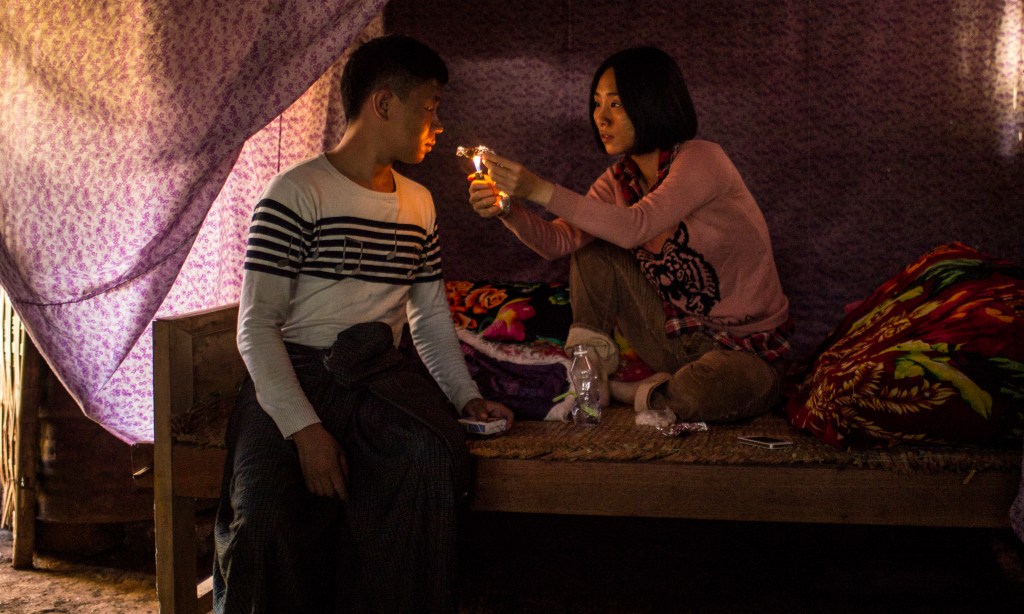
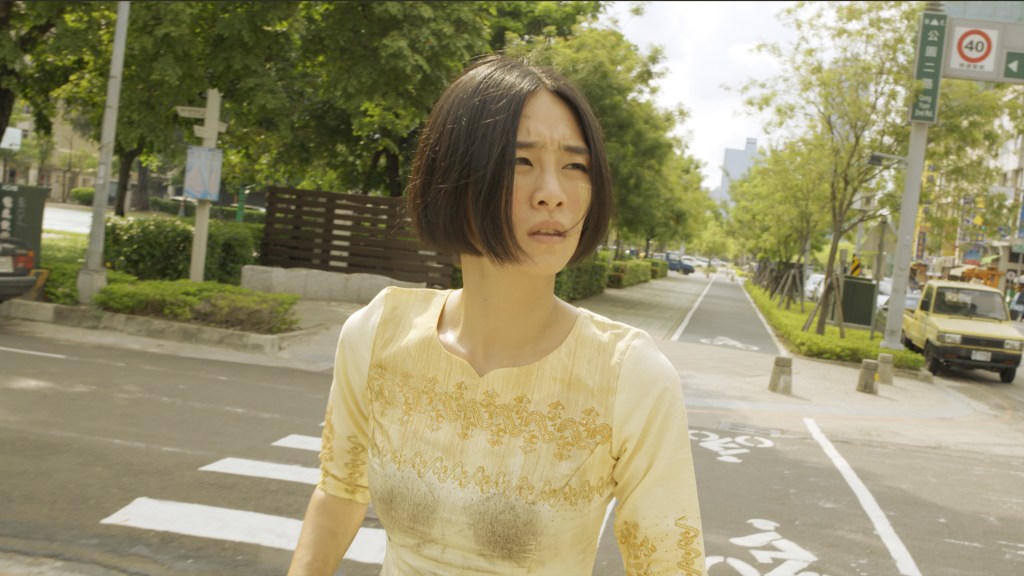
Jung-man finds the Louis Vuitton bag stuffed inside a locker at his part-time job in a bathhouse. It seems that he is feeling particularly powerless because he’s somehow lost the family business and either never told his extremely domineering mother (Youn Yuh-jung) or she’s simply forgotten, often going off on crazed rants about how her daughter-in-law is secretly plotting to kill them all. Meanwhile, across town, immigration officer Tae-young (Jung Woo-sung) is desperately trying to find his missing girlfriend, Yeon-hee (Jeon Do-yeon), who has, apparently, run off with all his money leaving him in a difficult position with vicious loan shark Park (Jung Man-sik), and melancholy hostess Mi-ran (Shin Hyun-bin) is miserably trapped in an abusive marriage and plotting escape with the help of Jin-tae (Jung Ga-ram), an undocumented migrant from China she met in the club. 

As expected the streams will eventually cross, it is all connected, though it’ll be a while before we start to figure out how in Kim Yong-hoon’s tightly controlled non-linear narrative, adapted from the novel by Japanese author Keisuke Sone. Other than the money the force which connects them is powerlessness. Some of them, maybe all, are “greedy” but it’s not necessarily riches that they want so much as a way out of their disappointing lives. Jung-man feels particularly oppressed because he’s made to feel as if he’s failed his father by losing the family business, something he’s constantly reminded of by his ultra paranoid, domineering mother who eventually pushes his wife down the stairs provoking a crisis point in the foundation of the family. If working part-time in a bathhouse in his 40s hadn’t left him feeling enough of a failure, he is further emasculated by being unable to pay his daughter’s university tuition after she fails to win a scholarship and informs them she’s planning to take a term or two off to earn the money by herself. 

Tae-young is in much the same position, humiliatingly trapped by having foolishly co-signed his girlfriend’s loan only for her to disappear off the face of the Earth, leaving him wondering if he’s just a complete idiot or something untoward has happened to her. He thinks he can regain control of the situation by slipping further into the net of criminality, helping an old uni friend who’s committed large-scale fraud escape to China in exchange for a cut of the loot (and secretly plotting to nab the lot with the help of his shady friend Carp (Park Ji-hwan) who works at the club). 

A crisis of masculinity is also behind Mi-ran’s life of misery as her husband takes out his resentment towards his reduced circumstances on his wife, beating her mercilessly while forcing her to work at a hostess bar to pay off their debts from unwise stock market investments. For her, the money is both revenge and a pathway to a better life. She wants to be free of her husband, and profit in the process. Unable to do it alone, she manipulates male power in the lovestruck Jin-tae all too eager to play white knight to a damaged woman. But Jin-tae is male failure too. When all’s said and done he’s still an innocent boy, not quite prepared for the ugliness of causing a man’s death even if he is a wife beating tyrant the world may be better off without. As an undocumented migrant, he’s pretty marginalised too. Taking advice on how to solve the Jin-tae problem, a more experienced player reminds Mi-ran that no one’s coming looking for an illegal alien and it’s not as if she actually likes him so he is infinitely expendable. 

In an odd way, getting the money is about not being an expendable person anymore. They want the money because they think it will give them back a degree of control over their lives, a kind freedom to move forward with a sense of possibility they do not currently have because of all their debts both financial and emotional. Yet they find themselves farcically scrabbling in chaos, beasts clawing at straws, as they try to outsmart each other and the universe to get their hands on the bag. The universe looks on and laughs, rejoicing in its darkly humorous punchline as the bag finds itself another owner, tempted by its dubious charms with only the promise of more chaos to ensue.


Beasts Clawing at Straws streams in the US via the Smart Cinema app Aug. 29 to Sept. 12 as part of this year’s New York Asian Film festival. Now available in the UK on digital download courtesy of Blue Finch Films!

International trailer (English subtitles)
Asian Pop-Up Cinema Returns for Season 11!

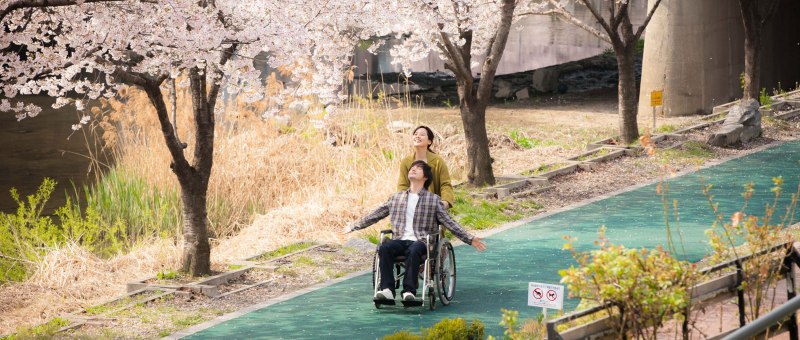
Chicago’s Asian Pop-Up Cinema returns for its 11th season which will take place in both physical and online editions from Sept. 10 to Oct. 10 with a special Halloween sidebar. Seven movies will play at the Davis Drive-in while the remainder of the programme will be available to stream in the US via Festival Scope with a series of rotating strands featuring documentaries from Taiwan, anime and indie drama from Japan, Mainland arthouse, and comedy from Hong Kong. The festival will also be hosting its annual mid-autumn festival “Movie with Mooncakes” event with a drive-in screening of Chinese mountaineering epic The Climbers.

7-films @ Davis Drive-in at Lincoln Yards (1684 N. Throop Street). (Maximum 40 vehicles ONLY. $15 per vehicle.)

Door opens at 7:30 PM with exact showtimes based on sunset.

September 10: Paper Flower (OPENING NIGHT) – South Korea

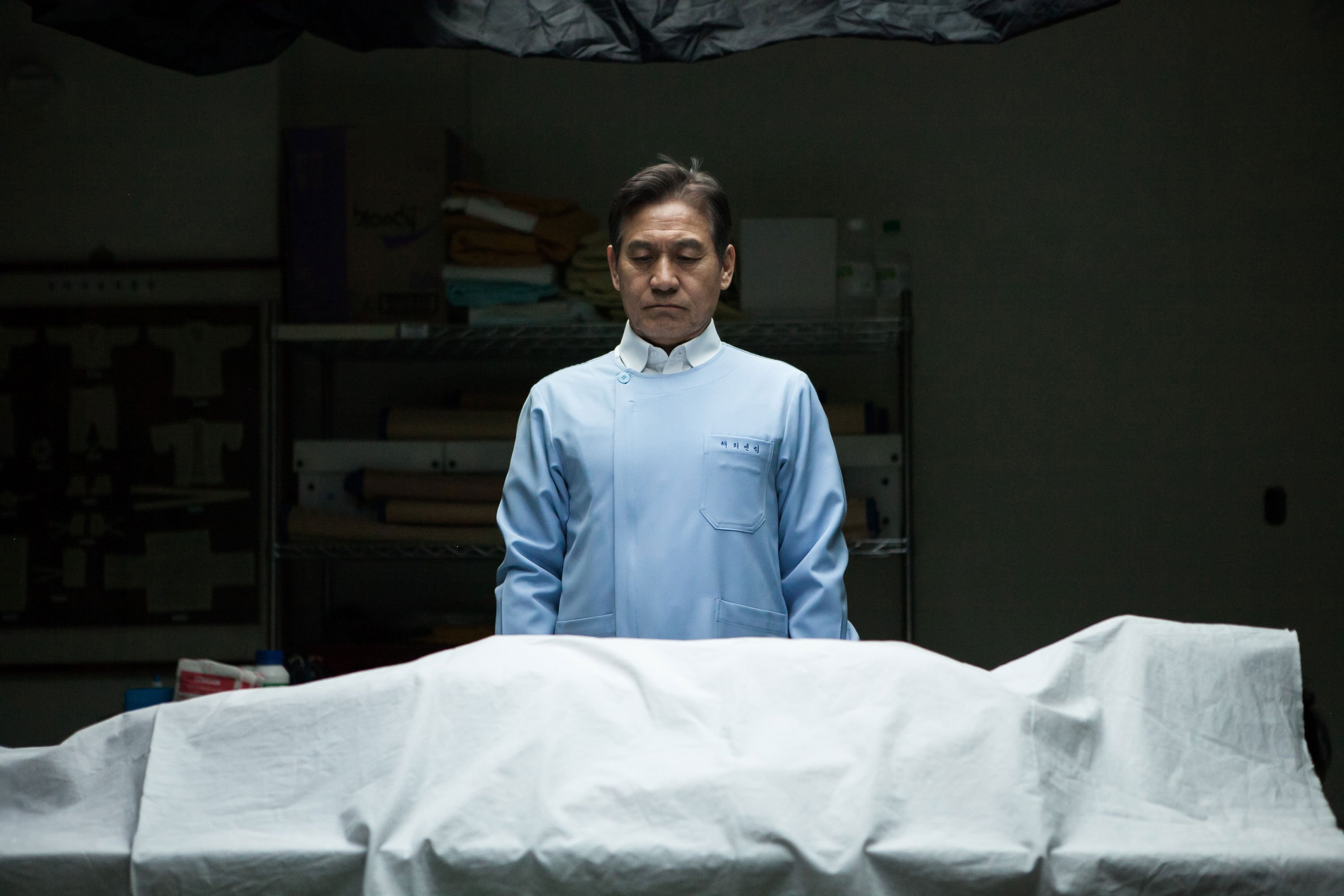
A funeral director (Ahn Sung-ki) struggling to care for his sickly son bonds with a cheerful single mother while going against the city to assist in a public funeral for a noodle stall owner who became a hero to the homeless.

October 1: The Climbers – China (Mid-Autumn Festival “Movie with Mooncakes” FREE ADMISSIONS. RSVP is required.)

Patriotic drama starring Wu Jing as an ace mountain climber embittered by the world’s refusal to recognise his ascent to the summit of Everest and vowing to reclaim his country’s honour by going again. Review.

October 3: Edward – the Philippines – (A fundraiser hosted by FYLPRO.ORG)

A teenage boy receives a painful lesson in life and death when he’s forced to take temporary residence in a public hospital in order to care for his difficult father in Thop Nazareno’s moving coming-of-age drama. Review.

October 9: My Prince Edward – Hong Kong

(C)My Prince Edward Film Production Limited

A conflicted young woman reaches a crisis point when her controlling boyfriend makes a surprise public proposal and she’s forced to deal with the sham marriage to a Mainlander she underwent some years previously which was apparently never legally annulled. Review.

October 10: Beyond the Dream (CLOSING NIGHT) – Hong Kong

Romantic psychodrama starring Lau Chun Him as a man with schizophrenia who falls for the beautiful Cecilia Choi but suffers a relapse as he struggles with the decision of whether to disclose his condition.

October 30: Train to Busan – South Korea

A jaded workaholic dad gets a lesson in the costs of selfish and amoral capitalism when the train they’re on is plagued by zombies in Yeon Sang-ho’s live action followup to his earlier animation Seoul Station. Review.

October 31: Peninsula – South Korea

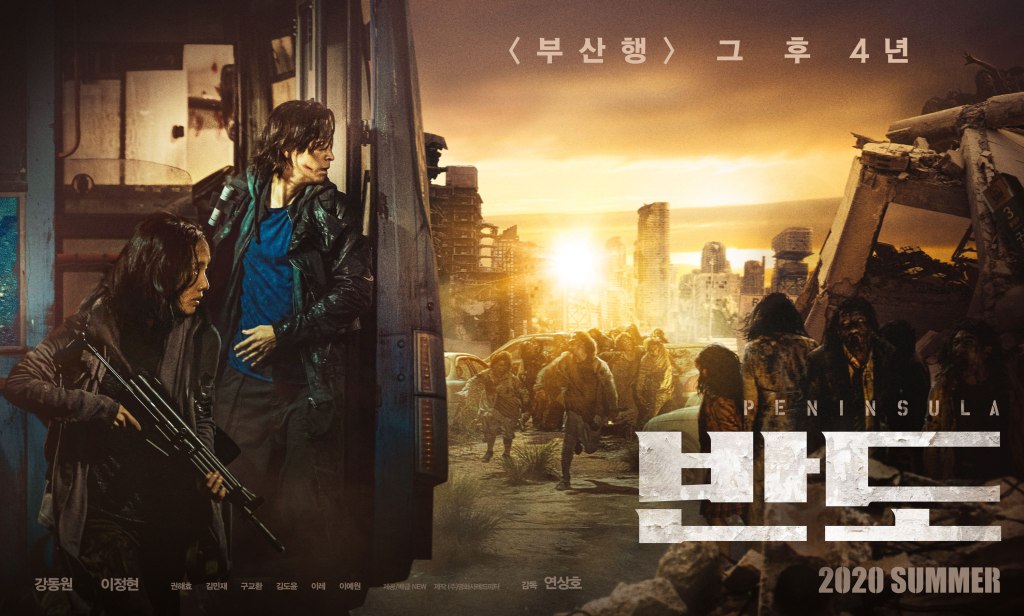
Lateral sequel to Train to Busan set four years later and following a former soldier who managed to escape overseas but is given a mission to return during which he encounters survivors.


The remaining programme will stream within the US via Festival Scope. Each film costs $5 to rent, is capped at 400 views, and can only be watched once with 30 hours available to finish watching after you press play.

September 10 – 14, South Korea Week: Diaspora: Arirang Road

Lee Kyu-chul’s documentary follows Korean-Japanese composer Yang Bang Ean as he explores the Korean diaspora through the prism of folksong Arirang.

September 15 – 19, Japan Week:

Happy-Go-Lucky Days

Three-part anime omnibus themed around love including that between two women who meet at a wedding, a teacher caught on the spot by a student’s confession, and childhood friends who find themselves drifting apart as they approach adolescence.

A Dobugawa Dream

Guild-ridden and traumatised by the death of a close friend, a young man finds himself on the run and taking refuge with a band of down-and-outs while he figures out how to deal with his rage and despair in Asato Watanabe’s indie drama. Review.

Life: Untitled

Kana Yamada adapts her own stage play dissecting the misogynistic society through the lives of a collection of sex workers trying to live as best they can in the contemporary capital. Review.

Life Finds A Way

Hirobumi Watanabe once again stars as a version of himself, a self-involved filmmaker not trying terribly hard to escape his creative block while procrastinating around his beloved Tochigi in this decidedly meta comedy. Review.

September 22 – 26, Taiwan Week: Spotlight in Documentaries

Formosan B.B. Is Coming

Director and mountaineer Mai Chueh-ming takes his team deep into the Taiwanese mountains to find a researcher engaged in the study of Taiwanese black bears.

Water with Life

World’s first 8K nature documentary exploring the seas around Taiwan and Japan.

Whale Island

Documentary exploring Taiwan’s relationship with the seas which surround it.

Walking Dharma

Documentary following a group of volunteers looking after vulnerable people in Taitung.

Tsunma, Tsunma: My Summer with the Female Monastics of the Himalaya

Taiwanese photographer Lin Li-fang documents the lives of Buddhist nuns living in the Himalayas.

September 29 – October 3, China Week:

Best Director

A film director who has recently won a prize abroad and a fashion photographer decide to register their marriage and quietly go on honeymoon only for their families to insist on a traditional wedding ceremony which quickly descends into a farce of cultural and generational misunderstandings.

All About ING

A family’s life changes when the father is diagnosed with terminal cancer causing his wife to become withdrawn and his son to reconsider his plans to study abroad.

A Touch of Spring

Following the breakup of her marriage, a young woman decides to return to her hometown in China after living in Montreal for 10 years. Reconnecting with her family and an old flame helps to show her new direction in her life.

October 6 – 10, Hong Kong Week:

Men On the Dragon (Free Streaming, RSVP is required. F-C-F-S)

A collection of dejected middle-aged men can no longer avoid facing their respective crises when forced to participate in the company dragon boat team in Sunny Chan’s heartfelt comedy drama. Review.

Women Who Flirt (5th anniversary special encore)

2014 Pang Ho-Cheung comedy starring Zhou Xun, Huang Xiao-ming and Sonia Sui in which a woman’s longterm BFF surprises her by falling for a woman he met on a business trip.

Asian Pop-Up Cinema Season 11 runs Sept. 10 to Oct. 10 with a special Halloween sidebar at the drive-in Oct. 30/31. Full details for all the films as well as ticketing links can be found on the official website and you can also keep up with all the latest news by following Asian Pop-up Cinema on Facebook, Twitter, Instagram, and Vimeo.

Family Bond (太陽の家, Hajime Gonno, 2020)

“All I ever wanted was to make everyone happy” claims the father at the centre of Hajime Gonno’s Family Bond (太陽の家, Taiyo no Ie). Once again placing the modern family under the microscope, Gonno’s take is perhaps more traditional than most taking a largely uncritical stance against its extremely patriarchal patriarch whose heart might be in the right place even if his extremely outdated vision of idealised masculinity continues to undermine the idea of family that he is endeavouring to build. 

A manly man, Shingo (Tsuyoshi Nagabuchi) proudly introduces himself as a “Master Builder”, tearing up some revised blueprints from his excited newlywed clients who admittedly unreasonably have proposed major changes to the design at the groundbreaking ceremony on their new home. Such fits of artistic temperament are apparently not uncommon, Shingo’s understanding wife Misaki (Naoko Iijima) profusely apologising and later talking him down while reminding him that he might be a master craftsman but he also runs a business and his family need to eat. Shingo prides himself on being a paterfamilias, subscribing to a traditional ideal of masculinity in which a man must be strong to protect his family, and most particularly his women, but that protection extends in the main to the physical. As Misaki later complains, he largely does what he likes because family means no consequences, rarely bothering to consider the feelings of others in his impulsive drive to live in a thoroughly manly way. 

That’s perhaps one reason why he walks off the site of the traditional woodframe house he’s being paid to build to have coffee with a pretty young woman, Mei (Ryoko Hirosue), who as it turns out has an ulterior motive in that she wants to sell him an insurance policy. Despite all his life claiming that insurance is for cowards, Shingo signs as gesture of patriarchal solidarity helping out a struggling single mother while perhaps harbouring sightly less altruistic intensions. Nevertheless, it’s her son Ryusei that he’s eventually taken by, struck by the loneliness in his eyes as a boy without a father and taking it upon himself to fulfil that role. For her part, Mei is disturbingly unconcerned by this strange, over friendly, middle-aged man with a strong interest in her young son, encouraging Ryusei to hang out with him expressly because Shingo signed a policy with her as if she were in a sense loaning him out in exchange. In any case, it’s difficult to believe a modern woman would be entirely happy about Shingo’s well-meaning fathering, transmitting this extremely problematic, toxic masculinity to a new generation in instructing Ryusei that he needs to get strong because it’s a man’s responsibility to “protect womenfolk” and Ryusei’s to protect his mother as the man of the house. 

These outdated chauvinistic ideas also undermine his relationships with his wife and children, teenage daughter Kanna (Mayu Yamaguchi) resentful at his bond with a random little boy whom he seems to be grooming as a replacement son and potential heir having already alienated his adopted son and apprentice Takashi (Eita Nagayama). Kanna, studying to become an architect, resents her father for his sexism, largely ignoring her because she is a girl and therefore in his eyes unable to assume the family business. Takashi meanwhile resents him because he sent him off to apprentice as a plasterer rather than training him in carpentry as if suggesting he didn’t have what it takes to become a master builder himself. Both of them are hurt by his desire to simply get a new son in its implication that they were never good enough, a feeling compounded by the fact that they are both adopted. Shingo later signals something similar himself when Ryusei’s estranged birth father resurfaces, immediately backing off believing that he couldn’t win against blood as if that really is everything. 

“It’s all a big lie” Kanna and Takashi yell on different occasions trying to get through to their irritatingly distant father whose manly code means he doesn’t engage with emotion or feel the need to respond to their distress, eventually striking Kanna for her disrespect and kicking her out of the house. Of course, he doesn’t really mean it but it’s just another example of the ways his problematic manliness continues to destroy his relationships, Takashi also apparently harbouring resentment towards him for his unreconstructed chauvinism in his many affairs believing his desire to help Mei is just him getting up to his old tricks again. What Shingo discovers however is that he’ll have to literally repair his family through building it anew by helping Mei and Ryusei do the same as her estranged husband reassumes his male responsibility to protect his family. In essence, he’s forced to accept the family he has rather than chasing a better one, drawing a clear divide in building a house for Ryusei and his parents which is separate from his own while entreating his children to return to him through getting them to help build it. Shingo might not have changed, still defiantly patriarchal, but he has perhaps begun to accept that family is a mutual construct that requires strong support. In the end you have to build it together or the structure won’t hold.


Family Bond streams in the US via the Smart Cinema app Aug. 28 to Sept. 12 as part of this year’s New York Asian Film festival.

Original trailer (no subtitles)

I WeirDO (怪胎, Liao Ming-Yi, 2020) [Fantasia 2020]

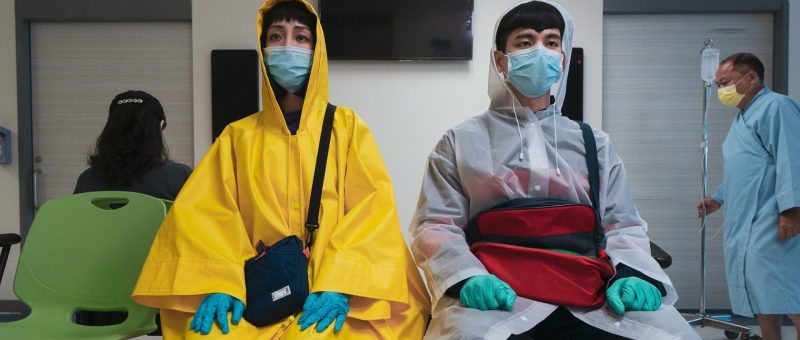
Being in love can be a little like a sickness, but what happens when the spell wears off? A meditation on fatal attraction syndrome and the duplicitous delusions of “normality’, Liao Ming-Yi’s charming romance I WeirDo (怪胎, Guàitāi) arrives at the most opportune moment in which we’re all “weirdos” now, stuck at home obsessively washing our hands and dutifully remaining “alert” as we disinfect everything we see. Liao’s PPE-clad heroes find love in shared anxiety, but happiness is the enemy of fear and the things that brought you together may in the end drive you apart.

Chen Po-ching (Austin Lin Bo-hong) is somehow able to afford a spacious two-level home working as a full-time literary translator despite the fact it takes him ages because he’s unable to type. A sufferer of severe OCD, he lives by strict routine and is deathly afraid of germs. For most of his life he simply remains at home, but on the 15th of every month he dons full body PPE and braves the outside to pay his bills, do his shopping, and visit a doctor he hopes can help him beat the condition but only gives him mysterious medication which doesn’t seem to make much difference. His life changes one particular 15th when he spots a woman dressed much like himself who is also headed to the supermarket where she shoplifts a bar of chocolate and buys up the remaining stocks of his favourite disinfectant. Chen Ching (Nikki Hsieh Hsin-Ying), as she later gives her name, approaches him to make sure he’s not going to dob her in about the chocolate which she doesn’t even like, it’s just a compulsion. She suffers from OCD too along with a skin allergy that means she’s not supposed to spend a lot of time outdoors. 

Love eventually blossoms. Ching opens up Po-ching’s world, conspiratorially involving him in her shoplifting and inviting him to visit her at work as a life model for a drawing class where she’s asked to pose like a fallen angel with broken wings. They go on weird “dates” taking germ challenges like eating at tiny eateries with questionable hygiene standards and picking up rubbish before Po-ching realises that going “out” so much is placing a strain on Ching’s health so he proposes she move in with him. Luckily she’s an ace typist so she can help with his work as well as the intensive cleaning regime he already has in place. What they’ve made is a blissful world of two, isolated from the confusing pollution of regular society. But paradise can also be a cage, and it’s natural enough to long for freedom. Before long a problematic pigeon and a loitering lizard have them each pondering life in the outside.  

Opening in a boxy, claustrophobic square, Liao eventually swaps narrators and switches to a comparatively open widescreen as horizons quite literally expand, a development which introduces, ironically, a new but distinctly unhelpful anxiety into a relationship both apparently hoped would be unchanging. The couple’s OCD struggles become a stand-in for the giddy obsession of new love as they cocoon themselves happily within their romantic bubble only for the magic to inevitably begin wearing off. Despite all they have in common, the pair have an ideological mismatch. She actively craves their difference, believing OCD is a gift that allows them to lead unique lives, but he secretly yearns for “normality”, to be cured and become a “normal” person living a “normal” life. She’s for staying in, he’s for going out. “Why do we have to be the weirdos?” Ching asks Po-ching seconds after revealing suicidal tendencies. He tells her he’s never given it too much thought. His OCD simply is, it can’t be changed, so he just accepted it. But change, which is of course what they most fear, eventually comes, paradoxically because when you’re “happy” and you feel accepted perhaps you don’t need so much obsessive control over your life. 

Liao undercuts the darker side of a life ruled by intense anxiety through whimsical production design adding a touch of fairytale glamour to the sad romance of the two similarly named protagonists falling in love in an uncertain world. Shot entirely on iPhone, the cinematography is unexpectedly rich and innovative, handsome even in its immediacy and like the protagonists embracing its limitations with wit and charm. Perfectly tailored for the post-corona world, I WeirDo wants to ask us if love can survive our fear of change or if our intense need for control over our lives robs us of the ability to live, if being “normal” is worth the price of love, and if there’s really anything wrong with being a “weirdo” especially if you find someone to be a weirdo with. Po-ching and Ching are still figuring it out, but aren’t we all even in these admittedly strange times? 


I WeirDO streamed as part of this year’s online edition of Fantasia International Film Festival.

Original trailer (English subtitles)

Baby : The Secret Diary of A Mom To Be (Baby復仇記, Luk Yee-sum, 2019) [Fantasia 2020]

“You’re finally a mom just like us!” a supportive friend exclaims in Luk Yee-sum’s pregnancy comedy Baby: The Secret Diary of a Mom to Be (Baby復仇記), “women are destined to be moms, that makes your life perfect”. A humorous take on maternal anxiety, Luk’s otherwise warm and empathetic screenplay cannot help but feel slightly out of touch in its wilfully mixed messages, as evidenced in the total lack of irony in the above statements. While the heroine is encouraged to have it all, her existence is still defined by the ability to bear children, all her other achievements apparently meaningless should she “fail” to become a mother while the choice not to is so invalid as not even to be considered. 

In her early 30s, Carmen (Dada Chan Ching) is a high-flying career woman who has elected not to have children with her basketball player husband, Oscar (Kevin Chu Kam-yin). She’s just been (verbally) offered a big promotion managing a new office in Vietnam, while her circle of friends are all housewives and mothers. Carmen had in any case believed that she would not be able to have a child due to suffering with polycystic ovary syndrome, but the discovery that she may be expecting could not have come at a worse time especially as her overbearing mother-in-law Margaret (Candice Yu On-on) has hired a weird maternity coach (Tam Yuk-ying) to help Carmen fulfil her purpose in life by providing a grandchild. She considers taking an abortion pill without telling Oscar about the baby but when he finds out by accident they decide to go through with the pregnancy. 

Of course, that means Vietnam is off. According to her boss they wanted someone “right away” and so sent a colleague instead. “Maybe you’ll think differently after your baby is born” the boss adds, not quite suggesting her career’s over but definitely implying her prospects have been significantly reduced. Meanwhile, the other women in the office no longer seem to take her seriously. Everyone is telling her to take things easy, leave the heavy work to the young ones, as if she’s just biding her time to motherhood and an early retirement from the employment scene. 

Carmen’s anxieties are in many way in regards to the ways her life will change along with the impending loss of freedom and independence. She resents the baby for messing up her career plans, while fearing that she’s being asked to abandon her own hopes and desires in order to become someone’s mum rather than just someone. It doesn’t help that Margaret has already more or less taken over, wielding both her economic advantage and her position as grandma-in-waiting to exert control over Carmen’s living situation. She moves maternity coach Tam into the couple’s home, the pair of them boxing up her evening attire and designer shoes as things a mother no longer needs without bothering to ask her, literally ripping away the vestiges of her old life while refusing her any kind of autonomy. 

Yet her reluctance is reframed as childhood trauma in dysfunctional relationships with her own mother who was apparently largely absent playing mahjong, and a nun at her school who was perhaps a surrogate maternal figure she was unfairly ripped away from when her mother ran out of money for the fees and she had to leave. Carmen’s lack of desire for motherhood is then framed as a kind of illness that must be cured so her life will “perfect”, the implication being that the free choice not to have children is not valid, only a corruption of the feminine ideal born of failed maternity. By paying a visit to Sister Cheung and then to her mother (who remains off screen) she can “repair” her problematic attitude, eventually submitting herself entirely to Margaret’s maternal authority in recognising that her overbearing caring also comes from a place of love and kindness even as it reinforces conservative social codes. 

In a surprising role reversal, meanwhile, Oscar adopts the position of the trophy husband whose career ambitions are perhaps unfairly dismissed by Carmen who has the better prospects for offering financial security. With impending fatherhood on the horizon he tries to assert his masculinity in looking for a steady job but soon realises he has no real skills for the workplace and is later inducted into a strange dad’s club which provides odd jobs and a place for harried fathers to hang out playing video games in escape from their stressful family man lives. A kind and patient man Oscar is perhaps understandably irritated when Carmen ironically snaps at him that he should give up his career ambitions to facilitate hers but later signals his willingness to become a househusband which reinforces the broadly positive have it all message while problematically continuing the narrative that a woman’s fulfilment is found only in motherhood and without it her life is incomplete. 

Nevertheless, Baby: Secret Diary of a Mom to Be has its charms in its empathetic examination of maternal anxiety while highlighting if not quite condemning the costs of living in a patriarchal society. Carmen’s “happily married” friends each have problems of their own they’re afraid to share lest it damage the image of familial bliss they’ve been keen to cultivate. Their secret unhappiness is strangely never a factor in Carmen’s decision making, nor is the quest for that ideal ever critiqued despite Carmen’s eventual success in finally having it all. Still despite its mixed messaging and subtly conservative overtones, Luk’s sophisticated dialogue and quirky sensibility lend a sense of fun and irony to a sometimes dark exploration of impending parenthood.


Baby : The Secret Diary of A Mom To Be streams in Canada from 20th August to 2nd September as part of this year’s online edition of Fantasia International Film Festival.

Original trailer (English / Traditional Chinese subtitles)

Monster SeaFood Wars (三大怪獣グルメ, Minoru Kawasaki, 2020) [Fantasia 2020]

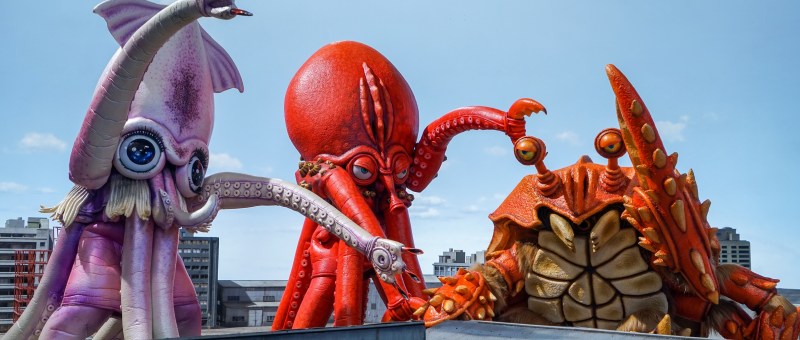
Ever wondered what happens to a fallen kaiju? After Godzilla and friends have ransacked the city, there’s certainly a lot of cleaning up to do but disposing of kaiju corpses isn’t something your average monster movie gives a lot of thought to. According to Monster SeaFood Wars (三大怪獣グルメ, San Daikaiju Gourmet), there’s surprisingly good eating to be had in monster meat and when it comes to taking down a giant squid, perhaps it’s better to ask a chef rather than a scientist or the boffins from the Ministry of Defence. 

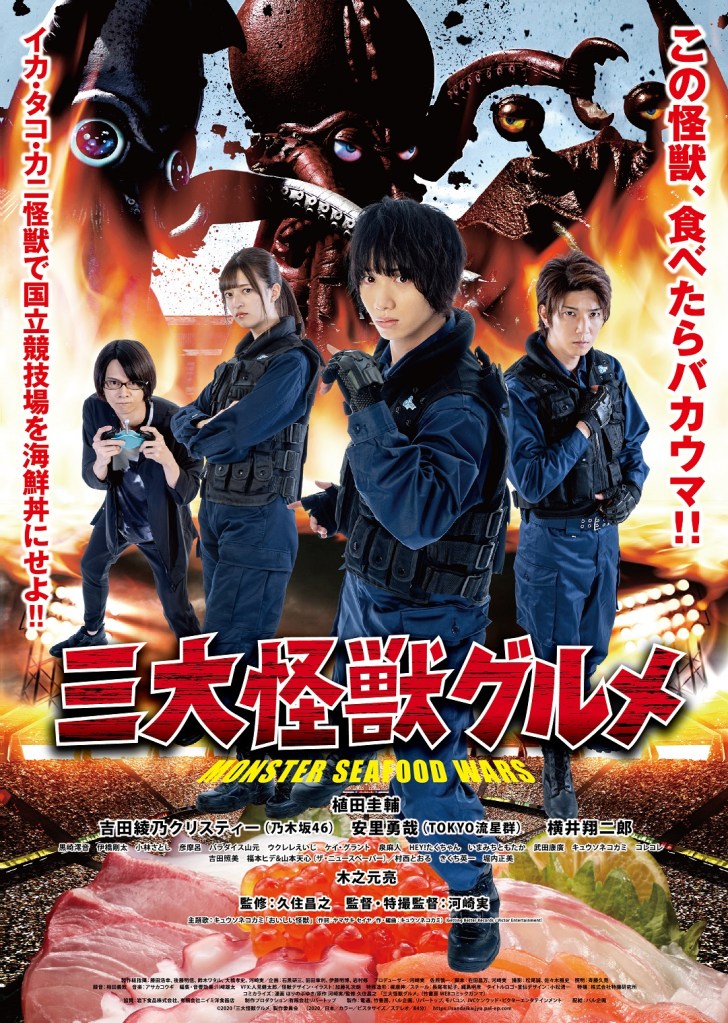
Switching between documentary sequences featuring talking heads looking back on the bizarre events and the events themselves, Monster SeaFood Wars follows scientist/sushi shop heir Yuta (Keisuke Ueda) who accidentally unleashes three giant kaiju on the city of Tokyo after he’s knocked off his bike while delivering some prize seafood to the local temple as an offering. In addition to being the heir to a sushi shop, Yuta is also a scientist apparently obsessed with giant monsters which he describes as “cute” and had been working on a serum, Setap Z, to turn ordinary foodstuffs giant in order to end world hunger. Before you know it, angry octopus Takolla and his frenemy Ikalla are on the rampage through the city. 

Of course, Yuta is the prime suspect which is perhaps why he somewhat arrogantly describes himself as the “biggest victim” while reluctantly agreeing to help out SMAT, Seafood Monster Attack Team, as they try to figure out how to mitigate the effect of Setap Z and stop the kaiju assault but is further irritated by being denied a spot on the team as a full member. Meanwhile, he’s also facing off against rival scientist Hikoma (Yuya Asato) who impresses with an obvious idea, vinegar, while charming Yuta’s childhood friend and unrequited crush Nana (Ayano Christie Yoshida) who now works for the Ministry of Defence and has only contempt for the weirdo monster geek. 

Yuta’s plan had been to let Takolla and Ikalla duke it out, assuming Takolla would win and then they’d somehow lure him into a giant octopus trap. Hikoma meanwhile suggests giant rice vinegar cannons, regular missiles already having proved ineffective against the sea creatures’ springy flesh. Hikoma’s plan would have worked, had it not been for the sudden and unexpected return of Kanilla whose hard shell protects him against the corrosive effects of the vinegar. During the fight, however, some of Takolla’s tentacles are chopped off, chunks of meaty white flesh falling to the ground as SMAT commander Hibiki (Ryo Kinomoto) unconsciously licks his lips. 

While very much a classic kaiju movie, Monster SeaFood Wars has its tongue firmly in its cheek, scaling back on the monster-fighting action for some gentle satire as the gang find they just can’t resist the urge find out what kaiju tastes like. The answer is surprisingly good, with the effect that kaiju meat becomes the latest culinary trend. “Forget bubble tea” one commentator says, monstrous squid is where it’s at. The TV news also comes in for a kicking with its placard unveiling confirming the kaiju’s name as well as a state of the nation address from an Abe-esque PM using the crisis to further his quest to “take back Japan” while speaking in a distinctly squeaky voice.

Meanwhile, drunk salarymen complain about their exploitative working conditions, joking that they’d need to be eight-armed octopuses to get through the amount of work expected of them only for Takolla to appear out of nowhere and slap them down seconds after they’ve made a few inappropriate remarks to some passing young ladies. Aside from the kaiju, the big bad does seem to be pervasive sexism with Ministry of Defence employee Nana often relegated to little more than eye candy and eventually the subject of an offensive bet between the icy Yuta and slick Hikoma whose equally sexist cheesy lines actually seem to impress her. 

Yuta, however, gets the chance to redeem himself by revealing that the really did make the formula to help starving people in Africa rather than just because he actively wanted to usher in the great kaiju apocalypse, owning his legacy as the son of a sushi shop while his best friend Niima (Shojiro Yokoi) has a few surprises of his own up his sleeve which prove that the best person to have at a giant octopus is a skilled chef. Of course Setap Z turns out to cause a few additional problems, accidentally spreading itself around after hitting the mosquito population, while it seems the villain is not quite done with their desire to misuse the serum, hinting at a possible sequel. A humorous but never mocking take on the classic tokusatsu, Monster SeaFood Wars pits culinary science against the giant monster threat and discovers that all you need to save the world is a good cook.


Monster SeaFood Wars streams in Canada from 20th August to 2nd September as part of this year’s online edition of Fantasia International Film Festival.

Original trailer (no subtitles)

Crazy Samurai Musashi (狂武蔵, Yuji Shimomura, 2020) [Fantasia 2020]

Action star Tak Sakaguchi rose to fame in Ryuhei Kitamura’s low budget zombie movie Versus, thereafter starring in a series of similarly pitched splatter and exploitation films as well as appearing in long running tokusatsu series Kamen Rider and making his own directorial debut with manga adaptation Be a Man! Samurai School in 2008. Much to fans’ disappointment, Sakaguchi announced his retirement as a performer in 2013, but has since made several high profile returns to the big screen including Yuji Shimomura’s Re:Born in which he played a former JSDF elite soldier living quietly in the countryside until an old enemy tracked him down. 

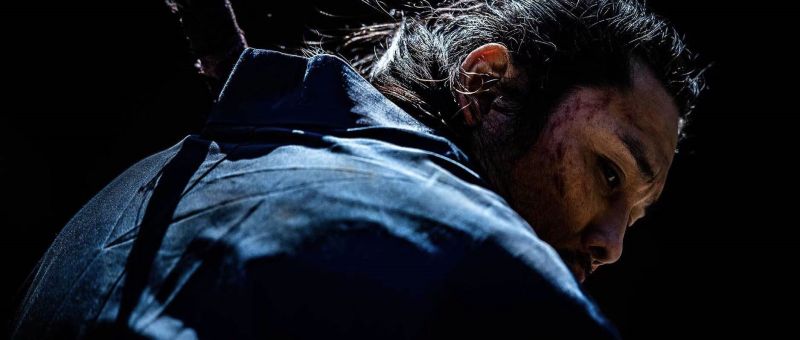
Again emerging from semi-retirement, Crazy Samurai Musashi (狂武蔵, Kurui Musashi) sees Sakaguchi reunite with Shimomura to play the most famous of legendary samurai Miyamoto Musashi in an all out action fest including a 77-minute one cut assault during which he singlehandedly kills 588 men. Unsurprisingly light on dialogue, the film credits Sion Sono with original concept and Atsuki Tomori with screenplay who do at least add a little context which frames this, to an extent, as a tale of merciless samurai hypocrisy and the fallacy of “honour” as a code for living. 

As the film opens, a small boy stares in wonder at a white butterfly before being reminded that he has, as the head of this clan, apparently challenged the great Miyamoto Musashi to a duel in revenge for his murder of two of their previous leaders. Affable retainer Chusuke (Kenta Yamazaki) tells the boy not to worry, he’s not going to let anything happen to him, but stops short of explaining that he’s really just a kind of bait. Nevertheless, Chusuke has his reservations about their plan. After all, it’s not very befitting of a samurai’s honour to challenge someone to a private duel but invite 400 retainers to the surprise party. 400 against one seems faintly ridiculous. It might even be embarrassing if anyone else finds out, but then as the priest (Yosuke Saito) says you can just kill them too. In any case, while Chusuke is talking to the priest and the mercenaries are busy arguing with the retainers, Miyamoto Musashi sneaks through the perimeter and fells the small boy who is technically the “leader” of the clan with one flying sword blow, kickstarting a scene of utter carnage as he attempts to fight his way out of the compound.   

“How many more?” Musashi asks in exasperation during a momentary pause, later doing a few calculations. He thought there’d be about 70, but it feels like he’s killed a few more than that. True to form, the samurai warriors largely follow the protocols of honour. They fight one-on-on, and only at the end does anyone attempt to attack Musashi from behind. He makes swift work of them, taking each man out with maximum economy, occasionally challenged by complete randomers who apparently aren’t even part of the clan, they just really don’t like him. Though necessarily repetitive, Shimomura’s innovative, non-stop fight choreography follows a realtime, broadly naturalistic logic in which duels are generally brutish and short. Musashi begins to tire as he continues to fight for his life, taking brief breaks for water, food, and existential questioning, before heading back into the fray. 

“Duty? Honour? Who gives a crap? I just wanna win” he later says in what is simultaneously a rejection and an embodiment of the samurai code. “I’ll die one day anyway” Musashi chuckles to himself before rejoining the fight, wilfully embracing the nihilism of the samurai existence that allowed him to kill a child without thinking twice. Chusuke failed to protect his honour, or save his clan, his earnestness perhaps betrayed by his mentor’s underhandedness in unwisely hiring vast numbers of mercenaries and sending his own unprepared students, many of whom simply flee (a wise decision), to face off against an unstoppable killing machine. Paradoxically, Miyamoto Musashi will survive because he doesn’t care about playing fair, he may not even care about surviving, all he wants is to win. “A kid who knows nothing of war”, Chusuke’s stubborn insistence on illusionary samurai honour will lead only to more suffering and violence while all Musashi can do is sigh in resignation and ready his sword. 


Crazy Samurai Musashi streams in Canada from 20th August to 2nd September as part of this year’s online edition of Fantasia International Film Festival.

International trailer (English subtitles)
Taiwan Film Festival Edinburgh Announces Lineup for First Ever Online Edition

Originally scheduled to take place in physical form for the very first time this year, the Taiwan Film Festival Edinburgh has reconfigured itself as an online event showcasing a host of underseen classics from throughout the island’s cinematic history.

Taiwanese Hokkien-Language Cinema 

The Husband’s Secret (1960), dir. Lin Tuan-Chiu

A happily married woman tries to help a school friend who has fallen on hard times after becoming a single mother, but the situation is complicated when it turns out the father of her friend’s baby is actually her husband…

Six Suspects (1965), dir. Lin Tuan-Chiu

Stylishly shot noirish pro-police crime movie in which a blackmailer is offed leaving a series of suspects all annoyed by him because of his capacity to expose their dodgy dealings in the increasingly amoral post-war economy. Review.

The Bride Who Has Returned From Hell (1965), dir. Hsin Chi

Gothic mystery based on Mistress of Mellyn in which an entrepreneur believes that his wife has drowned after trying to elope with another man whose body was found after a boating accident along with a woman’s purse while she remains absent…

A Borrowed Hong Kong, the Imagined China in Taiwan, and Trans-regional Cinema 

A City Called Dragon (1970), dir. Tu Chun-Hsun

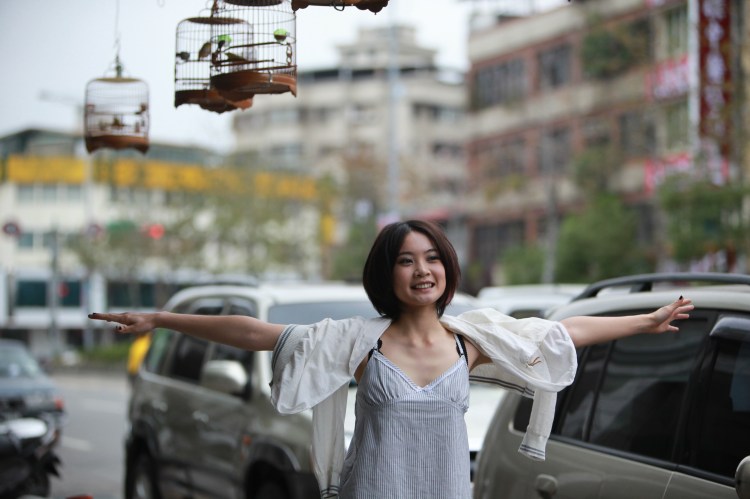
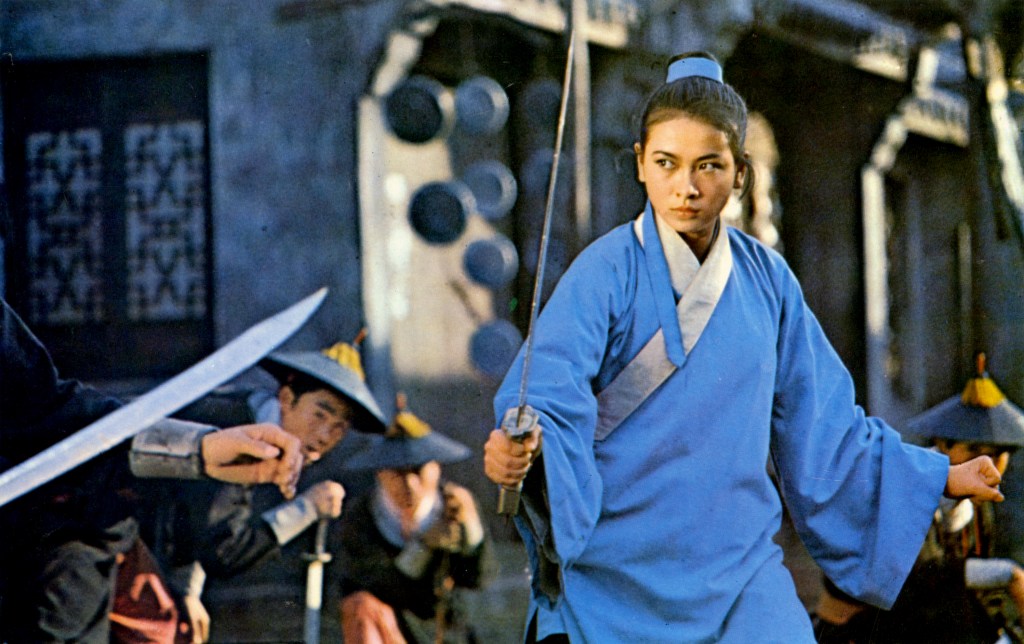
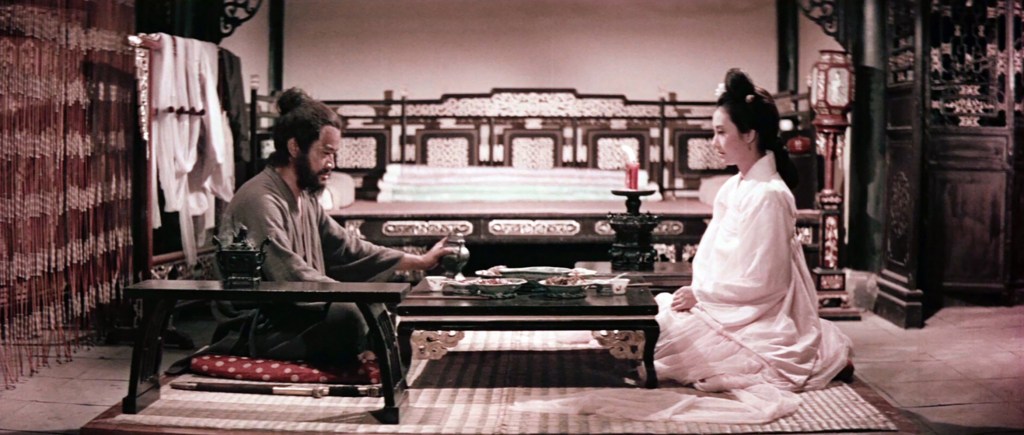
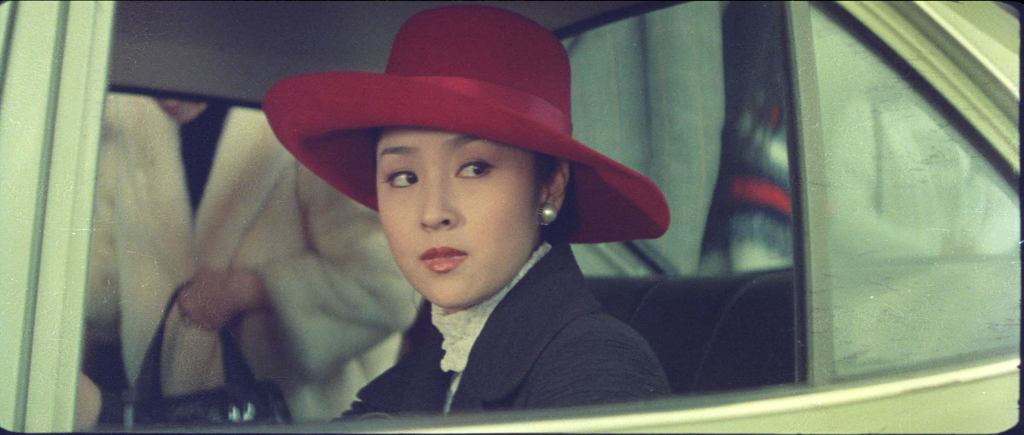
Sumptuous Taiwanese wuxia starring A Touch of Zen’s Hsu Feng as a revolutionary who ventures to the capital to meet up with a comrade and retrieve a secret map, only she later learns that he along with his whole family has already been executed…

Four Moods (1970), dir. Li Han-Hsiang, Pai Ching-Jui, Li Hsing, King Hu

Four-part portmanteau movie featuring folklore-themed contributions from Li Han-Hsiang, Pai Ching-Jui, Li Hsing, and King Hu.

Melodrama Divas

Where the Seagull Flies (1974), dir. Li Hsing 

A Taiwanese journalist encounters three identical young women but they each disappear right after he falls in love with them. In Hong Kong she is a woman attempting suicide after killing her husband, in Singapore a Filipina bar hostess, and in Taipei his younger sister’s uni friend. After discovering her identity and that she likes to play tricks on men, he plots his revenge…

Cheerful Wind (1981), dir. Hou Hsiao-Hsien

Early idol drama from Hou Hsiao-Hsien starring Fong Feifei as an independent young woman working in advertising who falls for Kenny Bee’s blind musician. Review.

Taiwan New Cinema and Its Legacy

The Sandwich Man (1983), dir. Hou Hsiao-Hsien, Tseng Chuang-Hsiang, Wan Jen

Tripartite portmanteau film inspired by the short stories of Huang Chun-Ming and exploring the changes in Cold War Taiwanese society. Features contributions by Hou Hsiao-Hsien, Tseng Chuang-Hsiang, and Wan Jen.

Kuei-Mei, a Woman (1985), dir. Chang Yi 

Melodrama inspired by the Xiao-Sa novel in which the heroine, Kuei-Mei escapes the Mainland for Taiwan to live with her cousin but is married off to a widowed Chinese refugee who already has three children and a massive gambling addiction leaving her with no choice other than to seek a better life in Japan.

When Love Comes (2010), dir. Chang Tso-Chi

A young woman living with her two mothers, father, uncle, and grandfather comes to understand more about her family when she is abandoned by her boyfriend after becoming pregnant.

God Man Dog (2007), dir. Chen Singing 

A hand model suffering from post-natal depression, a bereaved indigenous couple, their daughter in the city, and a one-legged man driving a giant Buddha bus, are brought together by a stray dog. Review.

Midi Z Selection

Jade Miners (2015), dir. Midi Z

Midi Z’s first documentary focusses on the jade miners continuing to work against the back drop of the continuing conflict with the Kachin Independence Organization which had brought the industry to a halt.

Ice Poison (2014), dir. Midi Z

When economic forces render his farm unviable, an old man sells his cow to buy a motorcycle for his son so he can make money taking people into town but he ends up becoming involved in drug trafficking to help a woman trying to bring her child back to Myanmar after being tricked into marriage in China.

The Palace on the Sea (2014), dir. Midi Z

Experimental short in which a Buddhist monk tries to free the ghost of a woman from a floating restaurant.

Docs: Exploring Diversity in Pursuing the Taiwanese Identity 

How Deep is the Ocean (2000), dir. Tang Hsiang-Chu

Documentary following a young man from the Tao indigenous minority who returns home to Orchid island after pursuing a better life on the Mainland.

Out/Marriage (2012), dir. Nguyen Kim-Hong

Documentary following a Vietnamese woman who came to Taiwan to marry but endured years of domestic abuse before escaping and becoming a single-mother to her son.

The Mountain (2015), dir. Su Hung-En 

Documentary following the director’s grandfather, Teymu Teylong, a hunter from an indigenous community.

The Taiwan Film Festival Edinburgh will take place online from 18th to 27th September with all films streaming for free! Full details are available via the official website and you can also keep up with the festival via the official Facebook Page and Twitter account.

Infinite Foundation (無限ファンデーション, Akira Osaki, 2018)

Sometimes the music finds you when you need it most. So it is for the heroine of Akira Osaki’s wistful coming-of-age drama Infinite Foundation (無限ファンデーション, Mugen Foundation). To better capture the teen experience with an immediate naturalism, Osaki’s cast was provided with no script only a vague outline inspired by the songs of singer-songwriter Cosame Nishiyama and asked to improvise each individual scene. What results is suitably intense tale of complicated teenage female friendships, frustrated ambitions, and fear for the future in which a shy, introverted young woman gradually finds the courage to chase her dreams with the help of an ethereal songstress and unexpected solidarity. 

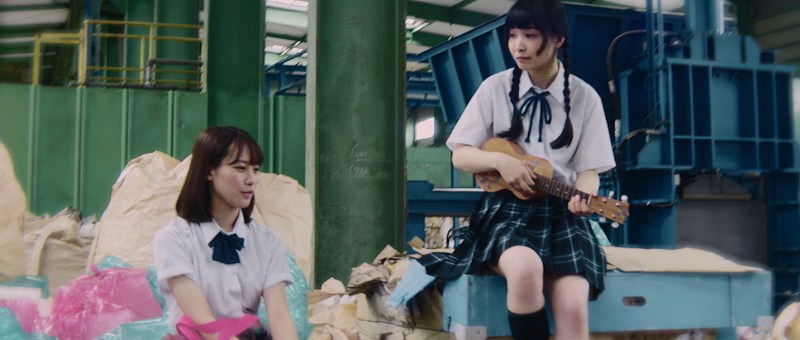
Mirai (Sara Minami), whose name literally means “future”, is a dreamy young girl who thinks she’s not much use for anything so usually idles away her time in school drawing dress designs in her sketchbook when the teacher’s not looking. In fact, she’s technically in summer school catch up, but every time the teacher returns to check on her he notices that she still hasn’t got round to filling in the answers on her maths test. Wandering home one day she hears the gentle strains of a ukulele coming from a nearby recycling plant and strikes up a friendship with a strange girl, Cosame (Cosame Nishiyama), with her hair in long plaits and dressed in a school uniform. Meanwhile, she’s also unexpectedly approached by the stylish Nanoko (Nanoka Hara) who, taken with her beautiful designs, insists that she join the drama club to help them come up with costumes for their imminent production of Cinderella. 

Perhaps Mirai will be going to the ball after all. Before that however she’s still contending with a sense of insecurity while her cheerful and supportive mother (Reiko Kataoka) tries to encourage her to pay more attention to her studies. Pushed towards conventional academic success, Mirai had been a little embarrassed about her love of drawing, particularly as it’s something as “frivoulous” as dress designs which she can’t believe anyone else would value. Rather than hanging out with friends, she spends most of her time sewing in her room, retreating into comfortable fantasy but also lonely and a little bit lost. So when Nanoko is so enthusiastic about her artwork it gives her a much needed confidence boost showing her that someone at least thinks her drawings have value and are not silly or embarrassing wastes of time. 

The drama club, however, is something of a baptism of fire for someone who feels themselves not good with people and at sea with interpersonal relationships. Mirai sticks fast to Nanoko, but Nanoko’s longterm bestfriend Yuri predictably doesn’t like it that she’s abruptly dragged this other person into their shared activity while the other members of the group struggle to relate to her, describing her as difficult to talk to and leaving her sitting in the corner doing her own thing while they get on with rehearsing. The main drama occurs when Nanoko makes a surprising announcement that puts the show in peril. She has a big audition lined up in Tokyo for a part in a film which makes it impossible for her to also star in the play. Nanoko asks for understanding, but does so with a degree of entitlement and superiority that cannot help but annoy her friends. She implies that she’s in this because she’s a real actress, while they’re only messing around in a school play. Mirai isn’t sure where to put herself, her new friend has just betrayed her and now she doesn’t know if they were ever friends at all or she was just using her to increase her hold over the drama club. 

The message that Mirai begins to get is that she may have real talent, but it’s up to her to achieve her dreams. She begins to feel that everything she’s been doing with her life has been superficial and incomplete because she never had the confidence to follow through, living in her own tiny bubble alone in her room for fear of getting hurt out in the big wide world. While the mysterious ukulele player sings her inspirational songs about living with loneliness, Mirai begins to build her infinite foundations towards a more confident future as a young woman determined to fight for her dreams.


Infinite Foundation streamed as part of this year’s online Nippon Connection Film Festival.

Original trailer (no subtitles)
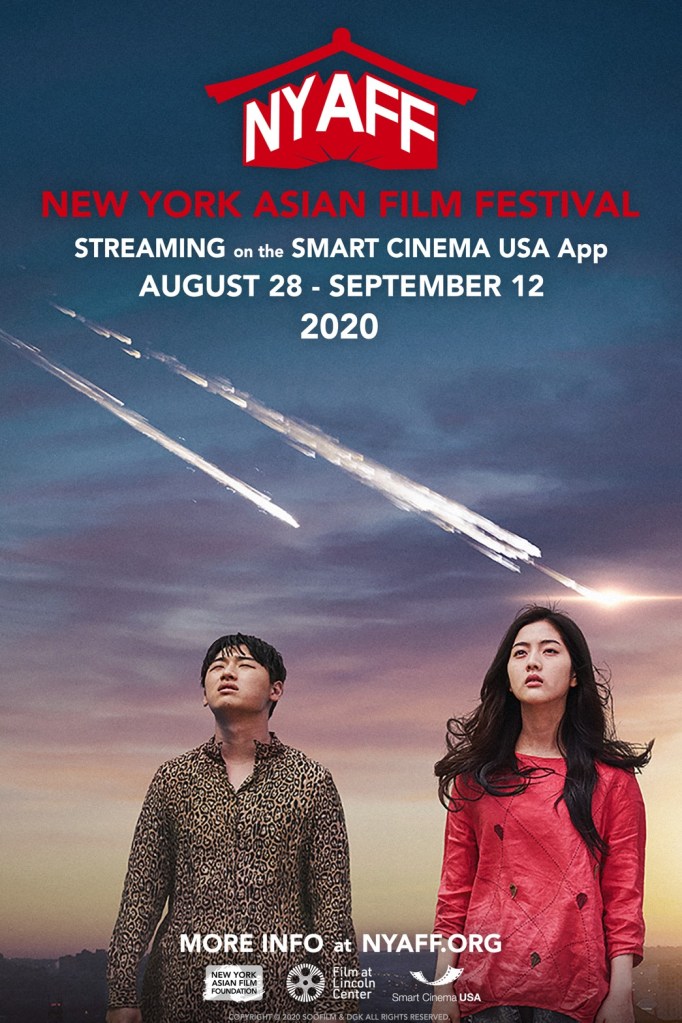
New York Asian Film Festival Confirms Lineup For 2020 Virtual Edition

Shifting from its usual spot in the early summer, New York Asian Film Festival becomes the latest to go online partnering with the Smart Cinema app to bring another fantastic selection of recent East Asian hits to homes around the US from Aug. 28 to Sept. 12.

The programme in full (titles in italics included in “Uncaged” competition):

Bhutan

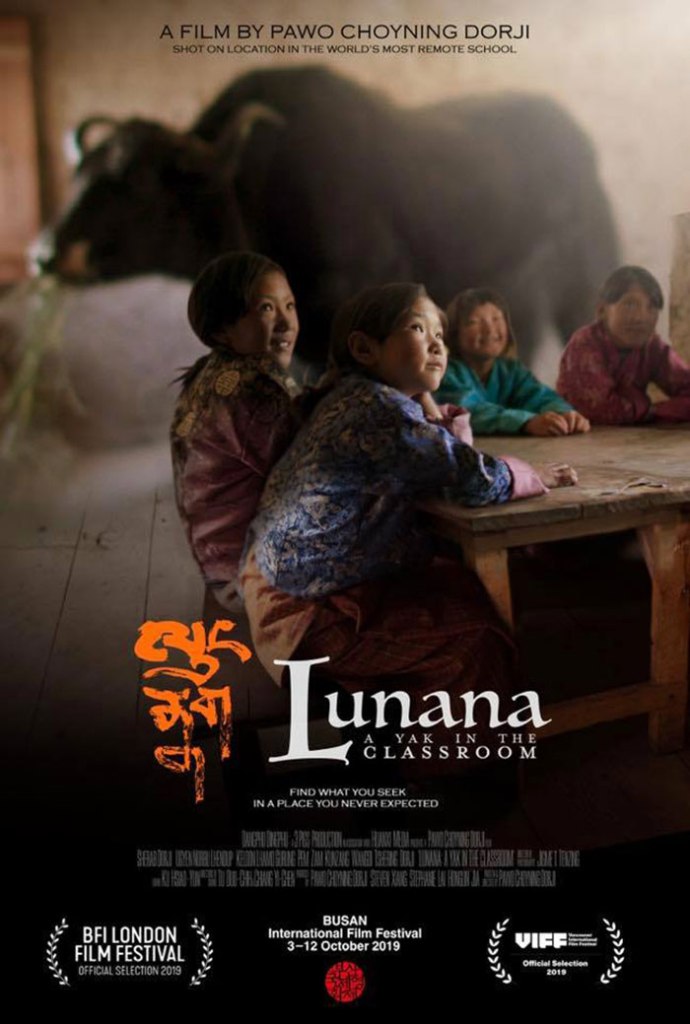
  • Lunana: A Yak in the Classroom – a frustrated teacher is dismayed to learn he’s being sent to a remote mountain outpost but is eventually won over by the kids. Review.

China

  • Gone With the Light – sci-fi drama starring Huang Bo in which ordinary citizens mysteriously disappear in a flash of light.
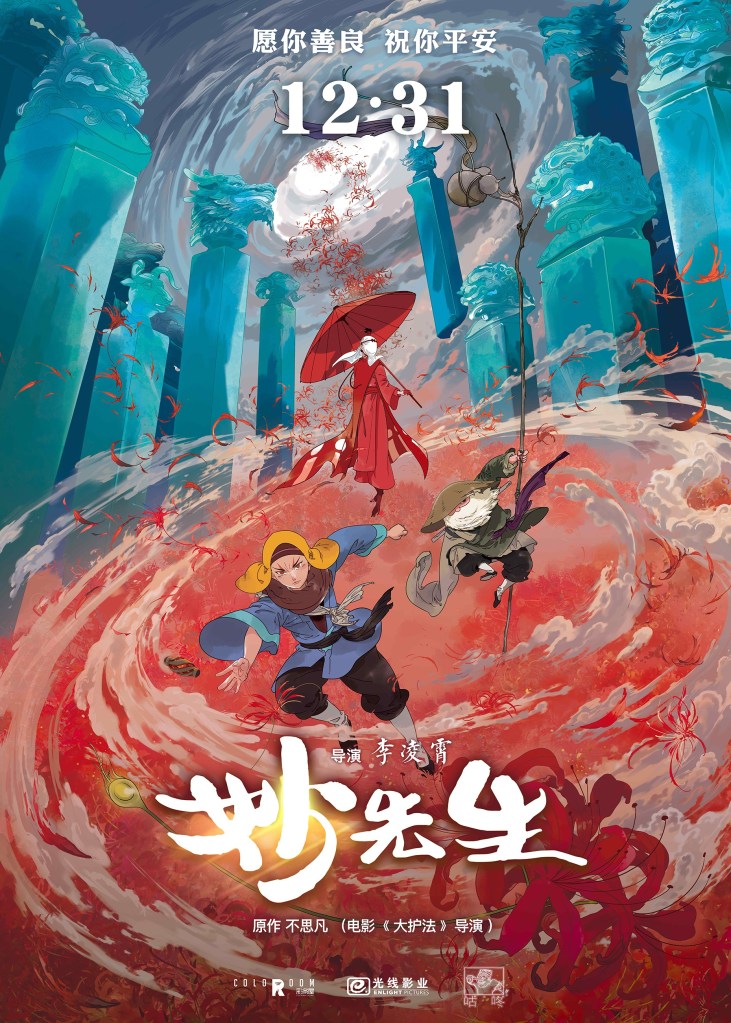
  • Mr. Miao – animated historical adventure aimed at adults in which a team of martial artists faces an ethical dilemma caused by a plant which corrupts those who come close to it but only attracts kindhearted people.

Hong Kong Panorama

Presented with the support of Hong Kong Economic and Trade Office in New York

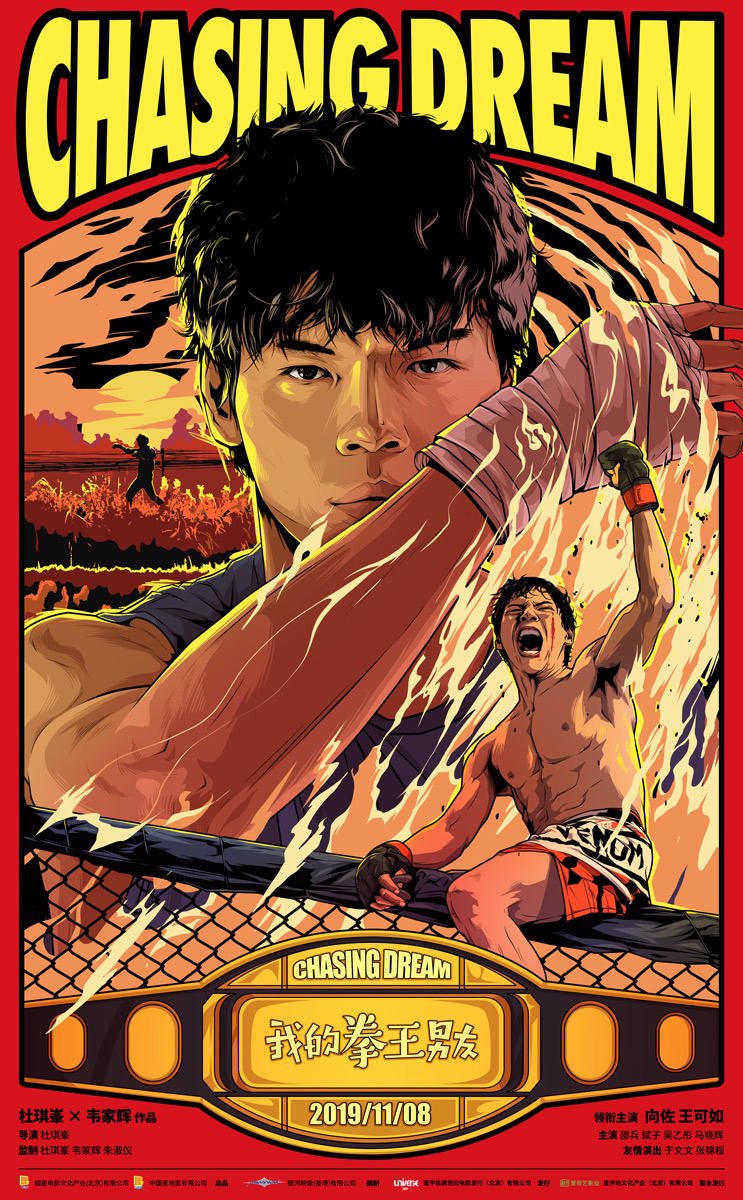
  • Chasing Dream – two crazy kids chase the Chinese Dream in the ring and on the stage in Johnnie To’s completely absurd but infinitely charming musical MMA rom-com. Review.
  • My Prince Edward – a young woman begins to consider her choices when her controlling boyfriend proposes and she’s forced to deal with the fallout from a sham marriage she entered into years earlier in Norris Wong’s humorous exploration of contemporary relationships. Review.
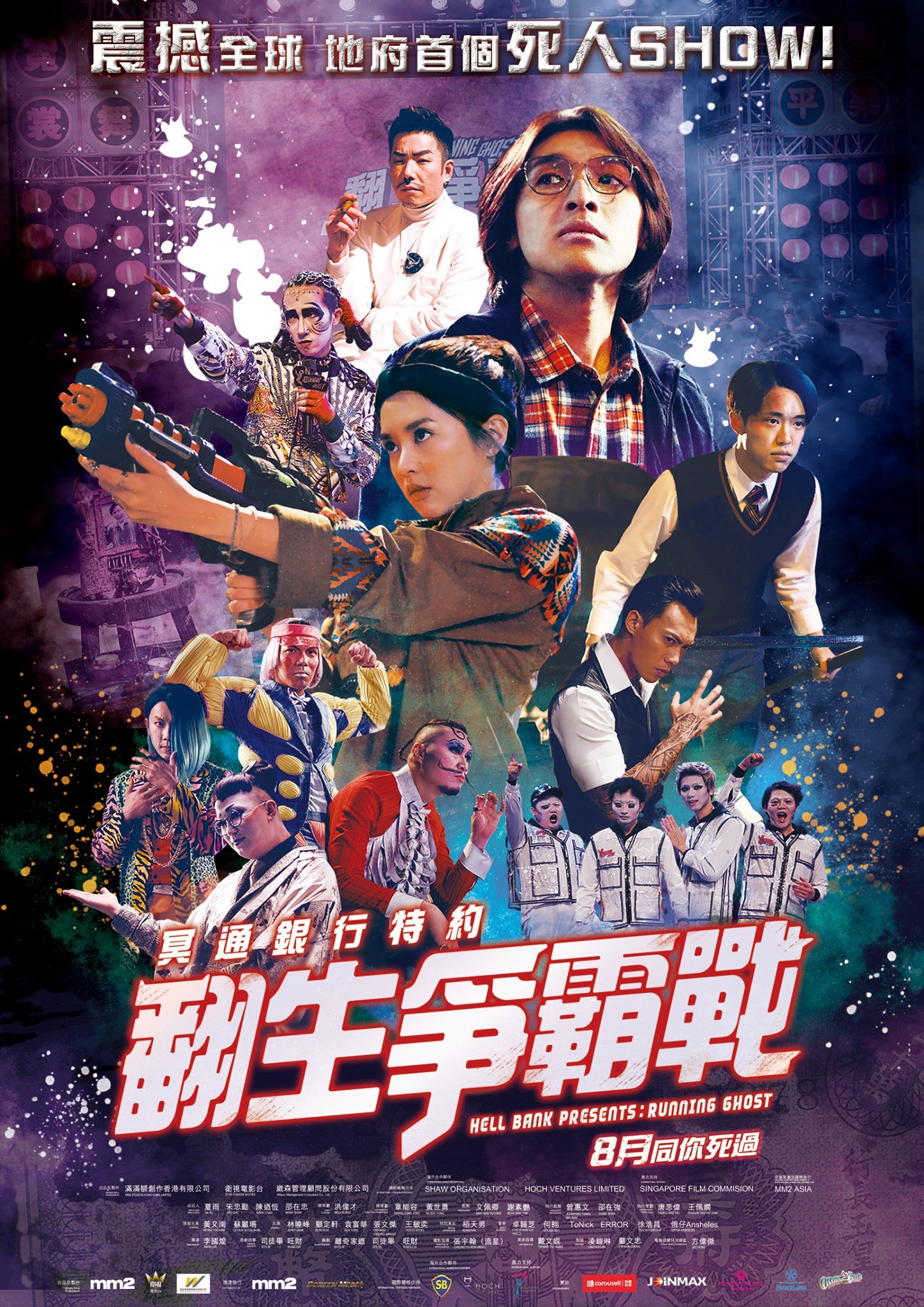
  • Hell Bank Presents: Running Ghost – supernatural horror comedy.
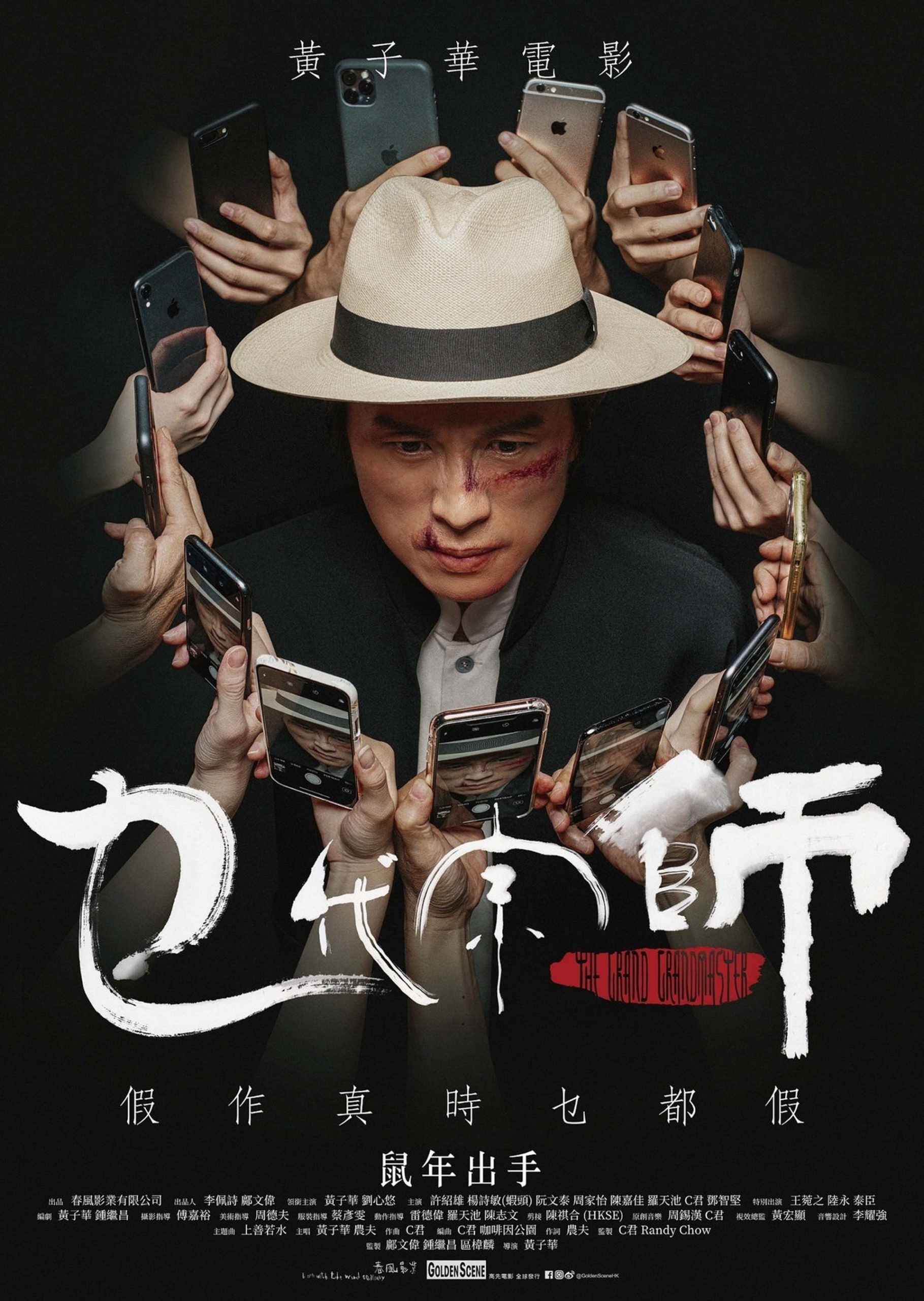
  • The Grand Grandmaster – martial arts New Year comedy. 
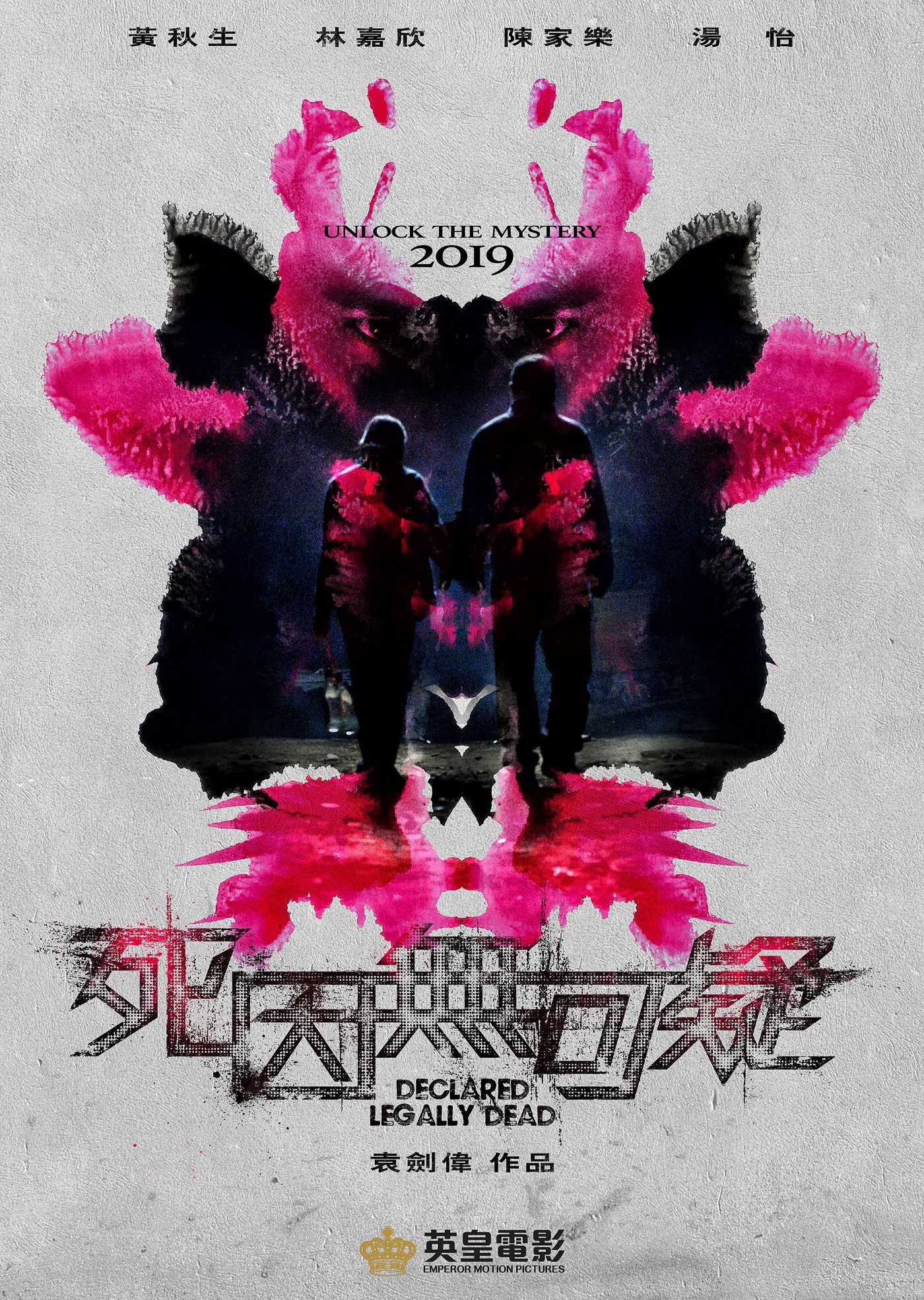
  • Legally Declared Dead – HK adaptation of Yusuke Kishi’s novel The Black House in which an insurance broker descends into paranoia after suspecting a client has faked his son’s suicide to collect on a policy.
  • Memories to Choke on, Drinks to Wash Them Down – four stories from contemporary Hong Kong.
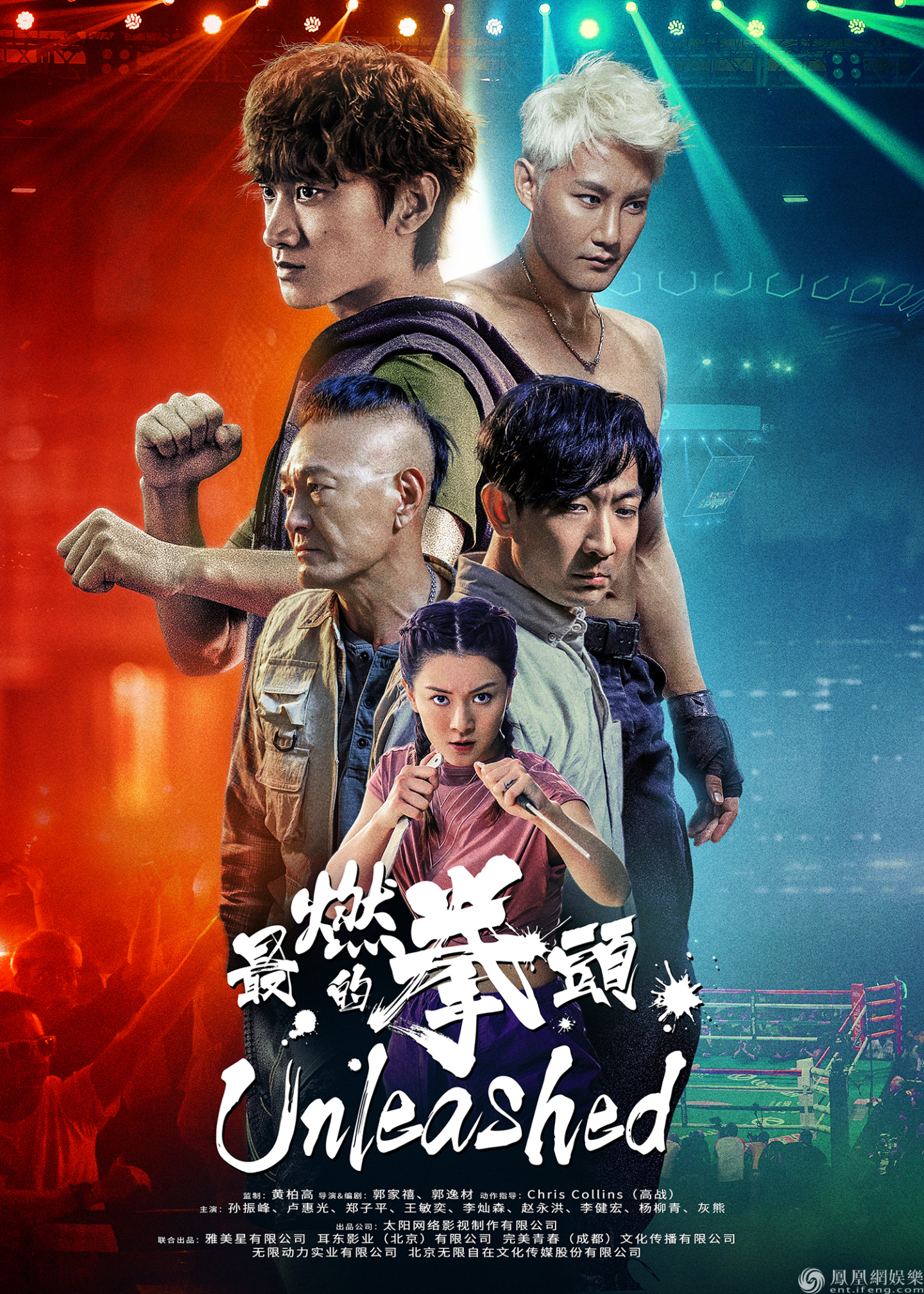
  • Unleashed – boxing revenge drama starring Sam Lee.
  • A Witness out of the Blue – Louis Koo is a criminal mastermind on the run after a botched robbery while an eccentric cop tries to crack the case with the help of its only surviving witness – a parrot!

Indonesia

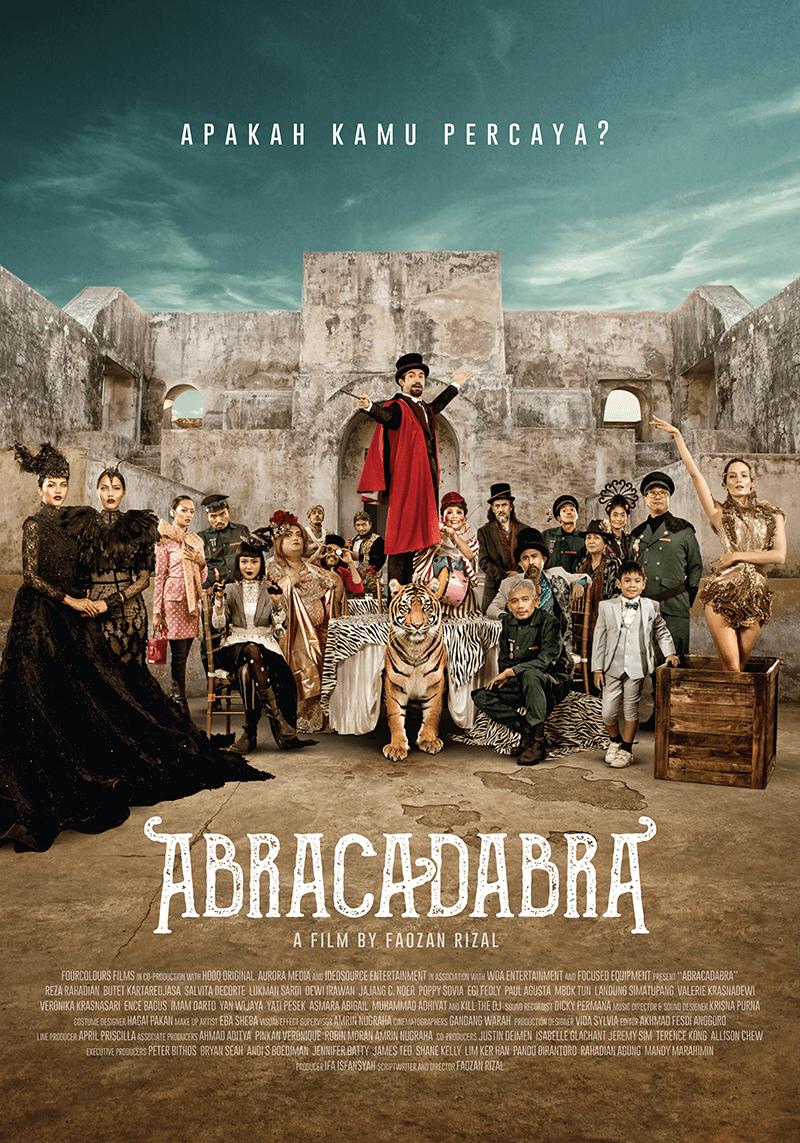
  • Abracadabra – charming family film in which a magician who’s lost faith in magic accidentally makes a child “disappear” and has to go on the run to figure out how to get them back.

Japan

  • Family Bond – a big hearted carpenter’s desire to help a single-mother doesn’t go down well with his family or apprentice.
  • A Beloved Wife – an unsuccessful screenwriter is henpecked by his understandably irate sake-guzzling wife in this autobiographical take on a toxic marriage. Review.
  • Miyamoto – sequel to a TV drama directed by Tetsuya Mariko (Destruction Babies) starring Sosuke Ikematsu as a shy salesman who falls for Yu Aoi’s office worker.

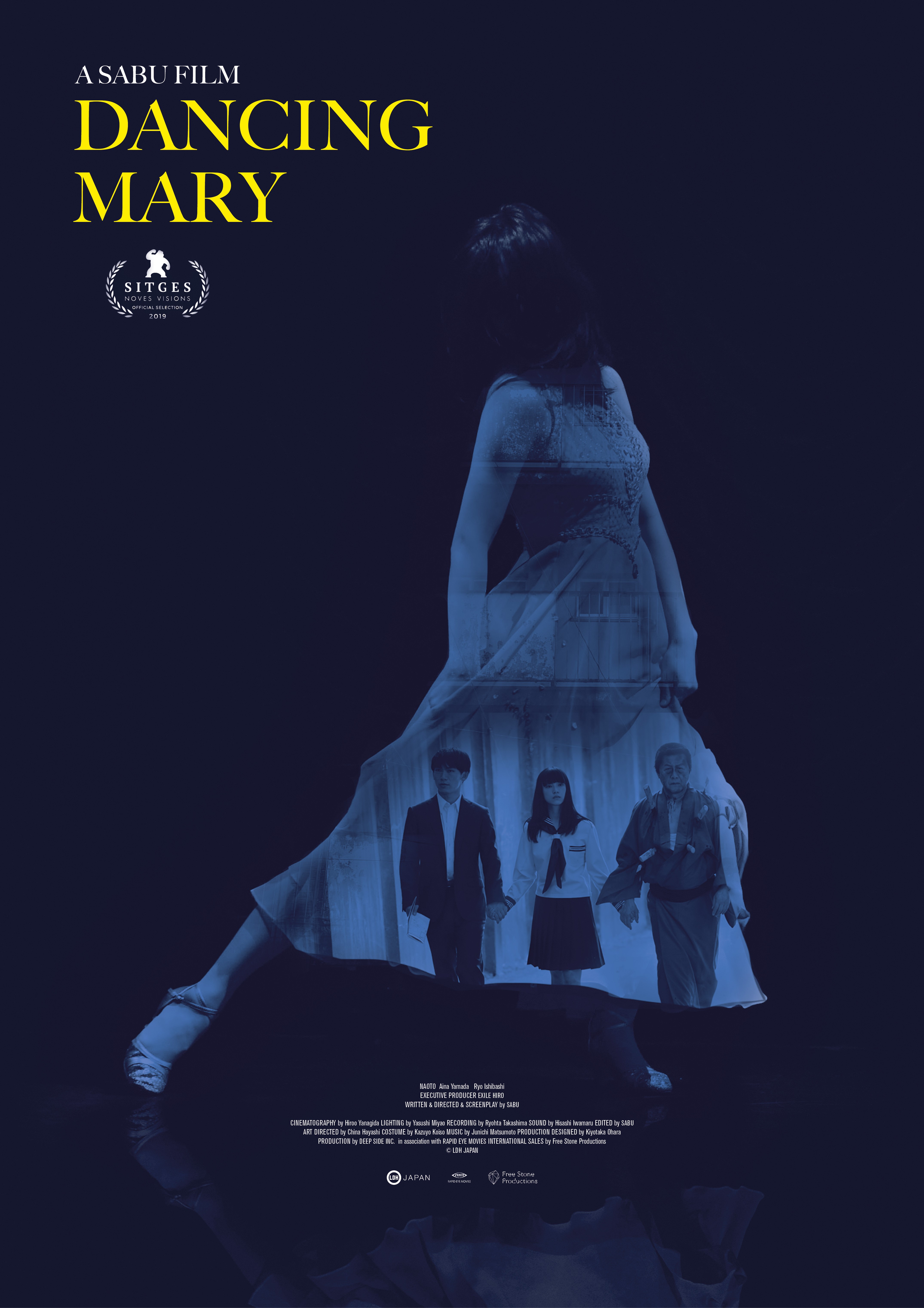
  • Dancing Mary – a jaded civil servant is awakened to the meaning of being alive through communing with the dead in SABU’s melancholy lament for an increasingly soulless society. Review.
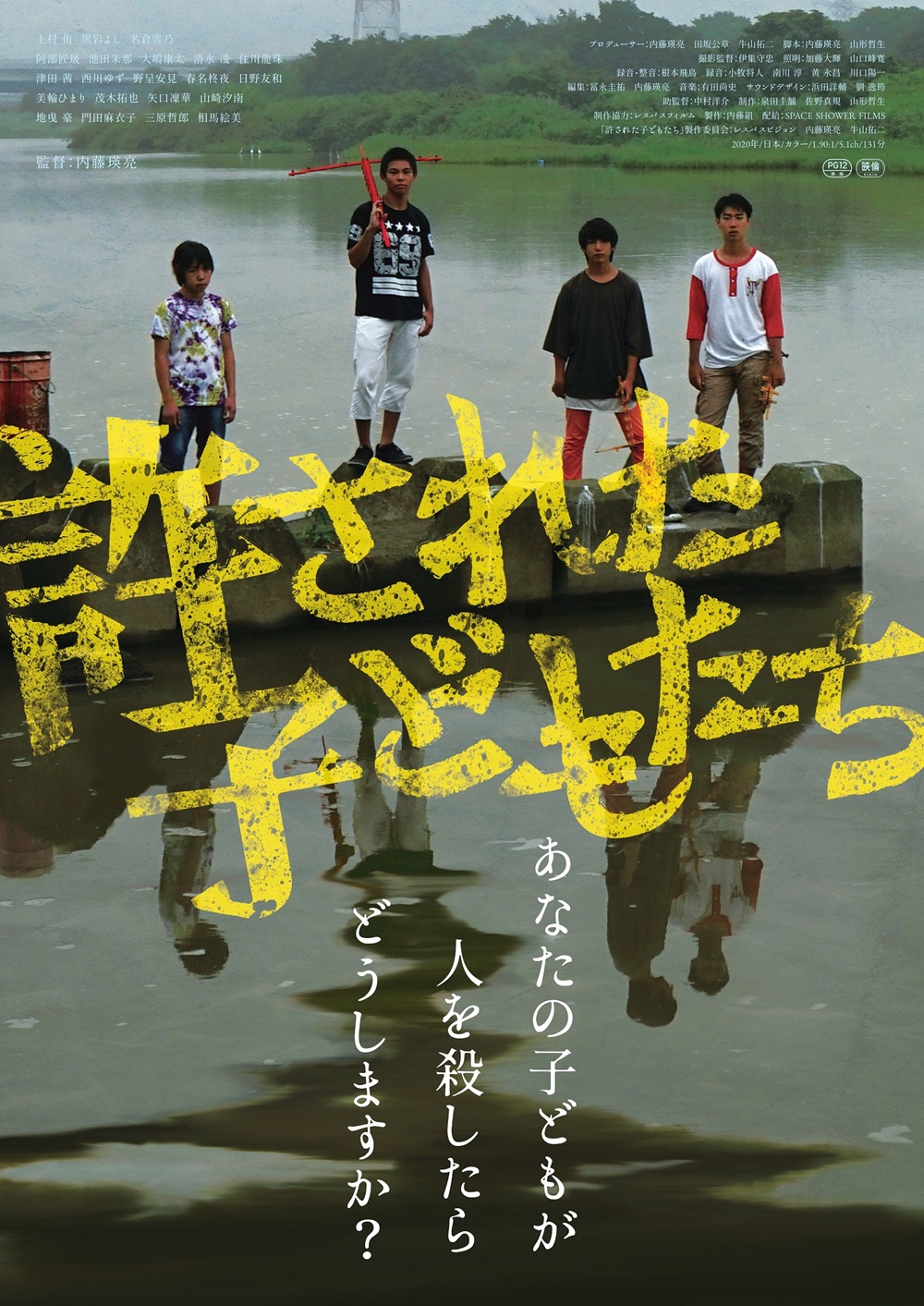
  • Forgiven Children – societal bullying becomes a spiralling vortex of pain and anger in Eisuke Naito’s raw examination of the consequences of hate and the impossibility of redemption. Review.
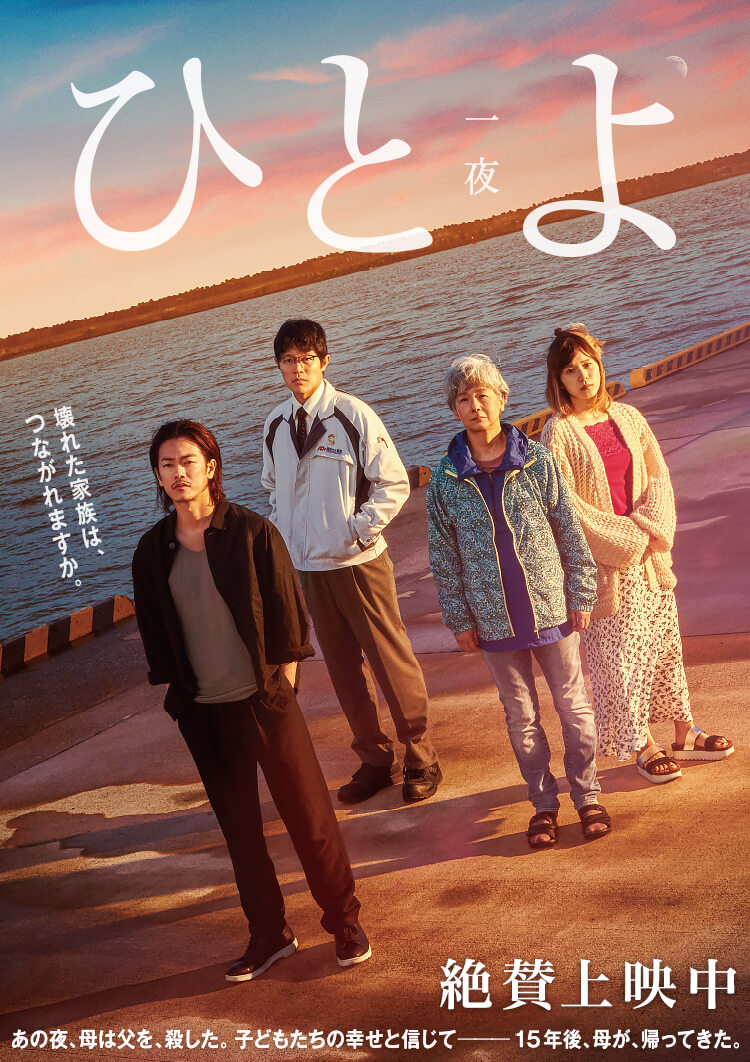
  • One Night – drama from Kazuya Shiraishi in which grown-up siblings attempt to process the traumatic night that broke their family apart. 
  • Beneath the Shadow – friendship drama starring Go Ayano and Ryuhei Matsuda in which an introverted young man makes friends with a co-worker who abruptly disappears.
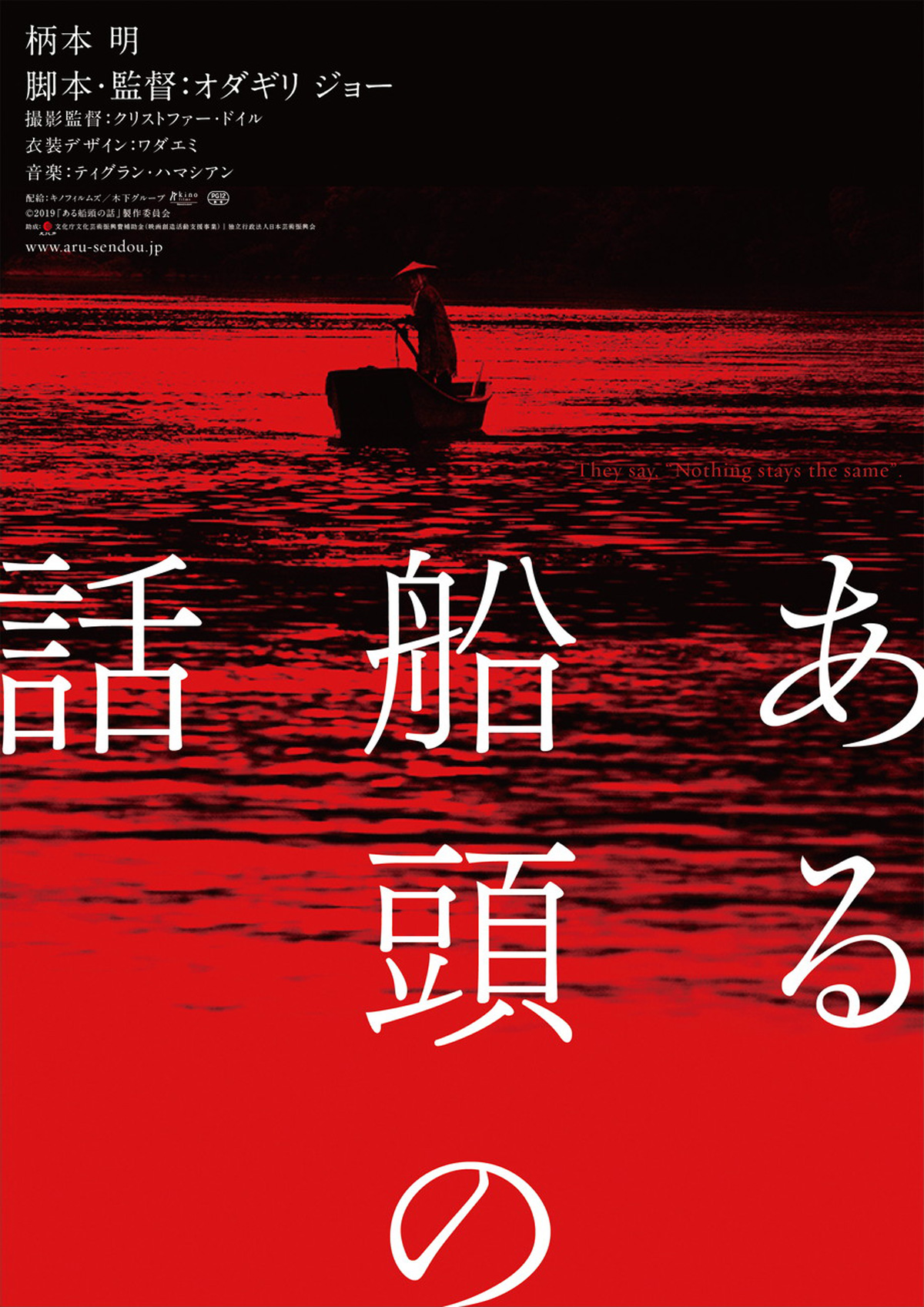
  • They Say Nothing Stays the Same – second directorial effort from actor Joe Odagiri following 2009’s 64-minute Looking for Cherry Blossoms shot by Christopher Doyle and starring Akira Emoto as a Meiji-era boatman about to be eclipsed by a bridge who rescues a young woman from the water.

Kazakhstan

  • Tomiris – historical epic inspired by the legendary Kazak warrior queen.

Malaysia

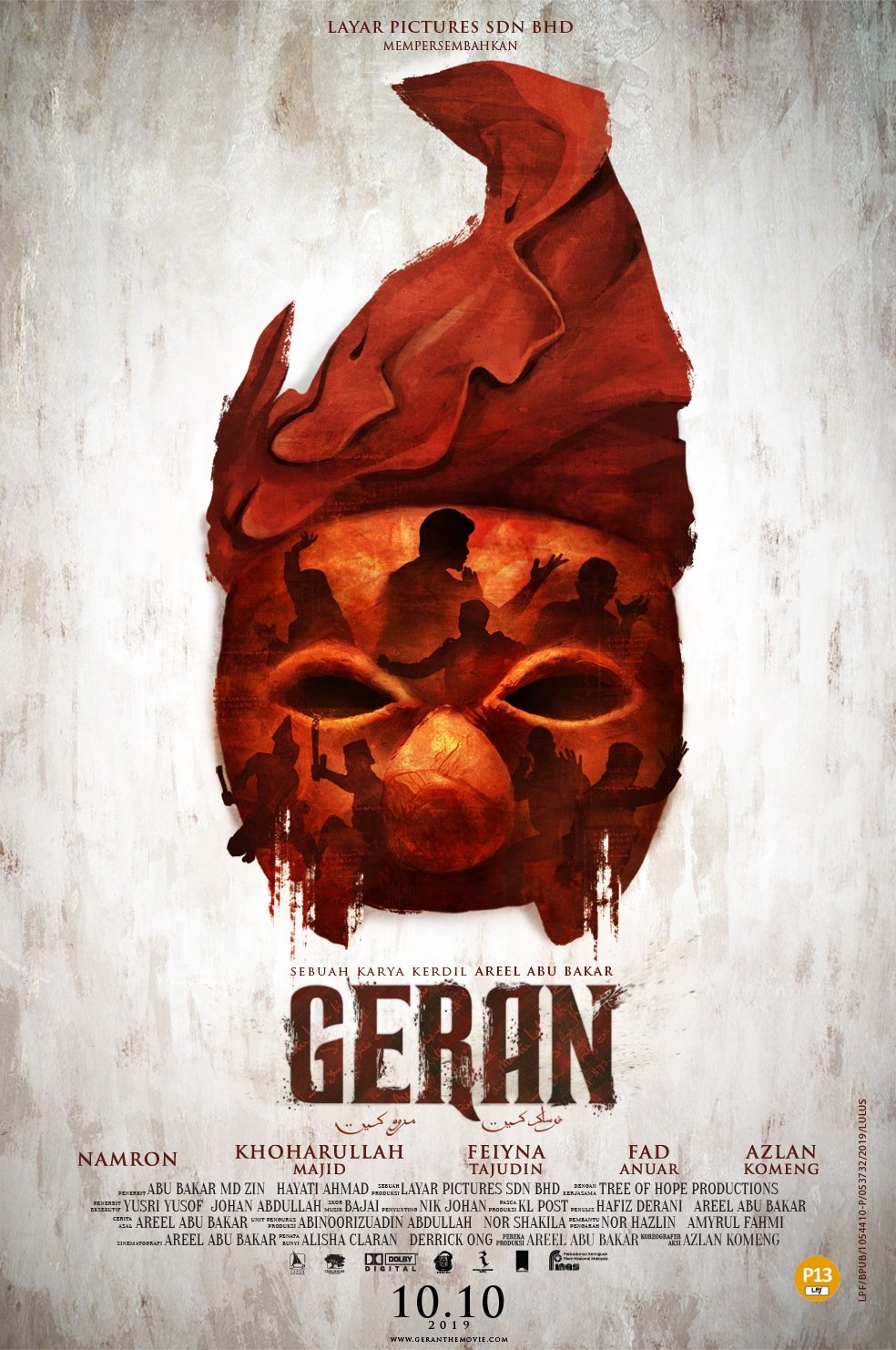
  • Geran – martial arts drama showcasing Malaysian Silat in which two men try to find their younger brother and bring him home after he runs off with a land grant
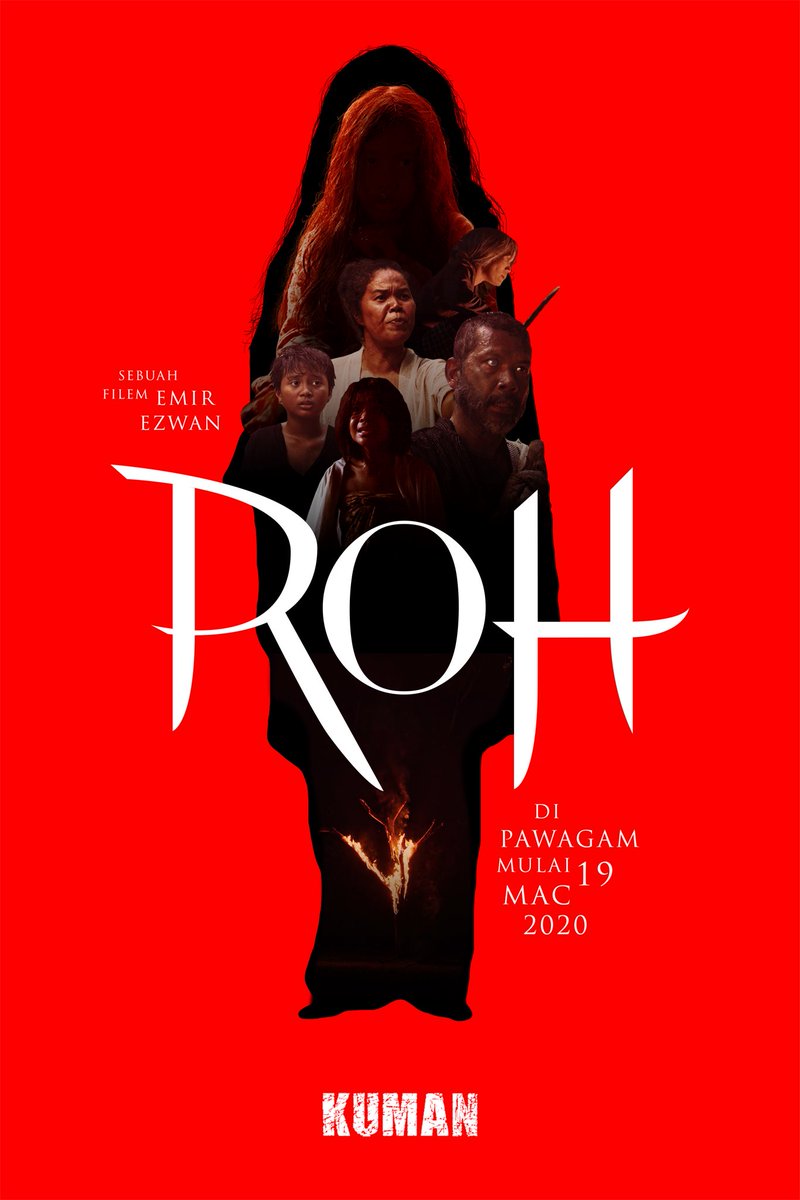
  • Soul (Roh) – A single-mother and her two children find themselves beset by darkness after taking in a little girl who wandered out of the jungle in Ezwan’s atmospheric folk horror. Review.
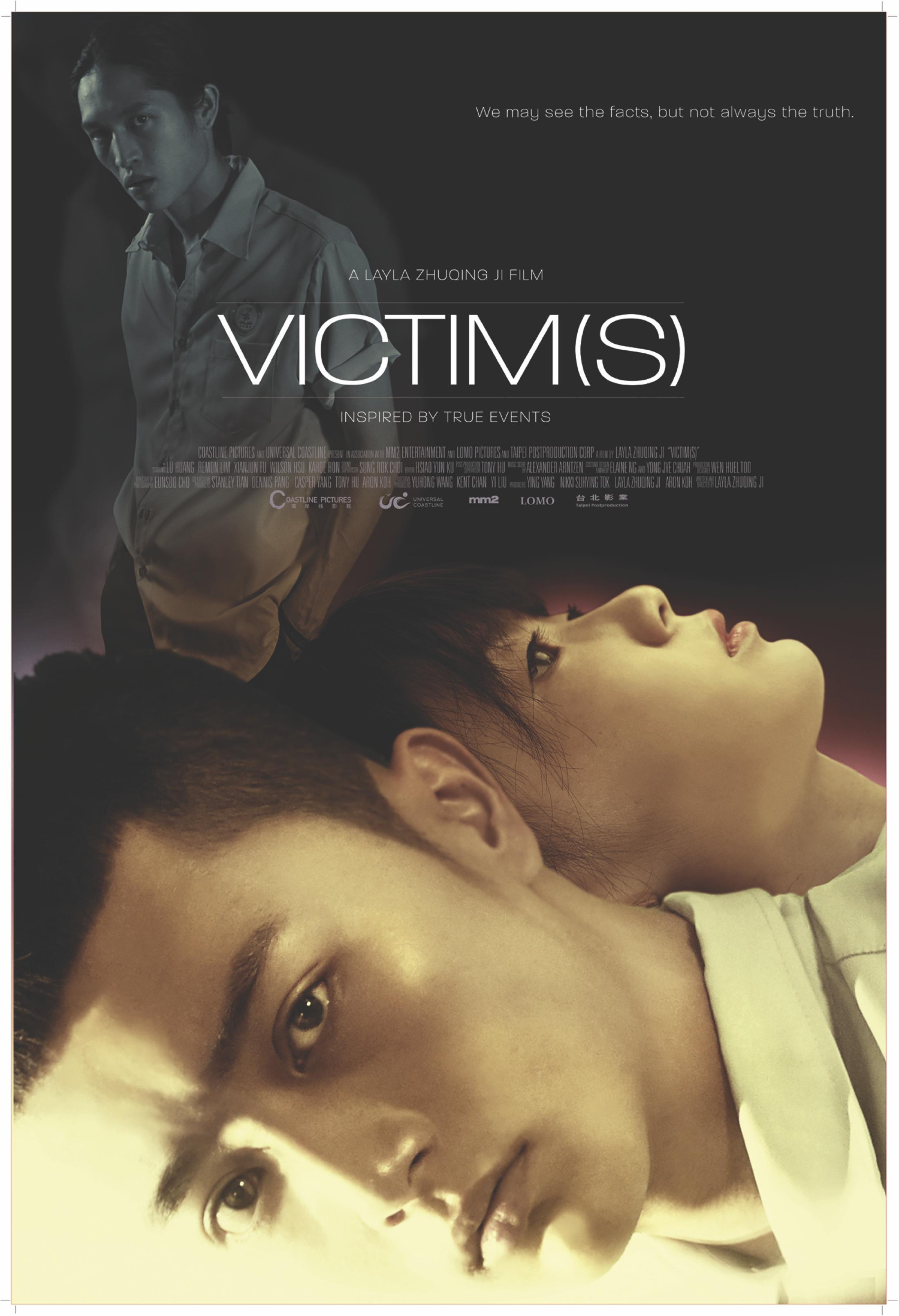
  • Victim(s) – Nothing is as it first appears in Layla Zhuqing Ji’s thorny interrogation of a bullying society. Review.
Philippines

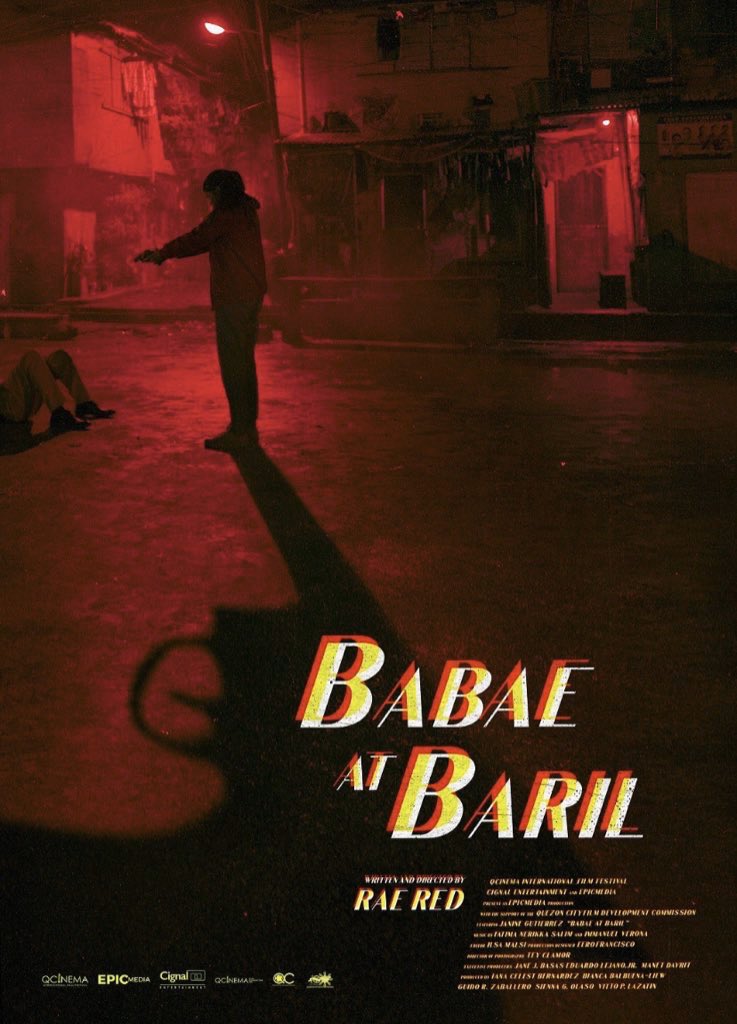
  • The Girl and the Gun – a saleswoman finds a gun on her doorstep and decides to use it to take revenge on a patriarchal society.
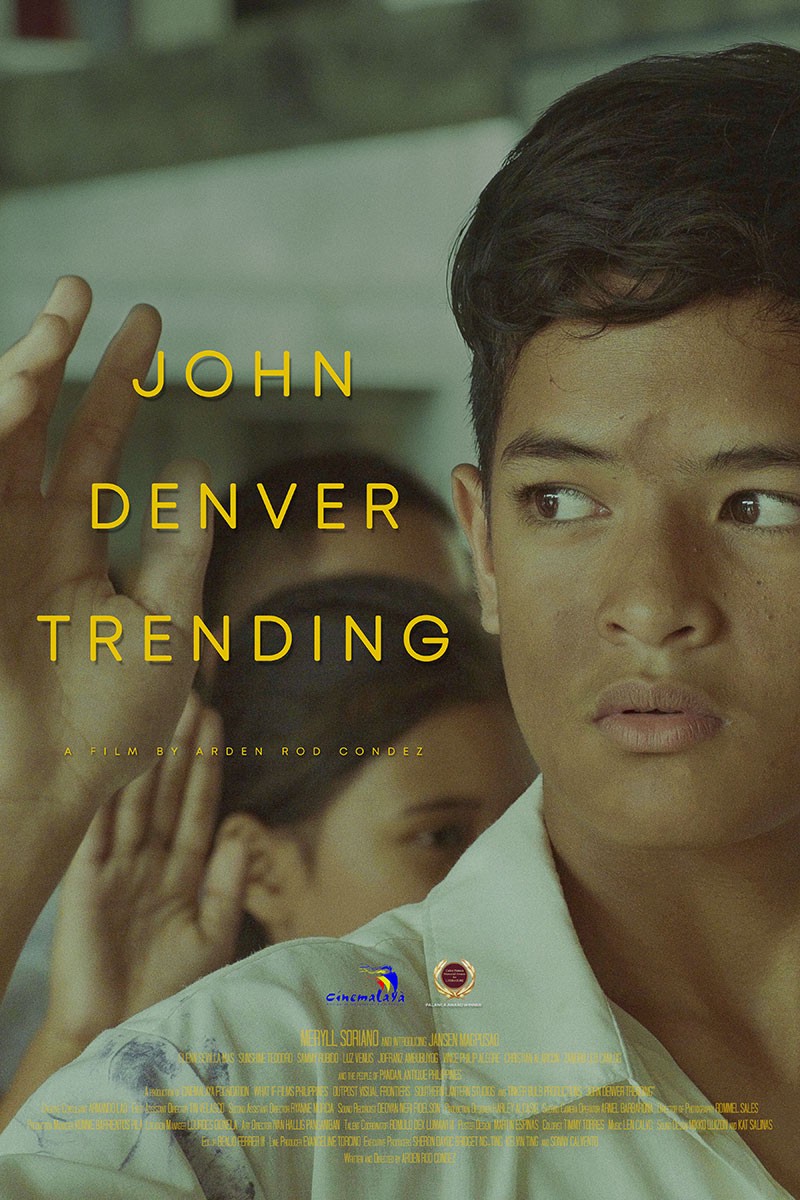
  • John Denver Trending – A teenage boy becomes the subject of a witchhunt after a video of him beating up a classmate goes viral on Facebook in Condez’s heartbreaking exploration of growing up in the post-truth internet age. Review.

SOUTH KOREA

Presented with the support of the Korean Cultural Center New York

  • Secret Zoo – a rookie lawyer comes up with an innovative solution when he’s randomly sent to work in a zoo and discovers that actually it has no animals. 
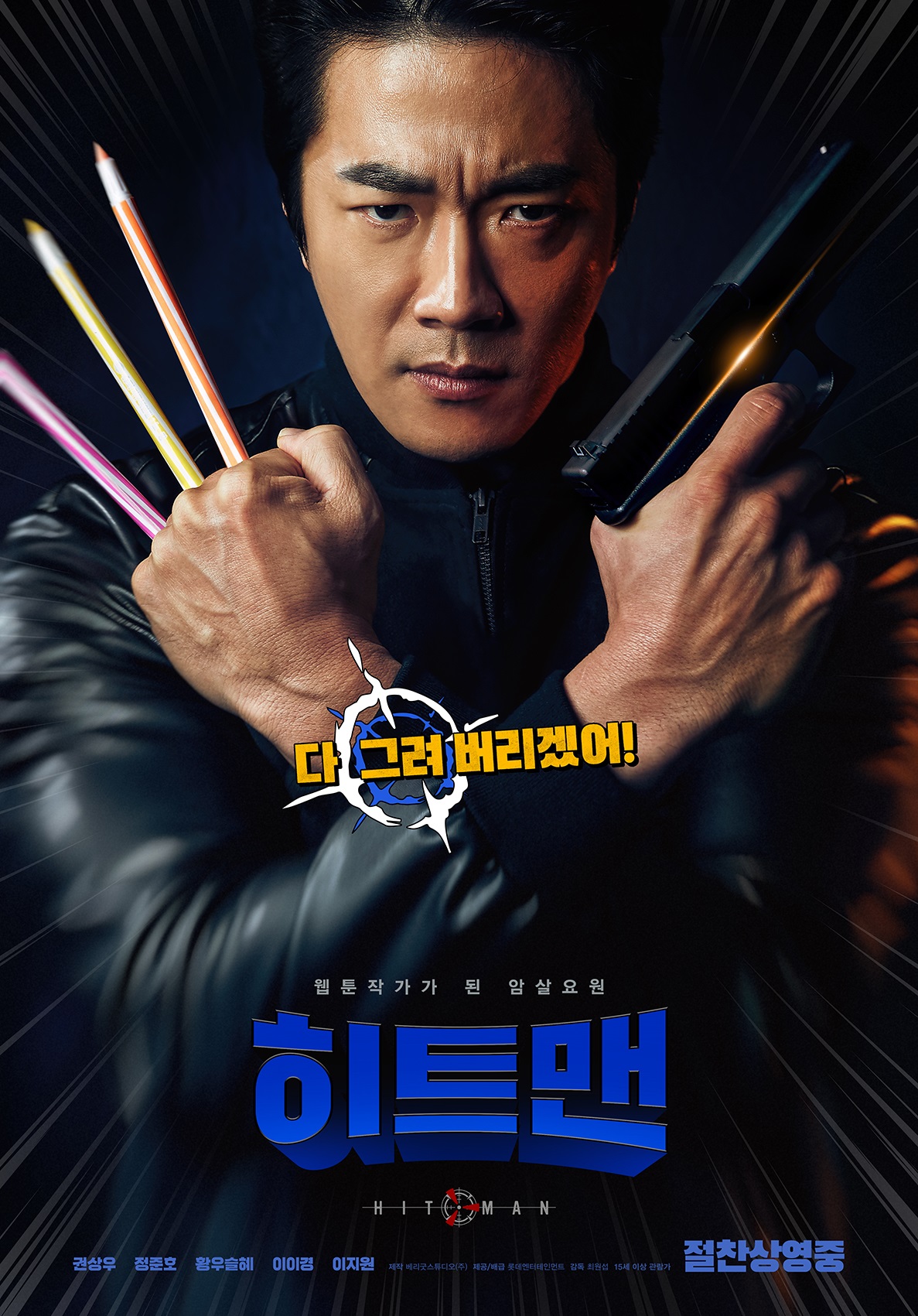
  • Hitman: Agent Jun – action comedy in which a hitman retires to become a webtoon artist.
  • Forbidden Dream –  historical drama from Hur Jin-ho inspired by the life of legendary king Sejong
  • Lucky Chan-sil – film producer Chan-sil finds herself unemployed after the director she’d been working with suddenly dies, taking a job as a cleaning lady for an actress and bonding with a handsome French teacher.
  • Baseball Girl – sports drama following a young woman’s quest to become the first female player in the majors
  • Beasts Clawing at Straws – darkly humorous thriller in which a collection of desperate people are connected by a missing bag full of cash.
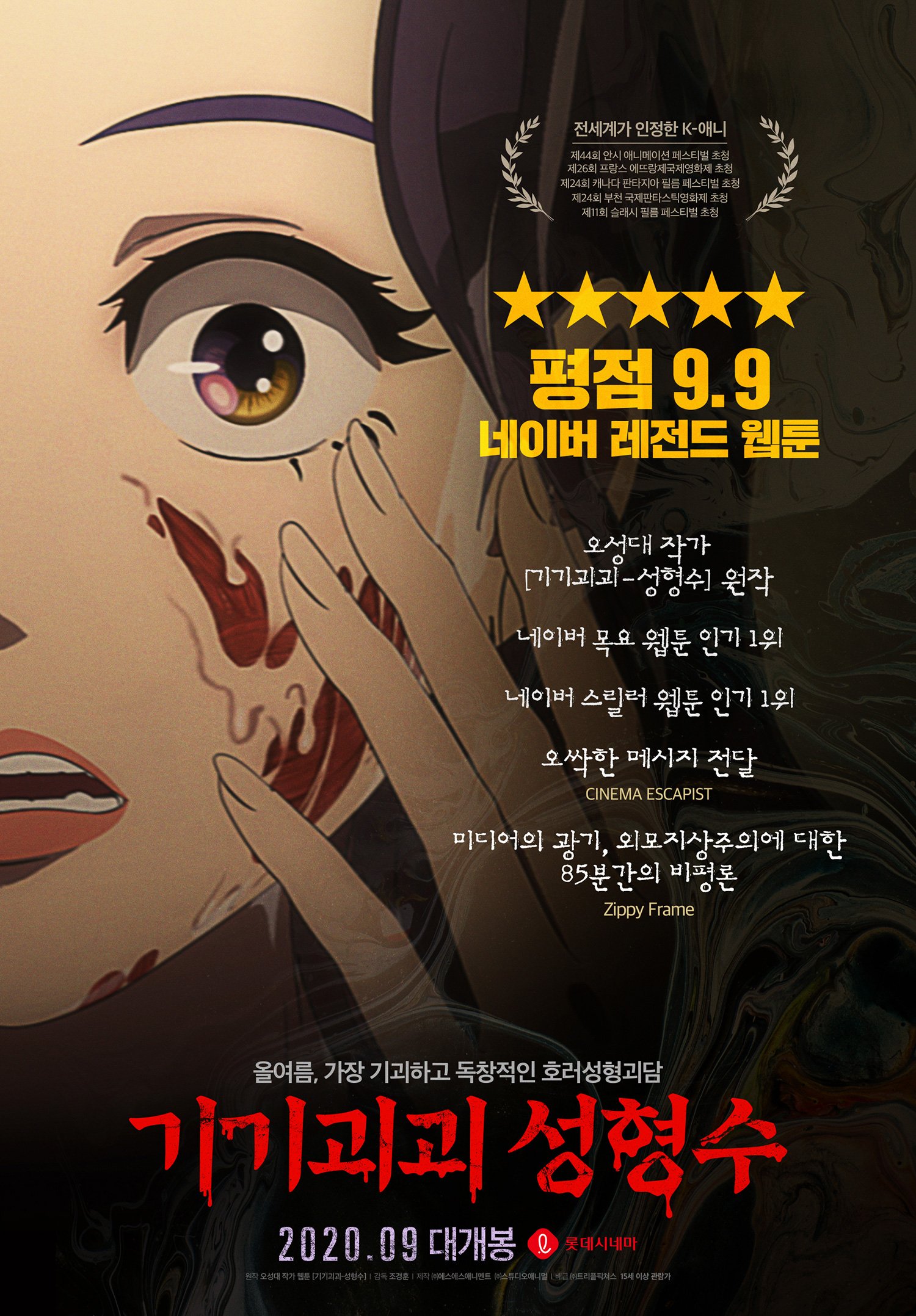
  • Beauty Water – animation in which a woman who believes herself ugly tries an experimental treatment to make herself beautiful.
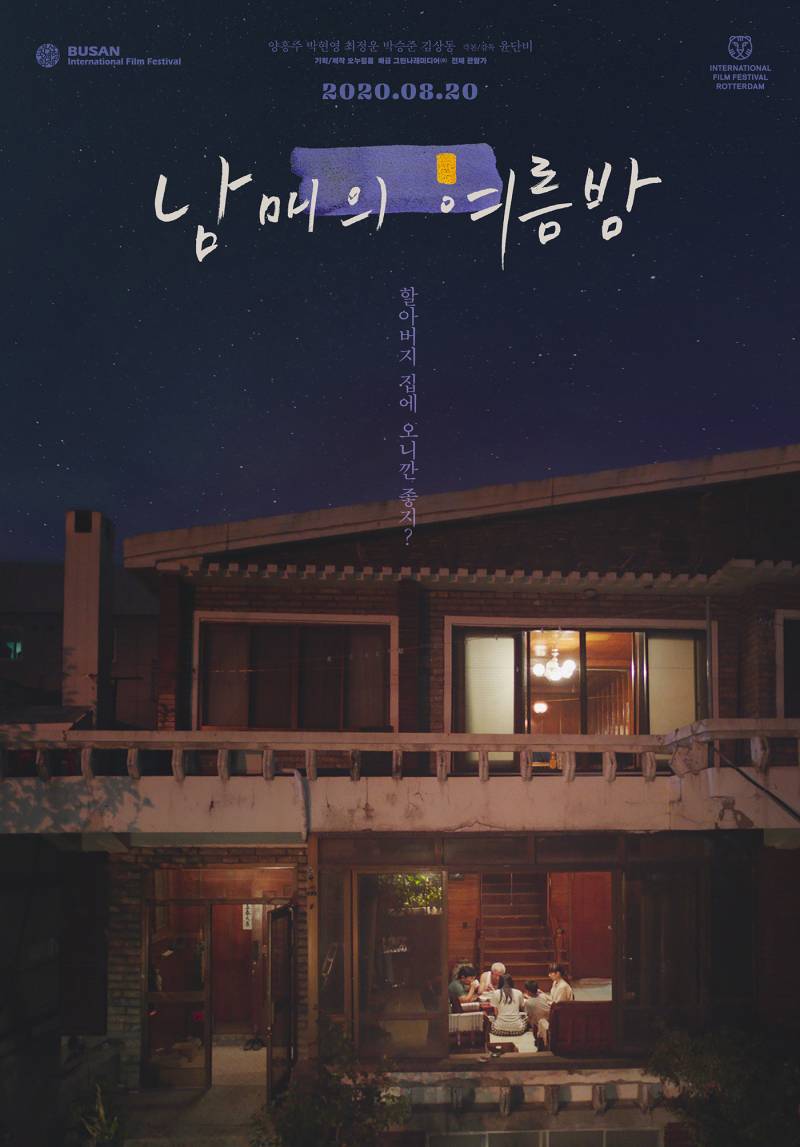
  • Moving on – family drama in which a teenage girl moves in with her grandfather and divorced aunt after the breakup of her parents’ marriage
  • Kim Ji-young, Born 1982 – feminist drama following an ordinary woman’s path into middle-age in a fiercely patriarchal society.

SF8 Series: An anthology of eight science fiction films: 

  • The Prayer (Min Kyu-dong, 2020)
  • Empty Body (Kim Ui-seok, 2020)
  • Love Virtually (Oh Ki-hwan, 2020)
  • White Crow (Jang Cheol-soo, 2020)
  • Blink (Han Ga-ram, 2020)
  • Baby It’s Over Outside (Ahn Gooc-jin, 2020)
  • Joan’s Galaxy (Lee Yoon-jung, 2020)
  • Manxin (Noh Deok, 2020)

Taiwan

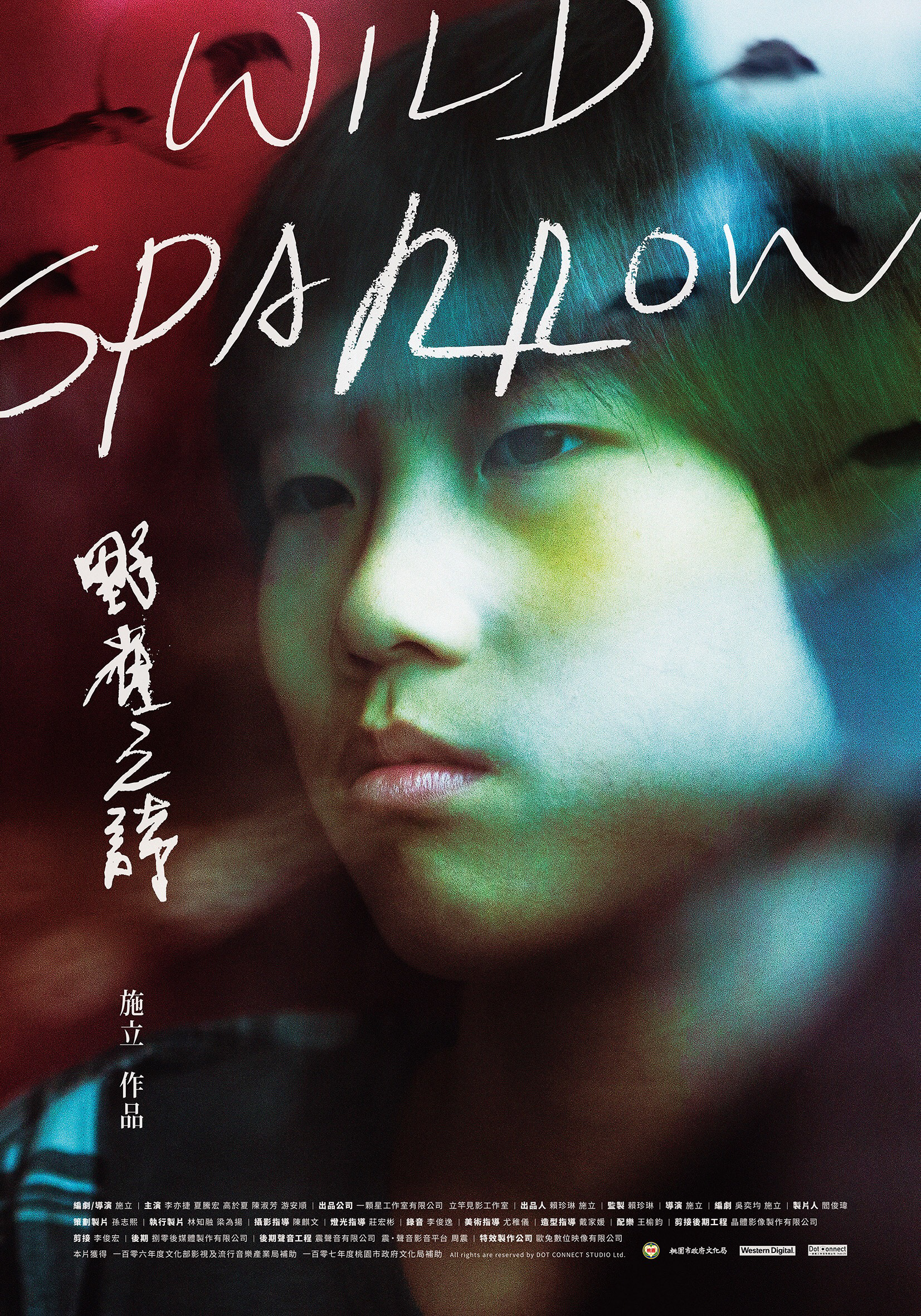
  • Wild Sparrow – a mother takes her 12-year-old son with her to the city so he can attend school but is forced into a series of degrading jobs and relationships in order to make ends meet.
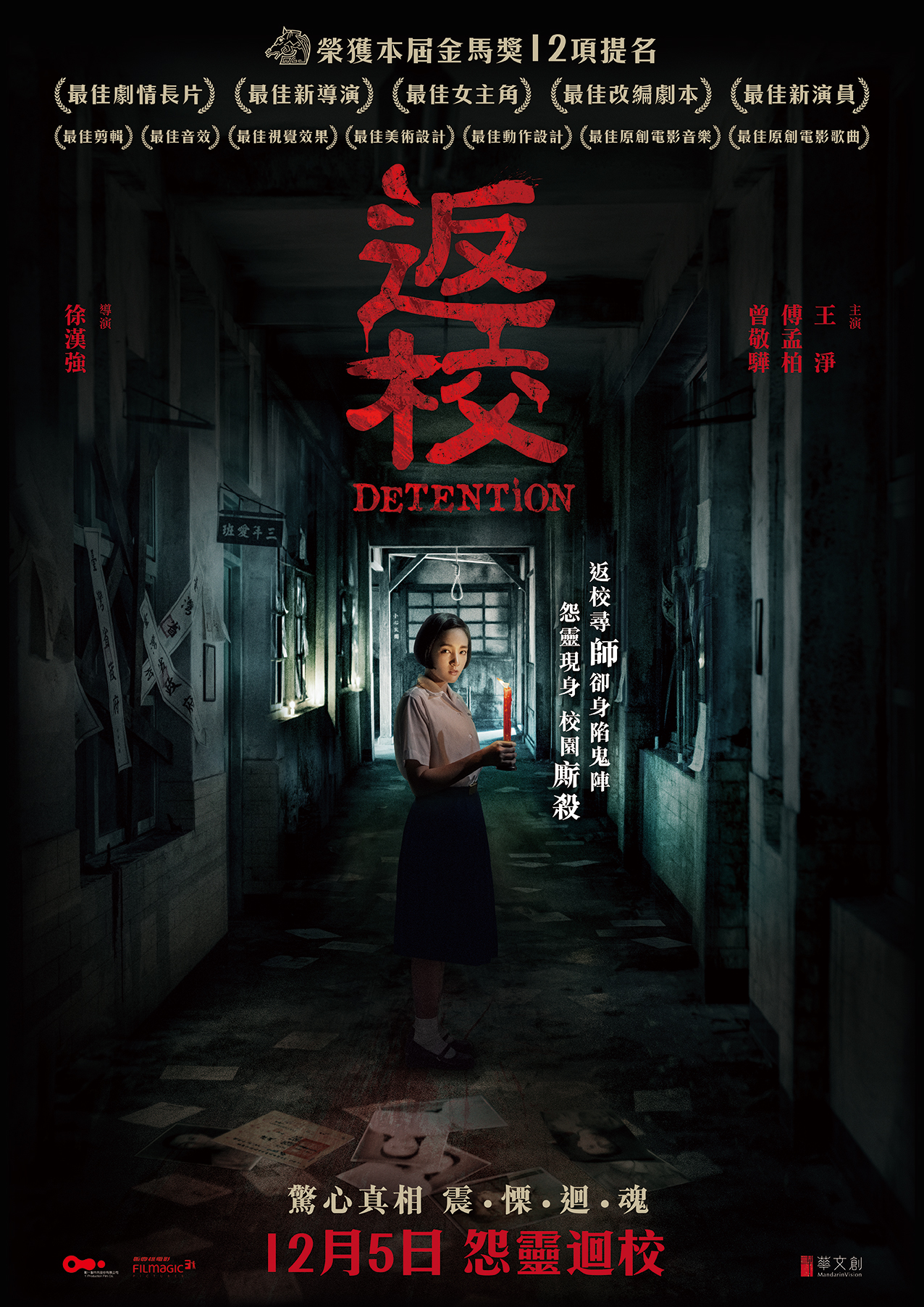
  • Detention – Two teens try to fight their way out of the nightmare of the White Terror in John Hsu’s dramatisation of the hit video game. Review.
  • IWeirDO – madcap OCD rom-com shot on an iPhone.
  • Heavy Craving – a lunch lady hoping to lose weight strikes up unexpected friendships with a deliveryman and cross-dressing student. Review.
  • The Gangs, the Oscars and the Walking Dead – madcap comedy in which two aspiring filmmakers end up making a zombie film with a gangster who insists that his wife play the leading role. Review.
  • Dear Loneliness – an introverted bookseller quietly supports his customers through the art of letter writing.
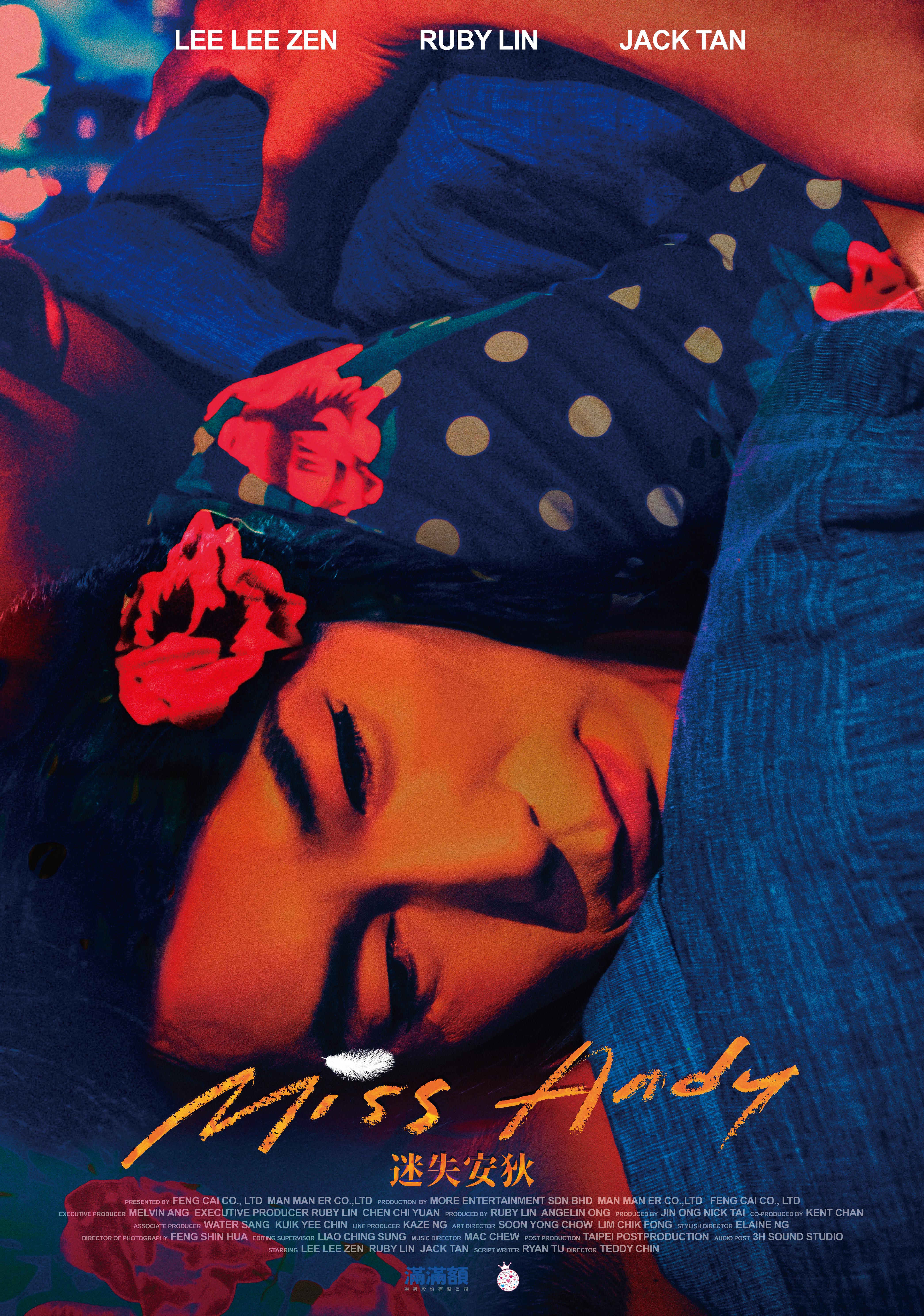
  • Miss Andy – a transgender woman takes in a woman and her child after they escape from an abusive relationship.

Vietnam

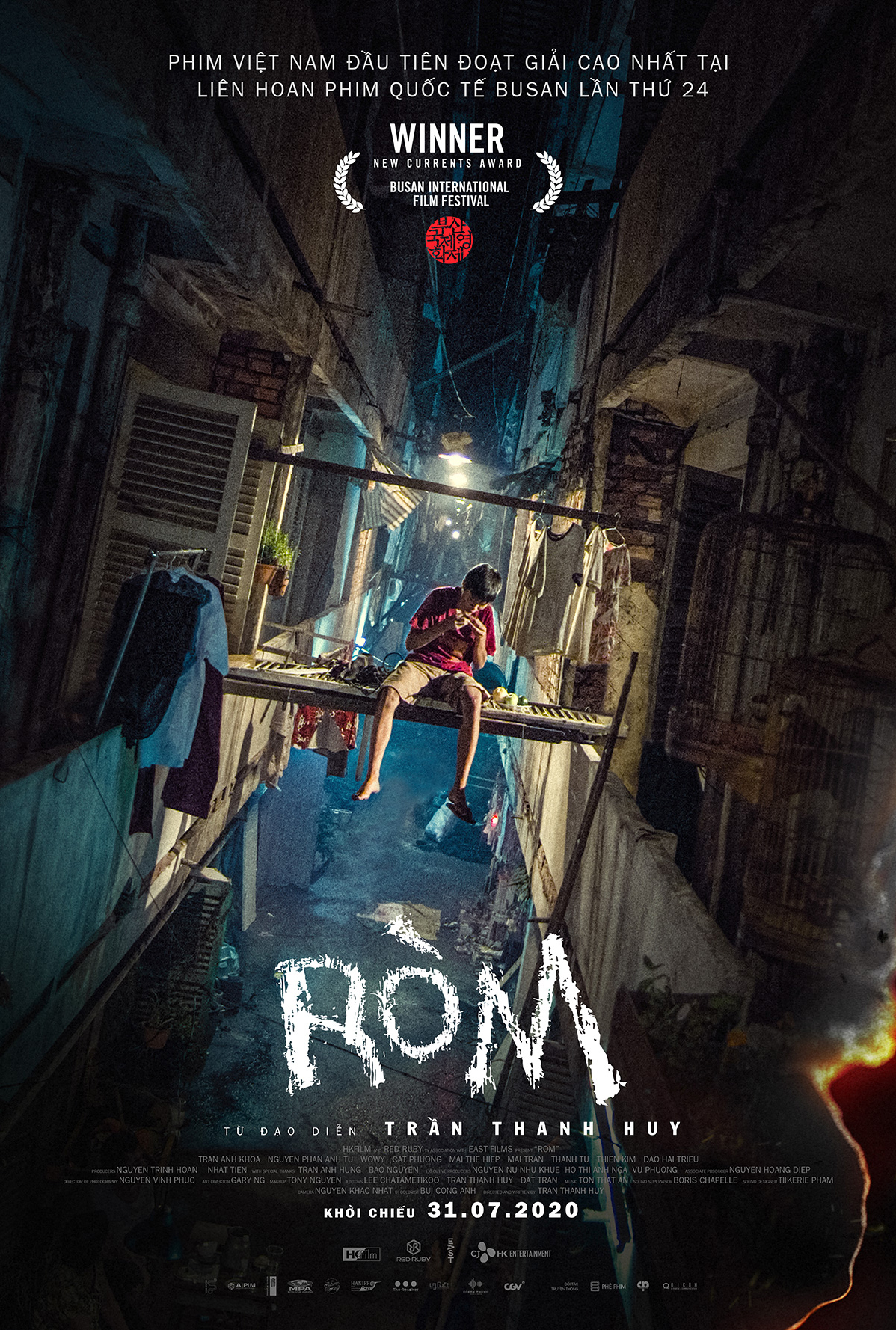
  • Rom – a 14-year-old boy hopes to earn enough money to reunite with his parents through running lottery numbers while living a precarious existence in a rundown tenement.

Full details regarding ticket pricing and purchasing procedure will be announced shortly via the official website while the movies will be available to stream within the US via the Smart Cinema app for iOS, Android, and Smart TVs from Aug. 28 to Sept. 12. You can also keep up with all the latest festival news via the official Facebook Page and Twitter account.