 Making a coming of age film when you’re only 14 is, in many ways, quite a strange idea but this debut feature from Ryugo Nakamura was indeed directed by a 14 year old boy. Focussing on a protagonist not much younger than himself and set in his native Okinawa, Catcher on the Shore (やぎの冒険, Yagi no Boken) is the familiar tale of a city boy at odds with his rural roots and the somewhat cosy, romantic relationship people from the town often have with matters of the countryside.
Hiroto is a young boy living with his single mother in the city. He’s supposed to spend the winter holidays with his grandparents in his mother’s home town and feels very grown up making the trip all by himself. He’s obviously spent quite a lot of time with his grandparents on earlier occasions and is eager to visit their two “pet” goats who live in “goathouses” (dog kennels) in the garden. However, it’s traditional in Okinawa to make goat soup at times of celebration and Hiroto’s family are raising the goats for their meat, much as they may seem like pets. Unfortunately, Hiroto wasn’t aware of this and is very distressed when he realises what’s happened to one of his “friends”. From this point on he becomes despondent and withdrawn though also committed to the idea of saving the other goat from the fate that befell its mate.
The divides between town and country prove stark here as Hiroto views the goats as domestic pets, never equating the living animal with the life sustaining meat on the dinner table. Though the other children might be able to tuck into goat soup one minute and marvel at the animal’s cuteness the next, Hiroto’s family have not fully considered that a boy from the city will have significantly different ways of looking at things. Seeing as no one thought it necessary to explain something so commonplace to him, Hiroto is shocked and left feeling as if he’s lodging with a gang of heartless murderers. Not only that, he’s now forced to consider his own place in this – his complicity in the death of other creatures as they become the means which sustains his life in the sacrifice of their own.
To begin with it’s all idyllic country scenes of children playing in lakes though perhaps it’s just different kinds of exploitation as Hiroto has also bought a tank along which is soon enough occupied by a shrimp freshly plucked from the river. It might not be a dinner plate, but even Hiroto’s well meaning desire to look after his new shrimp friend is quite a selfish one – especially as he ends up not being the best guardian, abandoning shrimpy to run off after a goat in danger.
This is a place where the old things are still important and there’s a very specific meaning to being a man. Men kill things. Women and cry babies run away. After Hiroto runs from an unexpectedly violent scene, his former friend brands him a “little girl” for lacking the courage to do something as vital as taking the life of an animal. Leaving aside the obvious sexism inherent in both his statement and the rural world (who do you think is going to deal with all those goat carcasses anyway), Hiroto and the local boy challenge each other’s manliness in the traditional way – with a fight! Which neither of them really win, though they do go on to have more of an in depth dialogue whilst marooned for a long dark night of the soul during their very differently motivated goat related quests.
Nakamura’s achievement shows remarkable assuredness for someone his age. That said, this is hardly a back bedroom affair and he’s had quite a lot of help from more experienced professionals to give him a slick, polished finish that eludes many older or even more established indie directors. Any lack of finesse can be excused by his youth but even so Nakamura’s grasp of quite complex themes is especially nuanced from someone who is still technically coming of age himself. Performances are also strong across the board but particularly from the younger members of cast and Nakamura doesn’t even shy away from Okinawa’s chief political concern as a local parliamentary candidate becomes a brief figure of fun whilst calling out for a military base to be built in the area in the hope of creating jobs and boosting the population. Imperfect, yet impressive, Catcher on the Shore is an interesting and undoubtedly well crafted debut which marks the young Nakamura as an intriguing voice that will hopefully have much to offer in years to come.
English subtitled trailer:
 Throughout his career Lee Sang-il has shown himself adept at creating ensemble character dramas but nowhere is this as much in evidence as in his well crafted debut, Border Line. Focussing on the unlikely overlapping stories of a number of people who each find themselves crossing a threshold of a more spiritual nature, Border Line traces back each of the fractures in contemporary society to the broken cord of the parental bond.
 Hibari Misora was one of the leading lights of the post-war entertainment world. Largely active as a chart topping ballad singer, she also made frequent forays into the movies notably starring with fellow musical stars Izumi Yukimura and Chiemi Eri in the
 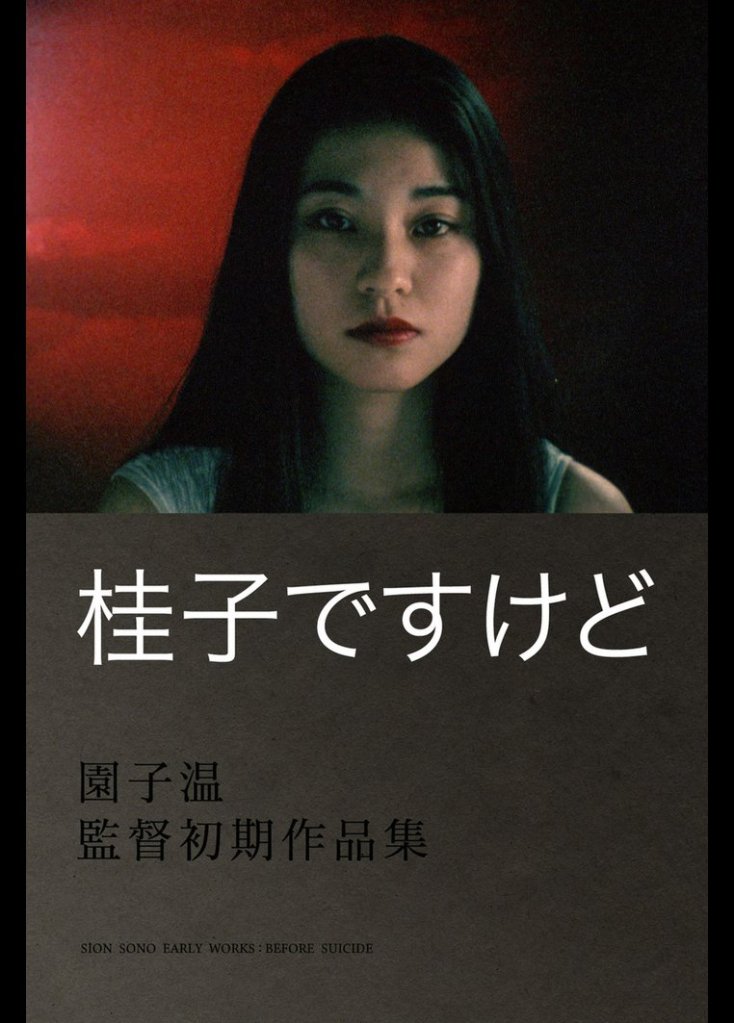 I was 21 years when I wrote this song, I’m 22 now but I won’t be for long…the leaves that are green are turning to brown for the heroine of Keiko Desu Kedo (桂子ですけど, “I am Keiko”). Approaching her 22nd birthday and with the recent death of her father ever present in her mind, she’s begun to feel the passage of time even more keenly. She doesn’t want to miss out on or forget anything so she’s going to share with us the last three weeks of her 21st year on Earth.
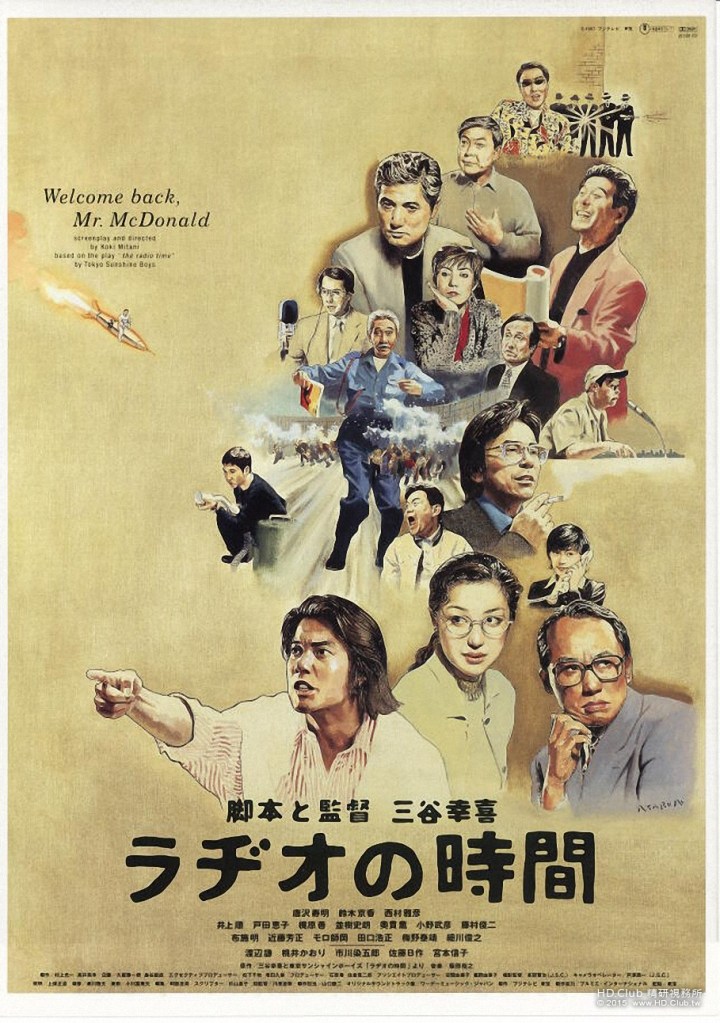 Koki Mitani is one of the most bankable mainstream directors in Japan though his work has rarely travelled outside of his native land. Beginning his career in the theatre, Mitani is the master of modern comedic farce and has the rare talent of being able to ground often absurd scenarios in the humour that is very much a part of everyday life. Welcome Back, Mr. McDonald (ラヂオの時間, Radio no Jikan) is Mitani’s debut feature in the director’s chair though he previously adapted his own stage plays as screenplays for other directors. This time he sets his scene in the high pressure environment of the production booth of a live radio drama broadcast as the debut script of a shy competition winner is about to get torn to bits by egotistical actors and marred by technical hitches.
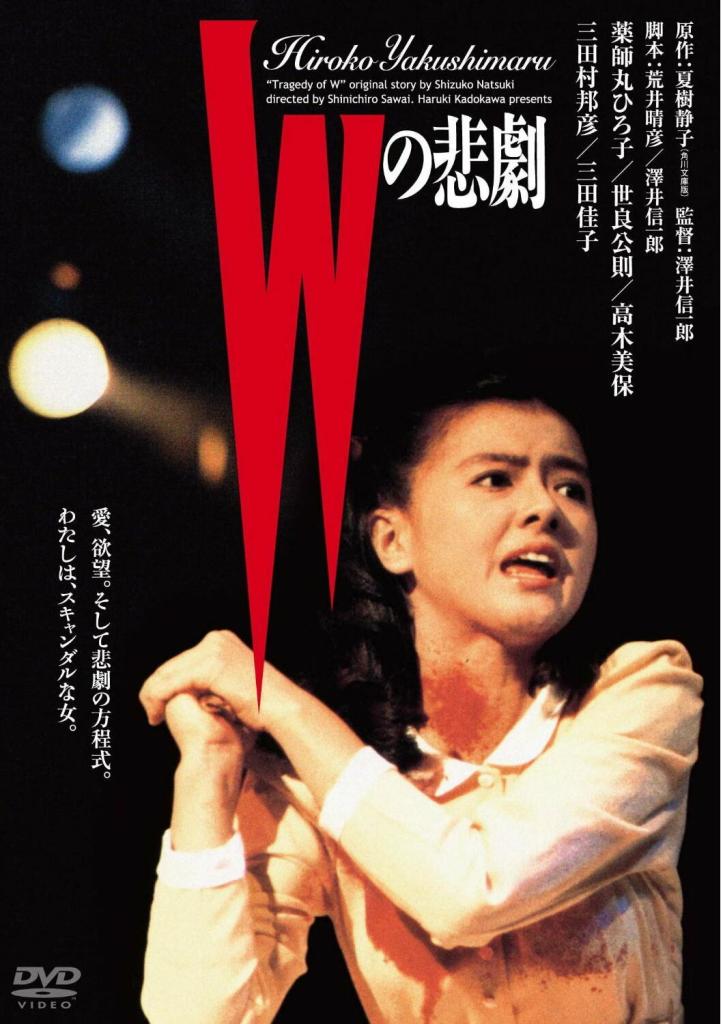 Hiroko Yakushimaru was one of the biggest idols of the 1980s. After starring in Shinji Somai’s
 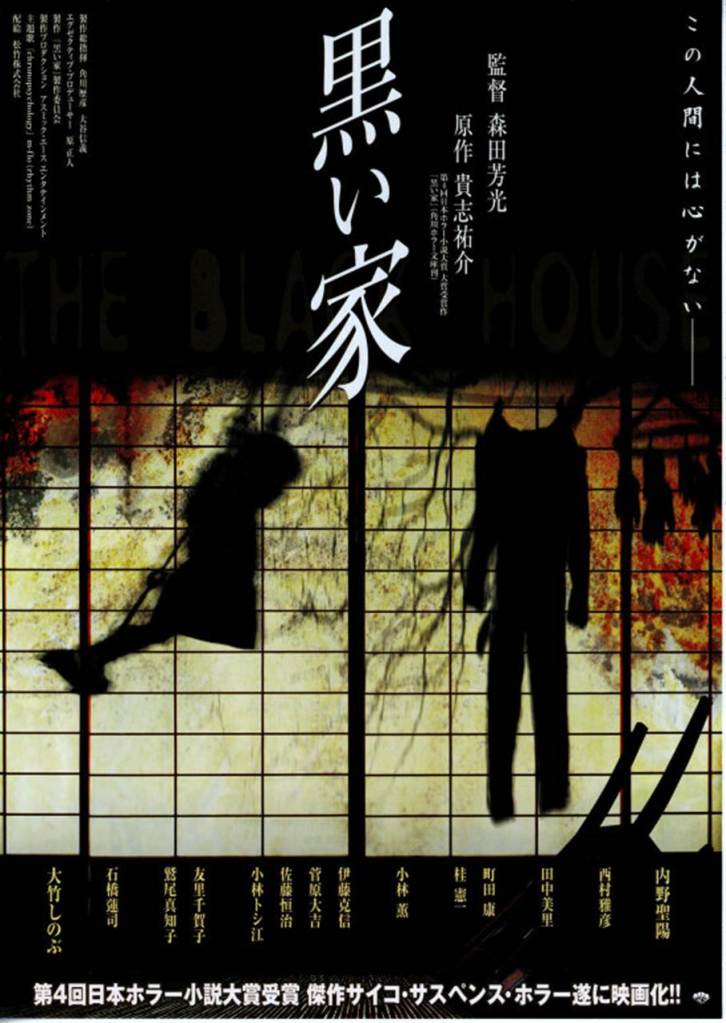 Yoshimitsu Morita, though committed to commercial filmmaking, also enjoyed trying on different kinds of directorial hats from from purveyor of smart social satires to teen idol movies, high art literary adaptations and just about everything else in-between. It’s no surprise then that at the height of the J-horror boom, he too got in on the action with an adaptation of Yusuke Kishi’s novel of the same name, The Black House (黒い家, Kuroi Ie). Though tagged as “J-horror” you’ll find no long haired ghosts here and, in fact, barely anything supernatural as the true horror on show is the slow descent into madness taking place inside the protagonist’s mind.
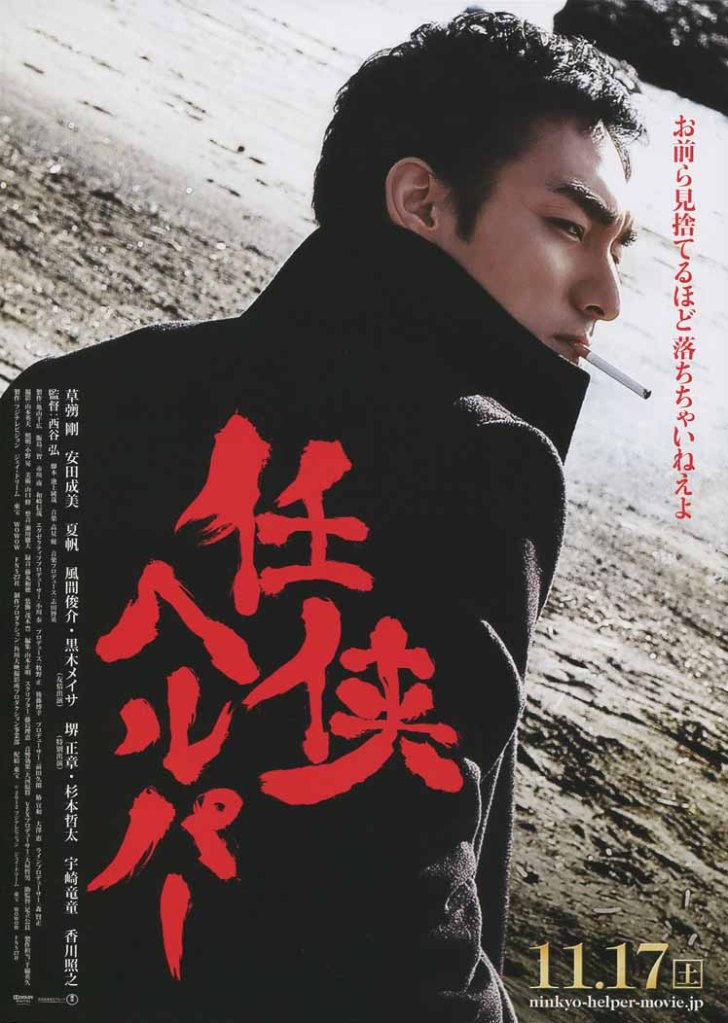 In old yakuza lore, the “ninkyo” way, the outlaw stands as guardian to the people. Defend the weak, crush the strong. Of course, these are just words and in truth most yakuza’s aims are focussed in quite a different direction and no longer extend to protecting the peasantry from bandits or overbearing feudal lords (quite the reverse, in fact). However, some idealistic young men nevertheless end up joining the yakuza ranks in the mistaken belief that they’re somehow going to be able to help people, however wrongheaded and naive that might be.
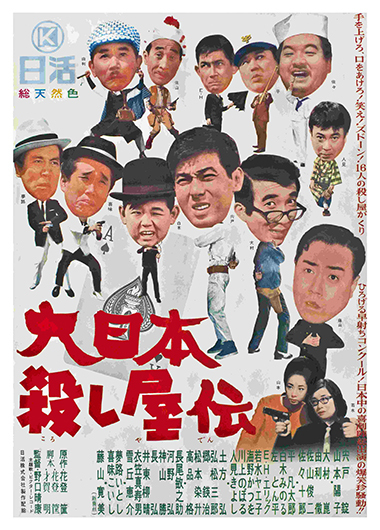 “If you don’t laugh when you see this movie, I’m going to execute you” abacus wielding hitman Komatsu warns us at the beginning of Haryasu Noguchi’s Murder Unincorporated (大日本殺し屋伝, Dai Nihon Koroshiya-den). Luckily for us, it’s unlikely he’ll be forced to perform any “calculations”, and the only risk we currently run is that of accidentally laughing ourselves to death as we witness the absurd slapstick adventures of Japan’s craziest hitman convention when the nation’s “best” (for best read “most unusual”) contract killers descend on a small town looking for “Joe of Spades” – a mysterious assassin known only by the mole on the sole of his foot.
