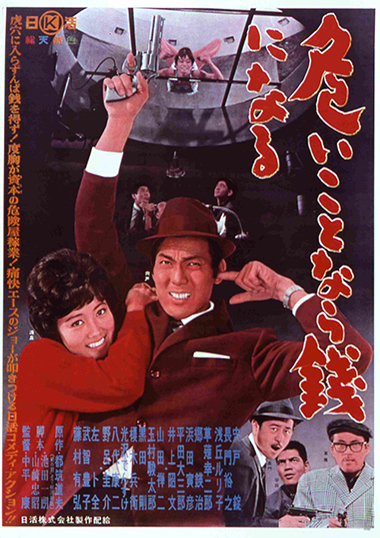
 Where there’s danger, there’s money! Or, maybe just danger, who knows but whatever it is, it certainly doesn’t lack for excitement. Ko Nakahira is best known for his first feature, Crazed Fruit, the youthful romantic drama ending in speed boat murder which ushered in the Sun Tribe era. Though he later tried to make a return to more artistic efforts, it’s Nakahira’s freewheeling Nikkatsu crime movies that have continued to capture the hearts of audience members. Danger Pays (AKA Danger Paws, 危いことなら銭になる, Yabai Koto Nara Zeni ni Naru) is among the best of them with its cartoon-like, absurd crime caper world filled with bumbling crooks and ridiculous setups.
The central plot gets going when a truck carrying watermarked paper destined for the mint is hijacked with force by armed thugs. They need a master forger though so they set out to recruit one of the best counterfeiters currently working on his way back from a business trip to Hong Kong. However, three petty crooks have also gotten wind of the scam and are trying to head off their rivals by kidnapping the old grandpa first.
The three guys are “Glass Hearted Joe” – a purple suited dandy with an aversion to the sound of scraping glass, Slide Rule Tetsu who walks with a cane and is a whizz with the abacus, and Dump-Truck Ken who’s a geeky sort of guy who also owns a dumper truck. Sakamoto, the forger, eludes their grasp when the better equipped professionals turn up, but none of them is willing to give up on the prize. A little later, Joe teams up with a female ally – Tomoko, who is keen martial artist and smarter than the other three put together. Eventually the four end up becoming an accidental team though it remains to be seen if they can really turn this increasingly desperate situation to their advantage.
Danger Pays is in no way “serious” though this is far from a criticism. Armed with a killer script filled with amazing one liners which are performed with excellent comic timing by the A-list cast, Danger Pays is the kind of effortlessly cool, often hilarious crime caper which is near impossible to pull-off but absolutely sublime when it works – which Danger Pays most definitely does. Though there is a large amount of death and bloodiness in the final third, the atmosphere remains cartoonish as our intrepid team of four simply step over the bodies to go claim their prize with only one of them left feeling a little queasy.
Nakahira maintains the high octane, almost breathless pace right through to the end. The finale kicks in with our heroes trying to escape from a locked room which is about to be filled with gas only to be trapped like rats in an elevator shaft where they engage in an improbable shootout whilst bodies rain down on them from above bathed in the red emergency light of the escape vaults. This is a hardboiled world but one cycled through cigar munching wise guys and tommy guns, it’s all fun and games until you’re trapped in a lift knee deep in corpses while blood drips from a couple more dead guys on the ceiling.
Ridiculous slapstick humour and broad comedy are the cornerstones of Danger Pays though it also makes its central crime conceit work on its own only to overturn it with a final revelation even as the credits roll. Excellently played by its four leads, this comic tale of “victimless crime” in the improbably colourful underworld of ‘60s Tokyo is one which is filled with absurd humour, cartoon stunts, and ridiculous characters but proves absolutely irresistible! If only modern day crime capers were this much fun.
Danger Pays is the second of three films included in the second volume of Arrow’s Nikkatsu Diamond Guys box set.
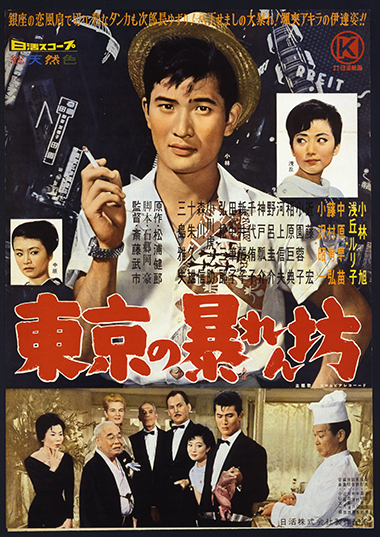 The bright and shining post-war world – it’s a grand place to be young and fancy free! Or so movies like Tokyo Mighty Guy (東京の暴れん坊, Tokyo no Abarembo) would have you believe. Casting one of Nikkatsu’s tentpole stars, Akira Kobayshi, in the lead, Buichi Saito’s Tokyo Mighty Guy is, like previous Kobayashi/Saito collaboration
 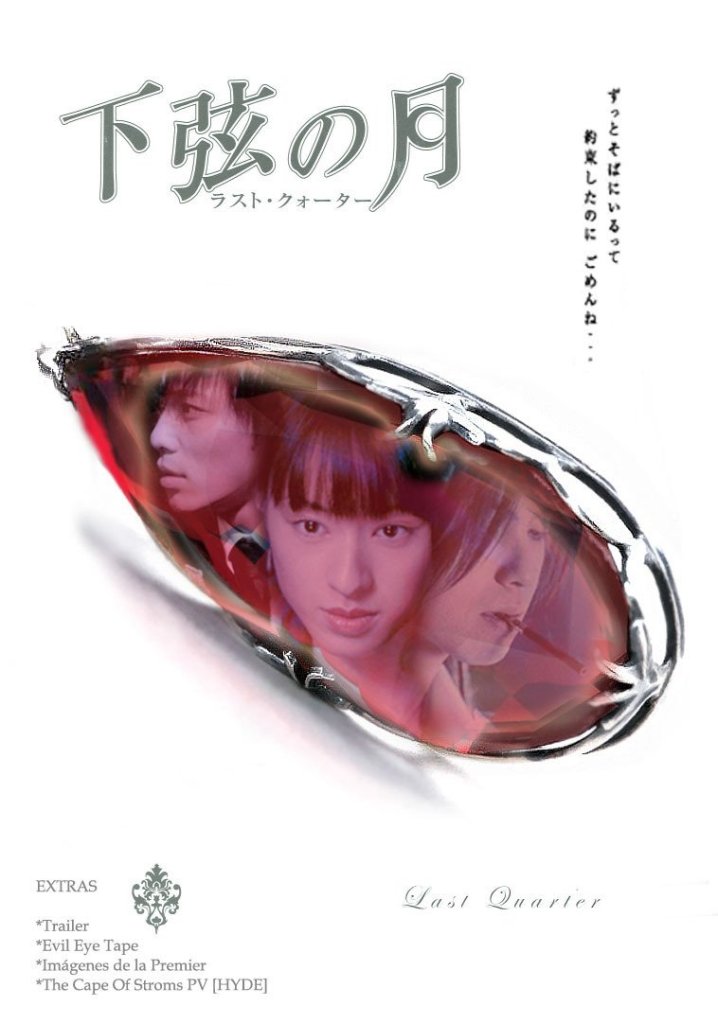 To begin on a cynical note, Last Quarter (下弦の月 ラスト・クォーター, Kagen no tsuki Last Quarter) is a film with a wide variety of marketing hooks. The first being that it’s an adaptation of a much loved short manga series by the well respected mangaka Ai Yazawa (Paradise Kiss) so it has its shoujo pedigree firmly in place. Secondly, pop star HYDE of L’Arc-en-Ciel is central to the production as he both stars in the movie as the ghostly love interest/deathly spirit and repeatedly sings his own songs throughout the film including over the end credits. Thirdly, it also stars actress Chiaki Kuriyama well known to overseas audiences thanks to Kill Bill and Battle Royale. You’d think with all these high quality ingredients first time director Ken Nikai would be able to cook up quite a feast though he does somewhat over egg the pudding.
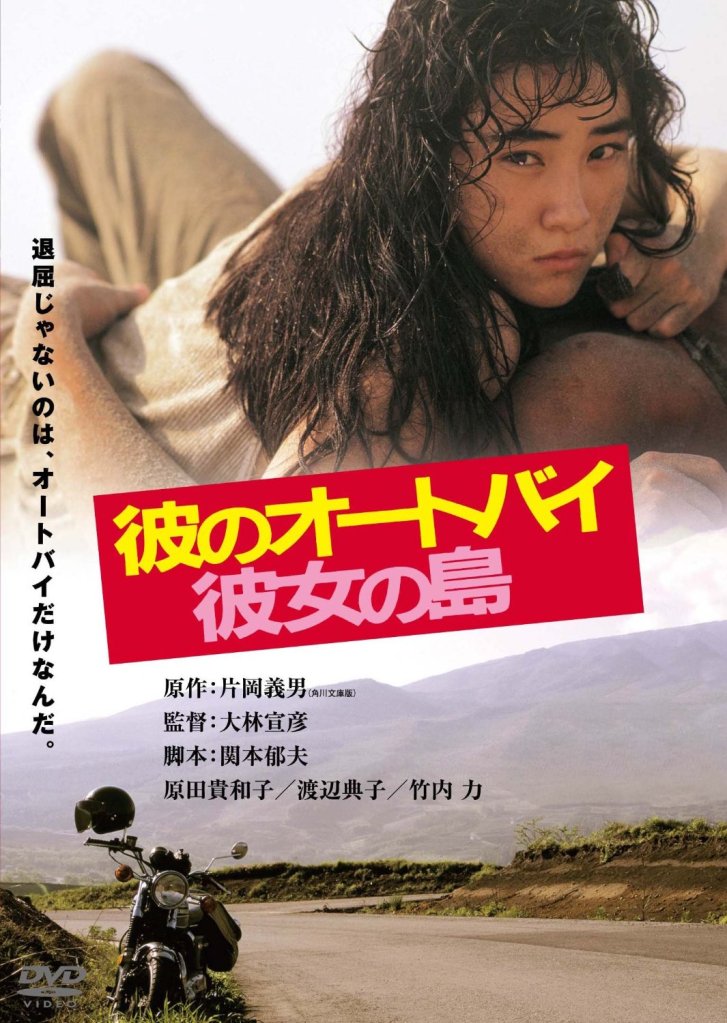 Like many directors during the 1980s, Nobuhiko Obayashi was unable to resist the lure of a Kadokawa teen movie but His Motorbike, Her Island (彼のオートバイ彼女の島, Kare no Ootobai, Kanojo no Shima) is a typically strange 1950s throwback with its tale of motorcycle loving youngsters and their ennui filled days. Switching between black and white and colour, Obayashi paints a picture of a young man trapped in an eternal summer from which he has no desire to escape.
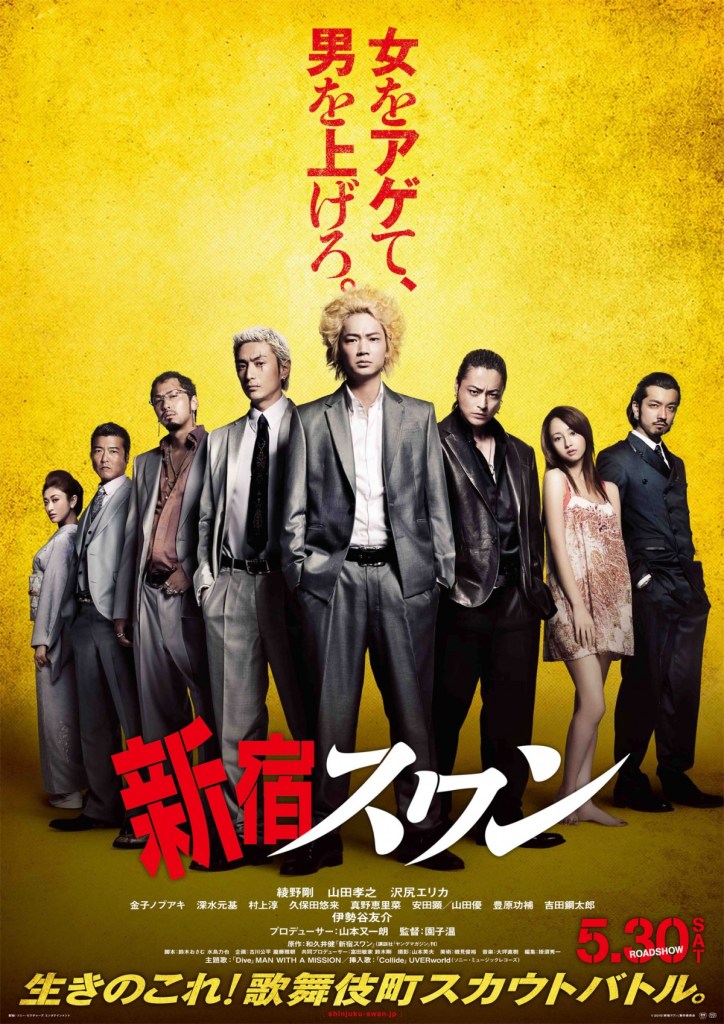 Enfant terrible of the Japanese film industry Sion Sono has always been prolific but recent times have seen him pushing the limits of the possible and giving even Takashi Miike a run for his money in the release stakes. Indeed, Takashi Miike is a handy reference point for Sono’s take on Shinjuku Swan (新宿スワン) – an adaptation of a manga which has previously been brought to the small screen and is also scripted by an independent screenwriter rather than self penned in keeping with the majority of Sono’s directing credits. Oddly, the film shares several cast members with Miike’s Crows Zero movies and even lifts a key aesthetic directly from them. In fact, there are times when Shinjuku Swan feels like an unofficial spin-off to the Crows Zero world with its macho high school era tussling relocated to the seedy underbelly of Kabukicho. Unfortunately, this is somewhat symptomatic of Sono’s failure, or lack of will, to add anything particularly original to this, it has to be said, unpleasant tale.
 Akira Kurosawa’s later career was marred by personal crises related to his inability to obtain the kind of recognition for his films he’d been used to in his heyday during the golden age of Japanese cinema. His greatest dream was to die on the set, but after suffering a nasty accident in 1995 he was no longer able to realise his ambition of directing again. However, shortly after he died, the idea was floated of filming some of the scripts Kurosawa had written but never proceed with to the production stage including The Sea is Watching (海は見ていた, Umi wa Miteita) which he wrote in 1993. Based on a couple of short stories by Shugoro Yamamoto, The Sea is Watching would have been quite an interesting entry in Kurosawa’s back catalogue as it’s a rare female led story focussing on the lives of two geisha in Edo era Japan.
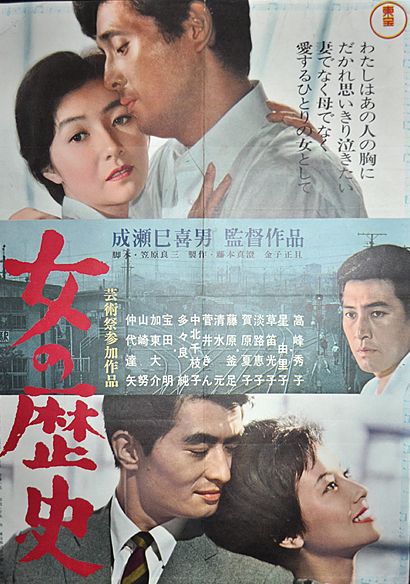 Mikio Naruse made the lives of everyday women the central focus of his entire body of work but his 1963 film, A Woman’s Story (女の歴史, Onna no Rekishi), proves one of his less subtle attempts to chart the trials and tribulations of post-war generation. Told largely through extended flashbacks and voice over from Naruse’s frequent leading actress, Hideko Takamine, the film paints a bleak vision of the endless suffering inherent in being a woman at this point in history but does at least offer a glimmer of hope and understanding as the curtains falls.
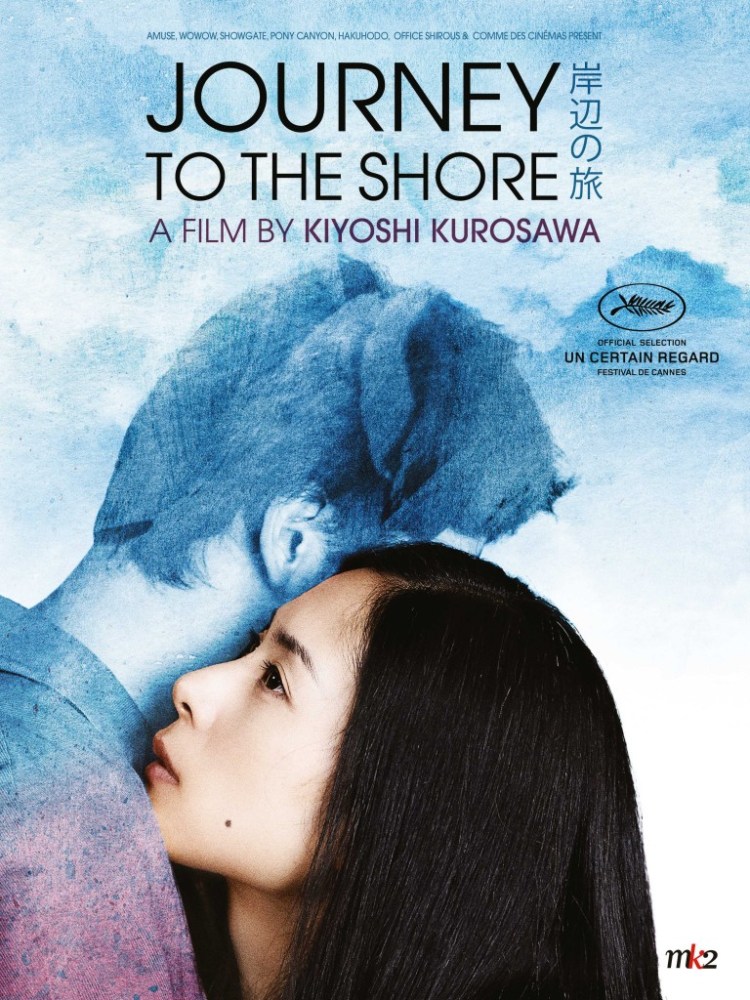 Time is an ocean, but it ends at the shore. Kiyoshi Kurosawa neatly reverses Dylan’s poetic phrasing as his shoreline is less a place of endings but of beginnings or at least a representation of the idea that every beginning is born from the death of that which preceded it. Adapted from a novel by Kazumi Yumoto, Journey to the Shore (岸辺の旅, Kishibe no Tabi) takes its grief stricken, walking dead heroine on a long journey of the soul until she can finally put to rest a series of wandering ghosts and begin to live once again, albeit at her own tempo.
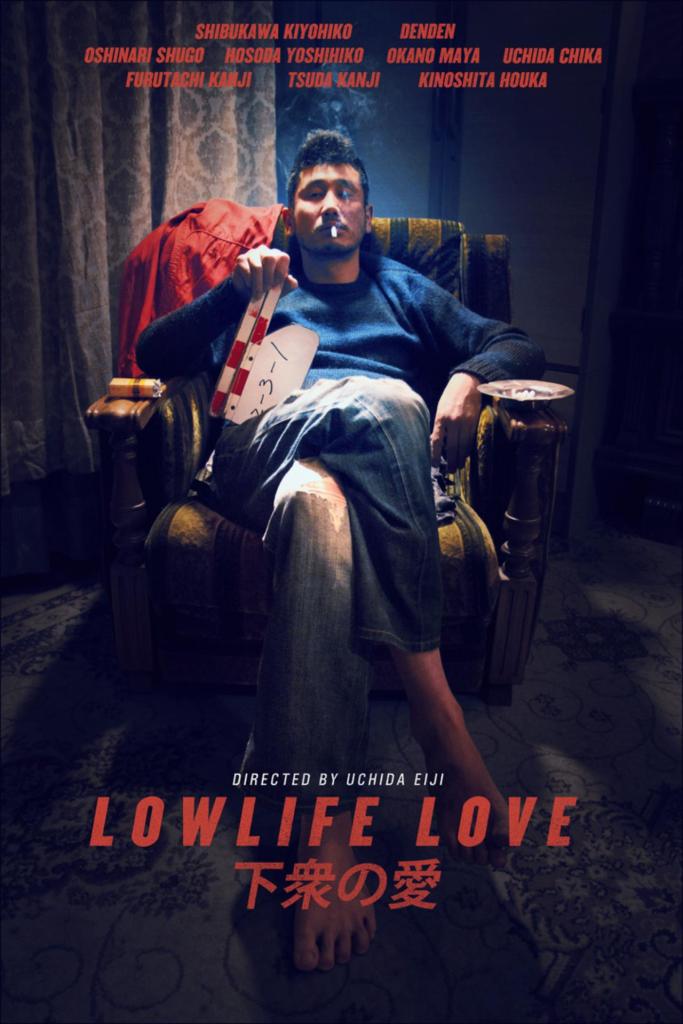 “What would John do?” is a question Cassavetes loving indie filmmaker Tetsuo (Kiyohiko Shibukawa) often asks himself, lovingly taking the framed late career photo of the godfather of independent filmmaking in America down from the wall. Unfortunately, if Cassavetes has any advice to offer Tetsuo, Tetsuo is not really paying attention. An example of the lowlife scum who appear to have taken over the Japanese indie movie scene, Tetsuo hasn’t made anything approaching art since an early short success some years ago and mainly earns his living through teaching “acting classes” for young, desperate, and this is the key – gullible, people hoping to break into the industry.
