 Hibari, Chiemi and Izumi reunite in 1964 for another tale of musical comedy and romantic turmoil in Sannin Yoreba (三人よれば). Beginning as teenagers in So Young, So Bright and Romantic Daughters before progressing to the beginning of their adult lives in On Wings of Love, the girls are all grown up now so the plot of Sannin Yoreba centres around the eternal conflict in the youth of every young woman in ‘60s Japanese cinema – marriage!
At the beginning of the film the three girls are intrigued and excited to receive a call from their old high school teacher who has recently retired. Meeting up to go visit her, the girls relive some old memories with the help of a few repurposed scenes from So Young, So Bright spliced in plus a few additional bits so that it looks like Izumi was also a classmate with them (in the movie she played an apprentice geisha Chiemi and Hibari met in Kyoto) as well as replacing the actress who played the teacher with the woman we’re about to meet. The trio even sing the title song to the first film, Janken Musume, as they drive over to their teacher’s house.
However, once they get there the nostalgic mood begins to dissipate as they realise their teacher has ulterior motives for inviting them. It seems, now that she’s retired, she’s opened a dating agency and wants to introduce our still single ladies to a few “eligible bachelors”. Horrified, the girls each quickly claim to have serious boyfriends already even though Hibari is the only one actually in a relationship. The teacher seems satisfied but invites them all back beaus in tow to give her final verdict. Thus begins the complicated road to true love for our musically inclined heroines.
It’s been seven years since the last Sannin Musume movie and truth to tell things have moved on the meantime leaving the Hollywood inspired musical glamour looking a little old fashioned. Much of Sannin Yoreba is a nostalgia fest despite the fact that it hasn’t really been all that long. Harking back to the first film by singing the title song and reusing the high school era footage seems primed to pull the similarly aged ladies of the audience back to screens across the country.
Sannin Yoreba has the fewest musical sequences and steers clear of large scale production numbers in favour of smaller solo showcases for the leading ladies. There’s more of a blur here into what are really fantasy sequences again taking place as the girls daydream or worry about various things – Chiemi at her place of work (in the production booth of a TV studio), Izumi in her salon, and Hibari at a bar after having a serious argument with her fiancee (once again played by Akira Takarada). That said, the girls end up at a theatre again as they did in the first two movies where they watch themselves perform a tripartite musical set piece which splits off into individual numbers for each one of them. A kind of Chaplin meets Marx Brothers meets Easter Parade theme, the girls dress up as tramps wandering through Times Square where they spot adverts for various shows which inspire their routines including Madame Butterfly where Chiemi plays both the captain and the geisha, and a bullfighting bolero number with Hibari giving it her full on Zorro.
Once again its an elegantly put together fluff fest intended to showcase the entertaining personalities of the three leading ladies who are now some of the biggest performing stars in post-war Japan. As usual the girls have great chemistry together and make a convincing group of lifelong friends whose relationship transcends that of any potential romance on offer. The movie ends with a wedding and another musical finale which incorporates three all three singers so, as expected, everything works out OK in the end which is mostly what people what from a cosy musical comedy starring three giants of the entertainment world. It may be a little sluggish in places and lacks the absurd comedic touch of the earlier movies, but Sannin Yoreba is a welcome return for the idol supergroup even if this kind of movie was evidently on its way out by the mid 1960s.
This is the last of the Sannin Musume movies 😦
Nothing from the film but here’s a video of the three girls some years later singing one of the songs which crops up throughout the movies:
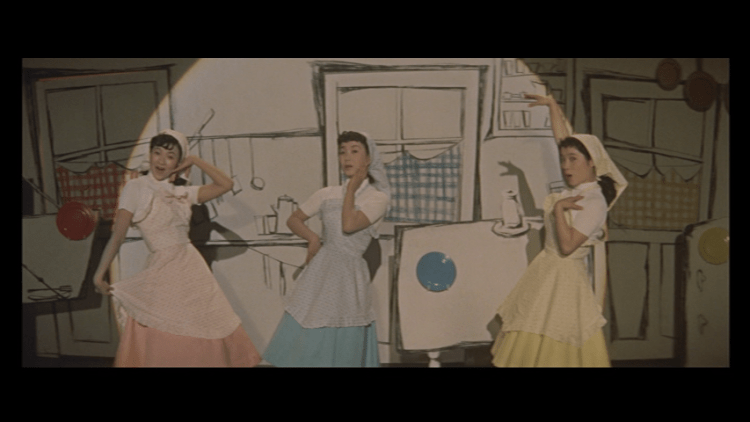 The Sannin Musume girls are growing up by the time we reach 1957’s On Wings of Love (大当り三色娘, Ooatari Sanshoku Musume). In fact, they each turned 20 this year (which is the age you legally become an adult in Japan), so it’s out with the school girl stuff and in with more grown up concerns, or more specifically marriage. Wings of Love is the third film to star the three Japanese singing stars Hibari Misora, Chiemi Eri, and Izumi Yukimura who come together to form the early idol combo supergroup Sannin Musume. Once again modelled on the classic Hollywood musical, On Wings of Love is the very first Tohoscope film giving the girls even more screen to fill with their by now familiar cute and colourful antics.
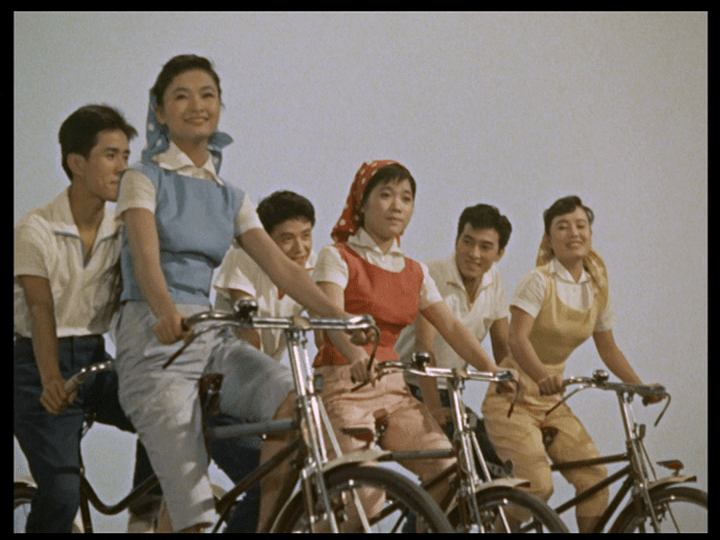 Romantic Daughters (ロマンス娘, Romance Musume) is the second big screen outing for the singing star combo known as “sannin musume”. A year on from
 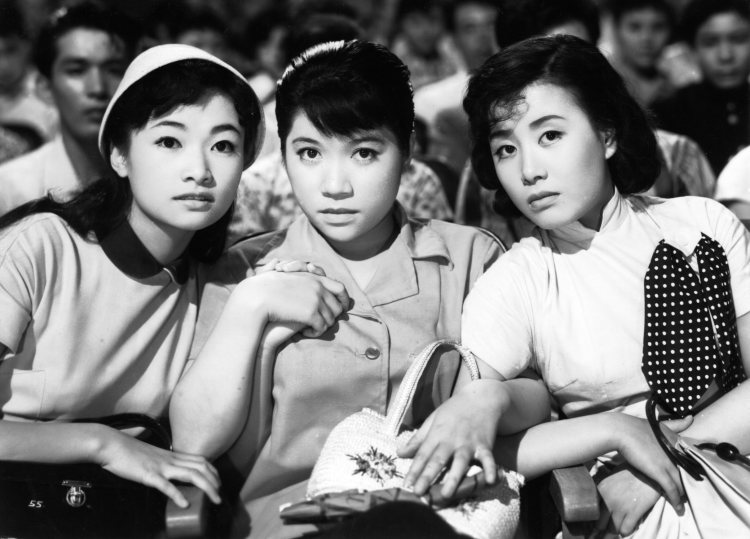 Pop stars invading the cinematic realm either for reasons of commerce, vanity, or just simple ambition is hardly a new phenomenon and even continues today with the biggest singers of the era getting to play their own track over the closing credits of the latest tentpole feature. This is even more popular in Japan where idol culture dominates the entertainment world and boy bands boys are often top of the list for any going blockbuster (wisely or otherwise). Cycling back to 1955 when the phenomenon was at its heyday all over the world, So Young, So Bright (ジャンケン娘, Janken Musume) is the first of four so called “three girl” (Sannin Musume) musicals which united the three biggest female singers of the post-war era: Hibari Misora, Chiemi Eri, and Izumi Yukimura for a music infused comedy caper.
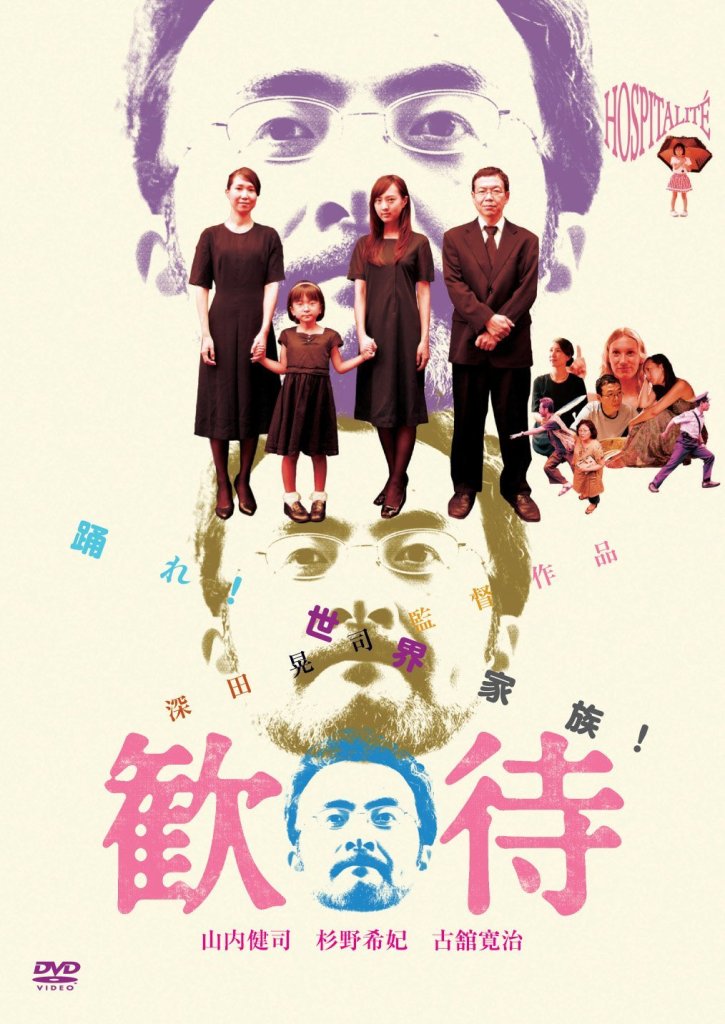 From the Ozu-esque, classic calligraphy of its elegant title sequence, you might expecting a rather different kind of family drama than the one you find in Koji Fukada’s Hospitalité (歓待, Kantai). Though his compositions lean more towards the conventional, Fukada aims somewhere between a more restrained
  Naruse’s final silent movie coincided with his last film made at Shochiku where his down to earth artistry failed to earn him the kind of acclaim that the big hitters like Ozu found with studio head Shiro Kido. Street Without End (限りなき舗道, Kagirinaki Hodo) was a project no one wanted. Adapted from a popular newspaper serial about the life of a modern tea girl in contemporary Tokyo, it smacked a little of low rent melodrama but after being given the firm promise that after churning out this populist piece he could have free reign on his next project, Naruse accepted the compromise. Unfortunately, the agreement was not honoured and Naruse hightailed it to Photo Chemical Laboratories (later Toho) where he spent the next thirty years.
 Following on from
 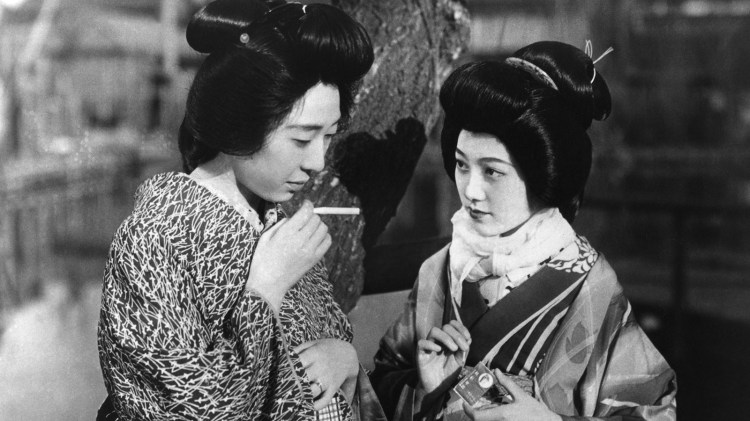 Naruse’s critical breakthrough came in 1933 with the intriguingly titled Apart From You (君と別れて, Kimi to Wakarete) which made it into the top ten list of the prestigious film magazine Kinema Junpo at the end of the year. The themes are undoubtedly familiar and would come dominate much of Naruse’s later output as he sets out to detail the lives of two ordinary geisha and their struggles with their often unpleasant line of work, society at large, and with their own families.
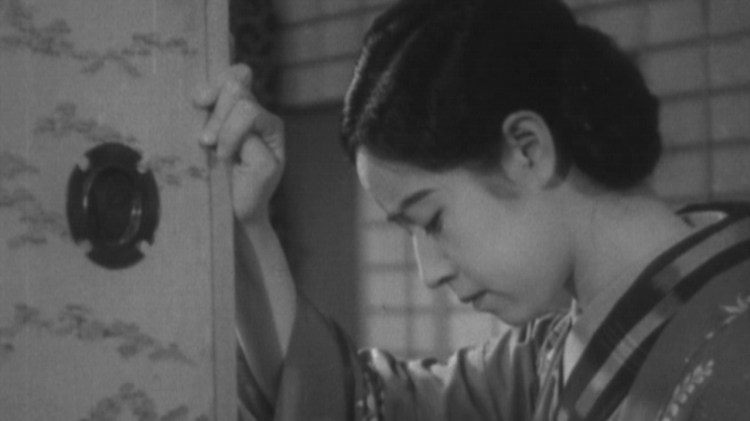 Naruse apparently directed six other films in-between
 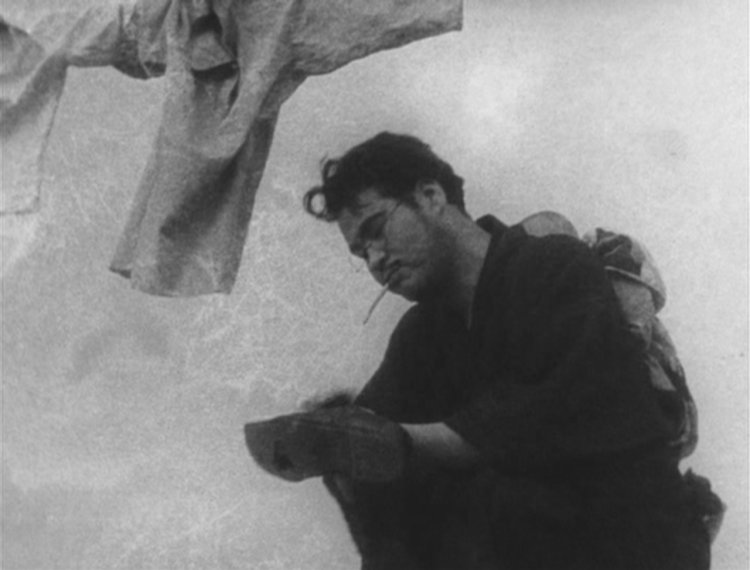 Mikio Naruse is often remembered for his female focussed stories of ordinary women trying to do they best they can in often difficult circumstances, but the earliest extant example of his work (actually his ninth film), Flunky, Work Hard (腰弁頑張れ, Koshiben Ganbare), is the sometimes comic but ultimately poignant tale of a lowly insurance salesman struggling to get ahead in depression era Japan.
