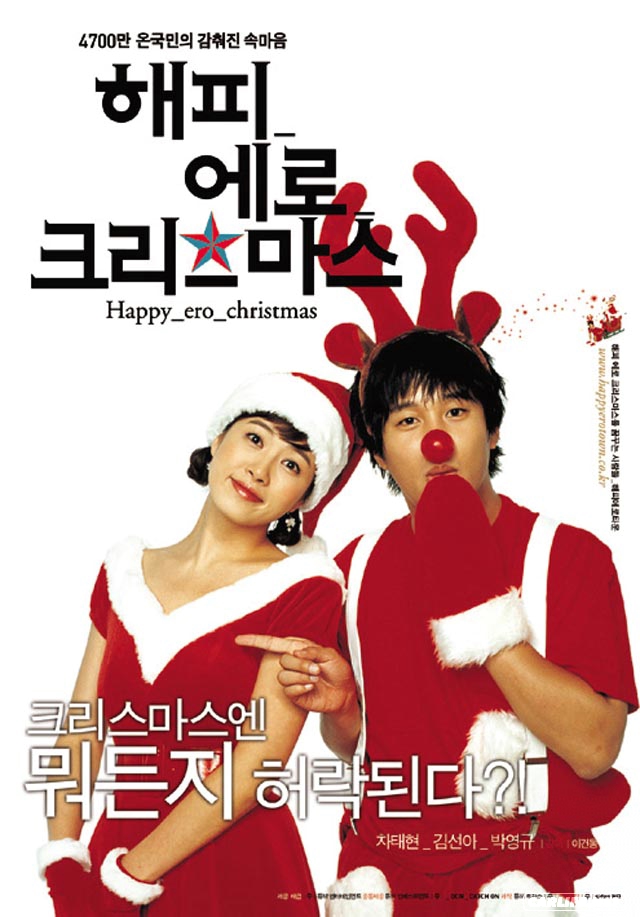
Happy Ero Christmas (해피 에로 크리스마스, Lee Kun-dong, 2003)

Happy Ero ChristmasMany may feel that we’ve forgotten the true meaning of Christmas, but behind the consumerist frenzy aren’t we all just looking for warmth and connection to help us make it through the cold? Well, maybe not, at least as far as one enterprising old man at the centre of Happy Ero Christmas (해피 에로 크리스마스) would have it, but in Korea Christmas is also a time of romance and so our hapless hero hopes to harness the goodwill of the festive season to make this year truly special.

Rookie cop Byung-ki (Cha Tae-hyun) grew up in a hot spring resort famous for its healing waters and inhabited mostly by tourists and gangsters. As a small child dumped by his dad at the baths, Byung-ki suffered a traumatic incident which has defined the course of his life – a horrible gangster decided to throw him into the super hot pool as a kind of hazing exercise, something which caused him both physical and emotional pain. He swore when he grew up he’d get rid of all the gangsters for good, starting with Suk-doo (Park Yeong-gyu) who has a tattoo of the hot springs map symbol but with musical notes instead of steam on his arm.

Unfortunately, however, mostly what Byung-ki does is dress up as the local police mascot “Polibear” and hand out leaflets while taking care of all the other inconvenient station jobs like sweeping the foyer. When he’s not busy dreaming of crime fighting glory, he’s fantasising about the melancholy young woman at the bowling alley, Min-kyung (Kim Sun-a), with whom he’s dreamily in love though she doesn’t seem to know he exists. Min-kyung, as it happens, has hit a rough patch with her fireman boyfriend she started dating when he rescued her from a fire.

Meanwhile, across town, a sleazy old man claims to have discovered the true meaning of Christmas, and it’s X-rated. Rebranding the holiday “Sexmas”, he wants to make an adult movie about a randy Santa who gets kicked out of Santatown for sleeping with all the other Santas’ wives. Coincidentally, the recently released Suk-doo has decided to open a new club, the Sex Palace, during the holiday, while two sexually frustrated teens try to get dates with trombone players and idly fantasise about the abuse of flatfish by sailors at sea.

Suk-doo doesn’t even really remember Byung-ki and is at a bit of a loss as to why he seems to hate him. He spends his life obsessively rewatching Shunji Iwai’s snowy classic Love Letter and getting well and truly into the Christmas spirit to make up for lost time seeing as he spent the last one inside and found it very depressing. Inconveniently for Byung-ki, Suk-doo too develops a liking for Min-kyung after she accidentally spits on him from the roof of the bowling alley after going up there to have a little cry over her rubbish fireman boyfriend.

The thing is, as Min-kyung says, Suk-doo might not actually be that bad. He’s a sensitive soul who knows how to keep Christmas well, which, to be honest is a lot more than you can say for most of the guys in this town. Byung-ki’s efforts to win her heart are so subtle that she hasn’t even noticed most of them, even when he dutifully drops her home after finding her having a drunken karaoke session and she throws up in his police car. Nevertheless, Suk-doo is still a gangster, and gangsters can be awkward too but they’re a lot more dangerous when they are.

Predictably, some of Byung-ki’s most questionable tactics – going through Min-kyung’s bag after it gets left behind in his car when she throws up, quasi-stalking her, putting up a police alarm button right outside her house to let her know he’s only three minutes away etc are written off as awkward goofiness, something which Min-kyung eventually seems to appreciate after realising Suk-doo’s not so nice after all. Suk-doo, meanwhile, gets a sad back story about his mother supposedly dying on Christmas Day, which also happens to be Min-kyung’s birthday, with a series of awkward implications only later undercut by a late confession. As Byung-ki puts it, everyone dreams something special for Christmas be it a weird erotic escapade, or an innocent romance. Mostly everyone gets what they wanted from Santa’s sleigh, riding off into the snow with a new hope for the future whatever that might hold.


Original trailer (extreme low res, no subtitles)
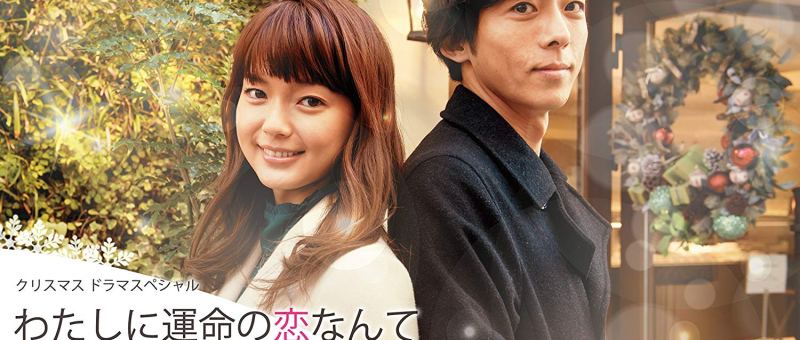
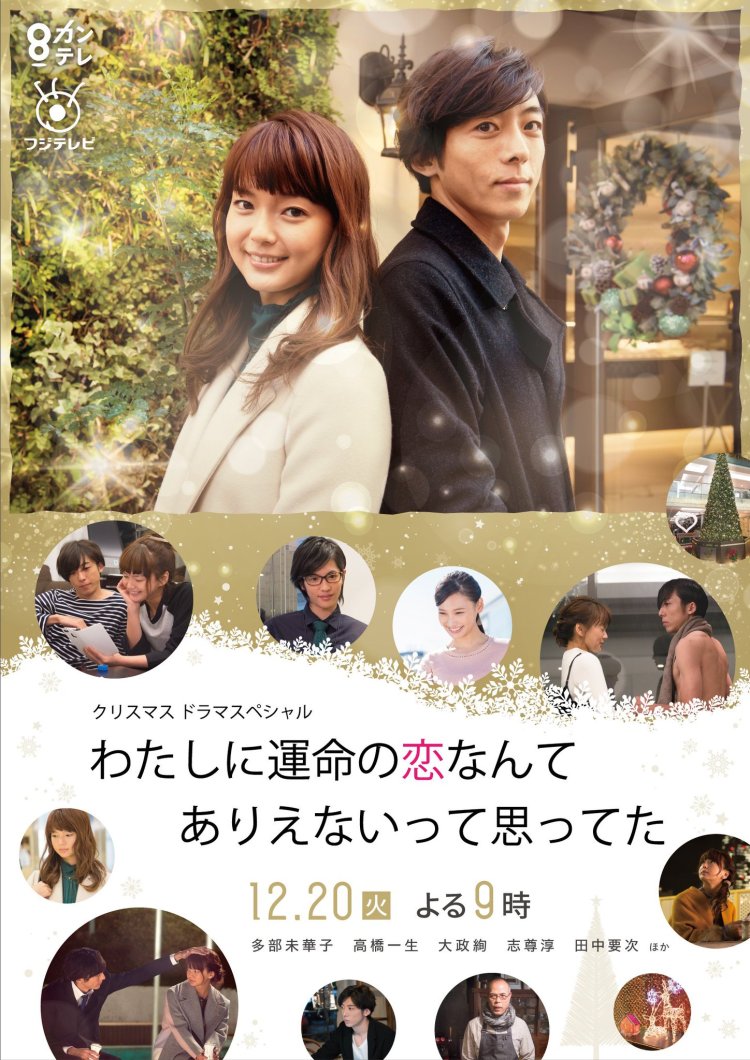
My Long Awaited Love Story (わたしに運命の恋なんてありえないって思ってた, Takafumi Hatano, 2016)

My Long Awaited Love Story posterChristmas is synonymous with romance in Japan, but should you really rush into love just to get a pretty picture under the bright lights of a shopping mall holiday display? Perhaps not, but rom-coms are not generally the best place to look for realistic dating advice. “Realistic dating advice” is what the lovelorn heroine of My Long Awaited Love Story (わたしに運命の恋なんてありえないって思ってた, Watashi ni Unmei no Koi nante Arienaitte Omotteta) ends up giving when she runs into a socially awkward CEO with a crush on an employee, but in true rom-com fashion finds herself falling for him instead.

27-year-old Riko (Mikako Tabe) has given up on love, at least in the “real” world. Ironically enough, her job is writing romantic storylines for dating sims at which she is apparently very successful which is why she’s been hired as a consultant by a tech firm looking to branch out in the hope of capturing the female market. The problem is that the more she observes “real” guys in the world all around her, the more they disappoint. The handsome “prince” at a coffee shop says all the right things but then claims to have forgotten his wallet. The clingy cutie has another girl on the line, and the domineering Type-A hunk crumbles in front of a strong woman. Riko knows that Hollywood-style meet cutes don’t happen in everyday life, but finds herself repeatedly running into them only for something to burst her bubble unexpectedly.

At the meeting for her new game, the assembled team being almost entirely female which, when you think about it, is a little bit depressing because it means the boss has used it to get all the women off the floor, Riko is taken by the handsome, sensitive Midoritani (Jun Shison) but gets a rude awakening when another guy turns up and immediately makes it clear he hates all her ideas. According to him, women who play dating sims must be ugly or stupid, the sort of people unwilling to see reality, retreating into a frothy fantasy land to escape their unhappy lives. Thoroughly fed up, Riko sets him right, only to realise this man, Kurokawa (Issey Takahashi), is actually the president of the company.

They haven’t exactly hit it off, and Riko is further enraged when she overhears him giving an interview to a women’s magazine in which he claims to be “supporting women”, parroting all the words she threw at him to make himself sound progressive. Gently teasing him about his obvious crush on Momose (Aya Ohmasa), a pretty employee, however brings them a little closer and earns her an apology. Kurokawa takes some of her advice, tries out a tactic from a game she wrote, finds it kind of works, and eventually asks her to teach him the ways of love. Despite feeling under confident in her own love life as an unattached 27-year-old, she agrees.

Gradually we discover that Riko’s taste for romantic fantasy is a clear eyed choice designed to keep her “safe” from heartbreak because it’s not real and the idealised 2D guys from her games are never going to let her down. Annoyingly, Kurokawa was right up to a point, but you can’t deny that the world Riko lives in is in itself disappointing, a fiercely sexist society in which the men are timid children and the women socially conditioned not to make the first move. Kurokawa’s courtship of Momose, it has to be said, borders on harassment considering he’s the boss and she’s much younger than he is. Early on, Riko outs herself as a youthful devote of shojo manga, given unrealistic ideas about romance from idealised stories of innocent love filled with charming, handsome princes and infinite happy endings. Riko wanted to fall in love like that, which is to say, unrealistically without fully engaging with all the difficult bits of being in a relationship.

Needless to say, she begins to fall for Kurokawa who, for all his awkwardness, has a good a heart and the willingness to learn. Thanks to him she gets the courage to humiliate a bunch of high school bullies at a reunion, but still struggles with the idea of opening herself up to “real” love and the possibility of heartbreak. When Kurokawa has a crisis and calls her, she knows where he’ll be but sends Momose instead, either out of a sense of awkwardness or perhaps just afraid to face him in such an emotional state. A professional humbling and the miracle of Christmas conspire to convince them both that you’ll never be happy hiding your feelings and if you want “real” love you’ll have to accept the risk of getting hurt. That’s reality for you, but it can probably wait until after the festive season.


Currently available to stream via Viki.

Teaser trailer (no subtitles)

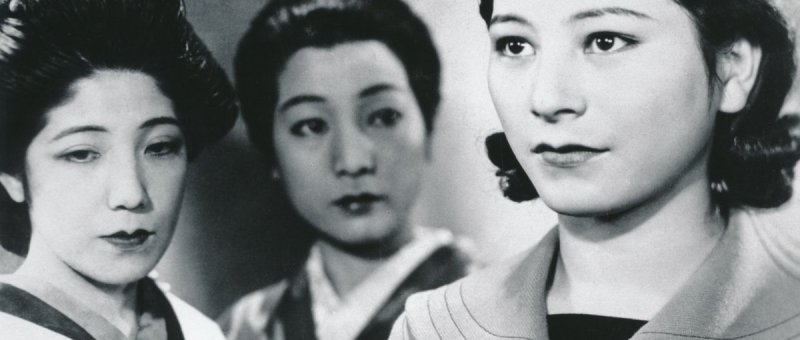
The Girl in the Rumor (噂の娘, Mikio Naruse, 1935)

vlcsnap-2019-12-21-23h50m32s752The world was changing in 1935, but not everyone was swept away by the fickle tides of modernity. The heroine of Naruse’s 1935 drama The Girl in the Rumor (噂の娘, Uwasa no Musume) is like many of his leading ladies betrayed by the world in which she lives, yet she’s also an encapsulation of the conflicts of the age, at once fiercely traditional and personally progressive while her “modern girl” sister is as selfish and judgemental as any of the bright young things who serve as extreme examples of the risks of Western individualism.

Kunie (Sachiko Chiba), an unmarried young woman, works in her family’s sake shop which is currently struggling to make ends meet. While the guys in the barbers opposite complain that the place has gone downhill since grandpa’s days, the old man himself has begun to worry that there’s something not quite right about their produce. In order to keep the shop going, there’s some talk that Kunie may marry the son of a wealthy family, but her father Kenkichi (Ko Mihashi) is against the idea. He married into his wife’s family and the marriage was intensely unhappy so he is mindful that the same fate doesn’t befall his daughter. His wife now long dead, Kenkichi is free to be more open about his longstanding affair with a bar owner, Oyo (Toshiko Ito), which produced a daughter, Kimiko (Ryuko Umezono), who was raised by Kenkichi and his legal wife and has no idea her birth was illegitimate. Kimiko, unlike her sister, has become a “modern girl”, dressing in Western fashions, listening to jazz, and staying out late going to parties. The trouble starts when Kunie decides to take her sister with her to the omiai for moral support and it becomes obvious that Sato (Heihachiro Okawa) is a bit of a “modern boy” who has lots more in common with the vivacious Kimiko and decides to break protocol by telling the go-between that he’d rather have her instead.

This move comes as a total blindside to the girls’ uncle who arranged the meeting. “The marriage proposal’s turned into something really weird” he tells Kenkichi over the phone while the two men try to work out what the best course of action is. The uncle seems to think it might be a good move to carry on the negotiations with Kimiko instead, after all Kunie is basically running the store so it would be more convenient to keep her around. Kenkichi is unconvinced. He knows Kimiko doesn’t really approve of all this old fashioned arranged marriage business, and to be honest he doesn’t seem to like her much so isn’t keen on talking to her about it but can’t rely on his usual trick of getting Kunie to do it because he doesn’t want to hurt her feelings by letting her know that Sato doesn’t fancy her and has asked her sister out instead.

Kimiko certainly is a “modern girl” and superficially proto-feminist. She mocks her sister’s traditionalism and criticises her for blaming “their” mother for the failure of their parents’ marriage, thinking that she is simply unable to move past the patriarchal mindset and used to blaming everything on the woman. Little knowing that Oyu is her mother, she rejects Kunie’s plan to have her come and live with them as new maternal presence, claiming that she has only contempt for mistresses and thereby exposing herself as being, ironically enough, more judgemental than her superficially conventional sister. Kunie may be “traditional” in her outlook, but she is also empathetic and understanding. It seems her mother may not have been an easy woman, and what she most wants is to repair her family by bringing Oyo into the fold in her “rightful” place at her father’s side. Despite her insistence on her own freedom, however, Kimiko is childishly moralistic, directing her anger with an oppressive system back on the people constrained by it. Yes Kenichi’s life is one of socially condoned hypocrisy, but there’s no point in blaming him or Oyo for trying to find happiness where they can.

Blame them she does, however, and her sister with them. Kimiko meets Sato by chance and starts dating him in the non-serious manner of young people of the time only for the Satos to become worried and again push the idea of a marriage. Having been spotted with Sato in the street by Kunie, Kimiko’s confession is cruel and cutting, delivered almost with glee as she reveals that her uncle and father have been avoiding telling her that Sato turned her down because he liked her sister more. Kunie had professed that she wasn’t all that bothered about the marriage because she had become convinced that she “couldn’t have a happy marriage anyway”, but her tears suggest a deeper hurt than having her hopes for the business dashed and being wounded by her sister’s callousness. Nevertheless, she wants nothing but her sister’s happiness and so if she seriously wanted to marry Sato for the “right” reasons, she would of course support her.

Kimiko however remains selfish and implacable. Kenkichi, hoping to teach her a lesson, brings Oyo into the home and reveals to Kimiko that she is a mistress’ daughter. It does not go well. Kimiko refuses to engage with Oyo, while Kenkichi also asks for an apology on behalf of Kunie who has only ever tried to protect both Kimiko and Oyo by trying to reunite their family, but Kimiko leaves in a huff shouting that she has no need of mothers or fathers or families or anything else. A rapprochement is brokered between the women only when Kenikichi is made to pay for his failure as a patriarch. It turns out grandpa was right after all, he’d been tampering with the sake and now the police want a word with him. With the arrival of Oyo, tacitly accepted by Kimiko’s final return to the home, the family is in some senses restored but also broken. The gossips in the barbers across the way lament the end of the Nadaya Sake store, callously speculating on what will replace it, while all Kunie can do is look on in consternation and disappointment.


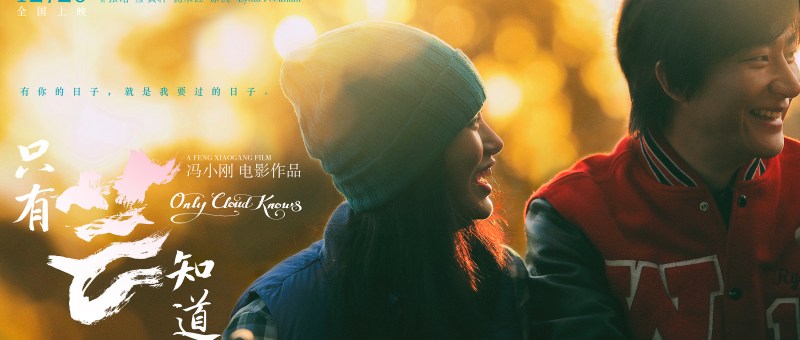
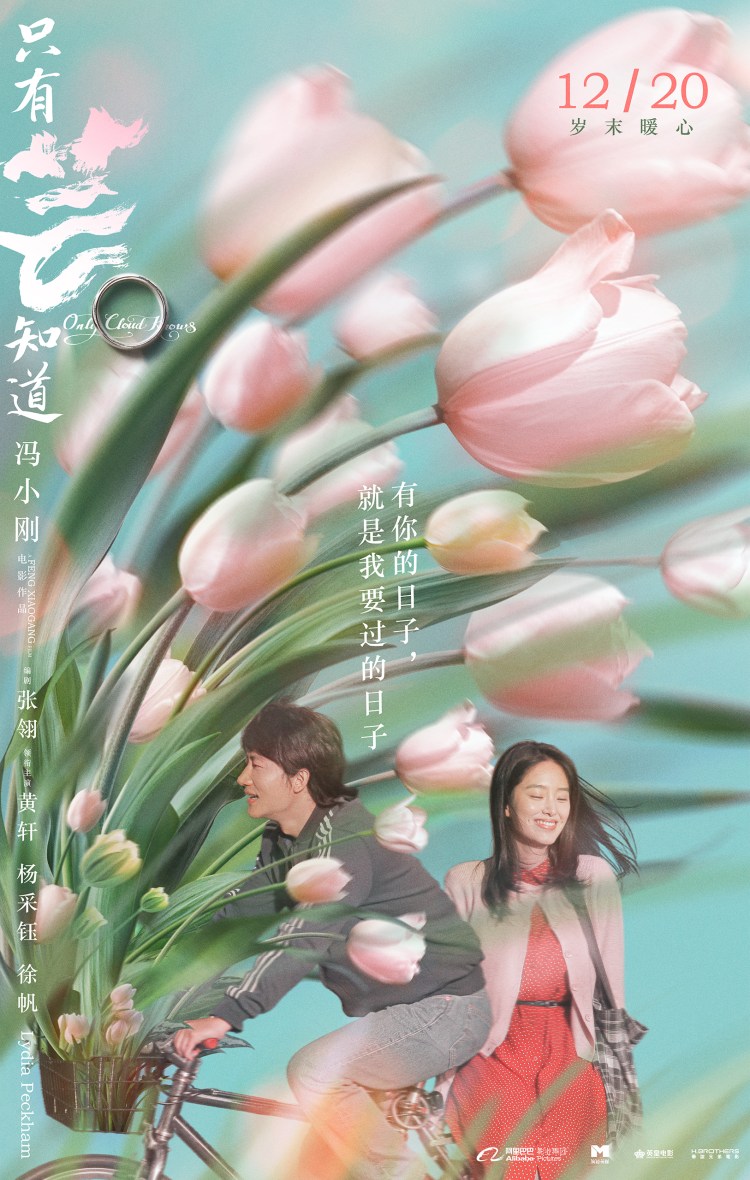
Only Cloud Knows (只有芸知道, Feng Xiaogang, 2019)

930161b9ca654d4cac056b550c6d0542If contemporary Chinese cinema has one message, it’s come home to China. Feng Xiaogang, however, has never been keen to go with the flow for all of his occasionally problematic affection for the nation as it was before the ‘80s reforms. A co-production with New Zealand, unabashed romantic tearjerker Only Cloud Knows (只有芸知道, Zhǐ Yǒu Yún Zhīdào) seems primed to speak directly to the diaspora audience, asking if perhaps the meaning of the word “home” has changed, less place than people and, therefore, infinitely portable.

In the present day, recently widowed Dongfeng/Simon (Huang Xuan) prepares to say goodbye to his late wife, Yun/Jennifer (Yang Caiyu), by travelling back through their long years together facing many ups and downs as they strove to make a life for themselves in the laidback greenery of the New Zealand countryside. Dongfeng travels first to the small town where they started a humble restaurant, cooking the kind of food Westerners expect rather than the authentic Chinese dishes they fear no one will try, and using their English names “for convenience”. While there they employ a friendly waitress, Melinda (Lydia Peckham), who is something of a free spirit saving up money to travel to distant lands, touring Asia and Africa.

Though they are blissfully happy, life is not without its difficulties. Working so hard to make the restaurant a success leaves them with time for little else and wondering if they’ve perhaps lost sight of something important. Dongfeng no longer plays his flute, and Yun worries that he’s sacrificed a part of himself to provide for her, becoming a slightly different person in the process. Obsessed with blue whales, Yun craves protection and security, the kind of things many associate with a building a stable home, but she also yearns for freedom and for something more than ordinary happiness. Minor resentment creeps in born of that central contradiction. Dongfeng wants to give Yun the kind of security he assumes she needs by betting everything on the restaurant, but all she really wants is him.

Nevertheless, protection and security were the things which attracted her to Dongfeng in the first place as symbolised by her obsession with blue whales. Somewhat improbably, his hotheaded decision to start a fight with a man who cut them up in a carpark and then insulted Yun only endears him to her further and also gets him a commendation from a local policeman who even tells him he might be cut out for life on the force, but to ease back on the violence because New Zealand is a peaceful place. There are things, however, that one cannot be protected from and as much as fate gives it also takes away. Yun craves protection because she feels insecure in an existential sense, convinced that she is “unlucky” and originally reluctant to agree to Dongfeng’s proposal in fear that she is destined to make him unhappy.

Sadly, that prediction eventually proves correct though through no fault of her own. Lucky in love, the couple face their share of hardships from an inability to start a family to losing beloved pets and dealing with illness, but there’s no joy without sadness and if your time together is shorter perhaps it is equally sweet. In his opening monologue, Dongfeng muses, quoting poetry, that time moved slower in the past and there was only enough of it to love one person before telling us that his life has been about one woman. Only Cloud Knows is the story of how he learned to say goodbye, but also of a 20-year love that endures to transcend time.

Apparently inspired by the true life love story of one Feng’s friends and collaborators, Only Cloud Knows has a rare kind of authenticity in its deeply felt romance which somehow seems all the more real for its clichéd genesis. Foreshadowings of partings echo throughout, reminding us that all love ends one way or another and it’s the ones left behind who mind it most, but rather than dwell on the maudlin, Feng shows that life goes on even in the midst of heartbreak. Houses change hands, old owners with teary eyes making space for bright-eyed youngsters full of hope for the future, while those who are leaving bequeath their unlived years to those they love with hopeful generosity. What Dongfeng discovers is that home is where the heart is, even if the heart is forever in the past.


Currently on limited release in US/UK cinemas courtesy of China Lion.

Original trailer (English subtitles)

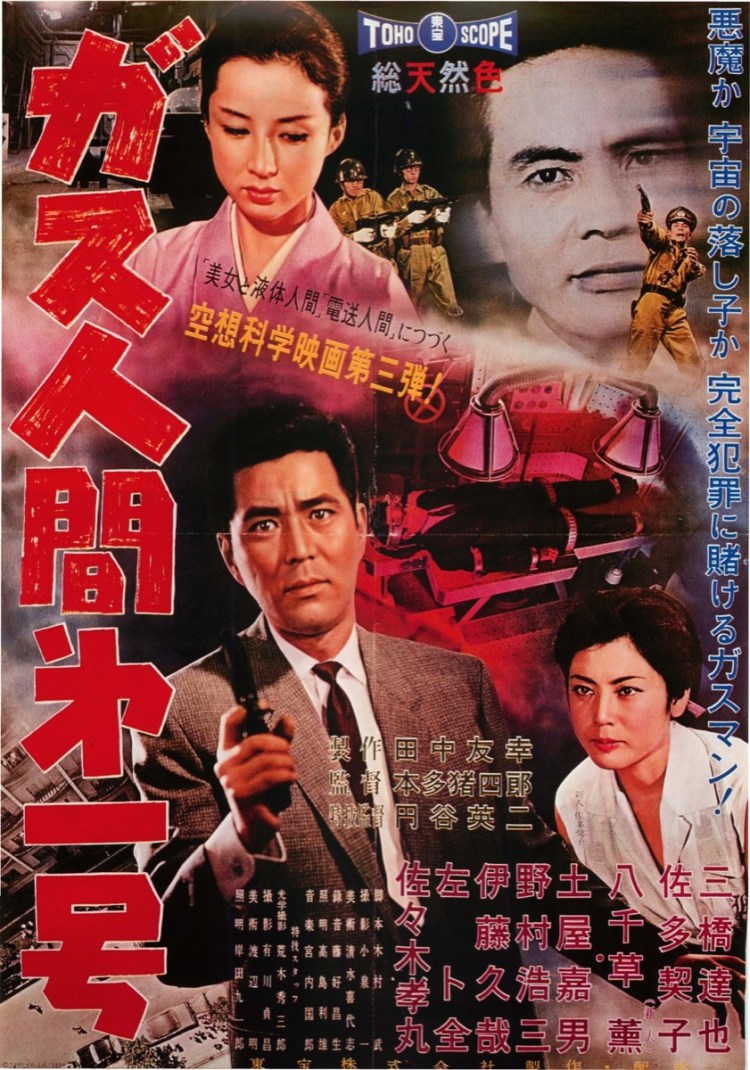
The Human Vapor (ガス人間第一号, Ishiro Honda, 1960)

The Human Vapour poster“The world is full of hysteria towards things they don’t understand” admits the strangely chatty “villain” at the centre of Ishiro Honda’s The Human Vapor (ガス人間第一号, Gas Ningen dai Ichi-go). Third in a loose trilogy of “mutant” films put out by Toho beginning with The H-Man and followed by The Secret of the Telegian, The Human Vapor is at once the most futuristic and the most traditional in that it’s no longer wartime guilt or nuclear anxiety which has corrupted our increasingly amoral hero but unwise ambition in which desperation to win the space race has produced a new and dangerous threat we may not be able to contain.

Honda opens with an exciting bank heist which on later consideration might not make much sense, filled as it is with shots of a faceless man pointing a gun at terrified staff while the vault doors open seemingly on their own. Earnest policeman Okamoto (Tatsuya Mihashi) is on the case, chasing a suspect car down a narrow country road only for it to crash and be discovered empty with no trace of the driver to be found. Okamoto’s feisty reporter girlfriend Kyoko (Keiko Sata) is dismayed to find out he has no leads, but later picks up on his mention of a buyo dancer, Fujichiyo (Kaoru Yachigusa), who lives near the scene and might have something to do with the case. 

Chasing Fujichiyo takes Okamoto to a library, where he becomes further convinced she is in contact with the mysterious bank robber. A strange and isolated woman, Fujichiyo is apparently from a noble, wealthy family but lives alone in a small cottage with only a single male servant where she devotes herself entirely to perfecting the art of traditional Japanese dance. We discover that Fujichiyo has been in poor health, which is why she hasn’t given a public performance in some time. Okamoto posits that the bank robber is bankrolling her comeback, though he never seems to have much of an explanation why she would need him when she has access to her own resources.

He is however correct, though it seems Fujichiyo was not aware that the money was stolen otherwise she might have been more careful in using it. In a contrast with genre norms, honest cop Okamoto never falls for Fujichiyo but does become oddly invested in her sad love story while sparking with his cheerful reporter girlfriend who ends up doing much the same. In fact, Kyoko is the only one doing much investigating but largely finds herself having to do it in spite of the (generally useless) men around her, including an unpleasant younger colleague who mocks all her ideas but does nothing much of anything on his own.

In any case, smirking villain Mizuno (Yoshio Tsuchiya) later makes himself known to the police in a selfless gesture of love in order to clear Fujichiyo’s name and get her released from police custody. He does this by taking the police to a bank and demonstrating how he was able to get in the vault without a key which involves his curious ability to turn himself into a gas. When Fujichiyo is not released, he takes matters into his own hands and frees all the prisoners in the cells, but Fujichiyo refuses to leave, insisting that she has no intention of running away and prefers to stay until the police affirm her innocence by releasing her.

Mizuno’s intention to bypass the law is one of the many signifiers of his increasing danger, that now believes himself “above” the rest of humanity and therefore no longer subject to their laws. He later tells the police exactly that, sitting them down for a mini audience to explain himself during which he recounts his history as an SDF pilot discharged on a diagnosis of lung cancer after which he took the boring job in the library and fell in love with Fujichiyo. A shady doctor, Sano (Fuyuki Murakami), later approached him claiming to be working for Japan’s space programme and suggested that his fighter pilot background made him a perfect fit for becoming an astronaut. Mizuno agreed to participate in his research to “change the existence of the human body” in preparation for life in space, but when Sano’s weird experiments turned him into a “gas man”, the doctor committed suicide in horror leaving Mizuno just another lonely victim of a mad scientist.

Like many other “mutant” heroes, the change in Mizuno’s body has also changed his soul though his love for Fujichiyo remains unchanged. It seems he’s only committing these crimes to fund her ambition of performing traditional buyo dance on the contemporary stage, while she though obviously devoted to her art finds it difficult to accept the man that he’s become. He promises to give her the world, sacrificing anyone that gets in his way. She remains conflicted, not wanting to accept his offer if it involves that kind of cost, and defending him to her colleagues only with the rationale that he is “different from what they are accustomed to”. While some advise caution, that perhaps Mizuno is not as dangerous as they think despite already having killed and should be given the chance to reform, others take a harder line eventually opting to use a different kind of gas to counter him.

Kyoko pleads with Fujichiyo as one woman in love to another, trying to protect Okamoto while advising her to pull Mizuno back from the brink by cancelling her performance, but precisely because of the understanding that exists between them she cannot. Sadly, as many point out, no one is really interested in buyo dance – the only audience members in attendance are there for the drama and the possibility of seeing the gas man in action. “You and I have finally won” Mizuno tells Fujichiyo on completion of her dance, as if this performance was all that ever mattered to either of them. But their victory leaves them with nowhere else to go, and the world unready to accept the latent threat a gas man represents. Fujichiyo makes her choice, one perhaps informed by her art and her love, while the authorities can only wait outside for the vapours to disperse.


Original trailer (No subtitles)

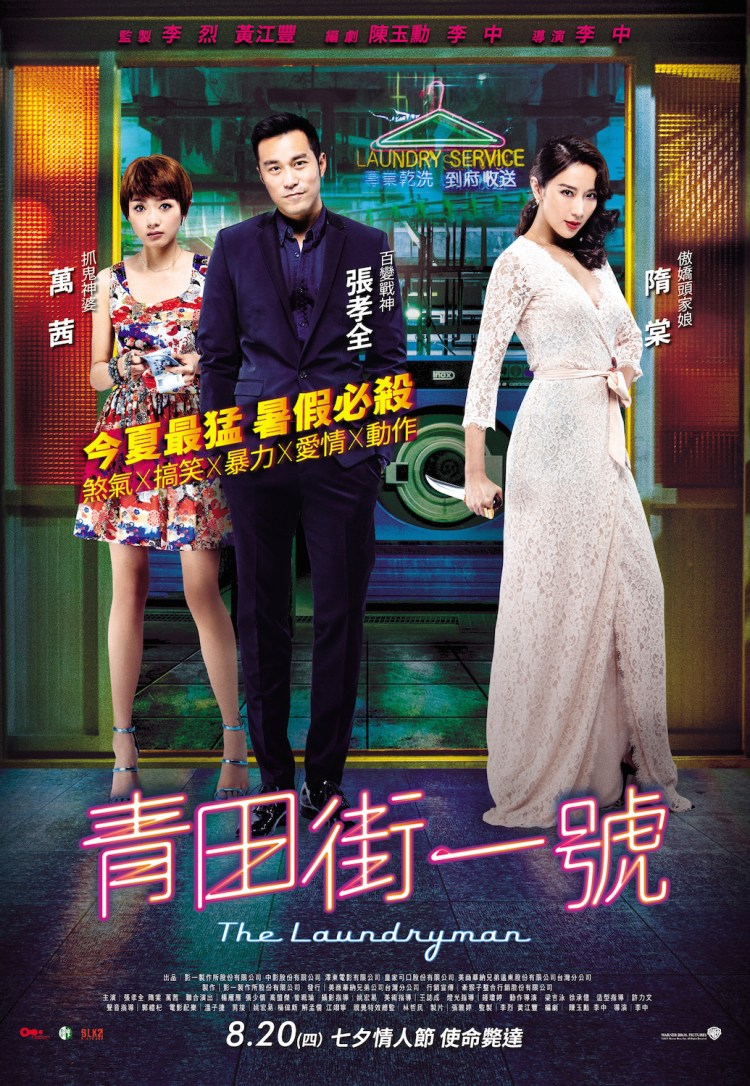
The Laundryman (青田街一號, Lee Chung, 2015)

青田街一號_主海報A_直式_有贊助_OLCould you, should you, attempt to wash away life’s “stains” by erasing them? The hero of Lee Chung’s The Laundryman (青田街一號, Qīngtián Jiē Yīhào) is engaged with just that in his clandestine occupation in which he works as a kind of “cleaner”, smoothing the wrinkles out of life’s little problems for the monied and unscrupulous. Yet he finds himself “haunted” by his crimes, accused by those he so casually dispatched without asking why, and eventually forced into a reexamination of his life and work.

Known only by the cryptic codename “No. 1, Chingtian Street” (Joseph Chang Hsiao-chuan), our hitman is one of many working for the mysterious A-gu (Sonia Sui Tang) at her family laundry which she runs as a cover for her stable of assassins, claiming that they merely clean the stains from people’s lives rather than their clothes. A-gu’s methods are complex and exacting. Picking up concerned citizens in the street, she guides them towards her services before Chingtian or one of his colleagues inserts themselves into their target’s daily routine, knocks them off in a quiet sort of way, then brings the body “home” to be “laundered”.

The snag is that Chingtian has recently become plagued by the spirits of those he’s killed. Three of them, to be exact (and an extra one he didn’t off but has started following him anyway). Traditional therapy proving no help, A-gu sends Chingtian off to see Lin (Regina Wan Qian), a pretty psychic, despite affirming that all of this is some weird thing going on with Chingtian’s head rather than genuine paranormal activity. Lin, spotting his ghostly followers right away, explains to Chingtian that they most likely have unfinished business – i.e. finding out who wanted them dead and why. There is, however, a little more to it than that as a further trail of death begins to linger behind Chingtian that leads back to a dark and repressed memory of his youth.

Despite its whimsical tone, Lee’s drama leans heavily into the darkness in asking why it is someone might decide to pay to have someone else killed. The answers aren’t the ones you’re expecting. No business disputes or political machinations, only frustrated loves and loneliness. A nerdy young loner falls for the larger lady from next-door and is horrified to realise that her boyfriend beats her to the point at which she has begun to consider suicide as a means of escape. He wants to save her, and after all the world might be “better off” without the violent boyfriend, so he gives in to A-gu’s alluring offer to have the guy offed (for a small fee). Meanwhile, another mark decided on his course of action out of an excess of love, or to put it more pointedly, its dark side as he became increasingly convinced he could not live up to its expectation and determined to free himself of the burden, damning himself further into a downward spiral of self-destructive humiliation.

A-gu’s life philosophies lean to towards the callous with all her talk of “cleaning” and affirmations that “useless people should be destroyed”, but as Lin points out it’s quite something else to bump off a lovely older couple – some might even call it heartless. Heartless is what Chingtian has been raised to be, so his recently reawakened humanity is quite a problem. Caught between A-gu who alternates between something like possessive mother and femme fatale (which is just as strange a dynamic as it sounds), the pixyish Lin, and later the dogged policewoman Yang (Yeo Yann Yann) who’s picked up on a trail set down for her to find but followed it further than intended, Chingtian is forced to confront himself and his past, in a sense putting his psyche on a spin cycle to reverse a lifetime’s worth of brainwashing and remember who it is he really is.

Strangely warm and fuzzy, Lee’s whimsical world of colour is a perfect mix of film noir fatalism and fairytale promise as Chingtian walks a precarious path towards reintegration of his personality while trying a fair few others on for size. The childlike silliness of an anti-ghost musical number mingles with the hard edged kung fu of a violent procedural but Lee never loses his sense of cartoonish fun even as Chingtian begins to find his answers and with them a clue to inner darknesses personal and otherwise.


Currently available to stream in the UK (and possibly other territories) via Amazon Prime Video.

International trailer (English subtitles)

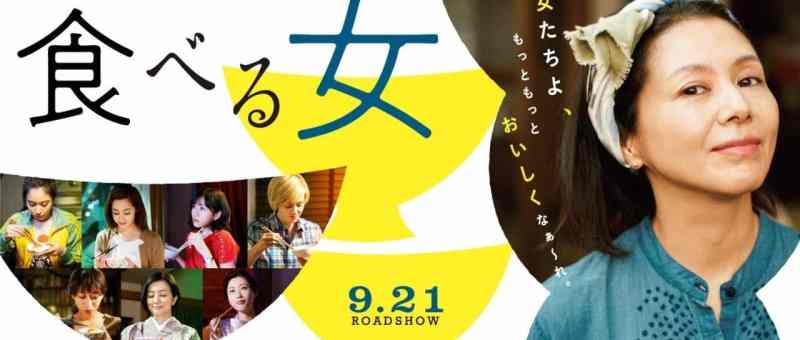
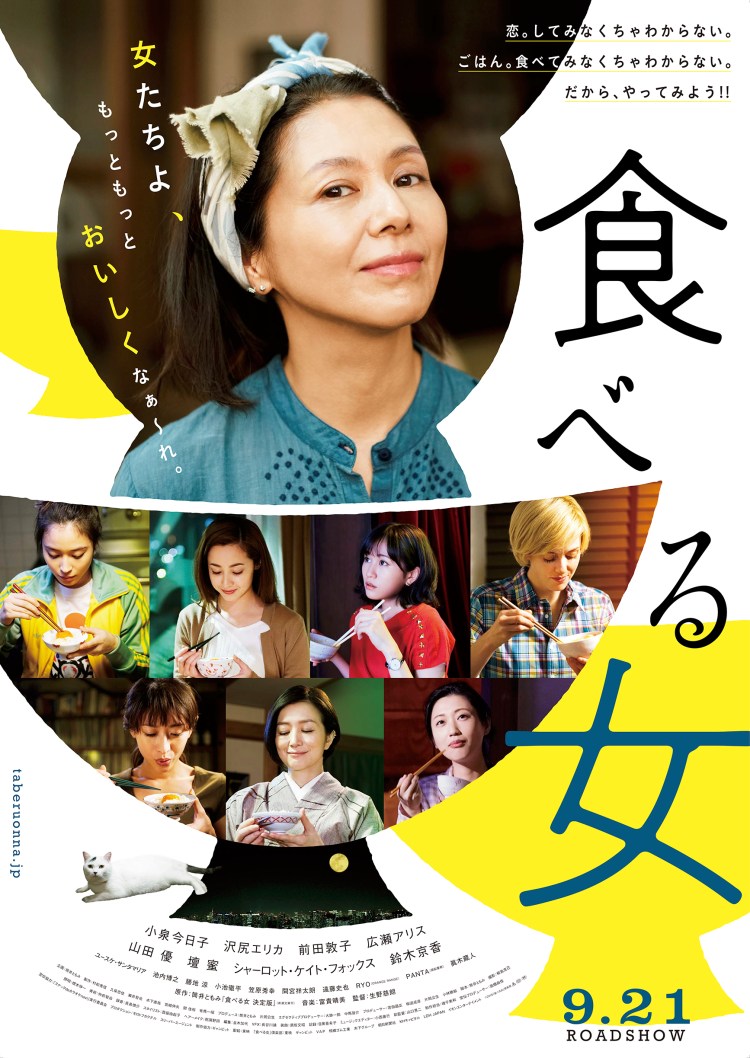
Eating Women (食べる女, Jiro Shono, 2018)

Eating Women poster 2“Comfort cinema” may be a slightly maligned genre, disregarded for its throwaway pleasures, but it can often be much more subversive than it’s given credit for. Jiro Shono’s adaptation of Tomomi Tsutsui’s novel Eating Women (食べる女, Taberu Onna), refusing to unambiguously reinforce contemporary social norms, it actively undercuts them as it pushes its lonely heroines towards more positive paths of self-fulfilment while remaining unafraid to embrace the sometimes taboo idea of female desire as something entirely normal.

The heroine, however, is someone who’s decided to live without it. Food writer and bookstore owner Atsuko (Kyoko Koizumi) lost the love of her life at 29 and has lived alone ever since. She does, however, have a very committed group of female friends who get together once a month to enjoy a tasty dinner she and her friend Mifuyu (Kyoka Suzuki), who runs the local restaurant, cook for them. Unlike Atsuko, Mifuyu is a sexually liberated older woman, complaining once again that both of her (young, male) apprentices have quit after she seduced them. Keiko (Erika Sawajiri), Atsuko’s editor, has hatched on a different solution in affirming that she has already achieved financial independence and has no real desire for male companionship, preferring to embrace her freedom to live as she chooses while Tamiko (Atsuko Maeda), an assistant TV producer and the youngest of the group, is facing the opposite dilemma – her boyfriend has proposed to her, but she’s unconvinced because he’s just too “nice” to make her heart beat faster.

Though at different points of their lives, the women are always there to support each other while permitting themselves the indulgence of fully enjoying beautifully cooked meals taken with good company. Meanwhile, across town, an American woman, Machi (Charlotte Kate Fox), seems to be content to play the role of a 50s housewife to a grumpy salaryman husband (Hiroyuki Ikeuchi) who barges in through the front door and roughly forces himself on her before retreating to the bedroom. The problem in their marriage is, apparently, that Machi can’t cook, providing mostly Western-style microwavable dinners which fail to excite her husband who tells her he’s been having an affair with someone who can make good food. Heartbroken, Machi runs into Mifuyu and eventually ends up living in one of Atsuko’s spare rooms where she slots right in with the other gourmet women as she begins to learn to cook under Mifuyu’s gentle guidance.

It is not, however, a pathway towards regaining her husband or “fixing” a perceived fault so that she can be a “proper” wife, but a way for Machi to rediscover life’s small pleasures along with a sense of independence, rejoicing in her own success as she enjoys a meal she cooked herself made with ingredients that she earned the money to pay for. Tamiko’s barfly friend Akari (Alice Hirose) begins to discover something similar on her own, repeatedly dumped by snooty salarymen boyfriends who objected to her preference for minced meat over whole steak. Akari had a habit of thinking of herself in terms of the meat – quick, cheap, and simple, but finally finds love with a gentlemanly colleague after she gains the confidence to share with him her real self by embracing her love of mince without embarrassment.

The only “misstep” is perhaps in Keiko’s tale in which her bid for solo independence is eventually negated by her loneliness, implying that in the end she did need male companionship after all. Indeed, only Atsuko who rejects sex in favour of vicarious maternity is allowed to live life alone, though conversely Mifuyu’s free spirited pursuit of younger men is never judged negatively nor is she encouraged to settle down even while she ironically advises Tamiko to do just that, and pointedly tells Keiko that she’s running out time to find anyone halfway decent. Yet all of that aside, the ladies are an accepting bunch, emphasising that love is love and refusing to judge others, making sure to offer support to all who need it. We’re never the same people as yesterday, Atsuko writes in her book, we just need to be ourselves. Above all, however, she seems to say you have to be kind to yourself, embracing life’s small pleasures such as the simple joy of well cooked food made with love, and the rest you can figure out later.


Original trailer (no subtitles)

The Dragon of Macao (マカオの竜, Mio Ezaki, 1965)

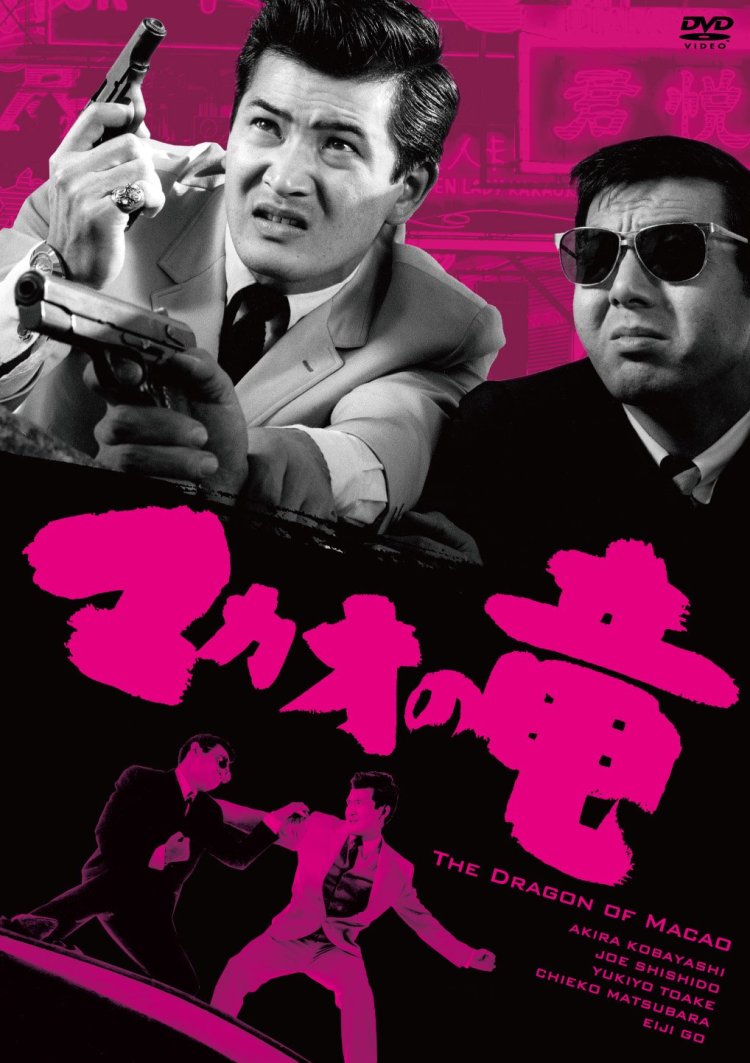
Dragon of Macao DVD coverNikkatsu’s “borderless” action was famously internationalist, but as Japan’s place on the world stage began to change in the mid-60s, it also betrayed a slight anxiety in the nation’s new status as a burgeoning economic power in the Asian sphere. The Dragon of Macau (マカオの竜, Macao no Ryu), while indulging in the genre’s characteristically xenophobic vision of China as an exporter of criminality, is another attempt to cash in on James Bond cool as its suave, British passport-carrying hero tries to wrestle a precious gem away from fiercely amoral “pirates” while protecting a betrayed young woman trying to avenge the death of her parents at the hands of duplicitous gangsters.

Set in the bustling port town of Yokohama, the film opens with the harbour patrol forcibly boarding a ship to look for smuggled gold. However, it turns out that the two men they’re searching are members of the patrol themselves on an undercover mission trying to expose organised crime while the guys dressed as policemen are actually members of a gang trying to steal a precious diamond. Fearing the operation blown, the gangsters’ plant offs the lot of them and makes off with the loot.

Meanwhile, “Dragon of Macau” Ryu (Akira Kobayashi) lurks about on the harbour while rival gangster Tsukada (Asano Sano) tries to get the police onside and convince them that someone else is targeting his operation though the police are apt to wonder if he staged the whole thing himself to get rid of the undercover agents. The truth, however, is that ambitious harbour punk Aizu (Jo Shishido) is after a precious diamond known as the “Himalyan Star” which is rumoured to be cursed seeing as everybody who’s come into contact with it has ended up dead.

Unsurprisingly, Aizu gets his hands on the gem from a Chinese broker, Chen, who warns him that two gangsters, Gordon and Boomerang, will do “anything” to get their hands on it. Ryu later turns up a bar run by Tsukada and gets into a bar fight with a series “damn foreigners”, sailors who’d had too much to drink and started hassling the staff. The “damn foreigners” quip is especially ironic seeing as we later discover Ryu is a British citizen who seems to have grown up in Hong Kong after being rescued by a British vessel when the boat he and his parents were travelling on was torpedoed during in the war. Introducing himself to Tsukada, Ryu says that he works for the aforementioned “Gordon”, presumably an imperialist Brit engaged in shady colonial shenanigans out of Hong Kong. The truth about “Ryu” at least turns out to be slightly different, but for the moment he’s a Bond-inspired unflappable agent of cool complete with a fancy white three-piece suit and a collection of gadgets (a cigarette lighter blowtorch, pistol that dispenses matchstick flares, and a tiny nail gun) that would be the envy of any cold war spy.

Not to be outdone, however, Aizu has his own share of surprises including the tiny dagger hidden in the cigarette which permanently hangs from his lip. Temporarily entering this land of intense amorality, Ryu plays along but retains his nobility and remains permanently one step ahead as he attempts to get his hands on the Himalayan Star and return it to its “rightful” owners. Aizu’s main gambit is weaponising women – Aizu’s sister is a plant working at Tsukada’s bar and apparently also his mistress, while he also makes use of another young woman, Nami (Yukiyo Toake), whose late father was a patron of his. She believes Tsukada is responsible for the deaths of her parents and is participating in the plan as revenge, but eventually falls for Ryu’s suave nobility and refuses to betray him when faced with Aizu’s continuing duplicity.

A few narrative machinations later, we’re told that Ryu is “a person without a motherland” but also that he has always been a force for “good” or at least order in that he wants the gemstone not for himself but to get it away from the gangsters and back to its “official” owners (which sort of ignores the fact that the stone was “stolen” from the eye of a Buddhist statue which is presumably why people think it’s “cursed”, and that his primary motivation is avoiding a giant insurance payout). Having fallen for Nami, he leaves her a message that he’d have liked to take her back to Macau but is unsure she’d be happy with someone like him, asking her to look after another young woman who came all the way from Hong Kong to warn him that Gordon and Boomerang have finally taken each other out.

Perhaps in contrast to Nikkatsu’s other international crime dramas, the “threat” turns out to be wholly homegrown in Aizu’s rapidly individualist stance that “life is cruel”, “mercy is for fools”, and those who stand in one’s way must be eliminated. The solution comes, paradoxically, from destabilising internationalism at the hands of a man who is both Japanese and not, speaks several languages, and works as an agent for colonising imperial powers to whom he eventually exiles himself, job done. A rip-roaring spy drama complete with modern day pirates and an extremely ineffectual police presence, The Dragon of Macau is a surprisingly complex effort from Nikkatsu’s “borderless” action strand which makes the case for Japan as a part of wider world rather than a isolated island fearful of losing out in an increasingly globalised environment.


The Drug King (麻藥王 / 마약왕, Woo Min-ho, 2018)

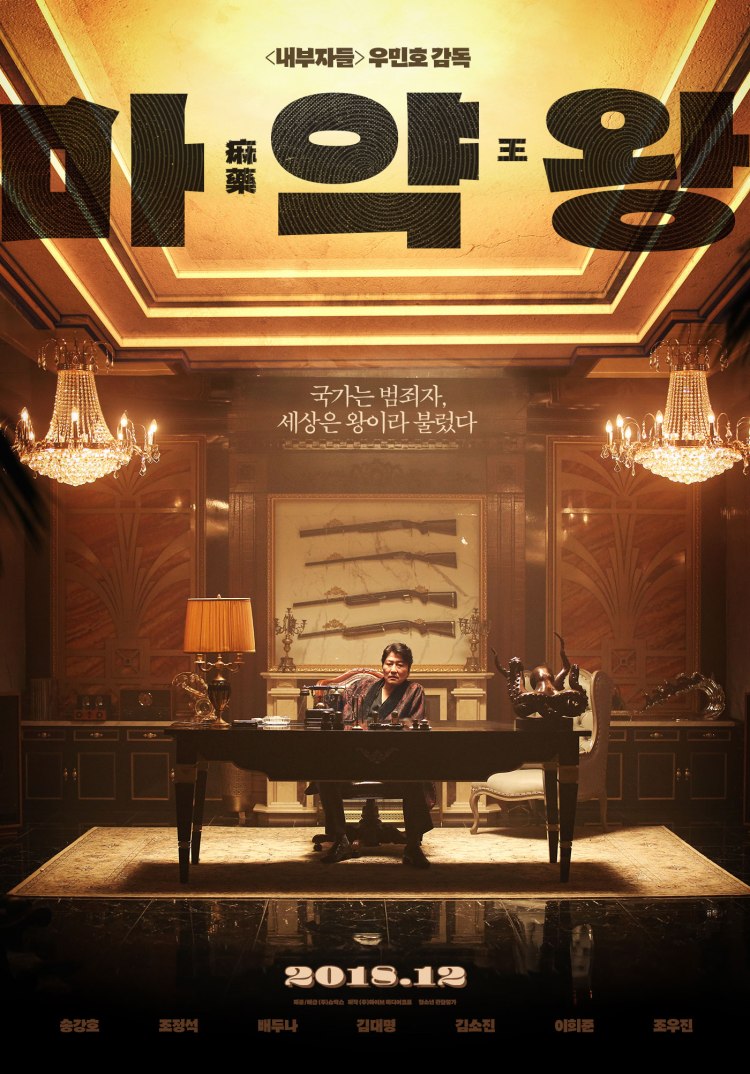
Drug King posterKorean cinema has been in a reflective mood of late, keen to re-examine the turbulent post-war era in the wake of a second wave of democratic protest and political turmoil. Even so, dealing with the difficult Park Chung-hee era has remained sensitive with the legacy of life under a repressive regime apparently very much still felt. Woo Min-ho’s Drug King (麻藥王 / 마약왕, Mayakwang) is first and foremost a crime doesn’t pay story, but it’s also a subtle condemnation of authoritarianism and the corruption and cronyism that goes along with it. Painting its hero’s rise as a consequence of the society in which he lives, it perhaps implies the new wind of egalitarian democracy made such amoral venality a thing of the past but then again is at pains to show that nothing really changes when it comes to greed and resentment.

Our hero, Lee Doo-sam (Song Kang-ho), starts out as a jeweller dabbling in smuggling in Busan in 1972. Just as the smuggling business starts to take off, Doo-sam’s boss falls out with his friends in high places and decides to throw him to the wolves while he escapes abroad to safety. Doo-sam, not one to be beaten, starts coming up with ideas. Mobilising his wife (Kim So-jin) to get him out of jail through a combination of bribery and blackmail, he teams up with the area’s smuggling king to act on a tip-off he got from a Korean-Japanese yakuza and begins producing popular drug Crank for export to Japan.

As the opening voice over explains, Crank is a dangerous stimulant developed by the Japanese during the war and given to factory workers and kamikaze pilots because of its ability to eliminate both fear and fatigue. It is also highly addictive and provides an extreme high which have made it a popular recreational drug but, crucially, the real value is economic. The rising Japan is keen to make use of foreign labour, and Korea is keen to up its export capability. This, coupled with poor regulation of the workforce, has led to extreme exploitation in which factory workers are encouraged to hop themselves up on stimulants to keep working overtime for the sake of economic expansion. Thus, the influx of Crank is, in many ways, simply another facet of ongoing Japanese imperialism.

Not that Lee Doo-Sam cares very much about that. An honest prosecutor later puts it to him that he’s contributing to the exploitation of ordinary workers who might earn a few pennies extra for working a few more hours but at the cost of their health and wellbeing, while he gets filthy rich off the back of their misery. Doo-sam is, however, unrepentant. In the beginning he just wanted to provide for his wife, children, and unmarried sisters, but perhaps he also wanted to kick back against his reduced circumstances and he certainly did enjoy playing the big man. In any case, it has paid off. Doo-sam too has friends in high places and they won’t want to let him sit in a police cell for long in case he starts feeling chatty.

Times change, however, and whatever standing and influence Doo-sam thought he’d accrued his life is built on sand. When Park is assassinated by a member of his own security team, all those contacts are pretty much useless because the cronies are now out in the cold. There are protests in the streets and the wind of a new era is already blowing through even if it is still a fair few years away. That bold new era will, it hopes, do away with men like Doo-sam and their way of thinking, eradicating corruption and backhanders in favour of honest meritocracy. Naive, perhaps, and idealistic but it is true enough that Doo-sam is a man whose era has passed him by while he, arrogantly, burned all his bridges and gleefully sacrificed love and friendship on the altar of greed and empty ambition.

Hubris is Doo-sam’s fatal flaw, but he remains a weasel to the end only too keen to sell out his associates in order to save his own skin. He may claim he was only trying to live a “decent” life, but his definition of “decent” may differ wildly from the norm. Nevertheless, perhaps he was just like many scrappy young men of post-war years, desperate, hungry, and left with few honest options to feed his family if one who later found himself corrupted by backstreet “success” and the dubious morals of the world in which he lived which encouraged him to disregard conventional morality in favour of personal gain. Much more about life in Korea in the authoritarian ‘70s than it is about crime, The Drug King is nevertheless an ironic tragedy in which its drug peddling hero eventually enables the birth of a dedicated narcotics squad and helps to dismantle system which allowed him to prosper all while grinning wildly and, presumably, planning his next move.


Currently available to stream online via Netflix in the UK and possibly other territories.

International trailer (English subtitles)

Key tracks from the (fantastic) soundtrack:

Jung Hoon-Hee – Flower Road

Kim Jung Mi – Wind

Sakura Guardian in the North (北の桜守, Yojiro Takita, 2018)

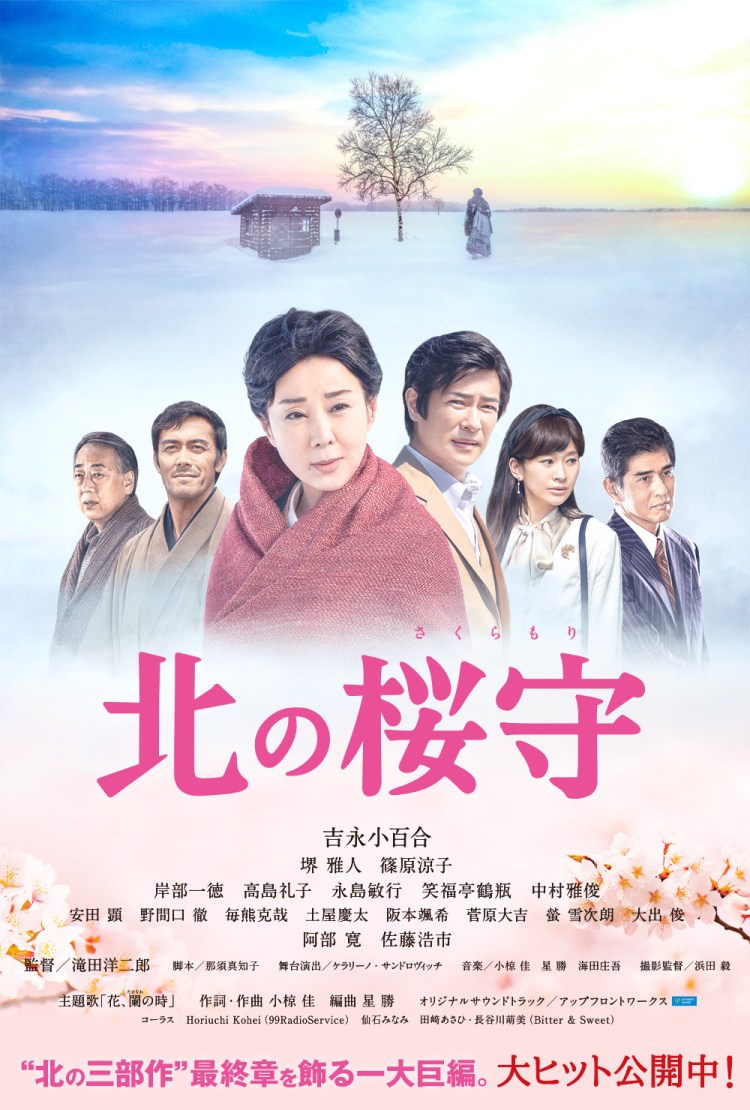
Sakura Guardian in the North posterStill a major marquee star and one of the few golden age actresses regularly playing leading roles in box office hits, Sayuri Yoshinaga has for one reason or another become somewhat synonymous with a brand of quietly patriotic tales of wartime endurance and maternal suffering. Sakura Guardian in the North (北の桜守, Kita no Sakuramori), apparently the conclusion of a loose trilogy of “Northern” films which began with Year One in the North in 2005 and led on to Junji Sakamoto’s A Chorus of Angels in 2012, sees her once again engage with post-war trauma as a mother eventually driven out of her mind by the inability to come to terms with the weight of tragedy.

The tale begins on Sakhalin in spring 1945. Despite the intense cold of the frozen North, Tetsu (Sayuri Yoshinaga) – mother to two young sons, Seitaro and Shujiro, has carefully nurtured cherry trees grown from seeds brought from the mainland ensuring that they blossom even here. The family’s happiness will however be short lived. Dad Tokujiro (Hiroshi Abe) is sent off to the war while Tetsu and the children are eventually forced to evacuate to escape the Russian invasion, planning to wait for Tokujiro in Abashiri on the north coast of Hokkaido.

Flashing forward to 1971, we find ourselves in Tokyo with Shujiro (Masato Sakai), now a grown man married to the Japanese-American daughter of an LA hot dog entrepreneur, Mari (Ryoko Shinohara). Having made something of himself in the New World, Shujiro has returned to Japan to open the first branch of his father-in-law’s convenience stores. His plans are disrupted when he gets an unexpected call from Abashiri about his mother, whom he hasn’t seen since she told him to leave her behind and seek his fortune 15 years previously. The public housing shanty town where Tetsu ran her restaurant is being torn down but she’s showing no signs of leaving, and not only that, she’s begun to act strangely.

This Shujiro finds out for himself by visiting her and witnessing Tetsu talk to her own reflection as if it were a long lost friend. His sudden decision to bring his mother back with him to Tokyo without talking to his wife, who has never even met her mother-in-law, places a strain on his marriage on top of the already heavy burden of the store but Shujiro is determined to make it work. Tetsu, however, finds its hard to adjust. Used to living in small country towns where everyone knows everyone, she doesn’t realise you can’t just walk off from stores shouting “put it on my tab”, and annoys the neighbours by starting a smoky fire outside trying to cook rice the old fashioned way. With Shujiro busy with work, the burden falls disproportionately on the patient but exasperated Mari who is forced to apologise when Tetsu walks off in someone else’s shoes after trying on city-style outfits at a department store, and looks on in horror as her new mother-in-law starts an intense conversation with a cherry blossom tree.

Tetsu’s down home charm does, however, begin to give Shujiro some business inspiration as he ponders why his top American hotdogs aren’t selling now the novelty’s worn off. As his staff tell him, maybe they need to think a little more “Japanese” – more fresh veggies and innovative toppings, less ketchup and mustard. Shujiro has another idea – the original Japanese “convenience” food, onigiri, made with rice cooked in a pot and roughly shaped by a loving mother’s hands.

Rice, however, despite its ubiquity in the comparatively comfortable world of 1971 brings with it traumatic memories. Starving after the war, white rice was something Shujiro and Tetsu could only dream of, getting their first taste of it in many moons only when cooked to place on a funeral altar. Meanwhile, rice was also the only reason they survived after running into a slightly dodgy young man who gave them “jobs” helping him to smuggle it for sale on the black market. Shinji (Koichi Sato) helped them in other ways too, eventually putting up the money for Tetsu’s homely eatery, and would have married her if she were not on the one hand loyal to the memory of her absent husband, and so troubled by survivor’s guilt as to believe that she is “a person who does not deserve happiness”.

To punish herself for perceived failures, Tetsu has lived a life of austerity – working hard in the restaurant, dressing in simple ragged clothes, and eating only enough not to starve. She forced Shujiro away to make something of himself, but never spent any of the money he sent home to her nor answered any of his letters. Shujiro, by contrast, has swung the opposite way – determined to live a life of luxury and becoming unforgiving with it. Mari sees an ugly side to him when he’s visited by one of the boys who used to bully him (Ken Yasuda) for being a refugee and a black-marketeer back in Abashiri now fallen on hard times. Superficially polite, Shujiro humiliates him with undignified zeal while wilfully planning to exploit his workforce, quickly silencing an employee who tries to point out violations to the labour code.

Yet like Tetsu, who is somewhat unstuck in time, he begins to find a softer side of himself as the pair of them journey back into the past and revisit the sites of their shared traumas. Yojiro Takita stages Tetsu’s internal confusion somewhat incongruously as an avant-garde stage play offering occasional background info on the exodus from Sakhalin, an experience Shujiro is seemingly shut out from as he tries to reconnect with his mother only to lose her again but rediscovering a better version of himself before he was hardened by the burden of his memories and the hardships of the post-war era. Tetsu keeps the cherry blossoms in bloom in the North, cultivating beauty as a means to connect with her loss, and eventually finding a kind of resolution in the returned ghosts of her past given life once again by the strength of her devotion.


Singapore trailer (English / Simplified Chinese subtitles)