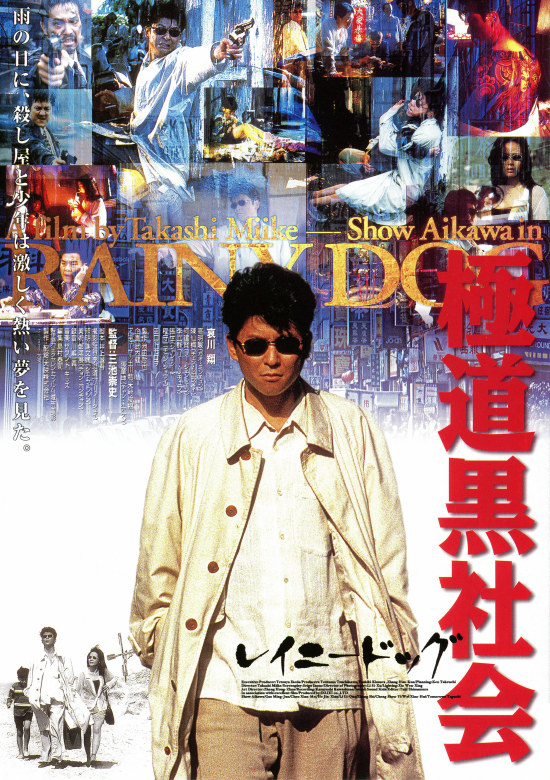
 They say dogs get disorientated by the rain, all those useful smells they use to navigate the world get washed away as if someone had suddenly crumpled up their internal maps and thrown them in the waste paper bin. Yuji (Show Aikawa), the hero of Rainy Dog (極道黒社会, Gokudo Kuroshakai) – the second instalment in what is loosely thought of as Takashi Miike’s Black Society Trilogy, appears to be in a similar position as he hides out in Taipei only to find himself with no home to return to. Miike is not generally known for contemplative mood pieces, but Rainy Dog finds him feeling introspective. A noir inflected, western inspired tale of existential reckoning, this is Miike at his most melancholy but perhaps also at his most forgiving as his weary hitman lays down his burdens to open his heart only to embrace the cold steel of his destiny rather than the warmth of his redemption.
Yuji’s day job seems to be hulking pig carcasses around at the meat market but he’s also still acting as a button man for the local Taiwanese mob while he lies low and avoids trouble in Taipei following some kind of incident with his clan in Japan. Receiving a call to the effect that following a change of management it will never be safe for him to go home, Yuji is as lost as a dog after the rain but if there’s one thing he hadn’t banked on it was the appearance of a rather sharp Taiwanese woman who suddenly introduces him to a mute little boy who is supposedly his son. Yuji is not the fatherly type and does not exactly take to his new responsibilities. He half remembers the woman, but can’t place her name and isn’t even sure he ever slept with her in the first place. Nevertheless, Ah Chen follows Yuji around like a lost little puppy.
Two more meetings will conspire to change Yuji’s life – firstly a strange, besuited Japanese man (Tomorowo Taguchi) who seems to snooze on rooftops in a sleeping bag and is intent on getting the drop of Yuji for undisclosed reasons, and the proverbial hooker with a heart of gold (and a fancy computer for running an internet blog) with whom he will form a temporary makeshift family. Getting mixed up in something he shouldn’t Yuji’s cards are numbered, but then it couldn’t have been any other way.
As in Shinjuku Triad Society, Miike returns to the nature of family and of the tentative bonds which emerge between people who have been rejected from mainstream society. Yuji is a displaced person, forced out of his homeland and lost in a foreign city. Though he appears to have a good grasp of the local language, the landscape confuses him as he wanders through it like the man with no name, adrift and permanently shielded by his sunglasses. The Taiwanese gangster he’s been freelancing for repeatedly describes him as “like a son” despite the fact that they seem to be around the same age but it’s clear that he could have Yuji eliminated in a heartbeat if he found he’d outlived his usefulness.
Similarly, Yuji does not immediately jump into a paternal mindset when presented with this strangely cheerful young boy. Eventually he lets him come out of the rain and presents him with a towel, greeting him with the words “you’re not a dog” but subsequently abandons him for what seems like ages during his time with the prostitute, Lily, who describes his tattoos as beautiful and shares his dislike of the intense Taipei rain. Asked if she’s ever considered going somewhere sunnier, Lily admits that she has but the fear that perhaps it would all be the same (only less wet) has put her off. Perhaps it’s better to live in hope, than test it and find out it was misplaced.
Gradually, Yuji begins to a least develop a protective instinct for Ah Chen as well as some kind of feeling for Lily which leads him to carry out another hit in order to give her the money to escape on the condition that she take Ah Chen with her. However the trio get ambushed on their way out ending up at a beach leaving them with nowhere left to run, signalling the impossibility of getting off this inescapable island. Just when it seems all hope is lost, Ah Chen finds a buried scooter which he and Lilly begin to dig up. Eventually, Yuji joins them, fully confirming his commitment to the mini family they’ve accidentally formed as they work together to build themselves a way out. Yuji’s decision separate from them and return to the world of crime, albeit temporary, will be a final one in which he, by accident or design, rejects the possibility of a more conventional family life with Ah Chen and Lilly for the destiny which has been dogging him all along.
Birth and death become one as Yuji regains his humanity only to have it taken from him by a man exactly mirroring his journey. There are no theatrics here, this is Miike in paired down, naturalistic mode willing to let this classic story play out for all that it is. Working with a Taiwanese crew and capturing the depressed backstreet world of our three outcasts trapped by a Taipei typhoon for all of its existential angst, Rainy Dog is Miike at his most melancholic, ending on a note of futility in which all hope for any kind of change or salvation has been well and truly extinguished.
Original trailer (English subtitles)

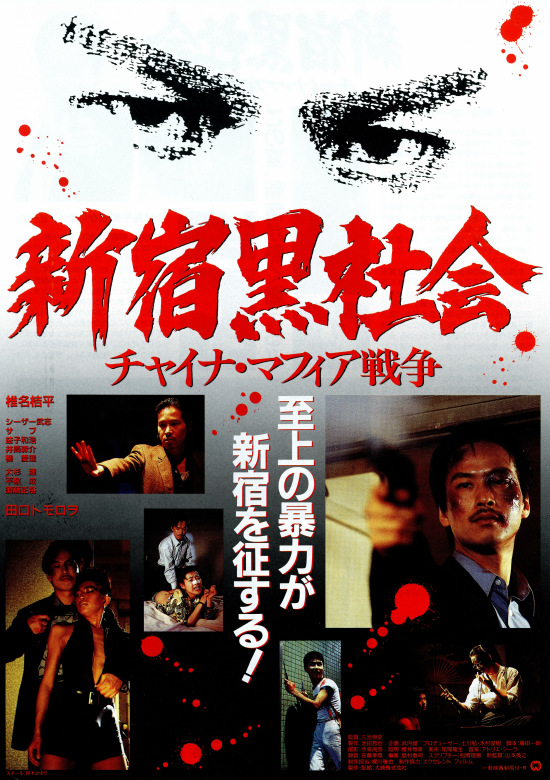 These days Takashi Miike is known as something of an enfant terrible whose rate of production is almost impossible to keep up with and regularly defies classification. Pressed to offer some kind of explanation to the uninitiated, most will point to the unsettling horror of
 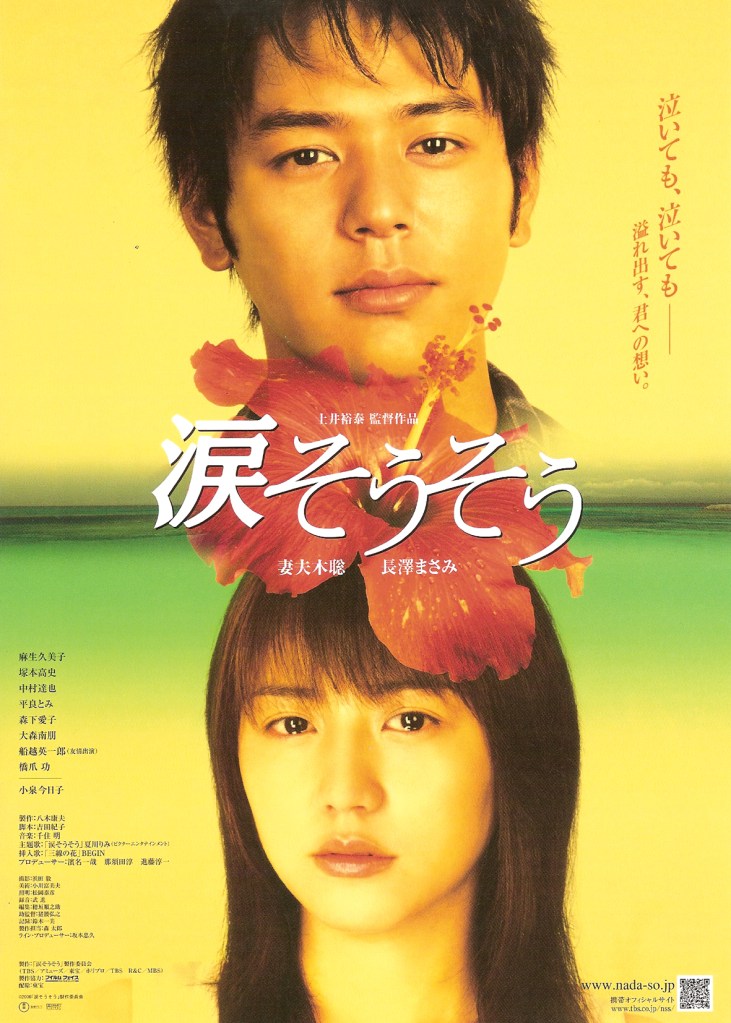 Coming in at the end of the “pure love” boom, Nobuhiro Doi’s second feature, Tears for You (涙そうそう, Nada So So) is presumably named to tie in with his smash hit debut
 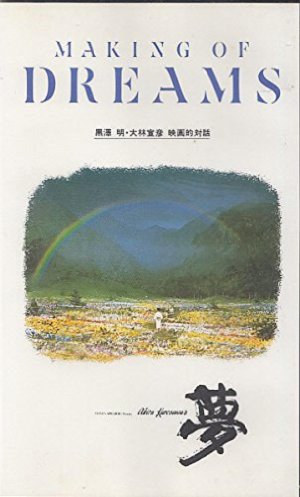 You might think there could be no more diametrically opposed directors than Akira Kurosawa – best known for his naturalistic (by jidaigeki standards anyway) three hour epic Seven Samurai, and Nobuhiko Obayashi whose madcap, psychedelic, horror musical Hausu continues to over shadow a far less strange career than might be expected. However,
 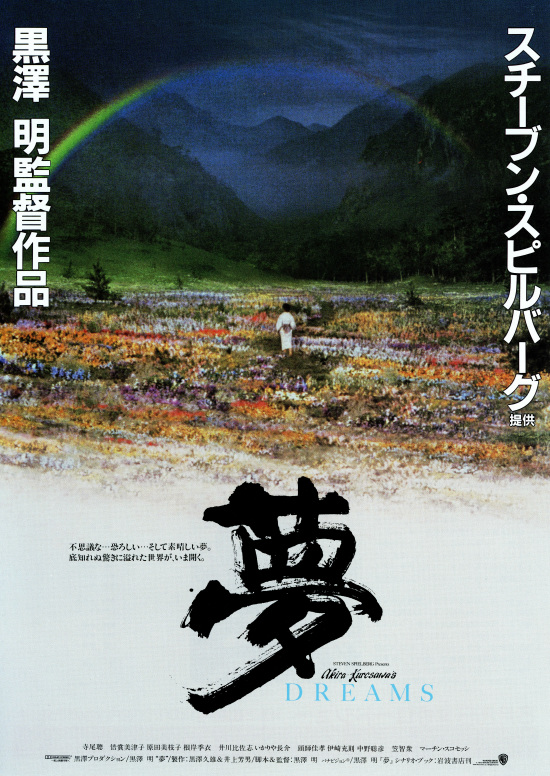 Despite a long and hugely successful career which saw him feted as the man who’d put Japanese cinema on the international map, Akira Kurosawa’s fortunes took a tumble in the late ‘60s with an ill fated attempt to break into Hollywood. Tora! Tora! Tora! was to be a landmark film collaboration detailing the attack on Pearl Harbour from both the American and Japanese sides with Kurosawa directing the Japanese half, and an American director handling the English language content. However, the American director was not someone the prestigious caliber of David Lean as Kurosawa had hoped and his script was constantly picked apart and reduced.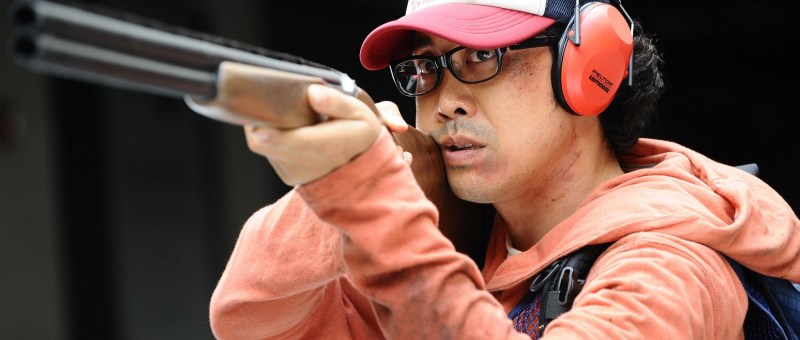
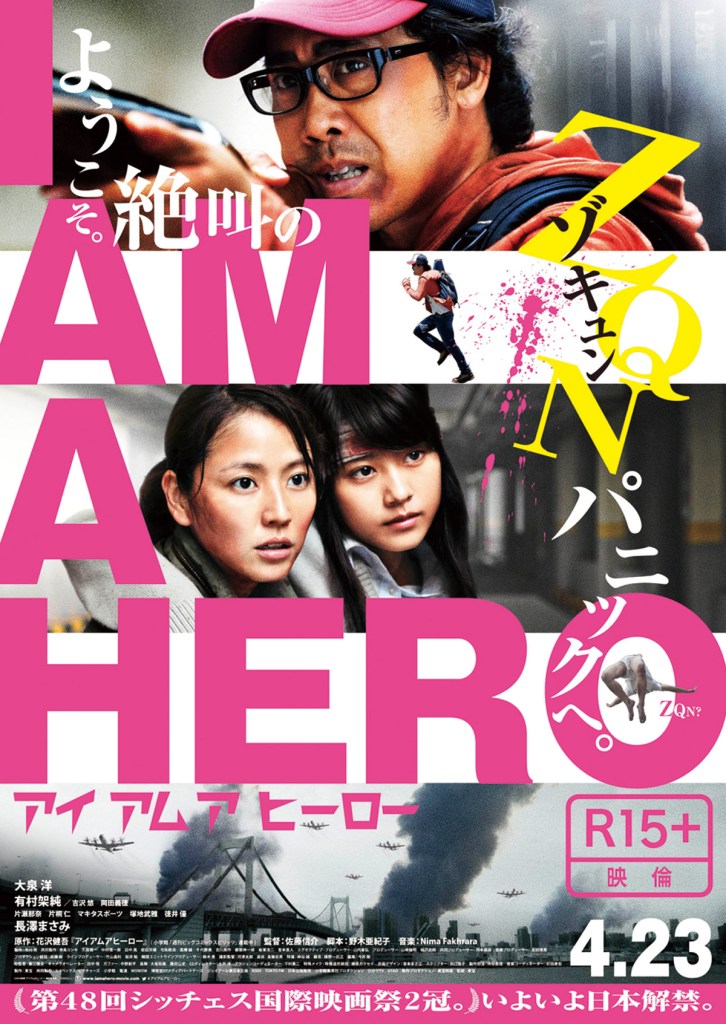 Japan has never quite got the zombie movie. That’s not to say they haven’t tried, from the arty Miss Zombie to the splatter leaning exploitation fare of Helldriver, zombies have never been far from the scene even if they looked and behaved a littler differently than their American cousins. Shinsuke Sato’s adaptation of Kengo Hanazawa’s manga I Am a Hero (アイアムアヒーロー) is unapologetically married to the Romero universe even if filtered through 28 Days Later and, perhaps more importantly, Shaun of the Dead. These “ZQN” jerk and scuttle like the monsters you always feared were in the darkness, but as much as the undead threat lingers with outstretched hands of dread, Sato mines the situation for all the humour on offer creating that rarest of beasts – a horror comedy that’s both scary and funny but crucially also weighty enough to prove emotionally effective.
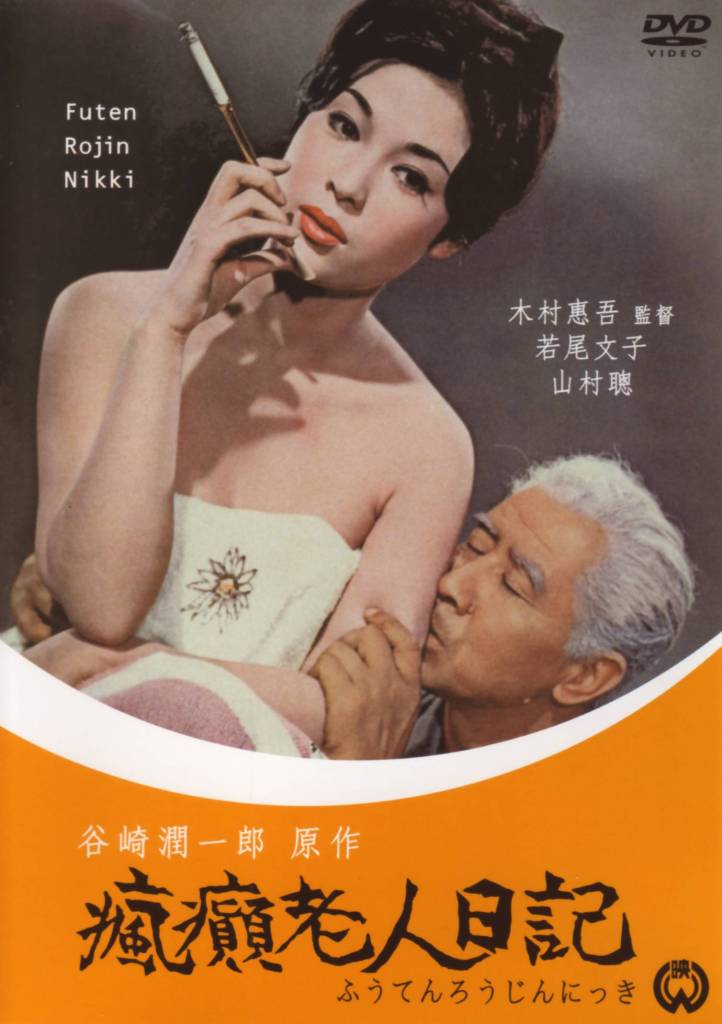 Junichiro Tanizaki is giant of Japanese literature whose work has often been adapted for the screen with
  Terra Formars – Terror for Mars? It’s all about terror in the quest for terra and reform in Takashi Miike’s bug hunt extravaganza adaptation of Yu Sasuga and Kenichi Tachibana’s manga. In fact, much of the plot is more or less the same as Aliens, but our motley crew is not a crack team of space marines headed by a recently awoken from stasis super survivor who proves unexpectedly dextrous in a robotic forklift exoskeleton, but a collection of human “bugs”, parasitical criminals who’ve each been made an offer they can’t refuse. High budget and boasting a starry cast, Terra Formars (テラフォーマーズ) definitely falls into the throwaway Miike category and proves curiously dull despite its ridiculous set up, but then if you happen to be into bugs there’s really a lot to like here.
 Yukio Mishima’s Temple of the Golden Pavilion has become one of his most representative works and seems to be one of those texts endlessly reinterpreted by each new generation. Previously adapted for the screen by Kon Ichikawa under the title of
 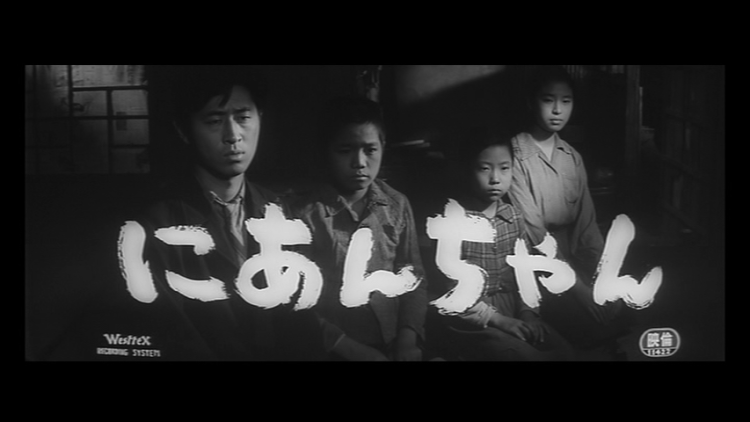 Like most directors of his era, Shohei Imamura began his career in the studio system as a trainee with Shochiku where he also worked as an AD to Yasujiro Ozu on some of his most well known pictures. Ozu’s approach, however, could not be further from Imamura’s in its insistence on order and precision. Finding much more in common with another Shochiku director, Yuzo Kawashima, well known for working class satires, Imamura jumped ship to the newly reformed Nikkatsu where he continued his training until helming his first three pictures in 1958 (Stolen Desire, Nishiginza Station, and Endless Desire). My Second Brother (にあんちゃん, Nianchan), which he directed in 1959, was, like the previous three films, a studio assignment rather than a personal project but is nevertheless an interesting one as it united many of Imamura’s subsequent ongoing concerns.
 Windows on Worlds