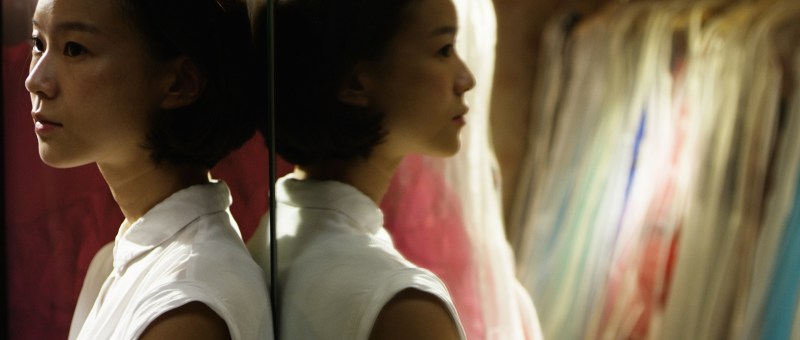
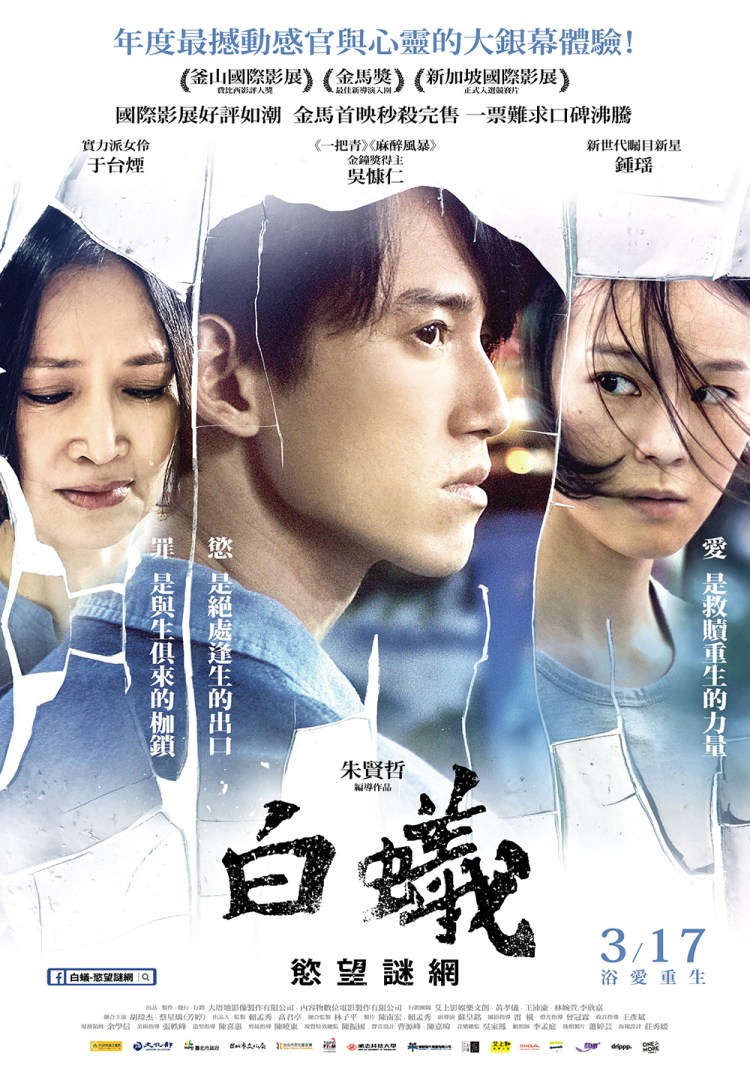
 White Ant (白蟻─慾望謎網, Báiyǐ – Yùwàng Mí Wǎng) – another name for termite, is an apt title for this first indie narrative feature from veteran Taiwanese documentarian, Chu Hsien-che. Voyeurism, sexual fetish, social conservatism, stigma, embarrassment, and longstanding mental illness conspire towards tragedy as one young man becomes the target for a betrayed woman’s scorn, an innocent bystander in her quest for revenge as a salve for her own repressed emotional pain and loneliness. Chu certainly finds plenty of that as guilt and shame continue to eat away at our protagonists, burrowing ever deeper like the termite of the title, undermining already fragile foundations in each of these differently damaged people.
Bai Yide (Chris Wu Kan-Ren) is a quiet, aloof young man who works in a bookstore. On his way home one day, he stops to swipe a set of ladies’ underwear hanging out to dry in the courtyard where he lives. Bai puts on the underwear and then removes it to masturbate in front of his mirror, reduced to angry, desperate tears in the shame of his compulsion.
Unbeknownst to Bai, his illicit activities have not gone unnoticed. Two bored students, Tang Junhong (Aviis Zhong) and her minion Lu Peiyi, saw Bai steal the pants and bra and filmed him doing it. On the rebound for a bad breakup and looking for some random payback, Junhong mails Bai a copy of the DVD exposing his sordid needs. Junhong is, apparently, offended by Bai’s “depravity” though her true motivations remain unclear even to herself. Despite the urgings of Peiyi and Peiyi’s boyfriend who partially assists through his social media accounts, Junhong continues to taunt Bai who soon descends into a cycle of paranoia and depression which eventually has tragic consequences of the kind Junhong had not intended or imagined.
Besides the act of theft, which has admittedly deprived someone of a set of underwear, Bai’s unusual fetishes serve to harm no one though they appear to cause him a degree of mental stress in feeling himself to be in someway transgressive and required to keep his tastes firmly under wraps. The act of theft may be an attraction in and of itself, though if Bai desired pristine, unworn underwear he would likely find it difficult to acquire for the same reasons that lead him to feel ashamed just for wanting it. Junhong has no real right to feel as outraged as she does – it’s not as if Bai stole her pants or harmed her in any way. He is simply an innocent bystander who happened to step into a space approximating that of Junhong’s ex on whom she vowed revenge.
As we later find out from Bai’s melancholy mother, Lan (Yu Tai-yan), Bai had been experiencing a degree of mental distress since childhood. Following the death of his father and subsequently witnessing his mother with another man, Bai has suffered with a compulsion to steal ladies’ underwear beginning with Lan’s. Lan blames herself for this – in having been both too clingy in allowing him to sleep in the same bed long past the age most children lock themselves away in their own rooms, and in having been too self-centred in taking a lover which, she feels, led to a neglect of her son’s interests. Bai, suffering apparent paranoia and depression even in childhood, believing that there is a voice in his hair which torments him, is further unbalanced by Junhong’s campaign of terror. Trying to track down the blackmailer and figure out what is they want out of all of this, he becomes suspicious of everyone, permanently on edge, terrified, and angry lest his sordid secret be revealed.
Driven half mad by her own frenzy of vengeance, Junhong’s actions places a wedge between herself and her best friend Pieyi who thinks things have gone far enough. Friendships ruined, Junhong ends up just as lonely and isolated as Bai before eventually emerging scarred and guilty, unwilling to process the unintended consequences of what she saw as an amusing series of practical jokes probably designed to make her feel powerful when she felt anything but. Junhong attempts to atone by connecting with Bai’s sorrowful mother, Lan, who doesn’t know her true identity, but in any case continues to blame herself for her son’s death. Lan, a tragic figure, is also isolated by her feelings of guilt and self loathing both in claiming responsibility for Bai’s mental instability and for the loss of her husband which kickstarted the pair’s eventual downfall.
Strangely enough the two women bond through their shared guilt and grief, finding common ground even after the truth is revealed. Despite this final plea for empathy and connection, Chu’s premise seems to rest on an association of unusual sexual proclivities with mental illness. Bai’s suffering is never condemned, indeed the film seems to believe he should suffer for his “perversions” rather than criticising the society which has relentlessly excluded him, viewing his instability as further evidence of his otherness rather than a symptom of the isolation he is forced to feel through continued rejections. Nevertheless, Chu does seem to be clear that it is these repressed emotions that eventually become white ants, burrowing deeply inside the sufferer until they threaten to destroy the foundations of humanity, though whether the damage can ever be fully repaired appears to be far less clear.
Seen on Mubi.
Original trailer (English subtitles)
Interview with director Chu Hsien-che from Busan 2016

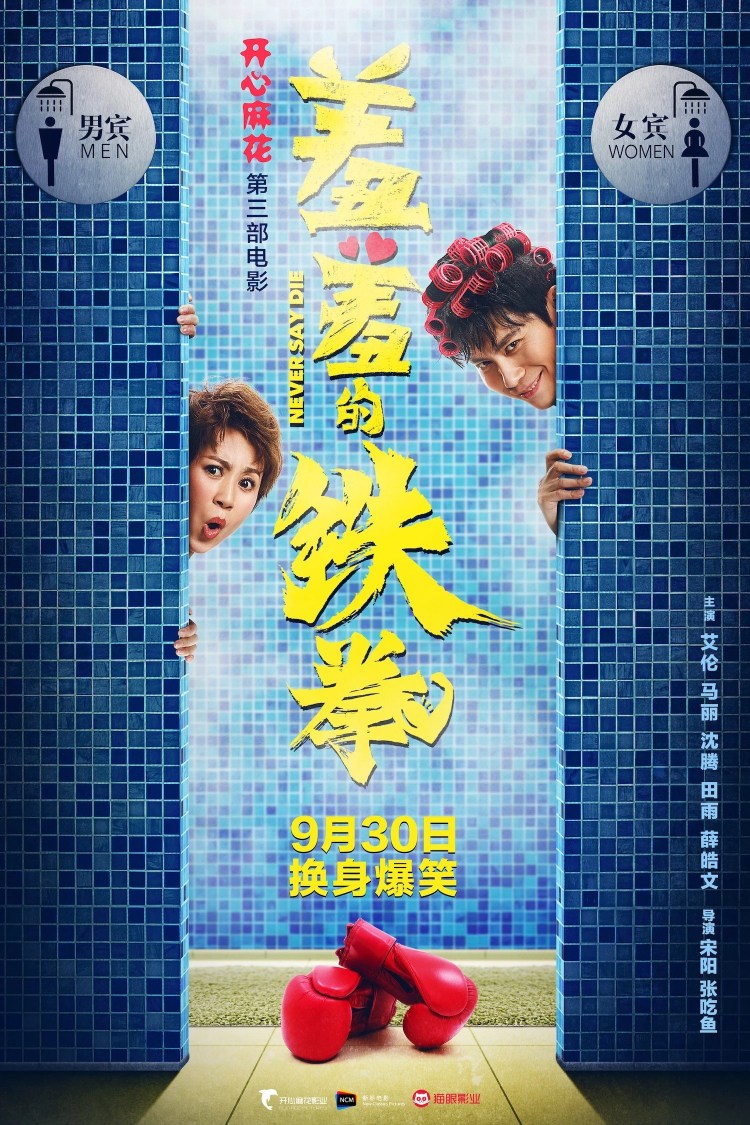


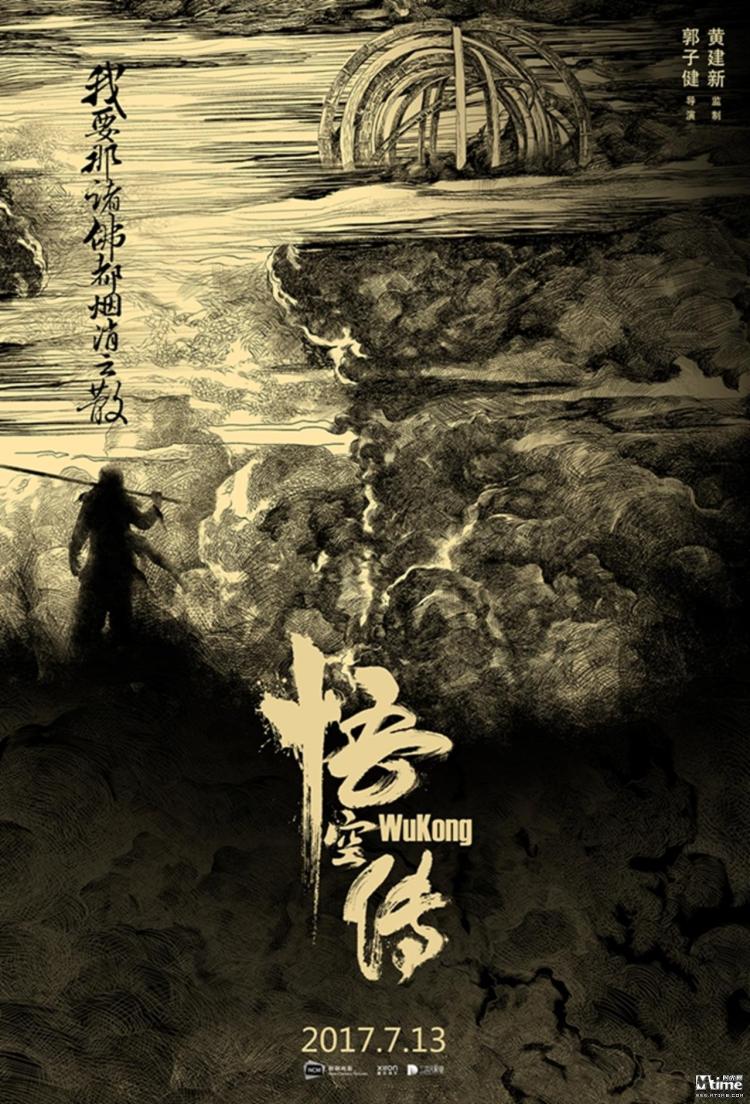 As it stands, contemporary Chinese cinema is veering dangerously close to Monkey King fatigue. Stephen Chow brought his particular sensibilities to the classic Journey to the West before Donnie Yen put on a monkey suit for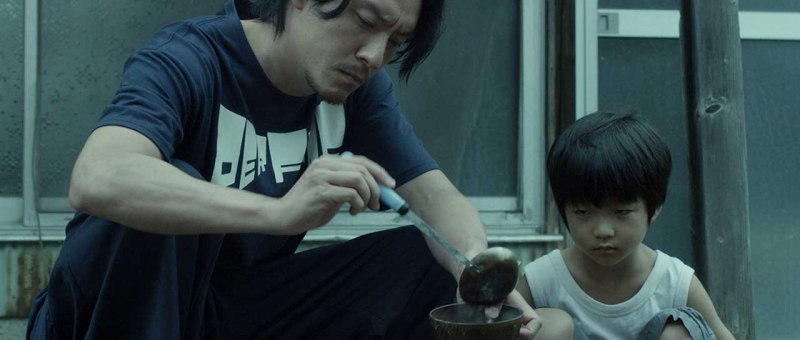
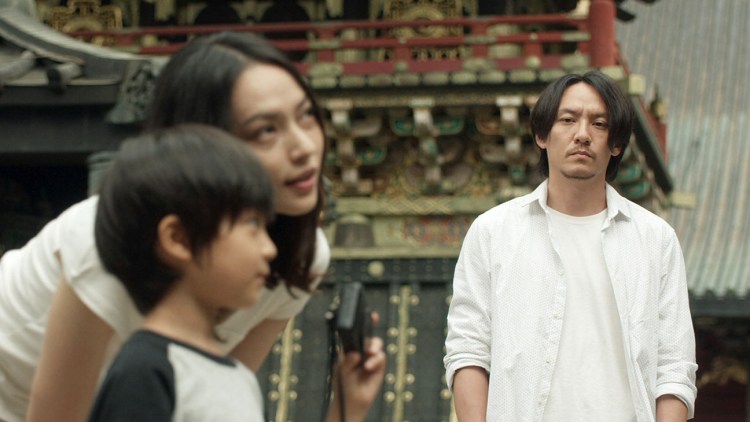 Taiwan and Japan have a complicated history, but in SABU’s latest slice of cross-cultural interplay each place becomes a kind of refuge from the other. Working largely in Mandarin and with Taiwanese star Chang Chen, SABU returns to a familiar story – the lonely hitman tempted by a normal family life filled with peace and simplicity only to have his dreams taken from him by the spectre of his past. Only this time it isn’t just his past but that of others too. Despite the melancholy air, Mr. Long (ミスター・ロン) is a testament to the power of simple human kindness but also a condemnation of underworld cruelty and its vicelike grip on all who enter its grasp.
