
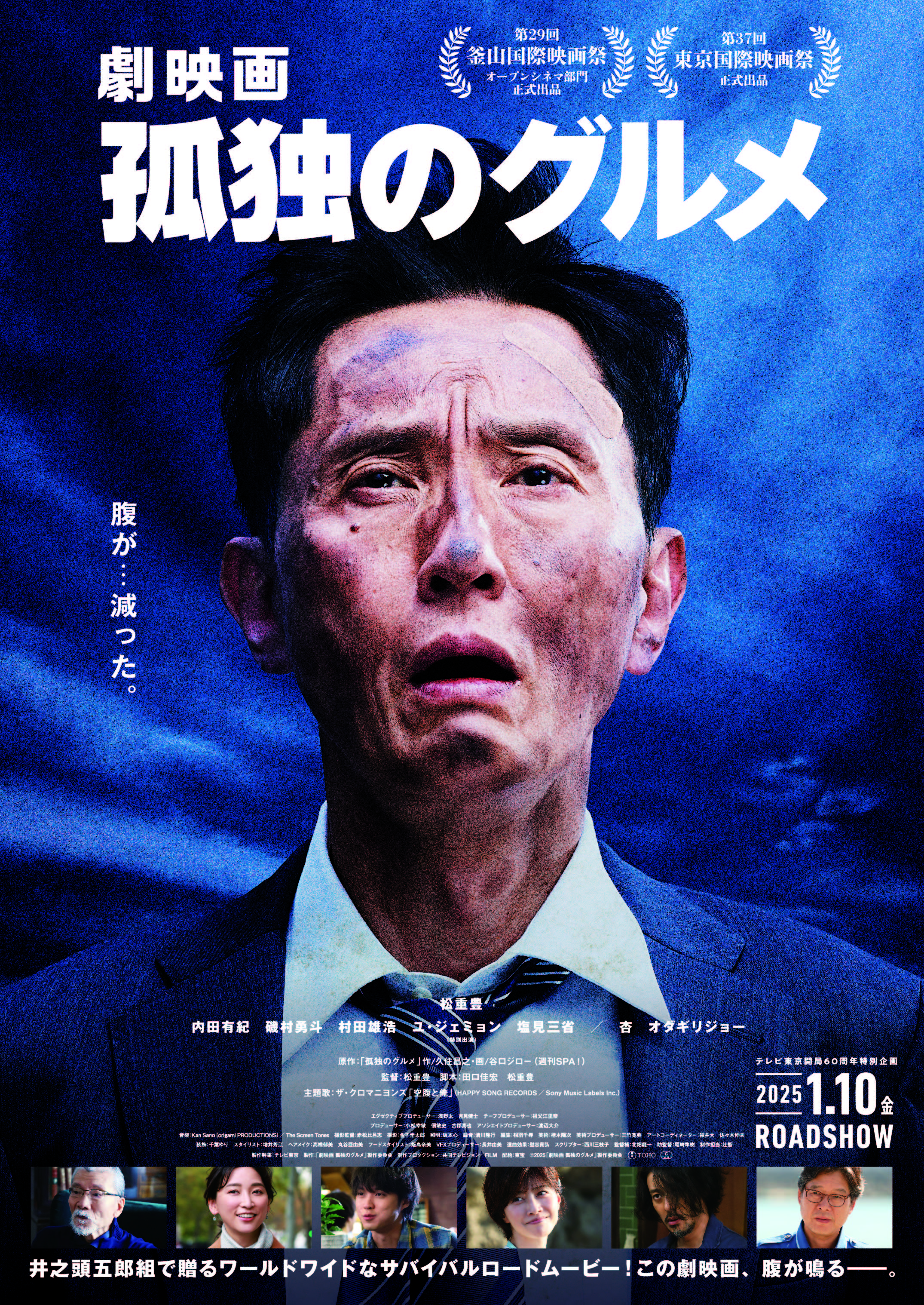
Isn’t it funny how a good bowl of soup can make everything better? Based on the manga written by Masayuki Qusumi and illustrated by Jiro Taniguchi, the feature-length edition of the long-running series has a distinctly soupy feel as salaryman Goro (Yutaka Matsushige) finds himself travelling Japan and abroad in search for the ingredients of a soup an old man ate as a child. Airing since 2012, The Solitary Gourmet TV series was a trendsetter for Japanese comfort foodie cinema and has given rise to several other similarly themed shows in which the protagonist visits a real life establishment and enjoys whatever they have to offer from food to sake, sweets, and even traditional bathhouses.
In fact, there’s even a meta joke towards the end of Solitary Gourmet (劇映画 孤独のグルメ, Geki Eiga: Kodoku no Gourmet) in which one of the restaurants Goro goes to is featured in a show about a foodie salaryman while he plays a fellow customer. The newly international setting reflects the increased budget of a theatrical feature and also helps to expand the series’ episodic format in leading Goro on a crazy chase that begins with the daughter of an old friend in Paris (Anne Watanabe) who enlists him to hunt down the ingredients for her grandfather’s cherished soup. Of course, this provides an excuse for Goro to go to the remote Goto Islands and learn about the local cuisine while running around collecting random samples like he’s on a side quest in an RPG.
Then again, it also offers him the chance for some surreal adventures, including getting cast away on an uninhabited island before being rescued by the Korean-speaking residents of a food research institute. It’s there that he meets Shiho (Yuki Uchida), a Japanese woman living on “an island for women who are fed up with men,” and a former restaurant worker retreating from a marriage fracturing under the pressures of trying to run a restaurant in the post-COVID society. When Goro later catches up with her husband (Joe Odagiri), he too is a depressed, broken figure who now only serves fried rice in his incredibly unwelcoming restaurant. But being talked into helping Goro recreate the old man’s beloved soup seems to reactivate his creative juices and give him the desire to get back on his feet.
Star Yutaka Matsushige directing for the first time throws in a brief homage to Tampopo but what the film is most interested in is the universality and healing power of a tasty broth from the onion soup Goro eats in Paris to the Haejangguk, or hangover soup, that he orders in Korea while being watched over by an exasperated immigration officer (Yoo Jae-myung). That Goro’s quest takes him so far hints at the shared history of the two nations and the various culinary influences and universalities running between them with soup a means of healing and friendship. Exchanging a few words of Korean, Goro tries to ask what the name of the fish in his soup is, only to come to an understanding when the immigration officer writes it down for him in Chinese characters.
All this food really does bring people together, as Goro gets pretty much everyone he meets roped into his quest to recreate the old man’s childhood dish as his deathbed request. Matsushige recreates the zany humour of the TV series including his familiar “I’m hungry” catchphrase, followed by the camera taking three steps back and picturing Goro in front of some notable landmark. He also doesn’t seem to be getting much work done while running around trying to figure out this soup even he’s never actually tasted it and is reliant on the old man’s fragile recollections. Goro had been in Paris to deliver a painting of somewhere he once lived and the old man remarked that photographs are records of time but painting turns them into memories. Food, or more specifically soup, might do something similar, at least according to the old man who is desperately trying to reclaim something of the home comforts of his youth. Of course, the old man is the only one who knows what the soup tastes like, so perhaps Goro is on a fool’s errand, but as he later says, soup does seem to be the water of life and thanks to its healing qualities a universal symbol of peace and harmony not to mention friendship and kindness.

The Solitary Gourmet screens 29th May as part of this year’s Nippon Connection.
Trailer (English subtitles)
Images: ©2025 “Solitary Gourmet” Film Partners
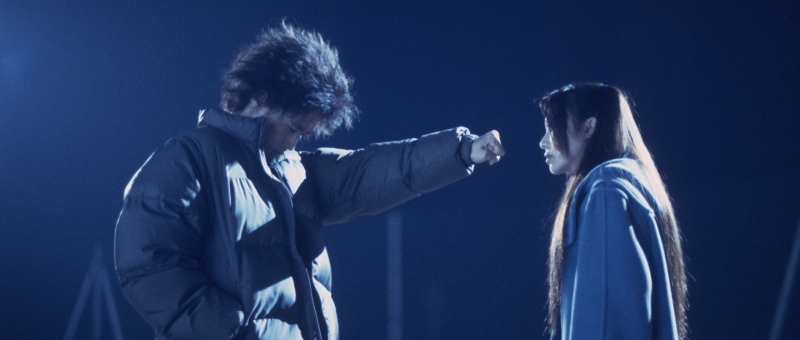


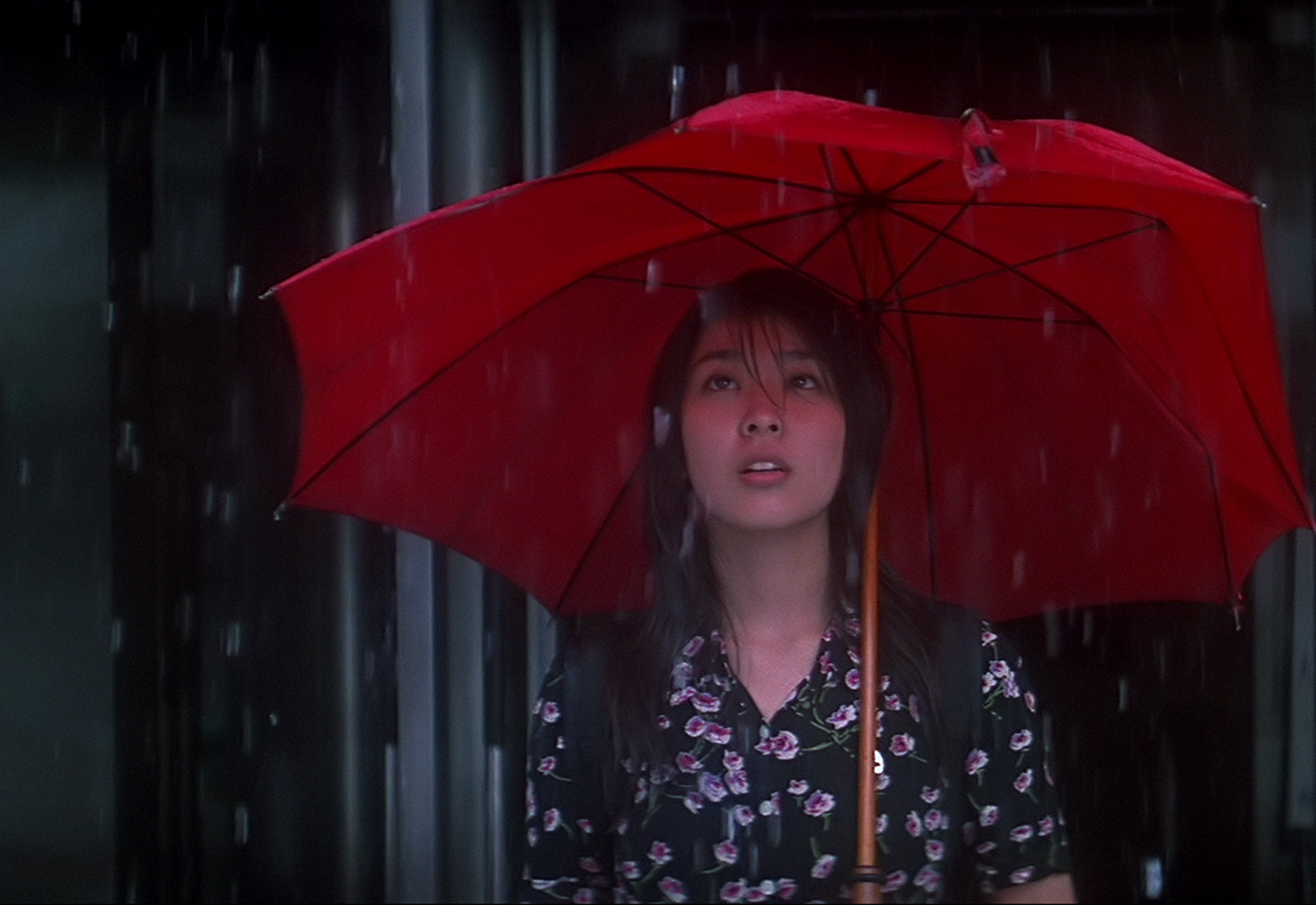





 The “jun-ai” boom might have been well and truly over by the time Takahiro Miki’s Girl in the Sunny Place (陽だまりの彼女, Hidamari no Kanojo) hit the screen, but tales of true love doomed are unlikely to go out of fashion any time soon. Based on a novel by Osamu Koshigaya, Girl in the Sunny Place is another genial romance in which teenage friends are separated, find each other again, become happy and then have that happiness threatened, but it’s also one that hinges on a strange magical realism born of the affinity between humans and cats.
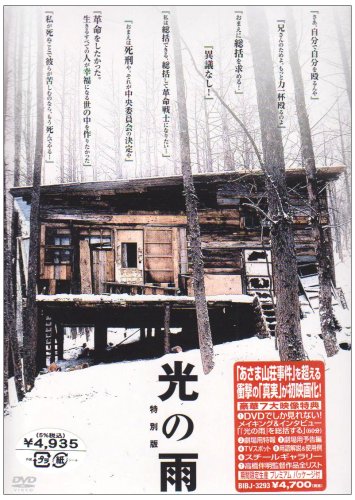 In the closing voice over of Banmei Takahashi’s Rain of Light (光の雨, Hikari no Ame), the elderly narrator thanks us, the younger generation, for listening to this long, sad story. The death of the leftist movement in Japan has never been a subject far from Japanese screens whether from contemporary laments for a perceived failure as the still young protestors swapped revolution for the rat race or a more recent and rigorous desire to examine why it all ended in such a dark place. Rain of Light is an attempt to look at the Asama-Sanso Incident through the eyes of the youth of today and by implication ask a few hard questions about the nature of revolution and social change and if either of those two things have any place in the Japan these young people now live in. Takahashi reframes the tale as docudrama in which his young actors and actresses, along with their increasingly conflicted director, attempt to solve these problems through recreation and role play, bridging the gap between the generations with a warning from those who dreamed of a better world that was never to be.
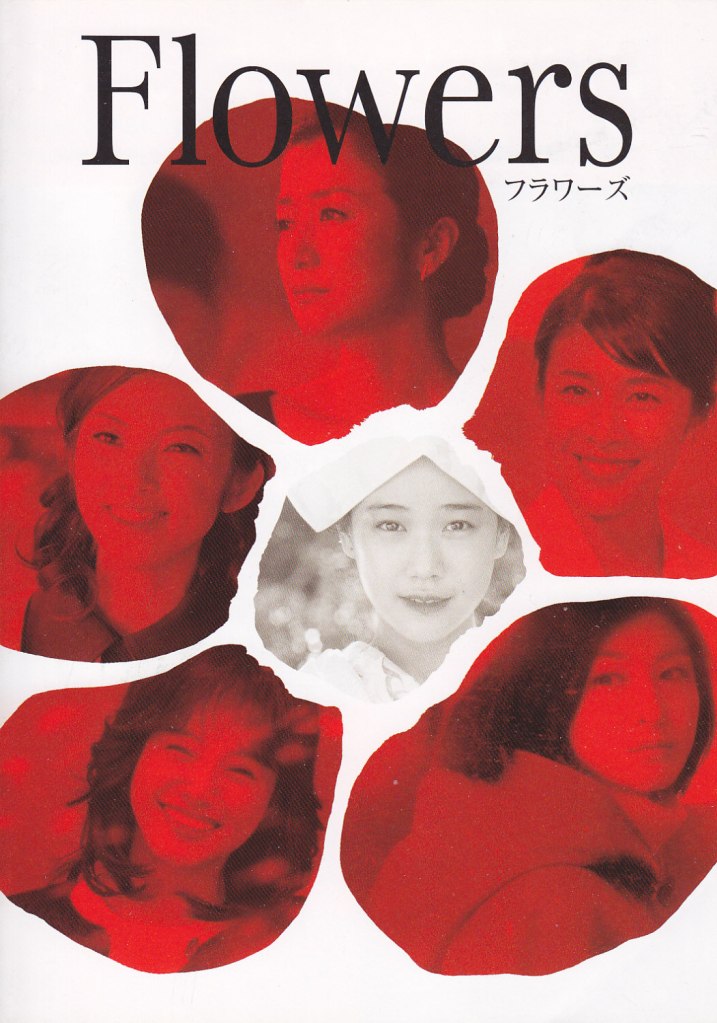 The rate of social change in the second half of the twentieth century was extreme throughout much of the world, but given that Japan had only emerged from centuries of isolation a hundred years before it’s almost as if they were riding their own bullet train into the future. Norihiro Koizumi’s Flowers (フラワーズ) attempts to chart these momentous times through examining the lives of three generations of women, from 1936 to 2009, or through Showa to Heisei, as the choices and responsibilities open to each of them grow and change with new freedoms offered in the post-war world. Or, at least, up to a point.
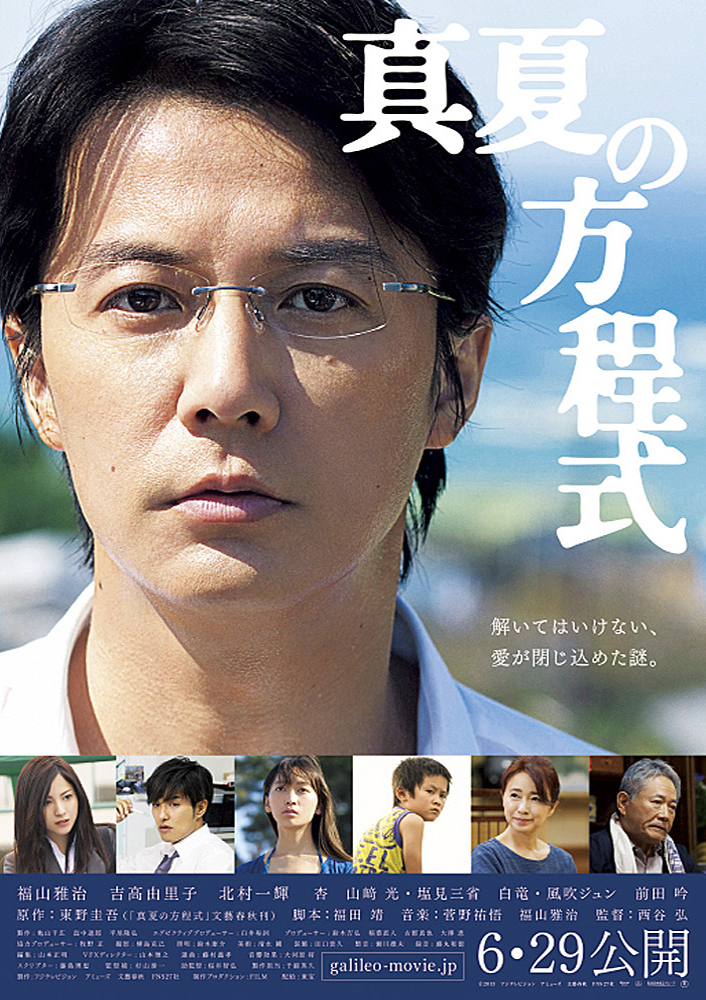 Sometimes it’s handy to know an omniscient genius detective, but then again sometimes it’s not. You have to wonder why people keep inviting famous detectives to their parties given what’s obviously going to unfold – they do rather seem to be a magnet for murders. Anyhow, the famous physicist and sometime consultant to Japan’s police force, “Galileo”, is about to have another busman’s holiday as he travels to a small coastal town which is currently holding a mediation between an offshore mining company and the local residents who are worried about the development’s effects on the area’s sea life.
 Windows on Worlds