
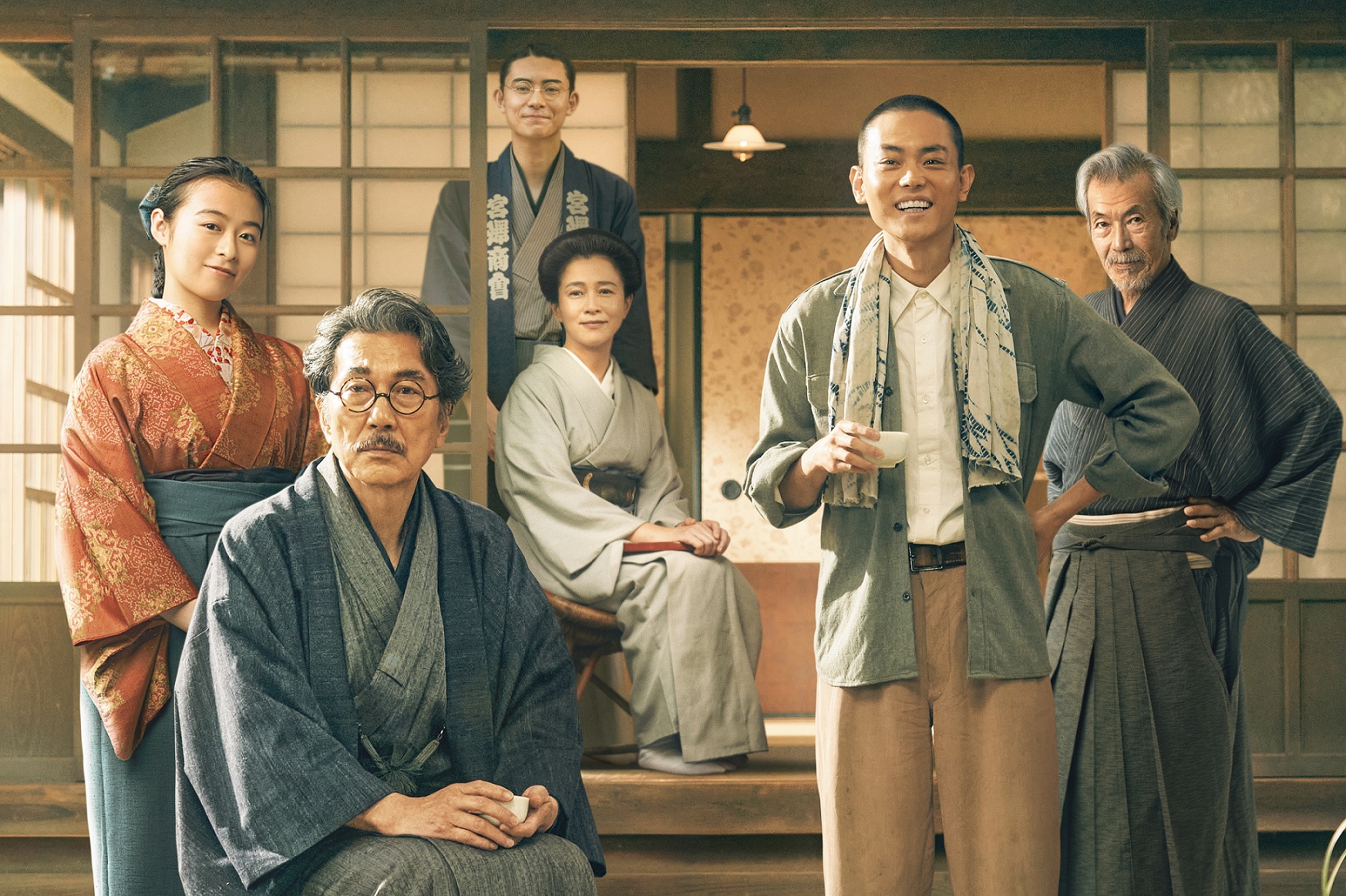
Generations of Japanese children have grown up with Kenji Miyazawa’s much loved classic Night on the Galactic Railroad but Miyazawa remained largely unknown in his lifetime and passed away from pneumonia at the young age of 37 in 1933 with the book that would make his name still unpublished. His story has been told before, most notably by Kazuki Omori in 1996’s Night Train to the Stars, but Izuru Narushima’s Father of the Milky Way Railroad (銀河鉄道の父, Ginga Tetsudo no Chichi), adapted from the Naoki Prize-winning novel by Yoshinobu Kadoi, takes a slightly different angle in exploring the life of his generally supportive father, Masajiro (Koji Yakusho).
As he’s fond of saying, Masajiro is a product of the modern era and a very modern father even in some ways by the standards of today. The film opens (and closes) with him on a train, this time hurrying home having received a telegram informing him that his first child has been born. So excited is he that he offends his own father by running past him on the way to see the baby without offering the proper greeting. Kisuke (Min Tanaka) is indeed more of a traditionalist raised with feudal values that are fast becoming out of date in the new society. As the head of the household, it’s he who gives the baby his name, Kenji, written with the characters for intelligence and healing which will indeed define his character if leaving him somewhat at odds with his society.
Such a devoted father, Masajiro breaks with tradition and accepted gender roles in insisting on accompanying Kenji to hospital when he is taken ill despite his father’s admonition that caring for the sick is a role reserved for women. Kisuke also tells him his decision to have Kenji educated is wrongheaded, that literature and the arts only confuse a man and may prove more ruinous to him than drink or women. Annoyingly, Kisuke may have a point in that on his return from middle school Kenji (Masaki Suda) immediately rejects the family’s business as pawnbrokers having read too many Russian novels in which they are depicted as exploiters of the poor. He decries Masajiro’s justification that they support farmers who would otherwise be unable to access other forms of financial help such as bank loans and be forced to sell their daughters into sex work as mere sophistry. Masajiro may share some of his concerns, but remains in part wedded to some aspects of feudalism in insisting that as the oldest son Kenji has no choice other than to take over the family pawn shop.
Nevertheless, he also educates his daughter, Toshi (Nana Mori), who later begins working as a school teacher and is able to convince him to allow Kenji to further his studies only for Kenji to suddenly announce he wants to go to agricultural college to better understand their customers who are after all predominantly farmers. Having sent him away to be educated, Masajiro laments that Kenji knows “nothing of the world” after seeing him taken in by an obvious sob story from a duplicitous customer reflecting that his liberal education may have given him ideas that prevent him from living successfully in the society in which he lives. Kenji continues to resist the idea of taking over the pawnbroker’s while evidently unsuited to it before worrying his family further by becoming dangerously obsessed with radical new Buddhist sect Nichiren.
It’s with this that Masajiro cannot really help him and begins to lose his patience as Kenji gives in nihilistic despair believing that nothing he does has any real meaning. His literary gifts are appreciated only in the wake of a tragedy that reconnects him with his childhood self while finally freeing Masajiro to embrace his son’s natural gifts as a writer rather than trying to force him to take over the family business. In truth, the film barely touches on the novel from which it takes its title if subtly hinting at it and bookending itself with the celestial train motif, but rather takes its lead from one of Miyazawa’s best known poems about his desire to become a better, more selfless, less self-defeating person that is perhaps inspired by his “modern” father’s “new” ideas of a society founded above all else on love. Perhaps it’s not so bad to know nothing of the world after all.
Father of the Milky Way Railroad screens in New York July 29 as part of this year’s JAPAN CUTS.
Original trailer (no subtitles)
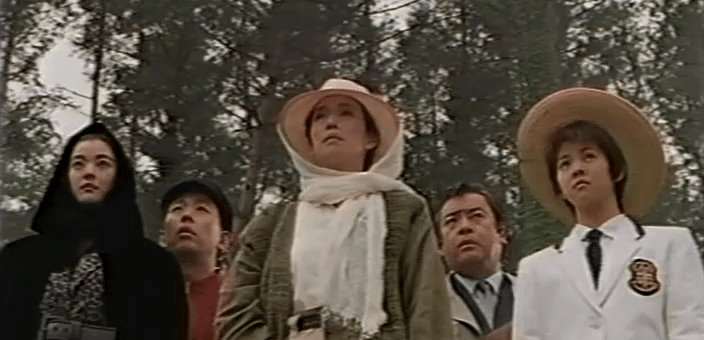
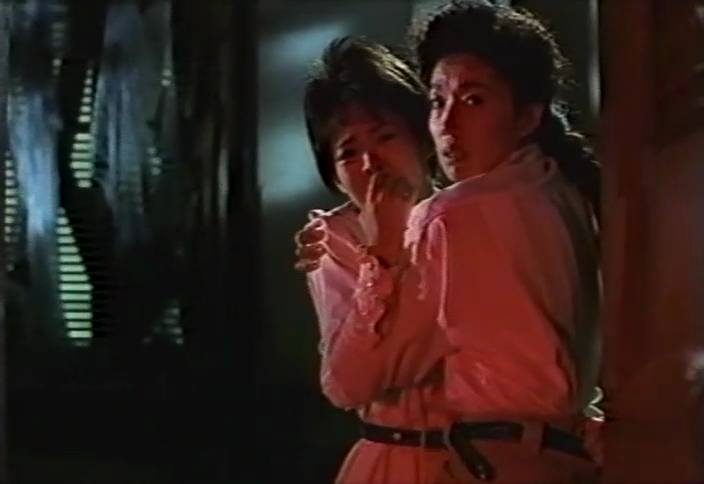


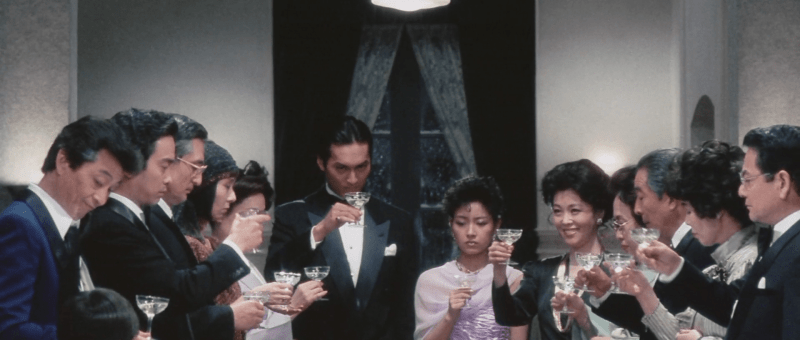


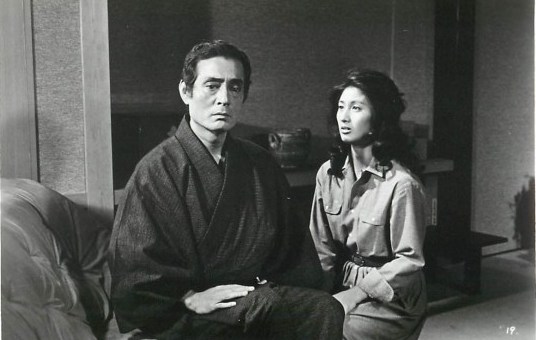
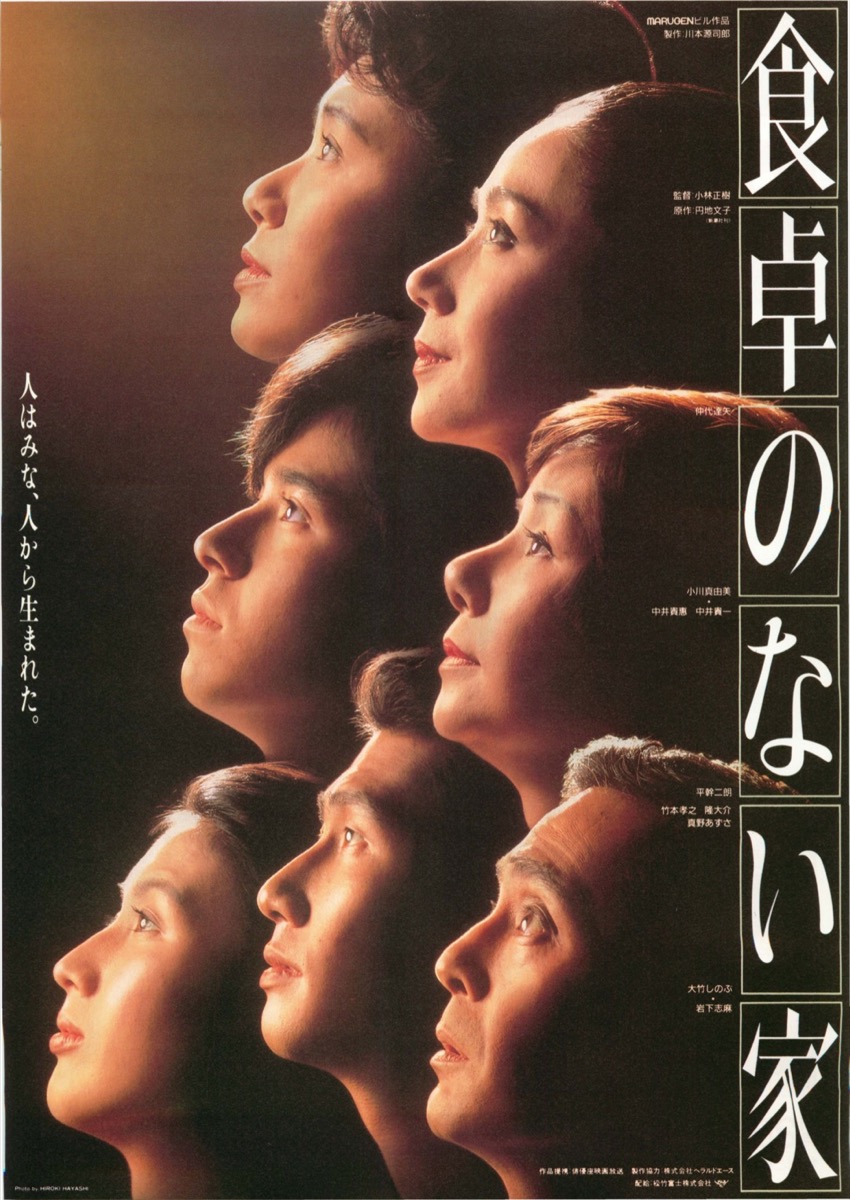
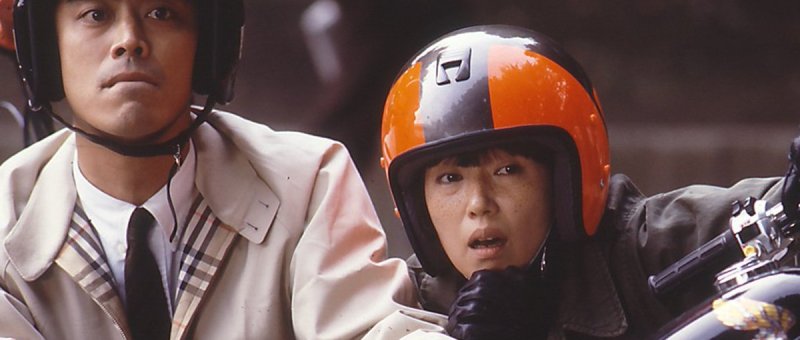
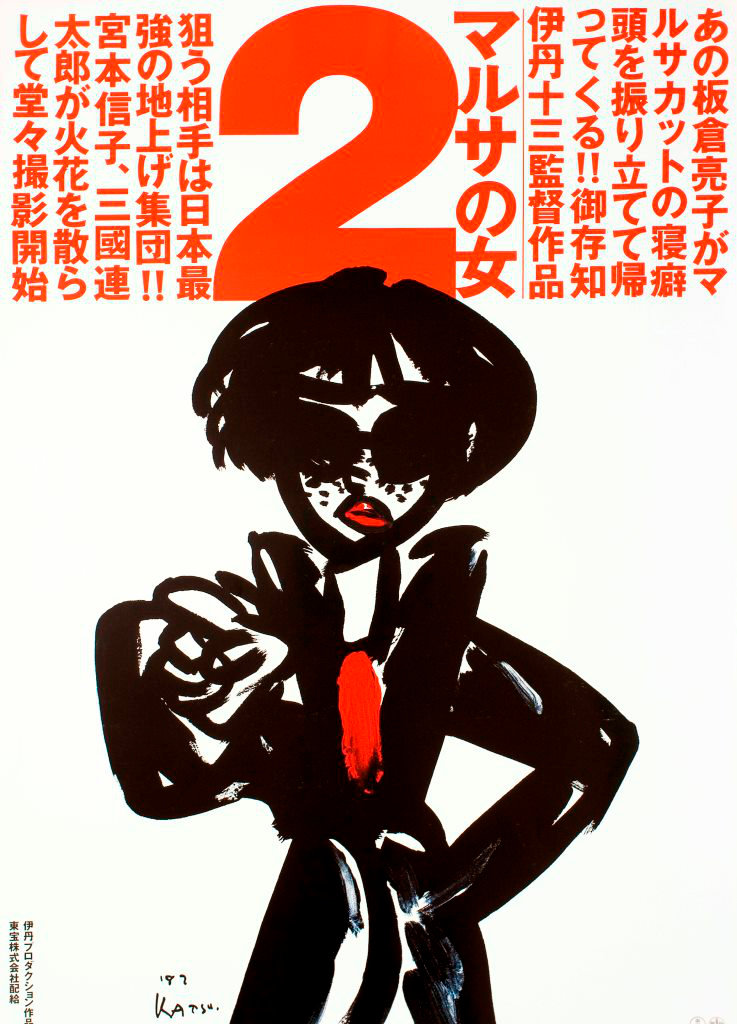
 When AnimEigo decided to release Hideo Gosha’s Taisho/Showa era yakuza epic Onimasa (鬼龍院花子の生涯, Kiryuin Hanako no Shogai), they opted to give it a marketable but ill advised tagline – A Japanese Godfather. Misleading and problematic as this is, the Japanese title Kiryuin Hanako no Shogai also has its own mysterious quality in that it means “The Life of Hanako Kiryuin” even though this, admittedly hugely important, character barely appears in the film. We follow instead her adopted older sister, Matsue (Masako Natsume), and her complicated relationship with our title character, Onimasa, a gang boss who doesn’t see himself as a yakuza but as a chivalrous man whose heart and duty often become incompatible. Reteaming with frequent star Tatsuya Nakadai, director Hideo Gosha gives up the fight a little, showing us how sad the “manly way” can be on one who finds himself outplayed by his times. Here, anticipating Gosha’s subsequent direction, it’s the women who survive – in large part because they have to, by virtue of being the only ones to see where they’re headed and act accordingly.
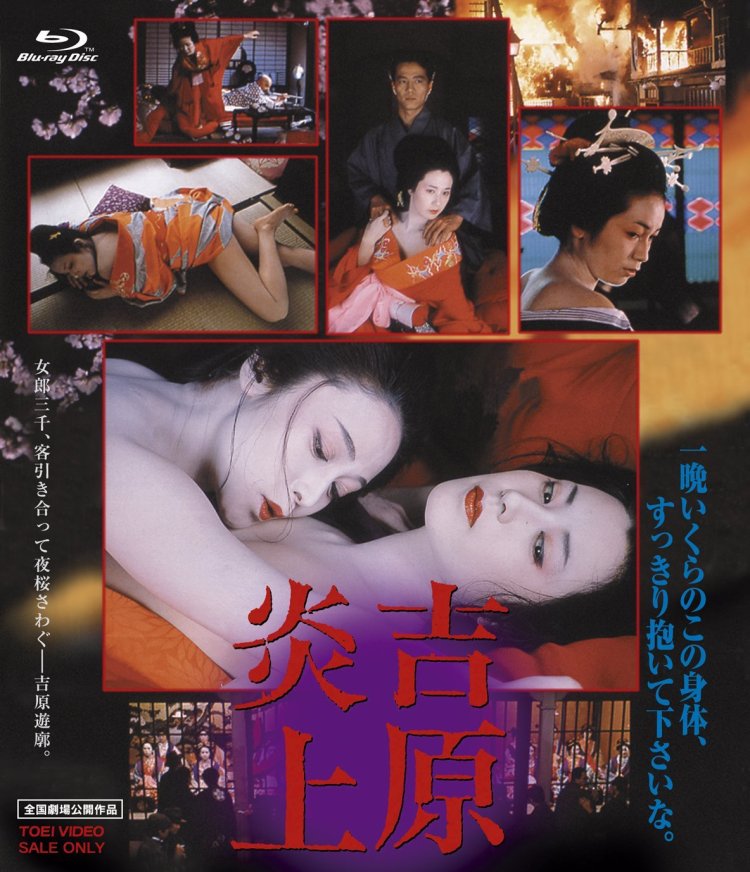 Hideo Gosha maybe best known for the “manly way” movies of his early career in which angry young men fought for honour and justice, but mostly just to to survive. Late into his career, Gosha decided to change tack for a while with a series of female orientated films either remaining within the familiar gangster genre as in Yakuza Wives, or shifting into world of the red light district as in Tokyo Bordello (吉原炎上, Yoshiwara Enjo). Presumably an attempt to get past the unfamiliarity of the Yoshiwara name, the film’s English title is perhaps a little more obviously salacious than the original Japanese which translates as Yoshiwara Conflagration and directly relates to the real life fire of 1911 in which 300 people were killed and much of the area razed to the ground. Gosha himself grew up not far from the location of the Yoshiwara as it existed in the mid-20th century where it was still a largely lower class area filled with cardsharps, yakuza, and, yes, prostitution (legal in Japan until 1958, outlawed in during the US occupation). The Yoshiwara of the late Meiji era was not so different as the women imprisoned there suffered at the hands of men, exploited by a cruelly misogynistic social system and often driven mad by internalised rage at their continued lack of agency.
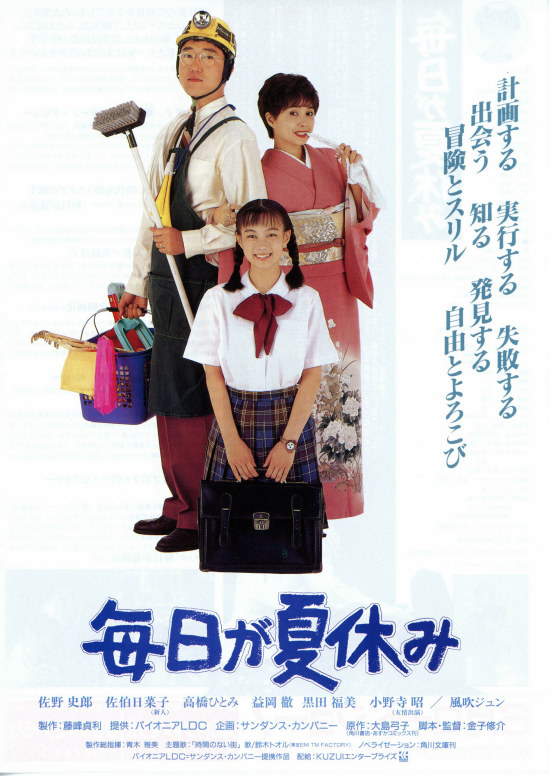 Summer Holiday Everyday – It’s certainly an upbeat way to describe unemployment but then everything is improbably upbeat and cheerful in the always sunny world of Shusuke Kaneko’s adaptation of Yumiko Oshima’s shoujo manga. Published in the mid-bubble era of 1988, Oshima’s world is one in which anything is possible but by the time of the live action movie release in 1994 perhaps this was not so much the case. Nevertheless, Kaneko’s film retains the happy-go-lucky tone and offers note of celebration for the unconventional as a path to success and individual happiness.
 Windows on Worlds