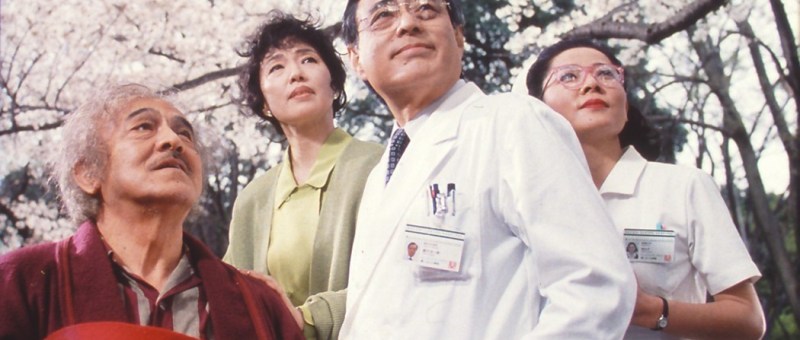

A self-involved film director gets a lesson in what it is to live when he discovers that he has terminal cancer in a lighthearted melodrama from Juzo Itami, The Last Dance (大病人, Daibyonin). Itami was apparently inspired by his own stay in hospital after being attacked by yakuza offended by his previous film Minbo and like his debut The Funeral the film has a few questions to ask about the nature of death along with the functioning of the medical system.
That’s partly because film director Buhei Mukai (Rentaro Mikuni) is not initially told of his diagnosis. His well-meaning doctor, Ogata (Masahiko Tsugawa) a old university friend of his wife, elects to tell him only that he has a stomach ulcer in keeping with an old-fashioned policy that worries patients may lose hope and give up too easily on discovering the extent of their illness. Buhei meanwhile continues to obsess about his condition, convinced it must be cancer and that his wife, Mariko (Nobuko Miyamoto), and the medical staff are lying to him, at one point pretending to be his own uncle in order to tease the truth out of Ogata over the phone and attempting suicide when he accidentally implies that Buhei may not have long left.
His distress is compounded by the irony that in the film he was working on when he became ill he was starring as a composer with advanced cancer whose wife has also been diagnosed with a more aggressive form of the disease. Whatever we might think about Buhei, it’s fair to say that the film’s sexual politics have not aged well. Not only was he having an affair with the actress playing his wife, but continues to flirt inappropriately with the medical staff and at one point even tries to force himself on his wife who was in the process of leaving him when he was first diagnosed. His lechery seems primed to appeal to men of a similar age while hinting at his virility and desire for life, but is nevertheless crass and often uncomfortable. Nevertheless, as Mariko says he’s like a child inside cheekily joking with the doctors about his drinking and smoking habits while running away from anything unpleasant and trying to get out of having to undergo treatment.
Itami had often remarked on the weaknesses of Japanese men who “can’t stand loneliness, can’t make decisions alone, can’t face anyone who disagrees with them and can’t accept responsibility for their mistakes,” Buhei seemingly possessing all four. In part regretting her decision to keep the seriousness of his illness from him, Mariko reflects that in the end all they did was leave Buhei alone in his fear and anxiety as the only one who didn’t know the truth, engineering a kind of conspiracy as they cheerfully told him to “soldier on” knowing there was no hope. Yet during his time in the hospital, Buhei is also confronted by the ethical dilemmas of medical treatment on witnessing doctors desperately try to resuscitate a man who was miserable, in pain, bedridden, and unable to communicate, just waiting for the end. As even his grieving wife calls out to the doctors to let him go, Buhei wonders if it’s right to preserve life at all costs especially when the patient has not been given a choice in his treatment and may not have been informed that they have no possibility of recovery.
Coming to a new realisation he challenges Ogata’s conviction that death is his enemy, telling him that he should see it less as defeat than acceptance reflecting on the irony that he never felt so alive as when dying. Whimsical if occasionally maudlin, Itami throws in a surrealist dream sequence in which Buhei approaches the other side and comes to realise that death might not be so frightening after all even as he watches himself from above in an out of body experience witnessing the accidental violence inflicted on his body by those trying to save it. In some senses, Buhei is fairly unredeemed, winking at his indifferent mistress even on his death bed, but is in others humbled as he looks back on his life with its regrets and unfulfilled promises, repairing his relationship with his long suffering wife while admitting that under different circumstances he and Ogata might have become good friends. Offering a sometimes critical view of medical practice and ethics, Itami’s poetic meditation on what it is to die loses none of his ironic humour even in its unfolding tragedy.


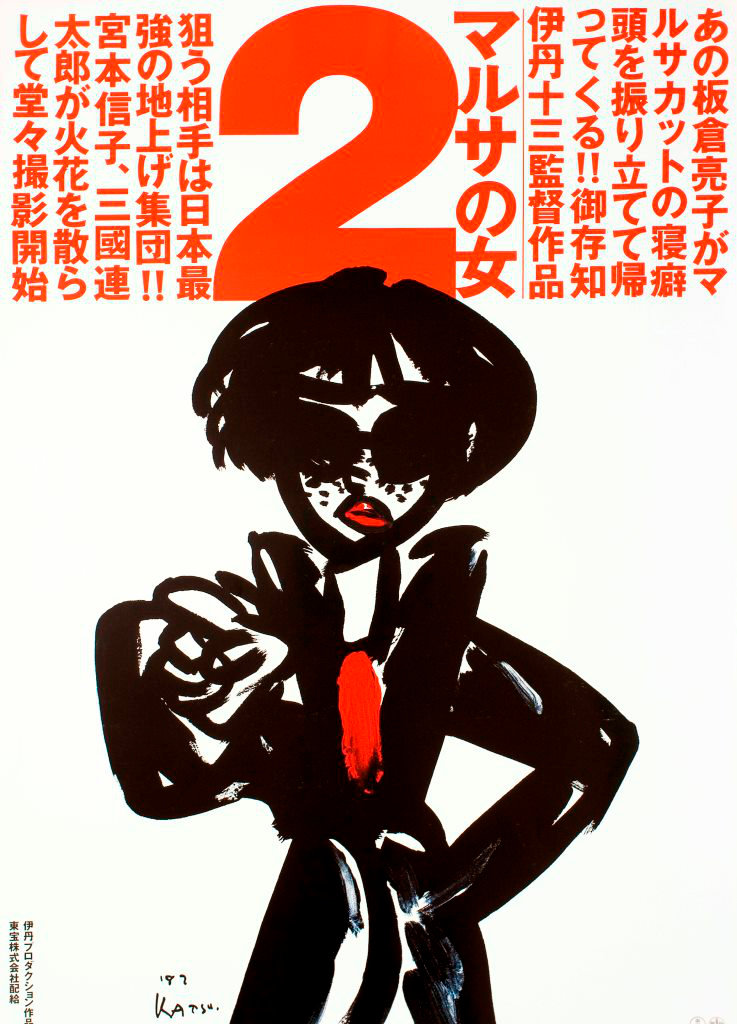
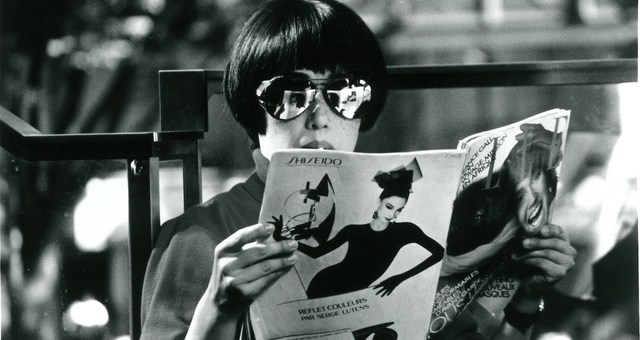

 Some people love ramen so much that the idea of a “bad” bowl hardly occurs to them – all ramen is, at least, ramen. Then again, some love ramen so much that it’s almost a religious experience, bound up with ritual and the need to do things properly. A brief vignette at the beginning of Juzo Itami’s Tampopo (タンポポ) introduces us to one such ramen expert who runs through the proper way of enjoying a bowl of noodle soup which involves a lot of talking to your food whilst caressing it gently before finally consuming it with the utmost respect. Ramen is serious business, but for widowed mother Tampopo it’s a case of the watched pot never boiling. Thanks to a cowboy loner and a few other waifs and strays who eventually become friends and allies, Tampopo is about to get some schooling in the quest for the perfect noodle whilst the world goes on around her. Food becomes something used and misused but remains, ultimately, the source of all life and the thing which unites all living things.
 “Why do we have to make such sacrifices for our children?”. It sounds a little cold, doesn’t it, but none the less true. Yoshimitsu Morita’s 1983 social satire The Family Game (家族ゲーム, Kazoku Game) takes that most Japanese of genres, the family drama, and turns it inside out whilst vigorously shaking it to see what else falls from the pockets.
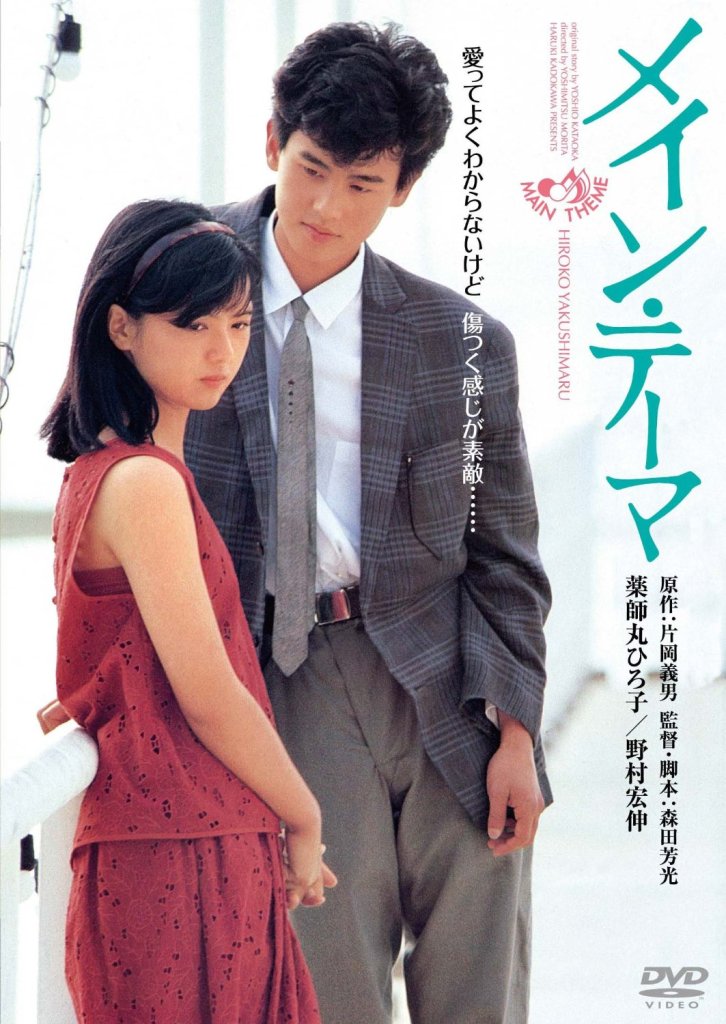 Despite being one of the most prolific directors of the ‘80s and ‘90s, the work of Yoshimitsu Morita has not often travelled extensively overseas. Though frequently appearing at high profile international film festivals, few of Morita’s films have been released outside of Japan and largely he’s still best remembered for his hugely influential (and oft re-visited) 1983 black comedy, The Family Game. In part, this has to be down to Morita’s own zigzagging career which saw him mixing arthouse aesthetics with more populist projects. Main Theme is definitely in the latter category and is one of the many commercial teen idol vehicles he tackled in the 1980s.
 As you might be able to tell from its title, Gentle 12 (12人の優しい日本人, Juninin no Yasashii Nihonjin) is a loose Japanese parody of the stage play 12 Angry Men notably filmed by Sidney Lumet back in 1957. The Japanese title literally translates as “12 Kindly Japanese Guys” and the film takes the same premise of twelve jurors debating the verdict in a murder case which was previously thought fairly straightforward. This time our jury is a little more balanced as it’s not just guys in the room and even the men are of a more diverse background.
 Windows on Worlds