Female Slave Ship (女奴隷船, Yoshiki Onoda, 1960)

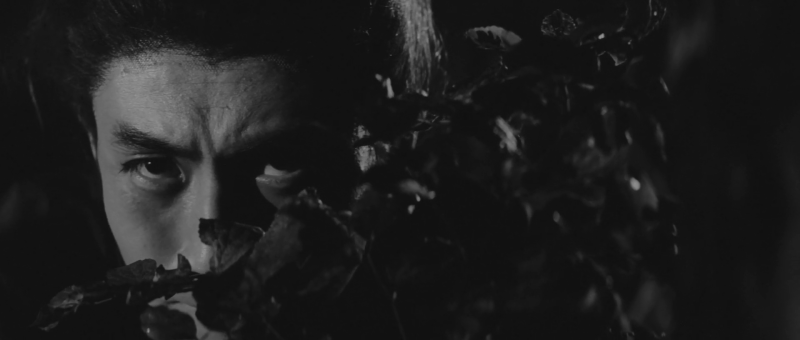
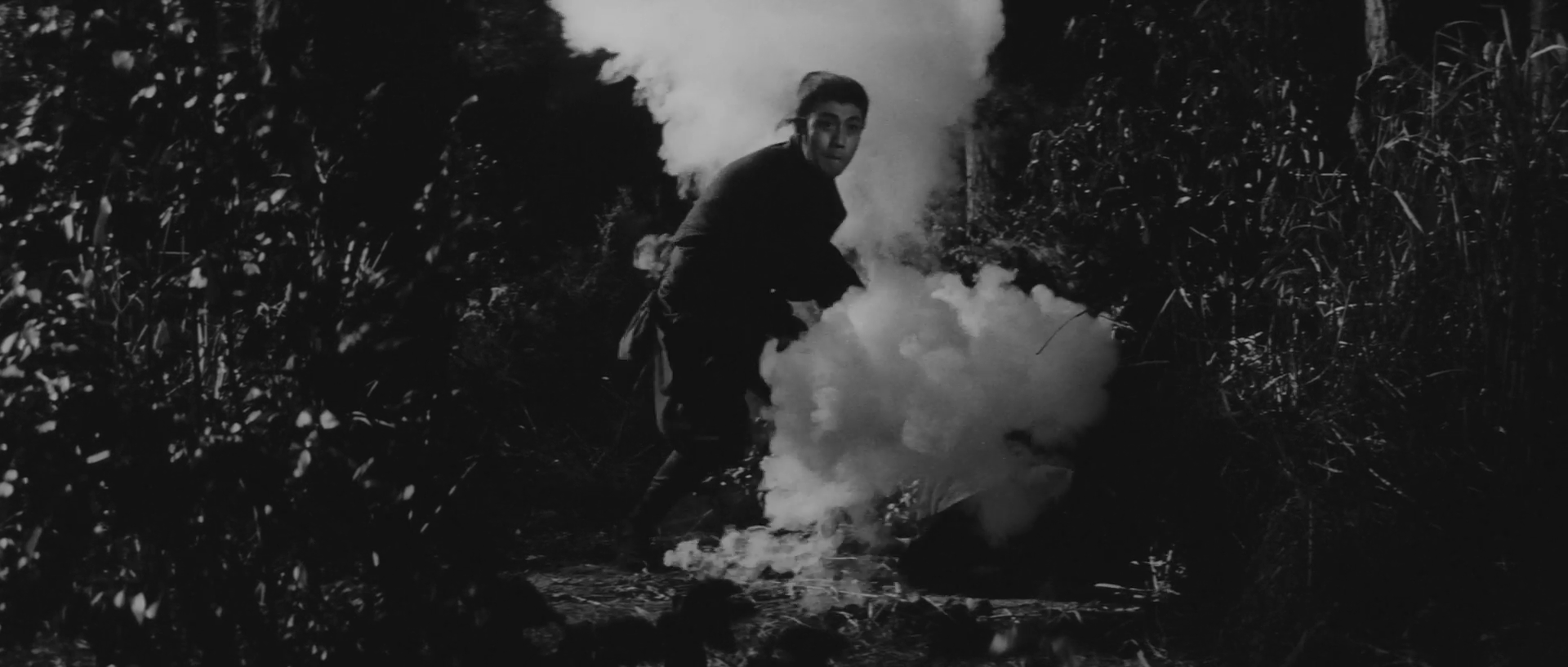
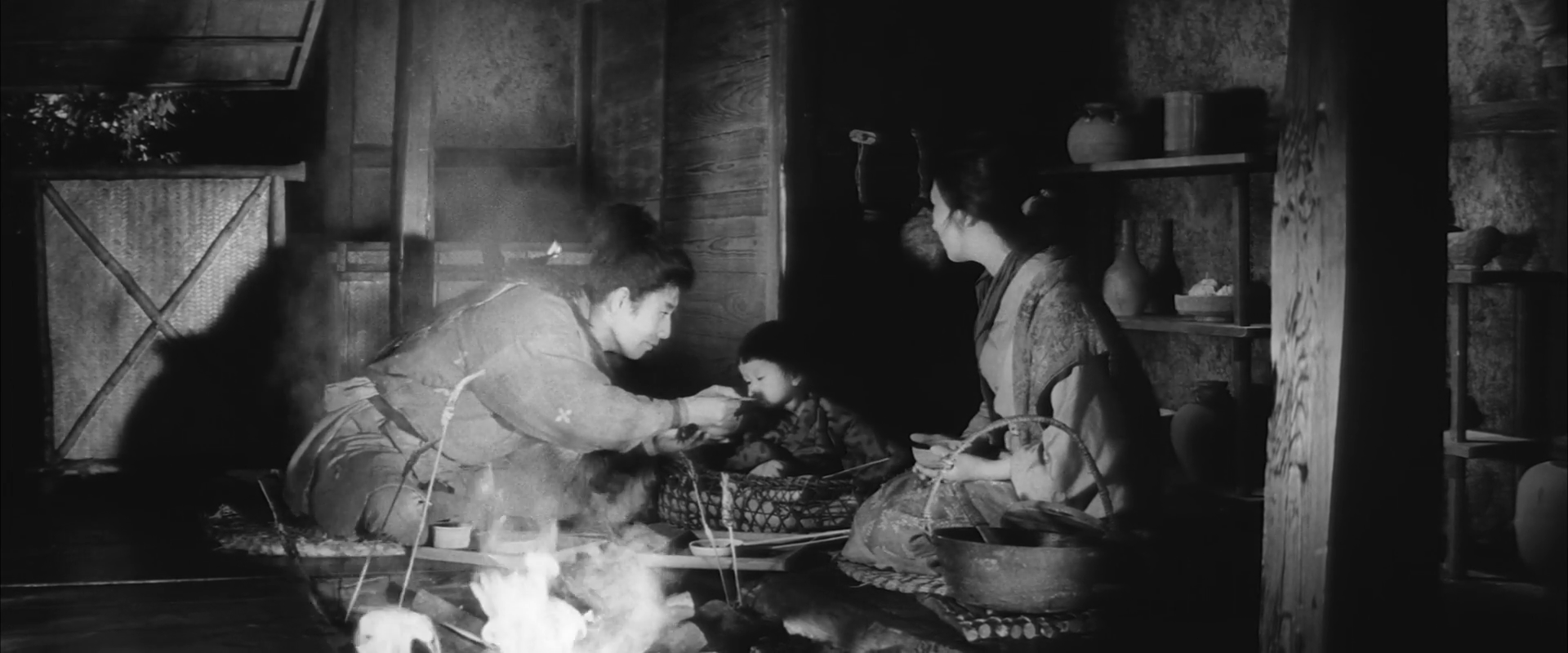
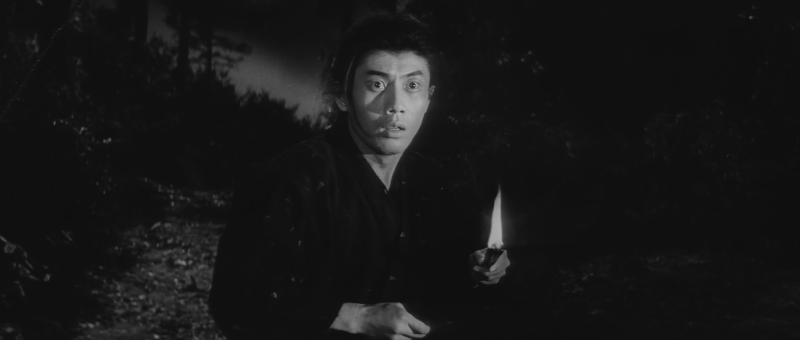
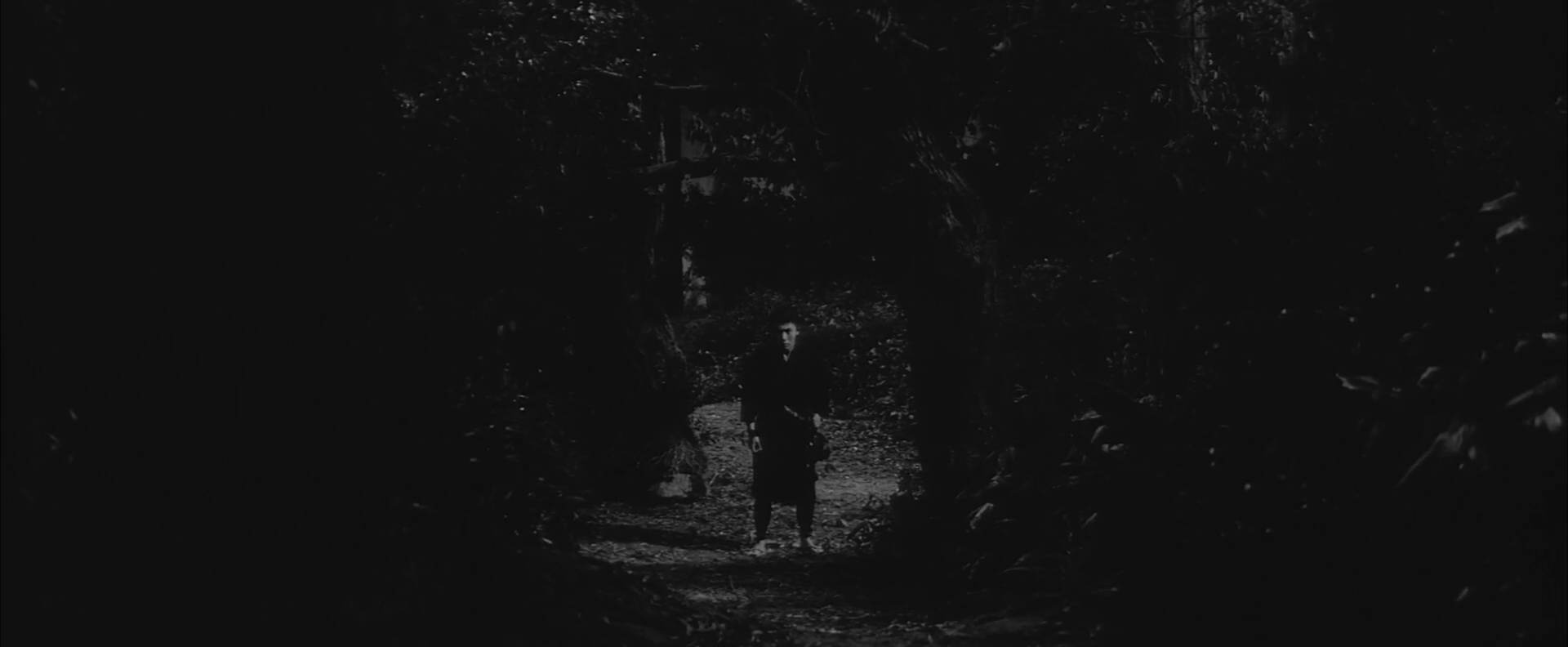
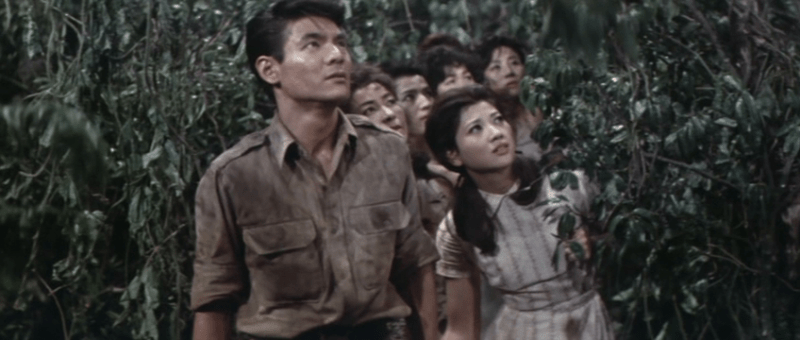
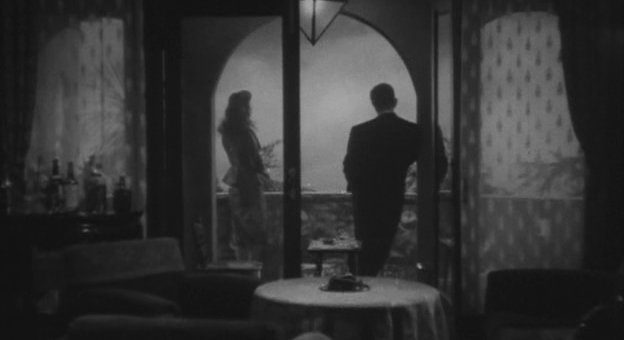
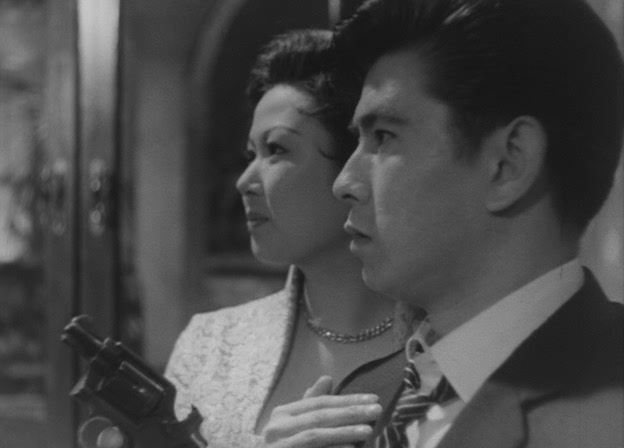
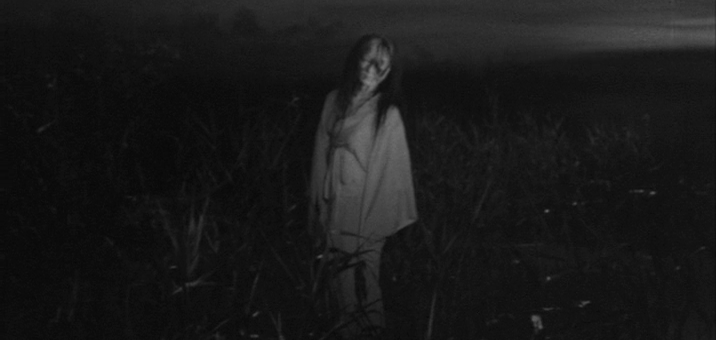
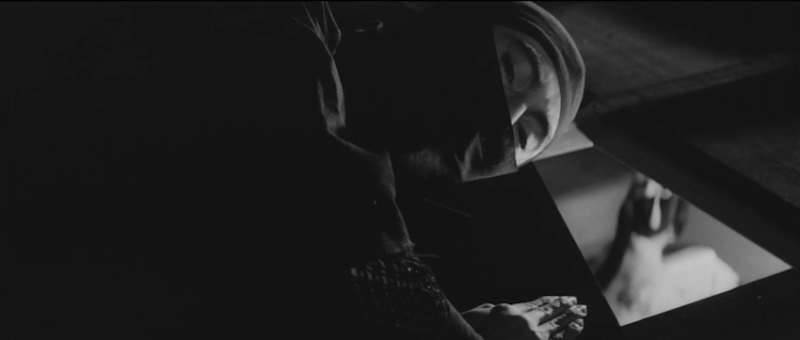
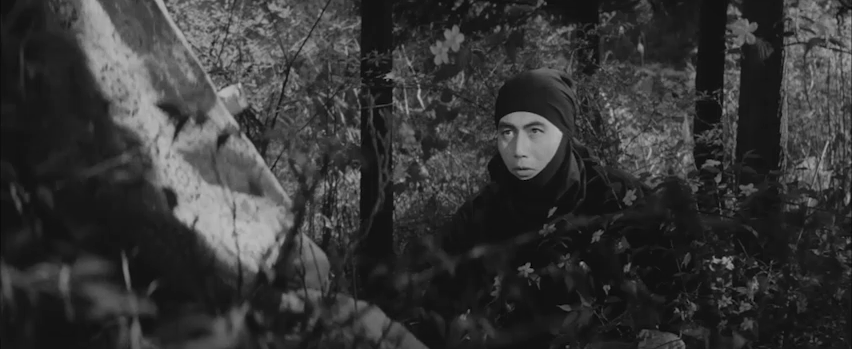
Playing out much more like a classic serial than war movie, Yoshiki Onoda’s Female Slave Ship (女奴隷船Onna dorei-sen) takes a curiously flippant approach to the conflict along with a moral perhaps a little at odds with similar films of the time. Adapted from a novel by Jun Funazaki, the film begins as spy thriller but ends up drifting into pirate territory as a Japanese solider with an incredibly important mission is shot down on his way to Tokyo, rescued by a freighter carrying women en route to being sex trafficked in Shanghai, and then captured by pirates who want to sell him to a Chinese spy working for the Americans. 

It’s right at the end of the war and Japan is losing quite badly they think because of advancements made in radar by the Allied forces. They’ve been passed blueprints for a better radar system by a German contact and so Lt. Sugawa (Bunta Sugawara), stationed in Malaya, has been charged with bringing them back to Tokyo disguised as a photo of a pretty young woman they’re going to say is his sister. Perhaps the most surprising thing about the film is that Sugawa abandons his mission quite quickly and instead devotes himself to rescuing the women, vowing not to return to Tokyo without them despite the fact that this vital information he’s carrying could supposedly turn the tide of the war.

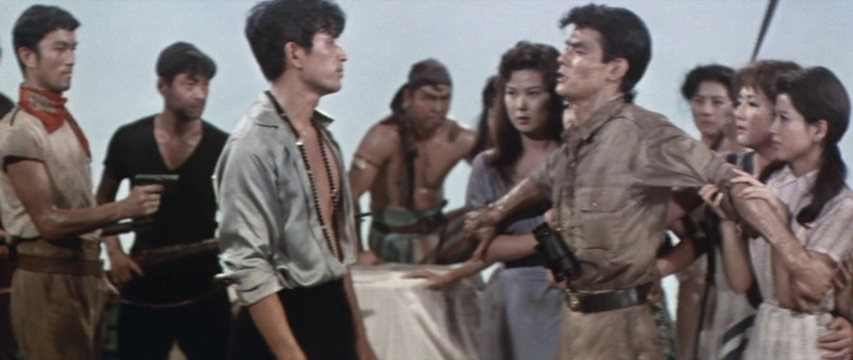
Even so, this manly chivalry defines his code of heroism. He is constantly trying to escape and defiantly stands up both to the captain of the tugboat, who is not actually in charge, but also to the pirate captain (Tetsuro Tanba) who doesn’t really seem to be doing much of anything. Among the crew of pirates is a Japanese man who later confirms that he’s a deserter but alternately switches sides, first offering to team up with Sugawa because he’s fed up with the discrimination he faces from the other pirates, and then betraying him before doing the same thing again but claiming that he feels bad about deserting and wants to do something for Japan now that his Japaneseness has been truly awoken.

It was indeed other Japanese people who were operating the slave ship, chief of them being the Queen (Yoko Mihara) who rules the boat with an iron hand but then uses her sex appeal to curry favour with the pirate captain while simultaneously developing feelings for Sugawa who is equally drawn to a meek young woman, Rumi (Utako Mitsuya), who was tricked onto the boat on the promise of a nursing job in Manchuria. Most of the other women, few of whom are actually given any characterisation, are established sex workers and resolved to their fates but all feel bad for and protective of Rumi. Though she’s the one Sugawa is closest to, it’s quite refreshing that the women are otherwise treated as equals rather than looked down on because of their occupation with Sugawa insistent on rescuing them all before they can be sold in Shanghai. 

As is usual for these kinds of films, the chief villain is Chin (Shuji Kawabe), a Chinese man apparently with ties to the Americans who has somehow found out about the radar plans, even knowing that they’re presented on a photo of a woman, and wants to capture Sugawa to get his hands on them. The bounty causes a rift between the pirate captain and Chin with the pirate captain wanting in on the deal and Chin not really willing to share, though there is a clear implication that these mercenary pirates are on the wrong the side in working with the Chinese and Americans while the slave ship was more on the level of not being okay but definitely not as bad. 

In any case, it comes down to a battle of masculinity between the monkey-loving pirate captain and his trusty whip, and Sugawa’s good old-fashioned chivalry. Surprisingly chaste given its racy title, even the pirates are more of the drunken and lascivious type than violent and rapacious, the film has a rather odd sensibility landing somewhere between jungle adventure and wartime escapade in which an earnest young man bravely carries the weight of the nation on his shoulders while doing his best to address a more immediate threat and rescue 12 captive women from the evils of Japan’s imperialist expansion. 


Original trailer (no subtitiles)

Invasion of the Neptune Men (宇宙快速船, Koji Ota, 1961)

Japan was well on the way to economic recovery by 1961, but the newly prosperous society also gave rise to other anxieties and most particularly in the light of the Cold War and space race with the nation fearful of falling behind in scientific development. Or at least, that’s something that particularly bothers the young heroes of Koji Ota’s kids tokusatsu, Invasion of the Neptune Men (宇宙快速船, Uchu Kaisokusen), in which the nation’s failure to build a space rocket is conflated with its traditional visions of masculinity. 

At least, the boys all agree that Tachibana (Shinichi Chiba), a young scientist who runs a kind of club with them at the research facility where he works, is pretty great but also a bit of a wimp who failed to stand up to some bullies who were hassling him at a local cinema. They think it would be better if he were cool, re-imagining him as a kind of tokusatsu hero named “Iron Sharp” for whom they even come up with a theme song. As part of their club activities watching satellites, the kids accidentally stumble across a spaceship belonging to Neptune men who are planning to invade though obviously as they are children no one really believes them until the Neptune men start causing other forms of destruction. 

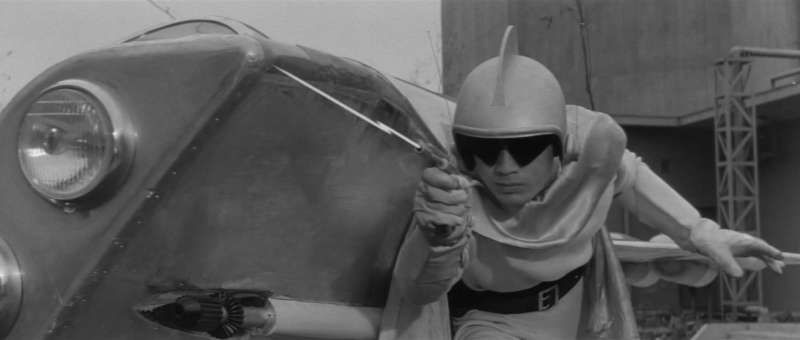
Attacked, the kids are saved by the hero they themselves made up flying in on a car/plane/spaceship though he too doesn’t really have a lot time for them and the kids don’t even really notice he looks a lot like Tachibana who is noticeably absent from the lab whenever he’s around. Even so, this being a kids film the major the problem is that no one else takes the boys very seriously, save Tachibana himself, leaving them to save the day on their own while the grown-ups argue amongst themselves. 

Getting people to argue amongst themselves turns out to be part of the aliens’ mission in exploiting Cold War paranoia to start world war three. The first attack results in a mushroom cloud which must have been fairly painful symbolism though the Americans immediately blame Russia who blame the US in return asking if they’re really intent on starting a nuclear war. The kids wonder why grownups are always so suspicious of other countries, hinting at a desire for a less xenophobic society eventually echoed in the calls for worldwide unity to defeat the Neptune men while otherwise repeatedly emphasising that Japan can’t be left behind by the US and Russia in the space race. 

Then again, there is something quite troubling in the fact that the invading Neptune men who’ve taken on human form appear as soldiers but wearing prominent feminine makeup, re-echoing the boys’ concerns regarding science and masculinity while introducing a seemingly unintentional dose of homophobia into the threat posed by the aliens who otherwise wield destructive nuclear powers echoing the atomic bomb in using their ray guns to vaporise their targets who then leave shadow imprints of themselves where they disappeared. The main weapon used to combat them is science, Tachibana and his boss, the father of one of the boys, coming up with an ingenious electric shield and then a series of magnetic rockets which allow them to shoot down the Neptunian’s ship. 

In this case, science is the “good” force that combats the “bad” use of nuclear weapons this time rendered alien rather than manmade therefore neutering the debate surrounding their use and the responsibilities involved with their discovery. Tachibana, the thinly disguised Iron Sharp, then becomes a hero of science racing round in his custom car and largely defeating the Neptunians through a more primal kind of hand to hand violence while embodying the kind of cool masculinity the boys the otherwise feared he lacked which is to say that unlike his real life guise, Iron Sharp is perfectly capable of standing up to “bullies” like extraterrestrial invaders. Reusing some of the effects footage from The Last War, the film emphasises the need for world unity and the end of the Cold War, but also sells a slightly contradictory, mildly nationalist message insisting that Japan can’t fall far behind technologically or will essentially be at the mercy of Russia and America, Tachibana having travelled to Moscow to assist with the creation of a new spaceship. Spurred on by their adventures, the kids all vow to become great inventors protecting Japan through their innovations, going on to explore Mars and Venus hinting at a new sense of possibility in the post-war society but also mindful of its geopolitical realities.


Flesh Pier (女体桟橋, Teruo Ishii, 1958)

Teruo Ishii may be most closely associated with his exploitation work for Toei in the late ‘60s and ‘70s but in actuality he began his career at Toho, later joining Shintoho where he served as an AD to among others Mikio Naruse whom he regarded as a lifelong mentor. After making his debut with boxing movie King of the Ring: The World of Glory in 1957, he worked mainly in children’s sci-fi tokusatsu serials before sliding into B-movie noir of which 1958’s Flesh Pier (女体桟橋, Nyotai sanbashi) is an early example. 

Set firmly in the contemporary era, Ishii opens with a documentary-style voiceover exoticising the seedy underbelly of the city’s entertainment district hidden away in otherwise sparkling Ginza. Shooting in a bold reportage style, he captures a sense of natural spontaneity reminiscent of early American independent cinema transitioning directly into nightclub Arizona where a woman is furiously dancing. Arizona is as we’ll see the nexus of the recent proliferation of “call girl” businesses which have arisen since sex work was criminalised and in this case at least dependent on an international sex trafficking network backed by an American gangster, Thompson (Harold Conway). Salaryman Keizo (Ken Utsui) is a new customer, double checking that the business is “safe” before being reassured that they don’t deal with anyone they don’t know and have already vetted his identity, but when he reaches the hotel room he’s been handed the key for, he discovers the body of a woman lying in the bathtub and is forced on the run. The twist is that Keizo isn’t a bored executive after all but an undercover policeman working on breaking the trafficking ring. 

Co-scripted by Akira Sagawa, Flesh Pier seems to draw frequent inspiration from Casablanca only with the roles slightly reversed as replacement hostess Rumi (Yoko Mihara) finds herself wondering why of all the gin joints in Ginza Keizo had to walk into hers while the bar’s musician, Teruo (Teruo Hata), quite clearly in love with her himself, completes the triangular relationship. The couple even enter a Moroccan-style room while echoing Rick and Ilsa’s painful rehash of their Paris break up as Rumi tries and fails to explain why she left him on some previous occasion, Keizo remembering that she wore a white sweater and a blue coat to mimic Rick’s “the Germans wore grey, you wore blue” while the film’s ending is also hugely reminiscent of Casablanca’s “beginning of a wonderful friendship” only with additional romance. 

Nevertheless, the crime here is bigger and darker than most contemporary noir with awkward echoes of Japan’s prewar sex trafficking industry embodied by the karayuki as it becomes clear the gang’s business model relies on finding young women and luring them abroad with promises of good jobs only to force them into them sex work. Meanwhile one of the regular policemen, Hayami (Hiroshi Asami), gets a shock when he sets up a meeting with one of the call girls and is met by his own fiancée who, unbeknownst to him, has resorted to sex work in order to fund her brother’s tuition. “What else could I do?” she tearfully asks him making plain that in the difficult if improving economic environment of late 50s Japan sex work is still the only viable option for many women needing to support their families in the absence of men given persistent societal sexism which often locks them out of other kinds of well-paying jobs. Hayami perhaps understands this, drowning his sorrows with his veteran partner insisting that he’s sick of being a policeman and plans to quit only for the older man to sympathetically tell him not to give up so easily. 

Then again, Keizo’s secondary love interest Haruko (Akemi Tsukushi) is an intrepid undercover reporter posing as a model in order to bait the trafficking ring. Even so the primary drama revolves around Keizo and Rumi’s unfinished business along with her musician’s jealousy, the implication being more that her feelings for Keizo have clouded her judgement rather than reawakened a sense of moral goodness. Like many femme-fatales in post-war B-movie noir she is made to pay the ultimate price for her transgressive femininity in having firstly climbed the in-gang ladder and then damned herself in her conflicted love for the earnest Keizo even while suspecting he may be an undercover cop despite his acting like an underworld thug. These are indeed a new breed gangster much more like those seen in European and American noir rather than traditional yakuza while the environment of the Arizona is also something of a liminal space as the opening voiceover puts it in but not of Japan. 

While nowhere near as lurid as some of Ishii’s later work, Flesh Pier is certainly daring for the time period in the griminess with which it depicts the successor to the red light districts along with its air of forbidden allure even while its club scenes are in keeping with those found in other contemporary gangster tales if lent a little more realism in the immediacy with which Ishii shoots them making full use of documentary-style handheld. Expressing a degree of anxiety as regards Japan’s increasingly global outlook along with that of increasing social change, Flesh Pier is formally daring from the young Ishii artfully playing with classic noir while fully embracing the transgressive thrills of B-movie crime. 


Black Cat Mansion (亡霊怪猫屋敷, Nobuo Nakagawa, 1958)

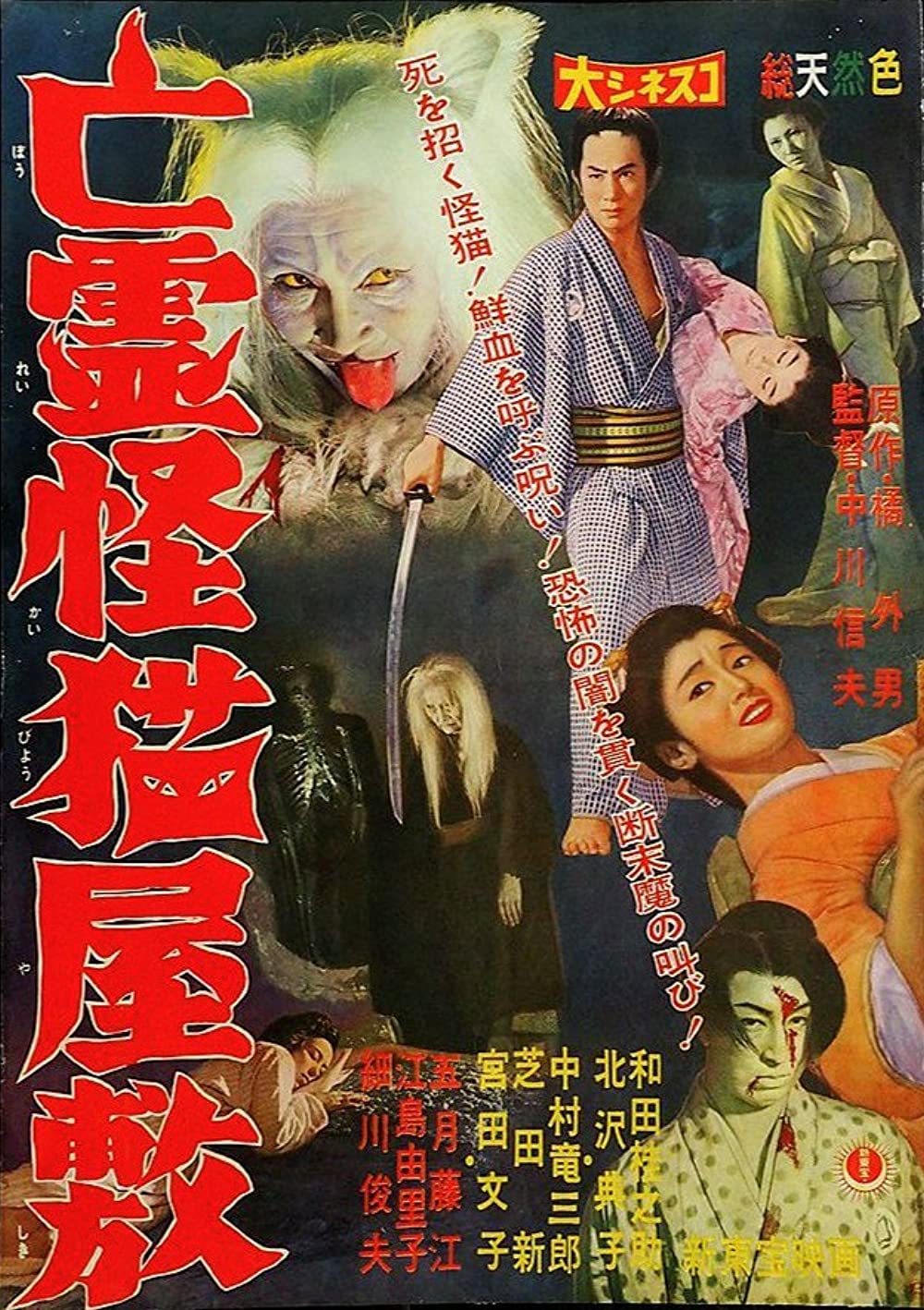
A doctor and his wife find themselves at the mercy of an ancestral curse in Nobuo Nakagawa’s eerie gothic horror, Black Cat Mansion (亡霊怪猫屋敷, Borei Kaibyo Yashiki, AKA Mansion of the Ghost Cat). Most closely associated with the supernatural, Nakagawa’s entry into the ghost cat genre is among his most experimental outside of avant-garde horror Jigoku released two years later. Employing a three level flashback structure spanning the modern day, six years previously, and then all the way back to Edo, Nakagawa positions contemporary Japan as a kind of haunted house with skeletons in its closet which must finally be exposed and laid to rest if society is to recover from the sickness of the feudal legacy. 

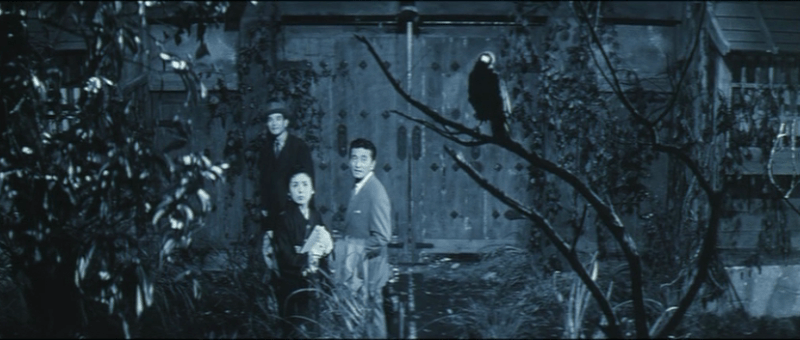
Nakagawa opens, however, with an ethereal POV shot in blue-tinted monochrome of a doctor walking through a darkened hospital armed only with a torch while a pair of orderlies silently remove a corpse on a gurney right in front of him. A man of science, the doctor, Tetsuichiro (Toshio Hosokawa), confesses that he’s tormented by the sound of footsteps on this “evil night” which remind him of a strange series of events that took place six years previously while his wife Yoriko (Yuriko Ejima) was suffering from advanced tuberculosis. In an effort to aid her recovery the couple left Tokyo to return to her hometown in the more temperate Kyushu. Yoriko’s brother Kenichi (Hiroaki Kurahashi) expresses concern over his sister’s health, wondering if she wouldn’t be better to have an operation but Tetsuichiro explains that at this stage an operation might only make things worse so they’re hoping the quiet and fresh air will allow her lungs to recover more quickly. Kenichi has sorted out a place for them to live in an abandoned mansion but the house is extremely dilapidated and in fact barely habitable especially for someone suffering with a debilitating medical condition in which it might be sensible to avoid dusty environments. Nevertheless, the couple fix the place up and Tetsuichiro opens a surgery in the front room. 

For Yoriko, however, the house is full of foreboding. On their journey there, the driver had to swerve to avoid a black cat running out in the road, nearly careering off the side of mountain, while she is also alarmed to see a crow malevolently perching on a tree outside the mansion. Once inside, she glances into a storehouse by the entrance and thinks she sees a creepy old woman silently grinding corn. Tetsuichiro sees nothing when he checks it out, but is strangely unperturbed when Yoriko spots what seems to be a bloodstain on a bedroom wall insisting that they can paint over it while the footprints of someone walking barefoot through the dusty house are probably unrelated and belong to a homeless person who’s since moved on. For a man of science, Tetsuichiro is doing a lot of overlooking but seems to believe that his wife’s distress as she continues to complain of bad dreams featuring rabid cats and the creepy old woman is mere “hysteria” provoked by the mental stress and anxiety of living with a potentially fatal medical condition. 

Unfortunately for him, however, vengeful cat spirits don’t care if you believe in them or not, what sort of person you are, or even if you have any real connection to whatever it was that turned them into a vengeful cat spirit in the first place. A visit to a local Buddhist priest reveals, in a vibrant colour filled with kabuki-esque shadows on the shoji, the reasons everyone thought the house was haunted which stem back to the Edo era and an entitled samurai lord with anger management issues, Shogen (Takashi Wada). Shogen hires a local Go master, Kokingo (Ryuzaburo Nakamura), to teach him the game and is enraged by Kokingo’s lateness for the appointment which is attributed to the fact that his mother is blind but is actually more to do with his cat’s severe separation anxiety. 

Taking this as a personal slight to his position, Shogen attacks his loyal servant Saheiji (Rei Ishikawa) and is only prevented from killing him by his levelheaded son (Shin Shibata) who makes a point of asking his grandmother to keep an eye on his dad because he’s worried his famous temper will cause embarrassment to the family. He is right to worry. Shogen takes exception to Kokingo right away, insisting on playing a “real” game but asking for take backs every five seconds when Kokingo makes a winning move. Fed up with Shogen’s behaviour, Kokingo brands him a cheat and threatens to leave the game. Shogen is once again enraged and fight develops during which Kokingo is killed. Shogen threatens Saheiji into helping him dispose of the body by walling it up inside an adjacent room while telling his mother that Kokingo was so embarrassed over losing to him that he’s gone off  in a huff for additional study in Kyoto and Osaka. Shogen doesn’t even stop there, raping Kokingo’s mother when she starts asking questions after seeing her son’s ghost leading her to commit suicide after cursing his entire family and instructing Kokingo’s beloved cat to lap up her blood and imbibe her wrath to become a vengeful cat spirit. 

Shogen is all the worst excesses of the samurai class rolled into one, narcissistic, angry and entitled as he uses the exploitation of those below him to foster a sense of security in his authority. As in any good ghost tale, the vengeful spirits distort his sense of reality forcing him to destroy himself out the guilt he refuses to feel. His son, Shinnojo, meanwhile is positioned as a good, progressive samurai determined to marry the woman he loves even though she is only a maid and therefore of a lower social class while often transgressively denouncing his father’s bad behaviour. That matters not to the ghost seeing as the curse is to Shogen’s entire bloodline meaning Shinnojo must to die and most likely at the hands of his father caught in a delusion trying to fight the ghosts of his past crimes. 

Tatsuichiro and Yoriko are “innocent” too though as it turns out Yoriko does have a connection to the house and the crimes of the past. They are still, however, trapped within the embodiment of the feudal legacy that is the former samurai mansion. Tatsuichiro’s determination that they can simply “paint over” the bloodstain is in many ways the problem and one reaching a crescendo in post-war Japan as it struggles to deal with the trauma of the immediate past while freeing itself of the latent feudalism which in part caused it. Only by facing the ghost, unearthing the bodies buried in the walls and laying them to rest, can they ever hope to make a recovery both spiritually and medically. Tatsuichiro at least seems to have cured himself even if left with a lingering sense of unease while his apparently now healthy wife seems to have overcome her fear of cats in the relative safety of modern day Tokyo. 


Original trailer (no subtitles)

The Ghost of Kasane (怪談かさねが渕, Nobuo Nakagawa, 1957)

“Fear the hatred of the dead!” a blameless slain wife exclaims after being cruelly cut down by her deluded husband in Nobuo Nakagawa’s tale of karmic vengeance, The Ghost of Kasane (怪談かさねが渕, Kaidan Kasane-ga-fuchi). Then again, though cleaving close to the standard formulas of the ghost movie not to mention the famous tale, these fatalistic, generationally twinned tales of ghostly revenge have an oddly imprecise quality in which it is the innocent who are eventually made to suffer, caught between concentric circles of guilt and retribution. 

The tale opens in 1773 with a blind masseur/money lender, Soetsu (Yoji Misaki), leaving his home on a snowy day hoping to catch venal samurai Shinzaemon (Akira Nakamura) at home. Shinzaemon and his wife are hospitable, but a conflict soon breaks out during which Shinzaemon accuses the old man of disrespecting him as a samurai and generally getting above himself as a mere member of the peasant class. All Soetsu has done is politely ask for the money he’s owed while making it clear that Shinzaemon’s attempts to give him the run around are wearing thin, but he ends up with a nasty gash on his face after the enraged samurai throws a pot at him. Driven into a frenzy by this unwelcome class-based anxiety, Shinzaemon slashes Soetsu with his sword and kills him, instructing a servant to stuff his body in a case and dump it in Kasane swamp. Soetsu, however, does not rest easy, returning to taunt him, eventually causing him to murder his wife by mistake and thereafter drawing him to his death by drowning in the very swamp where he dumped the body. 

20 years later in Edo, Soetsu’s daughter Rui (Katsuko Wakasugi) has become a successful shamisen teacher, while Shinkichi (Takashi Wada), the orphaned son of Shinzaemon, was taken in by a merchant family who continue to treat him as a poor relation. While having internalised a servant mentality that ironically inverts his father’s anxiety in his samurai status, Shinkichi has fallen in love with the daughter of the house, Hisa (Noriko Kitazawa), who is about to be betrothed against her will to the horrible son of local merchants, Seitaro (Shuji Kawabe). Rui, meanwhile, an older unmarried woman, is desperate to fend off the violent attentions of rough ronin Omura (Tetsuro Tanba), eventually convincing herself she is in love with the mild-mannered Shinkichi who might well think a rebound relationship is a good idea if it clears the way for Hisa’s inevitable marriage. 

Oddly enough and somewhat incomprehensibly, it’s Rui who becomes the target of her father’s curse, perhaps for her unwitting affection for the son of the man who killed him though it seems insufferably cruel that a father would involve his own child, not to mention the blameless infant of his murderer, in his bid for vengeance from beyond the grave. For his part, Shinkichi pays a heavy price for his unmanly diffidence, brave enough neither to say no to Rui or to run away with Hisa, simply passive if kind in the face of mounting impossibilities. Yet as much as it’s her father’s resentment that causes her downfall, struck by the pluck from the shamisen which scars her face to mirror his, she adds her own share in the wrath of a woman scorned dragging Shinkichi towards the lake for his inability to let go of his love for Hisa.

Old Soetsu might have a right to be vengeful, but his curse has collateral damage, enacted on women in order to target men as in Shinzaemon’s unwitting murder of his wife and Shinkichi’s accidental violence against Hisa at the instigation of Rui. Only the two old servants are left behind to make peace and tell the story, united by their respective positions rather than divided by their conflicting affiliations. Studio-bound yet filled with a series of supernatural tricks, Nakagawa’s atmospheric adaptation of the classic tale once again features the bug-eyed deformity of the scorned female ghost as Rui’s initial injury eventually balloons as her “sickness” intensifies, later finding time to turn her rage on Omura who was not, it has to be said, on the original list of victims being simply an embodiment of the cruelty of the age. Nakagawa ends, however, not with darkness but with light, freeing the souls of the troubled lovers from the gloom of earthly torment in urging them to leave their hatred behind and return to Buddha in eternal peace.