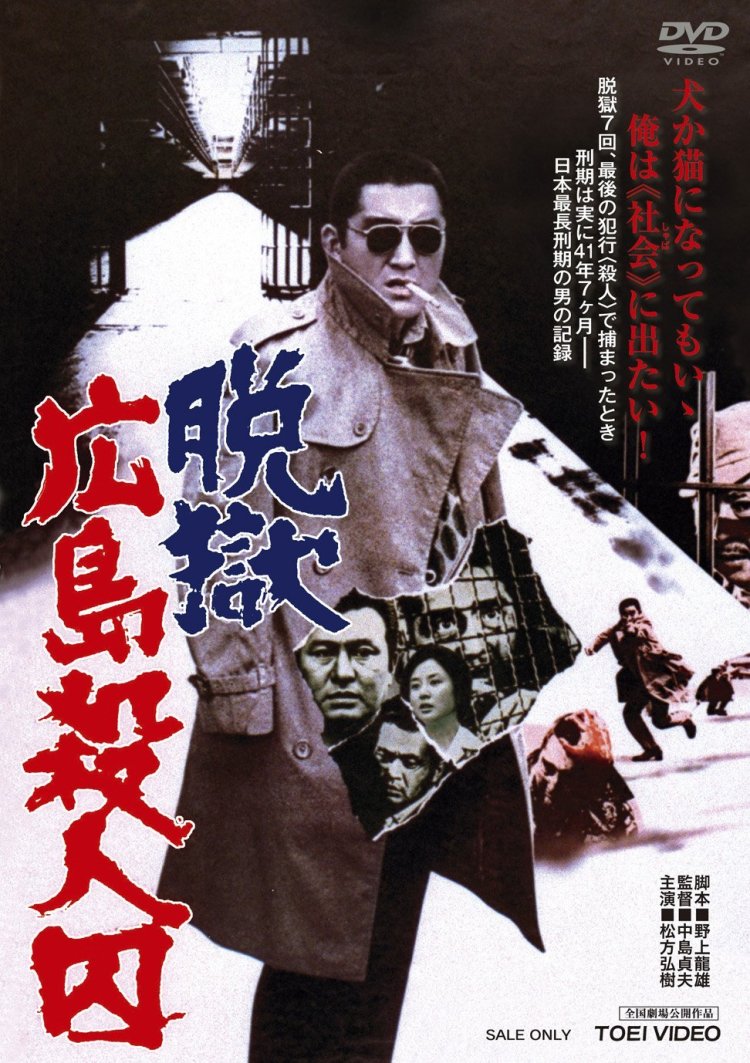
 Sadao Nakajima had made his name with Toei’s particular brand of violent action movie, but by the early seventies, the classic yakuza flick was going out of fashion. Datsugoku Hiroshima Satsujinshu (脱獄広島殺人囚, AKA The Rapacious Jailbreaker) follows in the wake of seminal genre buster, Battles Without Honour and Humanity, but also honours the classic Toei ganger movie past in its exploitation leaning, cynically humorous tale of a serial escapee and his ever more convoluted schemes to avoid the bumbling police force’s noose.
Kobe, 1947. Ueda (Hiroki Matsukata) and his buddy kill a drug dealer and his girlfriend in a robbery gone wrong. Landing himself a twenty year sentence, Ueda resigns himself to spending his prime years behind bars in a Hiroshima prison but then he starts getting a few ideas and his first escape attempt is a moderate success, until he’s recaptured after stupidly going home to his wife.
Nakajima spends quite a long time exploring the unusual environment of the prison in Hiroshima. The life is strictly ordered and run with precision but the prisoners are also forced to do a strange dance for the guards, waving their hands and shouting their ID numbers to prove there’s nothing interesting inside their mouths – a gesture which is hilariously turned back on the warden when a prisoner begins a mini riot after a sports game is turned off at crucial moment. The warden submits himself to the degrading dance but once the man surrenders, he does not honour any of the promises he made to convince him to come down from the tower he was occupying. The guards are corrupt, violent, and untrustworthy whereas the majority of prisoners are docile, resigned, and going mad through inactivity.
Ueda, like many “heroes” of yakuza films is a man who’s had a hard life, left to fend for himself after his father died and his mother left. He appears to love and care for his wife who pledges to wait for him, starting her own seamstressing business in the meantime, but his subsequent escape attempts take him further and further away from his home. Nevertheless, home is the first place he decides to go despite the danger even if his reunion with his wife is anything but romantic.
After being recaptured, Ueda’s desire for escape intensifies, requiring ever more complicated schemes to make it happen. These range from the traditional file hidden inside a lovingly prepared meal delivered by his wife, to simply running away when arraigned for a court date after committing another murder while inside. Seeing as Ueda intends to escape, he cares little for the prison rules and his 20 year sentence is soon doubled thanks to his ongoing crimes both inside and outside of the prison walls.
Other than his wife the other source of support Ueda turns to is his estranged sister with whom he’s had no contact since his mother left sixteen years previously. What he discovers is that the now widowed Kazuko (Naoko Otani) is involved in some dodgy business of her own concerning the local black market meat trade. Ueda decides Kazuko is not getting her fair share and more or less takes over, bending the local petty gangsters to his will, but once again he messes everything up for himself after getting into a fight at a brothel which lands him back at the police station.
Nakajima follows Fukasaku’s jitsuroku aesthetic using frequent onscreen text detailing names and conviction records for each of the major players though his approach owes far less to realism than b-movie action in its willingness to linger on blood and gore even if scenes of violence are generally few and executed quickly. Scenes of a cow being butchered in the woods, blood, skin, and bones dominating, introduce a note of sickening horror but are then echoed in Ueda’s animalistic murders committed with makeshift tools and an unforgiving heart. Despite this frightening coldness, Ueda’s humorous voiceover turns him into a roguish figure whose bumbling acts of self destruction and stubborn attempts to regain his freedom take on an oddly cartoonish quality. The situation may be hopeless, but Ueda does not give up. His story remains unfinished as he makes another (apparently) successful escape after being betrayed by a fellow criminal who is then himself betrayed by the police he mistakenly thought would help him, but as for how long he’ll manage to keep himself on this side of the bars, that remains to be seen…
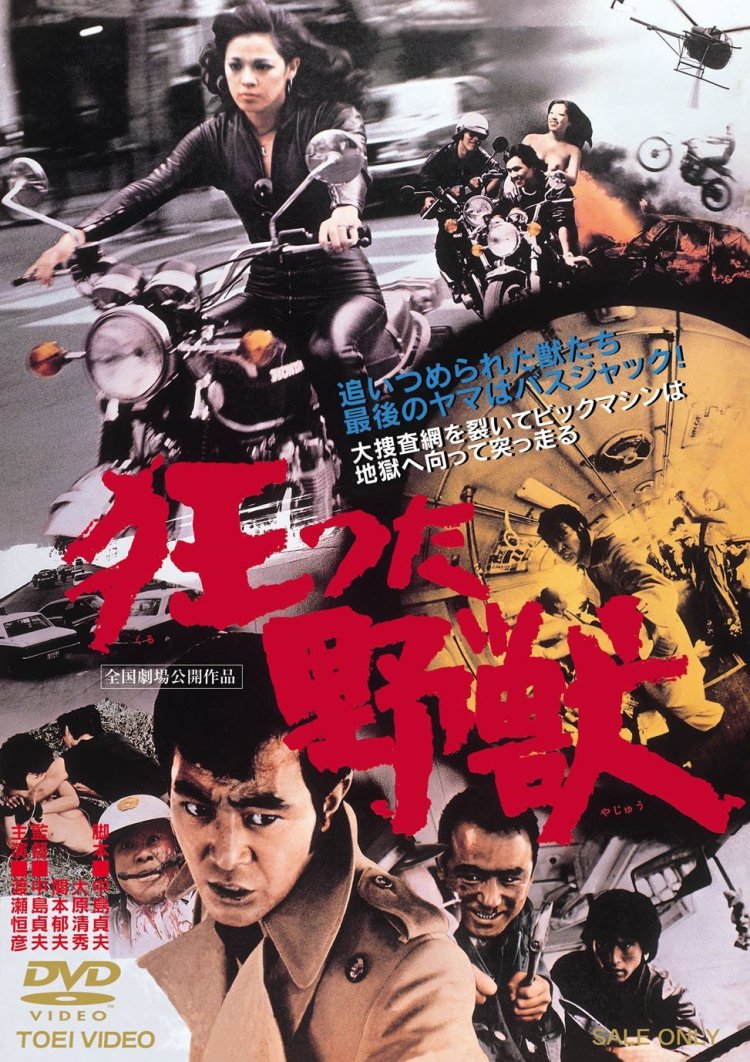 Robbing a bank is harder than it looks but if it does all go very wrong, escaping by bus is not an ideal solution. Sadao Nakajima is best known for his gritty yakuza movies but Kurutta Yaju ( 狂った野獣, Crazed Beast/Savage Beast Goes Mad) takes him in a slightly different direction with its strangely comic tale of bus hijacking, counter hijacking, inept police, and fretting mothers. If it can go wrong it will go wrong, and for a busload of people in Kyoto one sunny morning, it’s going to be a very strange day indeed.
 Yasushi Sato, a Hakodate native, has provided the source material for some of the best films of recent times including Mipo O’s The Light Shines Only There and Nobuhiro Yamashita’s
 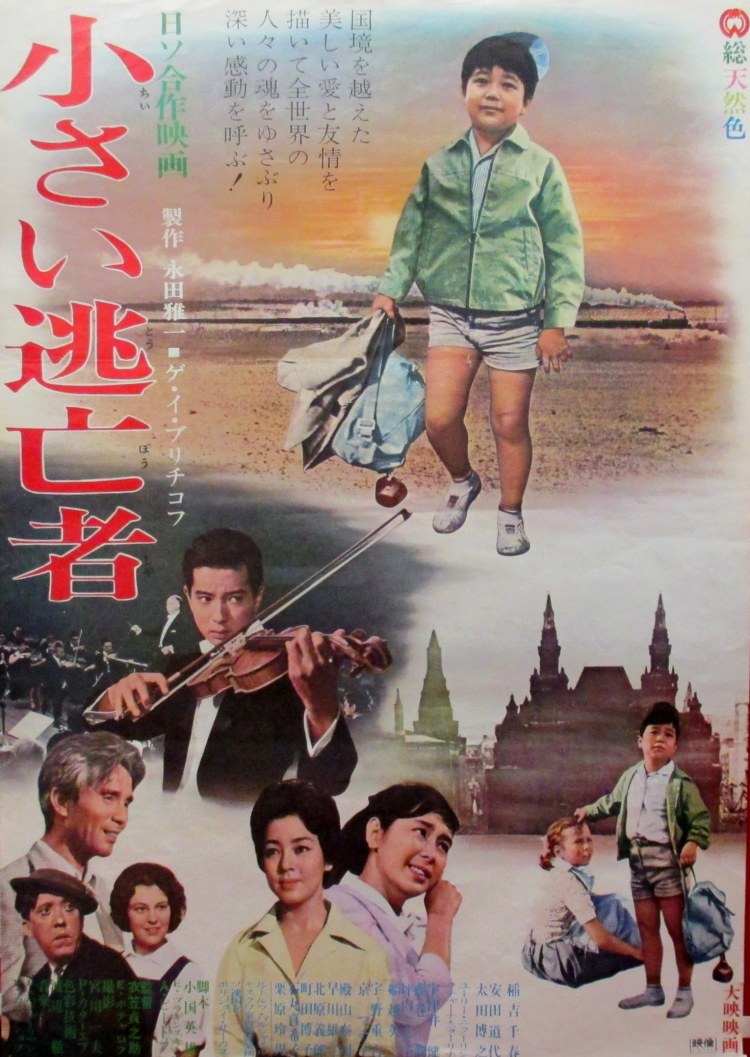 Teinosuke Kinugasa maybe best known for his avant-garde masterpiece The page of Madness even if his subsequent work leant towards a more commercial direction. His final film is just as unusual, though perhaps for different reason. In 1966, Kinugasa co-directed The Little Runaway (小さい逃亡者, Chiisai Tobosha) with Russian director Eduard Bocharov in the first of such collaborations ever created. Truth be told, aside from the geographical proximity, the Japan of 1966 could not be more different from its Soviet counterpart as the Eastern block remained mired in the “cold war” while Japan raced ahead towards its very own, capitalist, economic miracle. Perhaps looking at both sides with kind eyes, The Little Runaway has its heart in the right place with its messages of the universality of human goodness and endurance but broadly makes a success of them if failing to disguise the obvious propaganda gloss.
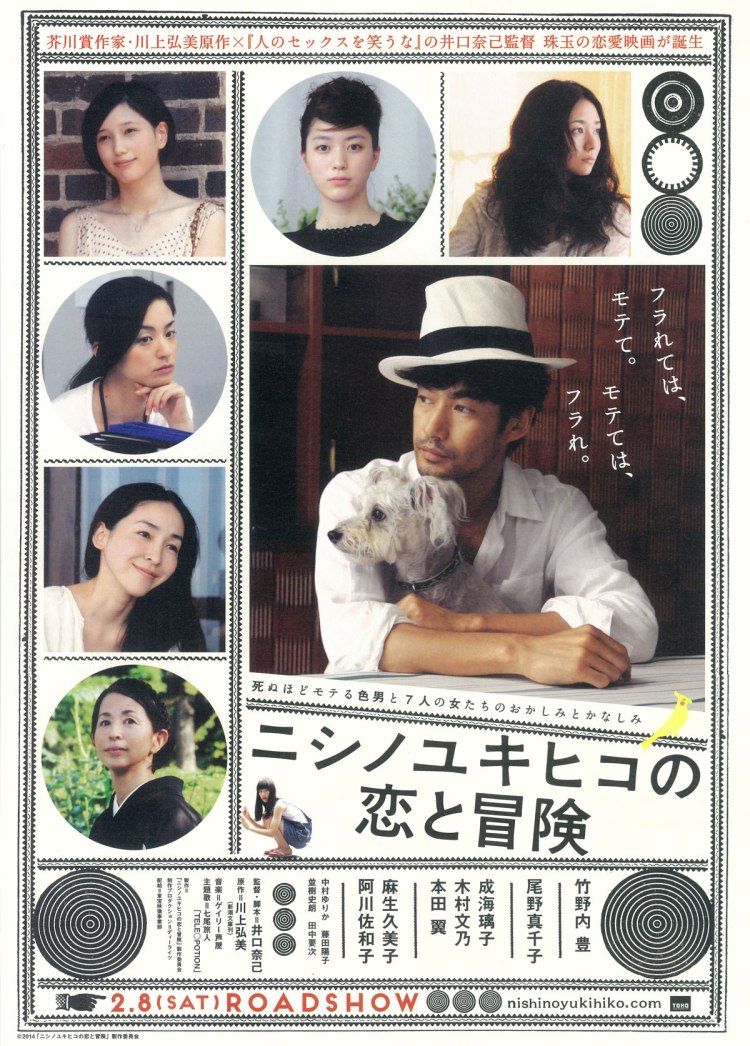 Every love story is a ghost story, as the aphorism made popular (though not perhaps coined) by David Foster Wallace goes. For The Tale of Nishio (ニシノユキヒコの恋と冒険, Nishino Yukihiko no Koi to Boken), adapted from the novel by Hiromi Kawakami, this is a literal truth as the hero dies not long after the film begins and then returns to visit an old lover, only to find her gone, having ghosted her own family including a now teenage daughter. The Japanese title, which is identical to Kawakami’s novel, means something more like Yukihiko Nishino’s Adventures in Love which might give more of an indication into his repeated failures to find the “normal” family life he apparently sought, but then his life is a kind of cautionary tale offered up as a fable. What looks like kindness sometimes isn’t, and things done for others can in fact be for the most selfish of reasons.
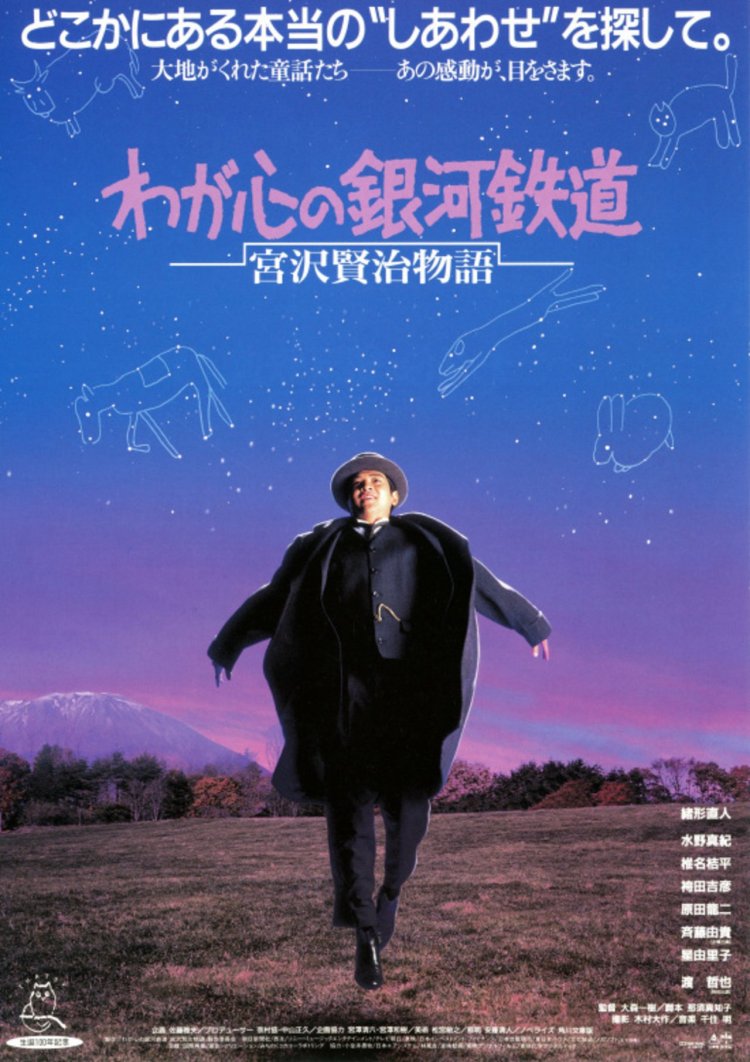 Kenji Miyazawa is one of the giants of modern Japanese literature. Studied in schools and beloved by children everywhere, Night on the Galactic Railroad has become a cultural touchstone but Miyazawa died from pneumonia at 37 years of age long before his work was widely appreciated. Night Train to the Stars (わが心の銀河鉄道 宮沢賢治物語, Waga Kokoro no Ginga Tetsudo: Miyazawa Kenji no Monogatari), commissioned to mark the centenary of Miyazawa’s birth, attempts to tell his story, set as it is against the backdrop of rising militarism.
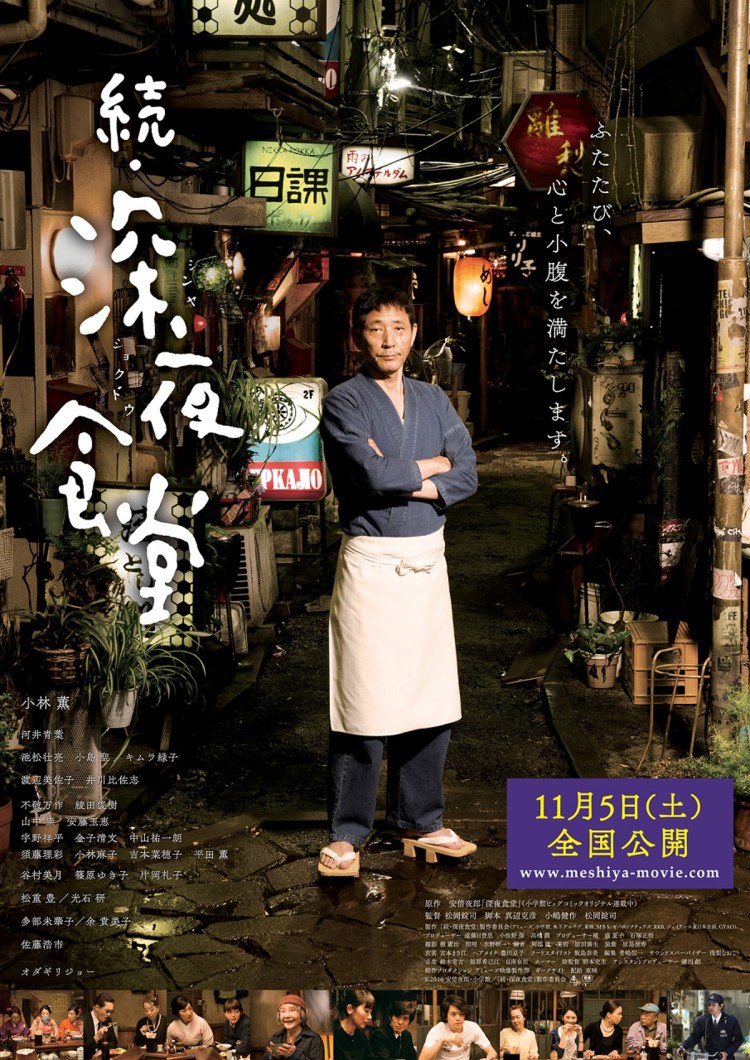 The Midnight Diner is open for business once again. Yaro Abe’s eponymous manga was first adapted as a TV drama in 2009 which then ran for three seasons before heading to the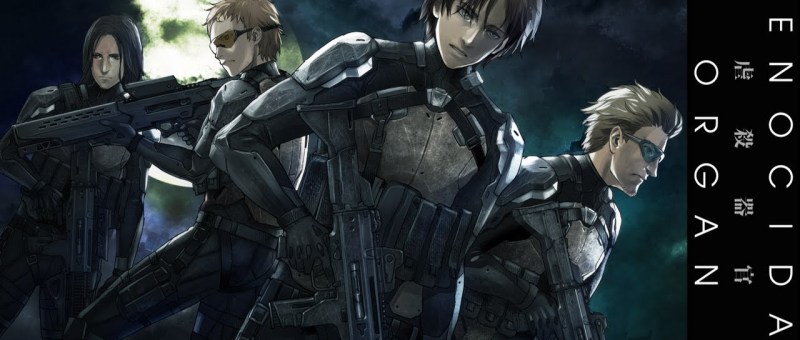
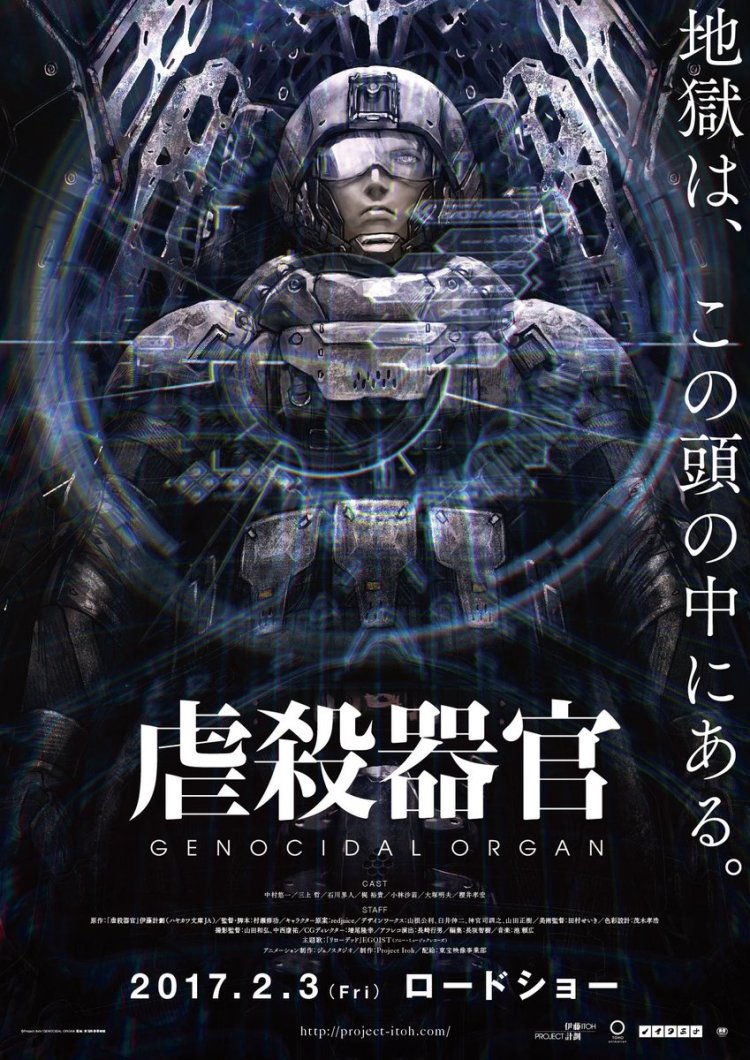 History books make for the grimmest reading, subjective as they often are. Science fiction can rarely improve upon the already existing evidence of humanity’s dark side, but Genocidal Organ (
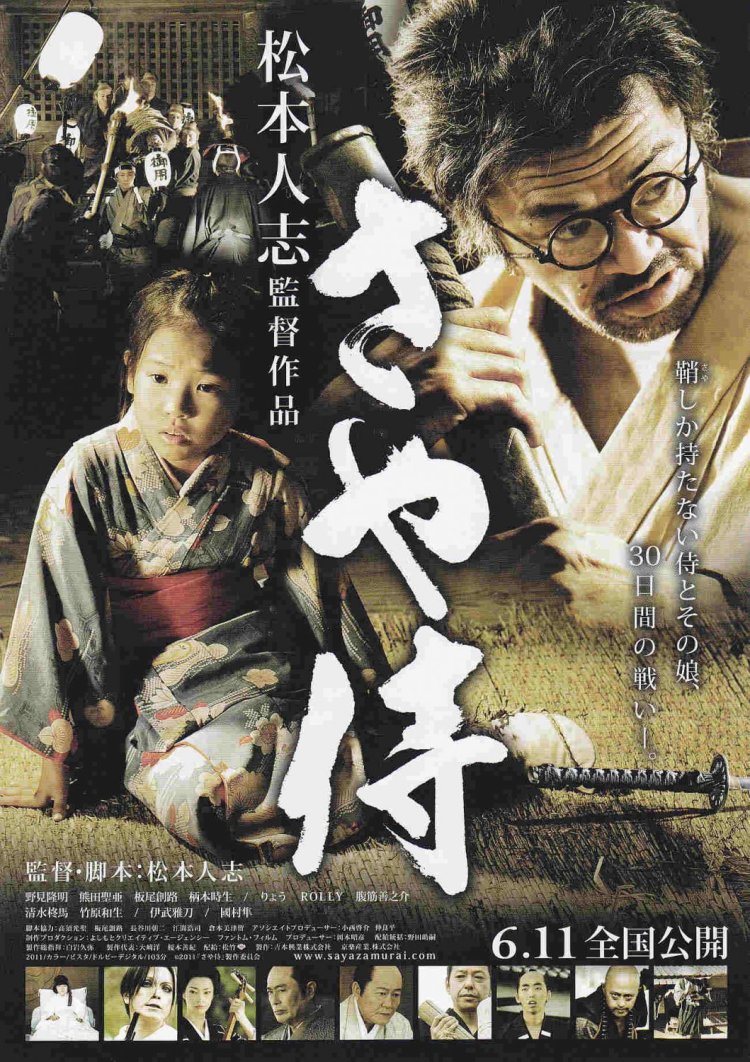 A samurai’s soul in his sword, so they say. What is a samurai once he’s been reduced to selling the symbol of his status? According to Scabbard Samurai (さや侍, Sayazamurai) not much of anything at all, yet perhaps there’s another way of defining yourself in keeping with the established code even when robbed of your equipment. Hitoshi Matsumoto, one of Japan’s best known comedians, made a name for himself with the surreal comedies Big Man Japan and
 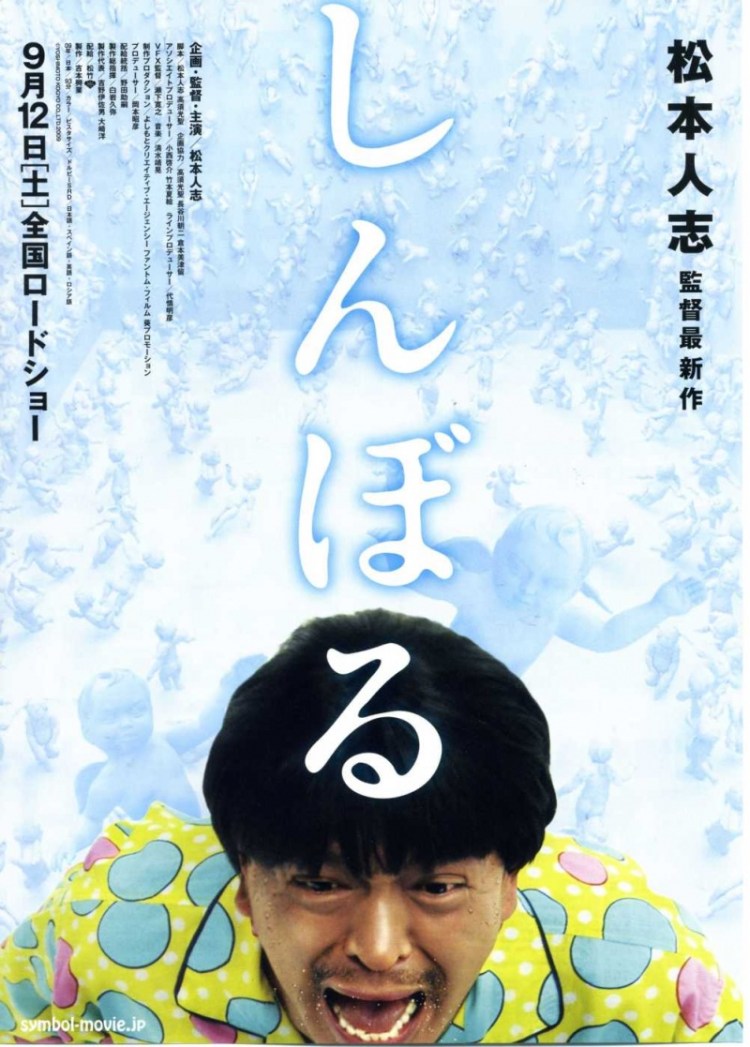 Symbol (しんぼる) – one thing which stands for another, sacrificing its own nature in service of something else. Hitoshi Matsumoto waxes philosophical in his follow up to Big Man Japan. Life, the universe, and everything converge in the seemingly unrelated tales of an unsuccessful Mexican luchador, and a confused Japanese man trapped in a surrealist nightmare. As expected, these two strands eventually meet, though not quite as one might expect.
