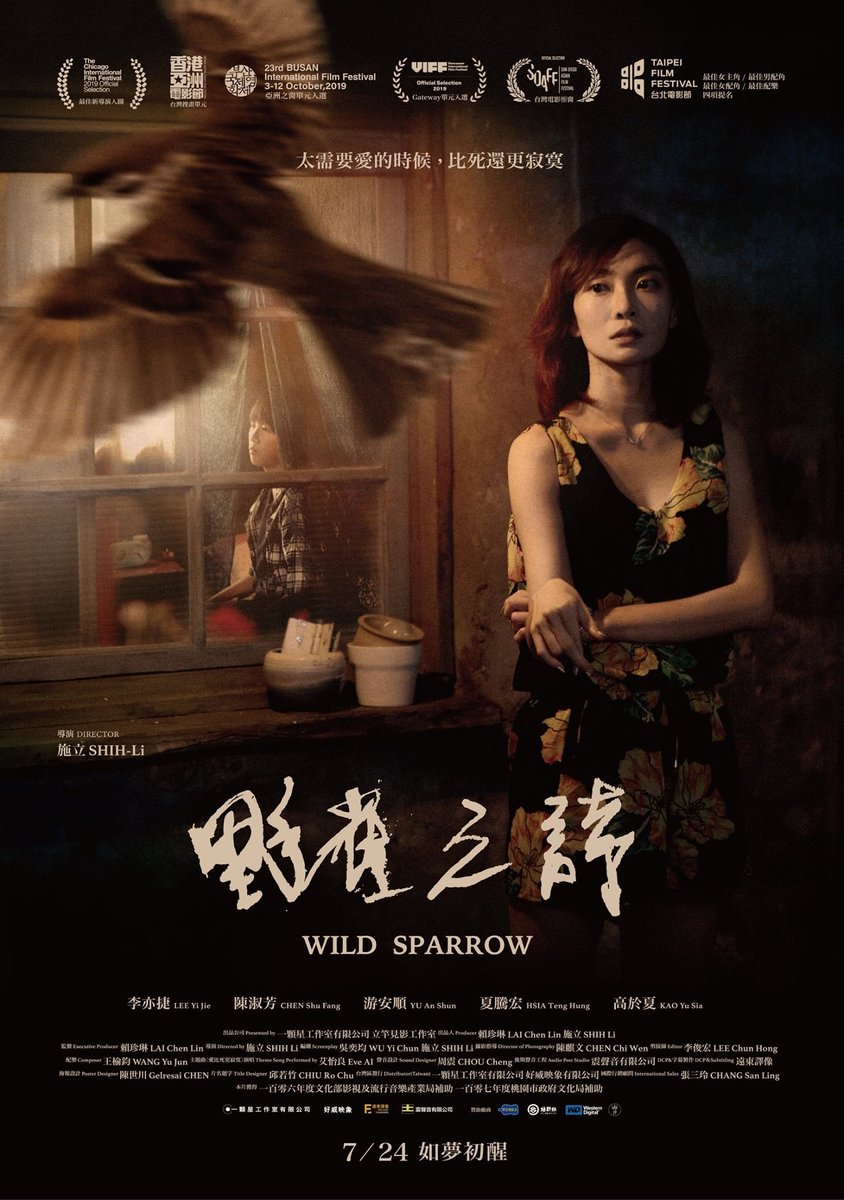
Wild Sparrow (野雀之詩, Shih Li, 2019)

“Sparrows are wild birds so they keep hitting against the cage” the introspective hero of Shih Li’s Wild Sparrow (野雀之詩, Yě Què Zhī Shī) is told while perhaps witnessing the same effect in his own life as his flighty mother tries but repeatedly fails to break free of the various forces which constrain her. Young Han’s mother is, in some ways, an embodiment of a destructive modernity, wandering into his rural paradise and then eventually dragging him away from it towards the dubious promise of the city where birds meant to fly free flutter against the bars but rarely find escape. 

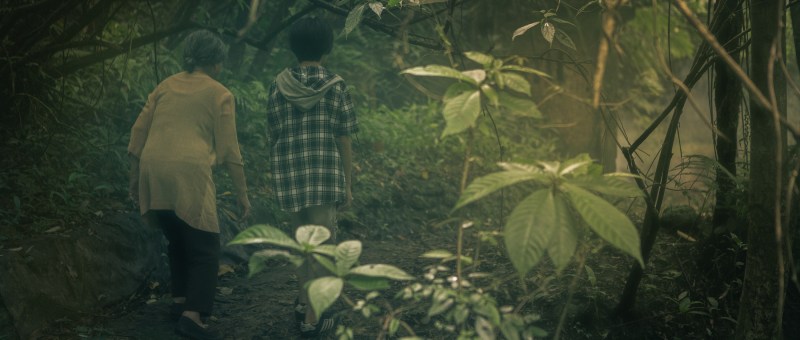
Han (Kao Yu-hsia) has been living with his great-grandmother deep in the Taiwanese mountains, but as much as she loves him she’s getting old and, owing to rural depopulation, the local school is set to close the following term so all things considered it’s best if he goes to live with his mother, Li (Lee Yi-chieh), in the city. Questioned by the neighbourhood ladies, however, Han doesn’t want to go. After all, he doesn’t really know his mother all that well. She rarely visits, and in any case she doesn’t seem terribly keen to have him. While out walking one day he hears the frantic squawking of birds caught in a net, taken away by a mysterious man. Finding a sparrow injured on the ground he takes it home and attempts to nurse it back to health, but shortly after his mother’s visit the bird passes away. He takes it into the forest in a shoebox and builds it a cairn, gazing at the birds flying free above the canopy.  

Han asks his great-grandmother why someone would capture wild birds, but she simply tells him not to. The birds are the guards of the gods of the land, sent out to hunt demons that force people to eat dirt, she explains. At the marketplace where his great-grandmother sells her bamboo, Han comes across a man selling caged birds for the purpose of being set free as part of a Buddhist ritual, Han’s face contorting in confusion as he ponders the irony. In the city all he ever sees are birds in cages, much as he perhaps feels himself to be taken out of his natural environment and imprisoned in the urban landscape where his mother alternates between neediness and resentment, so obviously ill-equipped to care for a soon-to-be teenage son while continually conflicted in the contradictions of her life. 

When Han first arrrives, Li makes a point of introducing him to her current boyfriend, Kun, wealthy and much older than her though kind to Han if slightly patronising in his gift of a remote control car for which he is probably a little old and in any case not much interested. A thoroughly rural boy, Han is also mystified by the upscale restaurant they take him to where he is embarrassed to admit he has no idea how to eat the steak that’s been ordered for him. While Li entertains fantasies of marriage, we realise that Kun seems to already have a family and as much as he makes the effort with Han Li is not much of an escape from his domestic responsibilities if she’s also hoping he’ll be a father to her son. Li returns to her life as a bar hostess, often leaving Han home alone and returning late drunk to resentfully yell at him that perhaps her life would have turned out differently if he were not around. She becomes involved with various dangerous men, eventually pushed into sex work by a violent boyfriend who stalked her while working at the club. Han finds himself witnessing his mother with her lovers as she disregards his presence, seeking temporary escape in the arms men while he can only lock himself inside his room, cowering on his bed framed behind bars like a bird resigned to the cage.  

Yet on his return to his mountain paradise he’s distressed to realise the body of the sparrow he buried is no longer in the cairn, comforted only by his grandmother’s assertion that it has already returned to the sky. Death is nothing to be afraid of she tells him, for the dead will always protect the living. Gaining a lesson in life, death, and transience, Han remains imprisoned, framed within the window of his grandmother’s cottage as he watches a soul free itself and return to its natural home, but retains his wildness in his own compassionate desire for freedom, fluttering against the bars if not yet able to escape.


Wild Sparrow streamed as part of this year’s New York Asian Film Festival.

Original trailer (English/Traditional Chinese subtitles)

Images: © Dot Connect Studio Ltd.
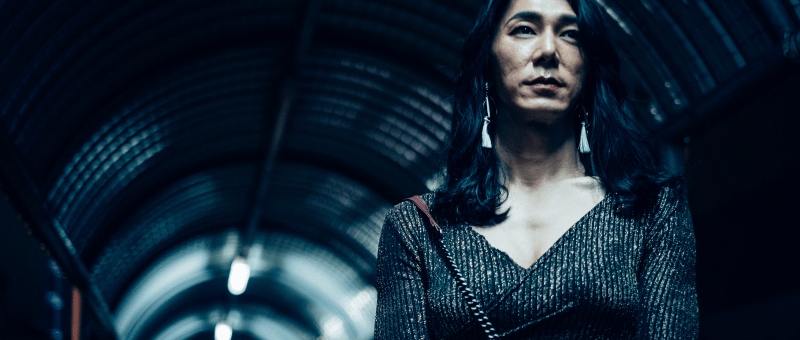
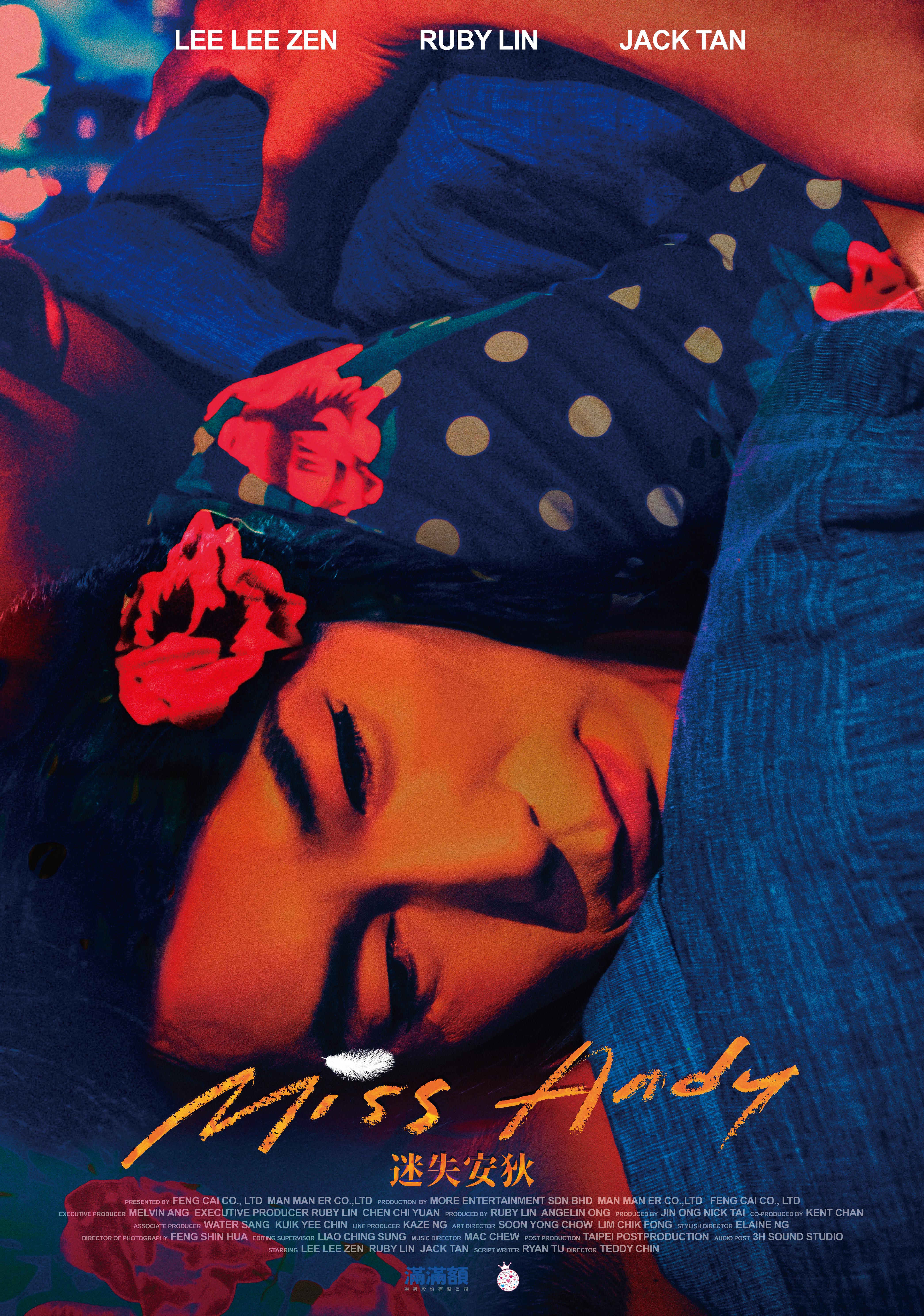
Miss Andy (迷失安狄, Teddy Chin, 2020)

“The things we like we’re still going to lose” according to a drunken young man lamenting youthful impossibility in Teddy Chin’s melancholy tale of marginalisation and frustrated hope, Miss Andy (迷失安狄). A Malaysian-Taiwanese co-production, Chin’s sensitive drama allows its disparate protagonists to find a sense of security in the solidarity of an accidental family, but all too quickly reminds us that despair is the enemy of love and that a lack of faith in human connection can undermine even the most genuine of bonds in those who can no longer believe in future happiness. 

The titular “Miss Andy”, Evon (Lee Lee-zen), has certainly had her share of disappointment. Now 55, she transitioned five years previously following the death of her wife but both of her grown-up children have since disowned her. Having lost her livelihood, she’s had no choice other than to resort to sex work in order to make ends meet, finding herself on the receiving end of male violence from her clients only then to be arrested with the man insisting that he was only defending himself against her advances and attempt to rob him while the unsympathetic police officer dead names and berates her with homophobic slurs. She is eventually forced to strip and expose her genitals while half the station gawp and take photos. Evon decides to give up on sex work and advises her friend Lucy to do the same, but she refuses to see the danger and is later murdered by a man who solicited her for sex. 

Feeling totally alone, Evon tries to claim her position in society, insisting on receiving her pay from her previous employer who tries to short-change her justifying herself with more transphobic slurs. Evon has only one other friend, Teck (Jack Tan), a young man with a hearing impairment who offers her additional work as a delivery driver during which she encounters a little boy looking longingly at some pastries in a small store by a petrol station. She decides to buy one for him, but the boy has gone when she returns. Later that night, however, she gets a surprise discovering the boy and his mother having snuck into her apartment after stowing away on the truck. Hearing that they’ve escaped an abusive relationship and have nowhere else to go she invites them to stay.

Sophia (Ruby Lin), the boy’s mother, is an undocumented migrant from Vietnam. She’s struck by the unlikely miracle of Evon because her name sounds a little like the Vietnamese for hope, something on which she was beginning to give up. We see her telephone her family, but her father only angrily demands more money, eventually passing the phone over to her sister who unsentimentally tells her that her mother has died. All the rest of the family were with her, only Sophia was absent. Feeling just as alone as Evon she is grateful for her kindness, swearing to find a job to repay it while cooking and cleaning as a means of saying thank you. 

Later joined by Teck and anchored by Sophia’s young son Kang who is the same age as the granddaughter Evon is rarely allowed to see, they begin to become a family, united in their sense of marginalisation each in some way rejected by mainstream society. Evon religiously buys lottery tickets using the birthdays of her wife and children as numbers in the hope they’ll eventually come up and she’ll somehow win her family back. Even Sophia who had perhaps not dared to dream of a brighter future eventually joins in as they idly fantasise about the kind of home they’d build if they actually won while sitting in an upscale furniture store before the server at a festive restaurant offers to take a picture of their “family”, but when that sense of possibility finally presents itself the illusion is shattered. Desperation undermines their fragile bond, pushes them towards doubt and betrayal, no longer able to believe in the viability of simple human goodness or mutual support as mechanisms for living but suddenly selfish and self-destructive destroying everything they’d built in mistakenly staking all on the vague possibility of material comfort.

Asked about her dreams, Evon had only stated that she wanted a safe and stable life but what she craved was the sense of togetherness and acceptance she felt with Sophia and Kang while her children continue to reject her and she finds herself marginalised by a conservative society that refuses to affirm her existence as a transgender woman. Bathed alternately in the melancholy neon of the outside world and the golden warmth of Evon’s apartment, Miss Andy leaves its marginalised protagonists wounded, pushed into acts of self harm having lost all faith in the veracity of simple human connection corrupted by the fear and despair of an unforgiving society ruled by inequality and prejudice. 


Miss Andy streamed as part of this year’s New York Asian Film Festival.

Original trailer (English subtitles)

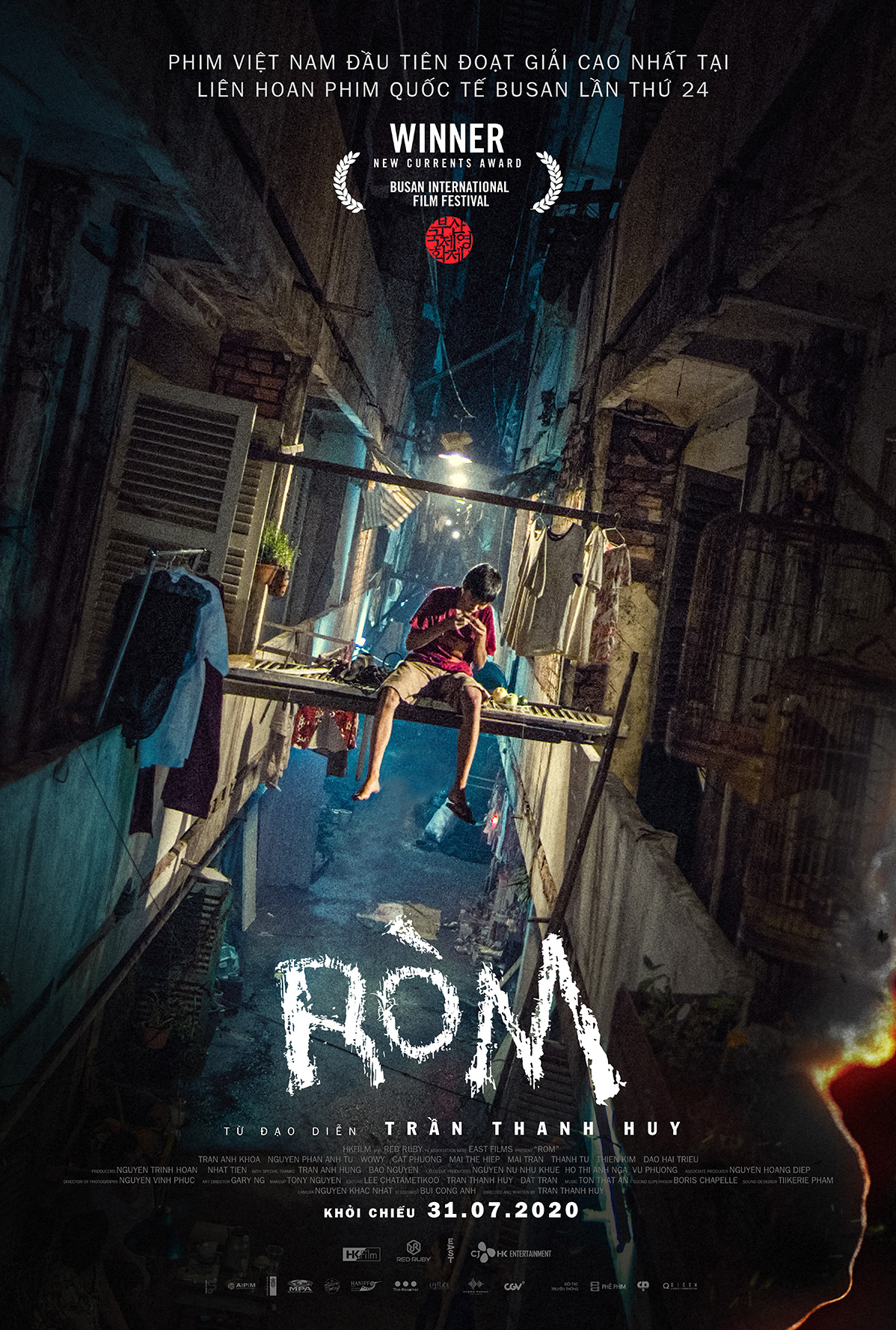
Rom (Ròm, Trần Thanh Huy, 2019)

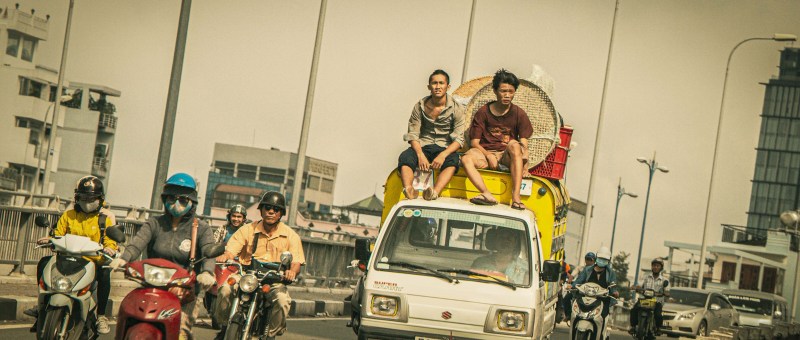
“Life is built out of a mountain of sorrow” according to an ironically cheerful drinking song in Trần Thanh Huy’s gritty coming-of-age drama Rom (Ròm). Set on the margins of an increasingly prosperous city, Trần’s debut feature which draws inspiration from his 2012 short 16.30 spins a dark tale of displaced children, the persistent unfairness of life, gangsters and games of chance, but ultimately finds little hope save the perfection of the art of survival as the variously troubled denizens of a Saigon slum quite literally bet their lives on a slim chance for a better life with only the false promise of a better tomorrow to make their lives worth living. 

At 14, Ròm (Trần Anh Khoa) has been living alone on the streets since he was four, left behind by his parents after the slum they were living in was demolished. Drawing childish family pictures, Ròm still waits opposite the place where he used to live for his parents to return, pledging to find them when gets enough money. He is grateful to the people of the slum who have “allowed” him to stay mostly because he once gave someone a tip for a winning lottery number. Numbers haunt him, always looking for signs as he is. Meanwhile, he makes his money as one of a small number of runners for the illegal underground lottery, ferrying orders between customers and middlemen brokers praised when numbers he recommends come up but beaten when they don’t as if it were really his fault. 

As Ròm tells us, the slum dwellers are obsessed with the lottery because it’s their one opportunity to change their lives. They bet everything, even writing out “loan agreements” to go along with the ticket request staking their whole apartments with sometimes tragic consequences, an old woman hanging herself after learning her numbers didn’t come up and she may have lost her home. The other residents, however, later pray to her spirit and petition it to give them some tips from the other side, aware of the risks but playing anyway because this fragile hope is all they have. Meanwhile, times are changing. The slum is to be cleared, but there appears to be an ongoing dispute with the developers as to proper compensation for their relocation with many irate that they’ve been cheated by men in sharp suits who think they’re too stupid to notice. 

Eventually the slum’s problems begin to converge, youthful thugs in league with the ruthless developers contributing to the destruction of the world in which they live. Ròm finds himself at the mercy of an athletic rival, Phuc (Nguyễn Phan Anh Tú), who considers himself lucky in that both his parents are already dead so at least unlike Ròm he has no need to wait around for a return to a different life and already has his own kind of freedom. Their desperation forces them against each other, running and cheating in order to survive but the cocky Phuc eventually finds himself falling victim to a suave older gangster who suckers him in a poker game and then forces him into a debt he can’t afford. Not much older than they are, the petty gangster is perhaps a sign of things to come, a symbol of possible corruption in the legacy of violence that traps both boys in a vicious cycle of hope and futility. 

They are all, in a sense, displaced. The slum will be cleared, but only because the land is valuable not because anyone is very interested in improving the lives of those living in extreme poverty. Ròm continues to yearn for his parents, prepared quite literally to burn the world in which he lives in order to find them while accidentally bonding with an unexpected maternal figure who takes him in while facing desperation of her own in caring for a son with a terminal illness only to offer him perhaps false hope in the possibility of reuniting with his family but only for a price. Life is indeed an insurmountable mountain of sorrow, every relationship a potential betrayal and every hope ripe for the shattering. Ròm caused some minor controversy on its release, fined for having submitted itself to the Busan Film Festival without having first cleared domestic censorship, eventually passed only after cutting a few scenes depicting “social evils” of which there are still a multitude. An unforgiving view of modern day Saigon, Ròm leaves its hero perpetually on the run, a lonely child without hope or direction fuelled only by self belief and rapidly running out of road. 


Rom streamed as part of this year’s New York Asian Film Festival.

Original trailer (English subtitles)

Gone with the Light (被光抓走的人, Dong Runnian, 2019)

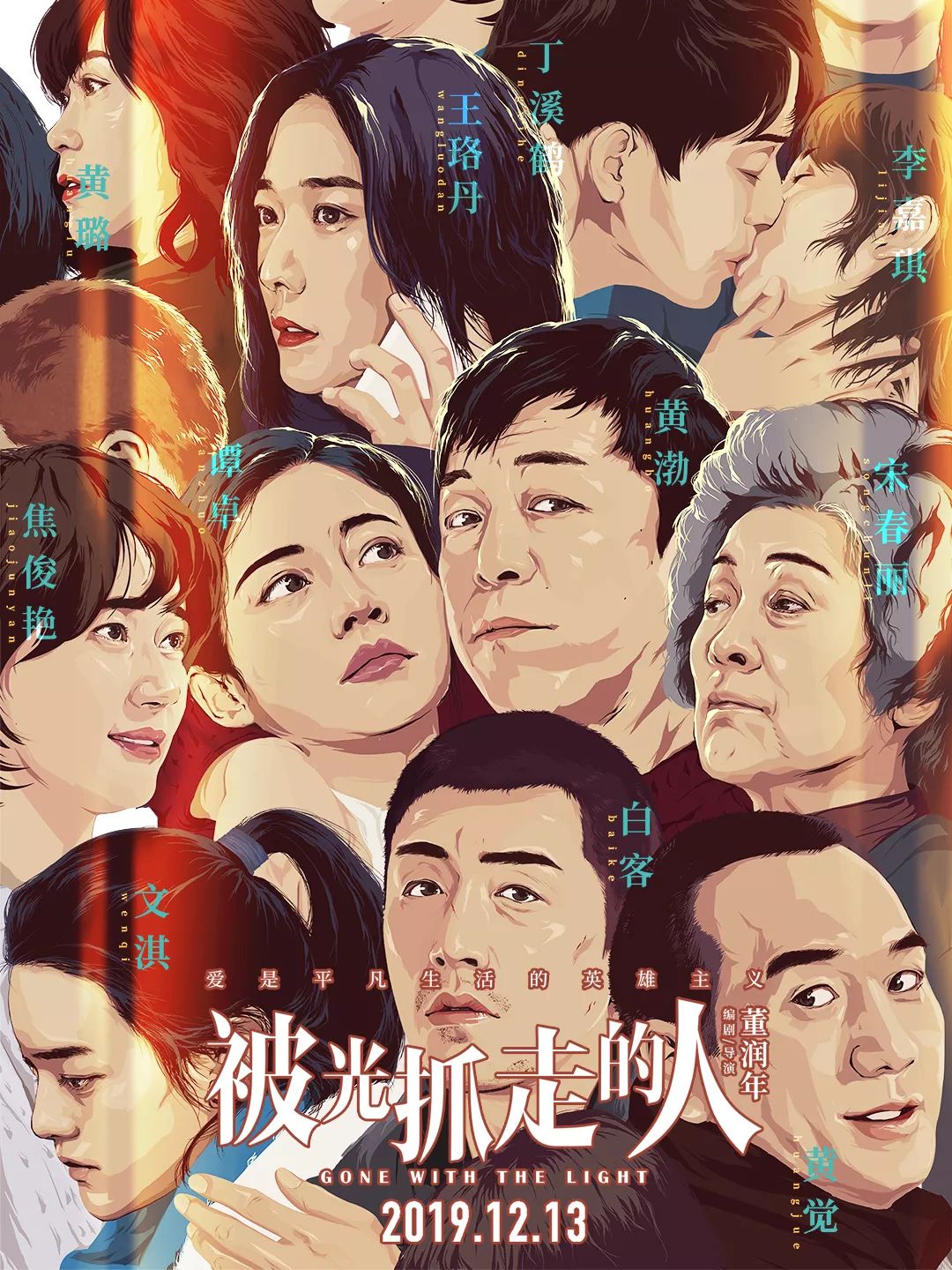
What is love, and in the end does it really matter? It’s a question the mostly middle-aged couples of Gone with the Light (被光抓走的人, Bèi Guāng Zhuāzǒu de Rén) who perhaps assumed they were past such existential questioning find themselves contemplating after an unprecedented event causes the disappearance of seemingly random people from all over the world giving rise to the rumour that those taken were those truly in love. But if that’s so, what does it mean for the overwhelming majority left behind, suddenly lonely and uncertain wondering if they’ve been spared or judged and found wanting for their lack of emotional fulfilment. 

At 10am one spring morning, a brief flash of light creates a slight temporal disturbance causing a small percentage of the population to simply vanish. No one knows what happened or where they’ve gone, but the connection is later made that many seem to have been taken in pairs giving rise to the theory that the disappeared are the only true lovers. This is a minor problem for some of the left behind who have lost spouses twice over, not only literally but emotionally in realising that their loved one was in real, deep love with someone else. Meanwhile, those not taken begin to wonder why, questioning the validity of their relationships, doubting that their loved ones really love them but not quite daring to ask the same question in reverse. 

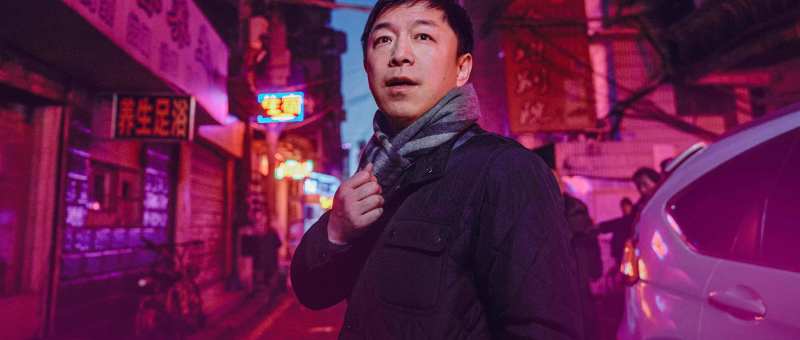
Dong opens the film with a vox pop session questioning several people about the nature of love, some of whom we’ll get to know better and others not. Our hero, school teacher, Wenxue (Huang Bo), unconvincingly claims that he does not put any stock in the admittedly unscientific theory that only true lovers were taken and that the rumours have not affected him or his wife but as we later see they have profoundly unsettled his unexceptional, middle-class family life which was at least superficially happy or perhaps merely unhappy in the most ordinary of ways. Before the light, we see him annoy his wife by waking her up smoking in bed before they have perfunctory, routine sex over which they discuss Wenxue’s hopes for promotion and whether or not it’s appropriate to schmooze with the headmaster to smooth the path. The fact they weren’t chosen eventually becomes a kind of embarrassment, the promotion going to a man whose wife disappeared on him for the slightly strange reason that being betrayed in love somehow grants him the moral high ground. Wenxue, like many, goes to great lengths to excuse himself, getting a fixer to photoshop pictures of his wife along with train tickets to make out she was in another town when the light descended.

Meanwhile, Li Nan (Wang Luodan), a woman who was in the middle of trying to divorce her husband when the light struck finds herself accosted by his mistress (Huang Lu) demanding to know where he is seeing as he did not ascend with her. The obvious conclusion is that he had another woman, but the quest forces each of them to reassess their true feelings towards the missing man, the mistress desperate to prove she wasn’t just an “adulteress” but a woman in love, and the wife that she really is ready to let him go. A young woman (Li Jiaqi) who threatened to commit suicide by jumping off a roof when her parents tried to stop her marrying her boyfriend (Ding Xihe) suddenly doubts her feelings when her parents disappear together while she and the man she thought she loved are left behind. A petty thug (Bai-ke), in the only subtle implication of a same sex love, becomes obsessed with the idea that his friend has been murdered by a TV presenter who had been bothering him and his death has been covered up to look like one of the disappearances, perhaps again hoping to find evidence against a romantic rejection. 

Talking to another man in a similar situation Wenxue is given a dressing-down, reminded that he’s been extremely self-involved and that the problems he’s now able to see in his marriage thanks to the light were there all along, only now he’s refusing to face them in a much more direct way. He couldn’t or chose not to see that his wife was lonely and filled with despair while flirting with an equally lonely woman at work. His confrontation with her provokes his only real moment of emotional reckoning as they each reflect on the fantasy of romance and its capacity to dissipate when realised. Walking in on his teenage daughter getting dumped for the first time he’s perhaps in the best position to offer advice, even if it’s of the fairly prosaic kind to the effect that she’ll get over it in time. “Your lies make me ashamed” she’d fired back at her parents’ middle-aged hypocrisy, a very ordinary marriage in which perhaps the “love” has gone, in one sense, but equally might be succeeded by something else. “It’s alright, you will know it in the future” Wenxue tells his heartbroken daughter but might as well be talking to himself, beginning to feel the love after love in conceding that perhaps this is what “love” is rather than any kind of “rapture” literal or otherwise. A beautifully pitched meditation on the consequences of love, the madness, violence, and loss, Gone with the Light finds its release in stillness and a gentle contemplation of that which remains when everything else is burned away. 


Gone with the Light streamed as part of this year’s New York Asian Film Festival.

Original trailer (Simplified Chinese subtitles only)

The Girl and the Gun (Babae at Baril, Rae Red, 2019)

“Everything is personal” according to one extremely oppressed young man in Rae Red’s neo noir voyage through the legacies of authoritarian violence, The Girl and the Gun (Babae at Baril). Drawing a direct line from Marcos-era oppression to Duterte’s Philippines and the war on drugs, Red’s debut solo feature is an irony-fuelled inquisition of the modern society equally ruled by fear and desperation in which many feel violence is the only recourse against their sense of despair only to discover that violence breeds only more of the same in a nihilistic spiral of hopeless impotence. 

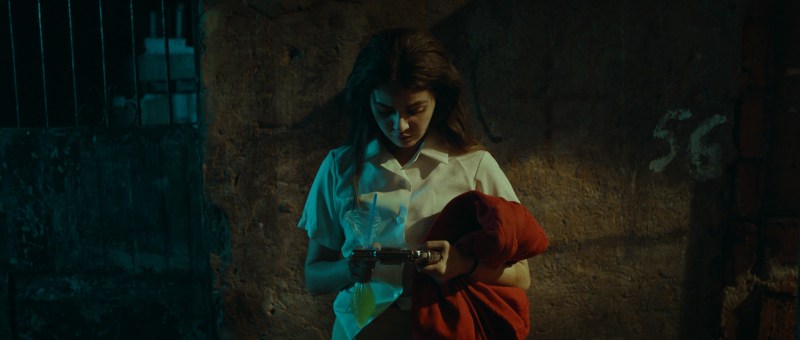
The never named heroine (Janine Gutierrez) is a meek and mild young woman who works in a department store where women, in particular, are expected to be prim and proper. The girl, however, is forever pulled up about the ladder in her tights, seemingly her only pair and as we’ll see she cannot afford to buy a replacement nor will one be provided for her by her employers who pat down employees as they leave the store each evening to ensure they haven’t stolen anything. Despite this however she believes she works hard and is under-appreciated, her sense of disappointment palpable as she witnesses another young woman be named employee of the month. Her colleagues view her as aloof because she is always the last to leave the building and never joins them for drinks, little knowing that it’s not her shyness that keeps her away but shame in her poverty. She has a long and arduous journey home to the poor part of town where she shares a room with another young woman, unable even to make her rent because she sends most of what she earns to the mother she apparently feels unable to return to. For all these reasons, she finds herself alone with a predatory colleague (Felix Roco) who rapes her, sheepishly apologises, and then returns with more threatening violence to advise her to keep her mouth shut. 

The evening before she’d heard a gun shot, left her apartment to investigate and seen a man run away, noticing an abandoned pistol with a heart on the barrel discarded in a rubbish bin. After the rape, she picks it up, immediately pointing it directly at the abusive boyfriend of her roommate. The gun gives her a sense of empowerment that counters the trauma of her victimisation. She is already beyond caring and can now say all the things she’s ever wanted to say to the men who treat her with such utter contempt, taking a flirty customer to task for his inappropriate behaviour with his young daughter sitting right next to him, and eventually giving her boss a piece of her mind when he finally fires her over something as petty as a barely visible uniform infraction. 

The girl had not usually been the type to complain, both her sleazy landlord and priggish boss keen to tell her that there are plenty of people waiting to take her place as if she should be grateful that her awful life is still not more awful. She and her friend dream of escaping the city, going home, or at least far away to a place where they could live a better life. Jun Jun (Elijah Canlas) the teenage drug dealer from the news reports dreams of something similar, lamenting most of all that he had homework due before he became the subject of a manhunt with which he’d struggled. He wonders how he might have done. His friend gives him all his savings which he’d been collecting for his own escape, hoping to return to his mother with his younger sister in tow in order to save her from a father he at least fears is abusive. 

Tracking through the history of the gun before it found its way into the hands of the girl, Red takes us back to the authoritarian violence of the Marcos regime as a nervous policeman assassinates “activists” in place of the current “drug dealers”, his son eventually picking up his gun a “policeman” like his father but filled with resentment towards inescapability of his fate. The gun passes from hand to hand, a child sticking the little heart sticker on it, creating only more chaos wherever it goes. It gives the girl the courage she thought she lacked to seize her agency, to talk back, to be “unladylike” in insisting on her equality in the face of the countless men who ignore, cat call, and abuse her. But the gun itself is not enough, her quest for violent vengeance hollow and unfulfilling, the only real liberation coming as she decides to abandon it in a final act of catharsis that breaks the cycle of violence and oppression which had trapped each of the gun’s owners. As a boy had said, it’s all personal. You might think it’s nothing to do with you, but you can’t escape the oppressions of the world in which you live be they poverty, misogyny, or authoritarianism. 

Largely taking place at night, Red bathes her city in the tones of neo noir, a land of shadows among neon, a shining cityscape of high rise buildings the like of which neither the girl or the street kids are ever likely to enter. Making fantastic use of music from the noirish jazz to the nostalgic pop of the oppressive ‘80s she fully embraces the pulpy exploitation of the material but always maintains a sense of playful irony, never forgetting the full import of her sometimes grim satire of life on the margins of Duterte’s Philippines as her variously oppressed protagonists seek freedom in violence but find only more constraint in the depths of nihilistic despair.


The Girl and the Gun streamed as part of this year’s New York Asian Film Festival.

Original trailer (English subtitles)

Hell Bank Presents: Running Ghost (冥通銀行特約:翻生爭霸戰, Mark Lee, 2020)

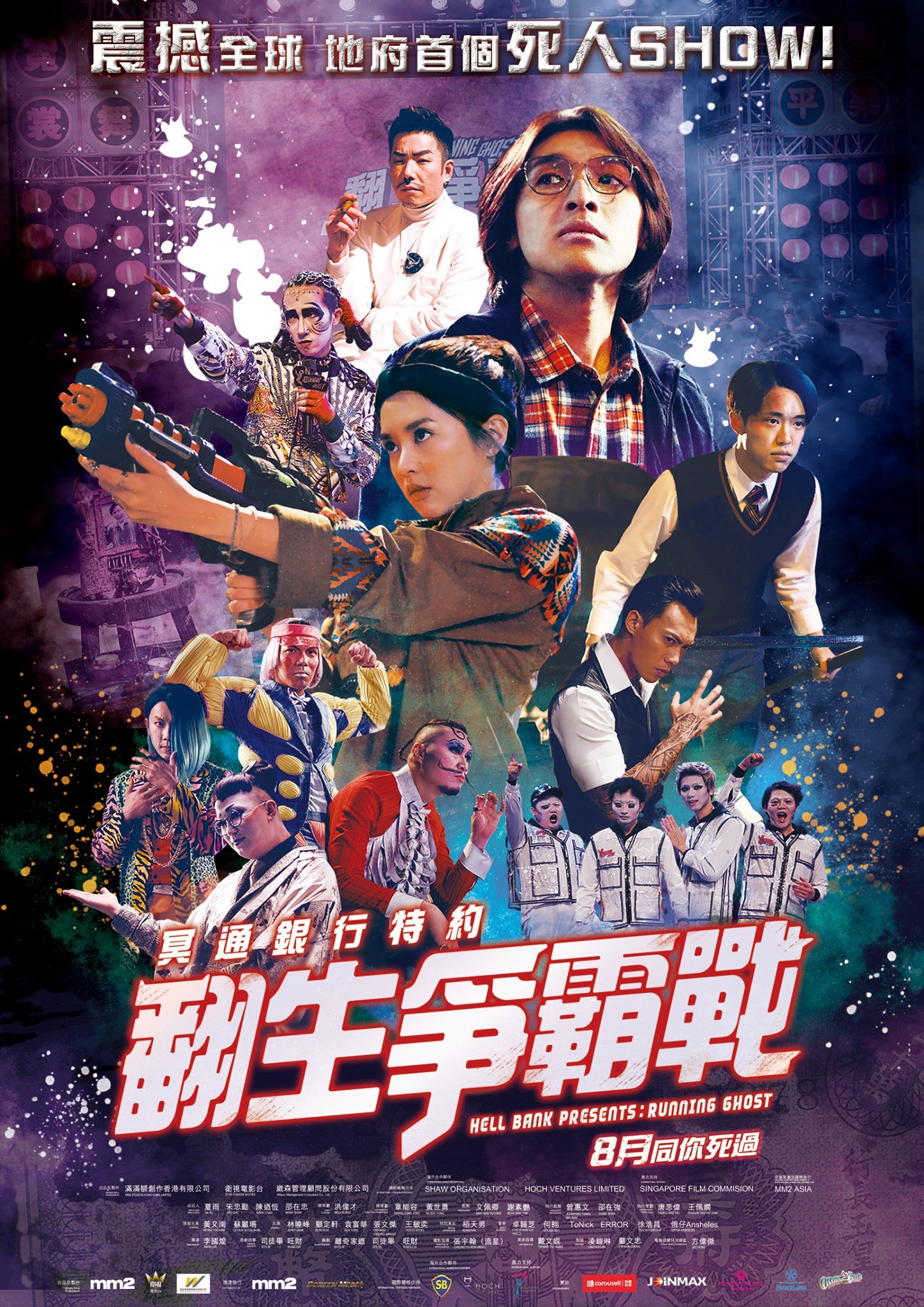
“The most important thing in life is to know how we die” according to the very efficient lady manning the desk in the Labour Department of Hell where, it seems, everyone has to do their bit. No rest for the wicked, even in death. A glorious satire on the business of modern living, Mark Lee’s Hell Bank Presents: Running Ghost (冥通銀行特約:翻生爭霸戰) sends its recently deceased hero on a quest to find meaning in his life from the other side as he becomes an unwilling contestant in an undead variety show. 

Wong Hui Kwai (Wong You-nam) has been dead for 22 days. Unusually, he can’t remember how he died, and as he tells the lady at Labour Department of Hell when asked what he achieved while alive was known chiefly for his ability to install internet cables with maximum efficiency (unfortunately Hell is already fully covered for wi-fi). Sadly, Hui Kwai didn’t do anything of note in his life and now it’s over he’d really rather just take it easy, which is why when he’s offered a nice job he tries to back out towards fiery torture. Nevertheless he finds himself a sudden replacement for a contestant who ascended at an extremely inconvenient moment right before he was supposed to take to the stage on Hell’s hottest variety show Hell Bank Presents: Running Ghost in which the prize is instant resurrection. Hui Kwai needs to succeed in three rounds of ghostly pranks, making the living faint, possessing a living person, and then scaring someone to death. 

Asked again on the stage where the MC reframes his abilities as a cable guy to paint him as a concealment expert, a very useful skill for a ghost trying to scare people, Hui Kwai is again forced to confront the fact that his life was extremely disappointing, his only “talent” was going to work, sleeping, and then going to work again. You might even say he was already a ghost before he died, though the resurrection prize does sound good because it would allow him to take care of some “unfinished business” with his childhood sweetheart Bo Yee (Venus Wong) whom, he fears, is being taken advantage of by an unscrupulous estate agent. As General Bull tells him, his problem is he needs to believe in himself more, pointing out that his nerdy appearance is just like that of a super hero before they discover their hidden powers. He never accomplished anything because he never really tried, if he wants his life back he’ll have to actually fight for it. 

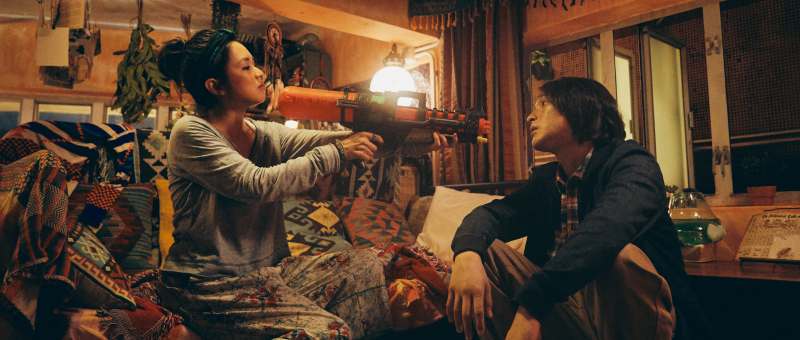
Unfortunately, having been dead only 22 days he’s not exactly powerful which is why he’s abruptly sucked into the dream catcher set up by eccentric ghost enthusiast Ling Kay (Cecilia So Lai Shan) who has some “unfinished business” of her own, trying to trap a spirit in the hope that they’ll be able to make contact with her late father. Lee has a lot of fun with the gadgetry of the supernatural which runs from Ling Kay’s old school dream catcher and Ouija boards to water pistols filled with ghost-busting pee and children’s flashlights “blessed” with the ability to burn up spirits. Are you a ghost needing to find an unlucky person to scare? There’s an app for that, and it works with your “Fat-bit” wristwatch. Meanwhile, even in Hell there are variety shows sponsored by Starbucks Coffins which have breaks featuring ads for services you can use to offload your unwanted funerary offerings. Paper money is no longer any good, in the after life they use “Helipay”, but General Bull who can presumably beam himself anywhere still travels in a gothic rickshaw pulled by an unfortunate underling forced to re-enact his suicide every night as part of his eternal torment. 

Running Ghost excels in its madcap world building in which the after life is somehow much more technologically advanced than the mortal realm, all slick touch screens and augmented reality, but perhaps still subject to the same old vices in which the undead vacuously watch reality shows and get their kicks pranking the living. Still, only after he’s died can Hui Kwai make the zero to hero journey, realising his unfinished business is really learning to unlock his latent potential which he does by protecting someone else, just not the someone he originally came back to protect. A much needed shot in the arm for HK supernatural comedy, Hell Bank Presents: Running Ghost is a spooky delight. 


Hell Bank Presents: Running Ghost streamed as part of this year’s New York Asian Film Festival.

Original trailer (Cantonese with English & Traditional Chinese subtitles)

Baseball Girl (야구소녀, Choi Yun-tae, 2019)

According to the title card which opens Choi Yun-tae’s Baseball Girl (야구소녀, Yagoosonyeo), an obscure regulation in the founding principles of the Korean Baseball League placed a bar on players who were “biologically non-male”, a ban which was struck down in 1996 allowing women to play professionally though attitudes it seems are much harder to change than regulations. In contrast to the grand tradition of Korean sports dramas, the contest is not a game but the right to play in one and the opposing team not talented rivals but sneering sexism and a conformist society. 

Joo Soo-in (Lee Joo-young) made the papers as the first girl to play in her high school team in over 20 years. Casting an eye around her room we see her trophies and discover that she is a talented pitcher known for top speed fastballs, but then as others seem to put it her balls are only fast “for a girl”. All she’s ever dreamed of is playing professionally and, after all, there’s nothing in the rulebook to say she can’t but that’s all anyone ever tells her. Why can’t I? she asks them, but the only answer they have for her is that it simply isn’t done. Lined up with her teammates following a meeting with a scout from the big leagues, Soo-in watches as only one of her friends, Jeong-ho (Kwak Dong-yeon), is picked. The others all walk off with resignation, accepting that they’ll need to find alternate careers but Soo-in doesn’t back down. 

Soo-in’s determination places her at odds with her working class family, her harried mother (Yum Hye-ran) continually insisting that she’s being childish and unreasonable and should give up her dreams to do something more practical with her life or risk becoming like her father (Song Young-Kyu) who is perpetually unemployed, unable to provide for the family while repeatedly failing the exam to become a licensed estate agent. There’s no shame in giving up when there’s no chance of success, her mother tells her, aligning her quest with her father’s as an egotistical act of prideful selfishness. As a teenage girl, however, Soo-in cannot help but feel the slight of her parents’ lack of support, resenting her mother’s understandable prioritisation of the ability to earn as she pushes Soo-in towards taking an office job in the factory where she works right out of high school in the belief that she’s helping her towards an economically stable life. 

Meanwhile, the new coach on the team, Jin-tae (Lee Joon-Hyuk), is quick to sideline her, viewing her as ridiculous and deluded. It’s not because you’re a girl, he tells her, it’s that you aren’t good enough, paradoxically insisting that she never could be because of the “limitations” of her female body which make it impossible for her to compete with men who also, as he points out, are extremely unlikely to make it as professional players. She tells him that he’s wrong, vowing to pitch at a speed unheard of, certain that if achieved the leagues would have to take her. Jin-tae has problems of his own, a never was player who wasted his youth trying to turn pro, became an alcoholic, and ruined his marriage. It’s understandable that his experiences have turned him cynical and mean, but something about Jin-soo’s determination, along with her strong skillset, begins to move him. Maybe he thinks it’s hopeless too, but it would be wrong to deny her the right to try. 

The biggest battle Soo-in faces, however, is from other players. Jeong-ho relates how in their little league days she was the only girl on the team and the kids mercilessly bullied her in part because the coach told them having a woman around was bad luck and made them all do intensive training to encourage her to quit. Jin-tae tries to get his scout friend to get her a tryout for a professional team, but he makes no secret of his distaste for the idea, exasperatedly complaining that Soo-in doesn’t look like a ball player (i.e., not a man, small and slight) only to later offer her an insulting token job as a figurehead for a “Woman’s Baseball Project” designed to make his big league team look more progressive than it really is. At her big try out, the guys in the dug out snigger and laugh, making fun of the batter who was struck out by “a girl” while the other coach congratulates her suggesting that she must have “trained with the boys” before giving her some unsolicited advice. 

As she tells the director of the big league team, baseball is for everyone. Her femininity is not a strength or a weakness, it simply is. She might not be as fast or as strong, but she’s smart, and brute force is not the point of the game. Some tell to her give up, that she should just play in the women’s leagues as a “hobby”, and perhaps at times Soo-in doubts herself but as Jin-tae tells her, other girls can dream because she showed them it was possible when she overcame huge prejudice to play on her high school team. Yet for Soo-in with every success it will only get harder. Even so she won’t give in, playing hardball with a relentlessly patriarchal society as she insists on the right to follow her dreams wherever they may take her.


Baseball Girl streams in the US via the Smart Cinema app until Sept.12 as part of this year’s New York Asian Film Festival.

Original trailer (English subtitles)

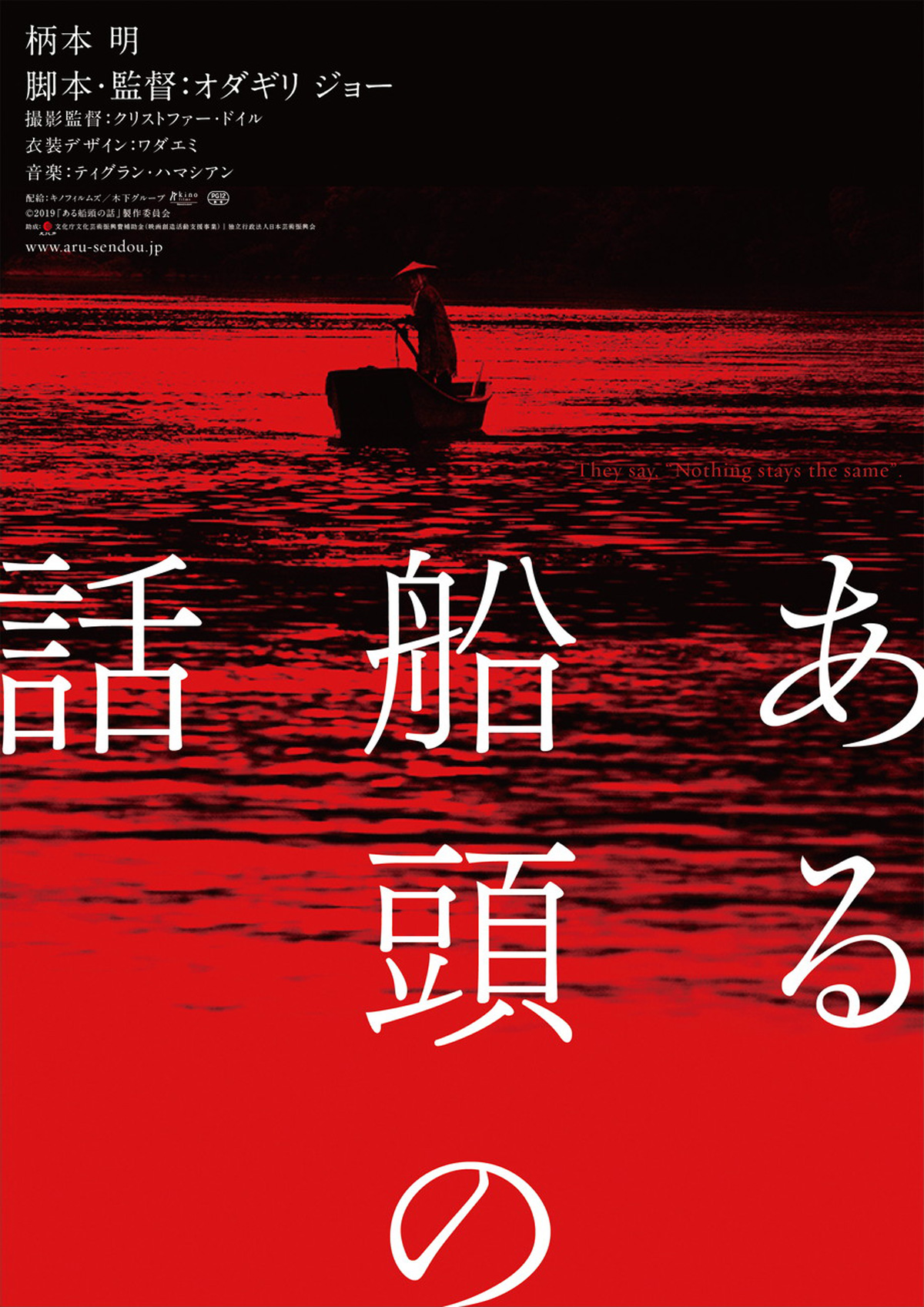
They Say Nothing Stays the Same (ある船頭の話, Joe Odagiri, 2019)

“Something new comes along, old things have to go” according to the philosophical boatman at the centre of Joe Odagiri’s They Say Nothing Stays the Same (ある船頭の話, Aru Sendo No Hanashi). A Meiji-set lament for changing times, Odagiri’s first feature following his 2009 mid-length comedy Looking For Cherry Blossoms is a visual tour de force shot by Christopher Doyle with whom he worked on the 2017 Hong Kong film The White Girl whose ethereal images of the majestic Japanese landscape with its misty vistas and rolling river perfectly compliment Odagiri’s poetic contemplation of transience and goodness. 

Toichi (Akira Emoto), the boatman, has ferried weary souls across the river for as long as anyone can remember but his days are numbered. Modernity is coming to the village in the very literal form of a bridge currently under construction not far from the crossing point, the workmen’s hammers ringing in Toichi’s ears like a ticking clock reminding him that his era is coming to a close, industrial noise at war with the tranquility of nature. For all that he tries to be philosophical. The bridge will certainly be convenient, as he admits to a man (Takashi Sasano) who needs to transport his cow across the river, the only current solution being to cross where the water’s shallowest and have the cow (and its minder) swim alongside while the man rides the boat. Toichi’s young friend Genzo (Nijiro Murakami) who sells herbal medicines, however, isn’t quite so philosophical. He doesn’t think the bridge is a good thing at all and only half-jokingly suggests blowing it up before it’s finished. 

But change comes earlier than expected. Hitting a strange object in the water, Toichi discovers it to be the body of a young girl (Ririka Kawashima) apparently still alive if only just. He takes her in and nurses her back to health, dressing her in a red outfit incongruously in the Chinese style, though she claims to have lost her memory and only later gives her name as “Fu”. Toichi muses on the possibilities, her name perhaps taken from the character for wind which, he points out, is a great motivator for a boatman capable of speeding up the rate of change, but also hears tell of a heinous crime the next village over in which an entire family were brutally murdered with only the daughter apparently spared, feared to have been kidnapped by the killer. Suspecting Fu may be the missing girl, he decides to help her, explaining her presence away in implying she’s a relative from “upriver” he’s been asked to look after for unspecified reasons. 

Toichi too claims to be from “upriver” though we never find out where it was he got those clothes from, assuming someone left them on his boat or like the portrait of the Virgin Mary he admires for its beauty and a memory of sorrow in the eyes of the woman who gave it to him as she explained that she would not come this way again, they simply drifted into his life. The poetic import of his existence as a boatman is not lost on him as he crosses the wide river of life and death, haunted by the strange spectre of another young woman who tells him that he’s damned himself with kindness in intervening in matters of fate. The modern world ebbs ever closer, a city doctor dressed in a white suit bringing Western medicine that challenges Genzo’s concoctions while the arrogant engineer and coarse construction workers resentfully climb into Toichi’s boat. 

“Bridges aren’t important, I prefer fireflies” Fu affirms, hearing the various ways in which the river is already changing. We find the bridge completed in the depths of winter, Toichi attempting to earn a living with animal pelts but now throroughly out of place in the frozen landscape. Nihei (Masatoshi Nagase), a local, laments the way the bridge seems to have hurried their lives, everyone busily crossing back and forth, the modern world now thoroughly penetrating the village. No longer so young or so kind, Genzo is fully corrupted, dressed in a three-piece suit and cape with a brogues on his feet unsuited to the rocky terrain and now looking down on his old friend who will not be able to cross the bridge into the modern world but will be forever cast away, a boatman to the end never resting too long on the shore. 

Yet Toichi maintains his imperfect humanity, admiring Nihei’s father (Haruomi Hosono) as man who truly put others before himself even in death in bequeathing his body to the animals in recompense for the many lives he took as a hunter. Toichi admits that he is not so good, a “selfish nobody” who resents the bridge despite himself but resolves to do better to become a man like Nihei’s father. Odagiri shows us leaves on the water which resemble Toichi’s boat as if to remind us how small he is and how great the river, but leaving us with the knowledge that it and he flows on if in flight, continually displaced by the onrush of an unwelcome modernity with its all of its selfishness and lust for the dubious lure of convenience. Boasting a host of famous faces in tiny roles from an imposing Yu Aoi taking village women to perform in a festival to Masatoshi Nagase in an extended cameo and Harumi Hosono as a beatific corpse, Odagiri’s melancholy tone poem is an elegy for an idealised pre-modern age in which the fireflies still shone on the banks of the river and there was time enough for human goodness. 


They Say Nothing Stays the Same streamed as part of this year’s New York Asian Film Festival.

International trailer (English subtitles)

Miyamoto (宮本から君へ, Tetsuya Mariko, 2019)

Three years after Destruction Babies, Tetsuya Mariko returns with another ultra-violent though strangely humorous masculinity drama as a mild-mannered salaryman embarks on a quest to win the heart of his one true love by proving himself a man even if aware that his efforts are entirely meaningless while he strikes out where it counts. Inspired by Hideki Arai’s manga, Mariko previously adapted Miyamoto (宮本から君へ, Miyamoto kara Kimi e) as a late night TV drama with the majority of the cast reprising their roles for the big screen feature.

As the film opens, the titular Miyamoto (Sosuke Ikematsu) is walking bruised and bloodied through a children’s park, staring at his unrecognisable face in the hazy mirror of a public bathroom. A regular salaryman, he’s later taken to task by his boss (Kanji Furutachi). After all, how does he expect people to do business with him when he’s lost all his front teeth and has his arm in a sling? His boss reminds him he’s about to be married and will soon be a father so perhaps a little more forward-thinking responsibility is in order. It seems that Miyamoto got into some kind of fight and improbably enough he won, the other guy apparently in hospital not to recover for months though thankfully he does not want to press charges. Nevertheless, Miyamoto seems strangely cheerful, happy in himself as he takes his bride to be, Yasuko (Yu Aoi), home to meet his parents who don’t disapprove but are extremely put out by his continued secrecy especially as Yasuko is already pregnant though something tells us there’s much more to this than your average shotgun wedding.  

Skipping back between the present day of the happily settled couple and the various stages of their courtship we begin to see a pattern developing as the hapless young salaryman falls for the pretty office lady only to discover she was technically using him to break up with an obsessive ex struggling to accept that their relationship is over. Challenged by bohemian playboy Yuji (Arata Iura), Miyamoto instinctively barks out that Yasuko is a special woman and he will protect her at all costs though the jury’s out on how exactly he plans to do that. In any case, Yuji exits and even if unconvinced, Yasuko is taken in by the idea of finding a protector. But Miyamoto is less than true to his word. When it really counts, he lets her down, passed out drunk as she’s assaulted by a friend from his rugby team (Wataru Ichinose). What ensues is partly, in his mind, a means of making amends to her by getting his revenge and a quest to reclaim his self-respect by asserting his masculinity in besting his girlfriend’s rapist in a fight. “It was me he insulted” Miyamoto somewhat problematically insists, rage shovelling rice into his mouth directly from the cooker while Yasuko can barely contain her resentment and exasperation with his continued failure to follow through while painting himself as the victim in her rape. 

Consumed by toxic masculinity, Miyamoto does indeed frame everything through the prism of his fracturing manhood, never jealous or abusive but comparing himself unfavourably to the other men in Yasuko’s life and convincing himself the way to beat them all is by proving himself the most manly through the medium of pugilism. Meanwhile, he emotionally neglects the woman he claims to love and promised to protect, temporarily distancing himself from her while he embarks on his quest, leaving her entirely alone to deal with her trauma. Yasuko makes it clear that she doesn’t care about his pointless and idiotic need to validate himself through male violence, but he does it anyway and then expects her to be impressed (which she isn’t, really). In any case he freely admits he did it all for himself, literally shredding his rival’s manhood in order to retake his own in addition to gaining an extremely ironic form of revenge.  

Absurd and ridiculous as it is, Miyamoto’s quest does at least allow him to gain the self-confidence which will eventually allow him to patch things up with Yasuko, ironically by affirming that he no longer sees the need to look for approval and will protect her and their new family forevermore. A dark satire of fragile masculinity filled with cartoonish yet surprisingly graphic violence, Mariko’s third feature nevertheless retreats from the pure nihilism of Destruction Babies towards a more positive if perhaps equally uncomfortable resolution as the no longer quite so insecure Miyamoto prepares to enter a new phase of his life as a paternal figure and protector of a family.


Miyamoto streams in the US via the Smart Cinema app until Sept.12 as part of this year’s New York Asian Film Festival.

Original trailer (no subtitles)

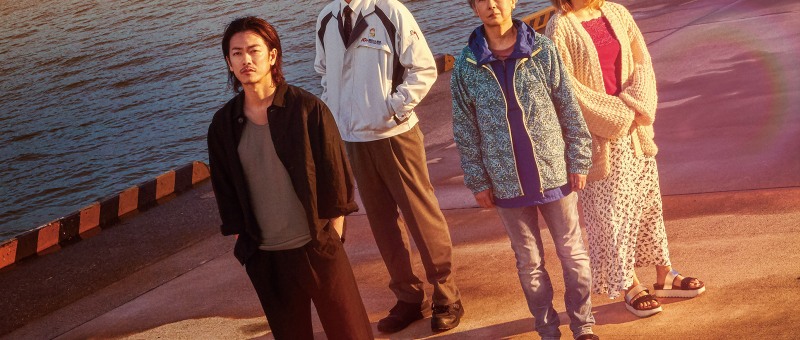
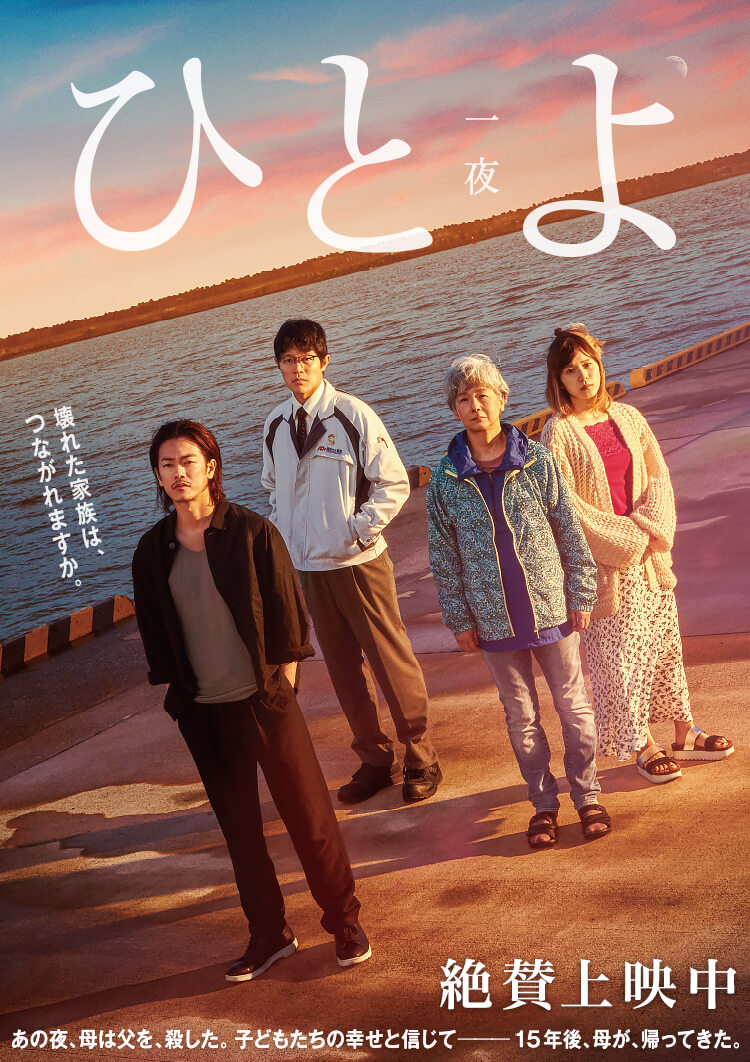
One Night (ひとよ, Kazuya Shiraishi, 2019)

“You can live however you want, you’re totally free. You can be anything” a woman tells her children, believing she is freeing them from a cycle of violence and oppression but unwittingly consigning them to another kind of cage in Kazuya Shiraishi’s raw family drama One Night (ひとよ, Hitoyo). Adapting the stage play by Yuko Kuwabara, Shiraishi is the latest in a long line of directors asking questions about the true nature of family, taking the hahamono or “mother movie” in a new direction but ultimately finding faith at least in the concept as the family unit finally begins to repair itself in a spirit of reconciliation and forgiveness. 

The “one night” of the title is that of 23rd May, 2004 on which wife and mother Koharu (Yuko Tanaka) backs over her relentlessly abusive husband in one of the taxis operated by their company. At some point, even if only perhaps in those few moments sitting at the steering wheel, Koharu appears to have given this a great deal of thought. Calmly walking back into her familial home where her three children are each sporting prominent facial wounds from a recent beating, she hands each of them a handmade onigiri and explains that she has just killed their father. Planning to hand herself in she reassures them that an uncle will look after them and the company so they’ve no need to worry. She has no idea how long she’ll be in prison for, but cautions that she may not return for 15 years hoping that by then the stigma will have passed. On her way out, she pauses to tell them that she is proud of what she’s done, saving them from their father’s authoritarian abuse and urging them to be free to live their lives in whichever way they choose. 

15 years later, however, the children find themselves burdened by her words. Yuji (Takeru Satoh) who dreamed of being a novelist has become a cynical journalist working for a pornographic magazine. Daiki (Ryohei Suzuki) who has a stammer and wanted to be a mechanic has never been able to hold down a steady job and is on the brink of divorce after showing signs of becoming abusive himself, while Sonoko (Mayu Matsuoka) who wanted to be a hairdresser is now working as a bar hostess drinking herself into oblivion. Living with the legacy of that one night, none of them has been able to live freely or to achieve their dreams but has remained arrested in some way waiting for Koharu’s return. 

While in her mind she freed them, the children find themselves dealing with the secondary sense of abandonment in her decision to exile herself from their lives, essentially leaving them to deal with the fallout of her “crime” all alone. Not only are they now orphaned, they also have to live with the stigma of being related to a notorious murderess with all of the peculiar burdens that entails in Japanese society from harassment and bullying to reduced employment opportunities and an internalised shame. Meanwhile, their mother’s words ring in their ears, urging them to be free, to be who they wanted to be and achieve their dreams, but they find themselves paralysed by the pressure to live up to the sacrifice Koharu has made on their behalf. While Sonoko is the most sympathetic, the boys are consumed by resentment. Koharu sees her 15 years of wandering as an exile undertaken as a kind of atonement and intended to keep the children safe from further social stigma, but her sons feel only the abandonment. 

Still, “mom’s still mom. It’s we who’ve got to change” Daiki tries to convince his brother, “we’re not kids anymore” he later adds as they recreate a thwarted teenage attempt to save their mother but in a very real sense they are. The problem in Daiki’s marriage turns out be rooted in insecurity, a failure of intimacy that saw him reluctant to let his wife and daughter into his traumatic past which finally expressed itself in violence. Meanwhile another driver at the taxi firm finds himself in a parallel struggle as he processes his own troubled relationship with an estranged teenage son and comes to realise his sins are indeed being visited on him despite his best efforts to prevent it. He sympathises with Koharu against the “ungrateful” children who, like the those of the classic hahamono, fail to understand the quality of their parent’s love as expressed in the sacrifices they have made on their behalf. Yet it’s Yuji who had branded his family a mere simulacrum who eventually fights hardest to save it, paving the way for a reconciliation as they finally bring closure to the events of 15 years previously and begin to move on with the rest of their lives. A raw and painful examination of familial trauma, Shiraishi’s bruising drama eventually allows the family to reclaim the night, repairing their fracturing bonds in sharing their emotional burdens freed at last from the oppressive legacies of abuse and resentment.


One Night streams in the US via the Smart Cinema app on Sept. 6 & 11 as part of this year’s New York Asian Film Festival.

Original trailer (no subtitles)