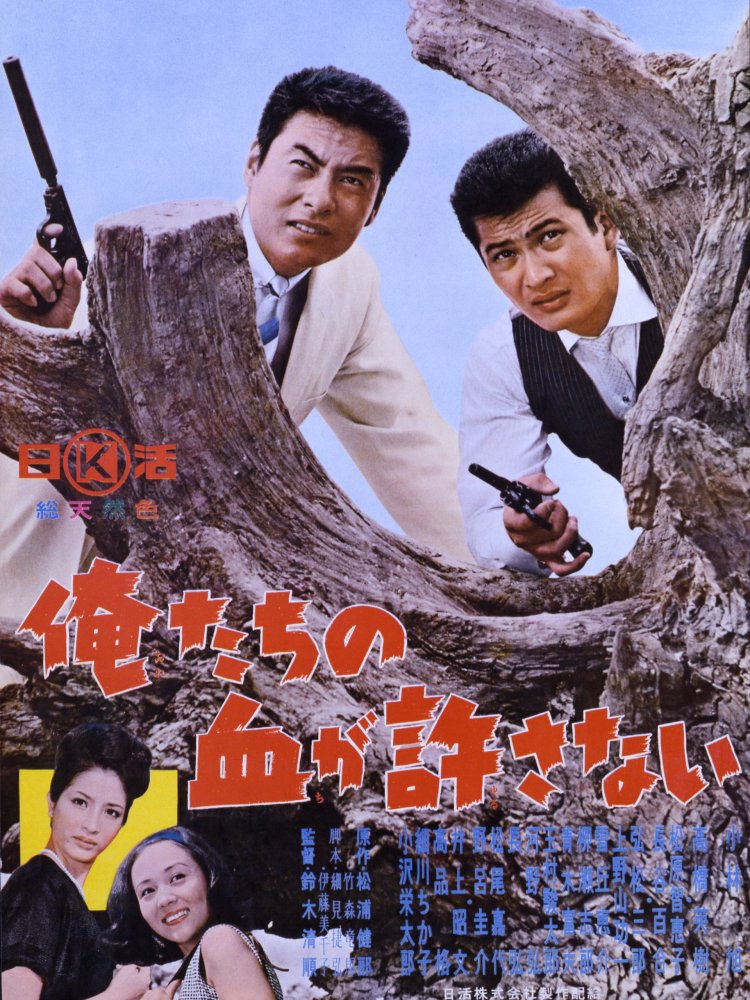
Our Blood Will Not Forgive (俺たちの血が許さない, Seijun Suzuki, 1964)

Our blood will not forgive posterIn Japan, “kaeru no ko wa kaeru”, or “a frog’s son is also a frog”, is an often heard idiom, sometimes disparaging but often affectionate. Can a yakuza’s son become anything other than a yakuza, or does your blood define you in ways you cannot defy? Our Blood Will Not Forgive (俺たちの血が許さない, Oretachi no Chi ga Yurusanai), an early semi-absurdist gangster drama from Seijun Suzuki’s mid-period at Nikkatsu, asks just that question as two brothers battle the legacy of their slain father whose dying wish it was that the yakuza line die with him.

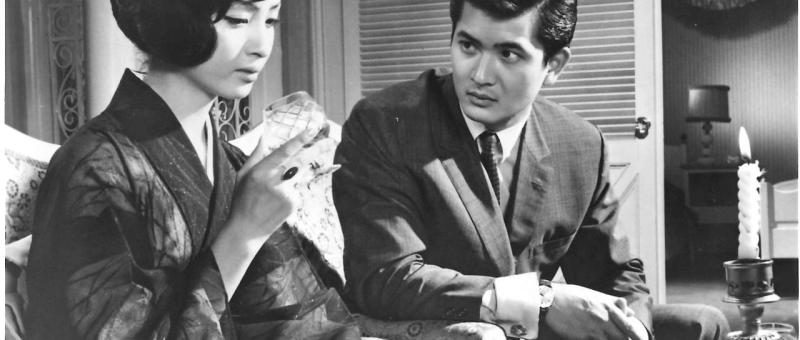
After their father was assassinated at home by sword, the Asari brothers were raised by their mother, Hatsu (Chikako Hosokawa), who did her best to keep them out of the underworld. After the war, however, times were tough. Older brother Ryota (Akira Kobayashi) had to work as a delivery boy to keep the family fed, studying hard at the same time and getting in to a good university. Now grown up, he’s a smart suited night club manager. His younger brother Shinji (Hideki Takahashi), meanwhile, is a clownish goof-off with a good job at an ad agency he’s always in danger of losing (like a fair few jobs before). Today, Shinji was meant to collect his bonus, but he’s bunked off to take part in a local festival which is unfortunate, because he’s got a visitor – Tobita (Akifumi Inoue), the man who killed their father without knowing why and now regrets it. He’s managed to track Shinji down thanks to the fact he looks just like his dad and has a habit of doing stupid things that get his picture in the papers like winning eating competitions and getting lucky on the horses only to get mugged outside.

Tobita’s desire to apologise to the boys exposes their father’s sordid yakuza past and forces them to deal with the legacy of their gangster blood. Though Ryota is more sanguine and simply declares that he “hates all yakuza” before asking Tobita to leave and never come back, Shinji immediately attacks him but then becomes enamoured of the romanticism of the gangster life and considers restarting the Asari clan after getting fired when a picture of him fighting with thugs on the company away trip makes the papers with the headline “yakuza’s son”.

The central irony is that Ryota, who was his mother’s favourite and ostensibly the steady, respectable son, has secretly been a yakuza for quite some time. The club he runs is a yakuza front, which is why he tries to talk Shinji out of trying to get a job there, leading him to feel rejected enough to have too much to drink and start a bar fight, causing problems for Ryota with his boss.

“All yakuza are the same,” Ryota confesses to Shinji as they argue in a car incongruously surrounded by roaring waves, “they’re violent because they’re afraid”. Despite graduating from Tokyo University, Ryota couldn’t get an honest job because they always found out his dad was a yakuza. Out of other options, he decided he had no other choice but to become one too, that he could not escape his blood but might be able to make sure his brother could. Shinji has romantic dreams of the yakuza lifestyle (his bedroom wall’s covered in pictures of Al Capone et al), but Ryota knows what it means, which is why he hates all yakuza, including himself. He’s planning to marry his secretary girlfriend, Yasuko (Chieko Matsubara), but his emotions are so corrupted that he isn’t quite sure if he really loves her or is only making a bid for respectability as a kind of atonement to his mother. In any case, he also feels guilty, knowing that just as his father eventually made his mother miserable, no woman can be happy with a yakuza.

“Yakuza are so stupid, you’re all obsessed with dying – what’s the point?” Shinji eventually exclaims, finally thoroughly disillusioned as his brother goes out in search of an honourable ending rather than trying to escape from certain death at the hands of his vengeful boss. “It may not be easy to live, but there’s nothing honourable about dying!” he tells him, undercutting a series of cultural signifiers, but finally crawling out of the yakuza trap and vowing to live on muddling through with his mother and perky girlfriend, Mie (Yuri Hase) whose birthday party he’s currently missing. Blood does not forgive, but it does eventually release if only you can learn to see it for what it is and choose to be free of it.


Opening (no subtitles)
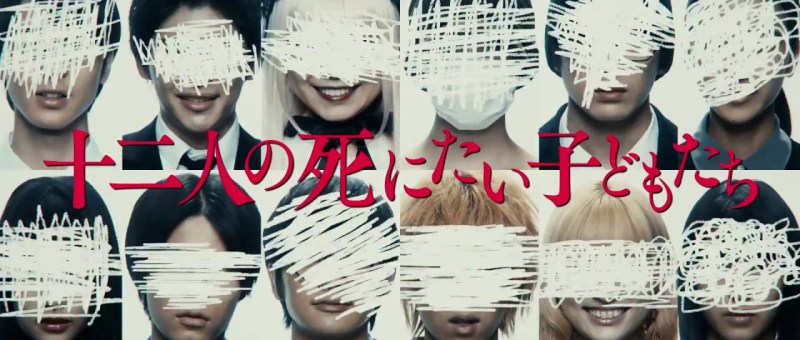
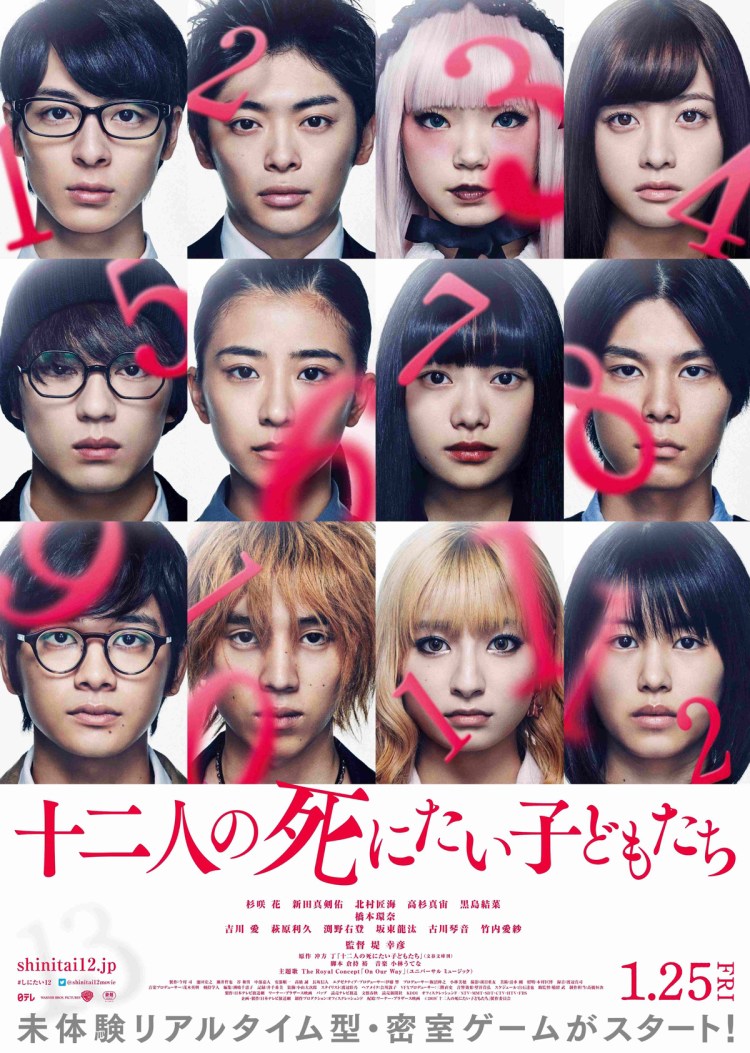
12 Suicidal Teens (十二人の死にたい子どもたち, Yukihiko Tsutsumi, 2019)

12 Suicidal Teens posterJapan has a relatively high suicide rate, but even so the number of people taking their own lives had been steadily decreasing, hitting a 22-year low in 2016. Conversely, youth suicide rates peaked, hitting a 30-year high. Inspired by Tow Ubukata’s novel, 12 Suicidal Teens (十二人の死にたい子どもたち, Juni-nin no Shinitai Kodomo-tachi), as the title implies, sees a dozen high school students forming a kind of club in which they will take the decision to live or die as a group, ironically undercutting the sense of powerlessness which has led them to the conclusion that they have no other choice other than death.

Ringleader Satoshi (Mahiro Takasugi) has recruited 11 likeminded souls and furnished them with complicated instructions involving a series of secret codes granting them access to a basement meeting room in an abandoned hospital. The 12 dutifully make their way into the building, but a surprise is waiting for them. When the first guest arrives, a young man is already lying in one of the 12 beds arranged around the edges of the room, apparently having jumped the gun, dead or dying after taking a large amount of sleeping pills. Everyone concludes he must be the event’s organiser, only for Satoshi to suddenly arrive and attempt to “open” the meeting at which they’re supposed to discuss the issues thoroughly so they can be sure they’re making the right decision. Because of the unexpected 13th guest, a decision is taken to postpone the discussion until after they figure out what’s going on.

Part of the reason for that is less curiosity than a kind of resentment. The teens are worried that their own deaths maybe misunderstood or misused if they’re discovered with this randomer in their midst. What if he’s the victim of a serial killer and everyone thinks they are too, never getting the message that each of them was desperate to send with their deaths? One young man who is dying to get back at a neglectful mother by denying her a life insurance pay out is worried it might backfire and she’d end up quids in if the police decide he’s a murder victim and not a suicide. He decides to live (for the moment at least) almost all out of spite.

Spite is, it seems, a powerful motivator in one sense or another. What most of our teens want isn’t really death but freedom, an end to pain or suffering. Suicide rates spike in September because bullied students can’t bear the thought of returning to school. Bullying is indeed the reason one of our teens wants to die, only the instigator was a teacher who led his class to victimise an innocent student solely for the crime of being an “annoying” person. Another teen, meanwhile, was bullied until he finally snapped, pushing his aggressor down a flight of stairs. Unable to live with the guilt, he too feels he can’t go on.

For the girls, the lack of control is all the more obvious. One young woman walks around with a surgical mask covering her face, not because she’s hideously burned but because she’s fantastically beautiful. One of Japan’s many celebrity idols, she’s on the cover of a thousand teen magazines but doesn’t recognise herself in the images that she sees and resents the way in which her existence is micromanaged by others. She wants to die as a means of seizing her own agency, to prove that her life and her individuality were valid and mattered as distinct from the fake persona created by her managers. Her fame endangers the mission of the group’s most emo member who declares that the mass suicide should be bomb detonated under an indifferent society, that she’s dying to reject her existence and rebelling against having been born.

Like some of the others, she’s a survivor of abusive parenting and resents having been given a “meaningless” life. A few of the other teens feel the same but for different reasons, they are suffering longterm or terminal health conditions and resent both their fates and being forced to live on without hope. They choose death now to prove they have a choice and are leaving on their own terms, not those of the universe.

Eventually the conclusion that they come to is that to live is also a choice. Working together to solve the mystery of the unexpected guest, they begin to understand a little of each other’s lives and their own, bonding in a shared sense of futility that slowly drifts into a rejection of the nihilism that had convinced them that their only choice was death. A strangely uplifting experience, 12 Suicidal Teens is a dark celebration of life that makes a virtue of endurance and finally finds meaning in commonality and the simple joy of empathic connection.


Original trailer (no subtitles)

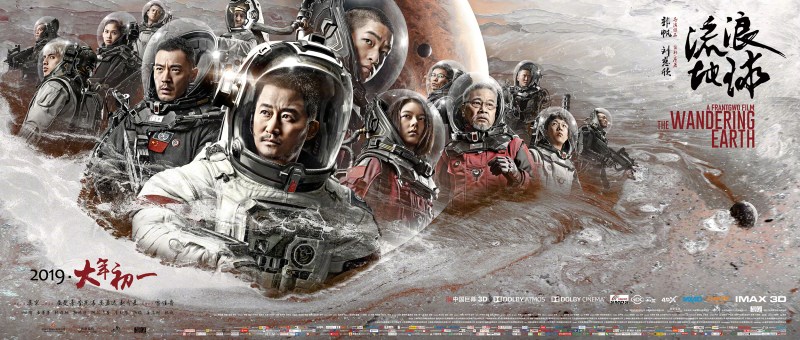
The Wandering Earth (流浪地球, Frant Gwo, 2019)

Wandering Earth poster 5Chinese cinema has not been as averse to science fiction as some would have it, but it’s true enough that The Wandering Earth (流浪地球, Liúlàng Dìqiú) marks a bold new chapter in its ambitious attempt to take Hollywood on at its own game. Adapting the novel by China’s premier sci-fi author Liu Cixin, Frant Gwo’s third feature is an interesting take on the New Year movie in which new beginnings are sought and families desperately try to reunite to see them in, only this time they do so against the backdrop of impending apocalypse as the universe threatens to swallow us whole.

Far in the future, the vast expansion of the sun will soon consume the Earth. The Wandering Earth project aims to save humanity by attaching jet thrusters to the Earth’s surface to push it out of harm’s way yet this safety measure has also had grave effects on the planet’s climate rendering the surface uninhabitable. 17 years previously, astronaut Liu Peiqiang (Wu Jing) left his 4-year-old son behind in the care of his father (Ng Man-tat) to take up a position on the space station intended to safeguard the Earth’s future. Now 21, Liu Qi (Qu Chuxiao) has grown up into a resentful, rebellious young man intent on seeing the surface for himself if only not to be home when Peiqiang finally returns to Earth. A natural disaster, however, leaves him stranded with his adopted teenage sister, Duoduo (Zhao Jinmai), just as the Earth is inconveniently drawn into a fatal collision course with Jupiter.

As much about fatherhood as it is about survival of a species, The Wandering Earth centres itself on the angry figure of Liu Qi who has been forced to live his entire adolescence underground and has come to deeply resent the memory of the father who allowed his sickly mother to die and then abandoned him. Peiqiang, meanwhile, has spent 17 years on the space station solely in order to save his son’s future, dreaming of the day they will finally be reunited. He cares little for his own life and has already spiritually handed the baton on to the next generation whose descendants, he hopes, may finally see a kinder sun rise over a new Earth.

This kind of selflessness is also reflected in the film’s refreshingly globalist outlook in which the world, no longer divided, has learned to act as one in order to combat the extreme threat from its own sun. The resistance may be China led, but depends on common endeavour and personal sacrifice. When a last ditch effort is required, the government cannot order its forces away from their families but can offer them the individual choice to keep fighting for survival, bringing teams from all corners of the Earth together as they descend on Indonesia where there just might be a one in a million chance to strike back at Jupiter and escape its gravitational pull.

Meanwhile, Peiqiang is up still up on the space station all alone and powerless while the annoyingly efficient operating system MOSS attempts to frustrate his efforts to save the Earth in service of its own mission to preserve humanity’s legacy. MOSS has made a series of calculations and given up, but giving up is not a very human trait and Peiqiang won’t do it. He makes impassioned speeches to the French-accented global authorities and ponders the best way to ensure his son’s survival even at the cost of his own but finally can only resist by literally attacking the system in overruling MOSS and acting on his own initiative.

A New Year tale through and through, The Wandering Earth is a celebration of family, togetherness, and home but is careful to dial down the patriotism for an insistence on the importance of mutual cooperation between peoples in order to combat existential threat with the spectre of climate change always on the horizon. The point, however, is that it is important to keep hope alive, if not for yourself then at least for others rather than give in to nihilistic despair. The Wandering Earth, grand and ambitious in scale, marks a new dawn of its own in terms of Chinese blockbuster sci-fi and does so with refreshing positivity as it places its hopes in human solidarity and individual sacrifice over jingoism and self-interest.


Currently available to stream on Netflix in the UK and possibly other territories.

Netflix trailer (English subtitles)

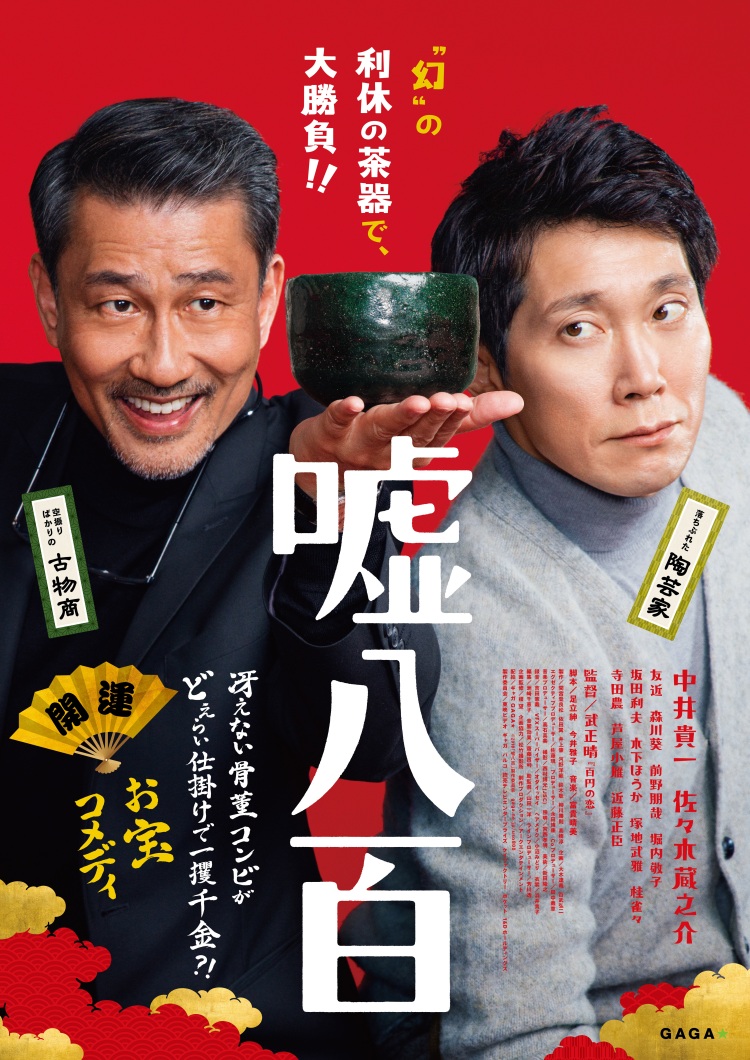
We Make Antiques (嘘八百, Masaharu Take, 2018)

We make antiques posterWho will scam the scammers? The antiques trade is a high stakes business, and at least as far as Masaharu Take’s We Make Antiques (嘘八百, Uso Happyaku) goes, one which makes use of its aura of respectability to cheat unsuspecting amateurs out of their hard earned cash for the false promise of exclusivity. Then again, does it really matter when something was made so long as it was made well and with artistic integrity? Perhaps collectors are just as happy with a nice piece as an authentic one, if only no one ever tells them the difference.

Jaded antiques dealer Norio Koike (Kiichi Nakai) prides himself on having a good eye, forced to learn to spot the inauthentic in record time after having his reputation trashed when he accidentally sold a “fake”, making the rookie mistake of taking provenance at face value without assessing all the facts. These days he’s not as precious as he used to be, mostly making his living out of buying up genuine antiques from clueless owners, convincing them their pieces are fakes and therefore worthless before selling them on at tremendous profit. It’s a trick he pulls on a wealthy man with a warehouse full of teacups that belonged to his father he’d rather get rid of so he can open a cafe, spotting an obvious fake and buying it cheap to take it straight back to where he knows it came from. Koike gets his comeuppance however when the man calls him back and says he’s found something interesting – an Edo-era letter in a box. Koike lies and says the letter is a random missive about a peasant revolt, when really it’s from grandmaster Rikyu and mentions coming with a tea bowl which Koike manages to find after searching the warehouse again.

After buying the entire stock to mask his desire for the tea bowl and letter, Koike realises he’s been had. The man he was talking to isn’t the owner of the warehouse but a caretaker, and the warehouse only exists to store fakes produced by a team of master forgers operating out of a nearby ramen joint. Noda (Kuranosuke Sasaki), who managed to scam Koike, was like him professionally embarrassed and by the same two corrupt elitists, Tadayasu Hiwatashi (Kogan Ashiya) and his celebrity authenticator Seiichiro Tanahashi (Masaomi Kondo), who picked him up as an aspiring ceramicist, giving him a fancy award but secretly using him to produce “replicas” to sell in their store. 20 years later, Noda is a cynical and jaded figure, unable to connect with his “nerdy” son (Tomoya Maeno) who spends his time building fantastically realistic military dioramas, and increasingly distanced from his patient wife who deeply resents the loss of his artistic integrity.

After a brief locking of horns, the two men decide to team up to scam the scammers, teach them a lesson, get a little ironic revenge, and become filthy rich in the process. Creating expert fakes, however, is a taxing business which requires an extreme depth of knowledge and in this case of a well known and hugely respected historical figure. Sen no Rikyu, the father of the tea ceremony, was, ironically enough, ordered to commit seppuku after speaking truth to power and, because he was an honourable man, he did it.

The reason most fakes fail is because they’re soulless replicas, often expertly crafted but essentially superficial. Creating a convincing fake allows Noda to regain the creative mojo that he’s been suppressing all these years in resentment towards Hiwatashi and Tanahashi, determined to craft something that reflects the spirit of Rikyu by virtue of the fact that it contains a piece of his own soul. Of course, the guys fully intend to exploit their own “artistic integrity”, Koike turning on the salesman’s patter to sell the dream of Rikyu to two soulless elitists too wrapped up in their sense of self-importance and blinded by greed to see things properly. Yet, there is a perverse love not only for the grift but for the craft and for Japan’s disappearing traditional culture, if only in the ironic rebuke of those who misuse it for their own gain. Bonded in revenge not only against the the venal Hiwatashi and Tanahashi but middle-age and and life itself, the guys generate an unlikely friendship, rediscovering their authentic selves through forgery as they scam the scammers and retake their sense of integrity in the form of a briefcase stuffed with cash.


International trailer (English subtitles)

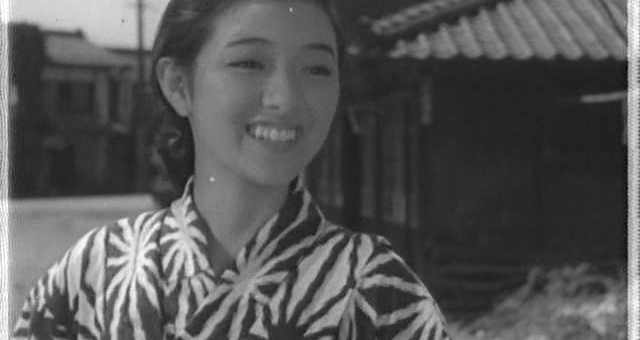
Hideko, the Bus Conductor (秀子の車掌さん, Mikio Naruse, 1941)

vlcsnap-2019-12-28-21h47m57s539It’s true enough that we might not have enough extant material from the pre-war and wartime eras to be as selective as some might accuse of us of being on realising that the directors we tend to remember are the ones we see as resisting. Though there were a fair few who managed simply to steer clear of the prevailing ideology, most skirted their way around the demands of the censors board by embracing the kinds of themes they could would work with. In Hideko, the Bus Conductor (秀子の車掌さん, Hideko no Shasho-san) Naruse pushes in a slightly different direction, retreating almost entirely from the troubles of the contemporary era into an idyllic vision of pastoral Japan.

Echoing Mr. Thank You, he opens with a POV shot of bus travelling a rural road accompanied by jaunty music. Neatly undercutting the cheerful atmosphere with ironic absurdity, we then cut to bus conductress Okoma (Hideko Takamine) announcing the next stop to an entirely empty bus. The problem is, the bus Okoma and the driver, Sonoda (Kamatari Fujiwara), operate is old, slow, and dirty. A new company, Kaihatsu, recently launched with shiny new buses that are cleaner and faster, if a little more expensive. Unsurprisingly, most people prefer to travel with Kaihatsu, meaning the only passengers waiting for Okoma’s bus are the kind that don’t have much money or are looking for different kinds of service – e.g. transporting live chickens or unusually large amounts of bags.

A radio programme recommended by her landlady gives Okoma an idea to boost business – performing as a kind of tour guide reading out interesting facts about the local area to entertain the passengers. Unfortunately, no one can quite think of any interesting facts or local landmarks in this tiny rural backwater. Nevertheless, Okoma and Sonoda are determined to give it a go, eventually obtaining permission from the decidedly laissez-faire boss who spends most of his days guzzling ramune and eating kakegori. To make sure the service is professional, they enlist the services of a local writer, Ikawa (Daijiro Natsukawa), whose notebook Okoma once returned when he left it on the bus. Weirdly, he doesn’t even want paying because he enjoys writing this kind of thing, and even coaches Okoma on how to get the cutest accent to really attract those customers with adorable local charm (even though Okoma is very proud to be thought of as nicely spoken young lady with nary an accent at all).

Of course, in true Naruse style, it’s not quite as idyllic as it seems. Most of the people we meet are poor and struggling, that’s why they’re taking this bus and not Kaihatsu’s. Even so, they’re all pleasant and polite, not even minding when Okoma asks the driver to stop by her house so she can chat with her mother, giving her a kimono she’s bought as a present (that her mum tells her off for spending her money on) and swapping her worn out cloth shoes for a classic pair of geta in which she seems to be more comfortable. At one stage, a chicken escapes from the bus and they stop to catch it, timetable be damned. Mind you, there don’t even really seem to be specific stops on this strangely occasional service. In need of passengers, Okoma and Sonoda seem content to stop and pick up random passersby who might be in search of a lift, taking them to wherever they might want to to go.

That might be one reason explaining why Okoma’s landlady is keen to warn her that she’s heard the bus company is no good, it’s just a front for some kind of unspecified shadiness. The truth, however, is more that the boss seems to be the feckless sort who enjoys being bossy but has no idea how to run a business. Distracted by Okoma’s monologue, Sonoda starts forgetting to stop and pick people up and eventually has to slam on the brakes when a child runs out into the street. While they’re checking on the kid, the bus rolls back over the verge, injuring Okoma and landing in farmland. Reassured that no-one has been “seriously” hurt (he’s not getting sued), the boss is then more worried about the insurance, seeing as it doesn’t cover him if the engine was running while they were stopped. Even though Sonoda explains that there’s no damage except maybe a scratch on the side, the boss suggests he scupper the engine and smash the windows so they can claim. They need a better bus, otherwise the company will have to close.

Earlier on, Sonoda and Okoma had joked about a popular slogan “When a country gets confused, loyal subjects appear”. Sonoda rolls his eyes a little and calls it “bombast”. They might not object to adding a bit about birds singing for the emperor’s long reign to their monologue, but it’s plain they aren’t going to go along with something they think is wrong because the boss says it’s a good idea. Sonoda is a little conflicted to begin with, talking it over with Ikawa who acts as the slightly patronising voice of city sophistication, he realises that if he follows the boss’ orders and lies he’ll not only be cheating the rest of society but himself too in doing something he knows to be immoral. Both he and Okoma vow they’ll quit rather than be forced into dishonesty, after all, says Okoma, there are plenty of other jobs (or perhaps not, in real terms, but still there is a choice). Suddenly, they feel quite cheerful, buoyed by their sense of moral righteousness.

An intervention from Ikawa saves their jobs, but this is still a Naruse film in which the world will always betray us, and so Okoma and Sonoda cheerfully continue their tour guiding business little knowing that the boss has gone bust and sold the bus. It might be going too far to say that Naruse envisages a fiery crash, a rude awakening for Okoma and Sonoda who will be left with only the cold comfort that they stood up against authoritarianism when it all goes to hell, but the subtle allegory is all but unmissable. Absurdly cheerful, and just a little bit depressing if you stop to think about it, Hideko the Bus Conductor is a charming jaunt through rural ‘40s Japan filled with salt of the earth types just trying to muddle through while the big bosses put their feet up and pop ramune marbles all day long without a care in the world.


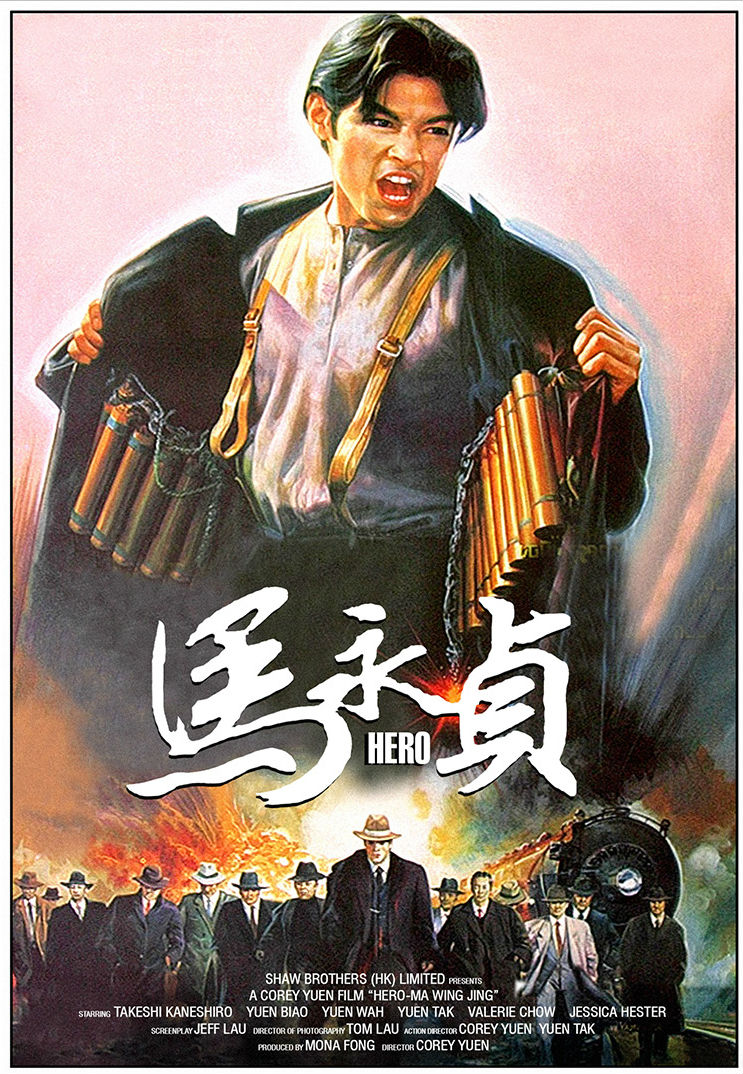
Hero (馬永貞, Corey Yuen, 1997)

hero 1997 posterIt’s an old ‘un but a good un. Young gun from the country hits the city, decides to do things his own way, becomes the top dog but loses himself in the process and is then faced with a choice between his better nature and potential gains. Corey Yuen’s remake of the Shaw Brothers classic Boxer from Shantung, Hero (馬永貞, Ma Wing Jing), stars Taiwanese heartthrob Takeshi Kaneshiro in his first big action lead as the titular good guy who nevertheless finds himself wavering under the oppressive skies of turn of the century Shanghai.

Ma Wing Jing (Takeshi Kaneshiro) and his brother Tai Cheung (Yuen Wah) have left their old country home to seek their fortunes in the city following a devastating drought. The Shanghai International Settlement, nominally under the control of the British, was a bustling, international port city but also lawless place where gangsters ruled – Tam Sei (Yuen Biao), who is supported by the Brits, controls half the territory with his rival Yang Shuang (Yuen Ta), backed by the local police, taking the rest. The Ma brothers hoped to make something of themselves in the brave new world of Shanghai but are simply two of thousands of refugees fleeing famine and can only find dock work where they are exploited and treated poorly.

Their fortunes pick up, however, when Wing Jing gets an early opportunity to show off his hero qualifications by saving Tam from certain death during an ambush. Tam, grateful, somewhat humiliates Wing Jing by forcing him to bend for a silver dollar before berating him for doing it but the pair eventually bond in a good old fashioned fist fight. Tam offers him a job, but Wing Jing has learned his lesson – he’ll be his own man and make his own name.

A melancholy love story plays in the background behind the otherwise macho dynamics. Arriving at Tam’s saloon, Wing Jing falls in love at first sight with the beautiful singer, Ling-tze (Jessica Hsuan), but is unable to pursue his romance with her thanks to his brotherly debt to Tam, who is in love with the bar’s landlady, Yam (Valerie Chow), but has broken things off because the of precariousness of his gangster lifestyle. Tam disappears for a bit, leaving the bar and his territory to Wing Jing, but doesn’t bank on Yam’s machinations as she gets rid of Ling-tze and takes up with Wing Jing while working with Yang on an evil plan that turns out to be a weird way of protecting her one true love.

Nevertheless, Wing Jing takes centre stage as he quickly climbs the local tree and becomes the big guy in town, little realising that his bravado has irked just about everyone in sight – he’s not only made himself a target for Yang but for the local Chinese police while Tam’s old associations with the British can’t be counted on forever. Yang, ironically enough, is playing divide and conquer but Wing Jing is too naive to see and too hotheaded to listen to Tam’s advice even when he returns to offer it.

Then again, a hero is a hero through and through and so it’s not long before Wing Jing’s moral goodness begins to resurface and he realises where his loyalties really lie. Given that Hero is a Hong Kong production released in 1997, perhaps it’s less surprising that the good guys are the ones backed by the British rather than local law enforcement which is, of course, deeply corrupt and and immersed in Yang’s world of internecine scheming. Still, this Shanghai is one of scrapping poor boys fighting for freedom from oppression (if accidentally veering into the role of oppressor in the process) much more than it is about international politics or the or the increasingly global milieu of the late 19th century city and its position as the gateway to the East for an avaricious Europe.

Mixing classic Shaw Brothers style with a modern New Wave edge, Yuen gives Kaneshiro his time to shine as an ultra cool action hero complete with a series of hugely impressive action sequences culminating in a fantastically satisfying final shoot out where blood and brotherhood take centre stage. But there can be no winners in this world of betrayals and counter betrayals, and so our Hero may have to leave it behind for pastures new as he takes his heroism with him into a hopefully better future.


Currently available to stream on Netflix in the UK and possibly other territories.

Original trailer (no subtitles)

Saint Young Men (聖☆おにいさん, Yuichi Fukuda, 2018)

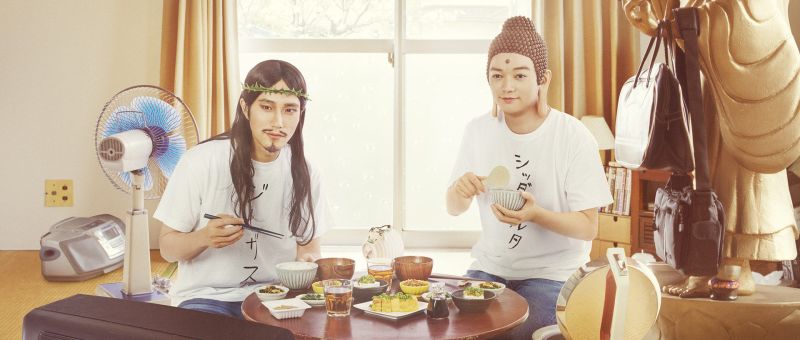
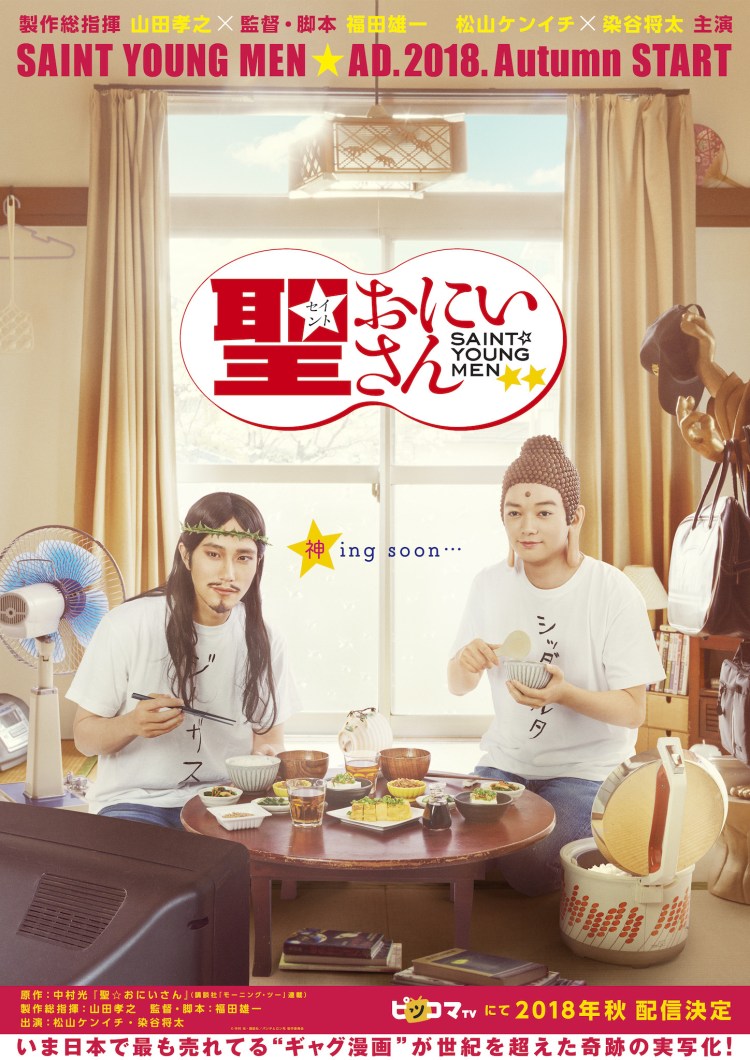
Saint young men posterWhat if Buddha and Jesus were flatmates in modern day Tokyo? Hikaru Nakamura’s much loved manga Saint Young Men (聖☆おにいさん, Saint Oniisan) attempted to find out, casting the two holy beings as conventional manga slackers on “vacation” in the mortal realm, supposedly researching modern Japanese society. A firm favourite with fans, the franchise has already been adapted into a popular anime and now receives the live action treatment from none other than Gintama’s Yuichi Fukuda.

Split into a series of short vignettes mostly featuring only Jesus (Kenichi Matsuyama) and Buddha (Shota Sometani) in their apartment, Saint Young Men first aired as a 10-part web series before being compiled into a 70-minute movie. The central conceit is that Jesus is a cheerful if slightly feckless hippy, while Buddha is the calm and the responsible one making sure he’s well looked after. Perhaps surprisingly, Saint Young Men presents its vision of contemporary Japan from the point of view of the two guys as they explore everyday life, occasionally including explanatory narration from a distant authorial voice which, presumably, contains information widely known to the target audience, such as an explanations of “White Day” – Japan’s secondary Valentines in which men given chocolates are expected to return the favour with gifts three times the cost, and spring festival “Setsubun” in which beans are thrown at people wearing ogre masks to frighten off bad luck.

For the two guys these are fascinating little anthropological details they can get quite excited about despite their thousands of years of existence. On a trip to the convenience store, Jesus is thrilled to think he’s finally “made it” after 2000 years because some high school girls said he looked like Johnny Depp. Buddha goes to see if he looks like someone too, but the girls immediately recognise him as looking “like Buddha” which is both a disappointment and somehow validating. Meanwhile, he laments that the majority of his artistic renderings have only captured him in his “fat period” rather than the handsome figure he currently cuts. 

Bickering like an old married couple, the guys fight about the usual things – money, and the irresponsible use of it. Jesus has a bad habit of buying random stuff he doesn’t need off the internet, causing Buddha to get so annoyed he starts physically glowing and only calms down when Jesus gives him a present, a manga artist’s starter kit. Sadly, Buddha is proved right when Jesus gets bored with his random electric pottery wheel after only a few minutes, but is witness to an unexpected miracle when the clay is magically transformed into bread, turning the wheel into a “bread oven” with which Jesus seems very pleased only to tire of it just as quickly.

Trying to keep their “real” identities secret, the guys are keen to keep their abilities behind closed doors – something Buddha forgets when he hatches on the great idea of levitating to save floor space. Jesus comes home and quickly closes the curtains in case someone thinks they’re some kind of weird cult. The guys consider moving somewhere with a little more room, but discover that even for holy beings it’s almost impossible to find a decent apartment in modern day Tokyo that doesn’t cost the Earth. The primary reason Jesus wanted to move, however, is not so much that the apartment’s a little poky for two full-grown guys, but that the other place was gated which means he won’t be getting bothered by cold calling newspaper sales representatives.

Jesus may be too nice to keep saying no to pushy salesmen, but Buddha has a few unexpected trust issues. Faint from hunger, the guys think about ordering a take away, but Buddha is a strict vegetarian and worries about the chain of communication involved in food preparation. He can only trust that the restaurant follows the instructions he gives them honestly and that the delivery guy won’t do anything weird with the food on his way over. In the end, you just have to have faith, but Buddha is struggling while Jesus is content to let it all hang out. Something similar occurs when earnest Buddha unwisely meditates for hours in the beautiful snow in only his ironic T-shirt and catches a cold with only Jesus to nurse him. Jesus wants to take him to the hospital, but they don’t have insurance and don’t want to risk extortionate medical bills. Jesus’ healing powers apparently don’t work on other holy beings, and so he finds himself healing a bunch of people at the hospital to earn a free visit from a doctor with whom Buddha can only communicate through possession and telepathy.

Obviously very low budget and mostly starring just the two guys with additional appearances from their middle-aged landlady and the confused doctor, Saint Young Men is very much a Fukuda production bearing his familiar hallmark of waiting slightly too long for a joke land, which it often does not. Though seeing all 10 episodes in one go necessarily flags up their essential sameness, they do provide an amusing exploration of slacker life in contemporary Japan with occasional forays into warmhearted cross-cultural exchanges between the serious Buddha and scatterbrained Jesus.


Original trailer (no subtitles)

She Was Like a Wild Chrysanthemum (野菊の如き君なりき, Keisuke Kinoshita, 1955)

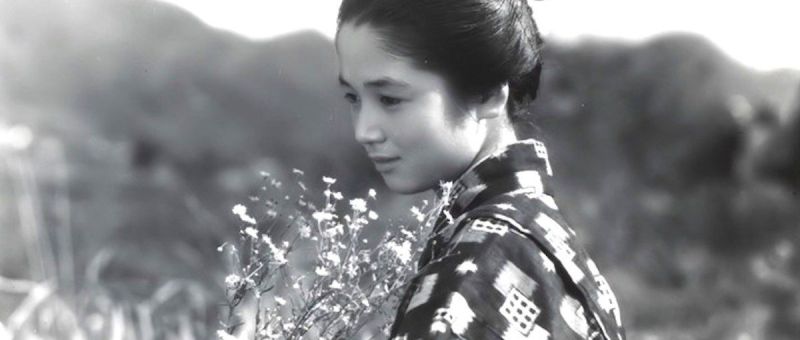
She was like a wild chrysanthemum dvdForemost among the post-war humanists, Keisuke Kinoshita had a somewhat complex relationship with the past, by turns decrying the restrictions of latent feudalism and pining for the lost innocence of an idyllic pastoral Japan untouched by mid-century trauma. She Was Like a Wild Chrysanthemum (野菊の如き君なりき, Nogiku no Gotoki Kimi Nariki) manages to do both at once, lamenting the passing of time and a clear division between then and now while railing against the unfairness of the society which keeps young lovers apart in insisting that broken hearts are merely something that must be endured.

In the contemporary era, 73-year-old Masao (Chishu Ryu) is taking a boat back to his hometown though he no longer has any family there, his brother’s adopted son having inherited the family estate but seemingly rejected it. The local kids treat his abandoned family home as a haunted house. He tells us that he’s going back the way he came, it may be old fashioned to travel by river like this but there was no train back in his day. Masao feels his age. His grandson has just entered college and his mind is no longer what it was. He finds himself lost in sentimental memories, which is what has brought him back here, to the place which stole from him the only thing he ever loved.

Flashing back almost 60 years to the late Meiji-era when Masao (Shinji Tanaka) was but a boy of 15 preparing to leave home to study at high school, the older Masao recalls the happiest time of his life, now ensconced in a nostalgic cameo frame, when he lived with his sickly mother (Haruko Sugimura) and 17-year-old cousin Tamiko (Noriko Arita) with whom he had quietly fallen in love. Though it is not exactly unusual for cousins to marry, especially among the gentry, the closeness of the two youngsters has begun to cause gossip in the village especially as they are no longer children if not quite grown up. Still stuck somewhere between awkward adolescent attachment and the dawning realisation of a greater love, Masao and Tamiko resent the attempts made to keep them apart, but are largely powerless to resist the world in which they live.

That would be, in a largely feudal context, that Tamiko is more or less a “poor relation”, somewhere between servant and beloved daughter, not quite a member of the family, but resented by the maids. As such, she is no match for Masao who will be expected to marry someone of his mother’s choosing. The issue is not so much that the pair are cousins, or the slight squeamishness that they have been raised more or less as siblings, but an anxiety that something dreadful may be about to befall them which should be stopped before it becomes an unsolvable problem.

Masao’s mother tells Tamiko that women must learn “housework” like cleaning and dressmaking which might be a thinly veiled way to excuse the fact that she is using her as an unpaid maid, but it does at least remind us that she must marry someone, someday. At 17, Tamiko is at the age where her marriage becomes a matter for consideration, whereas at 15 Masao will leave home to pursue his education. They know their time together is limited, but still they dare to hope, the proximity of an ending giving them the courage to give tentative voice to their feelings.

Meanwhile, the danger they face is entirely homegrown and as much political and avaricious as it is conservative. The problem is that Masao’s older brother and his wife have no children. The sister-in-law intensely resents Tamiko’s presence, fearing she will somehow end up marrying Masao and getting her hands on the estate. To prevent that happening, she flags up the villagers’ gossip with Masao’s mother, who had been content to let them be because they were “only children” but is beginning to be swayed by the possibility of scandal or social censure. She decides to send Masao away to school ahead of schedule, hoping the whole thing will blow over, but Tamiko is so distraught that the sister-in-law eventually has her sent back to her parents where she receives an offer of marriage from the son of a wealthy family.

Too heartbroken to do much else, Tamiko spends most of her time in bed and flatly rejects the idea of marriage while the rest of her family desperately try to persuade her. Even Masao’s mother who professes to love her as a daughter tells her in no uncertain terms that she could never consent to her marrying her son. Only Tamiko’s melancholy grandmother who regards her own marriage to a man she truly loved as the thing which has given her life meaning, stops for pause, not objecting to the proposal but disappointed with her children’s insensitivity and aware of the dangers in the sacrifice Tamiko would be making if she agreed to marry more or less against her will.

The cruelty of the times is brought home by two near identical sequences, one a funeral procession in bright sunlight and the other a solemn moonlight wedding. The youngsters pledge themselves to each other, but are torn apart by forces beyond their control. In this, Kinoshita perhaps presages a greater tragedy still to come at the hands of implacable authoritarianism, suggesting that this rigid adherence to tradition at the expense of human feeling leads only to an eternal heartbreak and chaos born of resentment. If the relatives had simply let them be, let nature take its course and love find its way, then all of this sadness and regret could have been avoided. Masao apparently lived an ordinary life, suffered in the war, but married and had children, all while living with unutterable regret. His love has lasted 60 years, along with the memory of innocent wild flowers and the tranquility of his rural childhood in a Japan now long gone, inhabited solely by the ghosts of memory. “Only crickets sing by her grave”.


Original trailer (no subtitles)

Merry Christmas (聖誕快樂, Clifton Ko Chi-Sum, 1984)

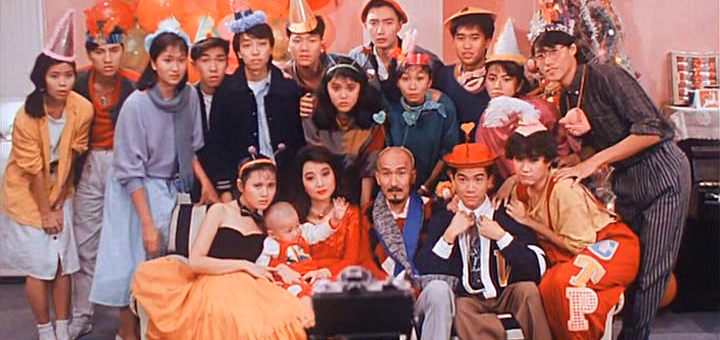
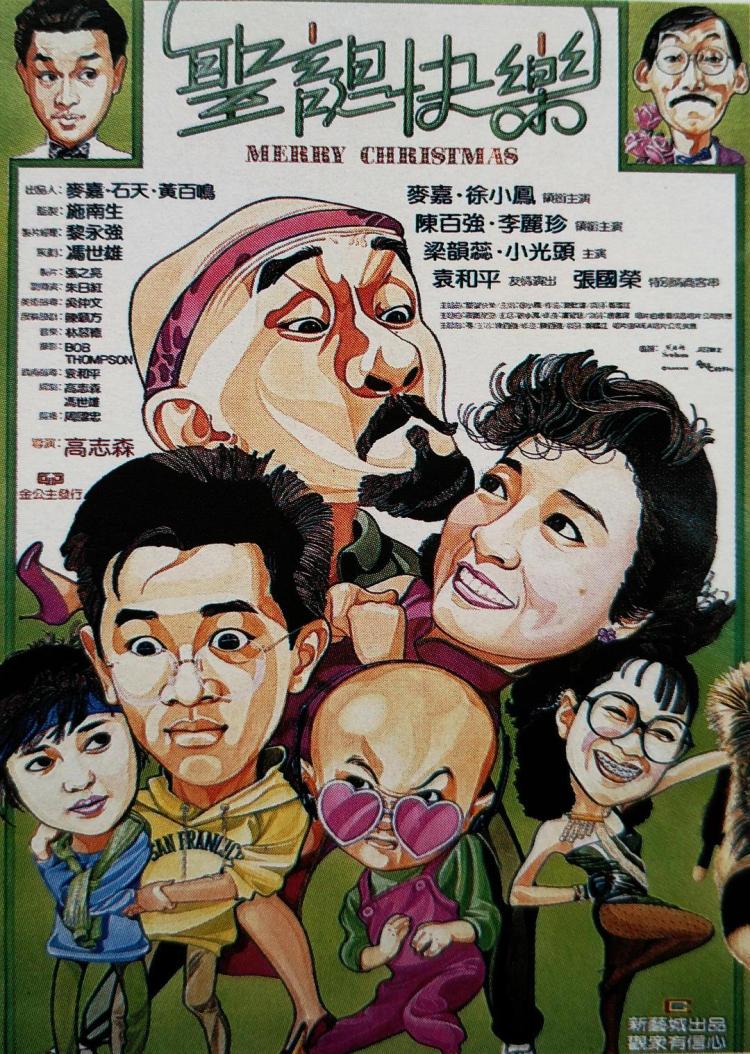
Merry Christmas poster 2The Lunar New Year movie solidified itself as a concept in the early ‘80s and is often an occasion for heartwarming silliness celebrating food and family. Arriving in 1984, Merry Christmas (聖誕快樂) shifts the zany action up to the Western festive season as a widowed Hong Kong dad struggles to express his feelings for the woman next-door who’s been looking after his young son while his two grown up kids contend with romantic troubles of their own in the rapidly developing city.

“Baldy” Mak (Karl Maka) is a newspaper editor who lost his wife some time ago. Though everyone else is getting into the holiday spirit, Baldy is celebrating his birthday which gives his goodnatured colleagues an excellent excuse to prank him and though it ends in him getting joke fired, it does eventually bring him a bonus and a new car. Meanwhile, he and the kids – earnest teenage son Danny (Danny Chan Bak-Keung) and aspiring model Jane (Rachel Lee Lai-Chun), are largely dependent on their neighbour, Aunty Paula (Paula Tsui Siu-Fung), for domestic assistance including looking after Baldy’s toddler son, Baldy Junior, while he’s out at work. Danny and Jane are hoping their dad will eventually ask Paula to marry him, but he remains diffident. Until, that is, she drops the bombshell that she might not be able to look after Junior anymore because she’s had a letter from her cousin in America (Yuen Wo-Ping) who wants to marry her and she’s thinking of emigrating to be with him.

Baldy, not a bad man but unafraid to resort to underhanded tactics, spends the rest of the picture avoiding telling Paula how he really feels in favour to trying to break up her possible romance with her cousin. An early joke sees him fighting for parking spaces in his beaten up car, something which eventually gets him into an argument with the good-looking yet similarly underhanded John (Leslie Cheung Kwok-Wing) who fakes a limp to get nearby bystanders to push Baldy’s car out of the way, causing Baldly to try and get his own back only for it to hilariously backfire. John, meanwhile, takes an instant liking to Baldy’s daughter Jane, which instantly gets Baldy on edge. A typically strict dad, he takes Danny aside to instruct him about how to get the best bang for his buck taking girls to the pictures, but is quick to warn Jane that no man can be trusted and she’s to be home by 10pm at the latest. Needless to say, it’s a moment of minor embarrassment for him when the guys at work are looking at tasteful glamour shots to include in the paper only to discover that Jane’s been earning a few extra pennies as a model.

The double standards only increase as Baldy and Danny hatch a plan to put Paula’s cousin off by convincing him she’s actually a sex worker and in debt to a sleazy pimp. Meanwhile, Baldy takes him out on the town to show him a few sights while setting up amusing tableaux that make him out to be a violent pervert, groping women, kissing men, and kicking little kids in the face. Paula, meanwhile, remains thoroughly fed up with Baldy’s antics, keeping her composure when he tries to make her jealous by dressing like a teenager and cosying up to Danny’s love interest “Jaws” (beautified by getting her braces taken off and wearing contacts), but asking her cousin to secretly record everything Baldy says to him on their weird “date” around Hong Kong.

Charming period details abound, like the “3D” adult movies Baldy rents (and inappropriately watches with Baldy Junior) which have to be watched with “sunglasses”, and Baldy’s constant inability to hail a cab coupled with his atrocious parking techniques and delightful pre-photoshop efforts to frame the cousin and then expose him with a slideshow lecture delivered solely for Paula’s benefit. Meanwhile, the festive spirit is ever present with the ubiquitous Christmas trees, Poinsettia forest outside Baldy’s door, and seasonal set piece at Paula’s nightclub. Delightfully silly, Merry Christmas is a zany holiday treat, a middle-aged rom-com in which a slightly ridiculous widower and a lonely nightclub singer discover the courage to fight for love thanks to a little Christmas magic and the fierce support of meddling family members.


Original trailer (no subtitles)

Happiness is a State of Mind – The Japan Foundation Touring Film Programme 2020

bento harrassment still 2

The Japan Foundation Touring Film Programme is back for 2020 with another handpicked selection of recent (and not so recent) Japanese cinema hits. This year’s theme is “happiness”, encompassing not only life’s ups but also its down in the pursuit of fulfilment in contemporary Japan.

My Love Story!!

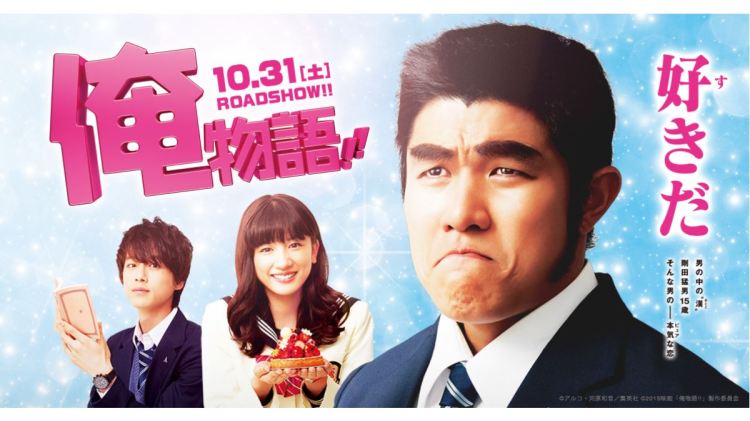
My Love StoryTakeo is a big guy with a big heart but awkward when it comes to romance. When he saves timid transfer student Rinko from a street harasser and falls in love at first sight, he is convinced she must have fallen for his super-handsome friend and determines to get them together in this charmingly innocent high school rom-com. Review.

Our Meal for Tomorrow

Our Meal for tomorrowAn introverted high school boy and outgoing girl grow closer after participating in a joint sack race, but their romance is threatened by a dark secret…
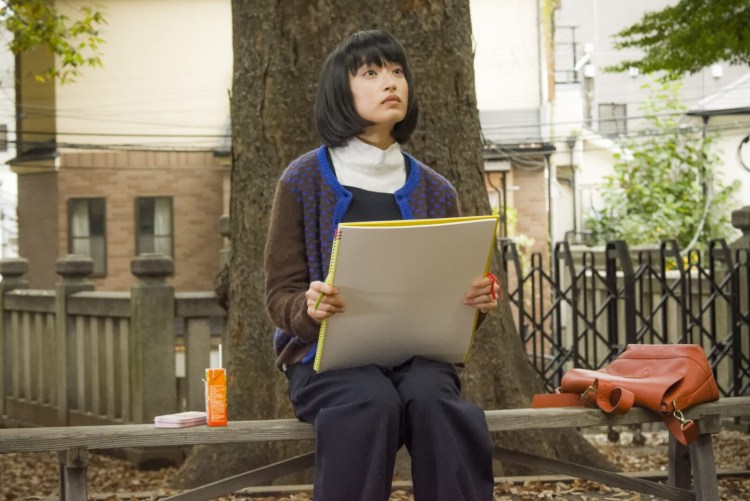
Her Sketchbook

Her sketchpadAn introverted otaku has become a virtual shut in so her father finds her a quiet job testing video games which doesn’t require much interpersonal interaction. Whilst there, she meets a sympathetic colleague who encourages her to express herself designing character illustrations for the games.
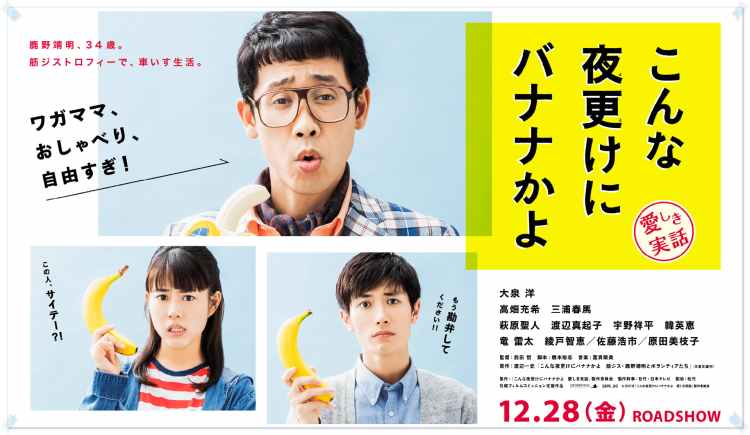
A Banana? At This Time of Night?

A banana at this time of nightYo Oizumi stars as a man with muscular dystrophy who is determined to live an independent life in his own home. After striking up a friendship with medical student Hisashi (Haruma Miura) he falls for volunteer carer Misaki and asks Hisashi to help him woo her little knowing she is his girlfriend.
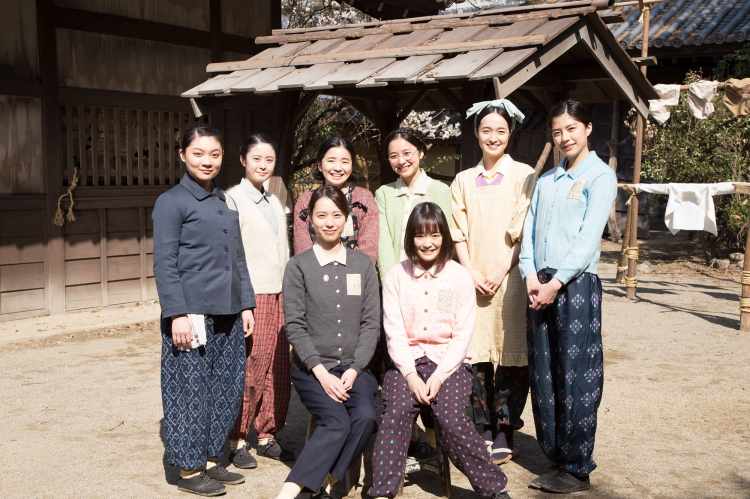
Organ

OrganWartime drama starring Erika Toda as a kindergarten teacher who evacuates her children to a nearby temple to try and protect them from the firebombing of Tokyo.
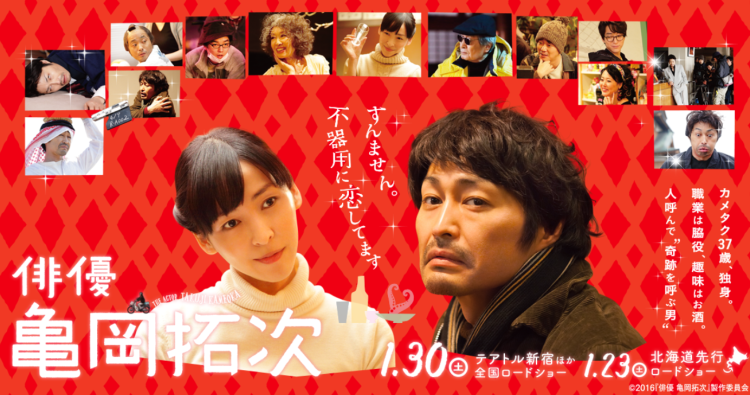
The Actor

the actorKen Yasuda stars as a jobbing actor experiencing a small revolution when he’s brought in for a big film role for a foreign director and falls for the pretty daughter of a local izakaya owner.
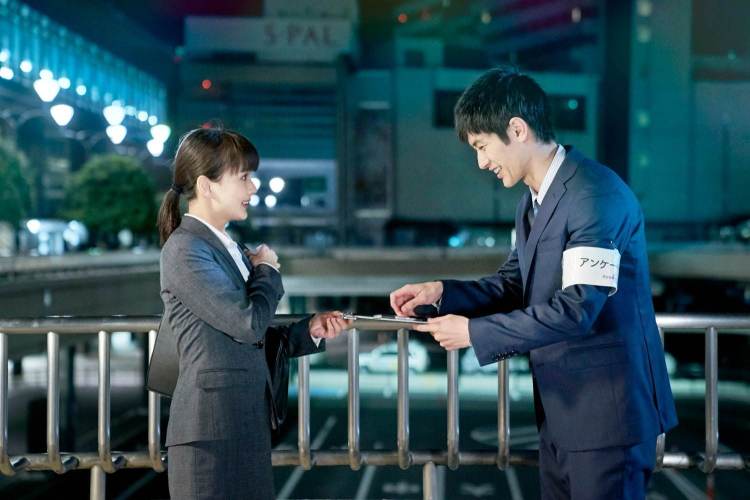
Little Nights, Little Love

little lights little love27-year-old Sato is patiently waiting for love. A chance encounter with a smartly dressed woman who agrees to fill in one of his questionnaires could be just what he’s been looking for…
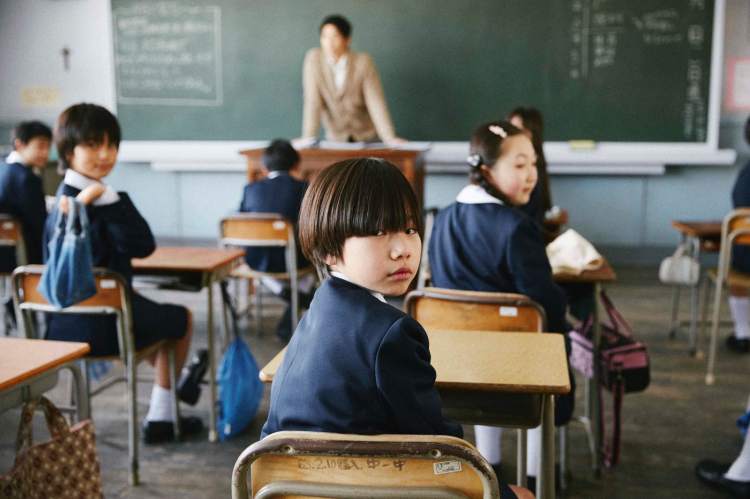
Jesus

jesus still 1A small boy is forced to relocate to the mountains after his grandfather dies. Though the family is not Christian, he finds himself doubly out of place having to attend a Catholic school where a little bit of religious confusion sees him befriended by a Tiny Jesus. Review.

Another World

Another World still 1Three high school buddies reunite in their small-town home hoping to restore the easy bond of their adolescence while battling middle-aged disappointment in the latest from Junji Sakamoto. Review.
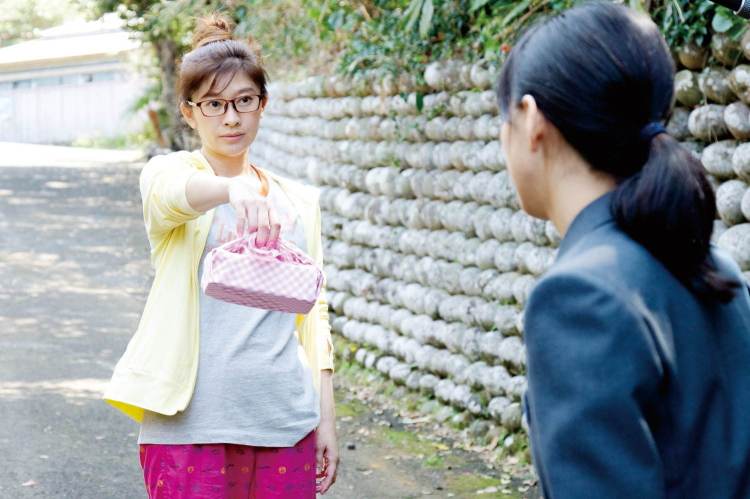
Bento Harassment

Bento Harrassment still 1Fed up with her teenage daughter’s moodiness, a single mother tries to communicate with her via passive aggressive bento in this charming family drama. Review.
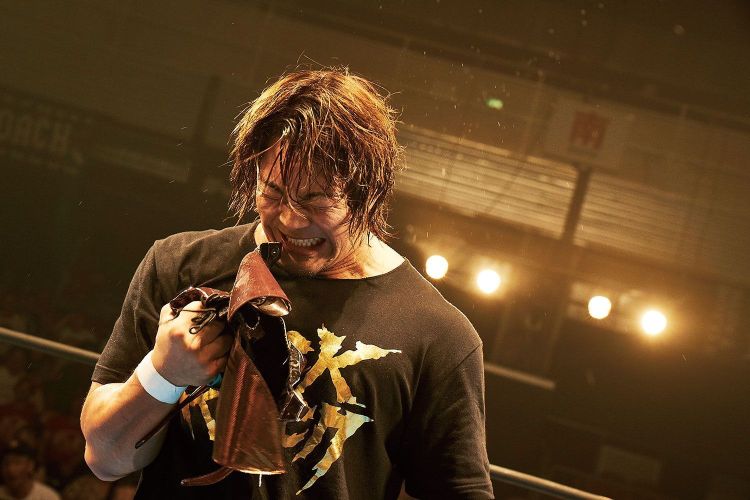
My Dad is a Heel Wrestler

My Dad is a Heel Wrestler still 1Former pro-wrestler Takashi Omura injured his knee and now makes a living playing a “heel” – a cockroach mask-wearing villain of the ring. Takashi’s 9-year-old son Shota had no idea what he does for a living until he snuck into the ring. Horrified to discover he’s such a loser, Shota tells his classmates that his dad’s the hero wrestler Dragon George…
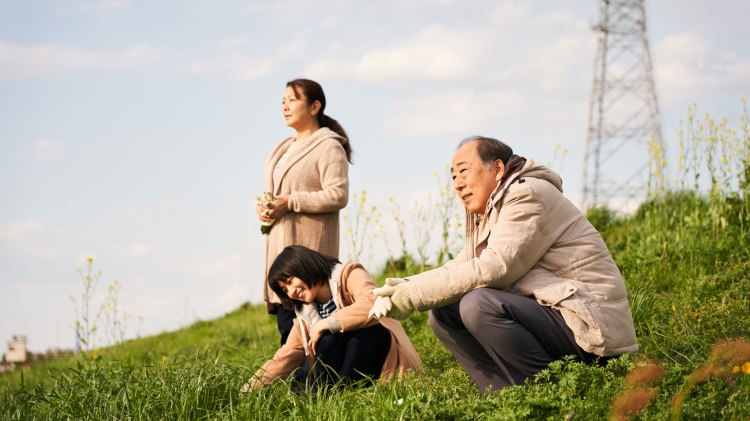
Lying to Mom

lying to mom still 1Yuko is knocked out trying to save her son who has hanged himself in his bedroom. Unfortunately he didn’t make it, but when she wakes up she has no memory of the incident and her family don’t have the heart to tell her what really happened, electing to keep up the elaborate pretence that he is alive and well and living in Argentina. Review.

Shadowfall

Shadowfall bannnerA burglar gets a nasty surprise when he breaks into a house where a woman is preparing to commit a murder!
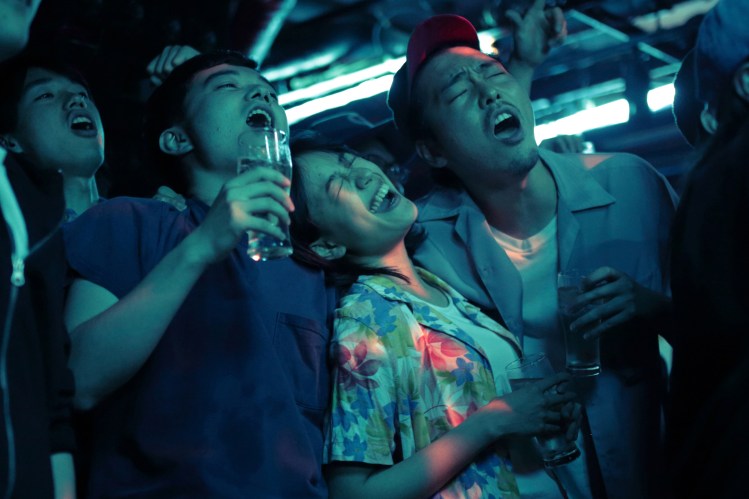
And Your Bird Can Sing

And your bird can sing still 1Three slackers struggle to accept love in modern day Tokyo in Sho Miyake’s contemporary adaptation of Yasushi Sato’s Akutagawa Prize-winning novel. Review.
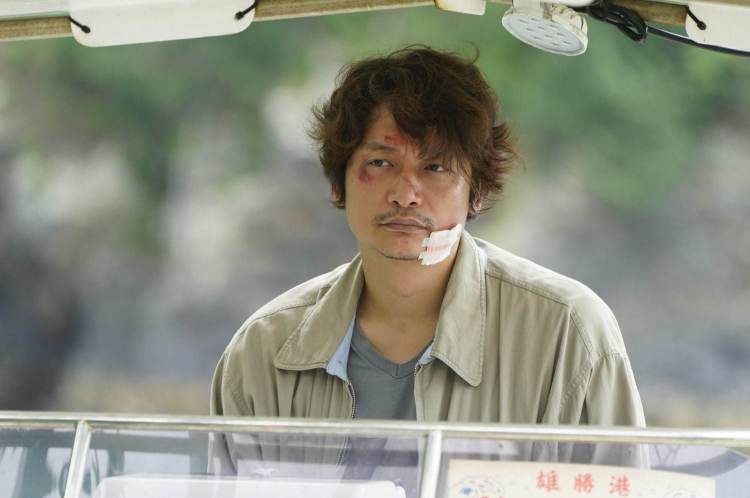
Sea of Revival

Sea of revival still 1A man moves to his partner’s hometown when her father falls ill, but tragedy follows him and his gambling addiction spirals out of control.

The House Where the Mermaid Sleeps

House where the mermaid sleeps still1Kaoruko is separated from her husband and has two small children. One day she gets a call to say that her daughter has drowned in a swimming pool and has been declared brain dead. She and her husband then have a difficult choice to make, donate her organs so another child can live, or wait until her heart stops beating.
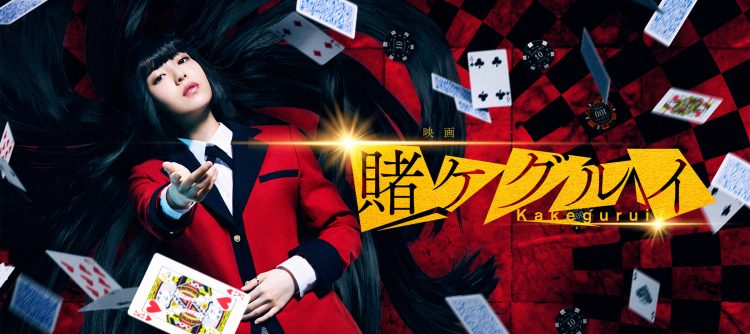
Kakegurui – Compulsive Gambler

Kakegurui bannerIt’s high stakes high school in this adaptation of Homura Kawamoto & Toru Naomura’s gambling manga Kakegurui in which grades are decided at the gaming tables!
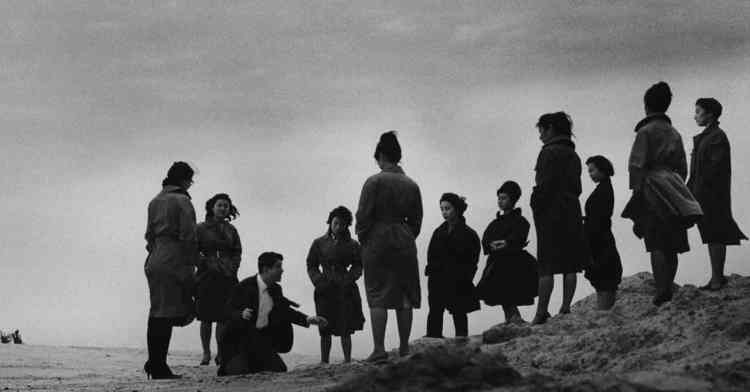
Ten Dark Women

10 dark womenKon Ichikawa’s classic black comedy in which a sleazy TV exec gets his comeuppance when his wife and nine mistresses team up to plot his death.
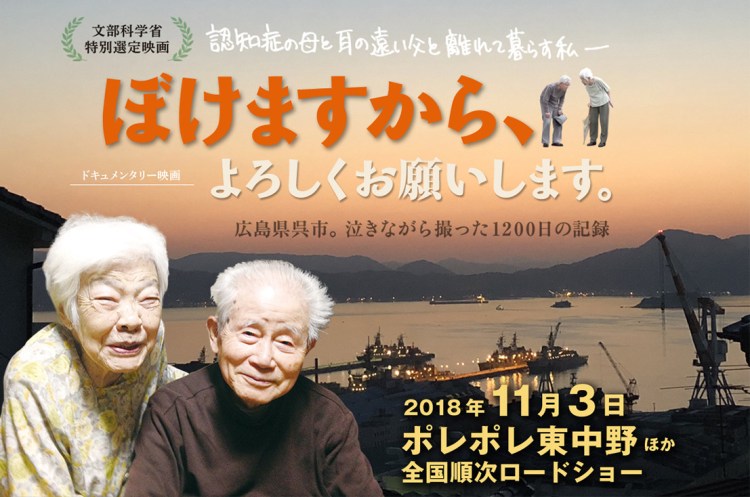
I Go Gaga, My Dear

I Go Gaga, My Dear bannerTV doc director Naoko Nobutomo follows her ageing parents as her mother’s Alzheimer’s-related dementia intensifies. Review.

Ride Your Wave

ride yourwave bannerThe latest feature from Masaaki Yuasa in which a surfer and fireman fall in love only for him to die in an accident at sea which convinces her to stay away from the water until…

The Japan Foundation Touring Film Programme 2020 runs at London’s ICA from 31st January to 16th February before touring to:

Full details for all the films are available on the official Touring Film Programme website. You can also keep up to date with all the year round events organised by Japan Foundation London via their main siteFacebook page, and Twitter account.