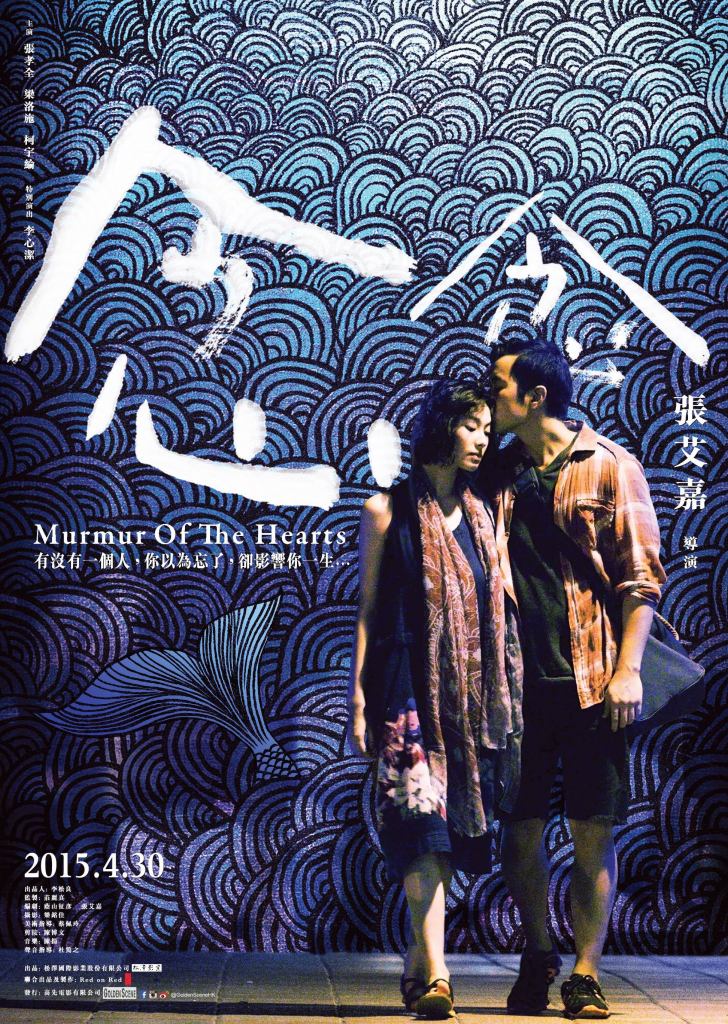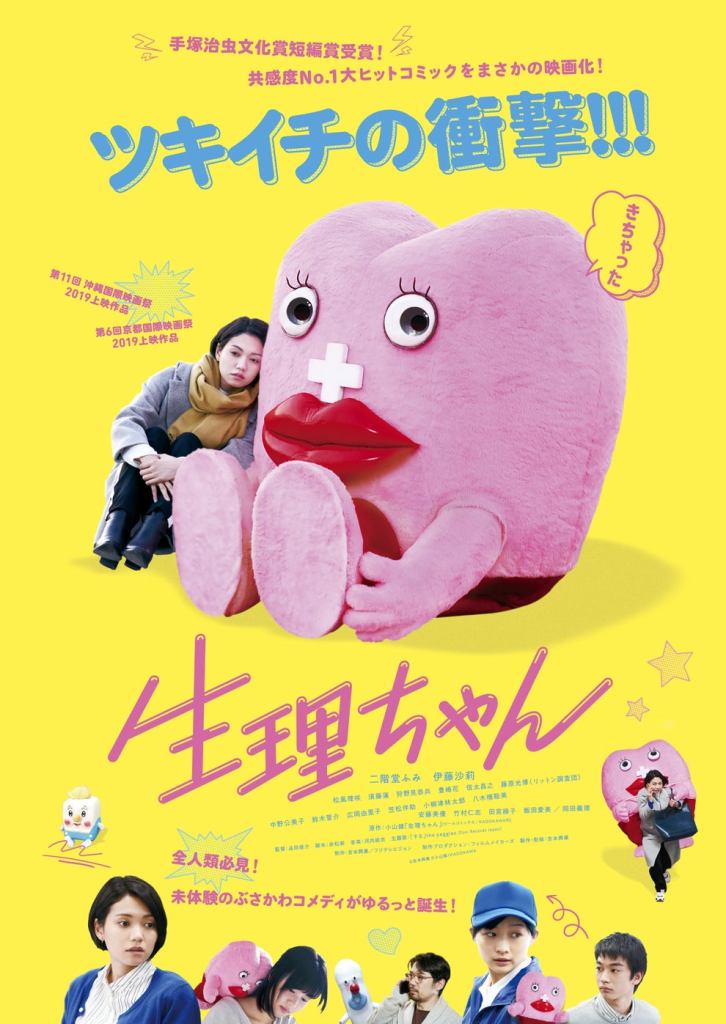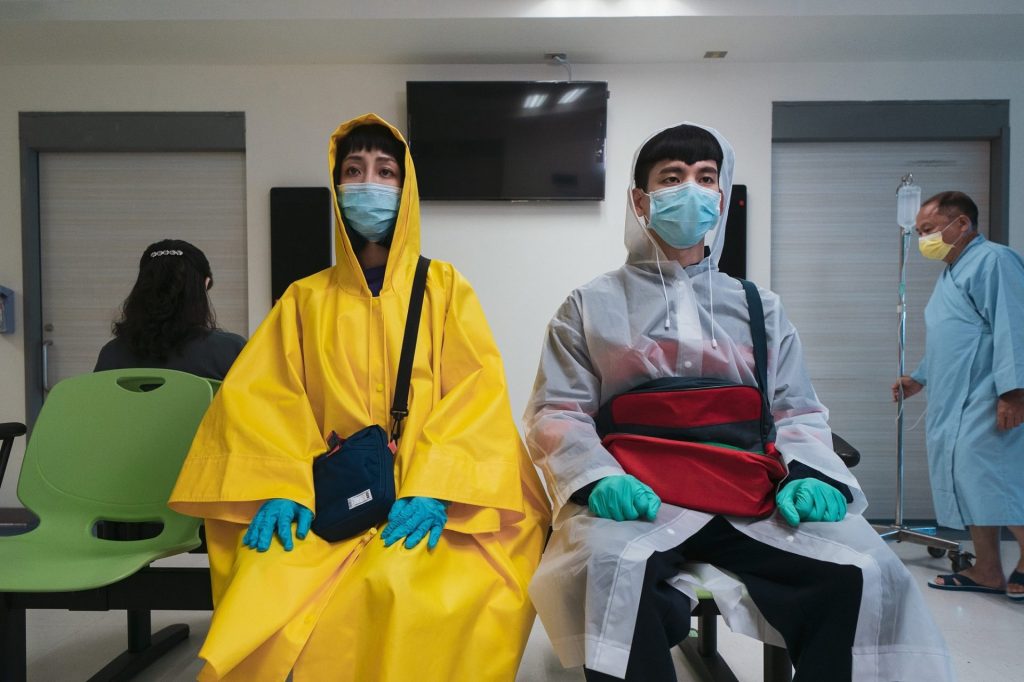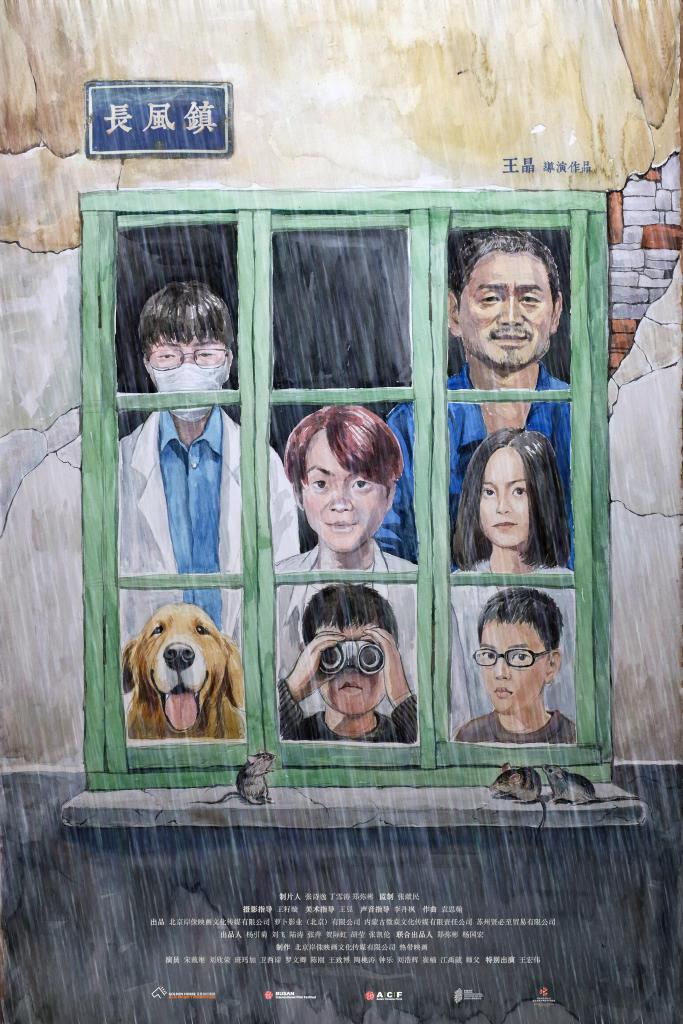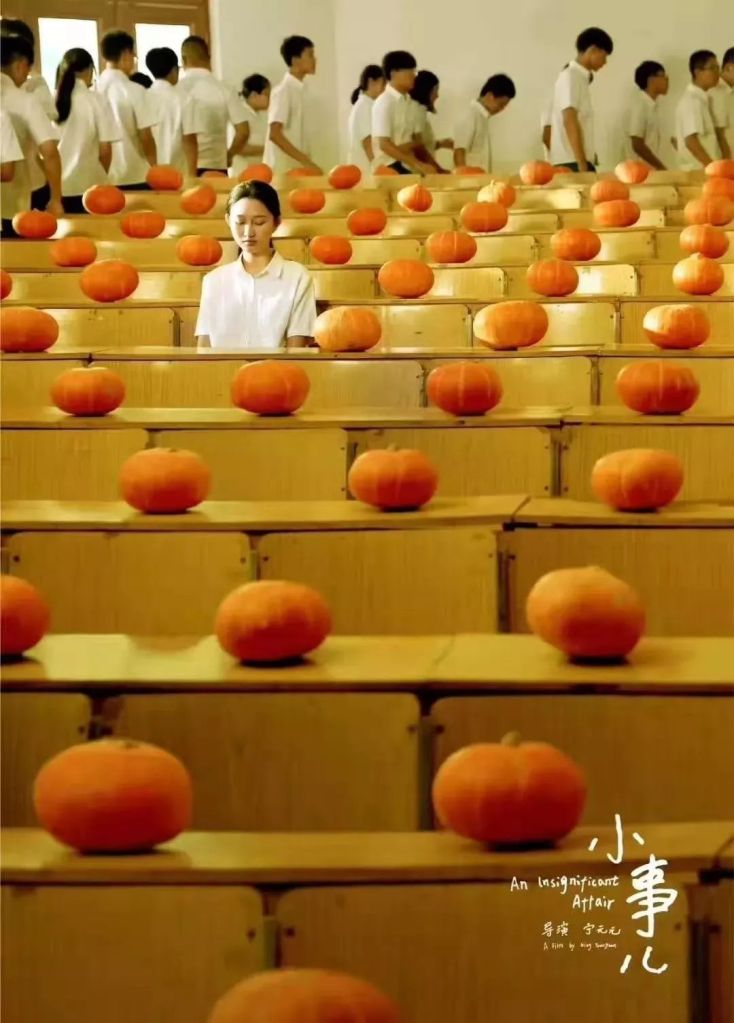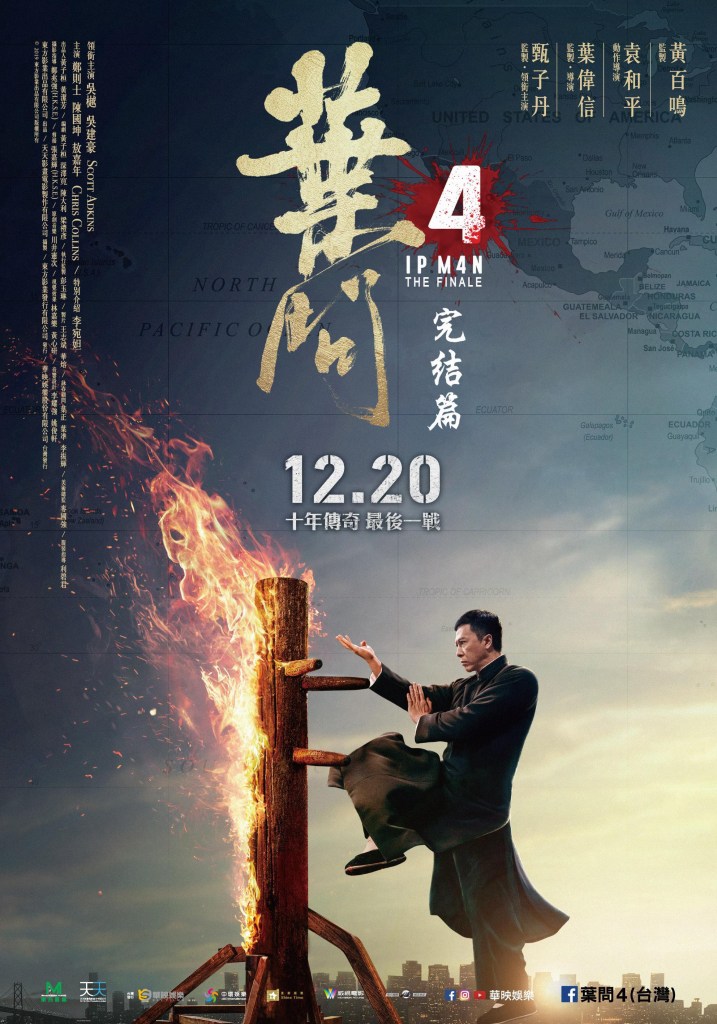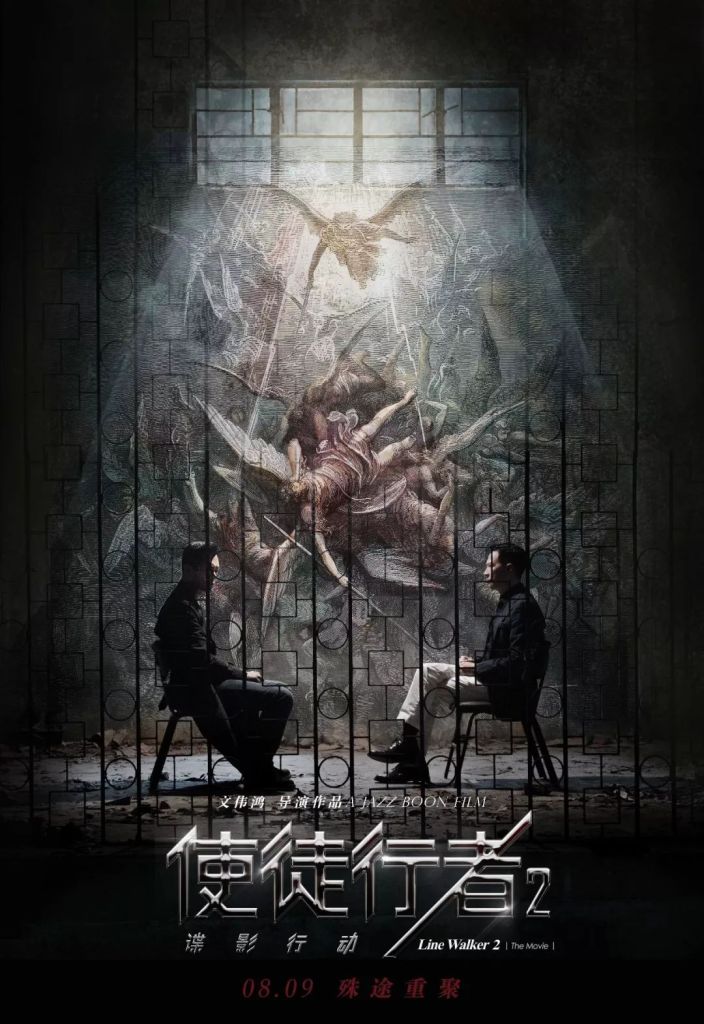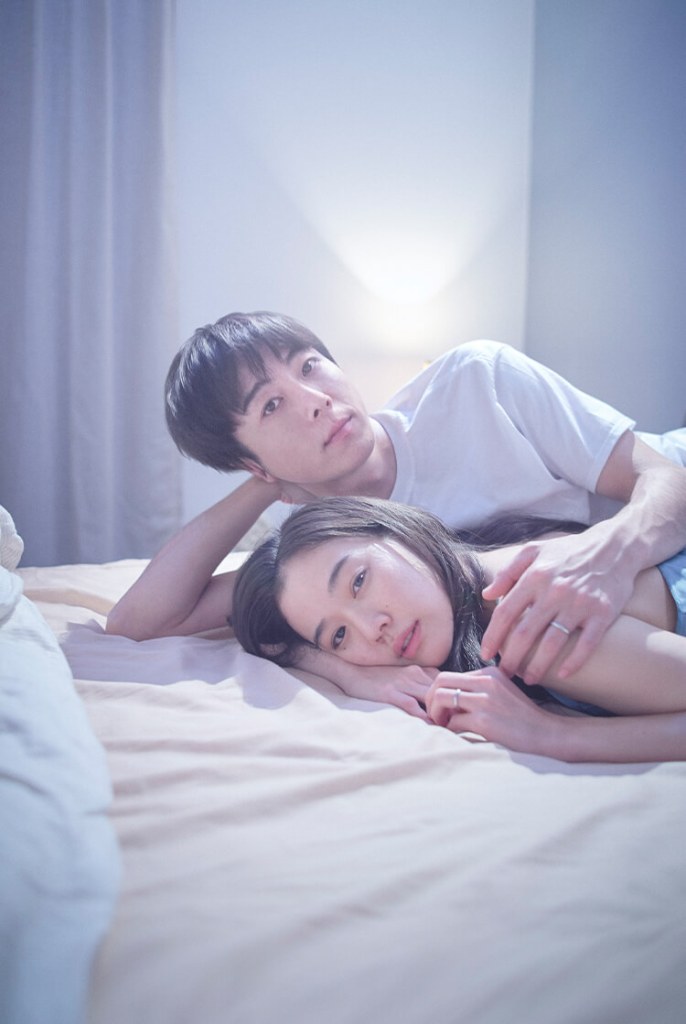

Someone in the Clouds (真愛神出來, Gary Tseng & Mitch Lin, 2019)

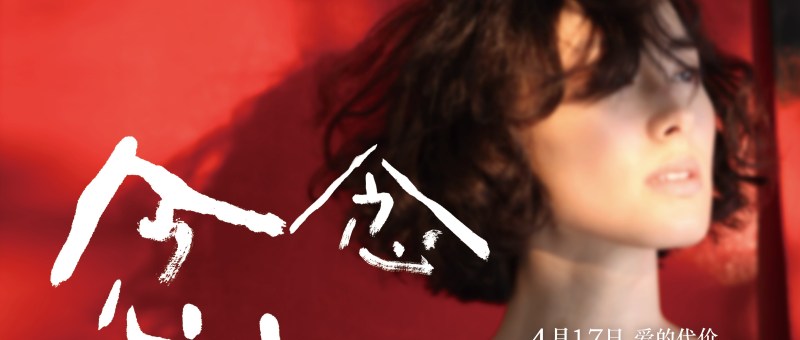
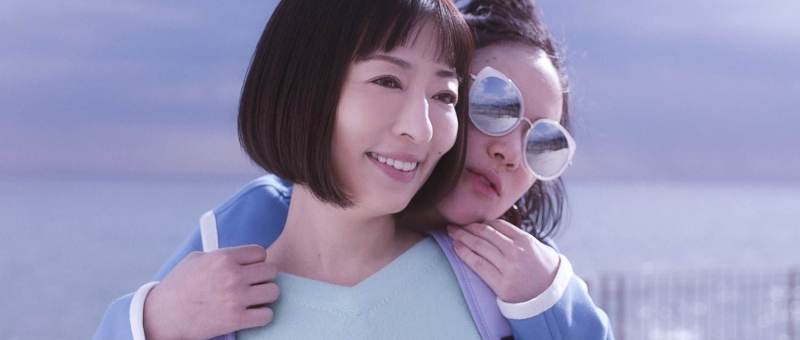
“True love is your own choice, you have to love unconditionally” the cynical fortuneteller at the centre of Someone in the Clouds (真愛神出來, zhēn’ài shén chūlái) is told by Venus herself during an impromptu intervention. Is love fated or a matter of choice? Both, it would seem. At least, that special person might be out there, but you won’t know unless you fully commit. Another in the ongoing series of charming romantic comedies from Taiwan, Someone in the Clouds tackles the divination of love in more ways than one as its romance-averse heroine is forced to look at love from all angles. 

The daughter of a fortune telling family, Hsaio-Pei (Jian Man-shu) makes a living as a tarot reader mostly offering romantic advice to women suffering in love while she herself does not really believe in “the one”. Hsiao-Pei’s cynical, flighty mother declares that the most loveable love letter is a credit card and has been in a constant cycle of failed relationships since divorcing Hsaio-Pei’s father for the crime of working too much. In any case, the drama begins when Hsiao-Pei is spotted by in the subway by cocksure student Chiung-nan (Austin Lin Bo-hong) who tracks her down, walks into her uni tarot club, and wields the cards asking for a date. Not given much opportunity to refuse, Hsiao-Pei goes with it and the two have a beautiful, adolescent romance only for petty insecurities to end up getting in the way. 

According to Venus, all romances begin with “coincidence” but there is no “coincidence” in love. The goddess can guide the way, but the truth, apparently, is that true love is a free choice which is why Venus finds Hsiao-Pei’s mother so particularly annoying seeing as she always backs off when the going gets tough. Thus, Venus guides Chiung-nan to the tarot club for the meet cute, but Hsiao-Pei has to agree to the match. Venus’ parting wisdom is that true love, in a sense, is actually self love in that once you’re happy in yourself and can love unconditionally without expecting anything in return you will find “true love” without even realising it. 

Yet Hsiao-Pei’s path towards such a realisation requires a fair amount of intervention from the increasingly exasperated goddess. A moment of jealousy about some texts from an old girlfriend threatens to bring the whole thing crashing down while Hsiao-Pei relives her climactic moments Sliding Doors style trying to decide what might have been if different things had been said or done. Meanwhile, she continues reading the future for others and “punishing” Chiung-nan by punishing herself in a grim mirror of Venus’ central philosophy. 

Alternatively, as her grandpa claims, all you need to do to be happy is be kind and generous in the knowledge that life is short. This is a life lesson he imparts to Chiung-nan’s buxom cousin, a super popular online glamour model currently engaged to a wealthy Singaporean air steward who was originally taken by the idea of annoying his conservative parents with a surprise marriage to a modern girl but is now waking up to the major implications of his reckless decision. More words of wisdom come from Hsiao-Pei’s friend Panhai who takes a cheating ex back because she feels he needs her, replying to Hsiao-Pei’s criticism that need is not love with the reasoning that not everyone can tell the difference. 

True love is, according to the goddess at least, as simple as deciding to be happy. She can point the way, but in the end it’s up to the individual to claim their right to happiness or dwell in cynical misery for evermore. A whimsical coming-of-age romance, Someone in the Clouds finds that love is fate and free will in equal measure in which there are no “coincidences” only brief moments of transition standing in for destiny. What Hsiao-pei learns is that in order to achieve romantic happiness she’ll have to put her cards on the table for someone else to read while resolving to accept another interpretation in order to make a “free” choice with the spirit of kindness and generosity which allows her to forgive both herself and others. 


Someone in the Clouds was screened as part of the 2019 New York Asian Film Festival.

Original trailer (Traditional Chinese subtitles only)

Travelling Actors (旅役者, Mikio Naruse, 1940)

“You can’t have a horse without the ass” admits a travelling actor, inwardly preparing to meet his obsolescence. Anything’s an art if you care to practice it, but there is such a thing as taking yourself too seriously. A masterclass in tragicomedy, Naruse’s 1940 character study Travelling Actors (旅役者, Tabi Yakusha) finds two ends of a pantomime horse about to be torn apart when their act is unwittingly destroyed by a resentful punter whose drunken attempt to escape his sense of humiliation in being tricked by unscrupulous promoters leaves their horse without a head. 

Hyoroku (Kamatari Fujiwara) prides himself on being the “Danjuro of pantomime horses”, performing with the younger Senpei (Kan Yanagiya) who looks up to him as if he really were a great master of the arts. The guys are part of a group of travelling players touring rural Japan performing traditional skits for an audience starved of entertainment. The troupe is not, however, above exploitative business practices, proudly advertising the appearance of “Kikugoro” but neglecting to mention that it’s not the famous one, just another guy with the same name. Meanwhile, someone has to foot the bill for “producing” the show wherever the actors land, leading the exploitative producers to convince a local barber (Ko Mihashi) to invest, hoping to get a little free publicity because he’s known to be the town gossip and can spread the word through his shop. The plan backfires, however, when he travels to the station to see them arrive and immediately realises they are not a fancy acting company from Tokyo but a bunch of ragged bumpkins. Feeling thoroughly fed up, he demands to be allowed to perform in the show as the price of his silence before getting black out drunk and passing out backstage, crushing the papier-mâché horse’s head in his desperation to find somewhere soft to land. 

As “Kikugoro” points out, the “guy who plays the pantomime horse is really picky” so they know they’re in for some trouble as soon as he finds out what’s happened to his head. In fact, Hyoroku was just in the middle of some remodelling, trying to make the head look even more realistic to improve his art. While the barber is destroying his life’s work, Hyoroku and Senpei are drinking with a pair of geishas who are pretending to be interested in Hyoroku’s mini lecture about his process in which he tells them all about how he’s really captured the true essence of the horse through patiently honing his craft all these long years. 

There might be something in that, that Hyoroku is a workhorse of the theatre now more beast than man. Just occasionally, his horsey mannerisms come out in his offstage life, scratching the floor with his feet or pacing the room like a penned in pony. Though there are other sides of him which are painfully human. He makes a point of belittling Senpei in front of the geishas, insulting his art to assert his place as the teacher, always keen to keep his pupil in his place. But as Senpei points out, you can’t have a horse without the ass, and his “art” is no less important than Hyoroku’s. Continuing to take himself way too seriously, Hyoroku refuses to perform with the broken head, flatly objecting to the suggestion of substituting one from the fox costumes because he can’t get into character when his head’s in the wrong place. 

Faced with the prospect of cancelling the show, the producers come up with a radical idea – hiring a real horse. In a still more ironic touch, they even sell this horse who is making his stage debut as a star in his own right, only realising the dangers of their situation when it urinates right in the middle of the act. Weirdly, that only makes the horse a hit and convinces the troupe they’re on to a winner, which is bad news for the boys because who wants to see two guys in an ugly costume when they could be gazing at the real thing. The days of the pantomime horse are ending, but where does that leave a “great master” like Hyoroku who has spent his life becoming more horsey than a horse? Kicked out of the inn and forced to sleep backstage as non-performers, the guys eventually suffer the indignity of being offered jobs as stable boys, mere servants to the star who has replaced them. 

In an unguarded moment, Hyoroku and Senpei reflect on where they are as a young man in a soldier’s uniform leads a patient horse off to war. “That could be us” they sigh, though it’s not clear if they mean the man or the horse, before going back to horsing around eating shaved ice and flirting with the store owner. “I’m just the horse’s ass”, Senpei laments, secretly hoping to become a “real” actor at last, only for Hyoroku to uncharacteristically start encouraging him before dragging him off on another crazy adventure. Putting the fox’s head on to make a point, Hyoroku disappears into the role, chasing his rival right out of town, dragging his back legs behind him as he goes. 


Punishment Room (処刑の部屋, Kon Ichikawa, 1956)

In the mid-1950s, Nikkatsu released a series of incendiary youth films which gave rise to a small moral panic in the older generation. The “Sun Tribe” movies proved so controversial that Nikkatsu could only release three of them before bowing to public pressure while Toho and Daiei both managed to release one each, bringing the total up to five. Produced by Daiei, Kon Ichikawa’s contribution to the Sun Tribe phenomenon, Punishment Room (処刑の部屋, Shokei no Heya), adapted another novel by Crazed Fruit’s Shintaro Ishihara who had, it seems, managed to capture something of the nihilistic spirit of the age.

Among the darkest of the Sun Tribe tales, Punishment Room follows near sociopathic university student Katsumi (Hiroshi Kawaguchi) as he works out his frustration with his hangdog father Hanya (Seiji Miyaguchi) by kicking back against societal rigidity. Hanya is a bank clerk with some kind of stress-related stomach complaint for which he is forever taking medicine. One particular day, Katsumi and his friend Hideo (Shoji Umewaka) turn up to run some kind of scam on him, insisting that Hideo’s family are in dire straits because his dad’s working abroad and they don’t have money to make a payment on a loan. The boys want Hanya to buy the note of debt as security and lend them 30,000 yen, something which isn’t really allowed but he ends up taking out half of his own life savings to avoid embarrassing or being embarrassed by his own son in the workplace. The boys, however, were just trying to extort him and planning to use the money to host a college dance while making a little extra on the side. 

At this point, most still seem to feel that Katsumi is a “nice kid”, while Hideo is a bad influence. His middle school best friend Ryoji more or less says as much, but no one really knows the extent to which Katsumi is already becoming a black hole of nihilistic fury. His ire is provoked during a college debate session at which he’s outtalked by smart female student Akiko (Ayako Wakao) and abruptly cut off by the bored professor (Nobuo Nakamura). Despite knowing that one of his buddies has a crush on her, Katsumi makes a point of picking Akiko up during the chaos of celebration after a sports game. Along with Hideo and another, more innocent student they nickname “Sonny”, Katsumi takes Akiko and her friend to a nearby drinking house, popping out to buy sleeping pills and eventually spiking their drinks while they use the bathroom, knocking Sonny out for good measure to stop him getting in the way. After dragging the barely conscious girls back to Hideo’s family home, they take one each and rape them. On waking Akiko is defiant, threatening to call the police but an unrepentant Katsumi insists that she won’t be believed. Not content with their humiliations, the guys even insist on taking the girls home by cab only to run out and leave them with the bill. 

Katsumi is is equally unrepentant when someone sends his family a letter informing them of his conduct, admitting that the allegations are true but insisting that the women are complicit because they did not report him to the police. He even refers to Akiko, who has after a fashion fallen in love with him, as “sort of my girlfriend”. Hanya ironically blames his wife whom he has treated with nothing but contempt, giving his son a crash course in a inherited misogyny, but she turns the same logic of toxic masculinity back on him in pointing out that his own passivity is the major cause of his son’s resentful rebelliousness. If Katsumi is rebelling against something rather than just a sociopathic little punk, it is indeed the spinelessness he sees in his father, obliged to scrape and bow for a mere pittance as a “wage slave” of a cruelly conformist society. 

An angry young man, Katsumi preemptively rejects the salaryman straightjacket by rebelling against conventional morality. “I do what I want” he insists, as if proving that he’s a free agent acting under force of will alone and beholden to no one. His efforts are however, futile. His amoral violence buys him nothing but the same in return. Denied a mechanism for dealing with emotion, contemptuous of hollow authority figures, and infinitely bored by a society they believe has nothing to offer them bar empty consumerism, post-war youth seeks escape but finds only nihilistic self-destruction, trapped in a perpetual Punishment Room with no exit in sight. 


Opening Scene (no subtitles)

New York Asian Film Festival Returns for Second Winter Showcase

NYAFF is back for its second Winter Showcase and this time around the theme is food! Each of the seven films screening from Feb. 14 – 16 at SVA Theatre will be paired with a selection of matching cuisine available after the screening.

Friday Feb. 14, 7pm: Extreme Job

Bumbling Cops open a chicken shop as a cover for staking out a suspected drug den only for the store to prove an unexpected success. Review.

Food: BBQ Chicken Ktown will be on hand with some specially prepared “Galbi” fried chicken just like in the movie.

Saturday Feb. 15, 1pm: Tampopo

A truck driver helps a struggling widow perfect her soup in Juzo Itami’s classic ramen western! Review.

Food: “Tampopo” tonkotsu ramen by Brooklyn Ramen

Saturday Feb. 15, 3.30pm: Eat Drink Man Woman

A master Taiwanese chef faces changing times as each of his three, very different daughters, considers their futures.

Food: Taiwanese casual dining from 886!

Saturday Feb. 15, 6.30pm: God of Cookery

Classic 1996 Stephen Chow comedy about a cynical “chef” who actually knows nothing about cooking but runs a successful food empire.

food: Asian food specialists Char Sue offer up their take on “Char Siu Rice”.

Sunday Feb. 16, 1pm: The Lunchbox

Romantic drama in which a lonely widower strikes up a friendship with an unhappily married woman after accidentally receiving a lunch box intended for her husband.

Food: Chapati Man’s spicy Indian wraps.

Sunday Feb. 16, 3.30pm: Zone Pro Site: The Moveable Feast

A young woman returns home to the country after failing in Taipei but is disappointed to discover her family restaurant has been reduced to a single noodle stand. Luckily, a master chef agrees to help them get back on their feet.

Food: second helpings from 886!

Sunday Feb. 16, 6.30pm: The First Supper

A family reunites for their father’s funeral, sharing their memories of him through the food that he cooked while reaching new understandings in this foodie family drama from Japan.

Food: Takoyaki bites from Karl’s Balls!

The New York Asian Film Festival Winter Showcase runs February 14 – 16 at SVA Theatre. Tickets are available now via Elevent and you can keep up with all the latest news including the upcoming summer season via the festival’s official websiteFacebook page, and Twitter account.

Tales of Ginza (銀座二十四帖, Yuzo Kawashima, 1955)

“If we all work together we can make Ginza’s night, no the whole world, bright and at peace” insists the hero of Yuzo Kawashima’s chronicle of changing times Tales of Ginza (銀座二十四帖, Ginza 24 Chou), trying to sell a brighter post-war future to a jaded reactionary. By 1955, the consumerist revolution was already on the horizon, and nowhere did it beckon as invitingly as in the upscale Ginza with its elegant department stores and swanky nightlife, but as Hiroshi Shimizu’s Tokyo Profile had shown two years earlier, it wasn’t all glitz and glamour. The world looked very different to the people who lived and worked in the city within a city than it did to those who just dropped in to have a good time. 

Our hero, the incongruously named Mr. Coney (Tatsuya Mihashi), is an earnest florist doing his best to brighten up the city. He’s taken three orphaned teenage girls into his shop, allowing them to support themselves honestly while he teaches them valuable skills, and has also employed the rather less earnest Jeep (Asao Sano). Jeep has had trouble with drug dependency in the past and, Coney fears, is drawn to the easy pleasures of the post-war underworld. The main drama kicks into gear when the upper middle-class Wakako (Yumeji Tsukioka) wanders past the shop and fancies a few roses, asking one of the girls to deliver them to her home later in the day. 

Wakako is currently in the middle of arranging some paintings which belonged to her late father for an exhibition in a gallery where she hopes to sell them. As we discover, she’s in need of money fast because she’s become estranged from her husband, Kyogoku (Seizaburo Kawazu), who has been seduced by post-war criminality. Wakako wants a divorce, but the situation is complicated by the fact her mother-in-law has taken custody of her daughter. In the course of sorting through paintings, the gallery owner spots one Wakako didn’t really want to part with – a portrait of herself as a teenager painted by one of her father’s apprentices when they lived in Manchuria during the war. The painting is signed “G.M”, and the only concrete thing Wakako can remember is that the boy was called “Goro” and was a beautiful, kind soul whom she’d dearly like to see again. 

The “G.M” mystery begins to whip up a small storm in the already volatile Ginza. Coney comes to believe that his older brother, whom he’d long believed to be dead, may be the man Wakako’s looking for but he doesn’t really want to say so until he’s 100% certain. Meanwhile, there are a surprising number of GMs in the city, including a rather sleazy, womanising “doctor” (Toru Abe) who goes to the papers and tells them he painted the picture though Wakako is not convinced and would be a little disappointed to think the man she wondered about all those years turned out to be a cheesy lounge lizard. Other contenders include a melancholy baseball scout (Shinsuke Ashida) who turns out to have connections to the underworld, and, unbeknownst to Coney, the drugs kingpin of post-war Japan known as the “G.M. of Ginza”. 

Drugs are something that Coney is particularly worried about. He’s seen the effect they’re having on his city, and resents that their influence is making Ginza “dark”. The orphaned girls he has working at the shop all lost their parents to drug abuse, and Coney has made getting Jeep off the stuff a primary goal. Jeep, however, is unconvinced. He thinks Coney is a sucker, and that floristry isn’t a profession for a grown man. In part, he’s kicking back against Coney’s well-meaning paternalism, but is also attracted by the flashing neon signs and easy pleasures of the modern Ginza of which the drugs trade is an increasingly big part. For Jeep, the post-war future is one of amoral and thoughtless hedonism, getting rich quick though low level, “innocent” crime, like peddling drugs and porn. 

Wakako too is tempted by that future, though mostly through lack of other options. She’s planning to open a bar with the money from the paintings, but eventually decides to go into business with Coney, working for his brighter future in the florist’s. The pair perhaps fall in love, but the future is still too uncertain for romance. Wakako refuses to see her husband, insisting only on obtaining a divorce and with it her freedom. Coney volunteers to talk to him on her behalf, essentially arguing that his wife will he happier with him because the kind of future they desire is essentially the same. Kyogoku cannot really argue with him. He is a sad and broken man who realises that his choices have robbed him of the future he desired, forced onto the run unable to see his wife and daughter. He justifies himself with the rationale that if he didn’t run drugs in Ginza, “foreigners” would take over and crime would be rampant. He claims that life is survival of the fittest, and that he has no need of love. Kyogoku never felt loved by the aristocratic mother who raised him only as an heir to their name. The only time he felt loved was by his best friend who was, he says, murdered because he lacked power and because his good heart made him weak. 

There maybe something a little reactionary in Coney’s moral absolutism. He condemns his brother for getting involved with student politics which made him “hate Japan”, though he later signs a student petition himself, and has only contempt for Ginza’s famous nightlife while willingly wandering through it selling flowers to romantically-minded guys in bars, but does his best to avoid judgment as he tries to coax those he feels have strayed back onto a better path. Coney believes in a brighter future where good people work together peacefully, while the Kyogokus of the world are content to plunge us all into darkness in a nihilistic pursuit of empty pleasures. No one really “wins” in the end. Coney gets some answers, but remains too diffident to fight for love, while Wakako is perhaps prevented from doing so in feeling called towards another kind of future, which is in effect the past, because of her maternity. Ginza is changing, and you can’t change it back, but you can do your best to be your best, saying it with flowers if with nothing else.


Currently available to stream on Mubi in the US.

Opening titles (no subtitles)

Blue Ribbon Awards Announces Winners for 62nd Edition

The Blue Ribbon Awards, presented by film critics and writers in Tokyo, has announced the winners for the 62nd edition which honours films released in 2019. Crowd pleasing comedy Fly Me to the Saitama continues its awards season success by taking Best Film while Tetsuya Mariko picks up a best director award, and Kiichi Nakai and Masami Nagasawa take home Best Actor and Actress respectively. The awards will be presented at a prize giving ceremony at Iino Hall on 18th February.

The winners in full:

Best Film

Winner: Fly Me to the Saitama – broad comedy in which the residents of Saitama have become an oppressed minority.

Best 10

“Best 13” because there was a four way tie. Presented in no particular order.

  • The Great War of Archimedes – wartime drama from the director of The Eternal Zero starring Masaki Suda as a maths genius trying to expose corruption in the military.
  • Welcome Back, Tora-san – 50th anniversary tribute to Yoji Yamada’s long running Tora-san series.
  • Talking the Pictures – Masayuki Suo’s tribute to the age of the “benshi” silent movie narrator.
  • Hit Me Anyone One More Time – latest from Koki Mitani in which a man gets a blow on the head and loses his memory only to be told he is actually the prime minister of Japan!
  • Kingdom – “wuxia” manga adaptation from blockbuster maestro Shinsuke Sato.
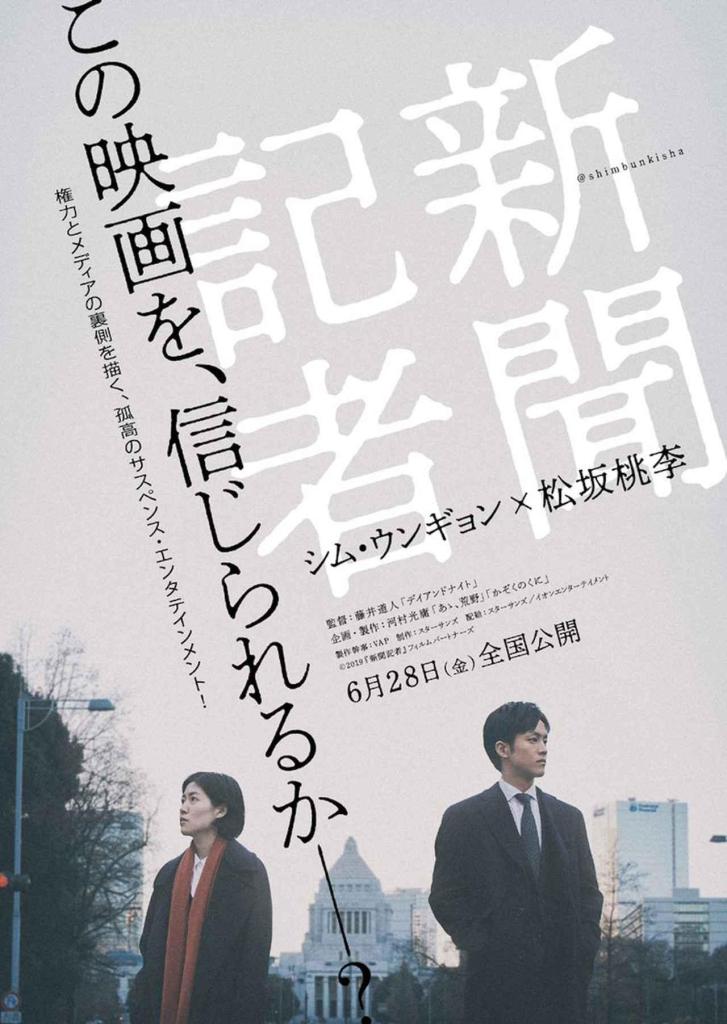
  • The Journalist – political thriller starring Shim Eun-kyung as a reporter attempting to expose governmental corruption and Tori Matsuzaka as a conflicted civil servant.
  • Weathering with You – latest animation from Makoto Shinkai in which a boy runs away from home and meets a girl who can control the weather.
  • Fly Me to the Saitama – broad comedy in which the residents of Saitama have become an oppressed minority.
  • Sea of Revival – drama from Kazuya Shiraishi in which a man moves back to his partner’s home town but finds that trouble follows him.
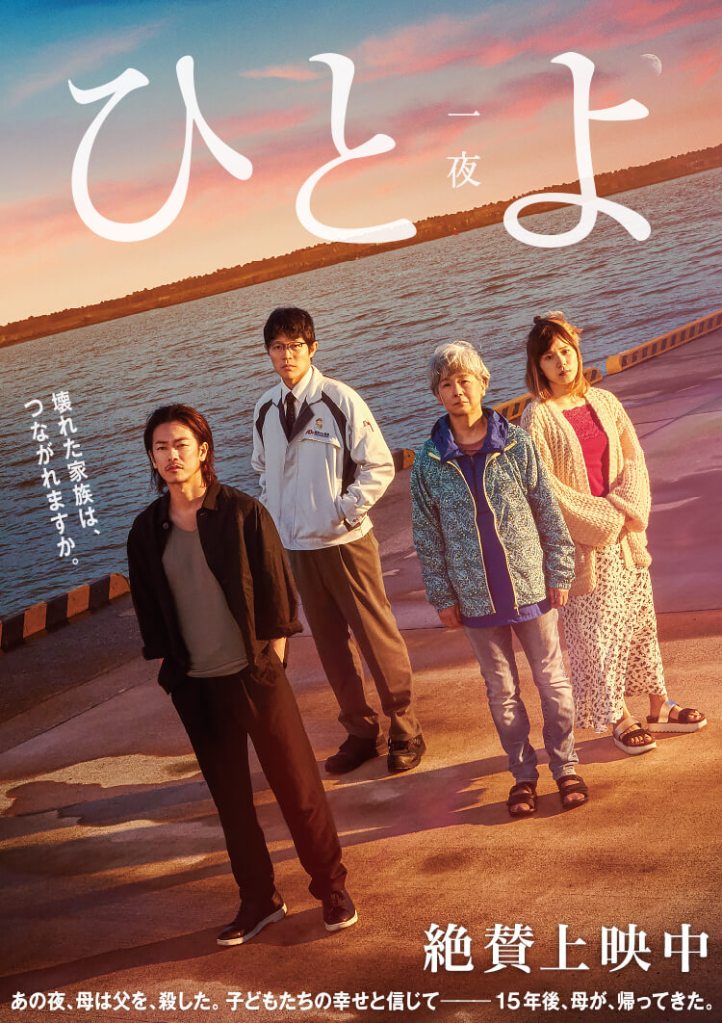
  • One Night – drama from Kazuya Shiraishi in which a scattered family reunites 15 years after one traumatic night.
  • Masquerade Hotel – mystery starring Takuya Kimura as a detective working undercover at a hotel where he clashes with front desk manager Masami Nagasawa as they try to catch a serial killer.
  • Listen to the Universe – adaptation of Riku Onda’s novel following four aspiring concert pianists directed by Kei Ishikawa (Gukoroku: Traces of Sin)
  • From Miyamoto to You – sequel to a TV drama directed by Tetsuya Mariko (Destruction Babies) starring Sosuke Ikematsu as a shy salesman who falls for Yu Aoi’s office worker.

Runners up

(titles from the long list which didn’t make the final cut. No particular order)

  • It Feels So Good – steamy drama from screenwriter Haruhiko Arai in which a bride-to-be (Kumi Takiuchi) reconnects with an old flame (Tasuku Emoto)
  • The Confidence Man JP – big screen outing for a TV drama starring Masami Nagasawa as a conwoman.
  • The Bucket List – Isshin Inudo’s remake of the US comedy starring Sayuri Yoshinaga and Yuki Amami as two terminally ill women who find the bucket list of a 12-year-old girl and decide to follow it.
  • 12 Suicidal Teens – 12 depressed teens meet in a disused hospital to die but discover new will to live after investigating a murder.
  • Typhoon Family – family drama in which siblings reunite 10 years after their parents robbed a bank and disappeared.
  • Another World – Three high school buddies reunite in their small-town home hoping to restore the easy bond of their adolescence while battling middle-aged disappointment in the latest from Junji Sakamoto.
  • Closed Ward – drama in which a murder occurs at a psychiatric hospital.

Best Director

Best Actor

  • Shingo Katori (Sea of Revival)
  • Masaki Suda (The Great War of Archimedes)
  • Kiichi Nakai (Hit Me Anyone One More Time)
  • Ryo Narita (Talking the Pictures)
  • Tori Matsuzaka (The Journalist, Iwane: Sword of Serenity)

Best Actress

  • Yu Aoi (A Long Goodbye)
  • Masami Nagasawa (The Confidence Man JP)
  • Fumi Nikaido (Fly Me to the Saitama)
  • Mayu Matsuoka (Listen to the Universe)
  • Riho Yoshioka (Blind Witness)
  • Sayuri Yoshinaga (The Bucket List)

Best Supporting Actor

  • Go Ayano (Closed Ward)
  • Itsuji Itao (My Father, the Bride; The 47 Ronin in Debt)
  • Kiyohiko Shibukawa (Another World, Closed Ward)
  • Ryo Narita (ChiwawaFly Me to the Saitama, Farewell Song, No Longer Human)
  • Tori Matsuzaka (Listen to the Universe)
  • Ryo Yoshizawa (Kingdom)

Best Supporting Actress

  • Yuki Amami (The Bucket List)
  • Chizuru Ikewaki (Another World)
  • Nana Komatsu (Samurai Marathon, Closed Ward)
  • Masami Nagasawa (Masquerade Hotel, Kingdom)
  • Mayu Matsuoka (One Night)
  • MEGUMI (Typhoon Family; Little Nights, Little Love; One Night)

Best Newcomer

Best Foreign Film

Winner: Joker

Foreign Film Best 10

(11 because of a tie. No particular order)

  • Frozen 2
  • Aladdin
  • Yesterday
  • Green Book
  • Godzilla: King of the Monsters
  • City Hunter (French live action movie)
  • Joker
  • Star Wars: The Rise of Skywalker
  • Spider-Man: Into the Spider-Verse 
  • The Mule
  • Once Upon a Time in Hollywood

Runners up

(titles from the long list which didn’t make the final cut. No particular order)

  • The Irishman
  • The Spy Gone North
  • The Favourite
  • The Truth (Koreeda)
  • Toy Story 4
  • Mary Queen of Scots
  • Detective Pikachu
  • Lion King
  • Rocketman

Sources: Eiga Natalie, Sports Hochi

Parasite (기생충, Bong Joon-ho, 2019)

“So metaphorical!” the ambitious son at the centre of Bong Joon-ho’s class war melodrama Parasite (기생충, gisaengchung) is fond of saying, and he’s right – it really is. “Hell Joseon” rears its ugly head again, only it’s not just the young who can’t climb out but mum and dad too. Sticking together all the way, this enterprising family have realised that the only way they’re going to enjoy the fruits of the modern society is by becoming hangers on, feeding off someone else’s perhaps unfairly gotten success, and if that means stomping on a few others just like them to get there then so be it. There’s no room for love or fairness in a class war. 

The Kims – mum Chung-sook (Chang Hyae-jin), dad Ki-taek (Song Kang-ho), and grown up kids Ki-woo (Choi Woo-shik) and Ki-jung (Park So-dam), all live together in a tiny semi-basement apartment in a rundown slum. Unable to find steady jobs, the family make ends meet with casual jobs like folding pizza boxes while cadging wi-fi to look for better opportunities. Better opportunities only arise, however, thanks to Ki-woo’s upper middle-class college kid friend Min (Park Seo-joon) who brings them a special gift from his dad of a stone said to attract wealth, and a hookup for Ki-woo with a possible job coaching the pampered daughter of a superrich tech entrepreneur. After faking his credentials, Ki-woo gets the job, and wastes no time at all bringing in his sister as an “art tutor” for the couple’s apparently “troubled” young son. Together, they conspire to get the chauffeur fired so dad can take over, and then plot to do the same to the housekeeper so mum can come too, colonising the house and living alongside the wealthy Parks with a view to someday ousting them. 

The house, a fabulously modern take on the traditional designed by a famous architect who sold it to the Parks when he moved to France, is a kind of “host” in itself. We might not all admit it, but there are few of us who would not want to live in a house like this, especially if we feel it has been deliberately placed out of our reach. The Kims are envious, yes, but not perhaps malicious. They simply want a kinder life, one free of the anxiety of always having nothing and then getting that taken away from you too. In a running gag, a drunk keeps peeing right in front of the Kims’ window, and later they literally find themselves drowning in a river of shit when torrential rain causes the local sewer system to backup and flood their fetid, low-lying slum forcing everyone into a makeshift “evacuation” centre where insincere public servants try to make excuses about not being bothered enough to make sure those with no money don’t drown just because it rained. 

The Kims aren’t bad people, but their desperation means they can’t afford to be kind. The true “villains” of Parasite aren’t the Parks or the Kims themselves, but the system which forces one set of oppressed people to oppress another. The Kims know they’re responsible for displacing people just like them – getting the driver fired, going after the housekeeper, etc, but they can’t afford to think about it, pausing only to wonder if maybe they found other jobs once they themselves start to feel comfortable. “She’s rich but still nice” Ki-taek says of Mrs. Park (Cho Yeo-jeong), only for his wife to counter no, “she’s nice because she’s rich”. Mrs. Park can afford to be nice because she has plenty. She has no need to worry about taking things from others, and is secure enough not to have to worry about people taking things from her. That makes her easy pickings for a family like the Kims, but it also hints that “niceness” is the natural condition of being human, the way we’re supposed to behave to each other in an ideal world where none of us are hungry or afraid. 

Then again, the Parks are not wholly “nice” even if they are polite in a superficial, wholesome sort of way. Mr. Park (Lee Sun-kyun) in particular has a curiously feudal outlook in which he is perpetually preoccupied with the idea of his servants “crossing the line”, making it plain that there is a clearly defined border between those who rule and those who serve. The Parks’ young son is the first to notice that the Kims all smell the same even if he does so innocently, they all obviously use the same soap and detergent after all. Mr. Park, however, later takes it further, complaining about the way Ki-taek stinks up his car, resenting the smell of “poverty”, the mustiness born of living with damp and mould. To him, the Kims are not so much different from stink bugs, squatting in his home, members of “the great unwashed” unfit for his society. 

He does, however, need them. The Parks are as dependent on the Kims as the Kims are on the Parks, and they all need the house. Unfortunately, peaceful coexistence seems to be a distant possibility in a world of such fierce inequality as to encourage the most casual of cruelties. “All you have to do is walk up the stairs” Ki-woo later tells his father, but that’s easier said than done, especially when everything is telling you that you’ll always belong in the basement. 


Parasite is released in UK cinemas on 7th February.

UK release trailer (English subtitles)
Madame White Snake (白夫人の妖恋, Shiro Toyoda, 1956)

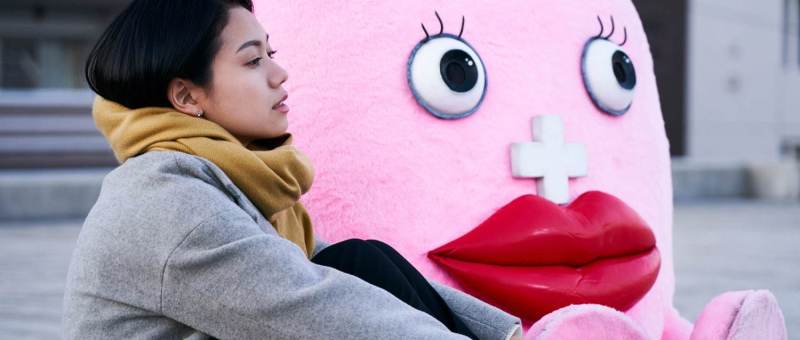
A studio director at Toho, Shiro Toyoda was most closely associated with adaptations of well respected works of literature, often with an earthy, humanist touch. He might then be an odd fit for a tale of high romance co-produced with Hong Kong’s Shaw Brothers and inspired by a classic Chinese legend. Madame White Snake (白夫人の妖恋, Byaku Fujin no Yoren) effectively drops some of Toho’s top talent, including “pan-Asian” star Shirley (Yoshiko) Yamaguchi (AKA Li Xianglan / Ri Koran), into a contemporary Hong Kong ghost movie with Toyoda doing his best to mimic the house style. 

As in the classic legend, fate is set in motion when herbalist Xu-xian (Ryo Ikebe) allows “noblewoman” Bai-niang (Shirley Yamaguchi) and her maid Xiao-qing (Kaoru Yachigusa) to board a boat he is riding to escape a storm. The pair bond because they are both orphans out in the rain to pay their filial respects to their late parents on tomb sweeping day. Disembarking, Xu-xian lends the ladies his umbrella, vowing to visit their house the next day after his rounds to reclaim it. When he arrives, Xu-xian is greeted by a near hysterical and extremely romantic Bai-niang who has apparently fallen deeply in love with him because of his pure heart. She proposes marriage, but Xu-xian is wary. He is after all just a poor boy, a herbalist living with his older sister and her husband. He has no money to get married and Bai-niang is a noble woman from a good family, society simply wouldn’t allow it. Xu-xian tries to escape, but his gentle words of refusal only wound Bia-niang’s heart. 

Hoping to smooth the situation, Xiao-qing decides to give Xu-xian a small fortune in silver taels so the money issue will be solved. Strangely, the plan appears to work. Xu-xian quickly gets over his reluctance to accept money from a wealthy woman who wants to marry him and returns to being in love and excited, selling his newfound hope for the future to his sister by showing her the taels. It is, however, not quite that simple. The silver turns out to be stolen as evidenced by a mark of fire on its surface. Xu-xian falls under suspicion as a thief and comes to resent Bai-niang for placing him in such a difficult and embarrassing position. 

Nevertheless, despite all the strange goings on such as the suddenly “abandoned” house, the green smoke, and vanishing women, Xu-xian does not seem to suspect that Bai-niang is not fully human, and is only angry with her for misusing him. In a motif which will be repeated, however, he is eventually won over. After taking a job in his sleazy uncle’s inn, he re-encounters Bai-niang and realises she really is the one for him. But as they begin to build their life together, launched with an unwise loan from the sleazy uncle who can’t seem to keep his eyes (and occasionally hands) off Bai-niang, doubt begins to creep in. Those small cracks are deepened when Xu-xian is accosted by a man who announces himself as a Taoist from Mount Ji and tells him that he has an evil aura over his head, encouraging him to believe that an evil spirit is slowly capturing his heart which why he’s a little bit afraid to go home. The priest gives him some useful talismans, which are of course quite bad news for Bai-niang who now knows that her husband secretly doubts her. 

Meanwhile, prepared to do “anything” to make the man she loves happy, Bai-niang has come to the strange conclusion that Xu-xian’s moodiness is down to the fact that their medicine shop isn’t doing so well. Unfortunately, her big idea is poisoning the local well to make everyone think there’s a plague so they’ll have to buy more of her potions. It’s a fairly nefarious plan, but apparently all for love. As in the original tale, however, the real crisis once again comes with the randy uncle who uses the pretext of a local festival to try and get Bai-niang drunk on special wine that is known to unmask spirits. Realising that his wife is a little bit otherworldly sends Xu-xian into a coma, while Bai-niang goes to ask the gods for help, only to be undercut by the annoying Taoist priest who wakes Xu-xian up by convincing him his wife’s “evil”. 

If you don’t want people to think you’re “evil”, trying to drown the entire town might not be the best move. Bai-niang’s refusal to give up on Xu-xian even when he constantly tries to reject her places her at odds with loyal servant Xiao-qing who is equal parts enraged on her behalf and exasperated that she can’t see sense. Bai-niang tells the gods that the only witchcraft she used was the witchcraft of love even if that love caused her to try and poison the entire town, but now regards herself as nothing more than Xu-xian’s wife and is willing to renounce her powers in order to save him. Once again, Xu-xian has a sudden change of heart, avowing that there are human women with the heart of a snake, and Bai-niang is a woman to him even if she’s a snake spirit which is, apparently, the only thing that matters. Still, theirs is a love this world doesn’t understand, and so only in a better one can they ever be together.


Original trailer (no subtitles)
Honnouji Hotel (本能寺ホテル, Masayuki Suzuki, 2017)

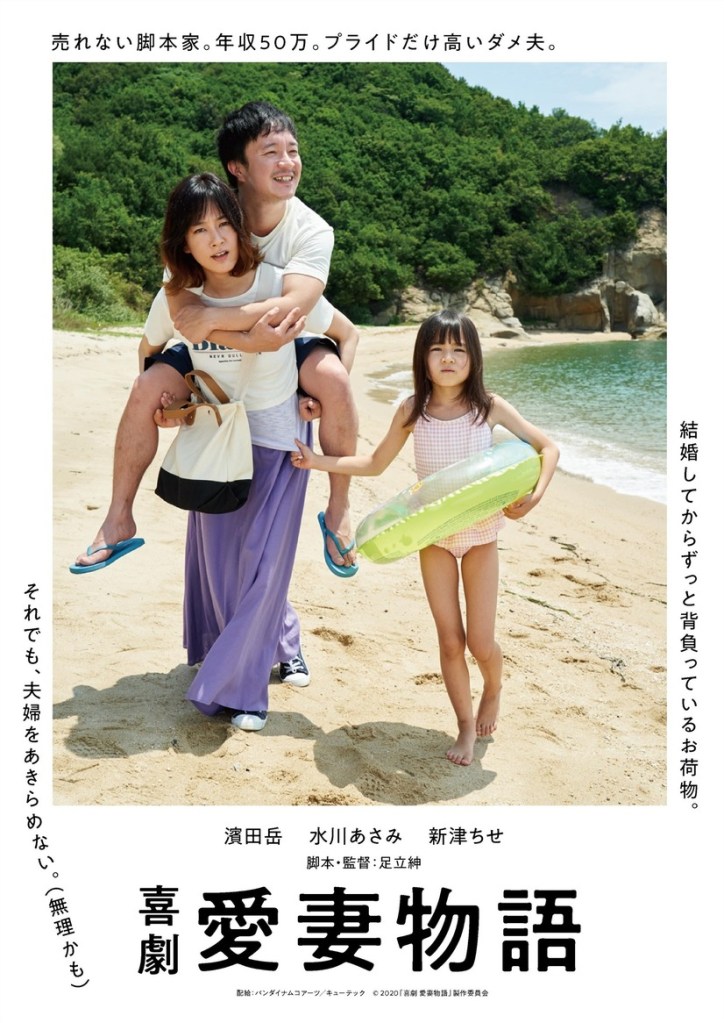
According to the opening quote from Otto von Bismark, fools learn from experience and the wise man from history, but in truth you’ll need a little of the former to correctly interpret the latter. The heroine of Honnoji Hotel (本能寺ホテル) is not exactly lacking in life experience, but hers has been of the passive variety. She’s blithely gone along with the path her society laid out for her, but now she’s hit an unexpected bump in the road it’s prompted her into a reconsideration of where it was she was going. Most people wouldn’t meet such a crisis by asking “what would Nobunaga do?”, but that’s where our heroine finds herself after accidentally exiting a hotel lift right into the middle of the Sengoku era. 

20-something Mayuko (Haruka Ayase) is in Kyoto for a short holiday and to meet up with her fiancé to be formally introduced to his family. The problem begins when it transpires that owing to an administrative error, her hotel reservation has been made for the following month and everything is currently fully booked seeing as the city is such a tourist hotspot. After wandering around a while, she stumbles across a dated, slightly musty establishment named the “Honnouji Hotel” which, she realises even given her shaky grasp of history, is a fairly inauspicious name. Everyone knows that 16th century general and noted tyrant Oda Nobunaga committed seppuku at the Honno temple after he was betrayed by one of his retainers who rose against him. Nobunaga had been primed to bring peace to Japan after more than a century of destructive warfare, paving the way for unification under the Tokugawa Shogunate, but is a somewhat ambiguous figure known for his extreme volatility and tendency towards cruel authoritarianism. 

That vision of Nobunaga is indeed the one Mayuko first encounters when she finds herself accidentally thrown back into the Sengoku era after exiting the lift in her hotel. The first person that she meets turns out to be Mori Ranmaru (Gaku Hamada) with whom she bonds over a shared sense of anxiety, she over meeting her boyfriend’s family, and he over an important tea ceremony with life or death consequences. She gives him some modern-day stomach medicine while he warns her that his lord is “cruel and demonic”. Still not quite grasping that things work differently (to a point at least) in the feudal world, she advises him to quit rather than allow himself to be exploited to the point that it’s ruining his health but he exasperatedly reminds her that you can’t simply drop out of samurai society. Mayuko gets another cruel awakening when observing the tea ceremony and witnessing a man, whom she later realises to be Nobunaga (Shinichi Tsutsumi), extorting a tea caddy from a distressed master who tries to protest that he’d only been informed that the caddy would be displayed and is unwilling to give it away. Nobunaga reminds him that the nation will soon be unified under his banner, at which point he will be in control of business affairs, threatening him with economic consequences backed up with the possibility of immediate violence. 

Despite her essential passivity, Mayuko cannot bear injustice and immediately springs into action, handing the caddy back to its original owner and instructing him that he shouldn’t allow himself to be intimidated into giving up his prized possessions. In her own life, however, she’s nowhere near as certain. We find out that she’s only known her fiancé for six months, and is still ambivalent about the idea of marriage. When the company she’d been working for suddenly went bust, she found herself at a loss, told that the teacher’s certificate she’d taken as a backup is largely useless because even teaching is oversaturated in today’s difficult job market. Now, it’s not feudal times anymore, but many people in Japan still expect a woman to give up her career to get married, which is what most of her friends advise her to do especially seeing as she had no particular ambitions or goals in life. Kyoichi’s (Hiroyuki Hirayama) proposal comes at an opportune moment, but she finds herself asking opportune for whom and if this is really what she wants or if she’s just allowing herself to be railroaded into conventional “success” without really thinking it through. 

It might be going too far to read too much in to a similarity between Nobunaga’s dictatorial dynamism and Kyoichi’s domineering manliness, but that’s largely where Mayuko seems to be. Beginning to realise his mistakes, Kyoichi confesses that he cynically took advantage of the situation to manipulate Mayuko into marrying him, believing that she was “insecure and unreliable”, “unable to do anything alone” and in need of his protection. Talking with Kyoichi’s father and beginning to assert herself in opposition to Nobunaga’s injustices, she begins to realise that she can take charge of her own destiny and has a duty to find what it is she wants to do, and do that as best she can.

The lesson is, however, somewhat problematically learned in her realisation both that she can’t change “history” and that she can because history is a consequence of our collective choices. This Nobunaga, apparently wanted a peaceful society for all, one in which class divisions had been eradicated and equality ruled. He sees our world and deems it good enough to sacrifice his life for, but Mayuko by turns becomes enamoured of the past, finding her vocation as a teacher of history in a move which is both progressive in seeing her reject a marriage of “convenience” to strike out under her own steam, but also backward looking in its reevaluation of Nobunaga and his unfinished revolution as if there is no real need for change “now”. Granted, Honnouji Hotel is partly concerned with selling the charms of Kyoto as an unchanging historical centre, but it’s difficult to escape the slightly sour note of conservatism as Mayuko finds her forward path only by embracing the samurai past. 


Original trailer (no subtitles)

All’s Well, Ends Well (家有囍事, Clifton Ko, 1992)
Now an annual institution, the “New Year Movie” was only just beginning to find its feet at, arguably, the end of a golden age in Hong Kong cinema. Clifton Ko’s All’s Well, Ends Well (家有囍事) is often regarded as one of the key movies that made the genre what it is today, taking the box office by storm and spawning a small franchise with a series of sequels, the latest of which All’s Well, Ends Well 2020, is released this year. The original, however, is a classic “mo lei tau” nonsense comedy starring master of the form Stephen Chow as an improbable lothario chased into domesticity by the beautiful Maggie Cheung. 
The plot, such as it is, revolves around three brothers – Moon (Raymond Wong Pak-ming), Foon (Stephen Chow Sing Chi), and So (Leslie Cheung Kwok-wing). Oldest son Moon is a regular salaryman married to devoted housewife Leng (Sandra Ng Kwan-yue). Though it’s his seventh wedding anniversary, he’s late for the family dinner at home with his parents and brothers because he’s entertaining his mistress, Sheila (Sheila Chan), instead. Foon, meanwhile, is a disk jockey on local radio filling in for a friend taking a day off to get married. Eccentric movie enthusiast Holliyok (Maggie Cheung Man-yuk) rings into the show to complain that she feels lost and lonely, so Foon takes her address and phone number under the pretext of gifting her a laserdisc. So, meanwhile, is an effeminate young man who teaches flower arranging and clashes with his tomboyish, motorcycle riding “auntie” Mo-shang (Teresa Mo Shun-kwan) who practices extremely aggressive massage techniques. 

As this is a New Year movie, the conclusion we’re moving towards is the repairing of the family unit with the two unmarried brothers eventually pairing off, culminating in a mass wedding in which mum (Lee Heung-kam) and dad (Kwan Hoi-san) can participate too. Before that, however, we’re dropped into the increasingly affluent world of Hong Kong in the early ‘90s in which men like Moon think they’re king. Leng, meanwhile, laments that she married her husband after high school and unlike him does not have the option to quit her “job”, forced to serve the two “company directors” day and night with no overtime or double pay. Quit is exactly what she does do, however, when confronted with Moon’s infidelity. After promising to take her out for a swanky dinner, he gets distracted by his mistress and ends up getting rid of Leng to have dinner with Sheila after which he is so drunk she has to carry him to his own door. Sheila may have thought she was pushing herself into a middle class way of life, but being a housewife is hard work too, especially with Moon’s rather demanding if eccentric parents who suffer separation anxiety from their TV set and prefer to be vacuumed down to keep themselves clean while they watch. 

Leng, not quite having intended to really leave, is forced to reassert herself as an independent woman. She re-embraces her love of singing, getting one of the few jobs that’s open to women in her situation – working in a karaoke box. Eventually, she glams up and becomes a “credible” rival to Sheila, who has now become the housebound “hag” resented by the regretful (but perhaps not remorseful) Moon who has learned absolutely nothing at all about being a good husband.  

Meanwhile, Foon romances Holliyok through movie roleplay, cycling through Pretty Woman, to hit of the day Ghost, before heading into the darkness of Misery, and the unexpected salvation of Terminator 2. After himself getting caught with another girl, Foon gets hit on the head with an egg and “develops” a “brain disease” that causes him to lose his mind. Holliyok swears revenge, but, inexplicably, can’t seem to give up on the idea of Foon’s love while he remains just as pompously macho as Moon, believing women are things you win and then discard. 

Counter to all that, So and Mo-shang occupy a rather ambiguous space – quite clearly coded as gay complete with offscreen lovers they communicate with only by letter until they make a surprise appearance to make a surprise announcement. First feeling a spark of unexpected attraction while making some electrical repairs in the kitchen, they are eventually shocked straight – So transforming into a pillar of conventional masculinity, and Mo-shang suddenly wearing her hair long (did it grow overnight?), putting on makeup and dressing in ladies’ fashions. Thus, their gender non-conforming natures have been in some sense “corrected” by “love’ or “electroshock” depending on how you choose to look at it, assuming of course that their newfound romance is not just a clever ruse to neatly undercut the use of their homosexuality as a punchline. In any case, as the title says, all’s well that end’s well, and the Shang household seems to have regained its harmony, rejecting Sheila and all she stands for to embrace true family values just in time for the festive season.  


Screened in association with Chinese Visual Festival.

Rerelease trailer (traditional Chinese/English subtitles)