 So, Nippon Cinema aimed to bring some of the best mainstream leaning hits to festival screens, but what does Nippon Visions have to offer? As the name implies, this strand is dedicated to indie, experimental, and innovative forward-looking filmmaking.
Nippon Visions
Nippon Visions is home to this year’s festival focus, documentaries, as well as a selection of art house and independent films. This section involves two awards – the Nippon Visions Jury Award which offers free subtitles courtesy of Japan Visualmedia Translation Academy (JVTA), and the Nippon Visions Audience Award which features a €1000 prize sponsored by Japanisches Kultur- und Sprachzentrum.
Documentaries
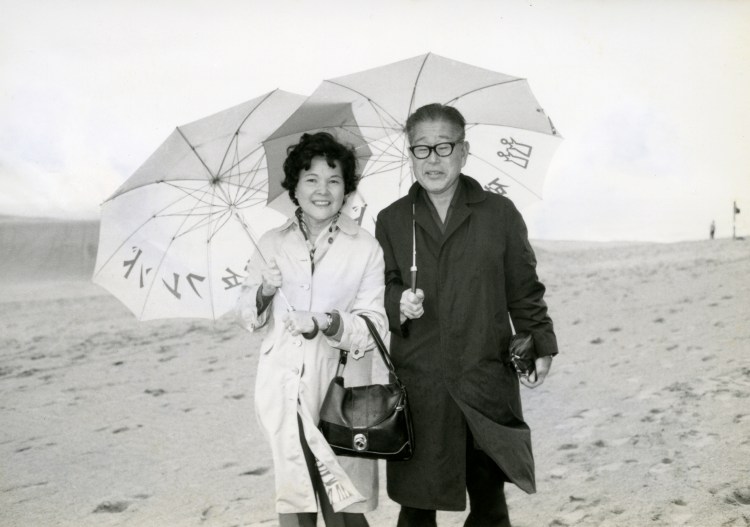 Japanese-American director Kimi Takesue’s 95 and 6 to Go was filmed over six years during which she travelled to Hawaii following the death of her grandmother to learn more about the history of her family. Talking to her grandfather about his life and her own stalled film project, Takesue neatly weaves the personal and the universal for a meditation on life, love, loss and endurance.
 Produced by Ian Thomas Ash (A2-B-C, -1287) Boys for Sale is the debut feature from Itako and focuses on the world of male prostitution in Tokyo’s Shinjuku 2-chome.
 Come on Home to Sato is the debut feature from Yoshiki Shigee. Filmed over three years, the film follows the social workers and professionals involved with Kodomo no Sato – a safehaven for children of all ages and backgrounds in Osaka’s Nishinari district.
 The intriguingly titled Gui Aiueo:S A Stone From Another Mountain To Polish Your Own Stone is a strange road movie/documentary/performance piece from Go Shibata featuring UFOs, hermits, and sustainable toilets.
 A selection of three short NHK documentaries :
The Phone of the Wind: Whispers to Lost Families – a documentary about a disconnected phone box used to call absent loved ones.
Never-Ending Man: Hayao Miyazaki
What You Taught Me About My Son – a documentary about The Reason I Jump author Naoki Higashida
 Gilles Laurent’s La Terre Abandonée follows the residents of Tomioka who refused to obey the evacuation order after the meltdown of the Fukushima Daiichi nuclear plant.
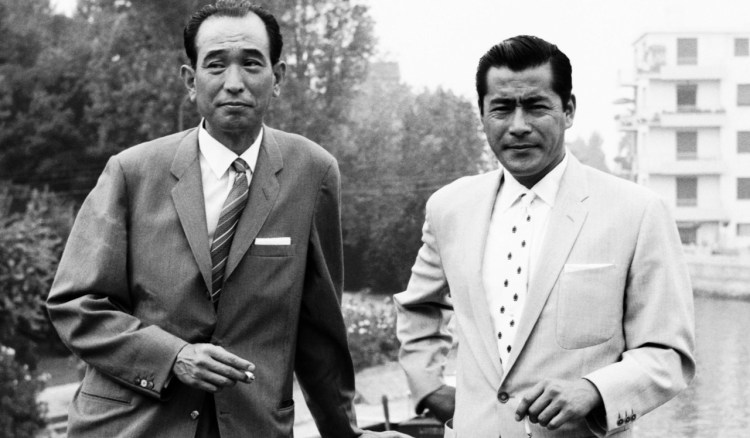 Steven Okazaki’s Mifune: The Last Samurai is an attempt to chart the legendary actor’s career as it intersects with the history of samurai cinema.
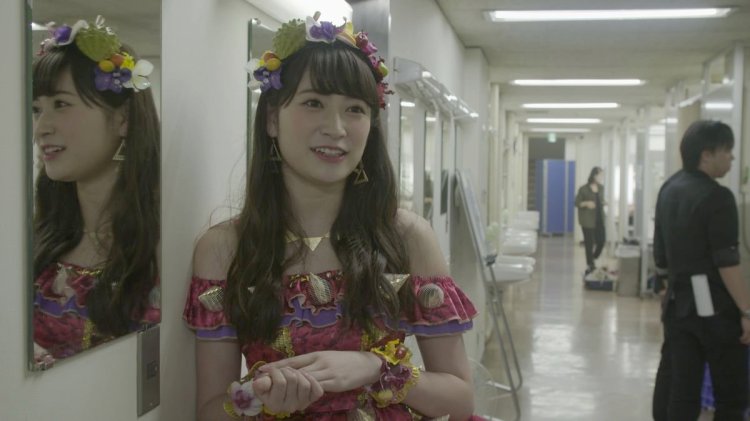 Atsushi Funahashi’s Raise Your Arms and Twist! Documentary of NMB48 follows the aspiring idol stars as they go about their tightly controlled lives in one of the most controversial sectors of the Japanese entertainment industry.
 Start Line charts deaf filmmaker Ayako Imamura’s bicycle journey through Japan.
Narrative
 Masked wrestling provides a ray of hope for a directionless little boy in Kohei Taniguchi’s Dynamite Wolf. Sponsored by the Dotonbori Pro Wrestling League.
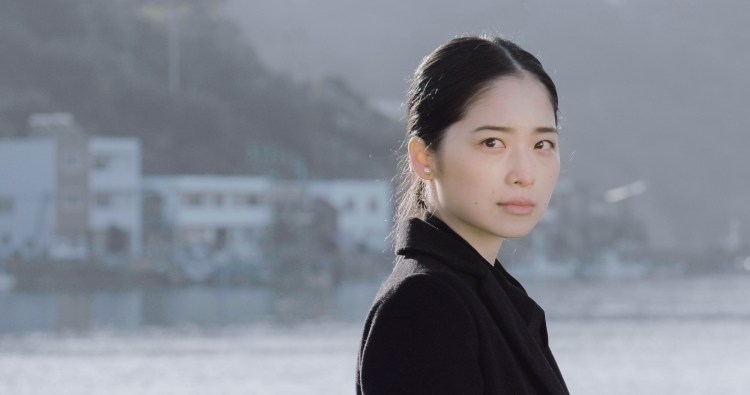 Ayako Fujimura’s charming family drama Eriko, Pretended follows its aspiring actress protagonist as she travels home for the funeral of her older sister. Having pretended to be much more successful than she really was, Eriko makes the abrupt decision to stay behind in her hometown, look after her sister’s orphaned son and take over her job as a professional mourner.
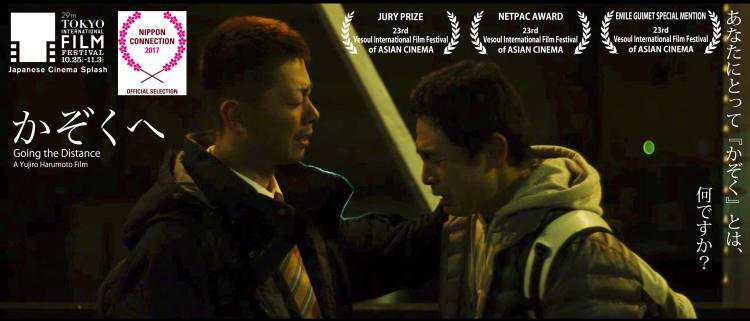 Boxing trainer Asahi plans to marry his long-term girlfriend Kaori and has found a job for his close childhood friend, Hiroto, to bring him to Tokyo. Everything seems fine but Hiroto has fallen victim to a scammer and needs Asahi’s help. His first instinct is to postpone the wedding and help his friend whom he regards as a “brother” as they grew up in the same orphanage but Kaori wants her elderly grandmother to come so it needs to be as soon as possible. Going the Distance is the debut feature from director Masahiro Umeda who is expected to attend the festival in person to present his film.
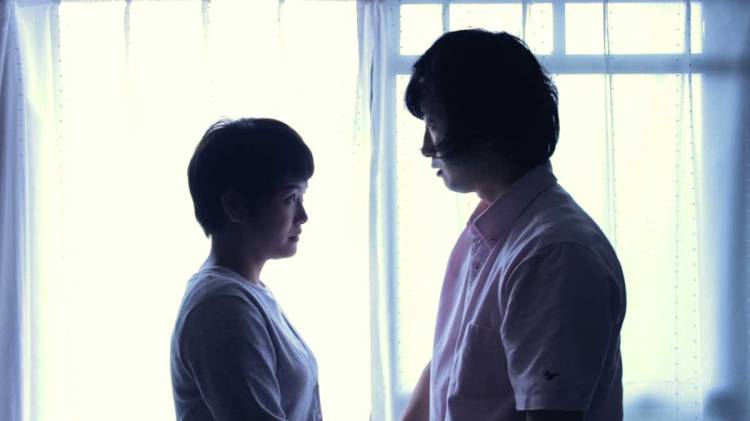 Tamaki and Kaori just can’t say Good/Bye in Izumi Matsuno’s nuanced drama. Despite having “broken up” the pair continue to share their apartment, marking their individual territories with coloured tape but new romantic possibilities force them to re-examine their peculiar relationship.
 Hirokazu Kai’s hard-hitting coming of age drama Innocent 15 tells the story of an abused teenage girl and a boy just discovering that his widowed father is in love with another man but as bleak as things get there are always signs of hope. Review.
 Another technically broken up but still living together drama, Shingo Matsumura’s Love and Goodbye and Hawaii presents its heroine Rinko with a problem when she realises her ex Isamu might have found someone else.
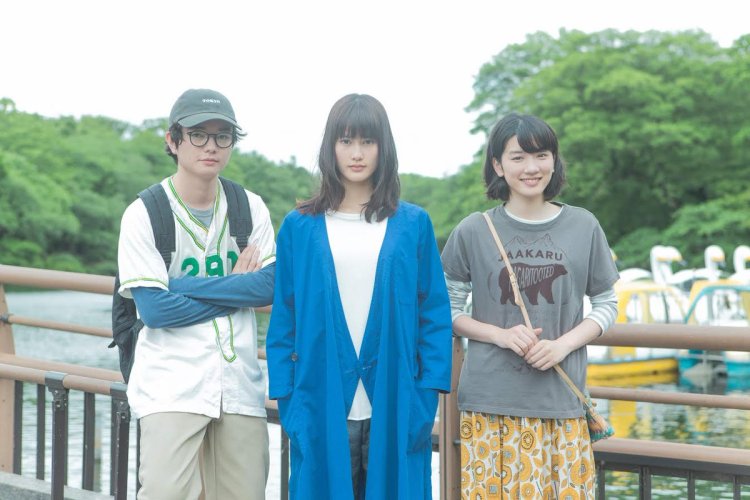 Set in Inokashira Park, Natsuki Seta’s Parks stars Ai Hashimoto as a college student who teams up with Shota Sometani and Mei Nagano to recreate the missing portions of a mysterious love song.
 The latest film from Hirobumi Watanabe, Poolsideman won the Japanese Cinema Splash Award at the Tokyo International Film Festival 2016 and focuses on the dull and lonely life of a lifeguard whose existence changes when he’s sent to a different pool.
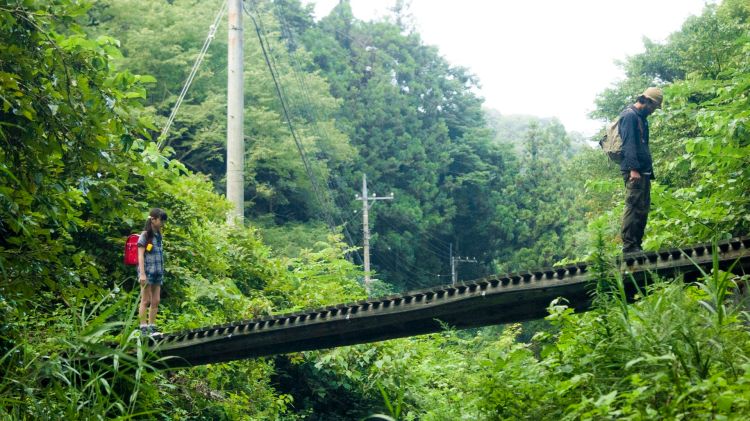 Yusuke Takeuchi won the best director award at the Thessaloniki International Film Festival for The Sower. Dealing with guilt and atonement, this sombre film follows Mitsuo as he returns from three years in a mental institution and bonds with his two nieces only for his fragile happiness to be disrupted by unexpected tragedy.
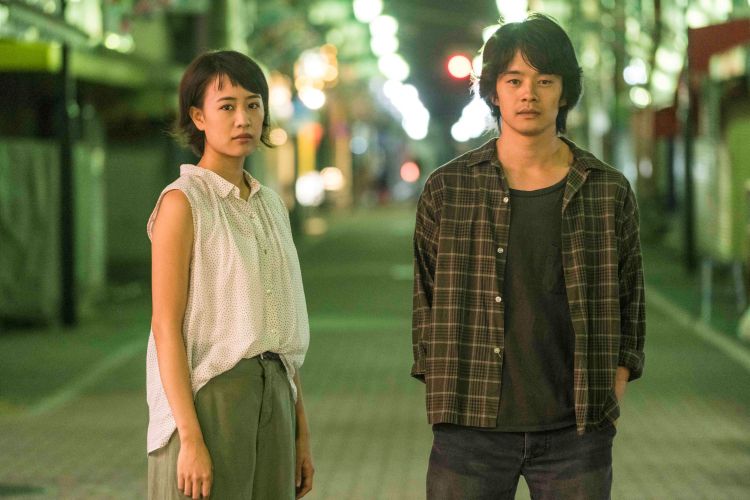 The latest film from Yuya Ishii, The Tokyo Night Sky Is Always the Densest Shade of Blue stars Shizuka Ishibashi and Sosuke Ikematsu in an exploration of youthful alienation.
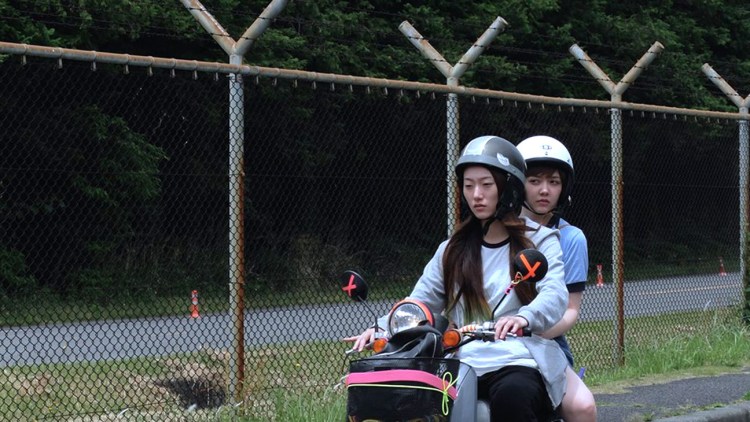 Daisuke Miyazaki’s Yamato California explores themes of cross cultural pollination through the story of teenager Sakura who lives near the biggest American military base in Japan and dreams of becoming a rapper. When she meets the Japanese-American daughter of her mother’s boyfriend, she finally finds an ally in an otherwise alienating place.
Shorts Programmes
 Skip City Shorts includes four of the short films created for the Skip City International D-Cinema Festival in Saitama.
Vanish – Yusuke Hatai
Ping Pang – Yoichi Tanaka
Son of the Bakery – Shintaro Hihara
Lies – Yuji Mitsuhashi
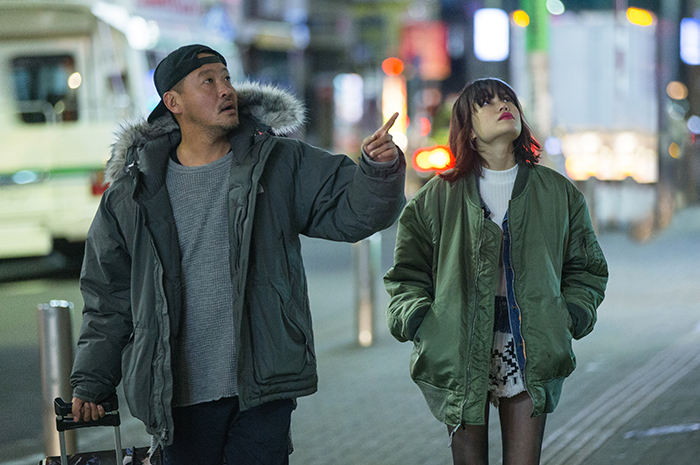 Six young filmmakers show different sides of Tokyo in the TKY2015 Short Film Series.
Homerun – Shumpei Shimizu
Get My Hair Washed – Akira Ikeda
45 x 45 – Daisuke Shimote
The Light Dances – Hajime Izuki
After Hours – Tatsuo Kobayashi
An Interview on the Street in Ginza, Tokyo, Conducted on 27th December 2015. – Yusuke Shibata
 Two shorts made by students of the Graduate School for Film and New Media at Tokyo University of the Arts.
Icarus and the Son – Kohei Sanada
Snake Beneath the Flower Petals – Rina Takada
Nippon Connection takes place in Frankfurt, Germany from May 23 – 28, 2017. You can find the full details for all the films, screening times and ticket links on the festival’s official website and you can also keep up with all the latest news via the Nippon Connection Facebook Page, Twitter account, and Instagram channel.
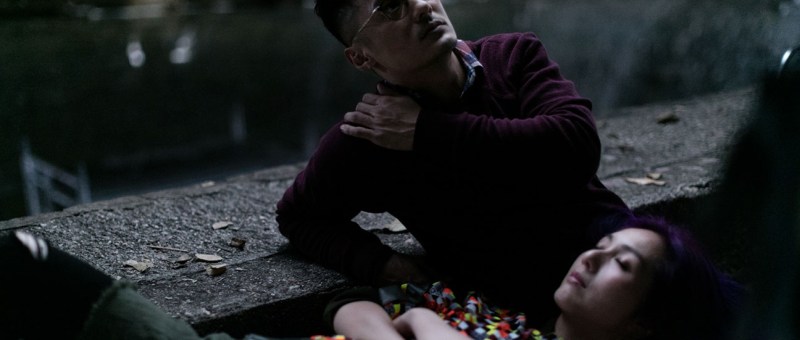
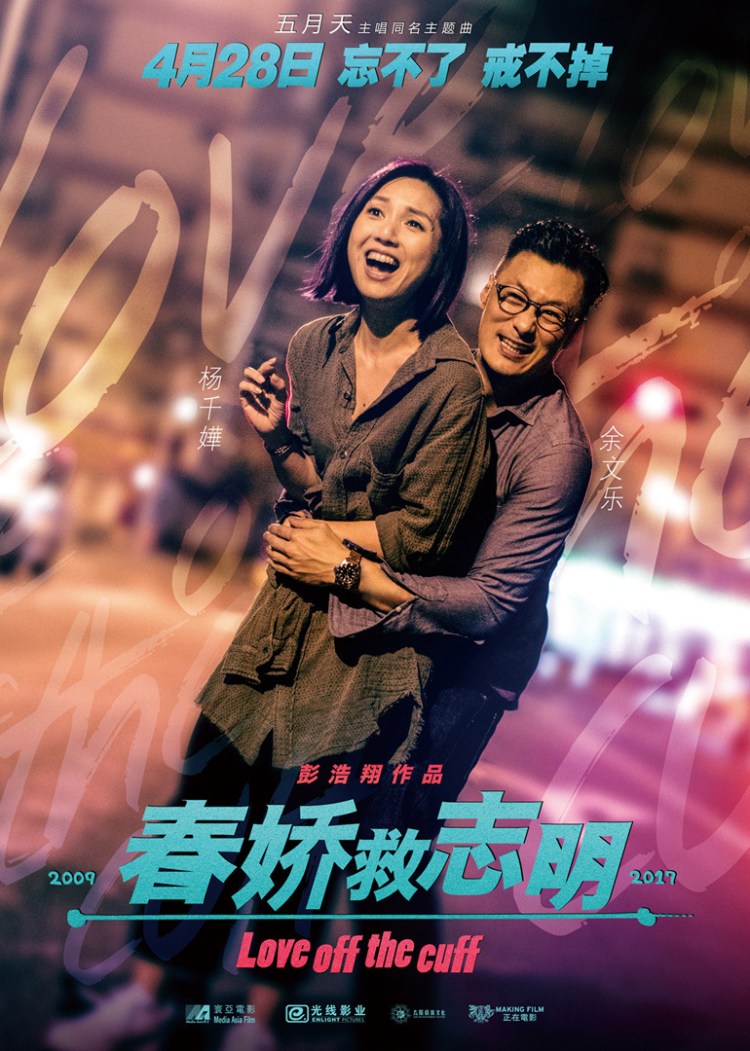 Jimmy and Cherie, against all the odds, are still together and in a happy longterm relationship in the third addition to Pang Ho-cheung’s series of charming romantic comedies, Love off the Cuff (春嬌救志明). Following the dramatic declaration at the end of
  2010’s
  Following the
  Kenji Yamauchi adapts his own play
 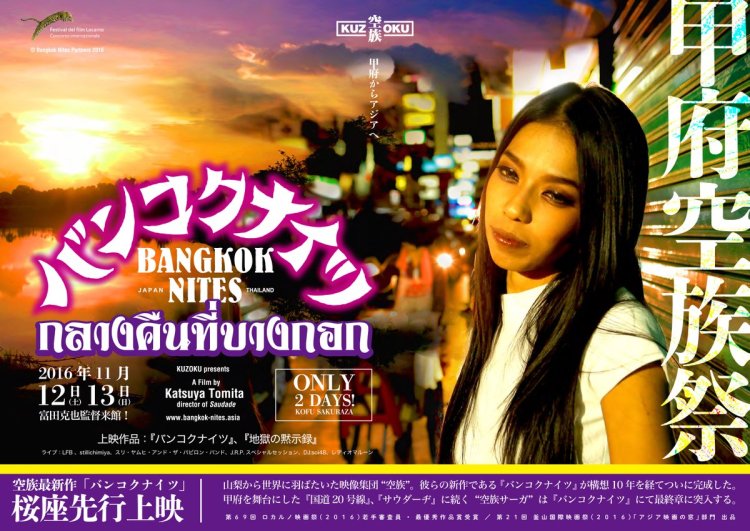 Katsuya Tomita makes a welcome return following his critically acclaimed
  Shunji Iwai is another director making a welcome return with the equally epic
  Daguerreotype is something of a departure from the other films on offer as it’s entirely in French. Starring one of France’s best young actors in Tahar Rahim, the film also marks the first production mounted outside of Asia for veteran director Kiyoshi Kurosawa. Taking him back to his psychological horror roots, Daguerreotype is a creepy gothic ghost story inspired both by Edgar Allen Poe and his Japanese namesake, Edogawa Rampo.
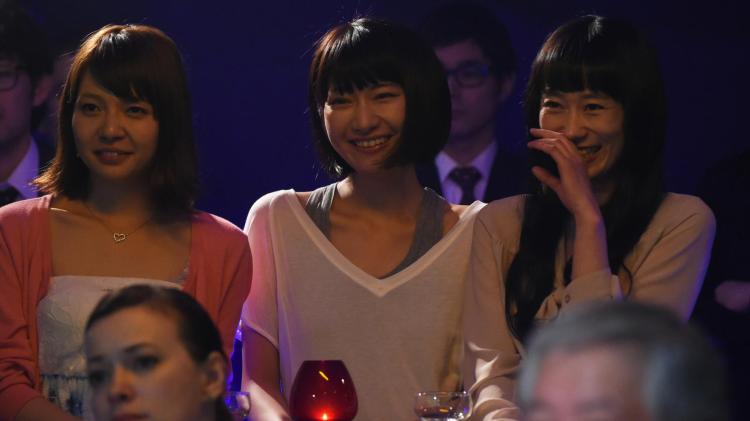 Dawn of the Felines is one of the films created for Nikkatsu’s Roman Porno reboot project which is also being celebrated with a Roman Porno retrospective (more on this later on). Directed by Devil’s Path director Kazuya Shiraishi, this melancholy tale of three girls working in Tokyo’s red light district takes its name from Noboru Tanaka’s classic pink film Night of the Felines.
 Directed by one of Japan’s foremost blockbuster helmers Shinsuke Sato (whose
  If Death Note wasn’t nihilistic enough for you, the festival will also feature Tetsuya Mariko’s
  Moving back in time a little, 2015’s
 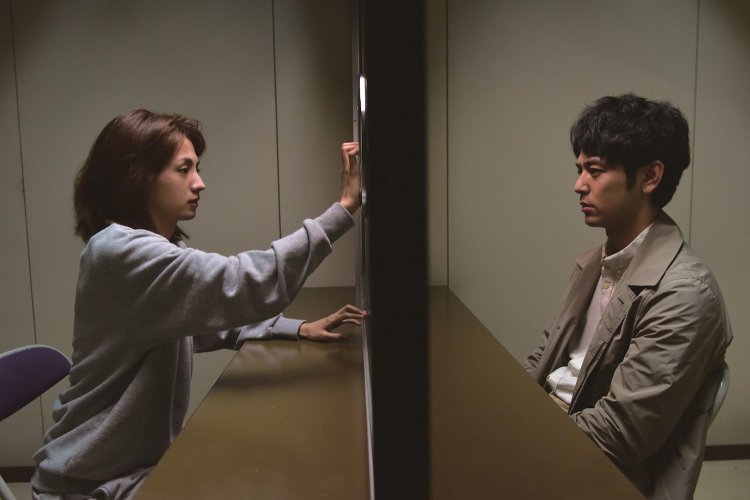 The debut film from Kei Ishikawa, Gukoroku: Traces of Sin stars Satoshi Tsumabuki as an ambitious reporter trying to find the truth behind the brutal, unsolved murder of an ordinary Tokyo family.
 In the first of two films presented at the festival, SABU goes on an existential journey in Happiness as a mysterious man appears in town with a strange helmet which allows the wearer to re-experience the happiest moment of their lives. Stars veteran actor Masatoshi Nagase.
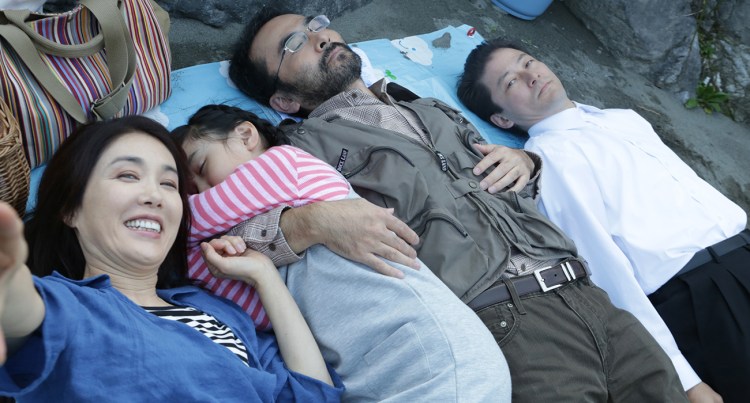 Koji Fukada returns to the themes of family and disruptive interlopers but skews darker than ever before in
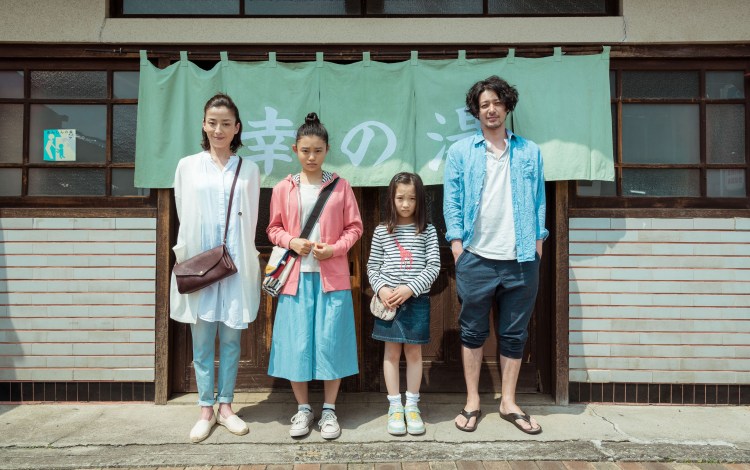
 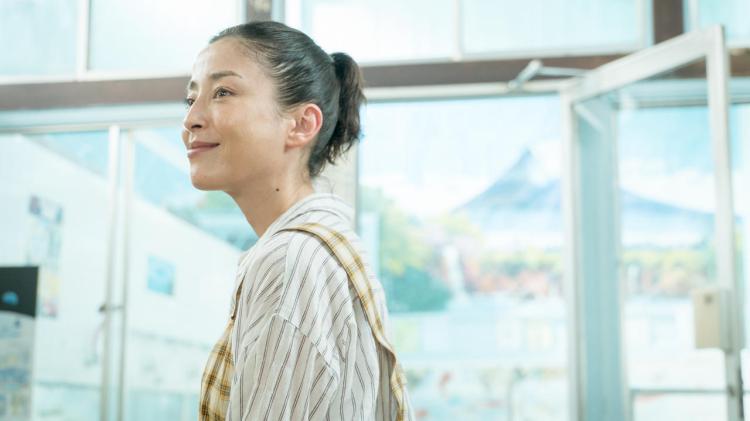 Her Love Boils Bathwater officially opens the festival and stars Rie Miyazawa as a single mother diagnosed with a terminal illness who is determined to bring her disparate family back together and save the family bathhouse in the process. Rie Miyazawa picked up the best actress award at this year’s Japan Academy Prize ceremony for her role in film which is far funnier than its synopsis sounds.
 From one hero to another, the second movie helmed by director Shinsuke Sato to feature in the festival stars comedian Yo Oizumi as a mildmannered, unsuccessful mangaka who finds hidden reserves inside himself when faced with the zombie apocalypse.
 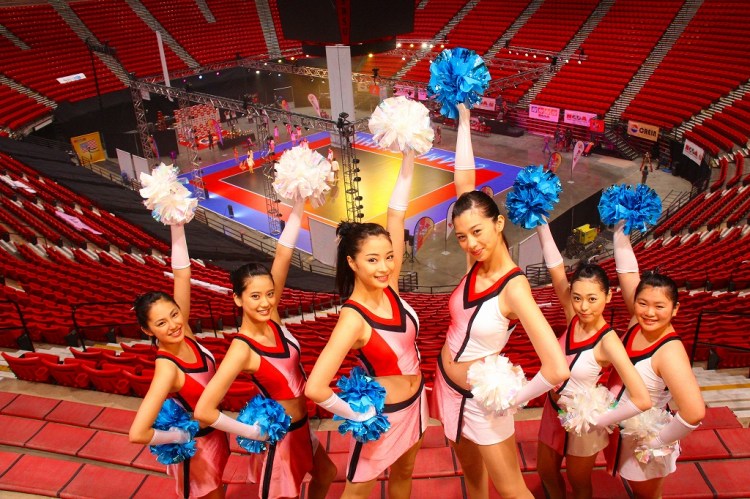 From one plucky underdog to another – Let’s Go Jets! From Small Town Girls to U.S. Champions?! stars a team of aspiring Japanese cheerleaders who want to strut their stuff all the way to the top spot in the US championships.
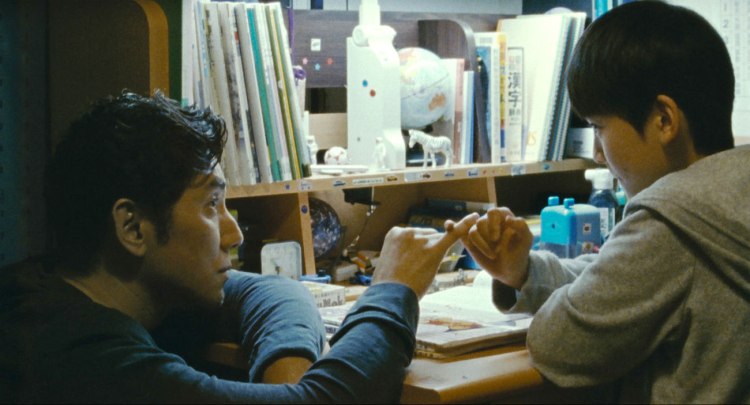 Miwa Nishikawa returns with The Long Excuse – an adaptation of her own novel starring Masahiro Motoki as a self centered author and minor celebrity who is unmoved when his wife dies in a bus accident but finds his humanity reawakening after bonding with the bereaved children of the best friend who died beside her.
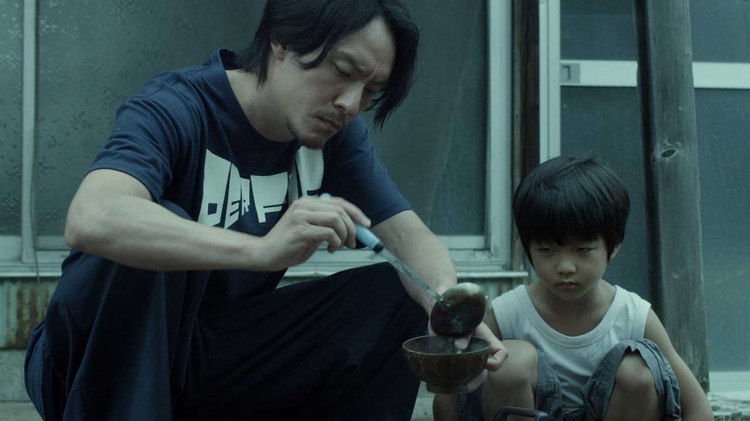 SABU’s second film in the festival, Mr. Long, sees a hardened Taiwanese hitman taken in by a kindly little boy and his family after a job goes badly wrong.
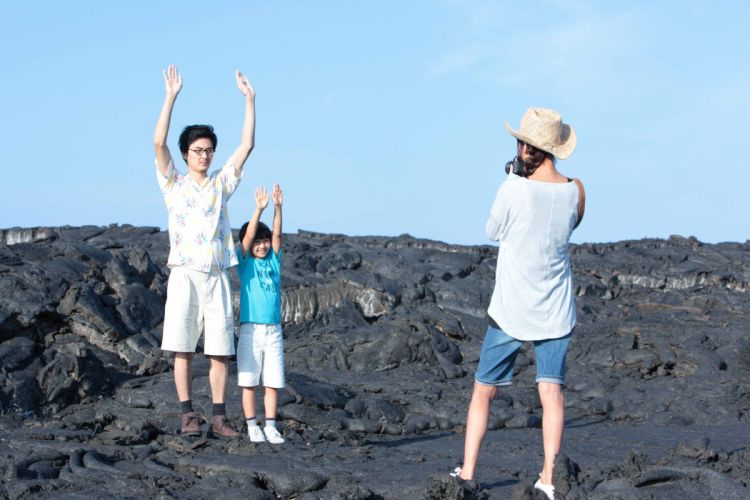 Nobuhiro Yamashita is another director with not one but two films making it into the festival this year. The first of them,
  Yamashita’s second entry,
 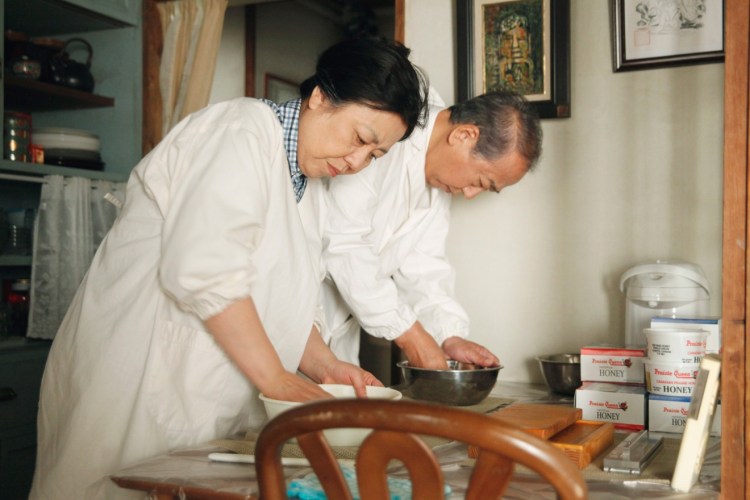 Rumour and speculation dominate a housing estate when one half of a recently arrived older couple abruptly disappears. Moonlight flit? Murder? Divorce, affairs, scandal? The truth is stranger than fiction in Junji Sakamoto’s absurd comedy The Projects.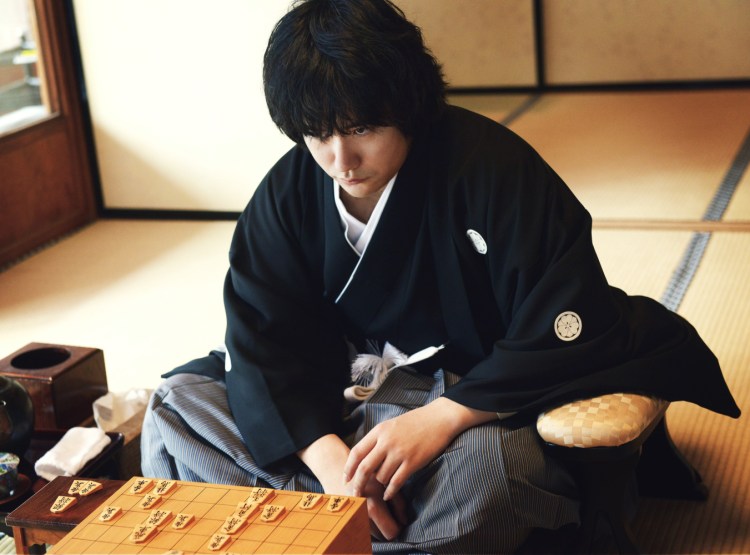
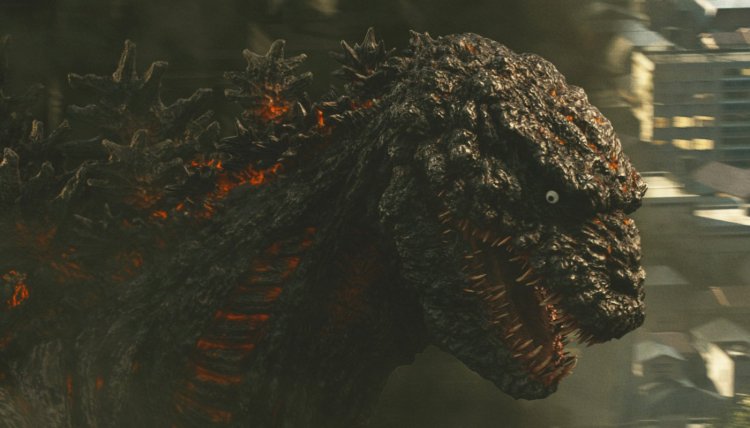 Godzilla is back and bigger than ever! Directed by Evangelion’s Hideaki Anno along with live action Attack on Titan director Shinji Higuchi Shin Godzilla (Godzilla Resurgence) is equal parts classic monster movie and biting political satire.
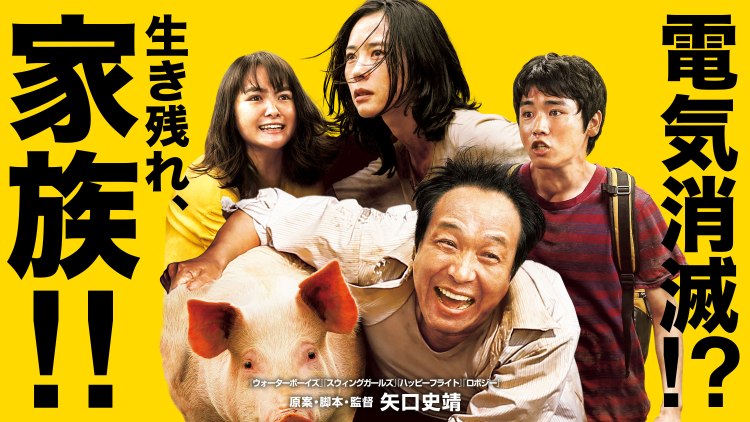 Godzilla’s not the only existential threat posed to Japanese society as one ordinary family find out in Shinobu Yaguchi’s black out drama.
 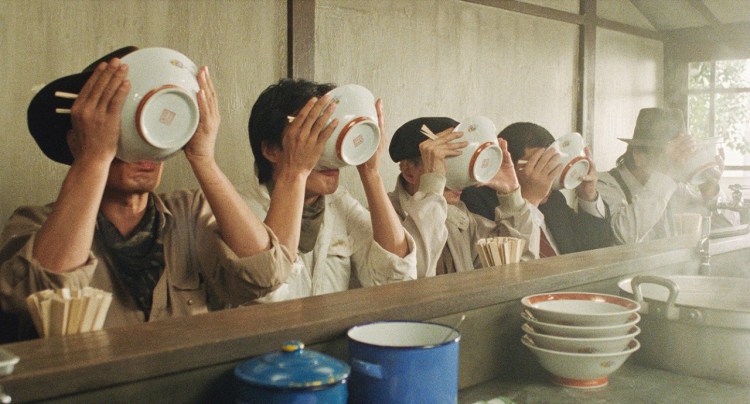 Now for something completely different – Juzo Itami’s noodle western Tampopo will also screen as a Nippon Film Dinner during which bento boxes filled with delicious Japanese treats will be served.
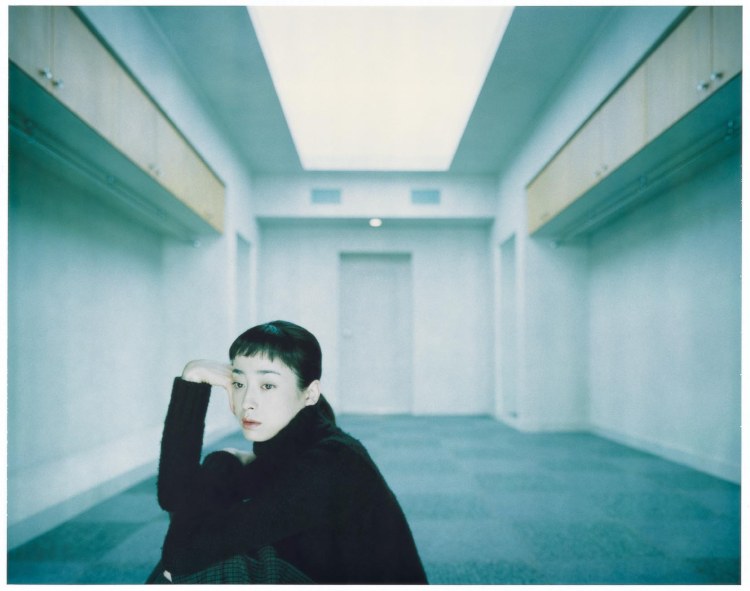 After dinner comes breakfast! This one is screening with German subtitles only but if you can understand German or Japanese or don’t mind not understanding anything at all you can enjoy a delicious breakfast buffet whilst taking in Jun Ichikawa’s adaptation of the Haruki Murakami short story Tony Takitani in which a lonely man meets and falls in love with a beautiful woman only for her obsession with shopping to come between them.
 Finally, Akihiko Shiota’s Wet Woman in the Wind is the second of the Roman Porno Reboot movies to be featured in the festival and follows the adventures of a playwright with writer’s block who tries to retreat to the country for some peace, quiet, and time to reflect. Then he hooks up with a nymphomaniac waitress instead!
 Smokers. Is there a more maligned, ostracised group in the modern world? Considering the rapid pace at which their “harmless” pastime has become unacceptable, you can understand why they might feel particularly put out – literally, as they find themselves taking refuge in designated smoking areas or perhaps back allies where it seems no one’s looking. For all the nostalgia about how easy it was to strike up a friendship with a stranger just by asking for a light, it is also important to remember that smoking is not so “harmless” after all and there are reasons why smokers are asked to keep their activities amongst those who’ve also decided to ignore the warnings. The Smoking Ordinance, oddly enough, may have accidentally boosted the social potential of a smoke as those eager for a puff are given additional reasons to spend time together in an enclosed space, building a sense of community through nicotine addiction.
 The world of shojo manga is a particular one. Aimed squarely at younger teenage girls, the genre focuses heavily on idealised, aspirational romance as the usually female protagonist finds innocent love with a charming if sometimes shy or diffident suitor. Then again, sometimes that all feels a little dull meaning there is always space to send the drama into strange or uncomfortable areas. Policeman and Me (PとJK, P to JK), adapted from the shojo manga by Maki Miyoshi is just one of these slightly problematic romances in which a high school girl ends up married to a 26 year old policeman who somehow thinks having an official certificate will make all of this seem less ill-advised than it perhaps is.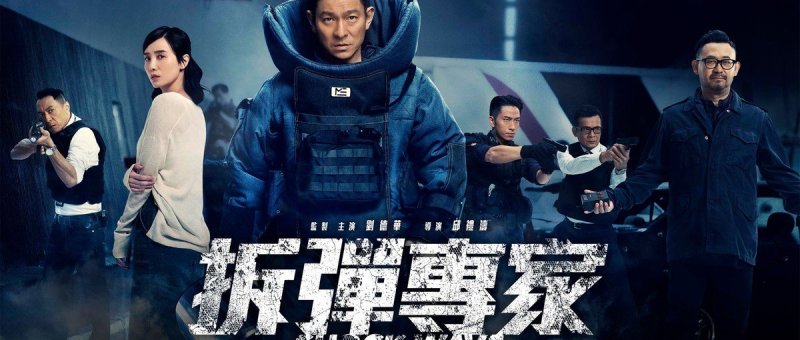
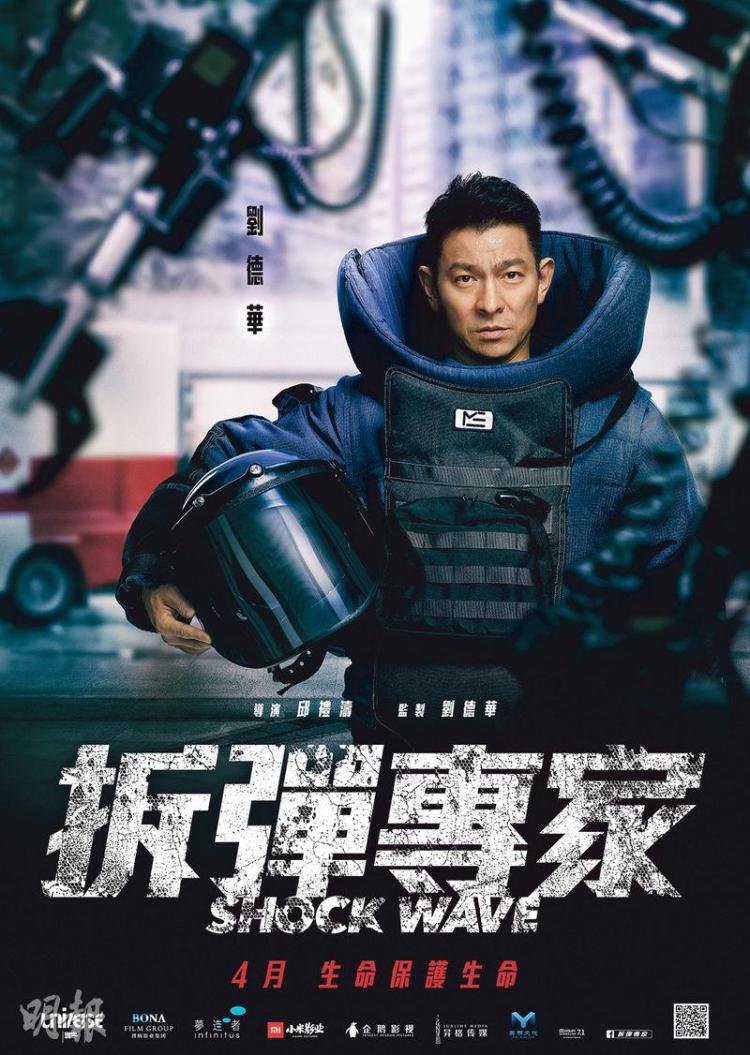 Recent Hong Kong action cinema has not exactly been known for its hero cops. Most often, one brave and valiant officer stands up for justice when all around him are corrupt or acting in self interest rather than for the good of the people. Shock Wave (拆彈專家) sees Herman Yau reteam with veteran actor Andy Lau turning in another fine action performance at 55 years of age as a dedicated, highly skilled and righteous bomb disposal officer who becomes the target of a mad bomber after blowing his cover in an undercover operation. These are universally good cops fighting an insane terrorist whose intense desire for revenge and familial reunion is primed to reduce Hong Kong’s central infrastructure to a smoking mess.
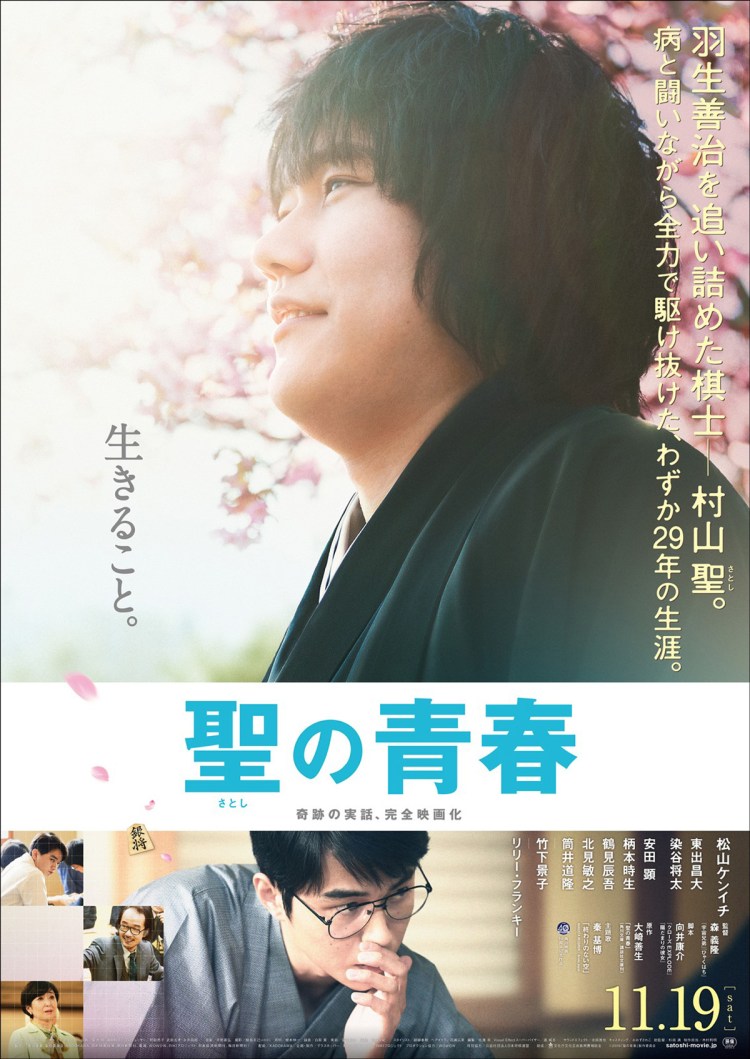 There’s a slight irony in the English title of Yoshitaka Mori’s tragic shogi star biopic, Satoshi: A Move For Tomorrow (聖の青春, Satoshi no Seishun). The Japanese title does something similar with the simple “Satoshi’s Youth” but both undercut the fact that Satoshi (Kenichi Matsuyama) was a man who only ever had his youth and knew there was no future for him to consider. The fact that he devoted his short life to a game that’s all about thinking ahead is another wry irony but one it seems the man himself may have enjoyed. Satoshi Murayama, a household name in Japan, died at only 29 years old after denying chemotherapy treatment for bladder cancer in fear that it would interfere with his thought process and set him back on his quest to conquer the world of shogi. Less a story of triumph over adversity than of noble perseverance, Satoshi lacks the classic underdog beats the odds narrative so central to the sports drama but never quite manages to replace it with something deeper.
 Every keen dramatist knows the most exciting things which happen at a party are always those which occur away from the main action. Lonely cigarette breaks and kitchen conversations give rise to the most unexpected of events as those desperately trying to escape the party atmosphere accidentally let their guard down in their sudden relief. Adapting his own stage play titled Trois Grotesque, Kenji Yamauchi takes this idea to its natural conclusion in At the Terrace (テラスにて, Terrace Nite) setting the entirety of the action on the rear terraced area of an elegant European-style villa shortly after the majority of guests have departed following a business themed dinner party. This farcical comedy of manners neatly sends up the various layers of propriety and the difficulty of maintaining strict social codes amongst a group of intimate strangers, lending a Japanese twist to a well honed European tradition.
 Nobuhiro Yamashita may be best known for his laid-back slacker comedies, but he’s no stranger to the darker sides of humanity as evidenced in the oddly hopeful Drudgery Train or the heartbreaking exploration of misplaced trust and disillusionment of My Back Page. One of three films inspired by Hakodate native novelist Yasushi Sato (the other two being Kazuyoshi Kumakiri’s Sketches of Kaitan City and Mipo O’s The Light Shines Only There), Over the Fence (オーバー・フェンス) may be among the less pessimistic adaptations of the author’s work though its cast of lonely lost souls is certainly worthy both of Yamashita’s more melancholy aspects and Sato’s deeply felt despair.
