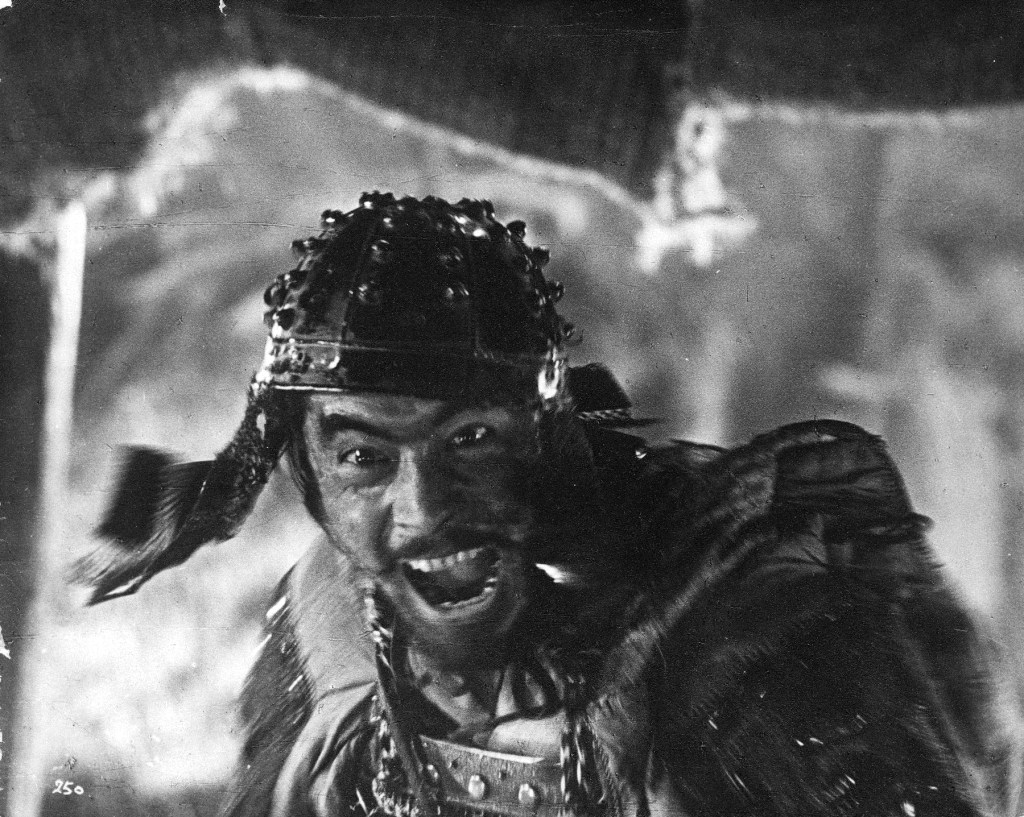
BFI Japan 2020 to Celebrate More Than 100 Years of Japanese Cinema

The Olympics may have been postponed and everything seems like it’s on pause, but the BFI’s planned mammoth Japan season is still doing all it can to make its way to us in the 2020 that never was. With the cinemas closed for the foreseeable future, the BFI will be making the first part of the season available online via BFI player with strands dedicated to golden age directors Akira Kurosawa and Yasujiro Ozu as well as a series of classics including films by Mikio Naruse and Seijun Suzuki, cult movies, and the best in 21st century cinema. Once the BFI reopens, we can also look forward to some rarer treats from this century and the last.

BFI Player

A series of strands will begin streaming via BFI Player over a six month period beginning with Akira Kurosawa and Classics (11th May), followed by Yasujiro Ozu (5th June), Cult (3rd July), Anime (31st July), Independence (21st August), 21st Century (18th September), and J-Horror (30th October). Subscriptions to BFI Player are available for £4.99 p/m following a two week free trial.

Akira Kurosawa (11th May)
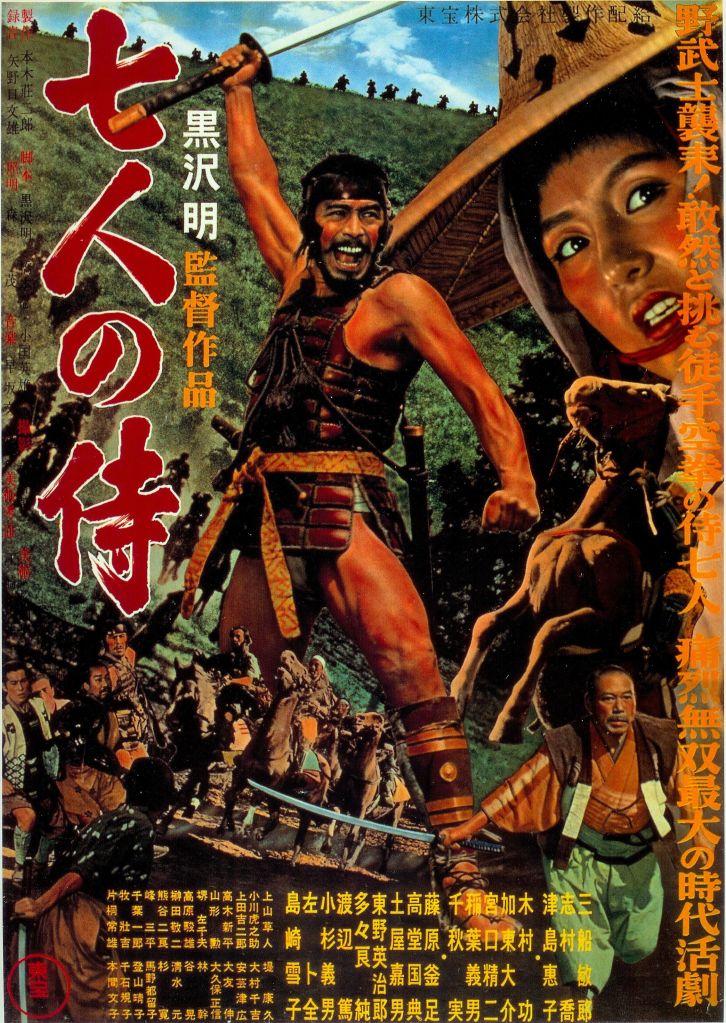
  • Seven Samurai – classic jidaigeki gets a post-war twist as a collection of down on their luck samurai come to the rescue of peasants beset by bandits.
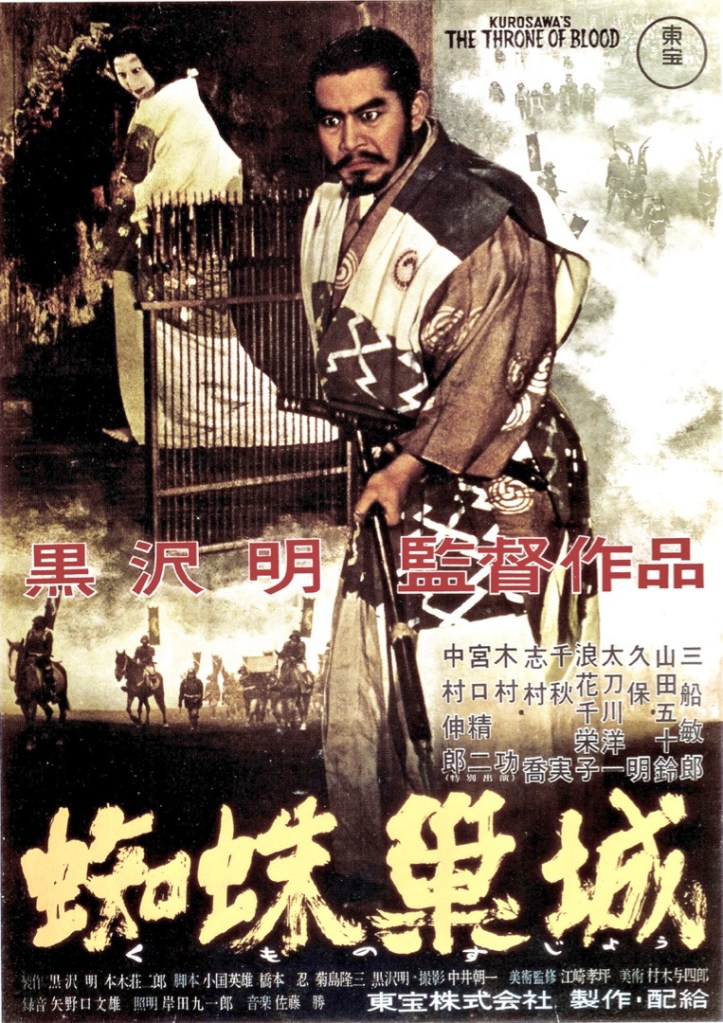
  • Throne of Blood – eerie retelling of Macbeth starring Toshiro Mifune as the man who would be king and Isuzu Yamada as his ambitious wife.
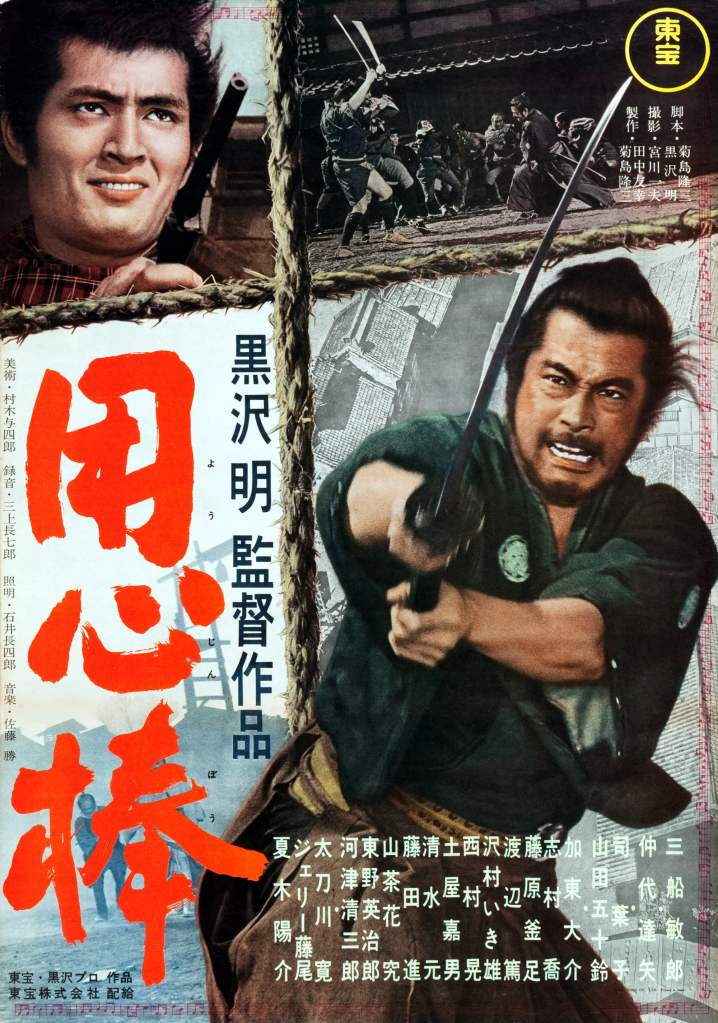
  • Yojimbo – samurai western starring Toshiro Mifune as a ronin drifter wandering into a turf war.
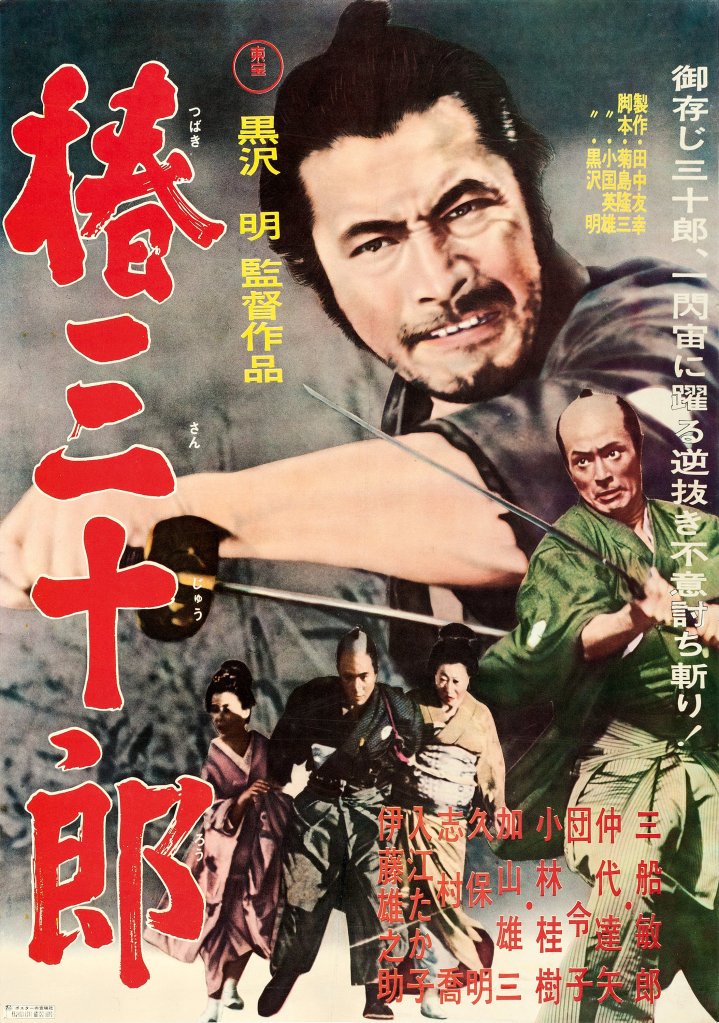
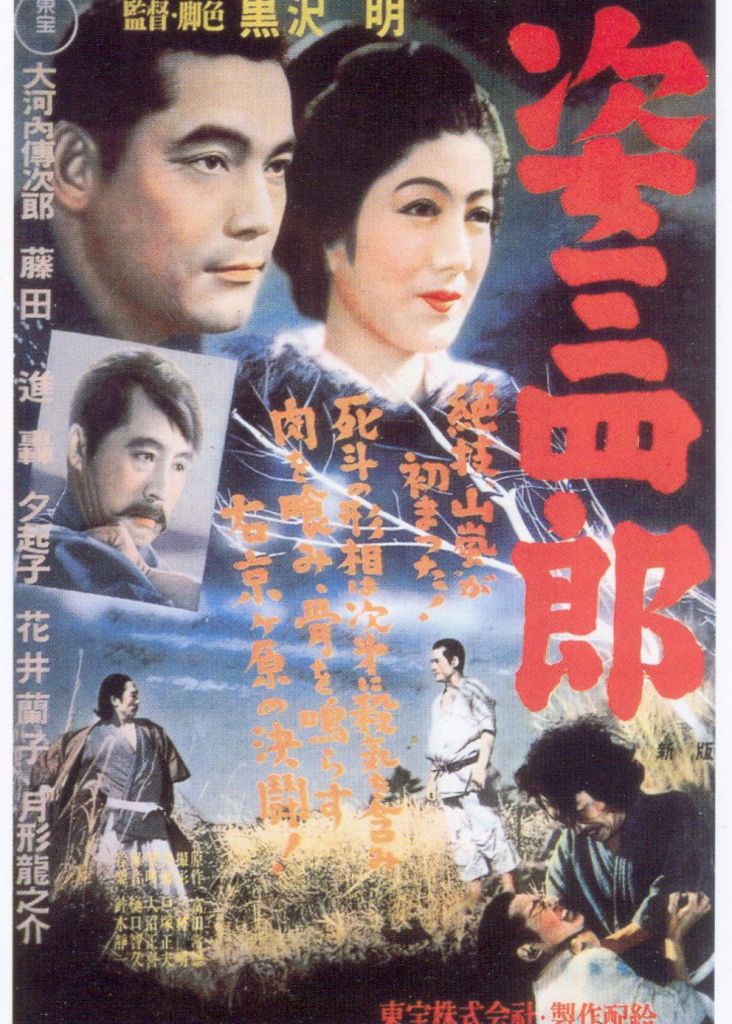
  • Sanjuro – sequel to Yojimbo in which Mifune reprises his role as the titular Sanjuro as he helps some locals stand up to samurai corruption.
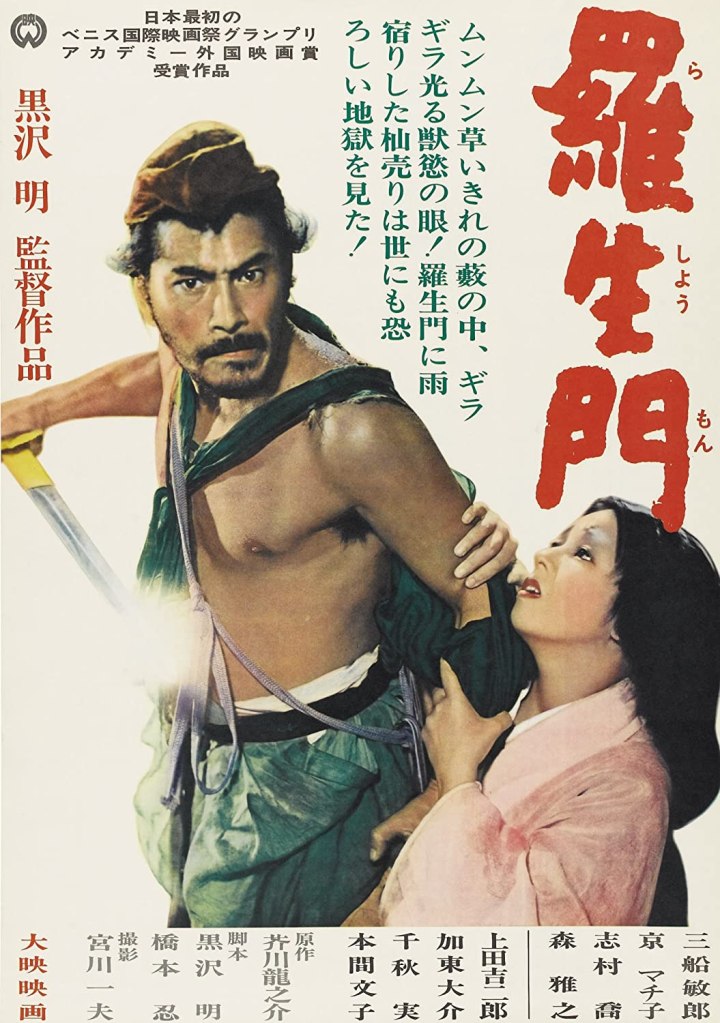
  • Rashomon – a series of witnesses provides contradictory accounts of the same event in an adaptation of the story by Ryunosuke Akutagawa starring Toshiro Mifune, Machiko Kyo, and Masayuki Mori.
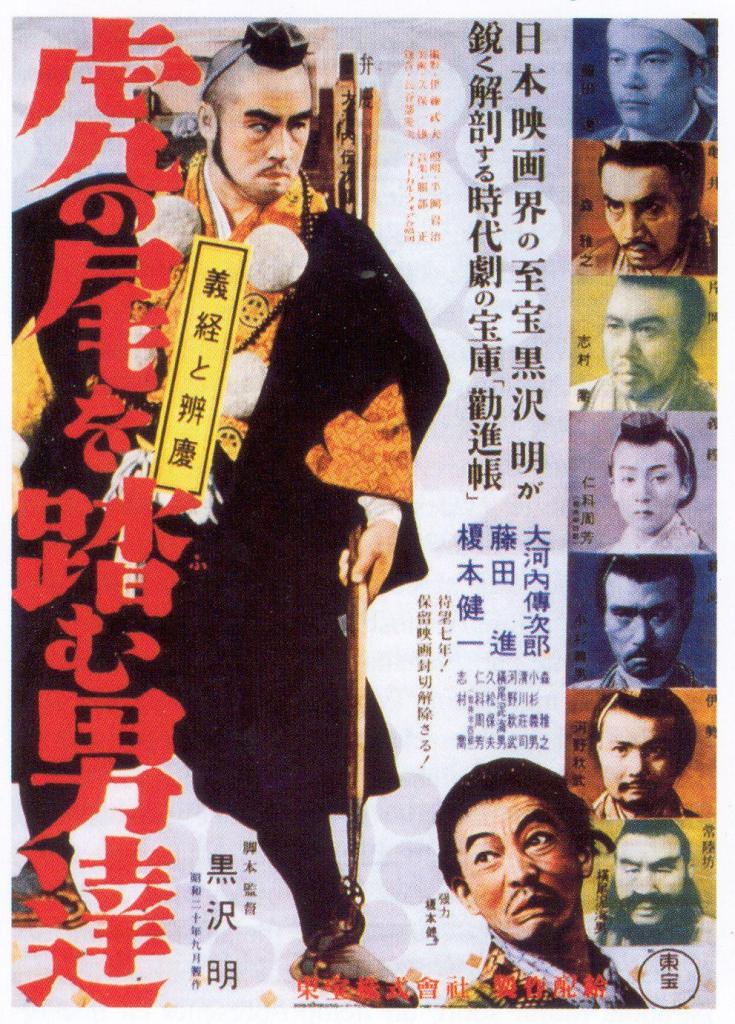
  • The Men Who Tread on the Tiger’s Tail – comedic kabuki adaptation in which a samurai attempts to escape with his retinue after being betrayed by his brother by disguising himself as a monk.
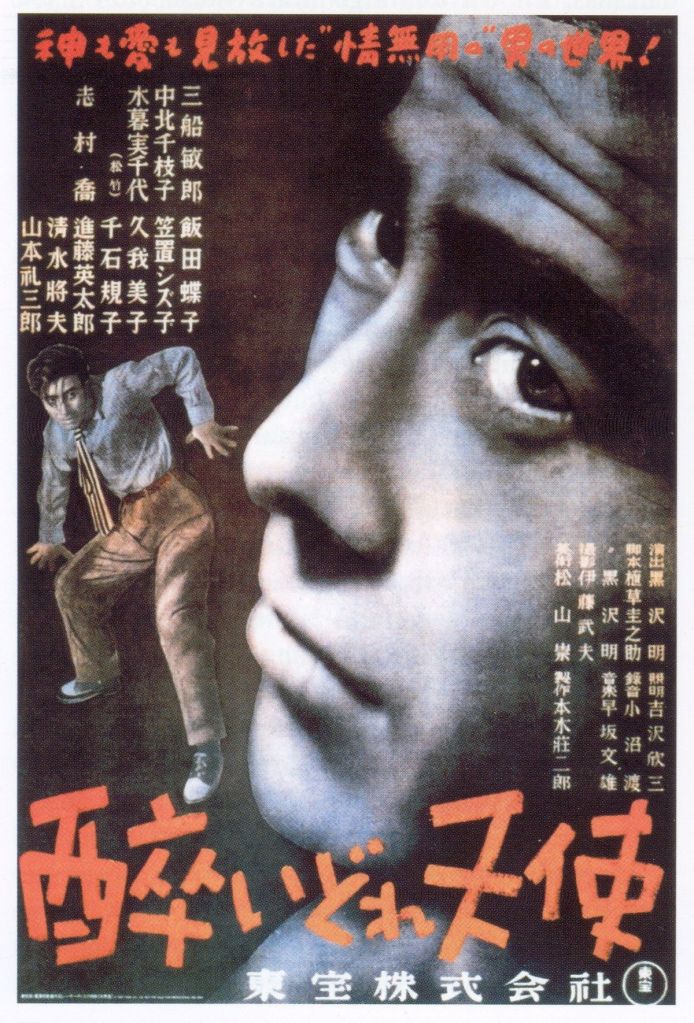
  • Drunken Angel – post-war tragedy starring Toshiro Mifune at his most dashing as gangster dying of TB and Takashi Shimura as the compassionate yet alcoholic doctor trying to save him.
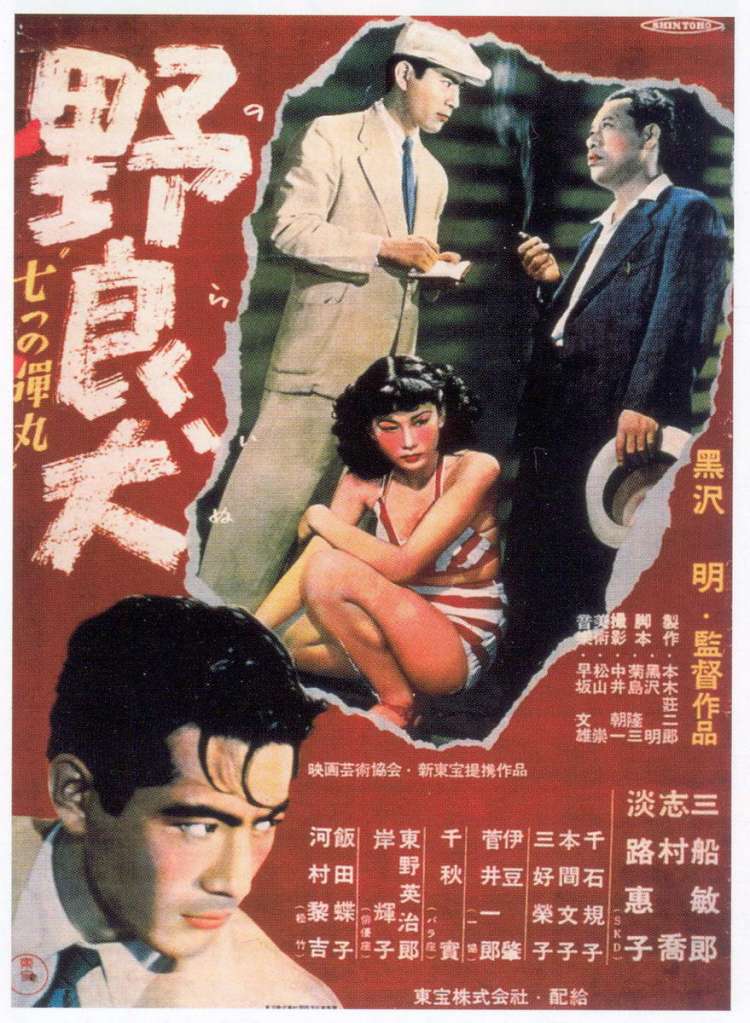
  • Stray Dog – a policeman (Mifune) and his partner (Shimura) scour post-war Tokyo for a missing gun.
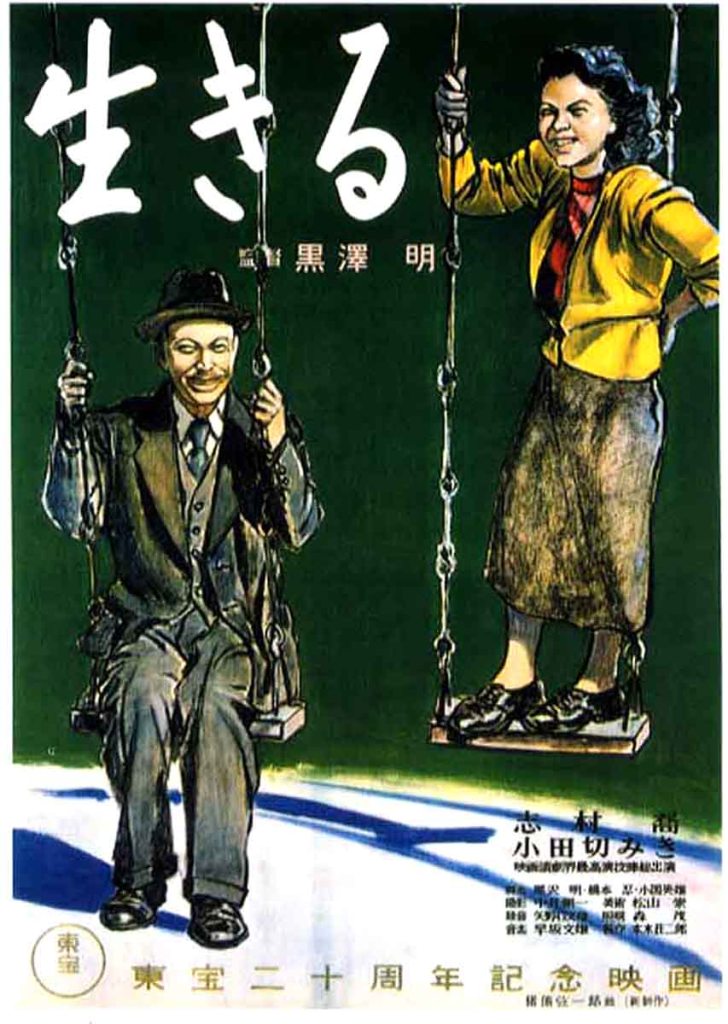
  • Ikiru – existential drama starring Takashi Shimura as a civil servant reflecting on his life after discovering he has a terminal illness.
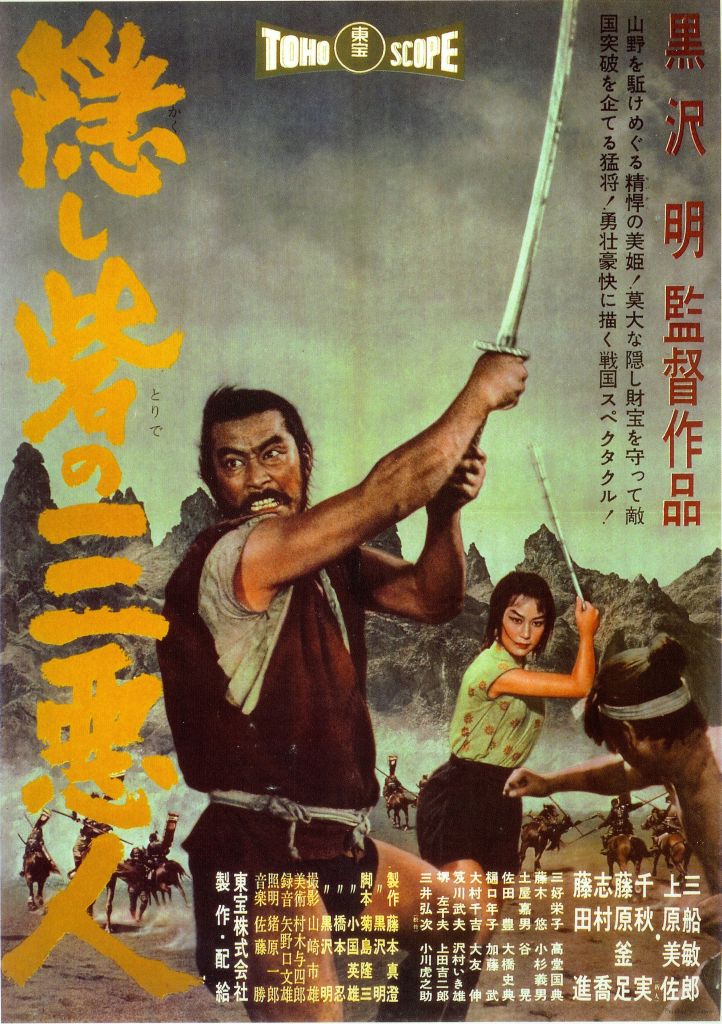
  • Hidden Fortress – two bumbling peasants agree to escort a general and a princess in disguise to safe territory in return for gold.
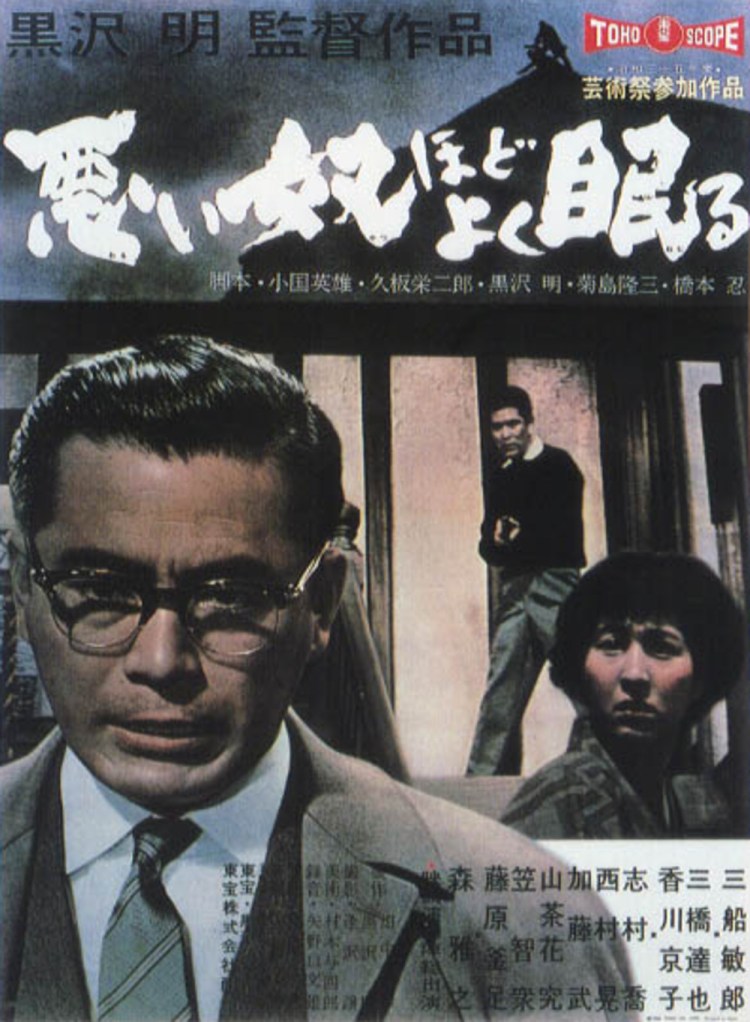
  • The Bad Sleep Well – contemporary take on Hamlet starring Toshiro Mifune as man enacting an elaborate revenge plot against the corrupt CEO who drove his father to suicide. Review.
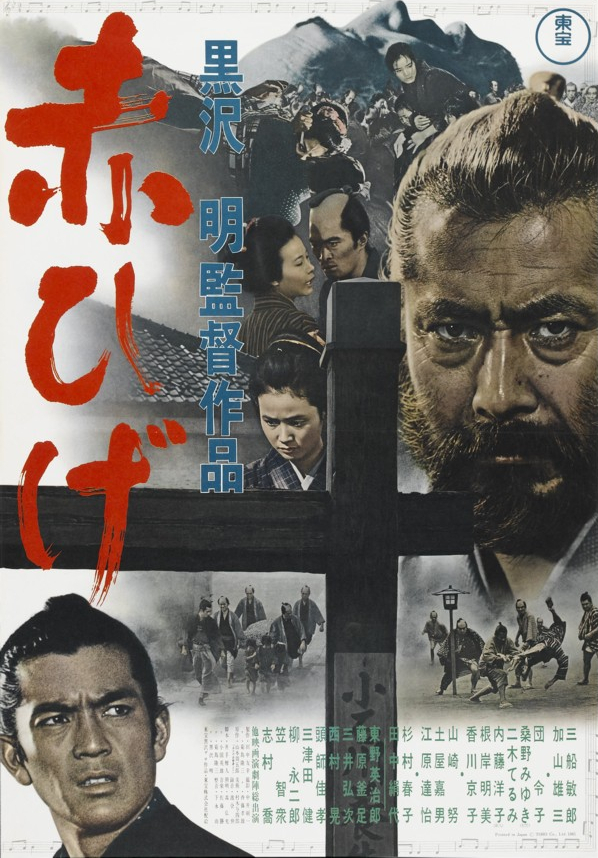
  • Red Beard – humanistic drama starring Toshiro Mifune as a gruff yet compassionate doctor to the poor. Review.
  • Ran – King Lear relocated to feudal Japan.
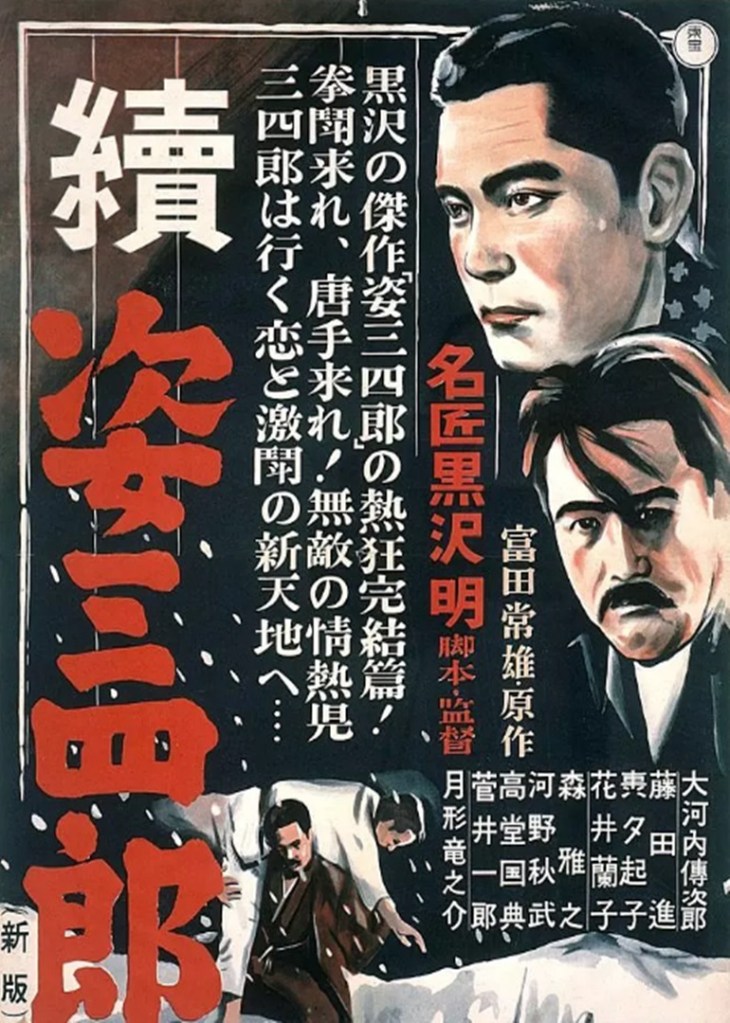
  • Sanshiro Sugata Pt 1 & 2 – drama inspired by the life story of a legendary judo master.
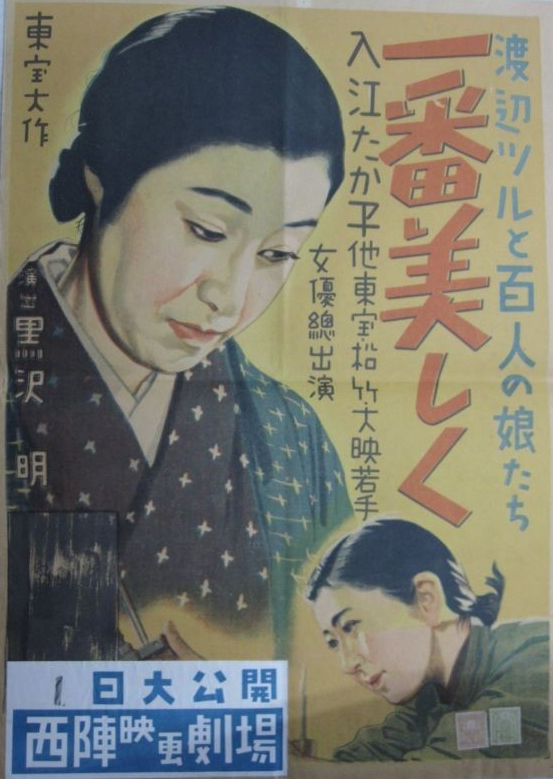
  • The Most Beautiful – naturalistic national policy film from 1944 following the lives of female factory workers.
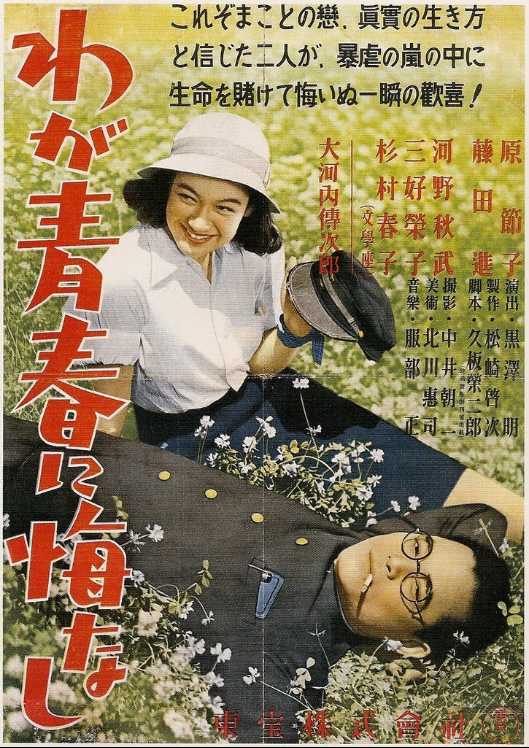
  • No Regrets for Our Youth – 1946 drama starring Setsuko Hara as a professor’s daughter who marries a radical leftist later executed as a spy.
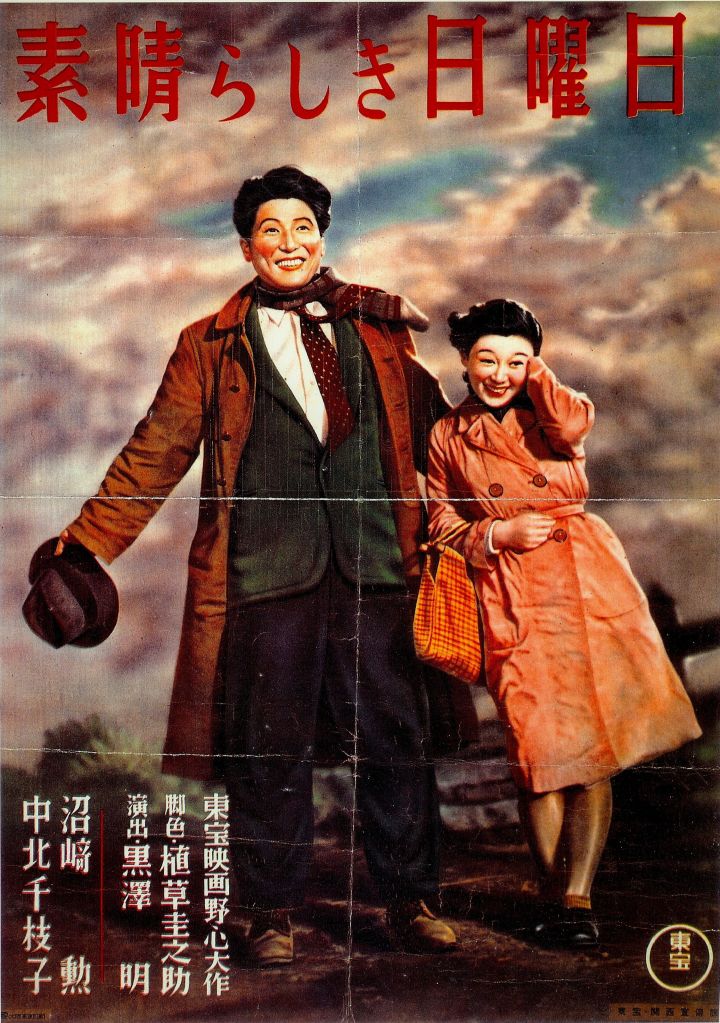
  • One Wonderful Sunday – post-war drama in which an engaged couple attempt to have a nice day out in Tokyo for only 35 yen.
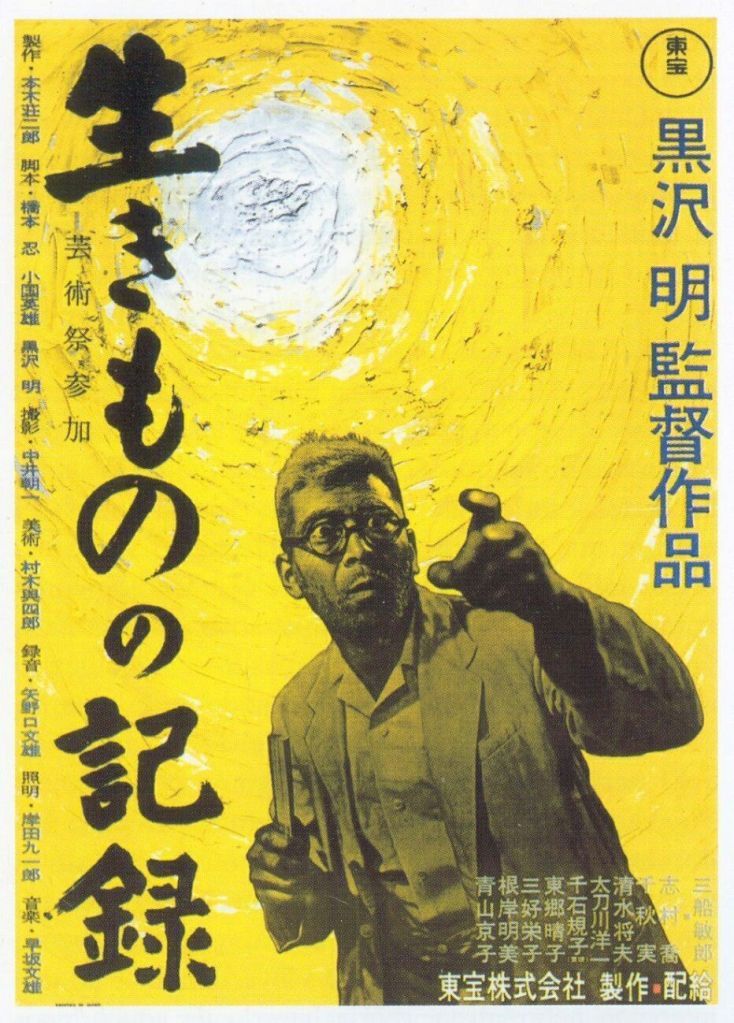
  • I Live in Fear – Toshiro Mifune stars as a factory owner so terrified of nuclear attack that he becomes determined to move his family to the comparative safety of Brazil while they attempt to have him declared legally incompetent on account of his intense paranoia.
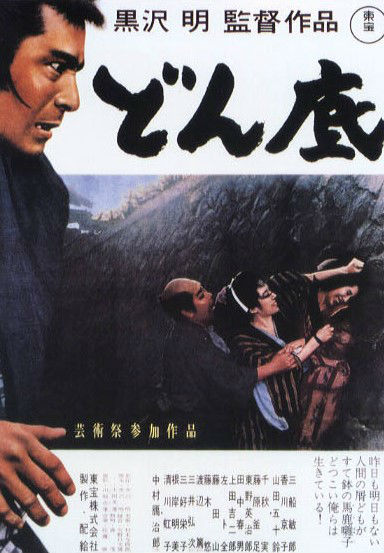
  • The Lower Depths – 1957 adaptation of Gorky’s novel following the lives of a collection of people living in an Edo-era tenement.
  • High and Low – Toshiro Mifune stars as a wealthy man encountering a dilemma when his chauffeur’s son is kidnapped after being mistaken for his own.
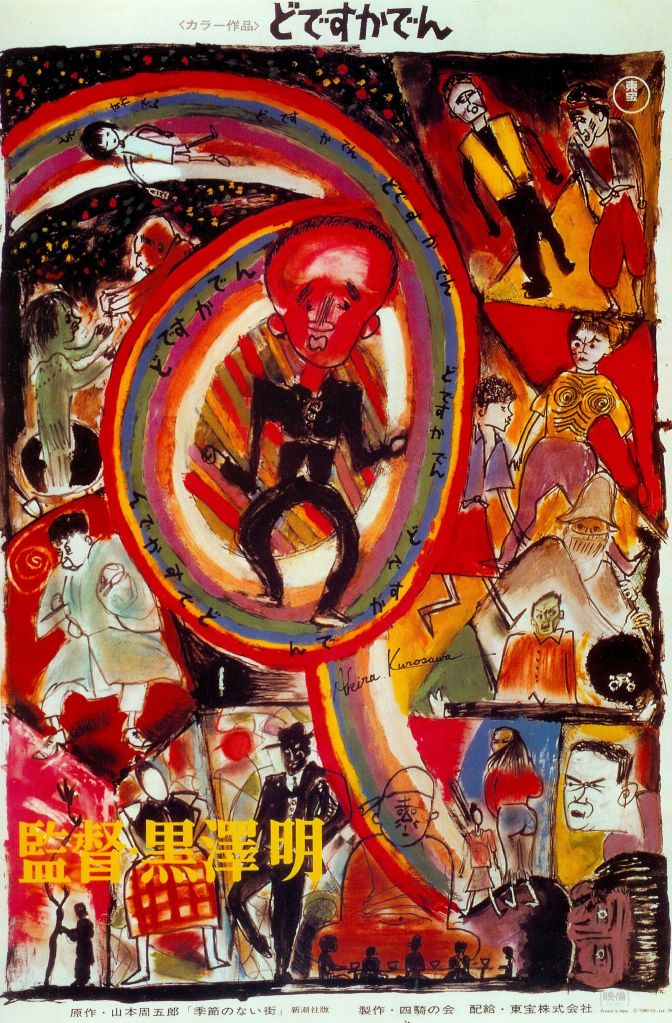
  • Dodes’ka-den – Kurosawa’s first colour film exploring the lives of a collection of people living in a shantytown above a rubbish dump.

Classics (11th May)
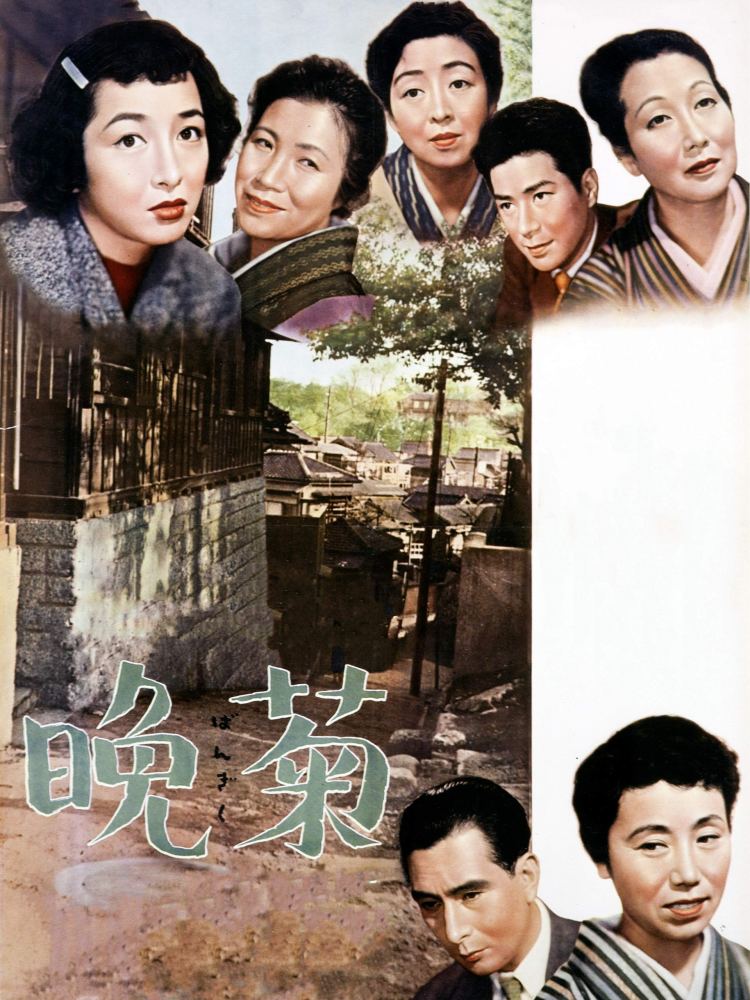
  • Late Chrysanthemums – Naruse’s 1954 drama following the lives of four former geishas (played by Haruko Sugimura, Chikako Hosokawa, Yuko Mochizuki, and Sadako Sawamura) as they try to get by in the complicated post-war economy.  
  • Floating Clouds – Naruse’s 1955 romantic drama starring Hideko Takamine and Masayuki Mori as former lovers floundering in the post-war landscape. Review.
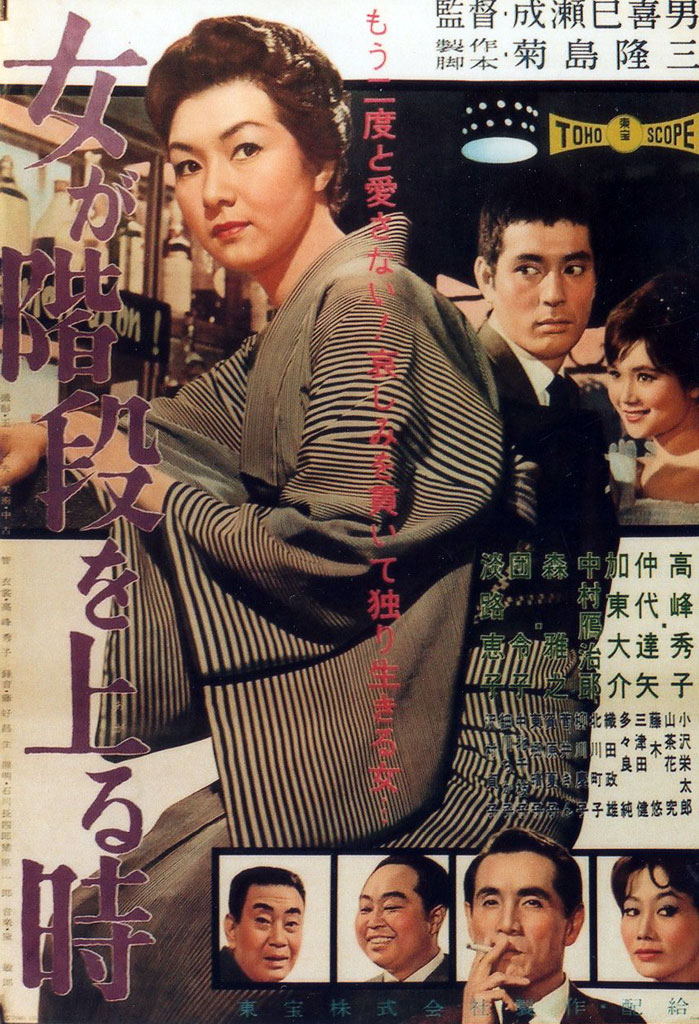
  • When a Woman Ascends the Stairs – Naruse’s 1960 drama starring Hideko Takamine as a widow turned Ginza bar hostess.
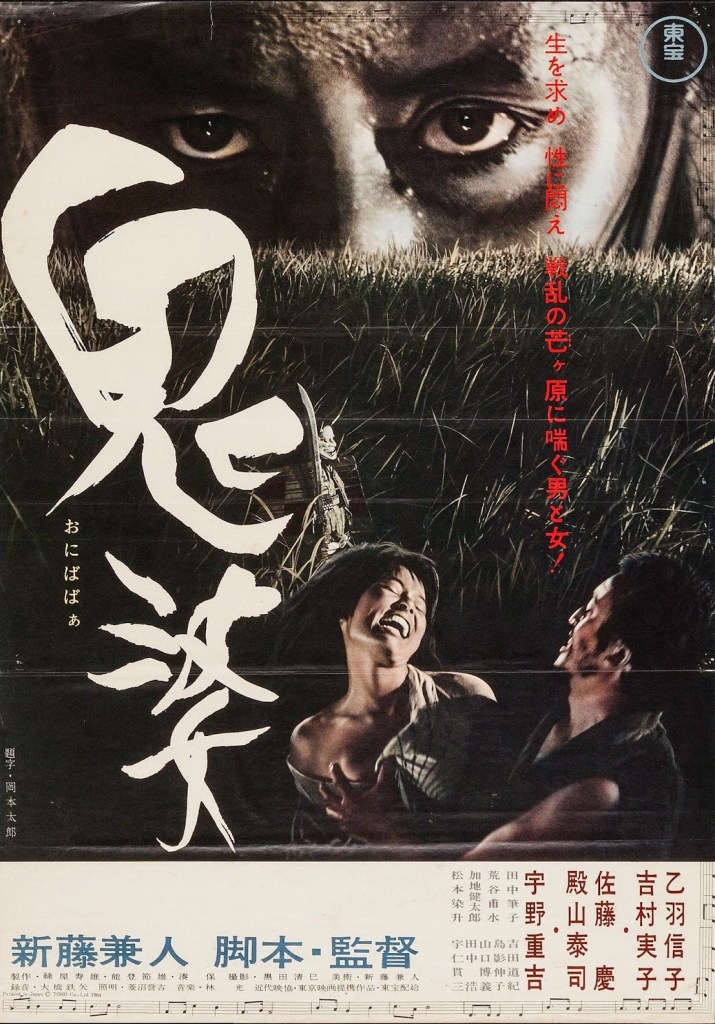
  • Onibaba – period horror from Kaneto Shindo in which a mother and her daughter-in-law survive by murdering samurai and selling their armour. Review.
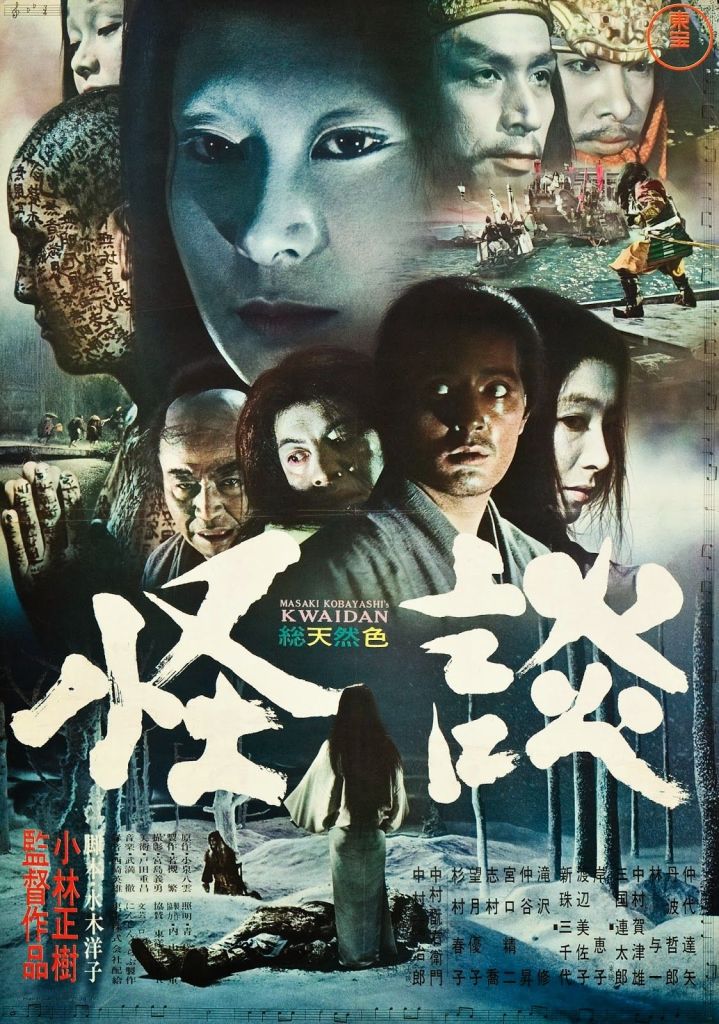
  • Kwaidan – horror anthology from Masaki Kobayashi featuring adaptations of classic Japanese folktales.
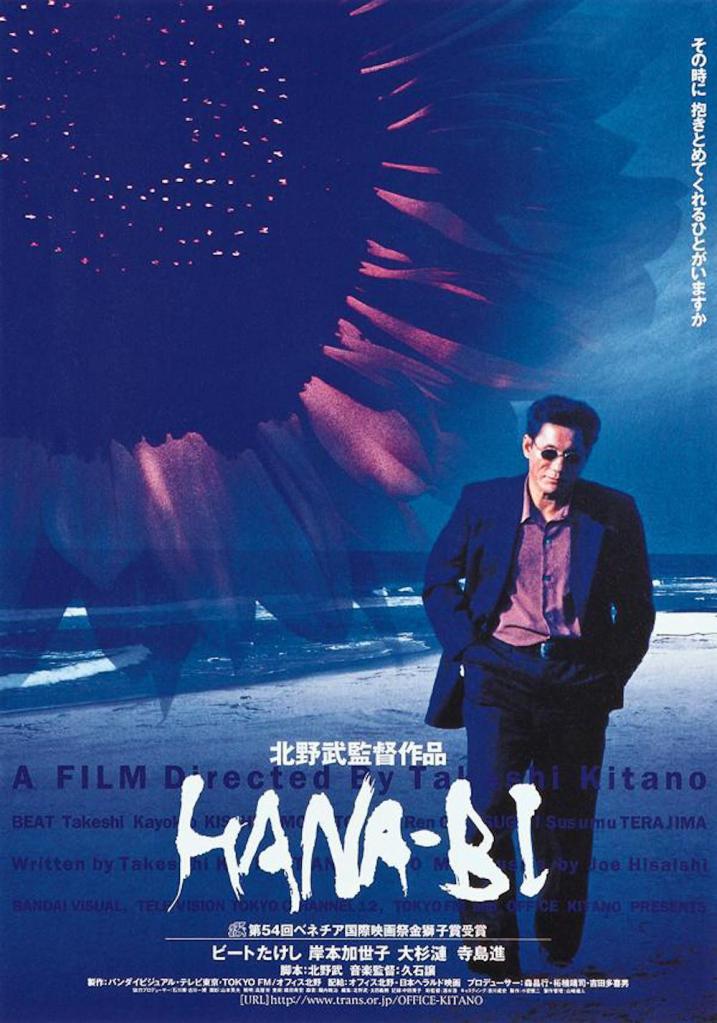
  • Hana-Bi – noirish poetry from Takeshi Kitano as a former policeman takes on an unwise loan from yakuza to care for his terminally ill wife. Review.
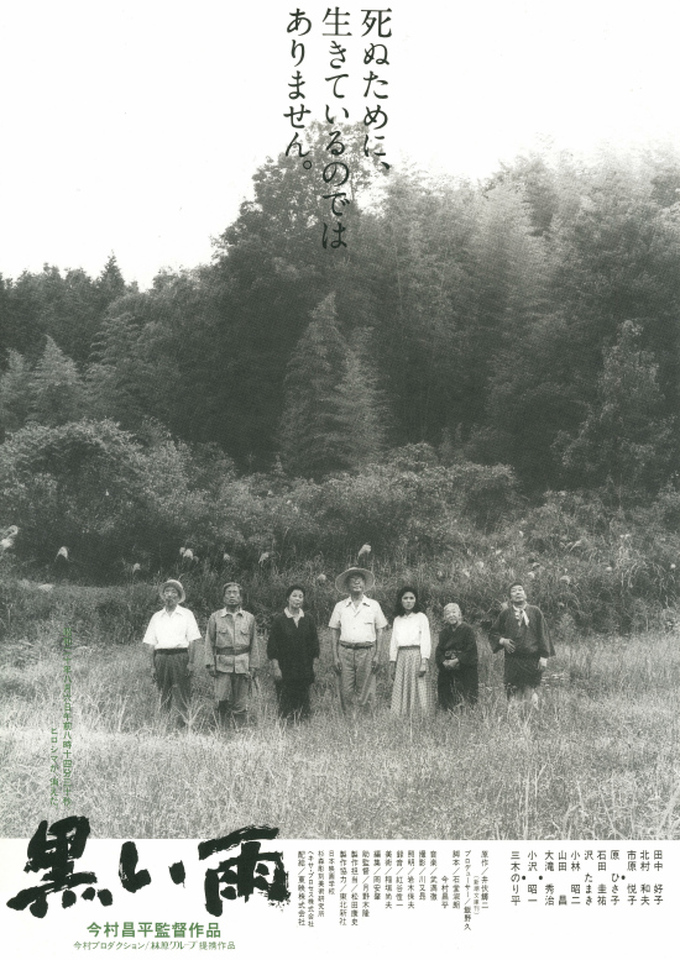
  • Black Rain – Shohei Imamura’s 1989 drama set in the aftermath of the atomic bomb attack on Hiroshima.
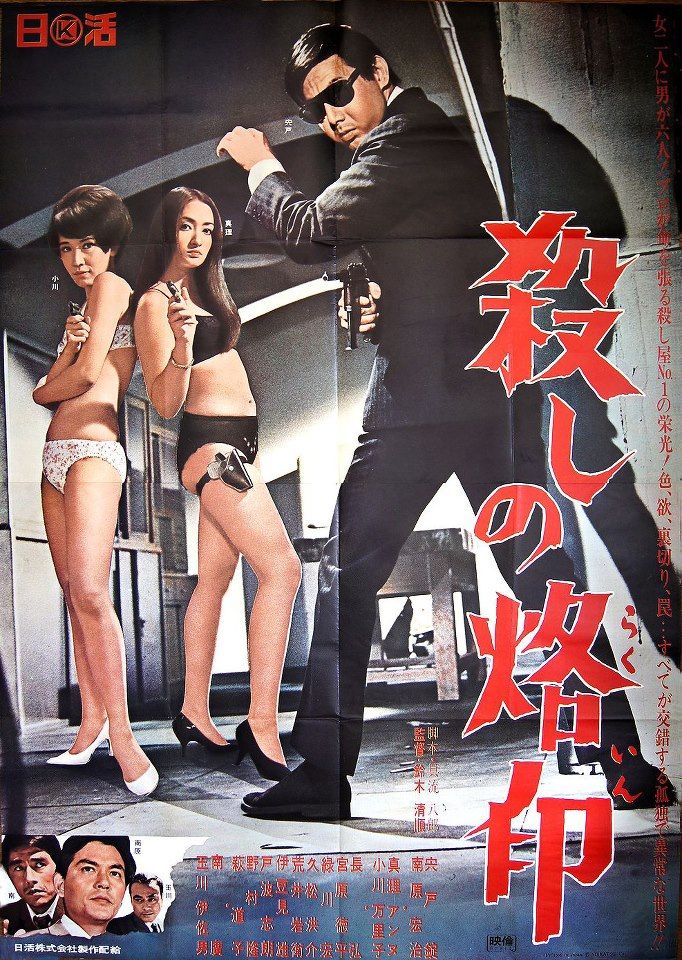
  • Branded to Kill – the anarchic 1967 hitman drama that got Seijun Suzuki fired from Nikkatsu.
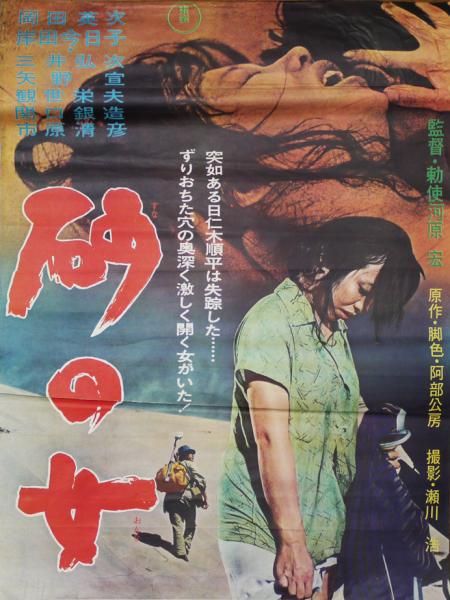
  • Woman of the Dunes – Hiroshi Teshigahara’s adaption of the Kobo Abe novel in which a bug collector is imprisoned in a sand dune after missing the last bus home and being persuaded to spend the night in the home of a local woman.
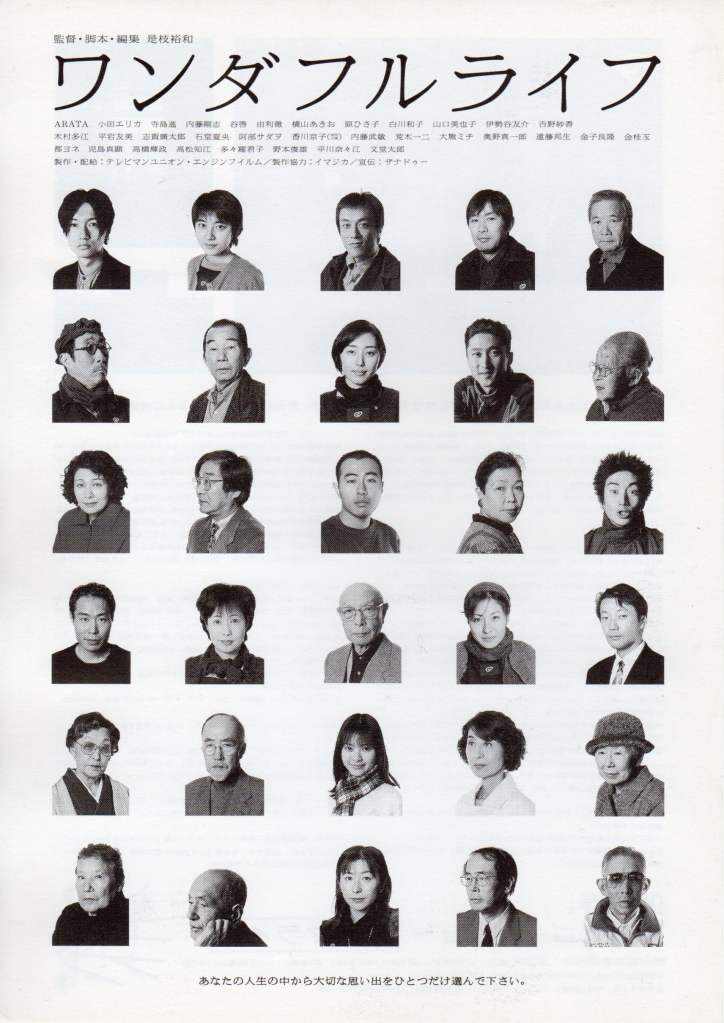
  • After Life – poignant drama from Hirokazu Koreeda in which the recently deceased are permitted to recreate a favourite memory. Review.
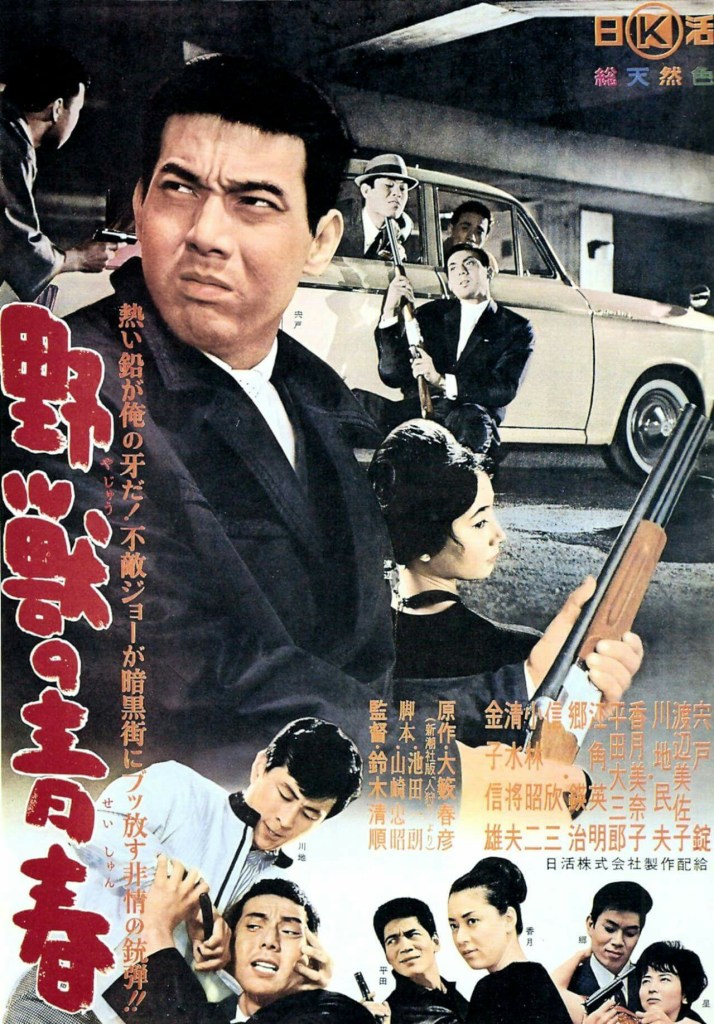
  • Youth of the Beast – Seijun Suzuki drama starring Jo Shishido as a mysterious figure playing double agent to engineer a gang war. Review.
  • Gate of Hell – period drama starring Machiko Kyo as a loyal wife who tricks a man trying to kill her husband to have her for himself to kill her instead. Review.
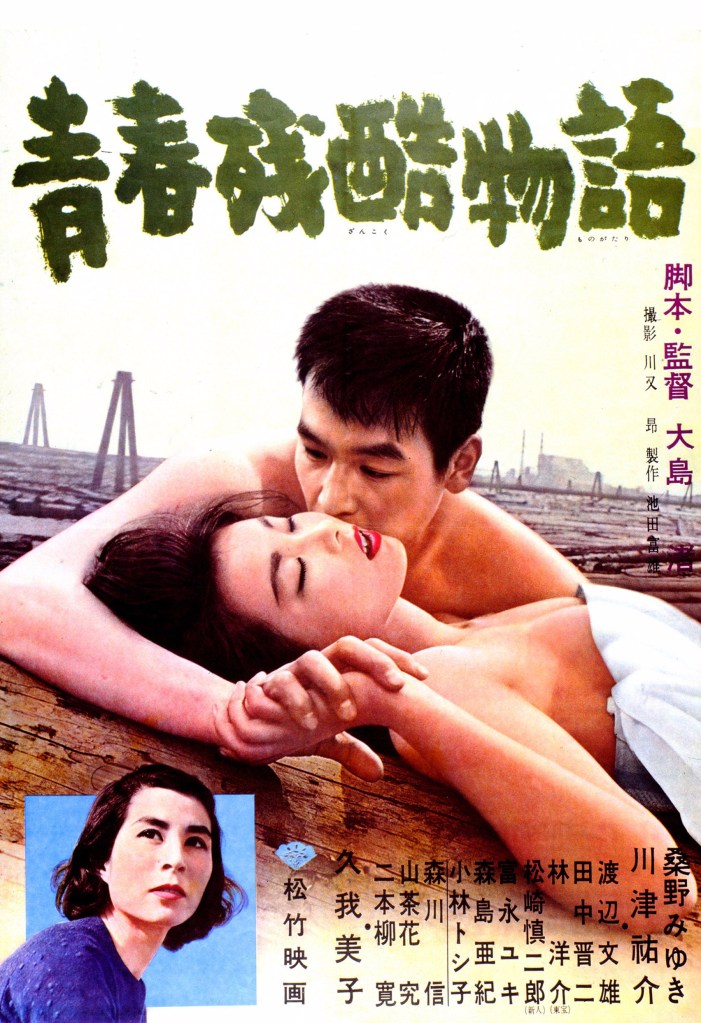
  • Cruel Story of Youth – post-Sun Tribe youth drama from Shochiku directed by Nagisa Oshima. Review.
  • An Actor’s Revenge – Kon Ichikawa’s visually stunning tale of vengeance and madness. Review.

Yasujiro Ozu (5th June)
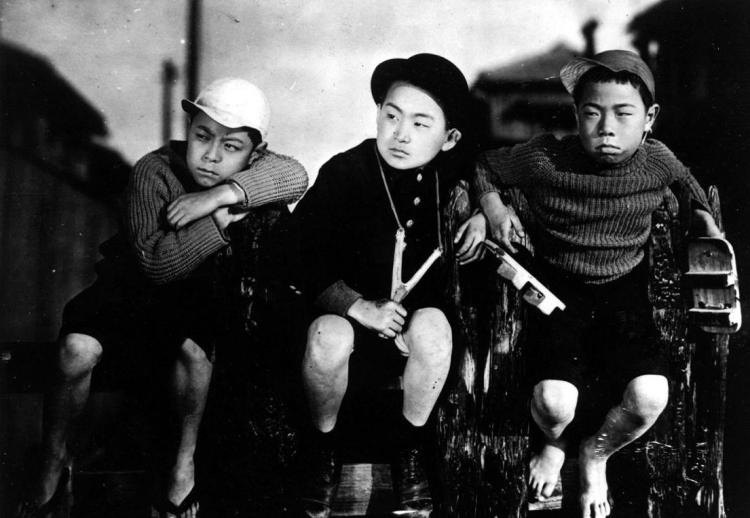
  • I Was Born, But… – 1932 silent in which two little boys have a hard time accepting that their dad has an inauthentic work persona. Review.
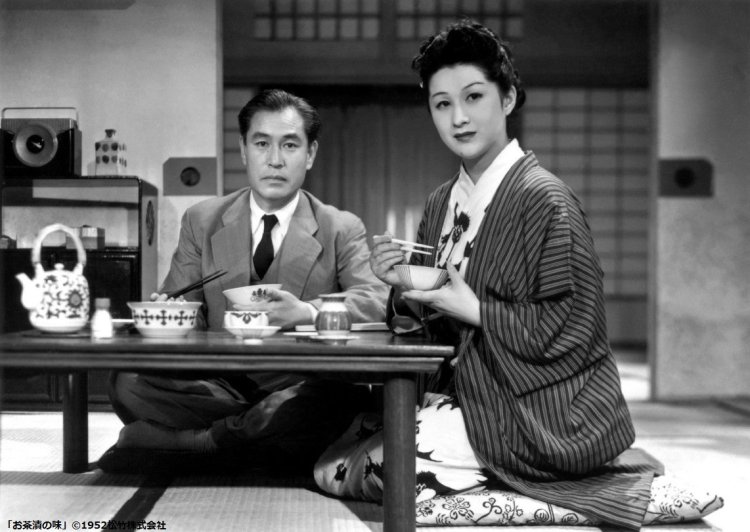
  • Flavour of Green Tea Over Rice – 1952 drama starring Shin Saburi and Michiyo Kogure as an unhappily married couple. Review.
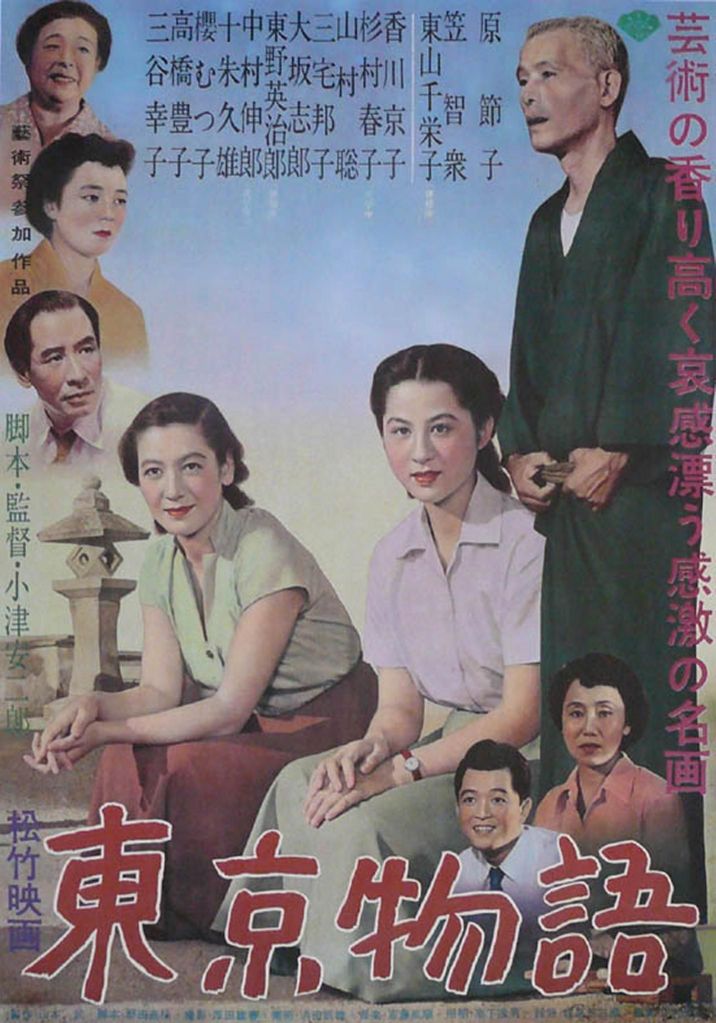
  • Tokyo Story – post-war classic in which an old couple from the country make a rare trip to the city to see their grown up children but are disappointed to discover that they don’t have much time for them.
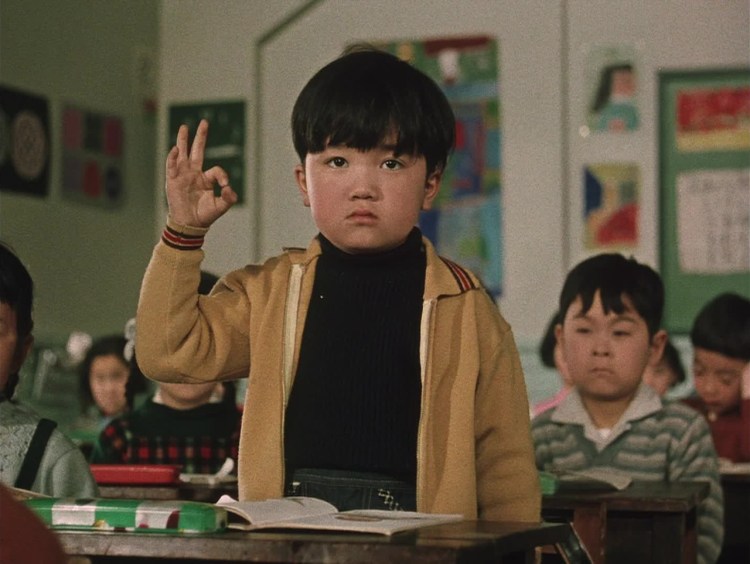
  • Good Morning – consumerist comedy in which two little boys go on a pleasantries strike to get their parents to buy them a TV.
  • Late Autumn – drama in which a young widow tries to marry off her daughter with the help of old friends from college. Review.
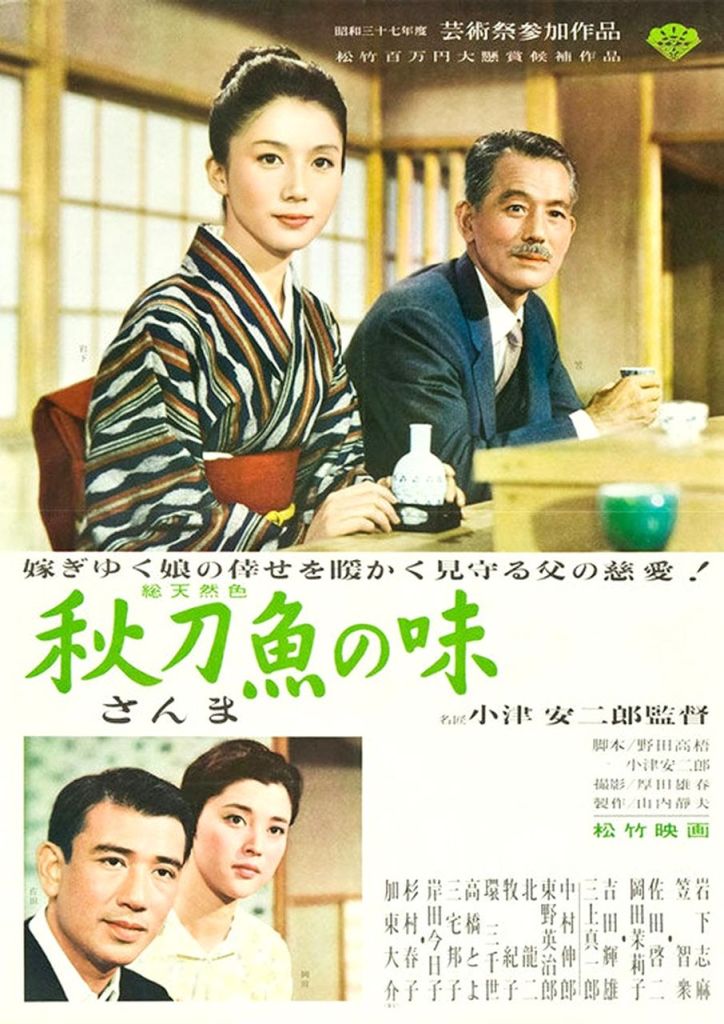
  • An Autumn Afternoon – Ozu’s final film stars Chishu Ryu as an ageing widower preparing to marry off his only daughter. Review.
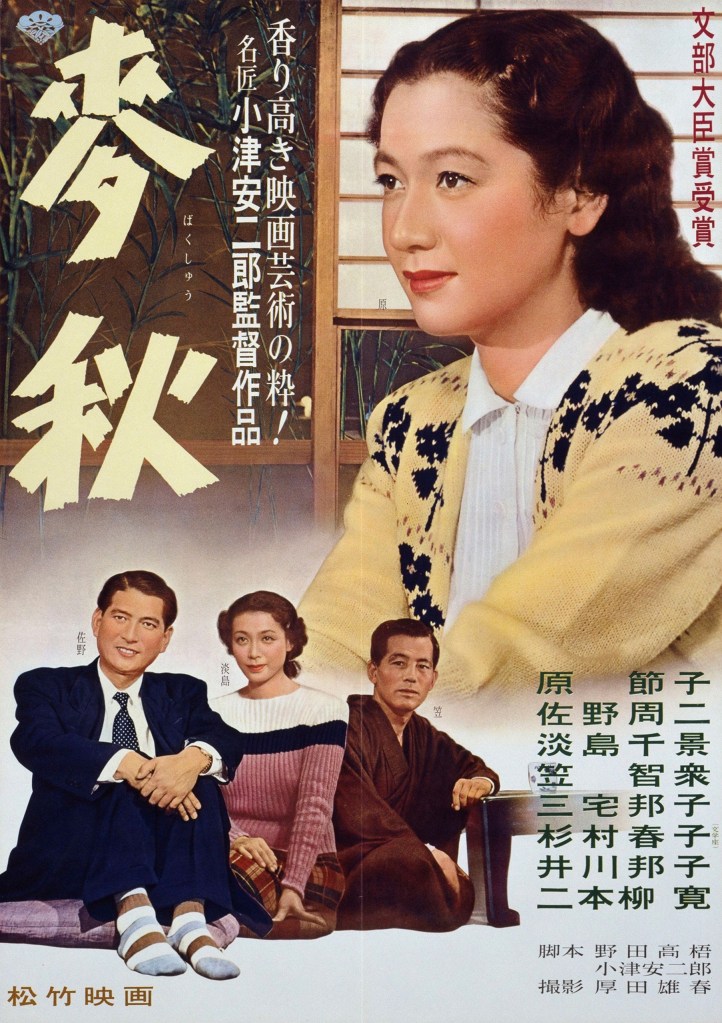
  • Early Summer – a family’s attempt to marry off a daughter is frustrated when they realise she is carrying a torch for the widower next door.
  • Equinox Flower – drama of generational conflict in which an authoritarian father is forced to accept his daughter’s right to choose her own husband without asking for his advice or consent.
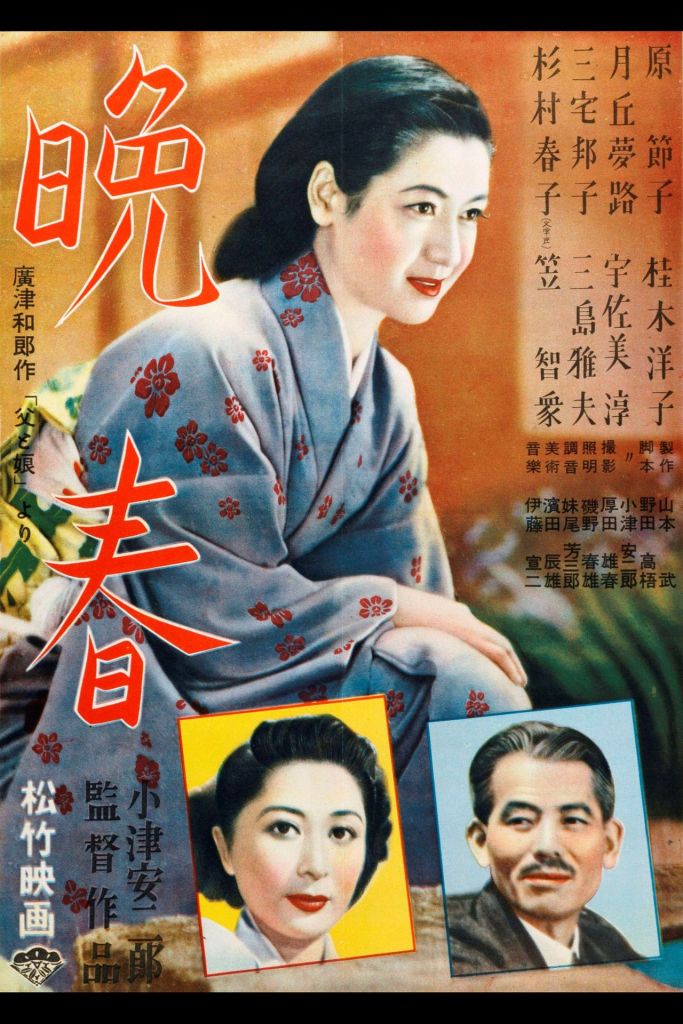
  • Late Spring – classic in which a young woman’s close relationship with her widowed father leaves her reluctant to marry.
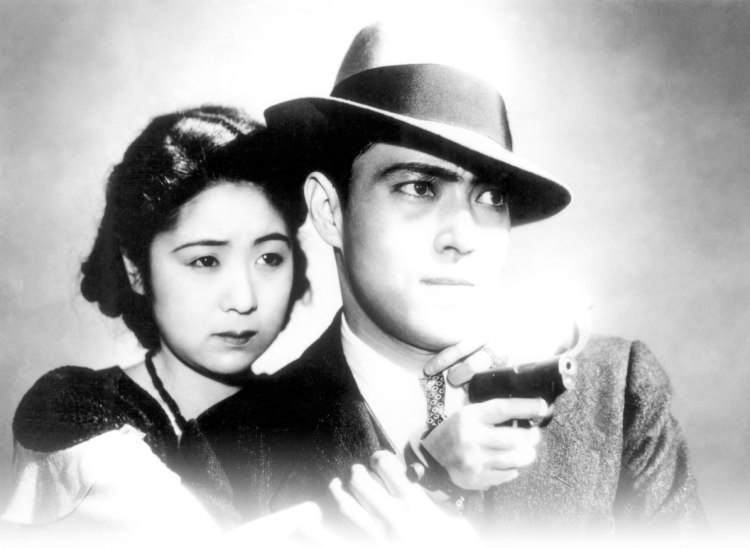
  • Dragnet Girl – silent crime film starring Kinuyo Tanaka as a gangster’s moll who decides to reform after meeting the sister of a new gang member.
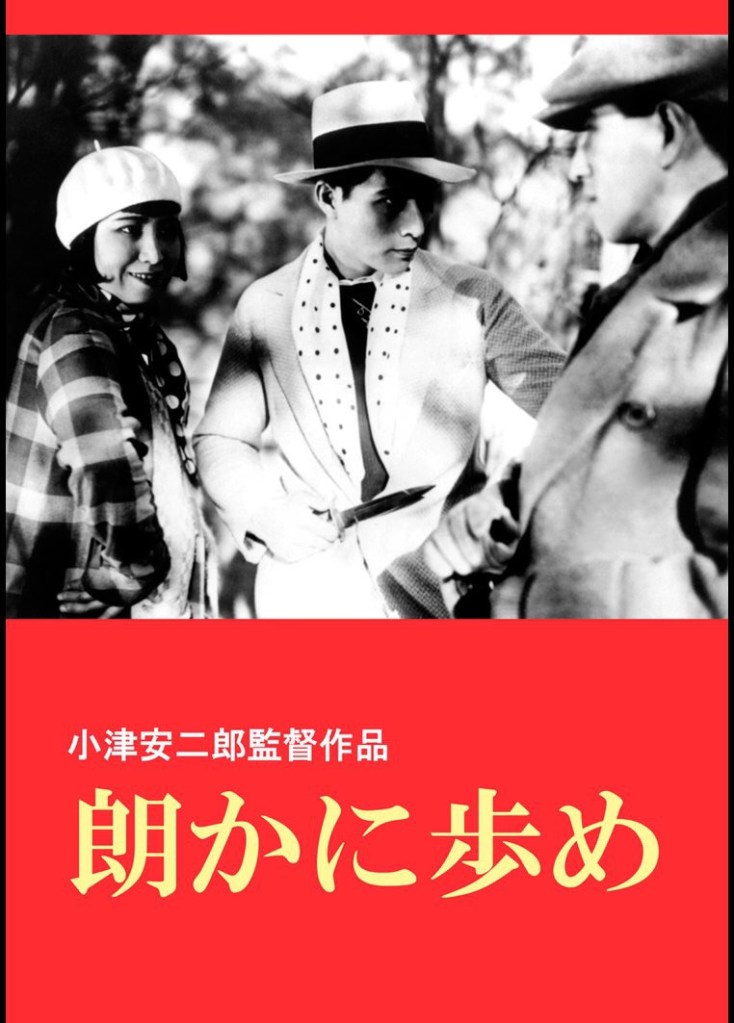
  • Walk Cheerfully – silent crime film in which a gangster wants to go straight after falling for an ordinary girl.
  • I Flunked, But… – silent college comedy.
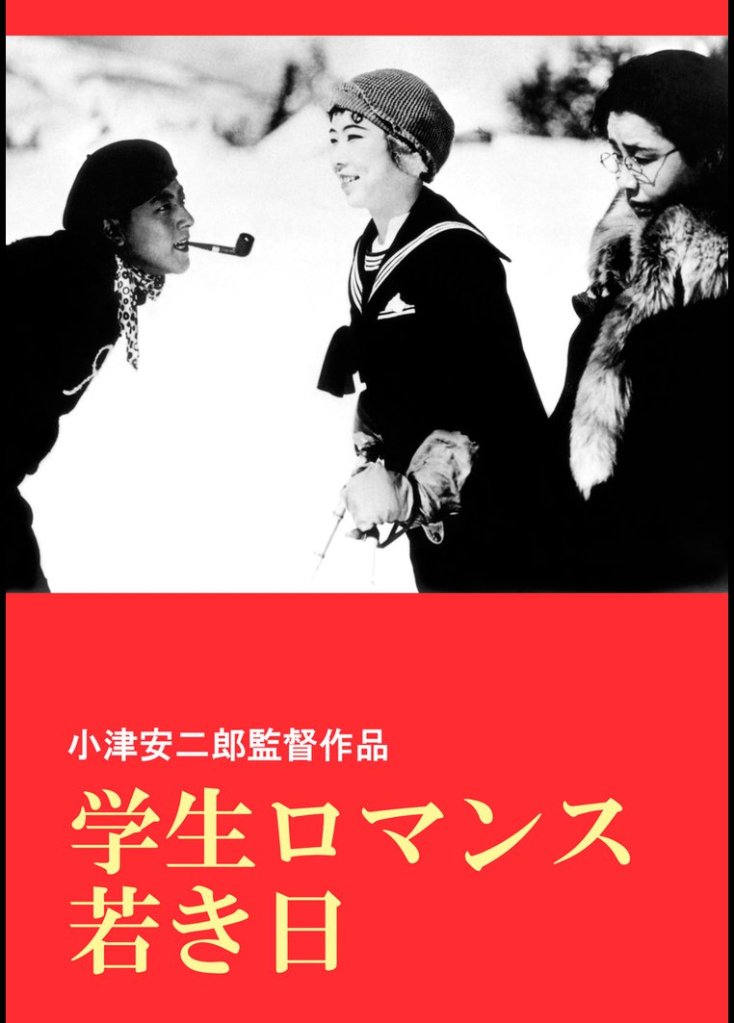
  • Days of Youth – two students compete for the affections of the same girl.
  • Where Now Are the Dreams of Youth? – tragedy enters a carefree college existence when a naive young man games the system to offer all his friends jobs after inheriting his father’s company.
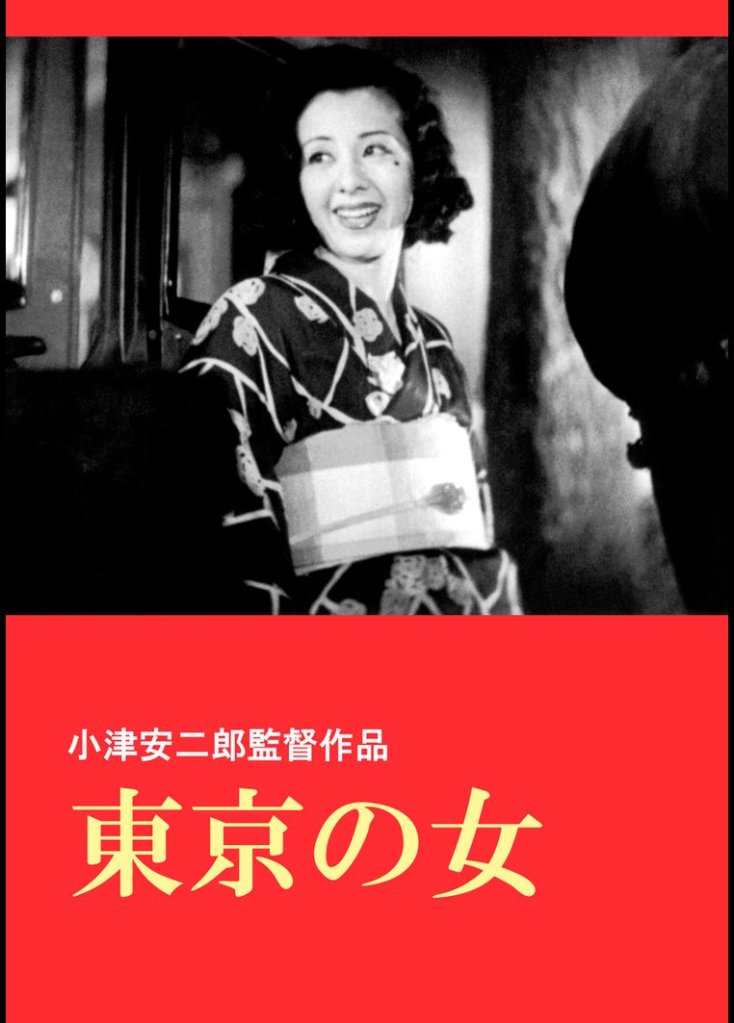
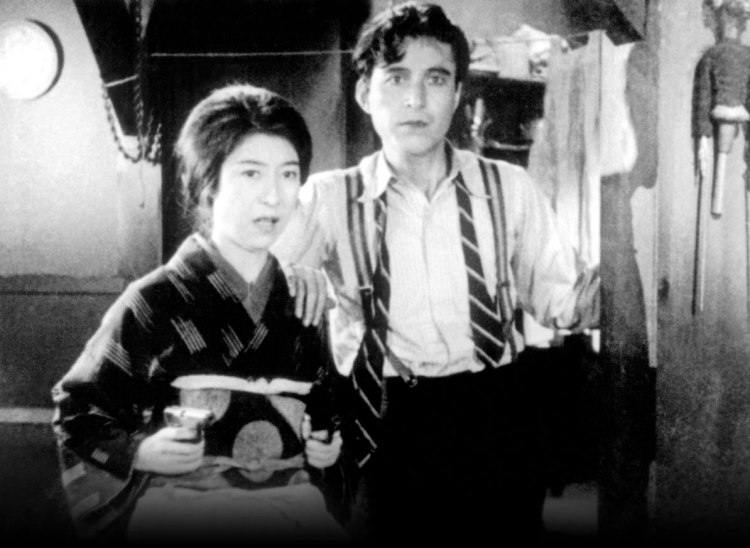
  • Woman of Tokyo – silent drama in which a student is devastated to learn that his older sister is not a translator as he thought but works as a bar hostess to finance his education.
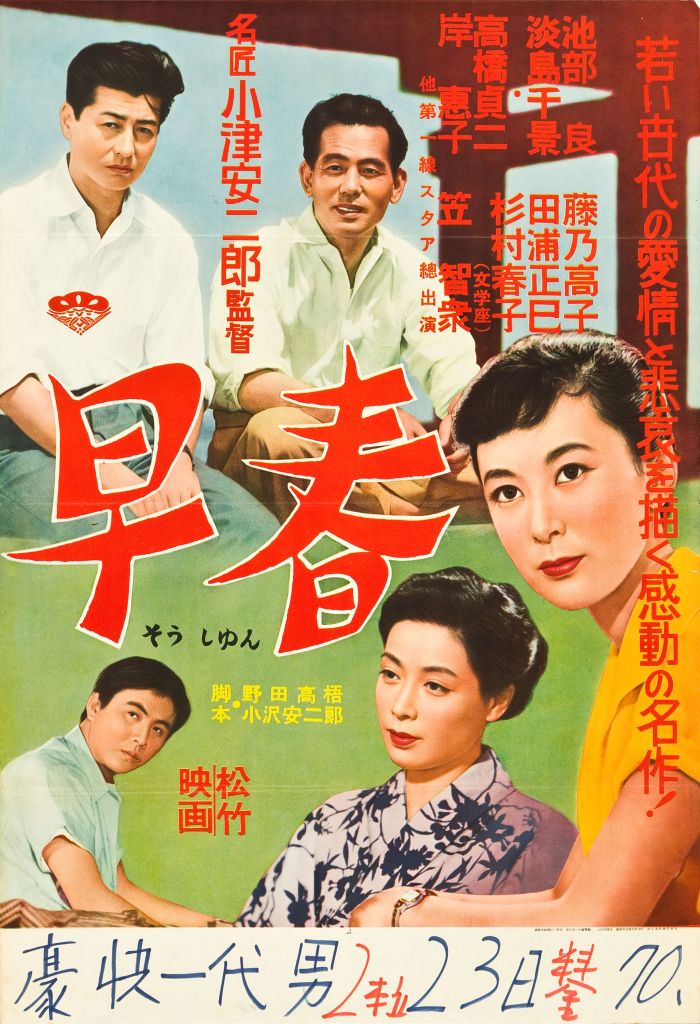
  • Early Spring – rare Ozu drama exploring the taboo of an extra-marital affair.
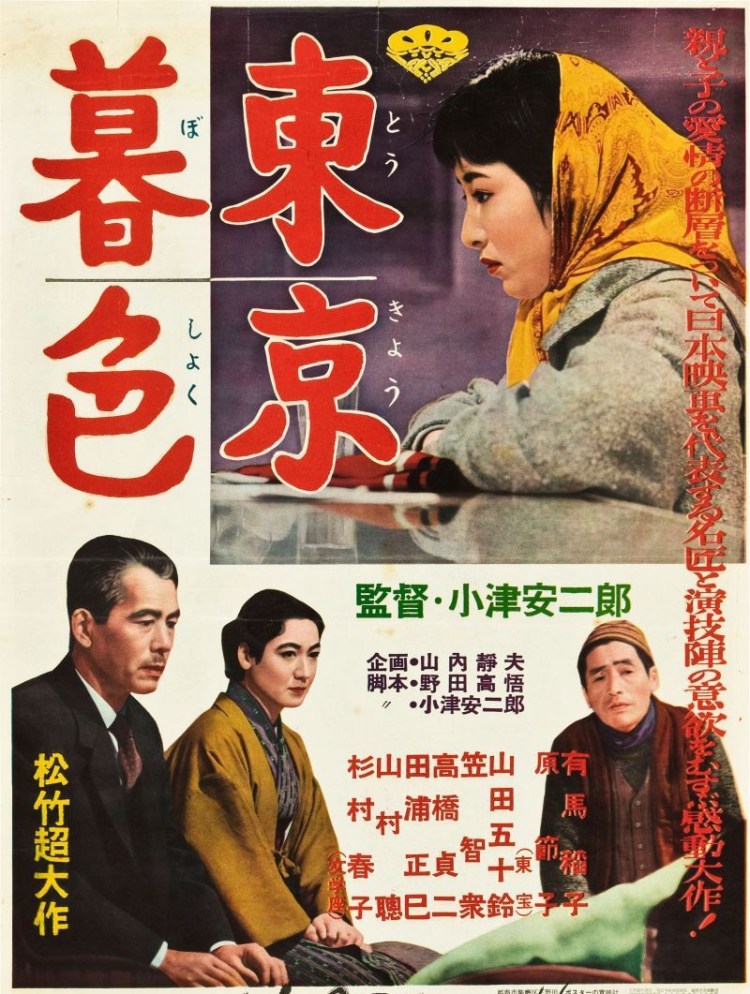
  • Tokyo Twilight – grown up sisters reunite with the mother who abandoned them as children to run off with another man.
  • That Night’s Wife – 1930 crime drama in which a man is hunted by police after resorting to robbery to pay for his daughter’s medication.
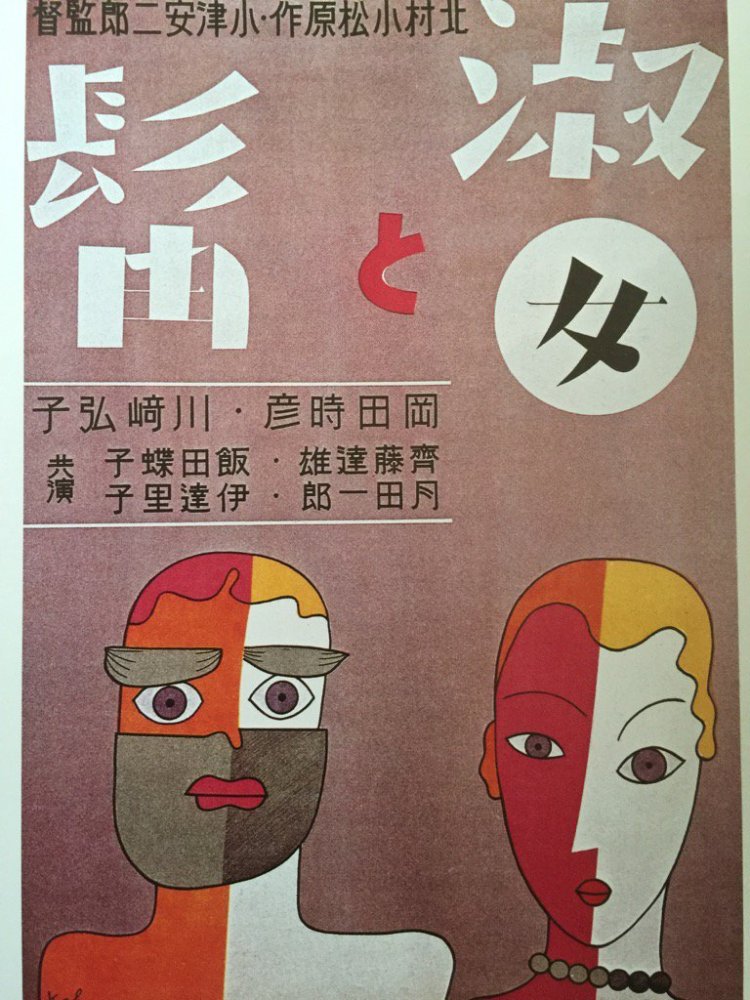
  • The Lady and the Beard – 1931 comedy in which a traditionally minded man’s refusal to shave off his beard makes it difficult to move on with his life.
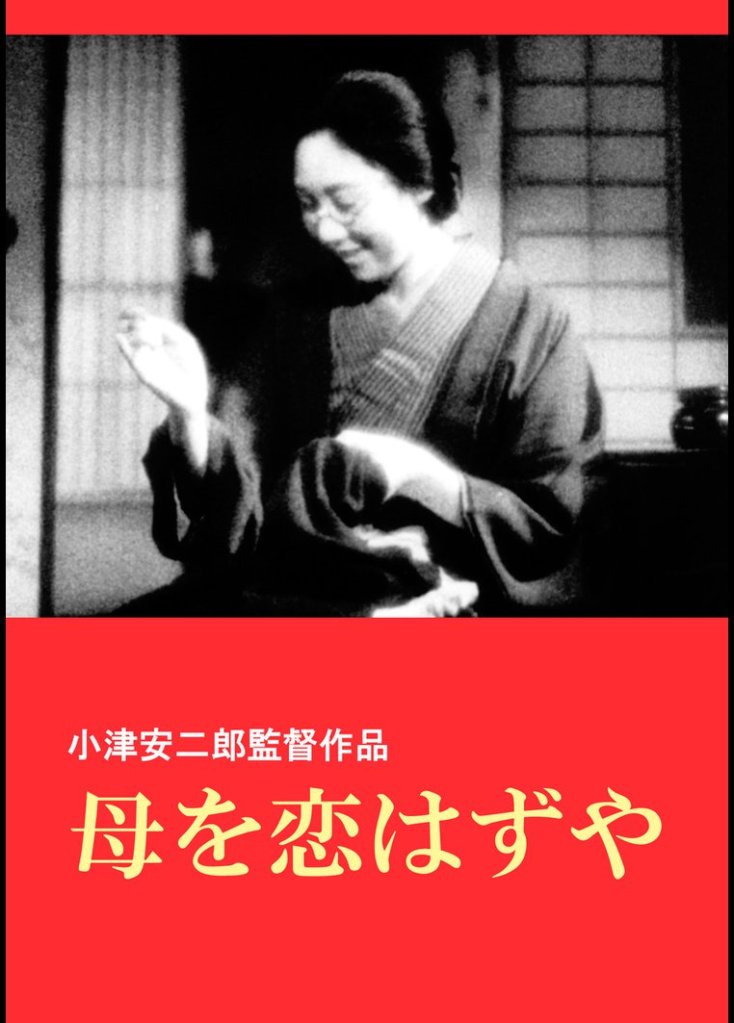
  • A Mother Should Be Loved – a young man discovers the woman who raised him is not his birth mother.
  • The Only Son – drama in which a mother visits her grown-up son and is disappointed to learn he has a wife and child he never told her about.
  • What Did the Lady Forget? – a modern girl visits her professor uncle but is disturbed to see him henpecked by his traditionalist wife.
  • Brothers and Sisters of the Toda Family – a widow discovers that her grown up children are unwilling to support her and their younger sister when their father suddenly dies leaving them deep in debt.
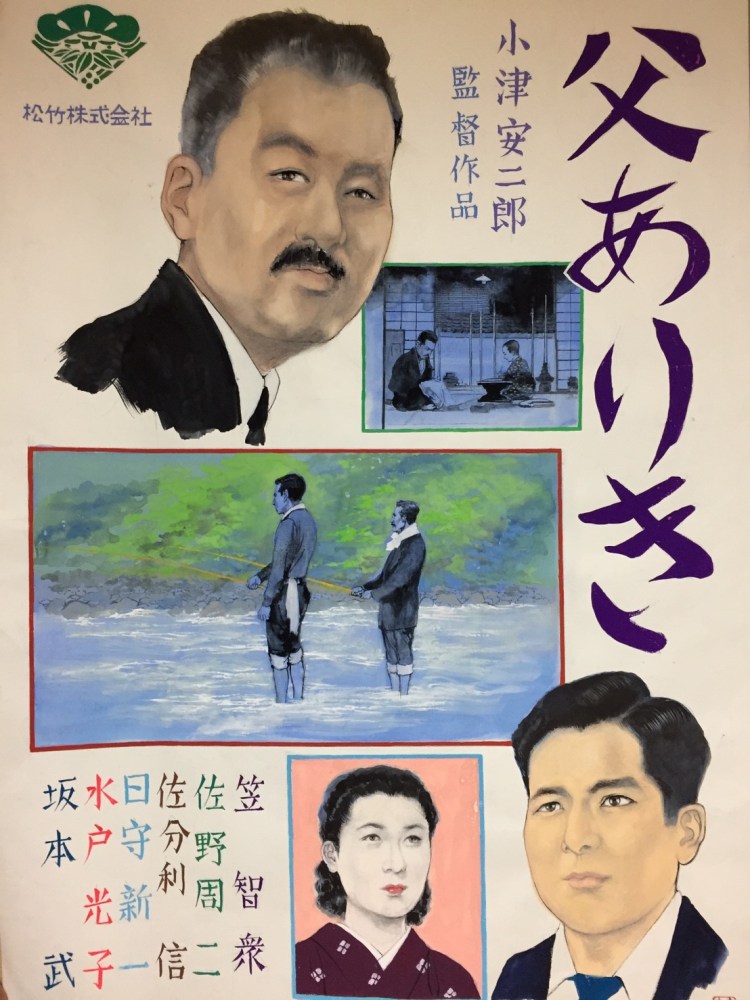
  • There Was a Father – a father’s attempts to do the best for his son perpetually keep them apart.
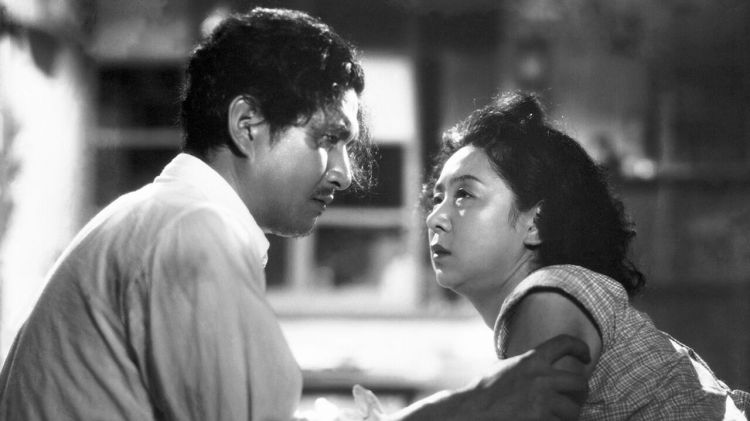
  • A Hen in the Wind – a returned soldier struggles to accept his wife’s decision to resort to prostitution to pay for a doctor to save their son’s life in Ozu’s atypically dark post-war drama.

Cult (3rd July)
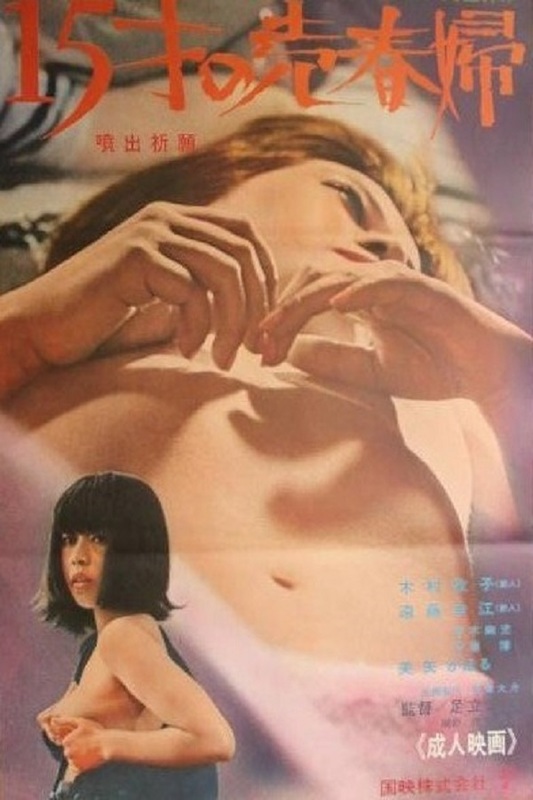
  • Gushing Prayer – pink film from Masao Adachi dramatising despair in the wake of the failure of the student movement.
  • Inflatable Sex Doll of the Wastelands – pink film in which a hitman is brought into contact with the yakuza who killed his girlfriend while looking for kidnapped woman.
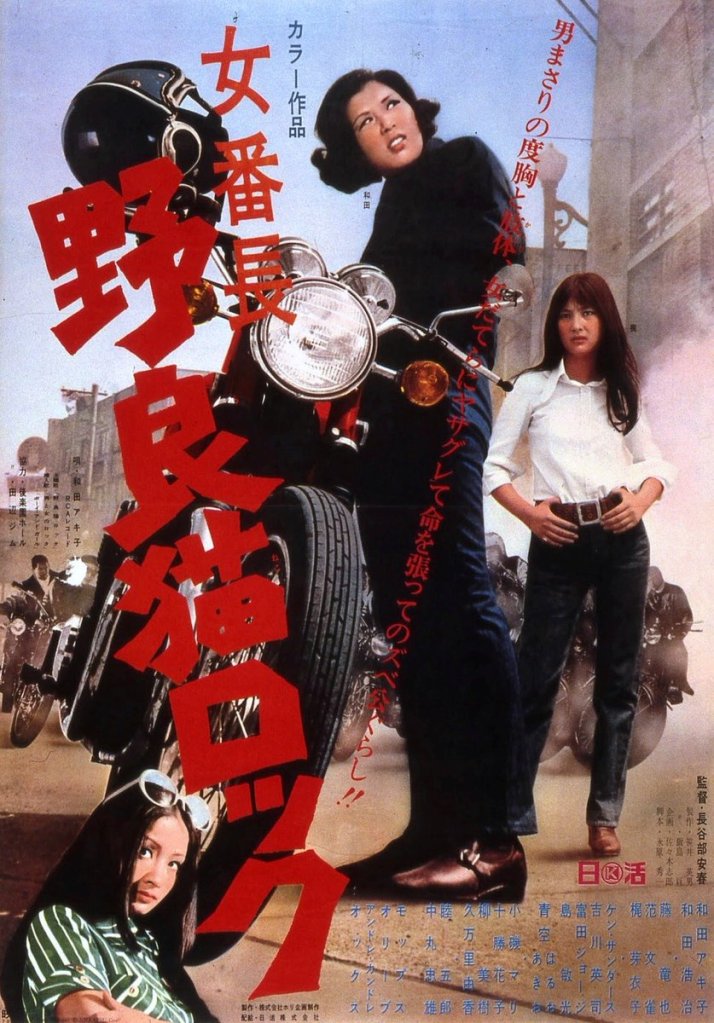
  • Stray Cat Rock: Delinquent Girl Boss – first in the Stray Cat Rock series starring Akiko Wada and Meiko Kaji.
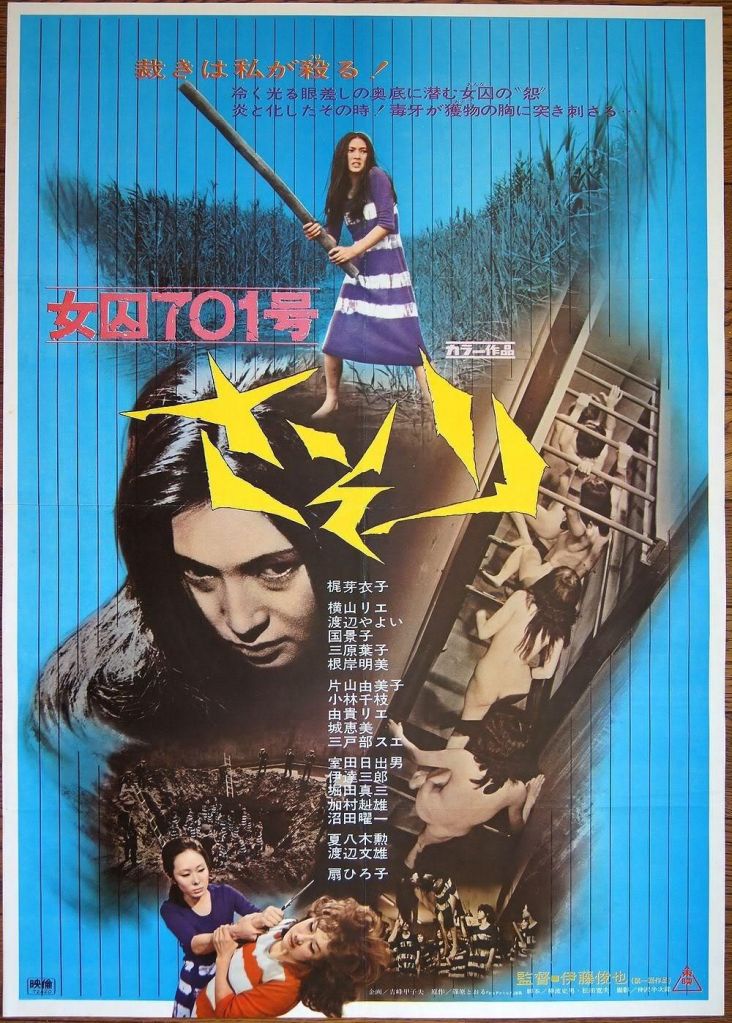
  • Female Prisoner #701: Scorpion – Meiko Kaji stars as a woman falsely imprisoned.
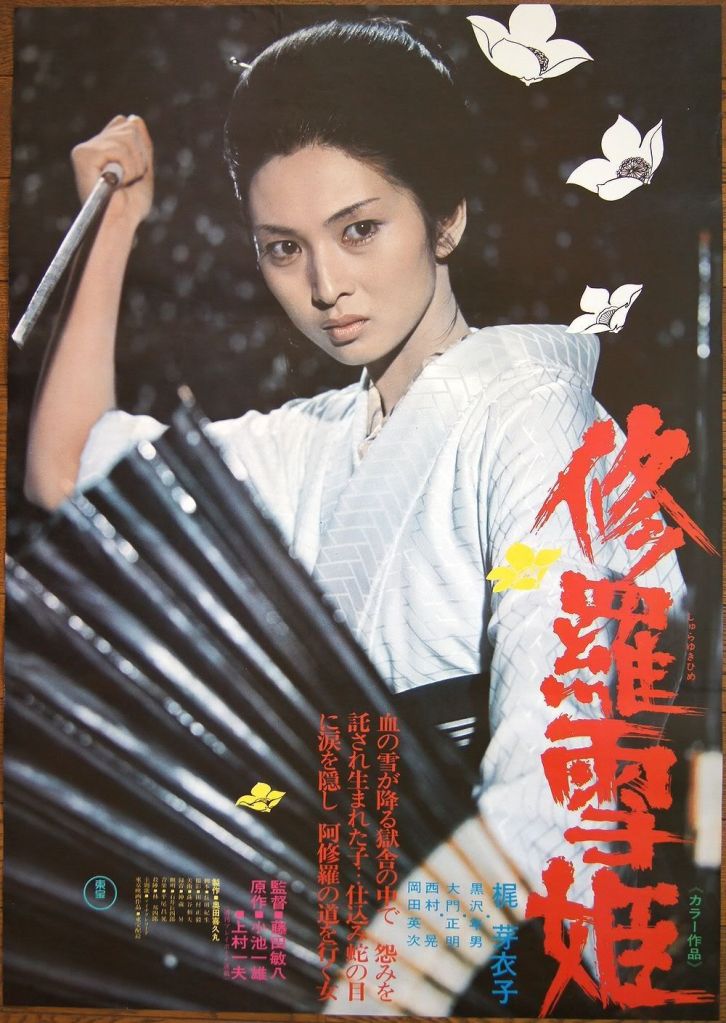
  • Lady Snowblood – Meiko Kaji stars as a young woman seeking revenge against the men who raped her mother.
  • Orgies of Edo – three tales of Genroku decadence from Teruo Ishii. Review.
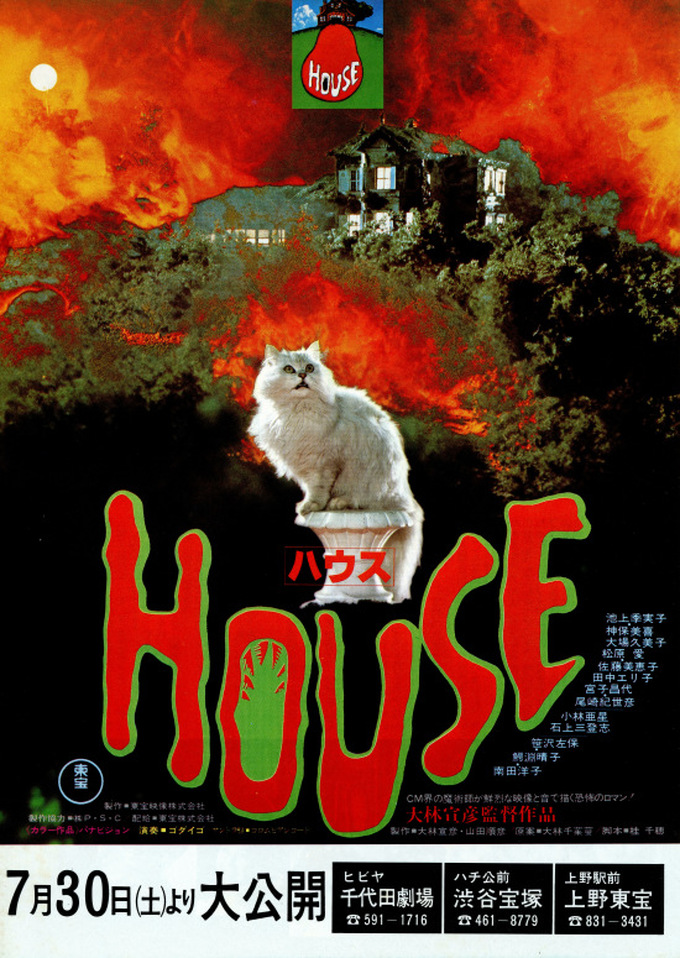
  • House – surreal horror from Nobuhiko Obayashi in which a high school girl takes some friends to visit her aunt but ends up in a colourful nightmare world.

Anime (31st July)
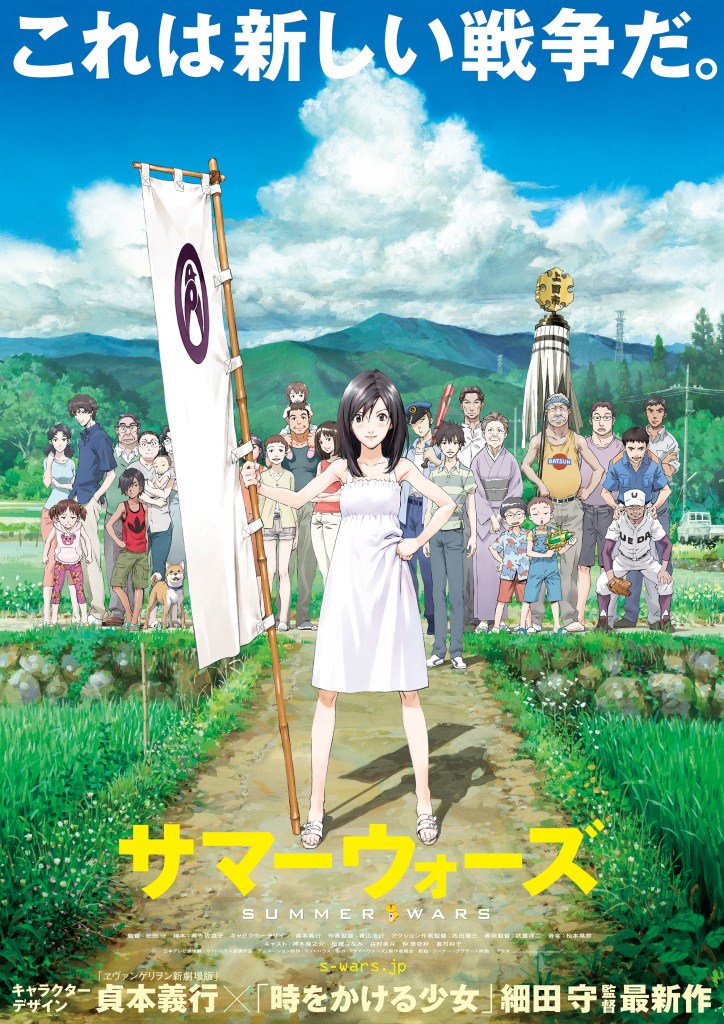
  • Summer Wars – Mamoru Hosoda’s breakthrough feature follows the summer adventures of maths genius and moderator of online world Oz Kenji Koiso as he is unexpectedly invited on a trip with his crush, Natsuki, only to be expected to play the part of her fake fiancé whilst also dealing with a vast internet-based conspiracy.
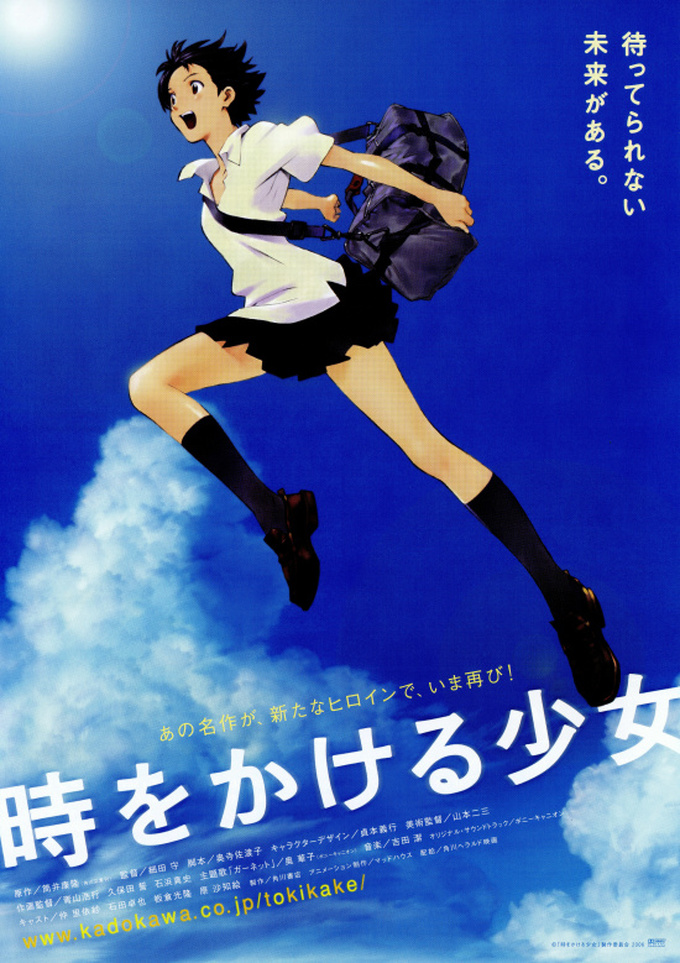
  • The Girl Who Leapt Through Time – Mamoru Hosoda’s loose sequel to the much-loved novel by Yasutaka Tsutsui.
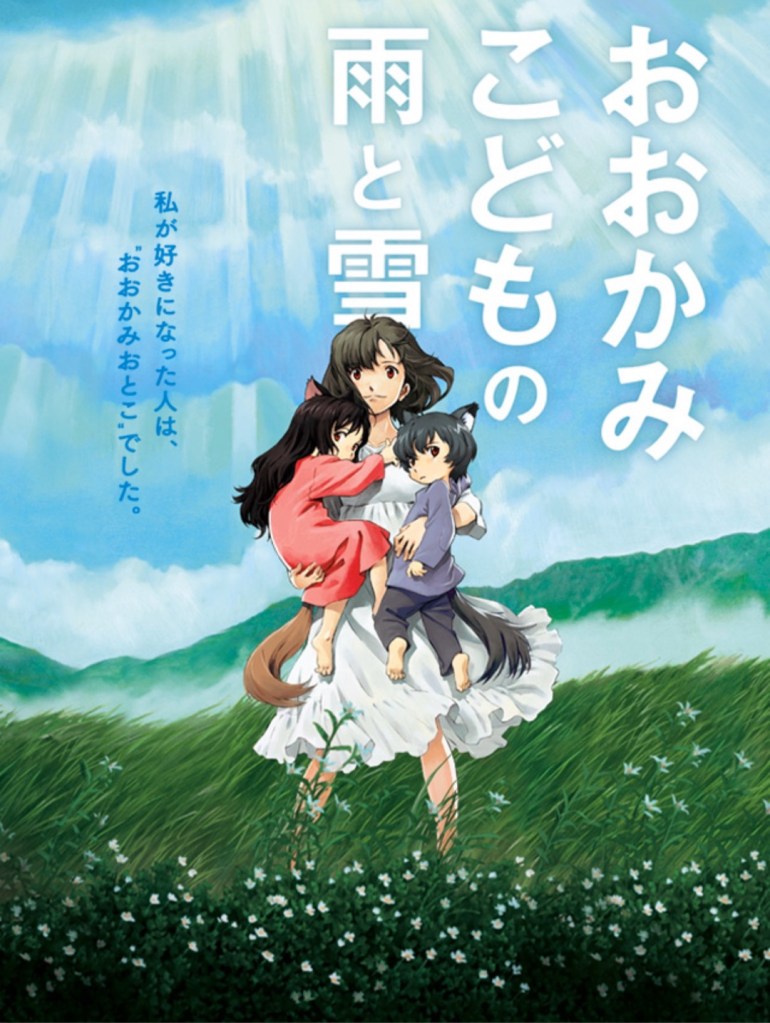
  • Wolf Children – touching animation from Mamoru Hosoda in which a single-mother raising two children alone must comes to terms with the different paths her children take.
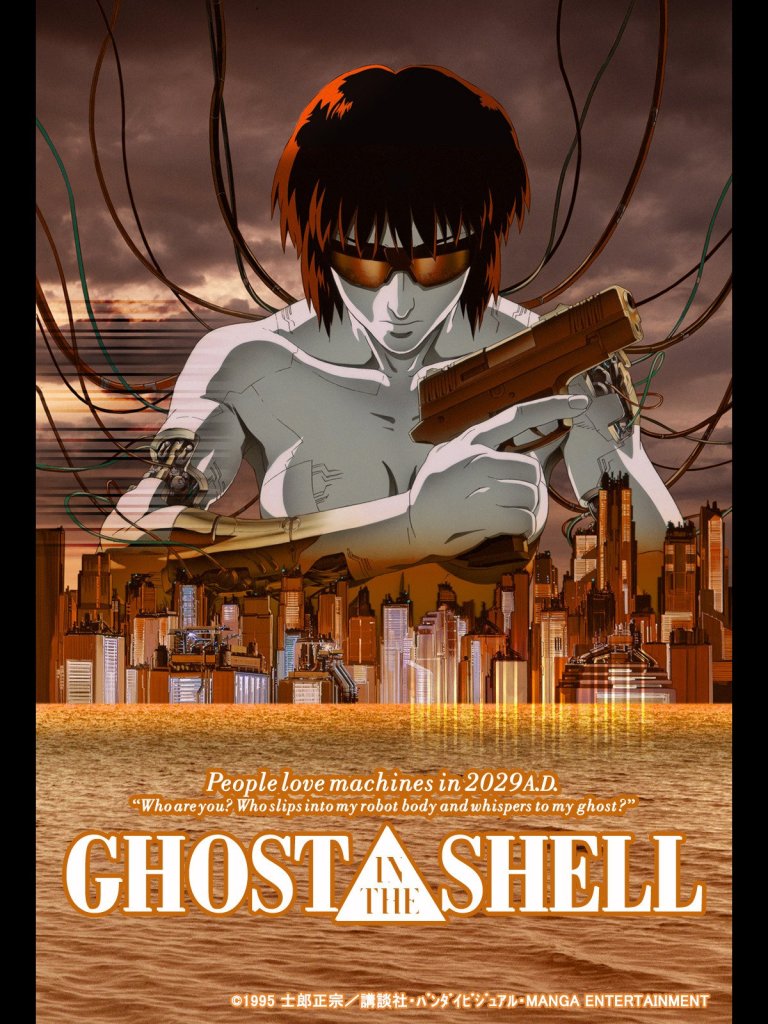
  • Ghost in the Shell – Mamoru Oshii’s iconic adaptation of the Shirow Masamune manga in which a cybernetic ally enhanced policewoman hunts a hacker known as the Puppet Master.
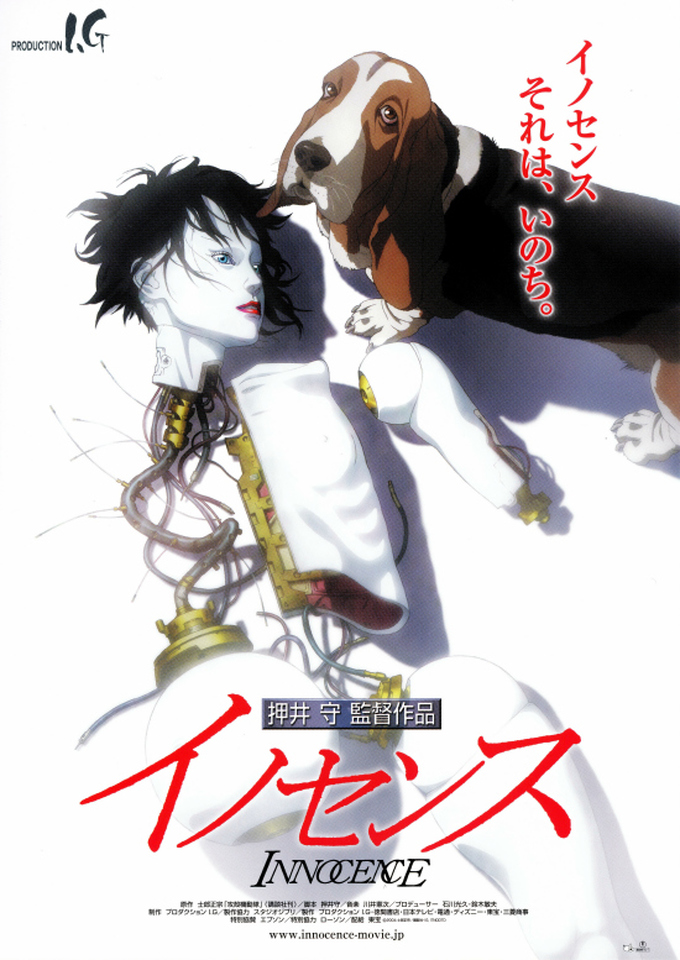
  • Ghost in the Shell 2: Innocence – sequel to the original Ghost in the Shell set in the Hong Kong of 2032.

Independence (21st August)
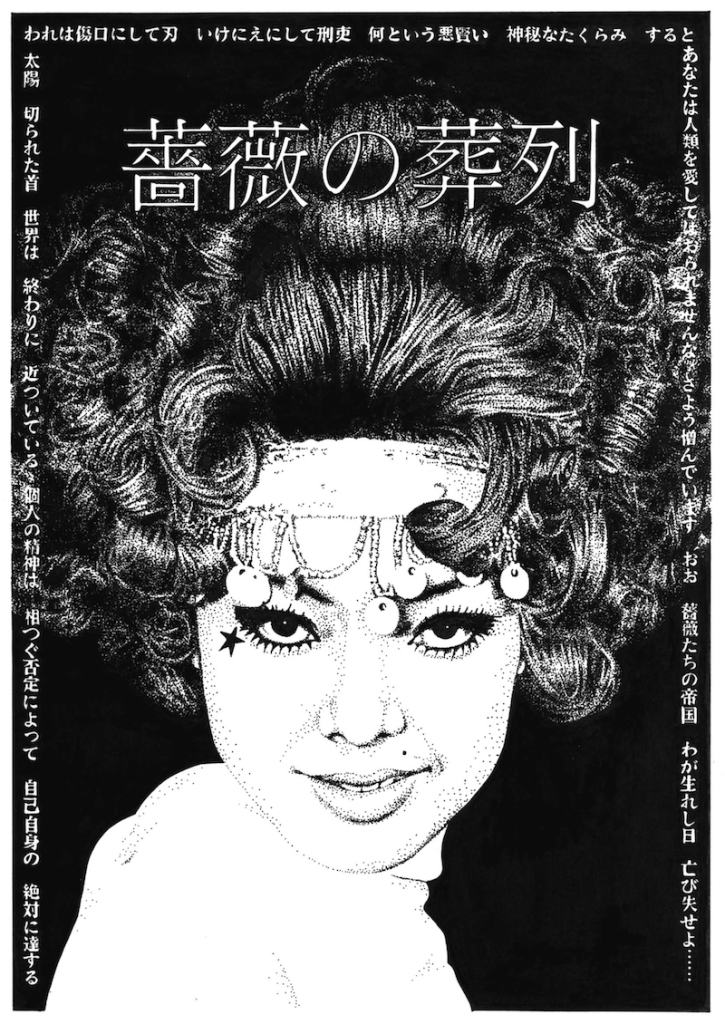
  • Funeral Parade of Roses – Toshio Matsumoto’s avant-garde take on Oedipus Rex.
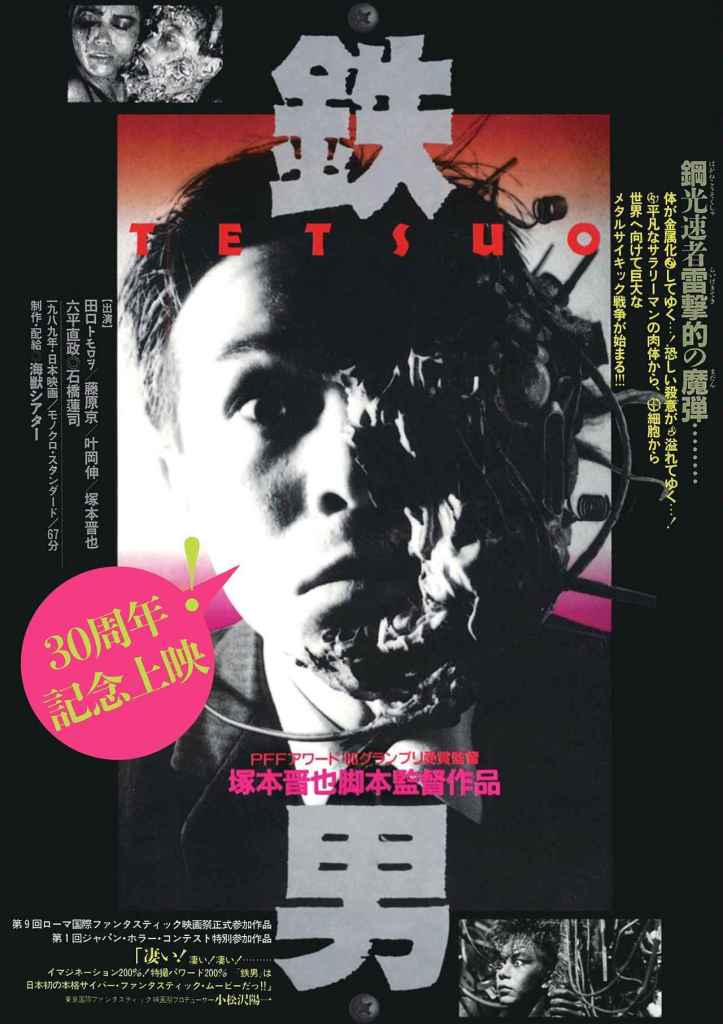
  • Tetsuo: The Iron Man – surrealist body horror from Shinya Tsukamoto.
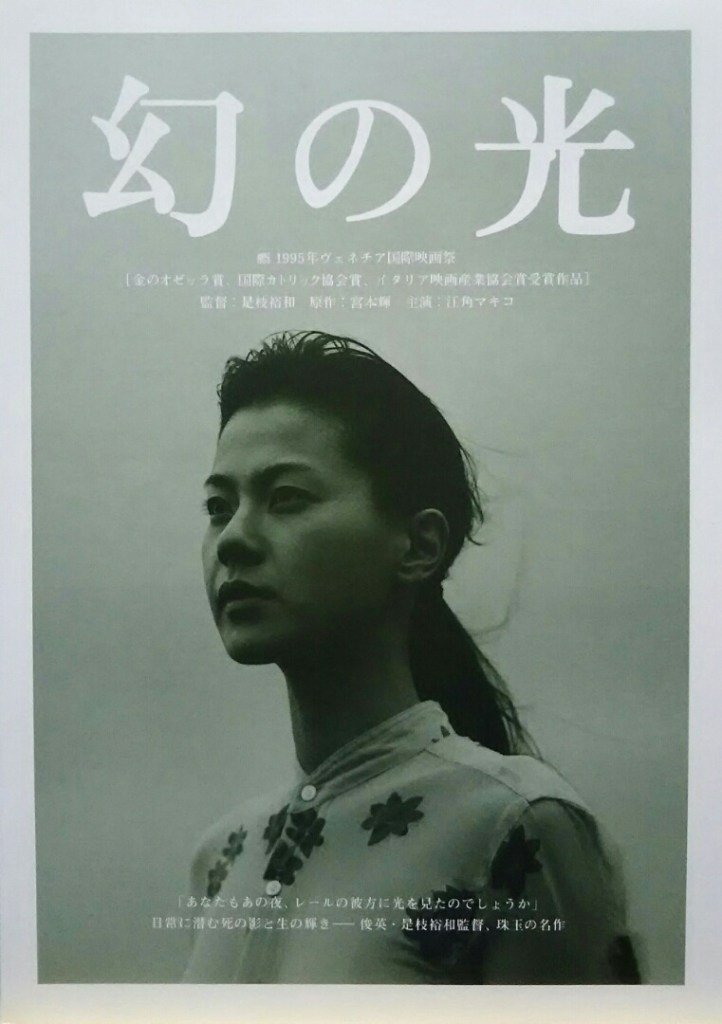
  • Maborosi – a young widow struggles to come to terms with the apparent suicide of her husband in Hirokazu Koreeda’s debut feature.
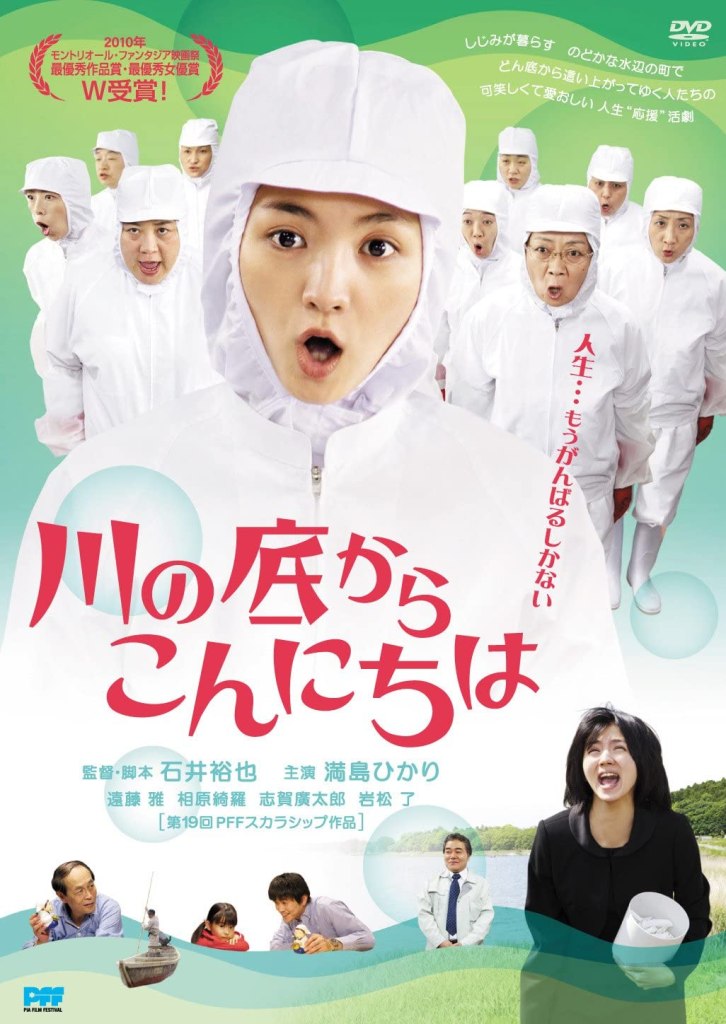
  • Sawako Decides – an aimless young woman struggles to find direction in her life in an early comedy from Yuya Ishii starring Hikari Mitsushima.
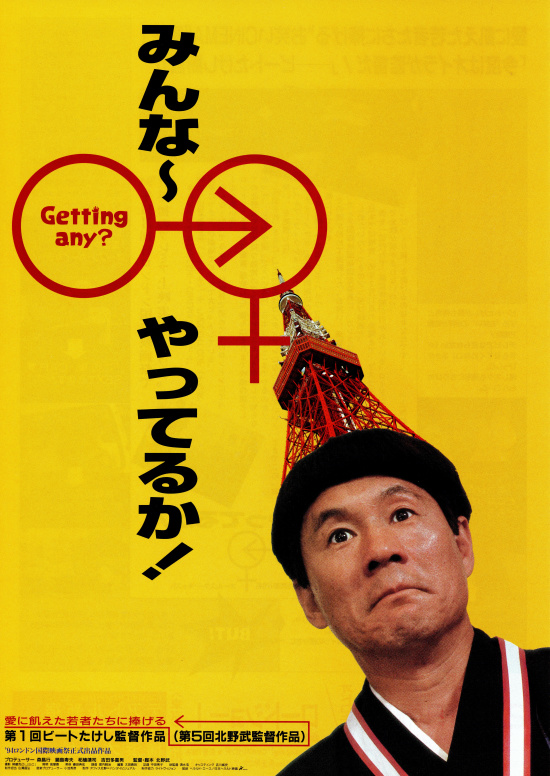
  • Getting Any? – zany pop culture comedy from Takeshi Kitano in which a man goes to great lengths to get a car solely so he can have sex in it. Review.
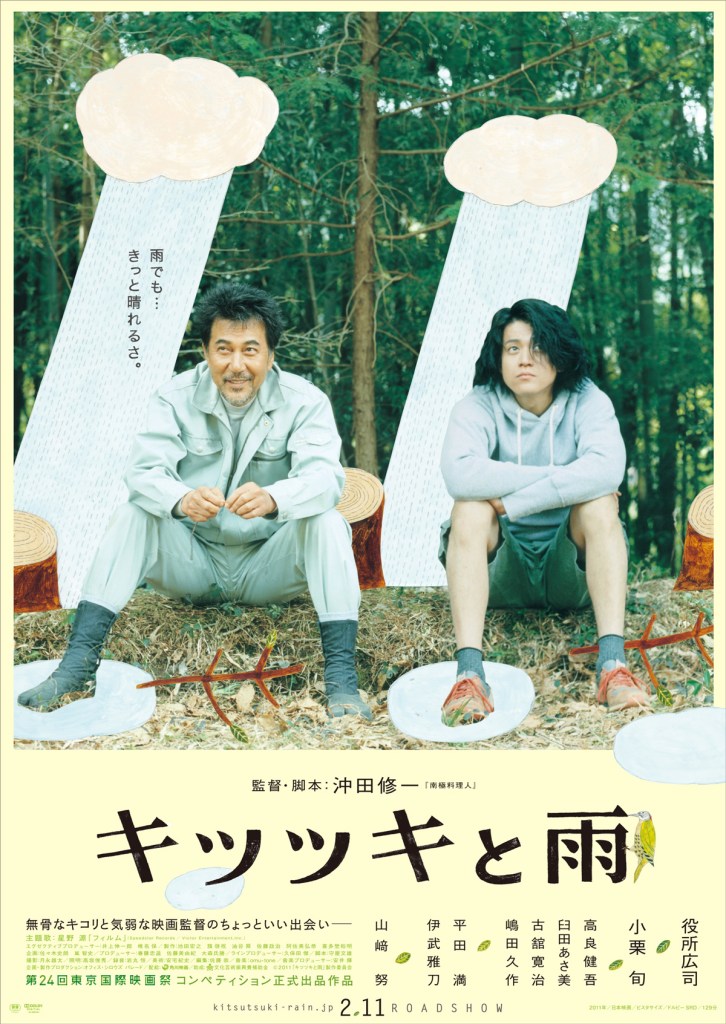
  • The Woodsman and the Rain – comedy from Shuichi Okita in which a film director bonds with a lonely lumberjack while shooting a zombie movie.
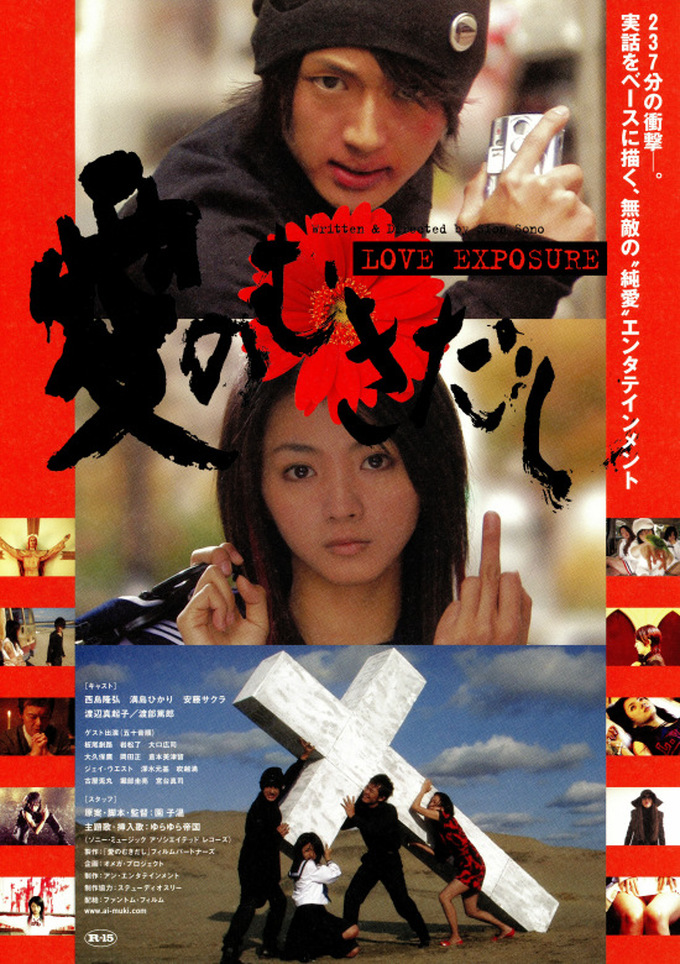
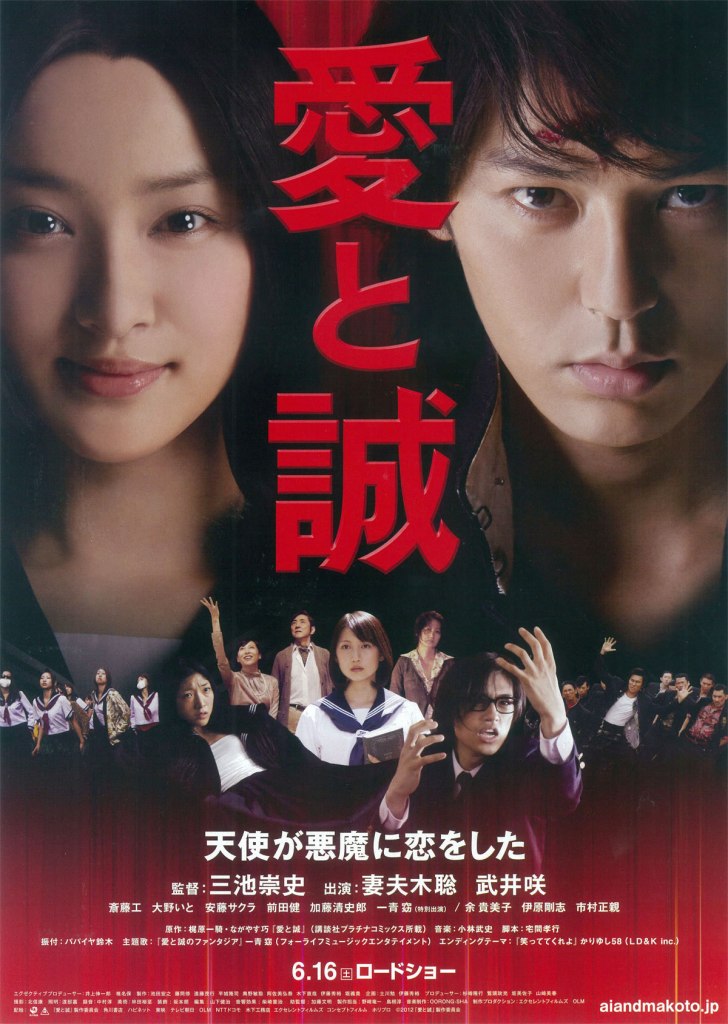
  • Love Exposure – 4-hour epic from Sion Sono in which the son of a priest becomes obsessed with upskirt photography.
  • The Mourning Forest – a bereaved mother bonds with the elderly resident of a care home where she works in an award winning drama from Naomi Kawase.
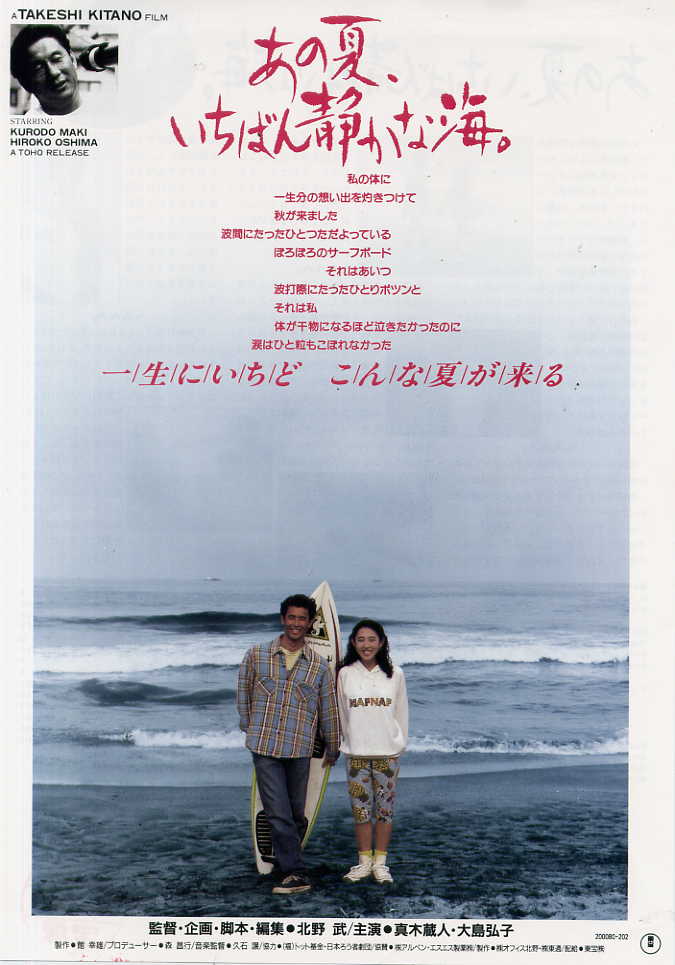
  • A Scene at the Sea – poetic drama from Takeshi Kitano about a deaf refuse collector who becomes fixated on surfacing. Review.
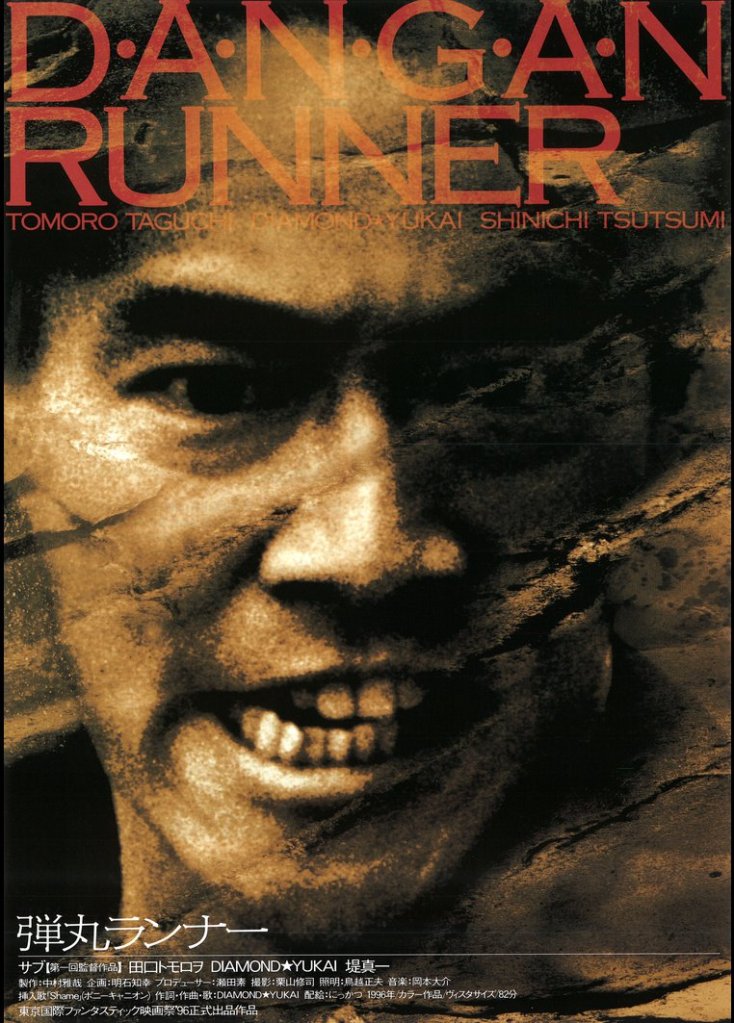
  • Dangan Runner – three men ricochet towards an inevitable ending in the debut feature from SABU. Review.
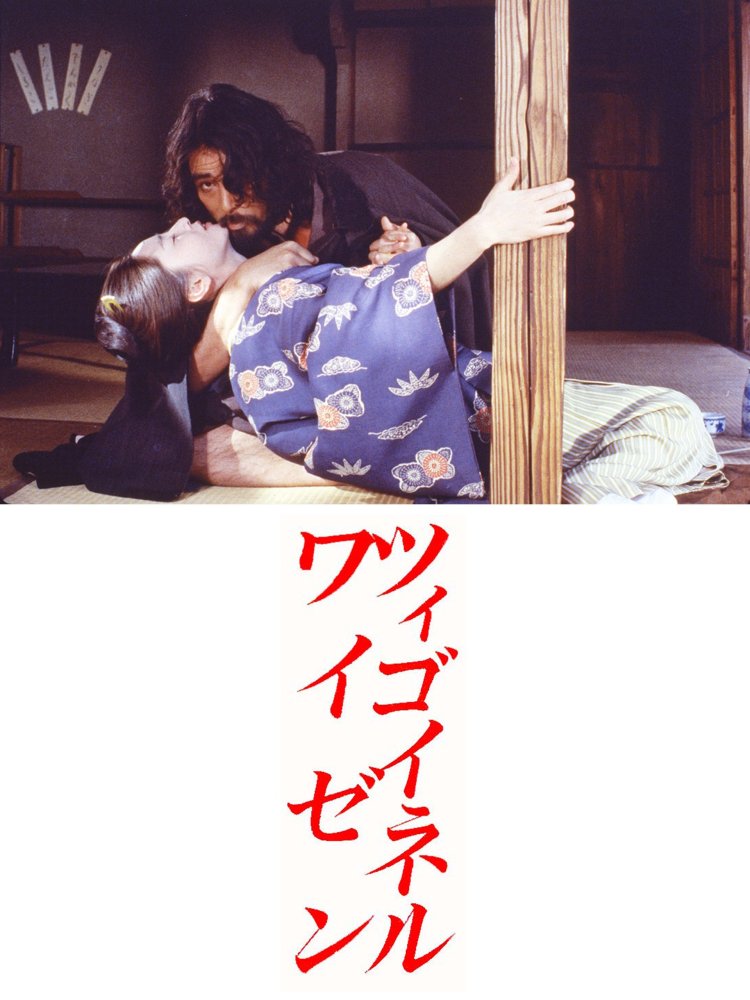
  • Zigeunerweisen – surreal drama from Seijun Suzuki starring Yoshio Harada as a nomad on the run after being suspected of seducing and killing the wife of a fisherman.
  • Shinjuku Triad Society – sleazy ’90s noir from Takashi Miike in which a mixed race policeman goes up against a Taiwanese gang over to discover his younger brother has joined them as a rookie lawyer. Review.
  • Violent Cop – a rogue cop attuned to the ways of violence abandons all pretence of civility in pursuit of justice but encounters only nihilistic futility in Kitano’s Bubble-era noir. Review.
  • Boiling Point – a disaffected young man finds himself on a self-destructive mission of vicarious vengeance but struggles to escape his sense of inferiority in Kitano’s deadpan exploration of explosive repression. Review.
  • Sonatine – tired of the life, a veteran gangster ponders retirement but knows his brief island holiday is only a temporary respite from his nihilistic life of violence in Kitano’s melancholy existential drama. Review.
  • A Lonely Cow Weeps at Dawn – pink film from Daisuke Goto in which a woman impersonates her senile father-in-law’s long gone favourite cow and allows him to milk her.

21st Century (18th September)
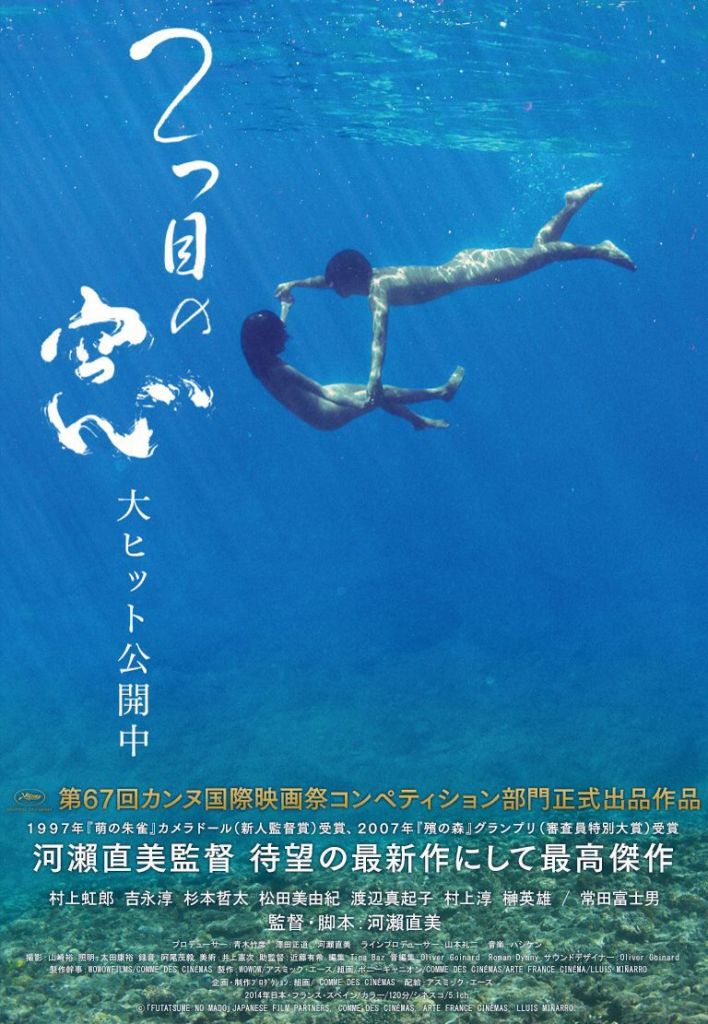
  • Still the Water – island coming of age drama from Naomi Kawase. (not included in subscription, £3.50 to rent)
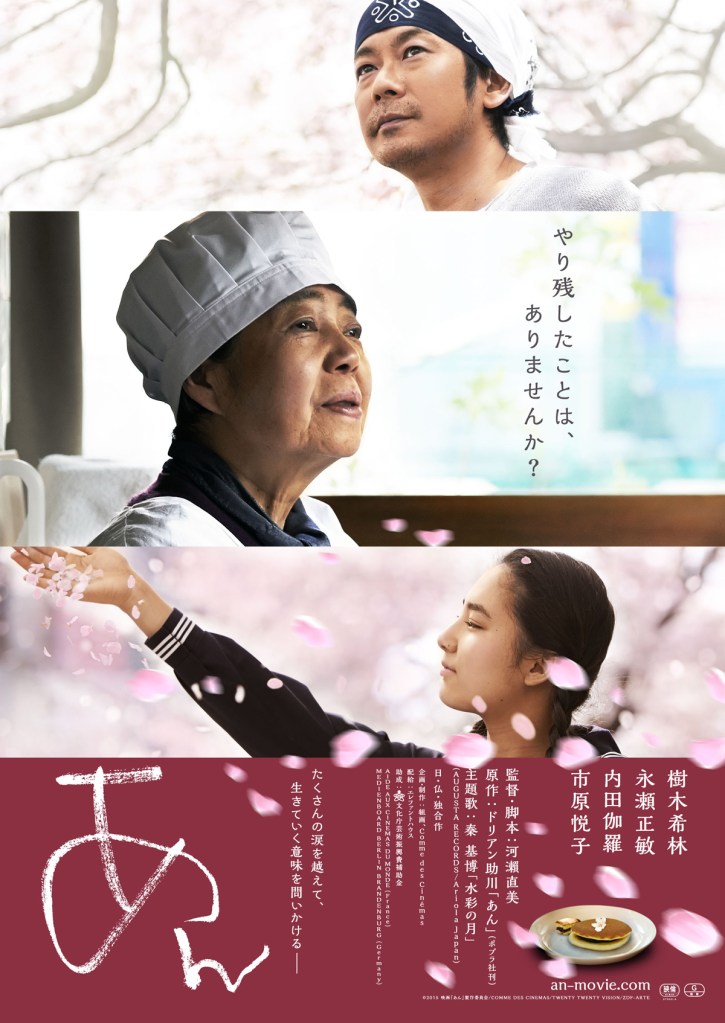
  • Sweet Bean – a dorayaki salesman bonds with an old woman who helps him improve his bean paste in Naomi Kawase’s moving drama.
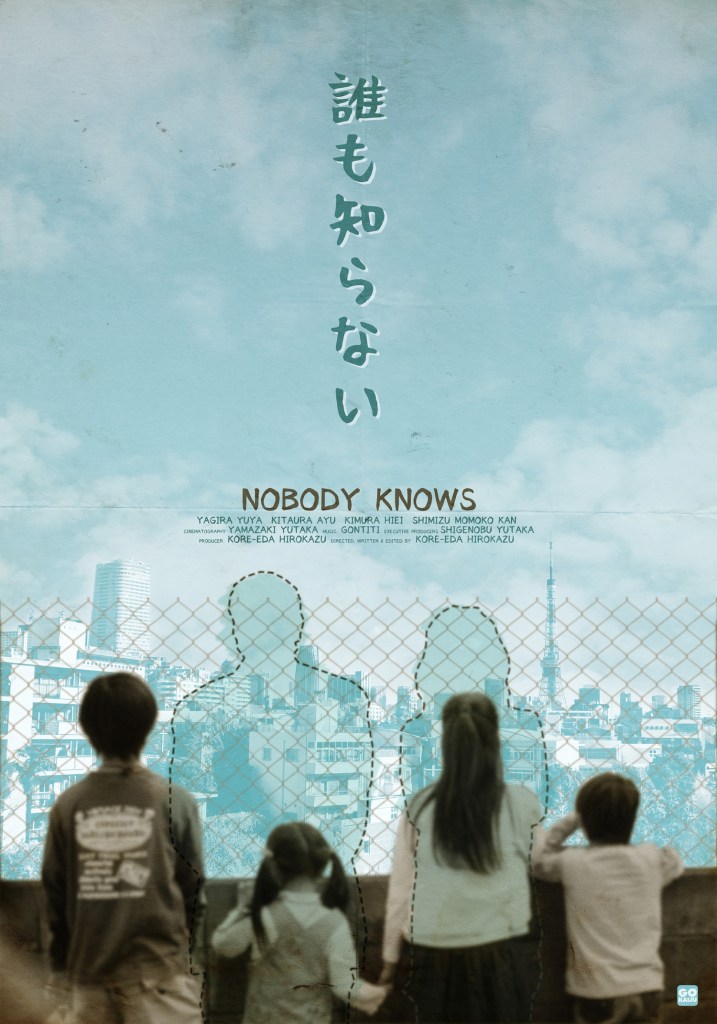
  • Nobody Knows – siblings are left to fend for themselves when their mother abandons them in Hirokazu Koreeda’s gritty drama.
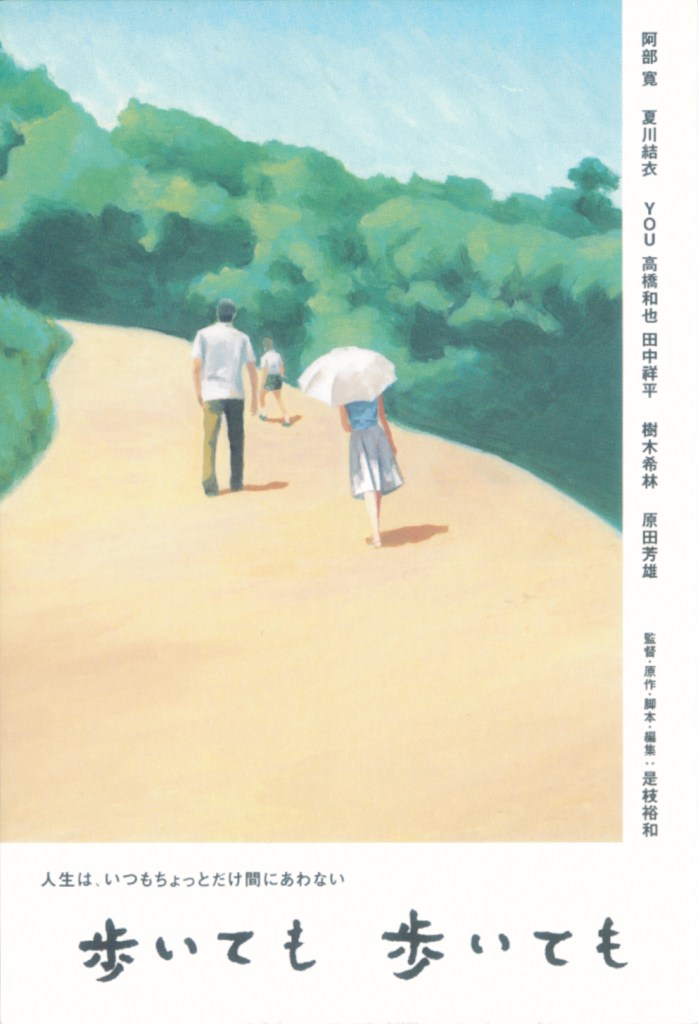
  • Still Walking – Hirokazu Koreeda’s moving depiction of a typical family. Review.
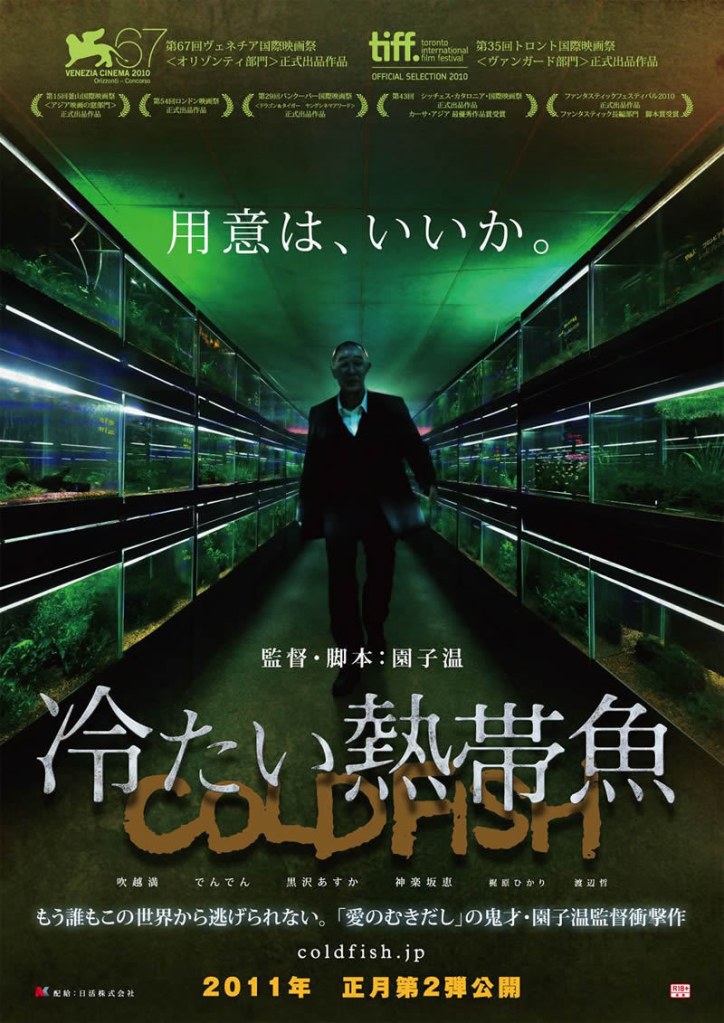
  • Cold Fish – Sion Sono’s gory serial killer drama inspired by a real life incident.
  • Tokyo Tribe – a rap musical manga adaptation from Sion Sono.
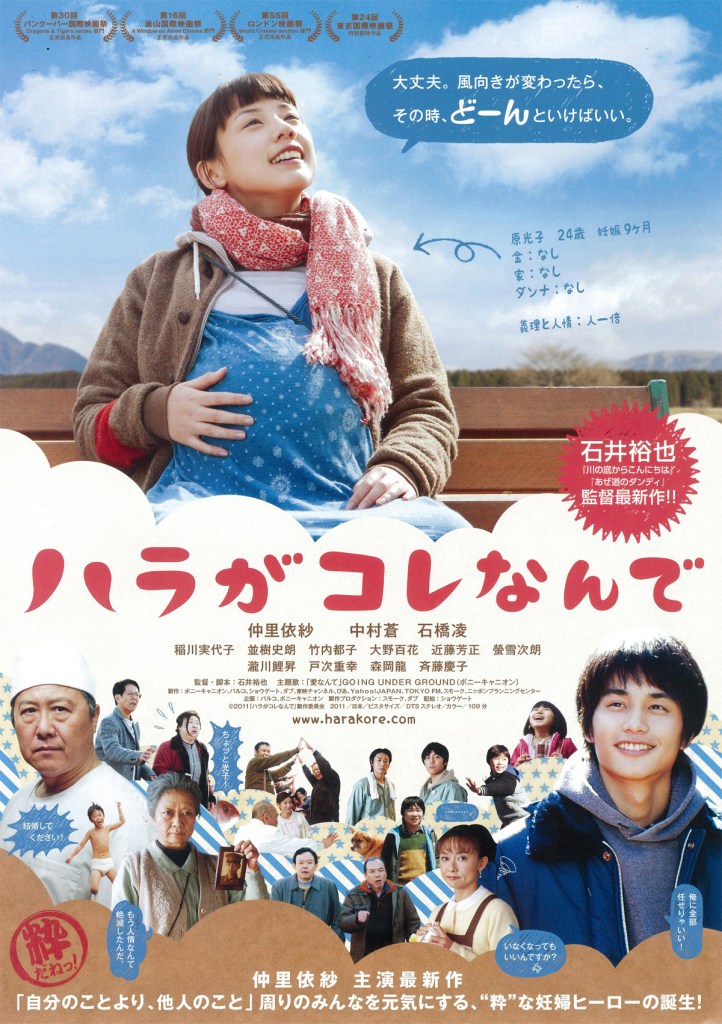
  • Mitsuko Delivers – a heavily pregnant woman returns to her home town and proceeds to solve everyone’s problems in Yuya Ishii’s cheerful comedy.
  • For Love’s Sake – musical manga adaption celebrating the Showa era songbook from Takashi Miike.
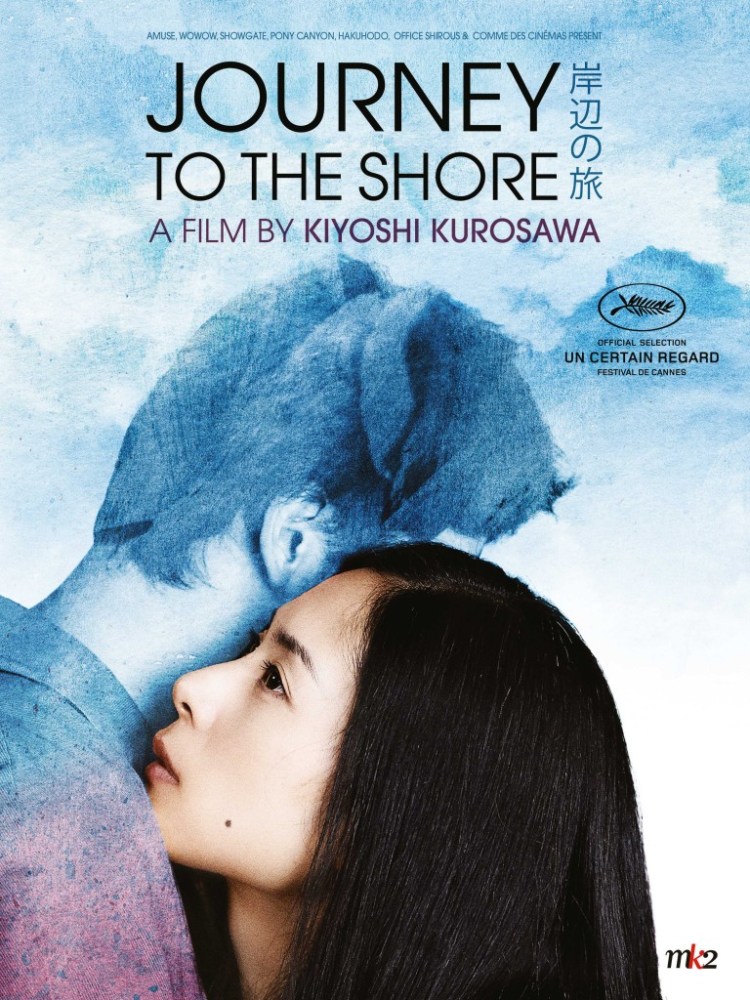
  • Journey to the Shore – haunting romantic drama from Kiyoshi Kurosawa. Review.
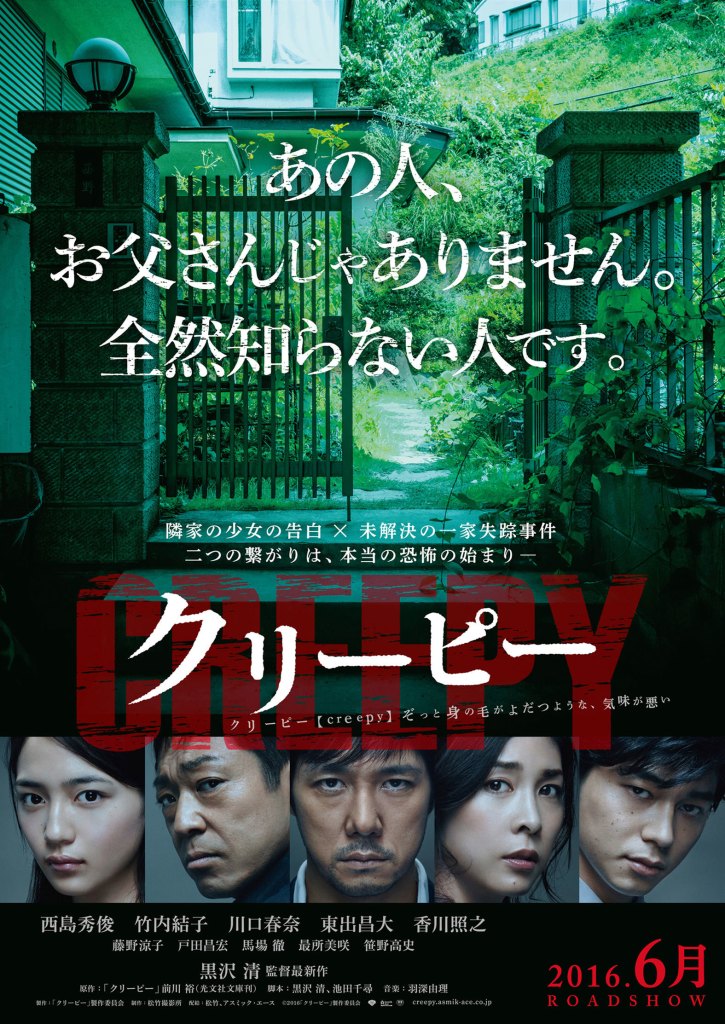
  • Creepy – Kiyoshi Kurosawa’s eerie mystery drama. Review.
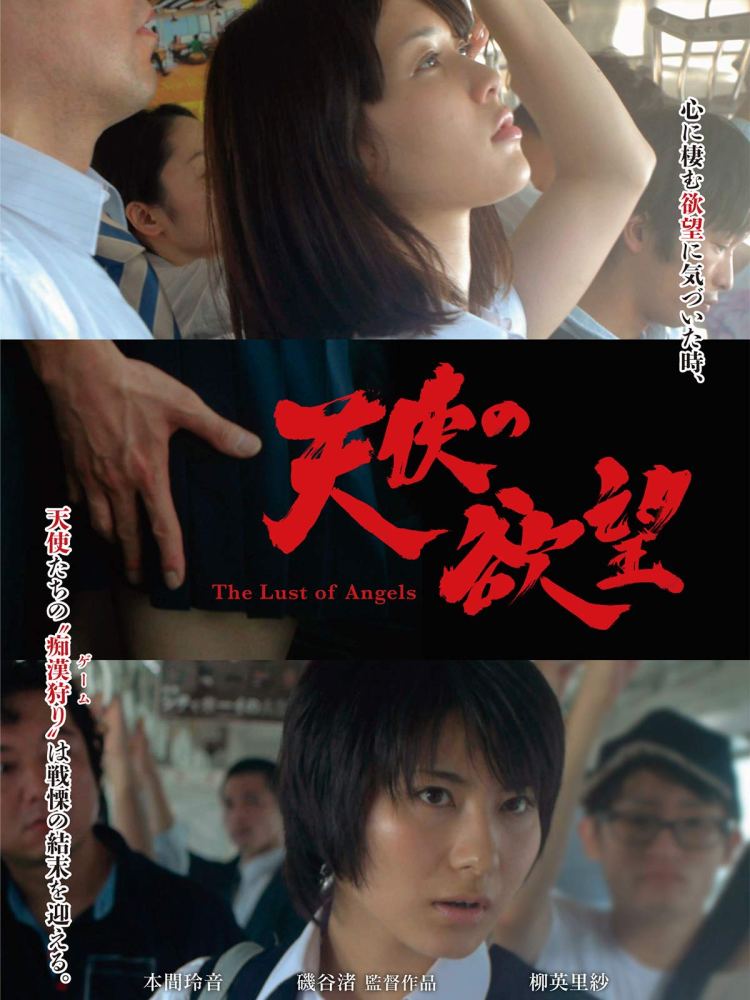
  • The Lust of Angels – edgy train groping drama from Nagisa Isogai.
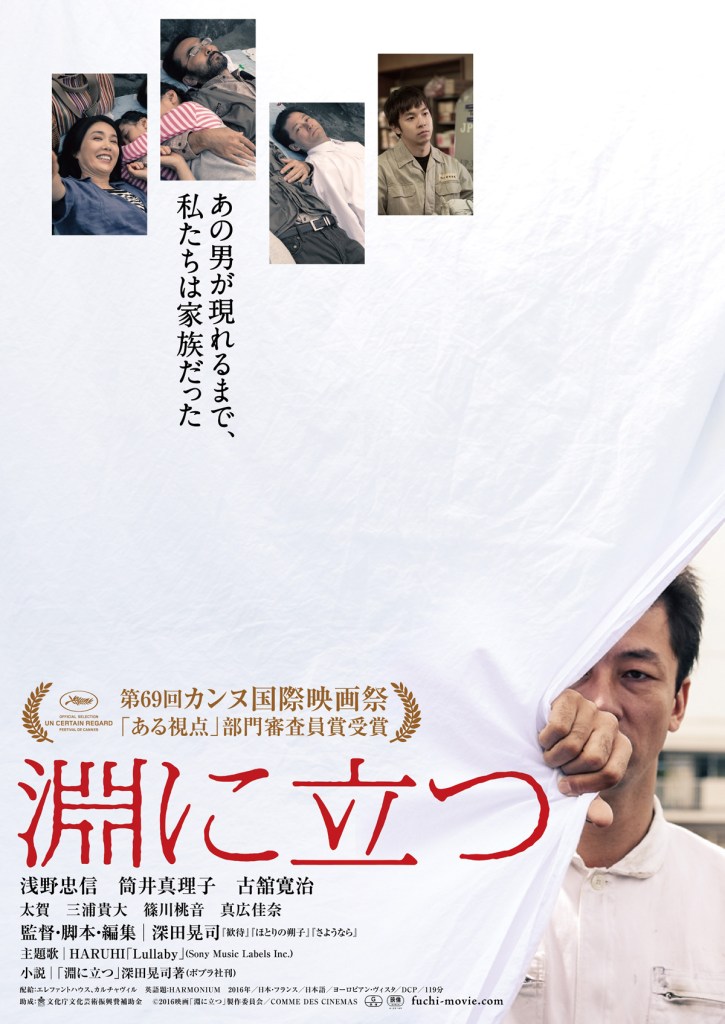
  • Harmonium – a family is torn apart by unexpected tragedy when a face from the past pays a visit in Koji Fukada’s probing drama. Review.
  • Departures – a cellist accidentally takes a job as a traditional mortician but keeps his new occupation a secret in this Oscar-winning drama from 2008.

Early films 1894-1914 (12th October)

The BFI will also be showcasing restored gems from their archive featuring footage of turn of the century Japan.

  • Japanese Dancers (1894) – rare footage of Japanese women performing an imperial dance.
  • Ainus of Japan (1913) – footage depicting the indigenous people of Hokkaido.
  • Japanese Festival (1910) – footage of the celebration of the 50th anniversary of Yokohama Harbour
  • Shooting the Rapids on the River Ozu in Japan (1907) – 1907 river journey.

J-Horror (30th October)
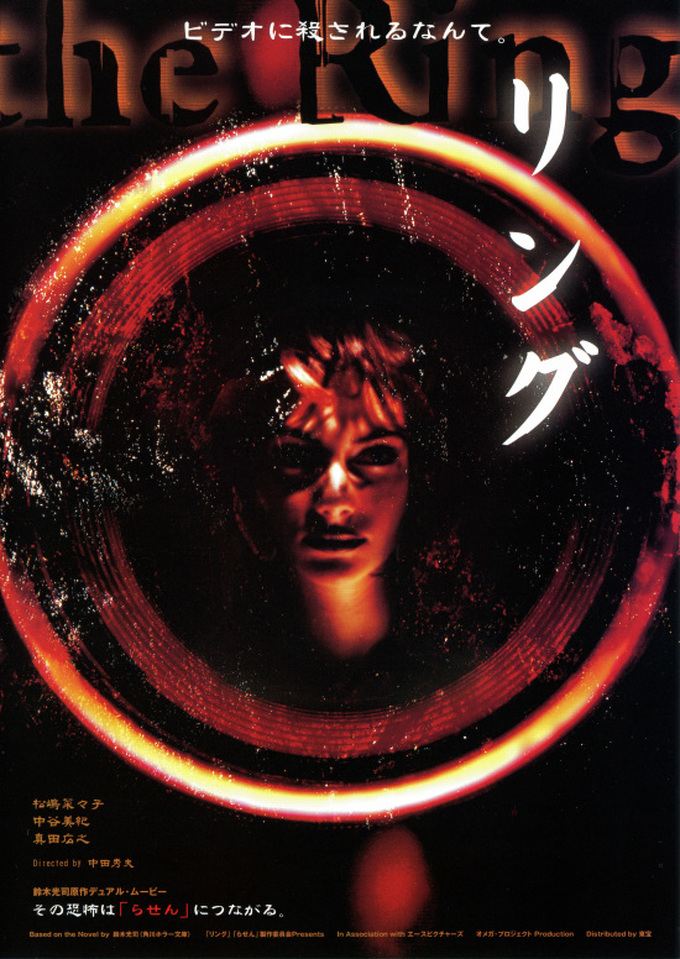
  • Ring – a deadly curse is transmitted via videotape in Hideo Nakata’s J-horror classic.
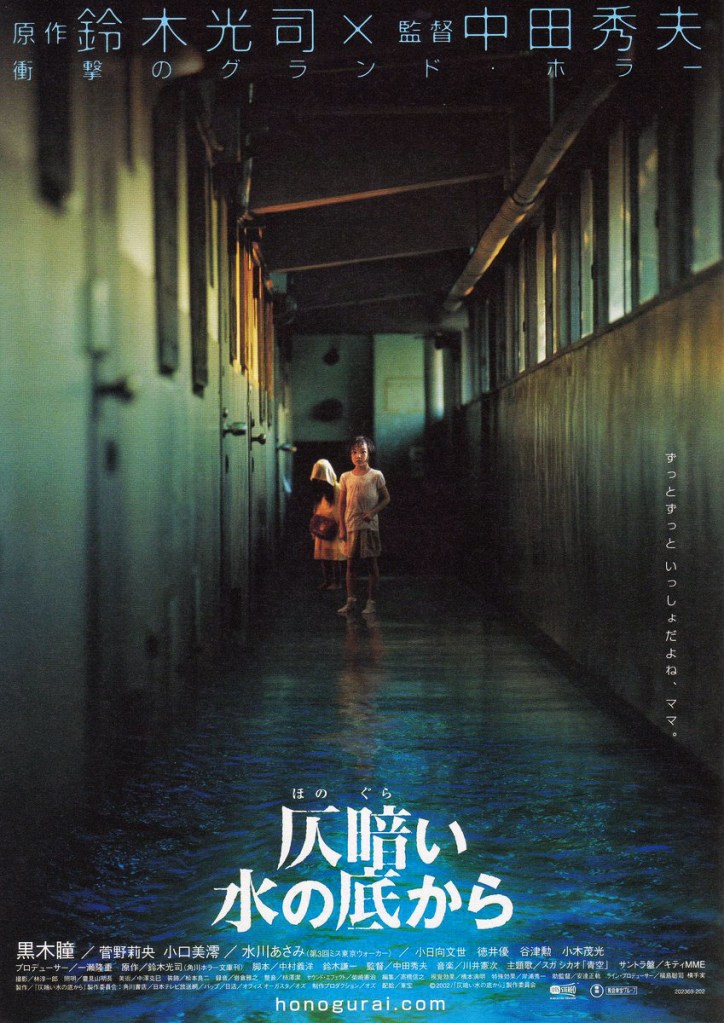
  • Dark Water – a woman in the midst of a divorce and custody battle is haunted by the spectre of a lonely child in Hideo Nakata’s adaptation of the Koji Suzuki novel. Review.
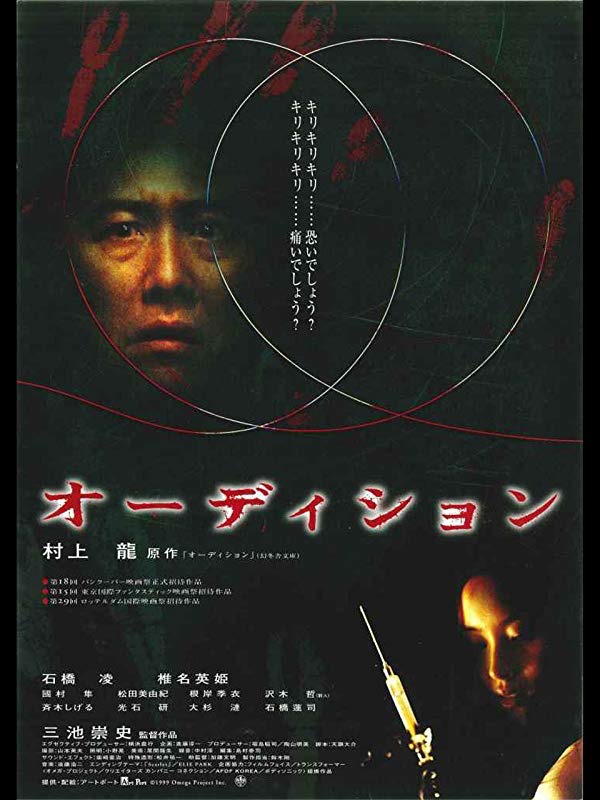
  • Audition – Takashi Miike’s deceptive drama begins as a gentle romcom before edging slowly towards the horrific.
  • Gozu – truly strange yakuza horror comedy from Takashi Miike.
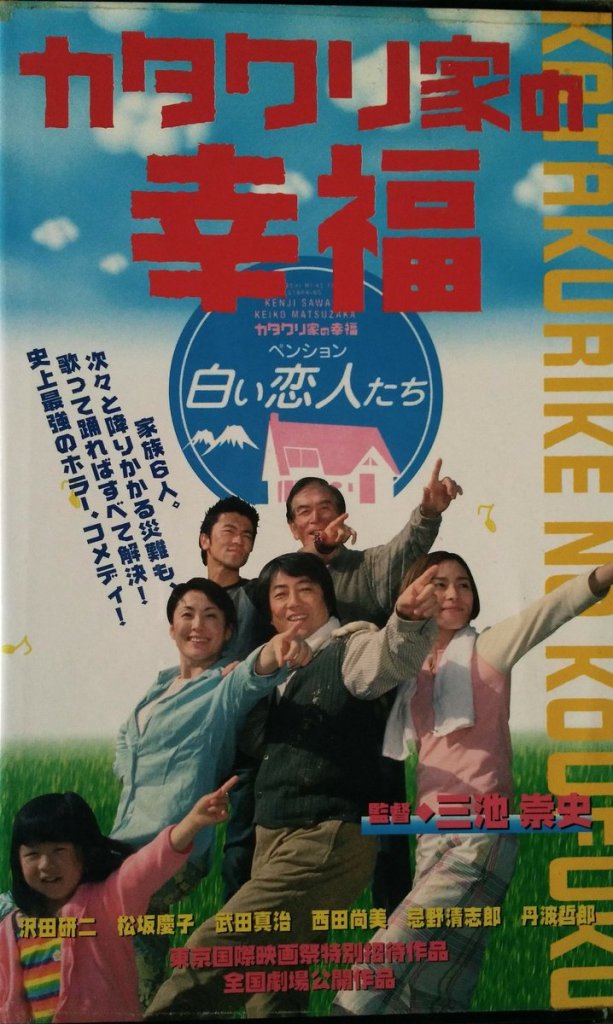
  • The Happiness of the Katakuris – Takashi Miike’s strangely cheerful musical take on the Korean film The Quiet Family.
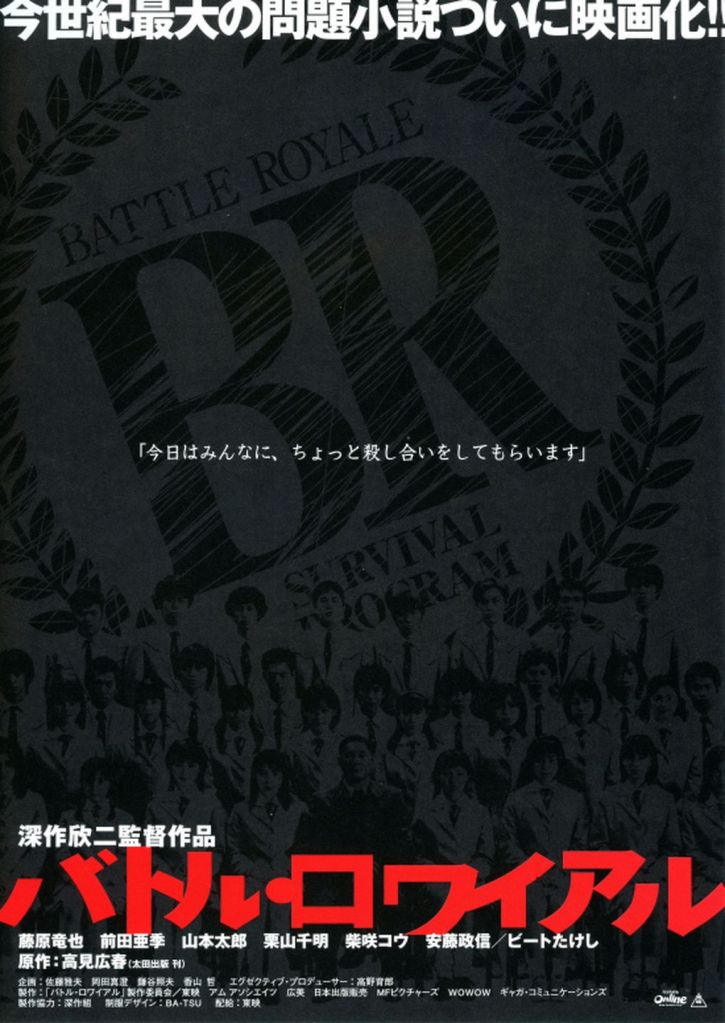
  • Battle Royale – controversial drama from Kinji Fukasaku in which high school students are shipped to a remote island and forced to fight to the death.
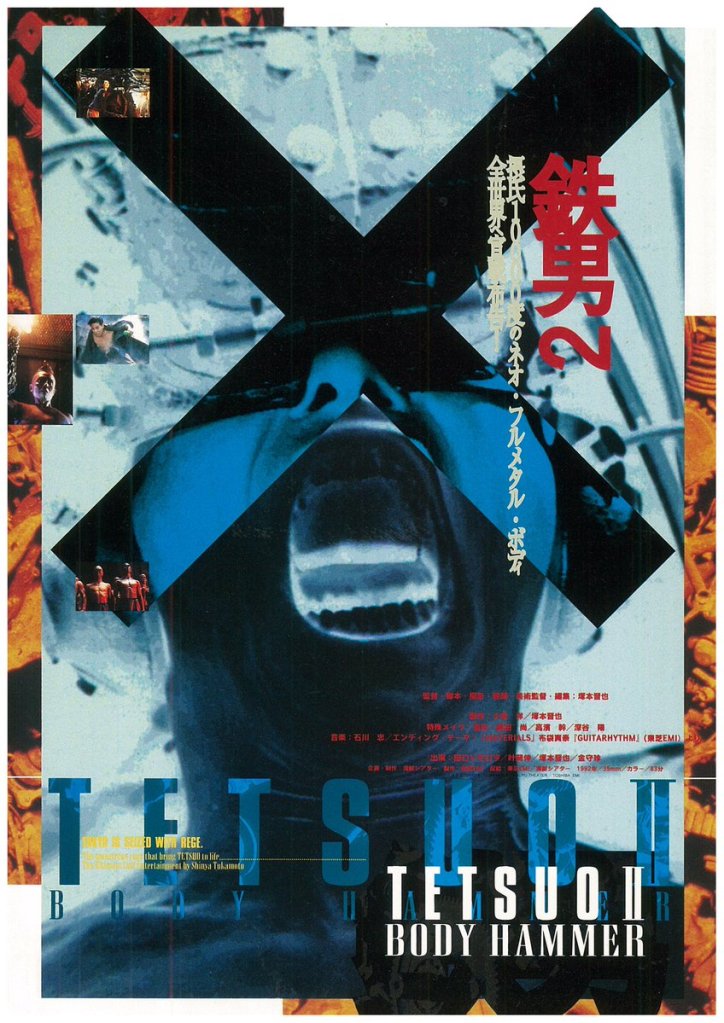
  • Tetsuo II: Body Hammer – sequel to Shinya Tsukamoto’s cyberpunk body horror.
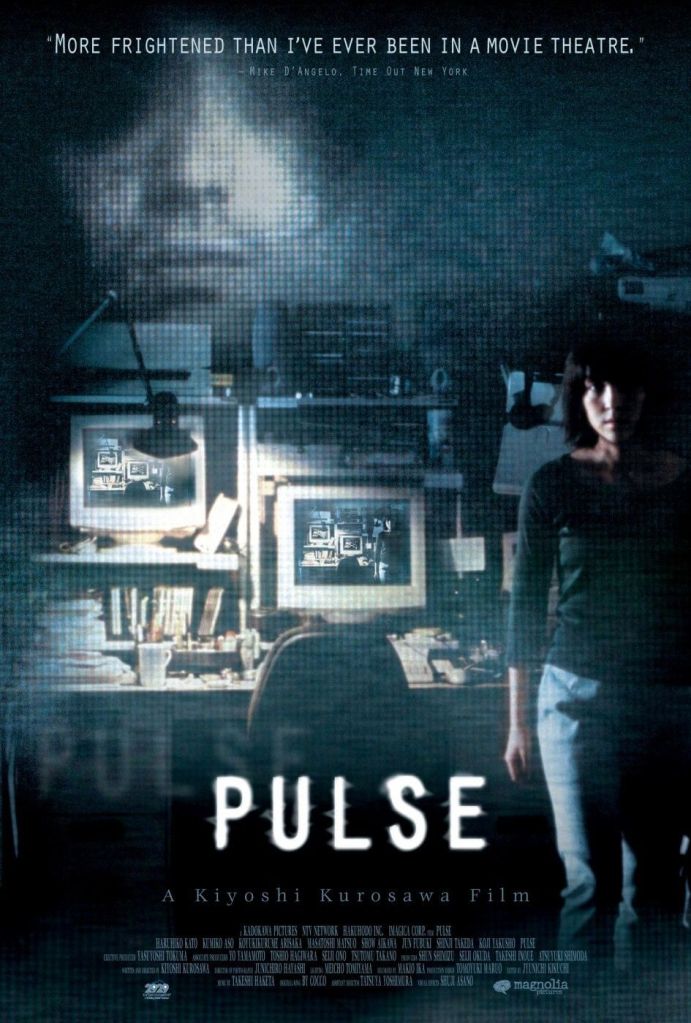
  • Pulse – death is eternal loneliness in Kiyoshi Kurosawa’s tech fearing horror classic. Review.
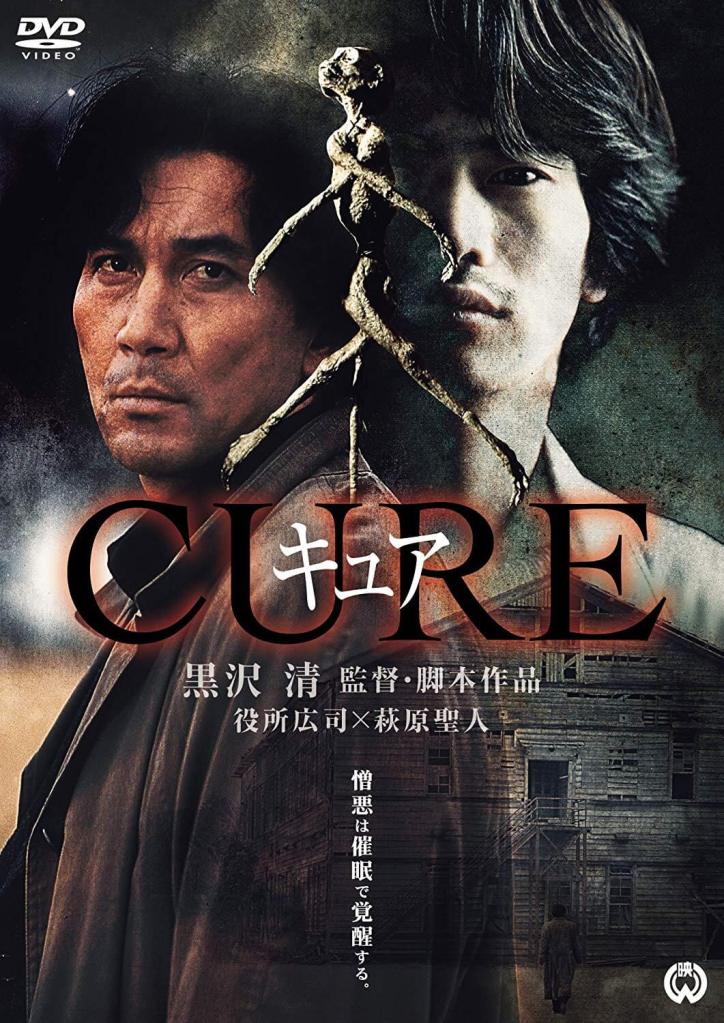
  • Cure – Kiyoshi Kurosawa’s noirish horror starring Koji Yakusho as a detective investigating a series of bizarre murders.
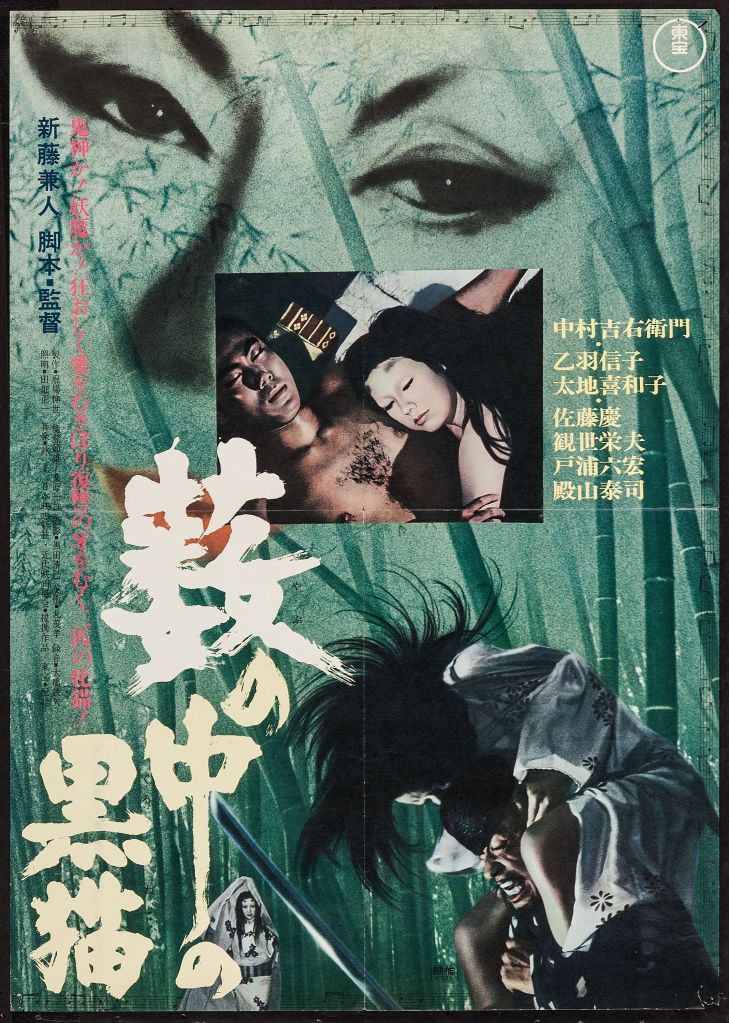
  • Kuroneko – ghost cat film from Kaneto Shindo.
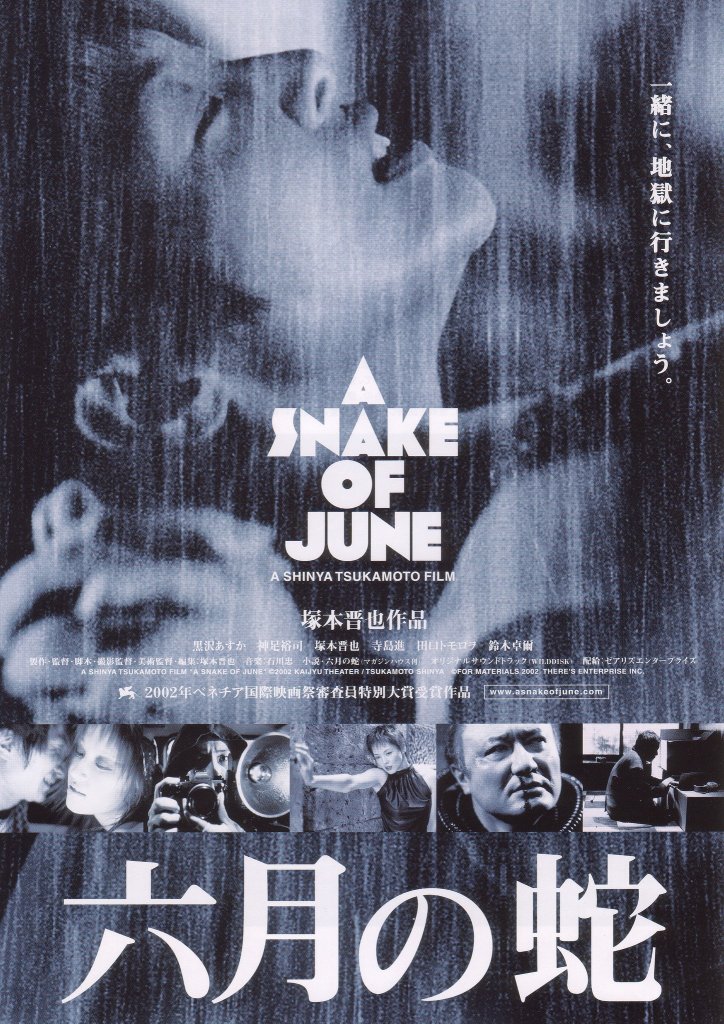
  • Snake of June – erotic drama from Shinya Tsukamoto in which a mysterious man targets a repressed woman and forces her to engage in illicit sex acts.

BFI Southbank

The season will continue at the BFI Southbank once the venue reopens.

  • Golden Age – season programmed by Alexander Jacoby and James Bell showcasing Japanese cinema from the 1930s to the 60s including work by Kenji Mizoguchi, Yasujiro Ozu, Mikio Naruse, and Akira Kurosawa, and starring Kinuyo Tanaka, Setsuko Hara, Hideko Takamine, and Toshiro Mifune.
  • Radicals and Rebels – also curated by Alexander Jacoby and James Bell, the Radicals and Rebels strand focuses on film after 1964 from the New Wave to the genre classics of the ’90s including work by Seijun Suzuki, Nagisa Oshima, and Kiju (Yoshishige) Yoshida.
  • 21st Century – contemporary classics co-presented by Japan Foundation and curated by Junko Takekawa.
  • Anime – major two month season curated by Justin Johnson and Hanako Miyata showcasing modern masters such as Satoshi Kon, Mamoru Oshii, Makoto Shinkai, Mamoru Hosoda, and Naoko Yamada.

For the full details on this and other BFI seasons be sure to check out the BFI’s official website where you can also find a link to BFI Player. You can also keep up with all the latest news by following the BFI on Twitter, Facebook, Instagram, and YouTube.
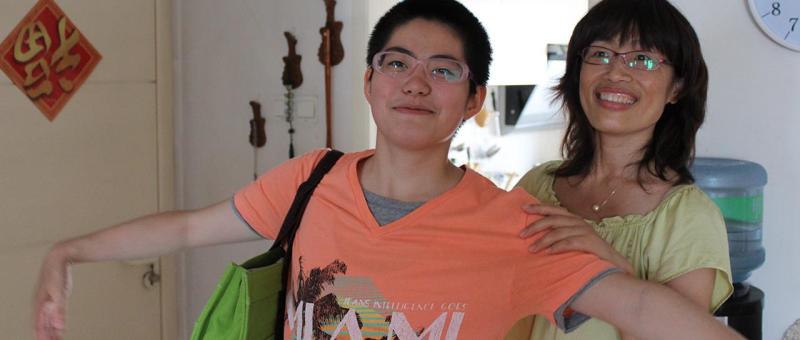
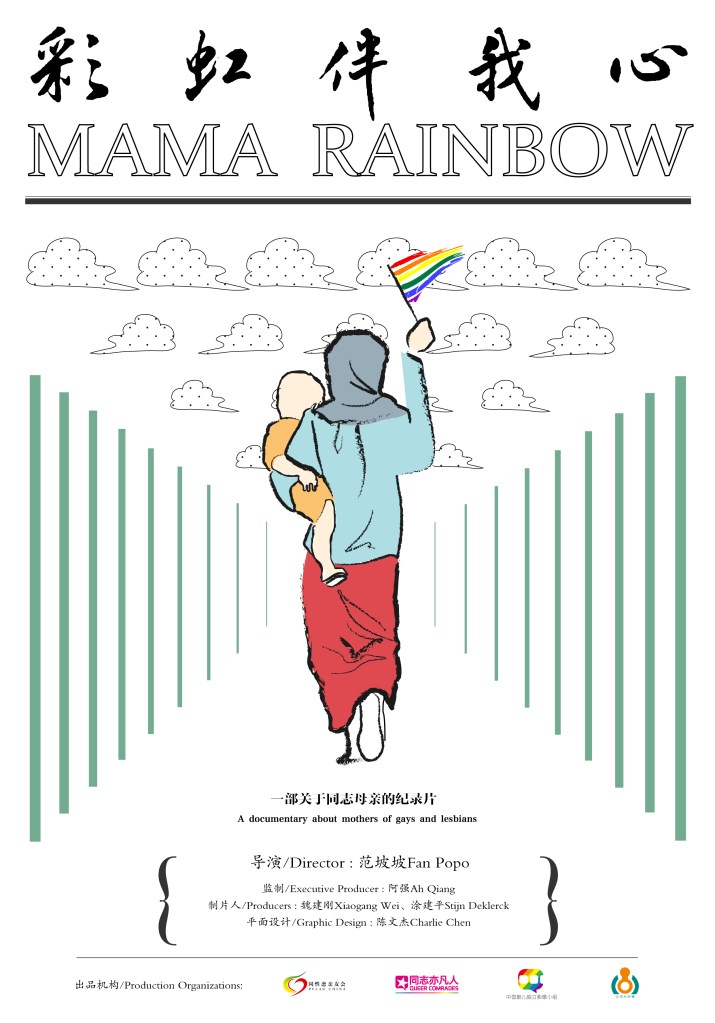
Mama Rainbow (彩虹伴我心, Fan Popo, 2012)

Though homosexuality is not illegal in contemporary China, it is perhaps still taboo. The notoriously strict censorship board is particularly averse to content which features LGBTQ+ themes, though many mainstream filmmakers have been able to get around the regulations with subversive allusions to same sex relationships. Times are perhaps changing. Rather than a gloomy exploration of the issues many young gay men and women face, Fan Popo’s Mama Rainbow (彩虹伴我心, Cǎihóng Bàn Wǒ Xīn) spins a tale of mass acceptance in following six mothers of gay children who, though not always so immediately supportive, have embraced their kids’ sexuality and in fact become activists themselves. 

Fan opens with a vox pop session asking members of the public about their views on homosexuality. The first few answers are predictably depressing with even young people looking embarrassed and either walking off or replying that they find the idea “disgusting”, “very bad”, “abnormal”, or “unacceptable”. Later, a few are found who think the question itself is unnecessary because they have no problem with gay people, but then asked how they’d feel if their child told them they were gay, most immediately say they wouldn’t like it though some concede there’s nothing they could do about it anyway so they’d have to just go with it while others say they’d simply “guide” them back towards the “right” direction so that they’d make “good choices”. 

One of the mothers, Mama Zhao, admits she originally thought the same way. Her son had agreed to marry a girl, but after reading book by another influential Mama decided that he couldn’t, committing himself to living an authentic life as an openly gay man. She tearfully admits that though she has accepted it herself, she is still ashamed to explain to other people, brushing off questions about why her son is still single with dull platitudes rather than simply telling them that he is gay. 

After attending talks by the woman who wrote the book that so affected her son, Mama Wu, Mama Zhao began to understand a little better, realising that the most important thing is that her son is happy which he certainly wouldn’t be if he forced himself to marry a woman to fulfil a social ideal. Education seems to be the key. Meiyi didn’t know much about homosexuality and thought it was something that was popular abroad that people did because it was trendy. When her daughter became close with a high school friend who ended up moving in with them, she began to see things differently and got to know a few other gay kids who she thought were all fantastic. She jokes that her daughter’s girlfriend “brainwashed” her by taking her to LGTBQ+ events, while the other girl’s own mother is also very supportive, actively empathising with her daughter’s choices right down to appreciating her taste in other women. 

Sister Mei and her son, meanwhile, are a cheerful and exuberant double act. She moved into the city to live with him in fear that he might need help locating other gay men (a move which seems like it should be counter productive but probably isn’t given the open nature of their relationship) and has now thrown herself into activism as a member of China’s PFLAG, becoming a surrogate Mama for all those who’ve been rejected by their families or just need to hear a supportive voice. Likewise, Mama Jasmine was as cool as could be when her daughter, after years of bringing female “classmates” over to dinner, finally came out and was supportive in a lowkey way until approached by Ah Qiang, the founder of PFLAG in China, to become a local organiser. 

Mama Wu, the woman who wrote the book that changed the mindset of Mama Zhao’s son and convinced her that his happiness was all that really mattered, speaks to another young man who reveals he hasn’t come out to his mother (assuming she doesn’t see the documentary) because she is in poor health and he worries that she just won’t be able to take the shock. Mama Xuan, who suspected her son was gay but hoped he’d grow out of it, tearfully takes to the stage to reveal that he has suffered violence and discrimination because of his sexuality, beaten up at school but too afraid to get help in case his parents find out why he was attacked, and subsequently blacklisted and expelled leaving him with a blemish on his record when the kids who attacked him had their views reinforced by the tacit approval of the school authorities. There is obviously work still to be done, but there are plenty of people willing to do it, because at the end of the day all they want is for their kids to be safe and happy and enjoying exactly the same rights as everyone else while surrounded by love and acceptance. 


Mama Rainbow is currently available to stream via Vimeo as part of Queer East’s online edition with all proceeds going to support independent cinemas.

Original trailer (English subtitles)

For Rei (レイのために, Yukari Sakamoto, 2019)

(C)Yukari Sakamoto

Going to university is a prime opportunity to start figuring yourself out, but if you feel a little hollow inside it can often be an uphill battle. The heroine of Yukari Sakamoto’s For Rei (レイのために, Rei no Tame ni) is intensely anxious, somewhat distanced from herself in the unresolved trauma of her parents’ divorce and subsequent loss of contact with her father. University can also be a prime opportunity to reach towards independence, but that necessarily means learning to “let go of the things you don’t like” to chase the things you do while figuring out what the difference between those two things might be. 

Philosophy student Rei finds herself at odds with her classmates, some of whom actively belittle her off the wall contributions for being off the point while the TA offers only the reassurance that she found her words “poetic”, which given the environment she finds herself in might not exactly be high praise. Meanwhile, she’s in a loose relationship with fellow student Nakamura who has a part-time job as a driver he doesn’t much like. As she reveals to her mother, however what’s really bothering her is that she’d like to reconnect with her estranged birth father whom she hasn’t seen since her parents divorced when she was small. Despite her mother’s warnings that her father may only cause her pain, Rei presses ahead and writes a letter, eventually meeting up with him for dinner in a swanky Western restaurant where he orders wine and she coke. 

That comment that so riled her classmate was to do with the nature of perception and its mutual effect on the perceiver. Rei offers that she thinks being looked at is something inherently uncomfortable, that when someone looks at her she wants to look away while looking at someone else can be a cold, abstracted experience. Later, after meeting her father, she returns to the same topic with additional insight, admitting that she was always afraid of being perceived, feeling as if someone was continually watching and waiting for her to mess something up. As much as she feared the gaze, she also felt its pity and wanted to be embraced by it but as she grew she could no longer fit inside as it seemed to grow smaller and recede from her. The sense of loss and distance made her sad, but she is perhaps coming to the realisation that that feeling of disconnection is also a part of growing up as she outsteps the parental gaze to claim her own independent space. That process may necessarily be painful, but it’s her father’s hand on her shoulder that keeps her from moving fully forward as she struggles to separate herself from a half-felt presence. 

Rei’s father, apparently remarried, tries his best to reconnect with his now grown-up daughter but the encounter is unavoidably awkward, belonging both to the past and future as she realises she’s no longer a woman who needs a paternal presence just as she’s made the decision to find one. They chat awkwardly about the intervening years – her feelings of disconnection from her mother’s second family with a step-father and half-sister, and his remarriage, while eventually returning to the past. He never explains why he didn’t keep in contact (though this is sadly normal for divorced fathers in Japan) but is keen to explain that he didn’t leave because of her, only that he and her mother were very young and eventually discovered that they were incompatible, their views on money and family matters apparently entirely different. He didn’t understand her and the distance between them bothered him. 

Like Rei, he couldn’t feel himself inside the gaze and eventually absented himself from it. The reunion seems to have gone well, her father offering to take her mountain climbing, but we somehow feel that they might not meet again. What Rei learns is the power to perceive herself with pity and perhaps let go of the image of her father, a little disappointed in herself to have taken a throwaway comment to heart and remembered it all these years only to garner no reaction on recalling it. Freed from the overbearing gaze, Rei learns to centre her own perception, forgiving both herself and the past, as she steps boldly into a new adult space and sets off into a future of her own choosing.


 For Rei was screened as part of this year’s Osaka Asian Film Festival.

Original trailer (English subtitles)

Apart (散後, Lester Chan Chit-man, 2020)

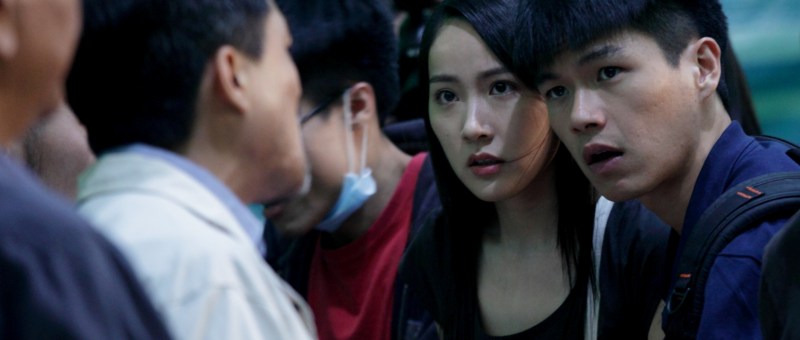
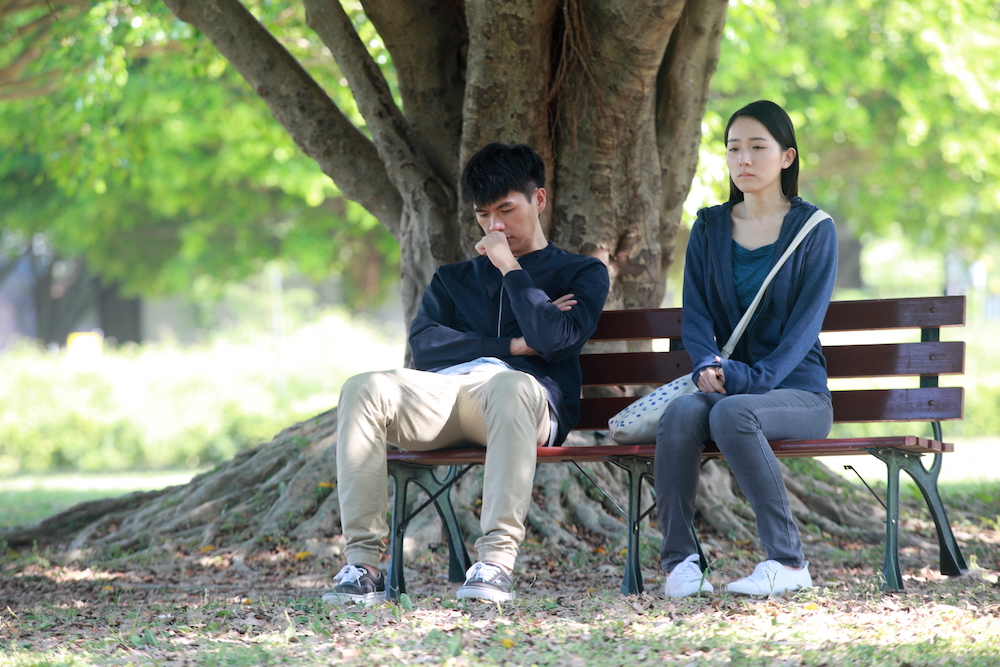
“There’s gotta be a price for chasing dreams” sighs the heroine of Lester Chan Chit-man’s Apart (散後) as she mulls over lost love and the fight for Hong Kong independence. A collection of youngsters find themselves swept up in the Umbrella Movement, but some are more committed to the cause than others and divided loyalties are enough to eventually pull even those who love each other apart. 

Yin (Will Or), his cousin Toh (Chan Lit-man), Yin’s girlfriend Maryanne (Sofiee Ng Hoi-Yan), and the bashful Shi (Yoyo Fung) are all earnest university students studying hard to build professional lives for themselves. Maryanne is strongly against Mainland interference and has become a keen participant in the Umbrella Movement protests, dragging Yin and his more committed cousin along for the ride. The conflict lies in the fact that Yin comes from a fairly wealthy family. His father, Hung (Lester Chan Chit-man), is the CEO of a successful coach company and strongly pro-China. Authoritarian in the extreme, he thinks that you have to respect order and that the future lies in the Mainland. Yin’s animosity towards him may be more youthful rebellion against his hypocrisy in his many affairs and subsequent remarriage to younger woman Yin doesn’t seem to care for, than it is true political conviction. Toh’s father, meanwhile, is originally sympathetic towards the protestors and against Mainland interference (if only to needle Hung) but changes his tune when the protests start affecting his business.

“It turns out some people just want to make a living” Yin admits trying to broker peace, but finds his loyalties continually strained as he tries to balance his desire for Maryanne with his personal ambition. As the protests intensify, Yin pulls back. He objects to his friend’s increasing conviction that there can be no victory without violence and fears the outcome of a battle fought on such tense fault lines. Maryanne, however, doubles down, devoting all her energies to the movement, unforgiving of Yin when he dares to step back on the night that his grandmother dies and secretly beginning to doubt him, riddled with romantic jealousy over his growing attraction to Shi. 

In some ways Maryanne represents for him Hong Kong, while Shi represents the Mainland. Yin is a man pulled between two poles and perhaps treating neither of them with the respect they really deserve. The years wear on and the Umbrella Movement winds down. Yin pursues his technological interests in the US, perhaps hoping to escape the HK/China divide through removing himself to another continent. The crisis does not however stop. Maryanne becomes a lawmaker, trying to further her aims in the political arena but encountering fierce resistance. She is lonely and tired, but refuses to give up. Yin finds himself torn, in love with Maryanne but considering settling down with Shi who, like him, is ready for “a settled life”, while Maryanne knows she cannot rest until Hong Kong is free. He won’t come to the protests with her because he fears damaging his prospects on the Mainland, and she won’t be welcome if she accompanies him there (not that she would want to). Politics drives them apart, and as Maryanne said there’s a price for following your dreams. 

Toh, a little younger, remains committed to the ideal but also tempered by practicality, changing the future through teaching the past while his Chinese-American step-cousin, Jessica (Jocelyn Choi), eventually returns to chronicle the battle for democracy from an international perspective. In his student days, someone asks Yin why it is they who have to fight this battle and he replies that they alone can afford this naivety. They can afford to be bold, passionate, reckless, unrelenting, and unafraid of the consequences because they are young. As they grow older, some of them grow away. Yin gives in to practicalities, leans towards his father’s point of view, and eventually does what he thinks is right in looking for peace and compromise, but his actions betray Maryanne’s revolution. Maryanne looks for political solutions, but finds them slow going nevertheless continuing the fight. Nothing may change, but we’re here to show them we won’t mindlessly obey, Shi offers of the Umbrella Movement, filling the streets with the colour of resistance in tiny paper umbrellas in a vibrant yellow.


Apart was screened as part of this year’s Osaka Asian Film Festival.

Original trailer (English subtitles)

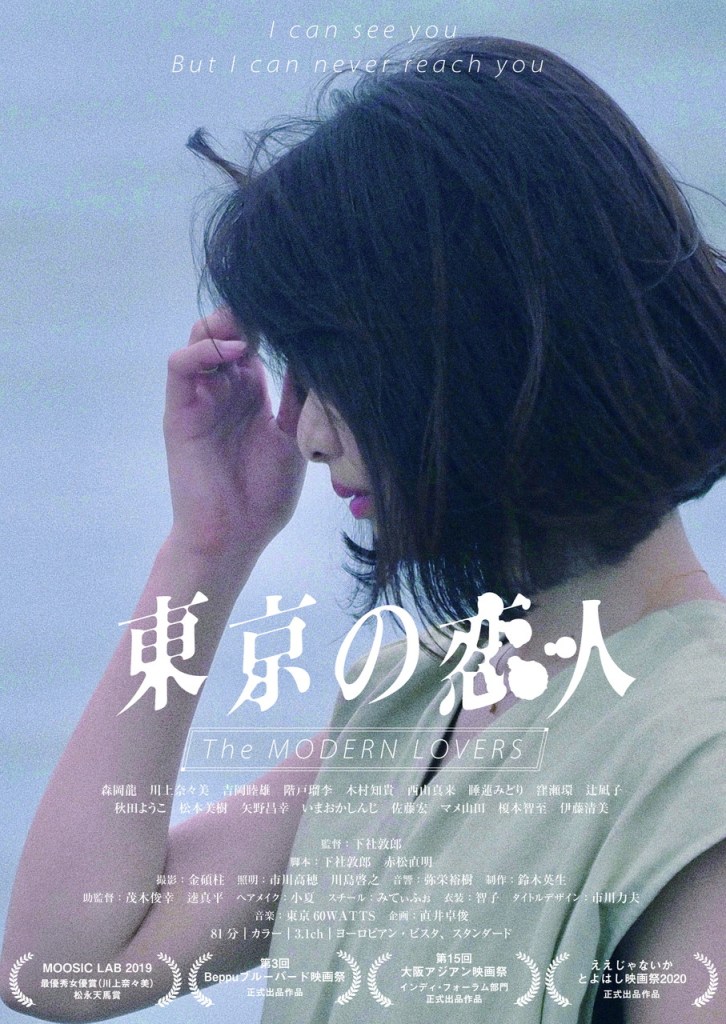
The Modern Lovers (東京の恋人, Atsuro Shimoyashiro, 2019)

Where now the dreams of youth? It may be impossible to escape a regretful middle age, wondering what might have been if only you knew then what you know now, but for the heroes of Atsuro Shimoyashiro’s The Modern Lovers (東京の恋人, Tokyo no Koibito) the pain seems all the more acute. “Today’s the day our youth ends” a brokenhearted woman laments, trying to make peace with her choices but finding that her return to the past may have done more harm than good. 

Tatsuo (Ryu Morioka) is a 31-year-old salaryman, married with a baby on the way and living in provincial Gunma. With the anxiety of impending fatherhood on his mind, he’s surprised to receive a message from his university girlfriend, Marina (Nanami Kawakami), who wants to reconnect. Telling his wife he’s going on a business trip, Tatsuo decides to spend the weekend in Tokyo, staying with another friend from uni before meeting up with Marina for a Sunday in the city reminiscing about old times. 

Like Tatsuo, his old college friend Komazawa (Tomoki Kimura) has long since given up the dream of becoming a filmmaker. A breakdown at 27 has apparently led to a diagnosis of bipolar disorder leaving him unable to hold down a job and dependent on his wife, Seiko (Maki Nishiyama), who supports both him and his step-daughter Shizuko through sex work while Komazawa has become an idle alcoholic. Despite his disappointment, Tatsuo spends the evening bonding with the local bar lady who claims to be able to see the future before leaving early in the morning to meet Marina who suggests revisiting the seaside they went to years before. 

Very much ready to step back into the more innocent past, Tatsuo has brought with him a tape of a song they used to listen to way back when and wastes no time in reassuming the poses of his 20-year-old self, sunshades and all. Marina, by contrast is self-consciously cute but mature, if perhaps sad. Tatsuo starts to tell her that he gave up his filmmaking dreams, married a good woman, and took a regular salaryman job at the family firm, but fails to complete the thought. Marina meanwhile casually remarks that she married a wealthy man but hints that she did so largely for convenience and material comfort rather than love. 

“We never get to marry the woman we love the most” Tatsuo’s strangely boys will be boys brother-in-law (Mutsuo Yoshioka) sighs, commiserating with Tatsuo’s lament for his disappointed youth and failure to make his filmmaking dreams a reality. We discover that an early success in a scriptwriting competition gave him an inflated sense of possibility, and that his desire for success was largely a desire to impress his girlfriend. Wounded male pride in his sense of artistic failure eventually convinced him he had to break things off while she silently cursed him, jokingly sentencing him to 18 years of solitude in a playful reference to a Tai Kato film. Now he realises his foolishness and is filled with regret in having settled for a conventional middle-class life as a husband and father.

Marina, meanwhile, is feeling something much the same in trying to achieve closure on the past before she becomes a mother. After breaking up with Tatsuo, she drifted through nude modelling and ended up the trophy wife of a wealthy man she doesn’t love, pegging her hopes on material comfort and hoping that love will come later. “I’m glad you’re happy now” a bar owner and former Instagram fan tries to congratulate her, but all Marina can do is smile sadly and ask her similarly troubled companion if happy is what she looks.    

“I’m not young anymore, I can’t live for a dream” Tatsuo accepts, but living on a dream is all they’re doing, recalling the time when they were “modern lovers” in Tokyo kidding themselves that they were urban sophisticates when perhaps all they did were the kinds of things unsophisticated suburbanites do like hang out at batting cages and go to barbecue restaurants. It’s too late to turn back now, but the past is a difficult trap to escape and perhaps what they long for is not so much the love cut off in its prime but a return to the possibilities of youth. Meeting again reawakens the desire for something more out of life than life may now have to give them, but this is day that youth ends, hitting the end of the road in a slow car crash of realisation that regret is the price of age.


The Modern Lovers was screened as part of this year’s Osaka Asian Film Festival.

Original trailer (no subtitles)

Retro hit Love You, Tokyo by Akira Kurosawa (not that one!) & Los Primos which recurs frequently throughout the film

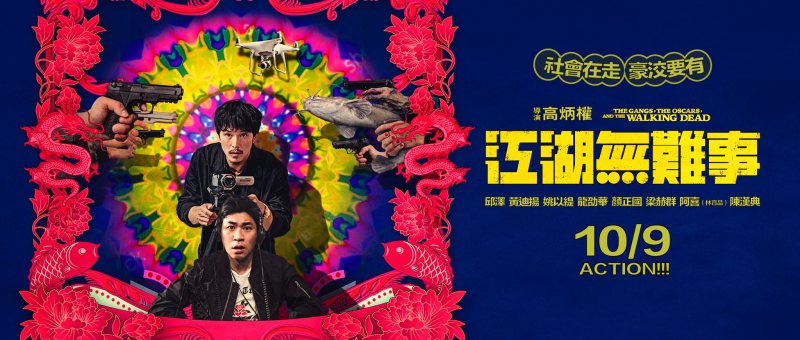
The Gangs, the Oscars, and the Walking Dead (江湖無難事, Kao Pin-chuan, 2019)

You remember that film back in the ‘80s where those guys go to their boss’ house for a party only he’s dead but they want to have a good time without being murder suspects so they pretend that he’s alive, only it turns out he was going to have them killed because they found out about his massive fraud and embezzlement? The Gangs, The Oscars, and The Walking Dead (江湖無難事, Jiānghú Wú Nán Shì) is kind of like that, if lacking the mild critique of rampant consumerism. 

Our heroes are BS (Roy Chiu), a film producer, and his director/childhood best friend Wenxi (Huang Di-yang). Wenxi is a lifelong film buff who decided he had to grow up and make a zombie movie after falling in love with hopping vampires from Hong Kong. BS has been trying to make his friend’s dream come true, but the production gets derailed when the lead actor is engulfed by a sex scandal and the guys end up taking on odd jobs to make ends meet one of which involves filming the funeral of a recently deceased mob boss who later joined the boy scouts to give back to the community. The job goes just about as wrong as it’s possible to go seeing as they manage to set fire to the corpse, but somehow they manage to impress Boss Long (Lung Shao-hua) who agrees to fund their movie on the condition that part of it is shot in Japan, and his girlfriend Shanny (Yao Yi-ti) gets to play the lead. 

The second part is more of a deal breaker than the first because Wenxi’s long gestating zombie script revolves around a pure and innocent high school girl who quickly gets zombiefied during the initial outbreak but somehow retains her humanity while a heroic PE teacher/gangster falls in love with her as they fail to survive the apocalypse. Shanny is many things, but passing for a high schooler will be a stretch and in Wenxi’s eyes at least she is neither beautiful nor “pure”. To be fair, Shanny does look as if she may have suffered a lot in her life, but Wenxi’s peculiar obsession is with a mole on her face which he seems to find unsightly. In any case, it’s not a problem for very long because Shanny ends up dying during a freak accident at the launch party leaving the guys with several problems of a different order. Afraid of Boss Long, they decide to hire a top SFX artist and manipulate Shanny’s body as if she were a puppet so no one knows she’s dead. 

Sadly the film has little sympathy for Shanny who is treated more or less as a human plot device, a ridiculous figure of fun who seems to have sealed her own fate by being an “immoral” woman involved with a man like Boss Long who is, we find out, using her in more ways than one as are his not so loyal henchmen. Latent misogyny later gives over to mild homophobia as the boys figure out that Shanny got her unusual looks after getting plastic surgery to look like her favourite drag queen, so they decide to try asking him to help out, playing into an extended joke about Boss Long being fooled into canoodling with a man.

The theme, however, is brotherhood and loyalty not only between BS and Wenxi, but also Boss Long, Shanny/drag queen Hsiao Ching, and the gang. You have to die to figure out who your real brothers are, according to Boss Long, and it’s a lesson which gets put to pretty good use by just about everyone. At the end of Wenxi’s screenplay, everyone is supposed to become a zombie – the ultimate end of the world pay off for anxiety suffers, at least you won’t have to worry about getting zombified anymore, but is intended to render everyone “equal” so the world is “fair”. There is something quite ironic therefore in their unwitting zombification of Shanny, exploiting her body even after death while playing at being tough guy gangsters so they can make a film with zombies in it they are certain will win an Oscar. Aside from all that, however, the Wenxi gets his “happy” ending which eventually honours Shanny’s memory while cementing a feeling of brotherhood and acceptance placing Hsiao Ching firmly at the boss’ side as they look forward to a bright new movie making future founded on the ashes of the violent past.


The Gangs, the Oscars, and the Walking Dead was screened as part of this year’s Osaka Asian Film Festival.

Original trailer (English / Traditional Chinese subtitles)

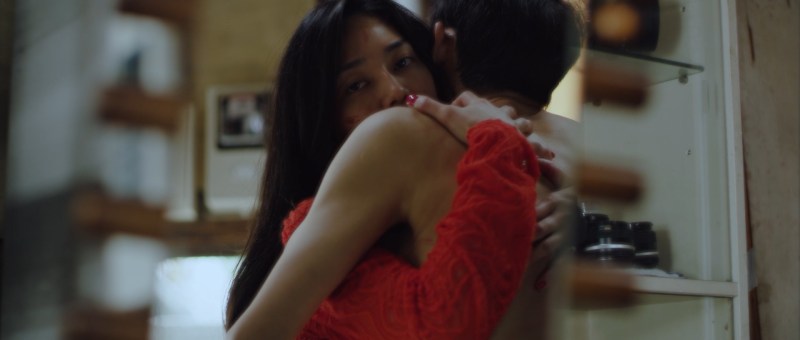
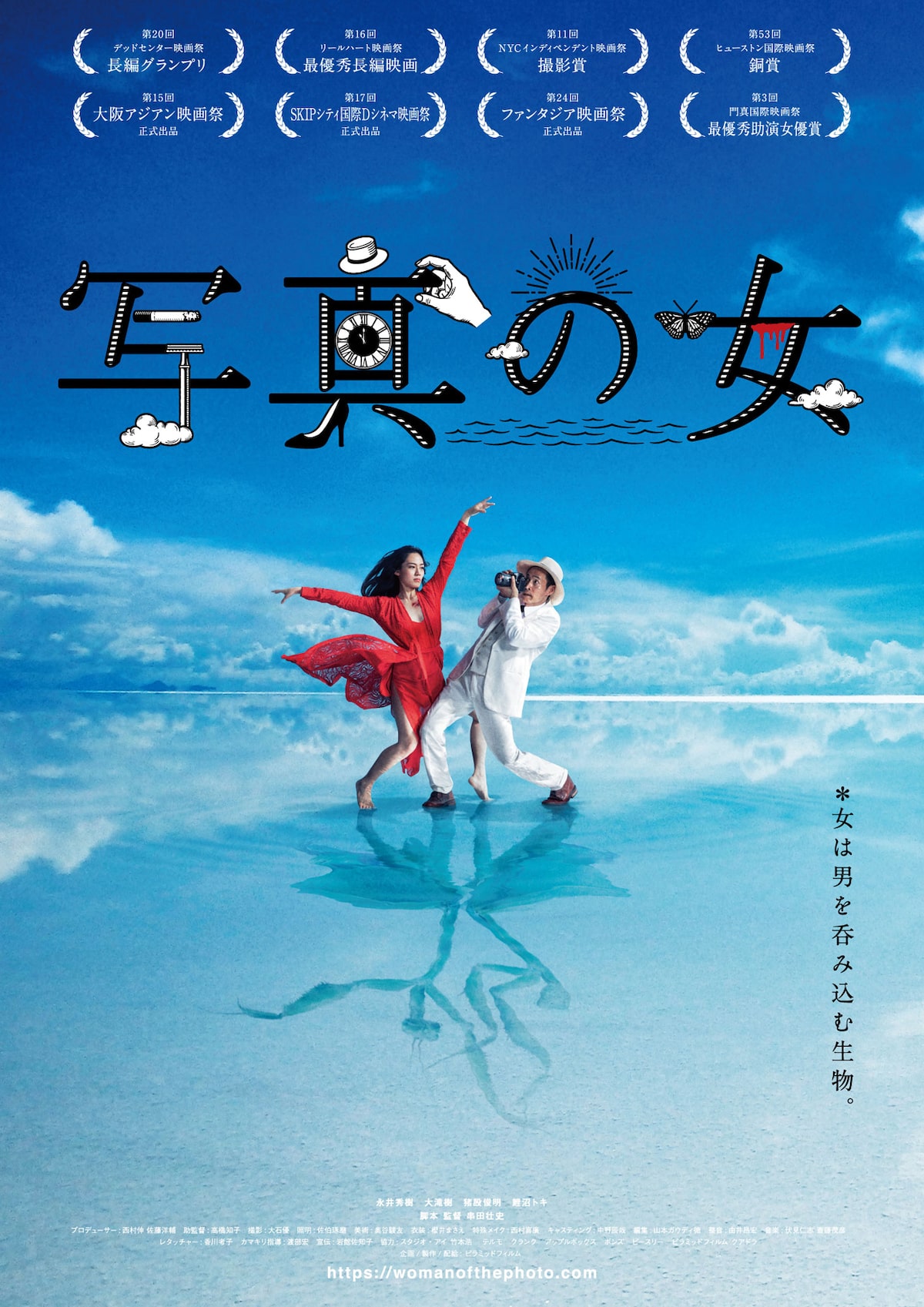
Woman of the Photographs (写真の女, Takeshi Kushida, 2020)

(C)PYRAMID FILM

“We can only love ourselves through others’ eyes” according to an increasingly obsessed young woman desperately trying to “fix” her image of herself through retouching her photo. An inverted take on Woman of the Dunes, Woman of the Photographs (写真の女, Shashin no Onna) sees the world of a bug-obsessed photographer with a talent for “improving” on reality disturbed by the arrival of a mysterious dancer who falls from a tree in the forest into his previously ordered existence.  

Kai (Hideki Nagai), a middle-aged man dressed in an old fashioned white suit, operates a small photo studio taking official photos for things like funerals and omiai arranged marriages. As we later find out from his only regular human contact, the funeral director from across the road (Toshiaki Inomata), Kai’s mother died in childbirth and his father opened this shop to support his son. Kai has taken over but has an intense fear of women and lives alone save for his pet praying mantis with whom he regularly eats his preferred dinner of microwave pizza. 

It’s on a regular bug hunting trip that Kai is struck by the beautiful figure of Kyoko (Itsuki Otaki) tumbling out of a nearby tree and causing herself manageable if painful injuries including a nasty gash along her collarbone. Not wanting to go to a hospital, Kyoko gets Kai to take her to a pharmacy and patches herself up, later accompanying him home where he takes some photos of her to post on her Instagram, retouching them to get rid of the traces of wounds. Despite Kai’s silence, she manages to convince him to have dinner with her in a nearby restaurant and later to allow her to stay the night, after which she becomes a more permanent fixture in his life. 

A former dancer now Instagram star, Kyoko originally thinks nothing of getting Kai to clean up her photos to rid them of unsightliness, but is mildly disturbed to watch him do it. In a reverse Dorian Gray effect, Kai must scar the image to repair it, scrubbing away traces of unwanted “reality” in an act which seems to contradict the true nature of photography. “A good lie can make people happy” according to the funeral director who regularly uses Kai’s services to create suitably solemn photos of the suddenly deceased, but Kyoko isn’t so sure. Ever since she asked Kai to soften her reality, her followers have begun to desert her and she’s losing her lucrative sponsorship deals. The apologetic lady from the agency points out that she’s diverging from the “image” her fans expect from her and if she wants to keep them she’ll have to be the Kyoko they want her to be. 

Kyoko doesn’t quite like that, she’d like to be more authentic. Hisako (Toki Koinuma), meanwhile, an unexpected regular to the studio, is of the opposite opinion. In her view, retouching the photo allows her to be more herself, reflect her true essence through manipulating her image. Asking if she hasn’t got things the wrong way round, Kyoko wonders if the men she’s sending them to will be confused or disappointed that the photo and the reality don’t match but Hisako counters her that a man falling in love with her idealised self would only bring her closer to it. The self reflected in the eyes of others is the true self and only through others’ eyes can you find self love, according to Hisakao. Ironically, Kyoko has been looking for something similar through her Instagram success, but begins to resent the extent to which it is changing her, encouraging her to hide the parts of herself others might find ugly in order to gain acceptance. 

Deciding not to retouch the photos, however, has the opposite effect. Her fans love her again, bowled over by her authenticity, but at the same time perhaps she’s engaging in a strange kind of self-exploitation. Her wounds will, after all heal. Could she be tempted into a life of continued self-harm just for likes? Kyoko begins to lose her sense of self, as if she doesn’t quite exist online or off, caught between the “real” and the “ideal”.

Kai, meanwhile, remains silent but also captivated by the conflicted Kyoko. His life has been one of isolation, afraid of female touch and contented only among his insects. Yet like Kyoko he’s learning that scars can be beautiful because wounds are a sign of life. Waking up to connection and desire, he learns a different lesson from the lifecycle of the praying mantis realising that the male’s greatest pleasure lies in surrendering its body so the female can continue in life and creation. He no longer fears being devoured, but honours the true connection of mutual exchange. Inverting the conclusions of Woman of the Dunes, Kai finds himself liberated not by a sense of simplicity in life but by its complication, accepting all the richness it has to offer in joy and pain, engaging in his own strange mating dance as a man with a camera capturing his subject in all of her essential beauty. 


Woman of the Photographs was screened as part of this year’s Osaka Asian Film Festival.

Original trailer (English subtitles)

Sunshine Family (Kim Tai-sik, 2019)

Sometimes it’s easy to lose track of what’s really important while chasing illusionary success, but you’ll remember soon enough if you hit a crisis. So it is for the members of the “Sunshine Family”, the Mapalads currently living overseas in Seoul where dad works for a travel company. The Mapalads are finally preparing to move back to Manila with a house already paid for, but when dad has an accident in his car it throws all of their plans into disarray. Yet in needing to come together to combat adversity, the family is in a sense repaired as they each come to appreciate each other for who they are while remembering that they have a collective responsibility. 

That “accident” occurs one Christmas while dad Don (Nonie Buencamino) is driving home after a work/leaving party. He’s had a little bit too much to drink and is distracted by a phone call from his boss when a woman suddenly jumps out into the road and collides with his car. Don is obviously upset, hugging the oversize snowman plushie he was travelling with for comfort as he stops to check on the woman who he is certain is either dead or at least in a very bad way. Frightened of getting into trouble he drives off and leaves her, calling his dependable wife Sonya (Shamaine Buencamino) for support. 

Sonya, understandably unamused, berates her husband for never having cared enough for his family. If only he hadn’t spent so much time drinking with colleagues, playing golf, and singing karaoke, he might not have got himself into this kind of mess. Sonya hijacks a passing forklift truck and shifts the damaged vehicle into their home through a window, planning to dismember it to hide the evidence of Don’s transgression so they can all go home together as planned. 

As in most family dramas, it’s Sonya who has a plan and is determined to ensure the survival of the family. Unlike the 1992 Japanese comedy Hit-and-Run Family which apparently inspired the film, the Mapalads are strangers in a strange land though they’ve also become estranged from each other while Sonya feels increasingly unappreciated seeing as her kids are growing up and her husband is always working. As Don later points out, the crisis gives her a new sense of purpose as she formulates a series of ingenious plans to cover up Don’s crime. “Nothing is important if we’re not together” she tells him. Family means leave no man behind. 

Don, meanwhile, is forced to confront a potential failure of paternity. It is indeed he who has endangered the integrity of his family through his carelessness, but he’ll also have to admit that he’s been neglecting his responsibilities in a mistaken belief that bringing home the bacon is all that’s required of a “good father”. He hasn’t noticed that his wife is lonely and unhappy, or that his children each have secrets of their own. His waking up to all of those facts is a gradual, not always positive process, but eventually leads him to realise that it’s time for him to be a “real” father which obviously means recommitting to his family. 

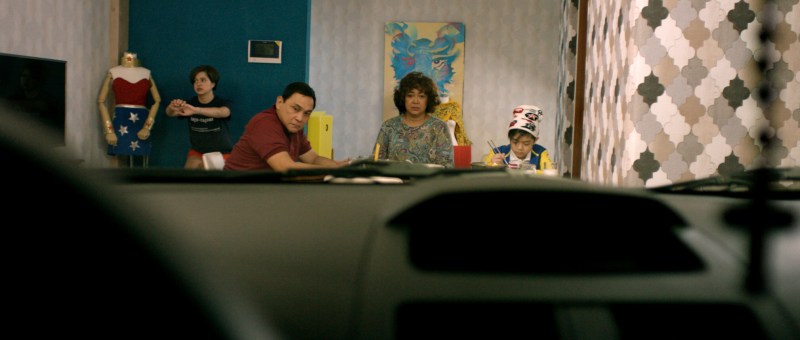
In perhaps a change from the norm, that’s also true for the kids who need to rediscover a sense of solidarity and acceptance in the family unit. Oldest and now grownup daughter Shine (Sue Ramirez) has been secretly dating a Korean policeman (Shinwoo), which presents a dilemma now that the family is set on moving back home. She’s worried her conservative father might not accept her new love, but the situation is of course further complicated by the ongoing crisis and his proximity to law enforcement. Meanwhile, little Max (Marco Masa) has been caught wearing lipstick at school. Sonya doesn’t understand why that’s a problem but the school seem to think it’s not appropriate and might cause offence to other pupils. Always keen to support her kids, Sonya puts on her Wonder Woman outfit to tell Max that it’s OK to be different, and in any case his family will always love him no matter what, while also doing her best to react to her daughter’s romantic crisis in a broadly supportive manner. 

In fact, the family also end up adding an additional member in the form of the old grandpa from next-door (Han Tae-il) who has mild dementia and keeps wandering off because his daughter-in-law (Park Se-jin) isn’t very invested in looking after him. Eventually, everyone is wearing overalls and helping to dismantle the car, a symbol of the empty consumerism which has divided them. Don, meanwhile, is torn about the best way to serve his family – do the “right” thing and turn himself in, or continue covering up his crime so they can all go home to the Philippines together. In predictable fashion, the crisis resolves itself with the help of benevolent law enforcement, while even the nosy neighbour from next-door seems like she might have learned some lessons about familial bonding or at least be about to move past a crisis of her own. Thanks to their brush with crime, the Mapalads have rediscovered the meaning of family and can finally go “home” at last. 


Sunshine Family was screened as part of this year’s Osaka Asian Film Festival.

Original trailer (English subtitles)

Your Name Engraved Herein (刻在你心底的名字, Liu Kuang-hui, 2020)

Taiwan is often thought to be the most socially liberal of Asian nations and was the first to legalise same sex marriage in 2019, but a little over 30 years ago things were very different. Many thought that the lifting of martial law which had been in place for 38 years would usher in a new era of freedom only to discover that society is slow to change and despite a gradual opening up the old prejudices still remain. So it is for A-han, the hero of Liu Kuang-hui’s Your Name Engraved Herein (刻在你心底的名字, Kè Zài nǐ Xīndǐ de Míngzi) who finds himself struggling to accept his sexuality as young man coming of age in changing times. 

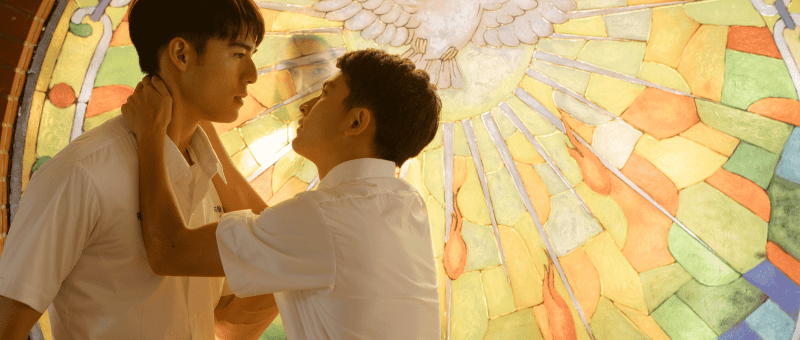
In 1987, as martial law is repealed, A-han (Edward Chen) is a student at a Catholic boys boarding school run along military lines. Many things are changing, but the school is much the same, as the principal Dirty Head (Ta Su) makes plain in conducting an impromptu inspection of the boys’ bunks looking for anything untoward. Nevertheless, A-Han and his friends sneak out at night to play in a band and hang out with girls. A-Han’s reticence is put down to shyness, but the reason he’s not much interested is that he’s taken a liking to a rebellious student, Birdy (Wang Shih-shien), only he’s not quite sure how to interpret his feelings or how to come to terms with them. 

This is in part because the school itself is extremely homophobic with the boys actively policing suspected homosexuality as a means of homosocial bonding. When the gang are caught sneaking out, band leader Horn (Barry Qu) targets an effeminate boy he accuses of dobbing them in, beating him up in the bathroom little knowing that A-han is hiding in a nearby stall after bringing ointment to Birdy who has also been caned. A-han emerges from the stalls after Horn hears a noise and is encouraged to join in the fun, handed a baseball bat and asked to participate in a literal act of queer bashing to prove his manhood. To his shame, A-Han prepares to comply, only to be saved by Birdy who breaks cover to rescue the other boy while casting scornful looks at Horn and the gang but most especially at the hypocritical A-Han. 

Taking his nickname from the Alan Parker film, Birdy may indeed be as “wild” as his namesake, but his rebelliousness has its limits and perhaps masks an internalised sense of shame. Nevertheless, he connects with the conflicted A-Han and the boys generate an intense friendship that of course has tension at its centre. A trip to Taipei to mourn the death of the president brings them closer, but also makes them feel ashamed as they witness a protester holding up a sign to the effect that homosexuality is not a disease and marriage is a human right being carted off by plain clothes police while the uniformed kind lurk in the shadows behind. Martial law may be over, but not everyone is free. As A-Han grows bolder, Birdy finds himself travelling in the opposite direction, dating a rebellious female student, Banban (Mimi Shao), as a kind of beard in the frustrated hope that he may “save” A-Han from his homosexuality by denying their feelings before they can fully develop. 

The central irony is that because of the changes to the educational system the high school is now required to take female pupils and the hardline Catholic, militarist teachers are paranoid about “misbehaviour”, even putting up a chainlink fence to divide the girls from the boys. Romance is forbidden even for heterosexual couples, and homosexuality unthinkable. A-Han finds himself trying to talk to his priest, Father Oliver (Fabio Grangeon), who would like to be more sympathetic but cannot offer him much by the way of advice. Later we discover that Father Oliver left his native Montreal to escape religious oppression and joined the priesthood to mask his own homosexuality, finally leaving the Church to live a more authentic life only many years later when such things were more acceptable. 30 years on A-han travels to a much changed Montreal where he sees lesbians dancing happily in bars and men kissing in the street with no one batting much of an eyelid. He reflects on all that’s changed and all the wasted time he and others like him were forced to endure hiding who they were, living in a world without love. A melancholy lament for the lost opportunities of a repressive society, Your Name Engraved Herein ends on a note of hope in which first love can blossom once again in a less restrictive world where all are free to love without shame.


Your Name Engraved Herein made its World Premiere as part of this year’s Osaka Asian Film Festival.

Original Trailers (English subtitles)

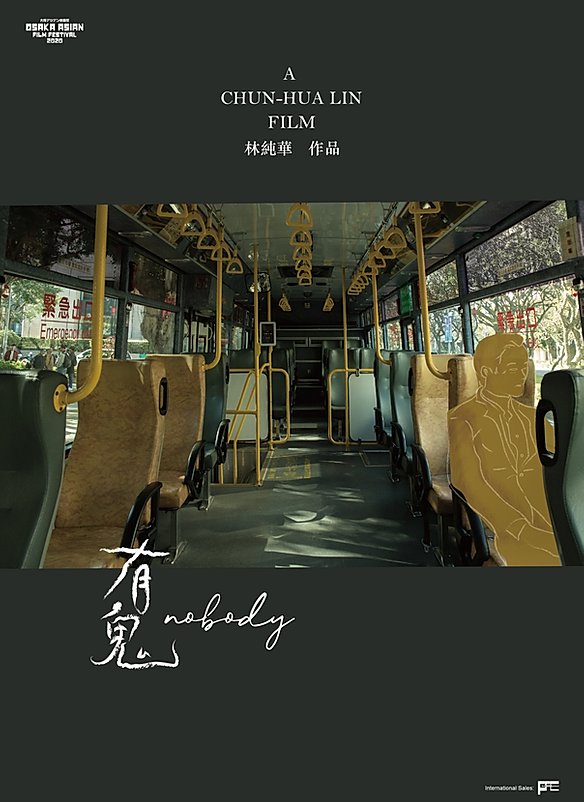
Nobody (有鬼, Lin Chun-hua, 2020)

“Everyone has secrets that they don’t want others to know” according to the hero of Lin Chun-hua’s Nobody (有鬼, Yǒu Guǐ). He is indeed quite correct, everyone is in one sense or another living a lie, pretending to be something they’re not and often for quite complicated reasons which make them unhappy but convince them that their unhappiness is a kind of victory. Yet, there is no true connection without vulnerability and the sharing of a secret can be the most profound of intimacies, even if the connection itself is, perhaps wilfully, misunderstood by others. 

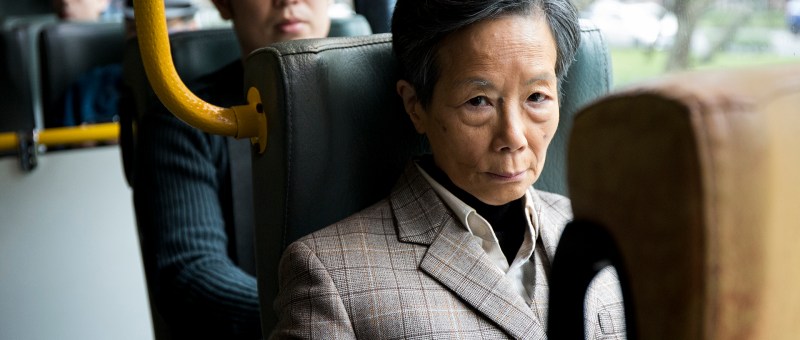
Credited only as “Weirdo” (Jian fu-sang), an old man lives in an illegally occupied attic space on top of an old-fashioned apartment building that he now finds difficult navigate due to his increasing mobility issues. For unclear reasons, he spends his days riding the bus to the hospital but making sure to spit somewhere along the journey, a habit which has made him the bane of bus drivers across the city. Thoroughly fed up, one particular driver decides to throw Weirdo off his bus by force despite his old age and relative frailty, causing him to sustain an injury to his head.

When he gets back to his apartment, Weirdo finds an unexpected intruder – teenager Zhenzhen (Wu Ya-ruo) who has snuck in in order to spy on the apartment opposite where her father meets his mistress. Zhenzhen is from a wealthy though conservative home where her mother, Yuping (Huang Jie-fe), is the perfect housewife but makes a point of prioritising her husband and son, leaving Zhenzhen feeling innately inferior simply for being female. Determined to be allowed to use the apartment to spy on her dad, Zhenzhen starts following Weirdo around, mostly trying to bully him into submission but Weirdo treats her the way he treats everyone else, simply ignoring her as if she didn’t exist. 

The original Chinese title means something more like “haunted” or more literally “there are ghosts” and in some senses it’s tempting to think of Weirdo as a ghost himself as he deliberately attempts to walk through the world as if he existed in a different plane. He is however haunted by lost love and a terrible sense of guilt that keeps him alone in his attic dressing the same way he dressed forty years previously though his hands are now too weak to be able to tie his tie. And then there are those secrets, things he feels obliged hide in the most literal of ways because others simply wouldn’t understand. 

What Zhenzhen discovers is that her family is full of secrets, but exposing them might cause more harm than good. She videos her father with another woman intending to expose him to her mother, but Weirdo tries to warn her that she’s the one that will probably end up hurt if she tries to use other people’s secrets against them. On the surface her family is a vision of upper-middleclass respectability, but her father’s having an affair, her mother is desperately unhappy, and her golden boy brother has secrets of his own. Challenged, Zhenzhen’s father resents her intrusion and points out that he provides for them as if his family life is just for show while he satisfies his desires outside of it, shutting down his wife’s admiration for her sister’s career as a pop idol manager by reminding her that she has a husband, home, and children while her sister has “nothing” because she is a single career woman and in his view an unsuccessful one. Yuping meanwhile is a taut, repressed, and unfulfilled middle-aged housewife actively lashing out at her daughter while sweetly supporting her husband and son, but tries to exorcise her own desires by teaching piano on the side and finding unexpected pleasure in flirtatious banter with one of her sister’s handsome idol stars. 

Nobody is exactly being honest, but it’s the way we live our lives because like it or not secrets are the lifeblood of civility but also an impermeable barrier to connection. Unable to bond with her prim and proper mother, Zhenzhen finds support from Weirdo who begins to open up despite knowing that Zhenzhen’s superficial niceness was only a ploy to get into the apartment, perhaps connecting with her sense of loneliness and betrayal as a young woman discovering that to one extent or another everyone lives a lie. Yet sharing the truth if only with one person can be its own kind of salvation, allowing youth and age to save each other from a world riddled with hypocrisy. 


Nobody made its World Premiere as part of this year’s Osaka Asian Film Festival.

Original trailer (English / Traditional Chinese subtitles)