Udine Far East Film Festival Confirms Lineup for 22nd Online Edition

Despite having postponed from its usual April dates, the Udine Far East Film Festival is the latest to shift online in response to the ongoing global pandemic which is conspiring to keep us all away from cinema screens for the foreseeable future. From 26th June to 4th July, the festival will be making 46 films available for online streaming via www.mymovies.it. While most will be available on an on demand basis, Galas will stream live once only. Inevitably, there are a number of geographical restrictions in place which have been noted below.

China

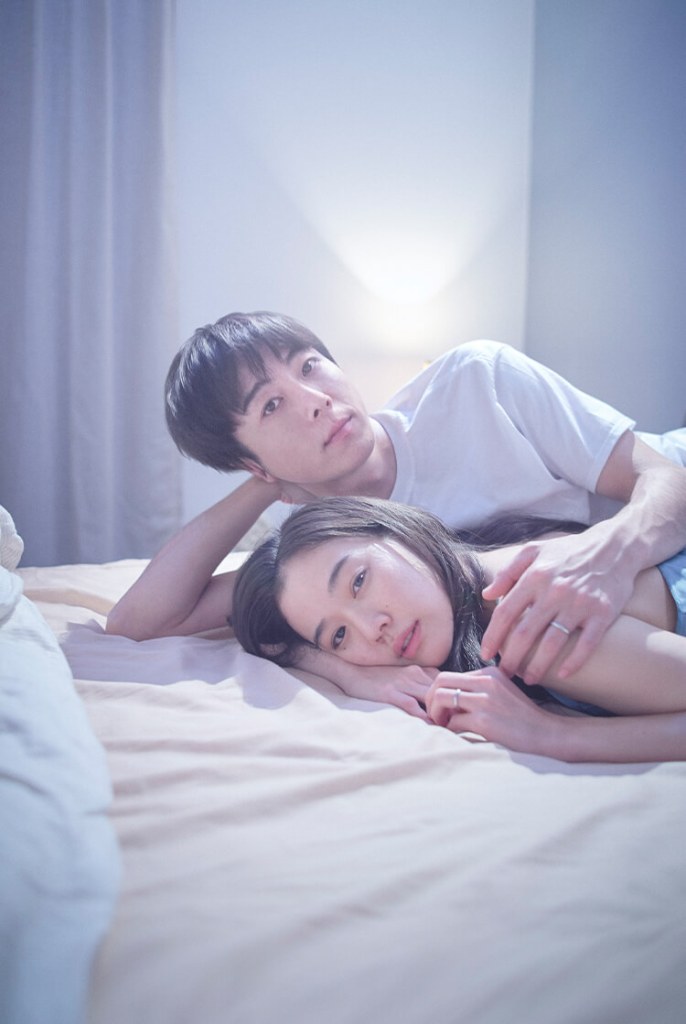
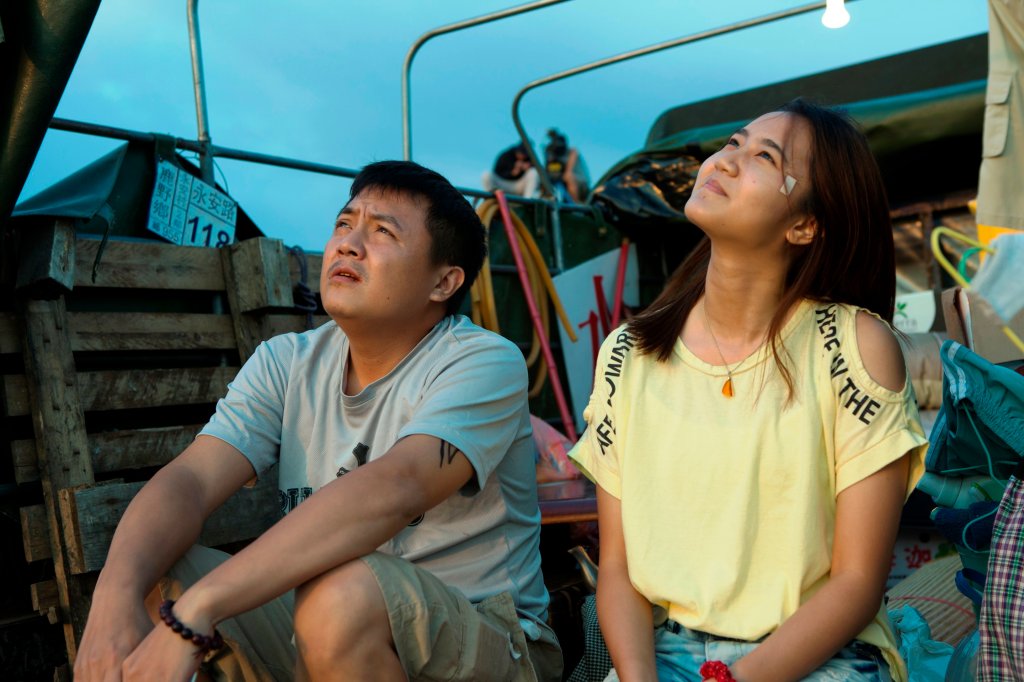
  • Better Days – Derek Tsang’s Soul Mate followup stars Zhou Dongyu as a bullied young woman bonding with a bad boy played by boyband superstar Jackson Yee. Review. Italy only. Closing film gala
  • The Captain – tense thriller from Andrew Lau inspired by the real life story of a heroic pilot who landed his plane safely with no loss of life after disaster struck in the skies. Review. Worldwide (excl. China PRC)
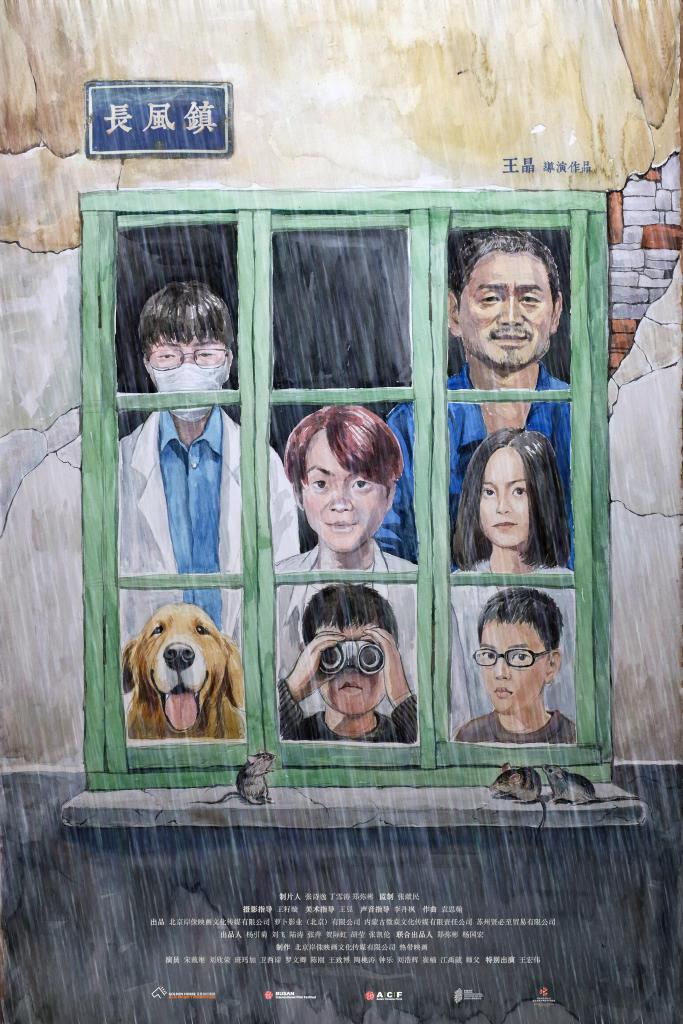
  • Changfeng Town – nostalgic hometown drama. Italy only
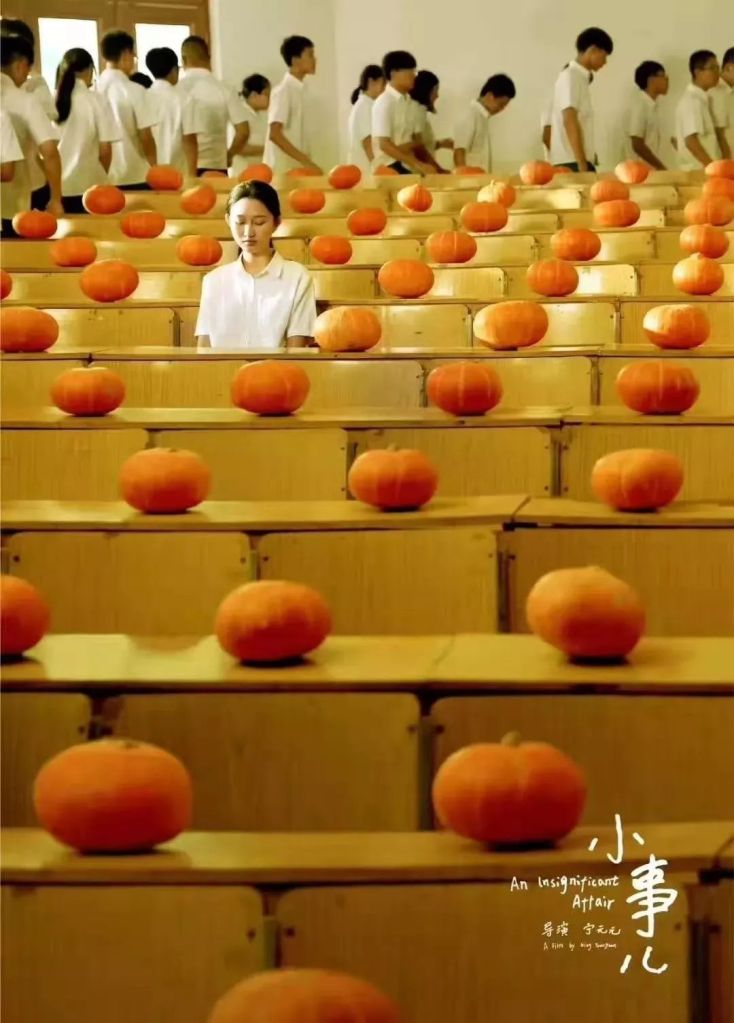
  • An Insignificant Affair – love story directed by Ning Yuanyuan. Italy Only

Hong Kong

  • Chasing Dream – stylish romance from Johnnie To in which a boxer and singer fight for their respective dreams. Worldwide
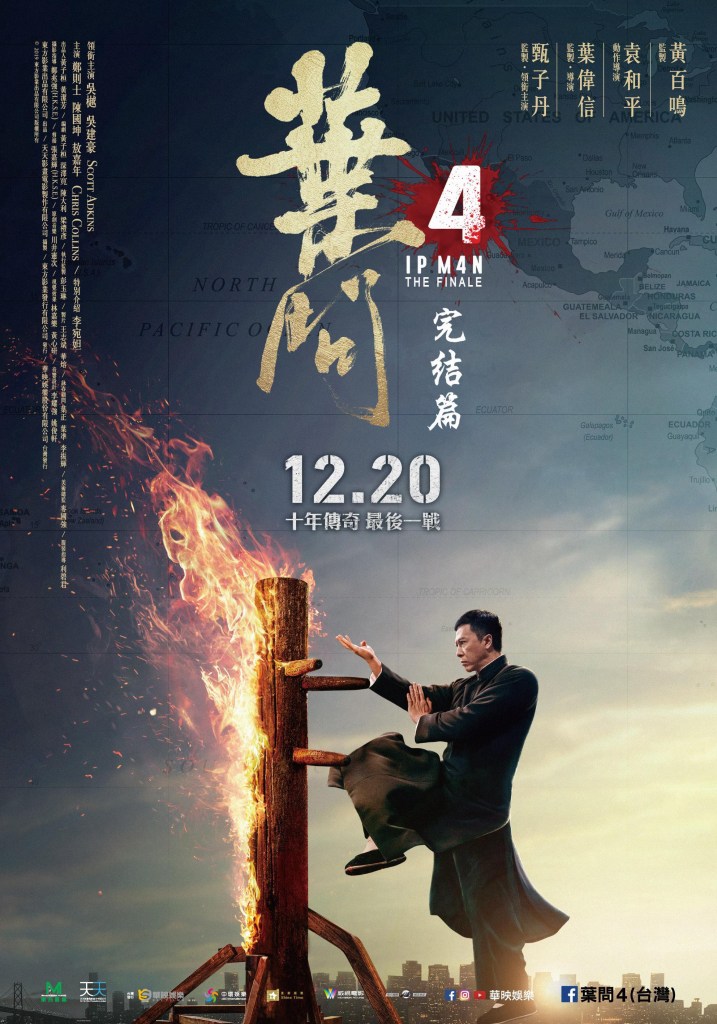
  • Ip Man 4, The Finale – Donnie Yen returns in the series finale which sees Ip Man take on racism in ’60s San Fransisco. Review. Italy only
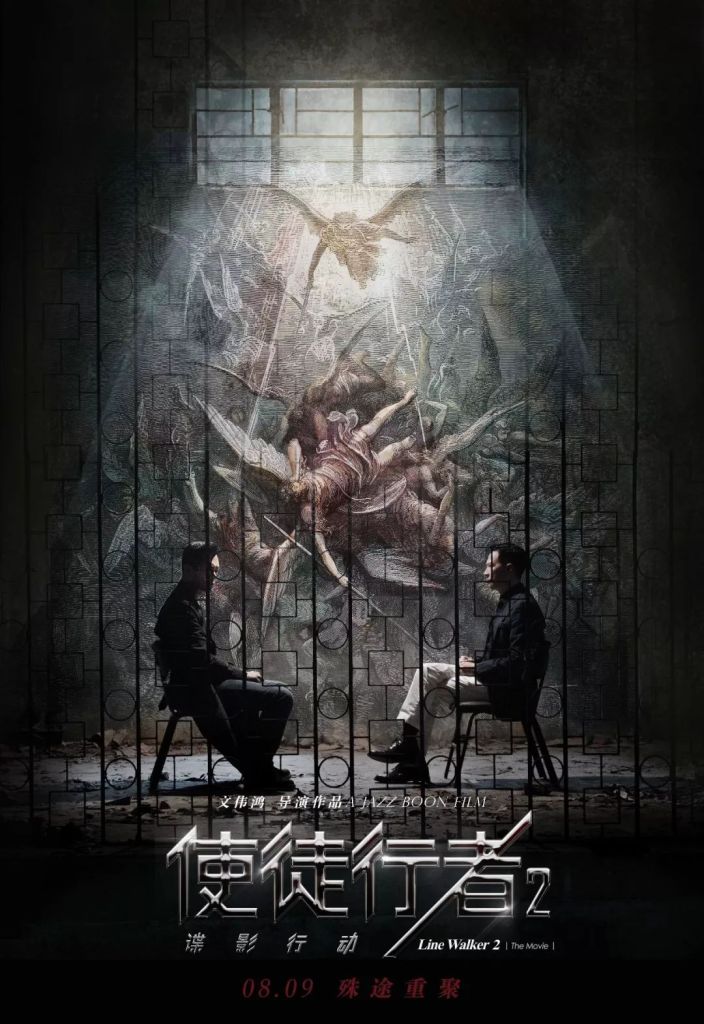
  • Line Walker 2: Invisible Spy – “sequel” in name only starring the same actors as Line Walker in which HK police take on an international child smuggling terrorist syndicate. Italy only
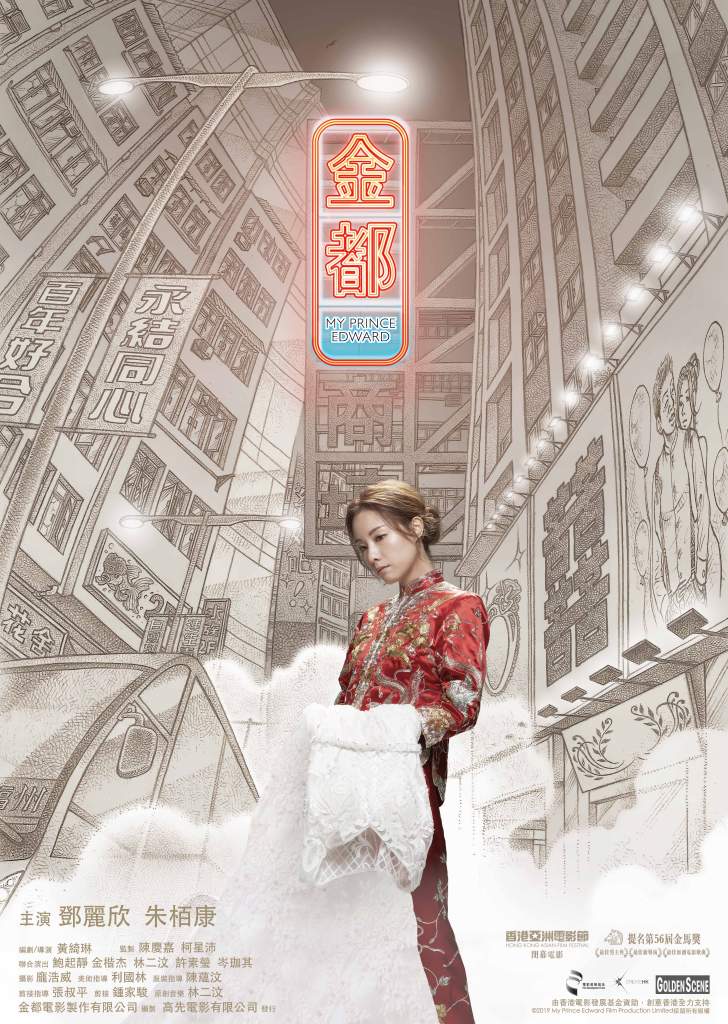
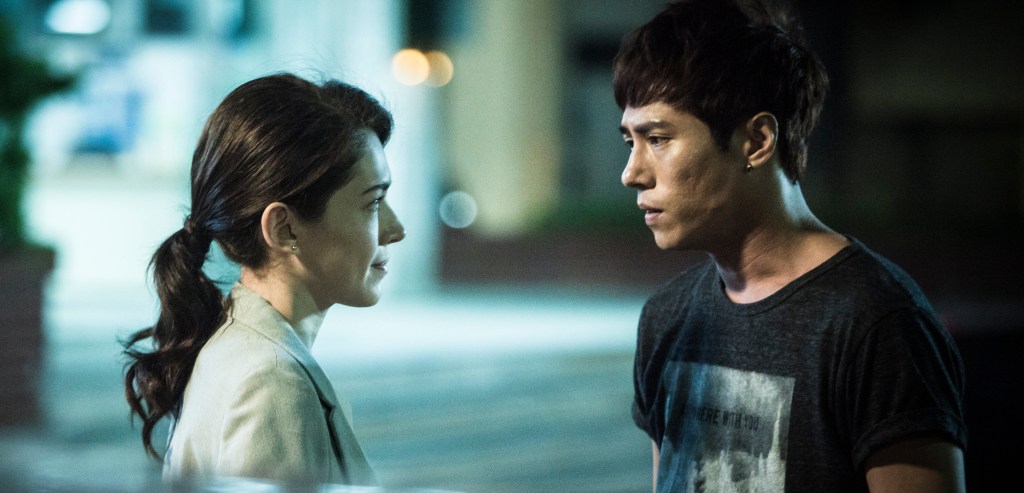
  • My Prince Edward – a woman working at a bridal shop has met her Prince Charming and wants to get married, the only problem being the sham marriage she was paid to take part in several years previously. Review. Italy only gala
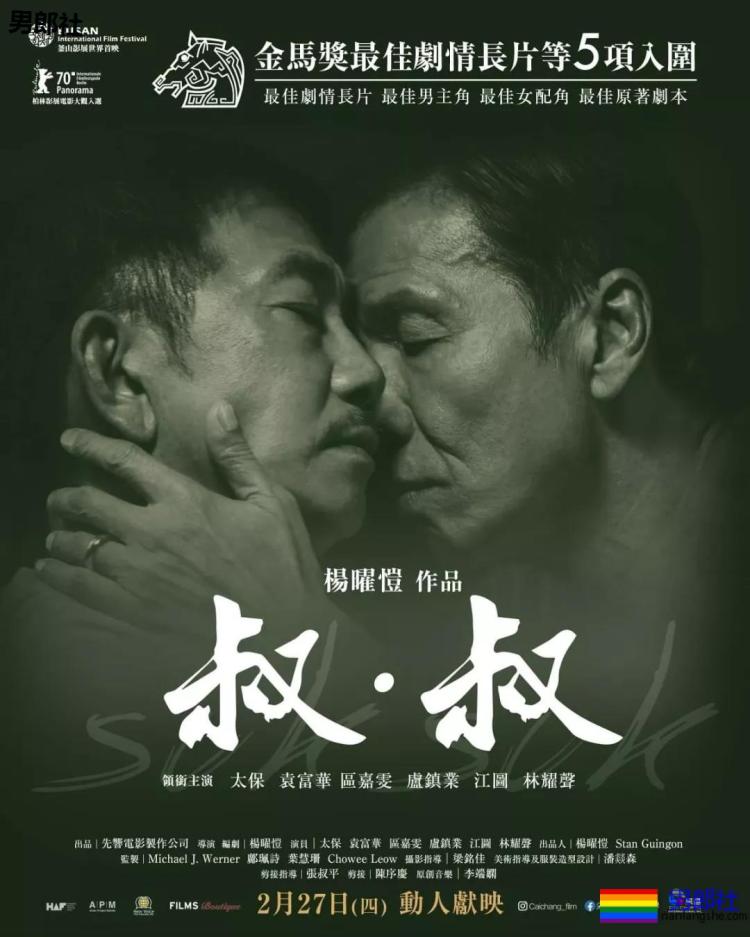
  • Suk Suk – two older men find love and embrace their sexuality after a lifetime in the closet in Ray Yeung’s sensitive drama. Italy Only
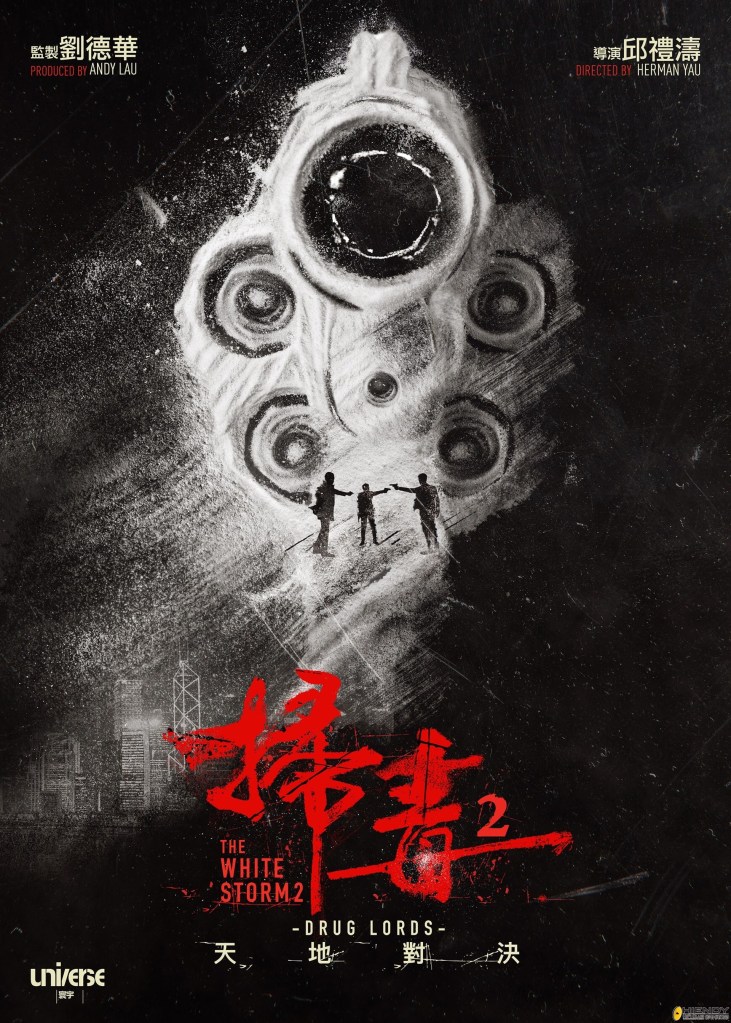
  • The White Storm 2 Drug Lords – Herman Yau action drama starring Andy Lau and Louis Koo as a vigilante businessman and flamboyant drug lord respectively. Review. Italy Only

Indonesia
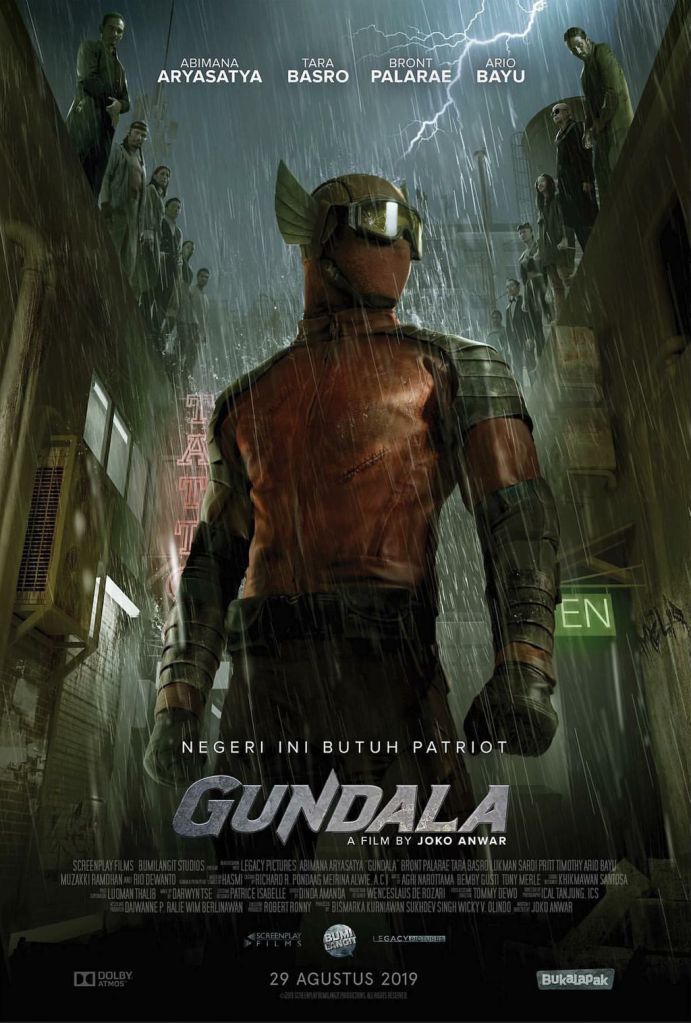
  • Gundala – superhero action from Joko Anwar. Italy only
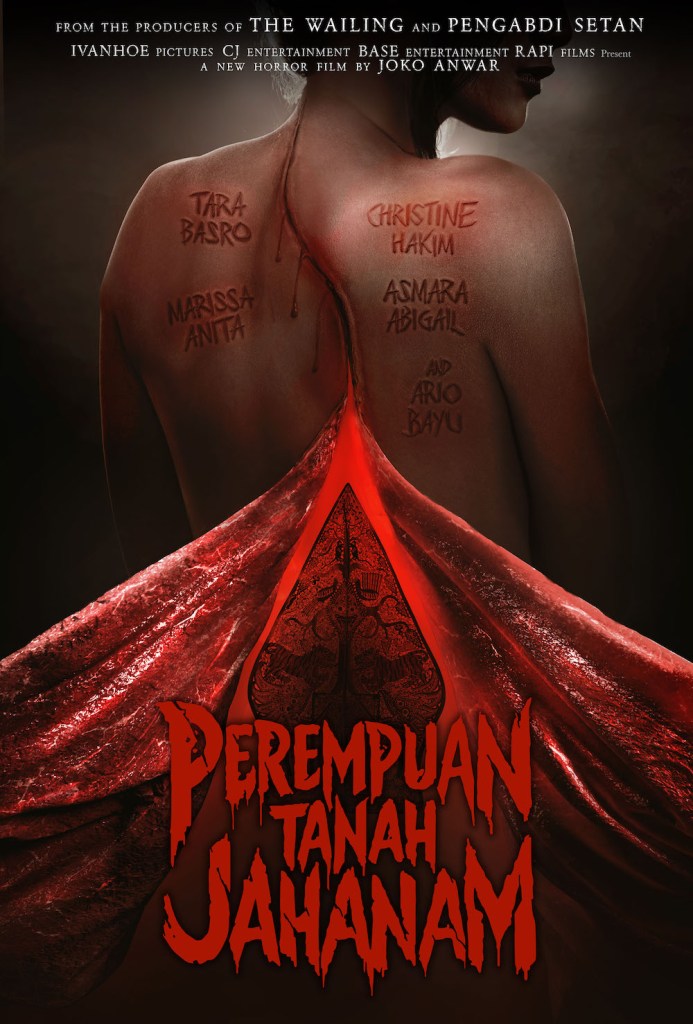
  • Impetigore – Joko Anwar horror in which a woman returns to her village to claim an inheritance but is caught up in sinister goings on. Italy only

Japan

  • #HandballStrive – coming-of-age sports drama from Daigo Matsui set in the world of handball. Worldwide
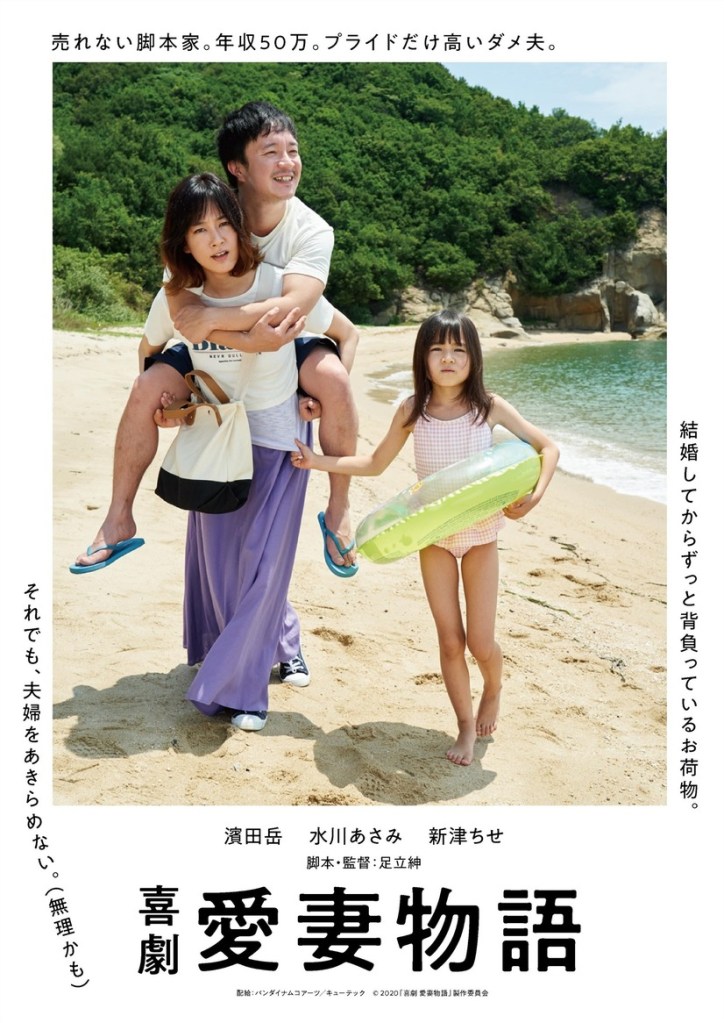
  • A Beloved Wife – Screenwriter Shin Adachi’s autobiographical comedy about a troubled marriage. Worldwide
  • Colorless – love story between a photographer and a model.  Europe only
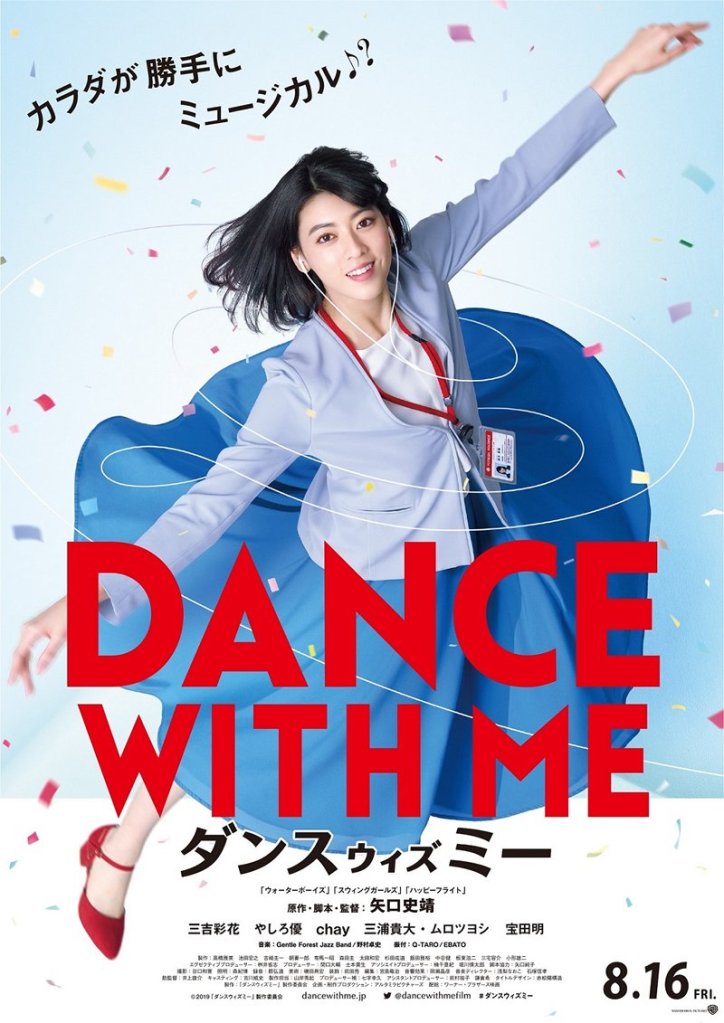
  • Dance with Me – musical comedy from Shinobu Yaguchi in which a woman becomes accidentally hypnotised to break into Hollywood-style song and dance sequences every time she hears music. Review. Italy only
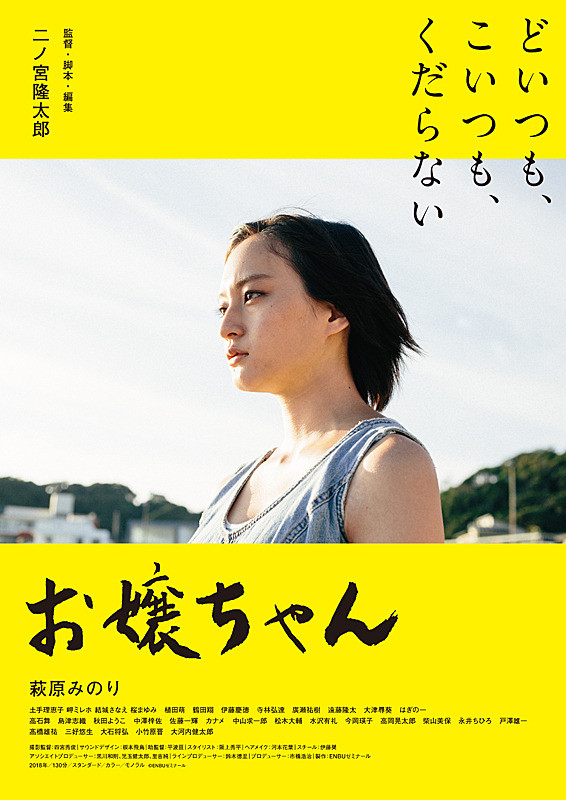
  • Minori, on the Brink – latest from Ryutaro Ninomiya in which a young woman courts controversy with her uncompromising authenticity. Review. Worldwide (except Japan)
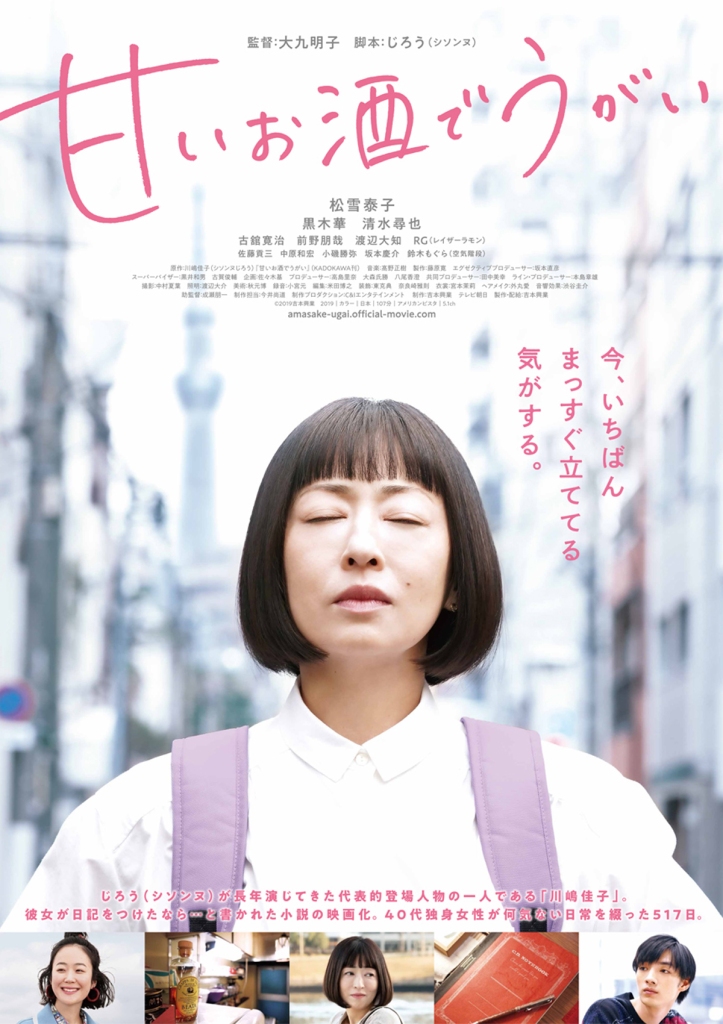
  • My Sweet Grappa Remedies – latest from Akiko Ohku in which a lonely middle-aged woman finds love and friendship with the help of an outgoing colleague. Review. Worldwide (Except Japan, Mainland Chian, Taiwan, USA)
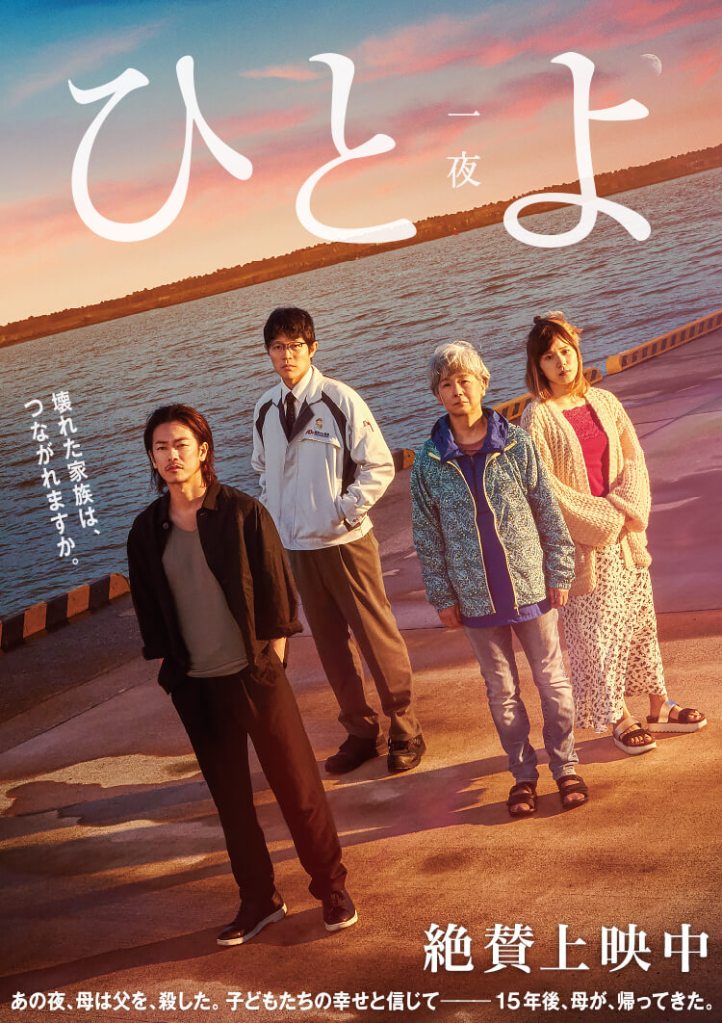
  • One Night – drama from Kazuya Shiraishi in which grown-up siblings attempt to process the traumatic night that broke their family apart. Italy only
  • Romance Doll – romantic drama from Yuki Tanada adapting her own book about a man who hides the fact he sculpts sex dolls for a living from his wife. Italy only
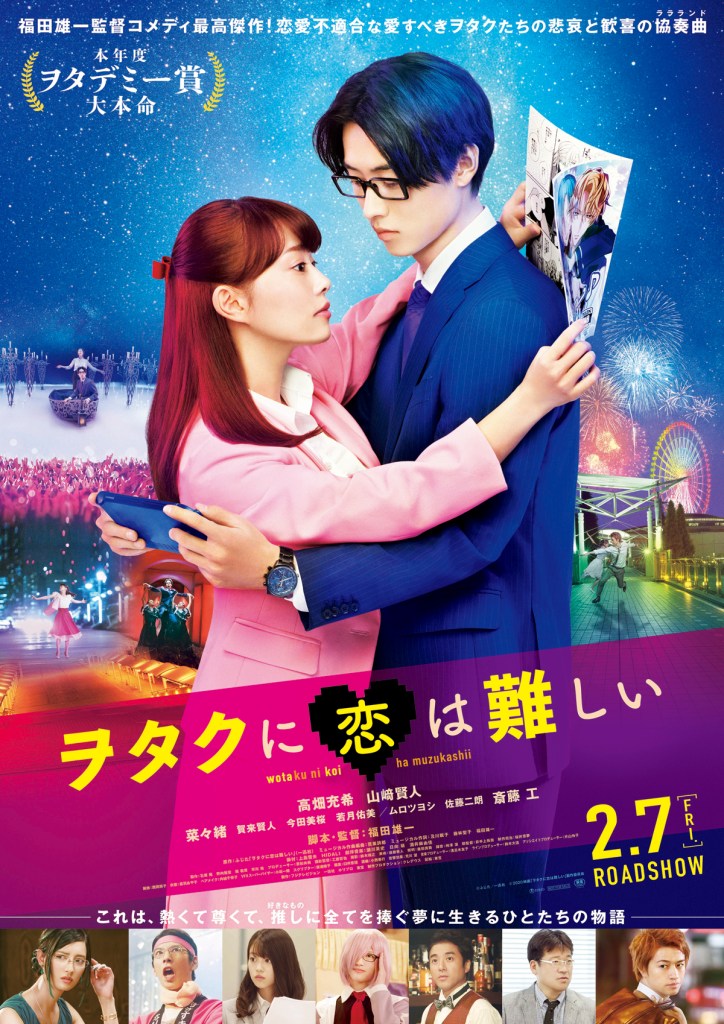
  • WOTAKOI – Love is Hard for Otaku – Yuichi Fukuda musical comedy adapted from the popular manga. Italy only

Malaysia
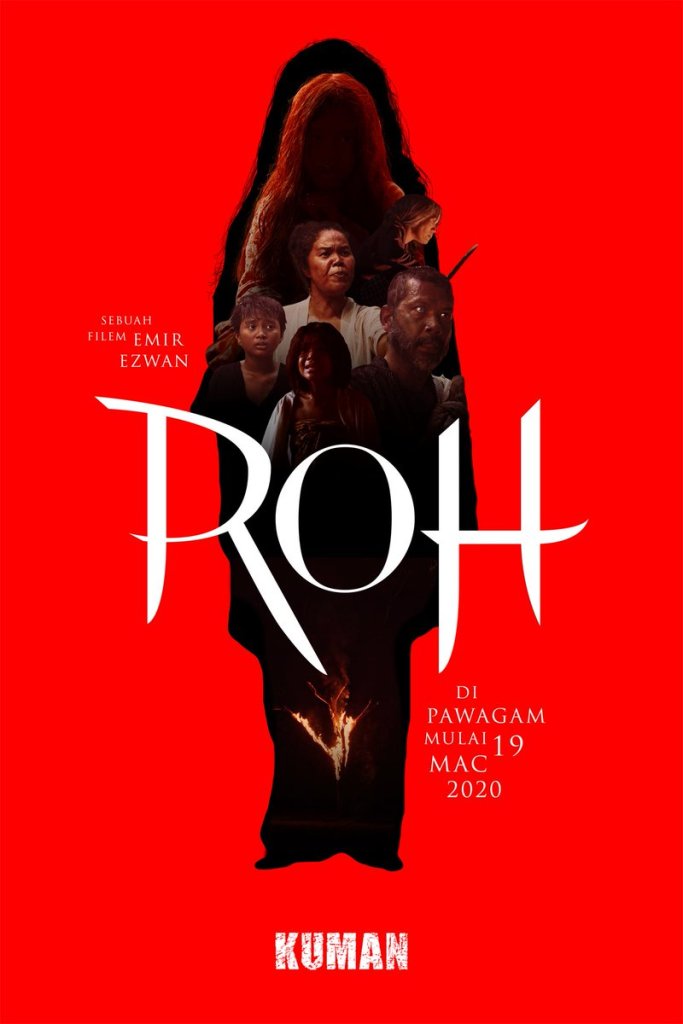
  • Soul – folk horror in which a family in the forest receives a visitation from a creepy little girl with a prophesy. Europe
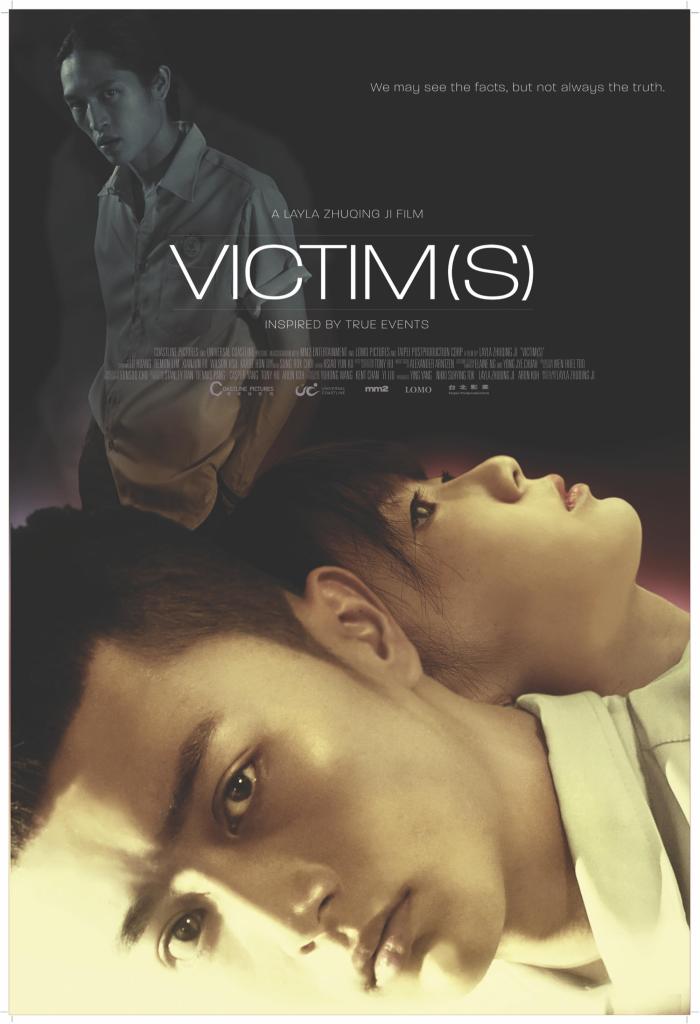
  • Victim(s) – crime drama revolving around the mothers of a killer and the victim. Worldwide

The Philippines

  • Edward – coming of age drama in which a boy takes care of his hospitalised father. Worldwide
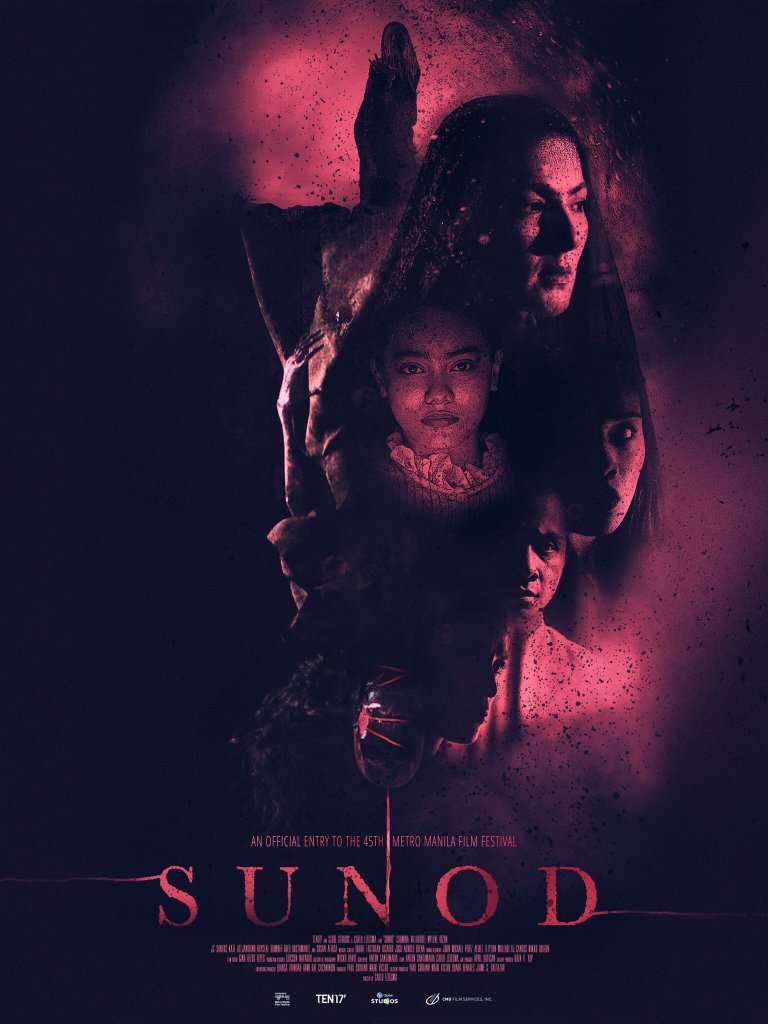
  • Sunod – horror in which a woman takes a job at a call centre to pay for her child’s medical care but it turns out to be haunted! Worldwide (Except The Philippines)

South Korea
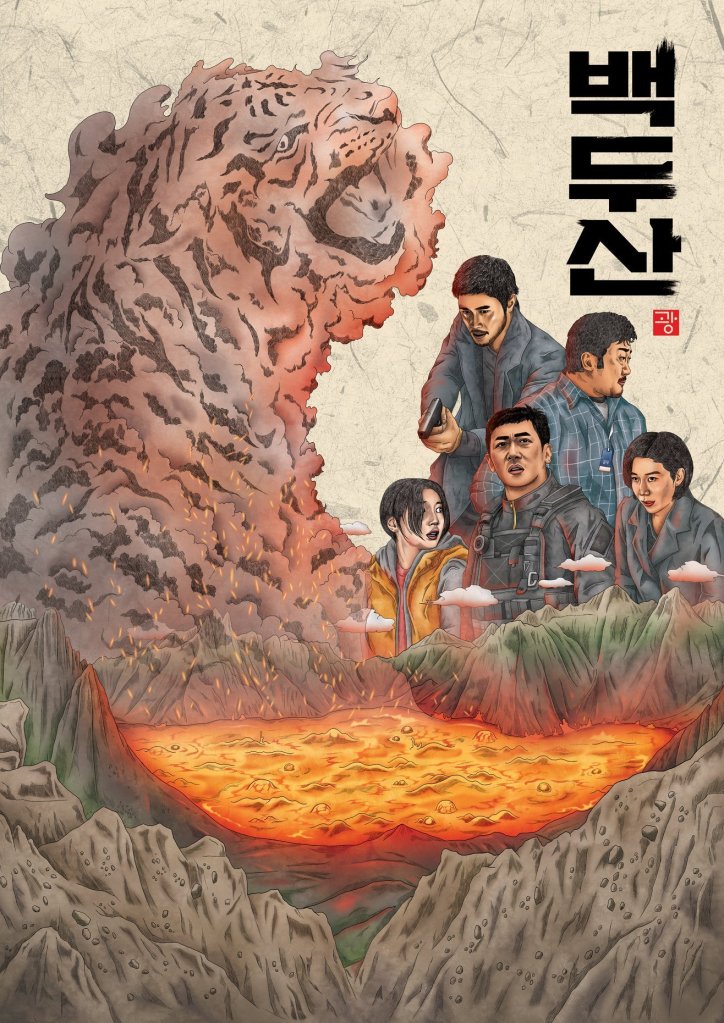
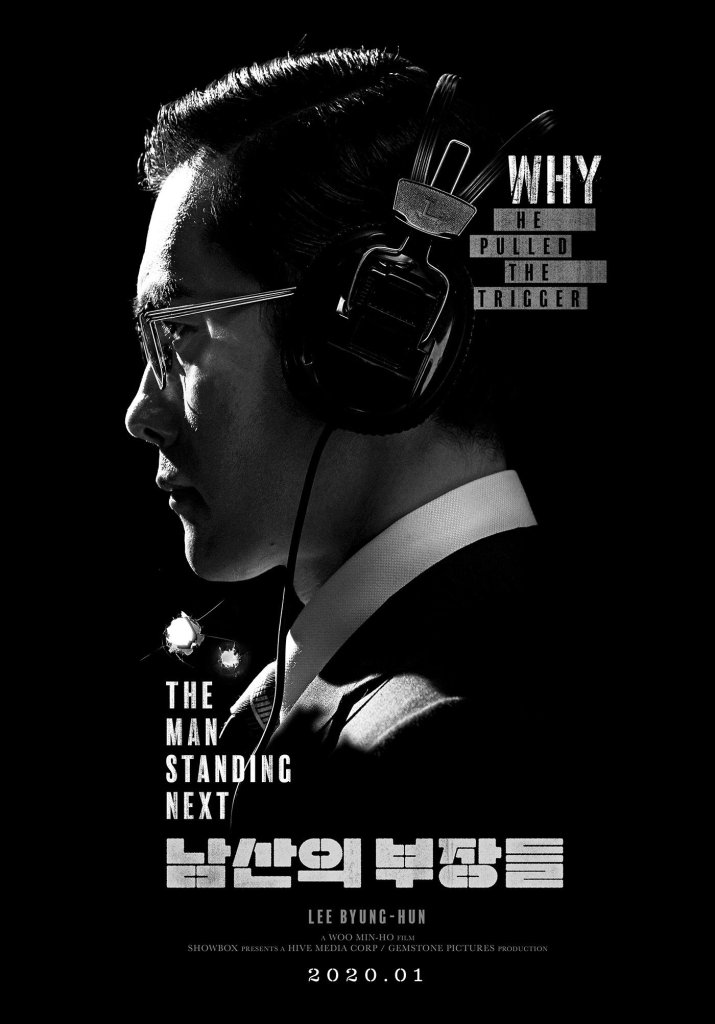
  • Ashfall – big budget volcano-themed disaster movie starring Lee Byung-hun, Ha Jung-woo, and Ma Dong-seok. Europe only. Opening Film
  • Beasts Clawing at Straws – darkly humorous thriller in which a collection of desperate people are connected by a missing bag full of cash. Italy only
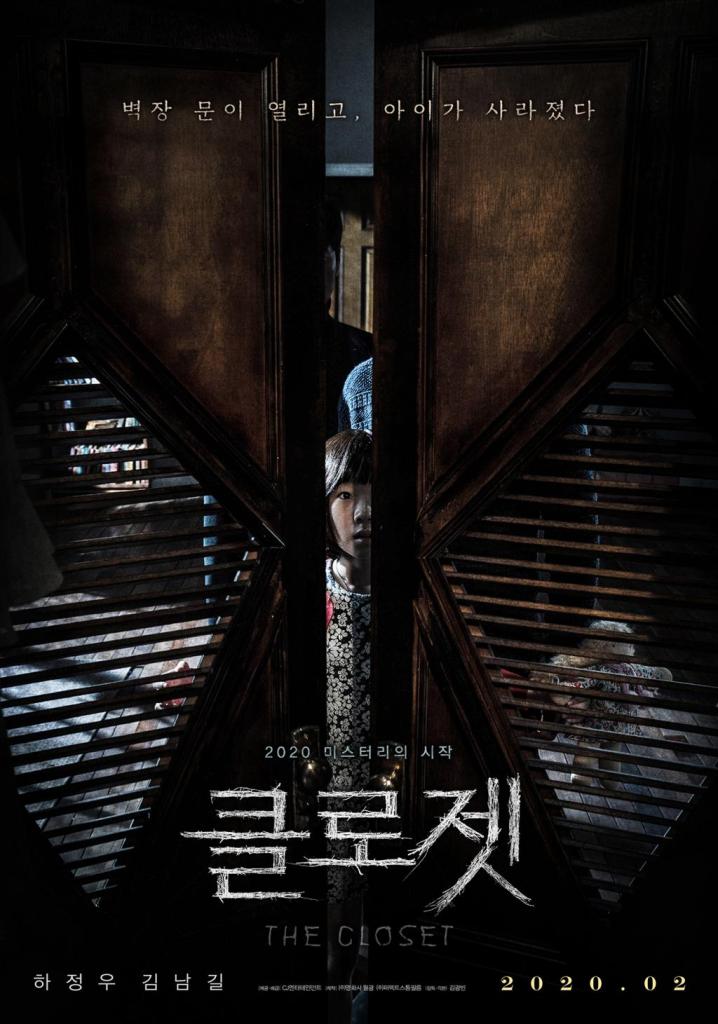
  • The Closet – horror starring Ha Jung-woo as an irresponsible father whose daughter goes missing after they move to a weird cottage in the middle of nowhere. Italy only
  • Crazy Romance – romantic comedy in which a couple bond over their shared traumatic romantic histories.  Worldwide
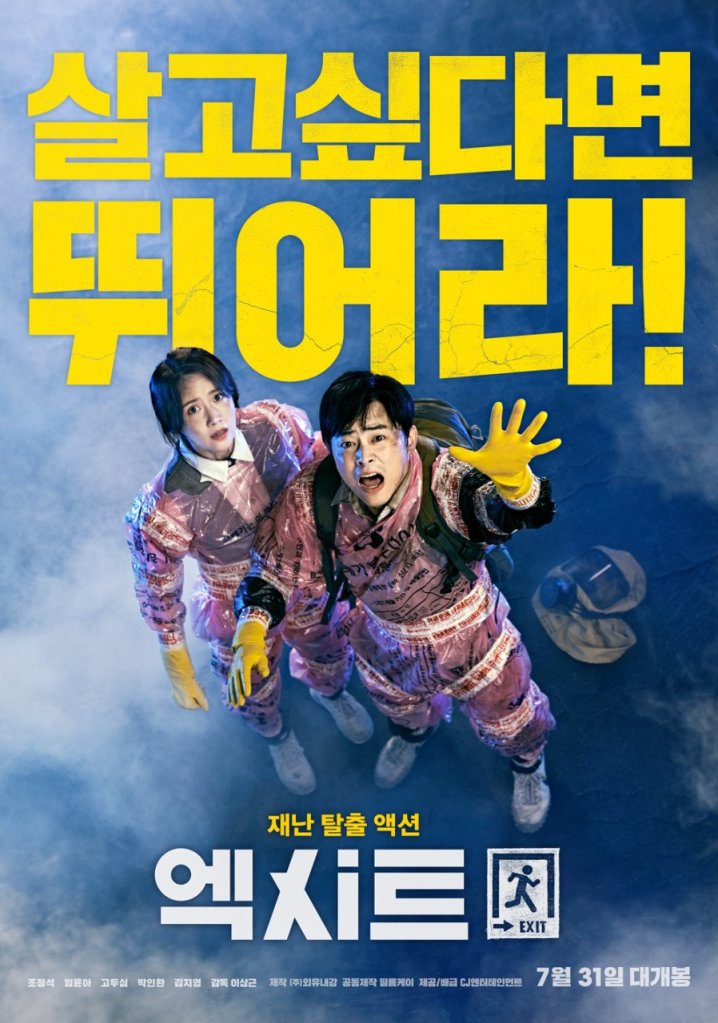
  • Exit – a mountain climbing enthusiast is in his element when poison gas envelopes the city! Review. Italy only
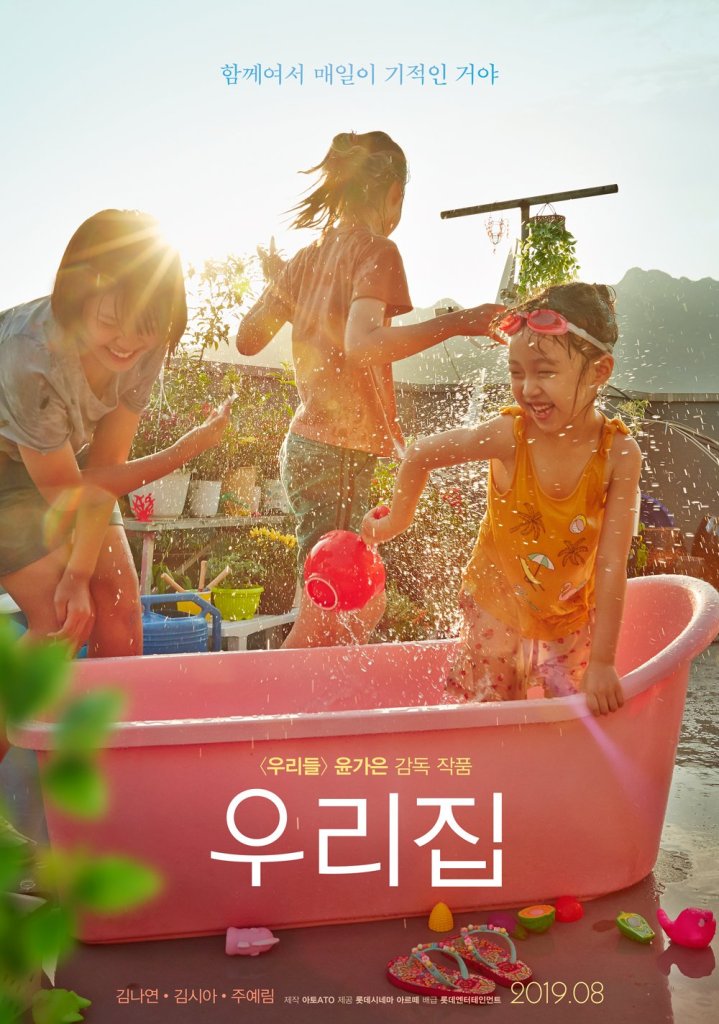
  • The House of Us – lonely children ponder forming a family of their own in Yoon Ga-eun’s charming indie drama. Review. Europe only
  • Kim Ji-young: Born 1982 – feminist drama following an ordinary woman’s path into middle-age in a fiercely patriarchal society. Italy only
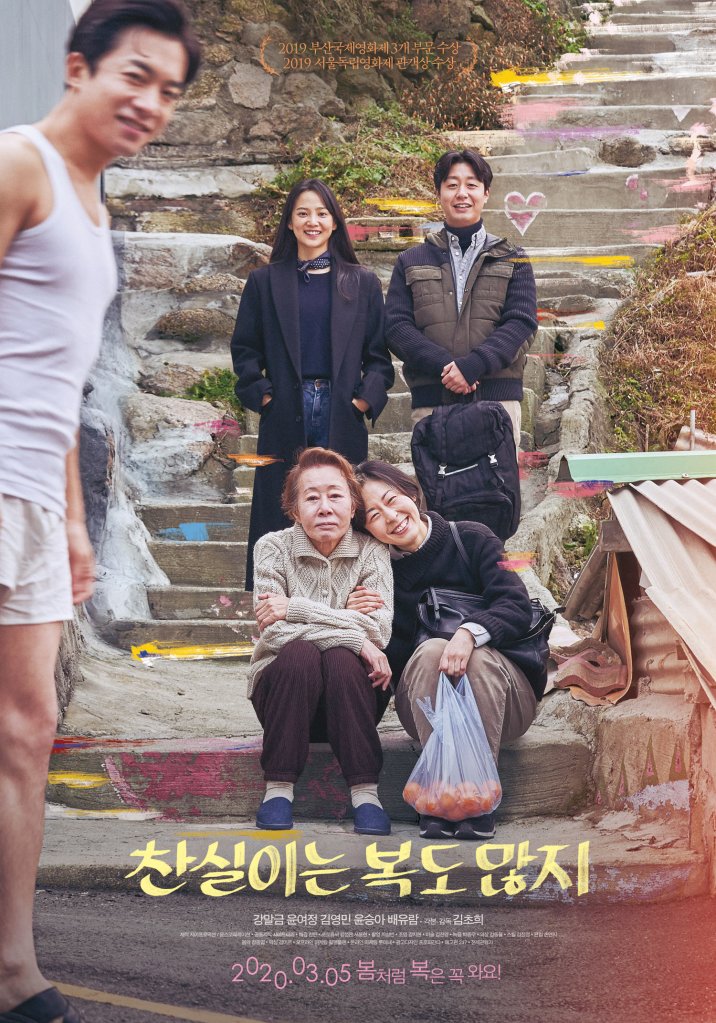
  • Lucky Chan-sil – film producer Chan-sil finds herself unemployed after the director she’d been working with suddenly dies, taking a job as a cleaning lady for an actress and bonding with a handsome French teacher. Italy only
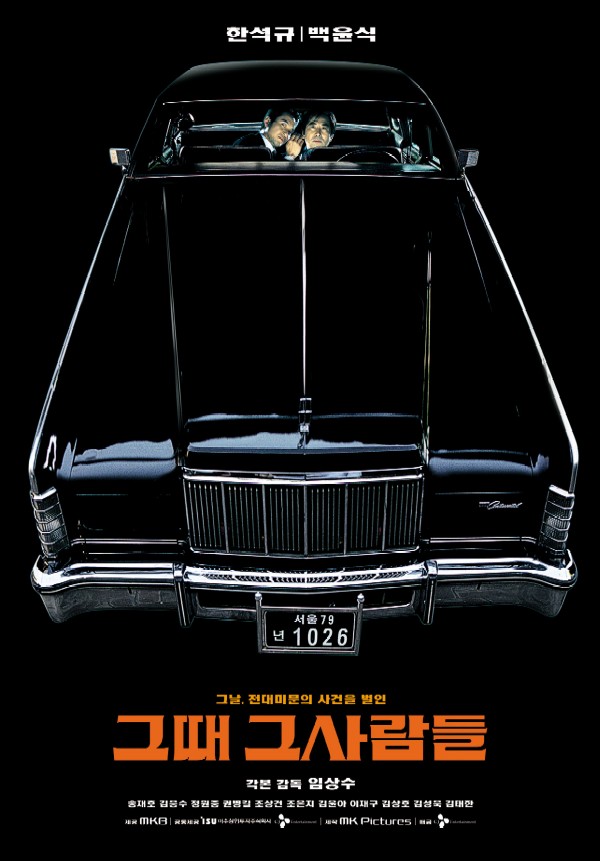
  • The Man Standing Next – ’70s-style conspiracy thriller exploring the assassination of Park Chung-hee which is depicted in a much less serious fashion in the also streaming The President’s Last Bang. Italy Only
  • Vertigo – a young office worker is rescued from her sense of existential vertigo by the gentle presence of a chivalrous window washer. Europe only

Taiwan
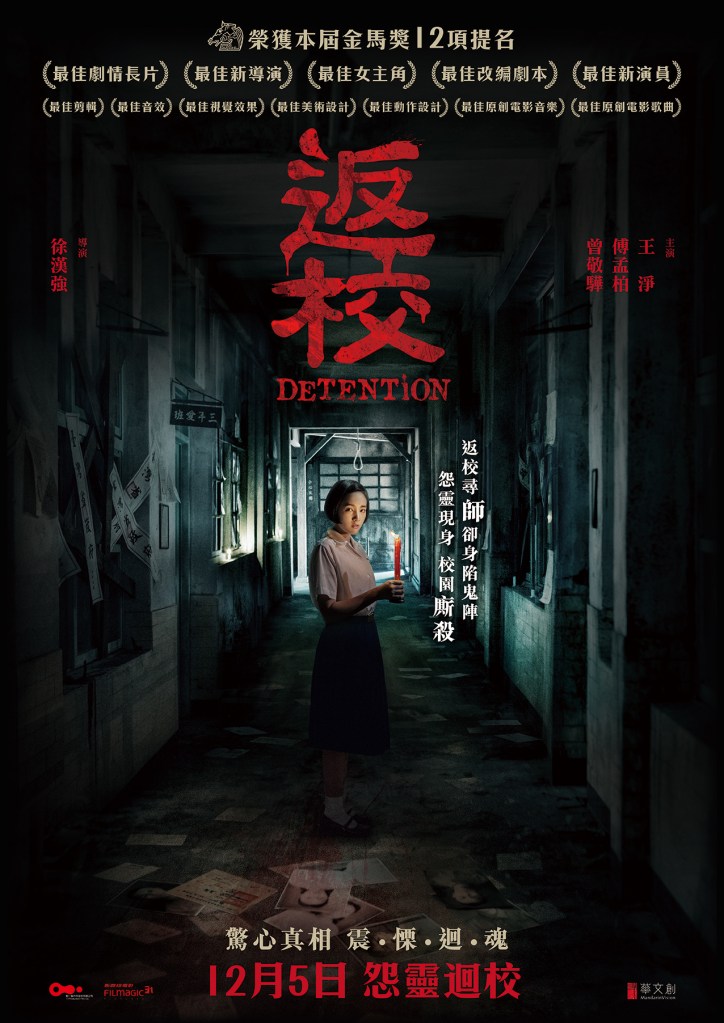
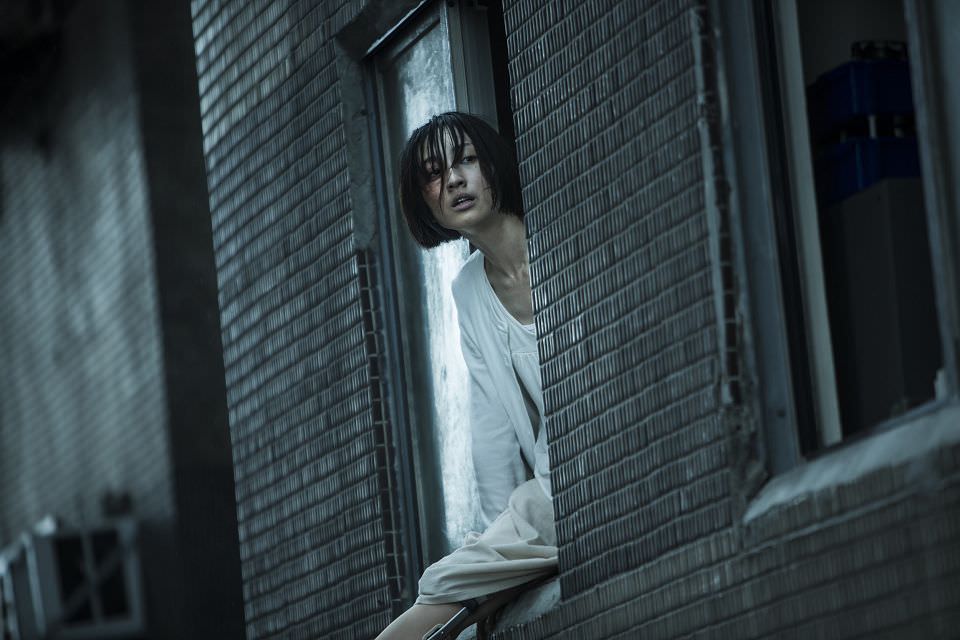
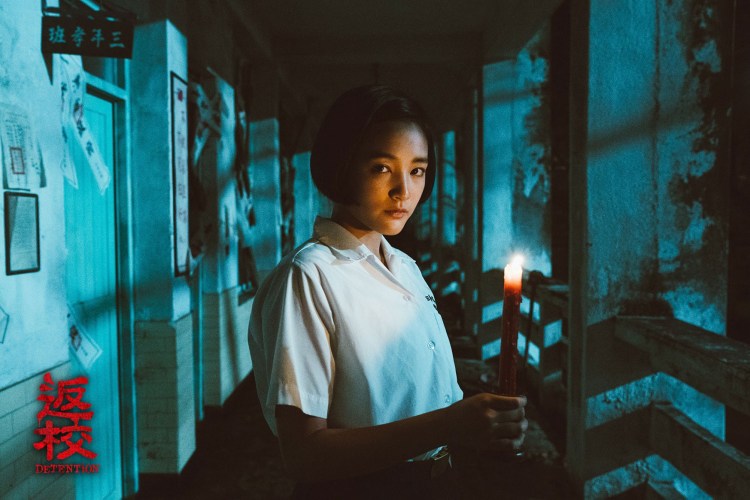
  • Detention – horror-inflected video game adaptation dramatising the trauma of the “White Terror” martial law era. Review. Italy only
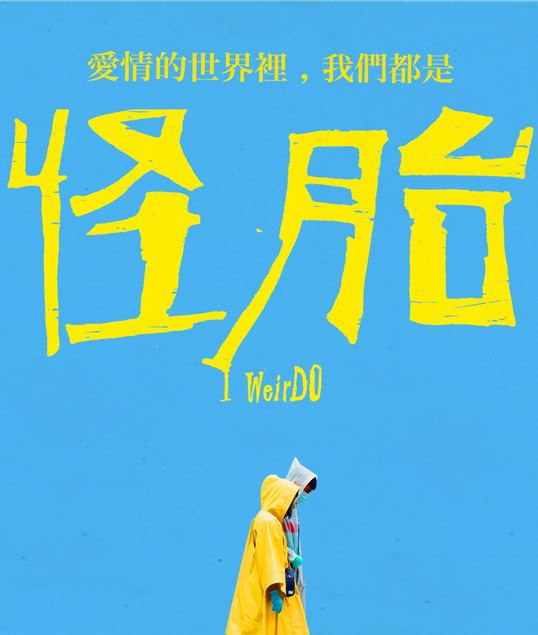
  • I WeirDO – madcap OCD rom-com shot on an iPhone. Italy only gala 
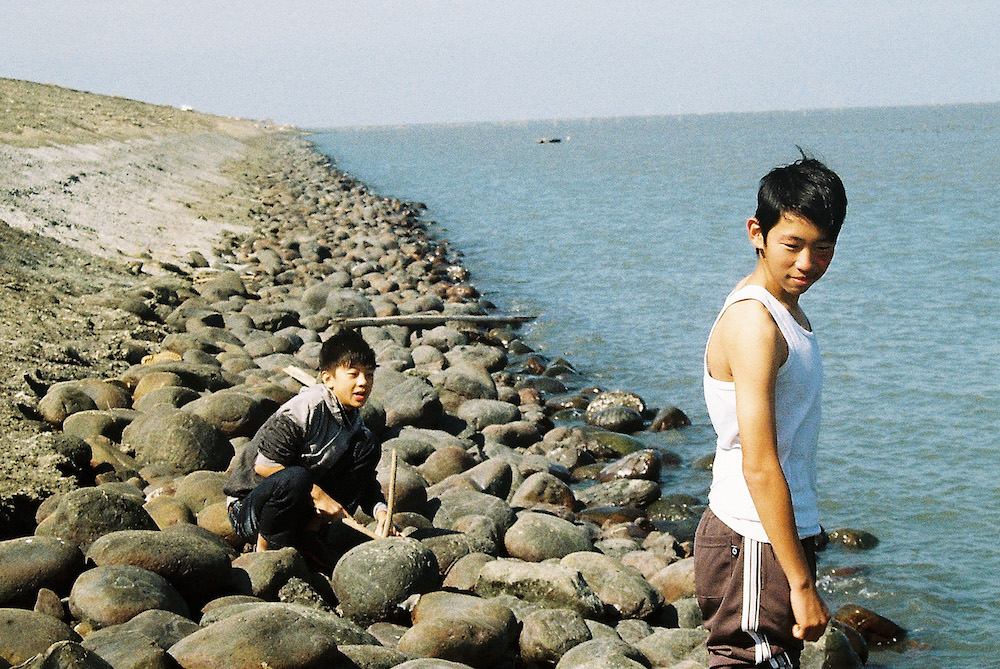
  • We Are Champions – basketball drama in which two brothers find themselves on opposite sides of the court. Italy only

Out of Competition

Special Screenings

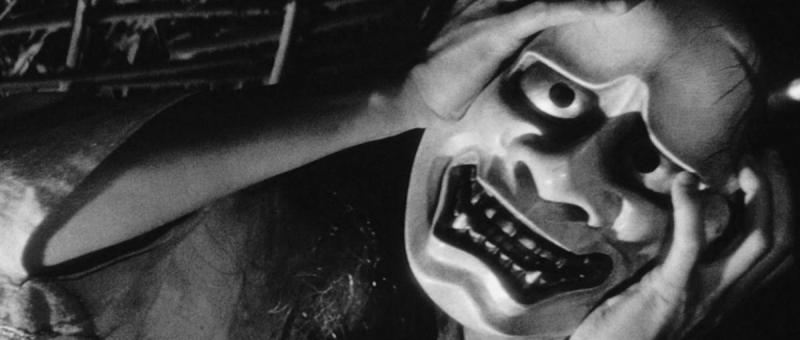
  • Labyrinth of Cinema – final film from Nobuhiko Obayashi in which three youngsters find themselves lost in the movies. Europe only (except UK)

Documentaries
Classics

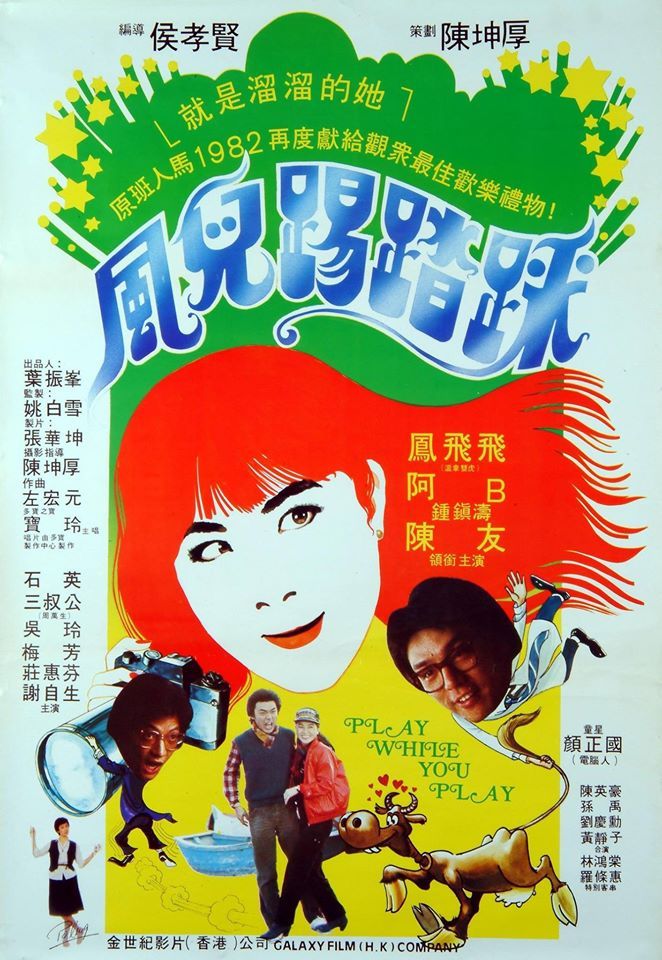
  • Cheerful Wind – new restoration of Hou Hsiao-hsien’s 1982 idol movie. Worldwide

Info Screenings
Special Tribute

Watanabe Hirobumi, Comic Poet of the Everyday

  • Cry – silent drama following the everyday life of a pig farmer living with his grandma. Worldwide
  • I am Really Good – comedy revolving around a group of children. Worldwide
  • Life Finds A Way – self referential comedy. Worldwide
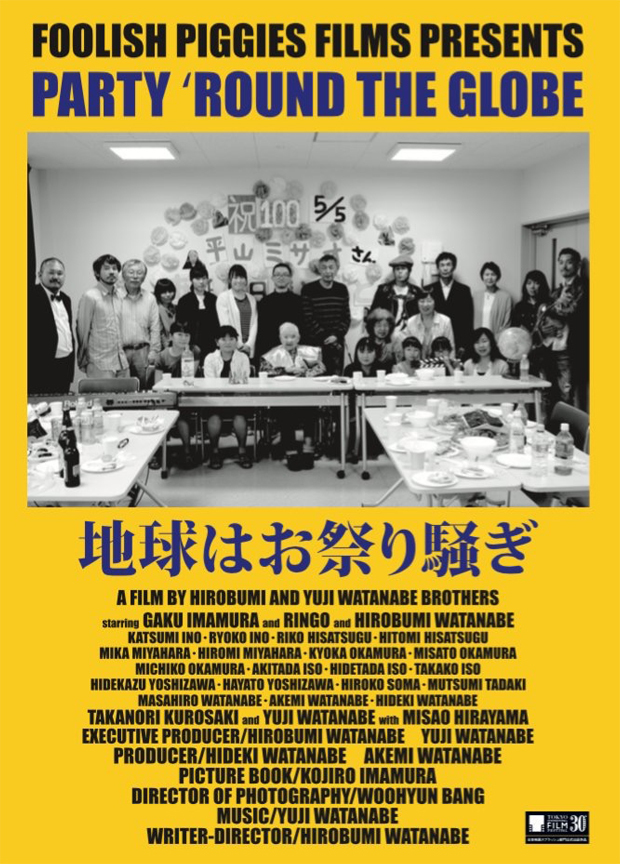
  • Party ‘Round the Globe – an extroverted Beatles fan befriends a silent colleague. Review. Worldwide

The festival will be running on an accreditation basis with three price levels available all of which include access to the entire programme (subject to geographical restrictions), the basic Silver Ninja (€9.90), the Golden Samurai (€49) which also includes a copy of the festival catalogue, and the Platinum Shogun (€100) which includes the catalogue, a T-shirt, tote bag, and a discount on accreditations for next year’s festival. The accreditations also include access to FEFF’s new online streaming service set to launch this August for 1 month, 6 months, and 9 months respectively and go on sale from Monday 8th June via the official website.

The 22nd Udine Far East Film Festival will run online via www.mymovies.it from 26th June to 4th July. Full details will be shortly available via the official website and you can keep up with all the latest news by following the festival on Facebook, Instagram, YouTube, Twitter, and Tumblr.
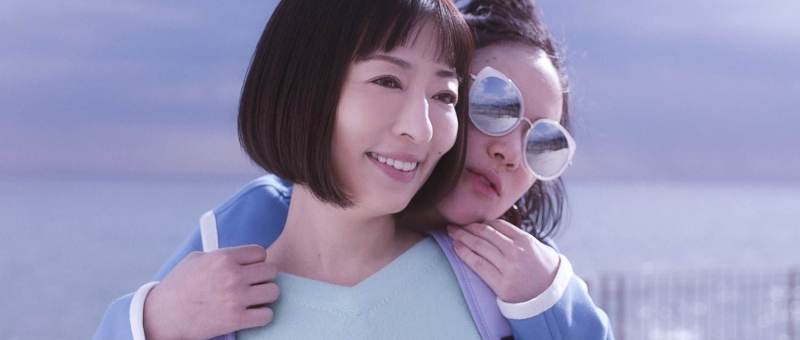
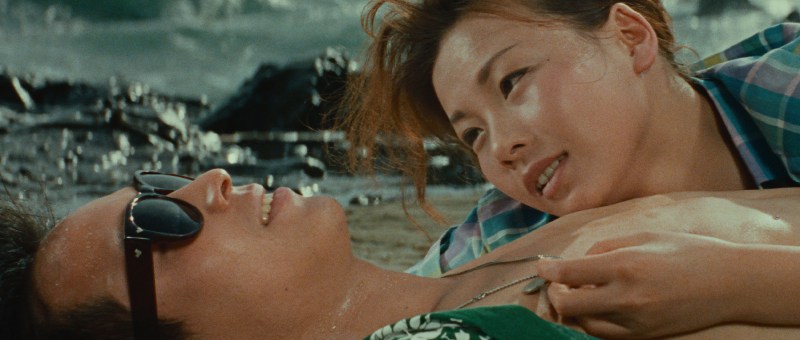
My Sweet Grappa Remedies (甘いお酒でうがい, Akiko Ohku, 2019)

In Tremble All You Want, Akiko Ohku showed us a painfully shy woman’s path towards seizing control of her romantic destiny while Marriage Hunting Beauty told us that there are no short cuts to love. My Sweet Grappa Remedies (甘いお酒でうがい, Amai Osake de Ugai) takes things one step further as a lonely middle-aged woman gradually finds the desire to make a change in her otherwise unchanging existence, coming to like herself as seen in the eyes of others and trusting in happiness however temporary it might turn out to be. 

40-something Yoshiko (Yasuko Matsuyuki) is an unmarried woman working at a publishing company. She tells us that she keeps a diary that she never expects any one to read, not even herself, and mostly spends her free time drinking alone at home or in elegant bars. From the sometimes lengthy gaps between entries, we can see that Yoshiko’s life is generally uneventful and essentially unchanging, that she has few friends, and though she gets by well enough on her own she often dwells on what might have been, disappointed that she was never able to become a mother. 

She is, however, a deeply caring person, sublimating her need for human attachment into anthropomorphising objects, gently patting her bicycle saddle as she parks it for the day and becoming alarmed that it has ended up “in prison” after being impounded. If she’d had children, she muses, she might never have let them leave the apartment. Yet when she discovers one of her favourite earrings is missing, she decides not to look for it because she accepts its decision, later welcoming it home when it makes an unexpected return. 
Overhearing the conversation of the women next to her at a bar, she wonders if their idle complaints that half the year is gone already are excessively negative but accepts that she too is living life in retrograde and needs to learn how to look forward with positivity, which might be why she starts making a series of small but active changes. She observes the world around her from a new angle in crossing a footbridge she has never crossed before, swaps her comfortable red loafers for grey high heels, and her futon for a bed. 

Some of these changes at least are down to an unexpected friendship with a young woman in her office, Wakabayashi (Haru Kuroki), who invites her out on paydays and brightens up the office atmosphere with her goofy antics. Yoshiko herself might be classically quirky, but she mainly keeps her quirks to herself, quietly getting on with her work, while Wakabayashi is the opposite, cheerfully outgoing yet perhaps just as lonely if in a less obvious way. It’s Wakabayashi who sets her on off another path by introducing her to a friend from university, Okamoto (Hiroya Shimizu), who has recently joined their company and to whom Yoshiko had already taken a liking in passing though he is more than 20 years her junior.  

Too shy to shout bingo, Yoshiko is a lifelong believer in love, observing a young couple at festival and hoping they enjoy a night of passion in the fullness of their youth. She still remembers old anniversaries with long gone exes and wonders if they still remember her, but resents the universe’s attempts to test her with texts from past lovers every time she becomes interested in another man. The fact that Okamoto is so much younger is never really an issue, though Yoshiko admits that she likes the fact he seems to favour older, lived in homes over sparkling new builds while she helps him look for a new apartment. 

Yoshiko celebrates the fact that colour seems to be returning to her black and white days, her desire to see the dark sea where she feels closest to death in order to reaffirm her connection to life seemingly receding. From her childhood, Yoshiko had wondered if the woman she sees in the mirror is the same one everyone else sees, but later realises that the vision of herself reflected is “somewhat nice”, catching sight of herself in Wakabayashi’s mirrored sunshades and noticing that she is in fact smiling. Reinvigorated by her younger friends, Yoshiko steps into an acceptance of herself, looking forward rather than back and willing to take on new challenges rather than merely dropping into a defensive position of protecting the irreplaceable. No longer dark and foreboding, the sea is now sunny and calm, a scene of peace and positivity with nary a cloud on the horizon.


My Sweet Grappa Remedies is available to stream online (worldwide excl. Japan, Mainland China, Taiwan, USA, & Italy) from 9th to 14th June as part of this year’s Nippon Connection Film Festival.

Original trailer (no subtitles)

20th Nippon Connection ONLINE Film Festival Confirms Full Program

Not even a global pandemic can stop our love for Japanese cinema! The world’s largest showcase for Japanese film, Nippon Connection is going online for the first time ever to deliver some of the best recent hits from Japan to homes around the world. The festival will be partnering with streaming service Vimeo from 9th to 14th June. Each film is €5 to rent and is valid for 24 hours after purchase. Of course, not everything is available everywhere and though most films are streaming with English subtitles exceptions have been noted below.

Nippon Cinema

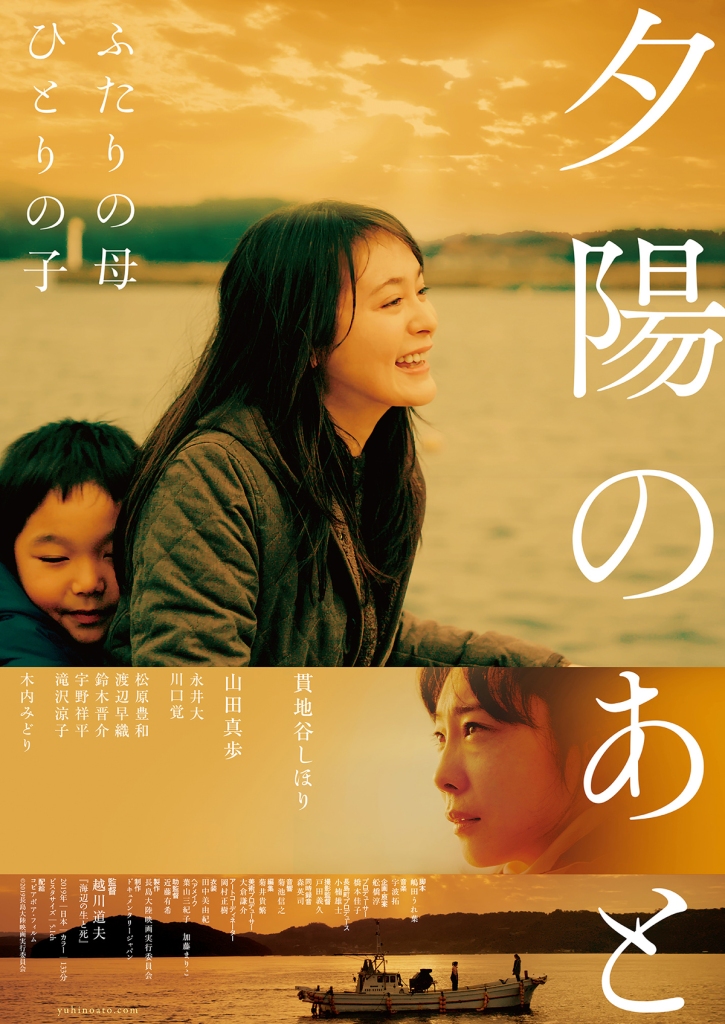
  • After The Sunset – family drama in which a couple try to do what’s best for an abandoned child. English subtitles. Germany only.
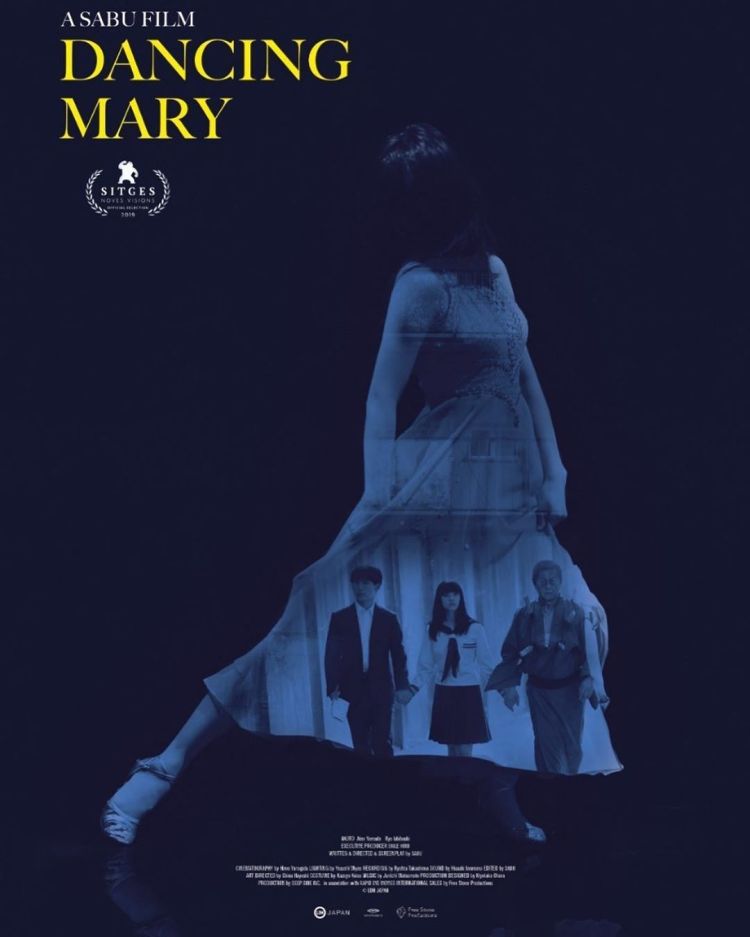
  • Dancing Mary – latest from SABU in which a civil servant is charged with organising the demolition of a disused disco which turns out to be haunted. English subtitles. Germany only.
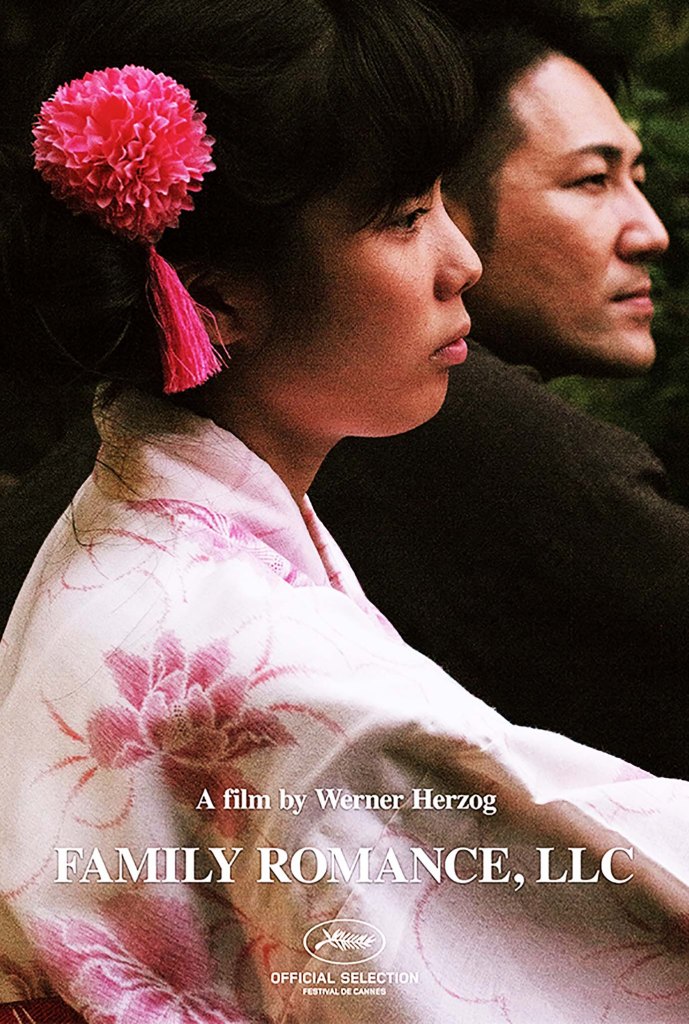
  • Family Romance, LLC – Werner Herzog’s fake family drama. English subtitles. Germany only.
  • Labyrinth of Cinema – final film from Nobuhiko Obayashi in which three youngsters find themselves lost in the movies. English subtitles. Germany only.
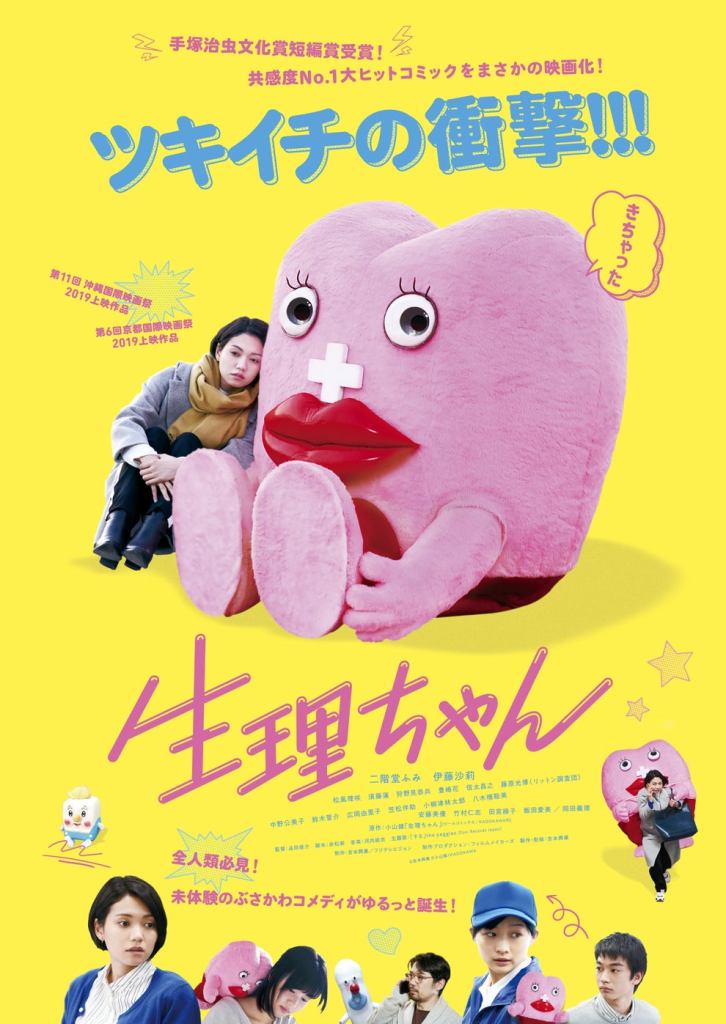
  • Little Miss Period – adaptation of the popular manga in which a harried publisher is joined by a monthly visitor in the form a giant pink fluffy monster. English subtitles. Worldwide except Japan, Mainland China, Taiwan, Hong Kong, Macau, Thailand, Laos, Cambodia, & Myanmar
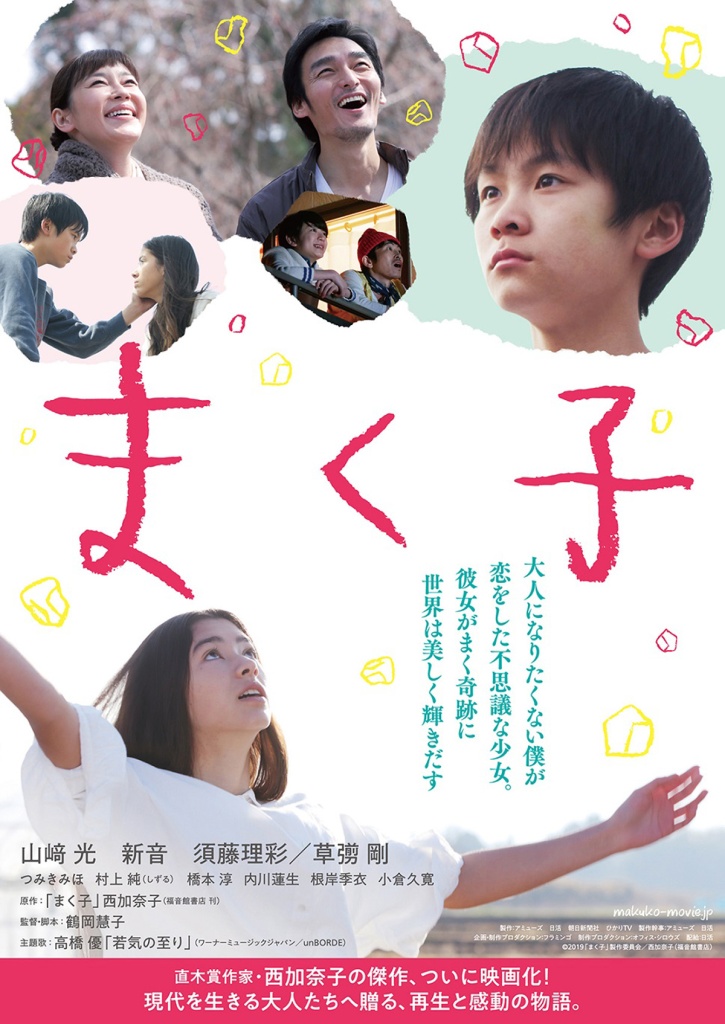
  • Makuko – adaptation of Kanako Nishi’s novel in which a young boy becomes fascinated with the girl who moves into his family’s guest house. English subtitles. Germany only.
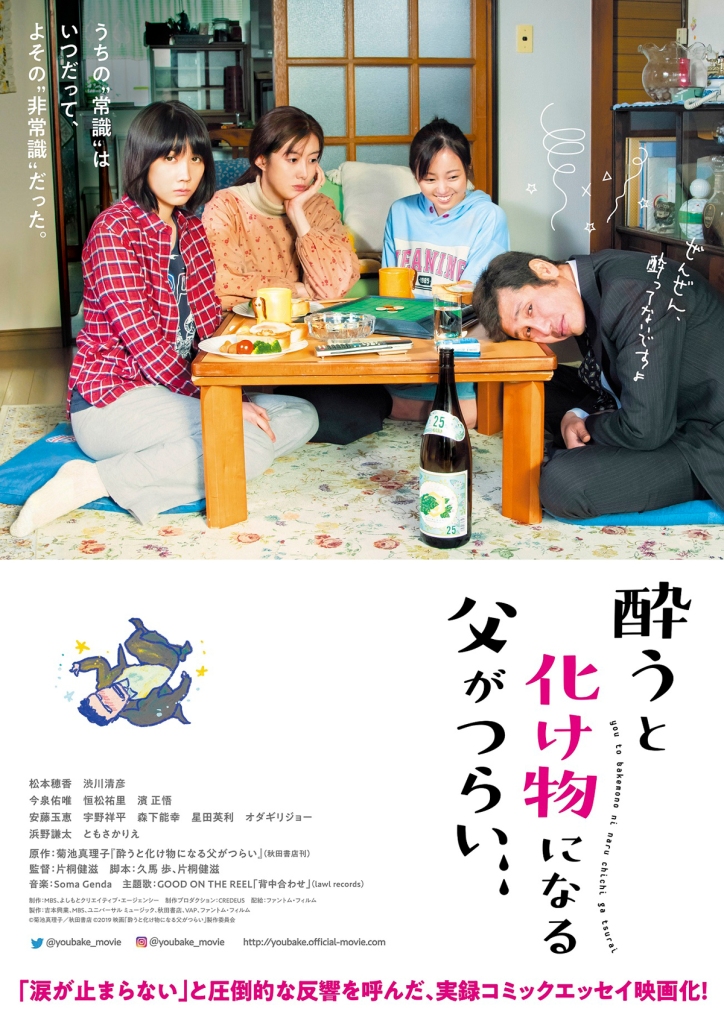
  • A Life Turned Upside Down: My Dad’s an Alcoholic – light hearted drama about living with an alcoholic dad starring Kiyohiko Shibukawa. English subtitles. Worldwide excl Japan & Mainland China.
  • My Sweet Grappa Recipes – latest from Akiko Ohku in which a lonely middle-aged woman finds love and friendship with the help of an outgoing colleague. English subtitles. Worldwide excl Japan, Mainland China, Taiwan, USA, & Italy
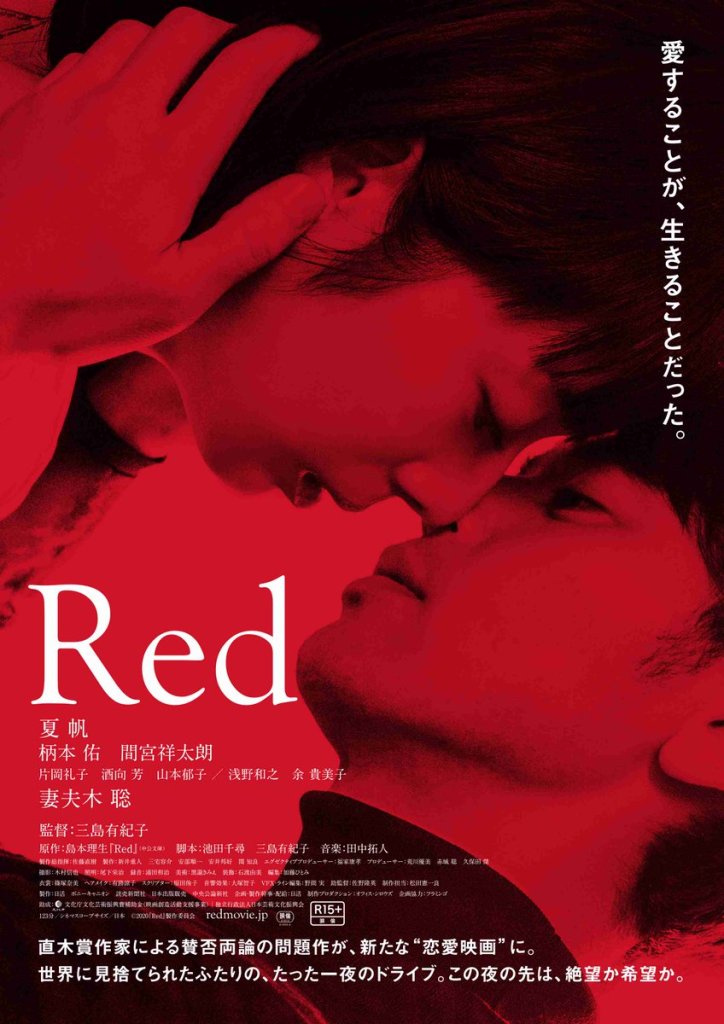
  • Shape of Red – steamy drama from Yukiko Mishima in which an unfulfilled married woman (Kaho) embarks on a passionate affair with an old lover (Satoshi Tsumabuki). English subtitles. Germany only.
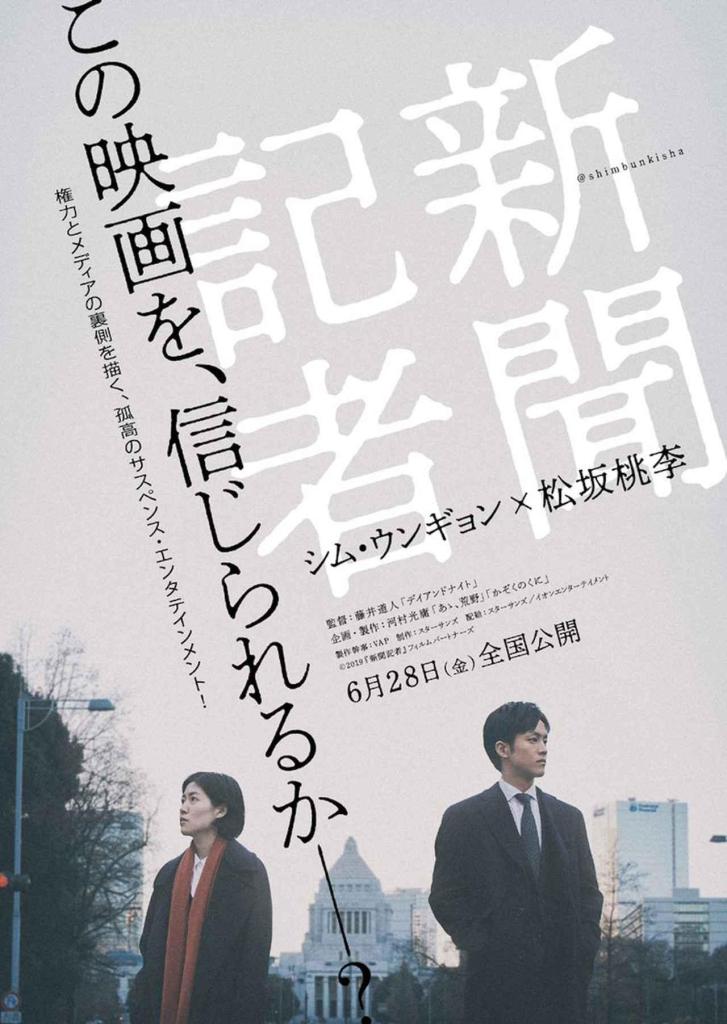
  • The Journalist – political thriller from Michihito Fujii loosely inspired by real life reporter Isoko Mochizuki who is also the subject of i -Documentary of the Journalist- streaming in the docs strand. Review. English subtitles. Germany only.
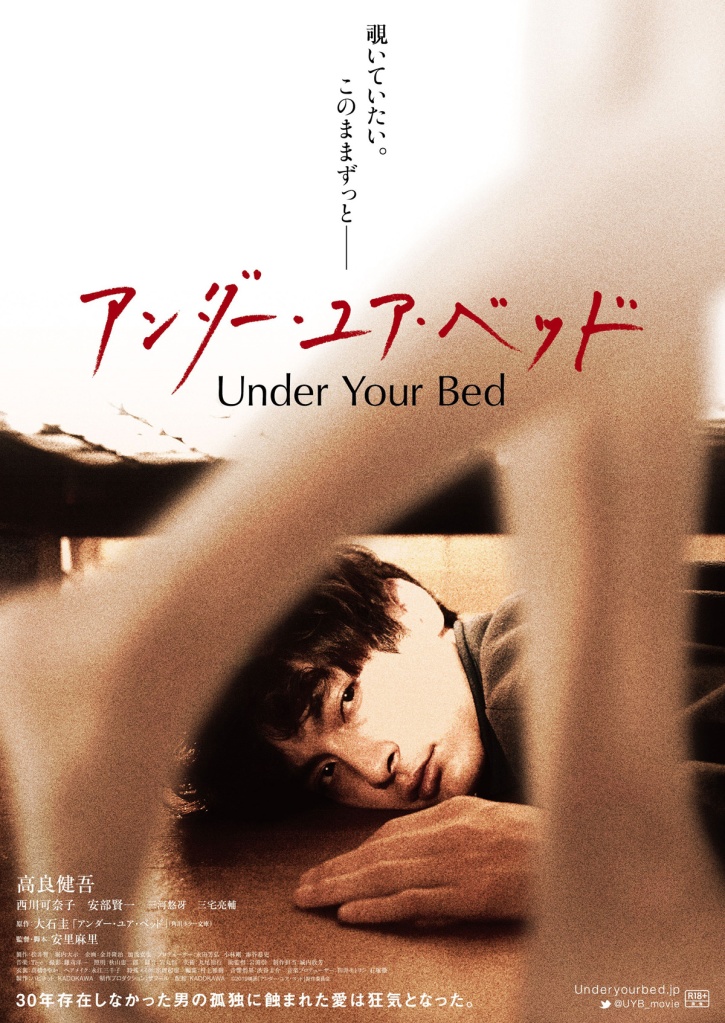
  • Under Your Bed – Mari Asato’s sympathetic stalker drama starring Kengo Kora as an isolated young man yearning for a single word from a woman he knew in college. Review. English subtitles. Germany only.

Nippon Visions

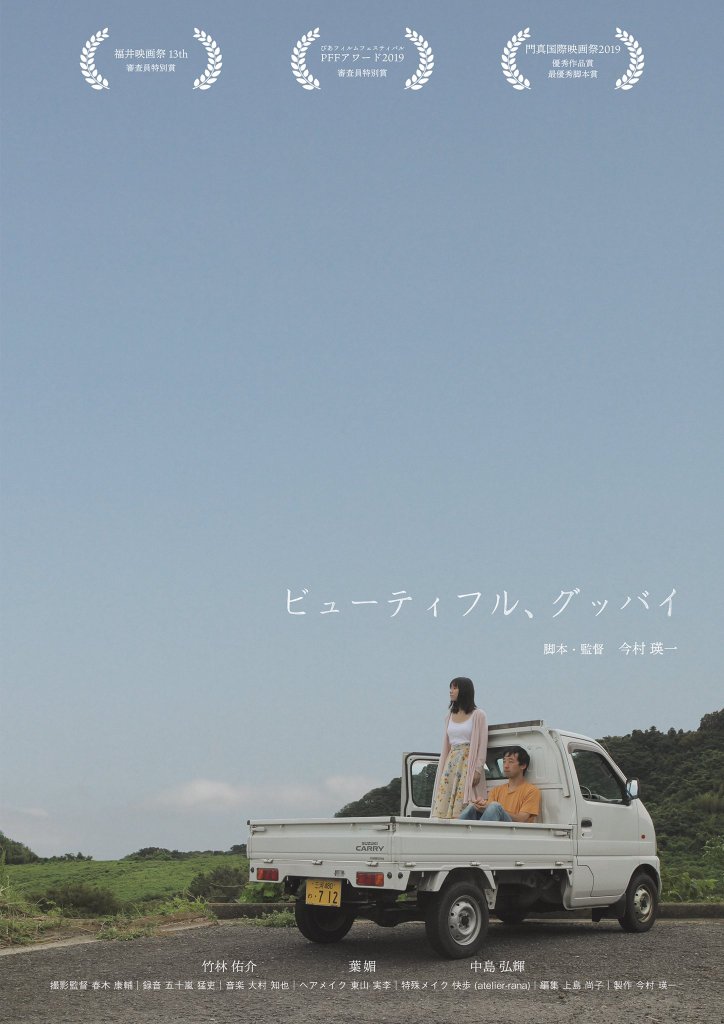
  • Beautiful, Goodbye – award-winning Pia indie drama in which a man on the run knocks over a woman who turns out to be a zombie! English subtitles. Worldwide.
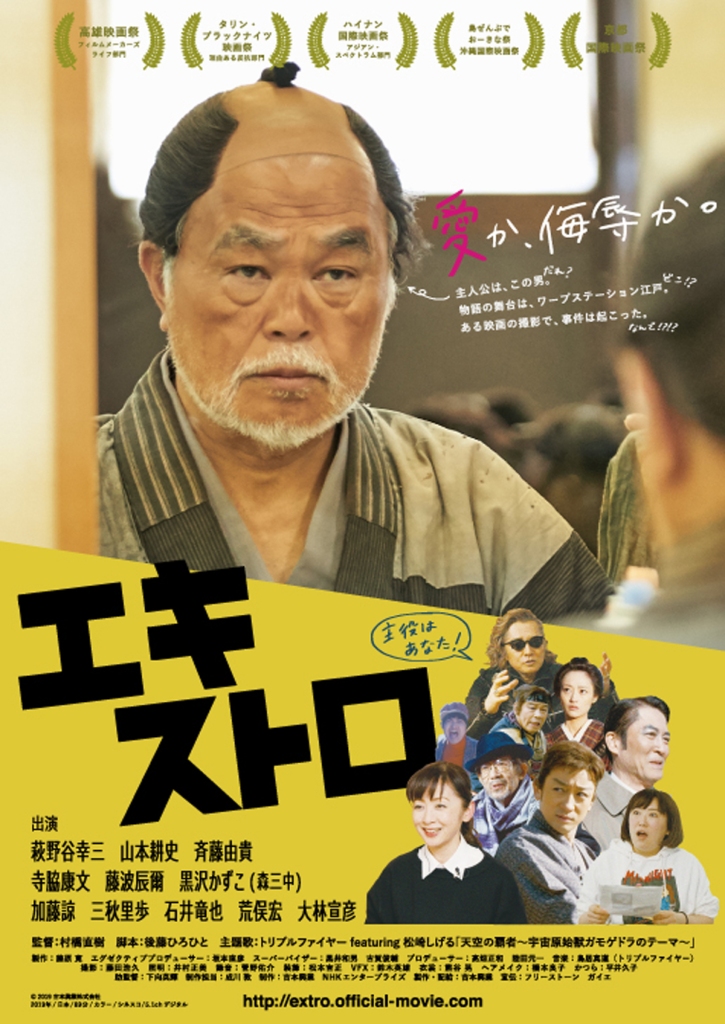
  • Extro – mockumentary in which a 64-year-old dental technician tries to fulfil a life long dream as jidaigeki extra. English subtitles. Worldwide excl Japan, USA.
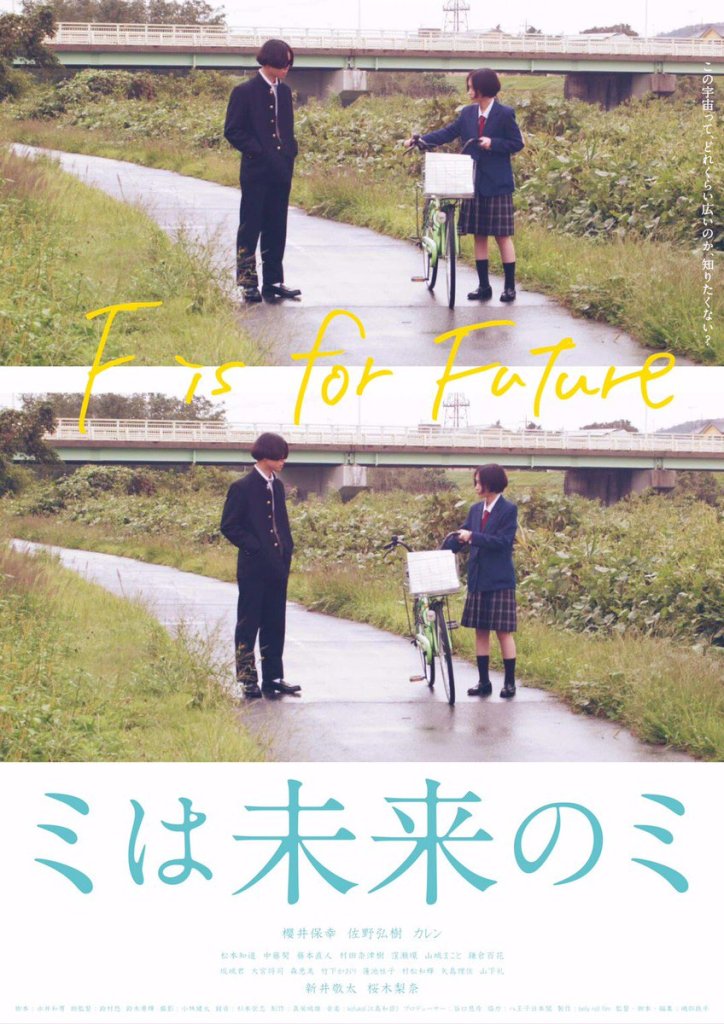
  • F is for Future – drama in which a young man tries to fulfil a promise to a friend to get rid of his porn collection before his parents find it. English subtitles. Europe.
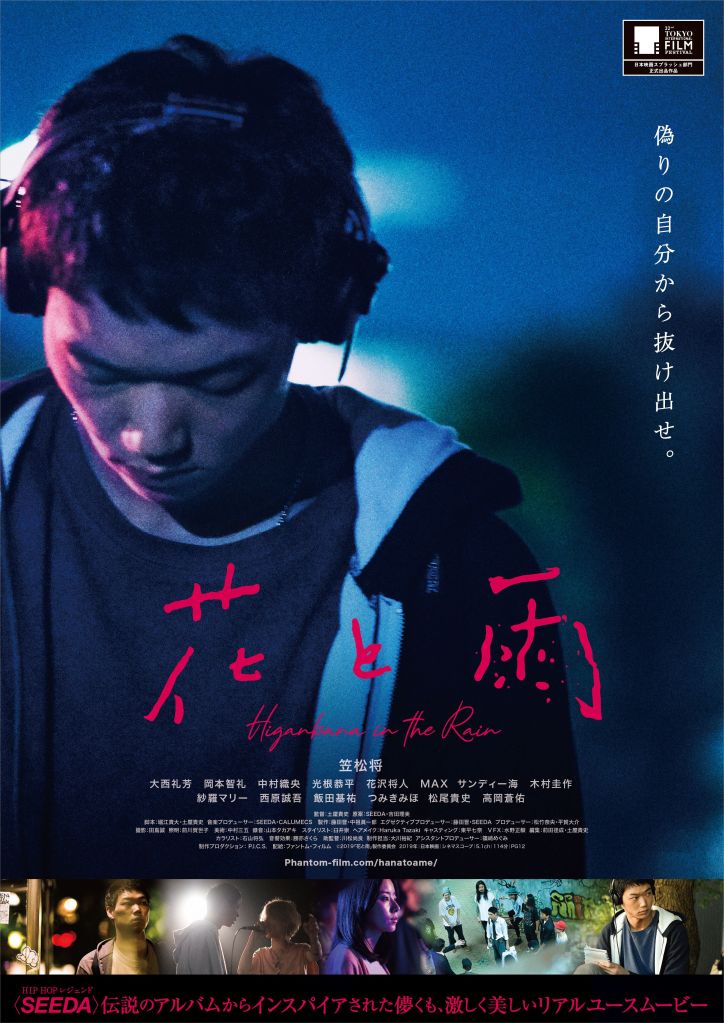
  • Flowers and Rain – hip hop drama featuring the music of SEEDA. English subtitles. Worldwide.
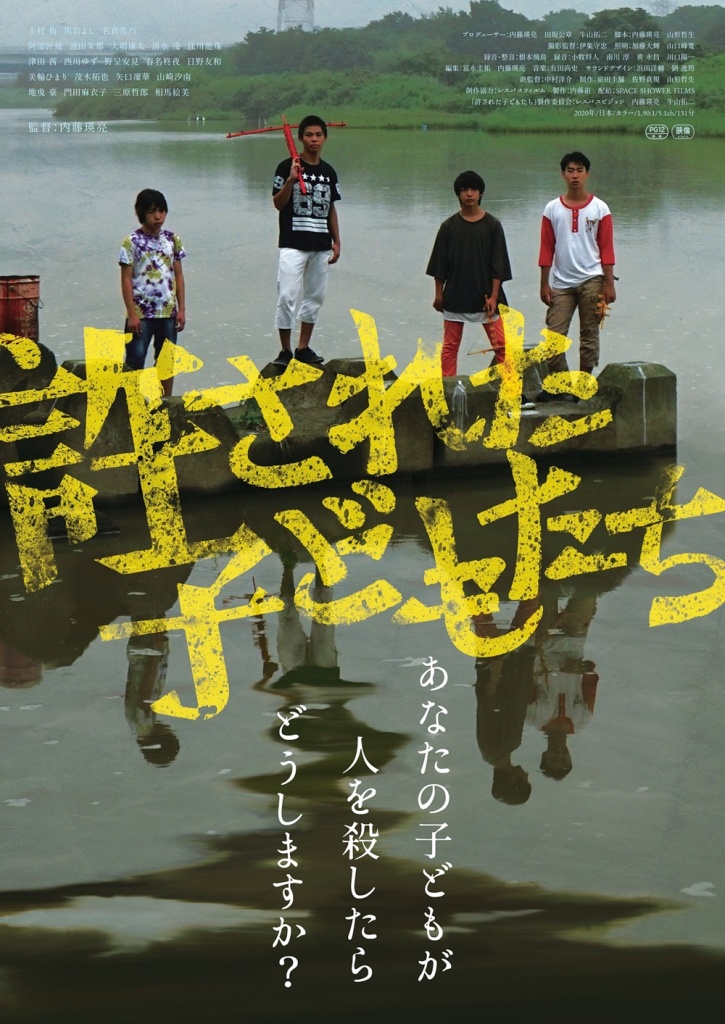
  • Forgiven Children – drama in which a young man kills a friend by accident but is acquitted due to lack of evidence and becomes a social pariah. English subtitles. Germany only.
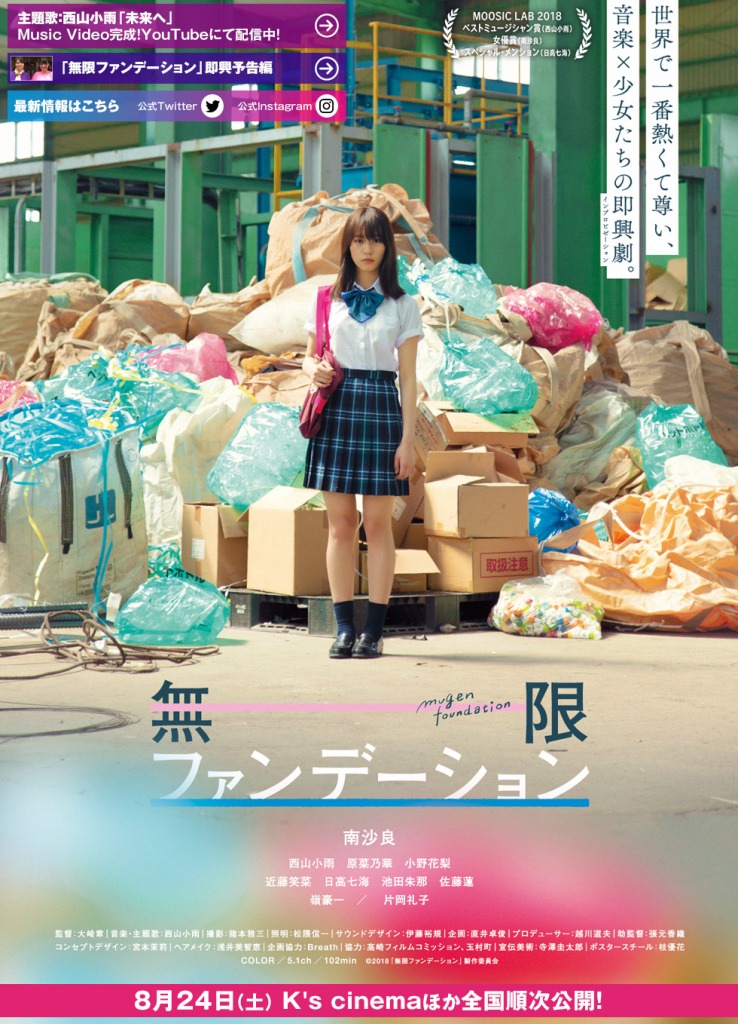
  • Infinite Foundation – improvised musical drama revolving around the songs of Cosame Nishiyama. English subtitles. Worldwide.
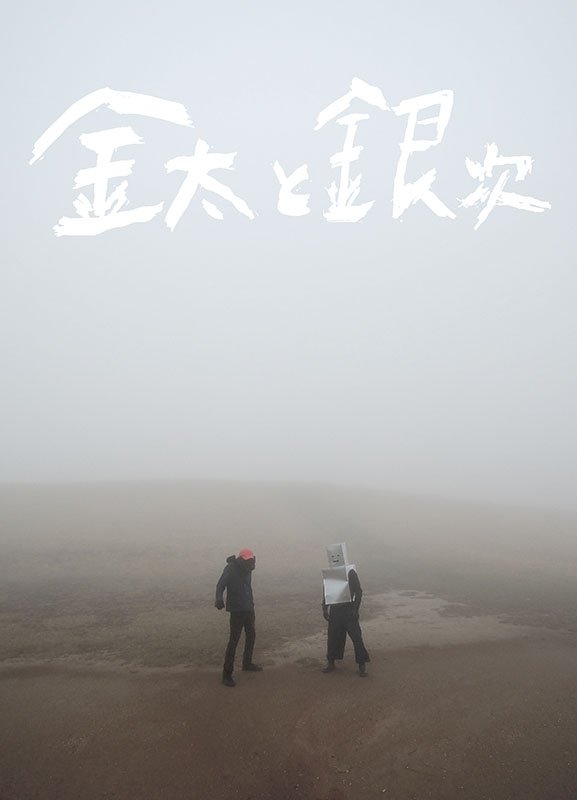
  • Kinta and Ginji – surreal drama about the friendship of a tanuki and a robot. English subtitles. Worldwide.
  • Minori on the Brink – latest from Ryutaro Ninomiya in which a young woman courts controversy with her uncompromising authenticity. English subtitles. Worldwide excl Japan & Italy
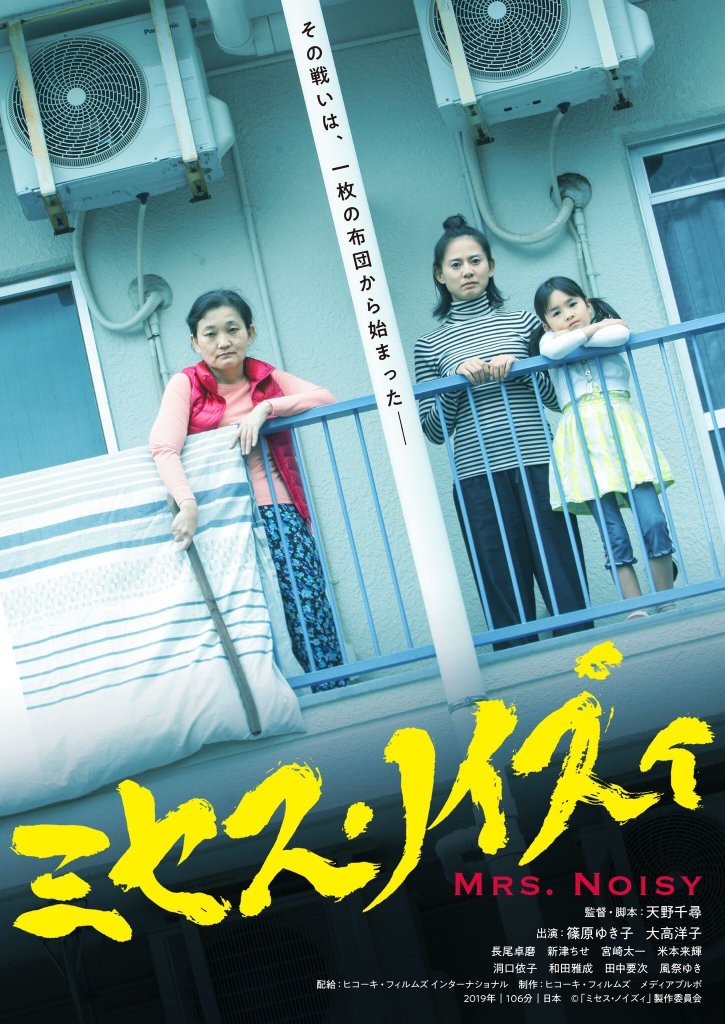
  • Mrs Noisy – a blocked writer blames all her problems on the noisy woman next-door in Chihiro Amano’s quiet plea for a little more understanding. Review. English subtitles. Germany only.
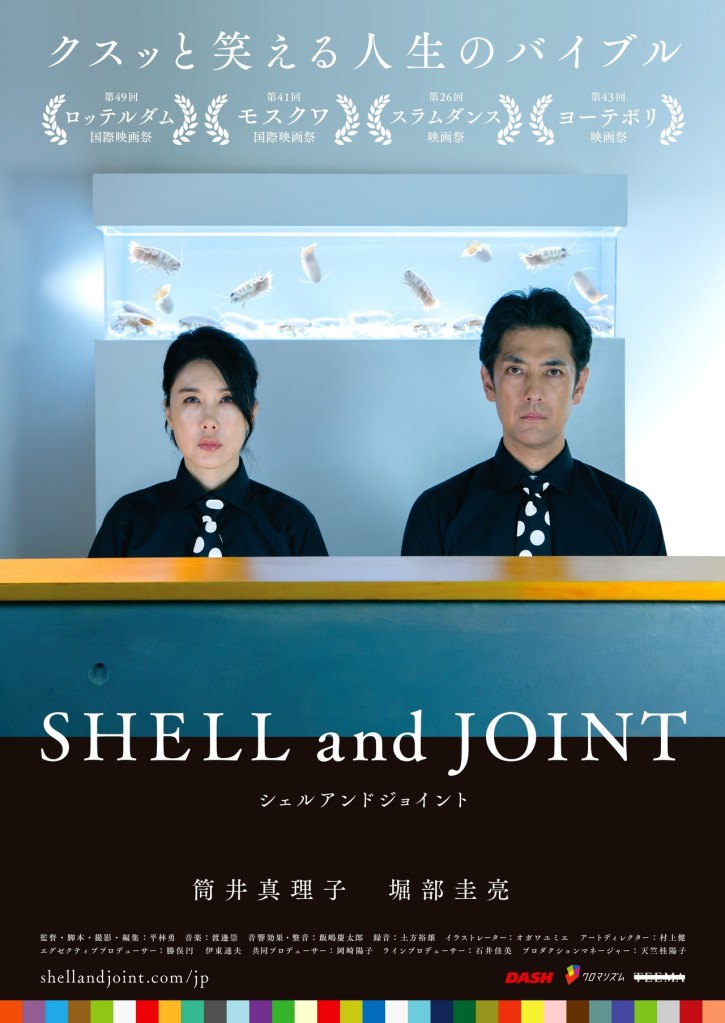
  • Shell and Joint – surreal drama from Isamu Hirabayashi. English subtitles. Worldwide.
  • Tamaran Hill – playful drama in which a young woman gets lost in a book. English subtitles. Worldwide.
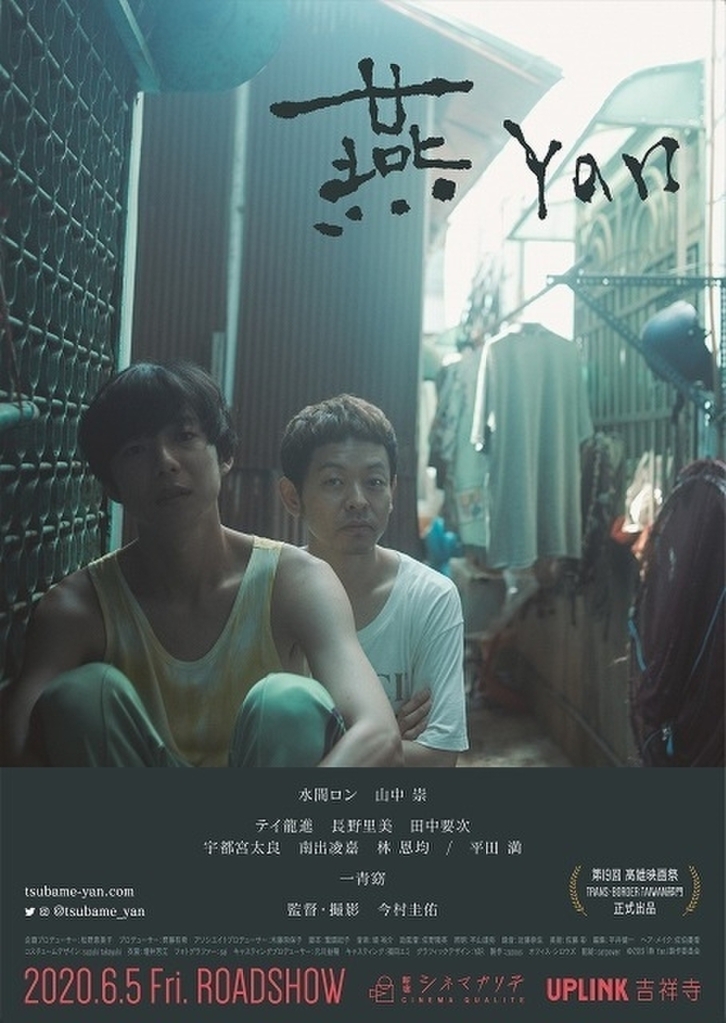
  • Yan – A man travels to Taiwan to reunite with his brother 20 years after he returned to the island with their Taiwanese mother. English subtitles. Europe.
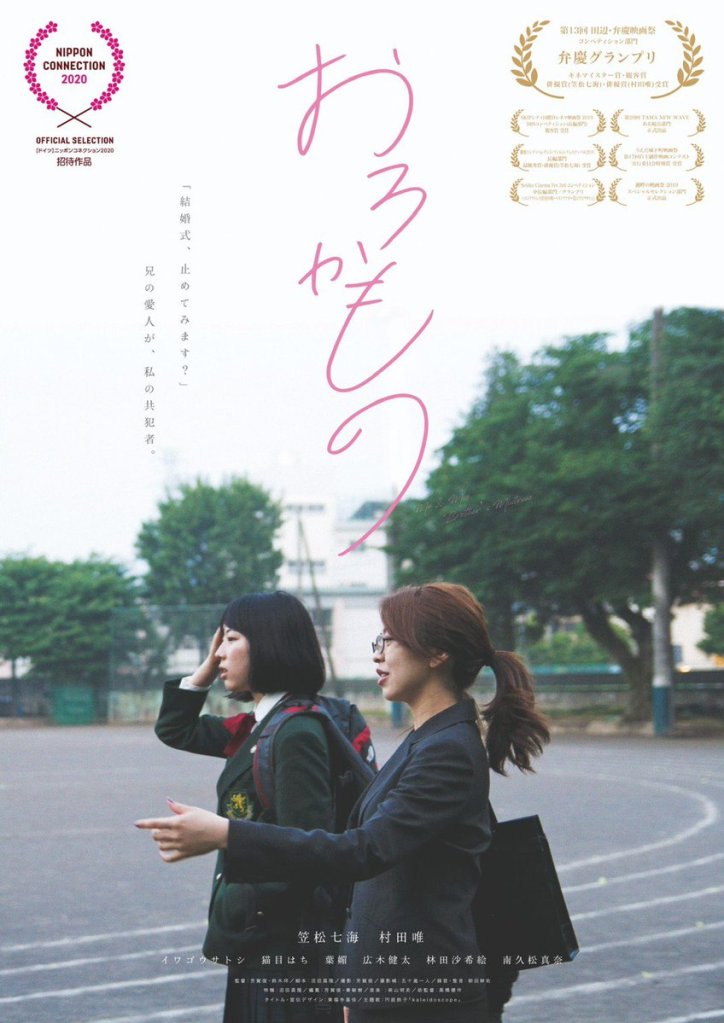
  • Me & My Brother’s Mistress – a woman spots her brother out with a woman who is not his fiancée but starts to wonder if she might be better for him after all. English subtitles. Worldwide excl Japan.

Nippon Docs

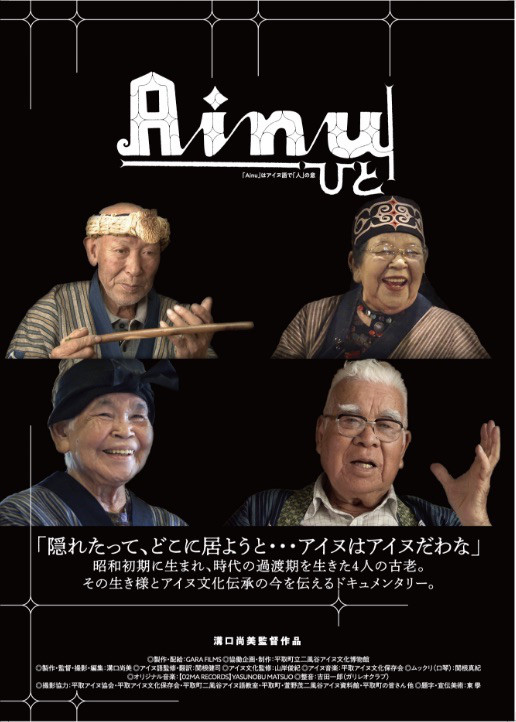
  • Ainu Indigenous People of Japan – documentary focussing on the Ainu indigenous people of Hokkaido. Germany only.
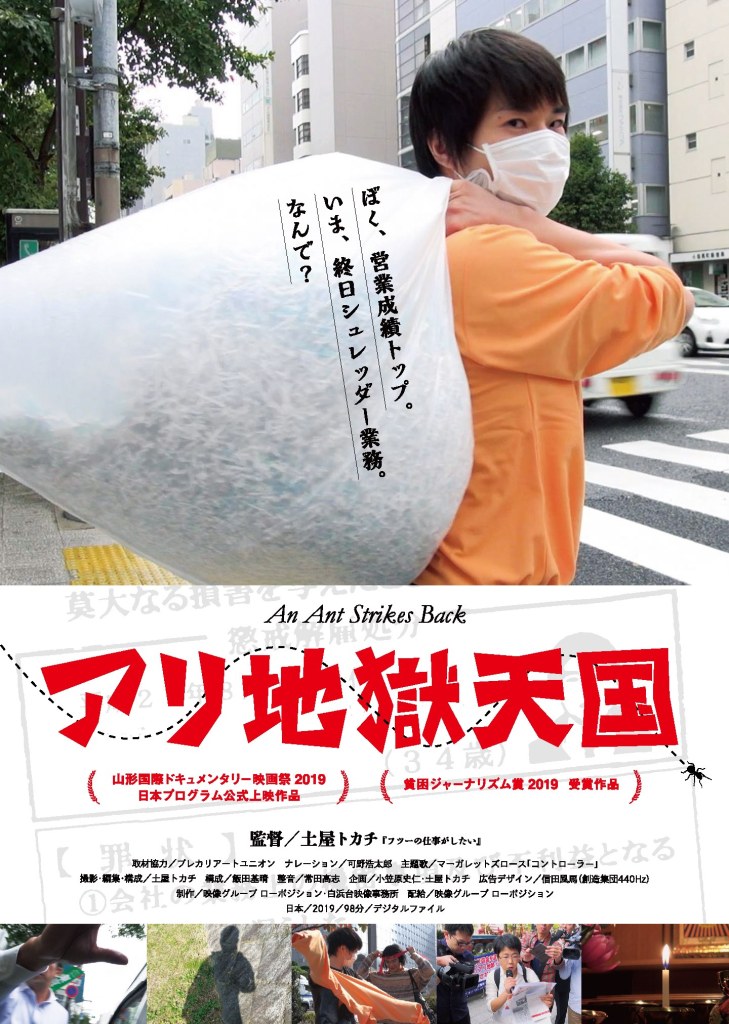
  • An Ant Strikes Back – documentary following a man resisting Japan’s rigid culture of overwork through union activities. English subtitles. Worldwide.
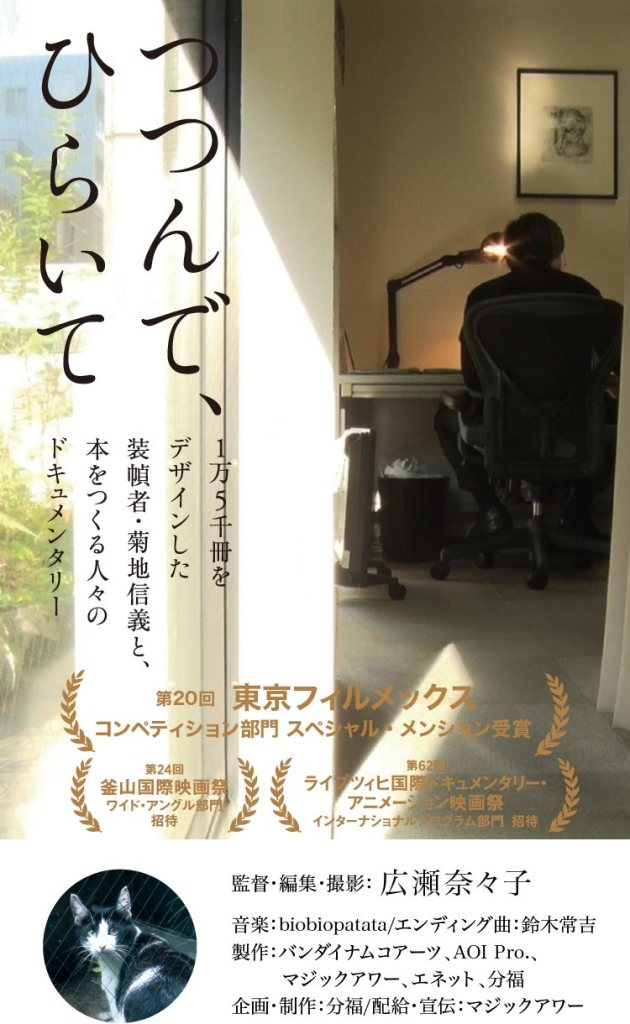
  • Book-Paper-Scissors – Nanako Hirose explores the life of book designer Nobuyoshi Kikuchi. English subtitles. Worldwide.
  • Cenote – experimental doc from Kaori Oda. English subtitles. Worldwide excl. Japan.
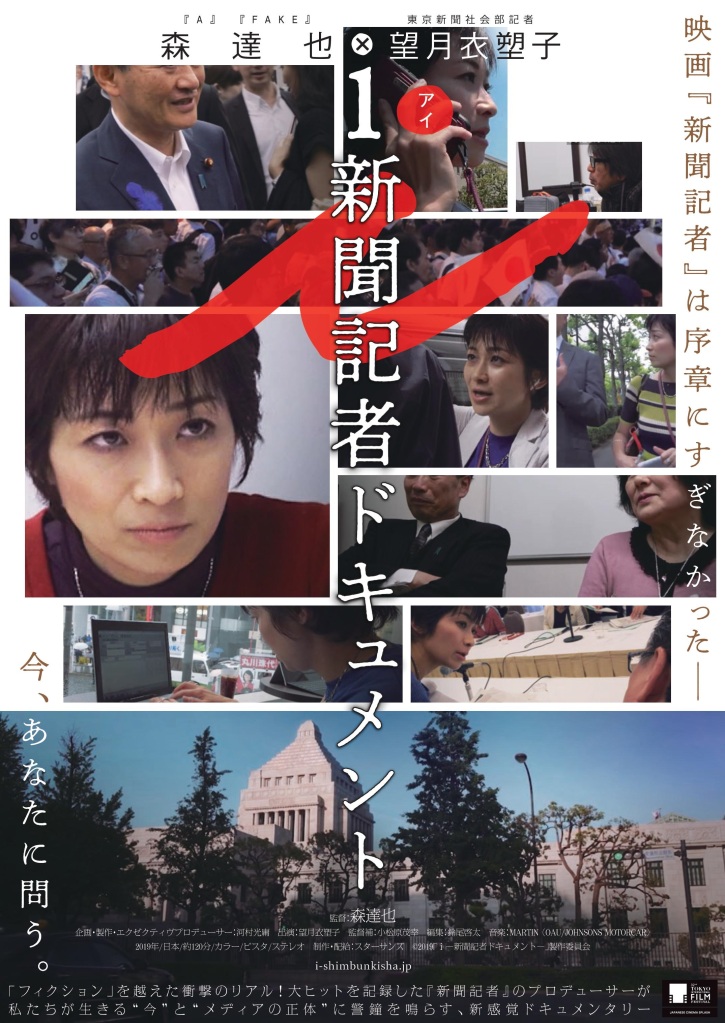
  • i -Documentary of the Journalist- – documentary following outspoken journalist Isoko Mochizuki. English subtitles. Germany only.
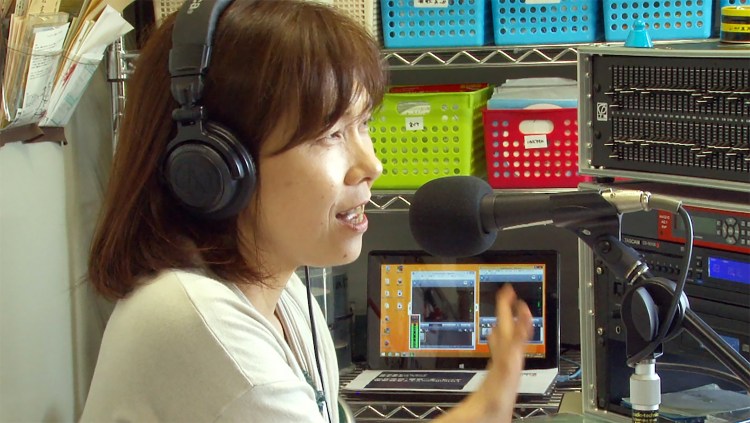
  • Listening to the Air – documentary following a radio host in post-tsunami Tohoku. English subtitles. Worldwide excl. Japan.
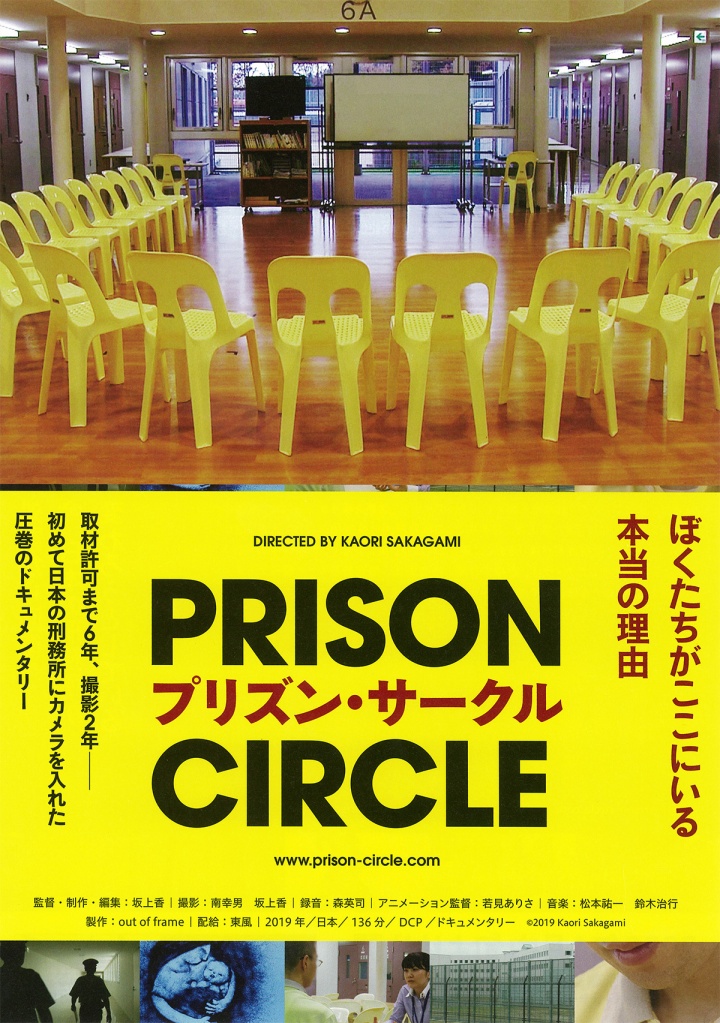
  • Prison Circle – documentary exploring therapy programs for prison inmates hoping to reintegrate into mainstream society. English subtitles. Germany only.
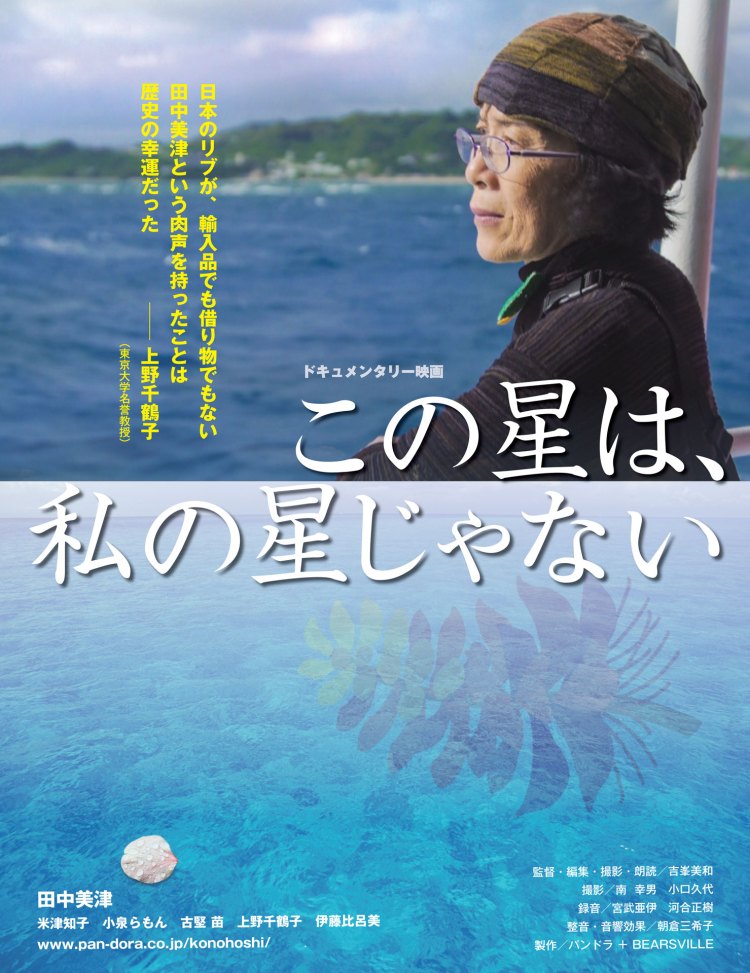
  • This Planet is Not My Planet – documentary following feminist pioneer Mitsu Tanaka. English subtitles. Germany only.
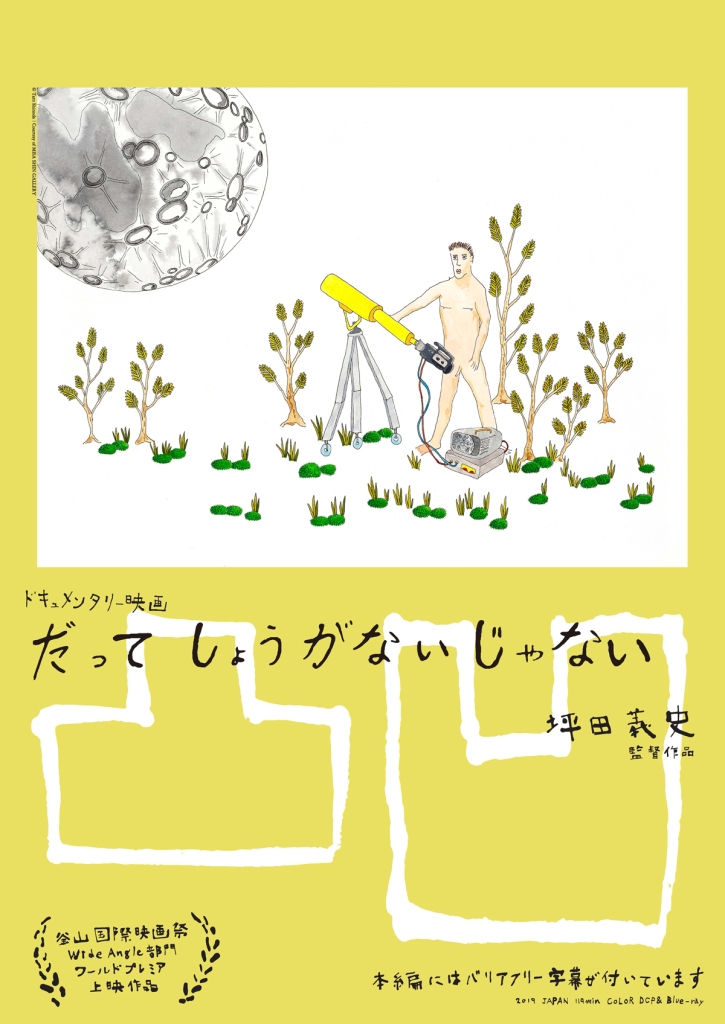
  • What Can You Do About It? – a filmmaker with ADHD documents his friendship with a relative who has Pervasive Developmental Disorder. English subtitles. Germany only.
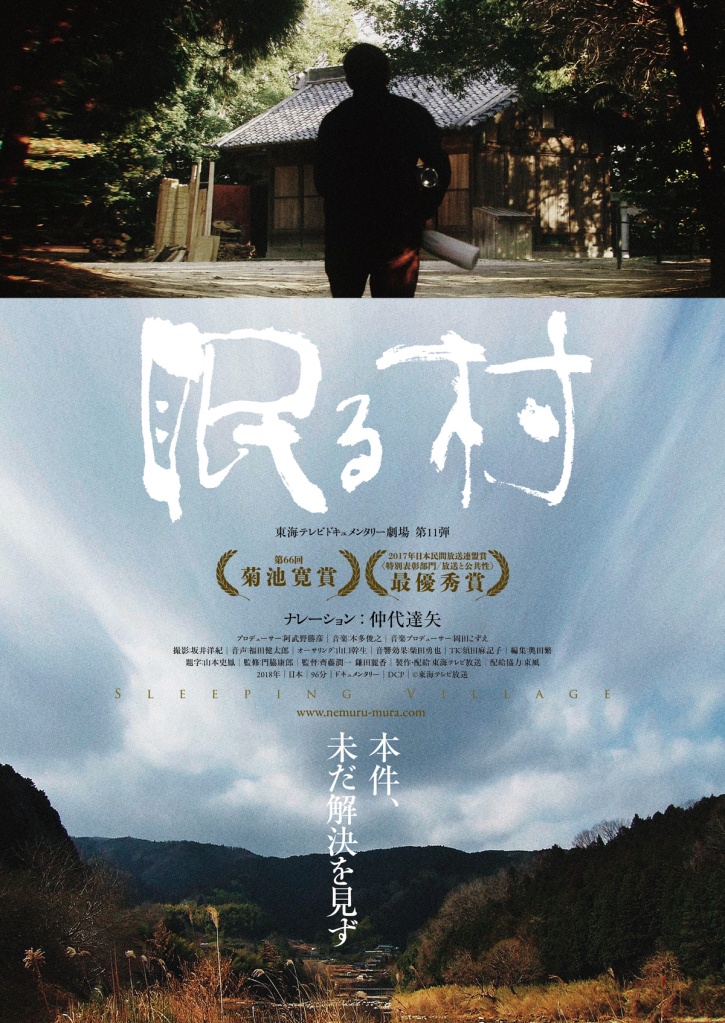
  • Sleeping Village – documentary exploring the Nabari Poison Wine Incident in which a man confesses to killing five neighbours to get rid of his wife and lover but later retracts and protests his innocence. English subtitles. Worldwide excl. Japan.

Nippon Animation

  • Hello World – a high School student receives a visit from his future self telling him the love of his life will die in an accident. German subtitles. Germany, Austria, Switzerland only.
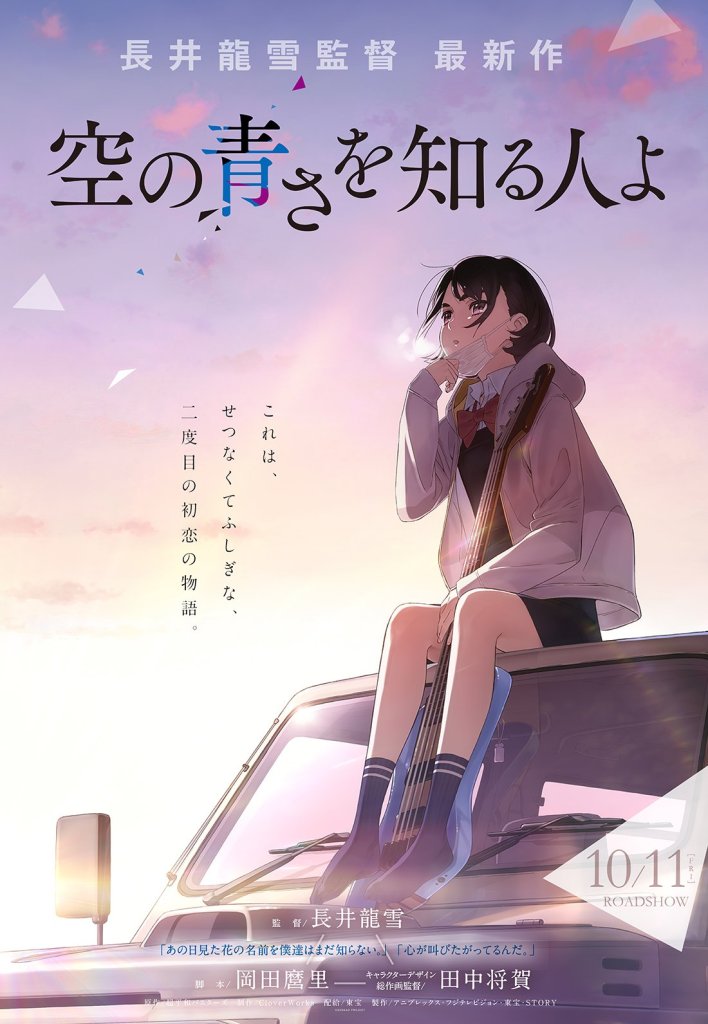
  • Her Blue Sky – a music-loving teen’s life is disrupted when her older sister’s boyfriend returns from the city. German subtitles. Germany, Austria, Switzerland only.

Nippon Kids

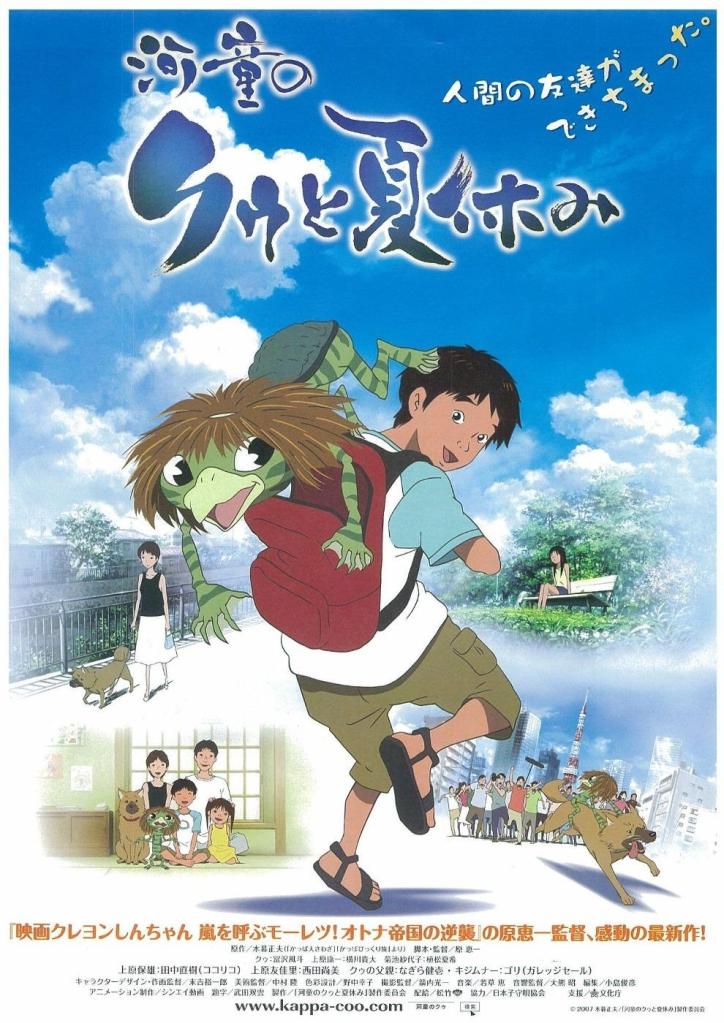
  • Summer Days with Coo – Kiichi Hara anime in which a boy finds a kappa under a rock and adopts him! German dub. Germany, Austria, Switzerland only.
  • Magical Sisters Yoyo and Nene – a girl from a magical kingdom ends up in Tokyo! German dub. Germany, Austria, Switzerland only.
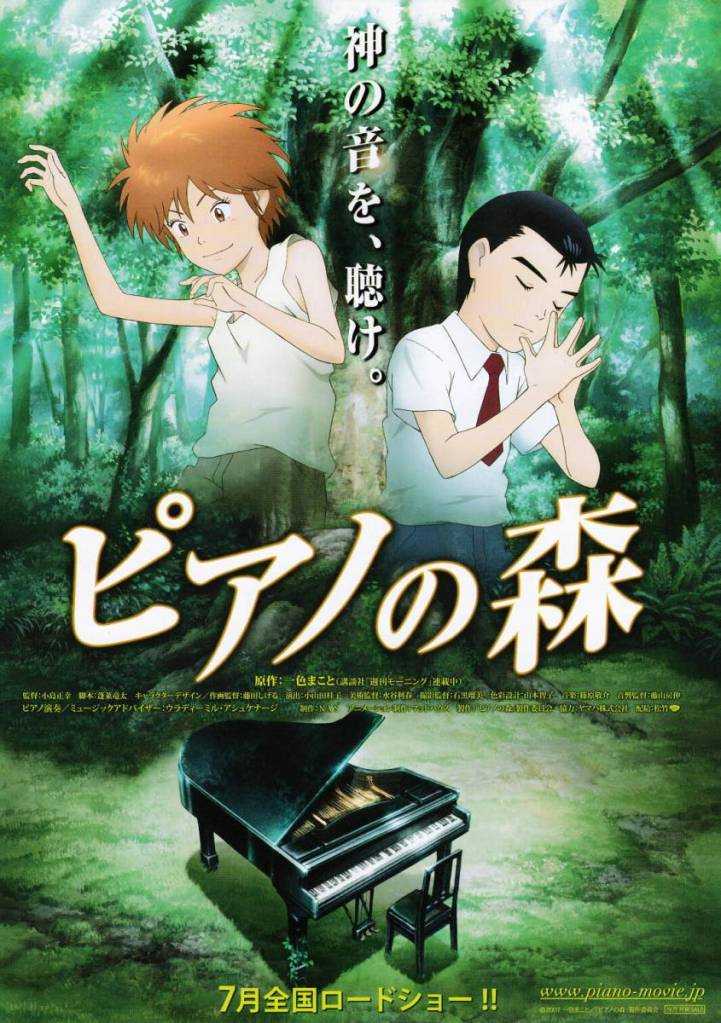
  • The Piano Forest – 2007 movie in which two boys bond over a mysterious piano in the forest. German dub. Germany, Austria, Switzerland only.

Best of Nippon Connection

  • 100 Yen Love – slacker drama starring Sakura Ando in which a woman fights her way to freedom in the boxing ring. German Subtitles. Germany, Austria, Switzerland only.
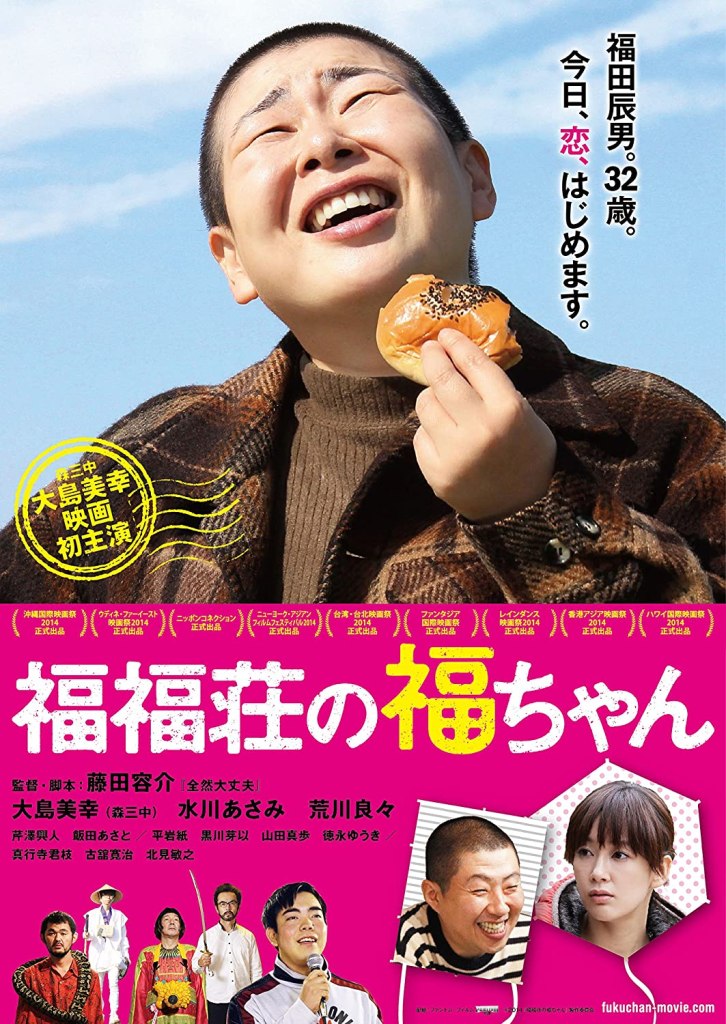
  • Fuku-chan of Fukufuku Flats – quirky comedy from Yosuke Fujita about a cheerful man whose fear of women is challenged when an old friend returns. German subtitles. Germany, Austria, Switzerland only.
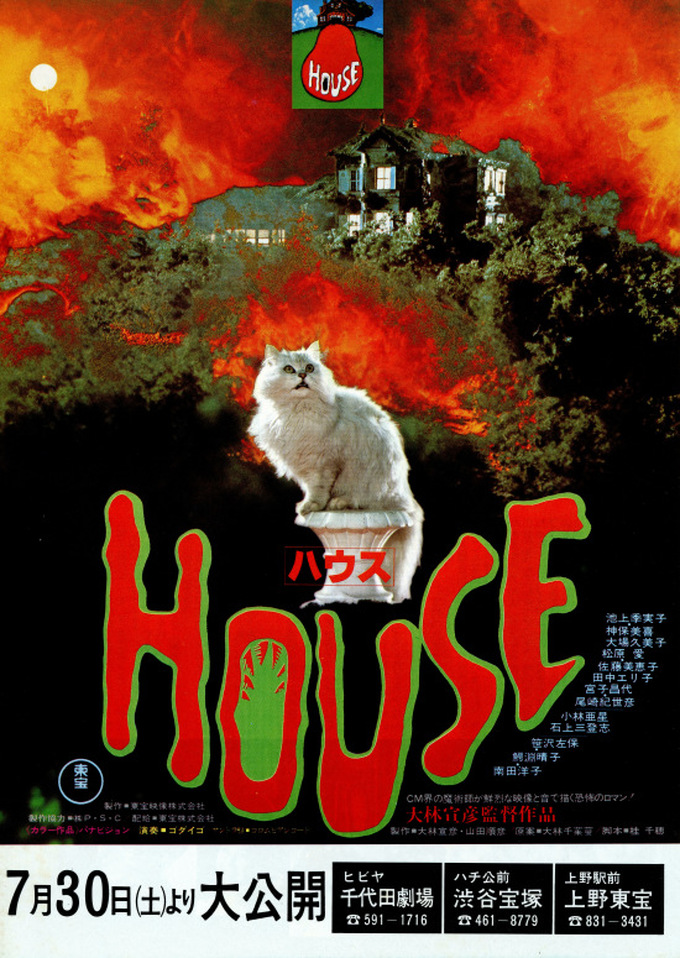
  • House – psychedelic classic from Nobuhiko Obayashi in which a girl takes some friends to see her aunt and gets a lot more than she bargained for. German Subtitles. Germany, Austria, Switzerland only.
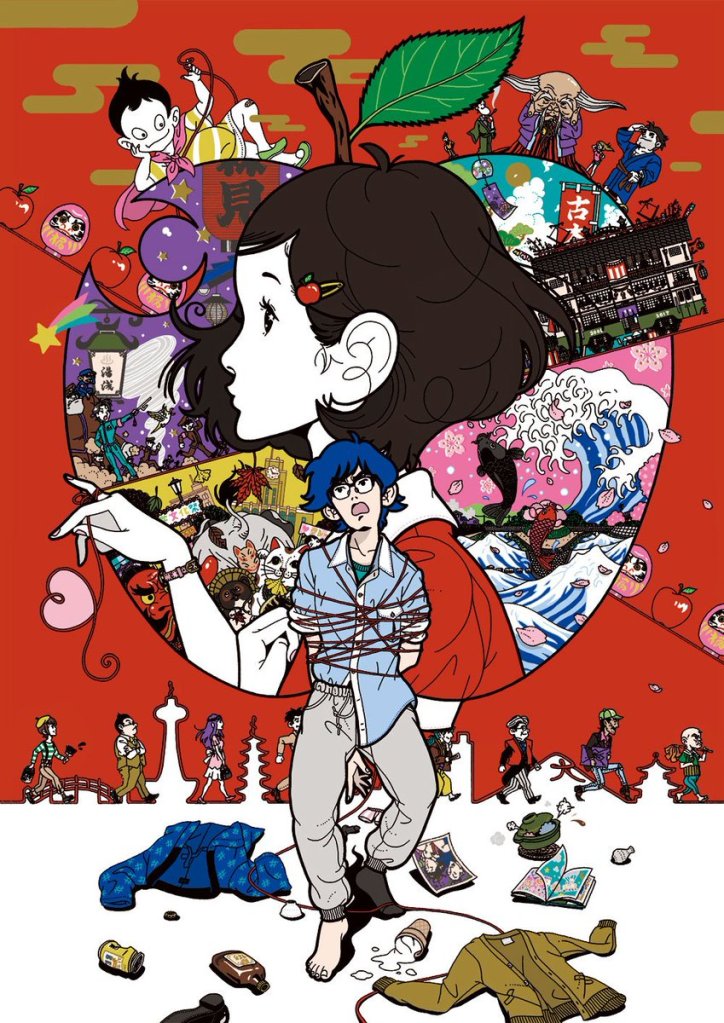
  • The Night is Short Walk on Girl – Masaki Yuasa’s adaptation of the Tomihiko Morimi novel set over one wild night in Kyoto. Review. German Subtitles. Germany, Austria, Switzerland only.
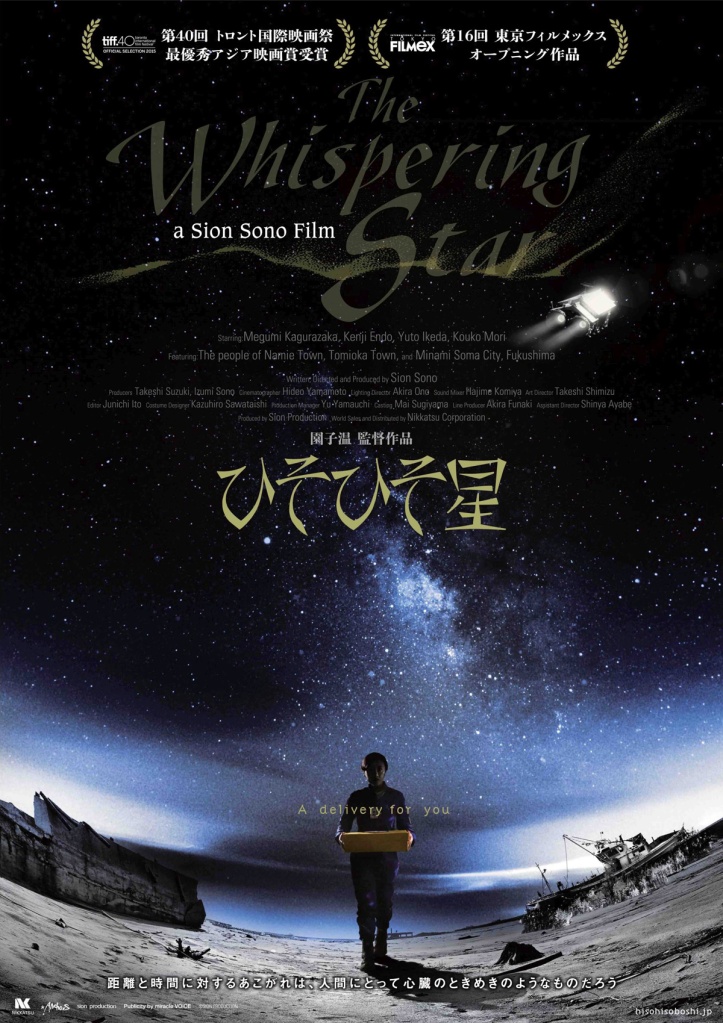
  • Whispering Star – quiet sci-fi drama from Sion Sono. Review. German Subtitles. Germany, Austria, Switzerland only.
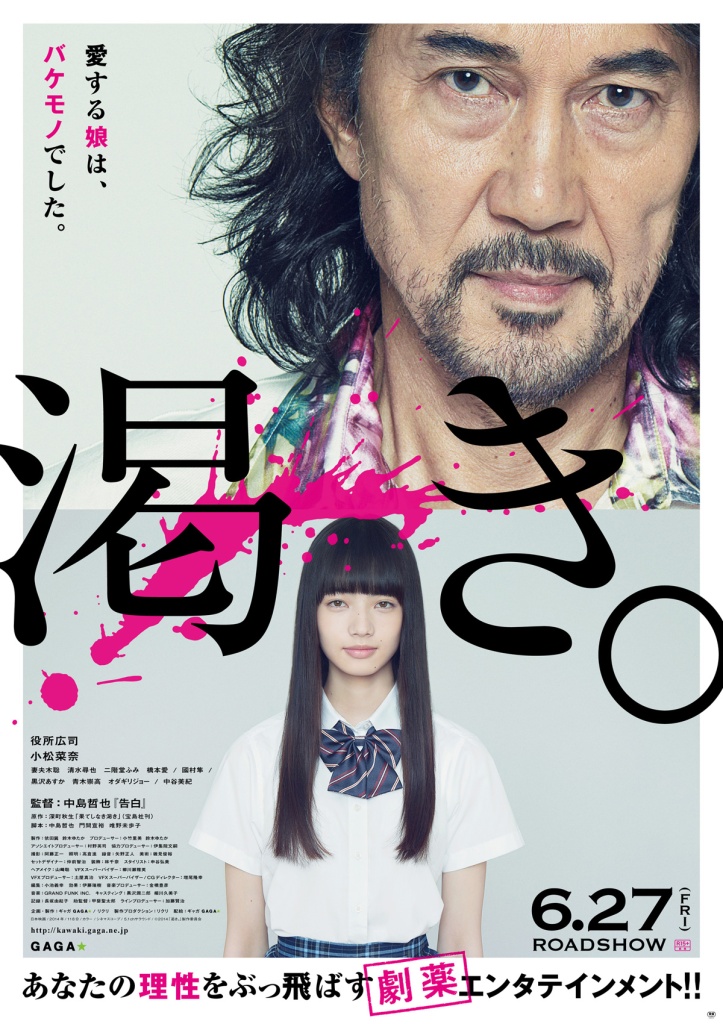
  • World of Kanako – controversial drama from Tetsuya Nakashima in which a cognitively compromised detective searches for his missing daughter. German Subtitles. Germany, Austria, Switzerland only.
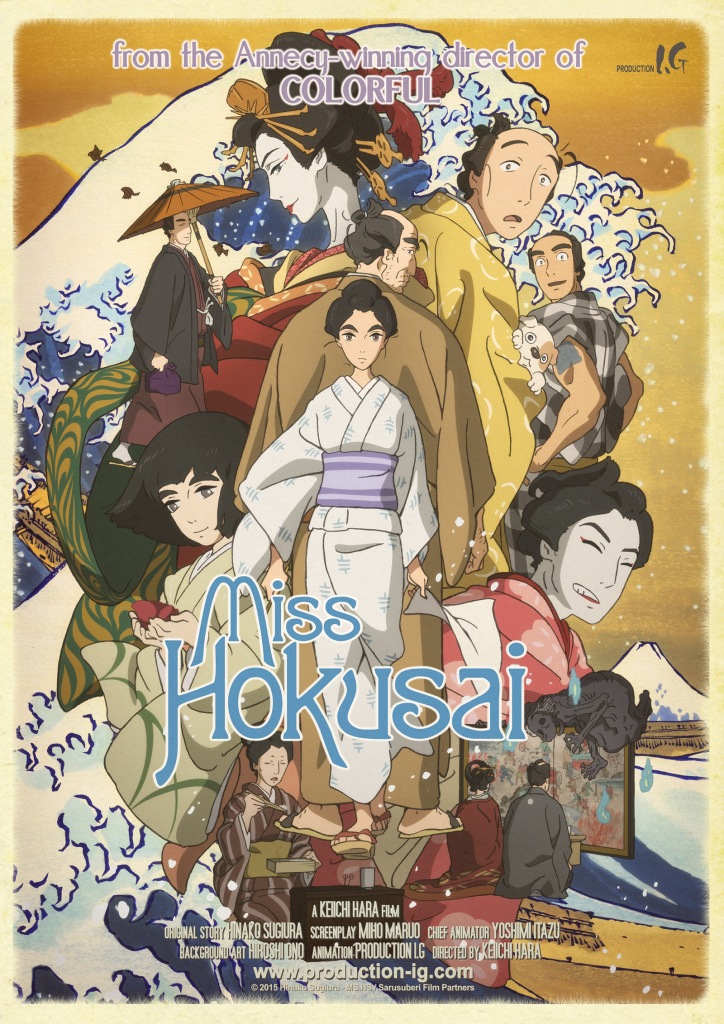
  • Miss Hokusai – Kiichi Hara’s animation inspired by the life of Hokusai’s daughter. Review. German Subtitles. Germany, Austria, Switzerland only.

The festival will also be holding its usual complementary selection of events via Zoom and Vimeo Live including a panel discussion (in English) on two decades of 21st century Japanese cinema chaired by Dr. Alexander Zahlten featuring panelists Tom Mes, Stephan Holl, and festival director Marion Klomfass. You can find full details for all the films as well as viewing links on the official website and you can keep up with all the latest news on this landmark digital edition by following the festival on Facebook, Twitter, YouTube, Flickr, and Instagram.

Asian Pop-Up Cinema Announces Mini-Focus: Taiwan Cinema Online

Asian Pop-Up Cinema returns with another fantastic collection of movies streaming for free online while you do the responsible thing and stay at home as much as you are able. From June 5 to 12, you can catch a series of recent Taiwanese shorts and features available to stream in the US for a one-time viewing between 2pm and 10pm CDT on the named date only.

Friday June 5: Detention

Lonely high schooler Fang falls for guidance councillor Zhang who alone seems to understand her. She joins his secret study group to read banned books, but Zhang soon “disappears” while only Fang and another student seem to remember him in this gothic horror set during Taiwan’s repressive martial law period. Review.

Monday June 8: Shorts

  • Tea Land: undocumented workers from South East Asia form a small family while working on a mountainside tea plantation but their bond is disrupted when one is found dead.
  • Wild Tides: a boy who is disliked by everyone does his best to win approval.
  • Towards the Sun: Cannes selected short from 2017 in which two outcasts meet by chance and take a road trip through the Taiwanese countryside.

Tuesday June 9: Murmur of the Hearts

Sylvia Chang’s moving drama in which an artist separated from her brother in childhood struggles to resolve her lingering feelings of resentment towards her mother while trapped in a difficult relationship with a troubled boxer.

Wednesday June 10: The Gangster’s Daughter

Drama in which a young woman is sent to live with her gangster father in Taipei who tries his best to reform but is soon dragged back into the underworld in search of vengeance.

Thursday June 11: Who Killed Cock Robin?

Neo-noir thriller in which a reporter uncovers a series of mysteries after investigating a car accident he witnessed nine years previously.

Friday June 12: We Are Champions

Sporting drama in which two brothers find themselves on opposite sides as they try to seize their destinies on the basketball court. While one joins an elitist team in which nothing matters except winning, the other bonds with a fatherly coach who values compassion and solidarity.

Each of the movies is available to stream in the US on the named date only from 2pm to 10pm CDT and is free to view but registration is essential. After registering you will be emailed the link shortly before the viewing time and must activate it within the 8-hour window after which you will have 24 hours to finish watching the movie. You can find further information and registration links on Asian Pop-Up Cinema’s official website and you can also keep up with all the latest news by following them on Facebook, Twitter, and Instagram.

Gate of Hell (地獄門, Teinosuke Kinugasa, 1953)

Which is the greater challenge to the social order, love or ambition, or are they in the end facets of the same destabilising forces? Teinosuke Kinugasa’s Gate of Hell (地獄門, Jigokumon) is, from one angle, the story of a man driven mad by “love”, reduced to the depravity of a crazed stalker betraying his samurai honour in order to affirm his status, but it also paints his need as a response to the chaos of his age along with its many repressions while the heroine is, once again, convinced that the only freedom she possesses lies in death. Yet in the midst of all that, Kinugasa ends with a triumph of nobility as the compassionate samurai restores order by rejecting the heat of raw emotion for an internalised contemplation of the greater good. 

Set in the 12th century, the film opens in revolt as two ambitious lords combine forces to attack the Sanjo Palace in what would become known as the Heiji Rebellion. The lords have attacked knowing that Taira no Kiyomori (Koreya Senda) is not in residence, having departed on a pilgrimage. Fearful for the safety of his sister and father, retainers order decoys to be sent out to distract the rebels. Kesa (Machiko Kyo), a court lady in service to the emperor’s sister, agrees to be her decoy and Morito (Kazuo Hasegawa), a minor retainer, is ordered to protect her. He manages to escort her back to his family compound where he assumes she will be safe, transgressively giving her a kiss of life, pouring water into her mouth with his own, after she has fainted during the journey. Unfortunately, Morito has miscalculated. His brother has sided with the rebels and they are not safe here. During the chaos they go their separate ways, and as soon as Kiyomori returns he puts an end to the rebellion restoring the status quo.  

Shocked at his brother’s betrayal, Morito tells him that only a coward betrays a man to whom he has sworn an oath of loyalty but he explains that he is acting not out of cowardice but self interest. He has made an individualist choice to advance his status in direct opposition to the samurai code. Morito doesn’t yet know it but he is about to do something much the same. He has fallen in love with Kesa and after meeting her again at the Gate of Hell where they are each paying their respects to the fallen, his brother among them, is determined to marry her, so much so that he asks Kiyomori directly during a public ceremony rewarding loyal retainers for their service. The other men giggle at such an inappropriate, unmanly show of emotion but the joke soon fades once another retainer anxiously points out that Kesa is already married to one of the lord’s favoured retainers. Kiyomori apologises and tries to laugh it off, but Morito doubles down, requesting that Kiyomori give him another man’s wife. 

This series of challenges to the accepted order is compounded by a necessity for politeness. Morito is mocked and derided, told that his conduct is inappropriate and embarrassing, but never definitively ordered to stop. Making mischief or hoping to defuse the situation, Kiyomori engineers a meeting between Morito and Kesa, cautioning him that the matter rests with her and should she refuse him he should take it like a man and bow out gracefully. Kesa, for her part, has only ever been polite to Morito and is extremely confused, not to mention distressed, by this unexpected turn of events. She is quite happily married to Wataru (Isao Yamagata) who is the soul of samurai honour, kind, honest, and always acting with the utmost propriety. That might be why he too treats Morito with politeness, never directly telling him to back off but refusing to engage with his inappropriate conduct. That sense of being ignored, however, merely fuels Morito’s resentment. He accuses Kesa of not leaving her husband because Wataru is of a higher rank, as if she rejects him out of snobbishness, rather than accept the fact she does not like him. 

Morito continues in destructive fashion. We see him repeatedly, break, smash, and snap things out of a sense of violent frustration with the oppressions of his age until finally forced to realise that he has “destroyed a beautiful soul” in his attempt to conquer it. “One cannot change a person’s feelings by force” Wataru advises, but is that not the aim of every rebellion, convincing others they must follow one man and not another because he is in someway stronger? The priest whose head was cut off and displayed at the Gate of Hell was killed in part because he reaped what he had sown in beheading the defeated soldiers of a previous failed revolution. Morito kills a traitor and he falls seemingly into rolling waves which transition to an unrolling scroll reminding us that rebellions ebb and flow through time and all of this is of course transient. Only Wataru, perhaps ironically, as the unambiguously good samurai is able to end the cycle, refusing his revenge in the knowledge it would do no real good. Morito is forced to live on in the knowledge of the destruction his misplaced passion has wrought, standing at his own Gate of Hell as a man now exiled from his code and renouncing the world as one unfit to live in it. 


Gate of Hell is currently streaming on BFI Player as part of the BFI’s Japan season.

Late Autumn (秋日和, Yasujiro Ozu, 1960)

“It’s people who complicate life. Life itself is surprisingly simple” according to a puffed up old man having just hugely overcomplicated an admittedly delicate situation in Yasujiro Ozu’s Late Autumn (秋日和, Akibiyori). A reinterpretation of his classic Late Spring, Late Autumn once again stars Setsuko Hara but this time as a widowed mother far more enthusiastic about marrying off her only daughter while enduring the sometimes unwelcome assistance of a group of middle-aged men stepping into the decidedly female realm of matchmaking and of course concluding that they are doing a fantastic job. 

The action opens at the seventh memorial service for Akiko’s (Setsuko Hara) late husband, Miwa, attended by his three old high school friends, Taguchi (Nobuo Nakamura), Hirayama (Ryuji Kita), and Mamiya (Shin Saburi) who’s turned up fashionably late in the hope of skipping most of the sutras. At the refreshments afterwards, talk turns to the marriage of Miwa’s daughter Ayako (Yoko Tsukasa) who is now 24 which is actually edging towards the late side by the standards of the time. The three old men offer to help find prospective matches with Taguchi instantly proposing an acquaintance to which Ayako smiles demurely but is later relieved to discover is already taken. Mamiya too has a lead, a nice young man from his office, Goto (Keiji Sada) who graduated from a good university and is not bad looking either. Though Akiko is excited, she’s surprised to discover that her daughter wants to shut the offer down immediately before even exchanging photos. She feels she’s not ready for marriage and is happy the way things are. Of course, if she fell in love it might be a different matter, but to her mind there’s no rush to get married just for the sake of it. 

Generally speaking, it’s other women who mostly enforce these restrictive patriarchal social norms, after all a daughter’s marriage is ironically the one area of a woman’s life over which she usually has total control. In this case, however, Ayako’s marriage becomes a kind of hobby for three eccentric old men who each have problems of their own they don’t seem to be in a big hurry to deal with. They each have a latent crush on Akiko from their youth though it was obviously Miwa who later married her. Hirayama is widowed with a teenage son, but Mamiya and Taguchi have wives and daughters of their own, Taguchi’s already married but apparently experiencing frequent bouts of “frustration” with her husband, and Mamiya’s still in school, while their wives are fully aware of their lingering affections for Akiko but mostly content to laugh at their ridiculousness. They are all certain that Ayako “needs” to get married as soon as possible and that they are “helping” her towards “happiness” though what they’re mostly doing is a father knows best routine in which they resolutely ignore her repeated desire for things to go on as they are until she decides that they shouldn’t. 

Ayako isn’t interested in arranged marriage, but does become interested in Goto after accidentally meeting him at Mamiya’s company and then discovering they have a mutual friend, all of which makes their relationship both “arranged” and “not”, giving Mamiya cause to think he’s responsible when he’s really just incidental. Thinking things aren’t moving fast enough, the guys decide the problem is Akiko and if they can persuade her to remarry then Ayako will be less reluctant to leave home. Their behaviour is in fact quite manipulative, something they are later called out on by Ayako’s feisty friend Yuriko (Mariko Okada) who is also trying to help but determined to do it in a less problematic way. The gang’s suggestion to Ayako that her mother is considering remarriage when in fact she had no such intentions at all places a rift between the two women with Ayako left feeling hurt and betrayed, as if her mother has offended her father’s memory and done something improper behind her back. 

Ayako is not alone in her lingering prejudice against second marriage even if Yuriko tries to explain to her that she’s being unreasonable. Hirayama too originally objects to the gang’s plan to get him to marry Akiko on the grounds that it would be “immoral” to marry his old friend’s wife, but is brought round when he puts the idea to his son and finds him wildly enthusiastic if only in part because he’s already thought ahead to his own marriage and is worried his dad will want to live with them and that would inconvenient for everyone. When it comes to Akiko’s marriage, there seems to be more wiggle room. Everyone wants her to be “happy” and so there’s a greater freedom to explore various options while completely ignoring her preference to remain a widow. As we see from Akiko’s life, she is already financially independent and really has no “need” to remarry unless she happened to fall in love though she remains attached to her husband’s memory. As she later confesses to Ayako, she has no desire to “climb that mountain” again, and in fact will be happier living in freedom as an independent woman. 

As so often, however, while remarriage is optional marriage is not. Ayako has to marry, she never really has the option to remain single even that was what she wanted. She falls in love with Goto and indeed wants to marry him if perhaps worried about leaving her mother behind, making the three old men partially correct in their conviction that her reluctance was more anxiety than it was opposition. Unfortunately, their “success” emboldens them towards the next match and possibly more unhelpful meddling, complicating what should be simple with their increasingly outdated ideas fuelled by a desire to rebel against their sense of impending obsolescence. “In marriage you just give up” an exasperated wife admits, but wouldn’t it be something if you didn’t have to?


Late Autumn is currently streaming on BFI Player as part of the BFI’s Japan season.

Original trailer (no subtitles)

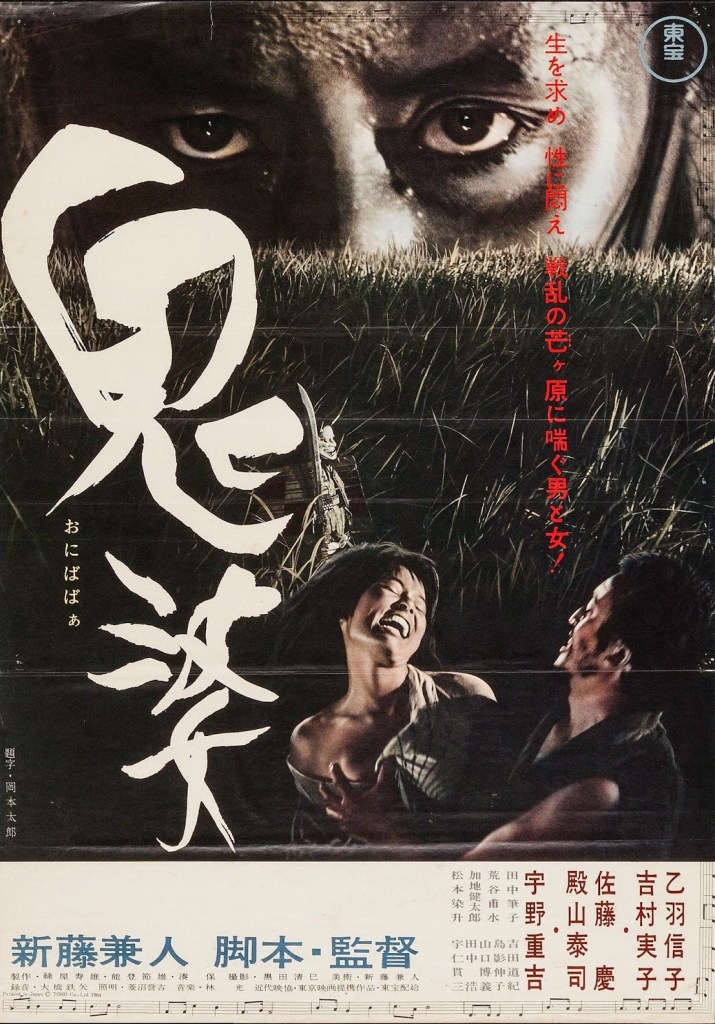
Onibaba (鬼婆, Kaneto Shindo, 1964)

How do you go on living in a world turned upside-down? It may be the central theme of post-war cinema, but few have tackled it in such a direct if allegorical way as Kaneto Shindo, repurposing a Buddhist parable about the perils of duplicity as a lesson in the dangers of the age, defined by a cruel hunger which could not be satisfied by bread alone even if there were bread to satisfy it. Onibaba (鬼婆), as the title implies, makes a villainess of an old woman driven to extremes by her chaotic times, but perhaps suggests that the times make villains of us all.

Deep in the war-torn country of 14th century Japan the imperial capital of Kyoto has been razed, a horse is said to have given birth to a cow, and the sun rose black in the sky leaving day as dark as night. With farmers dragged away from their fields to fight in a war they barely understand on behalf of distant lords, the grain basket of the nation is close to empty. An old woman (Nobuko Otowa) and her daughter-in-law (Jitsuko Yoshimura) have learned to make ends meet by hunting battle-weary samurai, stripping them of their armour, and throwing their bodies into a gigantic pit sitting right in the middle of the tall grass like a gravitational black hole of human compassion. The old woman has been patiently waiting for the return of her son, Kichi, who was taken away by the samurai, certain that everything is going back to normal when the war is over. Kichi, however, will not be returning. Hachi (Kei Sato), another young man from the village taken along with him, brings the sad news that the old woman’s son was beaten to death by a mob of farmers much like herself resentful of the war’s intrusion onto their land. 

Everything becomes food, Hachi explains, a sentiment extremely familiar to those who lived through the chaos of the immediate post-war era. Pointing at a baseline problem in the feudal economy, the war starves the poor and makes the wealthy hungry. The fields run wild with no men to tend them, as if symbolising the madness of the times. Lost in the tall grass, samurai and peasant alike search for an exit but are drawn only towards that black pit of human cruelty, more beasts than men driven by the need to survive alone. 

Without her son, the old woman is unable to farm, and without her daughter-in-law she is unable to survive through killing. She knows that these are times without feeling and that if Kichi will not return there is no reason for her daughter-in-law to stay. Ushi (Taiji Tonoyama), the broker for the looted samurai armour, makes an indecent proposal of extra millet for sexual favours but the old woman defiantly turns him down, perhaps not quite realising the offer was likely not intended for her. Which is to say that Hachi is not the only man in town, but is perhaps the only “desirable” one. Such desires that there are apparently cannot be satisfied by a crusty old man like Ushi, but are there all the same. Hachi presents a triple threat. The old woman knows her survival depends on the younger one, but also that she has no means to keep her now that her son is dead. She offers Hachi her body instead but he, as she did Ushi, baulks at the idea of slaking his lust on such an old woman. 

When a strange samurai wanders into her hut and orders her at the point of his sword to lead him out of the tall grass a solution presents itself. The old woman lures him to the black pit and prises away the ornate oni mask which he claimed he wore to protect his beautiful face from the ravages of war. Despite the fact that the samurai appears to have suffered from some kind of aggressive skin disease, the old woman unwisely decides to put the mask on her own face, convincing her daughter-in-law that her relationship with Hachi is sinful and appearing out of nowhere dressed as a demon to remind her that she’s going to hell. The mask’s crazed expression becomes fused with her own face, cementing her transformation into a “demoness” which it seems had already begun with stretch of white disrupting the uniformity of her hair and the kabuki-esque exaggeration of her eyebrows. Running desperately through the tall grass she cries out that she’s human, but this world has made demons of them all. The black pit of hunger knows no fill, and there can be no satisfaction in a world so devoid of human feeling.


Onibaba is currently streaming on BFI Player as part of the BFI’s Japan season.

Original trailer (dialogue free)

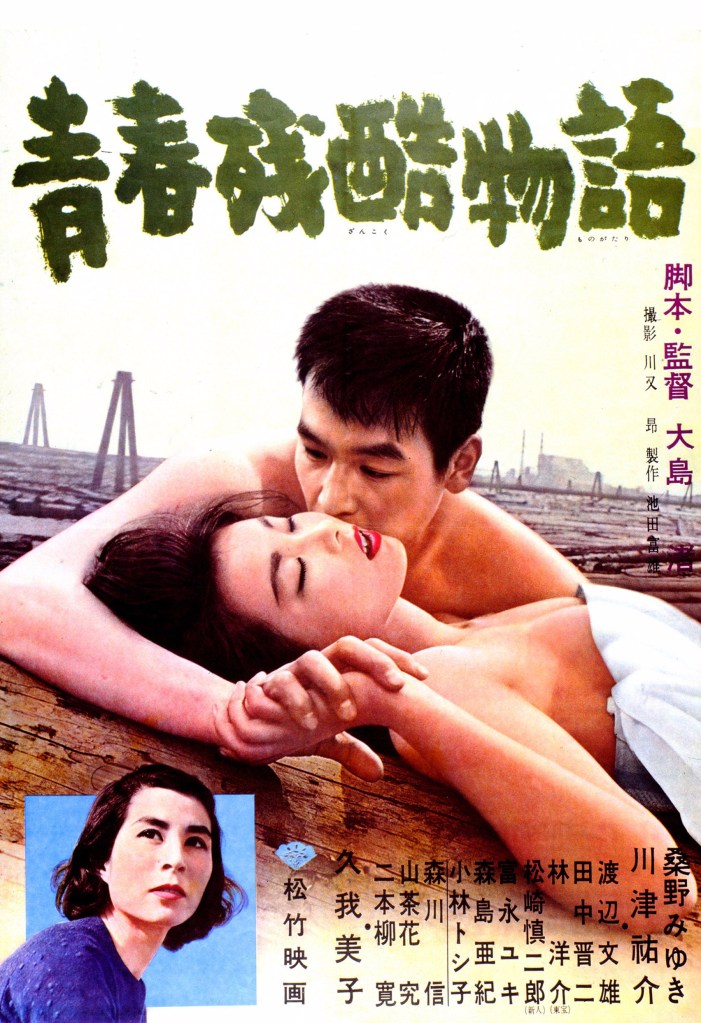
Cruel Story of Youth (青春残酷物語, Nagisa Oshima, 1960)

More interested in politics than cinema and never quite at home in the studio system, Nagisa Oshima began his career at Shochiku as one of a small group of directors promoted as part of the studio’s effort to reach a youth audience they feared their particular brand of inoffensive melodrama was failing to capture. Like The Sun’s Burial, Cruel Story of Youth (青春残酷物語, Seishun Zankoku Monogatari) is a nihilistic tale of a fracturing society, but it also looks forward to Night and Fog in Japan in its insistence that youth itself is a failed revolution and this generation is no more likely to escape existential disappointment than the last. 

The film opens with teenager Makoto (Miyuki Kuwano) and her friend Yoko (Aki Morishima) trying to get free rides from skeevy middle-aged men rather than having to pay for a cab. As you might expect, that’s a fairly dangerous game and while it might be alright while there’s two of you, as soon as Yoko has been dropped off, the driver changes course and suggests going for dinner only to park in front of a love hotel and try to drag Makoto inside. Luckily, or perhaps not as we will see, she is “rescued” by young tough Kiyoshi (Yusuke Kawazu), a student and angry if politically apathetic young man. Struck by his manly white knight act, Makoto takes a liking to Kiyoshi but he too later rapes her under the guise of satisfying her curiosity about sex to which he attributes her ride hailing activities. After this violent genesis, they fall in “love” but continue to struggle against an oppressive society.

We assume that the “cruel story of youth”, and it is indeed cruel, that we are witnessing is that of Makoto and Kiyoshi, but it’s also that of her slightly older sister Yuki (Yoshiko Kuga) and her former lover Akimoto (Fumio Watanabe) who has become a conflicted doctor to the poor betraying himself by financing the clinic through charging for backstreet abortions. Yuki complains to her apathetic father that they were strict with her in her youth, that she’d get a hiding just for coming home after dark, whereas Makoto can stay out all night and not get much more than a stern look. Her father explains that times were different then, “We thought we had new horizons. We started again as a democratic nation, and it was a responsibility that went hand in hand with freedom. What can I say to this girl today?” admitting both the failures of the past and the mistaken future of a society that actively resists change. 

Yuki and Akimoto were part of the post-war resistance, left-wing students like the older generation of Night and Fog in Japan, who’d actively fought for real social change but had seen that change elude them. Yuki, we hear, left Akimoto for an older man but perhaps now regrets it along with her half-finished revolution. She may not approve of her sister’s choices, but she also on some level admires her for them or at least for the strength of her rebellion even if it will ultimately be as fruitless as her own. “This is a cruel world and it destroyed our love” Akimoto laments, mildly censuring the youngsters in suggesting that his love was pure and chaste because they vented their youthful frustrations through political action whereas this generation is already lost to the mindless hedonism of unbridled sexuality. 

He forgives them, because he feels that their plight is a direct result of his failure to bring about the better world, but there is also a suggestion that it is a lack of political awareness which is somehow trapping the young. Oshima cuts from footage of the April Revolution in Korea which is described as a “student riot” in the news to a protest against the Anpo treaty at which Kiyoshi and Makoto look on passively from the sidelines. “I think taking part in the demonstrations is stupid”, Makoto’s friend Yoko tells a prospective boyfriend, “why don’t we think about getting married instead?”, drawing a direct line between social conservatism and political inaction. 

Makoto and Kiyoshi rebel by using, or to a point not using, their bodies as a direct attack on the society. Following their rather odd and troubling meeting, the pair earn their keep through repeating the experience. Makoto picks up men who will inevitably have an ulterior motive, and Kiyoshi rescues her, extorting money from their targets. Yet it is Kiyoshi who is forced to prostitute himself, gaining financial support as a gigalo kept by a wealthy middle-aged housewife who is just as sad and defeated as Yuki and Akimoto, dissatisfied with the path her life has taken and in her case attempting to escape it through passion and control exerted over the body of a young man. Though the consequences of a becoming a kept man may be different than those Makoto would face should the less “nice” delinquents get their hands on her, they do perhaps fuel his sense of violent emasculation which he channels into a pointless act of revenge against the society in the form of its most powerful, wealthy middle-aged men whose misogyny he claims to abhor while simultaneously mirroring and directly exploiting.

“Someone needs to be responsible” a strangely sympathetic policeman insists, chiding Kiyoshi that at heart he’s just a petty criminal who liked having money no matter how he might have tried to dress it up. “You’re just like them, you’re a victim of money too”, he adds correctly diagnosing the flaws of an increasingly consumerist society. Only, no one takes responsibility. Kiyoshi’s lady friend pulls stings. It turns out her husband does business with Horio, one of Makoto’s pick ups who despite being nice and kind still had his way with her and then reported Kiyoshi for extortion. Akimoto explained that their failures would drive them apart, but Kiyoshi swore they’d always be together only to wonder if in his love for her the only thing to do is save Makoto from his corrupting influence though she does not want to leave him. We won’t be like you, Kiyoshi countered, because we have no dreams with which to become disillusioned. But youth itself is a failed revolution, and the force which destroys them is perhaps love as they meet their shared destinies at the hands of an increasingly cruel society.


Cruel Story of Youth is currently streaming on BFI Player as part of the BFI’s Japan season.

Original trailer (no subtitles)

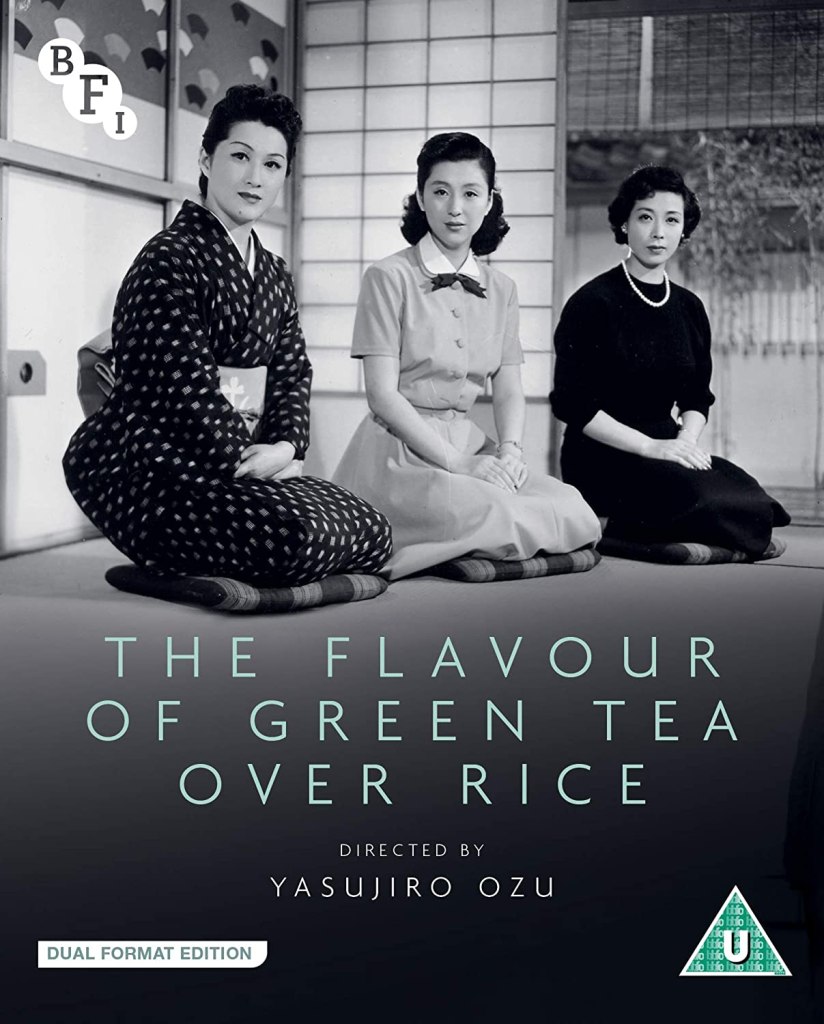
The Flavour of Green Tea Over Rice (お茶漬けの味, Yasujiro Ozu, 1952)

Famously, many of Yasujiro Ozu’s films end with a young woman getting married and the emotional desolation that it provokes in those left behind. Ozu, unlike some of his contemporaries, generally comes down on the side of marriage. His heroines always succumb, rarely finding independence or resignation and settling for a second choice even if their first proved unavailable. The Flavour of Green Tea Over Rice (お茶漬けの味, Ochazuke no Aji), however, takes him in a slightly different direction in asking what, if anything, is to blame when a marriage is unhappy, repurposing the arranged married debate to perhaps imply that wedded bliss is less about romance than it is about endurance and mutual understanding. 

Taeko (Michiyo Kogure), a middle-aged woman, consented to an arranged marriage to Mokichi (Shin Saburi) at the usual age but seems to feel little more than contempt for him. A friend from school, Aya (Chikage Awashima), invites her on an impromptu trip to an onsen and for reasons not entirely clear, Taeko feels she has to lie rather than simply telling Mokichi that she would like to go away with a friend for a couple of days. Aya encourages her to spin a tale that her niece, Setsuko (Keiko Tsushima), who often stays with them in the city, has been taken ill and is in need of urgent care, but the plan is foiled when she swans into their home right as rain before Aya could give her instructions. Caught on the hoof, Taeko is forced to improvise that a different friend is ill, the four women eventually heading off on a girls’ trip leaving Mokichi at home alone and apparently none the wiser. 

Perhaps surprisingly, Mokichi turns out to be a kind and considerate, if perhaps dull, kind of man. We later discover that he knew all along that Taeko was lying but thought it wasn’t worth making a fuss over. He makes a point of chatting with the maid, asking after her family and is apparently well acquainted with her circumstances. Unlike other men, he doesn’t spend his time out drinking or gambling or even overworking, coming home to read instead, but still Taeko is put out when she phones him at work to kickstart the onsen plan and discovers his desk to be empty. It turns out that he met up with the younger brother of an old friend killed in the war who had asked for his help with a recruitment exam. Non-chan (Koji Tsuruta), as everyone calls him, is a cheerful sort guy who openly admits he wears army surplus suits and likes to eat in restaurants which are “good and cheap”, all of which suits Mokichi much better than his wife’s rather more sophisticated tastes. The younger man is quick to introduce him to the pleasures of the age including bicycle racing and pachinko parlours which is where he runs into an old army buddy, Hirayama. 

While Taeko and her old friends break into a rendition of a song from their student days with Setsuko looking on in minor confusion, Mokichi sits around a small table with Hirayama and an equally out of place Non-chan recalling his glory days in Singapore and singing old army songs. They are each, in their own and infinitely parallel ways, mourning the promise of their youth. Taeko’s friends, Aya and Takako, have an equally cynical view of marriage. Takako’s husband has gone to Paris and she, it seems, couldn’t be happier with her newfound freedom, while Aya runs a small boutique and regards hers as little more than a necessary inconvenience. When the ladies take in a baseball game, Aya is surprised to spot her sports-hating husband on the bleachers apparently escorting a woman she recognises from a nearby bar, but she isn’t in any way jealous or angry merely amused and planning to use it as extra leverage to persuade him to buy her a new kimono despite the fact that we later see him asking her for money (which she snatches back as punishment). 

Despite all of that however Taeko’s tragedy maybe that somewhere deep down she wanted her marriage to work. Her open contempt for Mokichi, likening him to a big fat carp and referring to him as “Mr. Bonehead” in assuming he is stupid enough to believe all her lies, annoys the otherwise modern Setsuko who sees their unhappy union as definitive proof that arranged marriages do not work. Interrogated by her exasperated niece who was sure her aunt would support her in her resistance to her parents’ matchmaking, Taeko claims that she is happy and perhaps she is even if in her unhappiness, but Setsuko’s unexpected seizure of her agency though rudely walking out on the omiai brings her own marriage to a crisis point. Mokichi cannot quite say so but tacitly supports Setsuko’s desire to decide her own romantic future even if he disapproves of her irresponsible rudeness to her prospective suitor. “Forcing her to marry against her will would just create another couple like us” he eventually explains to Taeko in boldly saying that which should not be said. 

It would be easy to think that the problem is Taeko and Mokichi simply aren’t suited. There is an obvious class difference that seems to be a continuing problem for the snooty Taeko. It annoys her that he insists on pouring his miso soup into his rice bowl which she feels is common, like his cheap cigarettes and preference for third class rail travel. He explains that it’s not that he’s cheap, simply that these are the things he likes, that he’s familiar with, that make him feel relaxed. Their upbringings are different. Taeko feels relaxed in first class because that’s how she’s always travelled and she likes the finer things because they reassure her in her status. That might be one reason they occupy different areas of a shared home, he with a traditional futon in a tatami mat room, she in a well appointed Western-style boudoir even as she exclusively wears kimono. 

Yet the problem isn’t that they like different things so much as an essential misconnection. Without perhaps knowing, Taeko is so filled with resentment over her lack of control of her romantic destiny that she’s never warmed to her husband or felt secure in her marital home. It’s a cliche to say she doesn’t understand him, but perhaps she wanted something different to what she eventually got. A sudden crisis after the Setsuko episode sees Taeko make a temporary retreat only for Mokichi to be abruptly sent abroad. Sharing the homely comfort food of green tea poured over rice, she finally begins to understand that what she took for indifference was perhaps merely a different way of showing love. Mokichi really is a man who likes the simple things, affection without ceremony, like the flavour of green tea over rice. She knows that unlike Aya’s husband Mokichi will never betray or hurt her. He is infinitely “reliable” which might not sound romantic, but is perhaps the only solid basis for a successful marriage. 

That’s the advice she eventually offers to Setsuko, walking back on her commitment to arranged marriage, a “feudal” tradition she and all the other women had been determined to force onto her despite the fear and pain it caused them in their own youth and beyond, to remind her that marriage is for life. Find someone “reliable”. A flashy suit and a handsome face might look good now, but they might not in 20 years’ time. Setsuko has taken a liking to Non-chan who claims to be “reliable” but his taste for pachinko and bicycle races might suggest otherwise. In any case, after a heartwarming resolution that repairs the fractured marriage of Mokichi and Taeko, Ozu ends on a moment of cheeky ambivalence in which Non-chan says the wrong thing, upsetting Setsuko who retreats into a small hut. Non-chan repeatedly apologises and tries to enter, while she pushes him back out, neatly symbolising the arc of a marriage as an accidental battleground of intimacy though in this case one with a playful resolution. 


The Flavour of Green Tea Over Rice is released on blu-ray in the UK on 18th May courtesy of BFI in a set which also includes an audio commentary by Tony Rayns. The first press edition also comes with a booklet featuring an essay by Tom Milne.

Short clip (English subtitles)

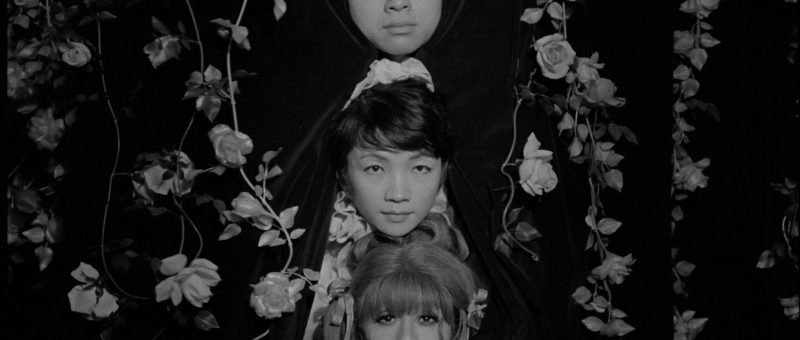
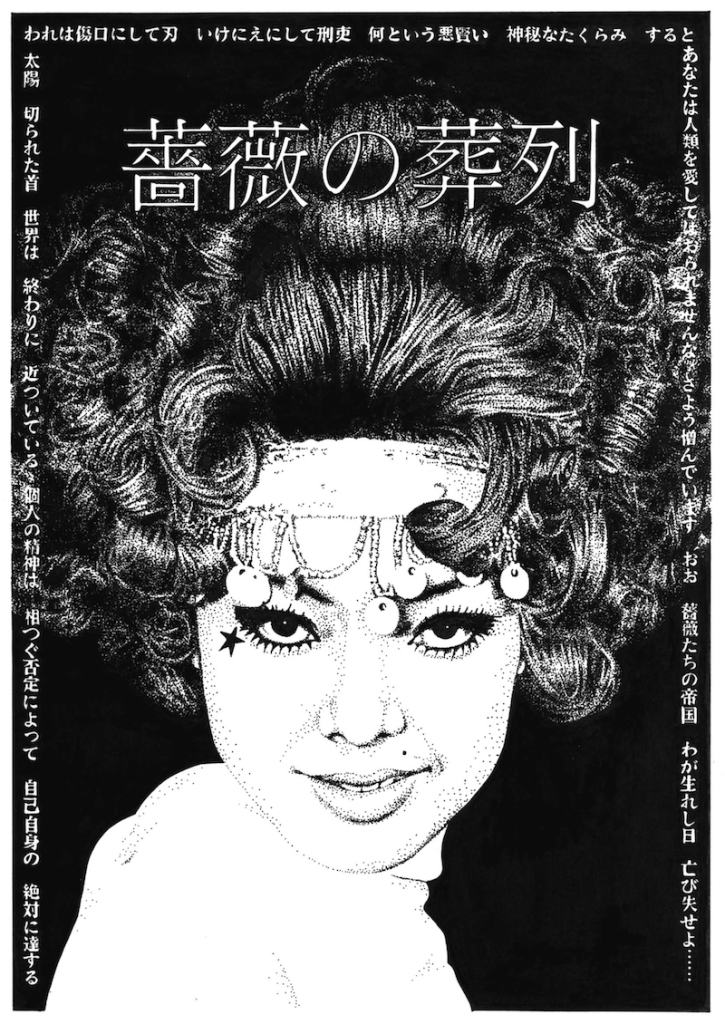
Funeral Parade of Roses (薔薇の葬列, Toshio Matsumoto, 1969)

“The spirit of an individual reaches its absolute through infinite negation” according to the title card which concludes Toshio Matsumoto’s anarchic voyage through the counter culture underworld of late ‘60s Tokyo, Funeral Parade of Roses (薔薇の葬列, Bara no Soretsu). Repurposing Oedipus Rex as mediated through Pasolini as an exploration of the crushing impossibility of true authenticity, Funeral Parade of Roses is also an atypical portrait of a city in transition. Like many a post-war melodrama, it’s a story of Tokyo bar hostesses only we find ourselves not in the comparatively upscale Ginza where unlucky women dream of escape into more conventional lives, but the grungier Shinjuku in which those who have no desire to attain conventionality, of that kind at least, have found a kind of freedom to become their truer selves. 

Our hero, Eddie (Peter), is something of an ephebe pursuing his destiny as a “gay boy” (cross-dressing bar hostess) at bar Genet where he has entered a relationship with the much older proprietor, Gonda (Yoshio Tsuchiya), who is growing tired of his current lover, Leda (Osamu Ogasawara), the bar’s mama-san. At the risk of mixing our metaphors, or at least allegories, in Greek mythology Leda was the mother of Helen of Troy, raped by Zeus in the guise of a swan. In any case, the primary crisis is one familiar from any other bar girl drama where Leda might be the melancholy heroine, facing the tragedy of her fading youth and an increasingly uncertain future. We see Eddie leave an apartment arm in arm with Gonda, a hearse passing ominously in front of them, while Leda looks on with scorn perching in front of a street corner convenience store to confirm that her suspicions are in fact correct. 

Leda is or will be the victim of Eddie’s quest for a place of his own, displaced within a world of displacement. She will eventually find her own kind of escape, dressed in a wedding dress and surrounded by white roses but drenched in romantic tragedy. Eddie meanwhile is plagued by visions of a traumatic past and a feeling of alienation. “I feel abandoned by life” he later complains to a counter culture friend, Guevara (Toyosaburo Uchiyama), who has adopted a strange fake beard in addition to his fake name. In the gallery in which Eddie meets him, a record is playing to remind us that we are each wearing a mask and that perhaps our mask may fit us so comfortably that we have forgotten the shape of our own face. We can never be sure if we are seeing those in front of us as they truly are or merely observing the masks they have chosen to wear. Beneath one mask may lie another, and another, into infinity hiding even from ourselves our truest identity in the truest form of loneliness.

Eddie too is searching for himself, though the implication that his present persona is just that may be an uncomfortable one. To undercut it, Matsumoto frequently breaks the fourth wall to interview some of his non-professional actors and other men in the street in this particular corner of Shinjuku. They tell him that perhaps they don’t have a “reason” for becoming a “gay boy”, only that it’s who they are and have always been and in that it makes them happy (aside from one self contradictory woman who gives answers only filled with nihilistic despair). The central thesis, however, is that an identity only reaches its absolute through its own negation, which is to say that Eddie must destroy himself to become himself. Something which he perhaps does on learning the ironic truth to which he was blind that has led him towards his grim destiny. 

A film critic making an unexpected, meta appearance talks to us of the “cursed destiny of man” while Eddie walks through a burial ground sinking into the sea and casually wishes that the whole country would sink to the bottom of the ocean. A student protestor justifies his use of violence as an essential good because it works towards the end of violence and not its perpetuation, but Eddie’s violence solves nothing and eventually becomes an act of self harm that propels him towards his nihilistic destiny. Yet this is a violent age in which opposition is the only sign of life. Eddie rebels against himself to rebel against the society, a rose wounded by his own thorns, whose only refuge lies in the artifice which mirrors authenticity. 


Funeral Parade of Roses is released on blu-ray in the UK on 18th of May courtesy of the BFI in a new 4K restoration. The set also includes an audio commentary by Chris D, the original Japanese trailer plus the US trailer for the 2017 restoration, and eight Toshio Matsumoto shorts including Nishijin (1961), The Song of Stone (1963), Ecstasis (1969), Metastasis (1971), Expansion (1972), Mona Lisa (1973), Siki Soku Ze Ku (1975) and Atman (1975). The two-disc edition also comes with a 34-page booklet featuring essays by Jim O’Rourke, the BFI’s Espen Bale, Hirofumi Sakamoto with Hiroshi Eguchi, and Koji Kawasaki.

Original trailer (English subtitles)