
 Following their Hong Kong Trilogy, first time feature director Jenny Suen and veteran cinematographer Christopher Doyle get back together for another love letter to the “Pearl of the Orient”. With 2047 always in the back of the frame, The White Girl (白色女孩) is the story of a Hong Kong that was and will be as seen through the space which connects the two. In 2047 the mantra of One Country, Two Systems which has been applied to Hong Kong and surrounding territories since the 1997 handover will come to an end with Hong Kong simply becoming another region of China. With this starting point in mind, Suen and Doyle are left wondering what will happen in the next five years as they watch elements of the city begin to die or be eroded both by the passage of time and by the growing proximity of the 2047 deadline.
The White Girl (Angela Yuen), as she’s called, lives in Pearl Village where they still do things the old fashioned way. Living with her fisherman father, The White Girl dresses in long, dark clothing, and wears sunshades with a large floppy hat which hides her face and gives her a mysterious air of anonymity and otherworldliness. She does this because her father has told her that she is allergic to the sun, as her late mother was, so that she will never stray too far from him. Now a grown woman, The White Girl is beginning to think differently. She no longer takes her medication and has discovered a chest containing her mother’s clothes and a walkman with a tape inside featuring her mother singing her trademark song. Defying her father by walking around the town dressed only in her mother’s vintage white camisole and nickers, The White Girl who once felt invisible is seen by everyone including a new visitor to the village, Sakamoto (Joe Odagiri), a runaway Japanese artist squatting in local ruin.
Pearl Village, like Brigadoon, is a place that doesn’t quite exist. An example of the traditional Hong Kong fishing village which has all but died out, Pearl Village is a timeless place which seems to exist across eternity encompassing all eras and filled with a melancholy nostalgia. The White Girl longs to know the truth about her mother, putting on her very 1960s cheongsam and listening to her sing on her ‘80s walkman before walking to a pay phone to ring a DJ to ask him to play her mother’s song and then listening to it on a portable transistor radio. There are no mobile phones or computers and the major source of info in the village is the little boy, Ho Zai (whose name, in different characters, also means “oyster”), who keeps his ear to the ground and knows everything which goes on in the land that he regards as his.
What Ho Zai has discovered is that the village chief is about to sell them out. Creating controversy with the censor’s board, Ho Zai remarks on a destructive bridge project which will damage the beauty of his village, destroying wildlife and killing the beautiful dolphins which live in the sea off the coast. The “tourists” who come to the village (there is no real reason for a tourist to ever come here) are really developers who’ve come to hear the village chief’s plans which include bulldozing the beautiful mangrove forest Ho Zai loves so much to build a luxury mall.
Also on the list for eradication is the ruined mansion, built in the Chinese/British colonial style, in which Sakamoto is currently living. The White Girl regards the “ruins” as her palace but warns Sakamoto that the villagers believe it to be haunted. Sakamoto brands himself its ghost which touches a nerve with The White Girl whose pale skin and vacant aura have seen her also branded a “ghost”, leaving her feeling alone and invisible, trapped in her tiny, timeless world. Sakamoto, a temporary visitor to the unchanging village, is a literal outsider observing all around him from inside the ruins via the in built camera obscura and finding himself strangely drawn to The White Girl who reminds him of himself.
The White Girl will attempt to save her palace and succeed, but only for a time as her closing monologue tells us. In having spent so long not wanting to become invisible and insisting she is no ghost, she speaks to us as the ghost of a dying a world, occupying a liminal space between past and present where memory and dream collide. Her deeply felt non-romance with the Japanese visitor is destined to remain unfulfilled but that is its point, as she tells us, we exist in the space between us. Pearl Village is a place of endless longing in which familiar music wafts in on the breeze, haunted by its own future and existing within the shadow of an inescapable fall. Beautiful and ethereal, The White Girl is just as elusive as its heroine, lingering like a half remembered dream which ended far too soon leaving only melancholy and irresolvable longing in its place.
Screened at the BFI London Film Festival 2017.
Original trailer (English subtitles)



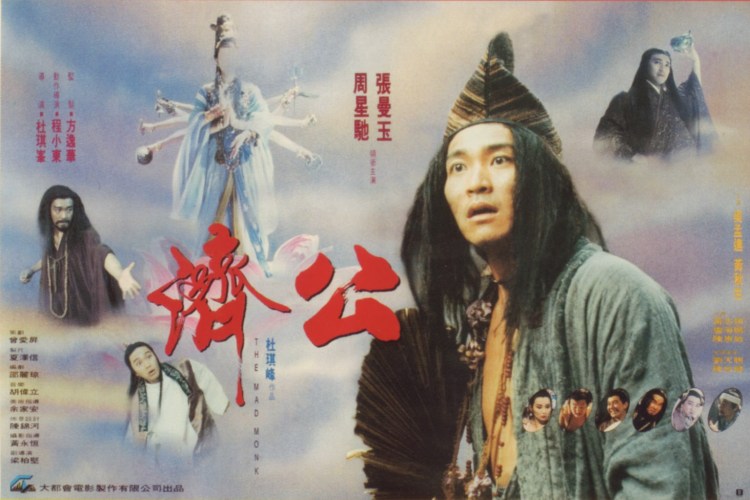 “The Mad Monk” sounds like a great name for a creepy ghost, emerging robed and chanting from the shadows to make you fear for your mortal soul. Sadly, The Mad Monk (濟公, Jì Gōng) features only one “ghost”, but it might just be the cutest in cinema history. The second of Johnnie To’s Shaw Brothers collaborations with comedy star Stephen Chow is another wisecracking romp in which Chow revels in his smart alec superiority, settling bets made in heaven and eventually vowing to spread peace and love across the whole world.
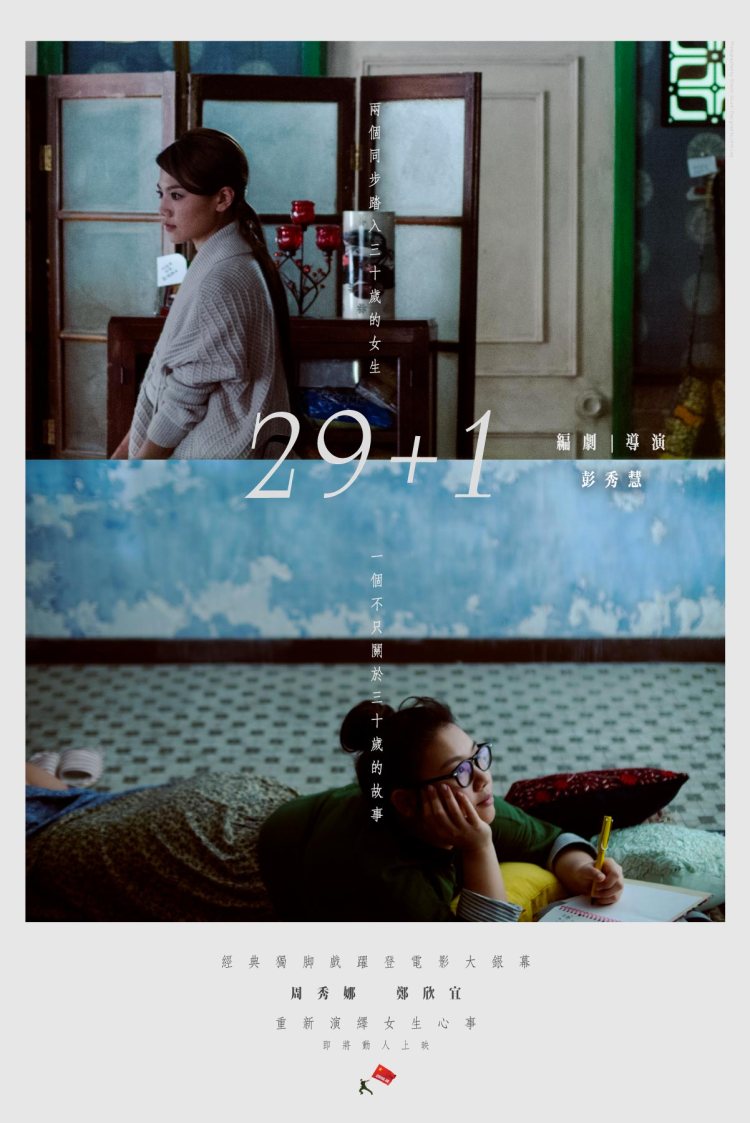 You know what they call women over 25 in China? “Christmas cake” – no one wants you after the 25th, so you’re condemned to sit on the shelf for all eternity like a piece of overproduced seasonal confectionary (a silly analogy because Christmas cakes, at least English ones, may outlive us all). Christy Lam lives in Hong Kong, not mainland China, and so her worries are a little less intense but still the dreaded 30 is causing its own share of panic and confusion in her otherwise orderly, tightly controlled life. In 29+1 Kearen Pang adapts her own enormously successful 2005 stage play about the intertwined lives of two very different women who happen to share a birthday and are each approaching the end of their 20s in very different ways. By turns melancholy and hopeful, 29+1 finds both women at a natural crossroads but rather than casting them into a bottomless pit of despair, allows each of them to rediscover themselves through a kind of second adolescence in which they finally figure out what it is they want out of life.
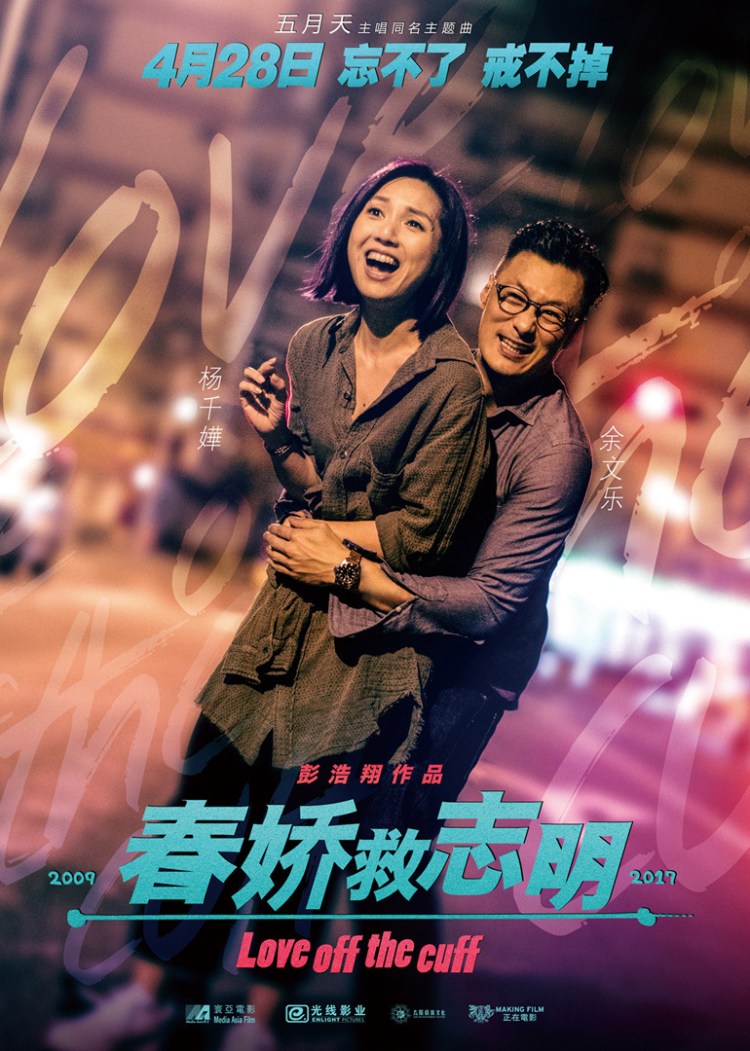 Jimmy and Cherie, against all the odds, are still together and in a happy longterm relationship in the third addition to Pang Ho-cheung’s series of charming romantic comedies, Love off the Cuff (春嬌救志明). Following the dramatic declaration at the end of
  2010’s
 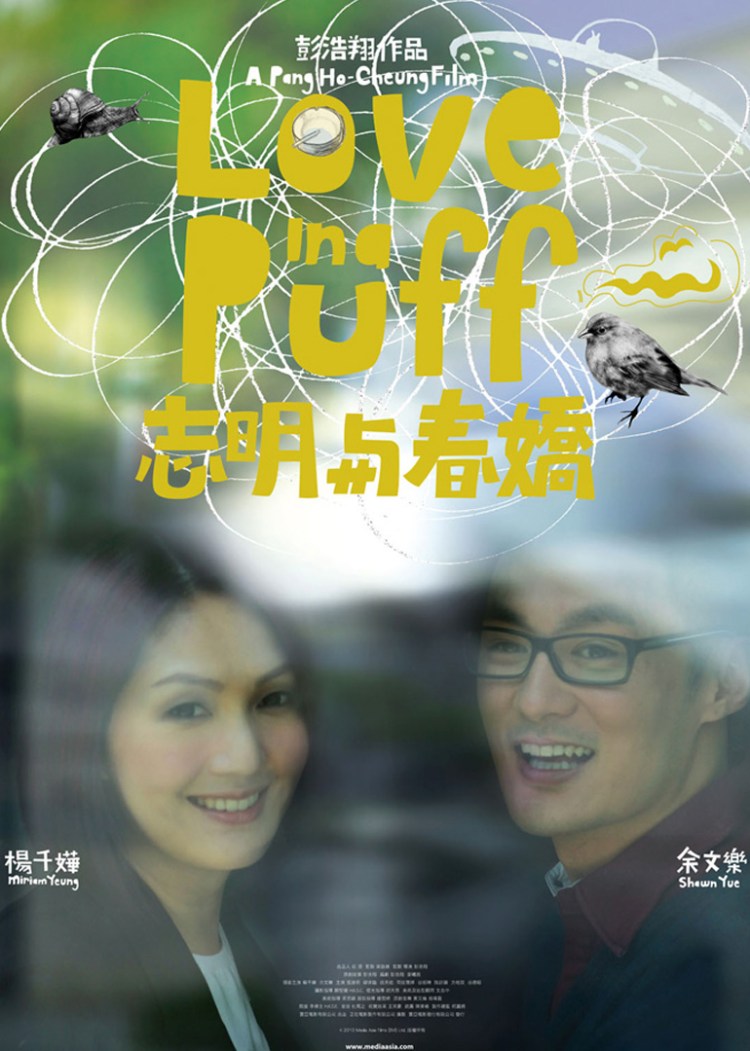 Smokers. Is there a more maligned, ostracised group in the modern world? Considering the rapid pace at which their “harmless” pastime has become unacceptable, you can understand why they might feel particularly put out – literally, as they find themselves taking refuge in designated smoking areas or perhaps back allies where it seems no one’s looking. For all the nostalgia about how easy it was to strike up a friendship with a stranger just by asking for a light, it is also important to remember that smoking is not so “harmless” after all and there are reasons why smokers are asked to keep their activities amongst those who’ve also decided to ignore the warnings. The Smoking Ordinance, oddly enough, may have accidentally boosted the social potential of a smoke as those eager for a puff are given additional reasons to spend time together in an enclosed space, building a sense of community through nicotine addiction.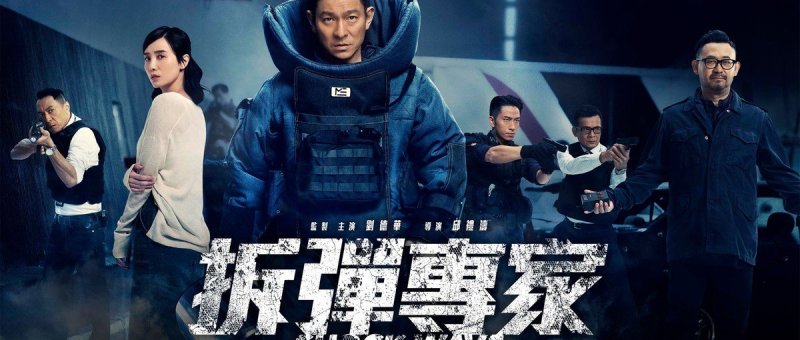
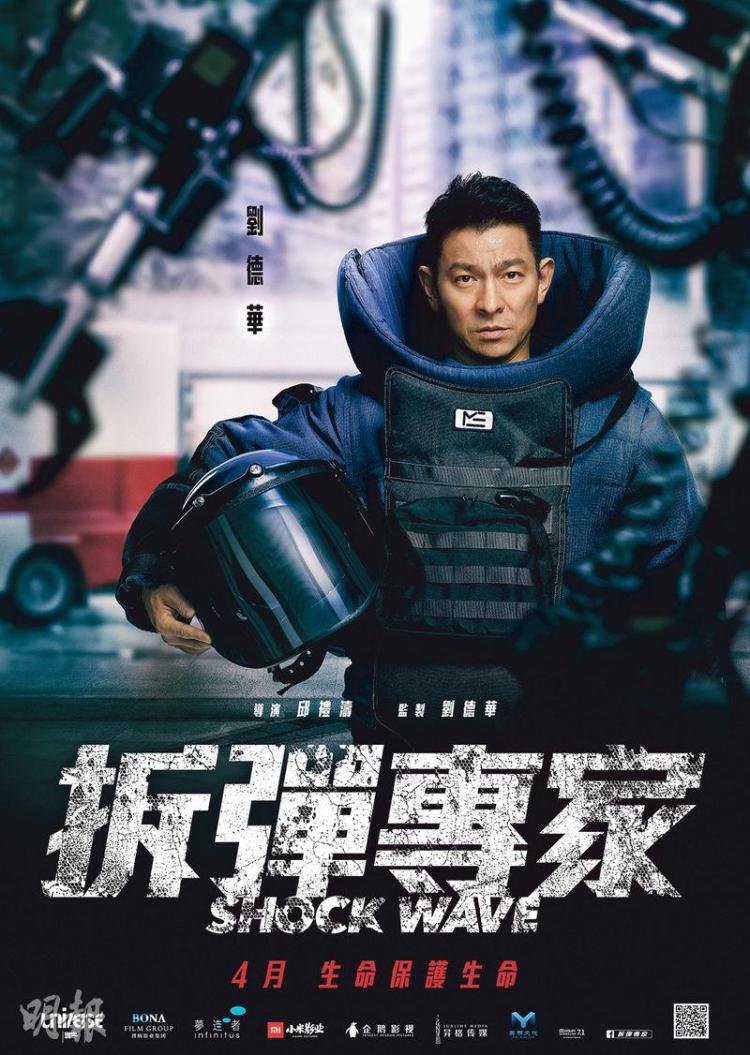 Recent Hong Kong action cinema has not exactly been known for its hero cops. Most often, one brave and valiant officer stands up for justice when all around him are corrupt or acting in self interest rather than for the good of the people. Shock Wave (拆彈專家) sees Herman Yau reteam with veteran actor Andy Lau turning in another fine action performance at 55 years of age as a dedicated, highly skilled and righteous bomb disposal officer who becomes the target of a mad bomber after blowing his cover in an undercover operation. These are universally good cops fighting an insane terrorist whose intense desire for revenge and familial reunion is primed to reduce Hong Kong’s central infrastructure to a smoking mess.
