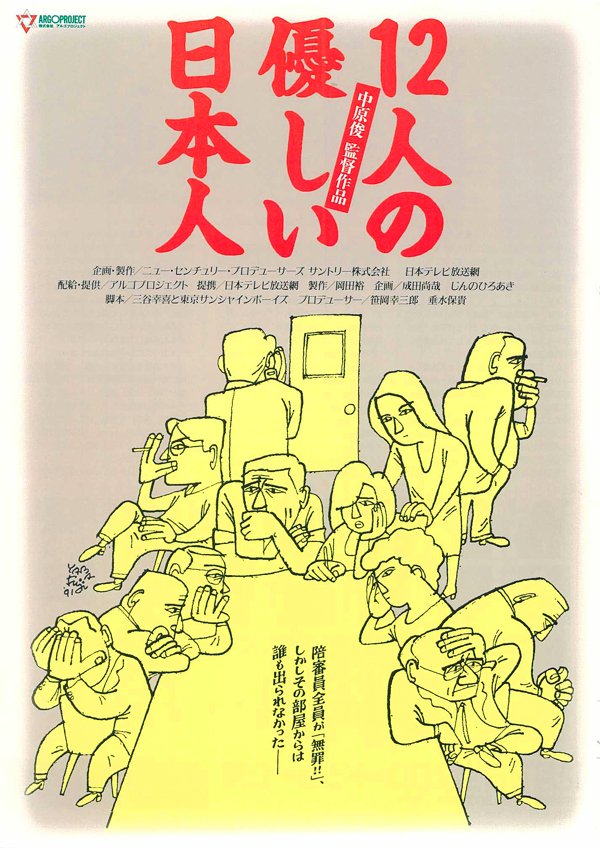
 As you might be able to tell from its title, Gentle 12 (12人の優しい日本人, Juninin no Yasashii Nihonjin) is a loose Japanese parody of the stage play 12 Angry Men notably filmed by Sidney Lumet back in 1957. The Japanese title literally translates as “12 Kindly Japanese Guys” and the film takes the same premise of twelve jurors debating the verdict in a murder case which was previously thought fairly straightforward. This time our jury is a little more balanced as it’s not just guys in the room and even the men are of a more diverse background.
In contrast to the American version, each of our twelve jurors is immediately inclined to acquit and some of them are even walking out the door before one juror, Juror no. 2, raises an objection. He thinks the defendant may be guilty and they should at least talk about it a little more. Irritated, the jurors walk back into the room and enquire why he’s had this sudden change of heart. They will, of course, be entitled to some refreshments now, so what’s the harm in hanging round to talk things through. Eventually people start to switch sides, some in confusion or just wanting to get it over with, but gradually each is exposed as having a personal reason for feeling the way they do that has relatively little to do with the facts of the case.
In contrast to the original stage play, the first instinct of the Japanese jurors is to acquit. No one wants to believe the defendant, who is the mother of a young child accused of pushing her violent ex-husband into the path of an oncoming truck, could have wilfully planned such an outrageous crime in advance. Whatever the facts are, she has clearly suffered enough and her child certainly doesn’t deserve to be orphaned through having its mother taken away by over zealous seekers of “justice”. Nevertheless Juror no.2 doesn’t believe her story and thinks there’s at least the possibility that she pushed him deliberately if not having engineered the entire situation in someway.
As in the American version, they proceed to debate the facts of the case in detail but while some change sides after thinking over the arguments, others are rigidly committed to their positions. Of those in the not guilty camp, some of them can’t quite articulate their reasoning beyond “it’s just a feeling” which proves particularly infuriating to Juror No. 2. The US version placed more emphasis on societal prejudices with personal ones largely backing them up – i.e. they took against the defendant in that case because he was a poor boy from the slums so in their middle class, majority culture minds it was natural that he was guilty. Here, there’s a great deal of sympathy for the defendant who seems to have experienced a lot of misfortune but continues to try and do the best for her young son.
Even so, some take against her because she reminds them of past misfortune of their own, or take against the victim because even as a thoroughly unpleasant man he’d managed to attract himself a pretty wife and son only to misuse and abandon them. Some believe themselves to be excellent judges of character or to be good at spotting a liar only to have their opinions about themselves undermined when scrutinised. The revelations here are personal rather than societal, but the central fact remains that you can’t really ever know or prove what happened and even having witnessed something with your own eyes doesn’t necessarily mean you’ve totally understood the situation fully. Much of the juror’s deliberations consist of creating a narrative out of scattered facts and exercises in supposition. In the end, it more or less comes down to gut feeling anyway.
Originating as a stage play and scripted by Japanese comedy master Koki Mitani, Gentle 12 has its moments of humour and never really takes itself too seriously. What else could you say about a case which seems to hinge on the smallest size of pizza available from a delivery company and how someone might say the words “ginger ale” when really, really angry. The “kindly” jurors also have a wonderful tendency towards tolerance or towards restrained anger that sees them getting quite annoyed whilst trying not to lose their tempers in exasperation or just calmly restating their arguments (or lack thereof) and infuriating everyone else in the process. Neatly filmed by Shun Nakahara, Gentle 12 might not have the same level of cultural bite as its original work suggests but it does prove an enjoyably absurd confined space drama which offers a few cultural revelations of its own.
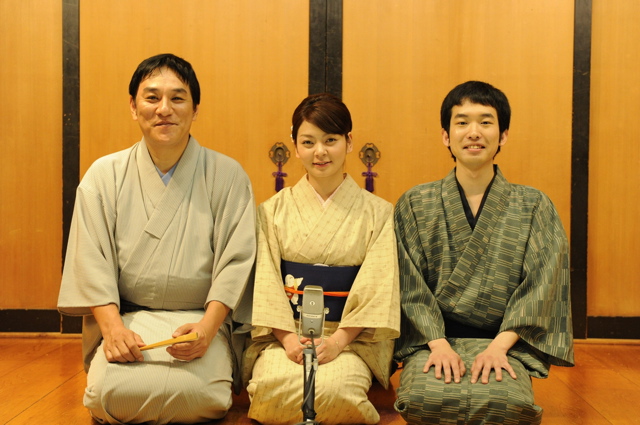 When it comes to the classic Japanese art forms, kabuki, noh and maybe even bunraku are not so uncommon overseas. Rakugo, however, has not been as lucky. Famously impenetrable for non-native speakers even if their language skills are otherwise top notch, rakugo is the art of traditional comic story telling in which the “rakugo-ka” recites a standard monologue with the aim of mining it for laughs in their own individual fashion. These stories date back to the Edo-era and rely heavily on classic Japanese puns, stock characters and cultural assumptions, consequently, their appeal has been on the wane in Japan for sometime. That’s not to say the art form is quite dead yet though, as real life rakugo-ka Shinpei Hayashiya’s Rakugo Monogatari attempts to prove.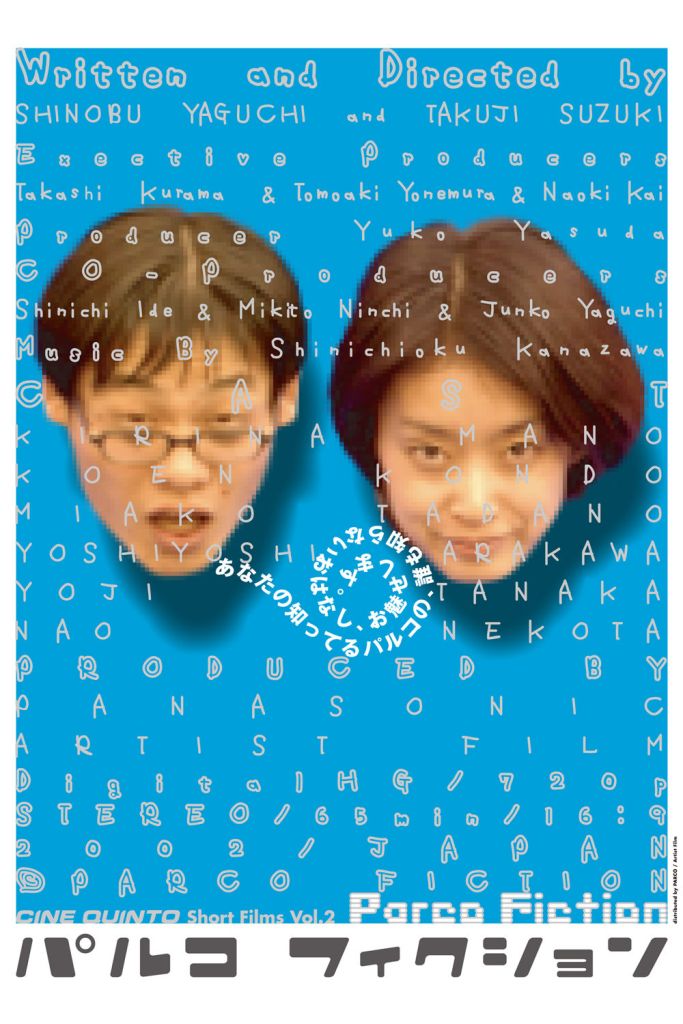
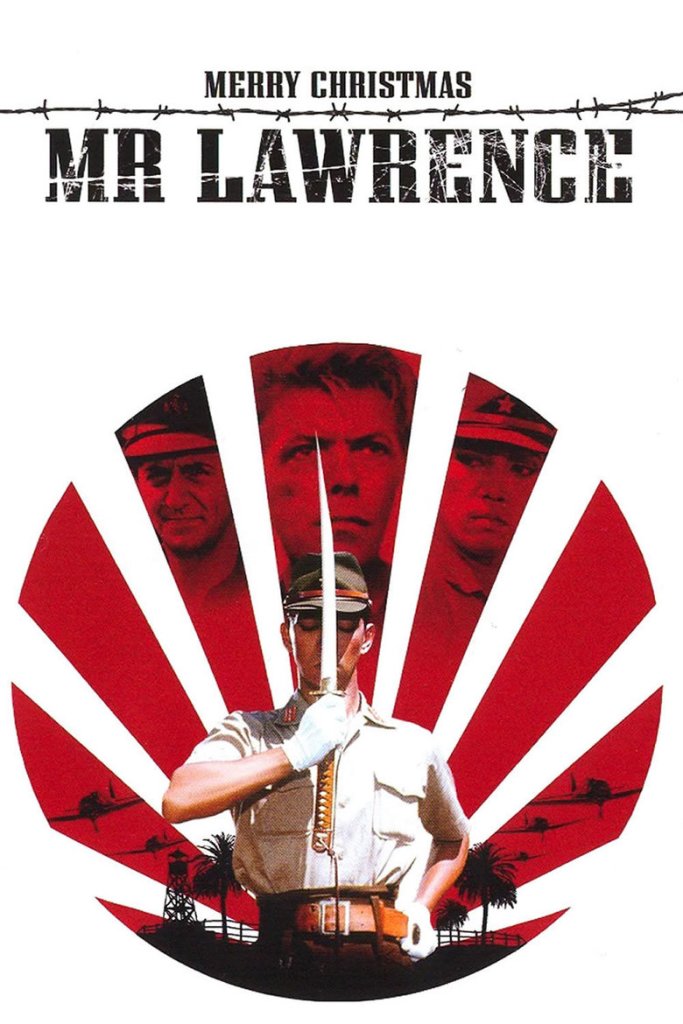 Of all the post-war Japanese filmmakers, the one who liked to twist the knife the most was surely Oshima. No subject too taboo, no pain too raw – he liked to find the sore spot and poke at it a little, if only in the hope of encouraging an accelerated healing, albeit one which would leave a scar to remind you that once you suffered. With Merry Christmas, Mr. Lawrence (戦場のメリークリスマス, Senjou no Merry Christmas) he takes an unflinching look at the treatment of Japan’s prisoners of war and contrasts the Japanese forces with the different attitudes of the (mostly) British soldiers held within the walls of the camp.
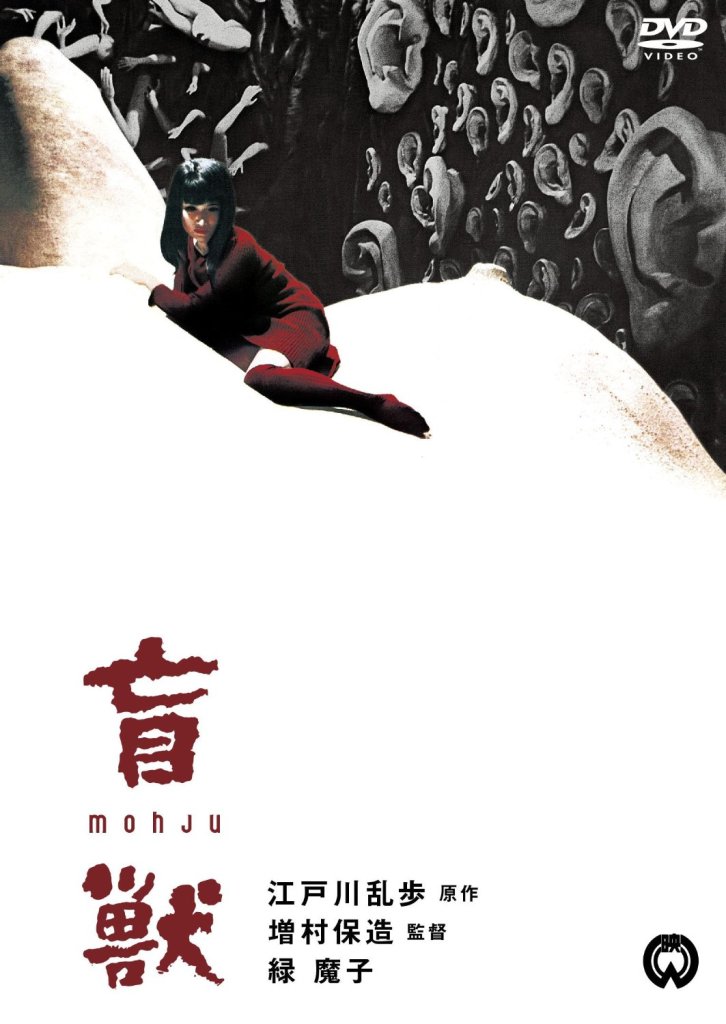 Never one to take his foot off the accelerator, Yazuso Masumura hurtles headlong into the realms of surreal horror with 1969’s Blind Beast (盲獣, Moju). Based on a 1930s serialised novel by Japan’s master of eerie horror, Edogawa Rampo, the film has much more in common with the wilfully overwrought, post gothic European arthouse “horror” movies of period than with the Japanese. Dark, surreal and disturbing, Blind Beast is ultimately much more than the sum of its parts.
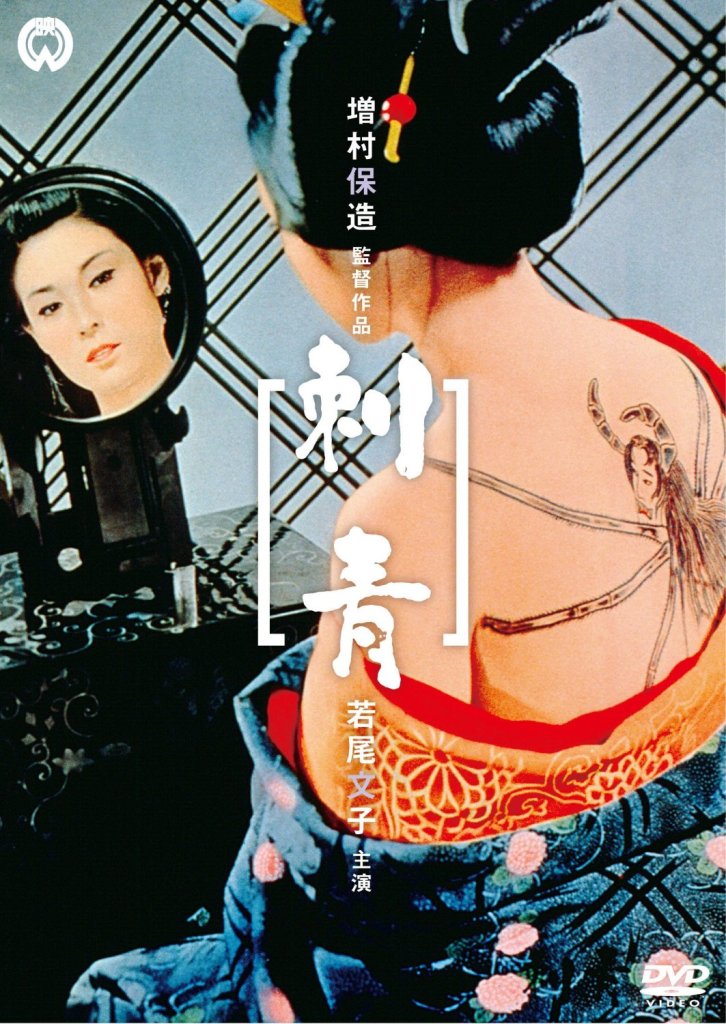 Irezumi (刺青) is one of three films completed by the always prolific Yasuzo Masumura in 1966 alone and, though it stars frequent collaborator Ayako Wakao, couldn’t be more different than the actresses’ other performance for the director that year, the wartime drama
  The debut film from Yasuzo Masumura, Kisses (くちづけ, Kuchizuke) takes your typical teen love story but strips it of the nihilism and desperation typical of its era. Much more hopeful in terms of tone than its precursor and genre setter Crazed Fruit, or the even grimmer The Warped Ones, Kisses harks back to the more to wistful French New Wave romance (though predating it ever so slightly) as the two youngsters bond through their mutual misfortunes.
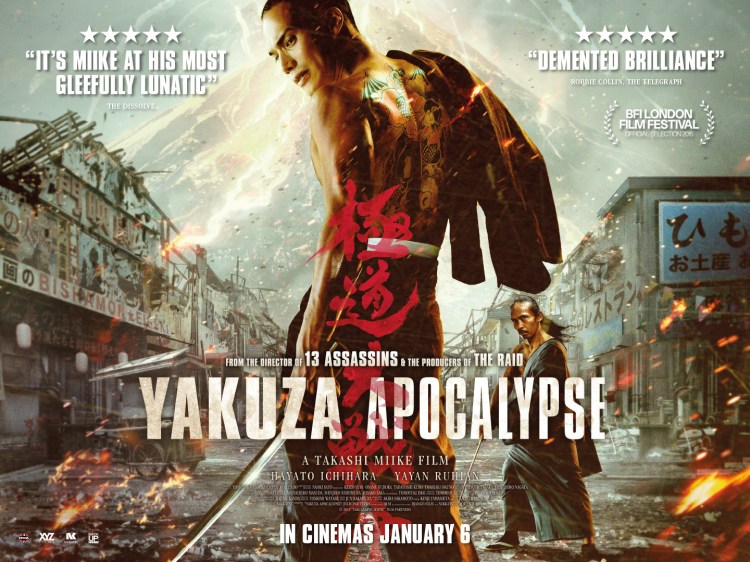 Belated review from the 2015 London Film Festival – Yakuza Apocalypse is released in UK cinemas for one day only on 6th January 2016 courtesy of Manga who will also be releasing on home video at a later date.
 Never one to be accused of clarity, Seijun Suzuki’s Capone Cries a Lot (カポネおおいになく, Capone Ooni Naku) is one of his most cheerfully bizarre movies coming fairly late in his career yet and neatly slotting itself in right after Suzuki’s first two Taisho era movies,
