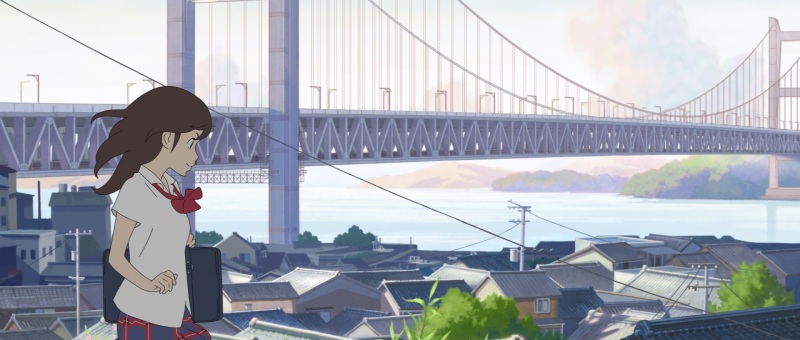
 Kenji Kamiyama has long been feted as one of Japan’s most promising animation directors, largely for his work with Production I.G. including the Ghost in the Shell TV anime spin-off, Stand Alone Complex, and conspiracy thriller Eden of the East. Aside from the elegantly shaded quality of his animation, Kamiyama’s work has generally been marked by thoughtful social and political commentary mixed with well executed action scenes and science fiction themes. Napping Princess (ひるね姫 〜知らないワタシの物語〜, Hirune Hime: Shiranai Watashi no Monogatari, also known by the slightly more intriguing title Ancien and the Magic Tablet) swaps science fiction for steampunk fantasy and, in a career first, is aimed at younger children and family audiences.
With the 2020 Tokyo Olympics fast approaching, Kokone (Mitsuki Takahata) is a regular high school girl about to enjoy her very last summer holiday before graduation. With no clear ideas of what it is she wants to do with her life, Kokone idly whiles away her time looking after her monosyllabic single dad, Momotaro (Yosuke Eguchi), who only seems to be able to communicate with her via text. Momotaro is a mechanic with a difference – he knows how to retrofit cars with a hi-tech, experimental self driving software that’s a real boon to the ageing population in the tiny rural town where the pair live.
A dreamy sort of girl, Kokone is always tired and frequently drifts off into a fantasy land where the car industry is all important and all are at the mercy of an iron fisted king whose sorceress daughter continues to cause problems for the population at large thanks to her strange powers. Whilst in her dream world, Kokone (or Ancien as she is known in “Heartland”) is accompanied by a her stuffed toy come to life and interacts with slightly younger versions of the people from her town including a dashingly heroic incarnation of her father as a young man.
The main action kicks off when Momotaro is arrested by an evil looking guy who wants a mysterious tablet he says Momotaro has stolen from their company. The fairytale inspired dreamworld might indicate a different kind of tablet, but this really is just a regular iPad with some information on it that certain people would very much like to get their hands on and other people would very much prefer that they didn’t. The tablet itself is a kind of macguffin which allows Kokone to process some long held questions about her past and that of her late mother who passed away when she was just an infant.
Kokone’s frequent flights of fancy start to merge with the real world, firstly when she shares a lucid dream with companion Morio (Shinnosuke Mitsushima) who helps her on her quest, and then later when magic seems to come to the pair’s aid through the tablet (though this turns out to have a more prosaic explanation). At 17 or so, you’d think perhaps Kokone is a little old for these kinds of fantasies, or at least for carting around a stuffed toy which is in remarkably good nick for something which apparently belonged to her mother when she was a child. Nevertheless, her dreamland is a long buried message which helps her piece together her mother’s story and how it might relate to her own all while she’s busy saving the Opening Ceremony of the 2020 Olympics from becoming a possibly lethal international embarrassment which would destroy the Japanese car industry for evermore.
Despite his prowess with harder science fiction subjects, Kamiyama can’t quite corral all of this into a coherent whole. Valiantly trying to merge the twin stories of Kokone’s coming of age and the problems of the Japanese auto industry which is good at hardware but struggles with soft, Napping Princess narrowly misses its target neither quite charming enough in its fantasy universe or moving enough in the “real” one. This may perhaps rest on a single line intended to be a small revelation which melts the icy CEO’s heart but essentially comes down to the use of a kanji in a name being different from one on a sign, losing much of its impact in translation as it accidentally explains the whole of Kokone’s existence in one easy beat which easily missed. Failing to marry its two universes into one perfect whole, Napping Princess is a pleasant enough though perhaps inconsequential coming of age story in which a young girl discovers her own hidden powers whilst unlocking the secrets of her past.
Currently on limited UK release from Anime Limited.
Trailer featuring a (very nice) Japanese cover of Daydream Believer

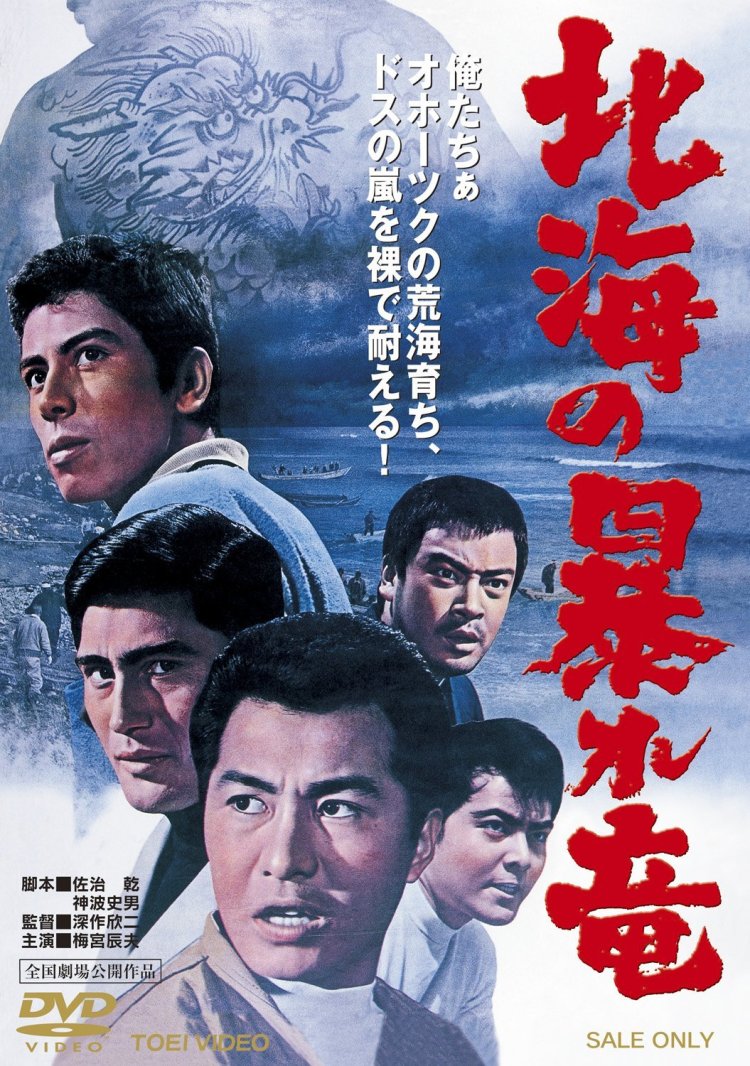

 London’s
  The festival will open with Atsuko Hirayanagi’s Cannes sleeper hit
  The only feature documentary on the list,
  A haunted guitar amp promises a struggling musician everything he’s ever dreamed of in
 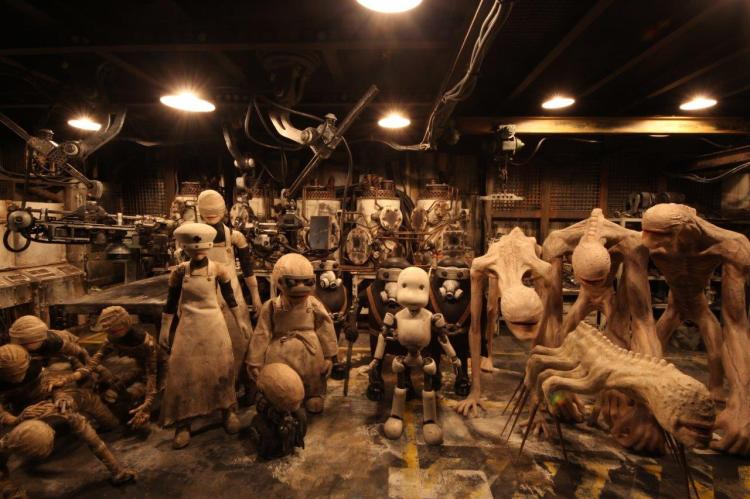 It has been centuries since humanity’s clones rebelled and went to live underground. Now an intrepid band of humans must venture into their world to investigate the the fate of the self exiled creatures in Takahide Hori’s impressive stop motion animation,
  Eiji Uchida’s
 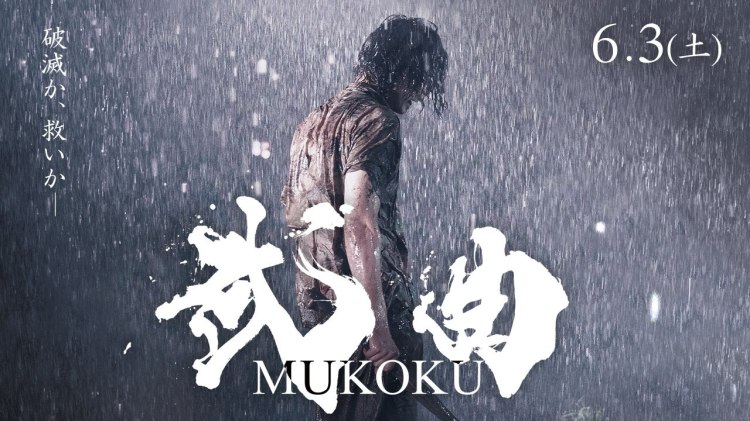 Kazuyoshi Kumakiri (
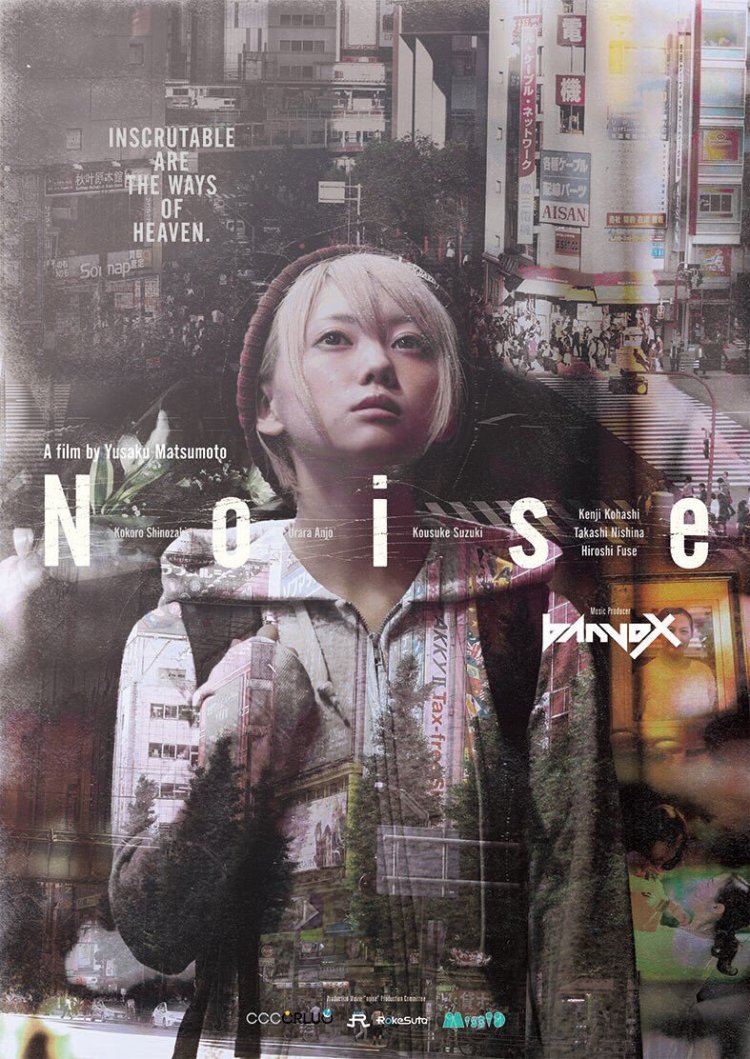 Yusaku Matsumoto’s
  In Junpei Matsumoto’s
  Ordinary housewife Mariko is married to a younger man with whom she has a son, but Tomoharu is often away from home and she is beginning to believe he is having an affair. Meanwhile, her manager harasses her at work and the customers are constantly rude. Under such strains, Mariko’s perception of reality starts to disintegrate in Koji Segawa’s indie drama
  The only non-Japanese East Asian film on offer is Huang Ji & Ryuji Otsuka’s